
My name is Kenichi Ikeda from "Ecological Information." "Ecological Information" is currently seeking the following types of work. Please feel free to contact us. Fees and other details will vary depending on the project, so please contact us via email for details. Providing an estimated budget beforehand would help us consider your request more effectively. Thank you.
- Identification of soil animals, spiders, and terrestrial insects based on specimens and photographs (for research, private sector, and assessment purposes), and preparation of simple reports.
- Assistance with writing ecological papers and literature research.
- Data organization and analysis using Excel, R, and Python.
Environmental assessment work
Currently, I primarily handle environmental assessment-related work in the Kanto and Kansai regions, but I believe I can answer a wide range of questions regarding invertebrate identification. Recently, I've been focusing solely on indoor work.
Biological survey (currently unavailable)
I have experience surveying fireflies, Argentine ants, fire ants, aquatic insects, soil animals, birds of prey, and plants. I also have experience monitoring bird of prey nesting on video. This service is not currently available.
Biological laboratory analysis
Depending on the project, we sort, identify, and count collected specimens. We also handle important species, including those listed on the Red List of Species.
We will identify (specify the name of the organism) the specimen you provide by comparing it with identification literature using a stereomicroscope or biological microscope.
Identification literature includes specialized atlases, as well as matching reference materials and journal identification keys, collected as needed, in both Japanese and English. All materials are digitized, and identification is performed quickly using OCR.
I will quickly determine the classification and scientific name of the organisms using Excel based on the information I obtain, and provide you with a list. I am proficient with computers, so I can easily obtain most of the necessary information.
The determination of species listed on the Ministry of the Environment's or local government's Red Data List, as well as whether they are invasive species, is performed using a custom-developed program using Python and VBA.
We also offer photography services for important species.
Because I collect and database photographs of living organisms and specimens obtained through years of field research and analysis, I have handled more species than anyone else.
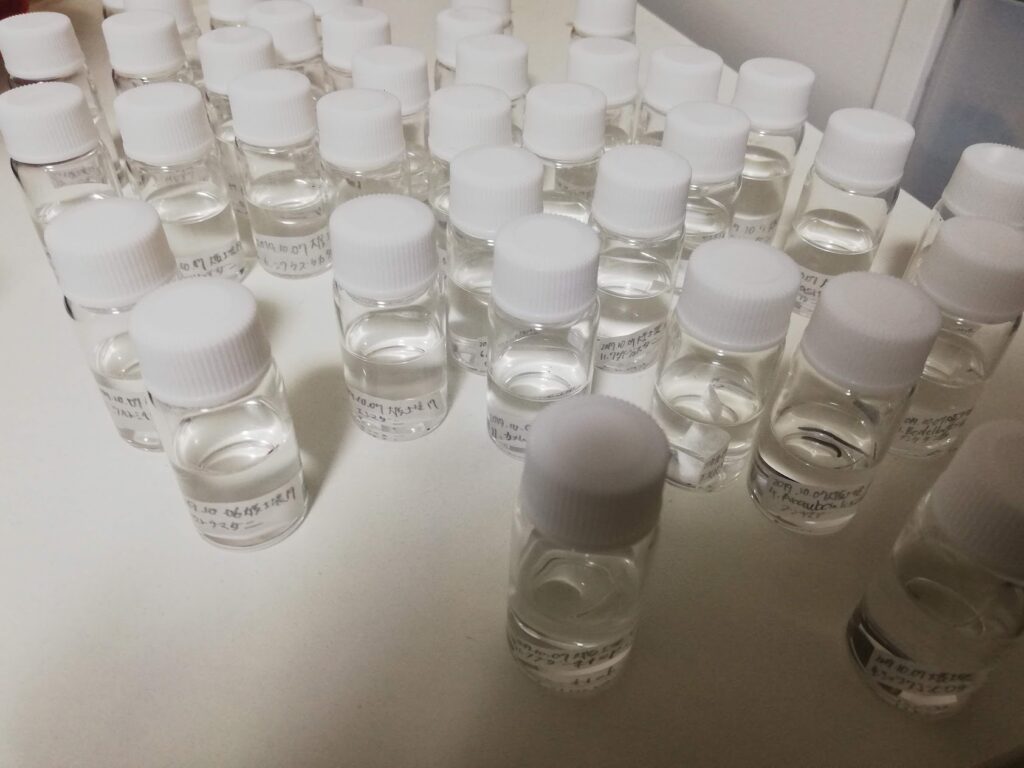
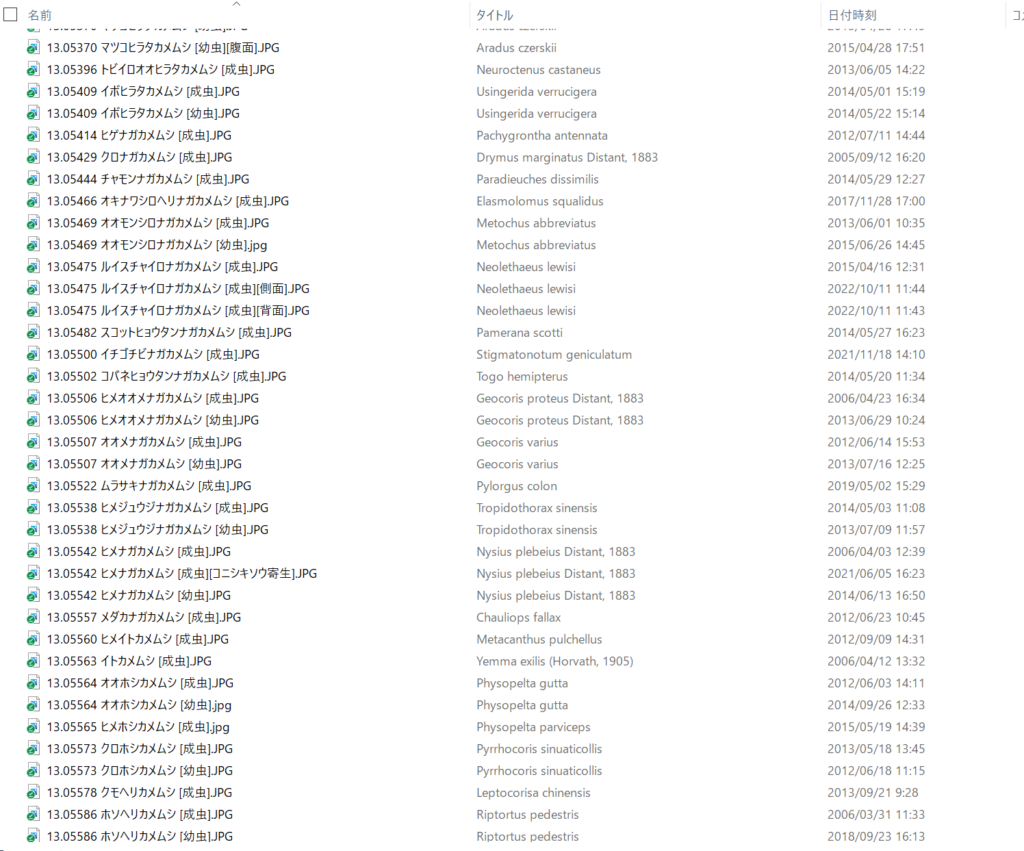
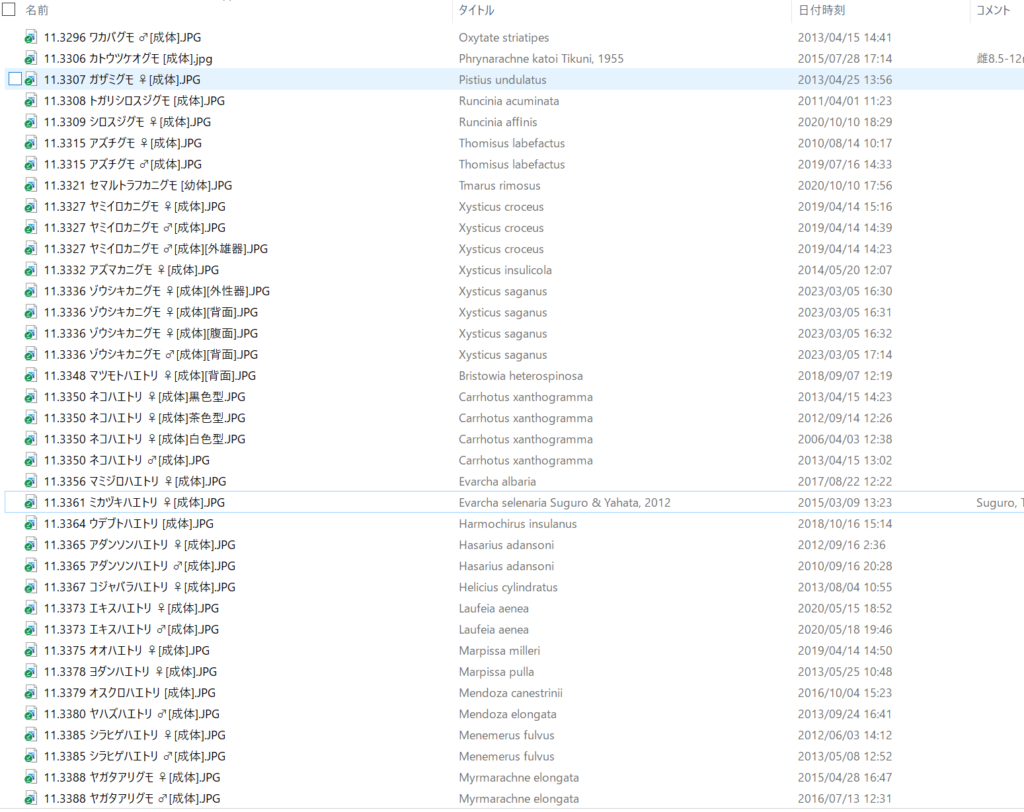
Samples of our analysis work can be viewed below.
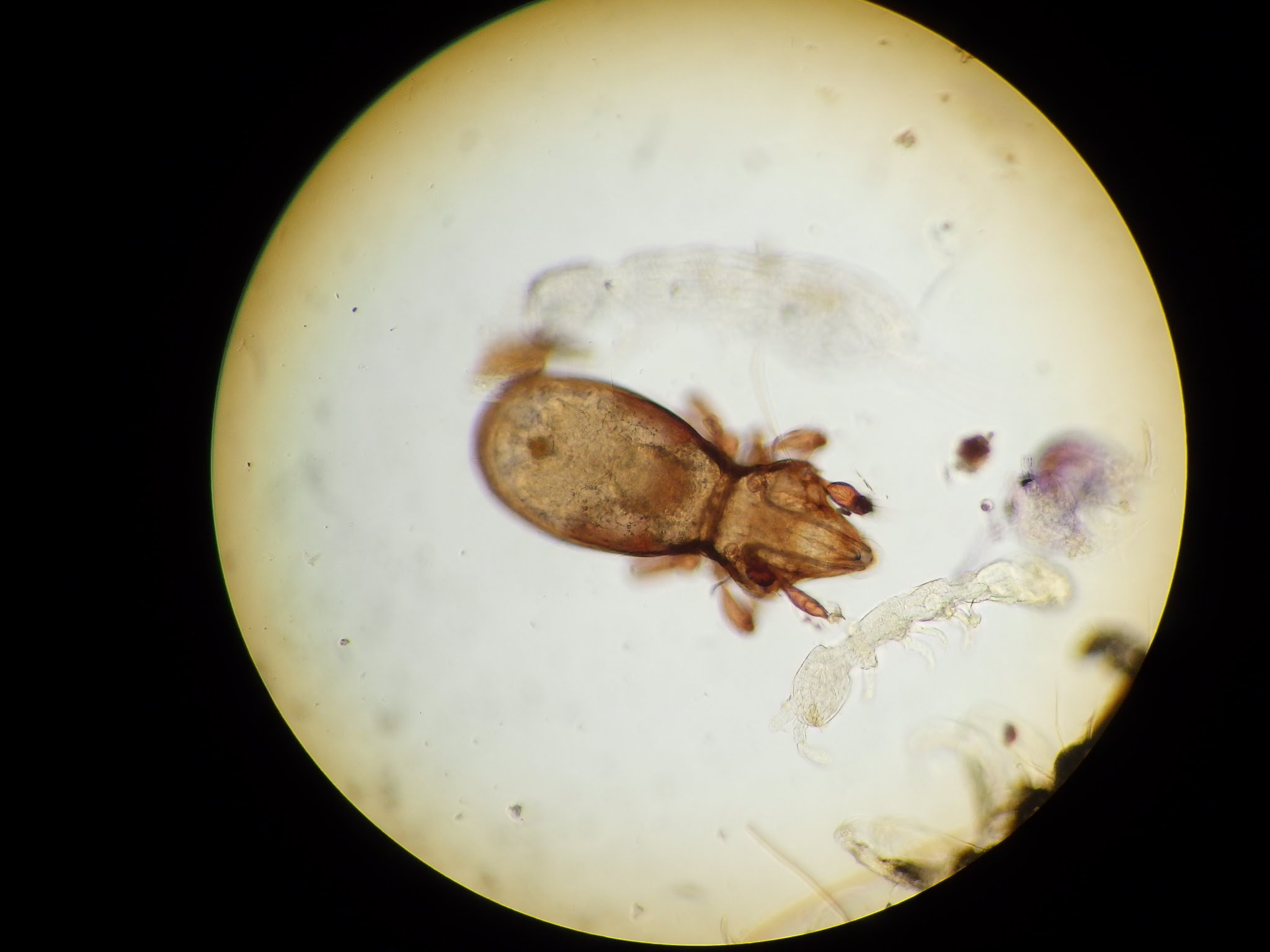
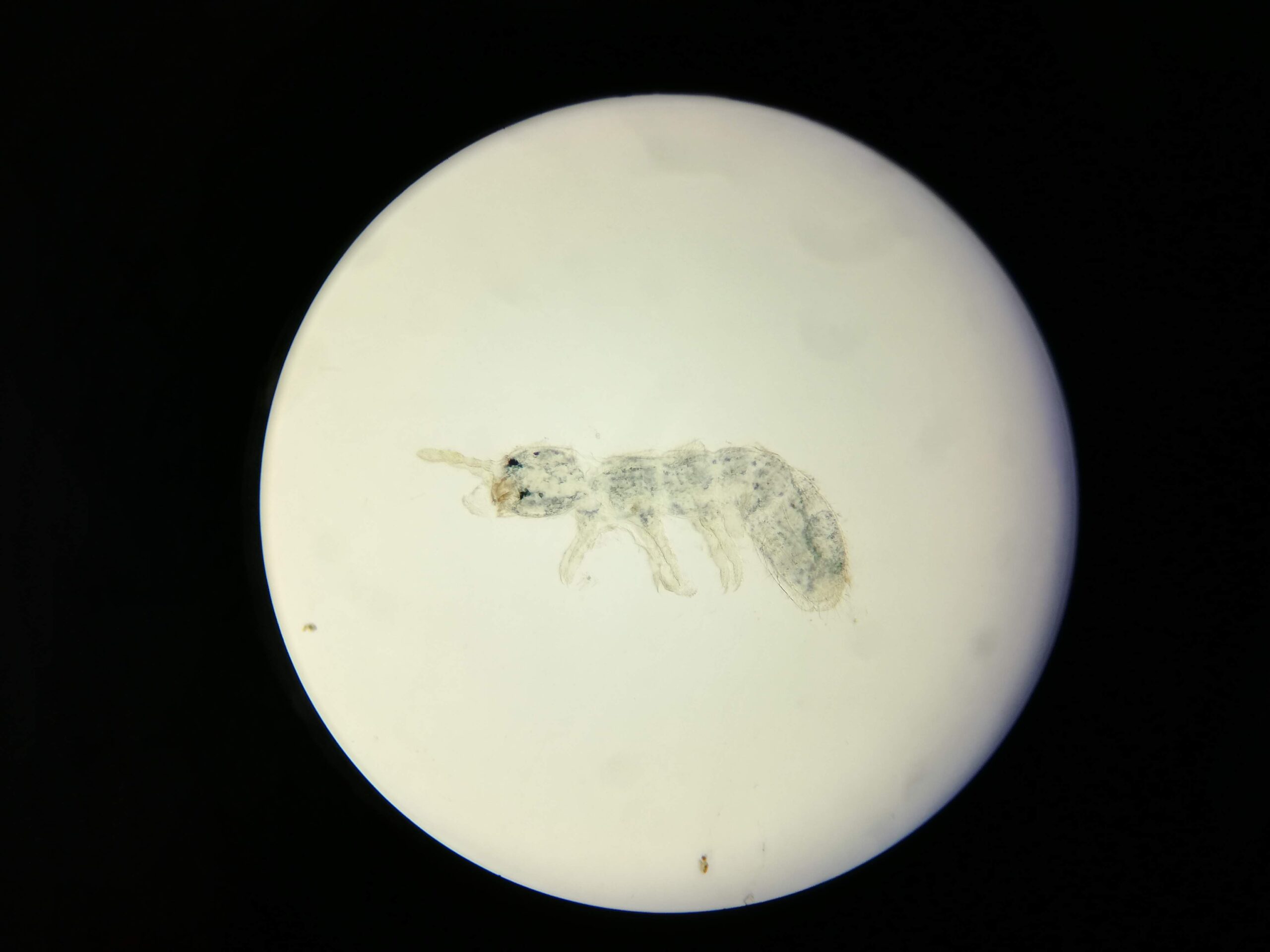
Soil animal analysis
This is my area of expertise. I specialize in medium to large soil animals, and I analyze them using research methods as a reference, such as in "An Invitation to Soil Zoology," and literature such as "Illustrated Key to the Classification of Japanese Soil Animals, Second Edition." Generally, I collect specimens of springtails, orthoptera, beetles (adults and larvae), flies (larvae), ants, pseudoscorpions, mites (including oribatid mites), spiders, myriapods, isopods, terrestrial mollusks, and earthworms, and I can cover all of these down to the species or genus level (though I may not cover all beetles).
Sorting is mostly unnecessary. However, it would be helpful if you could roughly categorize them into groups.
We can also measure the number of individuals. The accuracy of the analysis can be adjusted depending on the project.
Land shellfish analysis
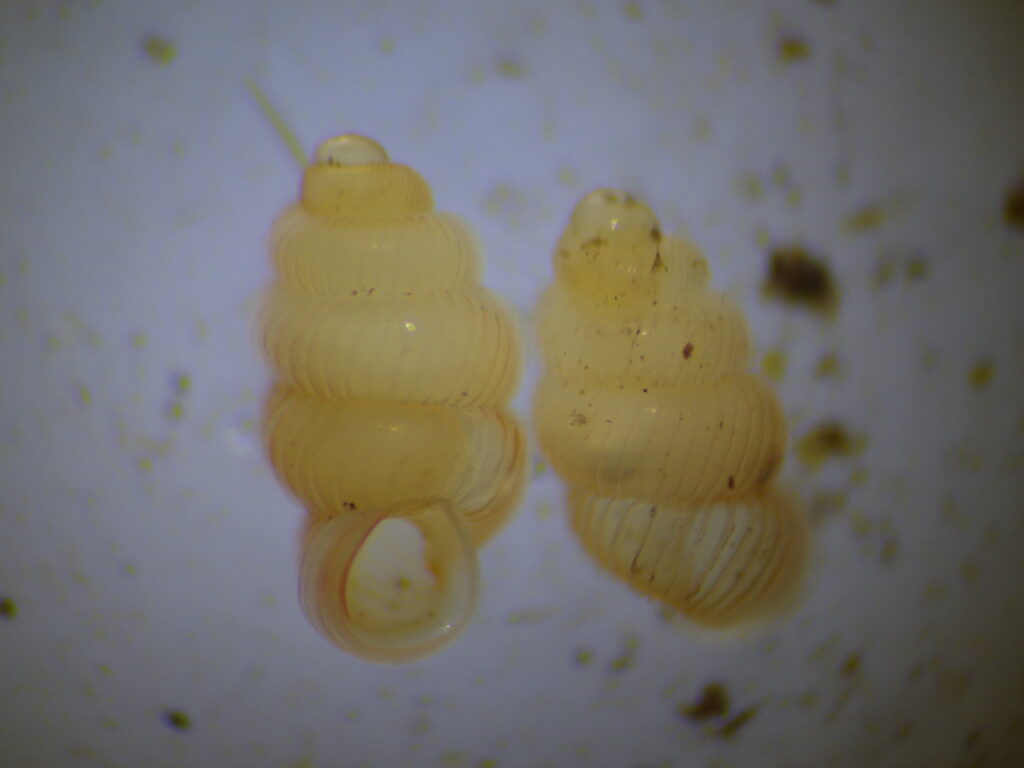
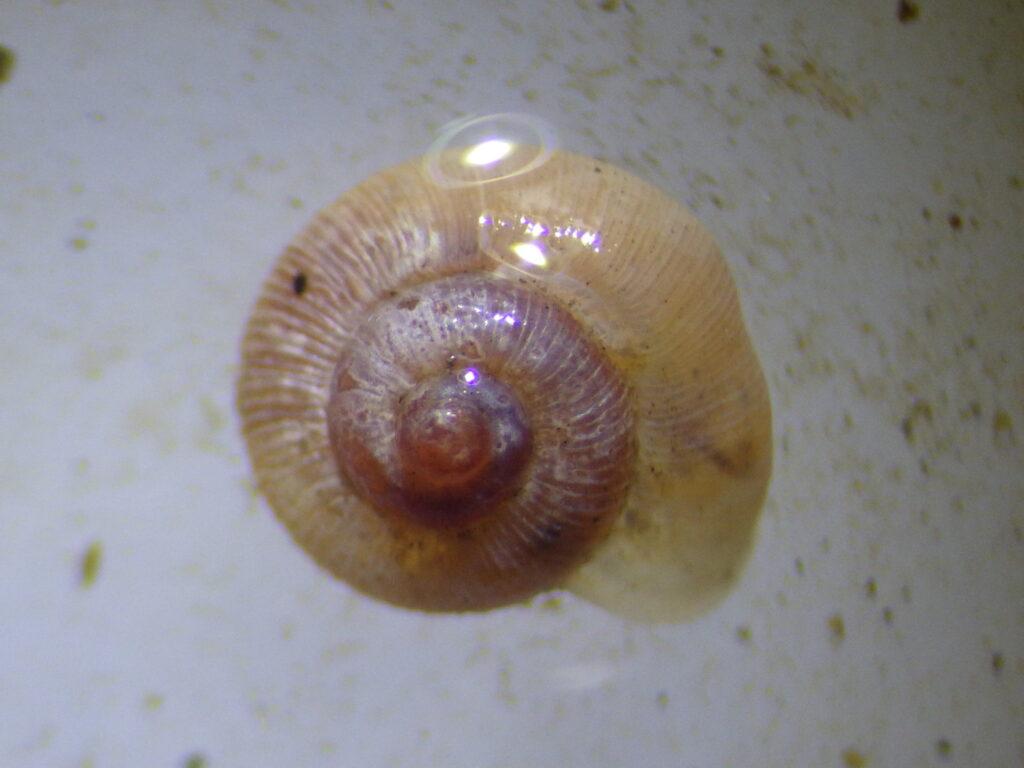
This analysis will be based on "Illustrated Guide to Japanese Terrestrial Mollusks, Revised and Expanded Edition, " "Distribution Atlas of Animals in Japan," " Illustrated Key to the Classification of Soil Animals of Japan, Second Edition," and "Snail Handbook." Due to significant regional variations, detailed investigation of morphological and distribution data is necessary. Molecular phylogenetic analysis has become popular in recent years, leading to a reassessment of classifications and species from an academic perspective.
Spider analysis
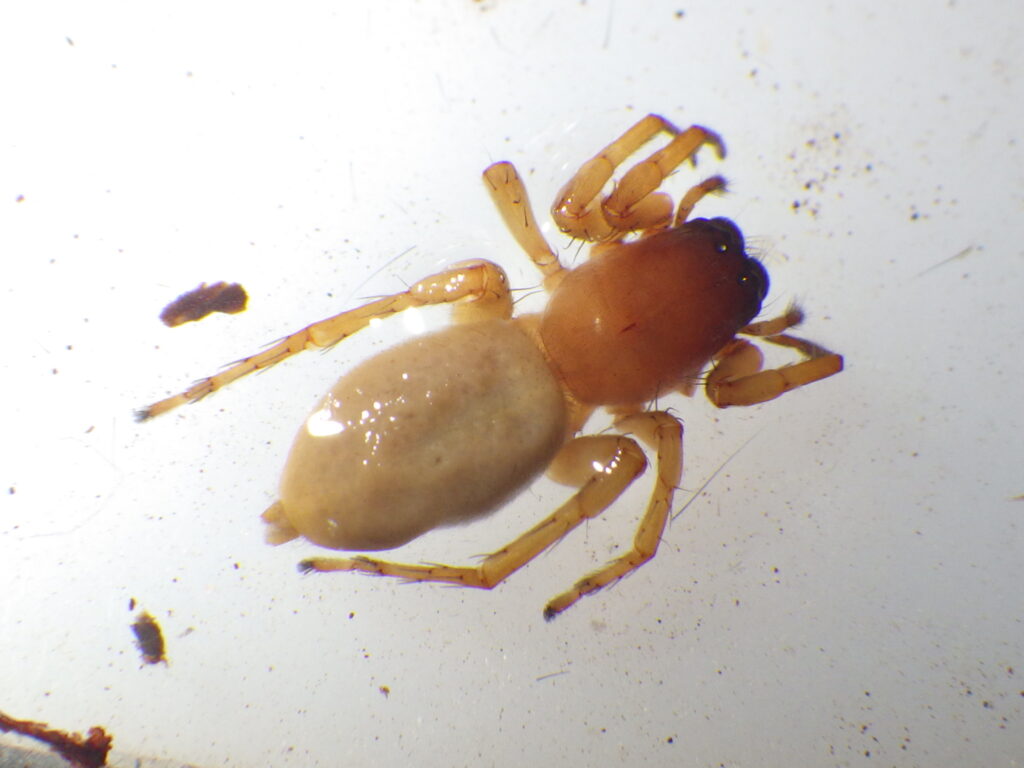
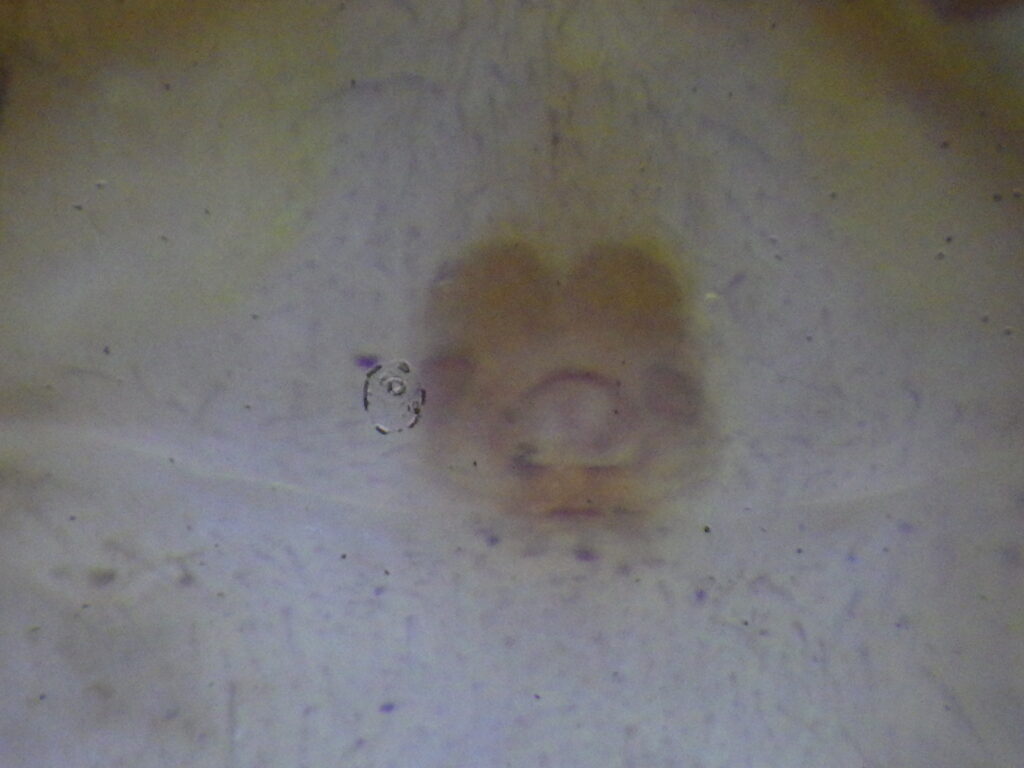
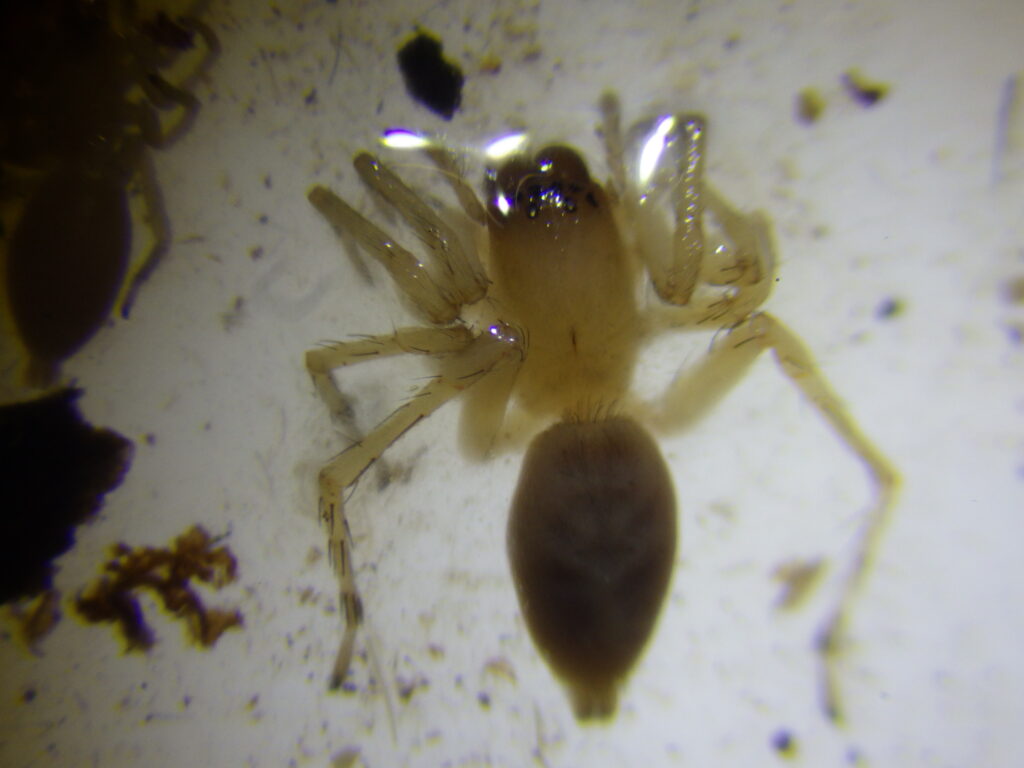
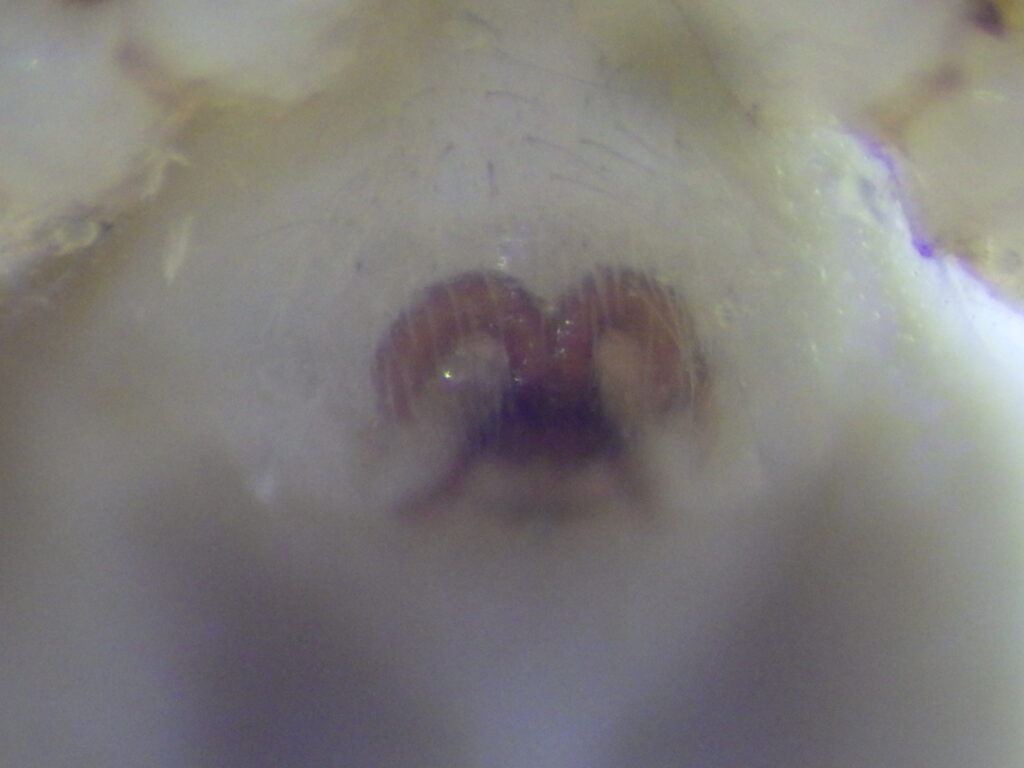
We will analyze the species based on resources such as "Illustrated Guide to Spiders, " "Spiders of Japan," " Illustrated Key to Soil Animals of Japan, Second Edition," and "Jumping Spider Handbook." We will use the identification key and make a final confirmation using the external genitalia. We can handle this without any problems.
Land insect analysis
We can handle many taxonomic groups. Recently, we have also been performing unified identification excluding the Lepidoptera and Coleoptera orders.
Some of the references used can be found below.

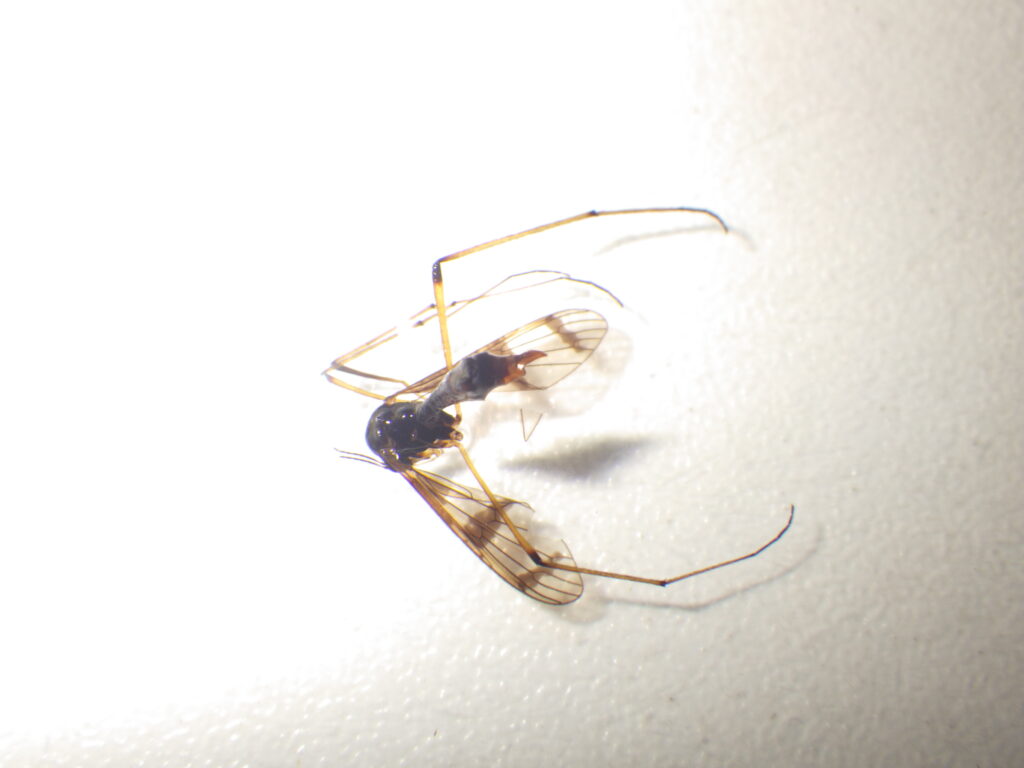
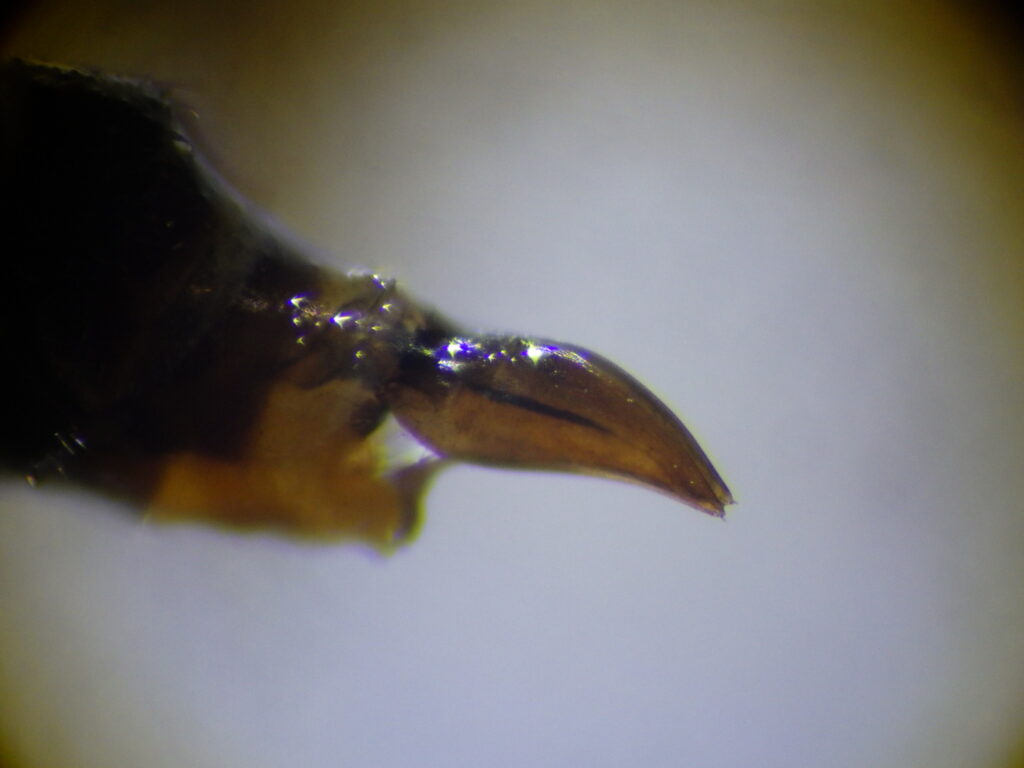
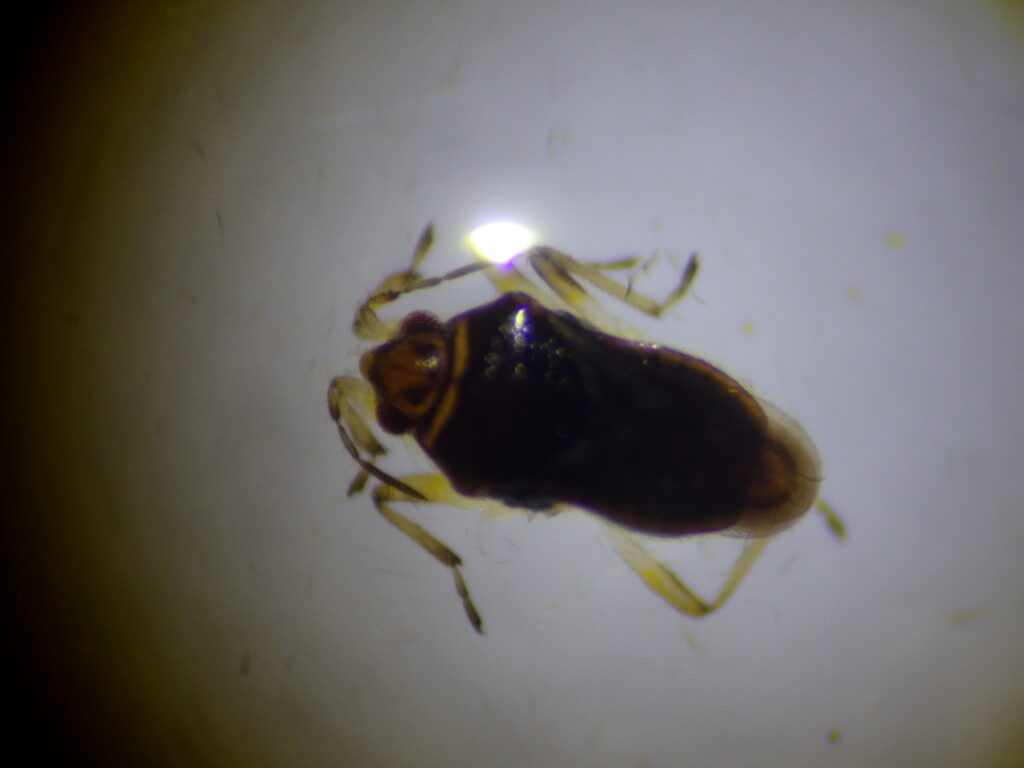
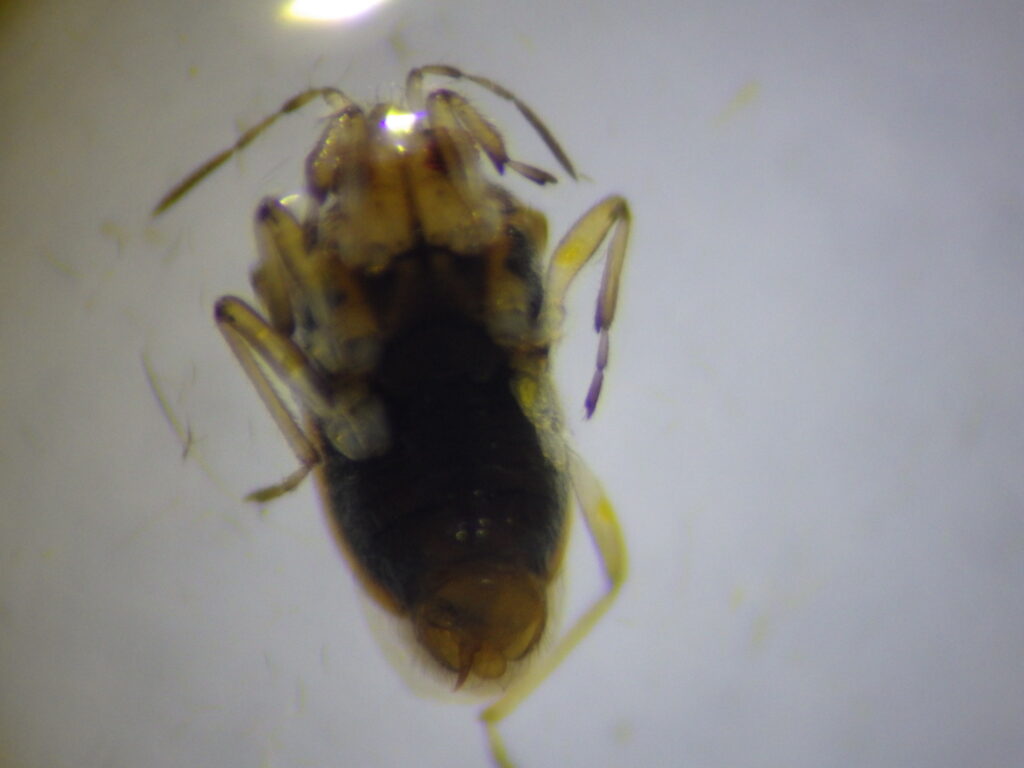
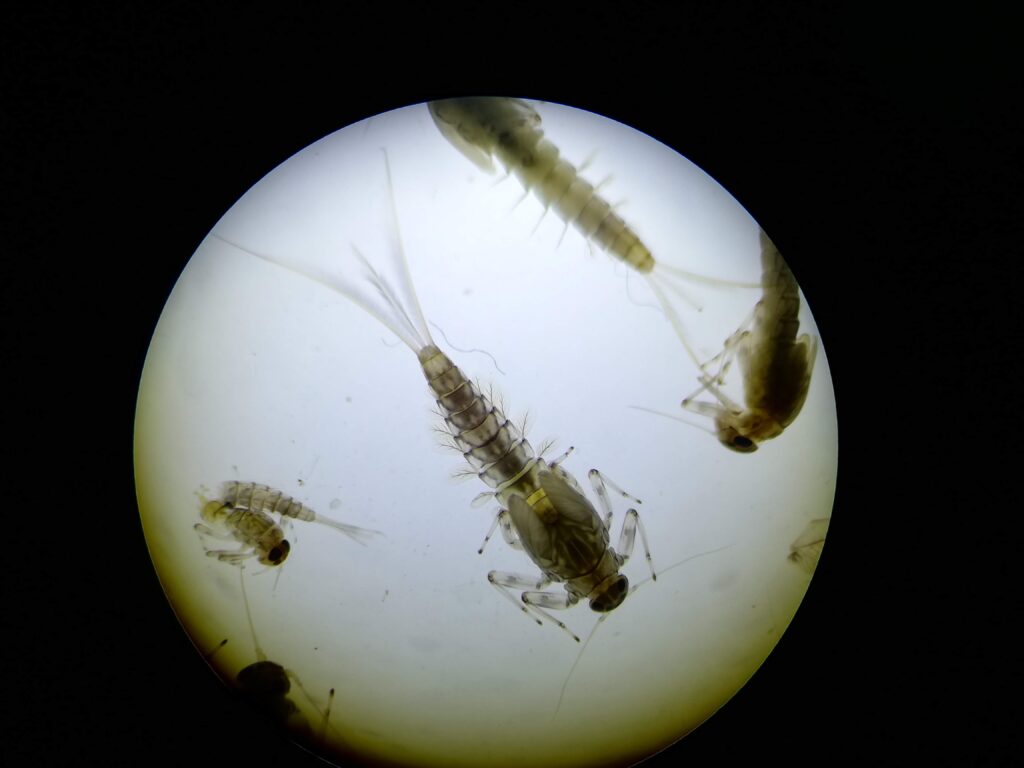
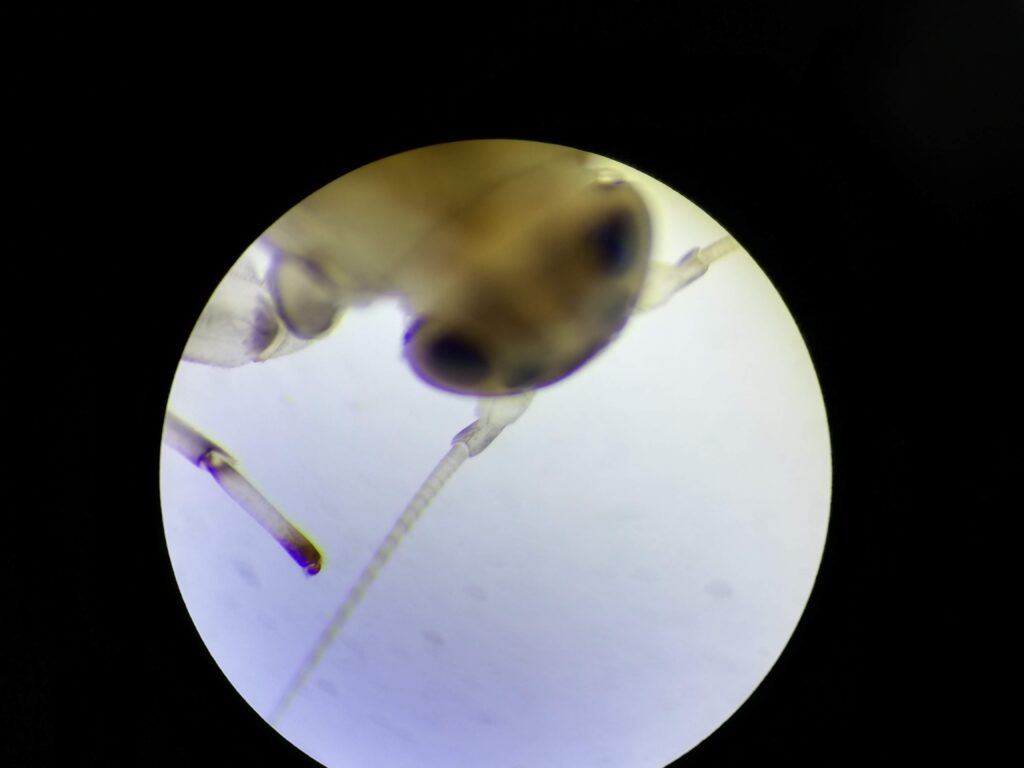
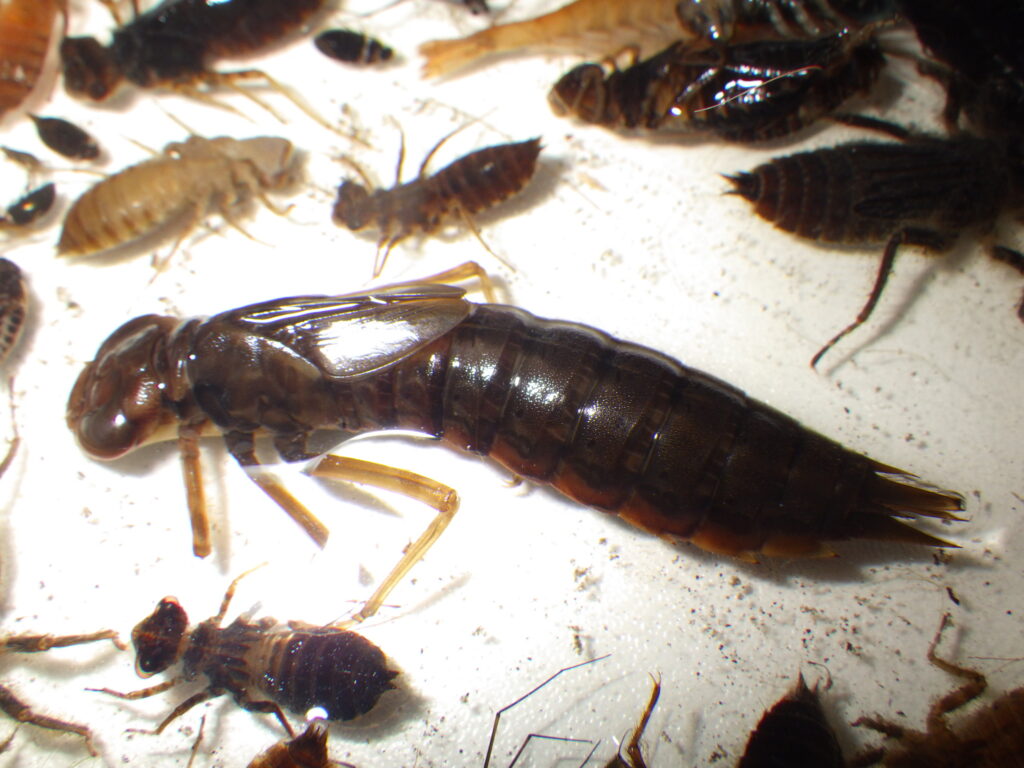
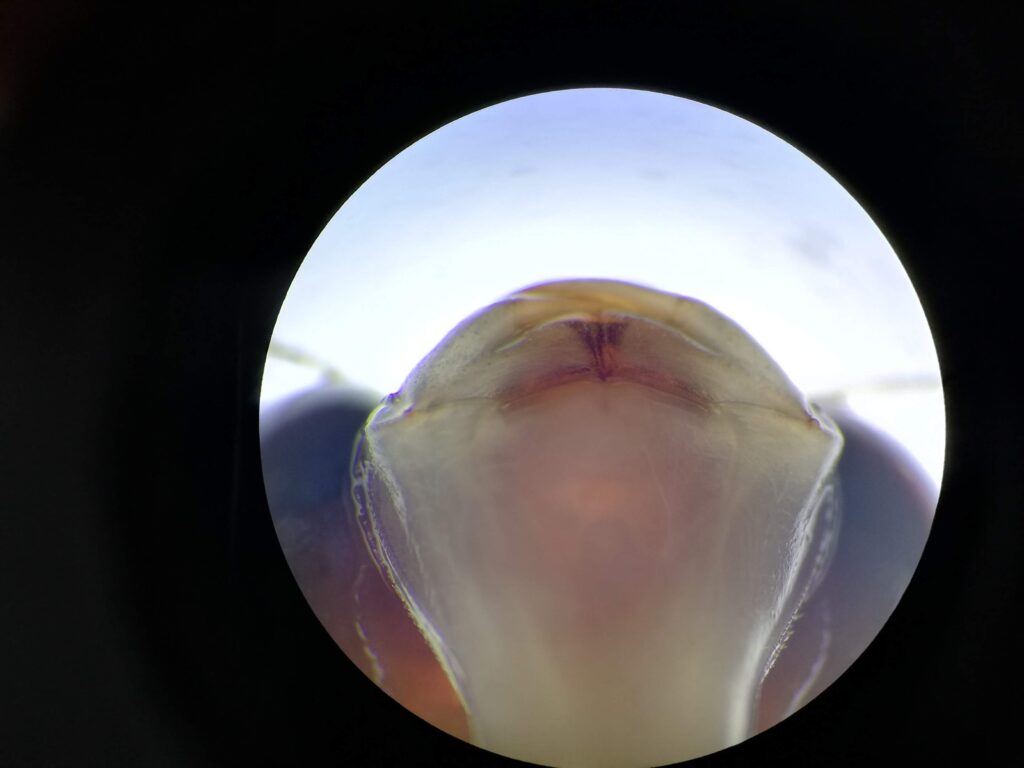
Aquatic insect analysis
The analysis will be based on resources such as "Identification Guide to Japanese Aquatic Insects: Family, Genus, and Species, Second Edition."
Crowd structure analysis
By performing multivariate analysis using species names and population sizes, we can examine the characteristics of a site in more detail. This analysis is possible for many taxonomic groups. While there may not be many examples of this technique, I have knowledge gained from my student days.
You can view the sample below.
Diversity Index Calculation
We calculate the diversity index for each location. The Simpson diversity index and the Shannon diversity index are commonly used.
Analysis using Nonmetric Multidimensional Scaling (NMDS)
This method visually plots the similarity of biological communities between locations in an easy-to-understand manner. While PCA and similar methods were classically used for this purpose, the assumptions of normality and linearity are unsuitable for the analysis of biological communities (Doi and Okamura, 2011), so NMDS is now recommended.
Cluster analysis
Similar locations are grouped into clusters in order. The index used will differ depending on whether the data is presence/absence data or quantitative data, and there are several methods to choose from.
Indicator value analysis
This section presents the results of testing the indicator species for each cluster obtained through cluster analysis. While there is also a two-way indicator species analysis (TWINSPAN) that divides a set of data into successive small groups and classifies them to show the indicator species, some argue that the IndVal method is superior in objectivity (Nakasone, 2009).
Literature search
As you can see from my papers and blog, I specialize in literature research. I make full use of specialized searches on Google Search and Google Scolar to gather information on the organism you specify.
Report preparation
I have experience writing simple reports for assessments. I will discuss what can be learned from the survey data.
Business performance (for some ongoing projects, only the first year is shown)
2017
- Identification of Argentine ant species in traps for control in Sakai City, Takaishi City, and Izumi City, Osaka Prefecture, and Kobe City, Hyogo Prefecture (identification of all ant species).
- Molecular phylogenetic analysis of the leaf butterfly species *Lefua japonica*.
- Preparation of ant specimens for display
- Compiling literature on ants
- Identification of soil fauna in the Osaka Gas experimental housing complex in Osaka City, Osaka Prefecture (spiders, mites, myriapods, beetles, springtails, ants, etc.)
- In the 2017 "Nighttime Wildlife Observation Event - Insect Observation with Light Traps" held in Sakai City, Osaka Prefecture, some species of lepidopterans and other insects were identified.
- Hyogo Prefecture Kobe City commissioned regional environmental plan: Survey to confirm the presence of red imported fire ants and other species in Port Island and other areas.
2018
- Every Tree Survey
- Flora survey in Hachioji City, Tokyo
- Flora survey in Kanaya, Futtsu City, Chiba Prefecture
- Flora survey in Isumi City, Chiba Prefecture
- Field survey and analysis of soil animals in Shintakiyama, Hachioji City, Tokyo (voluntary collection, Tullgren).
- Benthic animal analysis (Hemiptera, Odonata, Mayflies, Diptera, Mollusks) in Hachioji-Nishi, Hachioji City, Tokyo.
- Analysis of benthic animals (Odonata, Coleoptera, Hemiptera, Decapoda, Mollusks) in Akiruno City, Tokyo.
- Kanagawa Prefecture: Field survey, guidance on Tullgren extraction, and soil animal analysis (voluntary sampling, Tullgren).
- Analysis of Araneae (randomly collected specimens) in Jingu Gaien, Shinjuku Ward, Tokyo.
- Soil animal analysis (hand sorting, Tullgren) in Hachioji City, Tokyo.
- Soil animal analysis (hand sorting) in Takanawa, Minato-ku, Tokyo
- Soil animal analysis (Tullgren) in Tachikawa City, Tokyo.
- Soil animal analysis (hand sorting) in Miura City, Kanagawa Prefecture.
2019
- Analysis of video footage of a Northern Goshawk nest in Atsugi City, Tokyo.
- Aranea analysis (randomly collected samples) in Daimaru, Inagi City, Tokyo.
- Analysis of Araneae (randomly collected samples) at Meiji Jingu Shrine, Shibuya Ward, Tokyo.
- Soil animal analysis (hand sorting, Tullgren) in Ome City, Tokyo.
- Spider and soil animal analysis (voluntary collection, Tullgren method) and report preparation in Jingu Gaien, Shinjuku-ku, Tokyo.
- Soil animal analysis in Osaka Prefecture (hand sorting, Tullgren method)
- Soil animal analysis (Tullgren) and statistical data analysis in Minamiyama, Shiroi City, Chiba Prefecture
2020
- Analysis of soil animals, terrestrial mollusks, and arachnids (voluntarily collected specimens) in Haneda, Ota Ward, Tokyo.
- Soil animal analysis (voluntary sampling) in Narita City, Chiba Prefecture.
- Soil animal analysis in eastern Shiga Prefecture (voluntary sampling and bait trapping)
- Soil animal analysis (voluntary sampling and bait trap) in Komatsu, Otsu City, Shiga Prefecture.
- Soil animal analysis (voluntary sampling, Tullgren) in Mt. Rokko, Kobe City, Hyogo Prefecture
- Soil animal analysis (voluntary sampling, Tullgren method) in Yokosuka City, Kanagawa Prefecture.
2021
- Analysis of land snails and arachnids (arachnida) in Kusabana-Nagatabashi, Akiruno City, Tokyo (voluntarily collected).
- Terrestrial insect analysis in Shiga Prefecture (excluding Lepidoptera and Coleoptera, including Odonata, Mayflies, Stoneflies, Grasshoppers, Hymenoptera, Gnathida, Hemiptera, Diptera, Neuroptera, Caddisflies, etc.) (Voluntary collection and light trapping)
- Soil animal analysis (voluntary collection, Tullgren) at the Nature Education Park in Shirokanedai, Minato-ku, Tokyo.
2022
- Idea support and writing of introductions and discussion sections for peer-reviewed papers on insect interactions.
- Soil animal analysis (voluntary sampling, Tullgren method) in Sasebo City, Nagasaki Prefecture
- Soil animal analysis (hand sorting, Tullgren) in Atsugi City, Kanagawa Prefecture.
- Analysis of terrestrial mollusks and myriapods (randomly collected specimens using quadrats) in Futtsu City, Chiba Prefecture.
- Soil animal analysis in Harima Town, Hyogo Prefecture (voluntary sampling, Tullgren method)
2023
- Analysis of myriapods (millipedes and centipedes) in Yokosuka City, Kanagawa Prefecture (voluntarily collected).
- Soil animal analysis excluding terrestrial mollusks, arachnids, and insects (arbitrary collection, bait trap, Tullgren method) in Isehara City, Kanagawa Prefecture.
- Soil animal analysis (voluntary sampling, Tullgren method) at Todorara Green Space, Kawasaki City, Kanagawa Prefecture.
2024
- Soil animal analysis (voluntary sampling) in Miura City, Kanagawa Prefecture.
- Soil animal analysis (voluntary sampling) in Narashino City, Chiba Prefecture.