Amaranthaceae

Sponsored Link
plant

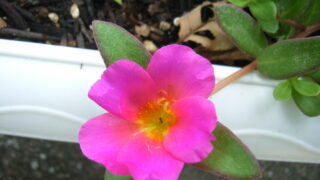
What are the differences between purslane, portulaca, and moss rose? We'll explain how to distinguish between similar species! The secret to their strength lies in the simultaneous use of two special types of photosynthesis!?

Purslane, Portulaca grandiflora, and Portulaca oleracea all belong to the Portulacaceae family and Portulaca genus. Their most distinctive feature is their glossy, succulent leaves. Due to their hardiness, they are cultivated and naturalized in urban areas, especially Portulaca grandiflora and Portulaca oleracea...
plant

What are the differences between Gomphrena globosa (globe amaranth) and Gomphrena globosa (yellow gomphrena)? What are the differences between them and crape myrtle (Lagerstroemia indica), Sanguisorba officinalis (burnet), and white clover (Trifolium repens)? We'll explain how to distinguish between similar species.

Both Gomphrena globosa (globe amaranth) and Gomphrena globosa (yellow globe amaranth) belong to the genus Gomphrena in the Amaranthaceae family. Their bright, almost fluorescent-colored flowers and long flowering periods make them popular ornamental plants frequently planted in gardens. However, the differences between these two species are not well understood...
plant

What are the differences between *Achyranthes japonica* and *Achyranthes bidentata*? An explanation of how to distinguish between similar species.

Both *Achyranthes japonica* (also known as *Achyranthes japonica var. spp.*) and *Achyranthes japonica* belong to the genus *Achyranthes* in the family Amaranthaceae, and are fairly common perennial herbs in Japan. Their most distinctive feature, and one that affects humans the most, is that their fruits are "burrs." Walking along the edge of a forest, they can easily snag your clothes...
plant

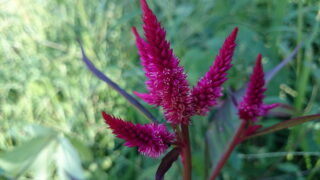
What are the differences between Celosia and Celosia argentea? What are the differences between Celosia argentea and Celosia japonica? We'll explain how to distinguish between similar species.

Celosia and wild celosia are both annual plants belonging to the Celosia genus of the Amaranthaceae family, cultivated for food and ornamental purposes. Their spike-like inflorescences are sometimes likened to blazing flames. The Japanese name "Keito" (鶏頭) comes from the fact that some inflorescences grow large enough to resemble a rooster's comb. However, celosia and wild celosia...
Sponsored Link