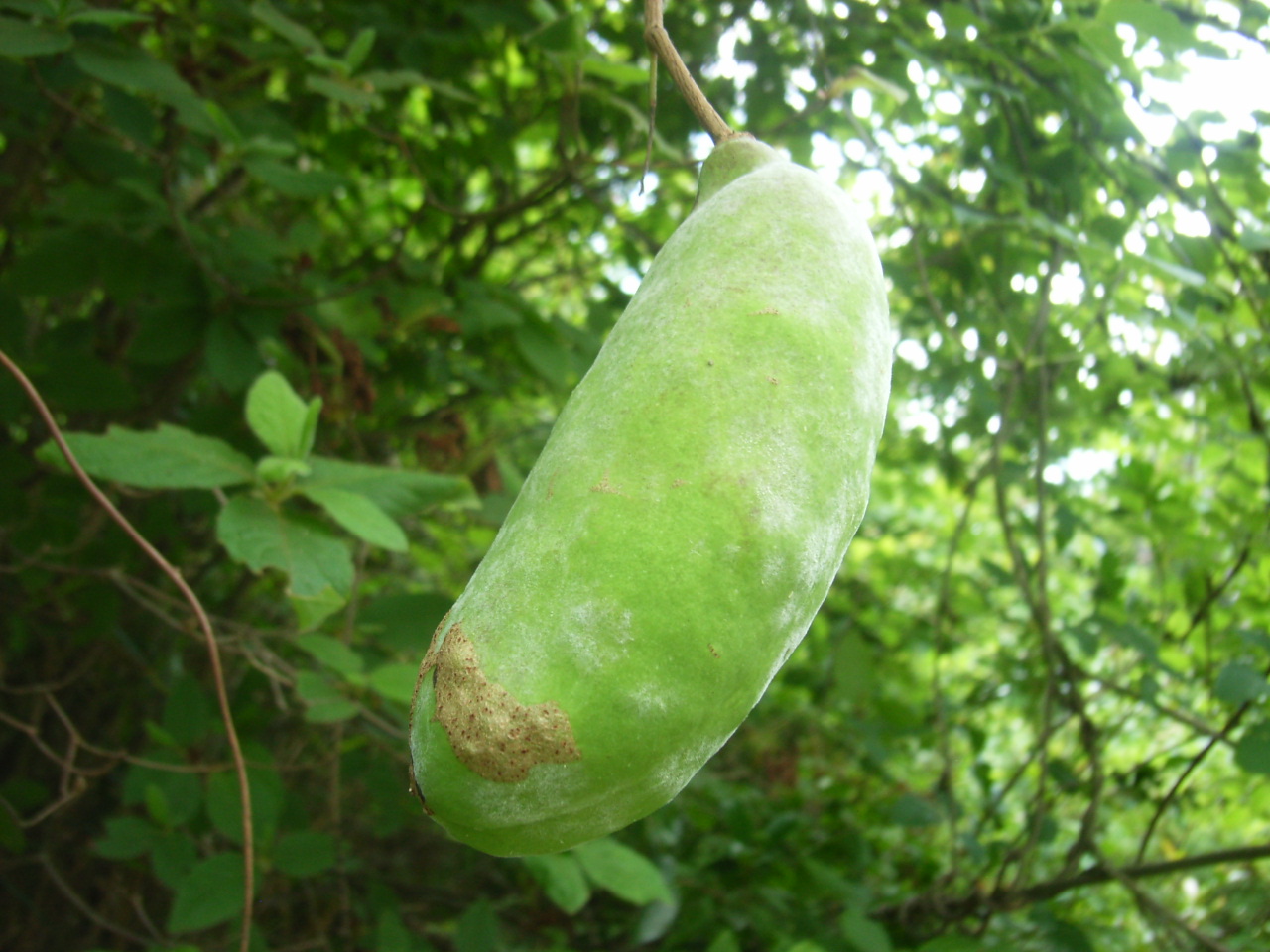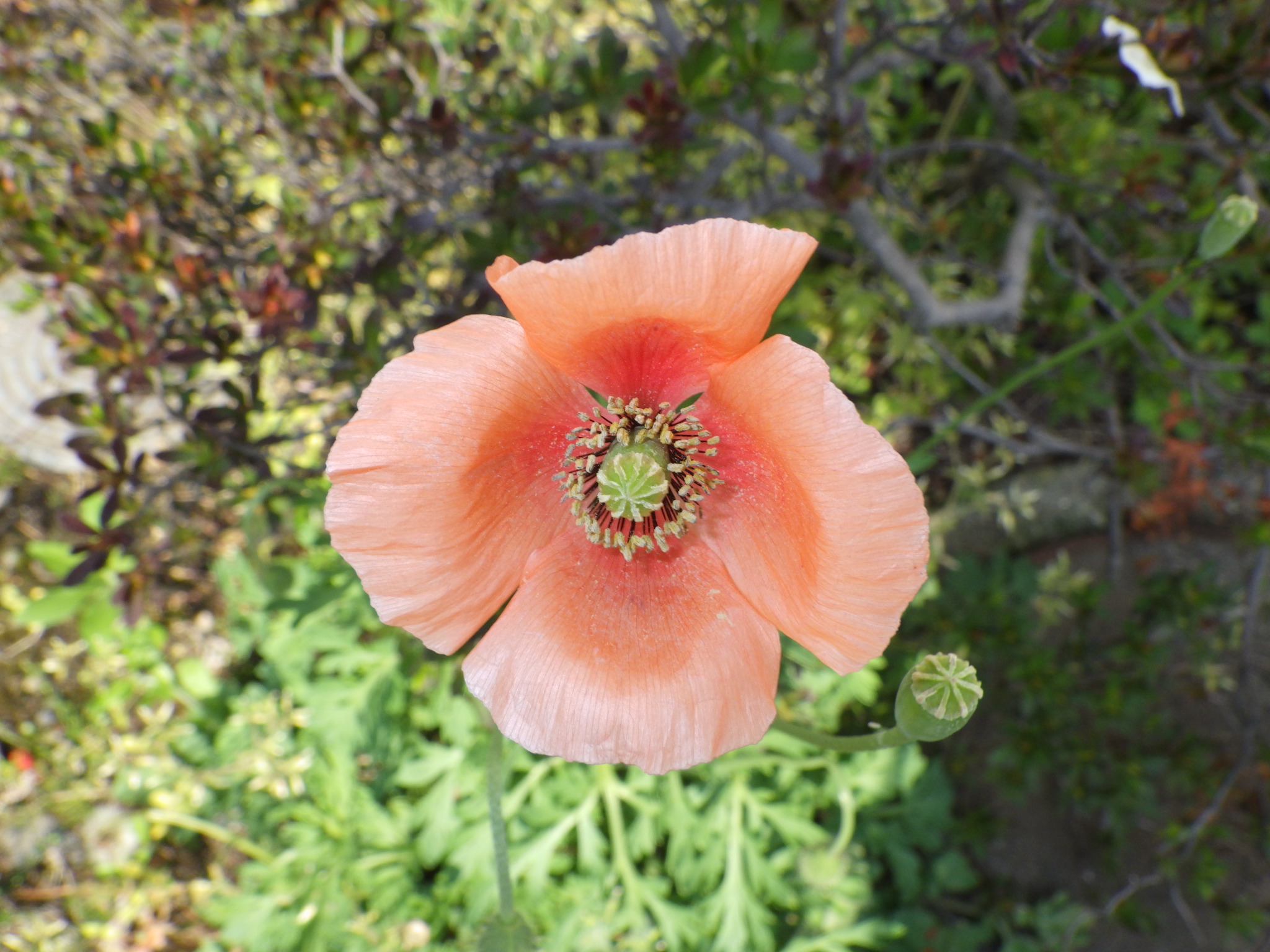
The Papaveraceae family consists of herbaceous plants whose stems and leaves are often covered in a powdery white substance, and which release a milky white or orange-yellow sap when the stem is broken. The leaves are alternate, pinnately lobed or pinnately compound, sometimes simple, and lack stipules. The flowers are bisexual, radially symmetrical, or bilaterally symmetrical. The sepals are 2-4 in number, free, deciduous, or persistent. The petals are usually 4 in number. The ovary is superior and has 1-8 lobes. The placenta is paramembrane. The fruit is either an indehiscent nut or a capsule that splits into lobes or has holes (perforated capsule) to scatter the seeds. Approximately 40 genera and 800 species are known, found in the tropical to subarctic regions of the Northern Hemisphere.
This article provides a comprehensive, field guide-style introduction to plants belonging to the poppy family.
The basic information is based on the Kanagawa Prefecture Flora Survey Association (2018). Photos are replaced as better ones become available. While the identification is done by the author, please note that misidentifications may be corrected without notice.
- No.1128.a White Thistle Papaver (Argemone hispida)
- No.1132.a Siberian poppy (Papaver nudicaule)
- No.1132.b Papaver dubium subsp. dubium
- No.1132.c Papaver dubium subsp. lecoqii
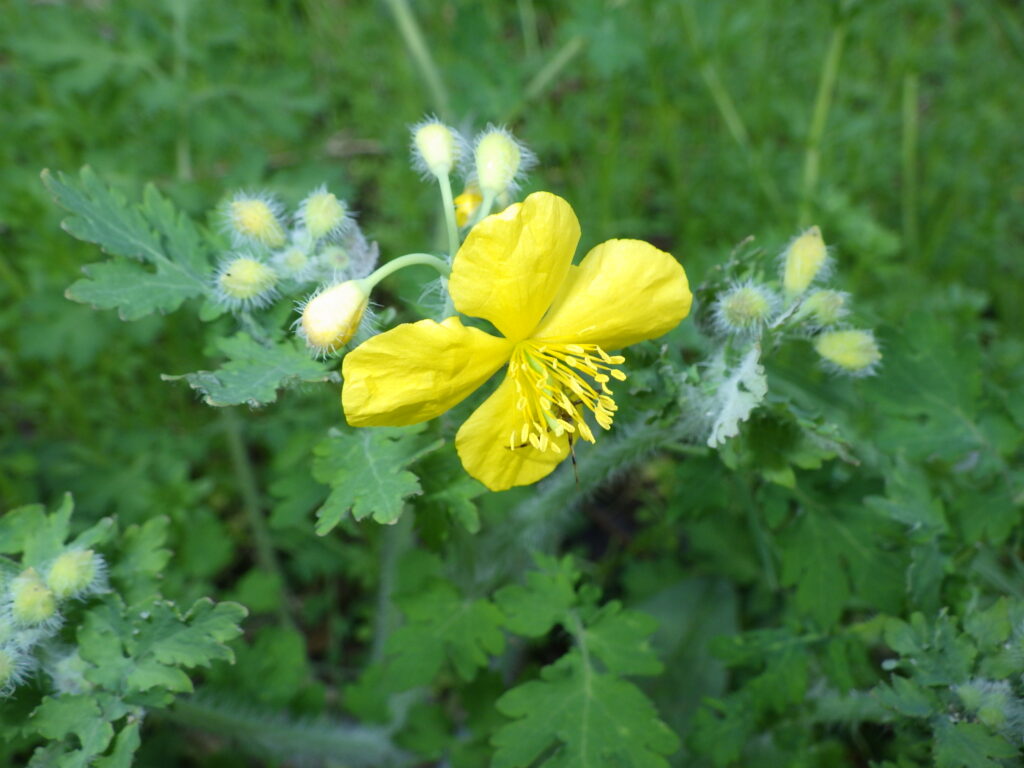
- No.1133 Chelidonium majus subsp. asiaticum
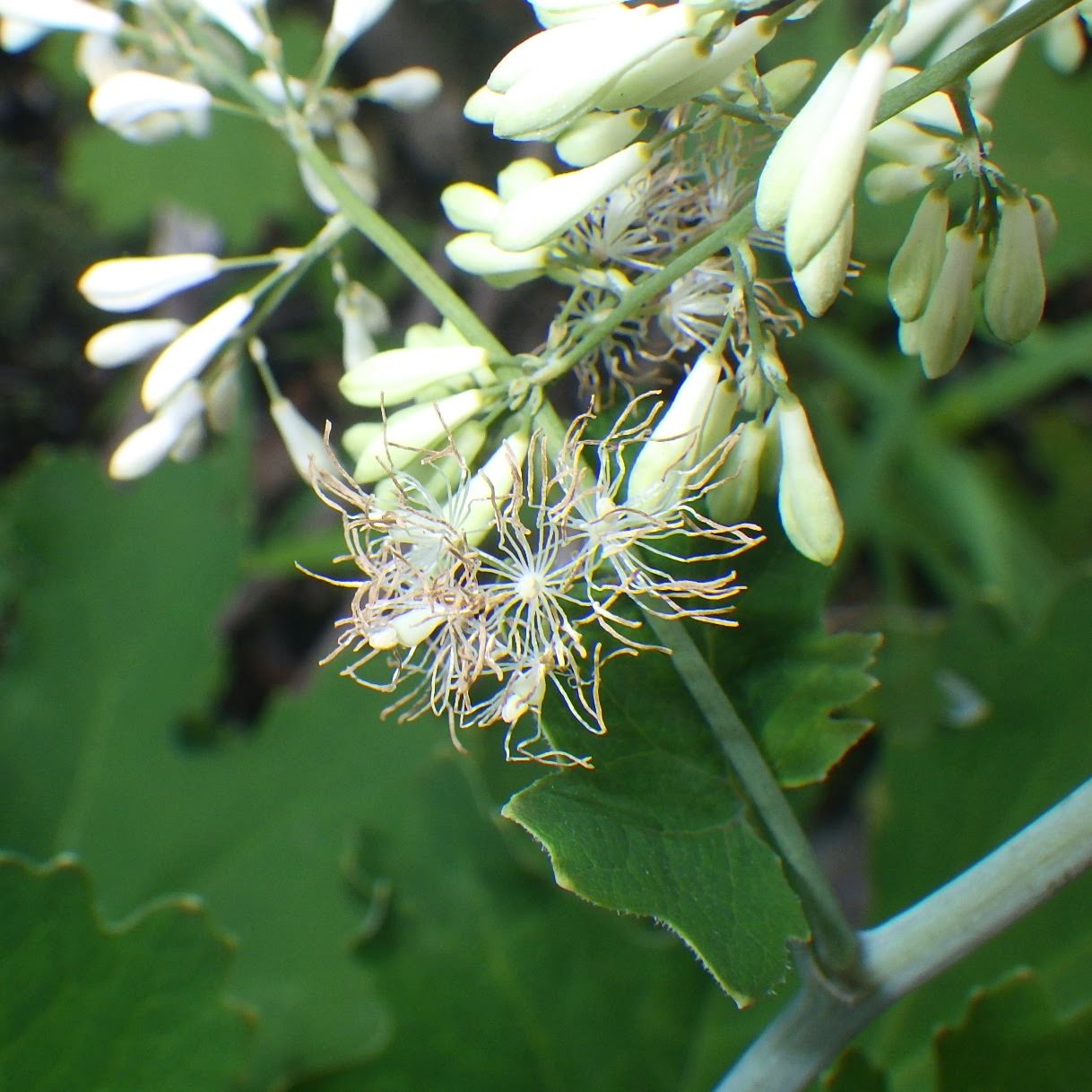
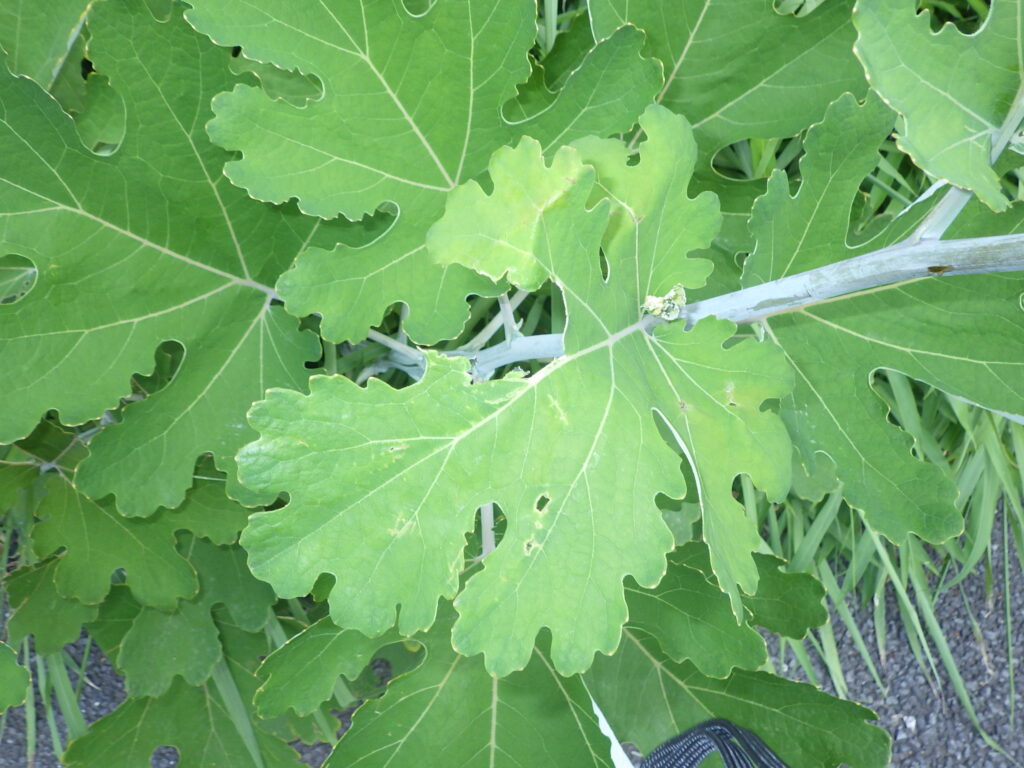
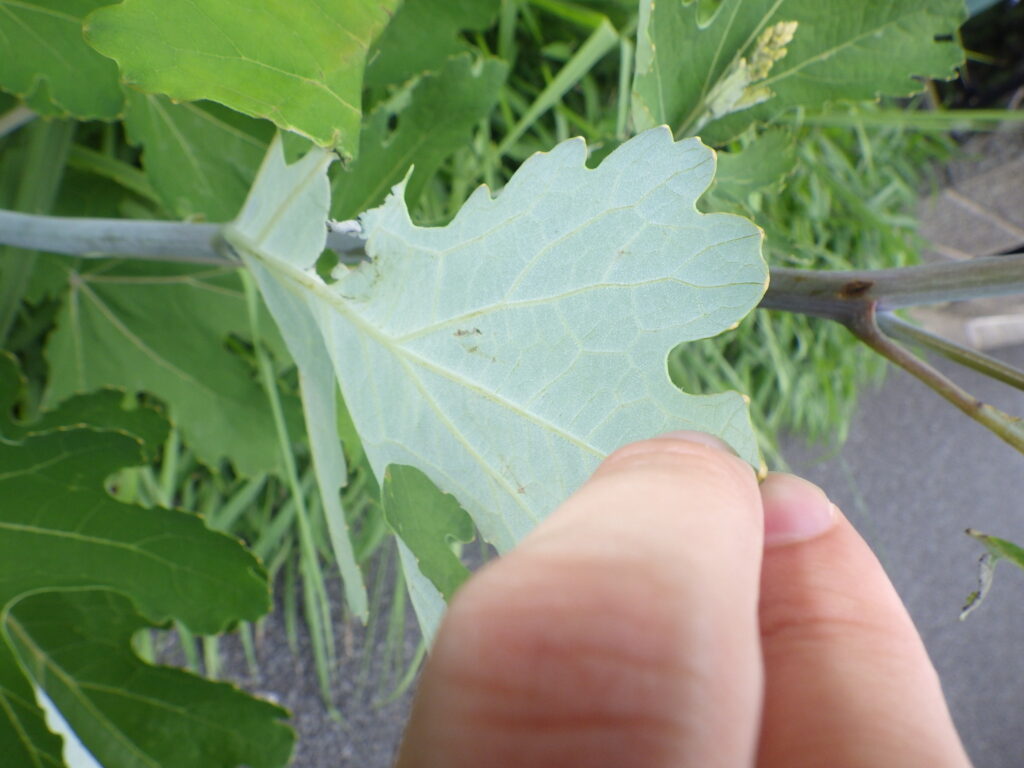
- No. 1138 Macleaya cordata
- No. 1140 Dicentra peregrina
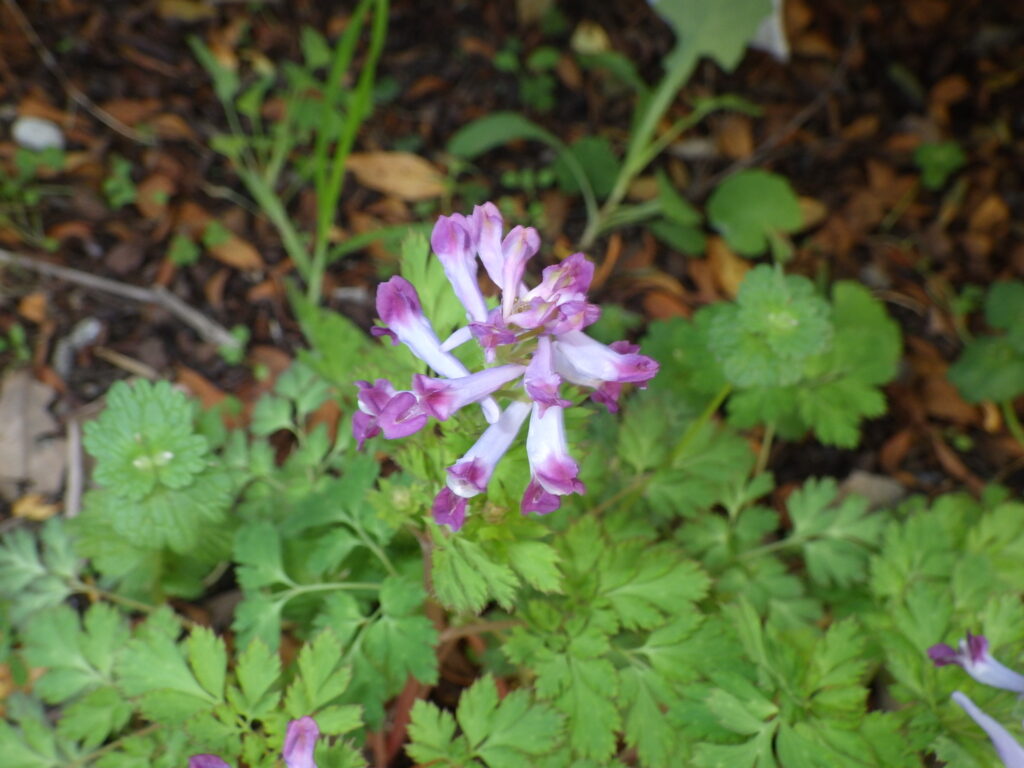
- No. 1143 Corydalis incisa
- No.1143.1 Corydalis incisa
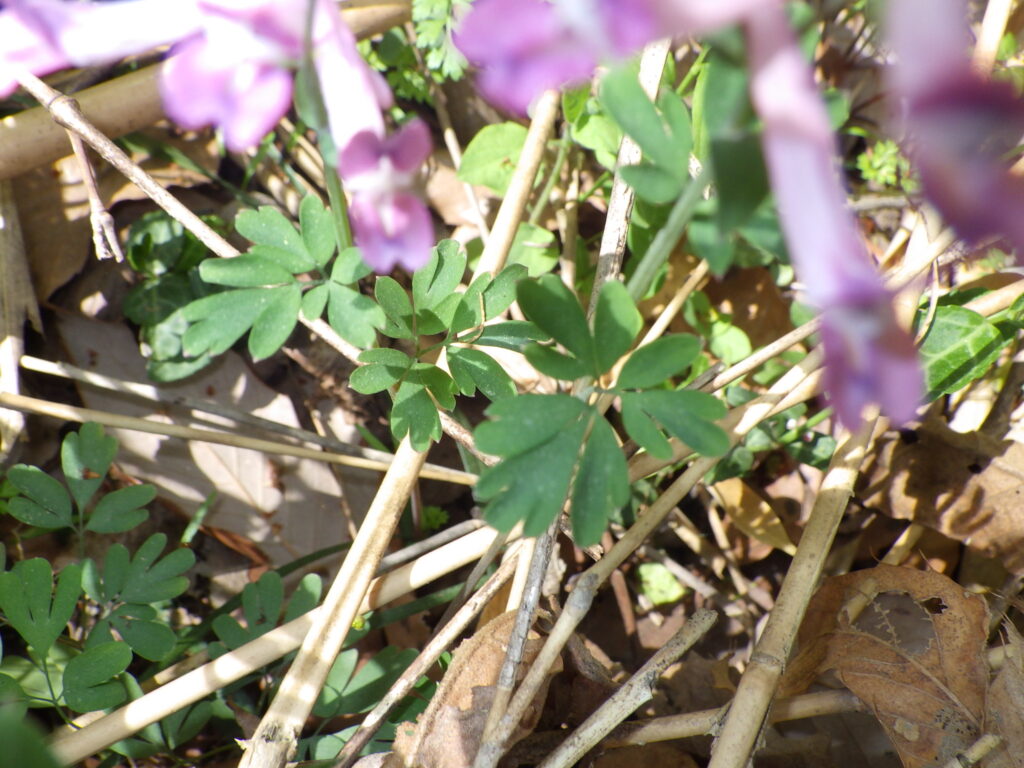
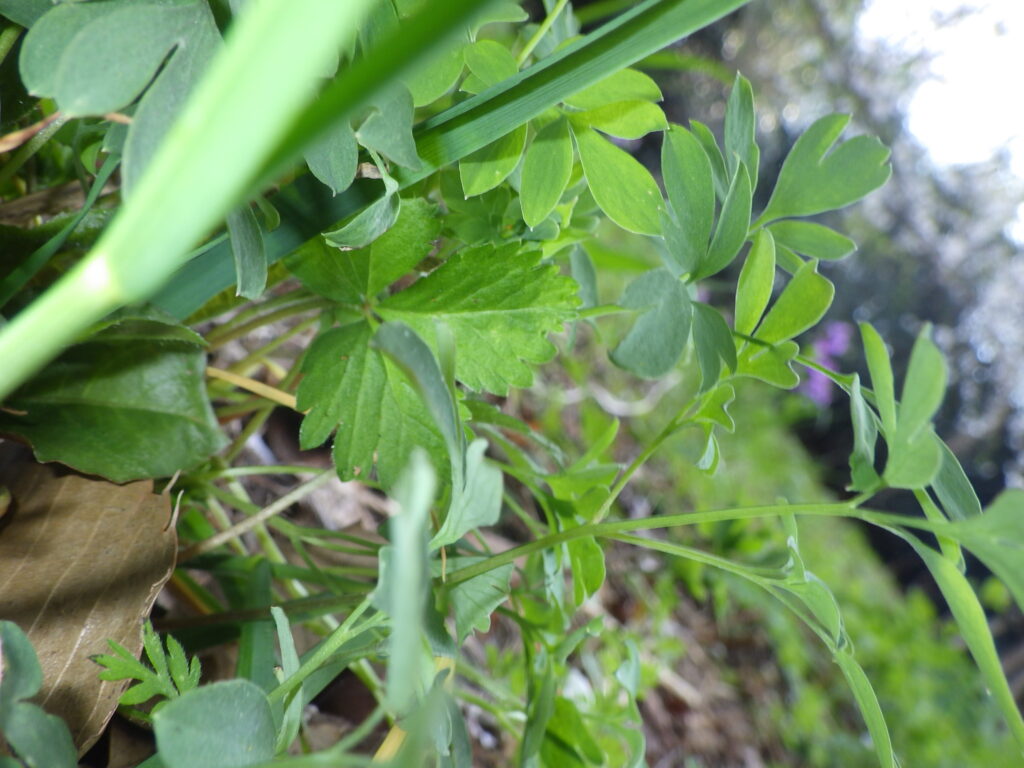
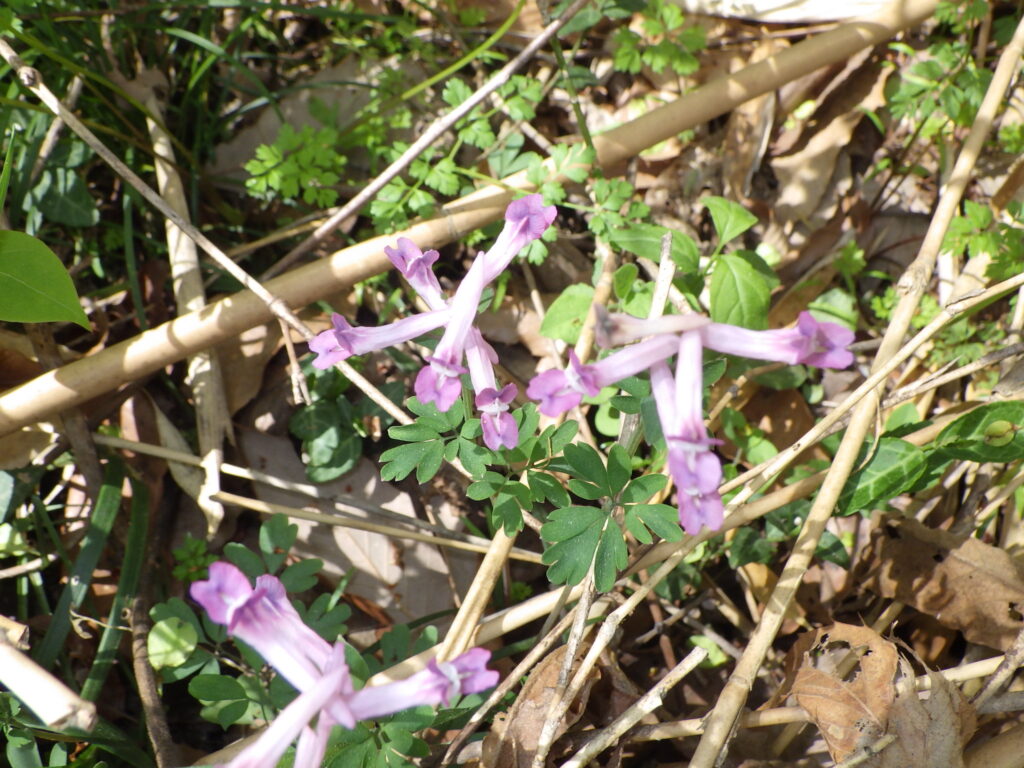
- No. 1144 Corydalis decumbens
- References
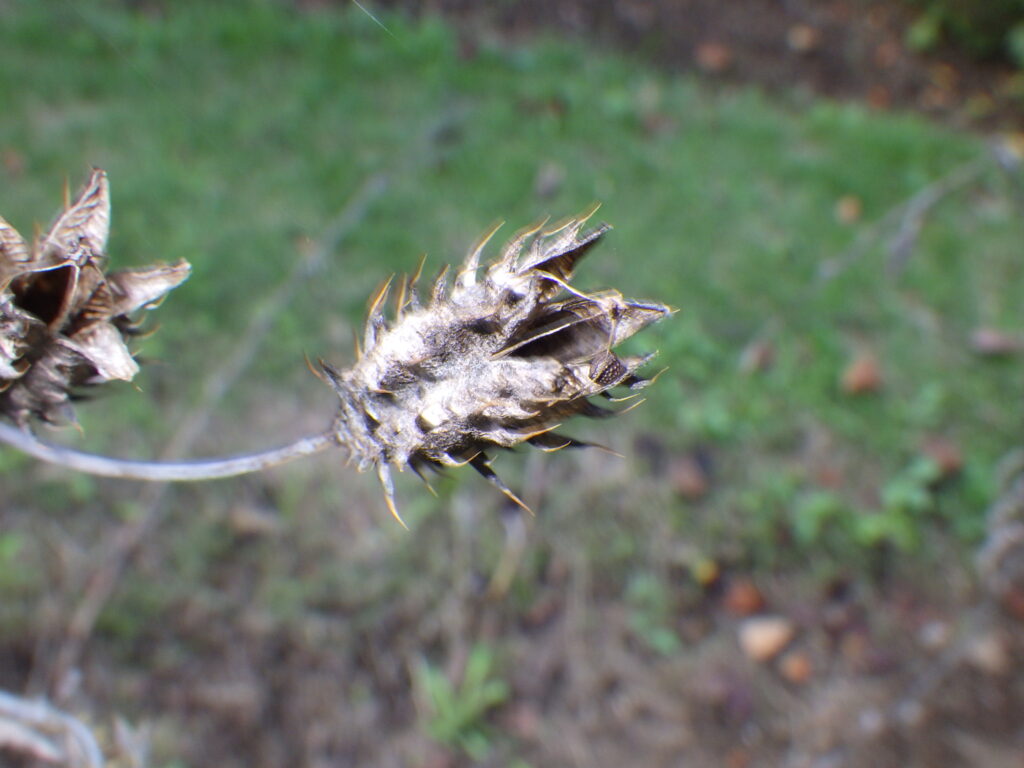
No.1128.a White Thistle Papaver (Argemone hispida)
Perennial (Flora of North America). Stems are 30-60 cm tall, densely covered with spiny projections, and have a crisp texture. Leaf blades: The upper surface has sparse or dense spiny projections between the veins; the abaxial surface (lower side of the leaf) has dense spiny projections on most of the midrib and main vein, while the adaxial surface (upper side of the leaf) has fewer spiny projections. Flowering occurs from spring to summer. The calyx is oblong, 16-20 x 14-18 mm, spiny and hair-like. The corners of the sepals are 4-7 mm, spiny, and the spines at the tips are flat and hard. Flowers are 7-10 cm wide, with white petals, more than 150 stamens, pale yellow filaments, and 3-4 pistils arranged in a spike. Fruiting occurs from summer to autumn. The capsule is oval, 30-40 x 12-18 mm (including stalk, excluding projections), with dense projections, an indistinct surface, and the longest projections erect or curved, about 5 mm long. The seeds are about 2.5 mm. It is native to the Laramie and Rocky Mountains of North America, inhabiting grasslands, slopes, and eastern hilly areas at elevations of 1400-2100 m. In Japan, it is rarely cultivated as an ornamental plant.
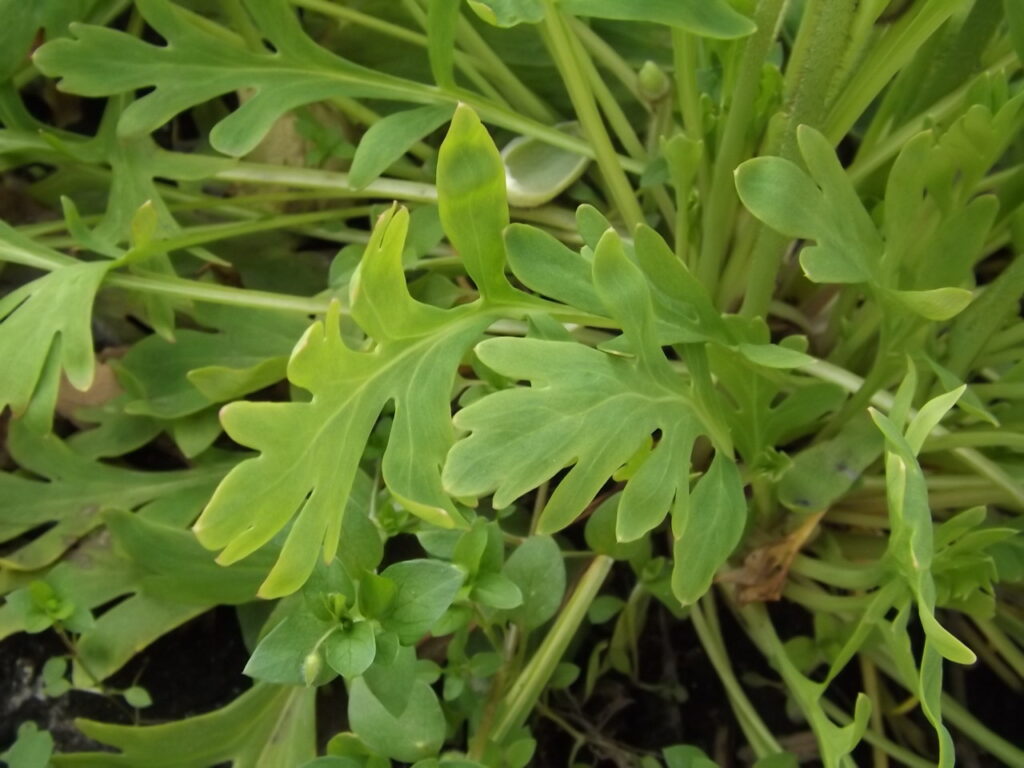
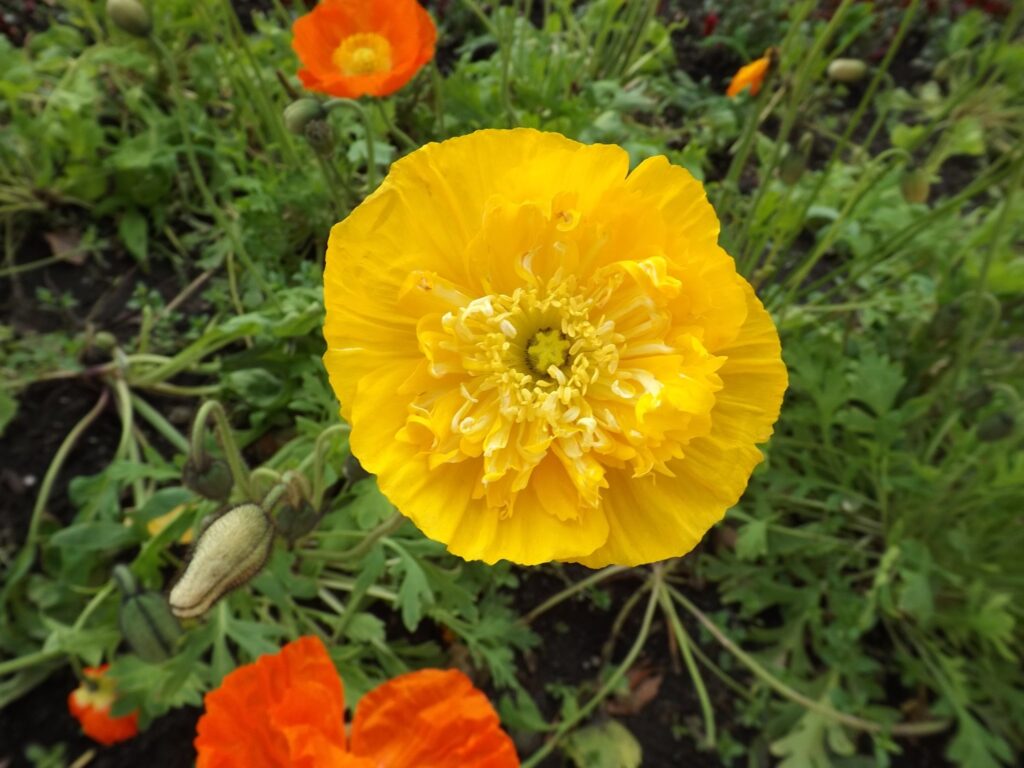
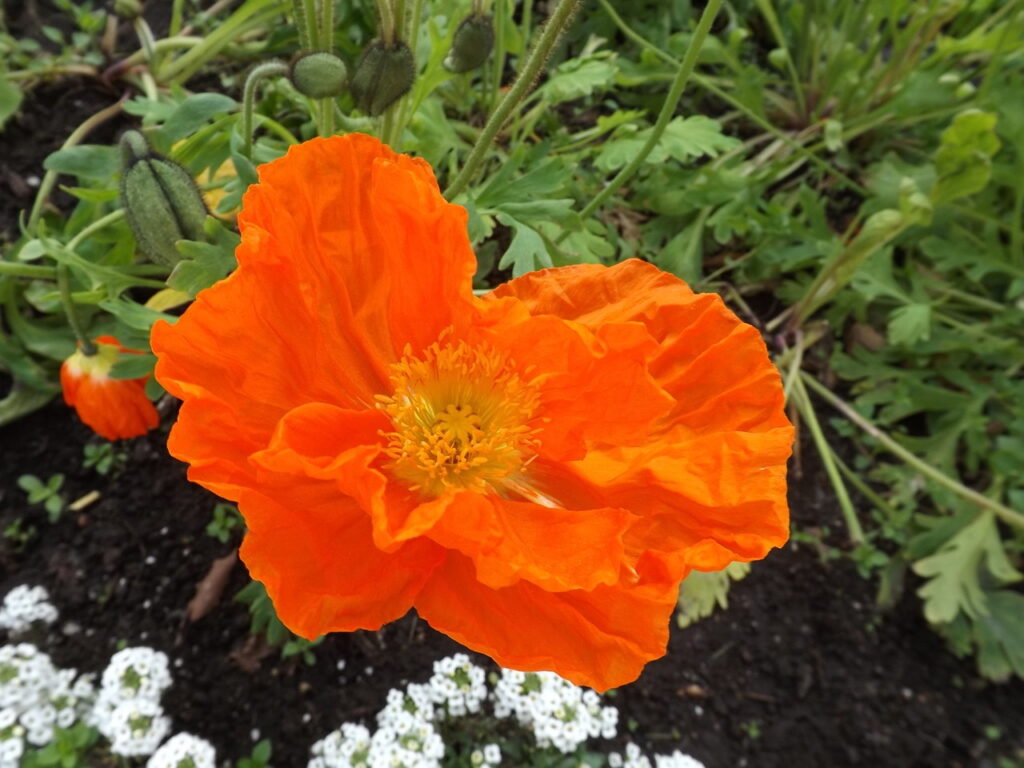
No.1132.a Siberian poppy (Papaver nudicaule)
This is a perennial herb, although it is not heat-tolerant and is treated as an annual in Japan when sown in autumn (Flora of China). It grows to a height of 20-60 cm and is highly variable. The taproot is cylindrical, growing well, with the upper part being 2-5 mm in diameter, acuminate or fusiform. The rhizome is short, thick, and usually unbranched. The stem is very short or seemingly absent. The leaves are clustered, all basal, with petioles (1-)5-12 cm long, spreading at the base to form a sheath, and covered with oblique bristles. The leaf blade is slightly powdery white on both sides, ovate to lanceolate, 3-8 cm long, densely to sparsely covered with gray bristles on both sides, rarely nearly glabrous, pinnately lobed to deeply pinnately lobed to completely pinnate, with 2-4 pairs of lobes, entire or again pinnately lobed to deeply pinnately lobed. The pinnae are narrowly ovate to narrowly lanceolate to oblong, with an acute to obtuse to rounded apex. Flowering occurs from May to September. The flower stalks are one to several, erect, cylindrical, and densely or sparsely covered with inclined, compressed bristles. The flowers are solitary, terminal, and borne on the flower stalk, cup-shaped, 4-6 cm in diameter. The buds are usually nutant, broadly ovate to spherical, 1.5-2 cm in diameter, and densely covered with brownish bristles. The sepals are two in number, deciduous, and corymbiform-elliptic. The petals are four in number, yellowish, yellow, orange, rarely red, broadly cuneate or obovate, (1.5-)2-3 cm long, with a short claw at the base and wavy-crenate margins. There are numerous stamens. The filaments are yellow or olive, conical, 6-10 mm long. The anthers are yellowish-white to yellow, rarely reddish, oblong, 1-2 mm long. The ovary is obovate to narrowly obovate, 5–10 mm long, and densely covered with appressed bristles. The stigma has 4–8 lobes and is radially symmetrical. The capsule is narrowly obovate to obovate to obovate-oblong, 1–1.7 cm long, densely covered with appressed whitish-brown to reddish-brown bristles, and has 4–8 slightly broad ribs. The stigma disk is flat and has distinct notched crenate teeth. The seeds are numerous, brown, nearly kidney-shaped, small, striationd, and have honeycomb-like depressions. It is distributed in Afghanistan, Kazakhstan, Kyrgyzstan, China, Korea, Mongolia, Russia (including Siberia), Tajikistan, and Uzbekistan, and grows on forest edges, grasslands, meadows, slopes, pastures, valleys, river gravel, moraines, and roadsides. This species is highly variable, with varieties having yellow or orange petals and ovaries and capsules covered in bristles (f. nudicaule, same distribution as this species), varieties with the same characteristics but white petals (f. seticarpum, recorded from Heilongjiang, Jilin, and Inner Mongolia), varieties with yellow or orange petals and glabrous ovaries and capsules (var. aquilegioides, recorded from Gansu, Hebei, Heilongjiang, West Hubei, Inner Mongolia Autonomous Region, Ningxia Hui Autonomous Region, Shaanxi, Shanxi, and Eastern Sichuan), and varieties with the same characteristics but white petals (f. amurense, recorded from Heilongjiang, Jilin, and Inner Mongolia). However, cultivated plants known as "Icelandic poppies," which are grown as ornamental plants, are considered to have a complex origin, including several other closely related species, such as Papaver radicatum. They are also cultivated for ornamental purposes in Japan.
No.1132.b Papaver dubium subsp. dubium
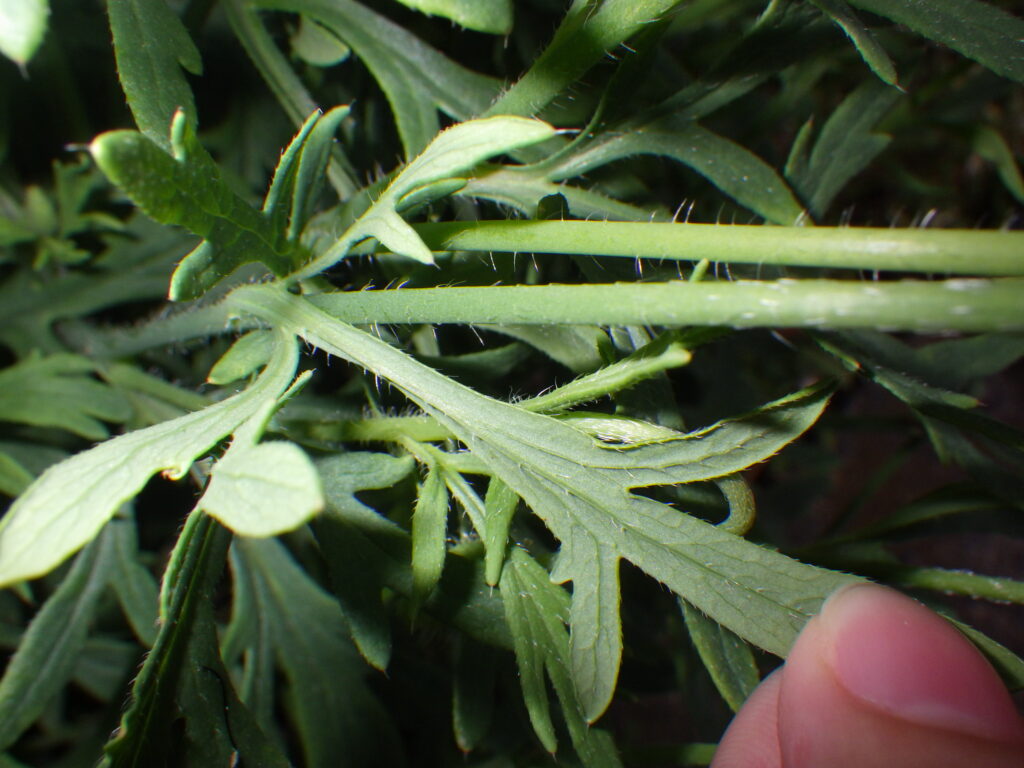
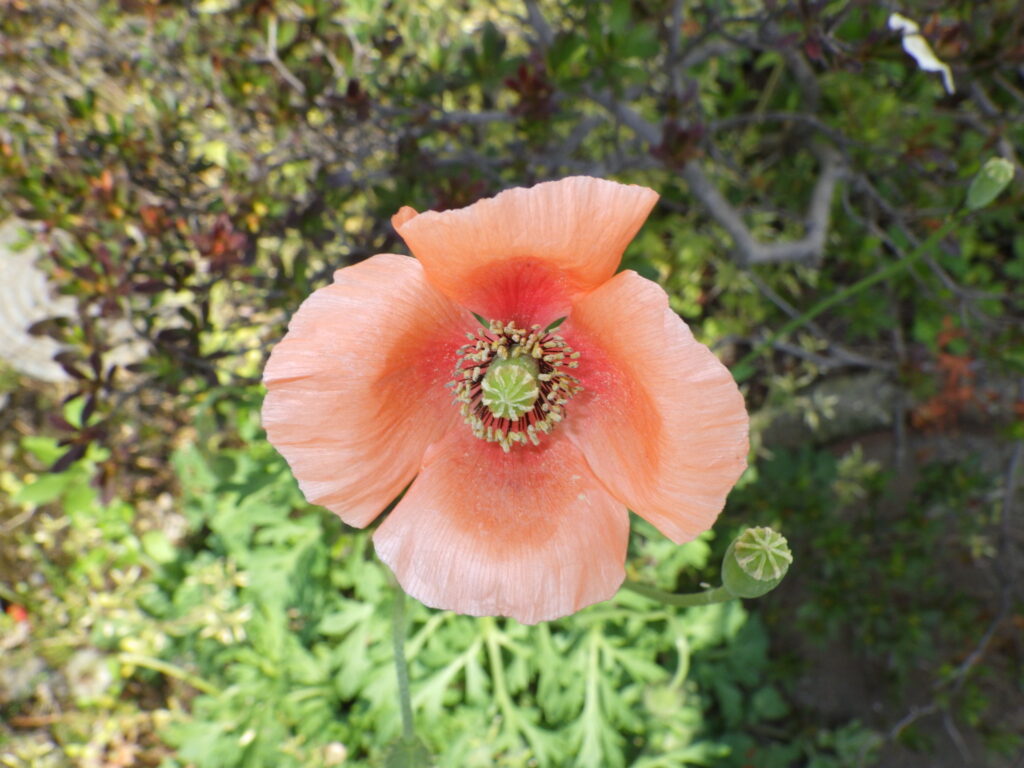
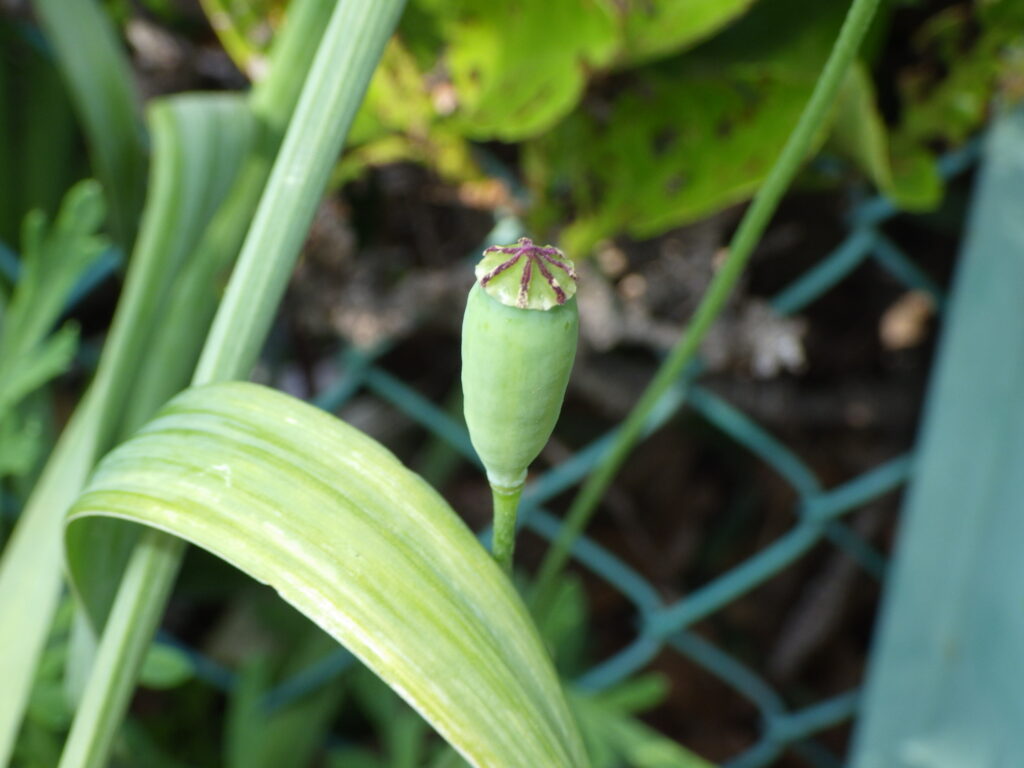
This is an annual plant. It resembles the common poppy, but its Japanese name comes from the fact that its fruit is more elongated. The leaves are 1-2 times pinnately lobed. The flowers bloom from April to June, are 3-6 cm in diameter, orange-red, and have a radially arranged stigma. The fruit is oblong, 1.5-2.5 cm long. It is a naturalized plant native to Europe. In Japan, the first record was in Tokyo in 1961 (Yoshikawa, 2010). Seeds have been detected in imported grains, suggesting that it was an unintentional introduction, but its distribution has rapidly expanded since the 1990s, and it is now found in a wide area from Hokkaido to Kyushu. The "Illustrated Guide to Naturalized Plants" states that "it has recently been found sporadically in urban areas of Kitakyushu... (omitted)... there have also been reports of naturalization from Gunma Prefecture and Tokyo, but it is still rare nationwide." In recent years, it has increased remarkably in suburban areas and can be commonly seen along roadsides, in vacant lots, and around houses. In subsp. dubium, the petals overlap without gaps, and the sap is milky white (Yoshikawa, 2010).
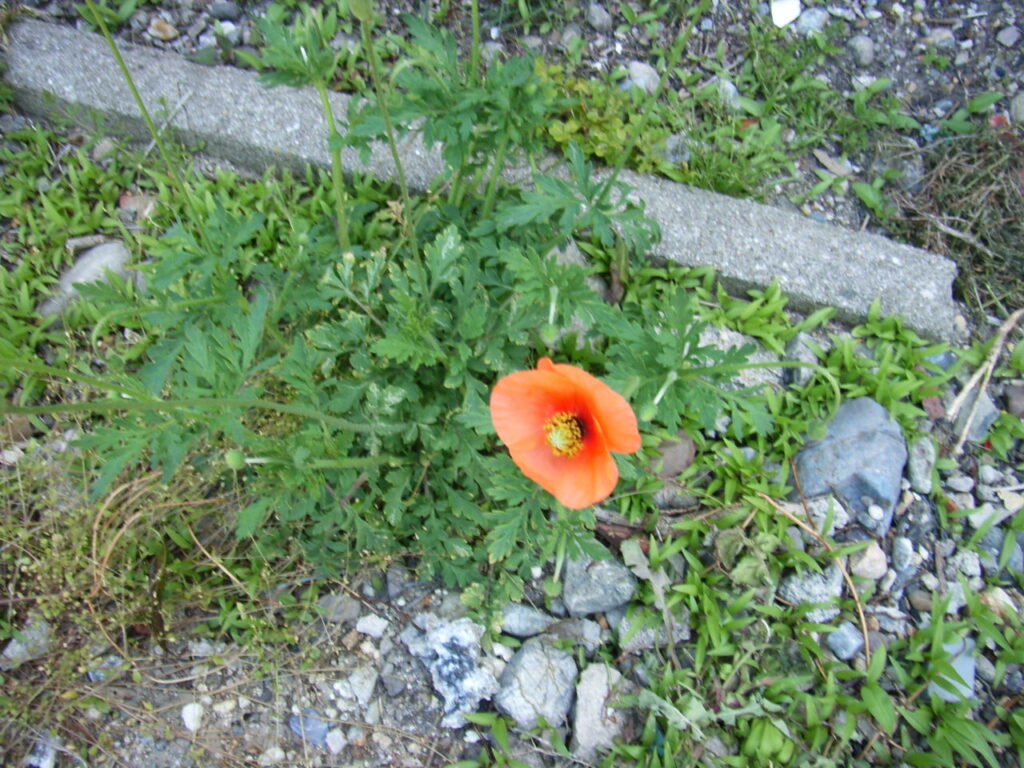
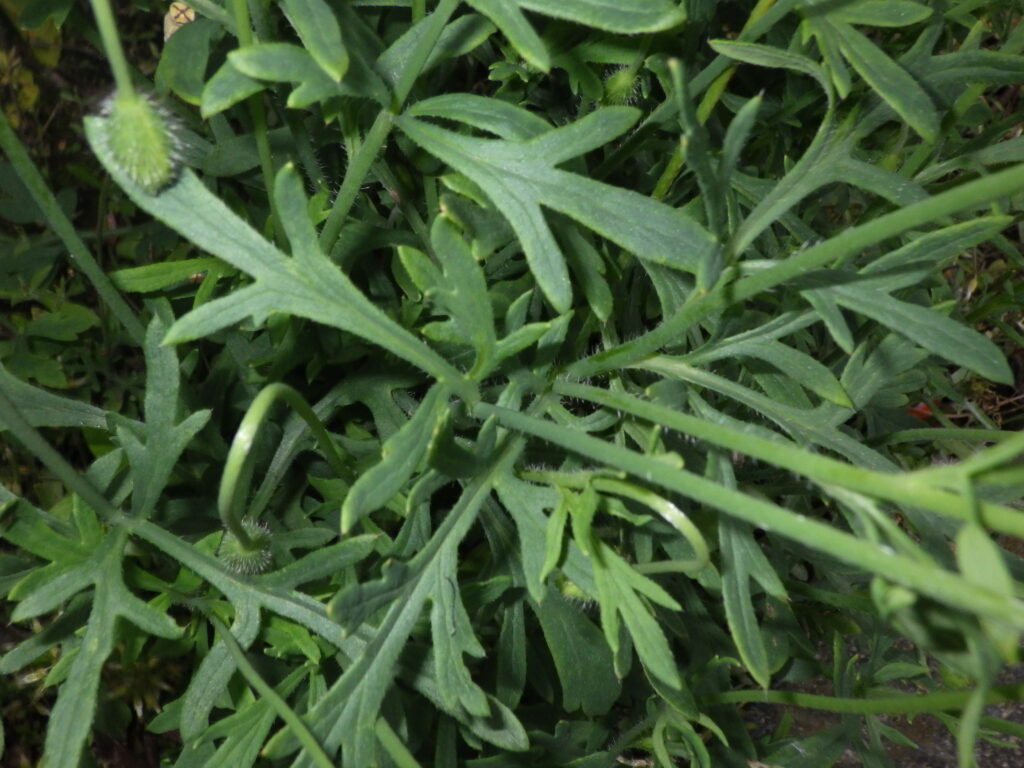
No.1132.c Papaver dubium subsp. lecoqii
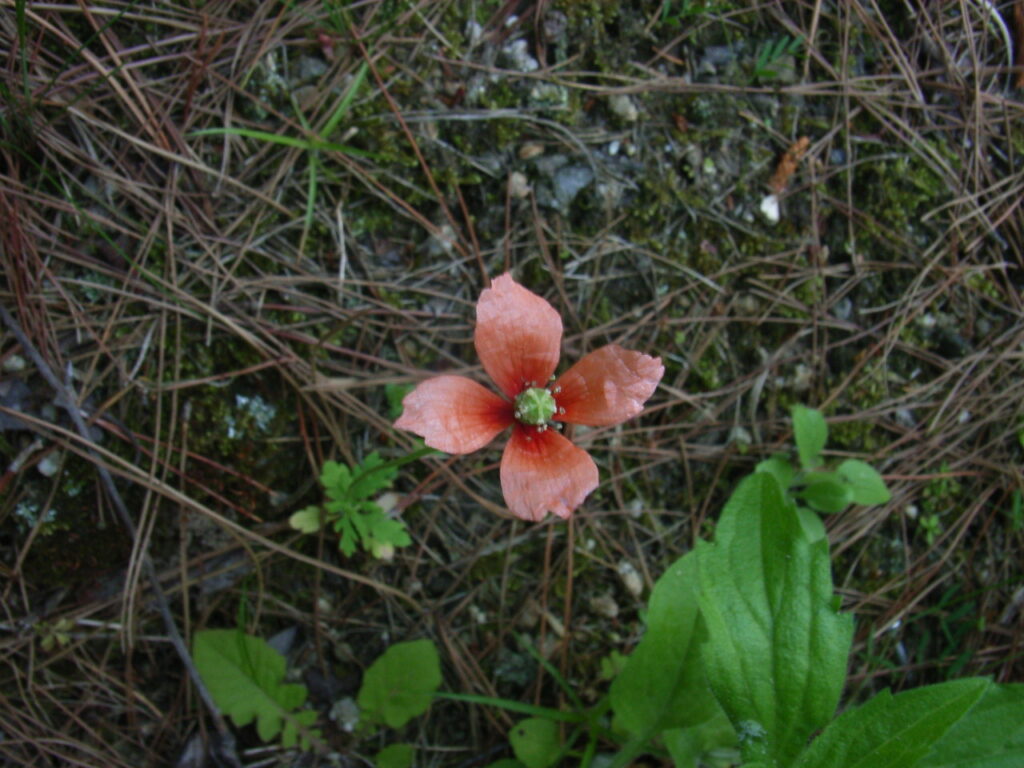
Lecoqii is a pseudonym used by the author. It is a subspecies of Papaver dubium (Yoshikawa, 2010) with gaps between its four petals and a yellow milky sap that oozes when the stem and leaves are cut. Both types have naturalized in Japan, but they are not distinguished in domestic field guides. Subsp. lecoqii blooms earlier, starting around the same time as Somei Yoshino cherry blossoms in the Tokyo area, while subsp. dubium is said to bloom about two weeks later. The following photos are of individuals that are thought to be the subspecies.
No.1133 Chelidonium majus subsp. asiaticum
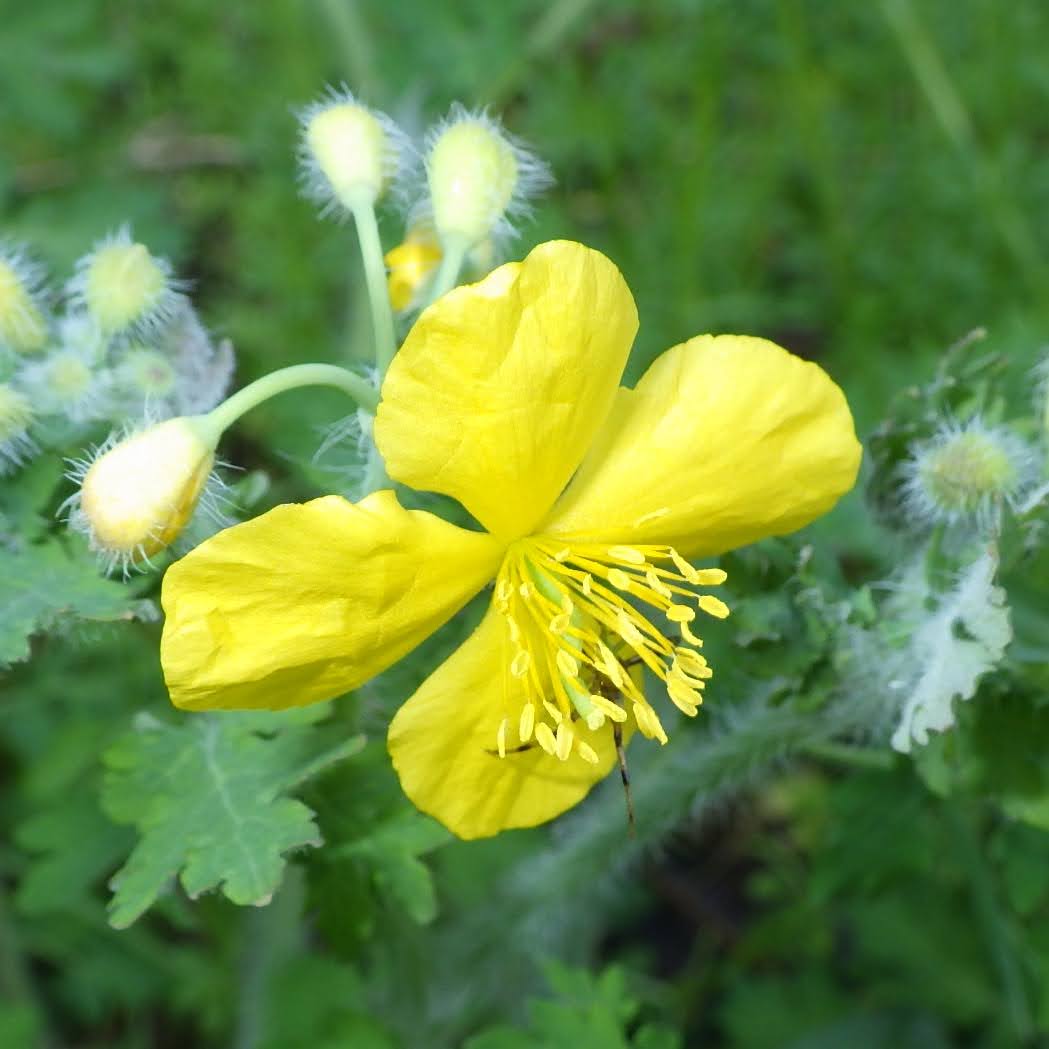
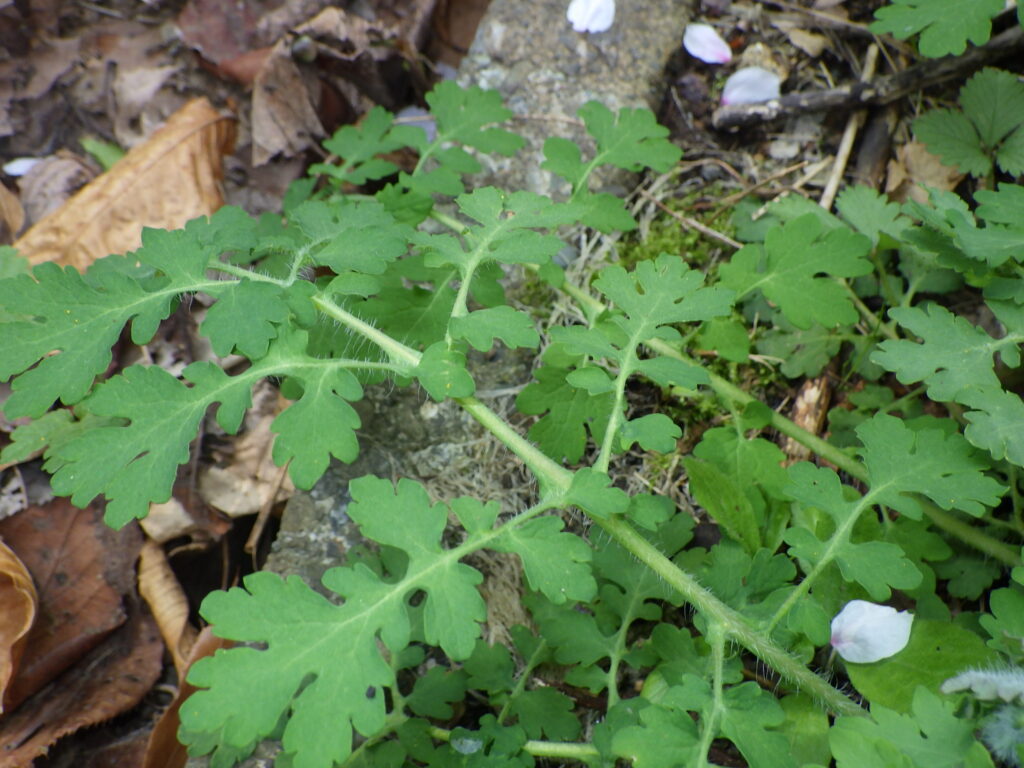
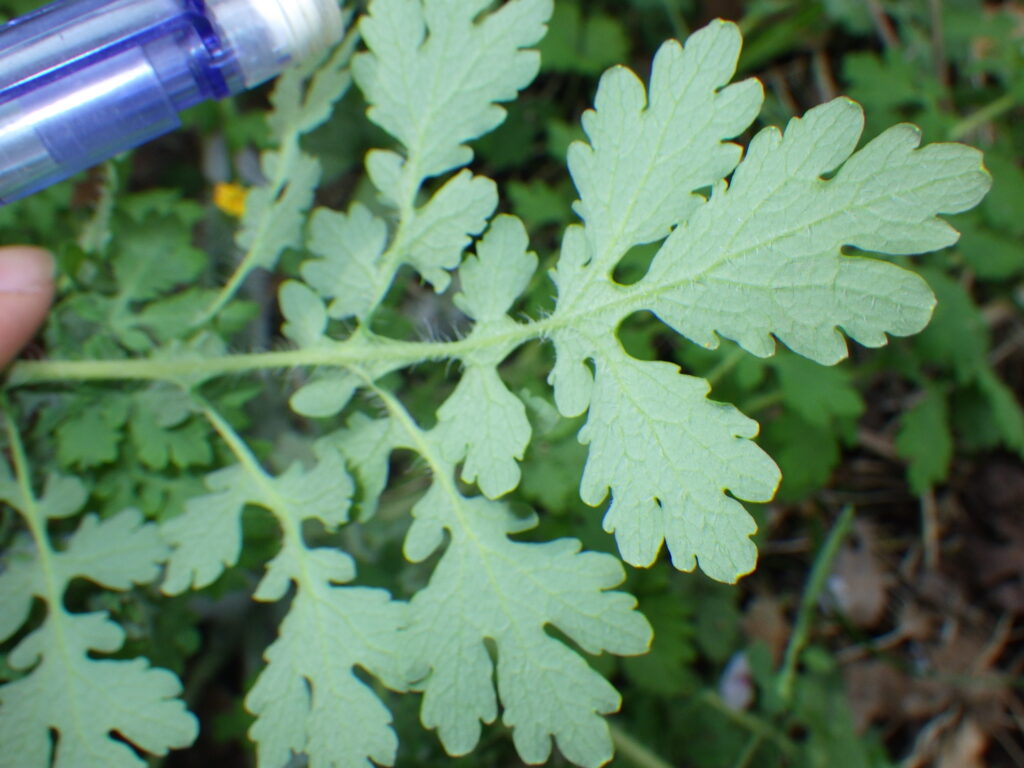
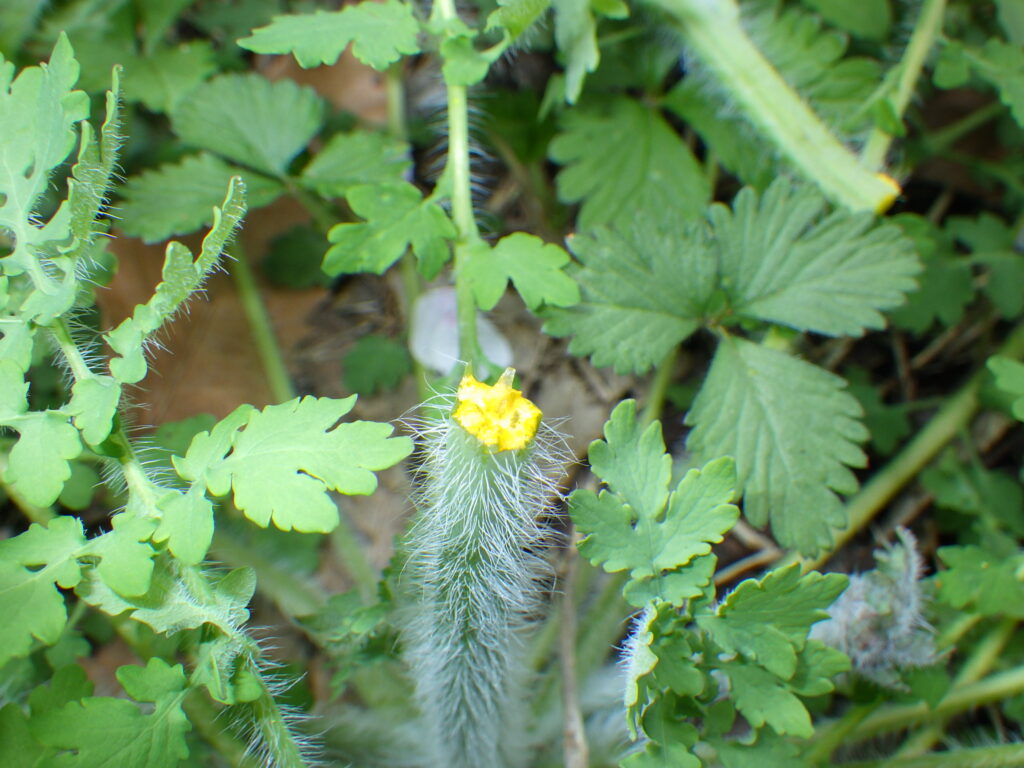
This is a biennial herb, growing to a height of 30-80 cm. When the stem is broken, an orange-yellow sap is released, and leaves grow from the base, giving the entire plant a powdery white appearance. The leaves are 1-2 times pinnately lobed, and the leaflets are notched. Flowers bloom from May to July, in umbel-shaped inflorescences in the leaf axils. The flowers have four petals. The ovary has two placentas. It is distributed in Hokkaido, Honshu, Shikoku, Kyushu; Korea; Northeast China; and Sakhalin. It grows scattered in grasslands, forest edges, and between stone walls.
No. 1138 Macleaya cordata
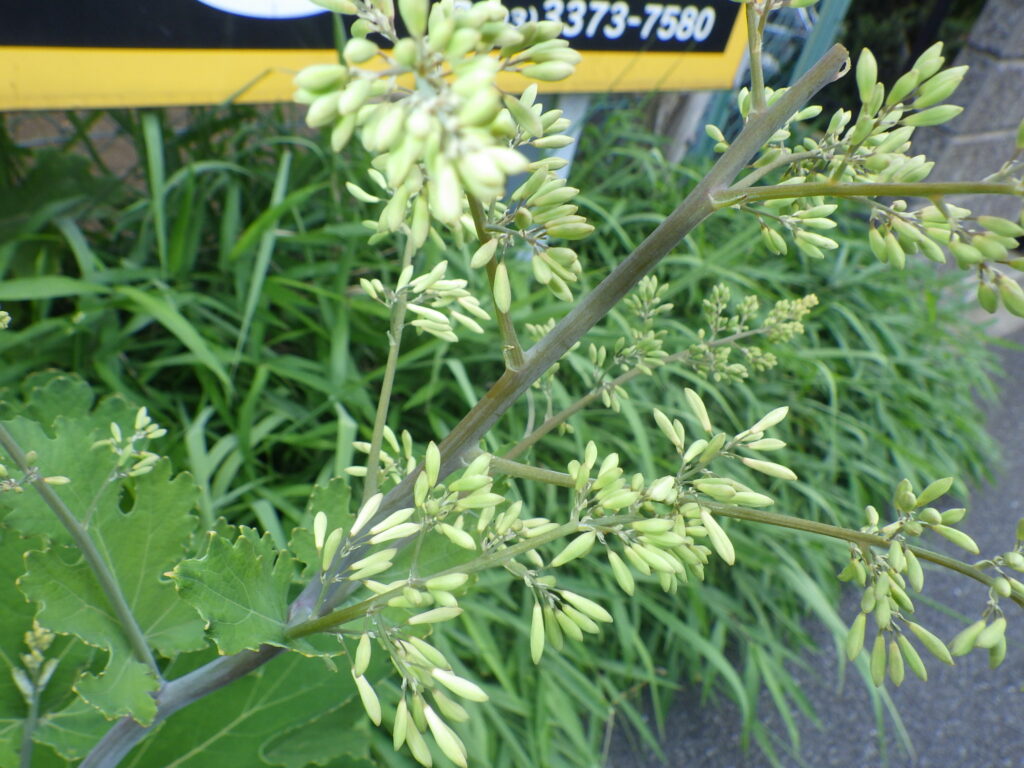
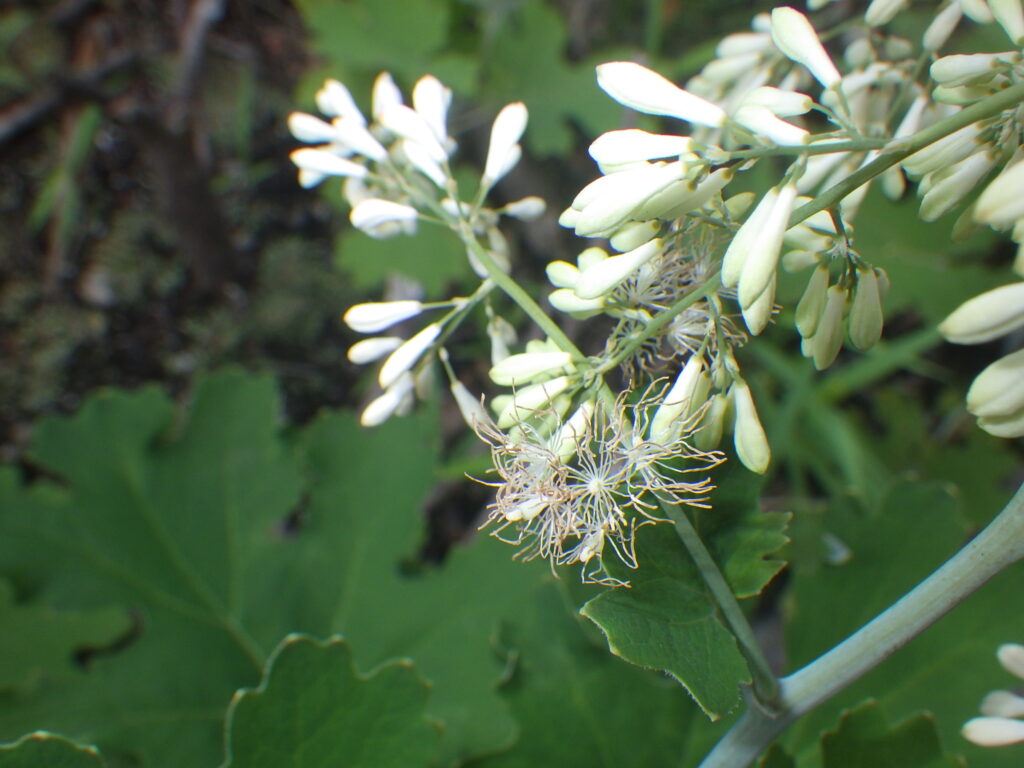
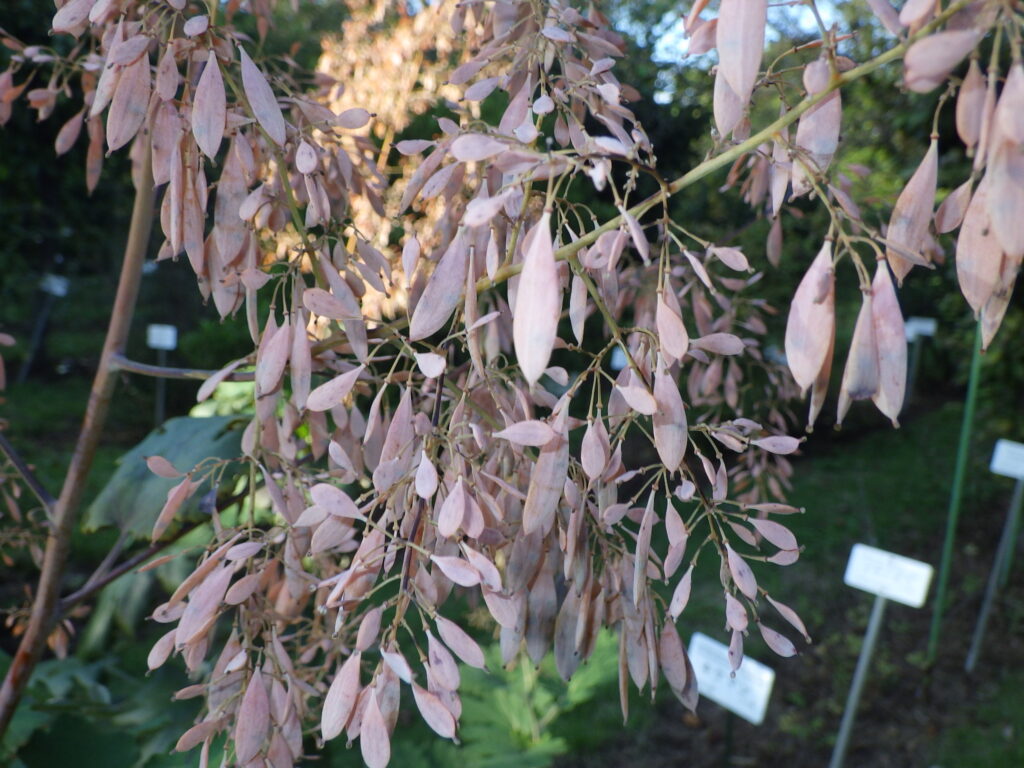
Also known as Champagium. A perennial herb. It grows in sunny, barren areas. The stem is hollow and white, and when broken, it releases a dark orange sap. The underside of the leaves is densely covered with fine white hairs. The flowers bloom from June to August and are white. The anthers are linear and yellow. The fruit is broadly lanceolate, flattened and hairless, containing a few seeds. It is distributed in Honshu, Shikoku, Kyushu, China, and Taiwan. It is commonly found in urban areas, mountain roadsides, landslides, grasslands, and forest edges. A form with hairless undersides of the leaves is called Champagium f. glabra and grows mixed with the basic species.
No. 1140 Dicentra peregrina
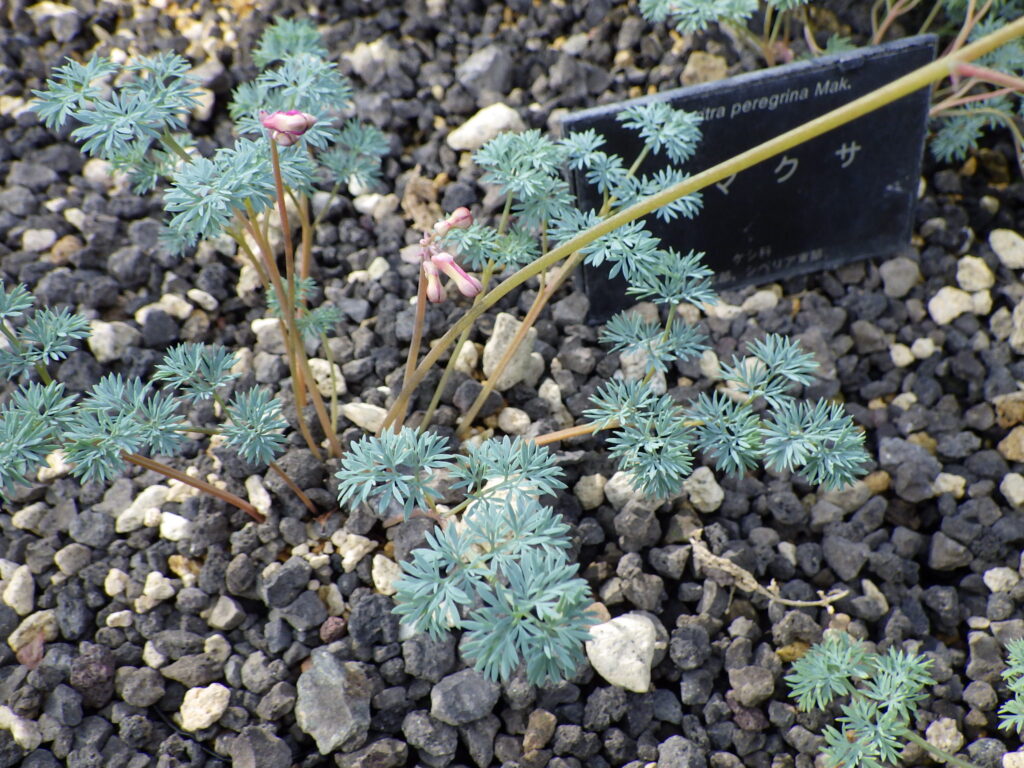
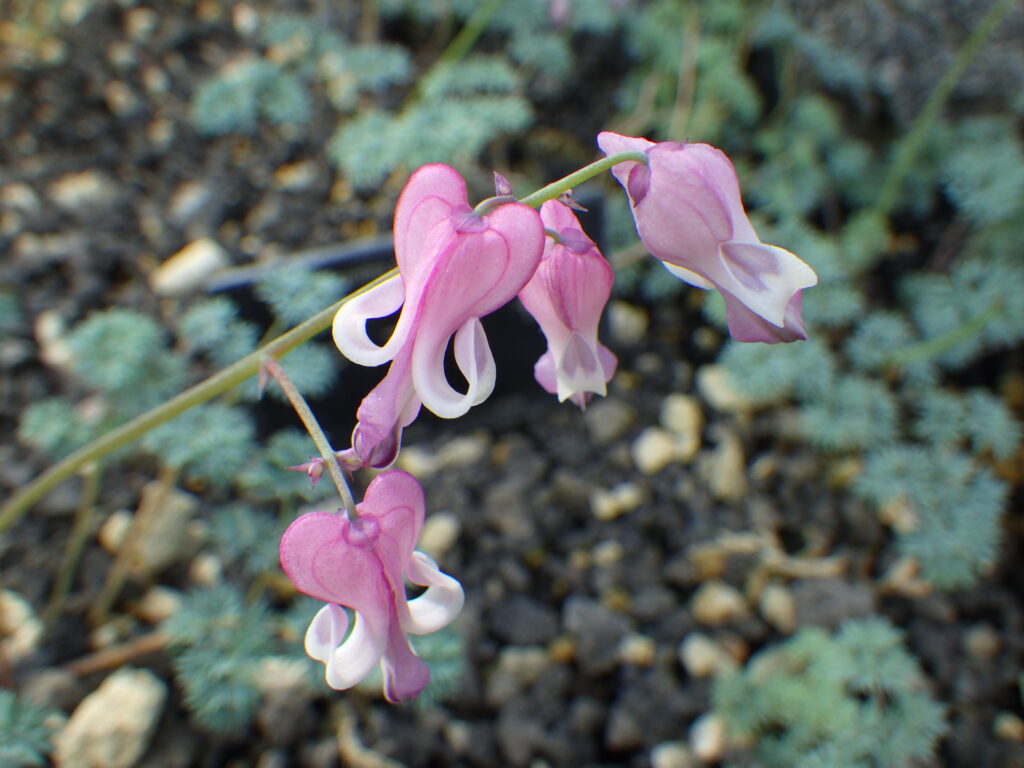
This is a perennial plant. Its Japanese name comes from the fact that the shape of its flower resembles the face of a horse (or horse). It is called the "Queen of Alpine Plants" because of its beautiful flowers and its ability to grow in harsh environments where sand and gravel are constantly shifting and other plants cannot survive. It grows to a height of about 5 cm. The leaves are basal leaves, finely lobed and resembling parsley, and are covered with a white powdery coating. It flowers from July to August. The flower stalk is 10 to 15 cm long and bears pale pink flowers. There are four petals, two on the outside and two on the inside. The outer petals are greatly swollen at the base and curl back at the tip, while the inner petals are slightly smaller, constricted in the middle, and fused at the top. The stamens and pistil are contained within this tube. There are two sepals, which fall off quickly. Because it grows in sandy and gravelly areas where other plants cannot survive, it develops long roots of 50 to 100 cm, which is unimaginable from its above-ground appearance. While other species like Viola mandshurica grow in similar locations and may sometimes coexist, Viola mandshurica often forms solitary colonies. After the flowers wither, they develop into slender, oval-shaped, glossy black seeds about 1.2 cm long. It is distributed in Northeast Asia, including the Kuril Islands, Sakhalin, the Kamchatka Peninsula, and eastern Siberia, as well as in the sandy and gravelly areas of wind-swept rocky slopes in the alpine zones of Japan, from Hokkaido to the central region. Bumblebees inhabit the alpine zones, maintaining a body temperature of around 37°C as they fly around collecting nectar. The bumblebees cling to the tube of the inner petals and forcefully push their heads into the gap between the inner petals and the nectar-containing outer petals, bending the tube and splitting it open. The stamens and pistils emerge from within and touch the bee's underside, resulting in pollination (Tanaka and Hirano, 2000). It is also susceptible to nectar theft by Bombus terrestris (Suga, 2001).
No. 1143 Corydalis incisa
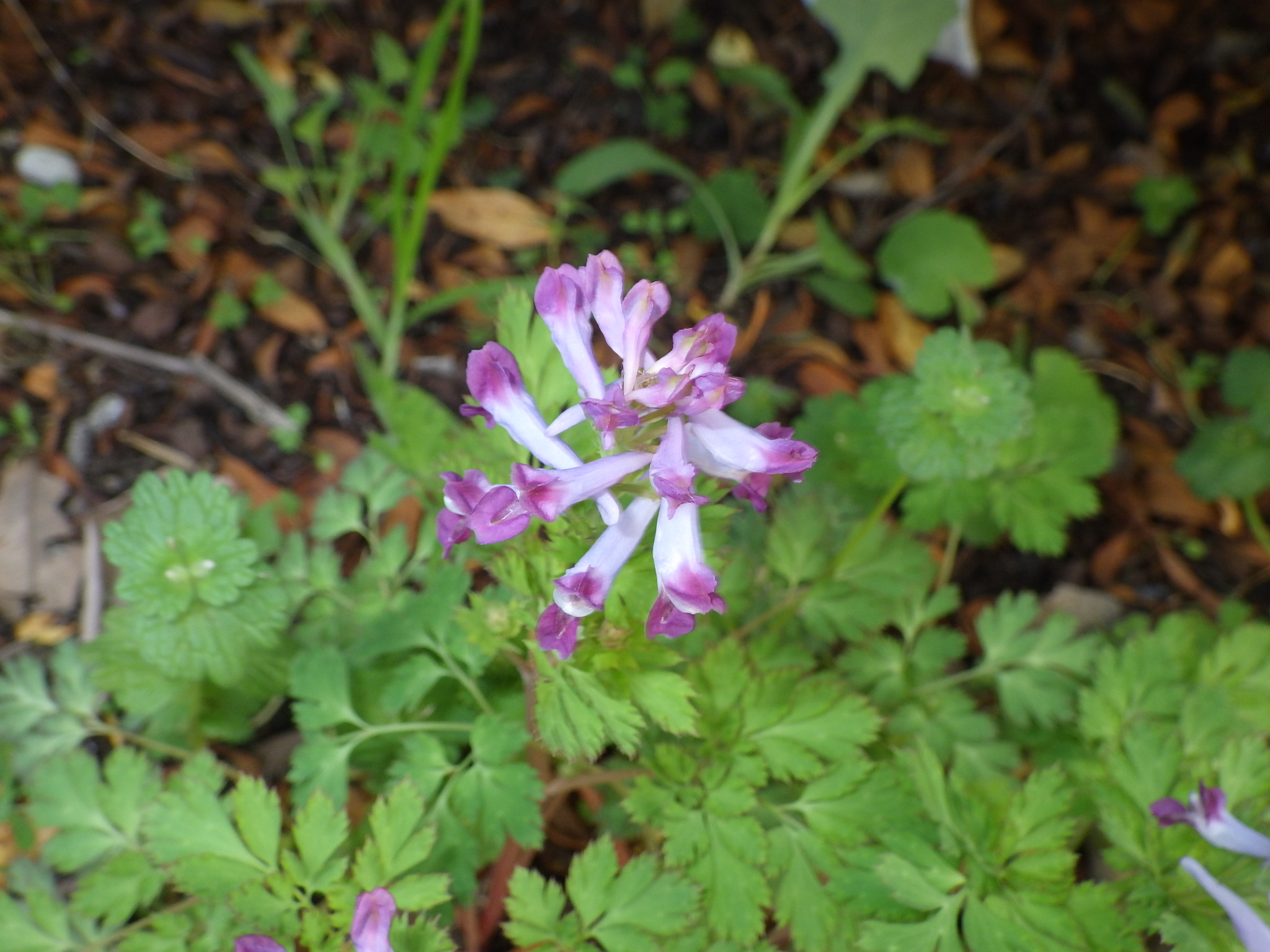
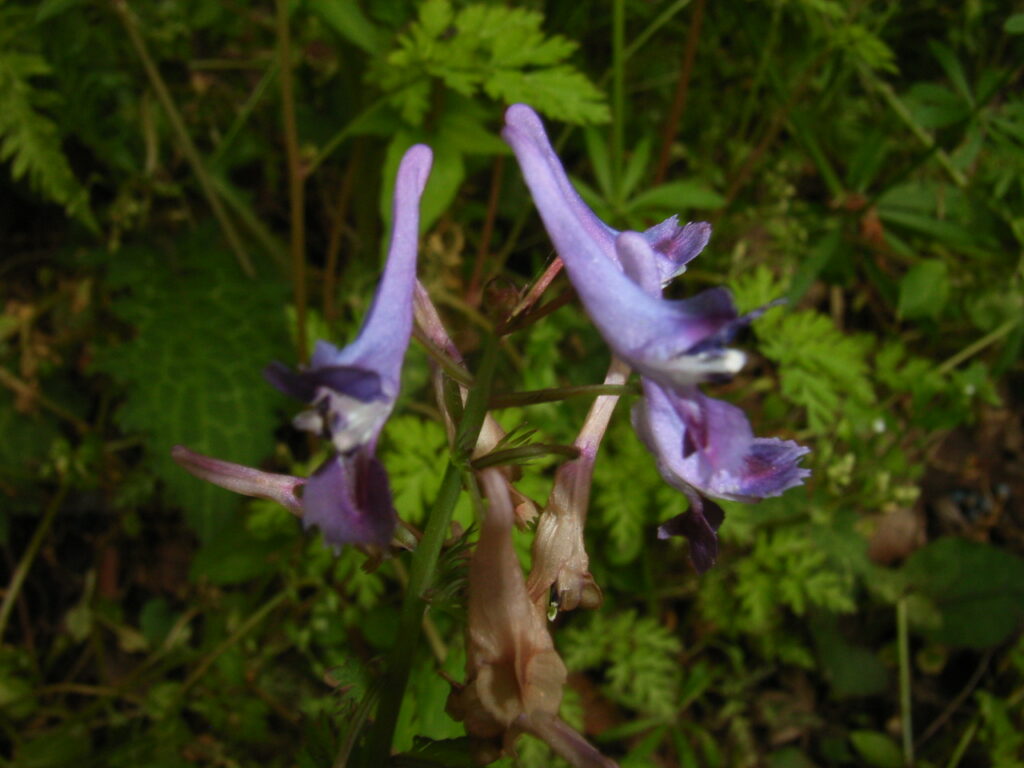
This is a biennial herb. The leaves are twice-ternate compound leaves, with the leaflets pinnately lobed. The flowering stalks are 20-50 cm tall. The flowers bloom from April to June and are reddish-purple. The fruit is linear-oblong and hangs downwards when ripe. It is distributed in Hokkaido, Honshu, Shikoku, Kyushu, the Ryukyu Islands, and China. It grows in forests, on the edges of fields, and along roadsides.
No.1143.1 Corydalis incisa
A variety with relatively small flowers, where only the tips of the corolla lobes are tinged with reddish-purple, and the entire flower is nearly white, is called Corydalis ambigua f. pallescens.
No. 1144 Corydalis decumbens
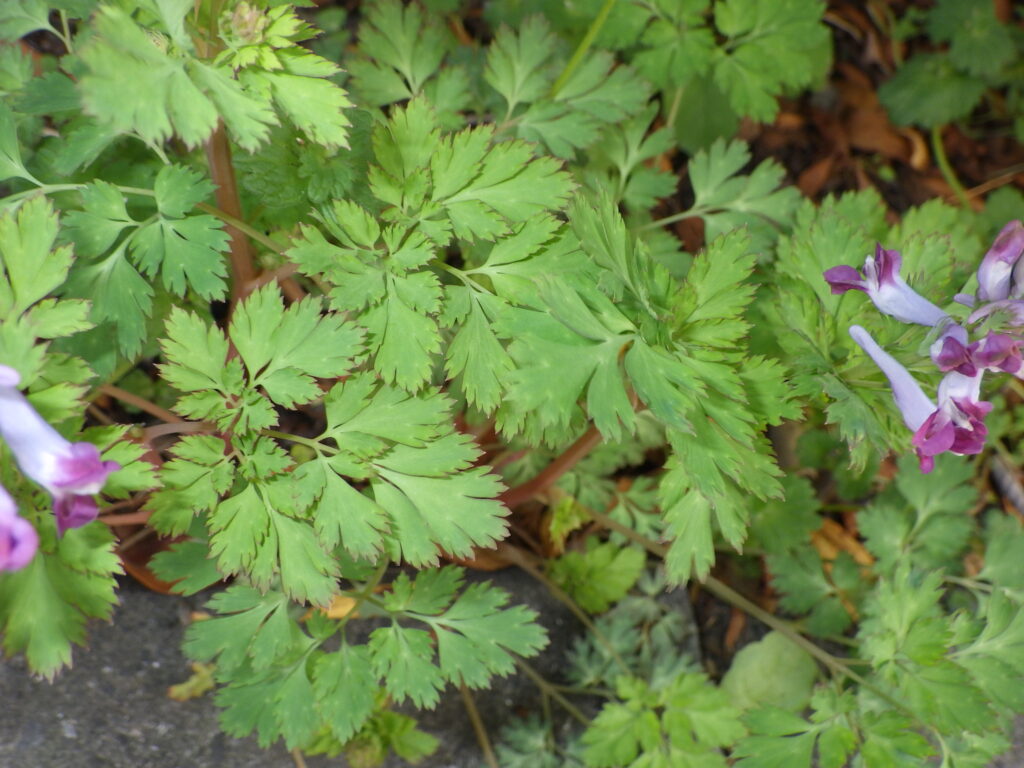
This is a perennial herb. The leaves are 2-3 times trifoliate compound leaves, with the leaflets deeply divided into 2-3 lobes. The flowering stalks are 5-10 cm tall. The flowers bloom in April-May and are pale reddish-purple. The fruit is linear, slightly constricted like a string of beads. It is distributed in Honshu (west of the Kanto and Chubu regions), Shikoku, Kyushu, China, and Taiwan. It grows in grasslands, forest edges, and between stone walls. Along with Corydalis ambigua, it is a "spring plant" whose above-ground parts wither in the summer and spend a long time underground until the following spring. A white-flowered variety is called Corydalis ambigua f. albescens.
References
Kanagawa Prefecture Flora Survey Association. 2018. Kanagawa Prefecture Flora 2018 (Electronic Edition). Kanagawa Prefecture Flora Survey Association, Odawara. 1803pp. ISBN: 9784991053726
Suga, Takeshi. 2001. Records of bumblebee visits to flowers and nectar robbing of *Dicentra peregrina* by *Bombus terrestris* in the alpine zone of the central Japanese Alps. Bulletin of the Nagano Prefectural Institute for Nature Conservation 4: 13-22. https://agriknowledge.affrc.go.jp/RN/2030702021
Tanaka, Hajime & Hirano, Takahisa. 2000. The Face of Flowers: Wisdom for Bearing Fruit. Yama-kei Publishers, Tokyo. 191pp. ISBN: 9784635063043
Yoshikawa, Masato. 2010. Papaver dubium L. (Long-headed poppy). Journal of the Japanese Society of Landscape Architecture 35(4): 556. http://www.jsrt.jp/pdf/dokomade/35-4nagamihinageshi.pdf