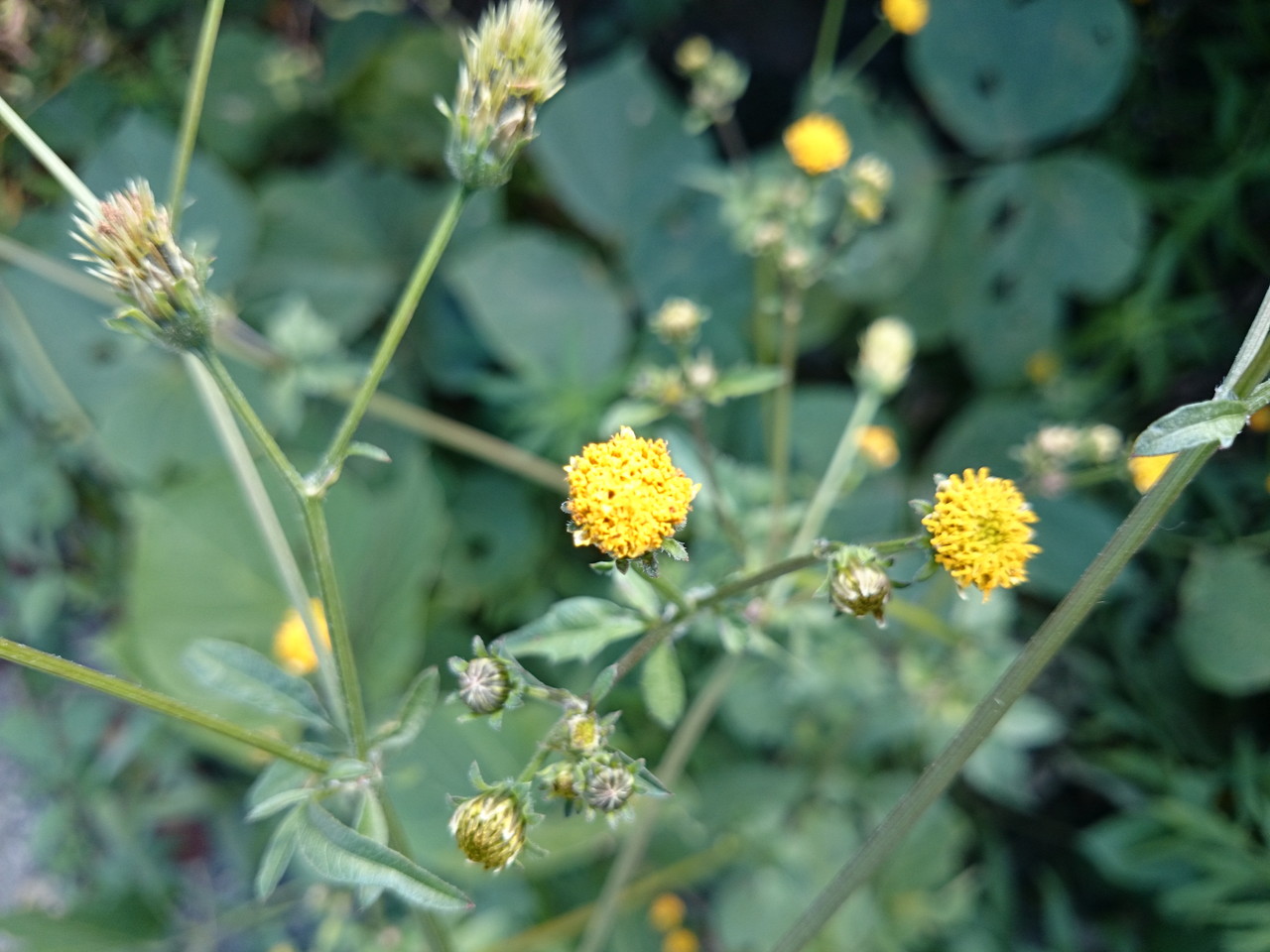
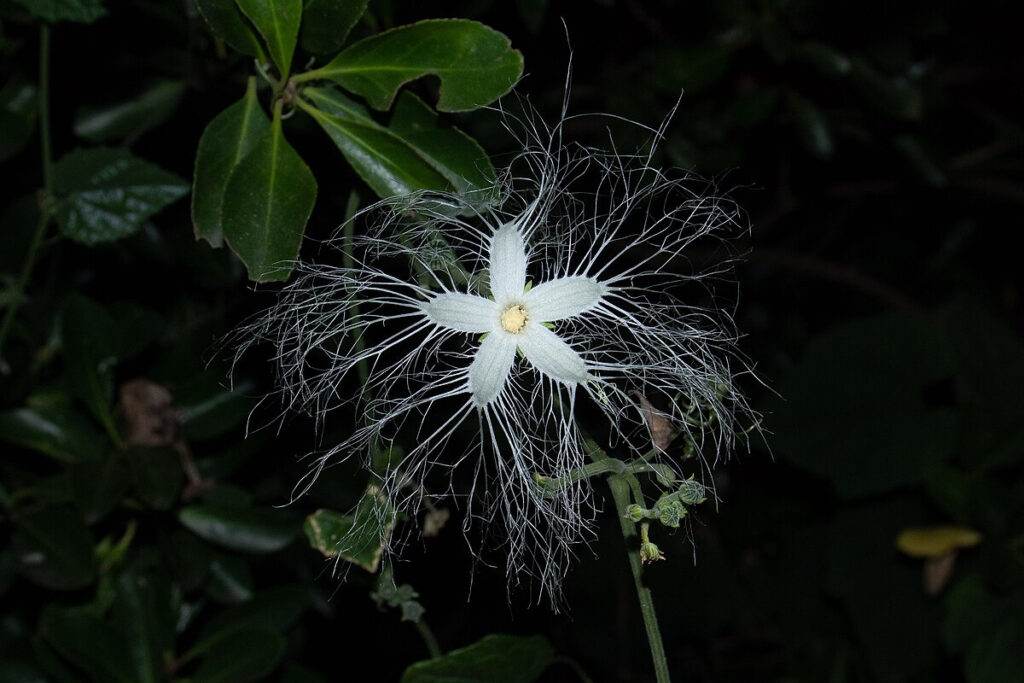
Trichosanthes cucumeroides, Trichosanthes cucumeroides, and Trichosanthes virosa are all herbaceous plants belonging to the Trichosanthes genus of the Cucurbitaceae family. They share several common characteristics: they produce large, fused-petal flowers with a finely divided corolla resembling lace, and they bear fairly large, yellow to red fruits that ripen to a considerable size for wild species. Trichosanthes cucumeroides and Trichosanthes cucumeroides are quite common and can be observed relatively easily even in urban areas if you go to a place with some natural surroundings. Trichosanthes virosa, on the other hand, is famous for being edible. It can be difficult to distinguish between these three species. To differentiate them, you need to carefully examine the leaves and fruits. It is also known that there are differences in flower shape and ecology between Trichosanthes cucumeroides and Trichosanthes cucumeroides. At least Trichosanthes cucumeroides has developed a finely divided corolla resembling lace, which is sometimes described as "creepy," in order to be pollinated by hawk moths at night. This article will explain the classification of the Trichosanthes genus.
- What are snake gourds (Trichosanthes cucumeroides, Trichosanthes cucumeroides, and Hebi-guri)?
- What are the differences between the Japanese snake gourd (Trichosanthes cucumeroides), the yellow snake gourd (Trichosanthes cucumeroides), and the snake gourd (Trichosanthes cucumeroides)?
- What are the differences between the flowers of the Japanese snake gourd (Trichosanthes cucumeroides) and the yellow snake gourd (Trichosanthes cucumeroides)?
- References
What are snake gourds (Trichosanthes cucumeroides, Trichosanthes cucumeroides, and Hebi-guri)?
Trichosanthes cucumeroides, also known as the Japanese snake gourd (Trichosanthes cucumeroides), is a perennial herb distributed in Honshu (south of the Tohoku region), Shikoku, and Kyushu in Japan, as well as in China. It grows along roadsides, riverbanks, sloping green spaces, and forest edges (Kanagawa Prefecture Flora Survey Association, 2018).
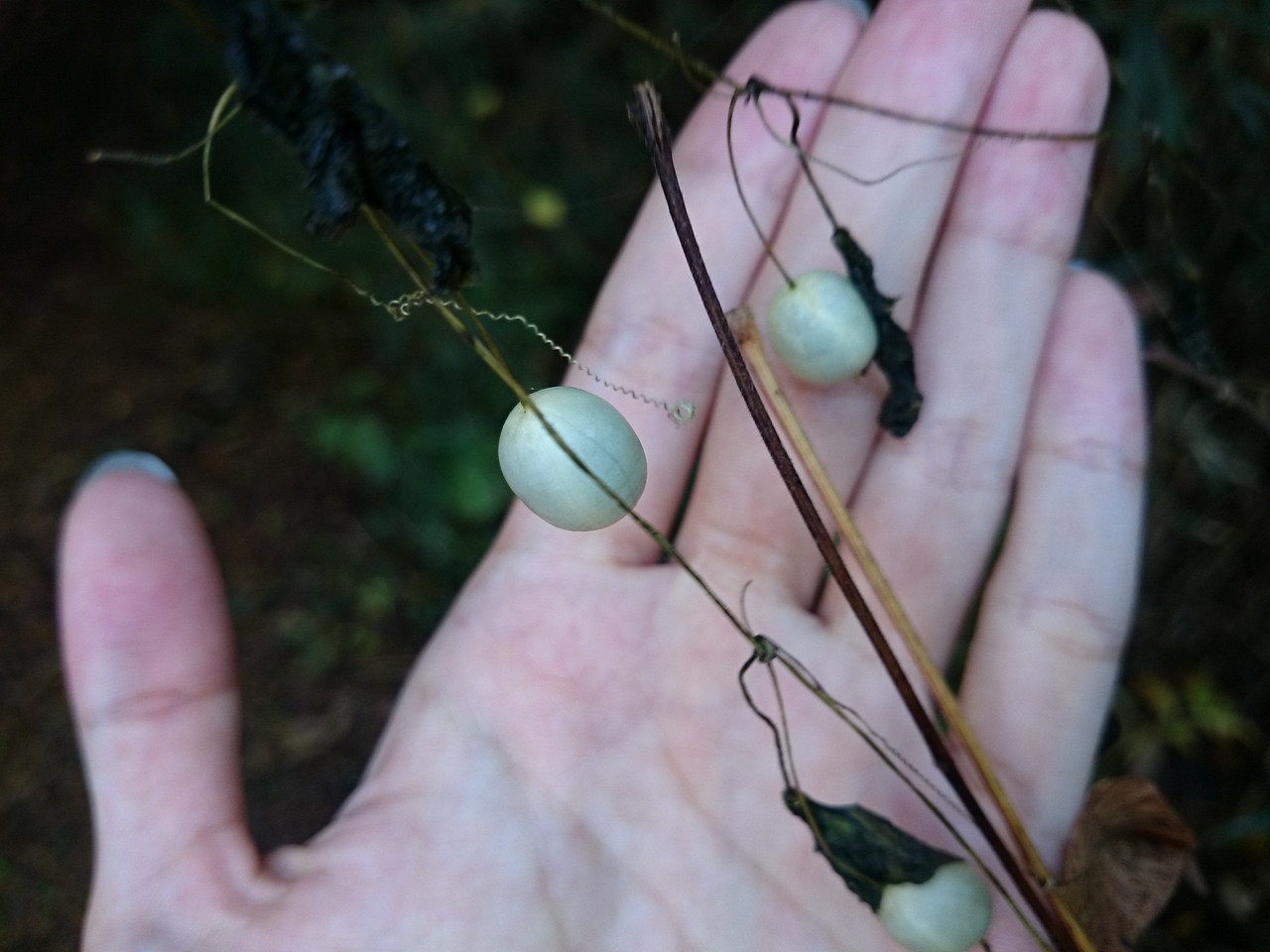
Trichosanthes kirilowii var. japonica, also known as yellow snake gourd, is a perennial herb distributed in Hokkaido (Okushiri Island), Honshu, Shikoku, Kyushu, and Amami Oshima in Japan, growing along roadsides, on sloping green spaces, and at the edges of forests.
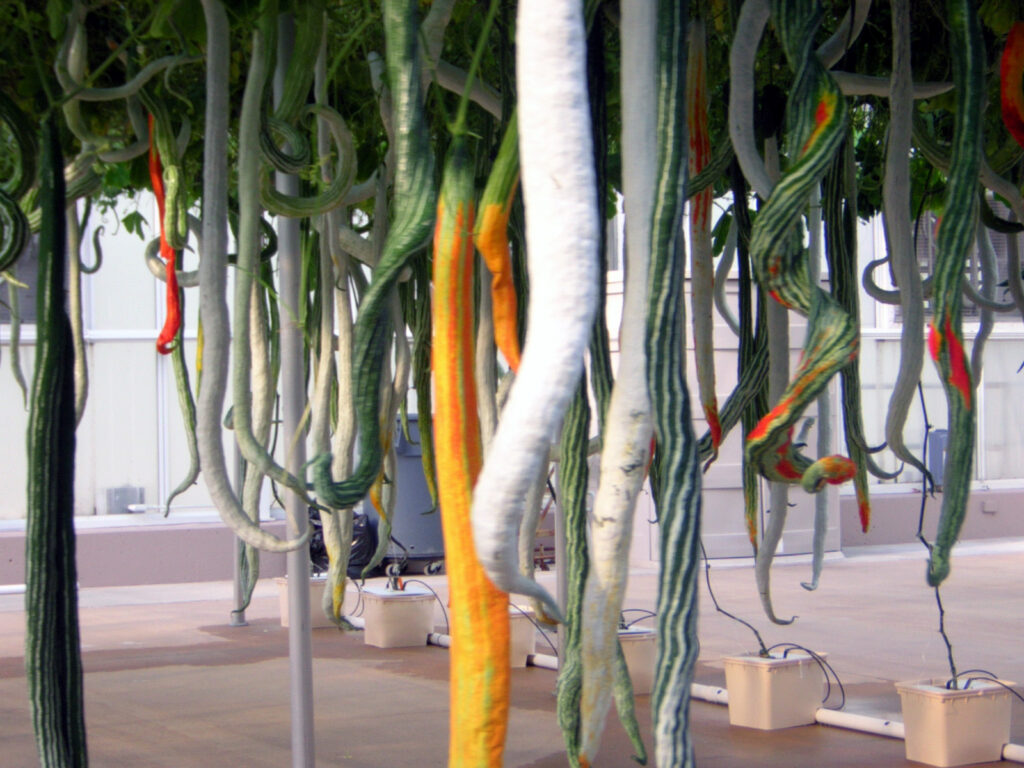
The snake gourd, Trichosanthes cucumerina var. anguina, is an annual plant distributed in China, Southeast Asia, South Asia (including India), and Australia, and was introduced to Africa primarily for its edible fruit (RBG Kew, 2023). In Asia, the unripe fruit is eaten like a cucumber, but in Africa, the ripe, red fruit is eaten like a tomato. The Ylist, a list of correspondences between Japanese names and scientific names, uses the scientific name Trichosanthes anguina, but this is based on the idea that wild and cultivated populations are separate species. Currently, they are considered to be the same species as wild populations because they freely hybridize with cultivated populations.
Both belong to the genus Trichosanthes in the family Cucurbitaceae, and are herbaceous plants that share several main characteristics: they produce large, fused-petal flowers with a corolla that is finely divided like lace beards, and they bear fairly large, yellow to red fruits when ripe, which is unusual for a wild species.
As for the Japanese snake gourd and the yellow snake gourd, they are quite common and can be observed relatively easily even in urban areas if you go to a place with a little bit of nature.
These three species are very similar, and you may sometimes have trouble distinguishing between them.
What are the differences between the Japanese snake gourd (Trichosanthes cucumeroides), the yellow snake gourd (Trichosanthes cucumeroides), and the snake gourd (Trichosanthes cucumeroides)?
However, these differences have been observed relatively frequently (Wu et al., 2011).
As a fundamental point, while snake gourds (Trichosanthes cucumeroides) and yellow snake gourds (Trichosanthes cucumeroides) are wild species in Japan, snake gourds are only cultivated. Snake gourds do not grow wild.
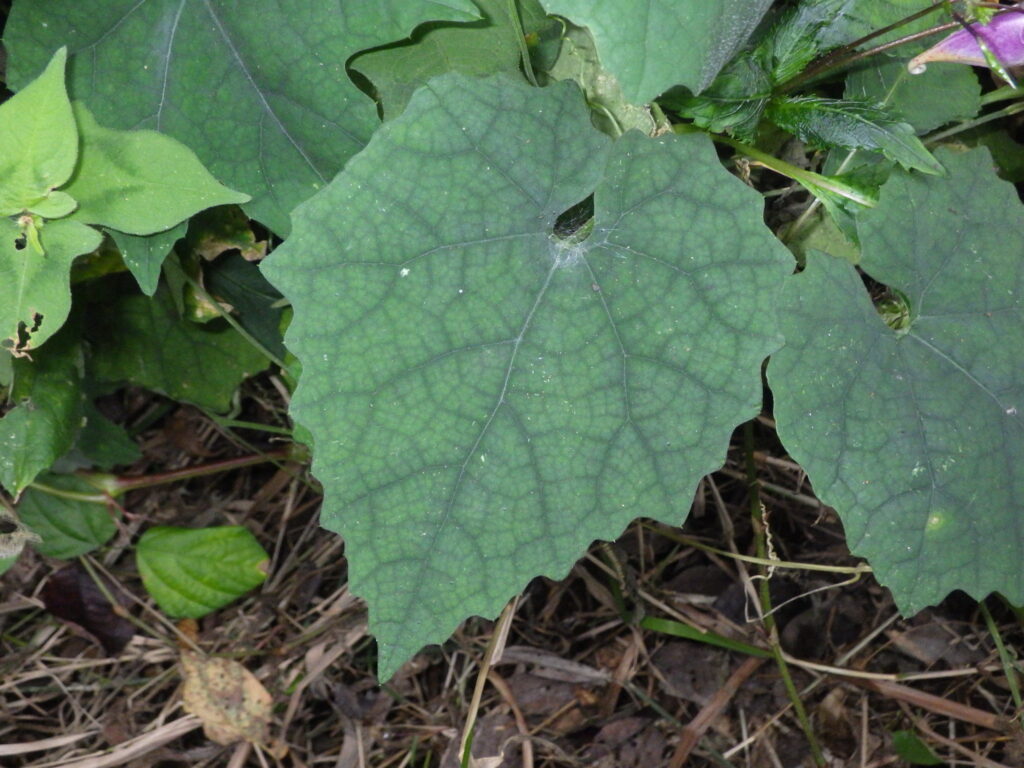
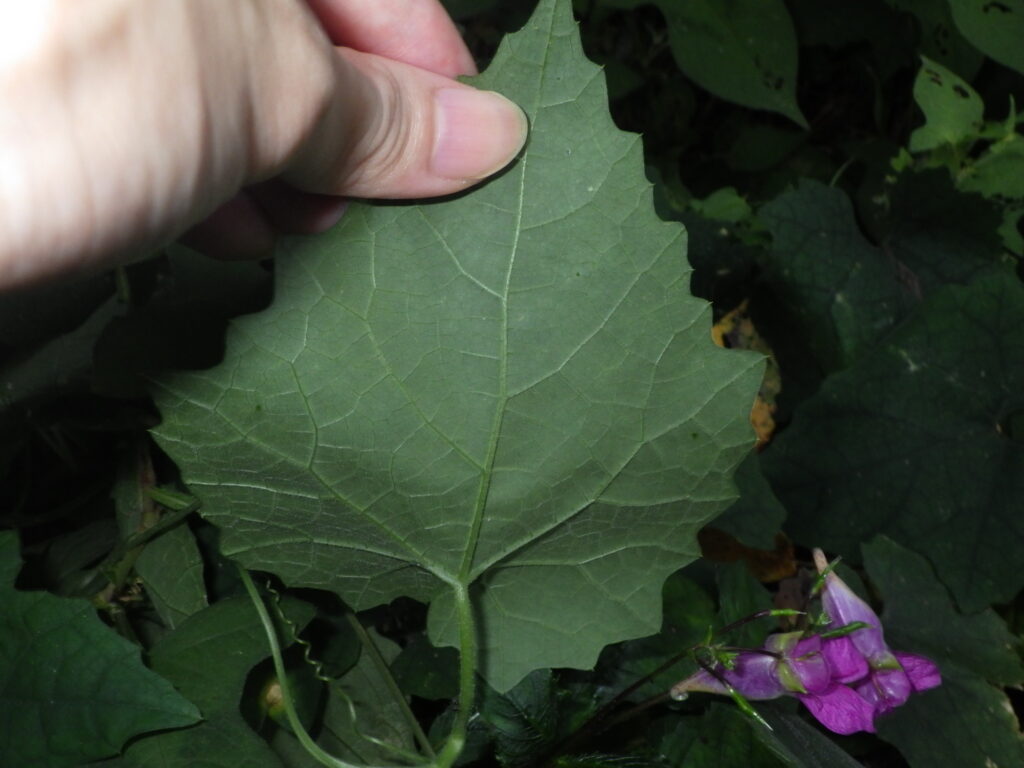
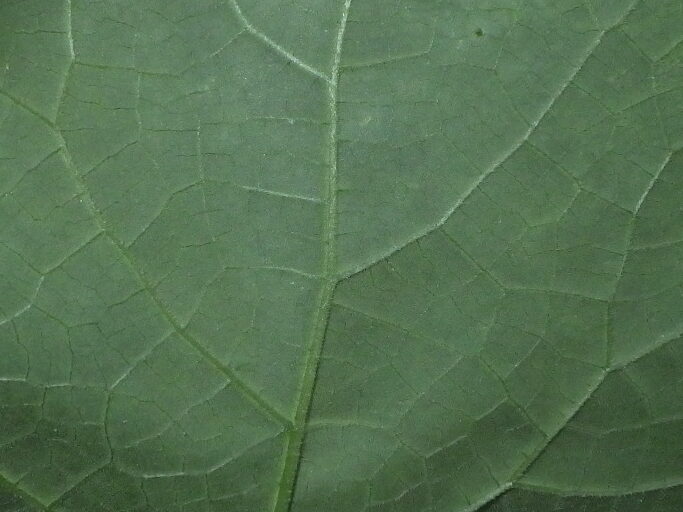
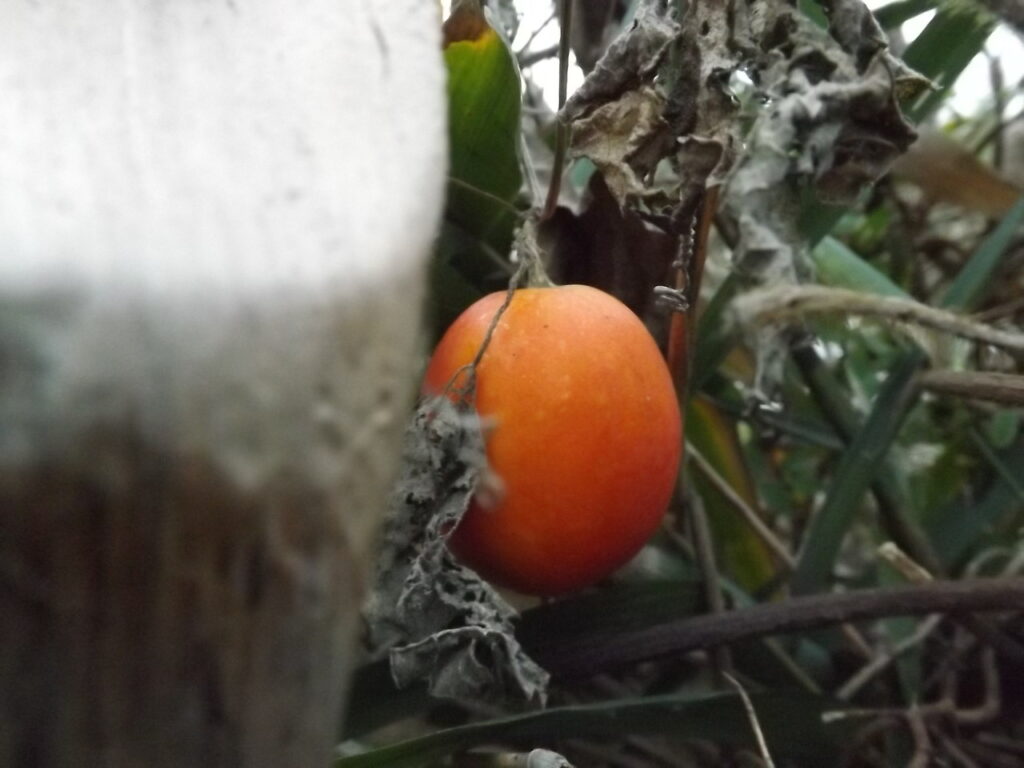
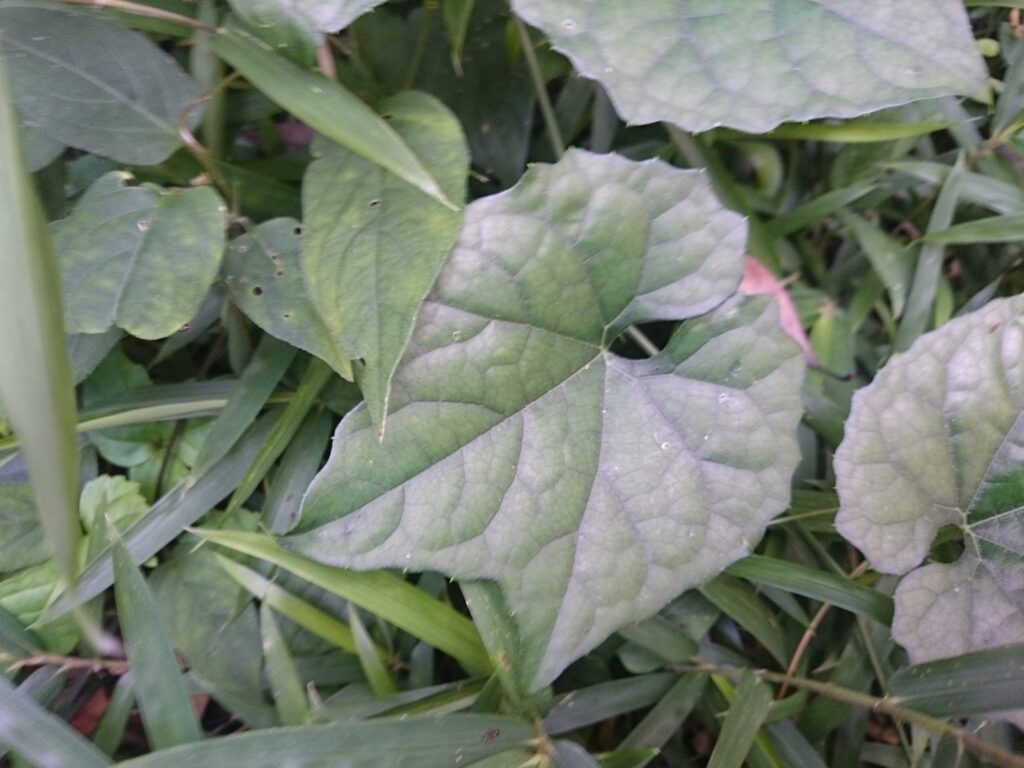
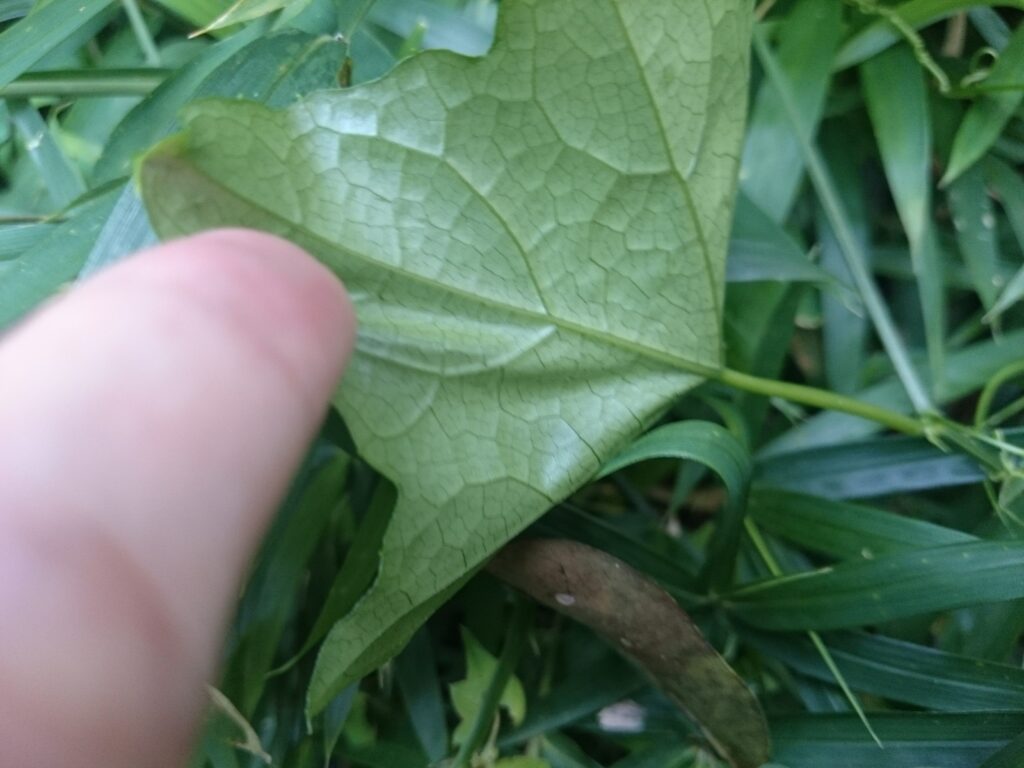
Focusing on morphology, these three species can be broadly distinguished by the fact that the leaves of the snake gourd and the wild gourd are densely covered with short hairs and the fruit ripens to a vermilion color, while the yellow snake gourd has almost hairless mature leaves and the fruit ripens to a yellow color.
The hairs on the leaves, in particular, are an important feature that can be observed regardless of the season, so be sure to record them. The fruit is self-explanatory; it lives up to its Japanese name, "Ki-Uri" (yellow crow melon).
Regarding the snake gourd (Trichosanthes cucumeroides) and the common snake gourd (Trichosanthes cucumeroides), the fruit of the snake gourd is oval to spherical and 5-7 cm long, while the fruit of the common snake gourd (cultivated populations) is cylindrical and twisted, reaching 100-200 cm in length. In other words, the fruit resembles a "snake."
Incidentally, the wild population of the snake gourd (Trichosanthes cucumerina var. cucumerina) produces oval to oblong fruits that closely resemble those of the Japanese snake gourd (Trichosanthes cucumeroides). In this case, the seeds of the Japanese snake gourd are nearly square in shape, while those of the wild population are nearly oval in shape, but this distinction is not a problem in Japan.
In mainland Japan (Shikoku, Kyushu, and Ryukyu), there is also Trichosanthes laceribractea, but it can be distinguished by its red ripening fruit and the dense, short bristles on the upper surface of its mature leaves.
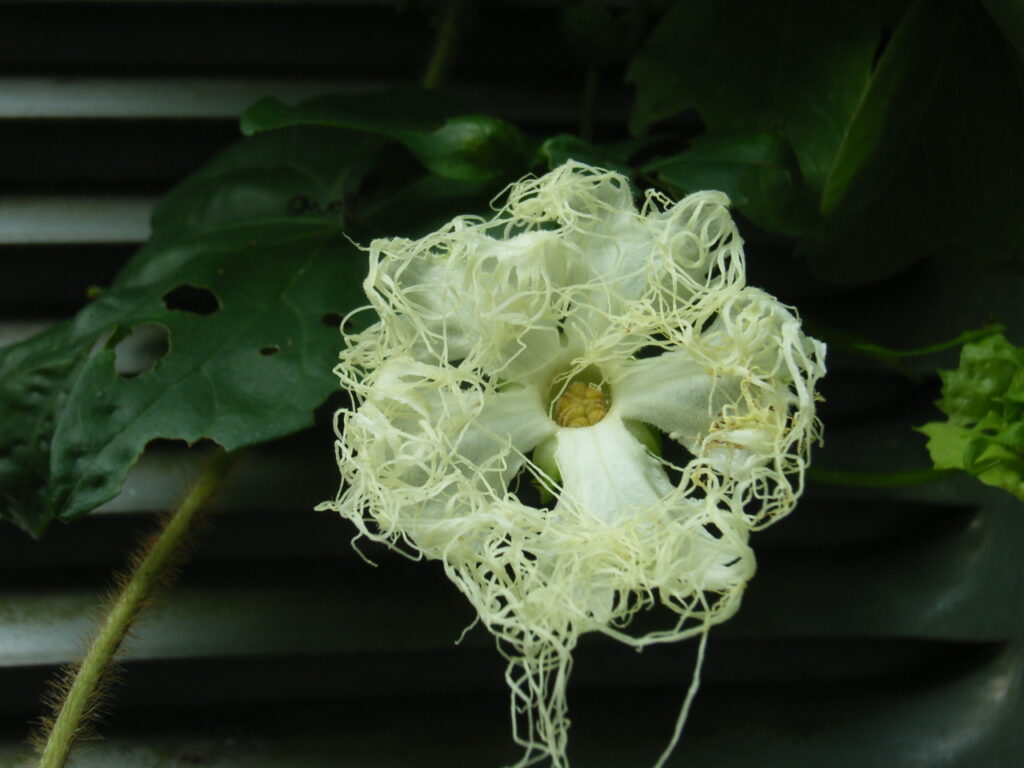
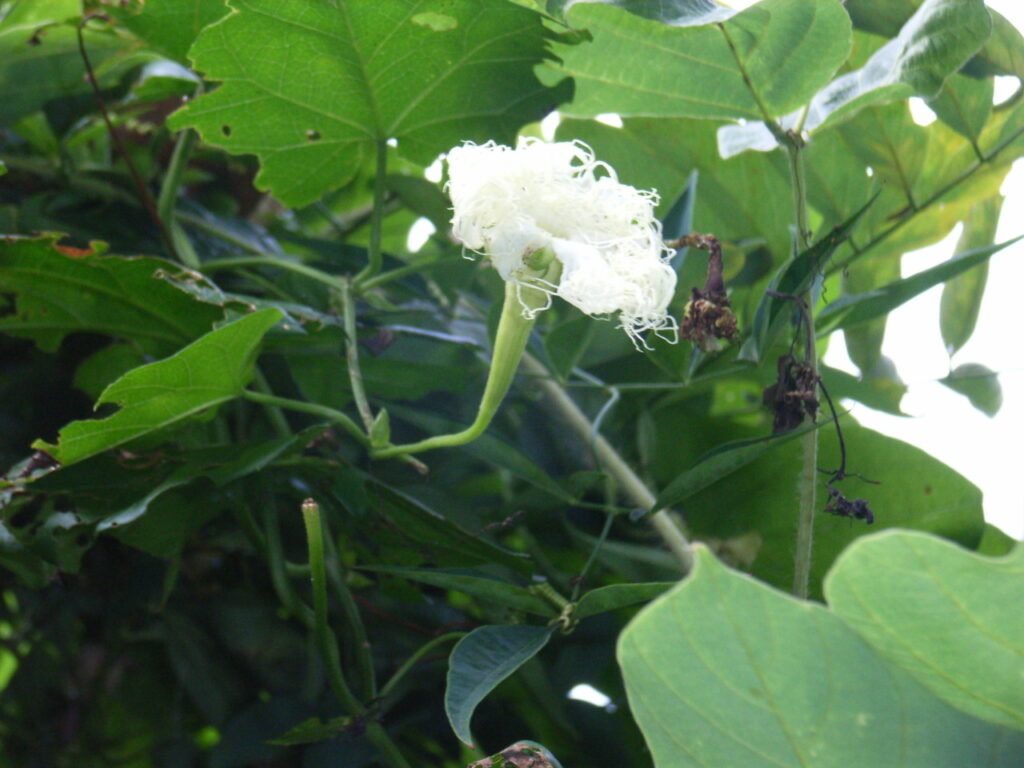
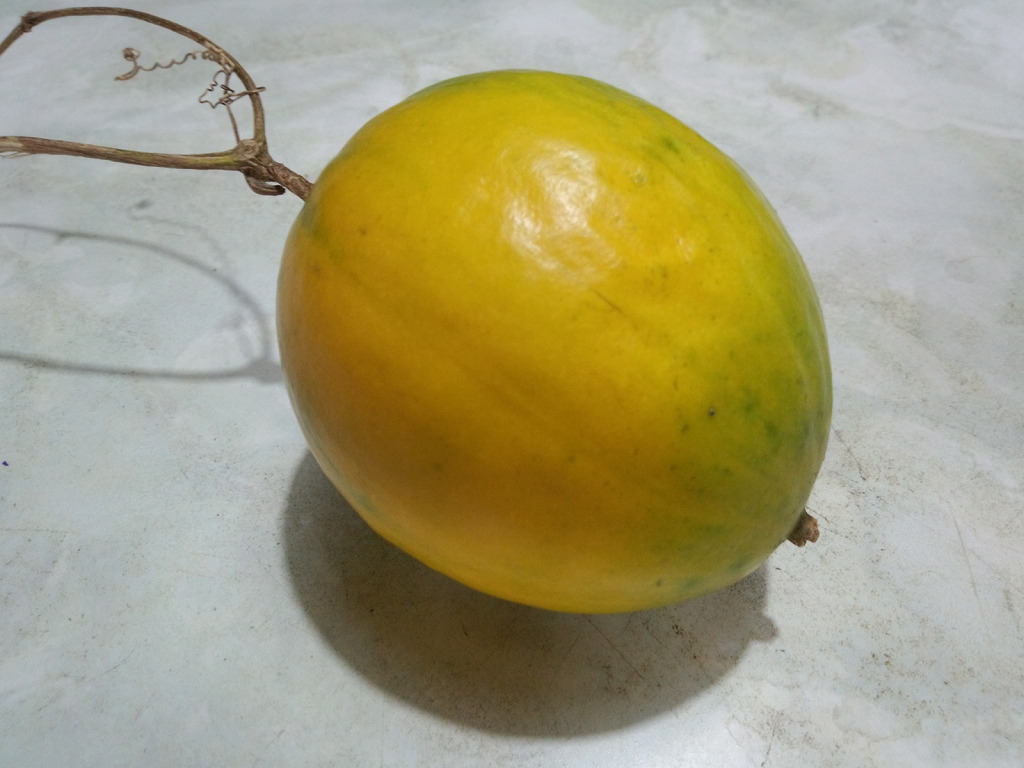
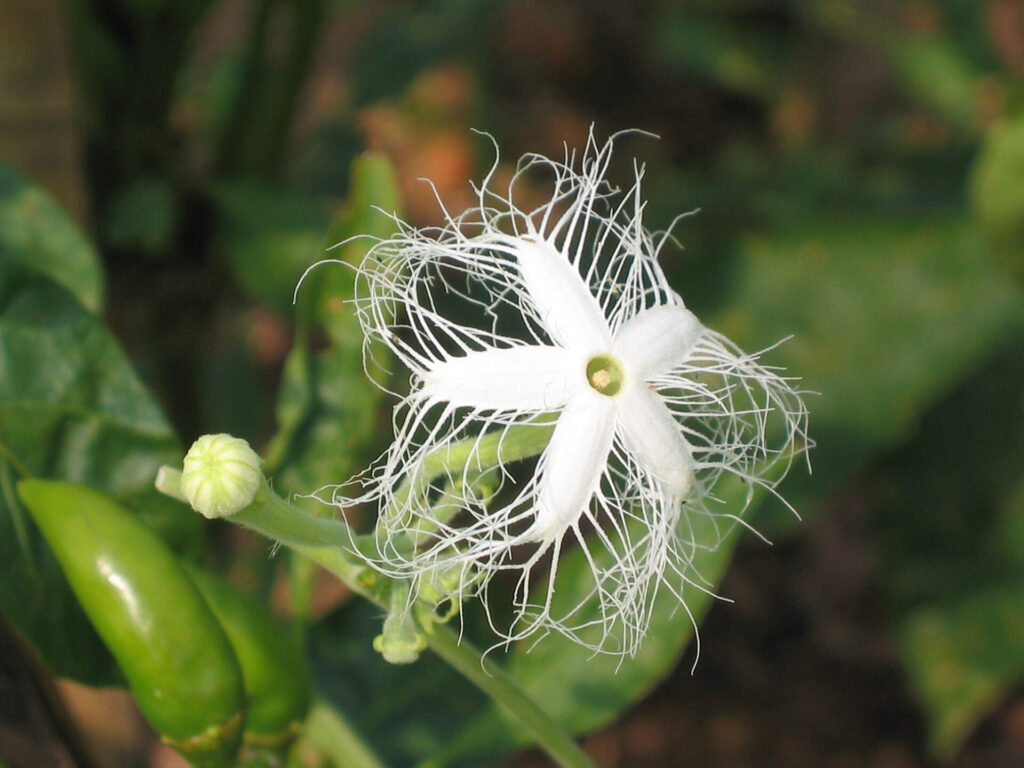
For the differences between snake gourd species, Japanese cucumber (Tricholoma rhodopolium), and Okinawa cucumber (Tricholoma okinawaense), please see our separate article.
What are the differences between the flowers of the Japanese snake gourd (Trichosanthes cucumeroides) and the yellow snake gourd (Trichosanthes cucumeroides)?
In addition, there are differences in the flowers and ecology of *Trichosanthes cucumeroides* and *Trichosanthes cucumeroides* (Tanaka, 2001).
In the Japanese snake gourd (Trichosanthes cucumeroides), the finely divided parts of the corolla are quite large, and the flowers mainly bloom at night, whereas in the yellow snake gourd (Trichosanthes cucumeroides), the finely divided parts of the corolla are smaller, and the flowers bloom from night until midday (up to the morning) of the following day.
It is well known that the Japanese snake gourd (Trichosanthes cucumeroides) attracts hawk moths, which are nocturnal, prefer nectar, and have long proboscises. Therefore, it is possible that the finely divided parts of the corolla of the Japanese snake gourd have become larger as a result of its adaptation to attract hawk moths.
Some people find the flowers of the snake gourd "creepy." However, these finely divided parts all have a purpose.
On the other hand, while observations have been made of the yellow snake gourd, it remains unknown which specific insects visit its flowers. However, considering the time of day it blooms, it may rely on diurnal insects for pollination.
Although further research is needed, it seems that differences in their ecology play a significant role in the coexistence of these two very similar species.
References
Kanagawa Prefecture Flora Survey Association. 2018. Kanagawa Prefecture Flora 2018 (Electronic Edition). Kanagawa Prefecture Flora Survey Association, Odawara. 1803pp. ISBN: 9784991053726
RBG Kew. 2023. The International Plant Names Index and World Checklist of Vascular Plants. Plants of the World Online. http://www.ipni.org and https://powo.science.kew.org/
Tanaka, Hajime. 2001. Flowers and Insects: A Collection of Discoveries of Mysterious Deception. Kodansha, Tokyo. 262pp. ISBN: 9784062691437
Wu, ZY, Raven, PH, & Hong, DY (Eds.). 2011. Flora of China (Vol. 19 Cucurbitaceae through Valerianaceae, with Annonaceae and Berberidaceae). Science Press, Beijing, and Missouri Botanical Garden Press, St. Louis. ISBN: 9781935641049