Sponsored Link
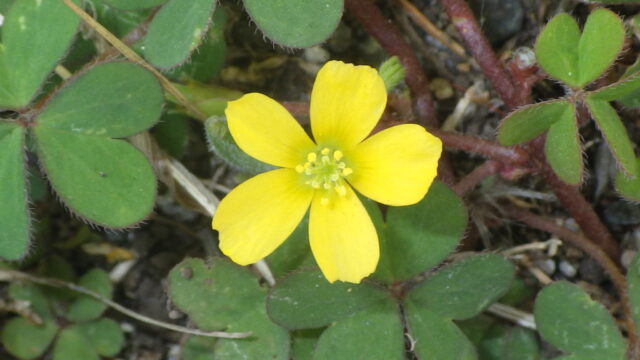
07.2063 Wood sorrel flower plant

What are the differences between Oxalis, Oxalis corniculata, and Oxalis sulphureus? How do they differ from Oxalis corniculata? This article explains how to distinguish between similar species.

Oxalis, Oxalis corniculata, and Oxalis sulphureus all belong to the genus Oxalis in the family Oxalidaceae, and are among the yellow-flowered varieties within the vast Oxalis genus. They are extremely common species, so hardy that they can easily grow even in cracks in urban concrete, and are even used in family crests in Japan...
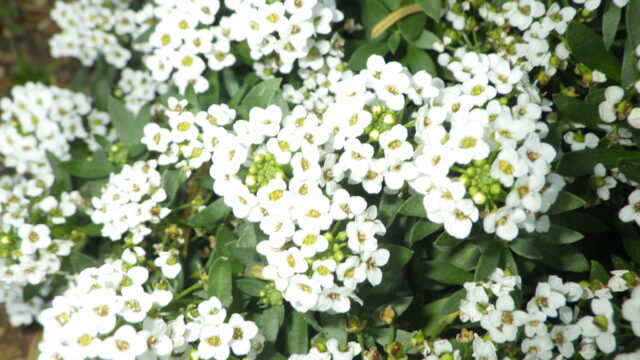
07.2600 Niwanazuna flower plant

What are the differences between alyssum, sweet alyssum, and Iberis? An explanation of how to distinguish between similar species.

Perennial alyssum, sweet alyssum, and Iberis all belong to the Brassicaceae family. Their leaves creep horizontally, and while they have the characteristic cruciate flowers of the Brassicaceae family, they are quite small, consisting of four petals. They are cute and hardy, making them frequently cultivated as ornamental plants. However, as for the varieties...
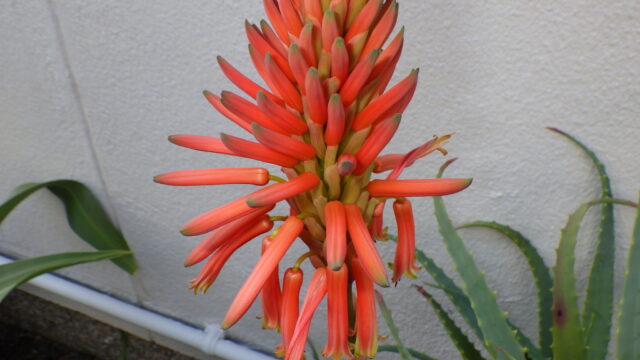
07.0526 *Kidachirokai* flower plant

What are the differences between aloe and agave? An explanation of how to distinguish between similar species.

Aloe and agave (Agave verum) both belong to the Asparagales order and are characterized by their drought tolerance, succulent, thick leaves, and thorns along the leaf margins. As succulents, they are frequently seen being cultivated in urban areas throughout Japan. However, seeing an agave...
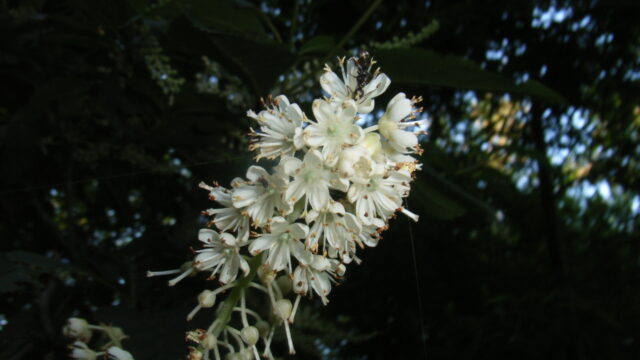
07.3004 Ryobu flower plant

What are the differences between *Lyonia ovalifolia* and *Ipheion undatus* (Dwarf Lyonia ovalifolia)? An explanation of how to distinguish between similar species.

Both *Lyonia ovalifolia* and *Ipheion undatus* (also known as *Lyonia ovalifolia*) are sometimes called "Lyonia ovalifolia" and are deciduous trees that are commonly planted. Although they are actually completely different species in terms of classification, they are similar in their flowering patterns, leaf characteristics, and fruit properties, leading to confusion and the misuse of *Ipheion undatus* as "Lyonia ovalifolia"...
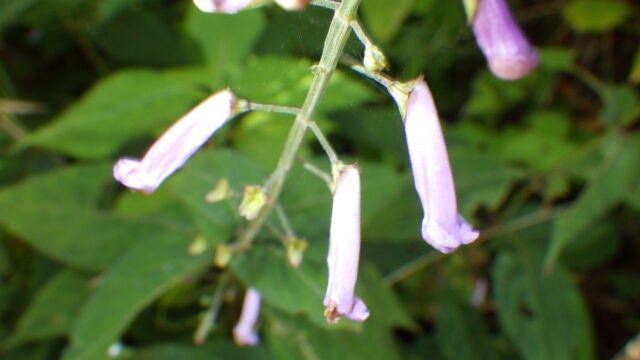
07.3563 Autumn Clerodendrum Flower plant

What are the differences between *Akichouji*, *Sekiyanoakichouji*, and *Yamahakka*? An explanation of how to distinguish between similar species.

Akichoji, Sekiyanoakichoji, and Yamahakka belong to the genus Mentha in the Lamiaceae family. They are perennial herbs found in forests, and are notable for their remarkably long corollas compared to other species in the Lamiaceae family. While identification can sometimes be confusing, focusing on the corolla and leaves will generally allow for identification. Is it Yamahakka...?.
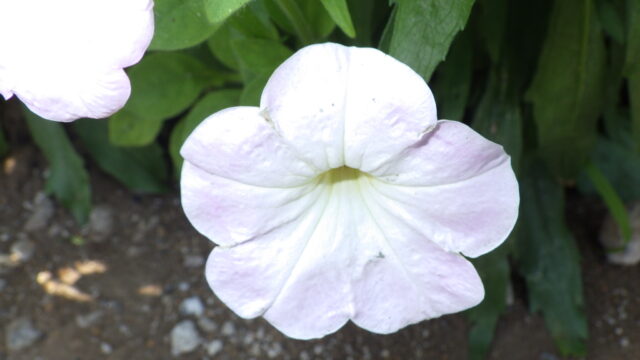
07.3341 Ipomoea purpurea (White flower type) plant

What are the differences between petunias and calibrachoas? How do they differ from vinca? This article explains how to distinguish between similar species.

Petunias (Ipomoea nil) and calibrachoas both belong to the Solanaceae family. Originally, the genus Calibrachoa was included in the genus Ipomoea nil, but it is now treated as a separate genus. The two species are very closely related, making taxonomic distinction extremely difficult, however, when considering horticultural varieties, leaf size and other factors...
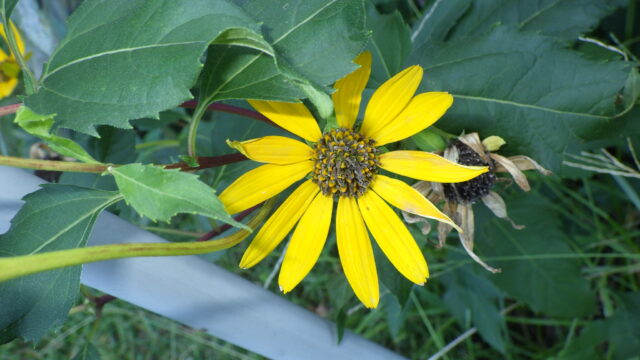
07.3877.a False Jerusalem Artichoke Flower plant

What are the differences between Jerusalem artichoke, dog Jerusalem artichoke, and false Jerusalem artichoke? An explanation of how to distinguish between similar species.

Jerusalem artichoke, Helianthus tuberosus, and false Jerusalem artichoke all belong to the Asteraceae family. They share characteristics such as erect stems, scales on the receptacle, and yellow ray florets, but their overall appearance is so lacking in distinct features that they could be described as "The Asteraceae." Distinguishing between them is difficult if you only focus on the flower heads...
07.3754 *Kouyabouki* flower heads plant

What are the differences between *Koyabouki*, *Nagabano Koyabouki*, and *Kashiwaba Haguma*? An explanation of how to distinguish between similar species.

*Aster tataricus*, *Aster tataricus*, and *Aster savatieri* all belong to the genus *Aster* in the Asteraceae family. A key distinguishing feature within the vast Asteraceae family is that the central tubular florets of the flower head have a two-lipped corolla. They are commonly found in forests. However, the flower heads of the three species are similar...
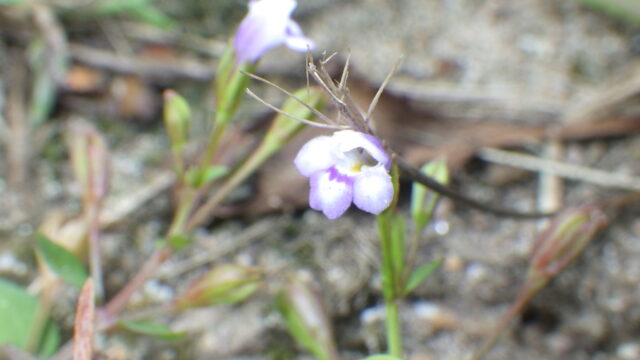
07.3453 Urikusa flower plant

What are the differences between *Lindernia procumbens*, *Lindernia dubia*, and *Lindernia ovata*? An explanation of how to distinguish between similar species.

Lindernia procumbens, Lindernia maritima, and Lindernia maximowiczii all belong to the Linderniaceae family. They are small, annual herbs characterized by opposite leaves and small, lip-shaped flowers in the leaf axils. While quite inconspicuous, their flowers are very similar, making them easily confused. These three species differ in their habitat, leaves, and flowers...
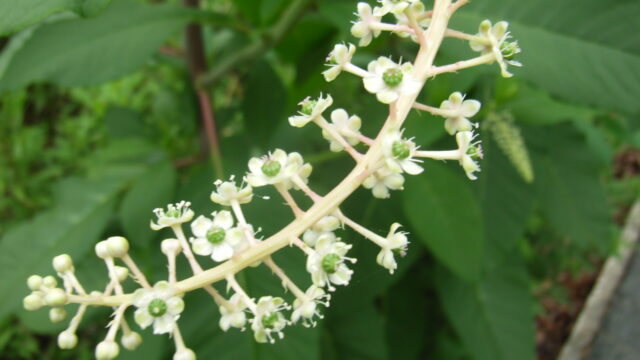
07.2830 American Pokeweed Flower plant

What are the differences between Japanese pokeweed (Phytolacca americana), American pokeweed (Phytolacca americana var. japonica), and round pokeweed (Phytolacca americana var. japonica)? How do they differ from burdock (Phytolacca americana)? We'll explain how to distinguish between similar species! Even though it's highly poisonous to humans, birds are unaffected!?

Japanese pokeweed (Phytolacca americana), American pokeweed (Phytolacca oleracea), and round pokeweed (Phytolacca oleracea) all belong to the Phytolaccaceae family and genus Phytolacca. Their names come from the fact that their fleshy, thick roots resemble those of burdock (Philadelphia arvensis), and they are characterized by their entirely poisonous nature and dark purple berries. However, the three species are often confused...
Sponsored Link