Apocynaceae

Sponsored Link
plant

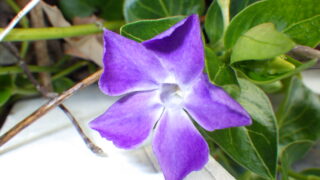
What are the differences between periwinkle, climbing periwinkle (Vinca), and dwarf climbing periwinkle? An explanation of how to distinguish between similar species.

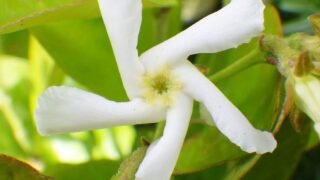
Periwinkle, climbing periwinkle, and dwarf periwinkle all belong to the Apocynaceae family and are cultivated in Japan for ornamental purposes, frequently seen even in urban areas. They are popular for their interesting features, such as their fused petals with five propeller-shaped lobes at the tip, but their names are similar, especially the climbing periwinkle...
plant

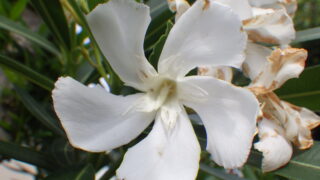
キョウチクトウの毒はどのくらい危険?なぜ広島では平和の象徴?蜜を分泌しないキョウチクトウの花は絶滅種に擬態していた!?

キョウチクトウは公園での植え込みや街路樹など日本国内で様々な地点で見かける園芸樹木ですが、元々は地中海から東南アジアに分布しており、諸説ありますが、葉5~15枚が致死量と言われ、国内でも極稀ですが、中毒の報告があります。また燃やした煙にも毒...
plant

There are differences between plumeria and Indian jasmine! We'll explain how to distinguish between similar species! When did it arrive in Hawaii? Is it poisonous? Were the flower's flashy colors and scent an evolutionary adaptation to deceive moths?!

Plumeria is a popular garden plant known for its vibrant, large flowers and fragrance, symbolizing the tropics. However, it is also known as Indian jasmine. The terms "plumeria" and "Indian jasmine" may have different meanings. In Japan, "Indian jasmine" often refers to a single, common variety...
plant

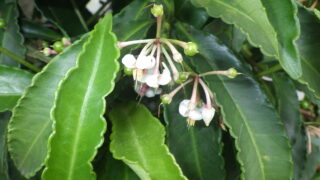
What are the differences between Trachelospermum asiaticum, Trachelospermum asiaticum, and Trachelospermum asiaticum? We'll explain how to distinguish between similar species! Is it historically true that the name originates from "Fujiwara no Teika"? What is the ecological reason why they bloom and emit a fragrance in the evening?

Trachelospermum asiaticum and Trachelospermum asiaticum are climbing plants that can be widely found in Japan, from forests to urban areas, including cultivated varieties. They can be distinguished by the hairs on the underside of their leaves and the length of their flower tubes. They have been widely known in Japan since the time of the writing of the Kojiki, and their current names are derived from "fuji" (wisteria)...
Sponsored Link