Oleander is a cultivated tree commonly found in parks and along streets throughout Japan, but it originally thrives in the Mediterranean and Southeast Asia. While there are various theories, it is said that 5 to 15 leaves are a lethal dose, and although extremely rare, there have been reports of poisoning in Japan. The smoke from burning oleander has also been proven to be toxic. Historically, there are legends of people being poisoned or dying from using oleander branches as skewers. On the other hand, in Hiroshima, it is considered a symbol of peace and reconstruction as it was one of the first flowers to bloom after the atomic bombing. Despite its strict nature, the oleander's hardiness stems from its adaptation to the Mediterranean climate, and it possesses many interesting ecological characteristics . There is a hypothesis that its flowers may mimic a species of rhododendron, a relict species from the Cenozoic Tertiary period, whose habitats do not currently overlap. This article will explain the classification, toxicity, history, pollination ecology, and seed dispersal of the oleander.
- A plant that looks like a cross between bamboo and peach? A hugely popular plant for landscaping all over the world.
- Oleander leaves adapted to Mediterranean climate
- What is the difference between oleander and European oleander?
- Beware of cardiac glycosides, the toxic components of oleander.
- Even Alexander the Great was troubled by oleanders...?
- The mystery of the oleander flower that no one ever visits
- Even a life of deception isn't easy? The struggles of the oleander.
- The fruit waits for the rainy season to release its seeds all at once.
- References
A plant that looks like a cross between bamboo and peach? A hugely popular plant for landscaping all over the world.
Nerium oleander (in the broad sense) is native to the Mediterranean region, including North Africa, Southern Europe, and Southeast Asia. In nature, it is an evergreen shrub that mainly inhabits waterways, such as forests and shrublands along riverbanks and streams, rocky and gravelly areas, intermittent waterways between damp canyons and slopes, and near springs in arid regions (Vélez-Gavilán, 2021). It belongs to the family Apocynaceae. The genus name Nerium comes from the Greek word for "moist" (Tanaka, 2011). Because it requires sufficient moisture to germinate, its distribution in the wild is limited (Herrera, 1991).
However, this may give you the impression that it is quite different from the habitat you might imagine in Japan, and you might wonder if it can be commonly found in dry areas. This is probably because, under cultivation, it is propagated by cuttings, so it does not require water for germination.
They are adapted to the Mediterranean climate and make up sclerophyll forests, including olive trees, cork oaks, and carob (Herrera, 1991). Such plants can adapt not only to drought but also to various adverse conditions such as frequent wildfires, heavy rains, and nutrient deficiencies.
The oleander commonly seen in Japan is the introduced species Nerium oleander var. indicum, which is believed to be native to India (Hirano, 1997). However, there is little information available from overseas regarding N. oleander var. indicum, and the exact distribution area of this variety is unknown. It is possible that this classification is not commonly used globally.
It is resistant to pollution and drought, and is now planted as a garden tree and street tree all over the world, including Japan, and can be seen even in cities.
The Japanese name is derived from the Chinese name "Jiaozhutao," which is said to be because it has slender leaves like bamboo and flowers like peaches (Tsujii, 2006; Tanaka, 2011). The leaves do not have parallel veins like bamboo, and the flowers do not look like those of the rose family like peaches, but perhaps that is how it appeared to the Chinese from a distance.
Oleander leaves adapted to Mediterranean climate
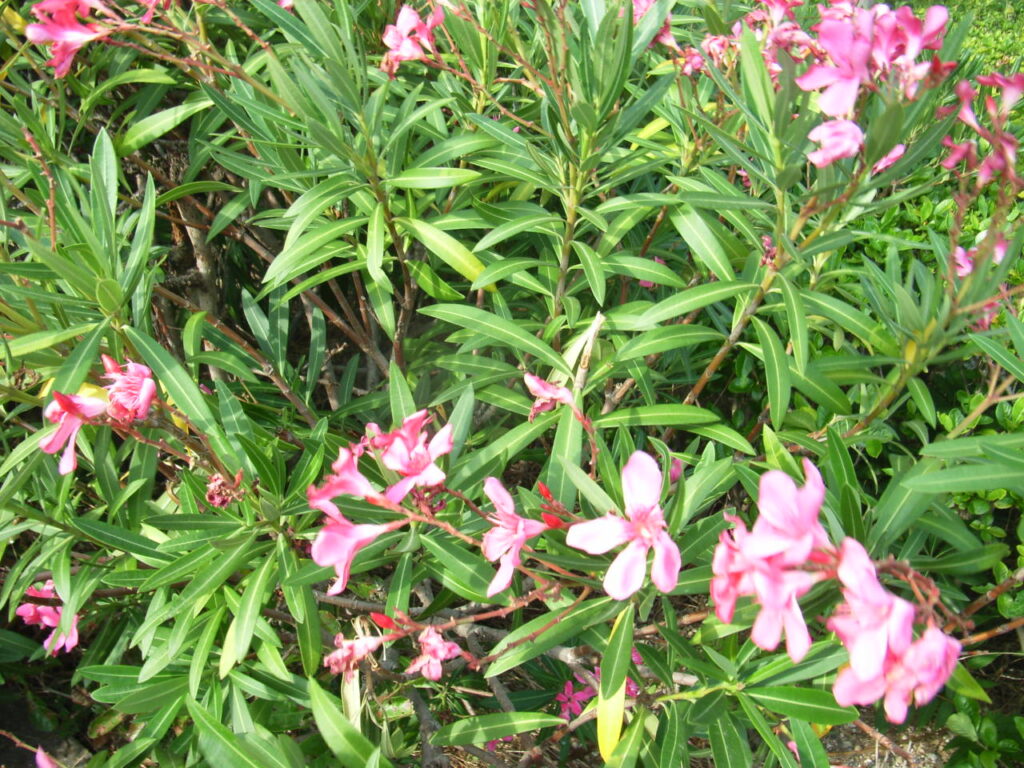
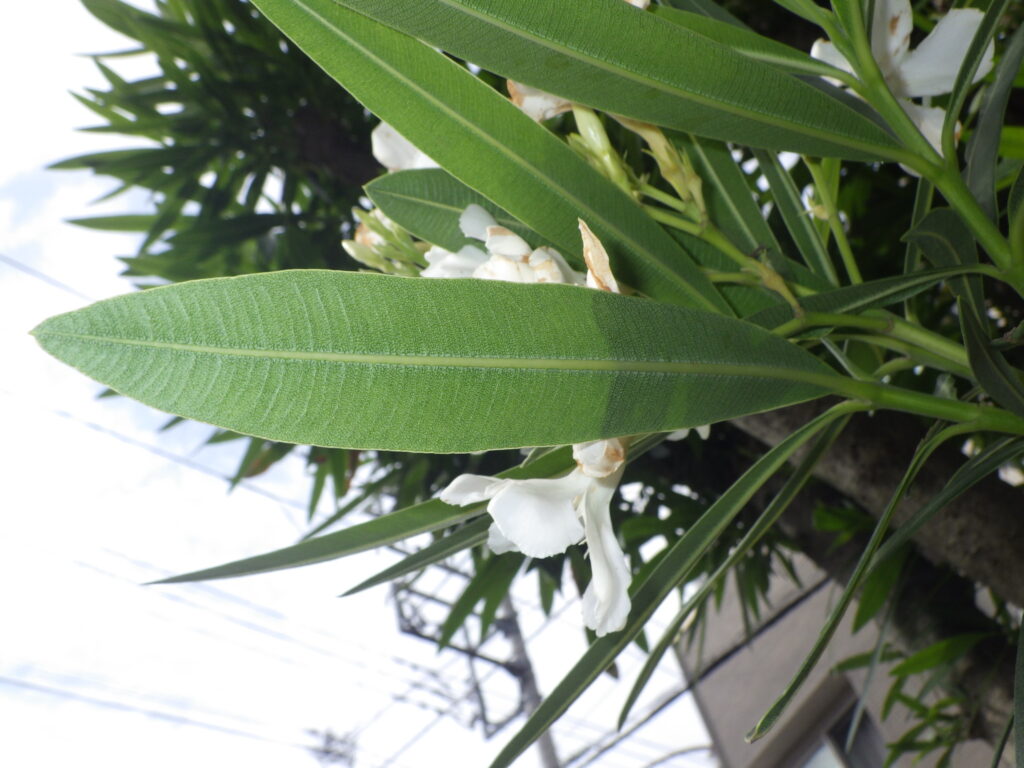
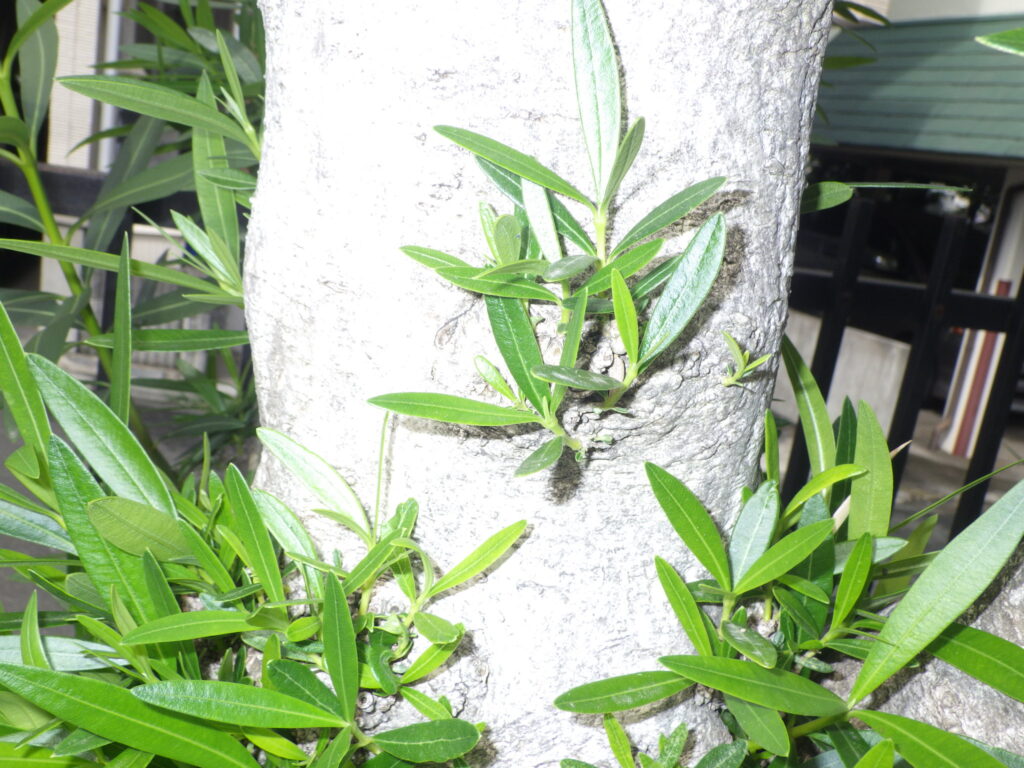
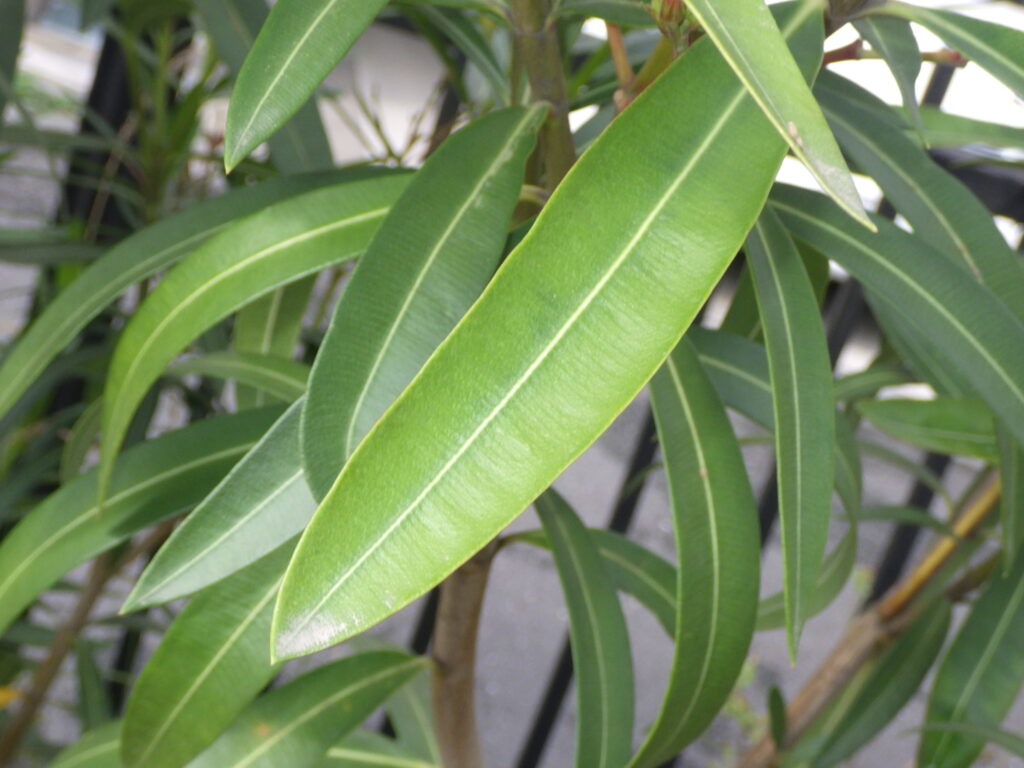
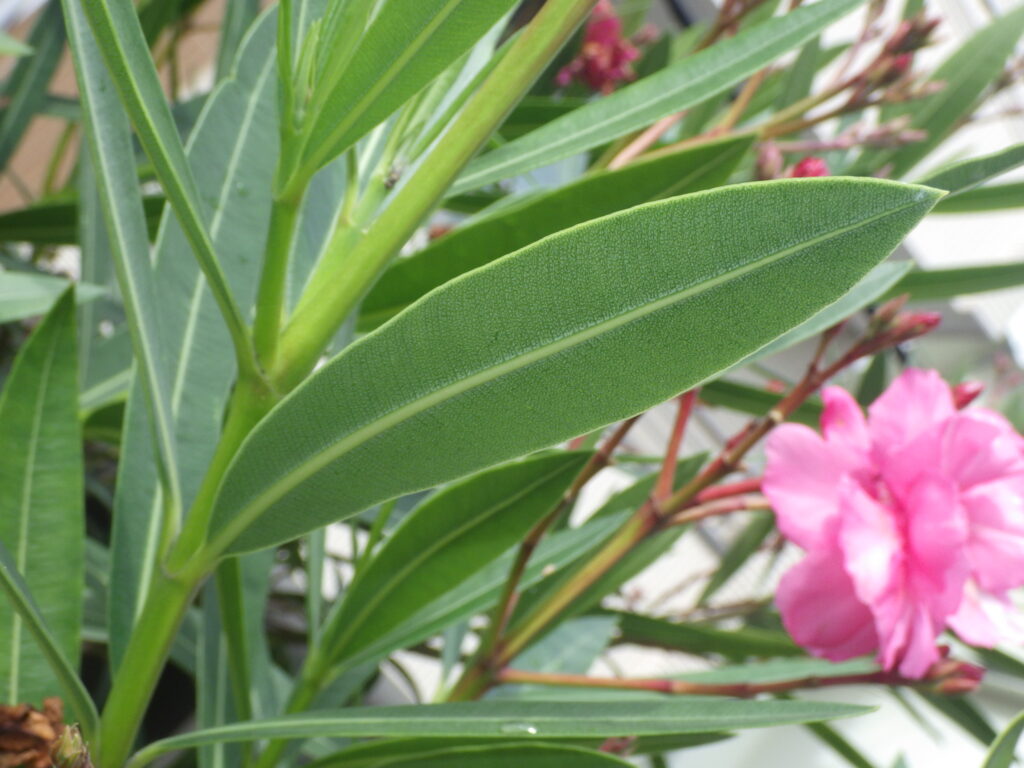
Oleander leaves are long, slender, glossy, and oblong, with thick, pointed ends. Do these narrow leaves serve any adaptive purpose?
In Mediterranean climates, while there is a reasonable amount of annual rainfall, summers are dry and winters are not particularly cold. Therefore, because water conditions are not ideal during the optimal growing season, the leaves need to be small, stiff, and drought-tolerant. This is thought to be the reason for these characteristics (Herrera, 1991). This is a characteristic of sclerophyllous trees, similar to that of olive trees.
This likely explains its characteristic resistance to dryness.
What is the difference between oleander and European oleander?
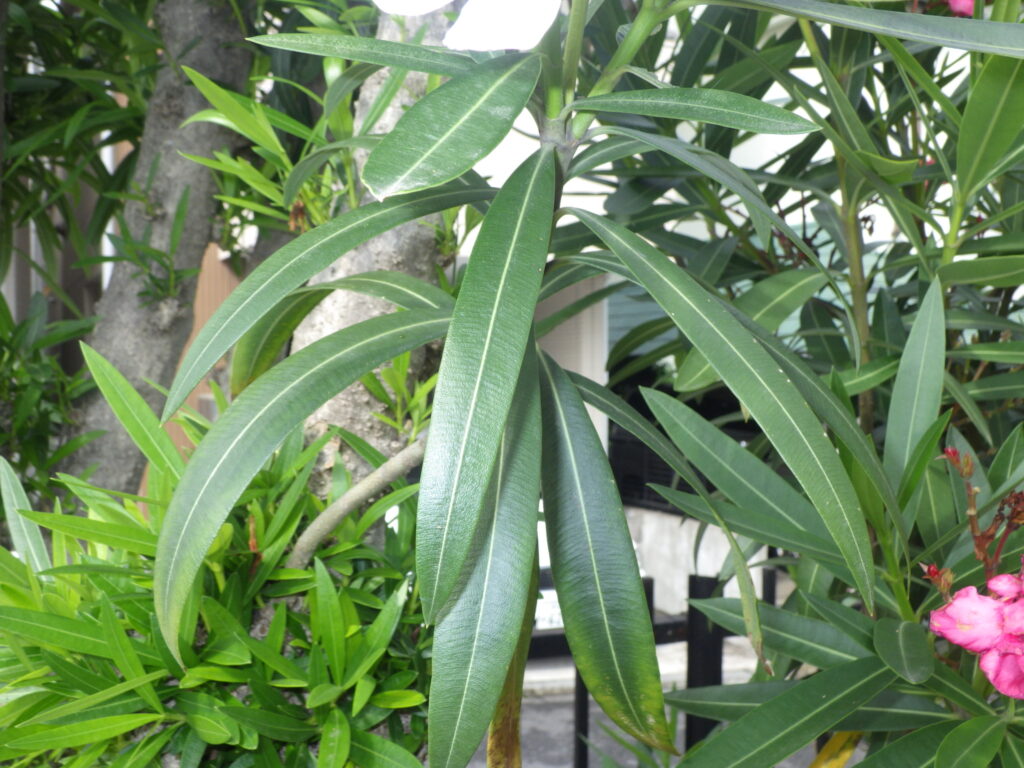
In Japan, only one species, Nerium oleander (in the broad sense), is found, and there are no similar species, but there are two varieties: Nerium oleander (in the narrow sense) and Nerium oleander (European oleander).
The difference is that in oleander (in the narrow sense), *Nerium oleander var. indicum *, the corolla appendages are deeply divided into 4 to 7 lobes and are fragrant, while in European oleander (* Nerium oleander var. oleander *), the corolla appendages are deeply divided into 3 to 4 lobes and are not fragrant (Kanagawa Prefecture Flora Survey Association, 2018). European oleander is rarely cultivated. However, this distinction is not commonly made overseas.
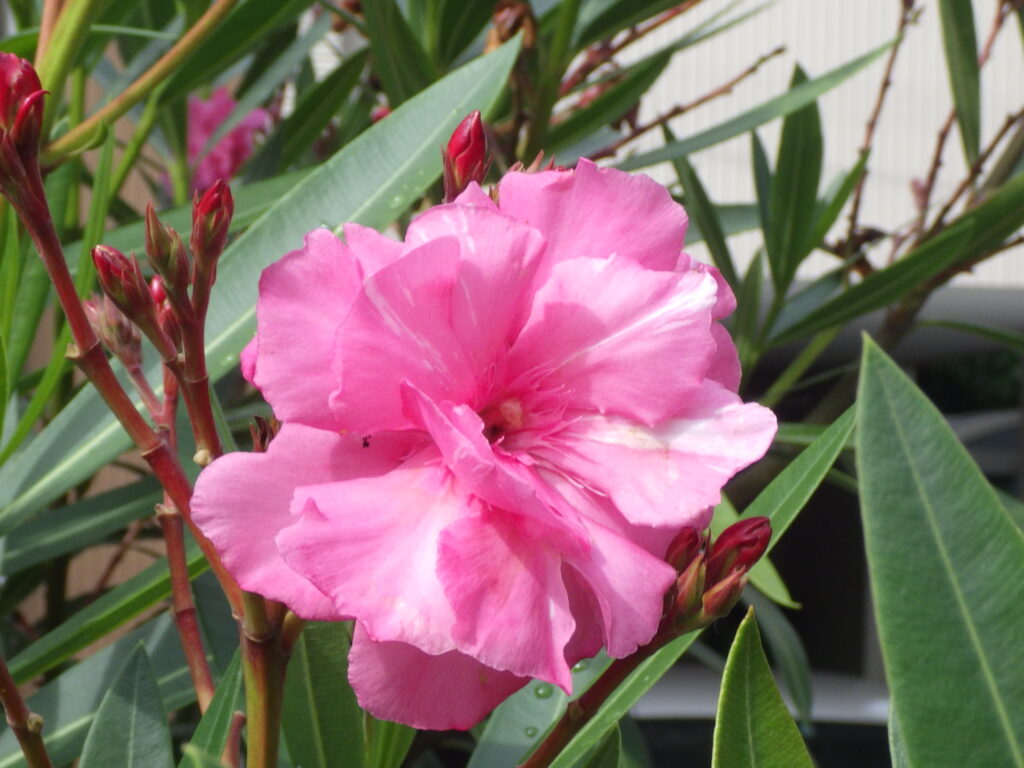
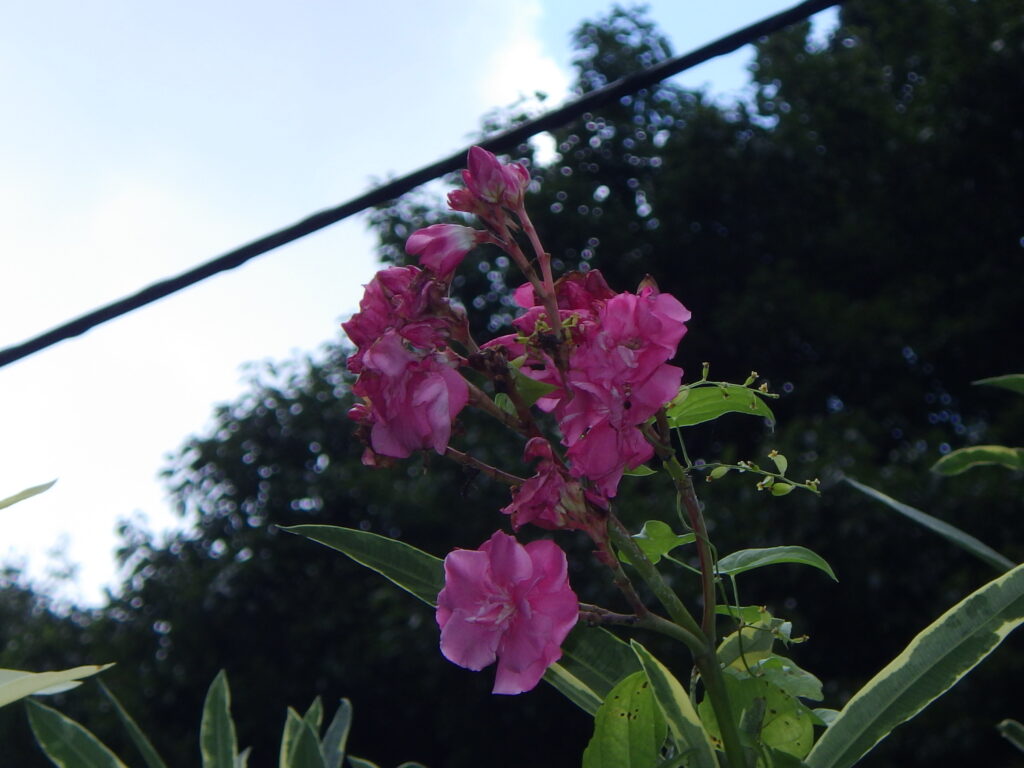
Furthermore, varieties with double flowers are treated as a separate cultivar called * Nerium oleander var. indicum 'Plenum'*.
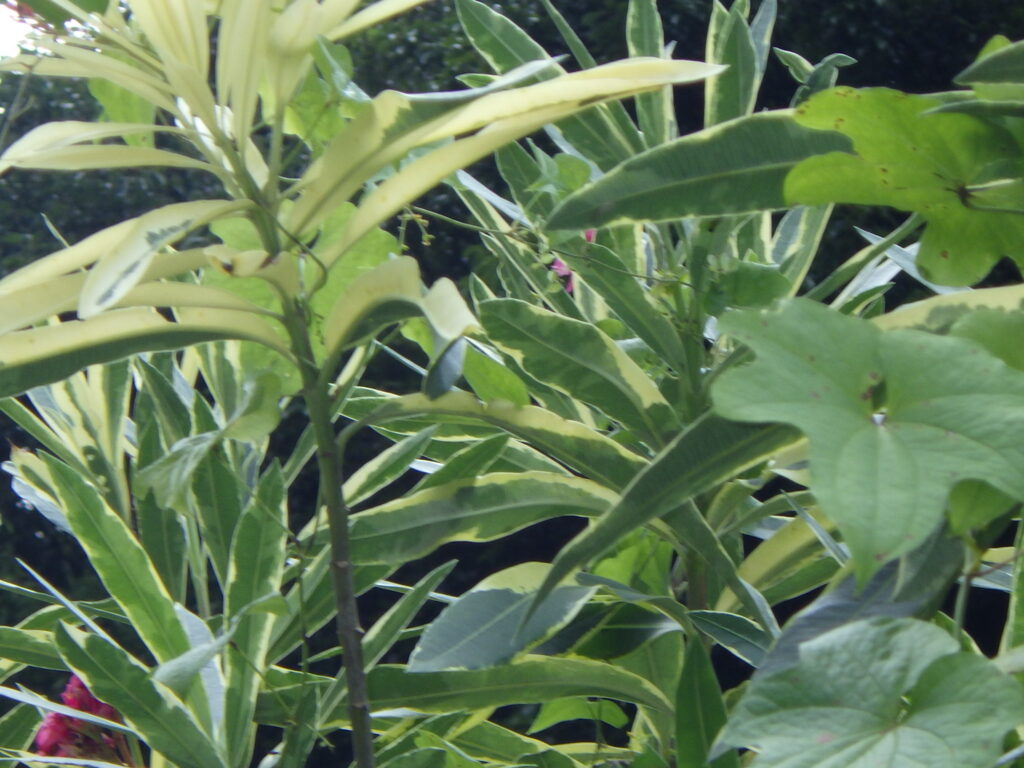
The variety called Nerium oleander var. indicum 'Variegatum' has double flowers and variegated leaves.
Beware of cardiac glycosides, the toxic components of oleander.
Oleander contains several toxic compounds, including oleandrin, oleandrigenin, and other cardiac glycosides, in all parts of the plant, including leaves, flowers, roots, and stems (Farkhondeh et al., 2020). Oleander with red flowers during its flowering season produces more cardiac glycosides than shrubs with white flowers. There have been reports of poisoning symptoms and even death in humans and livestock after ingestion.
The symptoms are similar to those of digitalis poisoning, with nausea and vomiting (100%), limb weakness (84%), fatigue (83%), diarrhea (77%), non-rotational vertigo (66%), and abdominal pain (57%) occurring (Kadota et al., 2012). The mortality rate is said to be 4-10%.
Regarding toxicity, reports indicate that the oral lethal dose of oleander in adults is equivalent to 5 to 15 leaves, but there are also records of even a single green leaf being lethal, and there is no established consensus (Farkhondeh et al., 2020; Kobe et al., 2020). Furthermore, some reports suggest there is no correlation between the amount ingested and the severity of poisoning, making it difficult to estimate the severity based solely on the amount ingested.
Actual cases in Japan are extremely rare, but there have been reports of fatalities. Other known cases include poisoning from ingesting dried oleander leaves (Kadota et al., 2012), poisoning from eating oleander leaves growing in one's own garden for the purpose of self-injury (Kobe et al., 2020), and poisoning from eating oleander leaves planted on school grounds, believing them to be edible (Asahi Shimbun, 2017).
While historical legends mention poisoning from the branches, most reported cases in current medical records appear to be from the leaves.
Although oleander is planted in many places, cases of poisoning are rare, so it may not be considered particularly dangerous compared to other poisonous plants. However, you should absolutely avoid ingesting it or consuming food that has come into direct contact with oleander.
Furthermore, the idea that oleander's toxins are released into the atmosphere when its branches are burned has spread on the internet, and while it may sound like a lie, a paper published in 2011 (Senthilkumaran et al., 2011) actually details a case in India where a farming family suffered poisoning symptoms after burning branches indoors without proper ventilation, providing medical backing for this claim. Therefore, while the smoke itself may not be immediately lethal, burning oleander in an environment where smoke is inhaled is strictly prohibited.
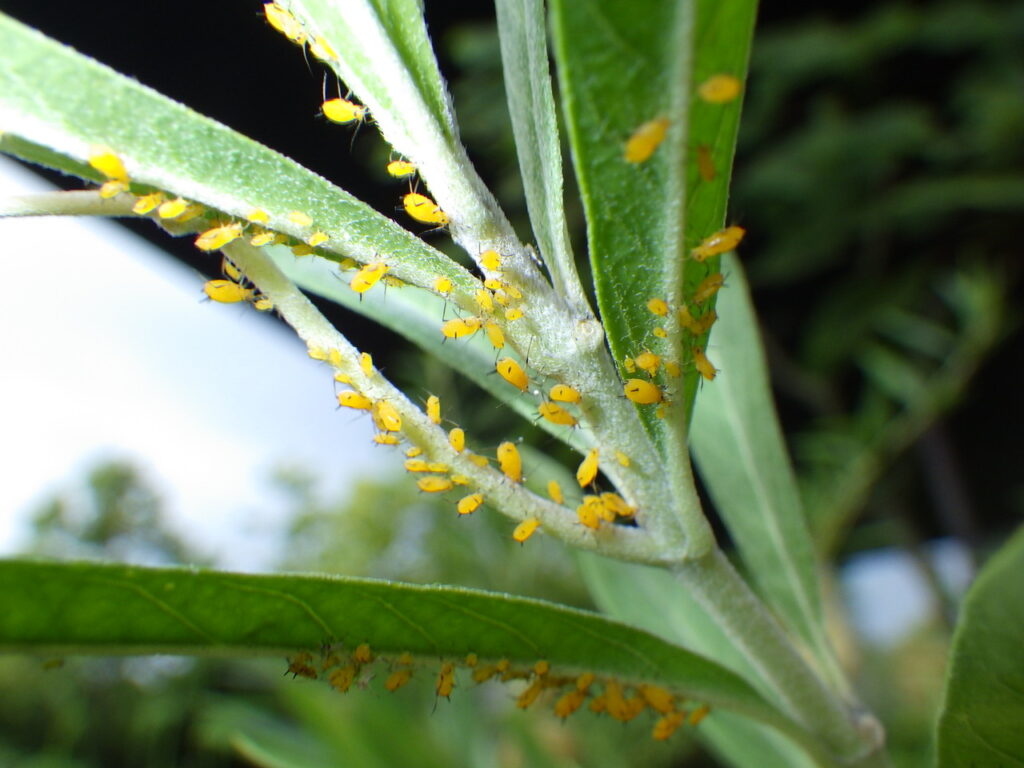
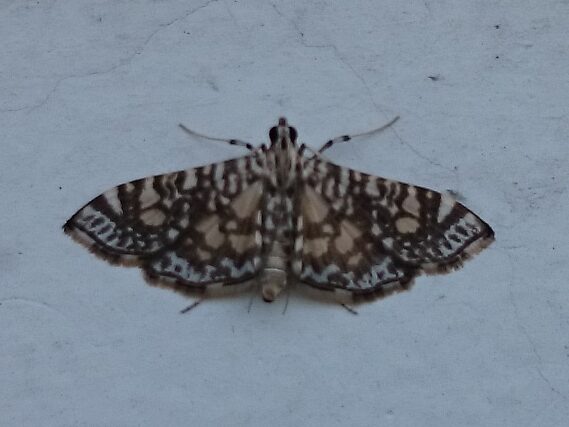
Although few animals eat oleander due to its toxic substances, in Japan, the oleander hawk moth (Daphnis nerii), oleander aphid (Aphis nerii), and white-spotted moth (Glyphodes sp.) can be found, while in Africa, hyraxes and gazelles eat it (Herrera, 1991). Wild animals have formidable defenses.
Even Alexander the Great was troubled by oleanders...?
Oleander has a history of cultivation dating back thousands of years, originating in ancient civilizations along the Mediterranean coast.
There are several historical anecdotes regarding the poisonous nature of oleander.
There is a legend that Alexander the Great of Macedon lost many soldiers because he used oleander branches as skewers to roast meat (Fuller & McClintock, 1988; Uematsu, 2000). A similar legend exists about Napoleon's army.
In recent years, in 1975 in France, seven men and women died when oleander was used in a barbecue, and in a similar case in Australia, 10 out of 11 people died (Saito, 2021).
It is believed that the plant arrived in Japan via China during the mid-Edo period, either during the Kyoho era (1716-1736) or the Kansei era (1789-1801) (Tsujii, 2006; Tanaka, 2011).
During the Satsuma Rebellion of 1877 (Meiji 10), there are reports of soldiers of the government army using broken branches as chopsticks and suffering poisoning (Tsujii, 2006; Hakugaku Kodawari Club, 2007; Tanaka, 2012). Similar incidents are said to have occurred among Japanese troops stationed in the South Pacific during World War II (Uematsu, 2000).
Regarding the historical examples, the author is generally based on hearsay and has not been able to verify any direct historical sources, so it is unclear whether they are historical facts. However, these are episodes that make you think that they could actually have happened.
Although there are many negative stories associated with it, in Hiroshima Prefecture, it was one of the first flowers to bloom after the atomic bombing during World War II due to its resilience to drought and air pollution, and it was designated as the official flower of Hiroshima City as a symbol of reconstruction (Saito, 2021).
The mystery of the oleander flower that no one ever visits
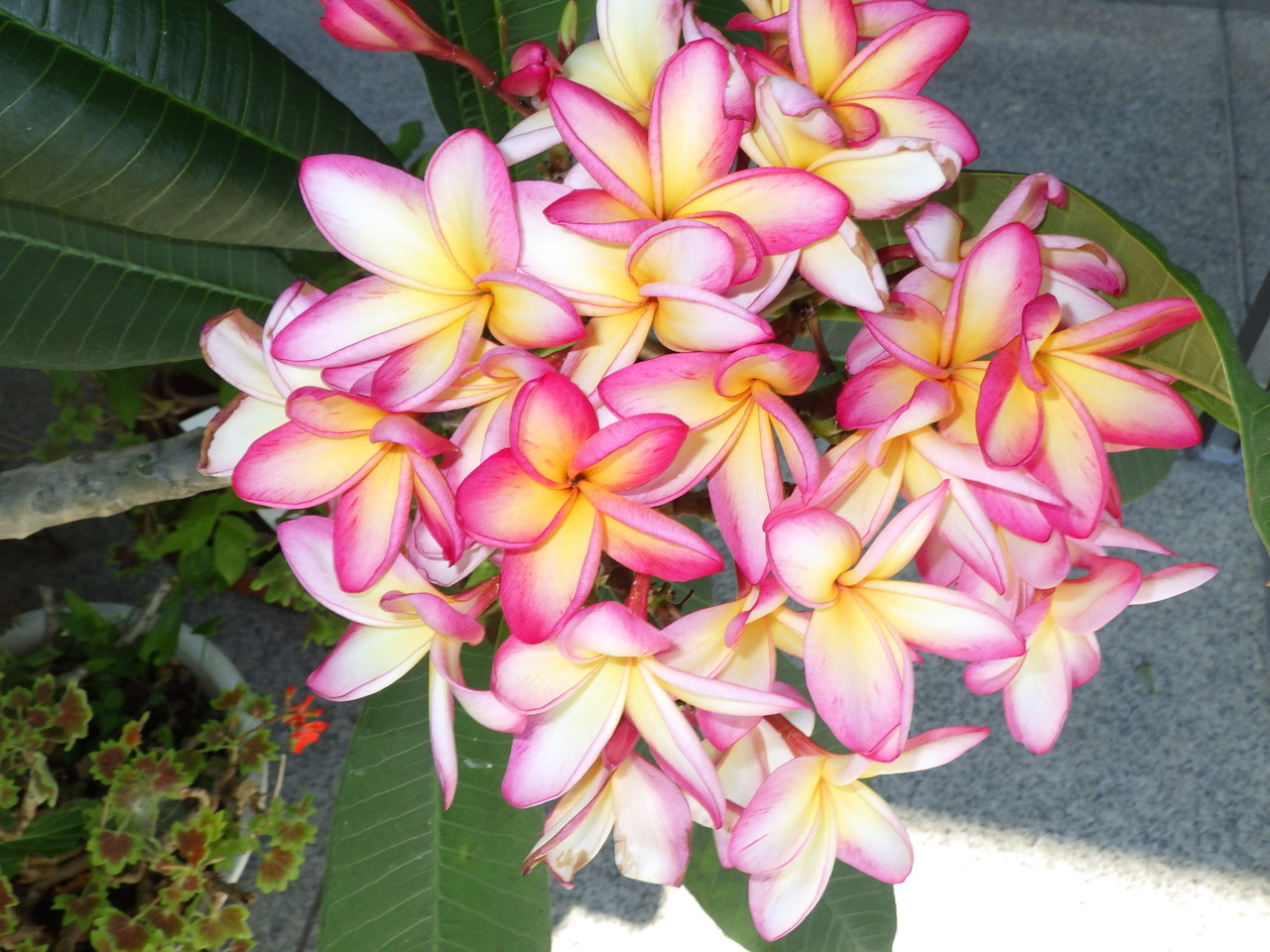
In tropical regions, the flowers bloom almost all year round, but in Japan, they bloom during the summer months, from June to September (Tsujii, 2006). The petals are tubular at the base, flatten out at the tip, and divide into five petals, each curved like a propeller (Hirano, 1997). Wild specimens have pale pink flowers, but there are many cultivated varieties with red, yellow, and white flowers, and the double-flowered variety is called Yaekoryukuto.
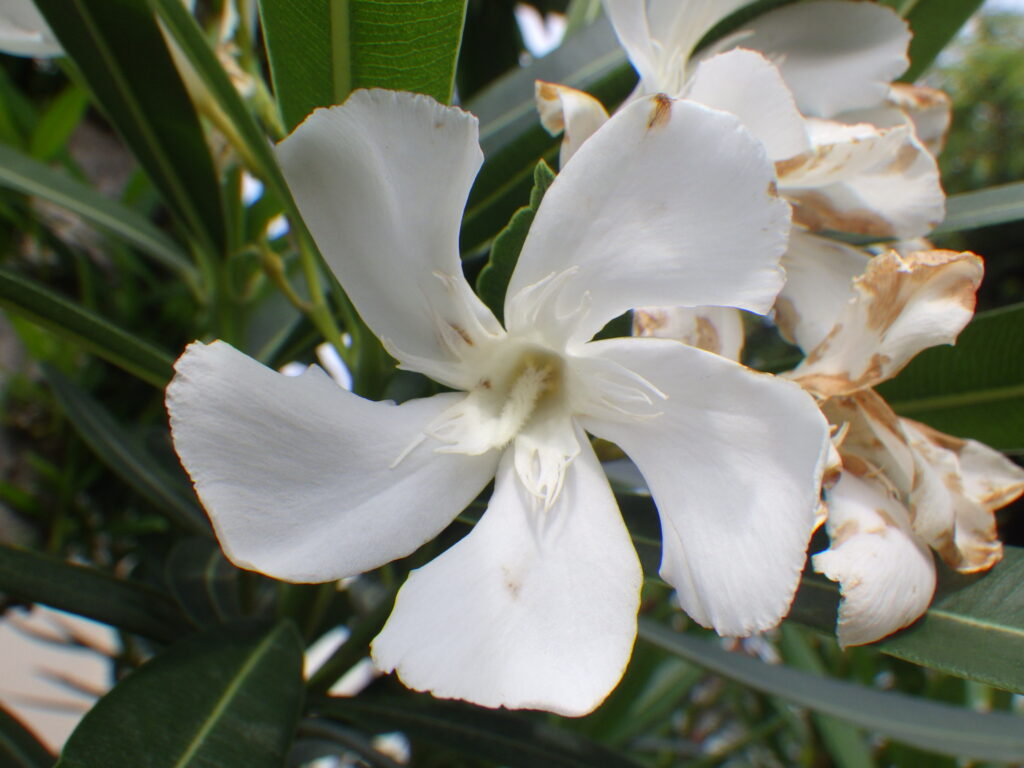
In Japan, there are few suitable pollinators, so successful pollination and fruit production are rare. Furthermore, under cultivation, it is propagated vegetatively through cuttings. Therefore, it can be said that the flowers are not very useful under cultivation. However, this is only true under cultivation conditions, so such occurrences are possible.
However, oleanders, including wild specimens, do not secrete nectar! This makes it seem as though the flowers serve no purpose at all. What is the point of them blooming?
While this topic is rarely studied in Japanese literature, it has been extensively researched in Spain, where it grows naturally (Herrera, 1991).
According to the research, oleander flowers seem to be successfully pollinated by deceiving insects. In other words, they mimic other nectar-producing flowers. By doing so, they succeed in pollination without expending energy on secreting nectar.
Oleander employs various strategies to deceive insects. For starters, each flower is quite large, and numerous flowers are present in the inflorescence despite their relative value to insects. While less common in wild varieties, they also have a fragrance, and unfertilized flowers can bloom for up to a week.
The appendages to the corolla (the frilly parts in the center) are also thought to be mimicry of stamens. Of course, oleanders do have their own stamens, but these appendages make it appear as if there are many more stamens and pollen.
Oleander does have pollen, so it's not entirely worthless to insects. However, it produces less pollen than other flowers, and considering the reward for the effort insects put in, it doesn't seem to be a very good food source.
This pollen is held together by an adhesive substance, which plays a role in attaching a large amount of pollen at once to insects that are occasionally tricked into coming to it.
Even a life of deception isn't easy? The struggles of the oleander.
After hearing all this, you might think that oleander must be making a profit by "cheating."
However, the same Spanish researcher observed the area for two years and found only eight instances of insect visits. Specifically, there were three instances of a bumblebee species, Xylocopa violacea, two instances of a species of pygmy bee, two instances of a bumblebee species, Bombus lucorum, and one instance of a species of callifly. It appears that bees are the main carriers of pollen, but their numbers are extremely small.
Of course, there's a possibility that the survey is insufficient, or that the survey is biased towards daytime, meaning that moths like hawk moths might be visiting at night. However, this doesn't mean that pollination is occurring adequately. Why is this happening?
This is thought to be because there are no plants with flowers that resemble oleanders to mimic them in the oleander's habitat (in this case, Spain). If there is no model that actually secretes nectar, insects will learn that it is a fake, and the likelihood of pollination will decrease.
If that's the case, the mystery deepens even further. Why does the oleander mimic a flower that doesn't exist?
While there's no scientific evidence to support this, an interesting hypothesis has been proposed: that the flowers mimic those of extinct plant species.
In Spain, you can find Rhododendron ponticum, an extremely rare species of rhododendron (Ericaceae family) that is a relict species from the Tertiary period of the Cenozoic era. Rhododendron ponticum has large, pink flowers that grow along riverbanks. It is possible that oleander evolved to mimic Rhododendron ponticum during a time when it was widely distributed. However, now that Rhododendron ponticum has narrowed its distribution area, only oleander remains, and it may be barely surviving as a result.
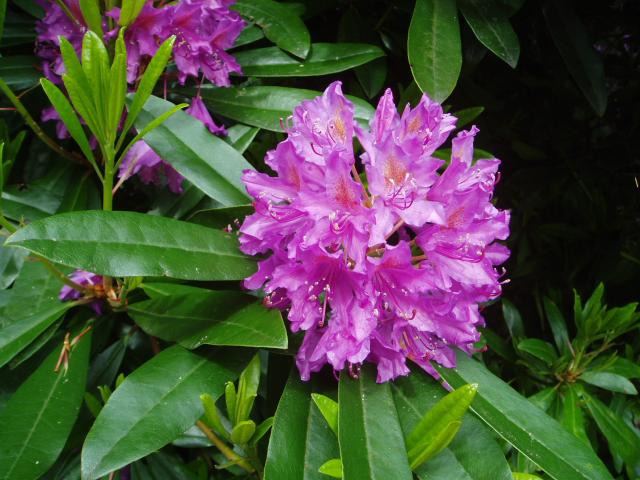
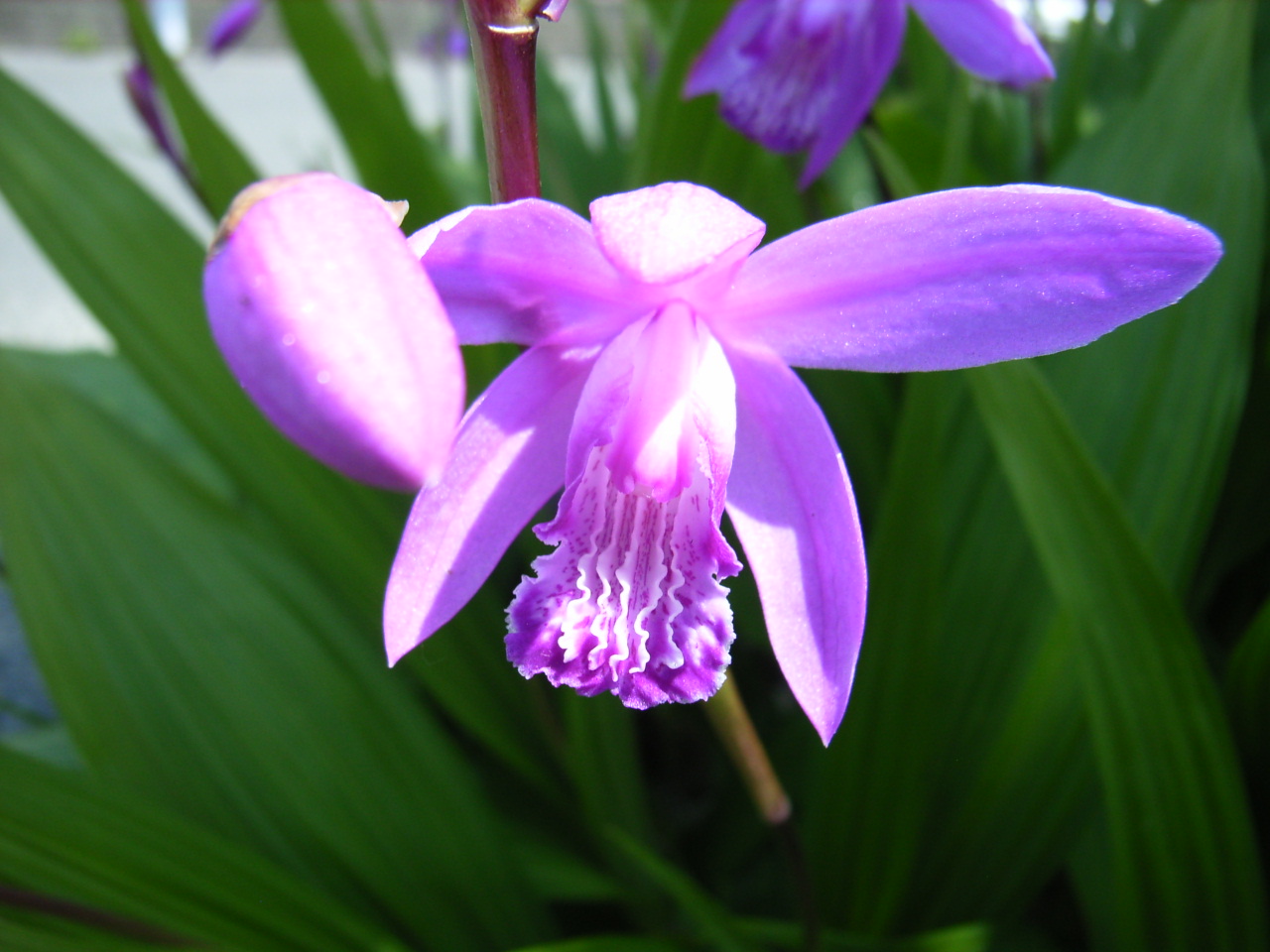
However, this hypothesis is biased towards observations in Spain. Further research is needed to determine what insects visit the Mediterranean and Southeast Asia, and whether there are any model species that mimic the insect. In fact, there are known cases where no model species exist, such as with the Bletilla striata, so it is interesting to consider the situation with the oleander.
Incidentally, plumeria (Indian jasmine), also belonging to the Apocynaceae family, does not secrete nectar. However, it doesn't deceive bees; instead, it releases a large amount of scent to deceive hawk moths. Although they belong to the same family and share some commonalities, they have different ecological characteristics. This is another interesting example.
The fruit waits for the rainy season to release its seeds all at once.
The fruit is a long, slender sac that splits open vertically when ripe, releasing seeds covered in long, brown, downy hairs (Hirano, 1997).
The seeds are covered in long hairs and are thought to be dispersed mainly by wind, but because they descend relatively quickly and do not fall from very high places, they end up landing very close to the parent plant (Herrera, 1991).
You might think that this would prevent them from expanding their habitat, but since oleanders can only survive in environments near waterways, there's no need for them to expand their habitat far away. In fact, it's advantageous for the seeds to grow near the parent plant.
Additionally, spraying with water from waterways is also carried out as a secondary method, but this is not considered to be of much importance.
Oleanders produce many flowers, but since most of them are for show, they don't produce many fruits. However, they do produce a large number of seeds per fruit. This is thought to be because, in the Mediterranean climate with dry summers, the fruits split open all at once when there is rainfall, releasing the seeds, and they germinate without missing the opportunity when there is water. It's a very rational design.
The oleander, which we often see planted in gardens, is a plant that has made remarkable adaptations to the Mediterranean climate. When you see one, it's fun to observe it while keeping this in mind.
References
Asahi Shimbun. December 16, 2017. Two elementary school students suffer food poisoning from oleander in Takamatsu. Asahi Shimbun. ISSN: 0917-0332, https://www.asahi.com/articles/ASKDJ4D9YKDJUBQU00N.html
Farkhondeh, T., Kianmehr, M., Kazemi, T., Samarghandian, S., & Khazdair, M. R. 2020. Toxicity effects of Nerium oleander, basic and clinical evidence: A comprehensive review. Human & Experimental Toxicology 39(6): 773-784. ISSN: 0960-3271, https://doi.org/10.1177/0960327120901571
Fuller, TC, McClintock, E. 1988. Poisonous Plants of California (California Natural History Guides). University of California Press, California. 384pp. ISBN: 9780520055698, https://archive.org/details/bub_gb_0-op0XwlDmQC/page/n83/mode/2up
The Erudite and Obsessive Club. 2007. Flowers and Plants: 200 Fun Facts! For example, why are there so many yellow flowers in spring? Kawade Shobo Shinsha, Tokyo. 222pp. ISBN: 9784309496504
Herrera, J. 1991. The reproductive biology of a riparian Mediterranean shrub, Nerium oleander L. (Apocynaceae). Botanical Journal of the Linnean Society 106(2): 147-172. ISSN: 0024-4074, https://doi.org/10.1111/j.1095-8339.1991.tb02289.x
Hirano, Takahisa. 1997. Tree Guidebook: Understanding the Characteristics and Uses of Trees Found in Gardens, Parks, and Wildlife. Nagaoka Shoten, Tokyo. 319pp. ISBN: 9784522215579
Kadota, N., Tabuchi, M., Shimizu, T., Higuchi, T., Tsubaki, N., and Asao, Y. 2012. A case of oleander poisoning. Japanese Journal of Intensive Care Medicine 19(4): 685-686. ISSN: 1340-7988, https://doi.org/10.3918/jsicm.19.685
Kobe, M., Nakajima, J., Murata, M., Sawada, Y., Isshiki, Y., Ichikawa, Y.,... & Oshima, K. 2020. A case of massive oleander ingestion. Kitakanto Igaku 70(4): 359-362. ISSN: 1343-2826, https://doi.org/10.2974/kmj.70.359
Kanagawa Prefecture Flora Survey Association. 2018. Kanagawa Prefecture Flora 2018 (Electronic Edition). Kanagawa Prefecture Flora Survey Association, Odawara. 1803pp. ISBN: 9784991053726
Senthilkumaran, S., Meenakshisundaram, R., Michaels, AD, & Thirumalaikolundusubramanian, P. 2011. Electrocardiographic changes during inhalational oleander toxicity. Journal of Electrocardiology 44(4): 470-472. https://doi.org/10.1016/j.jelectrocard.2010.12.002
Tsujii, Tatsuichi. 2006. Continued: Trees of Japan. Chuokoron-Shinsha, Tokyo. 230pp. ISBN: 9784121018342
Saito, Katsuhiro. 2021. The Beautiful and Terrifying World of Poisons! A Visual Encyclopedia of 200 Poisons. Shuwa System, Tokyo. 271pp. ISBN: 9784798063652
Tanaka, Kiyoshi. 2011. 100 Trees You Should Know: Trees that Support Japanese Life. Shufunotomo Co., Ltd., Tokyo. 159pp. ISBN: 9784072784976
Tanaka, Osamu. 2012. Plants are amazing: Mechanisms and ingenuity for survival. Chuokoron-Shinsha, 236pp. ISBN: 9784121021748
Uematsu, Rei. 2000. I Tried Eating Poisonous Plants. Bungei Shunju, Tokyo. 221pp. ISBN: 9784166600991
Vélez-Gavilán, J. 2021. Nerium oleander (oleander). CABI Compendium. https://doi.org/10.1079/cabicompendium.36220