Lavender is very popular in gardening and is known for its purple flowers, as well as its renowned medicinal properties. However, few articles properly explain how to distinguish between different types of lavender. The visual differences in lavender are not simply differences in "varieties," but rather they are entirely different species . The three main types—English lavender, French lavender, and Dentata lavender—can be distinguished by carefully examining the shape of their leaves and inflorescences. The same applies to other types. There are differences in how each type of lavender is used, with English lavender being the most highly valued, not only for ornamental purposes but also commercially important for the production of essential oils. The next most popular is the inexpensive lavandin. Essential oils have been used for various purposes, and their effects on anxiety, restlessness, insomnia, depressive symptoms, and mental instability are being scientifically proven. But do you know what insects visit and pollinate lavender flowers? In its native Mediterranean region, it is mainly the European honeybee that visits. This may seem normal, but various measures are taken to specifically target European honeybees. Furthermore, lavender inflorescences contain buds mixed with flowers, and it is becoming clear that this is a result of the plant's desire to avoid wasting pollen on self-pollination by bees. In French lavender, the petal-like bracts (fluttering parts) at the top of the inflorescence are prominent, and experiments comparing plants with and without these bracts suggest that they developed as a signal to make the plant visible to bees from a distance. While fruit dispersal is generally automatic, there are surprisingly instances of sheep carrying the seeds of French lavender. This article will explain the classification, uses, culture, pollination ecology, and seed dispersal of various lavender species.
- Three varieties of lavender that are very popular in gardening and produce purple flowers.
- The difference in appearance of lavender is not due to differences in "variety"!
- What are the differences between English lavender, French lavender, and Dentata lavender?
- Are there any other similar species?
- What are the differences in how to use different types of lavender?
- What shape are lavender flowers?
- Honeybees are the main visitors to lavender flowers.
- Why are there buds mixed in with the flowers?
- What is the purpose of the petal-like bracts at the top of the inflorescence?
- The fruit is a nutlet, and it's dispersed automatically and by sheep!?
- References
- Source
Three varieties of lavender that are very popular in gardening and produce purple flowers.
Lavandula angustifolia is also known as common lavender, English lavender, or fragrant lavender. Native to Europe (Italy, France, Spain, and Andorra), it is also called English lavender, but it is not found in the United Kingdom. The following uses the name English lavender as it is the most commonly used term, but please do not misunderstand. The most reliable Japanese name-scientific name correspondence database , 'Ylist', lists "lavender" as the standard Japanese name. It is an evergreen shrub. In Japan, it is cultivated as an ornamental plant.
French lavender, Lavandula stoechas, is also known as Stoechas lavender. It is distributed in Europe (Italy, Portugal, France) and Africa (Algeria, Egypt, Libya, Morocco, Tunisia, Sudan). It is an evergreen shrub. In Japan, it is cultivated as an ornamental plant.
Lavandula dentata, also known as fringed lavender (a name used only in Japan), is native to Spain, the Balearic Islands (Spanish islands in the western Mediterranean), Algeria, Eritrea, Ethiopia, Morocco, Palestine, Saudi Arabia, and Yemen, and is distributed across the Mediterranean and Atlantic islands, as well as the Arabian Peninsula. In its native habitat, it grows on low hills with limestone substrates surrounded by shrubs (Brickell & Kindersley, 2008). It is an evergreen shrub. In Japan, it is cultivated as an ornamental plant. The following is the most commonly used name, so we will call it Dentata lavender, but the most reliable Japanese name-scientific name correspondence compilation , 'Ylist', lists "Kirehara Bender" as the standard Japanese name . Also, Lavandula dentata is sometimes called French lavender overseas, but this is not recommended as it overlaps with the name Lavandula stoechas.
All of these belong to the lavender genus of the mint family, and are well-known as herbs and essential oils. In Japan, they are often cultivated in gardens for ornamental purposes. Although they are a popular group, there is very little proper information available about their different species.
The difference in appearance of lavender is not due to differences in "variety"!
These lavender varieties have many different names and are often confused.
Furthermore, on gardening websites and other online resources, they are sometimes treated as separate "cultivars," such as being referred to as "Dentata type."
However, in biological terms, the term "variety" refers to differences in appearance within the same species due to variations in natural conditions or artificial selection.
In the case of lavender, the species are completely different, and they do not usually cross-pollinate under natural conditions. Even if they do, establishment is rare, so it is not appropriate to call them "varieties."
Let's make sure we understand this point first.
Of course, there are individuals that have been selectively bred from each of the species.
What are the differences between English lavender, French lavender, and Dentata lavender?
Let's consider the differences between three representative types of lavender: English lavender, French lavender, and Dentata lavender.
While it's difficult to find information on distinguishing between different types of lavender on the Japanese internet, an identification key is included in an Australian horticultural guide (Spencer et al., 2002). For Japanese readers, the book "Lavender Book" is also a useful reference (Komatsu & Komatsu, 2008).
First, let's look at the differences between the flowers.
Lavender inflorescences have very small leaves called bracts (or bract leaves) that enclose 1 to 5 flowers.
These bracts can develop significantly at the top, sometimes forming frilly sections (petal-like bracts).
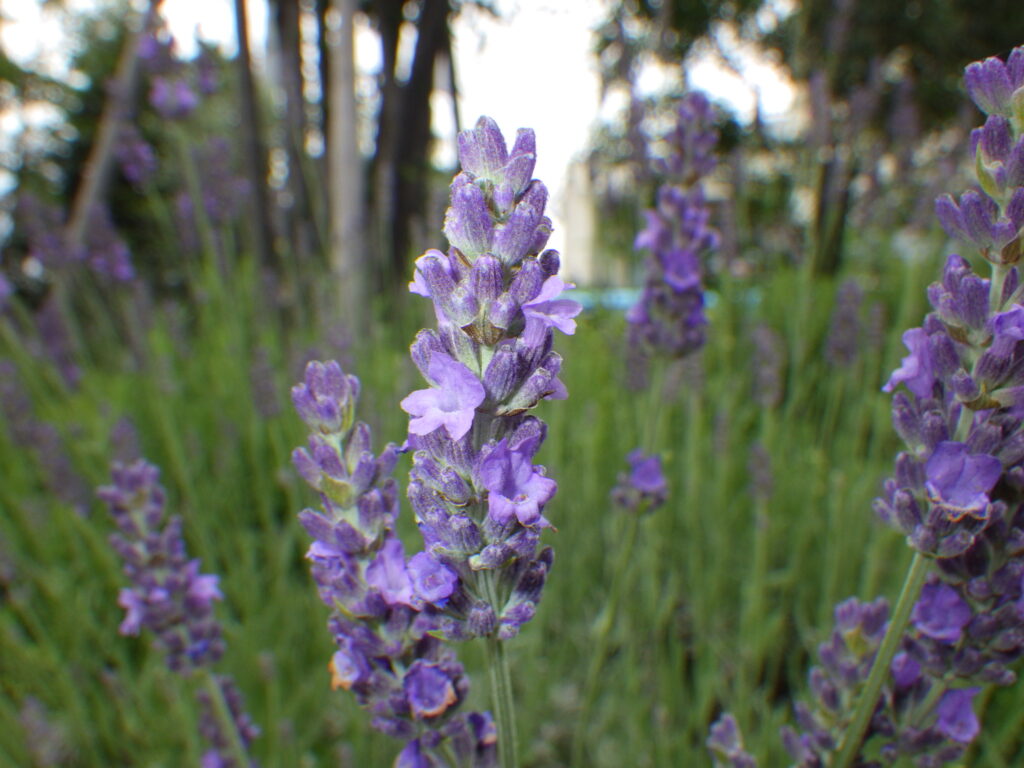
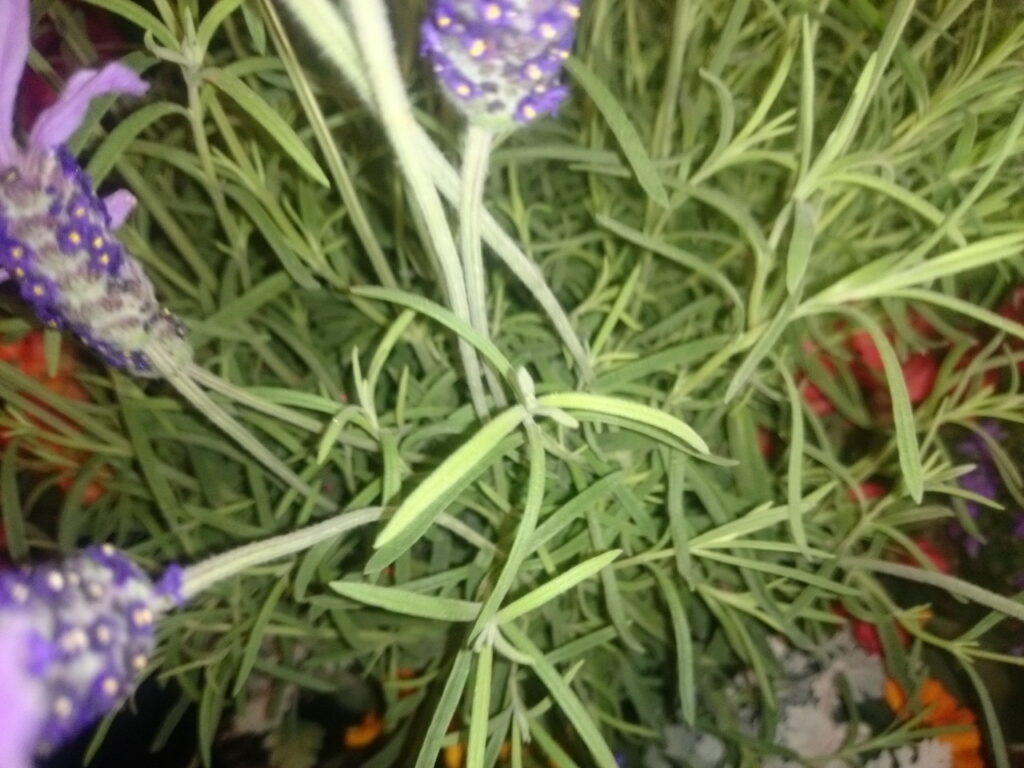
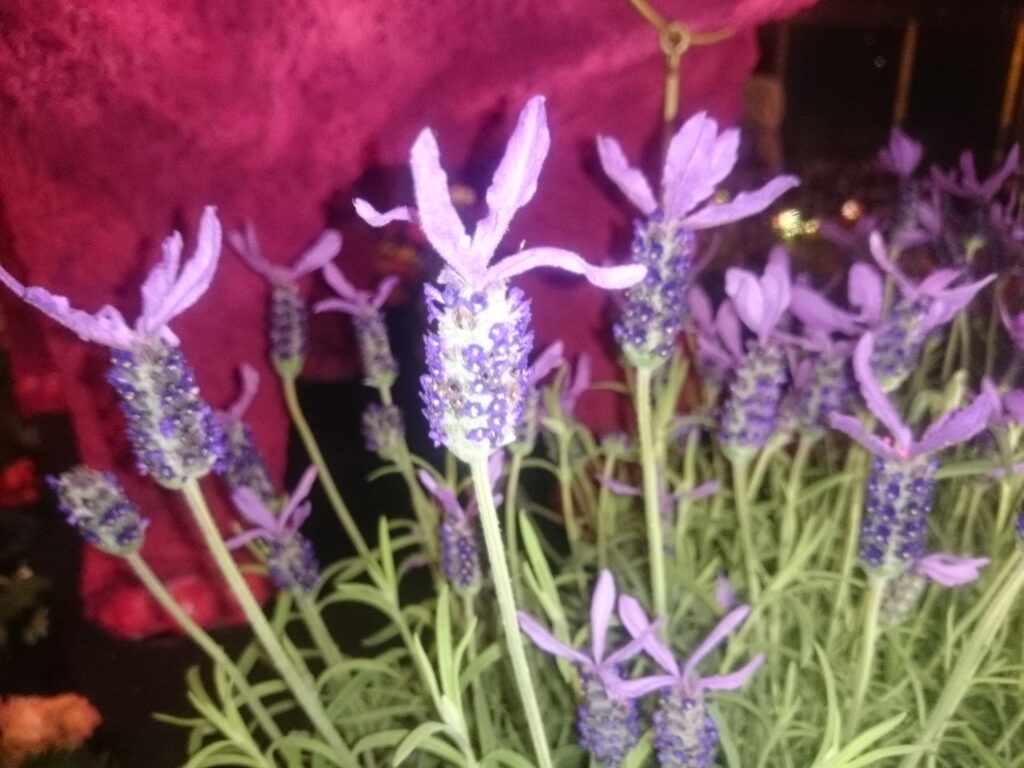
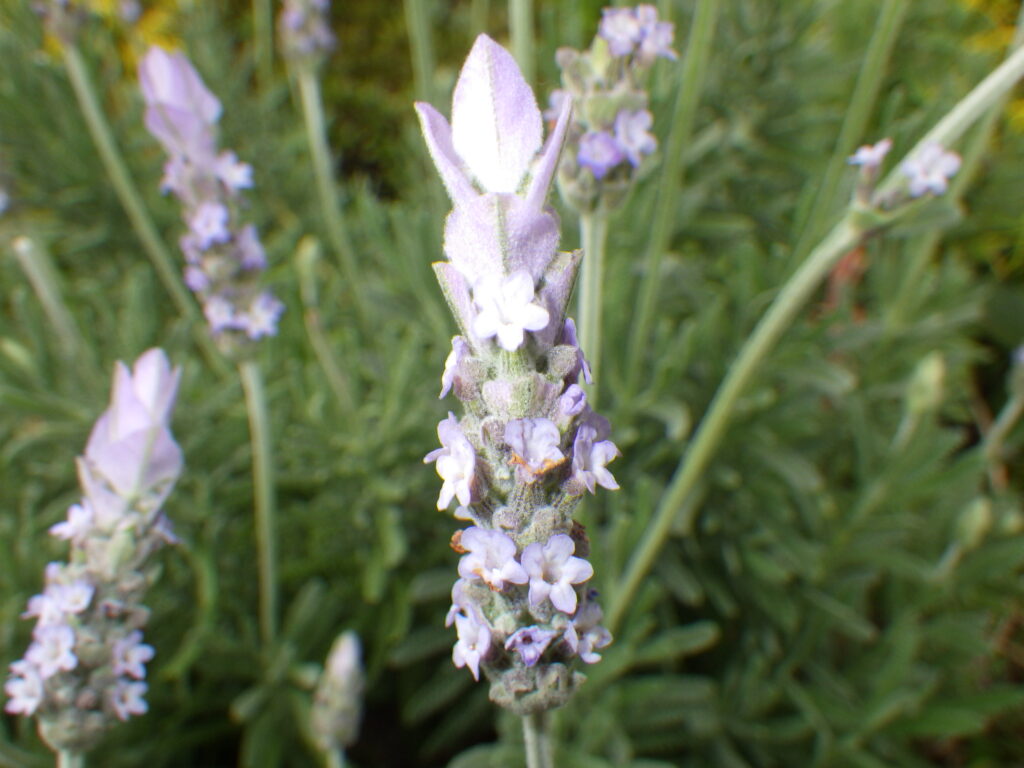
English lavender has nothing at the top of its spike inflorescence, but French lavender and Dentata lavender have petal-like bracts at the top of their spike inflorescences.
Furthermore, regarding French lavender and Dentata lavender, French lavender has four petal-like bracts at the top of its spike inflorescence that are bright purple and usually located at the very top, measuring 10-50 mm in length and being quite conspicuous. In contrast, Dentata lavender has eight to ten petal-like bracts at the top of its spike inflorescence that are purplish-blue and arranged in alternating pairs towards the top, making them less conspicuous than those of French lavender.
To put it simply, English lavender has no frills, Dentata lavender has short frills, and French lavender has long frills.
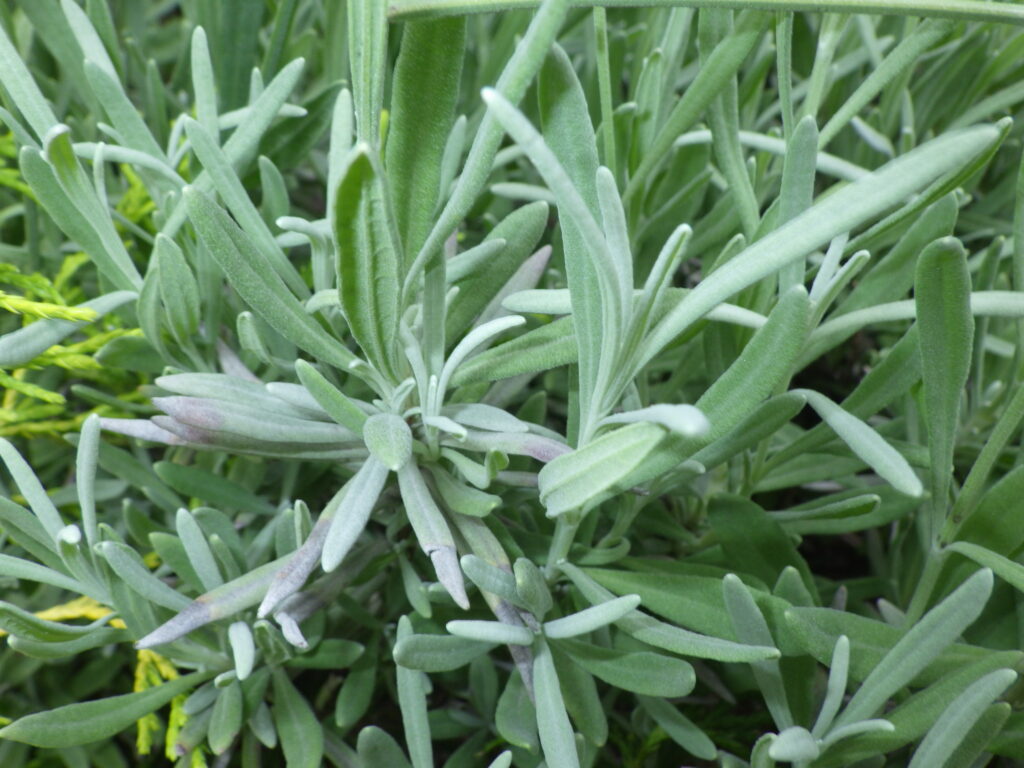
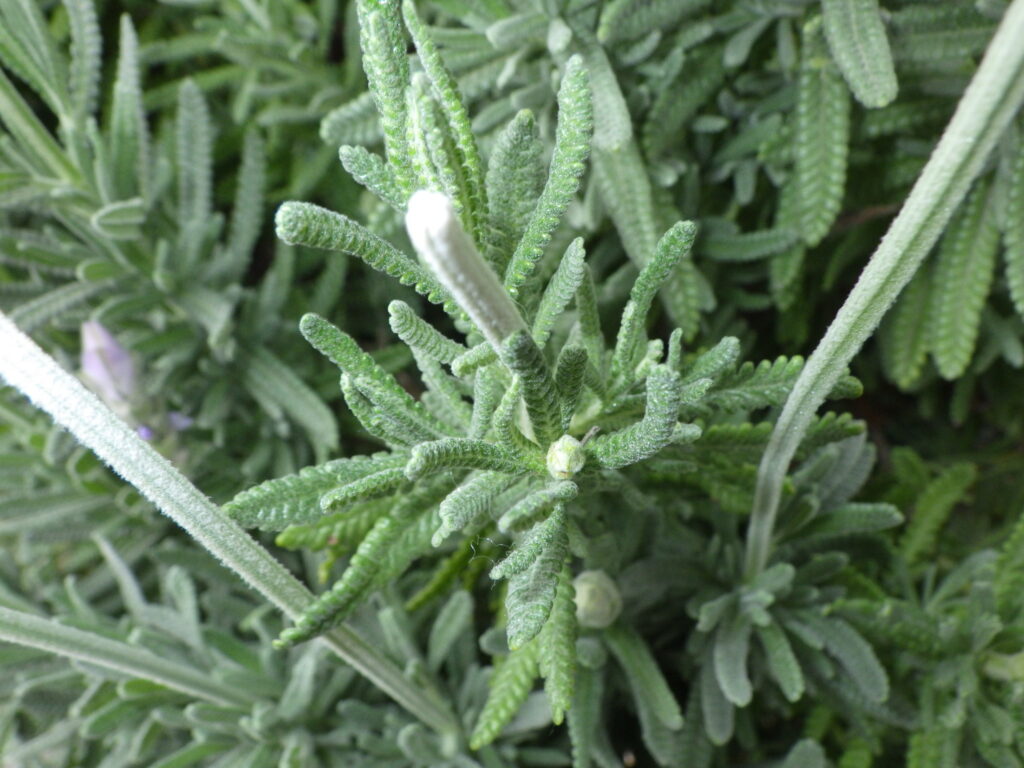
Regarding the leaves, there are clear differences between English lavender, French lavender, and Dentata lavender.
English lavender and French lavender have entire margins, while dentata lavender, as the name "dentata" means "tooth-like" in Latin, has notched margins (from crenate-toothed to pinnately lobed).
I couldn't find any difference in the leaves between English lavender and French lavender. Furthermore, French lavender's leaves look different in winter, so it would be quite difficult to distinguish them.
Are there any other similar species?
In addition to these, several other species of lavender are known and are cultivated in Japan (Spencer et al., 2002).
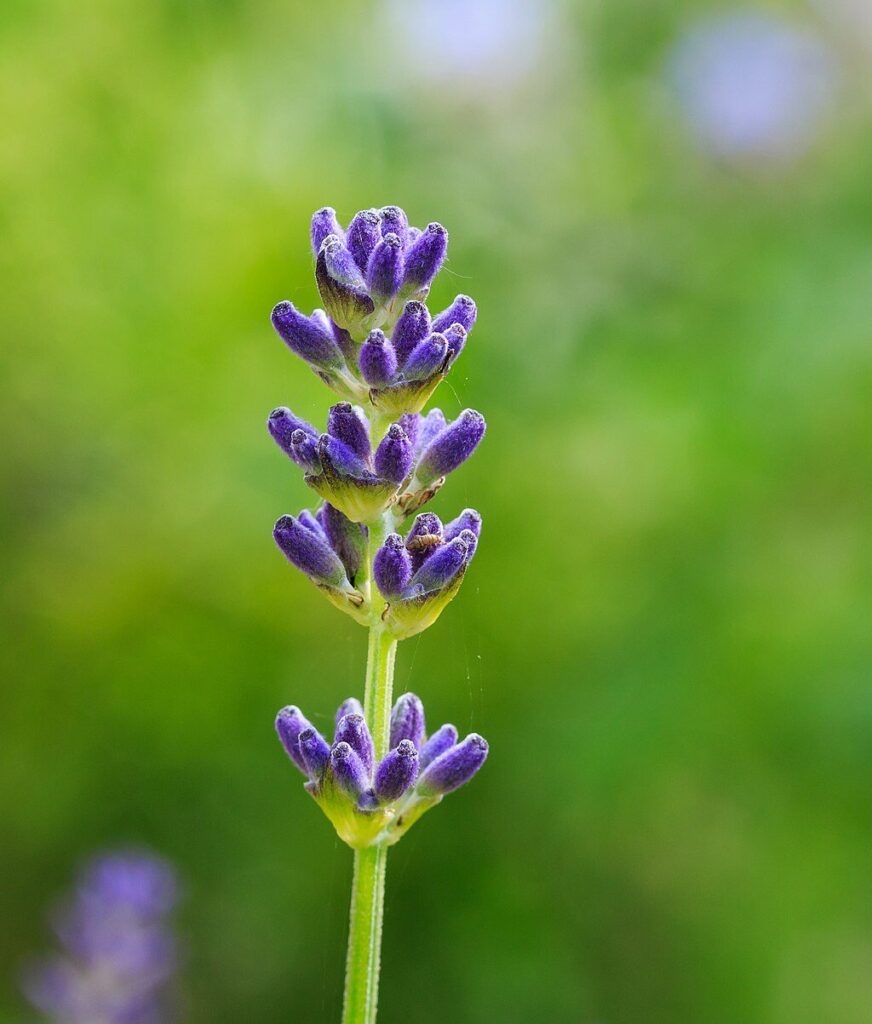
Spike lavender (Lavandula latifolia) lacks the well-developed bracts at the top of the inflorescence, has three-part flower stalks, and produces fewer flowers than English lavender.
Lavandula x intermedia is a hybrid of English lavender and spike lavender. It is distinguished from English lavender by its bracts, which are longer than they are wide, and its bracteoles, which are more distinct.
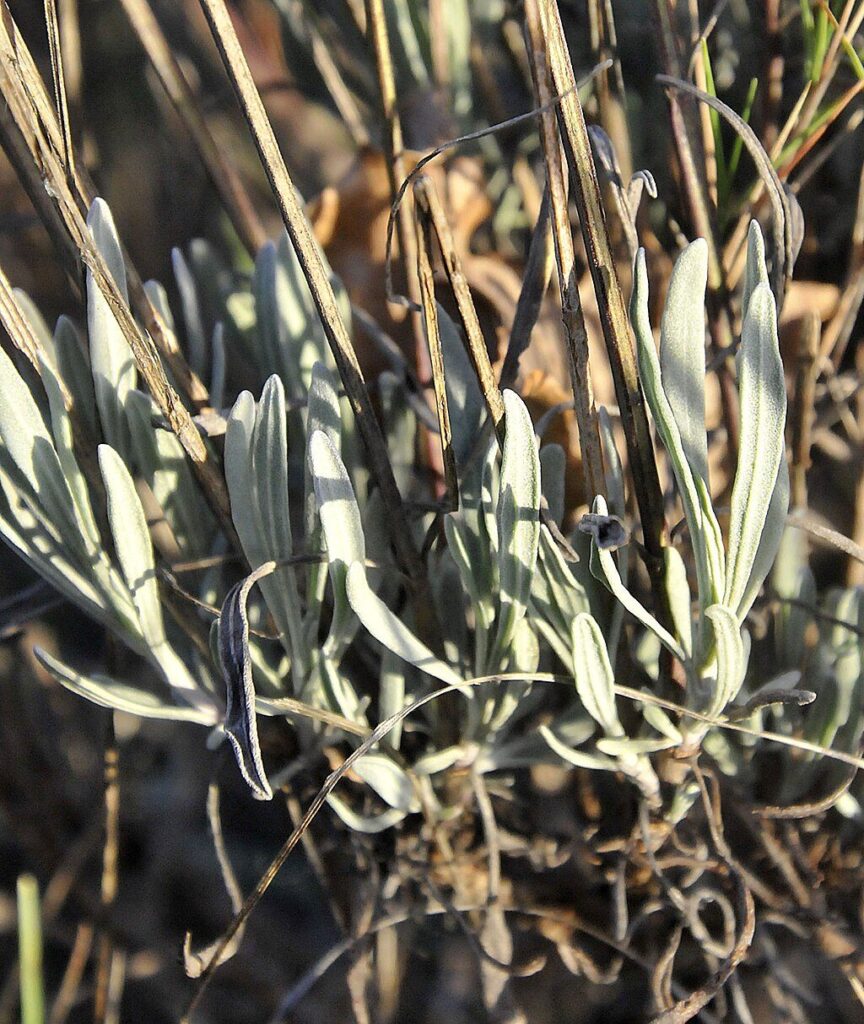
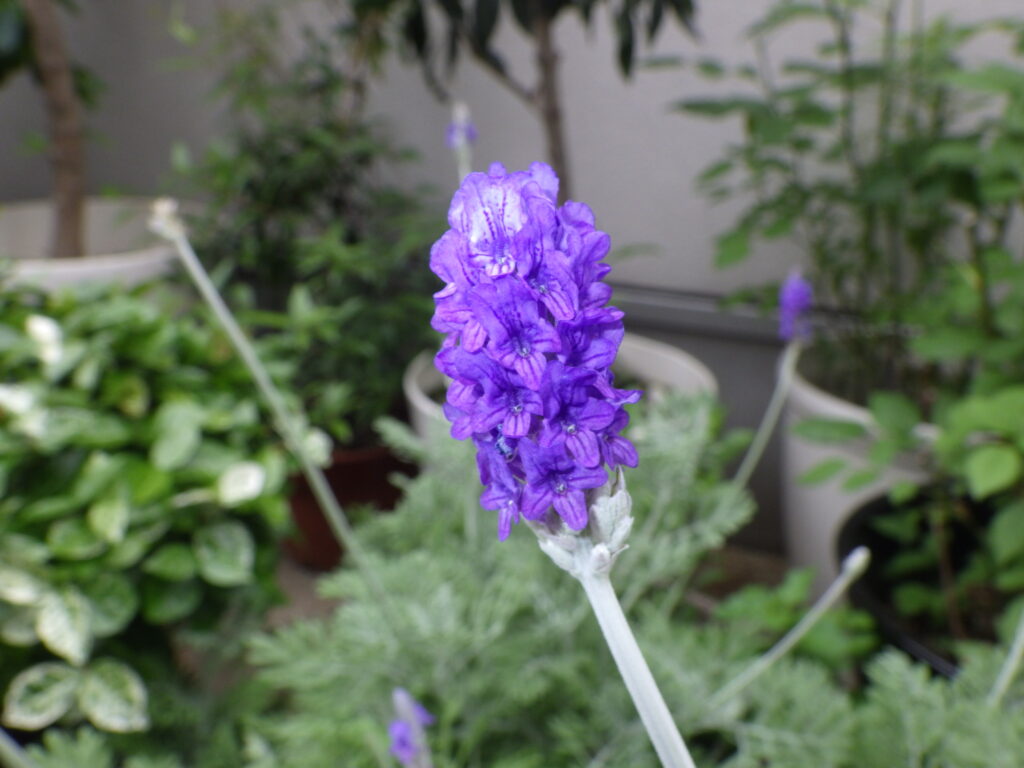
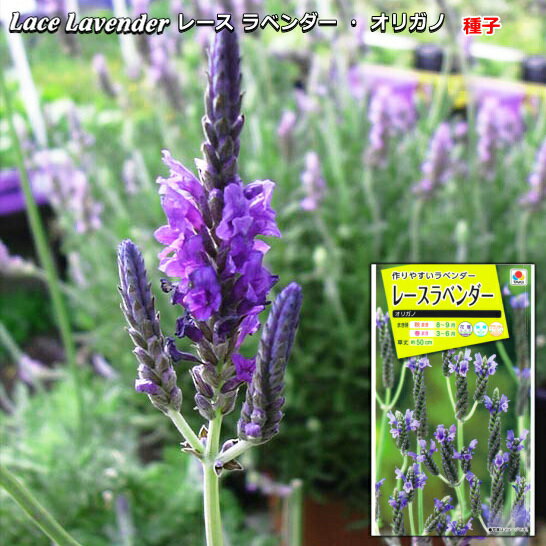
Lavandula multifida (lace lavender) lacks well-developed bracts at the top of the inflorescence, and its lower leaves are larger than the stem leaves, deeply bipinnately lobed, and somewhat whitish-green in color.
A closely related species, Lavandula pinnata, which grows wild in the southern Madeira Islands and the Canary Islands, is also known. It looks very similar to lace lavender, but its leaves are once-pinnately deeply lobed and almost white. Because they are so similar, lace lavender is sometimes sold under the name "Lavandula pinnata."

What are the differences in how to use different types of lavender?
Lavender has various uses, but these uses differ depending on the variety.
Essential oils contain linalyl acetate and linalool as their main aromatic components and are used for their fragrance and medicinal purposes. Their scent is said to be soft and warm, containing many aromatic compounds with a sweet, fruity aroma.
Due to quality issues, the types of lavender used as essential oils are quite limited, and commercially, only English lavender, spike lavender, and lavandin are used (Tsuro et al., 2011).
Furthermore, the uses of the essential oils differ. Essential oil obtained from English lavender has a refined fragrance and is highly valued as a perfume ingredient, resulting in high demand. On the other hand, it has the disadvantage of limited cultivation areas due to its low productivity and heat tolerance. The lavender fields in Furano, Hokkaido, were cultivated by Masaharu Soda in 1937. After World War II, full-scale production began in 1948.
While essential oil obtained from spike lavender has advantages over English lavender, such as higher productivity, heat tolerance, and ease of cultivation, it contains a large amount of camphor-like compounds such as 1,8-cineole, camphor, and borneol, resulting in a lower quality evaluation as a fragrance. Therefore, the essential oil is mainly used as a raw material for insect repellents.
Lavandin is highly heat-tolerant, and its essential oil composition is intermediate between that of its parent species, making it versatile for use in perfumes and soaps. Furthermore, its hybrid vigor leads to vigorous growth and high essential oil productivity, making it frequently cultivated for commercial purposes. In France, over 95% of lavender oil is extracted from lavandin. However, since lavandin essential oil also contains certain amounts of 1,8-cineole, camphor, and borneol, its quality as a fragrance is considered lower than that of English lavender, and improvements to the essential oil component ratio are needed.
Essential oils, when combined, are believed to be effective for anxiety, restlessness, insomnia, depressive symptoms, mental instability, pain relief, stomach upset, hair loss, insect repellent, and antibacterial properties, and have been used in folk or traditional medicine.
Numerous studies have investigated whether these are truly effective scientifically. Human studies have shown improvements in sleep, positive psychopharmacological effects, and suppression of excessive motor behavior in dementia patients (Woronuk et al., 2011). Effects have also been shown in healthy adults, but the extent of the placebo effect is still debated.
However, the chemical effects of lavender in the body are not actually well understood. Studies have shown that transdermal application of lavender oil leads to the accumulation of the monoterpenoids linalool and linalyl acetate in subjects' blood samples, and this may be related. These substances appear to be quickly metabolized and excreted.
While its relaxing effects are gaining scientific backing, allergies have also been reported, so it seems necessary to use it while carefully monitoring your physical condition.
Other varieties are commercially cultivated in horticulture for their flowers. However, they have also been used in folk medicine or traditional remedies. For example, French lavender is known for its anti-inflammatory, antioxidant, antispasmodic, sedative, antibacterial, insecticidal, and medicinal cytotoxic effects (Ez zoubi et al., 2020).
The flowers and leaves are edible and have been used as an appetite-stimulating herb to flavor dishes and sweets. They are also used as a seasoning in salads and dressings.
What shape are lavender flowers?
English lavender blooms from May to June. The verticillae have 6 to 10 flowers densely packed together, forming a spike-like inflorescence 3 (to 5) cm long, spaced apart or continuous. The peduncle is about three times the length of the spike. The bracts are rust-colored when dry, rhombic-ovate or acute-conical. There are no petal-like bracts on the upper part. The corolla is blue, 8 to 10 mm long, with a straight upper lip and rounded, slightly overlapping lobes. The lower lip is spreading.
French lavender blooms from May to July. The inflorescence is a nearly cylindrical spike, 1.5–4.7 cm long and 0.8–1.9 cm wide, formed by 8–16 whorled inflorescences, each containing 6–14 densely packed flowers. The bracts are broadly elliptical to orbicular, with a cuneate base and an acute or acuminate apex. The petal-like bracts are 10–50 mm long and 2–10 mm wide, bluish to purple. The corolla is 4–5.5 mm long, bluish or purple, with a very dark, almost black apex. The corolla lobes consist of two upper lip lobes that are slightly longer than the three lower lip lobes.
Dentata lavender blooms from June to September. The flower stalks are slender, gray, and bear terminal spike-like inflorescences 2.5 to 5 cm long. The flowers are dark purple to pale purplish-blue. The petal-like bracts are papery and borne in purplish-blue clusters at the end.
The basic structure is the same, with a spike-like inflorescence formed, bearing numerous bracts. Each bract encloses 1 to 5 flowers. Some species develop petal-like bracts at the top of the spike-like inflorescence.
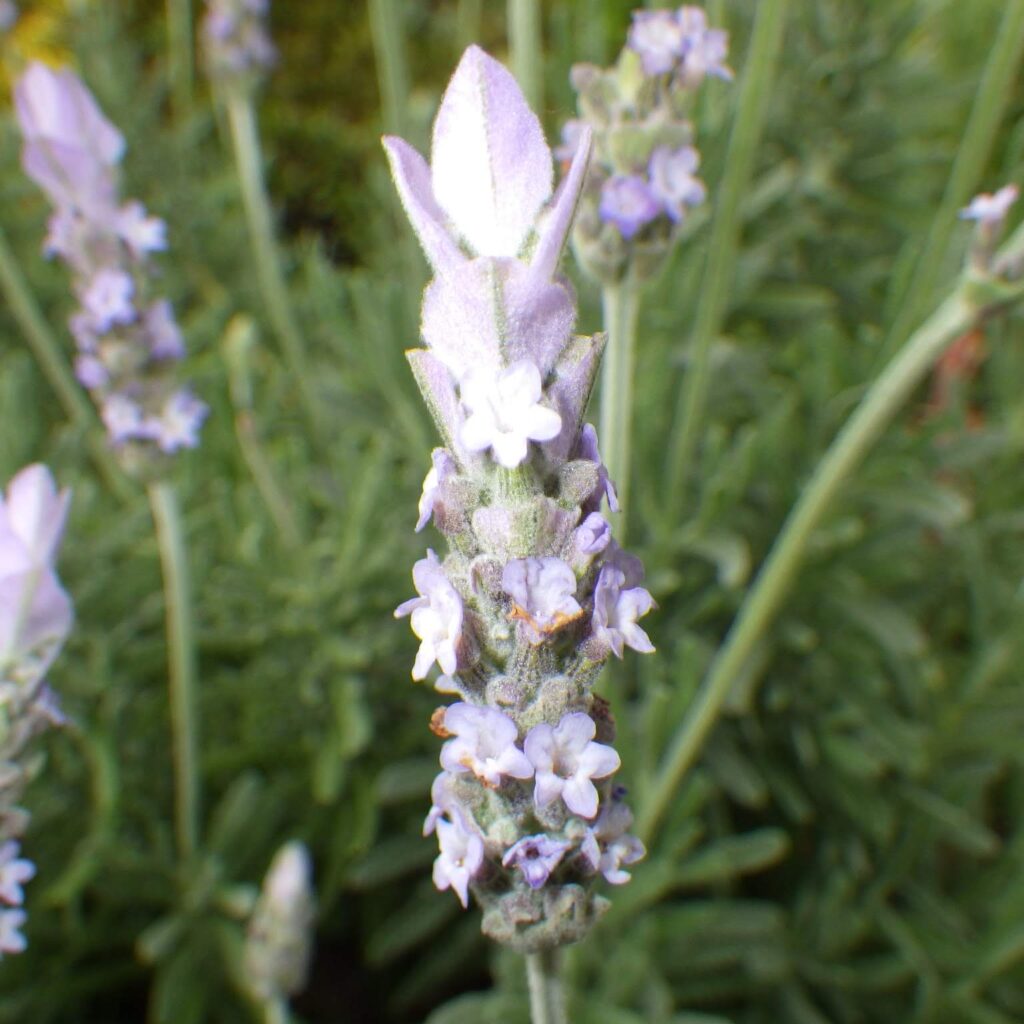
Honeybees are the main visitors to lavender flowers.
It's truly lavender-colored and very popular all over the world, but what kinds of insects originally visited this flower in its Mediterranean region?
While it's often said online that butterflies and moths visit Dentata lavender, and this does seem to be true, research from Saudi Arabia has shown that honeybees are the primary pollinators (Nuru et al., 2015). Although not explicitly stated in the paper, it's likely referring to the European honeybee , Apis mellifera, which is naturally distributed in Saudi Arabia.
Dentata lavender employs various techniques to attract bees.
These flowers bloom in early summer, which coincides perfectly with the activity period of honeybees. Furthermore, the tubular shape of the flowers is thought to be well-suited to the length of a honeybee's mouth. It has also been discovered that the honeybee regulates its nectar secretion over time.
Furthermore, regarding the insects that visit French lavender, a study in southern Spain revealed that in Doñana, European honeybees accounted for almost 901 TP3T. On the other hand, in Asnalcázar, various solitary bee species were observed in addition to European honeybees (Herrera, 1997).
It is likely that many lavender plants are visited by European honeybees. European honeybees are also used all over the world, and their life in their native habitat has become difficult to understand, but seeing this kind of interaction allows us to catch a glimpse of each other's natural ecology.
Why are there buds mixed in with the flowers?
By the way, if you look closely at this inflorescence, don't you notice that the buds and flowers are mixed together in an inconsistent way? Why is that?
This also appears to be a strategy. At first glance, it might seem that producing many flowers at once would attract many bees, but if bees visit every flower on the same inflorescence, their own pollen will cover the pistils (stigma cover by neighboring flower pollination).
In other words, it prevents self-pollination.
Other instances of pollen waste include honeybees dropping pollen while preening. These phenomena are collectively called "pollen discounting" (Biernaskie & Cartar, 2004; Ishii, 2008).
Therefore, lavender attracts bees' attention by blooming gradually, while conserving the amount of pollen it produces. This is a clever aspect of lavender that you might not notice if you only observe it in Japan.
What is the purpose of the petal-like bracts at the top of the inflorescence?
French lavender has exceptionally large petal-like bracts compared to its close relatives. Why is this? And what role do these petal-like bracts play?
Common sense would suggest that adding flashy decorations would attract pollinating insects, making it easier for them to visit the flowers.
Therefore, to determine if this is true, a study was conducted in Doñana and Aznalcázar in southern Spain (Herrera, 1997).
We created plants with the petal-like bracts removed and plants with the petal-like bracts intact, and conducted an experiment to compare the rate of bee visits.
Surprisingly, the presence or absence of petal-like bracts did not affect the rate of bee visits. What does this mean? Are petal-like bracts completely meaningless?
The lack of change in visitation rates in this experiment may be due to influences other than the petal-like bracts. It's possible that honeybees remember the original location of the flower regardless of its ornamentation. Also, because adjacent individuals were used in the experiment, it's possible that honeybees attracted to individuals with petal-like bracts simply moved on to those without them.
Therefore, the researchers have anticipated this and are conducting experiments using a different approach. While the previous experiment was conducted at the individual lavender plant level, this experiment compares lavender at the population level. In other words, they compared a forest made up of multiple plants with the petal-like bracts removed with a forest made up of multiple plants with the petal-like bracts still present. This allows for a larger scale comparison, eliminating the influence of bee memory and simple proximity.
The results of this experiment showed that lavender forests with petal-like bracts were visited more frequently by bees.
In summary, these results suggest that while the presence or absence of petal-like bracts does not affect the outcome if only a small number of individuals with petal-like bracts have had them removed, when individuals with petal-like bracts form a group, their ornamentation becomes more prominent, and thus their effect is realized.
From the honeybee's perspective, this isn't so complicated. When there are many petal-like bracts clustered together and they stand out, the bee uses them as a landmark to come and drink the nectar from afar.
In addition, when the plant density is extremely low and the plant is growing alone, it can also serve as a marker to help bees find it.
To put it simply, the petal-like bracts do have an effect in attracting honeybees. This effect seems to be most pronounced when the bees are in large groups or when they are alone.
As mentioned above, having too many flowers increases the risk of self-pollination, so it seems plausible that the petal-like bracts are acting as a substitute for the corolla. Considering this, the two might actually be connected.
The fruit is a nutlet, and it's dispersed automatically and by sheep!?
Lavender species all share the genus Lavandula, and their fruits are small nuts. A small nut is a fruit in which the ovary of two or more carpels dries out when mature, forming a hard pericarp containing seeds. In lavender, the nut is smooth and glossy, with a small locle on the dorsal side of the base. It is believed that lavender uses autoclaving dispersal, where the nuts burst open when dry. The fruit remains inside the calyx until it opens and disperses in the summer.
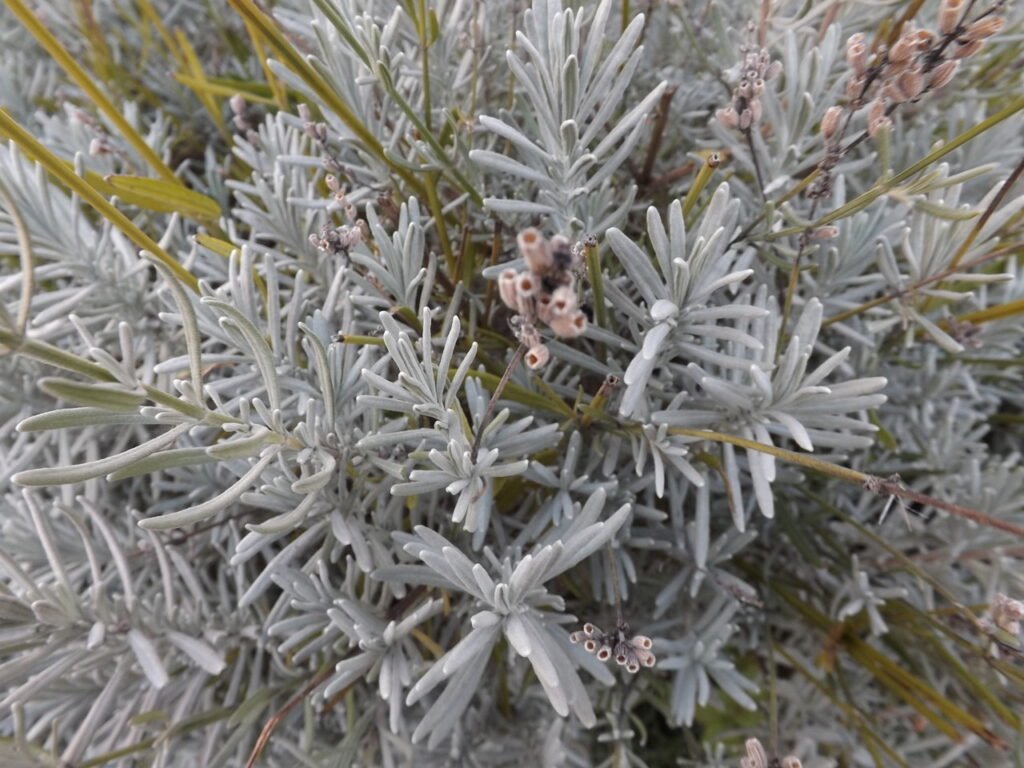
We've discovered something rather interesting about French lavender, a species within the Lavandula genus.
While automated seed dispersal has powerful dispersal capabilities, it has the characteristic of concentrating most of the seeds around the mother tree and having a very short maximum dispersal distance, making it unsuitable for large-scale seed movement.
French lavender thrives in degraded soils, particularly in abandoned crop areas and meadows. This is a typical characteristic of pioneer species. It's unlikely that such a species would be solely relying on inefficient automated spraying.
Against this backdrop, a study conducted in Pedrezela, a town in the southern part of the Guadarrama Mountains in central Spain, revealed that sheep were the primary carriers of this long-distance migration (Sánchez & Peco, 2002). 73% of them survived even after passing through the intestines. Furthermore, they not only migrated but also utilized the nutrients contained in their feces.
It's unclear whether French lavender's ancestors used this method of dispersal through animal feeding, but it seems to have made remarkable adaptations to the environment created by modern humans.
References
Biernaskie, JM, & Cartar, RV 2004. Variation in rate of nectar production depends on floral display size: a pollinator manipulation hypothesis. Functional Ecology 18(1): 125-129. ISSN: 0269-8463, https://doi.org/10.1111/j.1365-2435.2004.00815.x
Brickell, C. & Kindersley, D. 2008. RHS AZ encyclopedia of garden plants. Penguin Books, United Kingdom. 1136pp. ISBN: 9781405332965
Ez zoubi, Y., Bousta, D., & Farah, A. 2020. A Phytopharmacological review of a Mediterranean plant: Lavandula stoechas L. Clinical Phytoscience 6: 1-9. https://doi.org/10.1186/s40816-019-0142-y
Herrera, J. 1997. The role of colored accessory bracts in the reproductive biology of Lavandula stoechas. Ecology 78(2): 494-504. https://doi.org/10.1890/0012-9658(1997)078[0494:TROCAB]2.0.CO;2
Ishii, Hiroshi. 2008. Deciphering the evolution of flowers from the function of inflorescences. Journal of the Ecological Society of Japan 58(3): 151-167. ISSN: 0021-5007, https://doi.org/10.18960/seitai.58.3_151
Komatsu, Mieko & Komatsu, Kimio. 2008. Lavender Book. Graph-sha, Tokyo. 143pp. ISBN: 9784766211924
Nuru, A., Al-Ghamdi, AA, Tena, YT, Shenkut, AG, Ansari, MJ, & Al-Maktary, A. 2015. Floral phenology, nectar secretion dynamics, and honey production potential, of two lavender species (Lavandula dentata, and L. pubescens) in southwestern Saudi Arabia. Journal of Apicultural Science 59(2): 135-144. ISSN: 2299-4831, https://doi.org/10.1515/jas-2015-0028
Sánchez, AM, & Peco, B. 2002. Dispersal mechanisms in Lavandula stoechas subsp. pedunculata: autochory and endozoochory by sheep. Seed Science Research 12(2): 101-111. https://doi.org/10.1079/SSR2002102
Spencer, R., Holmes, R., McNaughton, V. 2002. Lavandula. In: R. Spencer (Ed.), Horticultural Flora of South-eastern Australia: The identification of garden and cultivated plants (Vol. 4. Flowering plants. Dicotyledons. Part 3). University of New South Wales Press. Sydney. ISBN: 9780868406848, https://hortflora.rbg.vic.gov.au/taxon/ada11fa6-5340-11e7-b82b-005056b0018f
Tsuro, Masato; Ito, Yoshie; Morisue, Tomomi; and Nakao, Yoshinori. 2011. Production of doubled individuals by colchicine treatment of lavandin leaf callus and their characteristics. Japanese Journal of Horticultural Science 10(3): 303-308. https://doi.org/10.2503/hrj.10.303
Woronuk, G., Demissie, Z., Rheault, M., & Mahmoud, S. 2011. Biosynthesis and therapeutic properties of Lavandula essential oil constituents. Planta Medica 77(1): 7-15. https://doi.org/10.1055/s-0030-1250136
Source
This article is a significantly expanded version of a piece originally published in the following book.