Both Kerria japonica and Kerria japonica belong to the Rosaceae family, Rosioideae subfamily. They grow wild and are also cultivated for ornamental purposes, making them trees that herald the arrival of spring. However, some people may mistakenly think that Kerria japonica is simply "Kerria japonica with white petals." Kerria japonica and Kerria japonica are classified at the genus level, and the differences can be seen in the number of petals, the shape and arrangement of the leaves, etc. They are completely different species from butterbur and Hypericum patulum. This article will explain the classification and morphology of the Kerria genus and Kerria japonica genus.
What are Japanese kerria and white kerria?
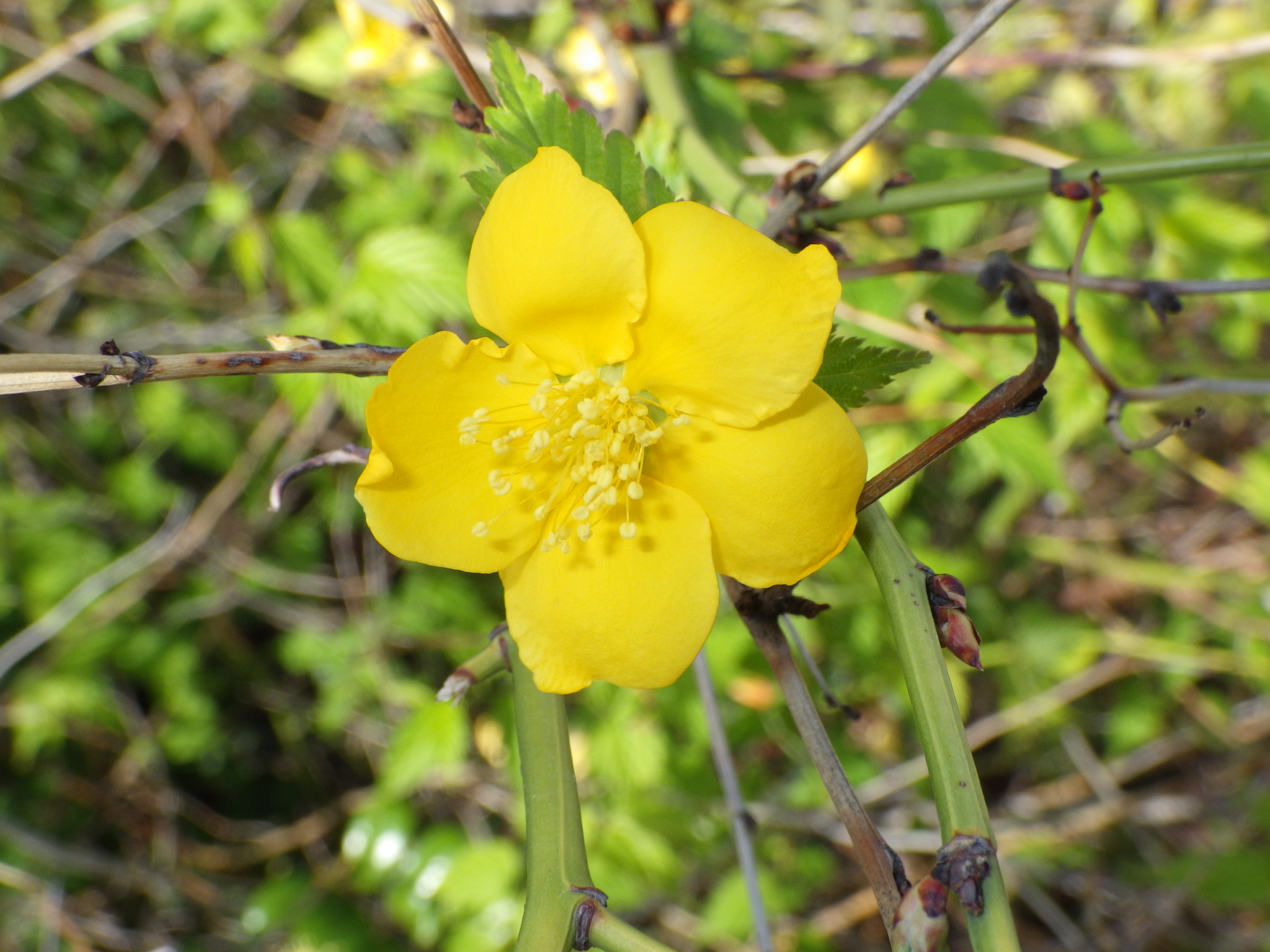
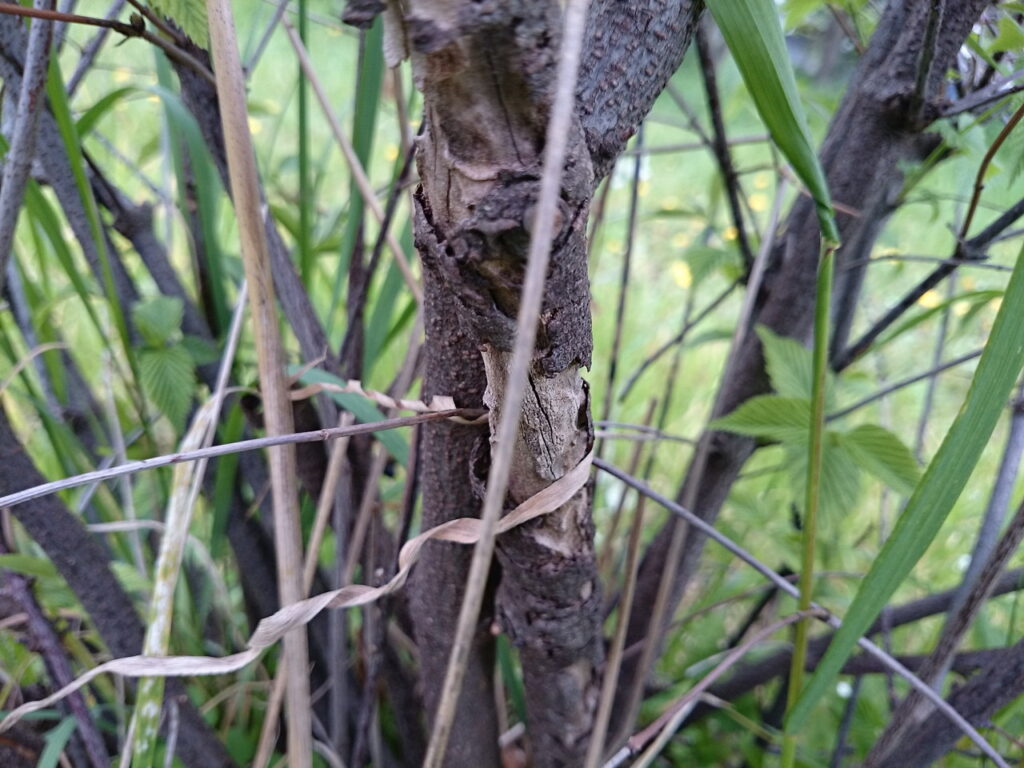
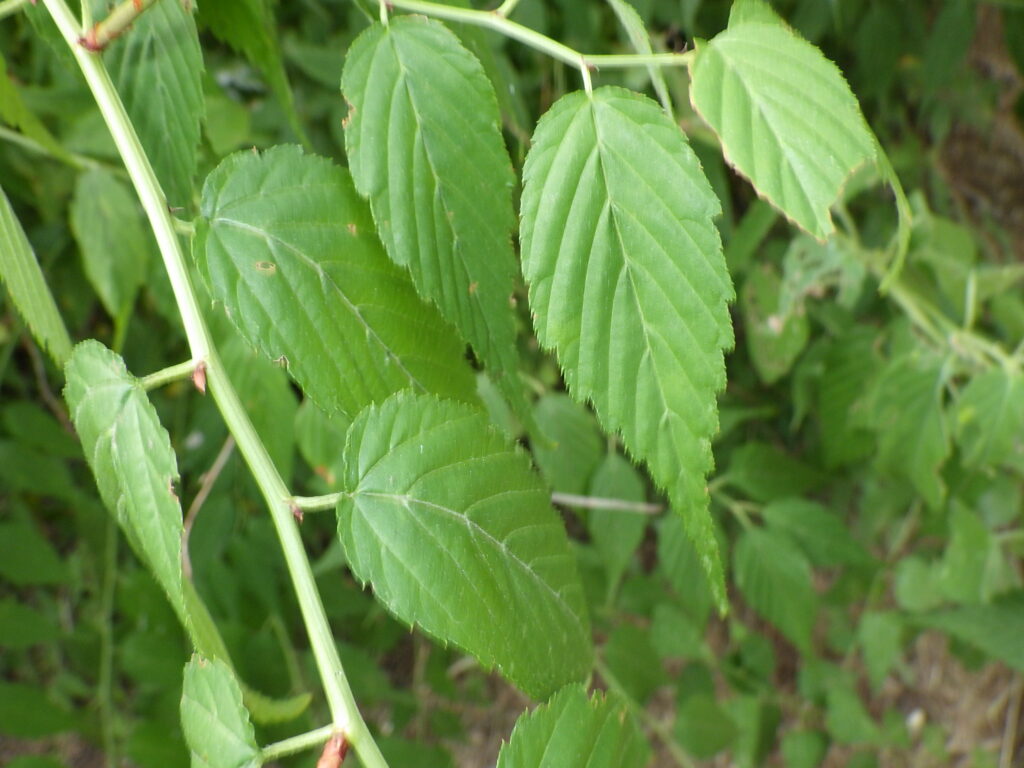
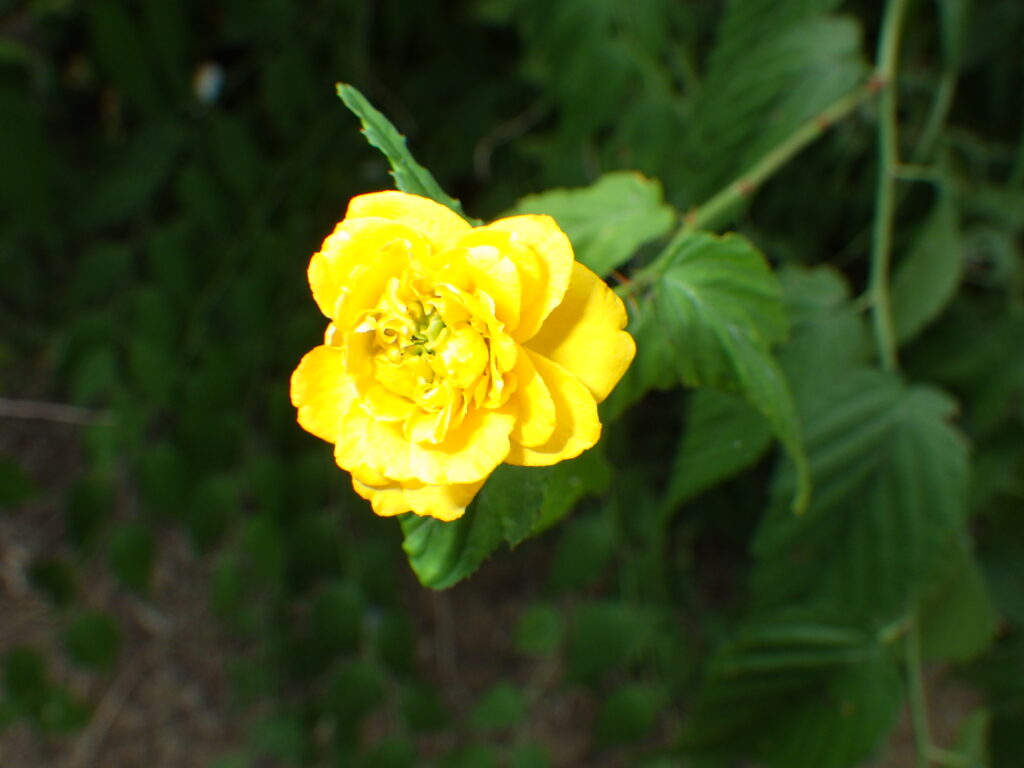
Kerria japonica, also known as Japanese kerria, is a deciduous shrub distributed in Hokkaido, Honshu, Shikoku, and Kyushu in Japan, as well as in China. It grows in damp areas such as within deciduous broad-leaved forests and at forest edges. In horticulture, it is commonly cultivated for ornamental purposes (Kanagawa Prefecture Flora Survey Association, 2018).
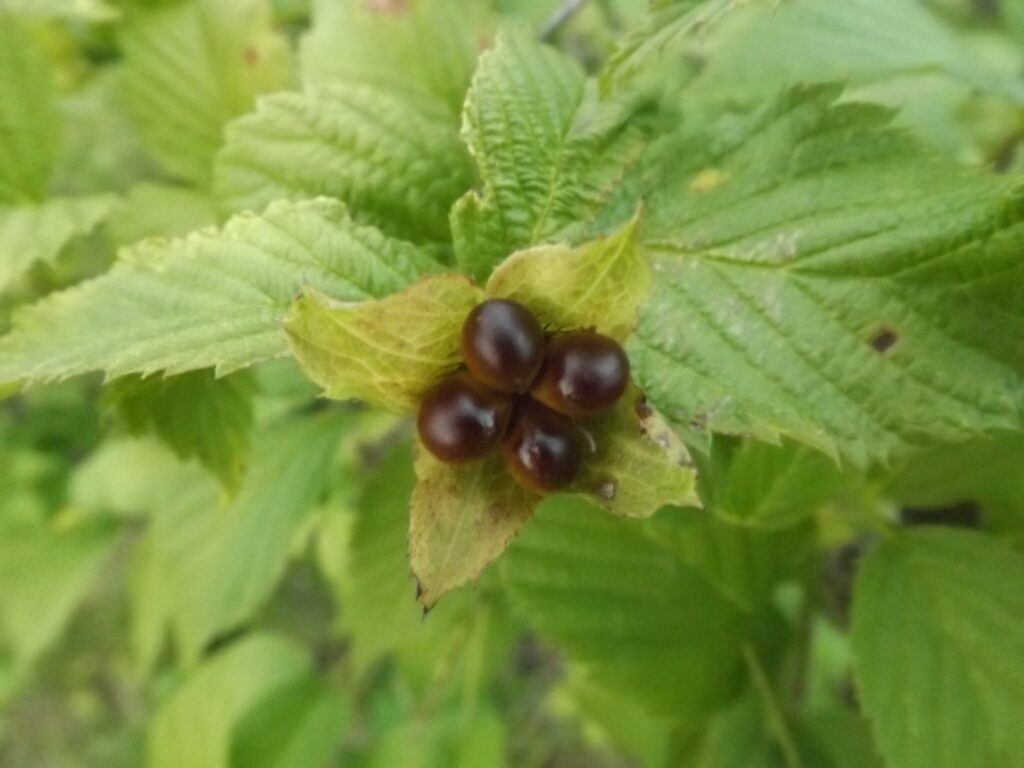
White kerria (Rhodotypos scandens) is a deciduous shrub that grows in rocky areas and forest edges in hilly and mountainous regions of Japan, with localized distribution in the Chugoku region (Okayama, Hiroshima, and Shimane prefectures), Fukui, and Kagawa prefectures. Wild populations are listed as Endangered IB (EN) in the Ministry of the Environment's Red List 2020 and are also listed on the Red Lists of each prefecture, making it a rare species, but it is commonly cultivated as an ornamental plant in horticulture.
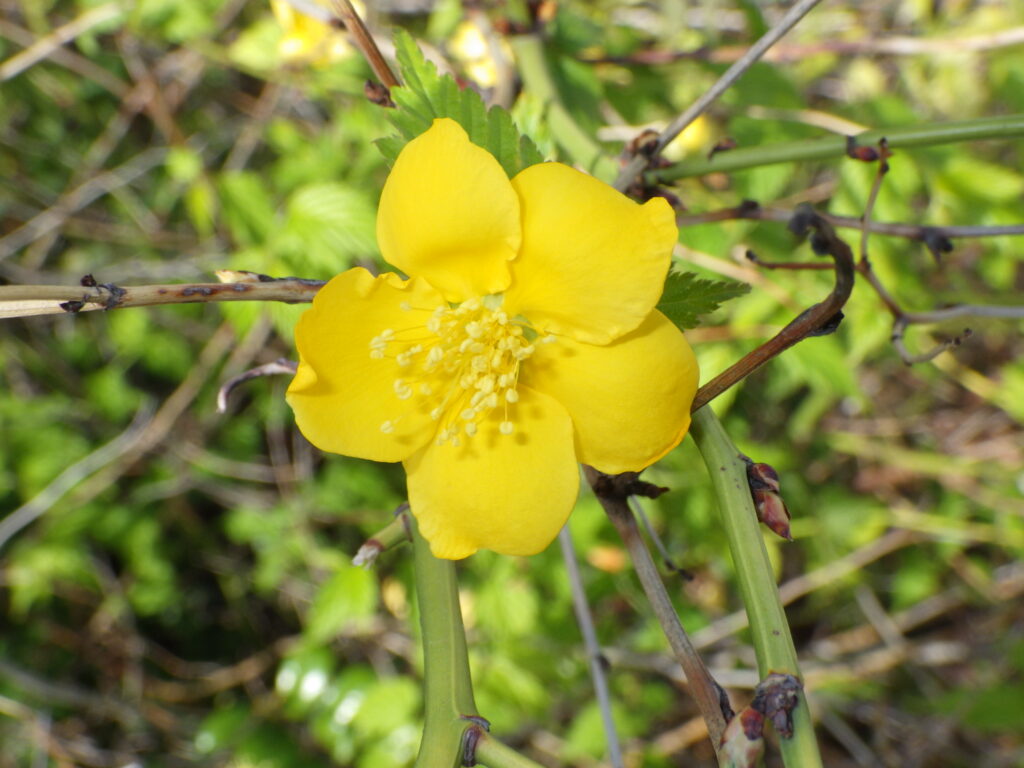
Both belong to the Rosaceae family, Rosioideae subfamily, and while they do grow wild, you're more likely to see them cultivated for ornamental purposes in urban areas. In spring, from April to May, when they bloom, you can see their large petals in bloom everywhere. The color "yamabuki-iro" (golden yellow) is the origin of the name, and it has been used since the Heian period as a traditional color representing a reddish-yellow.
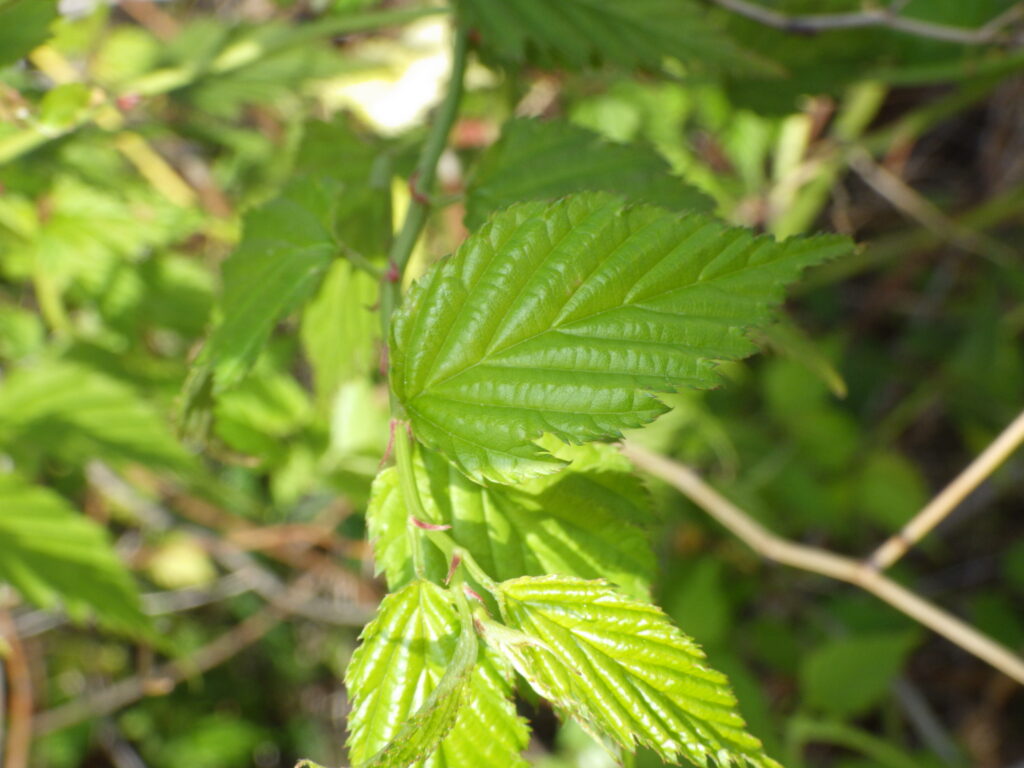
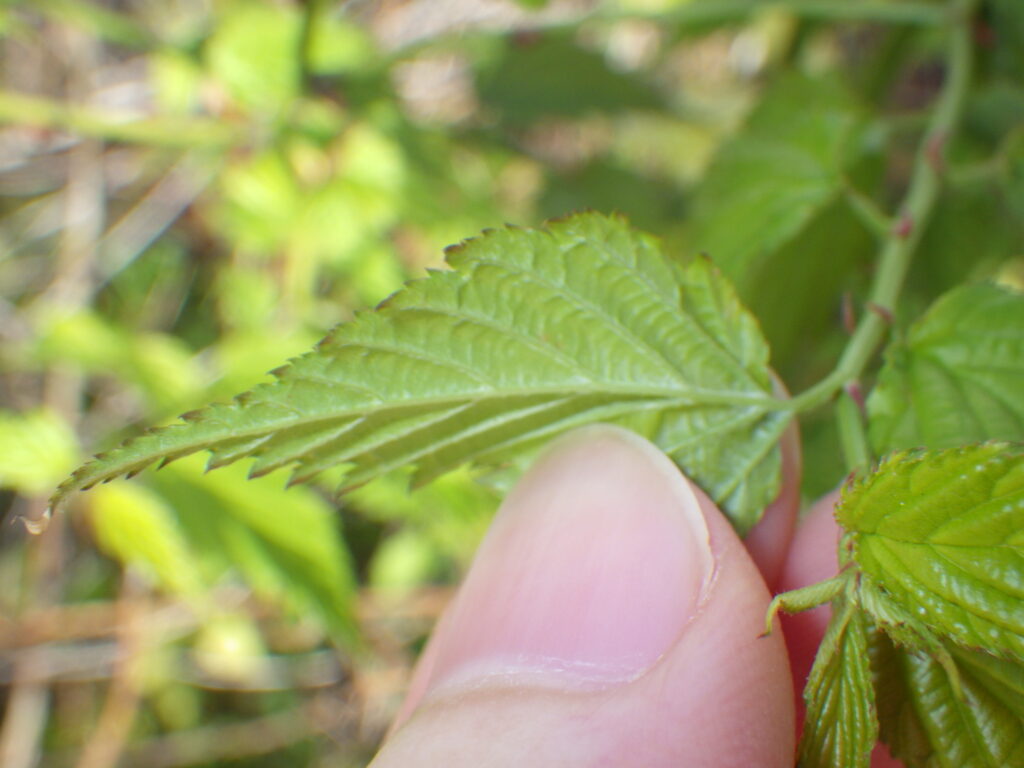
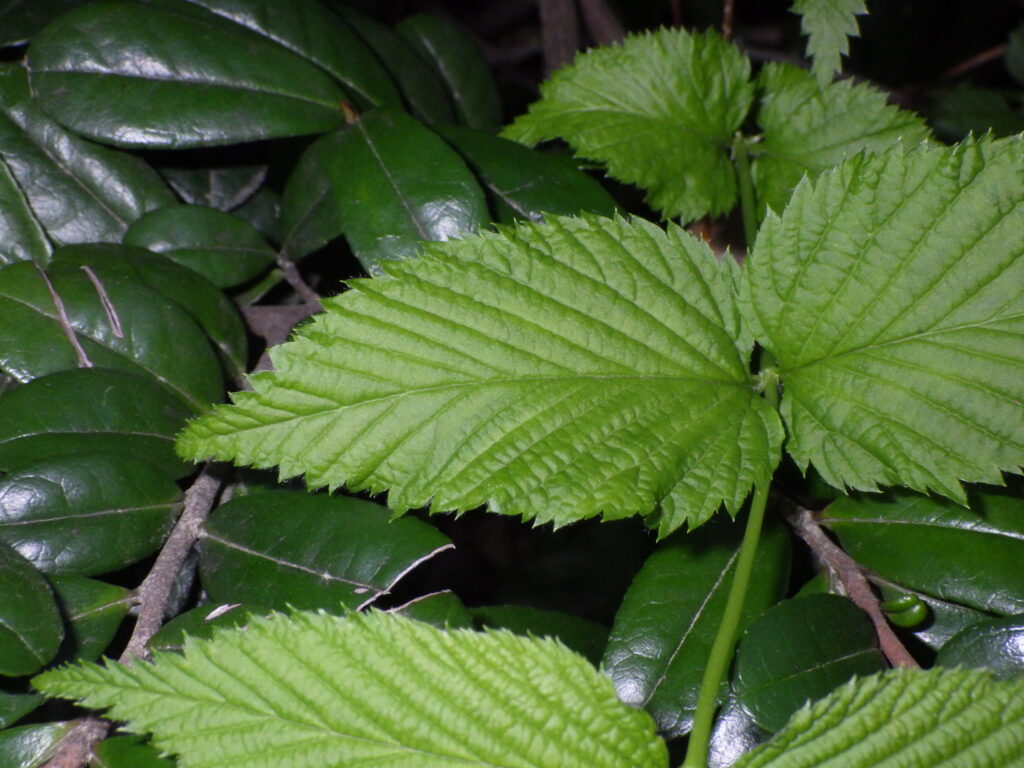
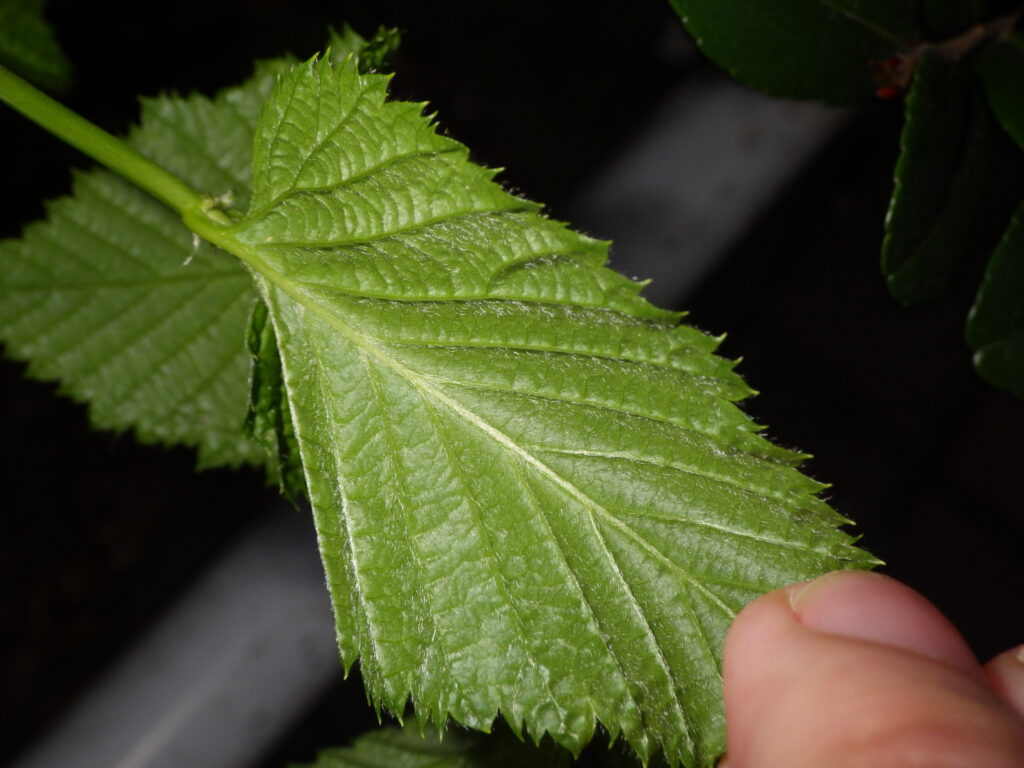
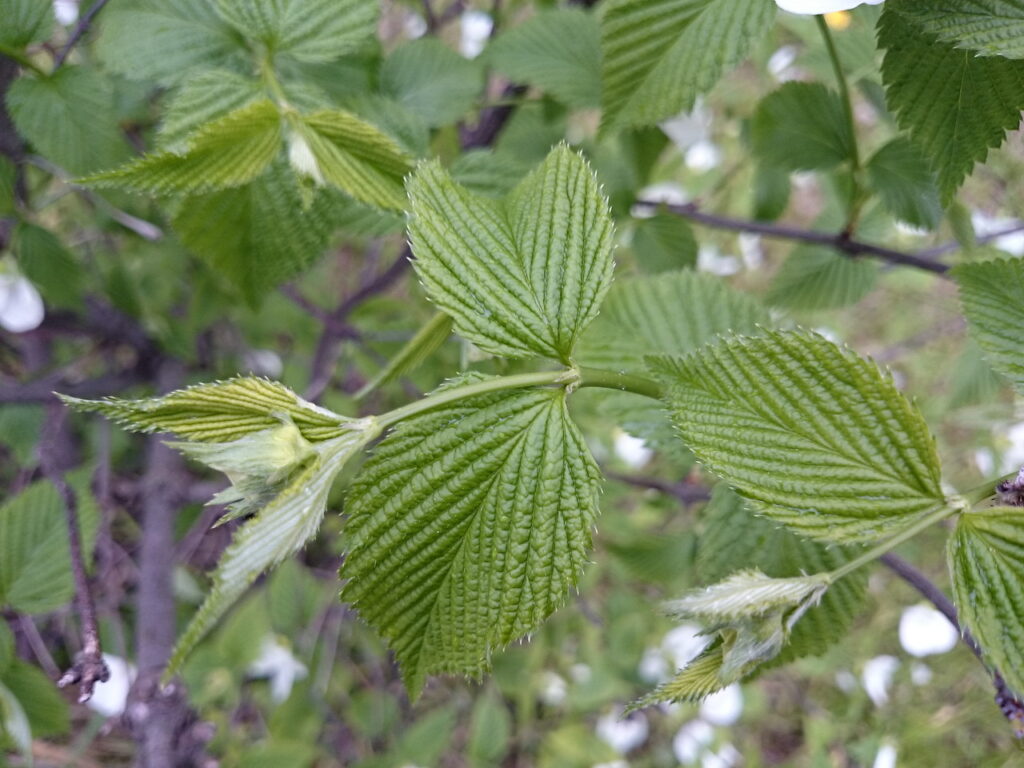
Not only are their names similar, but they also bear a striking resemblance in that they both have double serrations along the edges of their leaves.
Because of its Japanese name, "Shiroyamabuki," some people might mistakenly think that it's simply a type of yamabuki flower that's white.
What is the difference between Japanese kerria and white kerria?
However, Kerria japonica and Kerria japonica var. alba are completely different species (Wu et al., 2007; Hayashi, 2019). This is evident from the fact that Kerria japonica belongs to the genus Kerria, while Kerria japonica var. alba belongs to the genus Kerria.
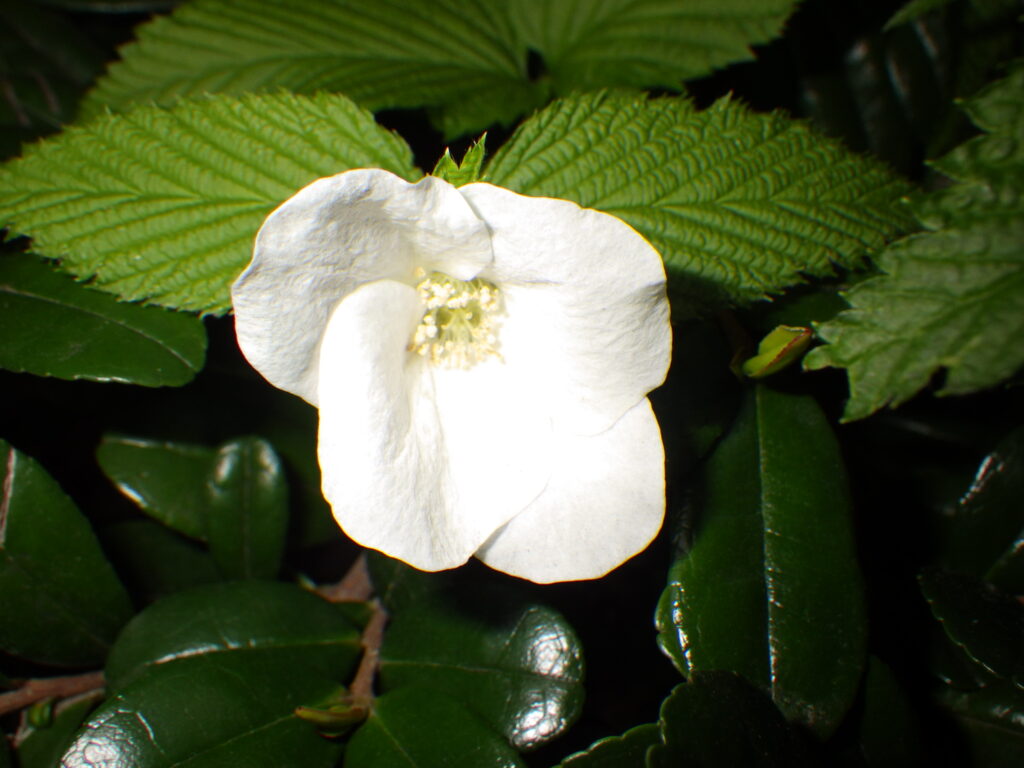
Of course, there is a difference in flower color; the petals of Kerria japonica are yellow, while those of Kerria japonica var. albescens are white. However, there is also a rare variety of Kerria japonica known as white-flowered Kerria japonica f. albescens.
Therefore, this alone may not be sufficient to distinguish between the two.
However, even in that case, there is a clear difference: Japanese kerria has five petals, while white kerria has four.
Another crucial difference is evident in the leaves.
In Japanese kerria, the leaf surface has some wrinkles but few, and the underside of the leaf only has hairs along the veins, whereas in white kerria, the leaf surface has significantly more wrinkles, and the underside of the leaf is covered with numerous white hairs.
Another difference is that while the leaves of Japanese kerria are alternate, those of white kerria are opposite. It is rare for a rose family tree to have opposite leaves like white kerria.
The above should allow you to distinguish them.
What is the variety of Japanese kerria?
In addition to the white-flowered kerria mentioned above, there are also known varieties of kerria, such as the double-flowered kerria f. plena and the chrysanthemum-flowered kerria f. stellata, which has narrow petals of 6 to 8 in number.
What is the difference between Japanese kerria and butterbur?
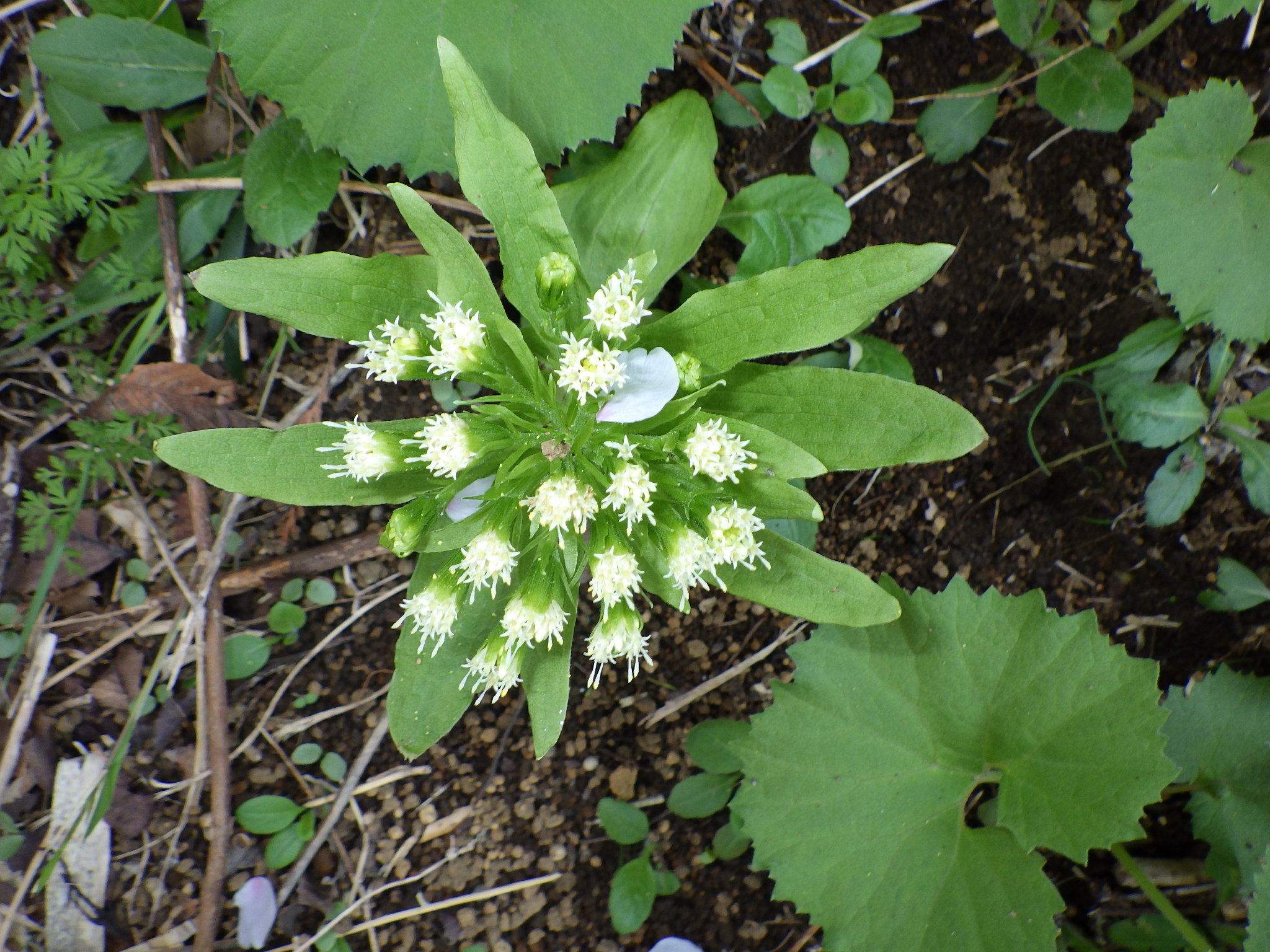
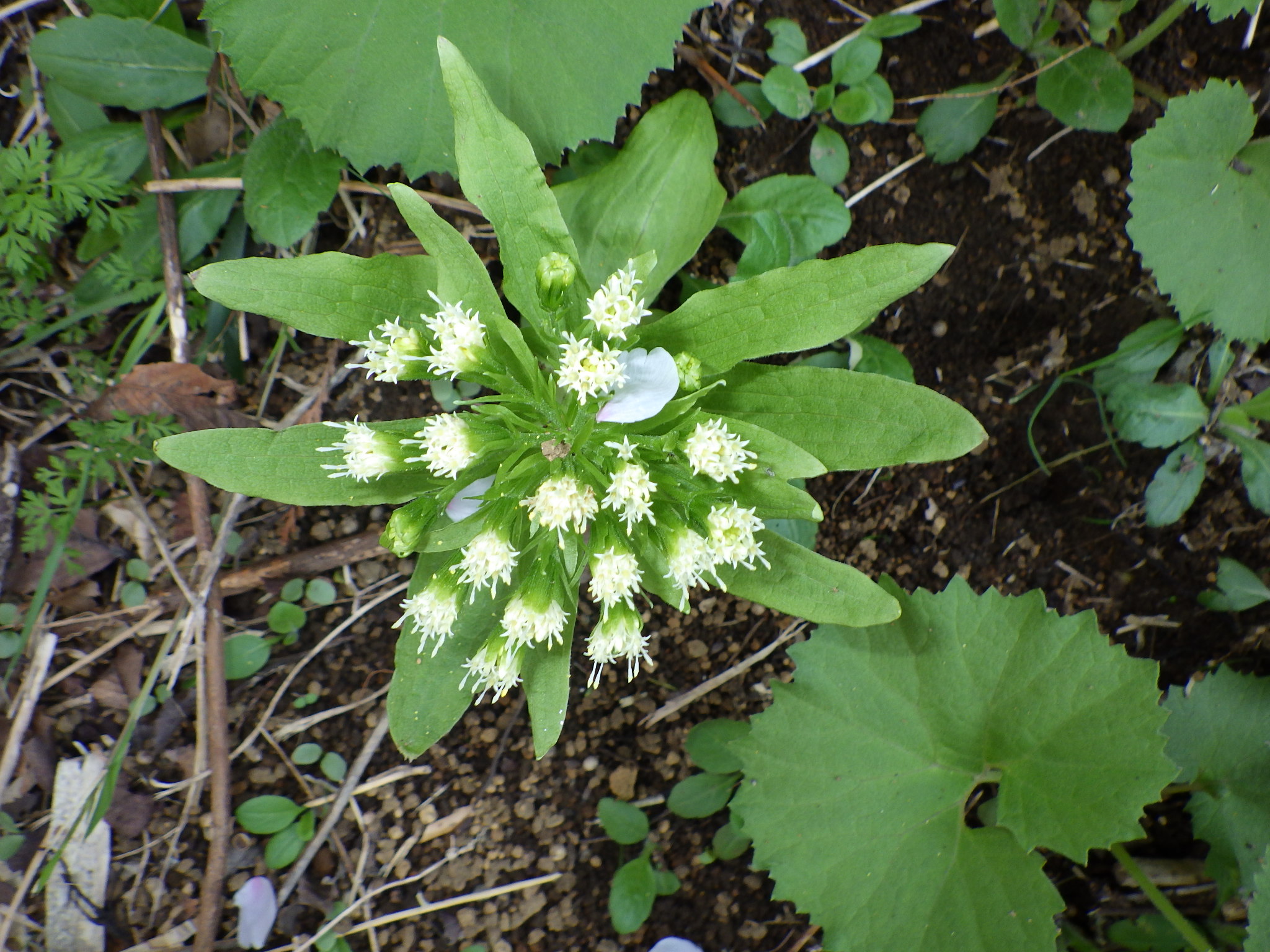
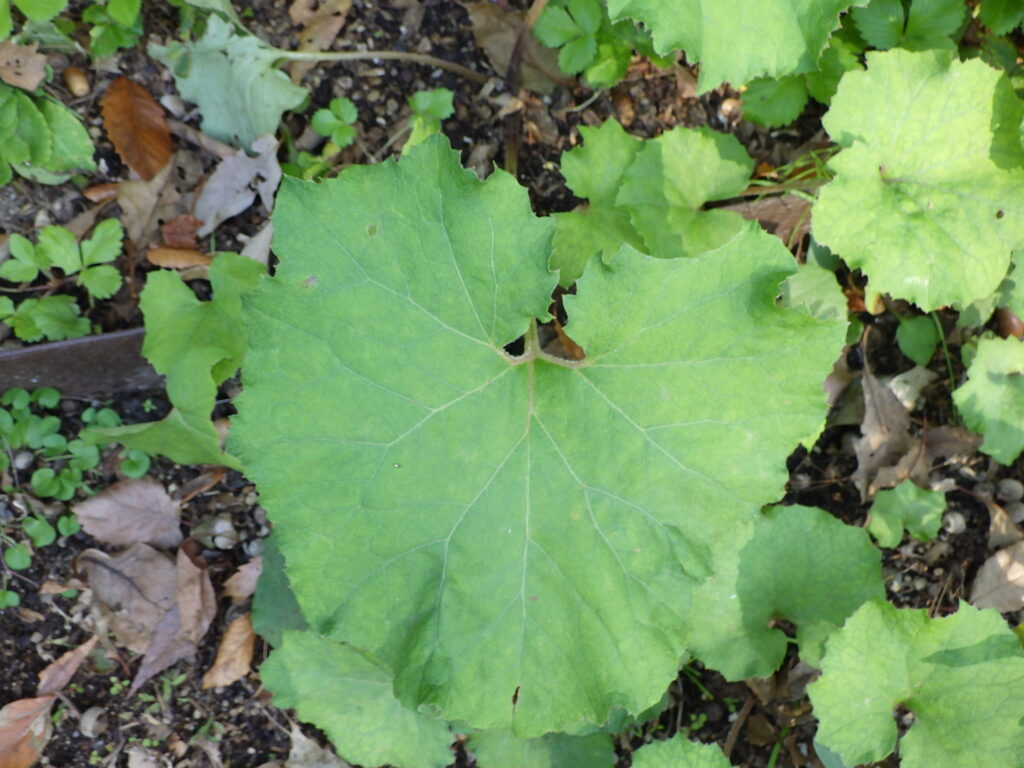
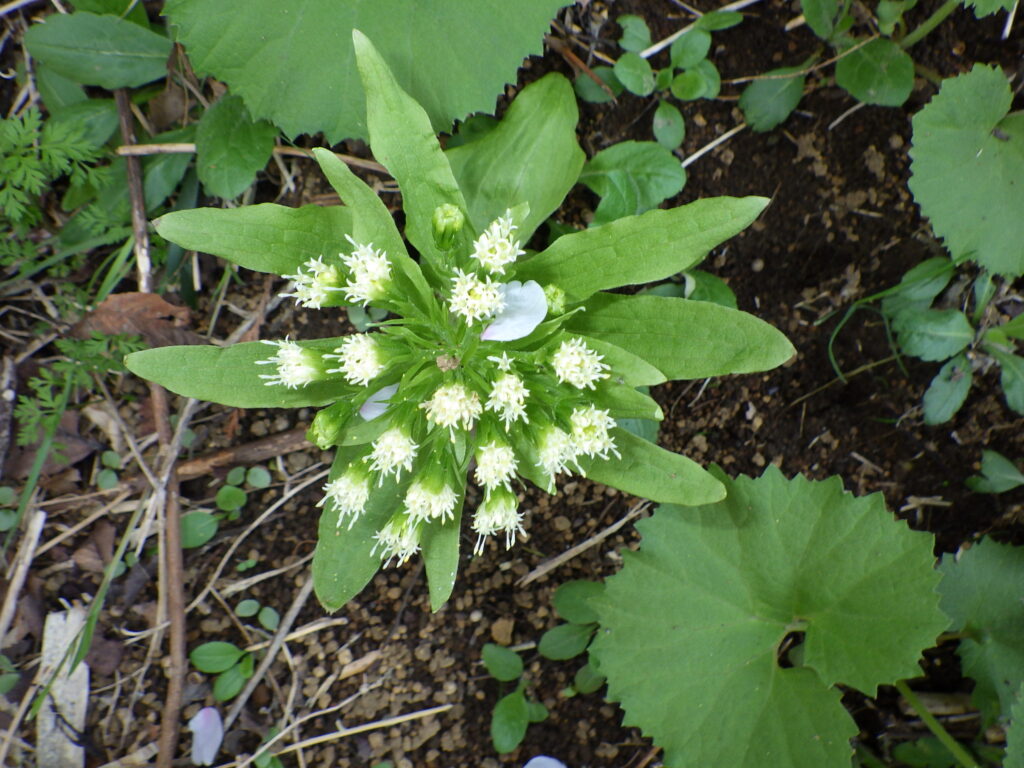
Some people may be wondering about the difference between Yamabuki and Fuki (Petasites japonicus). This is because the name of Yamabuki includes the name of another plant, "Fuki."
However, the name Yamabuki itself does not originate from the butterbur plant.
The Japanese name Yamabuki is believed to have originated from the fact that it grows in the mountains and its branches sway even in a slight breeze, hence it was called "yamaburi," which later evolved into the Japanese name.
On the other hand, there is no established theory regarding the origin of the Japanese name for butterbur. Since none of the theories are conclusive, we will omit them here.
As a plant, butterbur is completely different from other plants in many ways: it belongs to the Asteraceae family, has large, kidney-shaped leaves, its flowers form flower heads, and its fruit has a pappus.
What is the difference between Japanese kerria and Hypericum patulum?
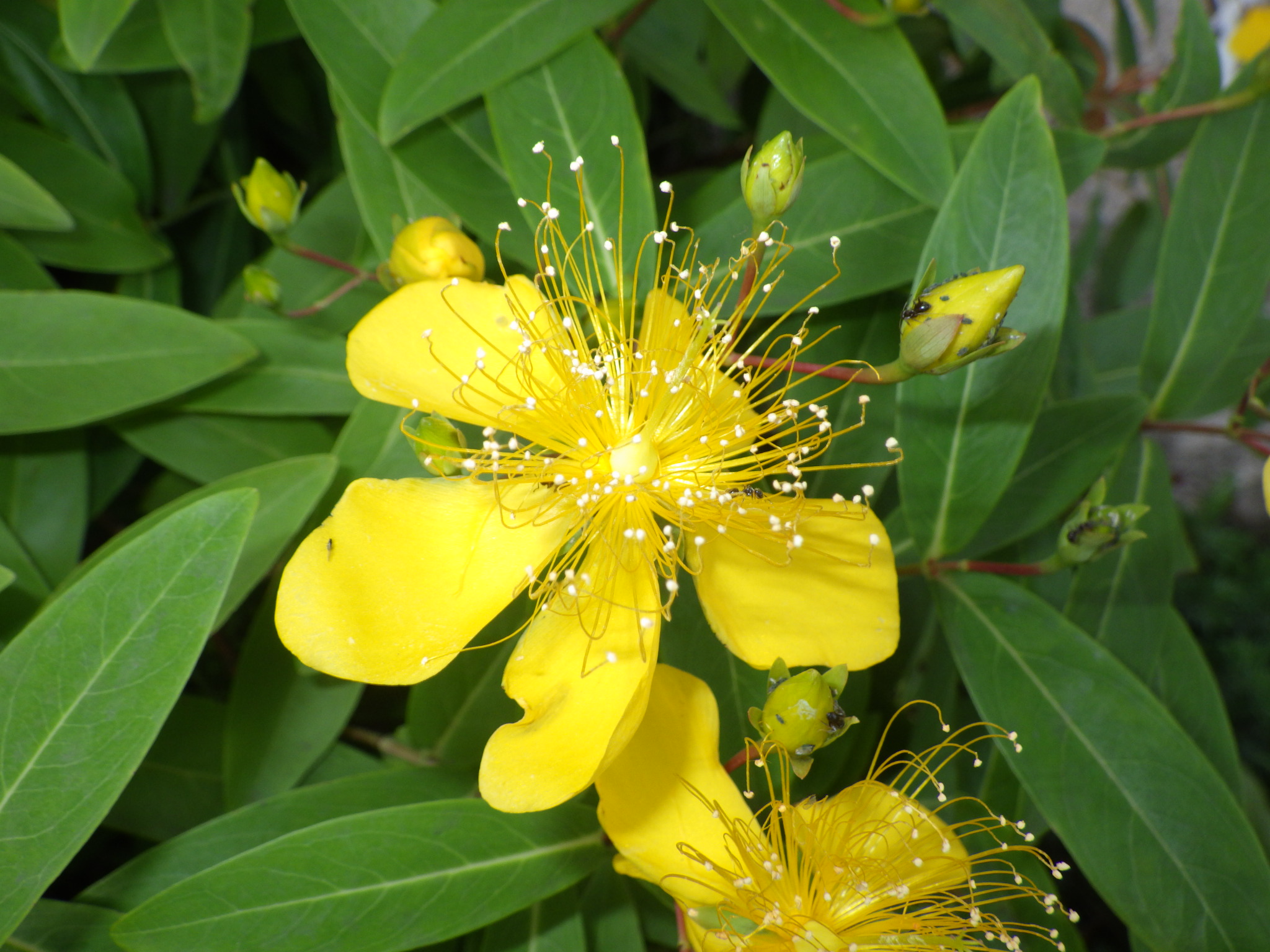
Some people may be wondering about the difference between Japanese kerria (Yamabuki) and Hypericum patulum (Kinshibai).
However, Hypericum patulum differs from Kerria japonica in that its flowers are bowl-shaped overall, and its leaves have entire margins without serrations.
It's possible that many people mistakenly believe Hypericum 'Hidcote' (also known as Hypericum patulum) is simply "Kinshibai" (Hypericum patulum). The plant commonly seen in towns and villages is actually Hypericum patulum. For a detailed explanation of the differences between Hypericum patulum and Kinshibai, please see our other article.


References
Hayashi, Masayuki. 2019. Tree Leaves: Expanded and Revised Edition - Identifying 1300 Species Through Real-Life Scans. Yama-kei Publishers, Tokyo. 824pp. ISBN: 9784635070447
Kanagawa Prefecture Flora Survey Association. 2018. Kanagawa Prefecture Flora 2018 (Electronic Edition). Kanagawa Prefecture Flora Survey Association, Odawara. 1803pp. ISBN: 9784991053726
Wu, ZY, Raven, PH & Hong, DY (Eds.). 2007. Flora of China (Vol. 13 Clusiaceae through Araliaceae). Science Press, Beijing, and Missouri Botanical Garden Press, St. Louis. ISBN: 9781930723597