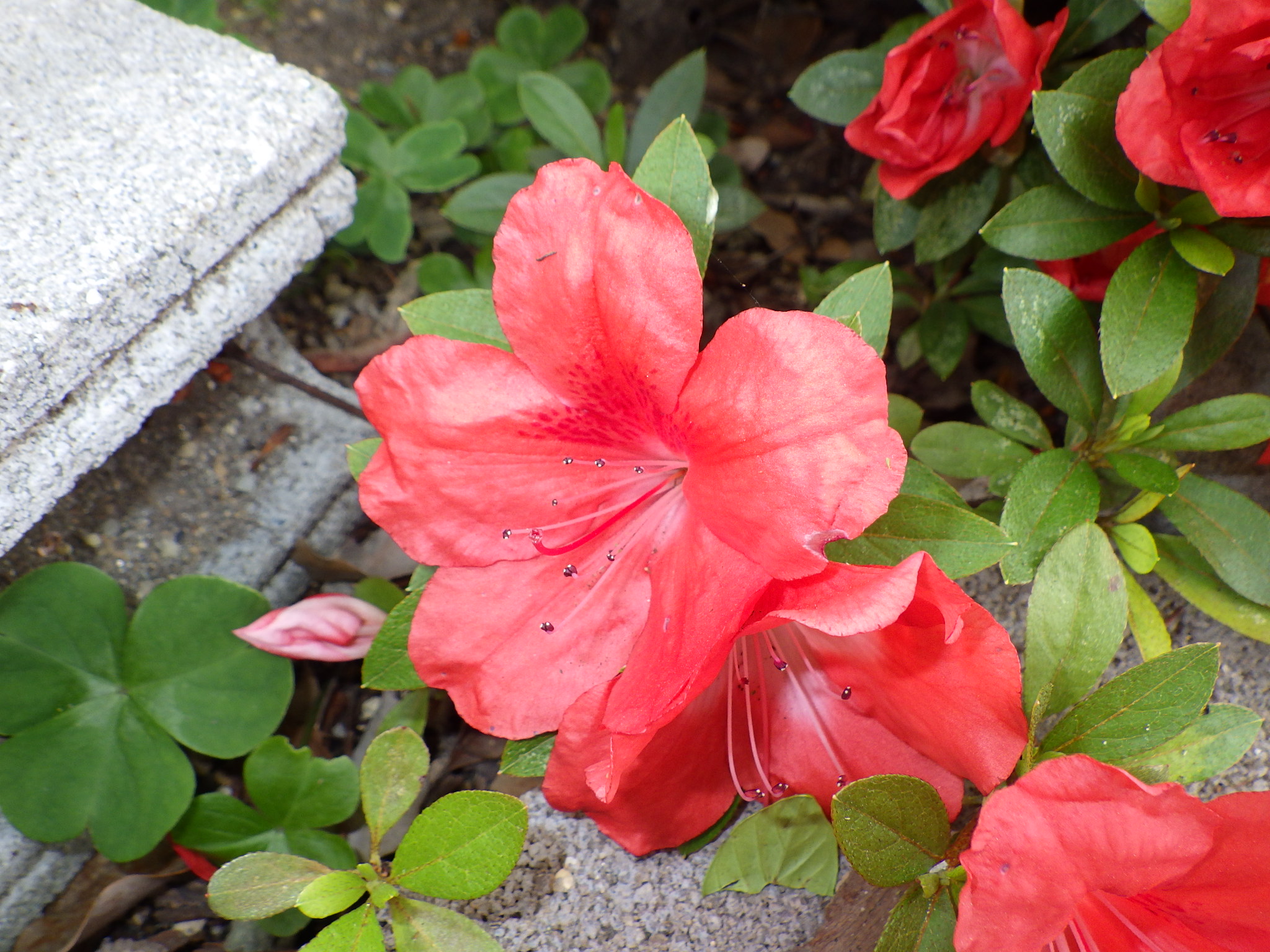
Hirado azalea, Kurume azalea, and Satsuki azalea (Satsuki azalea) all belong to the genus Rhododendron in the family Ericaceae, and are three species of azalea that are extremely commonly cultivated even in urban areas. However, since the shape of their flowers is almost the same, some people may not be able to distinguish between them. It is more accurate to distinguish the three species by the shape of their leaves. It is safe to say that these three species are the ones that are generally cultivated on a large scale, but due to the creation of many horticultural hybrids and varieties, there are also species that are difficult to distinguish, such as Oomurasaki azalea and Kirishima azalea. This article will explain the classification and morphology of the Rhododendron genus that are commonly cultivated in cities.
What are Hirado azalea, Kurume azalea, and Satsuki azalea?
Hirado azalea (Rhododendron x pulchrum) is a semi-evergreen shrub and a group of horticultural varieties resulting from the hybridization of several Rhododendron species (Hayashi, 2019). It is believed to have originated from hybrids of species such as Kerama azalea (R. scabrum), Taiwanese mountain azalea (R. simsii), Mochi azalea (R. macrosepalum), and Kishi azalea (R. ripense). It is commonly cultivated as an ornamental or landscaping plant in gardens, hedges, streets, and parks.
Kurume azalea (Rhododendron x obtusum 'Sakamotoi') is a semi-evergreen shrub and a group of horticultural varieties resulting from the hybridization of several Rhododendron species. It is believed to have originated from hybrids such as Kirishima azalea (Rhododendron x obtusum), a hybrid of Miyama kiusianum (Rhododendron kiusianum) and Yama azalea (Rhododendron sataense), and Sata azalea (Rhododendron sataense), which is native to Kagoshima. It is a group of horticultural varieties of hybrids.
Satsuki (Rhododendron indicum), also known as Satsuki azalea, is a semi-evergreen shrub that grows on riverbanks and rocks in southern Fukushima Prefecture, southwestern Kanto region, Kinki region, Yamaguchi Prefecture, and Kyushu (Saga Prefecture, Kumamoto Prefecture, and Yakushima) in Japan (Kanagawa Prefecture Flora Survey Association, 2018). In the wild, it inhabits a very limited environment, "rock crevices 0.5 to 4 meters above the normal water level in places that are not affected by flowing water under normal conditions but are flooded during floods," and is therefore listed on the red lists of some prefectures. However, in cultivation, it is commonly found as a garden tree, hedge, park tree, street tree, and potted plant.
All three species belong to the genus Rhododendron in the family Ericaceae, and are among the most commonly cultivated species in urban areas. They are particularly favored as street trees due to their resistance to air pollution, and are often seen planted over long distances in the "green belts" between sidewalks and roadways. Many people may have fond memories of playing with them, sucking the nectar from their flowers, when they were in elementary school.
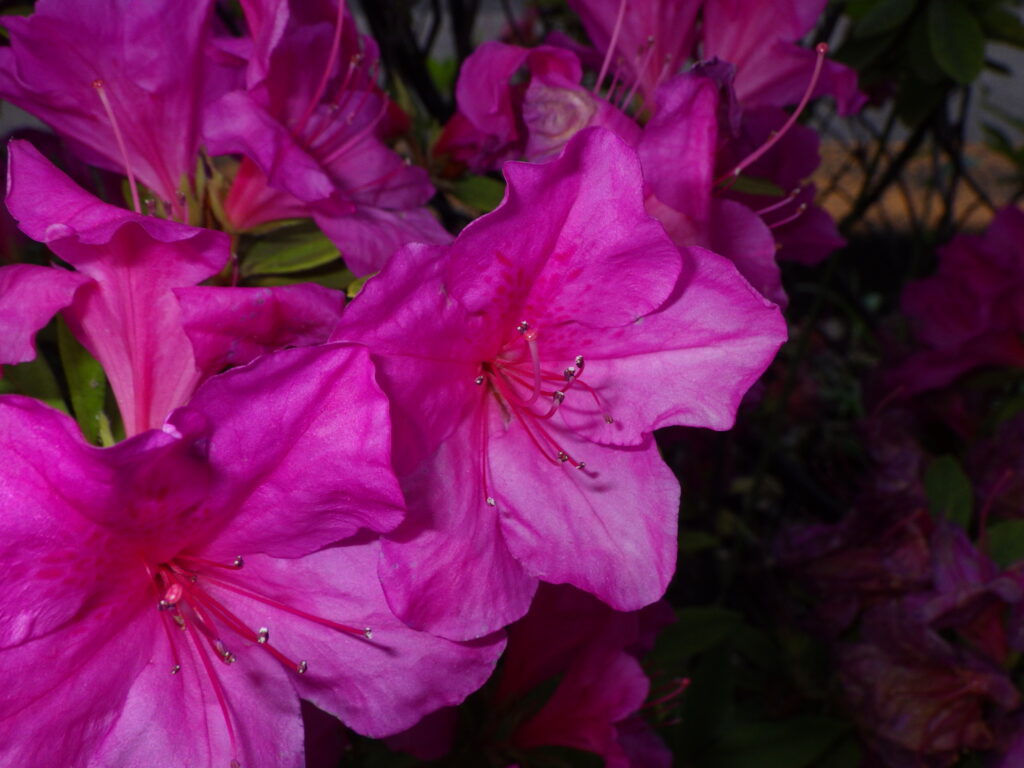
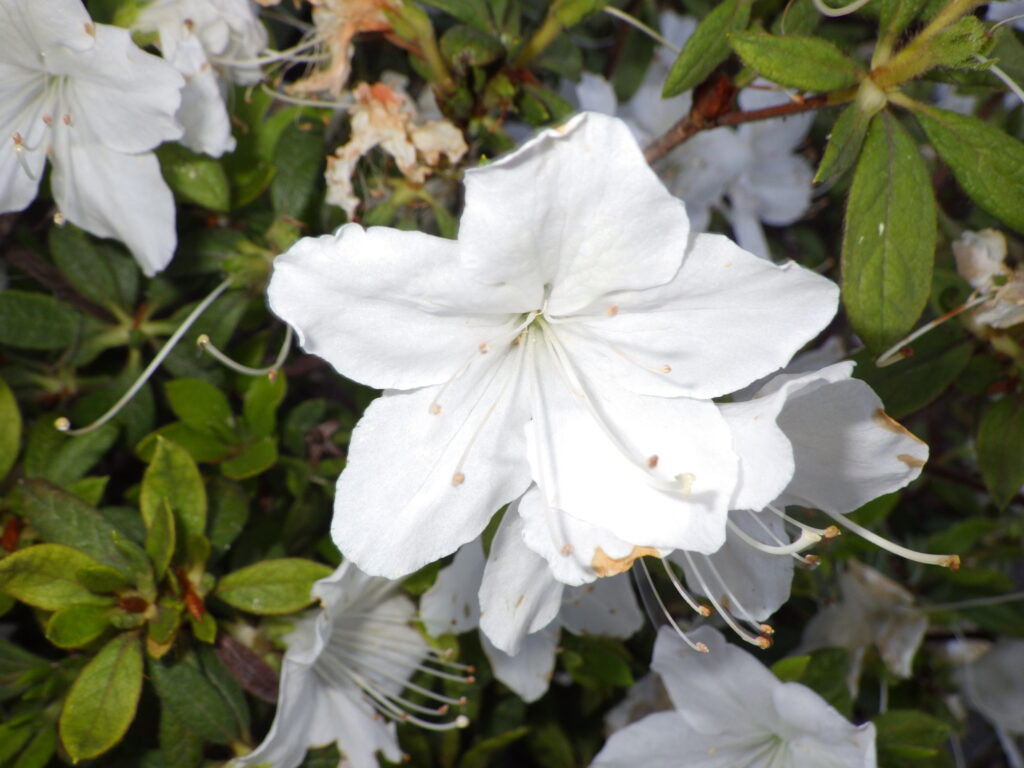
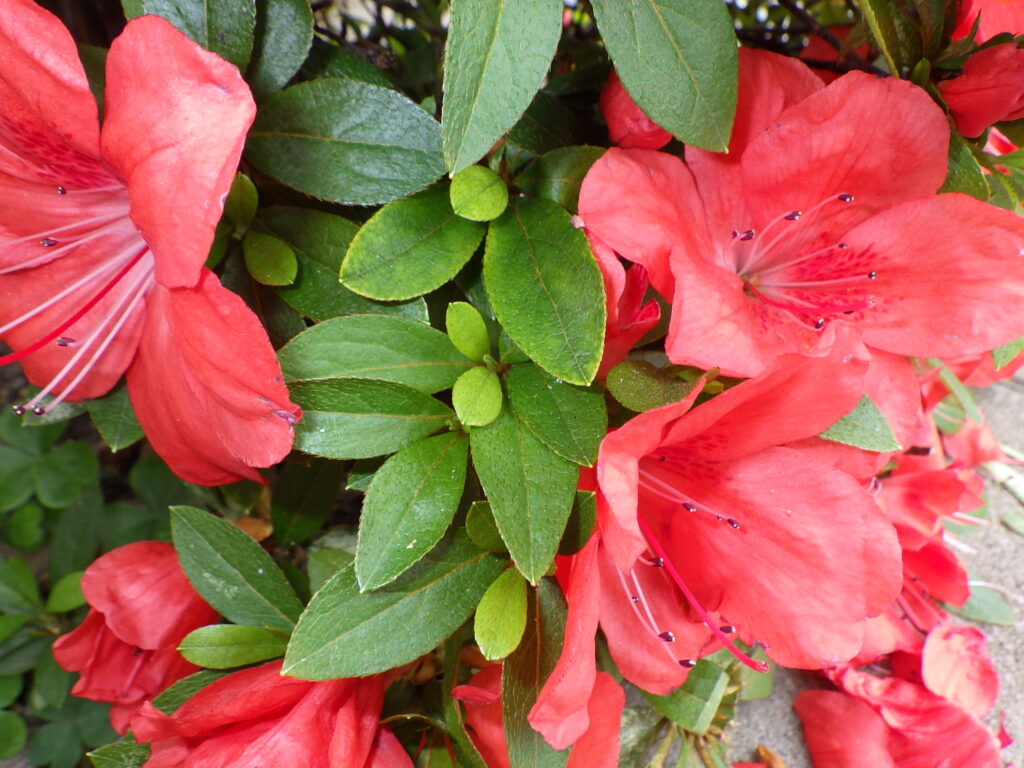
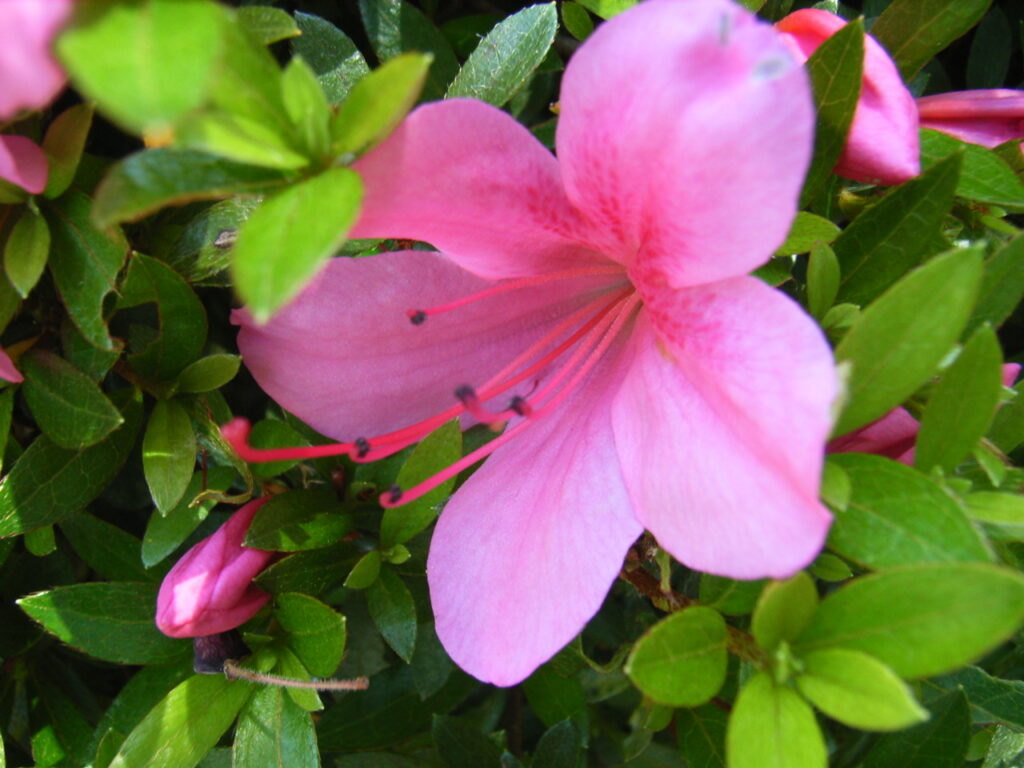
However, since most members of the Rhododendron genus have similar flower shapes and a wide variety of flower colors, it's often difficult to distinguish them if you only focus on the flowers.
What are the differences between Hirado azalea, Kurume azalea, and Satsuki azalea?
The genus Rhododendron is an extremely vast group, with 62 species native to Japan alone, and the number is even larger when subspecies, varieties, cultivars, and hybrids created through horticulture are included.
Therefore, accurate identification can be difficult, but this time we will focus on three species that are common in urban areas.
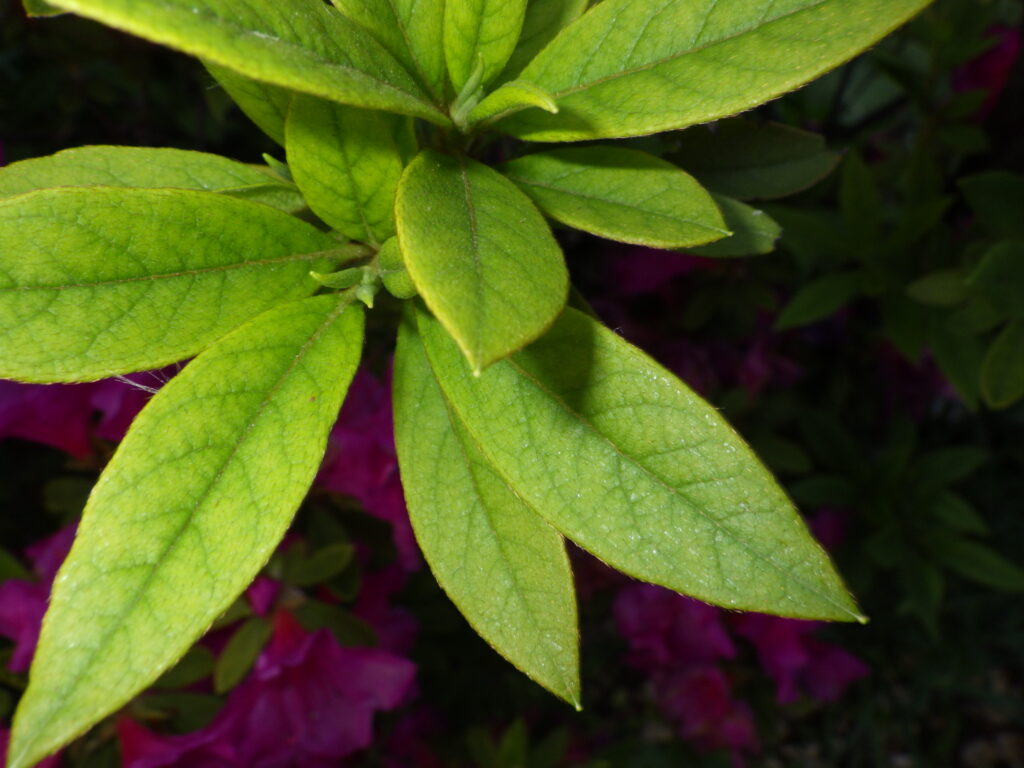
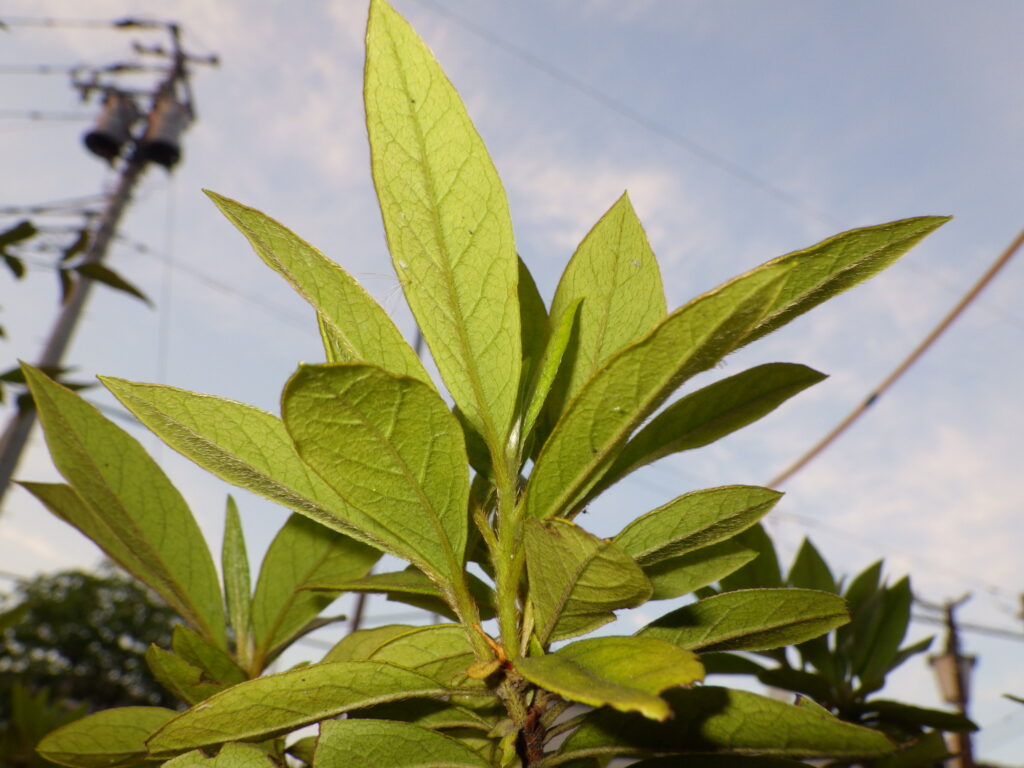
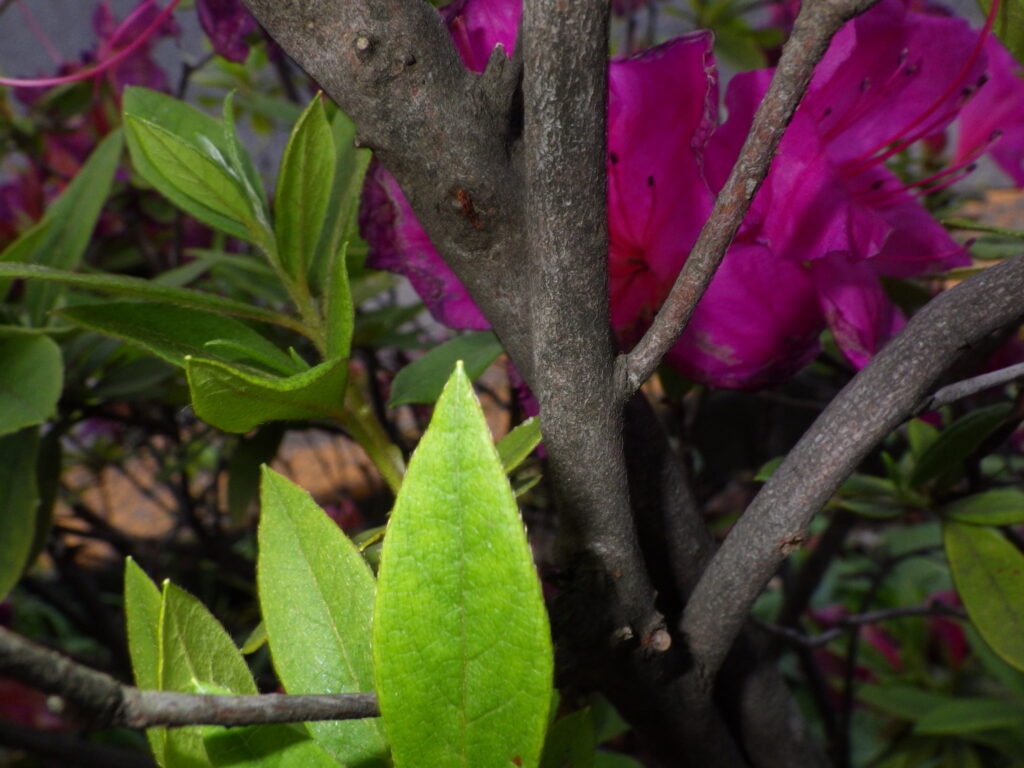
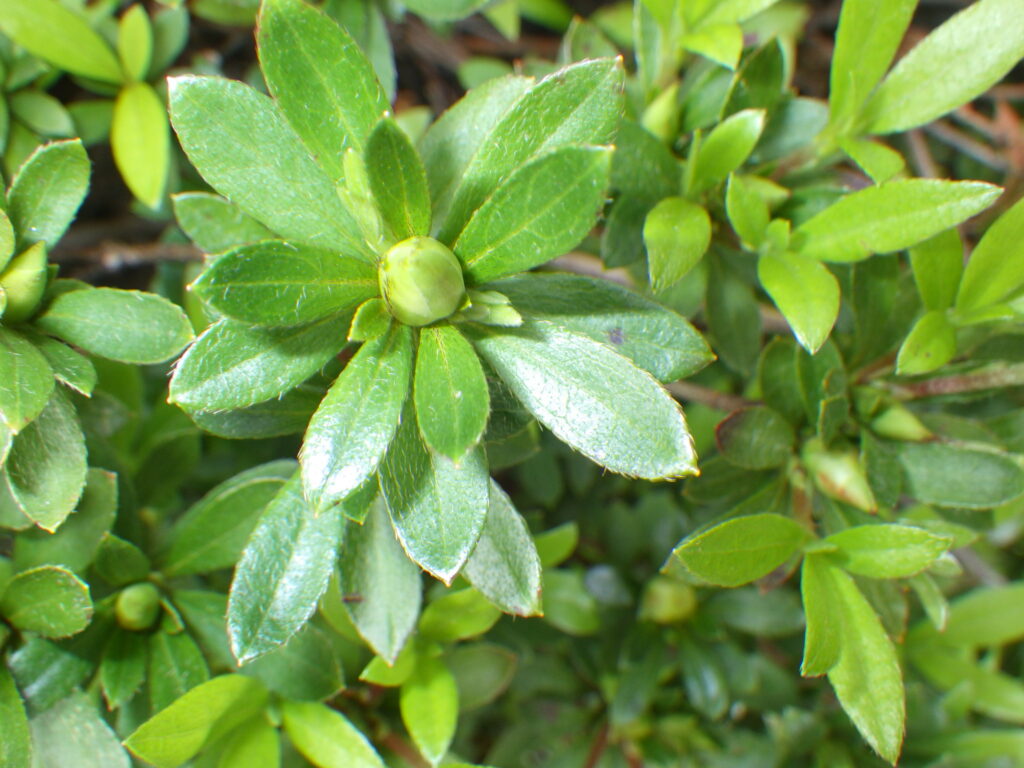
The difference lies in the leaves (Hayashi, 2019).
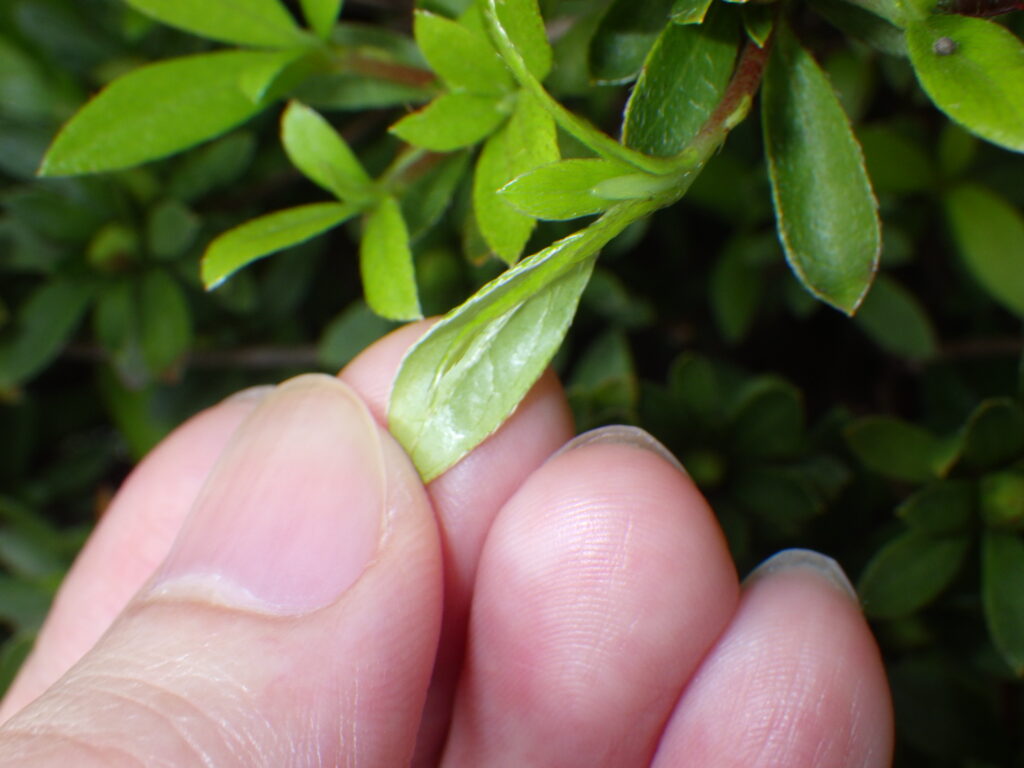
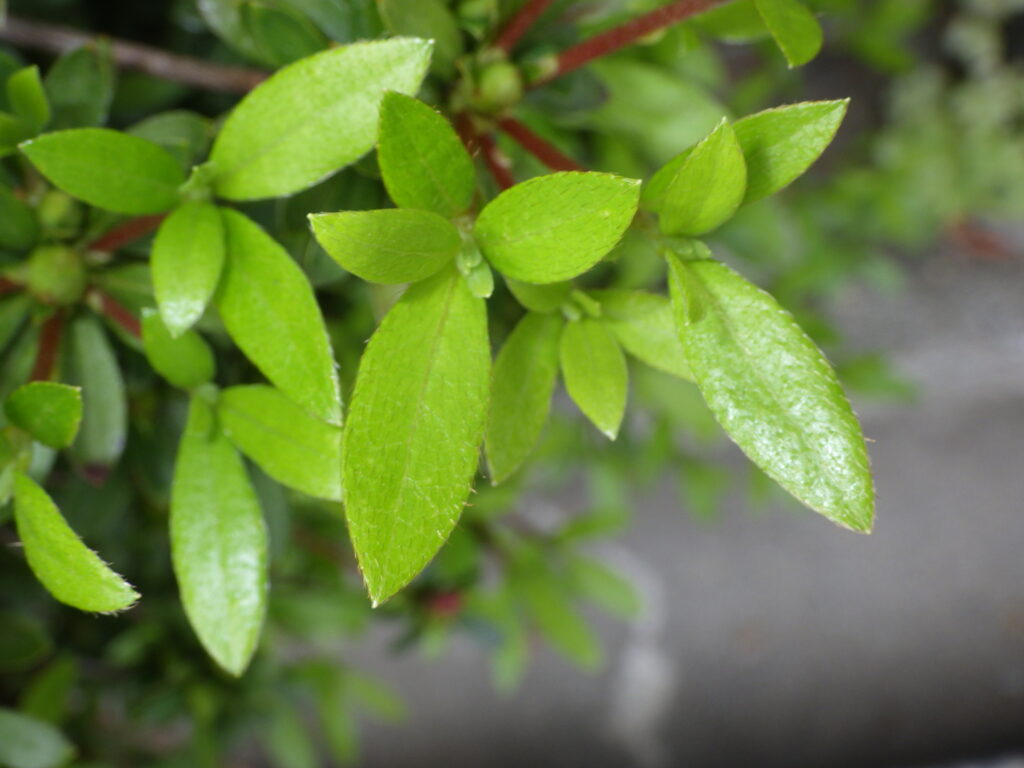
First, Hirado azaleas have leaves that are covered in long hairs, are sticky when young, and have large leaf blades measuring 4-11 cm in length with many wrinkles. In contrast, Kurume azaleas and Satsuki azaleas have leaves that are covered in short yellow hairs, are not sticky even when young, have small leaf blades measuring 4 cm or less in length, and have fewer wrinkles.
The stickiness of Hirado azalea leaves is likely related to the fact that one of its parent species, Rhododendron macrosepalum, produces mucus. Considering this point, it should be relatively easy to distinguish between the two. Another characteristic is that dirt often adheres to its leaves due to the stickiness. Even mature leaves of Rhododendron macrosepalum produce a lot of mucus.
Regarding Kurume azaleas and Satsuki azaleas, the difference is that Kurume azaleas have oval-shaped leaves that are wide, while Satsuki azaleas have oblong leaves that are narrow.
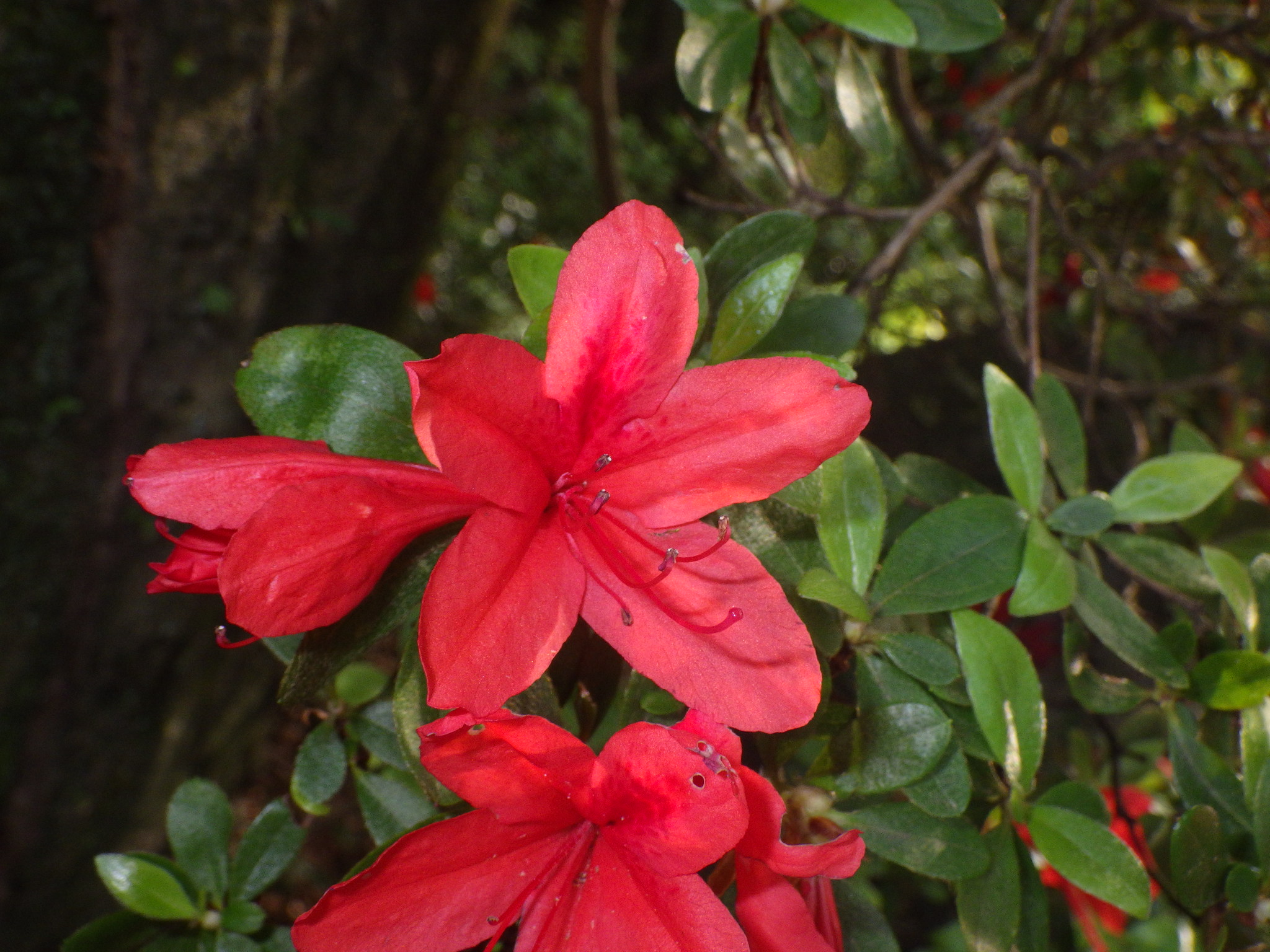
Also, it's worth noting that while Kurume azaleas bloom from April to May, Satsuki azaleas bloom a little later, from May to June. The original Satsuki azalea flowers are bright pink, but they are often other colors.
Note that the shape of the leaves changes between spring and summer in the Rhododendron genus, so features such as the sharpness of the leaf tips may not be very helpful as a reference.

Are there any other similar species?
As mentioned above, the genus Rhododendron includes many species, but other species are not cultivated, or have large leaves or trifoliate compound leaves, making identification relatively easy.
However, because horticultural hybrids are created in large quantities, accurate methods for distinguishing them may not always be established.
The most common variety of Hirado azalea is Rhododendron x pulchrum 'Oomurasaki' (also known as Oomurasaki, Oomurasaki Ryukyu, or Osakazuki), but I'm not aware of the differences between it and Hirado azalea. Generally, it is said that Rhododendron x pulchrum is the variety planted in urban areas.
Rhododendron x obtusum is the parent species of Rhododendron kiusianum, but I don't understand the difference between them. Some people think that Rhododendron kiusianum is the one with double petals, but I don't know the scientific explanation.
There are many other horticultural varieties, but since the differences are not at the species level, I will omit them.
Other species in the Rhododendron genus are introduced below.
While Kurume azaleas and mountain azaleas are somewhat similar, the main difference is that Kurume azaleas are only cultivated and have many short yellow hairs on their leaves, while mountain azaleas are usually found growing wild and have long white hairs on their leaves.
References
Hayashi, Masayuki. 2019. Tree Leaves: Expanded and Revised Edition - Identifying 1300 Species Through Real-Life Scans. Yama-kei Publishers, Tokyo. 824pp. ISBN: 9784635070447
Kanagawa Prefecture Flora Survey Association. 2018. Kanagawa Prefecture Flora 2018 (Electronic Edition). Kanagawa Prefecture Flora Survey Association, Odawara. 1803pp. ISBN: 9784991053726