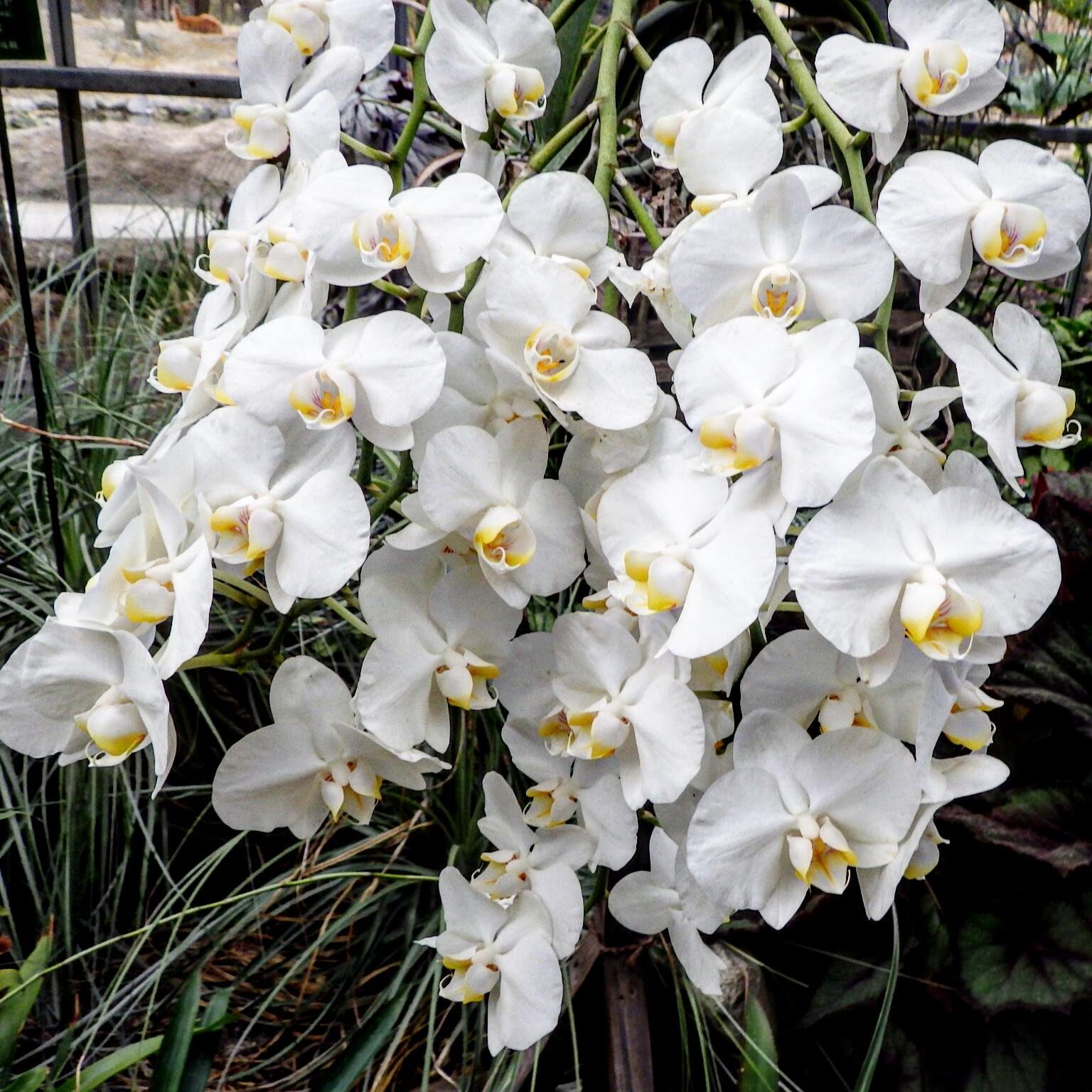
Phalaenopsis orchids are very popular in Japan as high-end potted plants and cut flowers. They are the number one orchid species in terms of both production volume and production value. However, they are also called "Phalaenopsis," which can be confusing. Biologically, however, the terms refer to different areas. Phalaenopsis orchids refer to only one species, " Phalaenopsis aphrodite subsp. formosana," which is distributed only in southern Taiwan and the Philippines, while Phalaenopsis is a general term for about 70 species, including this one, distributed from southern China to Southeast Asia. What is commonly seen in Japan is Phalaenopsis orchids (in the narrow sense). This is related to the large-scale production of Phalaenopsis orchids in Taiwan targeting the Japanese market. Furthermore, another important point is that Phalaenopsis orchids are easier to control the flowering of than other orchids. Phalaenopsis seeds are not commonly sold, which is due to the unique ecological characteristics of the seeds, which depend on symbiotic mycorrhizal fungi for nutrients. While phalaenopsis orchids are often admired for their ornamental properties, their ecology is also fascinating. Inside the flower, there is a rubbery organ called a "sticky body," to which pollen masses are attached. It is believed that when insects approach, the sticky body and pollen masses stick to their backs. However, the type of insect that visits these flowers remains unknown, and despite their common presence, their natural ecology is shrouded in mystery. The fruit is a capsule and is dispersed by wind. This article will explain the classification, history, pollination ecology, and seed dispersal of phalaenopsis orchids.
- What is the difference between Phalaenopsis and Mothra orchids?
- What are the differences between Phalaenopsis orchids, Manila Phalaenopsis orchids, and Sunda Phalaenopsis orchids?
- When did phalaenopsis orchids become popular? What is their history?
- Why don't we see seeds in Phalaenopsis orchids?
- Did Phalaenopsis orchids perform CAM photosynthesis?
- Did flowers have a mechanism to attach pollen masses to the backs of insects?
- It's a famous flower, yet its ecology was unknown?!
- The fruit is a capsule, and the seeds are dispersed by wind.
- Protocorms and orchid mycorrhizal fungi are essential for seeds!
- References
- Source
What is the difference between Phalaenopsis and Mothra orchids?
Phalaenopsis aphrodite (in the broad sense) is distributed in southern Taiwan and the Philippines, and is an epiphytic plant that grows on trees in lowland forests and woodlands with a hot, humid, and well-ventilated environment (Wu et al., 2009).
The Japanese name is written as "胡蝶蘭" in kanji, and it derives from the fact that the flower resembles a butterfly (胡蝶, an old name for a butterfly). This is the same in China, where it is also called "蝶蘭".
It belongs to the genus Phalaenopsis in the family Orchidaceae. Orchidaceae includes "epiphytic orchids" that attach themselves to trees and rocks using their thick roots, and "terrestrial orchids" that root in the ground, and Phalaenopsis belongs to the genus Phalaenopsis, which is an epiphytic orchid (Enoki, 2014).
Phalaenopsis orchids are very popular in Japan as high-end potted plants and cut flowers.
By the way, if you do a little research, you'll sometimes find that the orchid *Phalaenopsis* is also called *Phalaenopsis*. Is there any biological difference between these two?
Biologically, there are clear differences between these two.
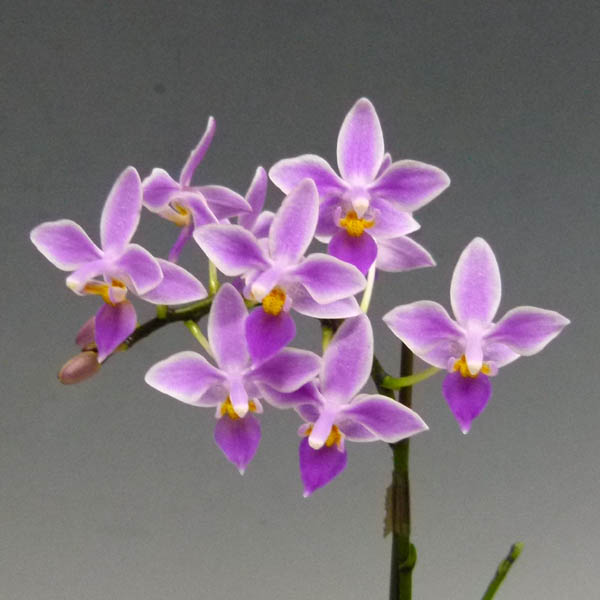
When we refer to it as a " Phalaenopsis aphrodite," we are specifically referring to one species, scientifically known as " Phalaenopsis aphrodite subsp. formosana." This is the most common type in Japan, and almost all of the orchids given as gifts for store openings are of this species.
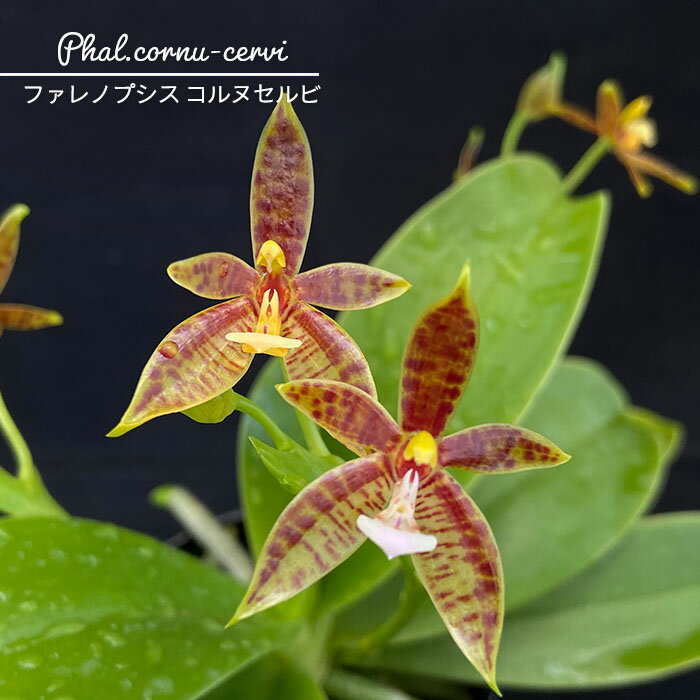
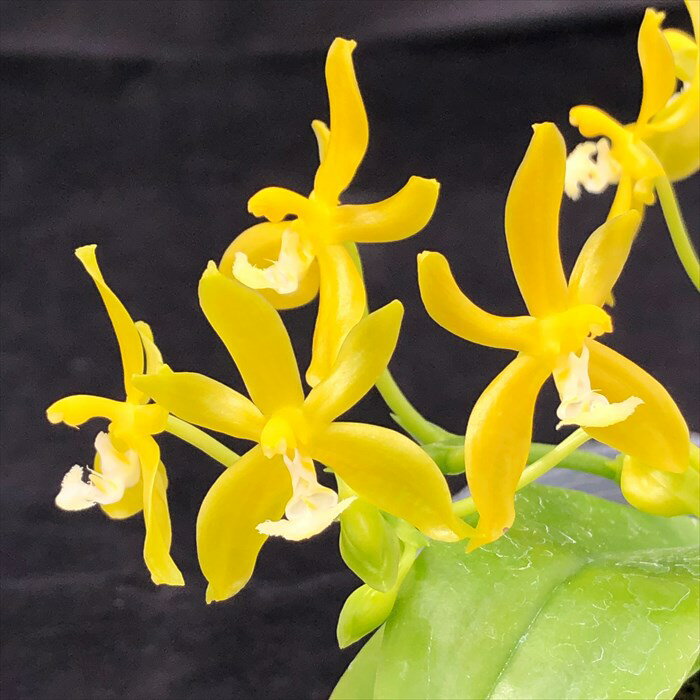
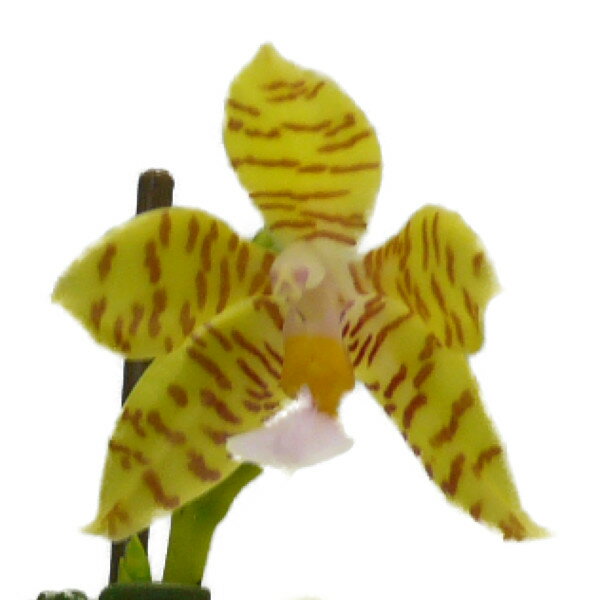
On the other hand, Phalaenopsis is a general term for species belonging to the genus Phalaenopsis. Depending on the classification, this genus is distributed from southern China to Southeast Asia and is a large group containing about 70 species. In addition, it also includes individuals that have been hybridized through selective breeding of multiple species.
While orchid species other than Phalaenopsis are not typically used for anything, they are traded among orchid enthusiasts. Orchidaceae plants, including the Phalaenopsis genus, are subject to regulations under the Washington Convention (listed in Appendix II), and international trade is generally restricted (Fukunaga & Shimazaki, 2003). However, if local dealers cultivate and propagate them and can prove that they can be propagated stably, they may be traded, but they are often expensive.

What are the differences between Phalaenopsis orchids, Manila Phalaenopsis orchids, and Sunda Phalaenopsis orchids?
Phalaenopsis orchids (in the broad sense) are divided into Phalaenopsis aphrodite subsp. formosana (also known as Taiwanese Phalaenopsis) and Phalaenopsis aphrodite subsp. aphrodite (Manila Phalaenopsis).
Also, since there are many different species in the Phalaenopsis genus, it is impossible to list all the ways to distinguish between them here, but one species with white flowers that is very similar is Phalaenopsis amabilis.
What are the differences between them?
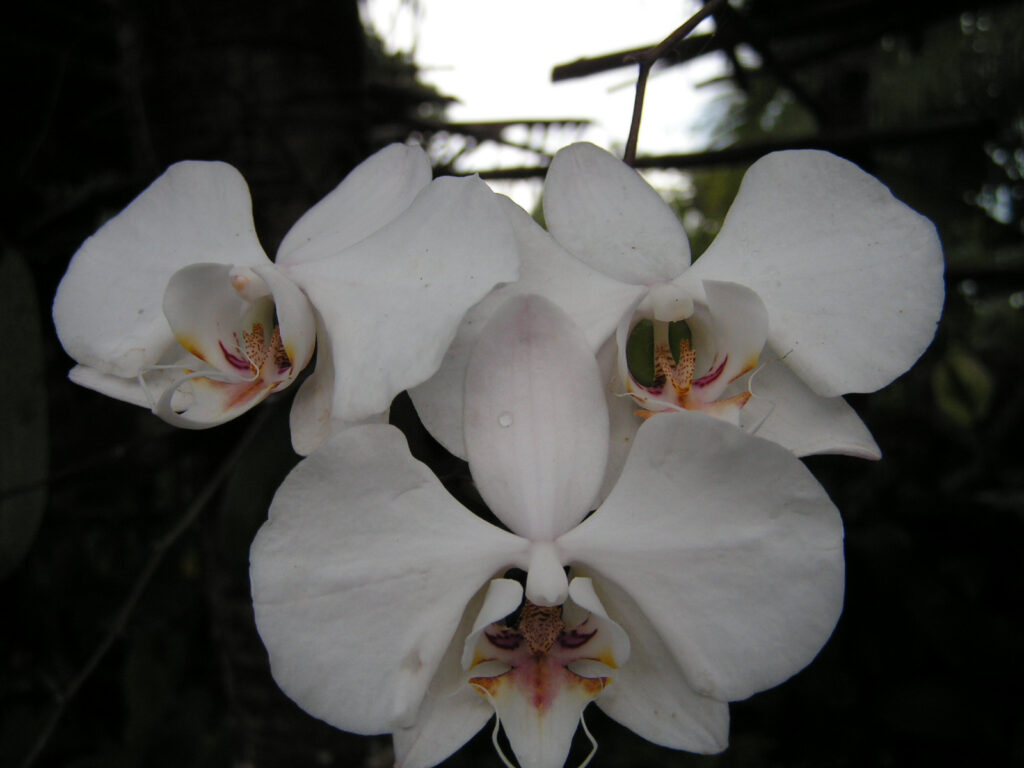
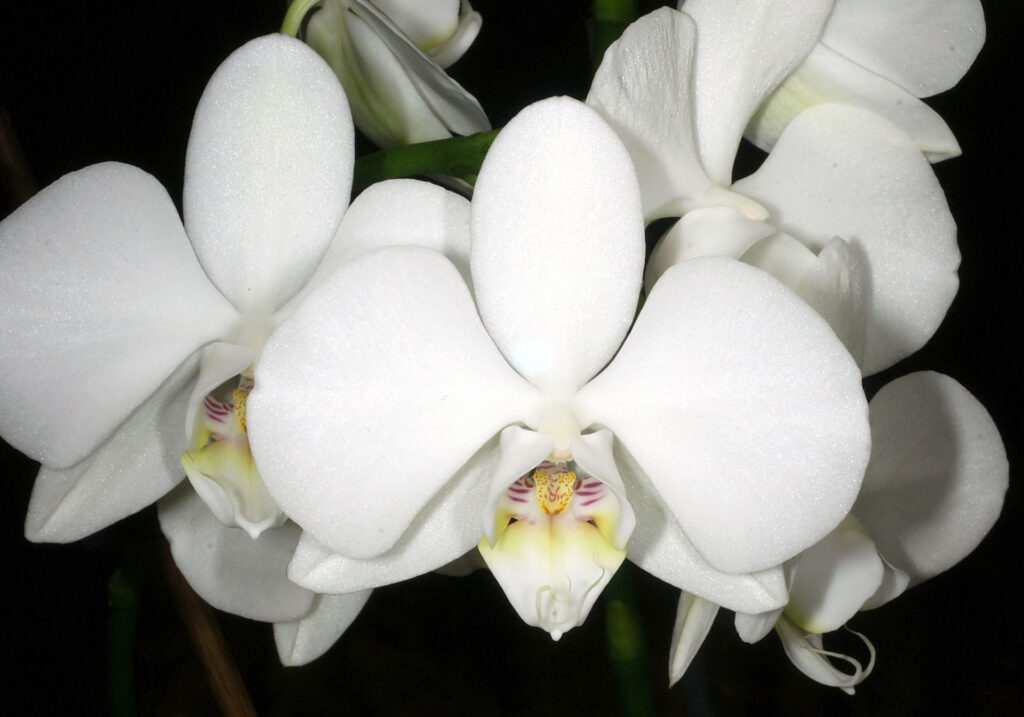
First, the difference between Phalaenopsis orchids (in the broad sense) and Phalaenopsis sundae lies in the "callus," which is the base (root) of the labellum within the petals, or the projection protruding from the base (Morimoto et al., 2016). In these two species, this corresponds to the part with yellow spots.
In Phalaenopsis orchids (in the broad sense), the callus has three bumps on each side, whereas in Phalaenopsis sundae, there are only two.
Furthermore, regarding distribution, while the Phalaenopsis orchid (in the broad sense) is limited to southern Taiwan and the Philippines, the Sunda Phalaenopsis can be found in a relatively wide area including the Philippines, Indonesia, Malaysia, Papua New Guinea, and Australia.
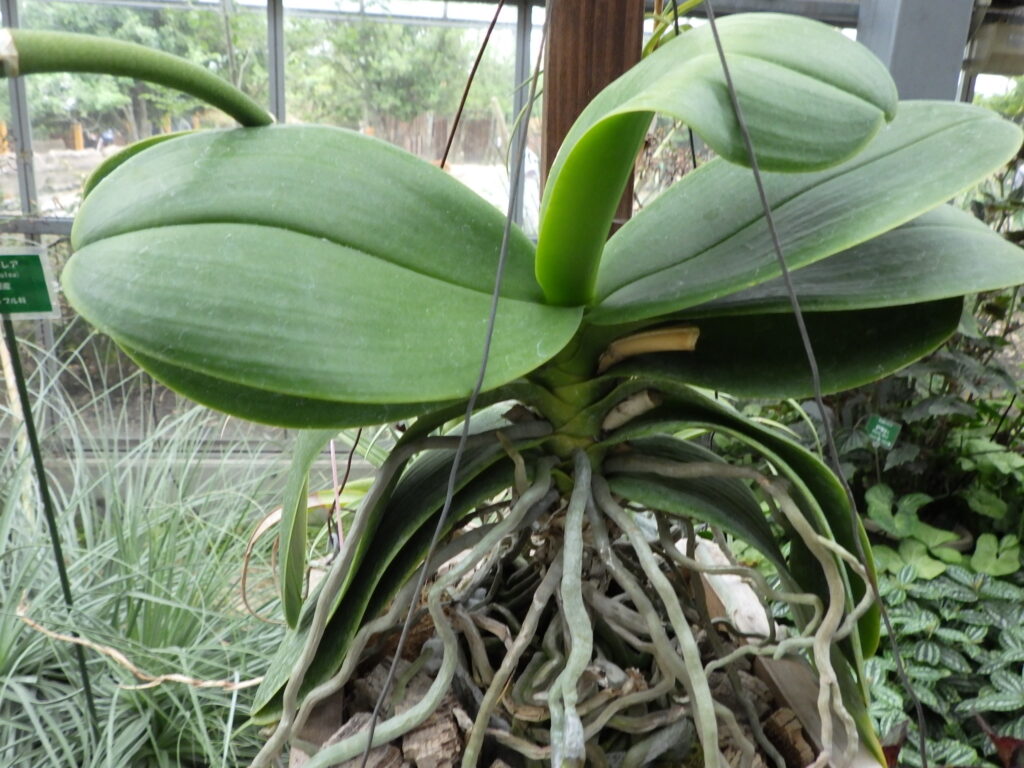
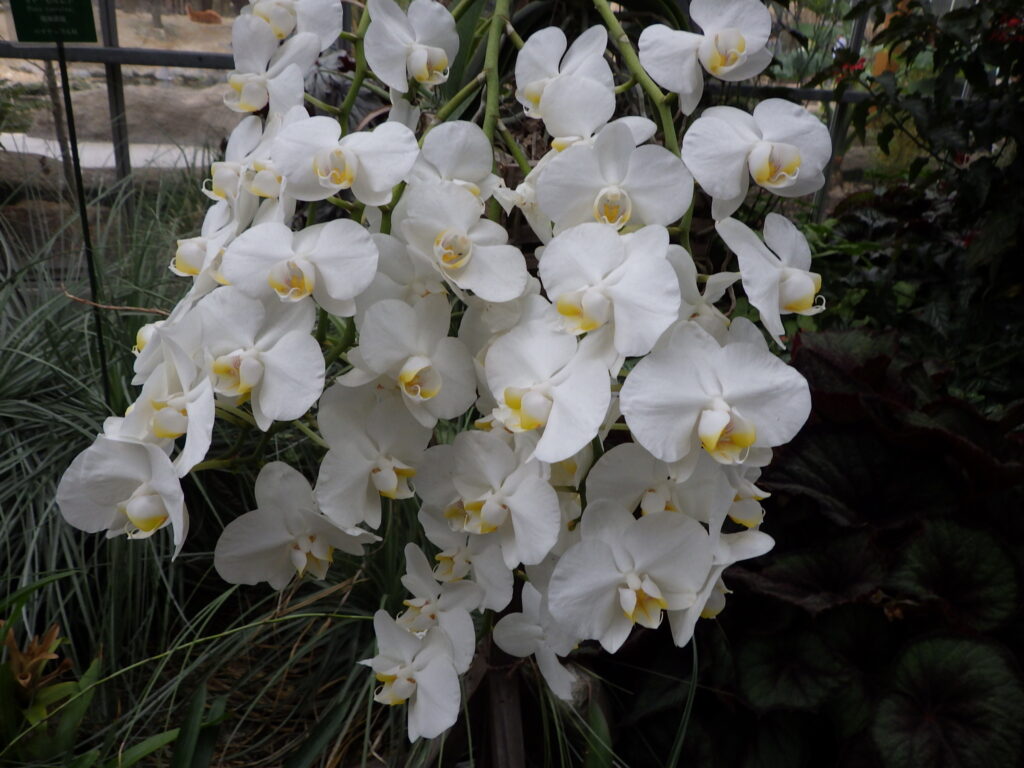
The difference between Phalaenopsis orchids (in the narrow sense) and Phalaenopsis manilai is that Phalaenopsis orchids (in the narrow sense) are distributed in southern Taiwan, have green undersides to their leaves with no redness, possess highly branched panicles, and have relatively small flowers, while Phalaenopsis manilai are distributed in the Philippines, have undersides to their leaves that are usually stained red, possess racemes or slightly branched panicles, and have larger flowers (Wu et al., 2009).
However, the type of orchid commonly seen in Japan is the Phalaenopsis orchid (in the narrow sense). This is related to the large-scale production of Phalaenopsis orchids in Taiwan, which targeted the Japanese market.
When did phalaenopsis orchids become popular? What is their history?
Phalaenopsis orchids have formed a large market as high-end potted plants and cut flowers for corsages and bouquets due to their beauty, large size, and the abundance of large, long-lasting flowers they produce (Enoki, 2014).
In Japan's flower production figures as of 2014, chrysanthemums ranked first with a value of 62.7 billion yen, followed by orchids in second place with a value of 31 billion yen, indicating high demand among flowers.
Furthermore, as of 2013, Phalaenopsis orchids ranked first in production volume and value among commercially produced orchids in Japan, surpassing Cymbidium, Cattleya, and others. They also have a high average price among orchids, making them a plant with extremely high commercial value among horticultural flowers.
Why did phalaenopsis orchids become so popular?
Of course, as mentioned above, the fact that it blooms large and produces many flowers, even among orchid species, was a major factor in its popularity.
However, there are several types of orchids. What makes the Phalaenopsis orchid stand out among them is likely due to its suitability for artificial cultivation and the historical factors that led to the establishment of a commercially viable production system in Taiwan to meet the demand during Japan's bubble economy.
In Taiwan, the original species of Phalaenopsis orchid was discovered relatively late, in the first half of the 20th century (Arai, 2011).
Until the 1970s, orchid cultivation was limited to hobbyists who worked other jobs, producing and breeding on a small scale and selling to wealthy enthusiasts within Taiwan. There were a few exceptional cases of exporting cut flowers and seedlings at the request of Japanese enthusiasts, flower producers, and retailers.
Around the 1980s, in line with the overall growth of Taiwan's floriculture industry, the production of phalaenopsis orchids also began to exceed the level of a hobby, driven by the growing demand within Taiwan.
However, the turning point came in the late 1980s, when large Taiwanese companies entered the orchid production business, primarily for export to the Japanese market, and commercial orchid production was established.
The fact that this industry flourished during this period is largely attributed to Japan's economic boom, known as the "bubble economy." Originally, Cymbidium and Dendrobium orchids were established as high-end gifts for year-end presents, but Phalaenopsis orchids gradually gained popularity, breaking into the market alongside these.
One advantage of the Phalaenopsis orchid over other orchids was the ease with which its flowering could be controlled (Nishimura, 2004). University research revealed that the plants would not flower under high-temperature conditions, but flowering was promoted by exposure to low-temperature conditions. This technique was established in the 1980s, and as a result, Phalaenopsis orchids can now be seen in flower shops all year round.
In the 1990s, the Japanese market gradually became saturated and the bubble economy came to an end. However, as prices fell, exports to the United States and China, and from the mid-2000s to Europe, increased, and ultimately, the product became highly valued in a wide range of regions.
It is estimated that 70-80% of the phalaenopsis orchids currently distributed in Japan come from Taiwan (Phalaenopsis Station, 2025).
In present-day Japan, it is used not only for store opening celebrations, but also for housewarming gifts, 60th birthday celebrations, and offerings at Buddhist memorial services, among other occasions.
Why don't we see seeds in Phalaenopsis orchids?
By the way, when phalaenopsis orchids are sold, it's usually just the flowers. Why don't I ever see phalaenopsis orchid seeds? Given how popular this plant is, it seems strange that seeds aren't readily available.
However, there are reasons why that is difficult.
As will be discussed later, many orchid plants depend on symbiotic mycorrhizal fungi (orchid mycorrhizal fungi), which are classified as basidiomycetes, for their early developmental growth, from seed germination to reaching autotrophic growth through photosynthesis.
Consequently, the seeds of orchids, including Phalaenopsis orchids, are endospermic seeds lacking the endosperm, which is the nutrient storage tissue. Furthermore, the embryos are small and underdeveloped, making spontaneous germination and growth impossible.
In other words, they receive nutrients for germination from symbiotic mycorrhizal fungi, and it's impossible for them to germinate on their own simply by planting them.
Therefore, special artificial manipulation is required to germinate the seeds.
Specifically, seeds are placed in a flask containing an agar medium with nutrients to encourage germination (Arai et al., 2011).
In addition, in some cases, seedlings induced from growth point tissues such as axillary buds, stem apex, and leaf lobes of flower stalks, as well as redifferentiated tissues such as protocorm-like bodies (PLBs), are cultured and propagated in flasks.
Furthermore, the flask seedlings take two years to grow, another two years to flower, and then a total of four years before they can be shipped.
Therefore, it's understandable that the phalaenopsis orchids that ordinary people see are only the flowers.
Did Phalaenopsis orchids perform CAM photosynthesis?
The genus Phalaenopsis is known as a group that performs photosynthesis using the sedum-type organic acid metabolism (CAM) (Yoshimura, 2021).
CAM photosynthesis is a type of photosynthesis that involves a special chemical reaction. Generally, it absorbs carbon dioxide (CO2) at night and stores it in the plant, which helps to reduce transpiration during the day. This is considered a physiological adaptation that allows terrestrial succulents to secure water in high-temperature, semi-arid environments where they are exposed to harsh moisture conditions. It is advantageous for plants to grow in places where it is difficult to absorb water directly from the soil or in soils with high salinity.
In addition, traits such as fleshy tissue, a thick cuticle, and low stomatal density are often present to enhance water storage capacity.
It is likely that, in addition to inhabiting high-temperature environments, the Phalaenopsis genus, being epiphytic orchids, thrives in environments with low moisture levels, which may have led to the development of succulent leaves and CAM-type photosynthesis.
Did flowers have a mechanism to attach pollen masses to the backs of insects?
In Japan, phalaenopsis orchids are used for ornamental purposes and then wither and die without being pollinated. However, in nature, they must play an important role in attracting insects. How do they attract insects and have their pollen sent to other plants?
The natural flowering period for Phalaenopsis orchids is from April to June. However, with advances in greenhouse cultivation technology, they can be grown to bloom year-round. The flower stalk (the stem that bears the flowers) extends in an arch shape from the leaf axil and bears dozens of flowers (Tsukamoto, 1994). The flowers have a distinctive bilateral symmetrical structure called an "orchid-shaped corolla," which is common to all orchids. Originally, there were three petals and three sepals, but they are cleverly combined to form this structure (Pramanik et al., 2020).
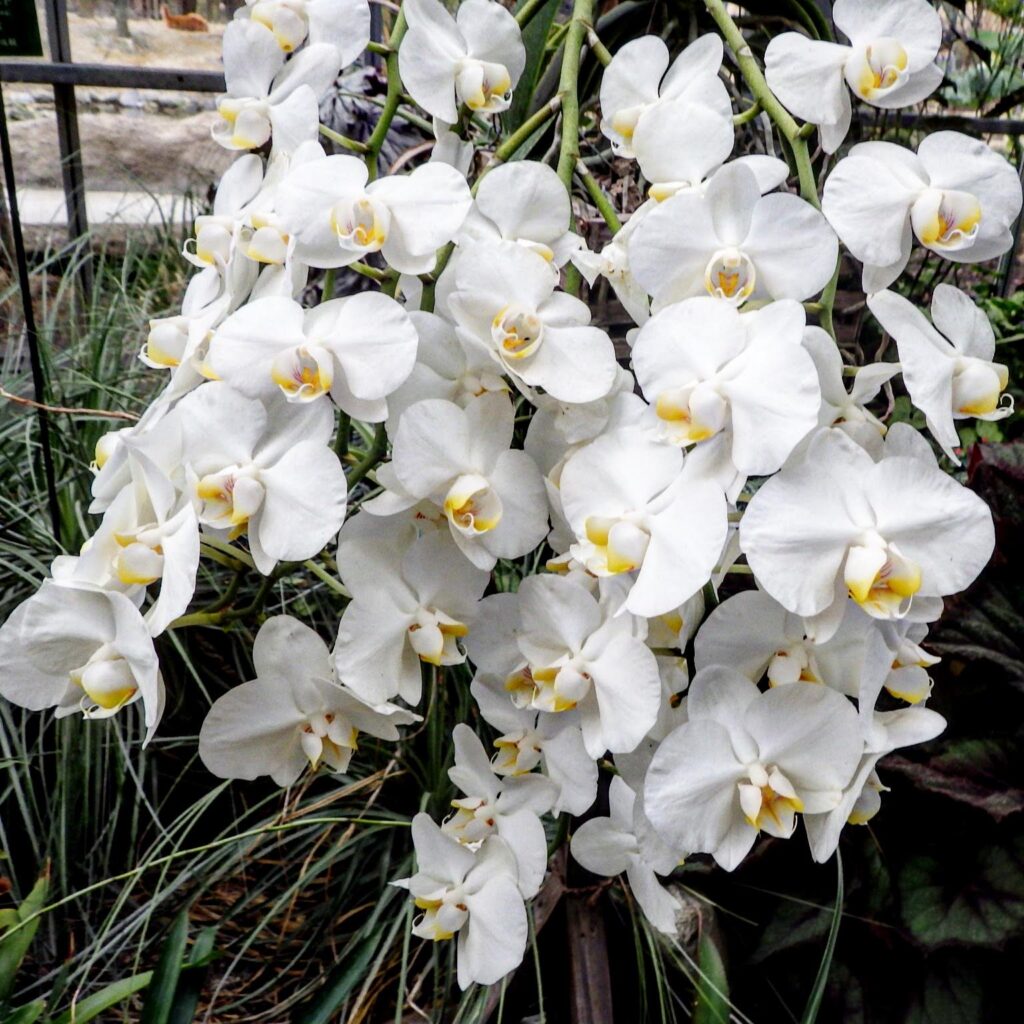
The three sepals—one at the top and two at the bottom—are the same color as the petals, supporting the flower's structure while, along with the petals, attracting insects from afar. The semicircular structures on either side are made up of two petals and are called "lateral petals." In Phalaenopsis orchids, the lateral petals are usually white and, along with the sepals, attract insects from a distance.
The complex-looking structure in the center is a modified petal called the "labellum," which uses its yellow, beard-like protrusions, callus, and scent to lure insects attracted by the petals and sepals deep into the flower.
Above the labellum is a structure called the "column," which is a fused stamen and pistil, and a rubbery, elastic "sticky body." When an insect tries to enter the flower, the sticky body sticks to its back, and as the insect moves, the pollen masses produced by the connected stamens are pulled out and adhere to its back.
This pollen mass is transferred to the pistil of another flower, and pollination takes place. Once the pollen falls off, the flower withers and dies.
It's a famous flower, yet its ecology was unknown?!
As described above, we have a detailed understanding of the flower's structure and pollination mechanism. However, to the best of my knowledge, there are no records of insects directly visiting these flowers in the wild. This may be surprising.
Unfortunately, it's quite common for plants that are familiar in gardens to have poorly understood ecology in the wild. However, overseas researchers familiar with this group speculate that bumblebees and other wasps of similar size may migrate from closely related species (Pridgeon et al., 2014).
It is thought that members of the Phalaenopsis genus, which includes Phalaenopsis orchids, restrict pollinating insects based on flower size (Pramanik et al., 2020), and it is natural to assume that this is the reason why insect pollination is said to be difficult in Japan.
Furthermore, there are differences in color, beard-like protrusions, calluses, and scent depending on the species, which likely reflects differences among pollinating insects.
Whether for ornamental purposes or conservation, it is impossible to properly handle Phalaenopsis orchids without understanding their ecology in the natural world and their symbiotic relationships with other organisms. Further research from this perspective is awaited.
The fruit is a capsule, and the seeds are dispersed by wind.
The fruit of the Phalaenopsis orchid is a capsule that is quite elongated.
Like many orchid species, the seeds are dispersed by wind, with the capsules densely packed with tiny seeds (Miura et al., 2019). It is believed that a single capsule contains tens of thousands to hundreds of thousands of seeds, and as the fruit ripens, gaps form, allowing countless tiny seeds to spill out and be dispersed by a weak breeze.
Protocorms and orchid mycorrhizal fungi are essential for seeds!
As mentioned above, there are some unique characteristics to the seeds of the Phalaenopsis orchid.
Do you know what nutrients plant seeds use to grow?
For example, grasses store energy sources in their endosperm, and legumes store them in their cotyledons. You may have learned this in childhood. However, orchids have no endosperm, and most species lack cotyledons as well (Yeung, 2017)!
The seeds of orchids, including Phalaenopsis orchids, first swell into a spherical shape after germination. This is called a "protocorm." In this stage, they live in symbiosis with fungi called "orchid mycorrhizal fungi," which inhabit the plant's roots.
The orchid mycorrhizal fungi utilize the cellulose of orchid plants by hydrolyzing it, and the orchid plants obtain an energy source by receiving carbon from them, creating a win-win relationship (Yamato and Tanigame, 2009). However, since hydrolyzing cellulose means that the plant's body is being broken down, it's unclear whether it's truly a 100% win-win situation.
This means that phalaenopsis orchids have a stage where they rely on other organisms for energy (heterotrophy) before they transition to the stage where they perform photosynthesis and obtain their own energy source (autotrophy).
Orchid species have evolved to specialize in obtaining energy through symbiosis with orchid mycorrhizal fungi, resulting in the loss of endosperm and cotyledons (Yamato and Tanigame, 2009; Yeung, 2017).
While many other symbiotic relationships between mycorrhizal fungi and plants are known, this is quite unique because, generally speaking, the mycorrhizal fungi obtain their energy source from the plant.
This type of relationship has been observed in many orchid species, and it is established between specific orchids and specific orchid mycorrhizal fungi.
On the other hand, conversely, this means that orchids cannot grow without orchid mycorrhizal fungi. This is thought to be the reason for their small population size, low tolerance to environmental changes, and difficulty in cultivation (Yamato and Tanigame, 2009).
But why do orchids rely on symbiosis with orchid mycorrhizal fungi in the first place?
Although I couldn't find any papers that explicitly state this, based on what I've considered so far, my conclusion is that because the parent plant doesn't need to store energy sources in the endosperm and cotyledons for the seed to develop initially, it has an advantage over other plants in certain environments, such as the presence of fungi, allowing for stable offspring development. On the other hand, it's likely that a disadvantage is that it may become unable to produce offspring if the environment changes.
References
Arai, Yoshiho; Ohro, Kohei; Koseki, Yoshiyuki; and Nagata, Junji. (2011). Dynamics of the Phalaenopsis orchid industry in Taiwan and international relay cultivation. E-journal GEO, 6 (1): 16-32. https://doi.org/10.4157/ejgeo.6.16
Shinichi Enoki. (2014). A study on highly efficient mass propagation of Phalaenopsis orchids using PSR medium and its application to molecular breeding. [Doctoral dissertation, Nagaoka University of Technology]. http://hdl.handle.net/10649/724
Fukunaga, Yuichi & Shimazaki, Kazuhiko. (2003). A survey on awareness regarding the conservation of wild plants and animals (mainly orchids). Journal of Biological Education, 43 (3): 127-138. https://doi.org/10.24718/jjbe.43.3_127
Miura, C., Saisho, M., Yagame, T., Yamato, M., & Kaminaka, H. (2019). Bletilla striata (Orchidaceae) seed coat restricts the invasion of fungal hyphae at the initial stage of fungal colonization. Plants, 8 (8): 280. https://doi.org/10.3390/plants8080280
Morimoto, Y., & Take, T., & Ikedo, T. (2016, January 20). Classification, evolution, and distribution of Phalaenopsis species. Cyber Wild-Orchid Mart. https://www.cyberwildorchid.com/products/phalaenopsis/Evolution/
Nishimura, Goro. (2004). A Cultural History of Flowers at Keisen University (1): Phalaenopsis Orchids. Bulletin of the Institute for Horticultural Culture, Keisen Women's University. Horticultural Culture, 1: 50-53. ISSN: 1882-5044, http://id.nii.ac.jp/1294/00000727/
Pramanik, D., Dorst, N., Meesters, N., Spaans, M., Smets, E., Welten, M., & Gravendeel, B. (2020). Evolution and development of three highly specialized floral structures of bee-pollinated Phalaenopsis species. EvoDevo, 11(1): 1-20. ISSN: 2041-9139, https://doi.org/10.1186/s13227-020-00160-z
Pridgeon, AM, Cribb, PJ, Chase, MW, & Rasmussen, FN (2014). Genera Orchidacearum (Vol. 6 Epidendroideae, Part 3). Oxford University Press. ISBN: 9780199646517
Phalaenopsis Station (February 21, 2025). The first company in Taiwan to establish a business in Phalaenopsis orchid production. https://ran-station.jp/?p=230
Tsukamoto, Yotaro. (1994). Encyclopedia of Horticultural Plants, Compact Edition. Shogakukan. ISBN: 9784093051118
Wu, ZY, Raven, PH, & Hong, DY (Eds.). (2009). Flora of China (Vol. 25 Orchidaceae). Science Press, and Missouri Botanical Garden Press. ISBN: 9781930723900
Yamato, Masahide & Tanigame, Takahiro. (2009). Symbiosis between orchids and fungi. Bulletin of the Mycological Society of Japan, 50 (1): 21-42. ISSN: 0029-0289, https://doi.org/10.18962/jjom.jjom.H20-02
Yeung, EC (2017). A perspective on orchid seed and protocorm development. Botanical Studies, 58 (1): 1-14. ISSN: 1817-406X, https://doi.org/10.1186/s40529-017-0188-4
Yoshimura, Yasuyuki. (2021). CAM plants distributed in Japan and their habitats. Journal of the Crop Science Society of Japan, 90 (3): 277-299. https://doi.org/10.1626/jcs.90.277
Source
This article is a significantly expanded version of a piece originally published in the following book.