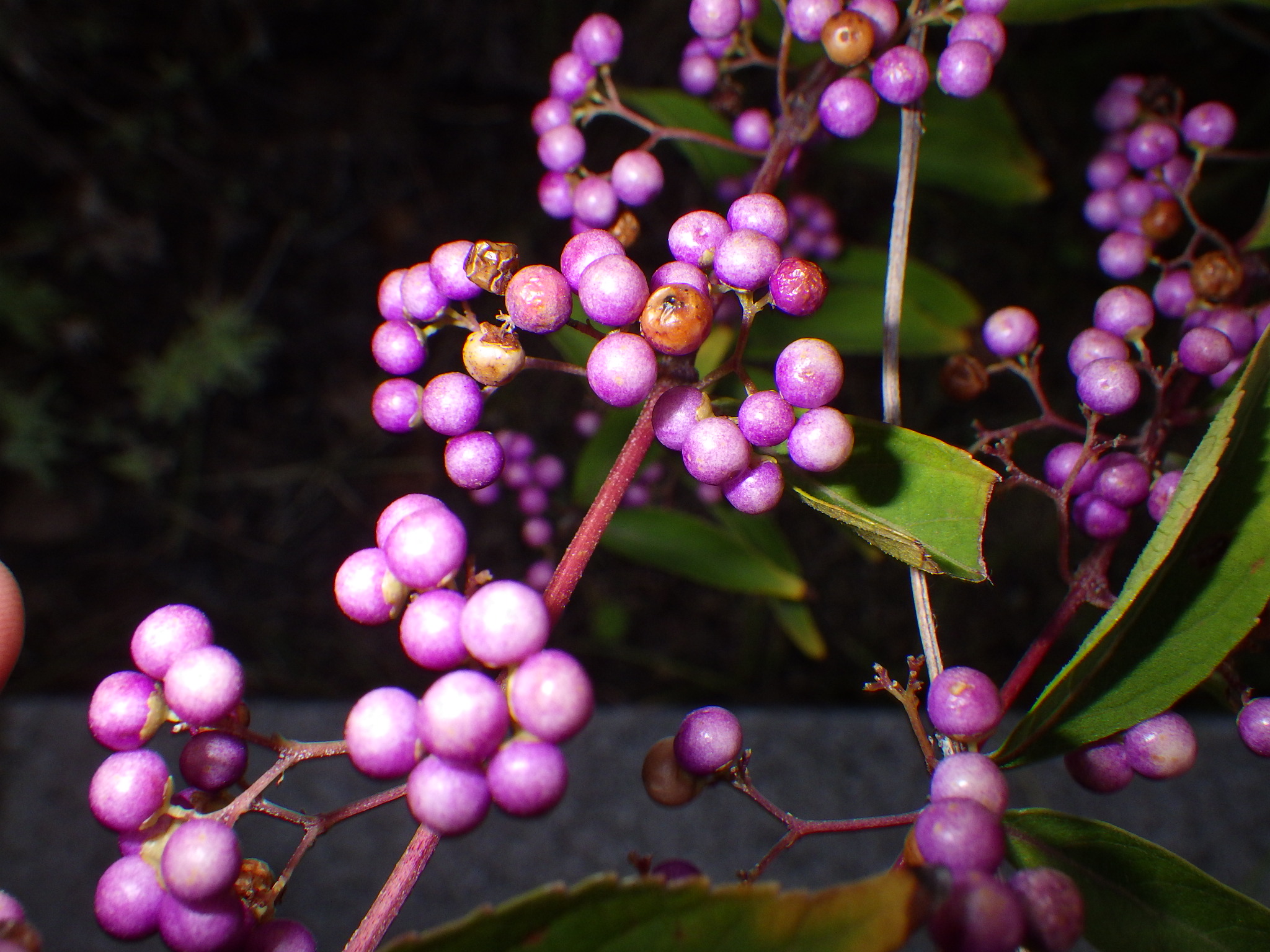
Callicarpa japonica, Callicarpa dichotoma, and Callicarpa japonica are all deciduous shrubs belonging to the Callicarpa genus of the Lamiaceae family, growing in forests and forest edges. Their flowers and fruits are purple and their morphology is very similar, so they are often confused and sold as garden plants , making it difficult to distinguish between them . However, they can be clearly distinguished by the hairs and serrations on the plant's body. The flowers are purple and tubular with prominent stamens, but they do not produce nectar and release only a small amount of pollen, largely deceiving visiting bees. The fruits are also a beautiful purple color, but these are eaten by birds for seed dispersal. Although the color is unusual, it is not well understood why birds value them. This article will explain the classification, morphology, pollination ecology, and seed dispersal of the Callicarpa genus.
- What are Japanese beautyberry (Callicarpa japonica), Japanese beautyberry (Callicarpa dichotoma), and Japanese beautyberry (Callicarpa japonica)?
- What are the differences between Japanese beautyberry (Callicarpa japonica), Japanese beautyberry (Callicarpa dichotoma), and Japanese beautyberry (Callicarpa japonica)?
- What other species of the Callicarpa genus are there?
- What is the structure of a flower?
- How is pollination done?
- What is the structure of the fruit?
- What are the seed dispersal methods?
- References
What are Japanese beautyberry (Callicarpa japonica), Japanese beautyberry (Callicarpa dichotoma), and Japanese beautyberry (Callicarpa japonica)?
Callicarpa japonica var. japonica, also known as Murasaki-shikibu, is a deciduous shrub distributed in Hokkaido, Honshu, Shikoku, and Kyushu in Japan; as well as in China and the Korean Peninsula, growing in forests and forest edges in mountainous areas (Mogi et al., 2003; Kanagawa Prefecture Flora Survey Association, 2018). Its Japanese name is said to originate from the beautification of the elegant beauty of its flowers and fruits by borrowing the name of the talented woman, Murasaki-shikibu.
Callicarpa dichotoma, also known as "Komurasaki" (small purple), is a deciduous shrub distributed in Hokkaido, Honshu, Shikoku, Kyushu, and Okinawa in Japan; as well as in China, the Korean Peninsula, and Vietnam. It grows in wetlands and damp fields at the foot of mountains. Most of the plants sold as garden trees under the name "Murasaki Shikibu" are of this species.
Callicarpa mollis, also known as Japanese purple bush, is a deciduous shrub distributed in Honshu (west of Miyagi Prefecture), Shikoku, and Kyushu in Japan, as well as the Korean Peninsula. It grows in forest edges and bright woodlands in low mountains.
Both belong to the genus Callicarpa in the Lamiaceae family and are deciduous shrubs that grow in forests and forest edges. Their flowers and fruits are purple and their morphology is very similar.
Furthermore, the fact that Callicarpa japonica is sometimes sold under the name "Murasaki Shikibu" (Japanese beautyberry) in towns causes considerable confusion. Therefore, you may have trouble identifying them.
What are the differences between Japanese beautyberry (Callicarpa japonica), Japanese beautyberry (Callicarpa dichotoma), and Japanese beautyberry (Callicarpa japonica)?
Six species of the genus Callicarpa are known in Japan, but here we will focus on three species that are commonly found throughout the country (Kanagawa Prefecture Flora Survey Association, 2018; Hayashi, 2019).
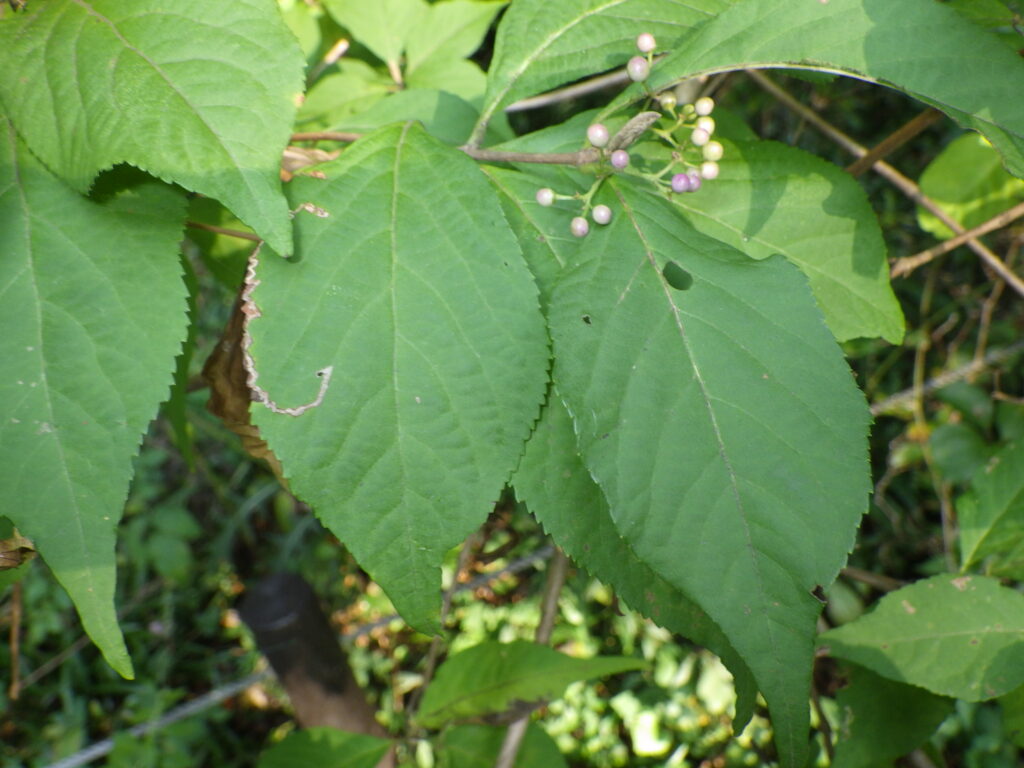
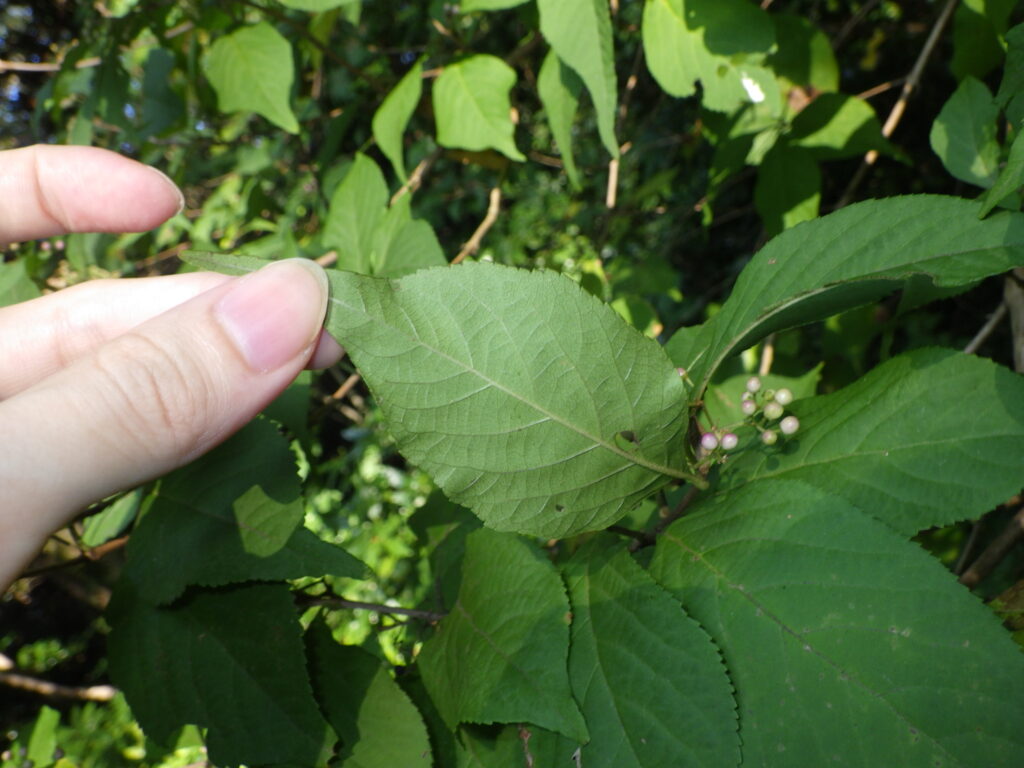
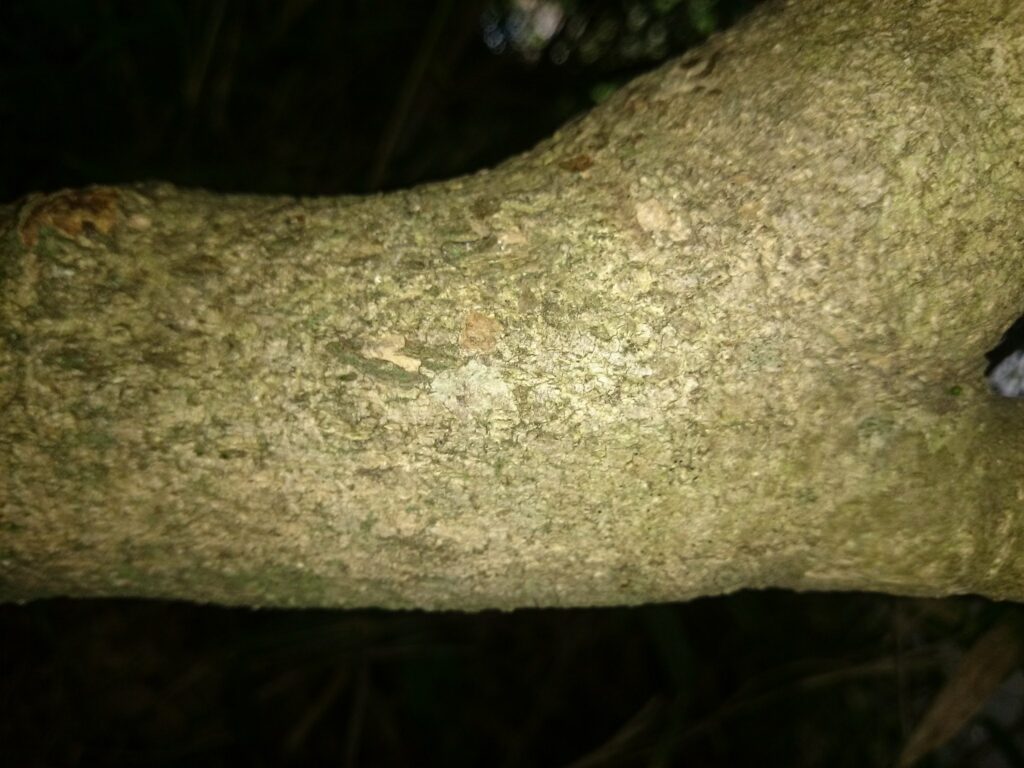
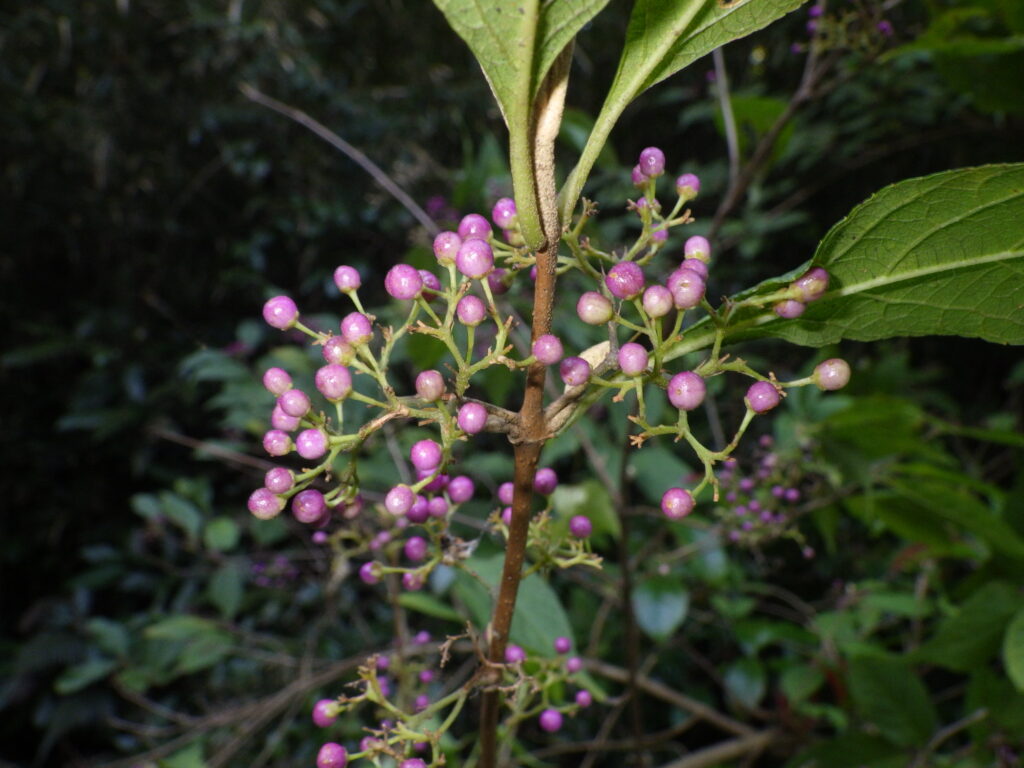
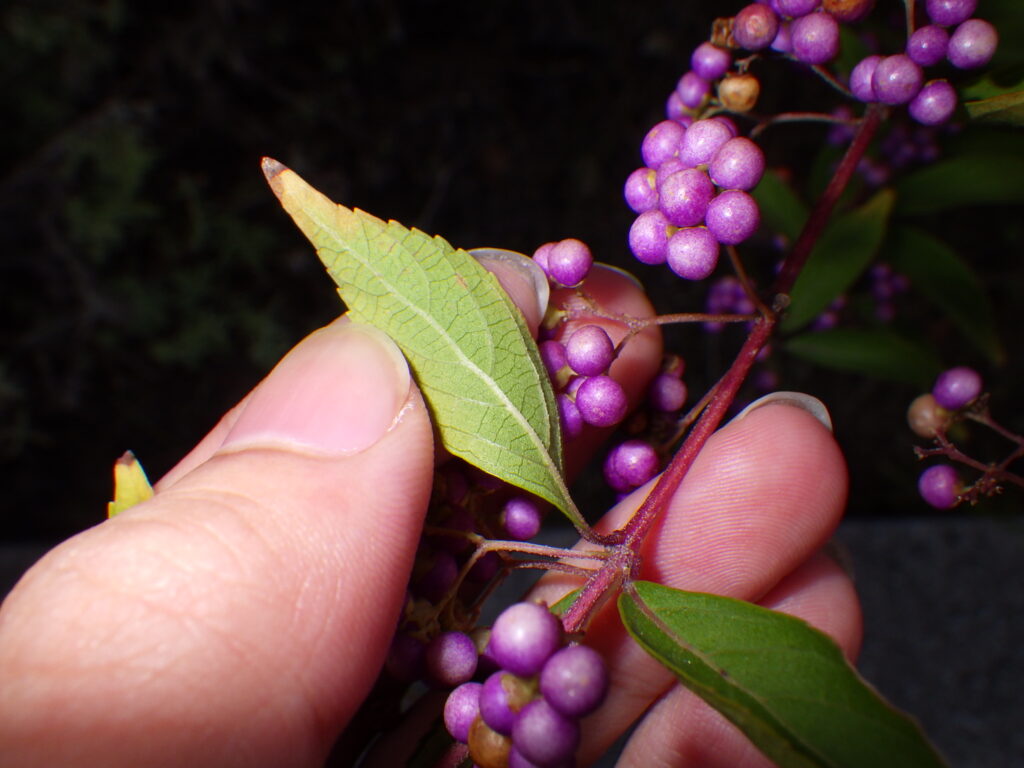
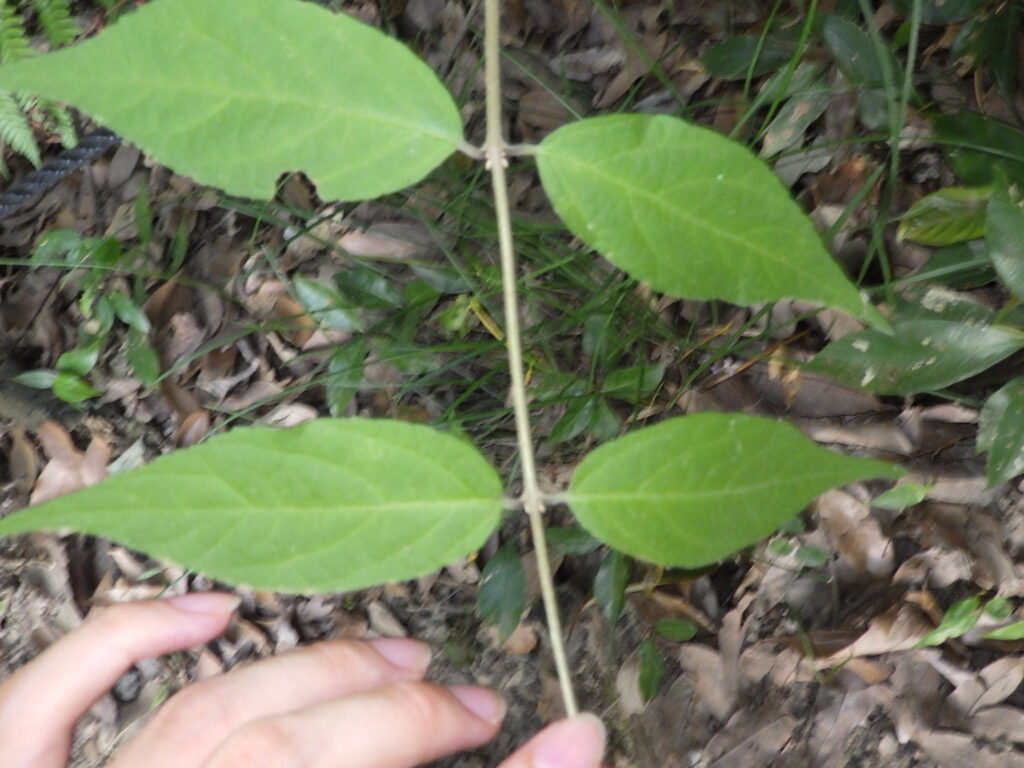
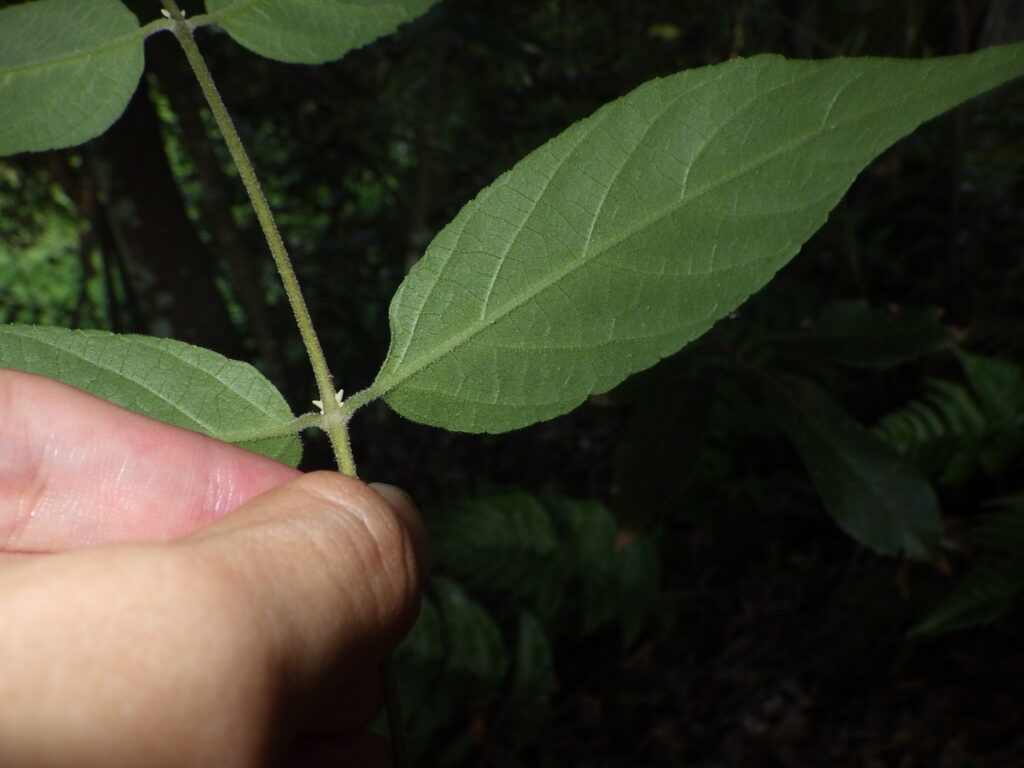
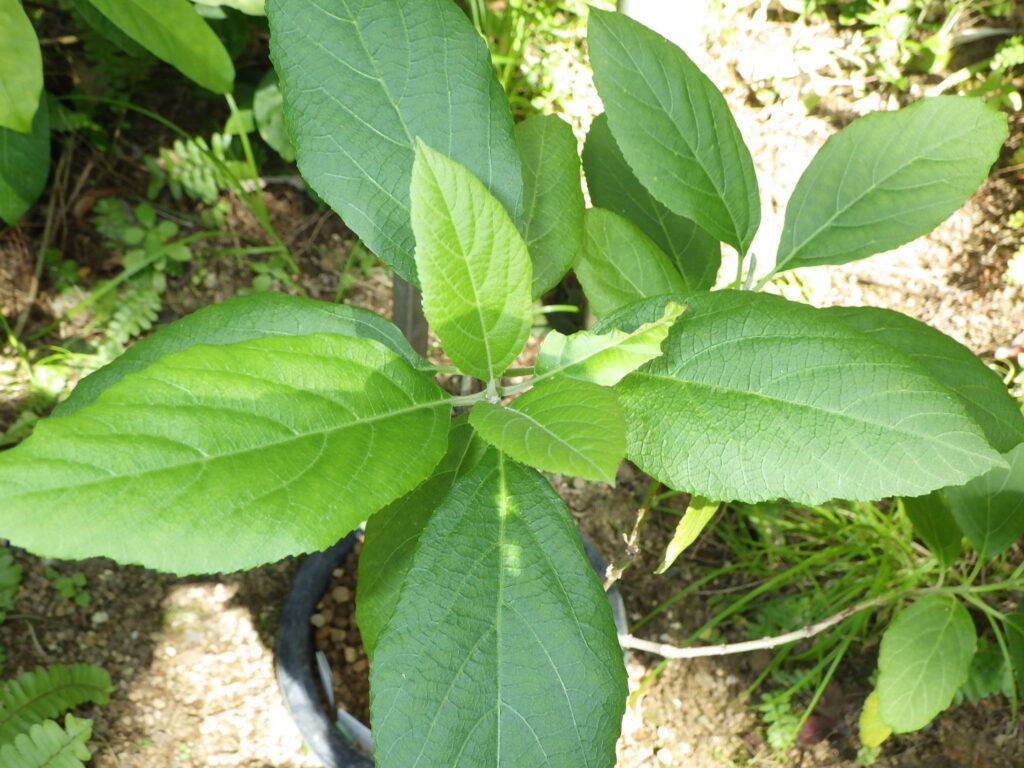
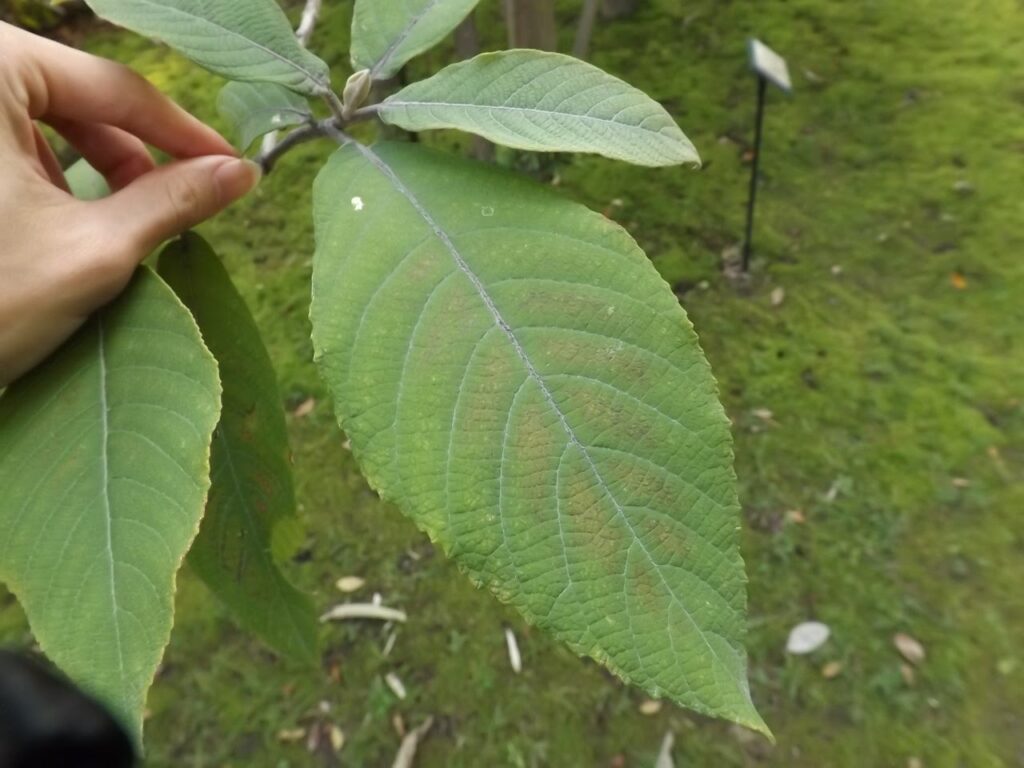
First, while the new shoots and inflorescences of Callicarpa japonica and Callicarpa dichotoma are conspicuously covered with stellate hairs, the rest of the plant is almost hairless. In contrast, Callicarpa japonica has dense stellate hairs on its branches, leaves, inflorescences, and calyx. This is clearly evident, as its Japanese name suggests, and Callicarpa japonica is distinctly hairy.
Other differences include the fact that the calyx of Callicarpa japonica and Callicarpa dichotoma has deep lobes and glandular dots on both sides of the leaves, while that of Callicarpa japonica has shallowly lobed calyxes with four low teeth and glandular dots only on the underside of the leaves.
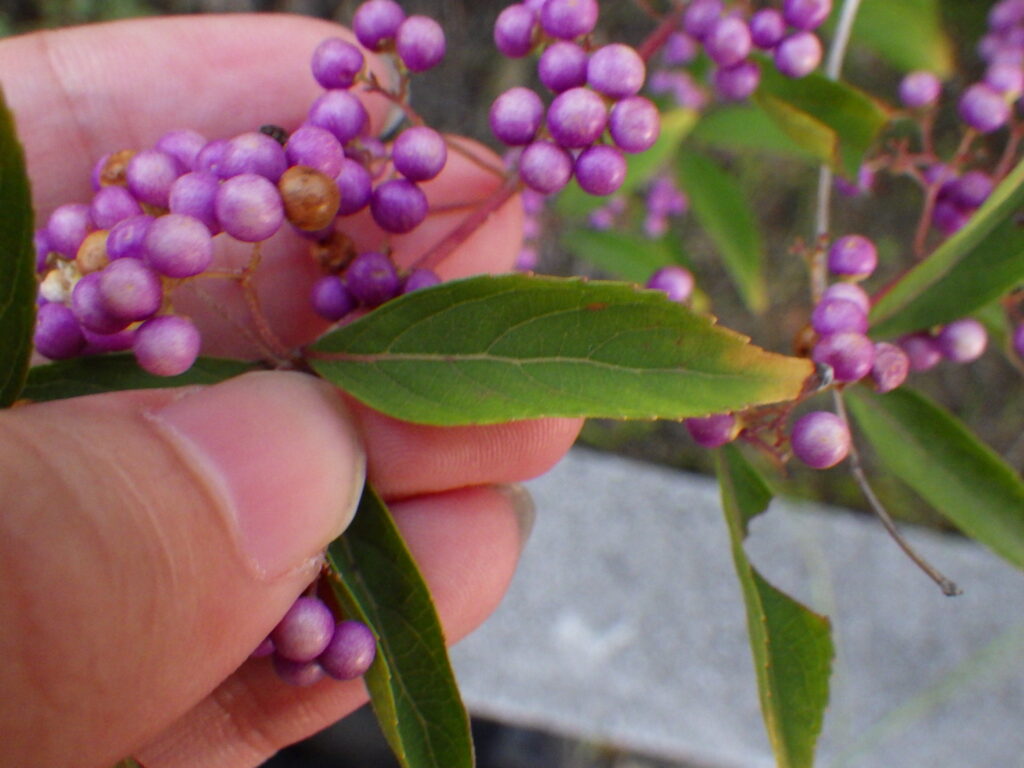
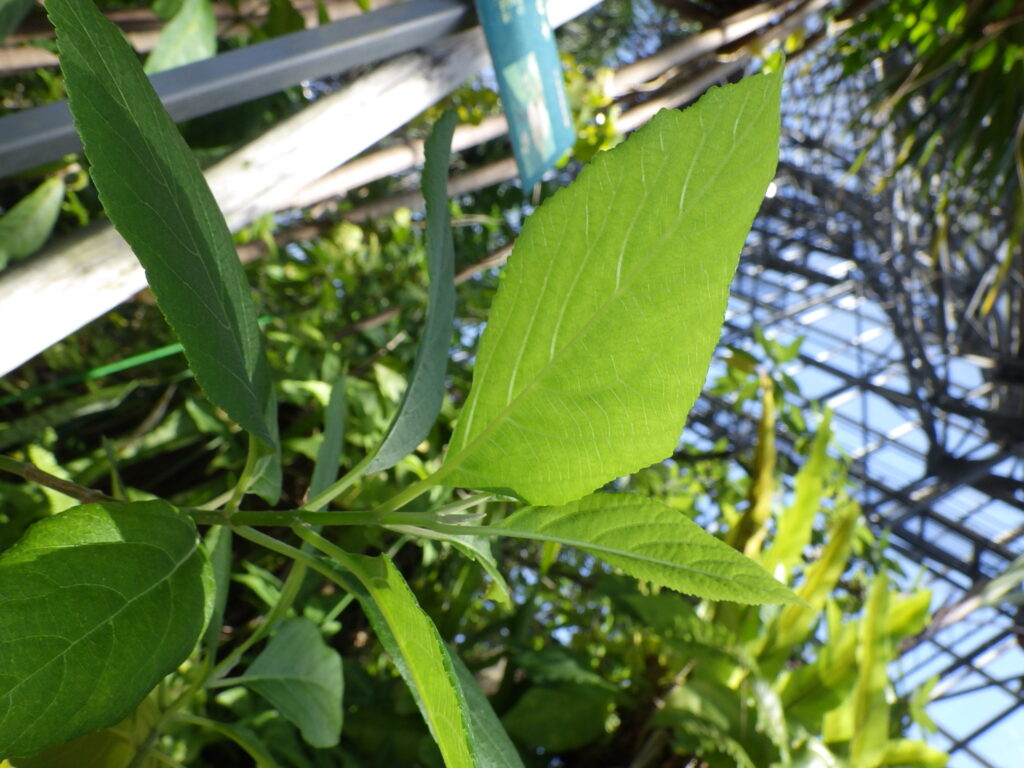
Regarding Callicarpa japonica and Callicarpa dichotoma, in Callicarpa japonica the inflorescence is either adjacent to the axillary bud or slightly above it, and the serrations emerge near the base of the leaf, whereas in Callicarpa dichotoma the inflorescence emerges above the axillary bud, and the serrations emerge from the upper half of the leaf and are somewhat coarser. Basically, this can also be easily distinguished by looking at the serrations on the leaves.
Several varieties are known for the three species. For example, Callicarpa japonica has the small-leaved variety *Callicarpa japonica* f. taquetii and the white-fruited variety *Callicarpa japonica* f. albibacca. For Callicarpa dichotoma, there is the white-fruited variety *Callicarpa japonica* f. albifructa. For Callicarpa japonica, there is the white-fruited variety *Callicarpa japonica* f. albifructa.
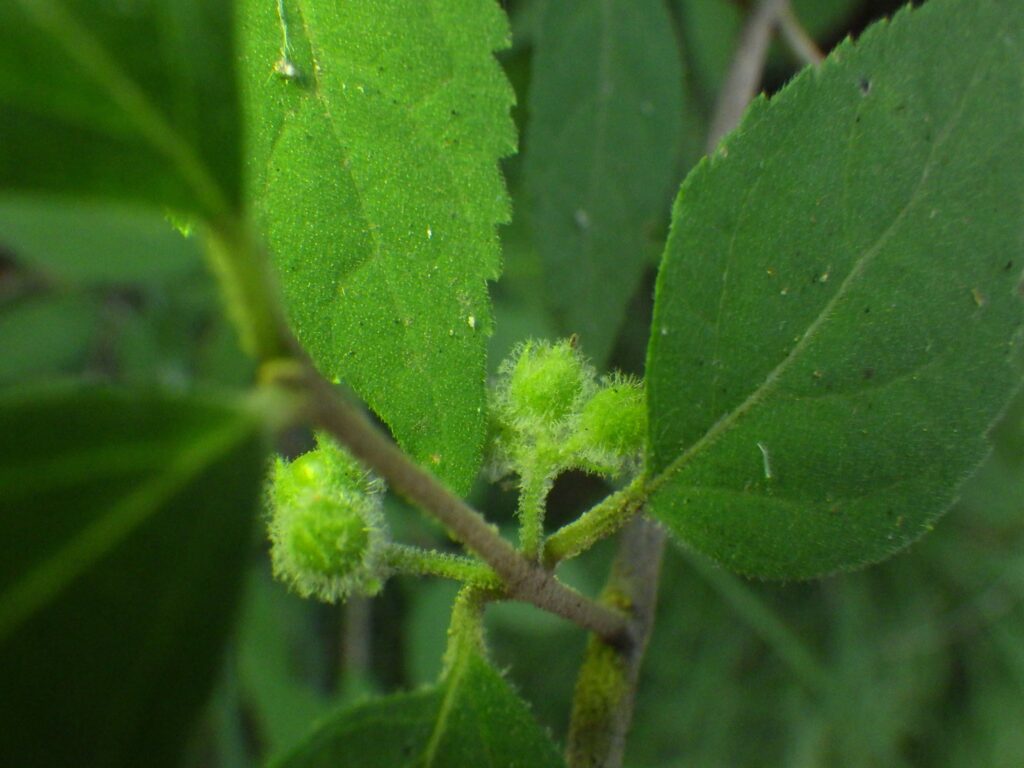
What other species of the Callicarpa genus are there?
Here are a few other species: Callicarpa japonica var. luxurians is almost identical to Callicarpa japonica, but the leaves on flowering branches are over 15 cm long, the branches are thicker, the upper surface of the leaves is somewhat glossy, and it grows near the coast. Callicarpa kochiana resembles Callicarpa japonica, but its leaves are 15-30 cm long. Callicarpa japonica resembles Callicarpa japonica, but its leaves are smaller, 4-12 cm long, and the tips of the leaves are more tail-like. Kagoshima University cultivates Callicarpa arborea, which is native to India and Sri Lanka.
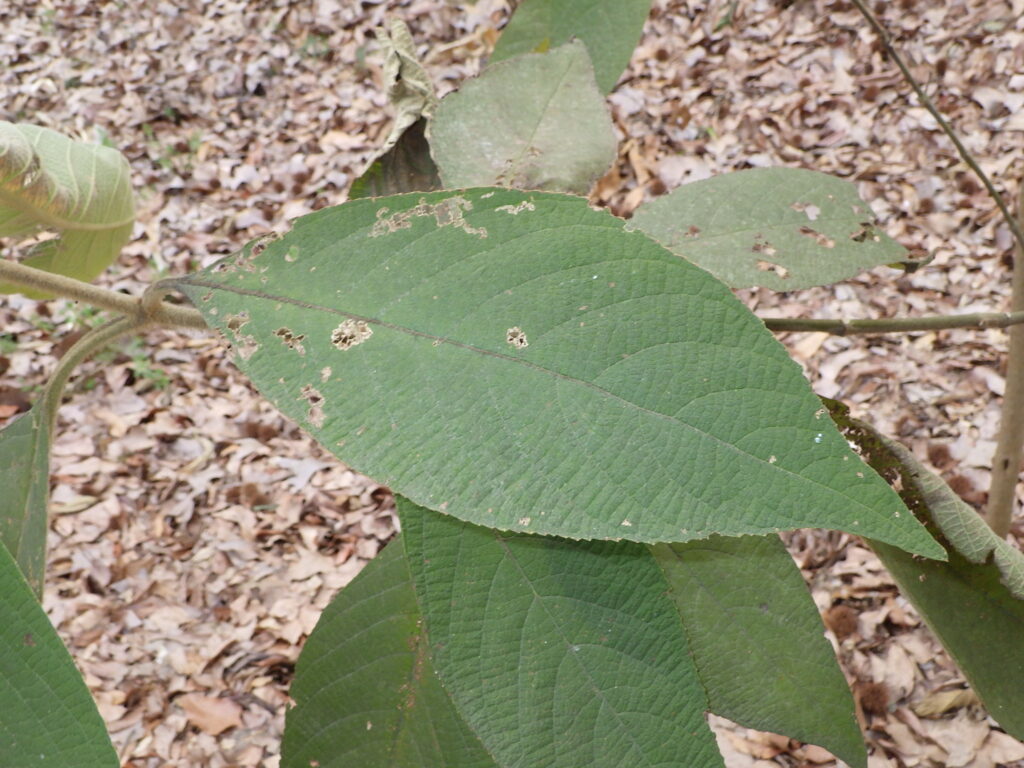
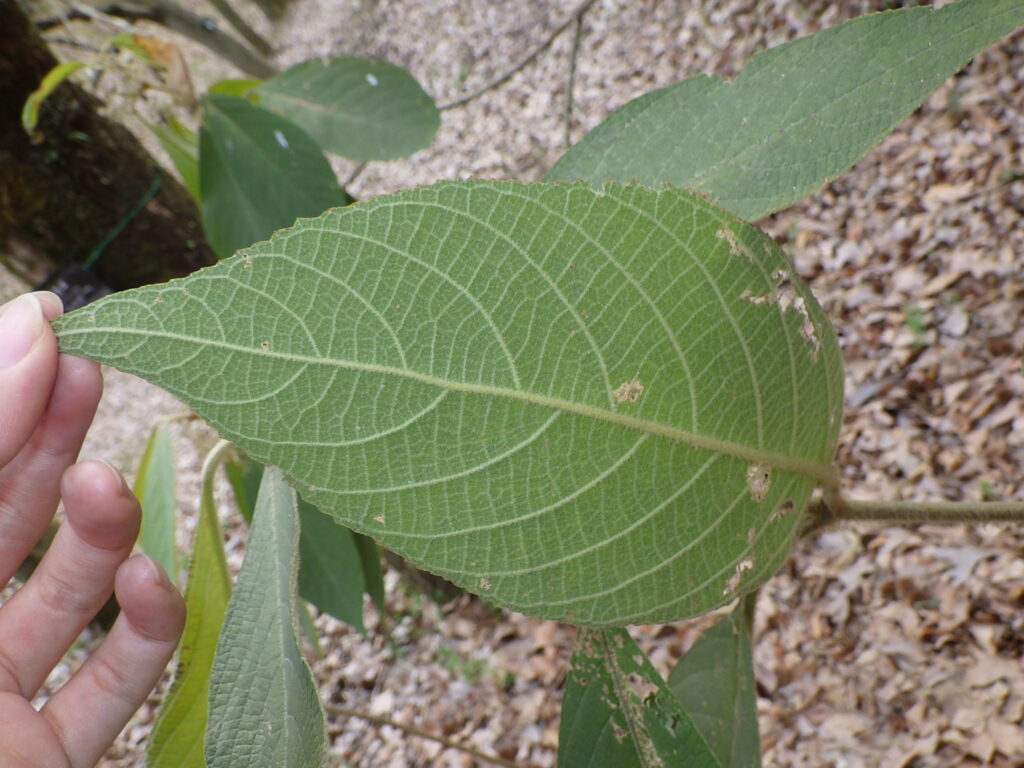
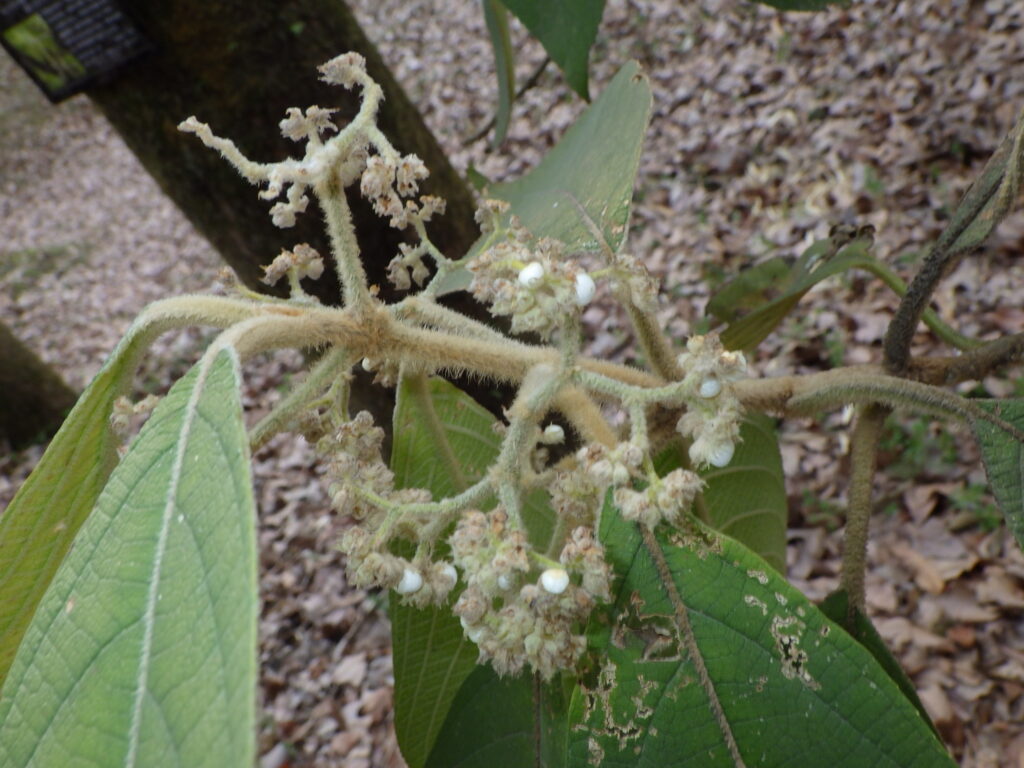
What is the structure of a flower?
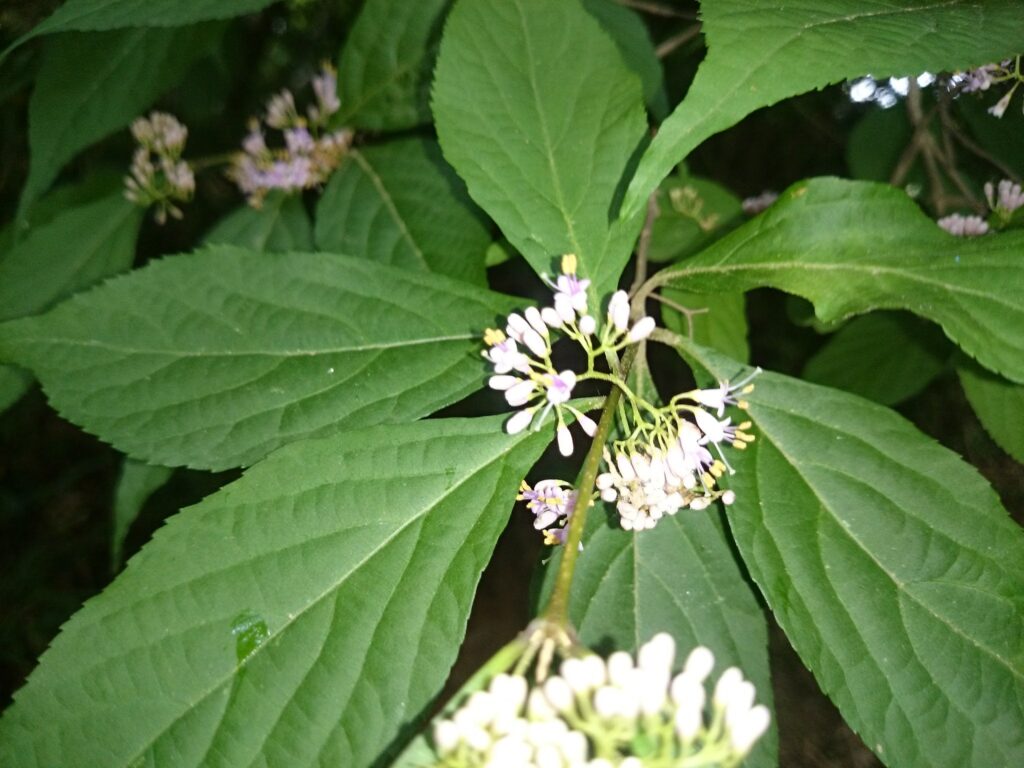
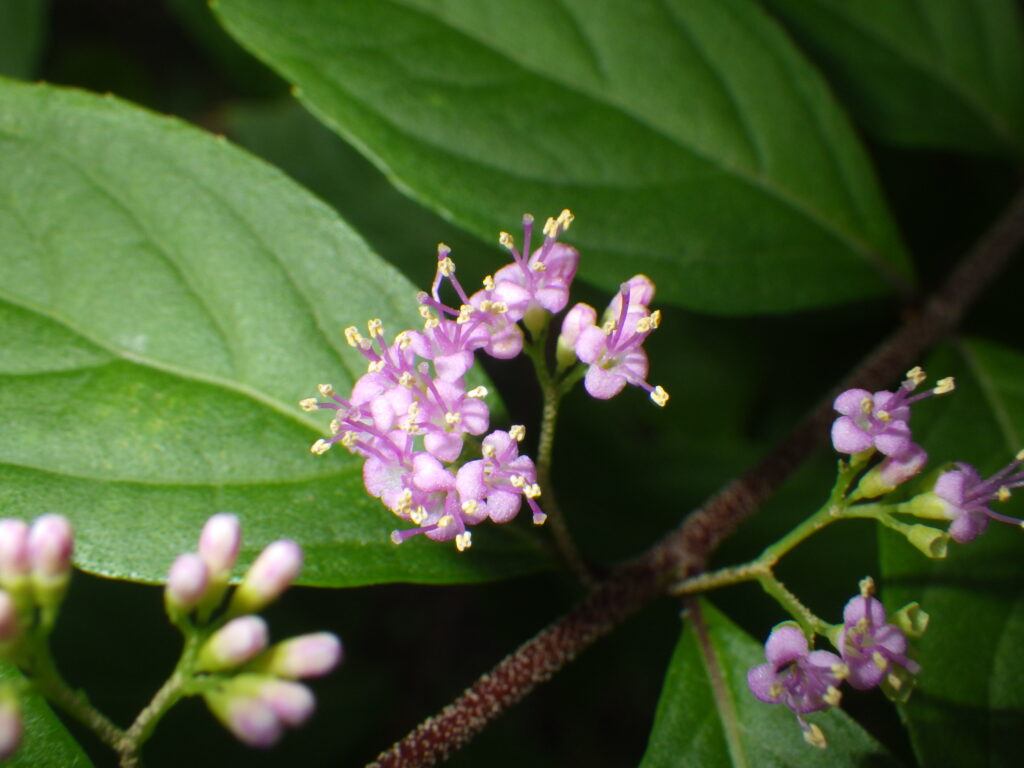
Flowers of the Callicarpa genus all share a common feature: a purple, tubular corolla with fused petals.
Japanese beautyberry (Callicarpa japonica) blooms from June to August. It produces cymose inflorescences from the axils, bearing pale reddish-purple flowers. The corolla is 3-5 mm long, with four lobes at the top, and the lobes spread flat. It has four stamens and one pistil.
The Japanese beautyberry (Callicarpa japonica) blooms from June to July. It produces cymose inflorescences from slightly above the leaf axils, bearing 10 to 20 pale reddish-purple flowers. The corolla is about 3 mm long, with four lobes at the top, and the lobes spread flat. There are four stamens and one pistil, both protruding outside the corolla.
Japanese purple flower (Callicarpa japonica) blooms from June to July. It produces cymose inflorescences from the leaf axils, bearing 2 to 10 reddish-purple flowers. The corolla is 4 to 5 mm long, with four lobes at the top, and the sepals spread flat. The calyx is densely covered with white soft hairs and stellate hairs. There are four stamens and one pistil, both protruding long from the corolla.
Overall, it seems safe to assume there aren't any major differences in form.
How is pollination done?
Research is ongoing on Callicarpa japonica and Callicarpa dichotoma, and both are mainly visited by members of the superfamily Apideae (Tsukaya et al., 2003). In Miyagi Prefecture, it is known that members of the families Halictidae and the genus Bumblebee visit these plants.
Because they share common pollinating insects, it is known that a hybrid called Callicarpa x shirasawana can occur.
Interestingly, the flowers of the Japanese beautyberry (Callicarpa japonica) have a slight scent but do not secrete nectar; the only reward for insects is pollen (Tanaka, 2009).
Furthermore, before a bee arrives, the flower and stamens face upwards or sideways. When the bee lands, the weight causes the stalk to bend downwards, and pollen spills out. However, the opening of the stamen is small, so only a small amount of pollen is released. In other words, it is a flower that offers little reward to the bee and can be considered a form of mimicry.
It seems that even in the natural world, flashy flowers aren't always trustworthy.
What is the structure of the fruit?
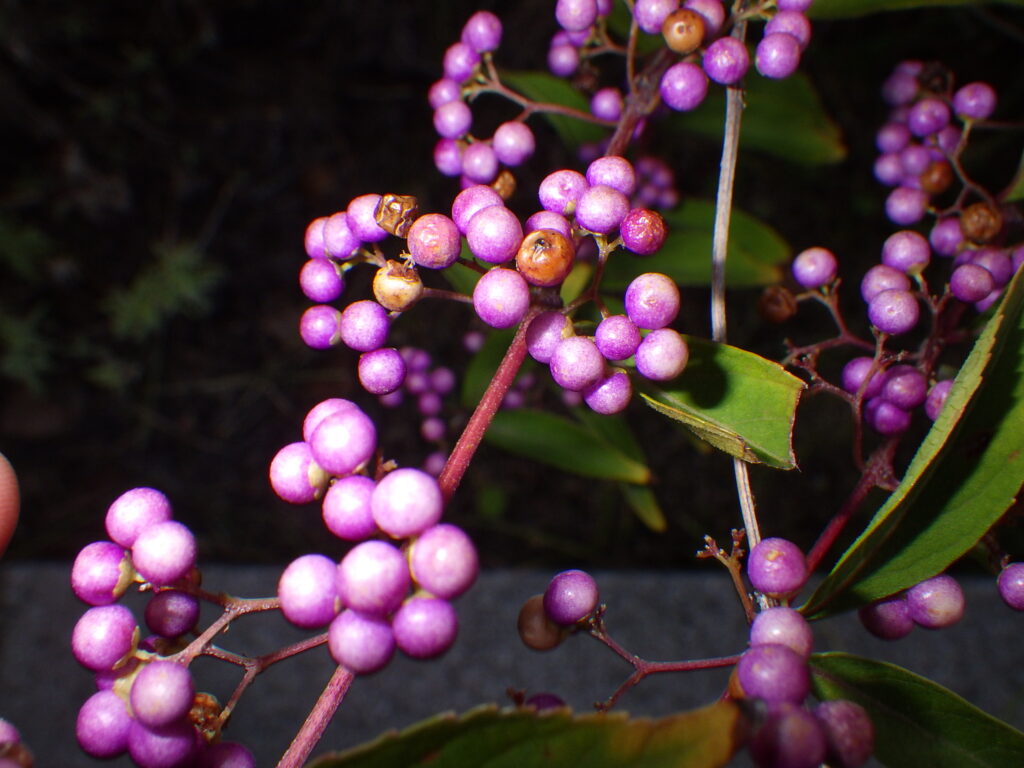
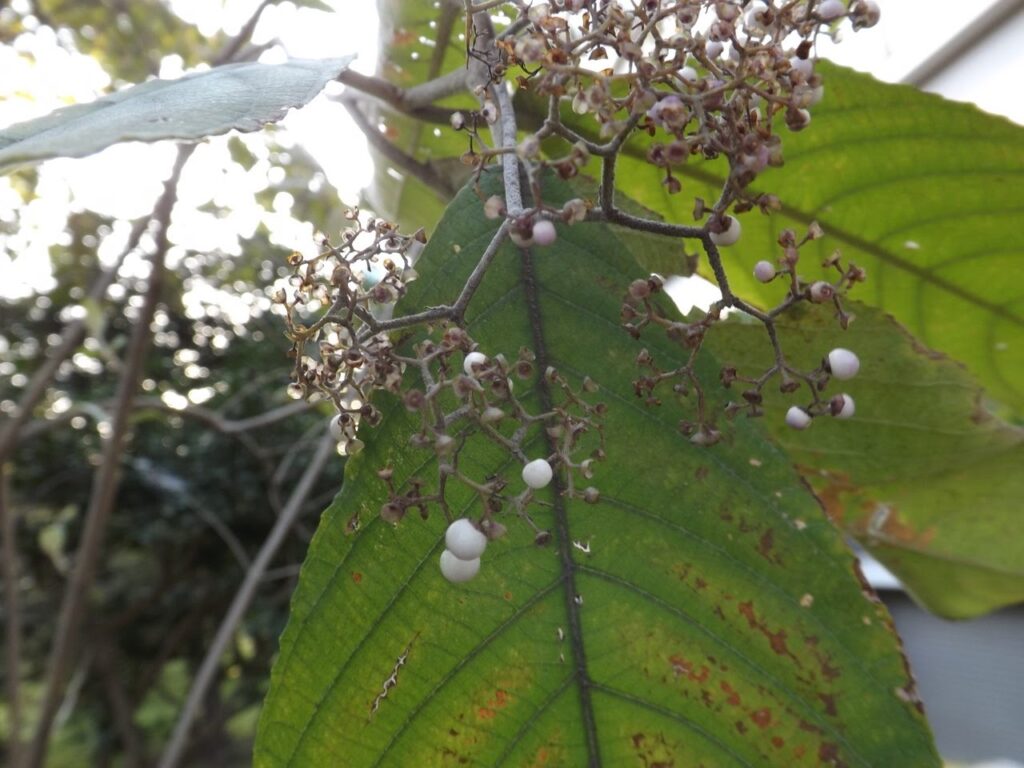
All members of the Callicarpa genus have drupes. A drupe is a type of berry in which the mesocarp is fleshy and the endocarp hardens to form a pit.
The drupes of the Japanese beautyberry (Callicarpa japonica) are spherical, about 3 mm in diameter, and ripen to a purple color. The seeds are approximately 2 mm long.
The drupes of the Japanese beautyberry are spherical, about 3 mm in diameter, and ripen to a purple color. The seeds are flattened and obovate, about 2 mm long.
The drupe of *Callicarpa japonica* is spherical, 3-4 mm in diameter, and ripens to a purple color. The lower part is enclosed in densely hairy sepals. The pit is broadly obovate, about 3 mm long, and pale brown in color.
What are the seed dispersal methods?
The fruits of the Callicarpa genus clearly change color when ripe and contain a liquid portion, suggesting that their seeds are commonly dispersed by birds.
In the case of Japanese beautyberry (Callicarpa japonica), it has been found in the droppings of the pale thrush (Hirata et al., 2009). It is also said to be eaten by the Daurian redstart (Nakamura & Nakamura, 1995) and the brambling (Picchio, 2013).
In the case of the Japanese beautyberry (Callicarpa japonica), there are known instances of it being eaten by Japanese white-eyes in indoor experiments (Hirao et al., 2021), and instances of it being found in the feces of the red-billed leiothrix (Takahashi et al., 2003).
The purple color of the fruit is quite unusual in Japan, but it's unclear how birds value it as a food source. The fact that some individuals have white fruit leaves many intriguing mysteries.
References
Hayashi, Masayuki. 2019. Tree Leaves: Expanded and Revised Edition - Identifying 1300 Species Through Real-Life Scans. Yama-kei Publishers, Tokyo. 824pp. ISBN: 9784635070447
Hirao, Tamon; Hirata, Reiko; and Ito, Satoshi. 2021. Effect of seed size on seed retention time within the body of a Japanese white-eye. Japanese Forest Society Conference Presentation Database 132: 449. https://doi.org/10.11519/jfsc.132.0_449
Hirata, Reiko; Hata, Kunihiko; and Sone, Koichi. 2009. Analysis of droppings of fruit-eating birds and seed dispersal in coniferous plantations. Journal of the Ornithological Society of Japan 58(2): 187-191. https://doi.org/10.3838/jjo.58.187
Kanagawa Prefecture Flora Survey Association. 2018. Kanagawa Prefecture Flora 2018 (Electronic Edition). Kanagawa Prefecture Flora Survey Association, Odawara. 1803pp. ISBN: 9784991053726
Mogi, T., Takahashi, H., Katsuyama, T., & Ishii, E. 2003. Flowers Blooming on Trees: Sympetalous Flowers, Monocotyledons, Gymnosperms. Yama-kei Publishers, Tokyo. 719pp. ISBN: 9784635070058
Picchio. 2013. The Interesting Private Lives of Birds: A Field Guide to Observing Wild Birds in the Forest. Shufu to Seikatsu Sha, Tokyo. 223pp. ISBN: 9784391143614
Takahashi, Naoko; Kawakami, Kazuto; and Kawahara, Teruhiko. 2003. Seed dispersal by introduced bird species. Japanese Forestry Society Conference Presentation Database 114: 142. https://doi.org/10.11519/jfs.114.0.142.0
Tanaka, Hajime. 2009. Handbook of Flowers Attracting Insects. Bun-ichi Sogo Shuppan, Tokyo. 80pp. ISBN: 9784829901397
Nakamura, Noboru & Nakamura, Masahiko. 1995. Illustrated Guide to the Ecology of Wild Birds of Japan: Land Birds. Hoikusha, Osaka. 301pp. ISBN: 9784586302055
Tsukaya, H., Fukuda, T., & Yokoyama, J. 2003. Hybridization and introgression between Callicarpa japonica and C. mollis (Verbenaceae) in central Japan, as inferred from nuclear and chloroplast DNA sequences. Molecular Ecology 12(11): 3003-3011. https://doi.org/10.1046/j.1365-294X.2003.01961.x

