In horticulture, the term "Abutilon" is frequently used and usually refers to a specific species rather than just one. However, this has become somewhat confusing. In horticulture, it refers to three species: Abutilon umbellatum, Abutilon humile, and Abutilon variegata. In academic terms, it refers to all members of the genus Abutilon, excluding Abutilon umbellatum and Abutilon humile. This is because the scientific names have been changed. Of the three Abutilon species used in horticulture, Abutilon umbellatum and Abutilon humile can be distinguished by the shape of their leaves and flowers. Abutilon variegata is a hybrid and therefore possesses characteristics that are intermediate between the two species mentioned above. This article will explain the classification of Abutilon umbellatum, Abutilon humile, and Abutilon variegata.
What is Abutilon?
First, what kind of plant does "Abutilon" refer to? This term usually refers to a specific species, not just one type of plant.
However, the term "abutilon" has different meanings depending on the field, making it quite confusing.
In the field of horticulture, the term "Abutilon" usually refers to three species: Callianthe megapotamica, Callianthe picta, and Abutilon x hybridum.
On the other hand, in the academic field, "Abutilon" refers to a group of plants belonging to the genus Abutilon in the Malvaceae family. According to the latest classification, it does not include Abutilon japonica or Abutilon humilis, but is a general term for plants such as Abutilon theophrasti and Abutilon indicum.
The reason for this situation is that, although in the academic field, studies in 2012 and 2014 moved Abutilon and Abutilon to different genera (Jørgensen et al., 2014), this change has not been widely disseminated in the horticultural field. Even in the academic field, many people are still unaware of this change in scientific names, and it may be some time before the meaning of "Abutilon" becomes consistent.
What are *Floating Starberry*, *Scarlet Starberry*, and *Variegated Starberry*?
From here, we will consider the differences between the three species commonly referred to as "Abutilon" in horticulture.
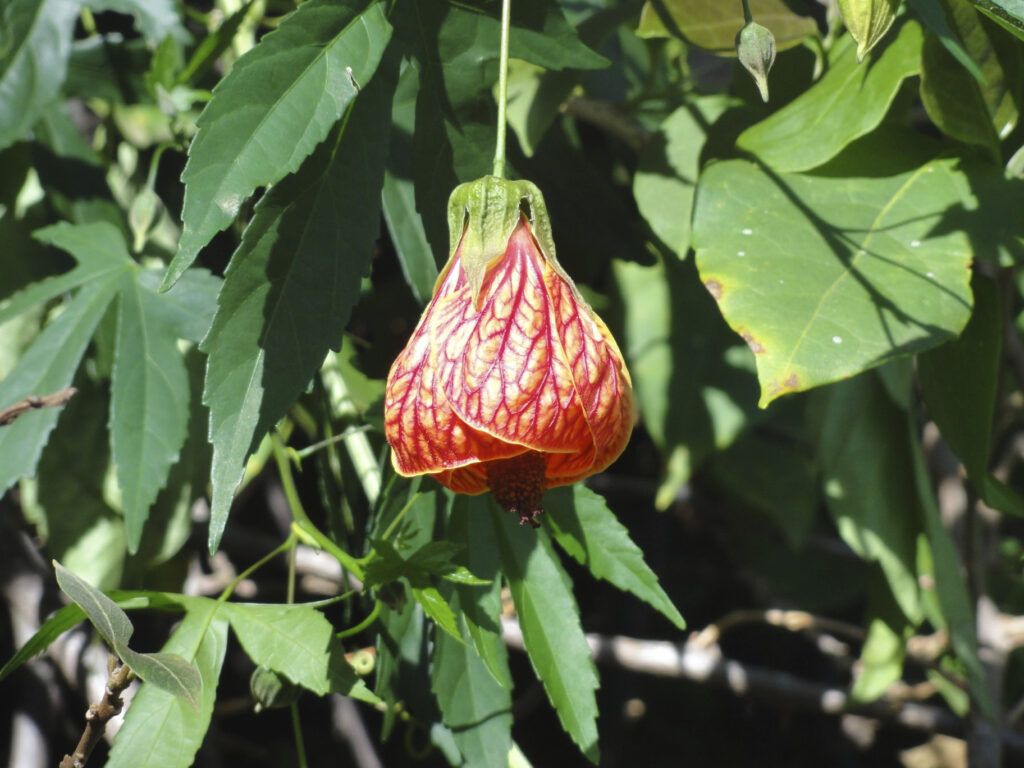
Callianthe megapotamica, also known as Tyrolean lamp, is an evergreen shrub native to southern Brazil (RBG Kew, 2023) that grows in riparian forests, riparian forests, and mixed forests. It has been introduced to Bolivia and the Madeira Islands and is cultivated worldwide, including Japan, for its interesting flowers and fruits. Abutilon megapotamicum is a synonym (former scientific name). It flowers from June to October.
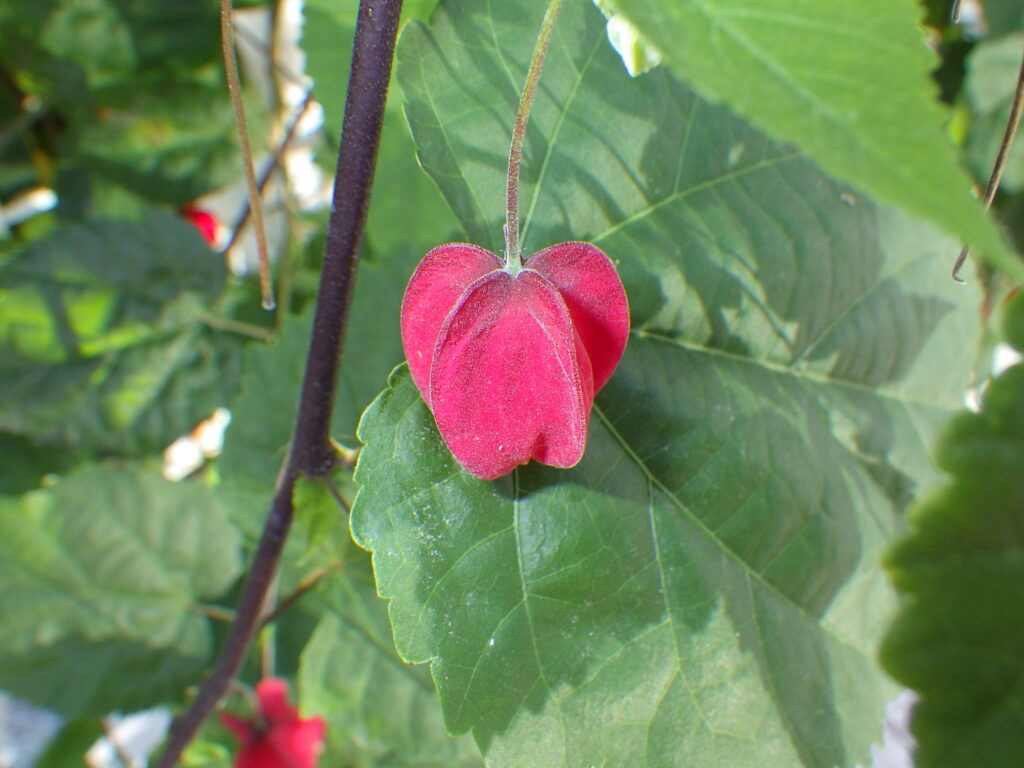
Callianthe picta, also known as the "scarlet flower," is an evergreen shrub native to northern Argentina, southern Brazil, Paraguay, and Uruguay, growing in woodlands. It was introduced to the Madeira Islands and is cultivated as an ornamental plant worldwide, including in Japan. Abutilon pictum is a synonym (former scientific name). It flowers from April to July.
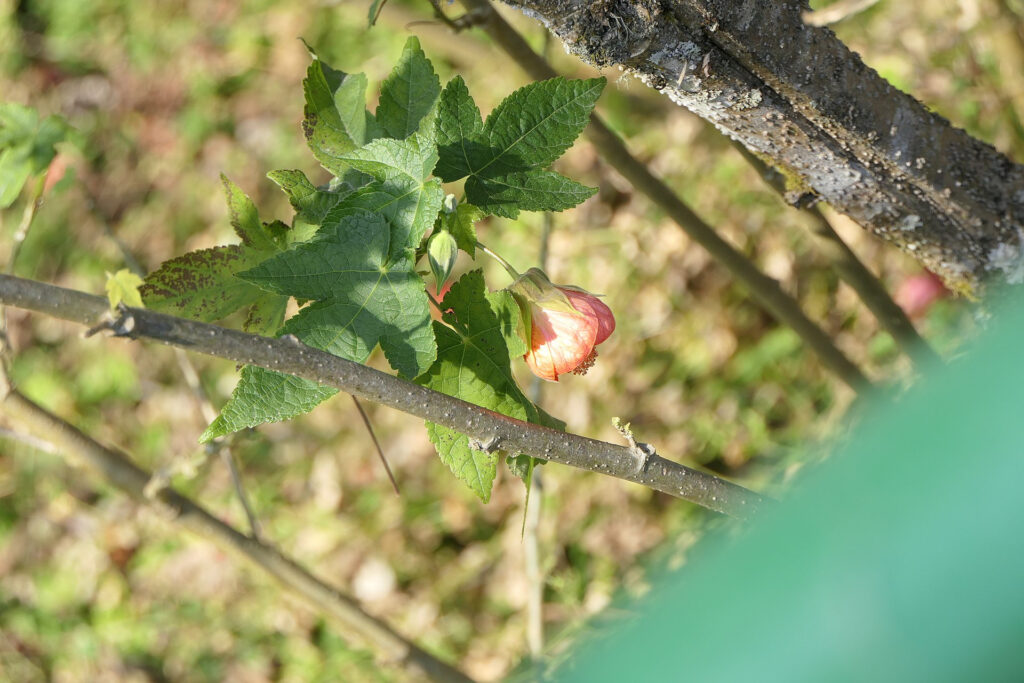
Abutilon x hybridum, also known as variegated abutilon, is an evergreen shrub of unknown origin, a hybrid of the genus Abutilon or Callianthe, created for horticultural purposes. It has been suggested that Abutilon japonica or Epipactis thunbergii may have been used in this hybrid, but this is not well understood. There are so many theories that we will omit the details here. Its scientific name may also be changed to that of the genus Callianthe in the future. It flowers from June to October.
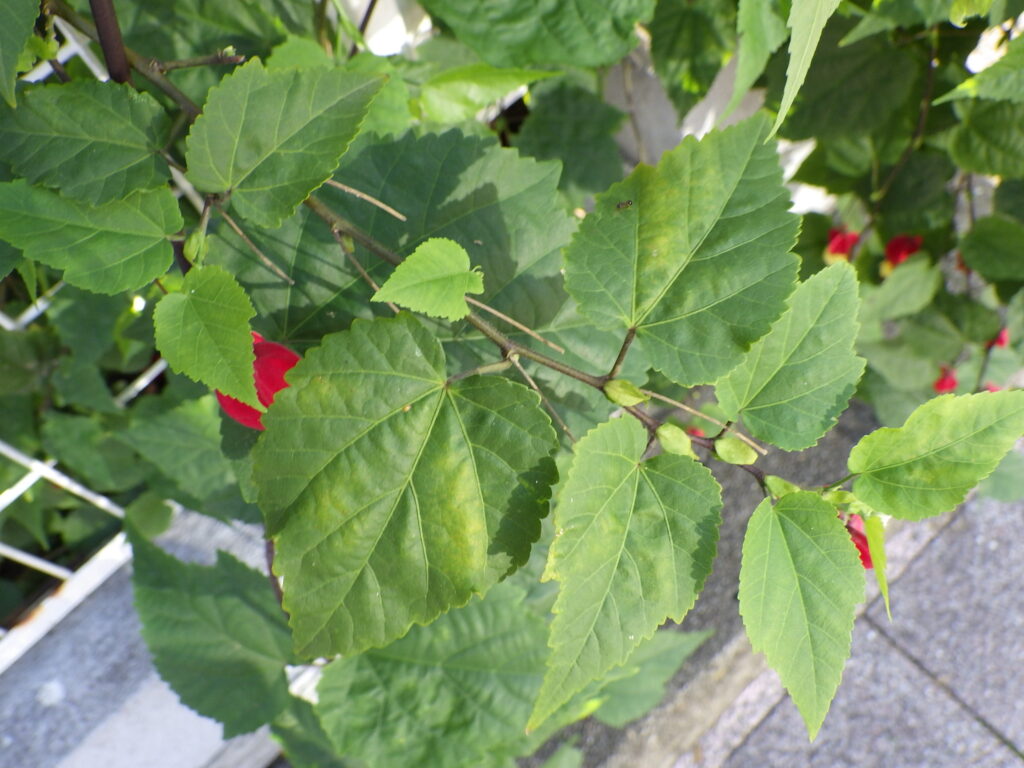
Both are evergreen shrubs belonging to the genus Callianthe in the Malvaceae family, and are cultivated in Japan for ornamental purposes. They share the common feature of palmate venation (several main veins running palmately from the base of the leaf), which is common in the Malvaceae family, and their drooping flowers are also similar in shape, so they may sometimes be confused with each other.
What are the differences between *Aster tataricus*, *Aster savatieri*, and *Aster savatieri*?
First of all, *Lysimachia japonica* and *Lysimachia japonica* are completely different species, so the differences are clear (Hayashi et al., 2019).
Both species have leaves with 3 to 5 lobes, but the difference lies in their lobes: in *Atragalus sieboldiana*, the lobes are shallow (shallowly lobed), while in *Atragalus membranaceus*, the lobes are not quite deep, but are considerably deeper (moderately lobed). * Atragalus membranaceus* leaves give the impression of being similar to maple leaves.
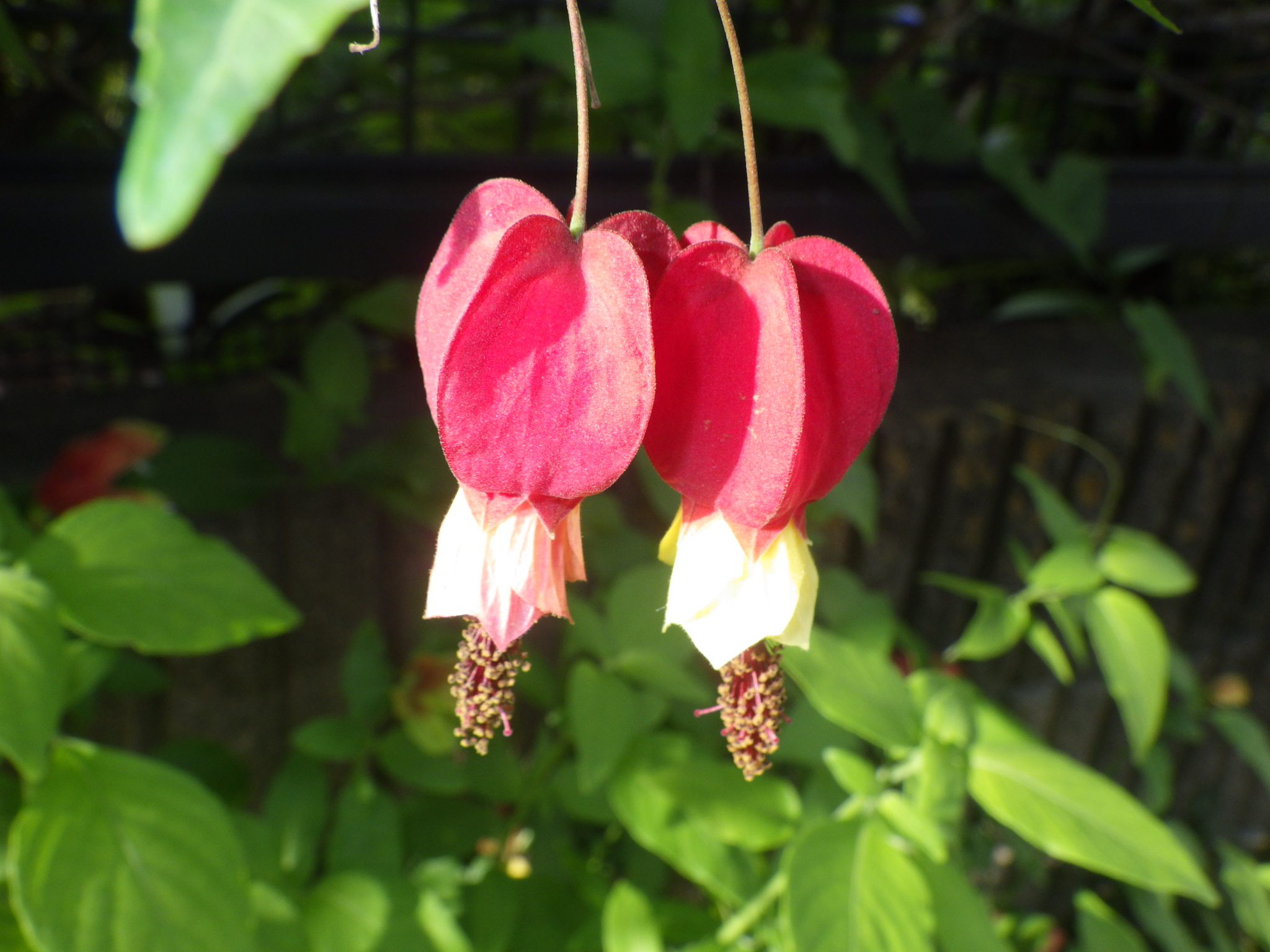
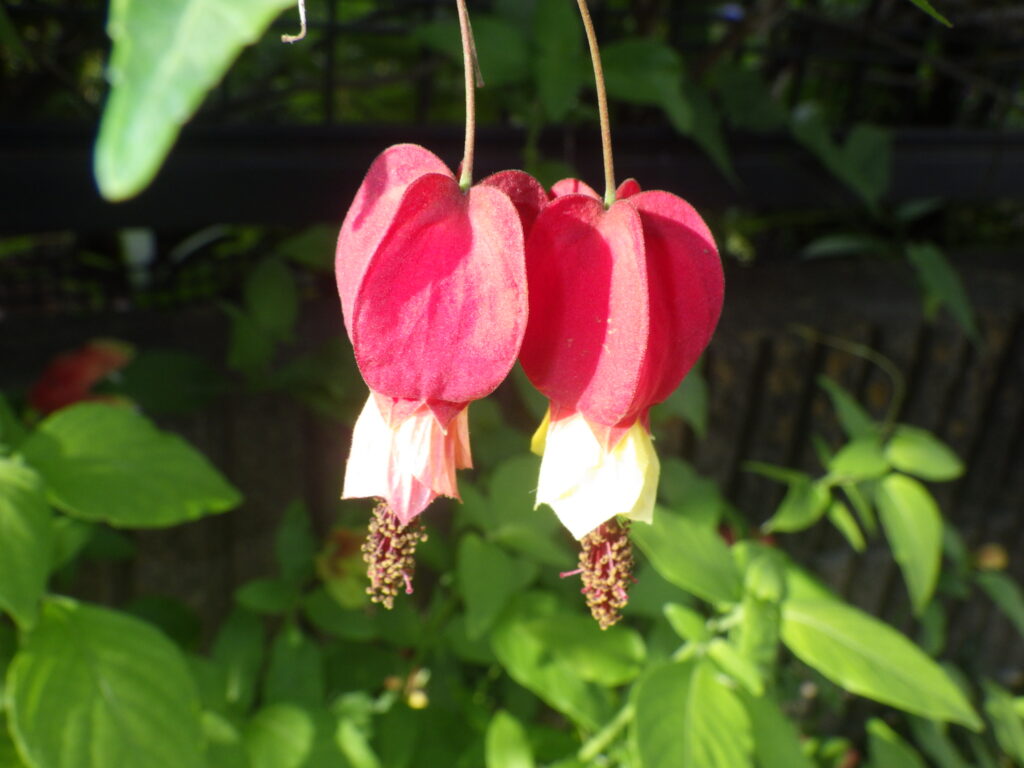
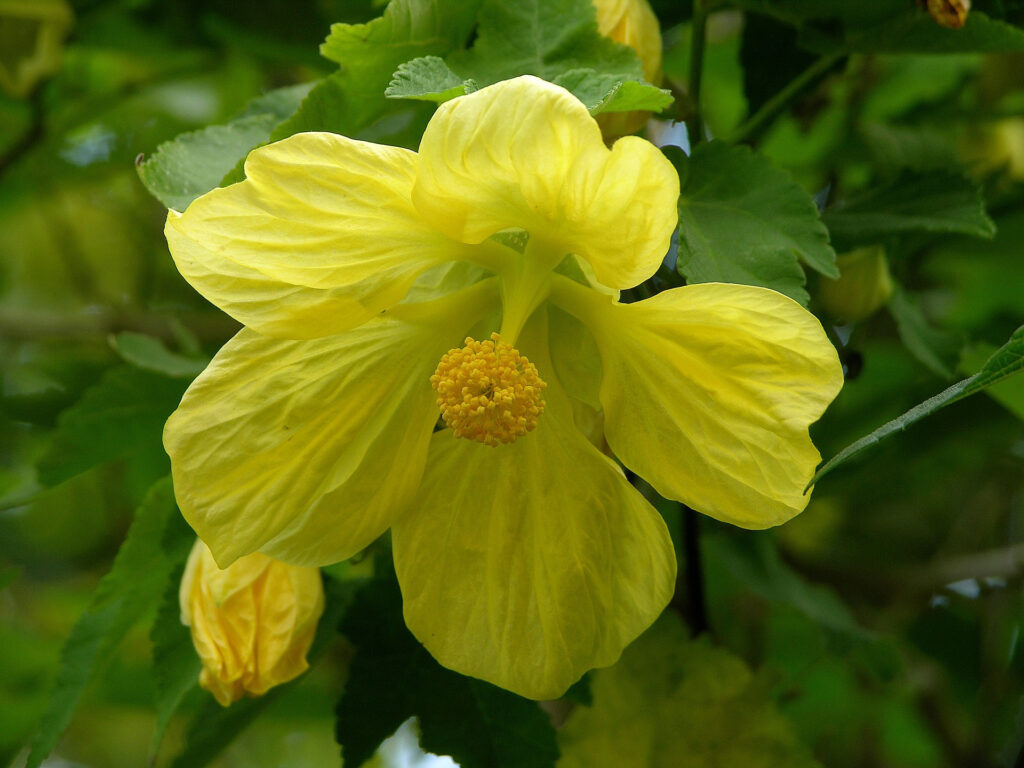
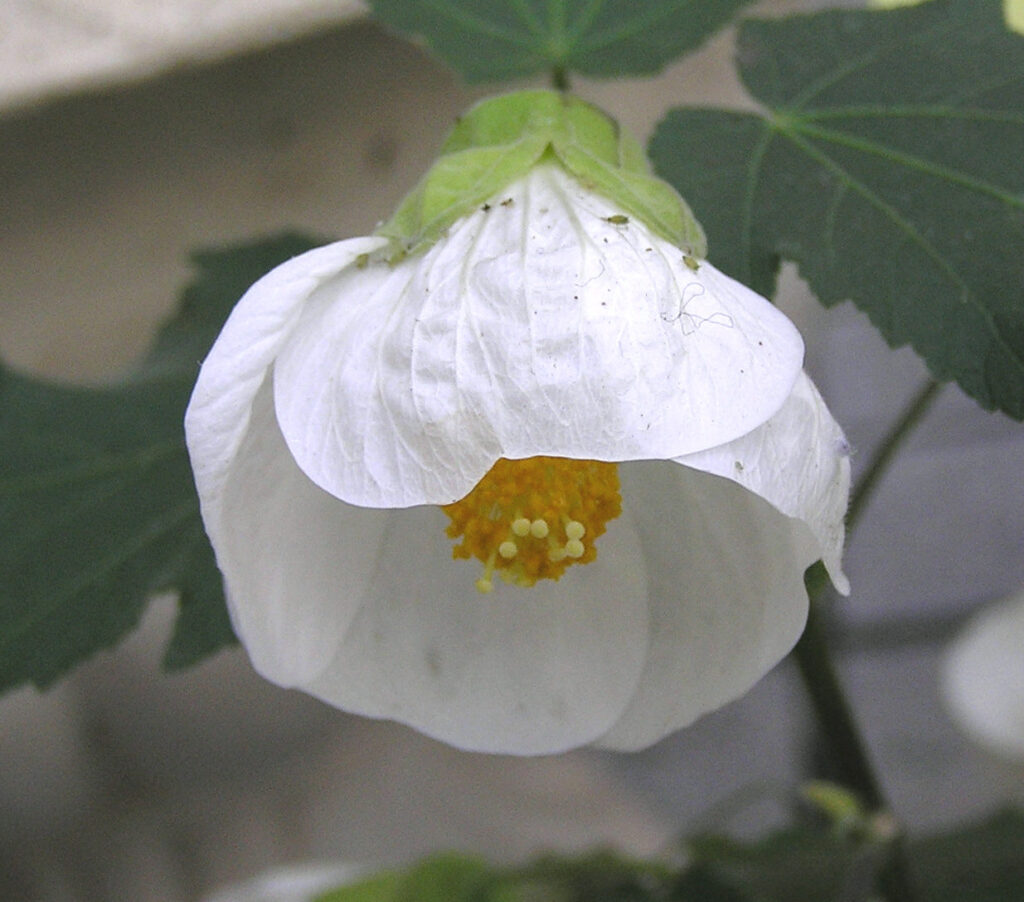
Regarding the flowers, in *Acer palmatum*, the calyx is sac-like, large, and conspicuously red, with only a small portion of the yellow corolla visible from the outside, whereas in *Acer palmatum*, the calyx is not sac-like but green, and the corolla is large and conspicuously red.
In other words, in *Aster tataricus*, the sepal is the organ that most conspicuously attracts insects, whereas in *Scarlet japonica*, it is the corolla. This difference is quite significant.
The problem lies with the variegated Abutilon. There is considerable variation depending on the variety, and there is no definitive characteristic.
The leaves vary from shallowly lobed to moderately lobed, and the flowers also vary in sepal structure (from sac-like to non-sac-like) and corolla size (from small to large).
However, in the case of horticultural varieties found in Japan, if they exhibit a mixture of characteristics from both *Avena cuneata* and *Schizocodon soldanelloides*, it is reasonable to consider them as *Avena cuneata* variegata. As mentioned above, the flower and calyx colors are clearly defined in *Avena cuneata* and *Schizocodon soldanelloides*, so those with other coloration can also be considered *Avena cuneata* variegata.
Please note that while the Japanese name "Fuiriabutilon" (meaning "variegated") might suggest it's always variegated, it's not always the case. It's not a very appropriate name.

References
Hayashi, Masayuki. 2019. Tree Leaves: Expanded and Revised Edition - Identifying 1300 Species Through Real-Life Scans. Yama-kei Publishers, Tokyo. 824pp. ISBN: 9784635070447
Jørgensen, PM, Nee, MH & Beck., SG 2014. Catálogo de las plantas vasculares de Bolivia. Monographs in Systematic Botany from the Missouri Botanical Garden 127: 1-1741. ISSN: 0161-1542, ISBN: 9781930723719, https://www.mbgpress.org/product-p/msb-127.htm
RBG Kew. 2023. The International Plant Names Index and World Checklist of Vascular Plants. Plants of the World Online. http://www.ipni.org and https://powo.science.kew.org/