Bletilla striata is a perennial plant that is naturally distributed from Honshu to Okinawa in Japan, but wild specimens are classified as near-threatened. On the other hand, it is also popular as an ornamental plant and can be seen in almost any town. It was once thought that the wild population in Japan was an escaped cultivated plant, but now the view that it is naturally distributed is generally accepted. A similar species is Orchid japonica. It was once used in China as a hemostatic agent to stop pulmonary hemorrhage and cough up blood, and during the Edo period, it became widely known for its ornamental and medicinal properties. Bletilla striata has a complex structure with a "corolla shaped like an orchid," which is common to the orchid family, but its appearance is not particularly unique among orchids. However, Bletilla striata has one major difference from other orchids: it does not secrete nectar. It deceives insects by mimicking nectar-producing flowers, and is pollinated by a small number of bees. However, if insects learn to do this, pollination may become impossible. Recent research suggests that, as a solution, the plant may be utilizing not only bees that simply seek rewards from flowers, but also male bees that come looking for female bees that are (deceived) to visit the flowers in search of nectar. The fruit is a capsule and is dispersed by wind. This article will explain the history, pollination ecology, and seed dispersal of the Bletilla striata.
- Endangered species seen in town
- What are some species similar to Bletilla striata? What are the differences between Bletilla striata and Orchidaria japonica?
- Savior of pulmonary tuberculosis
- Typical flower shape of the orchid family
- A flower that deceives bees
- If you can no longer fool them the normal way, will you use the love of male bees?
- The fruit is a capsule, and the seeds are dispersed by wind.
- Protocorms and orchid mycorrhizal fungi are essential for seeds!
- References
Endangered species seen in town
Bletilla striata, also known as the purple orchid, is a perennial herb distributed in China, Korea, Taiwan, and from Honshu to Okinawa in Japan, growing on sunny, moist slopes (Kadota et al., 2013; Ogawa & Miyake, 2020).
It belongs to the genus Bletilla in the orchid family, and its variety, Bletilla striata f. gebina, has white flowers.
In Japan, wild specimens are classified as near-threatened, but they can grow in a wide range of conditions depending on sunlight, soil type, and water, and are popular as ornamental plants because they can be easily propagated by division (Kawahara, 2008). They seem to be found in almost every town. The rhizome consists of a series of enlarged, flattened, spherical corms resembling a snail.
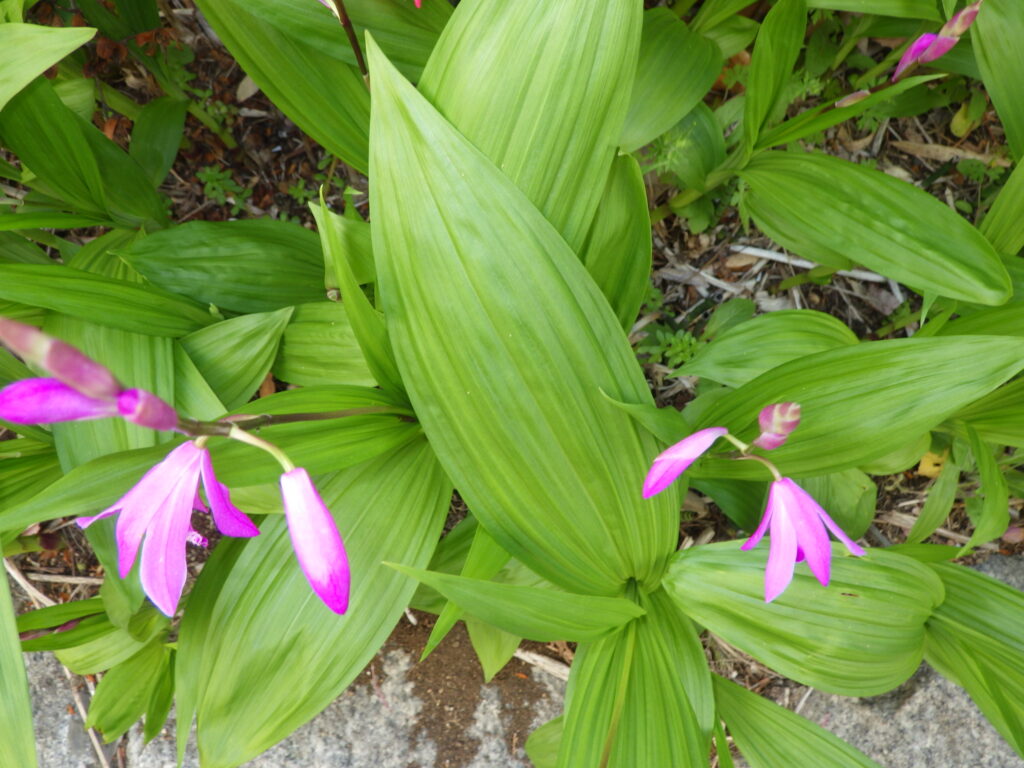
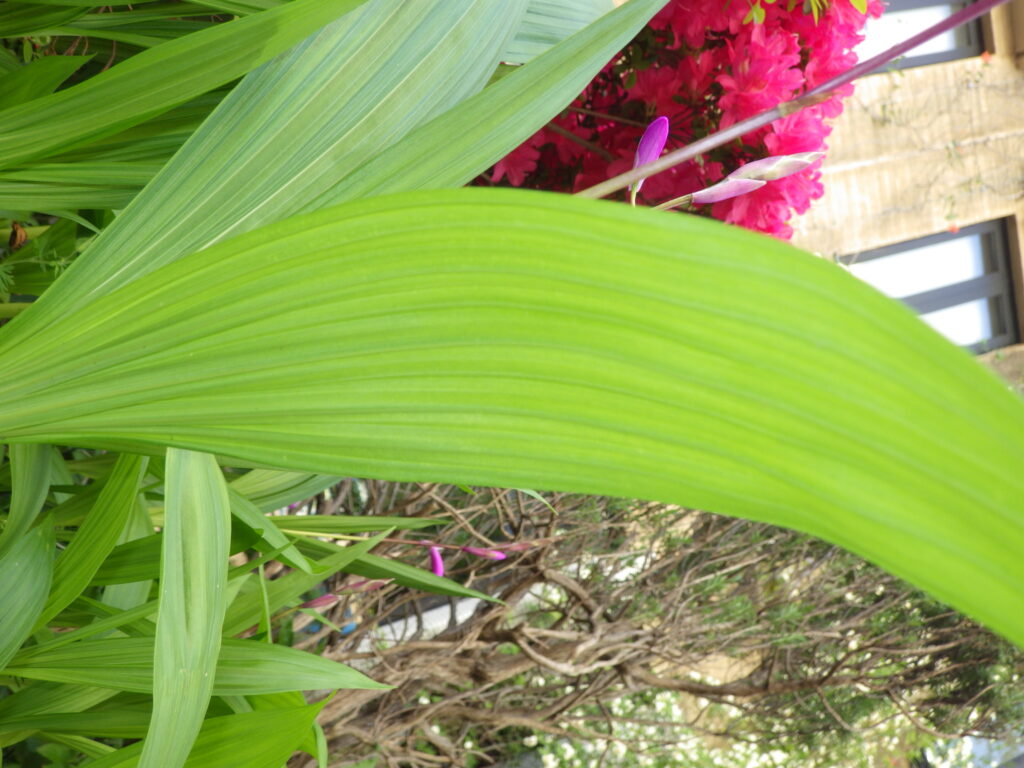
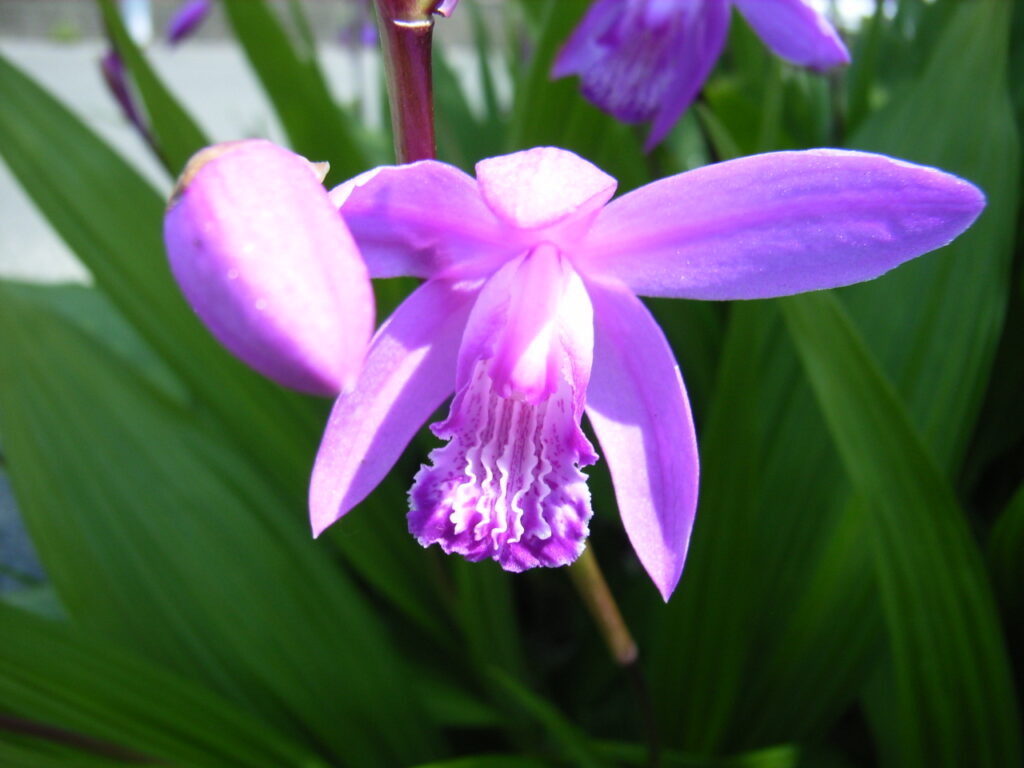
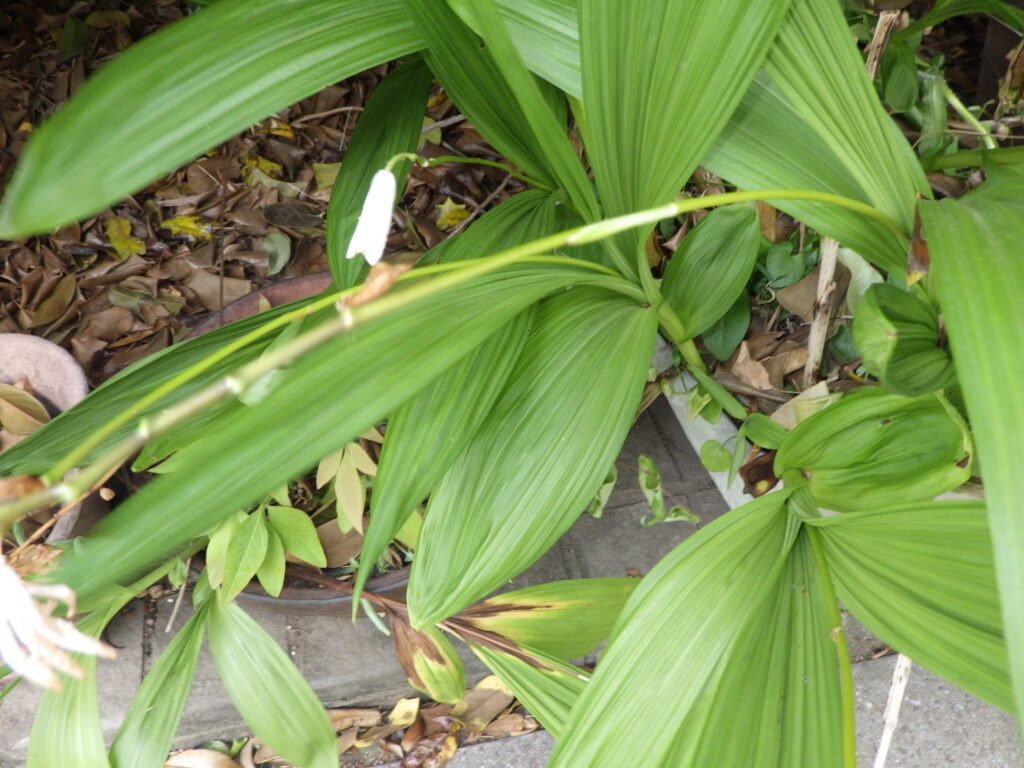
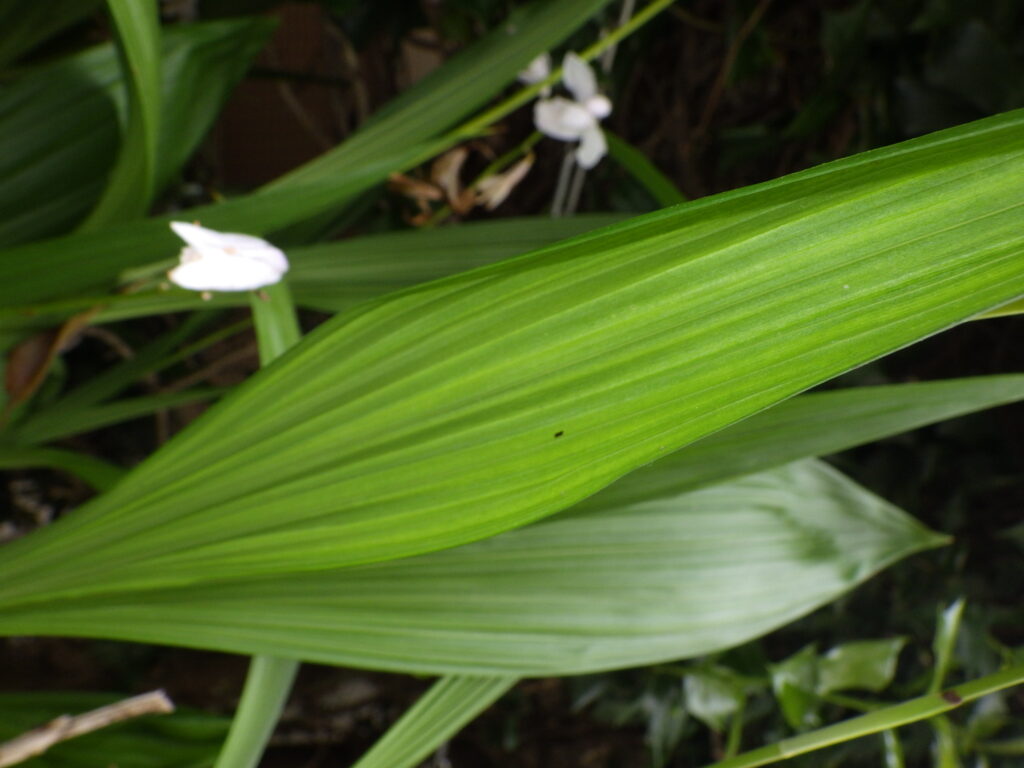
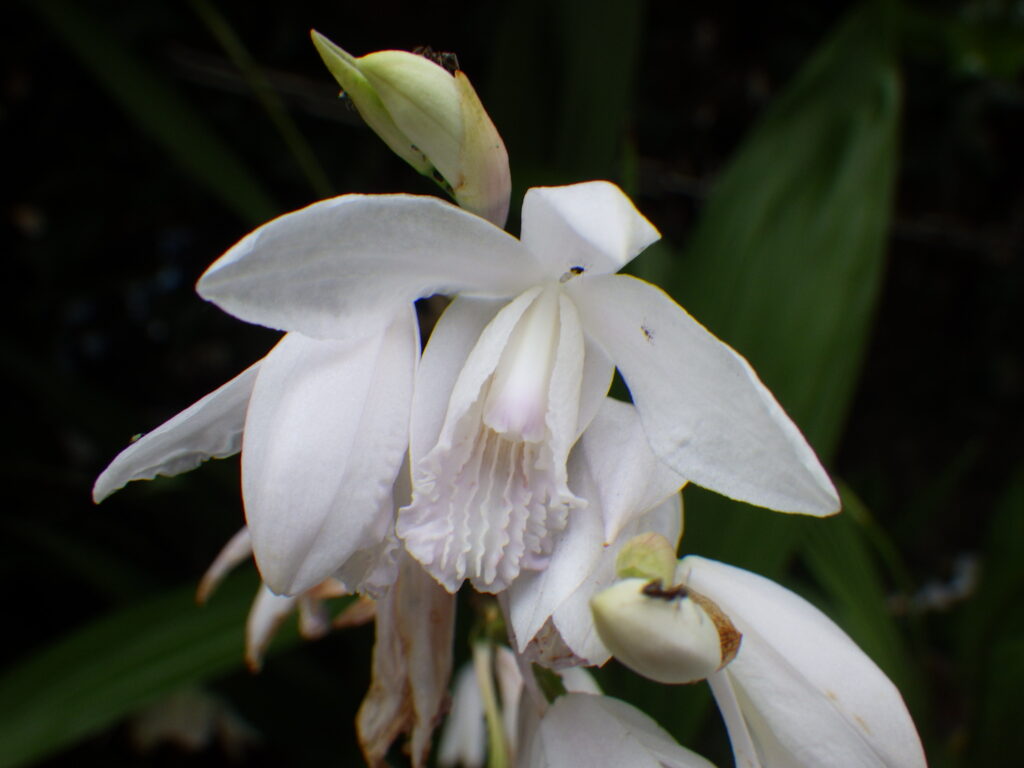
What are some species similar to Bletilla striata? What are the differences between Bletilla striata and Orchidaria japonica?
You probably won't see many species that resemble Bletilla striata. You can assume that almost all of the plants you see growing in town are Bletilla striata.
However, a closely related species in the same genus is known to be Bletilla formosana.
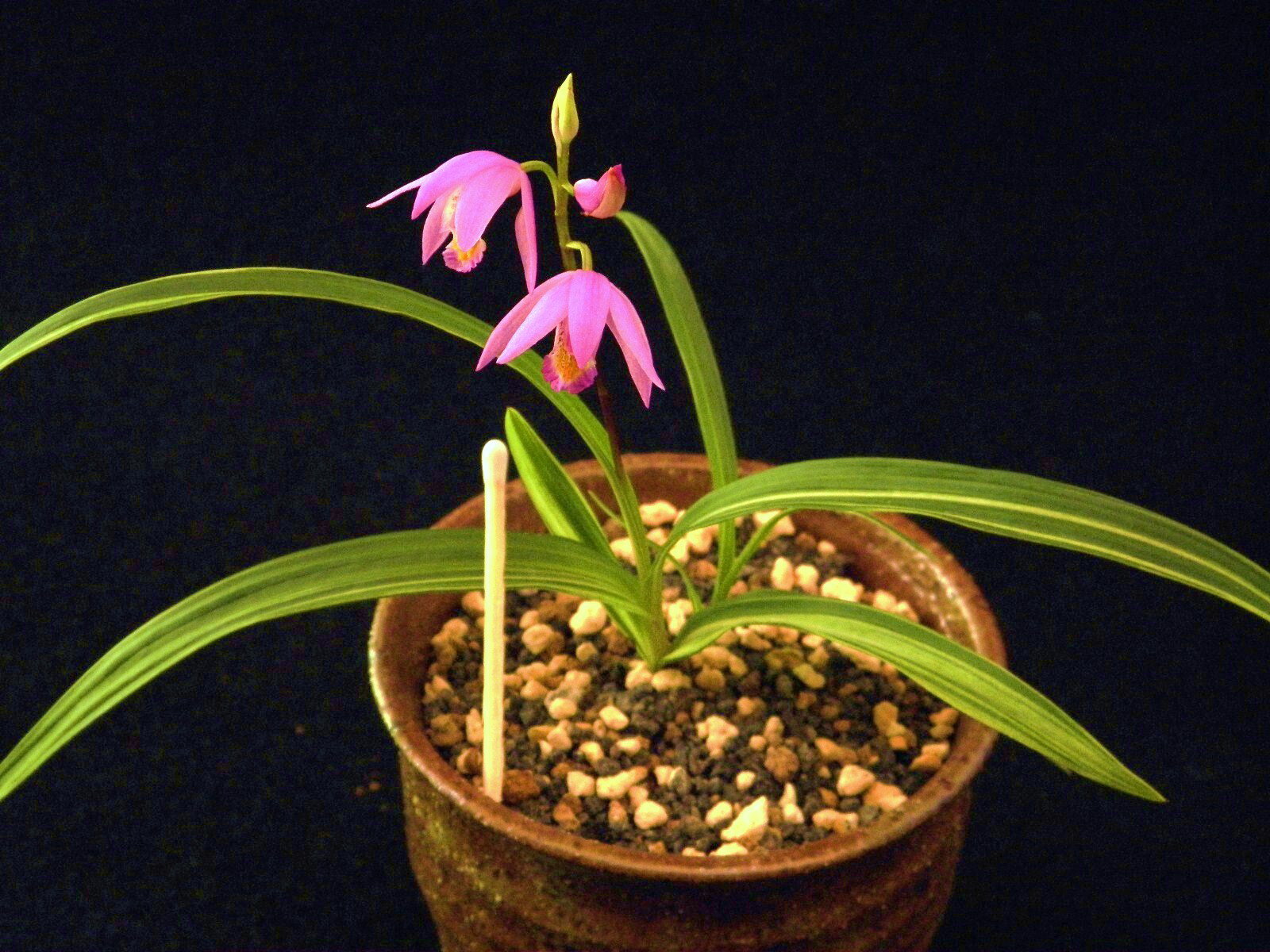
The Japanese orchid (Amanara) is a terrestrial orchid that grows naturally in the highlands (600-3100m above sea level) of the Ryukyu Islands in Japan, southern China, and Taiwan. It is sometimes seen as a cultivated plant, but it is rarely encountered.
Compared to Bletilla striata, Bletilla striata has a more dramatically wavy lip petal with reddish-purple spots, and its leaves are narrower and smaller (Wu et al., 2009), so it is unlikely that they will be confused.
Savior of pulmonary tuberculosis
While some believe that the wild population in Japan originated from escaped cultivated plants, recent field guides suggest that it is likely a native species (Kanagawa Prefecture Flora Survey Association, 2018). It is said to appear under the name "Kei" in the Manyoshu, a collection of Japanese poetry from the Nara period, indicating that it was recognized at least from that time (Kawahara, 2008).
In China, it is mentioned in the " Shennong Ben Cao Jing," a Chinese medical text compiled during the Later Han and Three Kingdoms periods (Uchida Wakan Yakuhin, 2023). In ancient times, the corm of the Bletilla striata was used as a crude drug called "Byakukyu," a name derived from its color, and was used as a hemostatic agent to stop pulmonary hemorrhage and cough up blood (Torigoe, 2005; Fan et al., 2023). It seems to have attracted particular attention for its use in stopping coughing up blood in pulmonary tuberculosis. Later, in Japan, it became widely known for horticultural and medicinal purposes during the Edo period (Kobayashi, 1986).
Typical flower shape of the orchid family
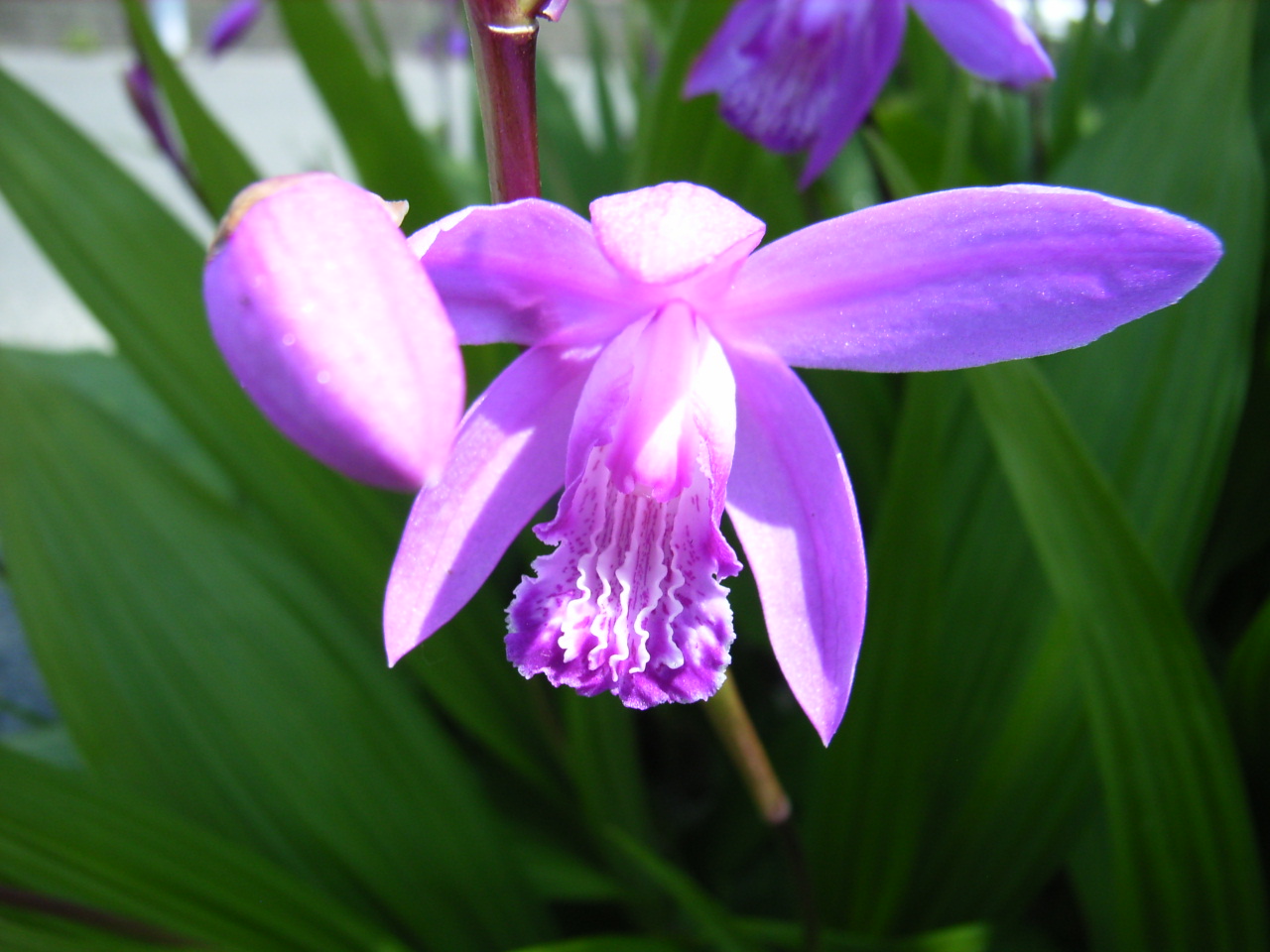
The flowers bloom in spring, from April to May, and grow in clusters of several large, reddish-purple blossoms (Kadota et al., 2013). This is the origin of the name "Shiran" (purple orchid). It's very simple, isn't it?
It has a distinctive corolla shape, known as "orchid-shaped corolla," which is common to all plants in the orchid family. It consists of three sepals and three petals, which are cleverly combined from what were originally three petals and three sepals (Shimizu, 2001).
The three sepals, one at the top and two at the bottom, are the same color as the petals and support the flower's structure while, along with the petals, attracting insects from afar. The parts extending diagonally upwards are made up of two "lateral petals," and the complex-looking structure in the center is a modified petal called the "labellum."
The labellum has folds and is composed of the "central lobe," which is the most prominent part, and the "lateral lobes" that surround it. Above the central lobe is a structure called the "column," which is a fused structure of stamens and pistil.
Insects that come to a flower are drawn to the entire flower, reaching the very conspicuous central lobe, where they perch on the folds and enter the flower, supported by the lateral lobes, and then make contact with the column on their backs to transfer pollen. The folds of the central lobe, in particular, are thought to be visually important to insects (Sugiura, 1995).
A flower that deceives bees
Up to this point, the pollination process is almost the same as that of other orchid species. However, the Bletilla striata has one major difference from other orchid species: it does not secrete nectar (Sugiura, 1995; Ogawa & Miyake, 2020)! This means that it mimics other nectar-producing flowers to deceive insects and get them to carry its pollen. This type of mimicry is called "generalized food-deceptive" (Ogawa & Miyake, 2020). What's interesting about this mimicry is that it's not mimicking a specific target, but rather it simply thinks of itself as "somewhat an ordinary flower." In other words, it might be fair to say that the abstract concept of "flower" that humans sometimes use is also observed in the natural world.
A wide variety of insects visit the orchid, including many species of bees, butterflies and moths, and flies (Sugiura, 1995; Ogawa & Miyake, 2020). However, only a select few types of bees, such as the Japanese honeybee (Hymenoptera japonica), the white-striped honeybee (Hymenoptera leucobryum), and the European honeybee, contribute to pollination. Therefore, it can be thought that the orchid is primarily trying to attract bees of a relatively medium size.
If you can no longer fool them the normal way, will you use the love of male bees?
However, like many flowers that deceive insects, this strategy has a major problem: bees memorize the shape and color of the flower and gradually stop visiting it. This is especially true for Bletilla striata, which often bloom in dense clusters, making it even more likely for bees to remember its shape. Yet, Bletilla striata flowers are still successfully pollinated. Why is that?
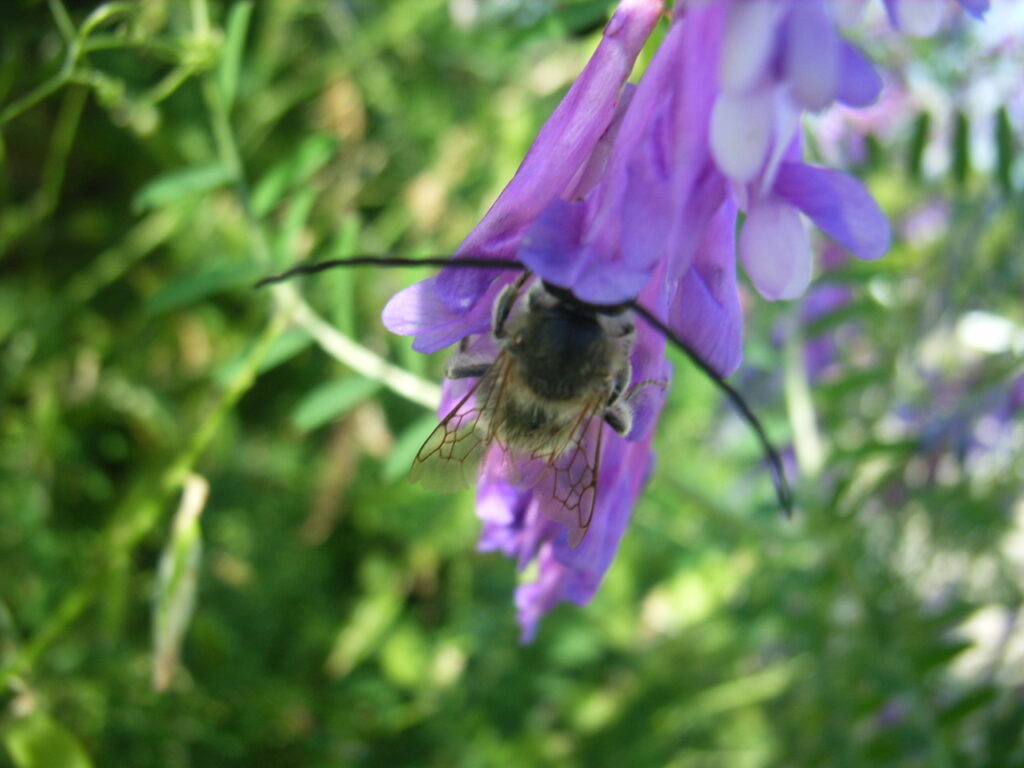
Recent research suggests that the reason for this is that not only insects that come seeking rewards from flowers, but also male bees that come looking for female bees that are (deceived ) to visit the flowers in search of nectar, are important factors (Ogawa & Miyake, 2020).
Male bees sometimes lie in wait near flowers where female bees are likely to appear in order to mate with them. At this time, the male bees may occasionally enter the flowers to (presumably) satisfy their hunger. The hypothesis is that because the male bees are so preoccupied with finding females that they do not have time to learn, they regularly visit the flowers of the Bletilla striata, resulting in successful pollination. This method of pollination is called "rendezvous attraction." In fact, it has been observed that male bees patrol around Bletilla striata and, even after realizing that the flowers are false flowers that do not secrete nectar, they still occupy the area (Sugiura, 1995).
However, it remains to be seen whether male bees truly don't remember the shape and color of flowers, or if there's another reason. Do male bees really have such poor memories? Nevertheless, it seems certain that the Bletilla striata employs a unique strategy among orchids!
Incidentally, there is also a variety called *Shirobana-shiran* with white flowers, but this variety has not been covered in the above-mentioned research, so it is intriguing to wonder what the reason for its appearance is.
The fruit is a capsule, and the seeds are dispersed by wind.
The fruit of Bletilla striata is a capsule less than 3.4 cm in length (Wu et al., 2009).
Like many orchid species, the seeds are dispersed by wind, with the capsules densely packed with tiny seeds (Miura et al., 2019). It is believed that a single capsule contains tens of thousands to hundreds of thousands of seeds, and as the fruit ripens, gaps form, allowing countless tiny seeds to spill out and be dispersed by a weak breeze.
Protocorms and orchid mycorrhizal fungi are essential for seeds!
The seeds of orchids, including Bletilla striata, have some unique characteristics.
Do you know what nutrients plant seeds use to grow?
For example, grasses store energy sources in their endosperm, and legumes store them in their cotyledons. You may have learned this in childhood. However, orchids have no endosperm, and most species lack cotyledons as well (Yeung, 2017)!
The seeds of orchids, including Bletilla striata, first swell into a spherical shape after germination. This is called a "protocorm." In this stage, they live in symbiosis with fungi called "orchid mycorrhizal fungi," which invade the plant's roots. In Bletilla striata, the fungus Tulasnella sp. is known to be the symbiotic fungus (Miura et al., 2019).
The orchid mycorrhizal fungi utilize the cellulose of orchid plants by hydrolyzing it, and the orchid plants obtain an energy source by receiving carbon from them, creating a win-win relationship (Yamato and Tanigame, 2009). However, since hydrolyzing cellulose means that the plant's body is being broken down, it's unclear whether it's truly a 100% win-win situation.
This means that Bletilla striata has a stage where it relies on other organisms for energy (heterotrophy) before it can transition to the stage where it performs photosynthesis to obtain its own energy source (autotrophy).
Orchid species have evolved to specialize in obtaining energy through symbiosis with orchid mycorrhizal fungi, resulting in the loss of endosperm and cotyledons (Yamato and Tanigame, 2009; Yeung, 2017).
While many other symbiotic relationships between mycorrhizal fungi and plants are known, this is quite unique because, generally speaking, the mycorrhizal fungi obtain their energy source from the plant.
This type of relationship has been observed in many orchid species, and it is established between specific orchids and specific orchid mycorrhizal fungi.
On the other hand, conversely, this means that orchids cannot grow without orchid mycorrhizal fungi. This is thought to be the reason for their small population size, low tolerance to environmental changes, and difficulty in cultivation (Yamato and Tanigame, 2009).
But why do orchids rely on symbiosis with orchid mycorrhizal fungi in the first place?
Although I couldn't find any papers that explicitly state this, based on what I've considered so far, my conclusion is that because the parent plant doesn't need to store energy sources in the endosperm and cotyledons for the seed to develop initially, it has an advantage over other plants in certain environments, such as the presence of fungi, allowing for stable offspring development. On the other hand, it's likely that a disadvantage is that it may become unable to produce offspring if the environment changes.
References
Fan, Y., Zhao, J., Wang, M., Kennelly, EJ, & Long, C. 2023. Ethnopharmacology of Bletilla orchid species: a comprehensive review on ethnobotany, phytochemistry and pharmacology. Medicinal Plant Biology 2(1): 21. https://doi.org/10.48130/MPB-2023-0021
Kadota, Y., Nagata, Y., & Azegami, N. 2013. Flowers Blooming in the Mountains (Revised and Expanded New Edition). Yama-kei Publishers, Tokyo. 616pp. ISBN: 9784635070218
Kanagawa Prefecture Flora Survey Association. 2018. Kanagawa Prefecture Flora 2018 (Electronic Edition). Kanagawa Prefecture Flora Survey Association, Odawara. 1803pp. ISBN: 9784991053726, http://flora-kanagawa2.sakura.ne.jp/efloraofkanagawa.html
Kawahara, Katsuyuki. 2008. Plants in the Manyoshu. Nanpo Shinsha, Kagoshima. 216pp. ISBN: 9784861241345
Kobayashi, Masao. 1986. Notes on Folk Medicines (60) Shiran. Tokyo Pharmaceutical Journal 8(5): 19-22. ISSN: 0285-1733, https://www.toyaku.or.jp/improvement/magazine/index.html
Miura, C., Saisho, M., Yagame, T., Yamato, M., & Kaminaka, H. 2019. Bletilla striata (Orchidaceae) seed coat restricts the invasion of fungal hyphae at the initial stage of fungal colonization. Plants 8(8): 280. https://doi.org/10.3390/plants8080280
Ogawa, Y., & Miyake, T. 2020. How do rewardless Bletilla striata flowers attract pollinators to achieve pollination?. Plant Systematics and Evolution 306(5): 1-8. ISSN: 0378-2697, https://doi.org/10.1007/s00606-020-01709-0
Shimizu, Takemi. 2001. Illustrated Dictionary of Botanical Terms. Yasaka Shobo, Tokyo. xii, 323pp. ISBN: 9784896944792
Sugiura, N. 1995. The pollination ecology of Bletilla striata (Orchidaceae). Ecological Research 10(2): 171-177. ISSN: 0912-3814, https://doi.org/10.1007/BF02347939
Torigoe, Yasuyoshi. 2005. The World of Shōsōin Medicines: Exploring the Origins of Japanese Medicine. Heibonsha, 260pp. ISBN: 9784582852967
Uchida Wakanyaku. 2023. Byakukyu (白及 or 白芨). Herbal Medicine Treasure Chest 305. https://www.uchidawakanyaku.co.jp/kampo/tamatebako/shoyaku.html?page=305
Wu, ZY, Raven, PH, & Hong, DY (Eds.). 2009. Flora of China (Vol. 25 Orchidaceae). Science Press, Beijing, and Missouri Botanical Garden Press, St. Louis.
Yamato, Masahide & Tanigame, Takahiro. 2009. Symbiosis between orchids and fungi. Bulletin of the Mycological Society of Japan 50(1): 21-42. ISSN: 0029-0289, https://doi.org/10.18962/jjom.jjom.H20-02
Yeung, EC 2017. A perspective on orchid seed and protocorm development. Botanical Studies 58(1): 1-14. ISSN: 1817-406X, https://doi.org/10.1186/s40529-017-0188-4