
Cassia obtusifolia, Cassia occidentalis, and Cassia tomentosa are all annual plants belonging to the legume family and were once classified in the same genus. Common features include their once-pinnately compound leaves with opposite leaflets and their nearly identical flowers with five yellow petals. Of the three, Cassia obtusifolia and Cassia occidentalis are often confused because they both belong to the Senna genus. However, they can be clearly distinguished by examining the shape of their leaves and the location of their extrafloral nectaries. The dried seeds of Cassia obtusifolia are called "Ketsumeishi" and are said to be the origin of the name of a famous Japanese music group, meaning "to expel everything," due to their laxative properties. While "Habu tea" was originally made from the beans (seeds) of Cassia occidentalis, it may not be widely known that Cassia obtusifolia beans (seeds) are now used. This article will explain the classification and uses of Cassia obtusifolia, Cassia occidentalis, and Cassia tomentosa.
What are Ebisu-gusa, Habusou, and Kawaraketsumei?
Senna obtusifolia, also known as Ebisu-gusa, is an annual plant native to tropical America. It is cultivated mainly in tropical regions, including Eurasia, for its seeds used medicinally or for drinking. In Japan, it occasionally escapes cultivation and becomes naturalized (Kanagawa Prefecture Flora Survey Association, 2018). The medicinal name for its seeds is Ketsumeishi, which is the origin of the name of a famous Japanese music group.
Senna occidentalis, also known as hub grass, is native to tropical America and is cultivated in tropical regions, including Eurasia, for its seeds used medicinally or for drinking. It is an annual plant that occasionally escapes cultivation and becomes naturalized in Japan.
Chamaecrista nomame, also known as riverbank cassia, is an annual plant that grows in sunny grasslands and is distributed in Honshu, Shikoku, and Kyushu in Japan, as well as in Korea and China.
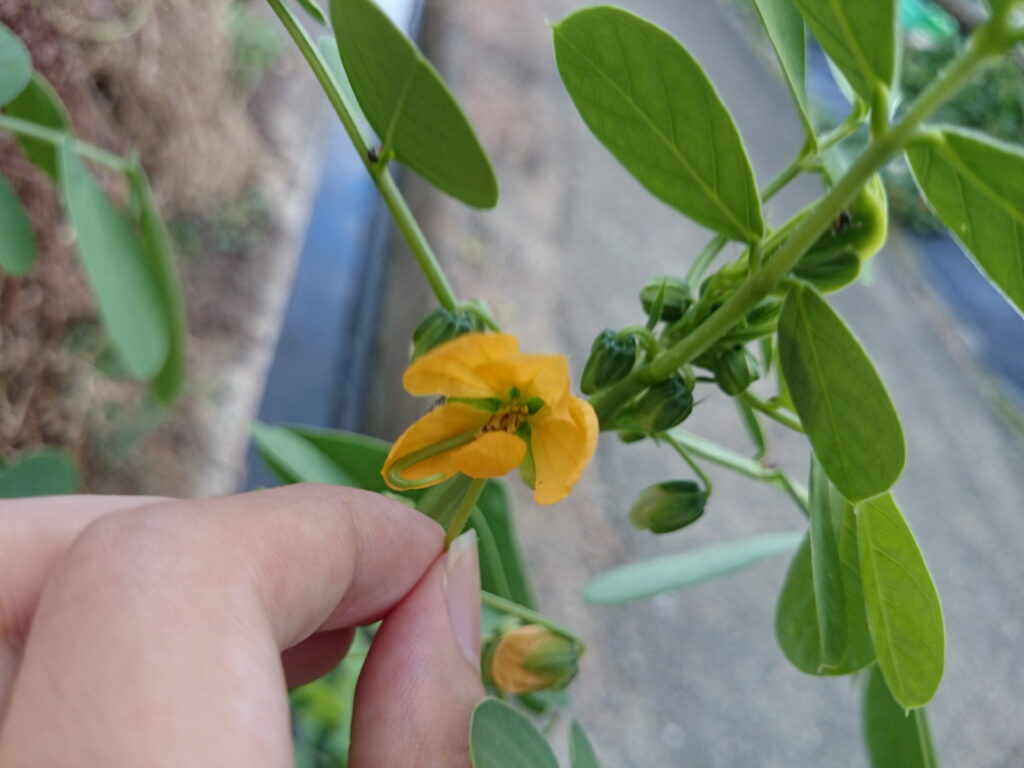
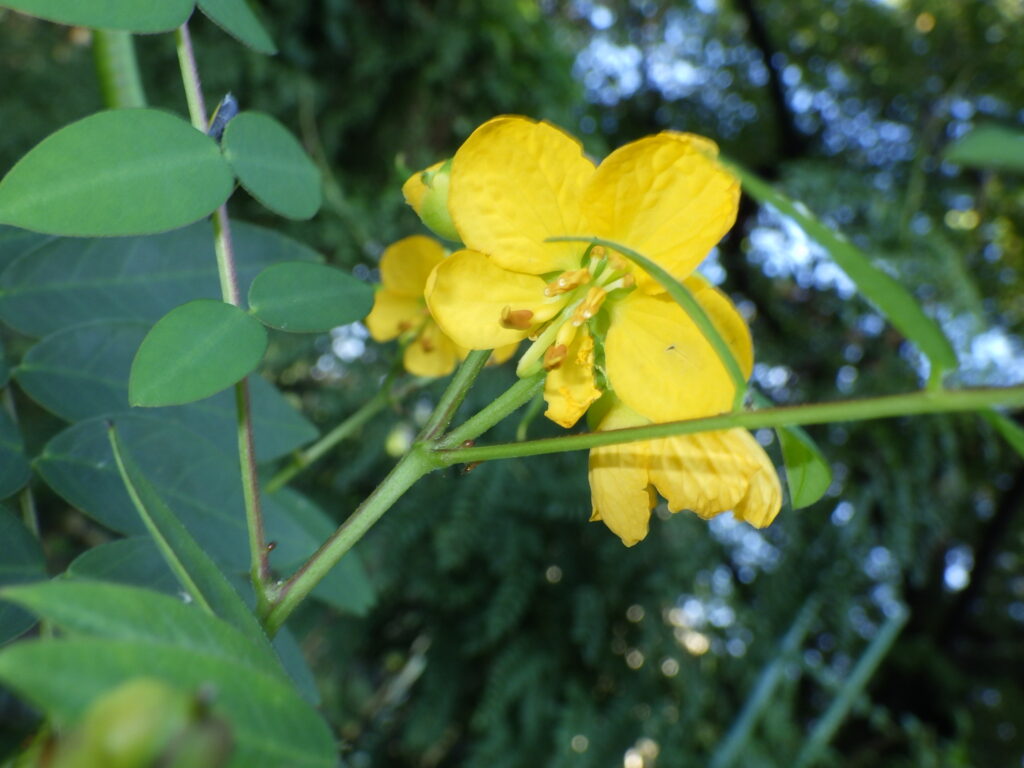
Both are annual plants belonging to the legume family and were once classified in the same genus. Their common features include once-pinnately compound leaves with opposite leaflets, and flowers that are nearly identical in shape and have five yellow petals.
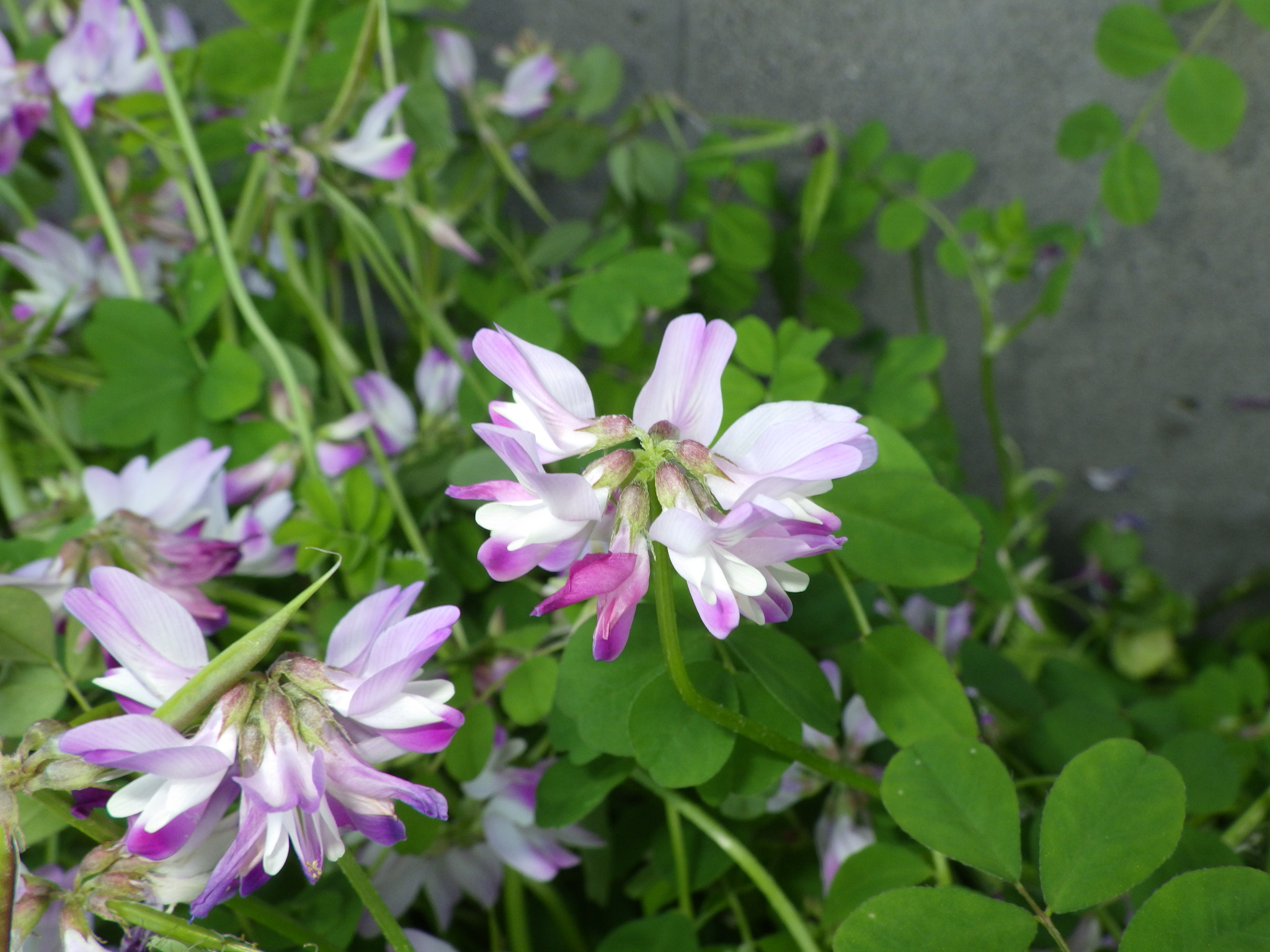
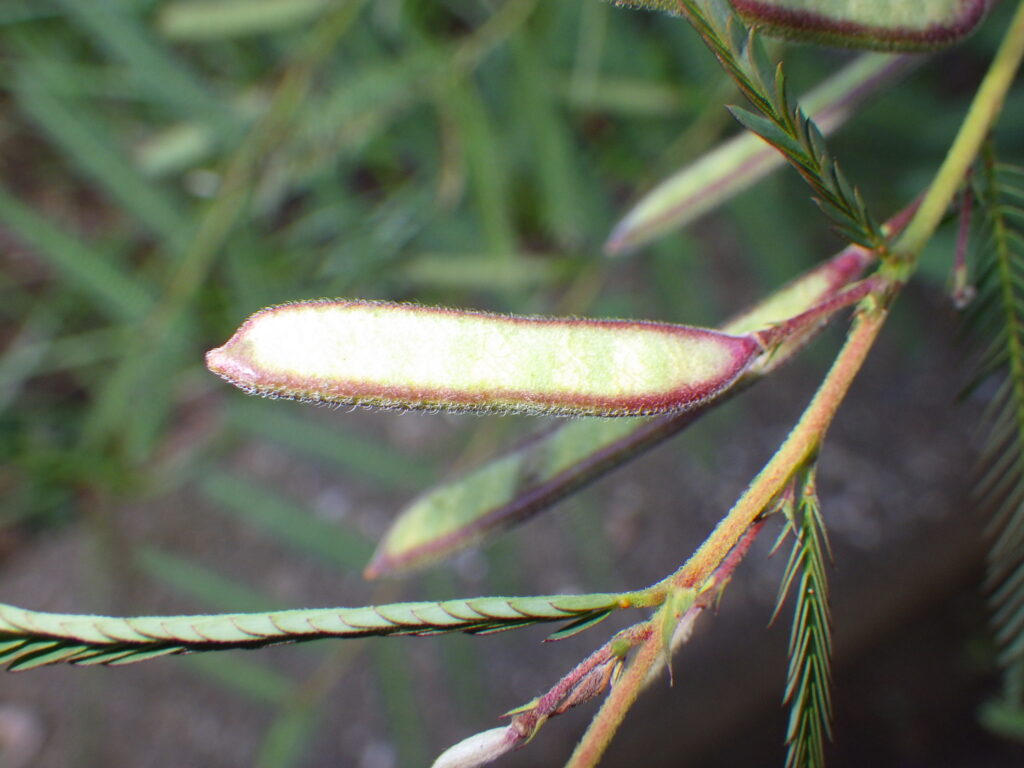
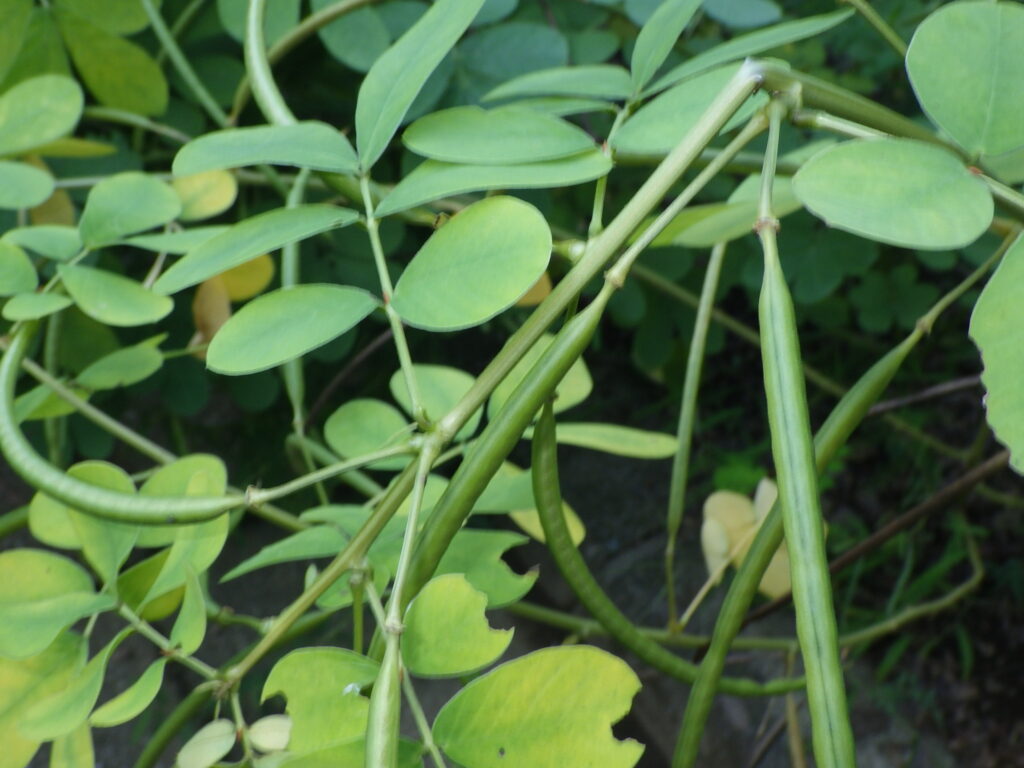
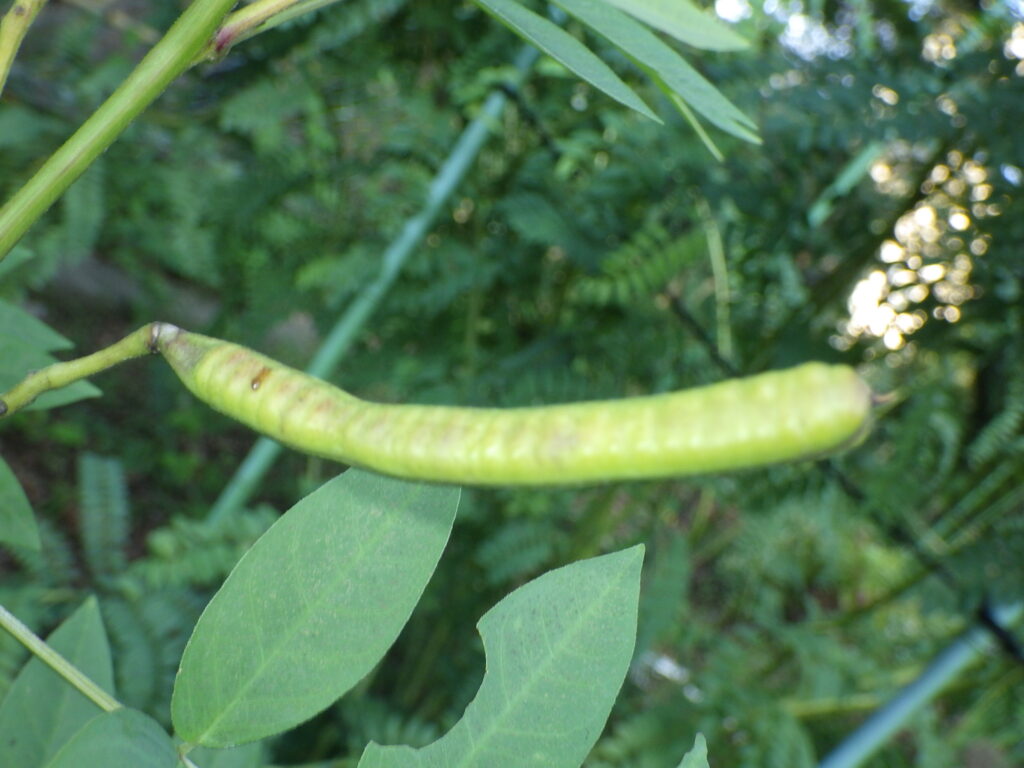
Of course, since the fruit belongs to the legume family, it is a legume, consisting of a pod (the pericarp characteristic of legumes) and a bean (the seed characteristic of legumes).
Of the three species, Cassia obtusifolia and Cassia occidentalis both belong to the genus Senna and are very similar, often leading to confusion. They are also similar in that they are used for food and medicine.
What are the differences between Cassia obtusifolia/Cassia japonica and Cassia nomame?
First, there are taxonomical differences between Cassia obtusifolia and Cassia nomame.
Cassia obtusifolia and Cassia occidentalis belong to the genus Senna, while Cassia tora belongs to the genus Cassia.
Therefore, it can be expected that there will be differences in morphology as well.
Specifically, in the genus Senna, there are no bracteoles at the base of the calyx, and the legume is either dehiscent or indehiscent, with the individual segments not curling spirally even when dehiscent, whereas in the genus Cassia, there are bracteoles at the base of the calyx, and the legume splits into two segments, with each segment curling spirally.
However, these characteristics are quite precise, and it's quicker to check the shape of the leaves.
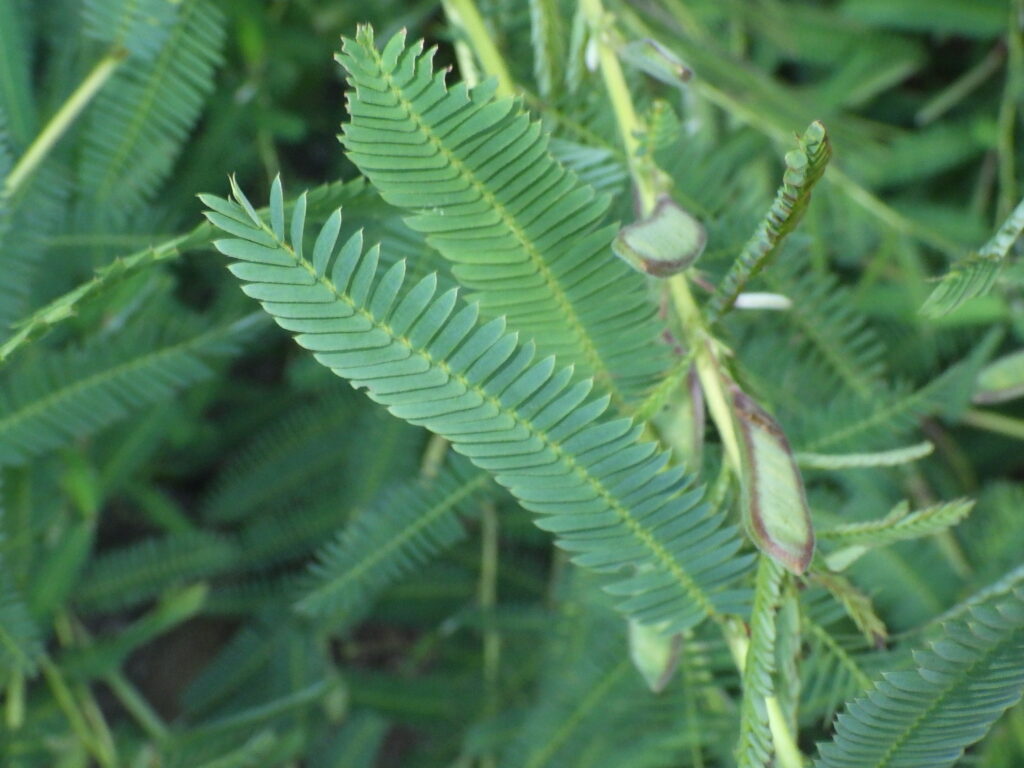
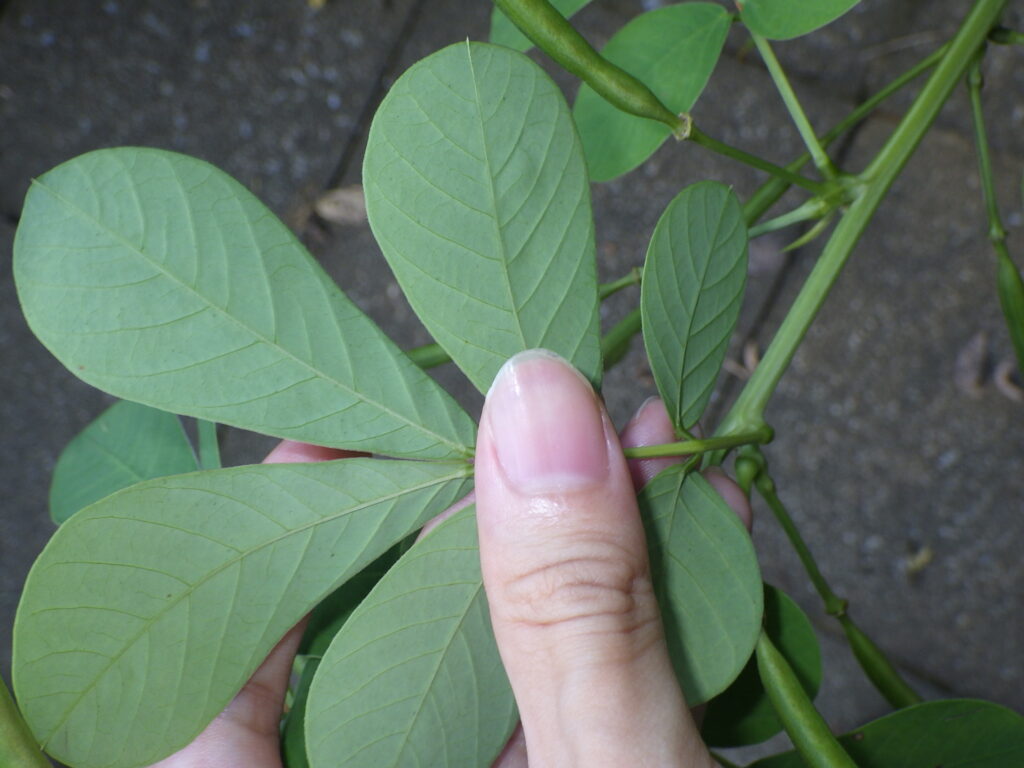
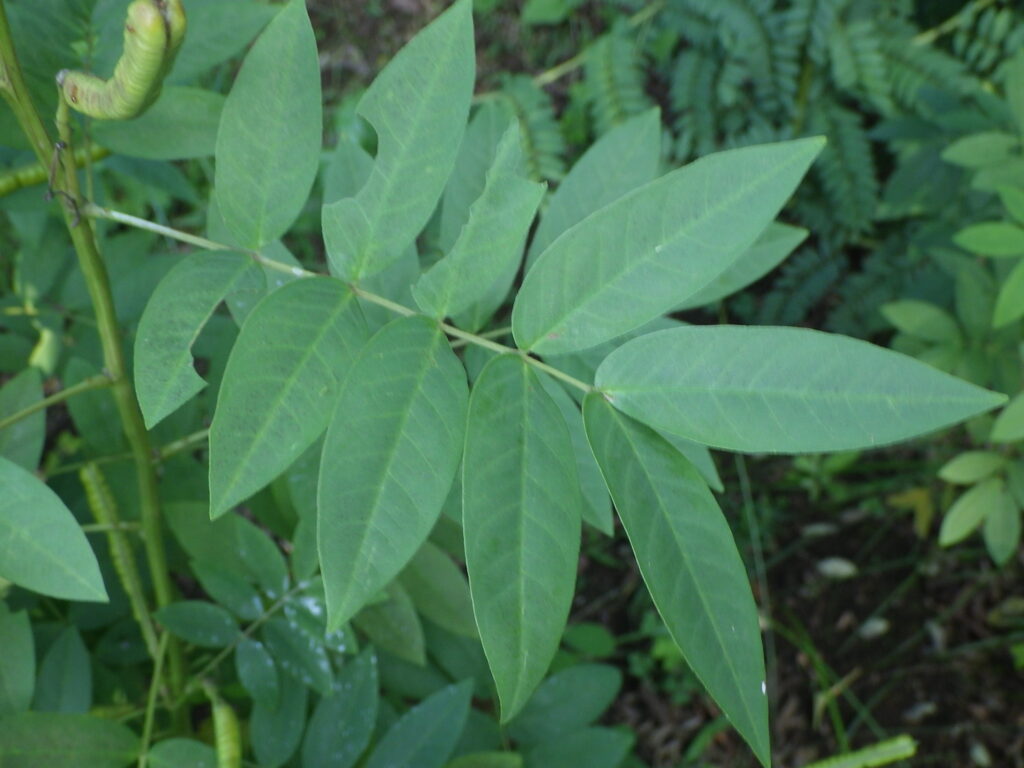
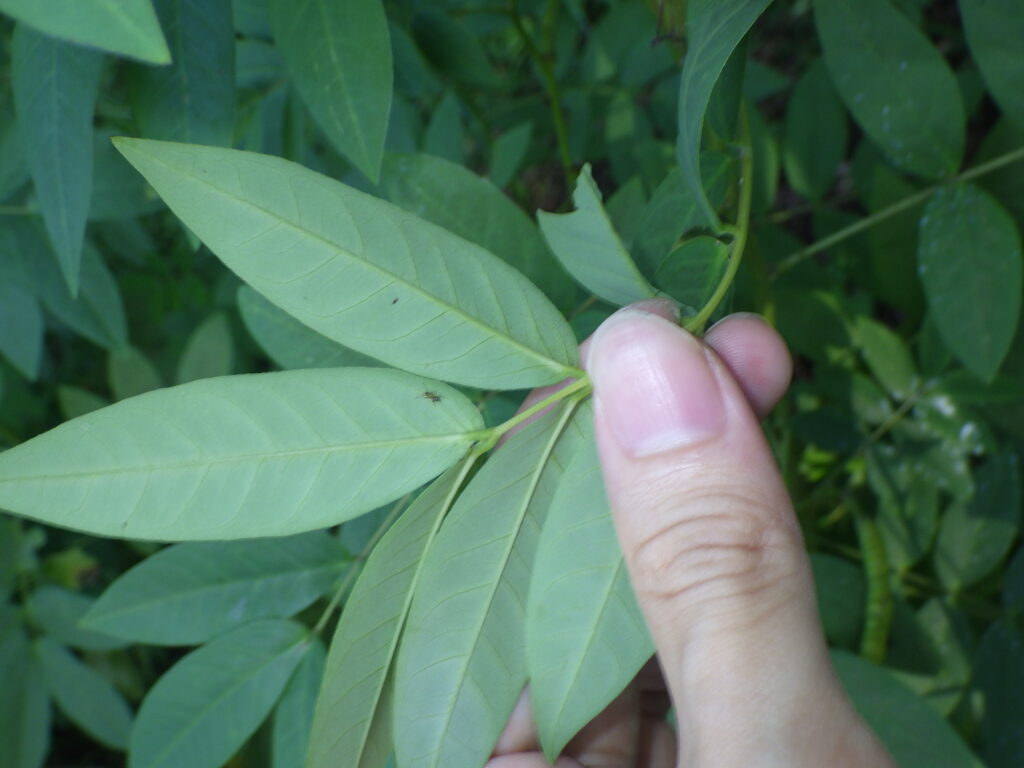
While Cassia obtusifolia and Cassia occidentalis have fewer leaflets (2-6 pairs) and are ovate to elliptical in shape, Cassia tomentosa has 15 or more pairs of leaflets and is narrowly oblong in shape. In short, Cassia tomentosa has more leaflets and a narrower shape.
If you know that there are differences in the leaves, you won't mistake them for each other.
What is the difference between Ebisu-gusa and Habusou?
Cassia obtusifolia and Cassia occidentalis are two species that belong to the same genus but are quite similar.
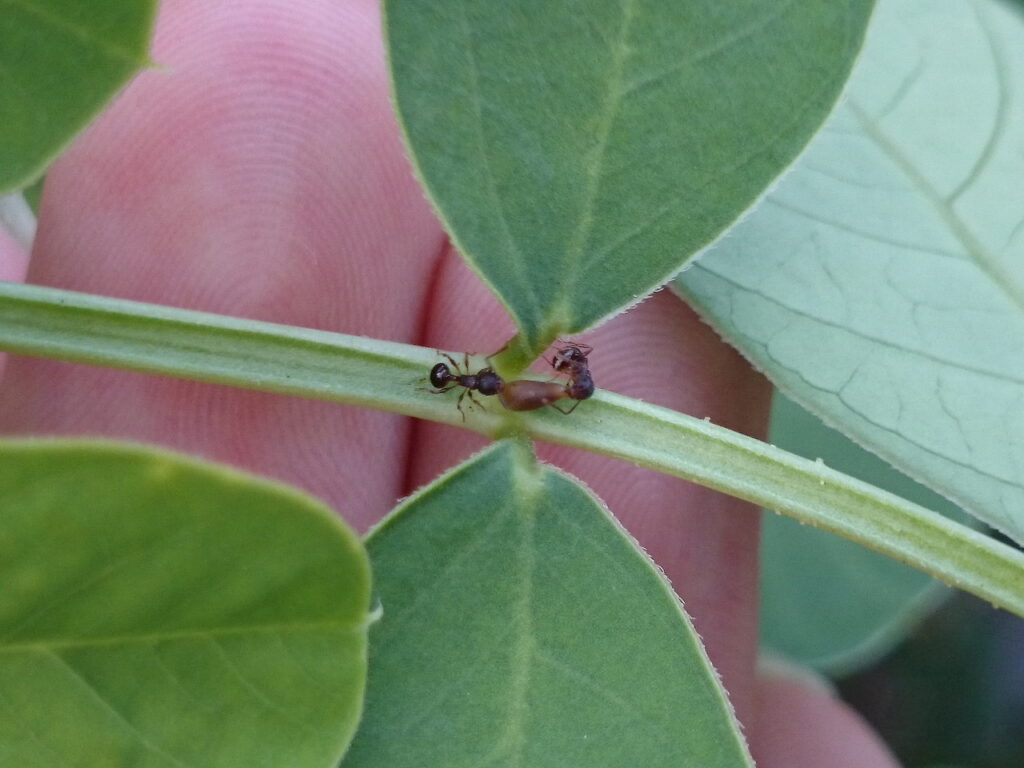
The difference lies in the leaves and extrafloral nectaries (nectaries located outside the flowers that attract ants).
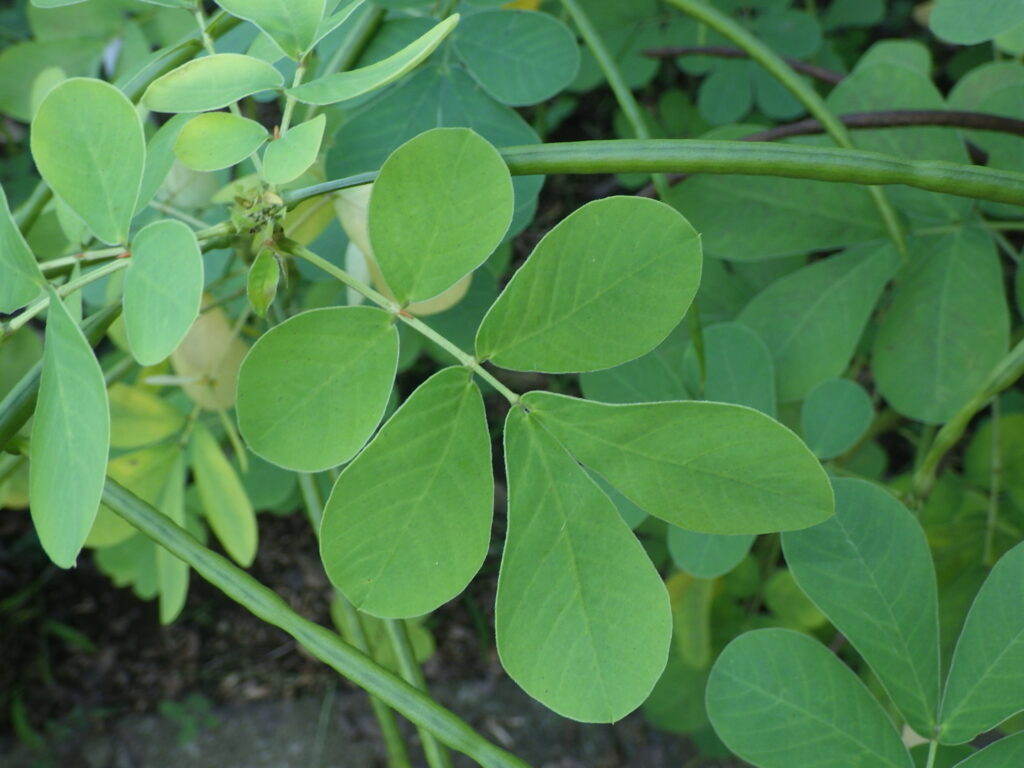
In Cassia obscura, the leaflets are obovate to obovate-elliptic with a rounded tip and have one nectary on the leaf axis, whereas in Cassia occidentalis, the leaflets are ovate to ovate-elliptic with a pointed tip and have one nectary at the base of the petiole.
In other words, the senna plant has nectaries inside its leaves. The nectaries of the senna plant are quite large, brown, and cone-shaped, making them very noticeable, so take a good look.
While approximately seven species of the genus Senna have been confirmed to have naturalized in Japan, most of them are woody plants and will be omitted here.
What are the differences in the uses of Cassia obtusifolia and Cassia occidentalis?
You might also be curious about the differences in the uses of Cassia obtusifolia and Cassia occidentalis.
In Japan, the Habusou plant got its name because it was once introduced as a folk remedy for bites from venomous insects and snakes, especially the Habu. It has also been used medicinally worldwide. Habu tea is famous, and originally, the beans (seeds) of the Habusou plant, called "Wang Jiangnan," were roasted and their components were extracted with water. However, because the yield of Habusou seeds is poor, Ebisu-gusa (a type of senna) has taken its place.
Furthermore, while it has been used as food in the Maldives and India, it is now known to contain a toxic anthraquinone derivative called emodin (Vashishtha et al., 2009), and is considered a cause of encephalopathy called "acute HME syndrome," leading to a decrease in its consumption (Panwar, 2012). However, there are various theories as to whether the cause of acute HME syndrome is truly due to the senna plant.
On the other hand, the dried seeds of Cassia obtusifolia are called " Ketsumeishi " and are used in various ways. Currently, they are produced in China, North Korea, India, Thailand, and other countries. Ketsumeishi is said to have laxative effects that improve bowel movements, reduce eye redness, and have diuretic effects.
As mentioned above, the seeds of the senna plant are now used as a substitute for "habu tea." It might be worth knowing that what is currently sold commercially in Japan is actually what should really be called "senna tea."
Globally, it spread earlier than in Japan and is called "Kyeolmyeongja tea," and is consumed not only in East Asia (China and South Korea) but also in Southeast Asia (Thailand, etc.).
In summary, it seems that Cassia obtusifolia is not used much these days, and Cassia occidentalis is a more familiar plant.
References
Kanagawa Prefecture Flora Survey Association. 2018. Kanagawa Prefecture Flora 2018 (Electronic Edition). Kanagawa Prefecture Flora Survey Association, Odawara. 1803pp. ISBN: 9784991053726
Panwar, RS 2012. Disappearance of a deadly disease acute hepatomyoencephalopathy syndrome from Saharanpur. Indian Journal of Medical Research 135(1): 131-132. https://doi.org/10.4103/0971-5916.93436
Vashishtha, VM, John, TJ, & Kumar, A. 2009. Clinical & pathological features of acute toxicity due to Cassia occidentalis in vertebrates. Indian Journal of Medical Research 130(1): 23-30. https://journals.lww.com/ijmr/Abstract/2009/30010/Clinical___pathological_features_of_acute_toxicity.6.aspx

