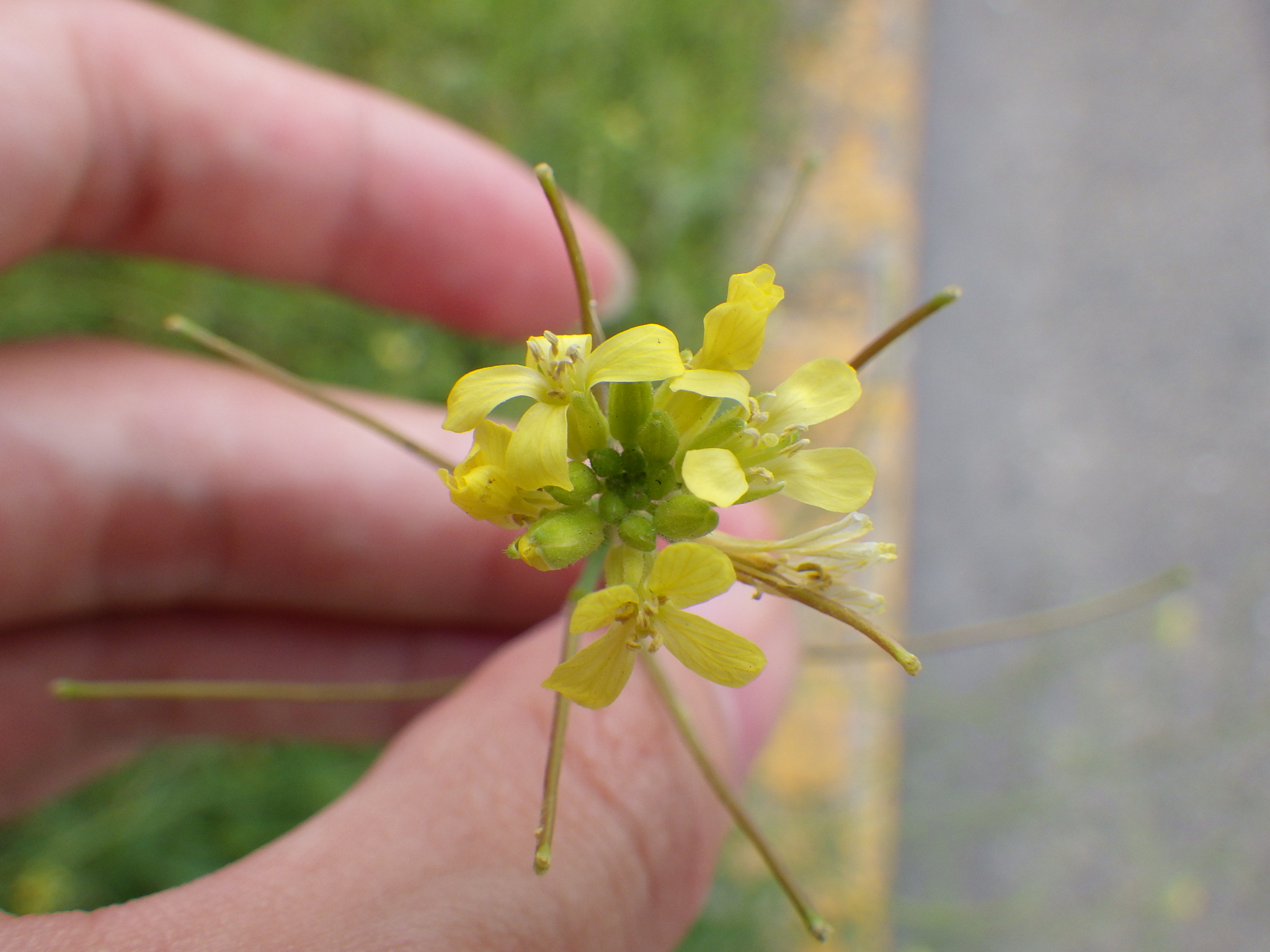
Both *Arabis japonica* and *Arabis humilis* belong to the genus *Arabis* in the family Brassicaceae, and are introduced weeds that can grow in urban areas with low levels of natural habitat, such as cracks in concrete. Their distinctive features that distinguish them from other species are their characteristic yellow flowers and divided leaves, typical of the Brassicaceae family. However, the distinction between the two species may not be widely known. The most reliable way to distinguish between the two is to check the size and arrangement of their fruits. There are also differences in the flowers and leaves, but these may be a little difficult to spot. This article will explain the classification and morphology of the genus *Arabis humilis*.
What are Kakinegarashi and Inukakinegarashi?
Sisymbrium officinale, also known as hedge mustard, is native to Europe and became naturalized throughout Japan in the late Meiji period. It is an annual to biennial plant that grows in sunny roadsides and wastelands.
Sisymbrium orientale, also known as dog fence mustard, is native to the Mediterranean coast and became naturalized throughout Japan in the early Showa period. It is an annual plant that grows along roadsides in urban areas and in wastelands.
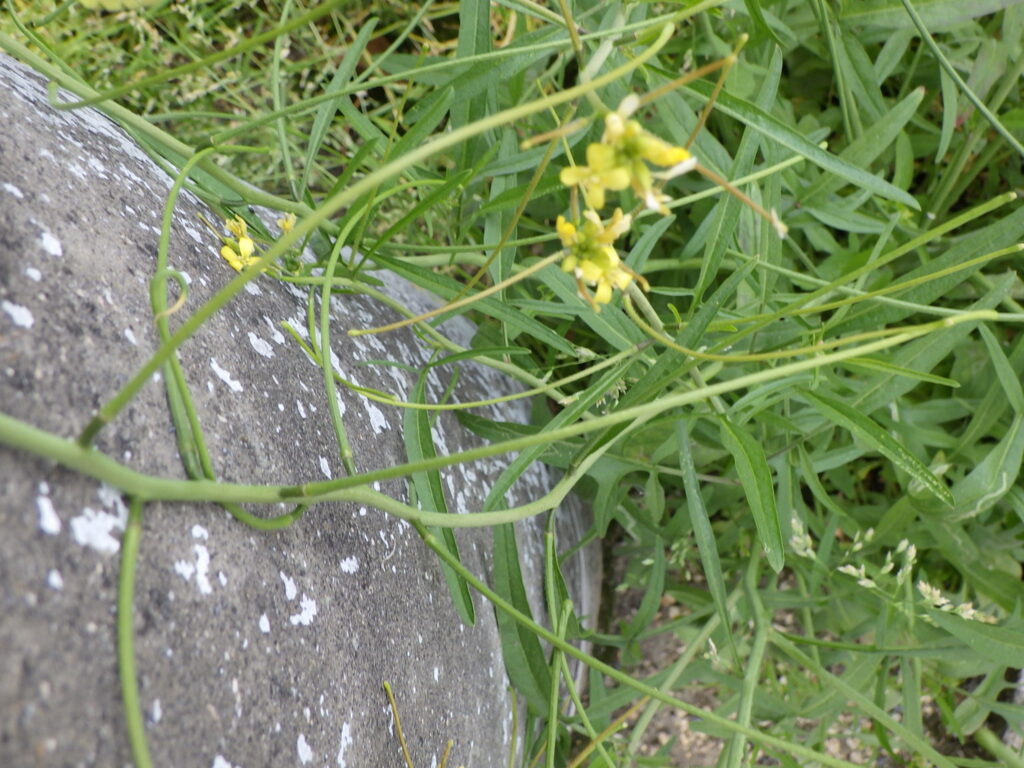
Both belong to the genus Arabis in the family Brassicaceae, and are introduced weeds that can grow even in urban areas with low levels of natural environment, such as cracks in concrete. The Japanese name is said to come from the fact that when the branches spread horizontally and they grow in clusters, they look like a hedge.
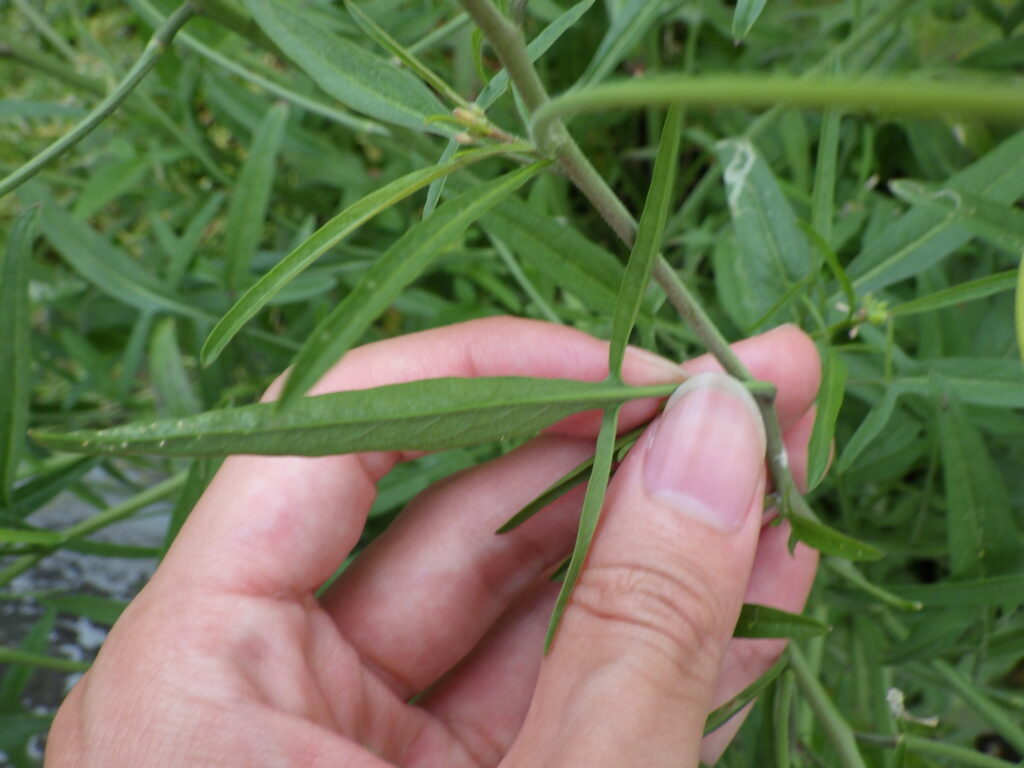
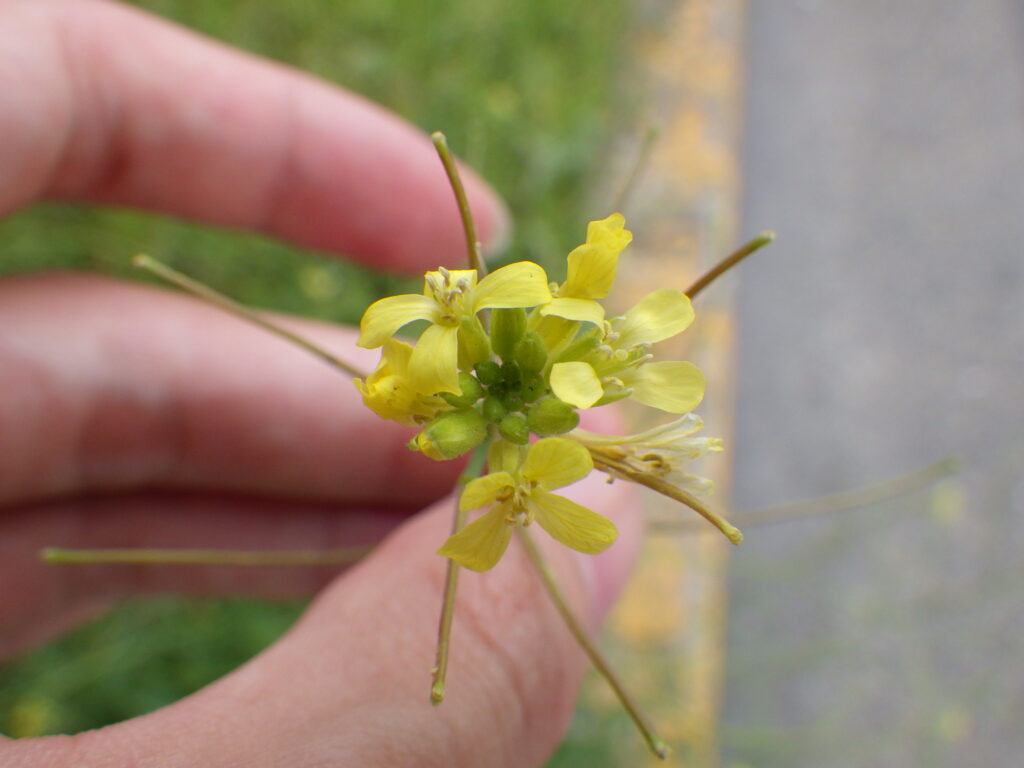
At first glance, the flowers, which are characteristic of the Brassicaceae family and are called "cruciate flowers," are yellow and resemble those of common Brassica napus or mustard greens. However, they can be distinguished by the fact that their stems and leaves do not clasp the stem, and their leaf blades are divided.
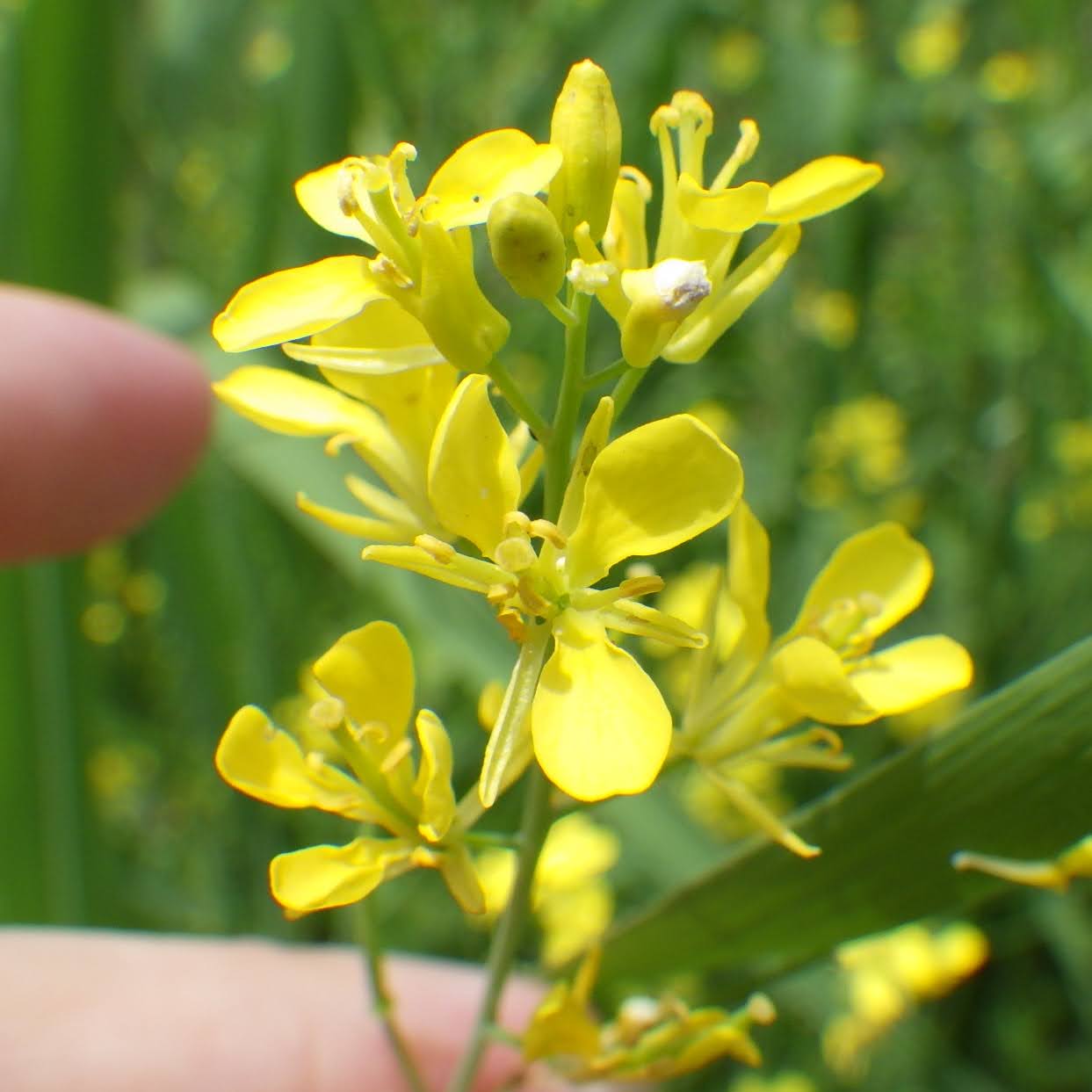
From a taxonomic standpoint, the difference lies in the fact that the tip of the silique (a slender fruit characteristic of the Brassicaceae family) is not covered by a beak, but it is quite difficult to confirm this point.
Because they share so many similarities, you might find it difficult to distinguish between *Calanthe discolor* and *Calanthe japonica*, which belong to the same genus.
What is the difference between Kakinegashi and Inukakinegashi?
Distinguishing between *Calanthe discolor* and *Calanthe japonica* is relatively easy with careful observation.
The most reliable way to distinguish them is to look at the fruit (silique). In *Cassia japonica*, the fruit stalk is very short, and the fruit is less than 15 mm long and pressed against the stem (parallel to the stem), whereas in *Cassia japonica*, the fruit stalk is clearly present, and the fruit is more than 5 cm long and separates from the stem (forming an acute angle with the stem).
Also, the petals of *Inukakinegarashi* are larger than those of *Kakinegara*.
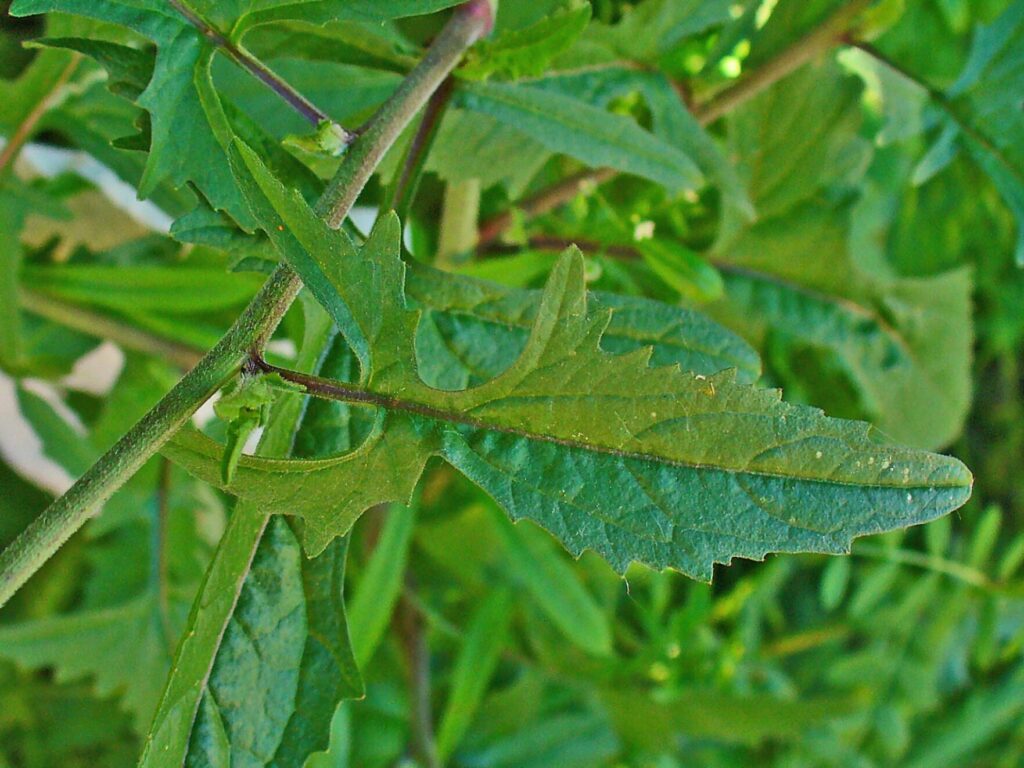
There is no reliable way to distinguish between species due to the large individual variations in the shape of divided leaves, but in *Rorippa indica*, the base of the leaf blade of the apical stem leaves tends to protrude in a lanceolate shape, so this point may be helpful.
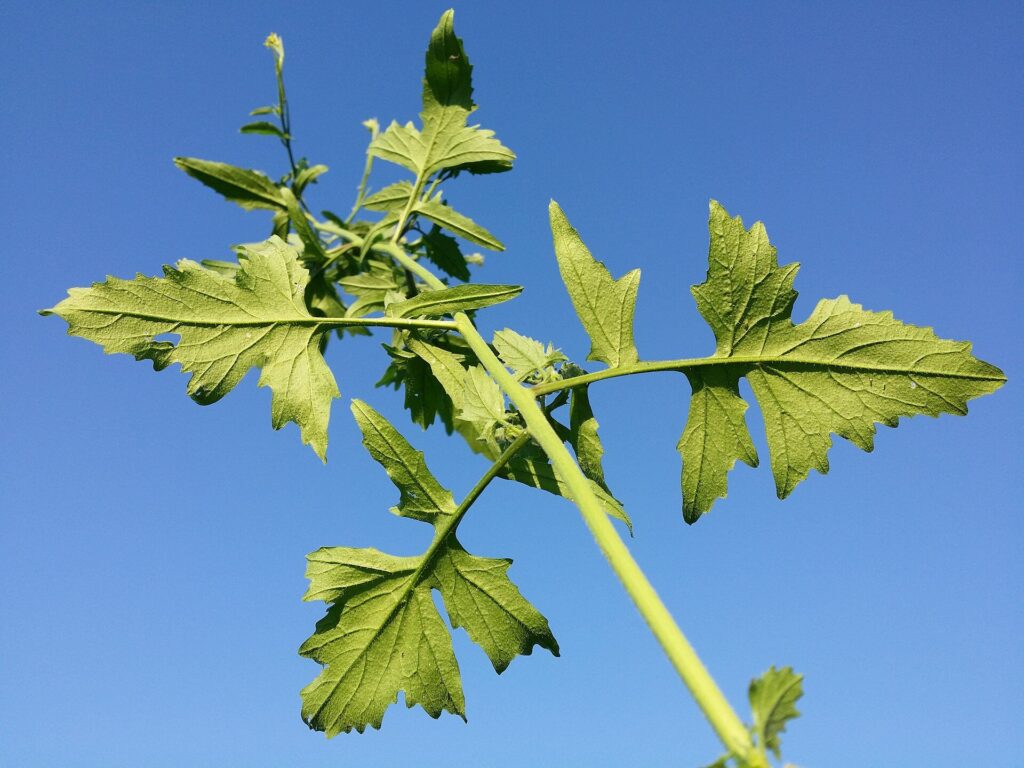
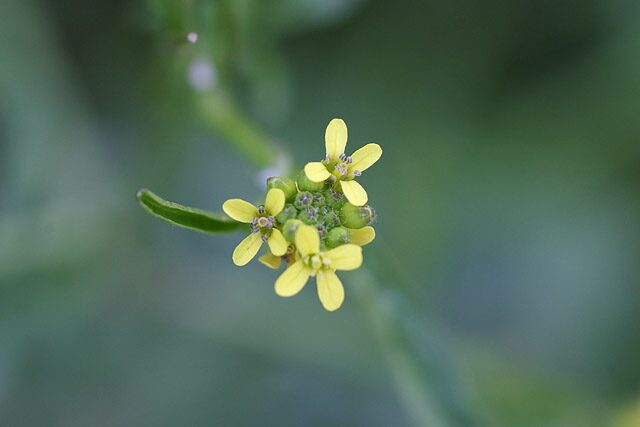
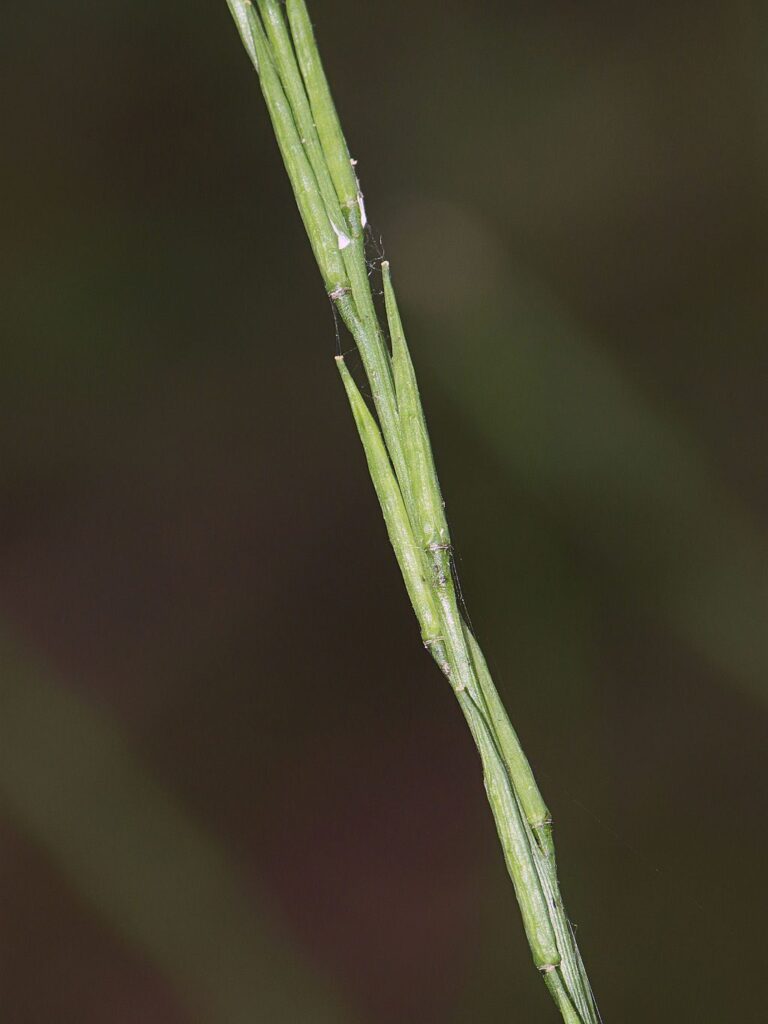
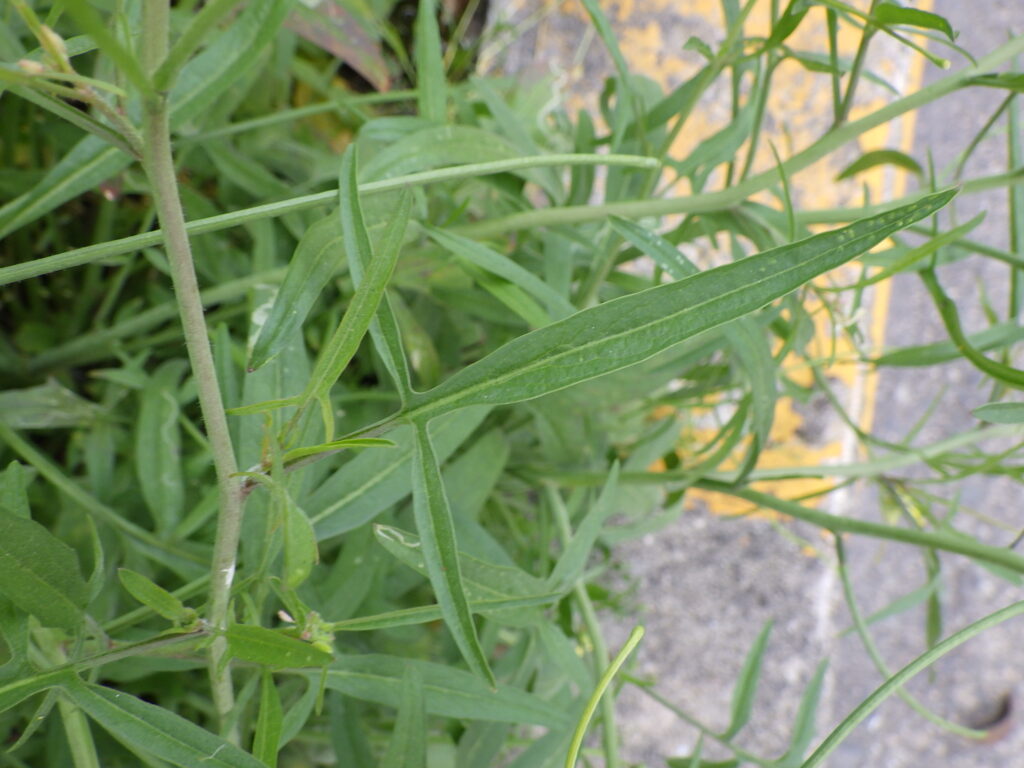
Are there any other similar species?
Several other species of the genus Arabis have also become naturalized, although they are rarer than the two species mentioned above.
Sisymbrium irio is a perennial herb whose stems and leaves are usually undivided.
Sisymbrium altissimum resembles Sisymbrium moniliforme, but unlike Sisymbrium moniliforme, the base of the leaf blades of the apical stem leaves does not protrude in a lance-like shape, and its sepals are hairless.
Sisymbrium irio exhibits a unique characteristic: after flowering, its young fruits rapidly elongate, extending beyond the flower at the top and surrounding it.
References
Kanagawa Prefecture Flora Survey Association. 2018. Kanagawa Prefecture Flora 2018 (Electronic Edition). Kanagawa Prefecture Flora Survey Association, Odawara. 1803pp. ISBN: 9784991053726