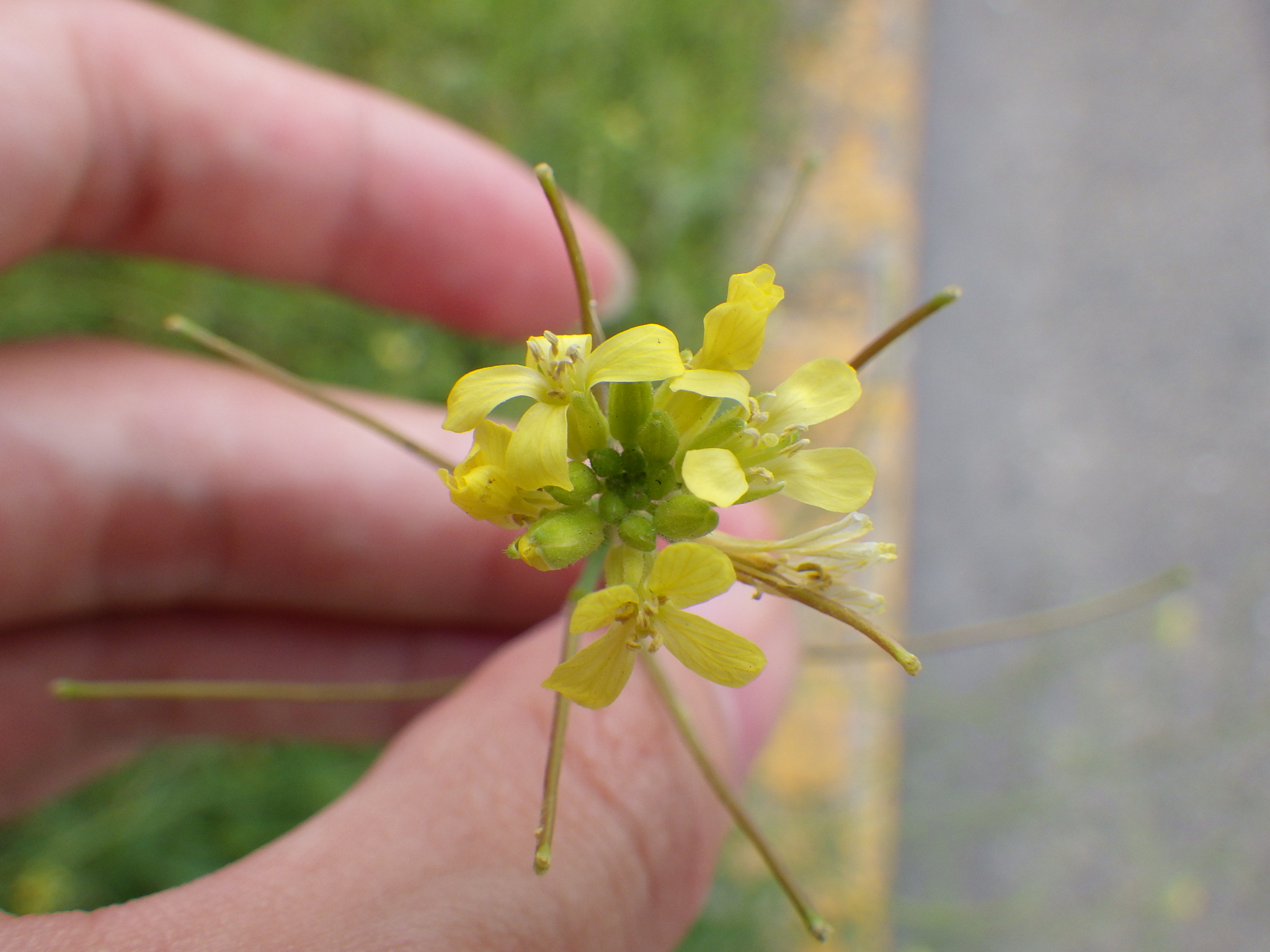
Lespedeza bicolor, Lespedeza thunbergii, Lespedeza thunbergii, and Lespedeza thunbergii are all perennial herbs belonging to the genus Lespedeza in the family Fabaceae. They are small, less than 10mm in length, and do not become woody. A major common feature is that their petals are primarily white with purple markings that serve as nectar guides, which may make it difficult for some to distinguish them. These four common species can be distinguished relatively easily by observing the stalk of the inflorescence, the shape of the leaflets, and their growth patterns. However, there are many species with names like "Lespedeza thunbergii," so if you find characteristics that differ from the photos below, it is recommended to consult a field guide. This article will explain the classification and morphology of herbaceous plants in the genus Lespedeza.
What are Lespedeza bicolor, Lespedeza thunbergii, Lespedeza cyanea, and Lespedeza thunbergii?
Lespedeza pilosa var. pilosa, also known as cat bush clover, is a perennial herb distributed in Honshu, Shikoku, and Kyushu in Japan; as well as in Korea and China, growing on embankments and in grasslands (Kanagawa Prefecture Flora Survey Association, 2018).
Lespedeza tomentosa, also known as dog bush clover, is a perennial herb distributed throughout Japan (Honshu, Shikoku, Kyushu, and Ryukyu Islands) and East Asia, growing in sandy areas near the coast and riverbanks.
Lespedeza cuneata var. cuneate, also known as Medohagi, is a perennial herb distributed in Hokkaido, Honshu, Shikoku, Kyushu, and the Ryukyu Islands in Japan, as well as in East Asia, growing in riverbeds and grasslands. In Korea and China, it is sometimes consumed as a medicinal herb in the form of "Medohagi tea."
Lespedeza cuneata var. serpens, also known as creeping bush clover, is a perennial herb distributed in Honshu, Shikoku, and Kyushu in Japan, growing on coastal sandy beaches and in grasslands and meadows near the coast.
All of these plants belong to the genus Lespedeza in the legume family, and are perennial herbs belonging to a small group that is less than 10 mm in length and does not become woody. Lespedeza thunbergii, in particular, is a relatively common plant and is often considered a "weed."
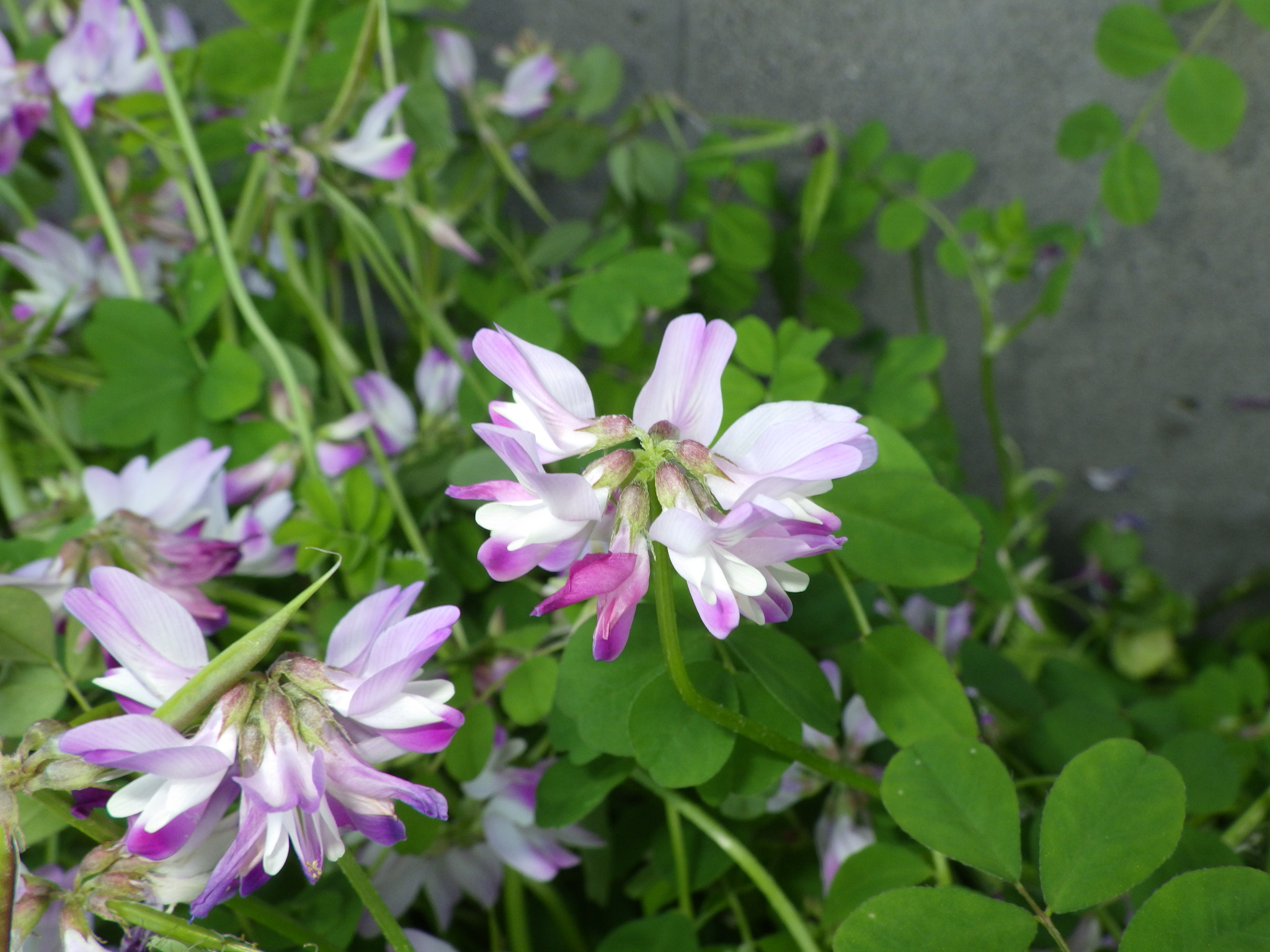
Like other plants in the Fabaceae family, it has trifoliate compound leaves, butterfly-shaped flowers, and a pod (with a pericarp characteristic of the Fabaceae family) and a bean (a seed characteristic of the Fabaceae family).
In addition, the fact that the flowers have both open and closed forms, the petals are primarily white with some purple coloring to serve as nectar guides, and the legumes lack a stalk between the calyx and the pod are all common features of the four species mentioned above.
Therefore, many people may not be able to tell the difference between them. Since the names *Nekohagi* and *Inuhagi* are paired, you might be curious about the difference.
What are the differences between Lespedeza bicolor, Lespedeza thunbergii, Lespedeza cyanea, and Lespedeza thunbergii?
In Japan, there are about 12 known species of the genus Lespedeza that do not develop woody tissue, and it is not possible to introduce all the methods of distinguishing them here. However, the four species mentioned above, which are relatively common, can be distinguished relatively easily (Kanagawa Prefecture Flora Survey Association, 2018).
First, while the stalks of the inflorescences of *Lespedeza bicolor*, *Lespedeza thunbergii*, and *Lespedeza thunbergii* are short and inconspicuous, *Lespedeza cuneata* has inflorescences with distinct stalks that are 1 cm or longer.
You'll also notice that the number of flowers in the dog bush clover is remarkably large.
Regarding the remaining three species, the difference lies in the shape of the leaflets of the trifoliate compound leaves: in Lespedeza bicolor, the leaflets are oval, while in Lespedeza thunbergii and Lespedeza thunbergii, the leaflets are oblanceolate to linear.
Furthermore, Lespedeza bicolor differs from Lespedeza thunbergii and Lespedeza thunbergii in that the hairs on the leaves are conspicuously prominent, and the tips of the leaflets are almost completely rounded.
The difference between Lespedeza cuneata and Lespedeza bicolor lies in the fact that Lespedeza cuneata has upright stems, while Lespedeza bicolor lies along the ground.
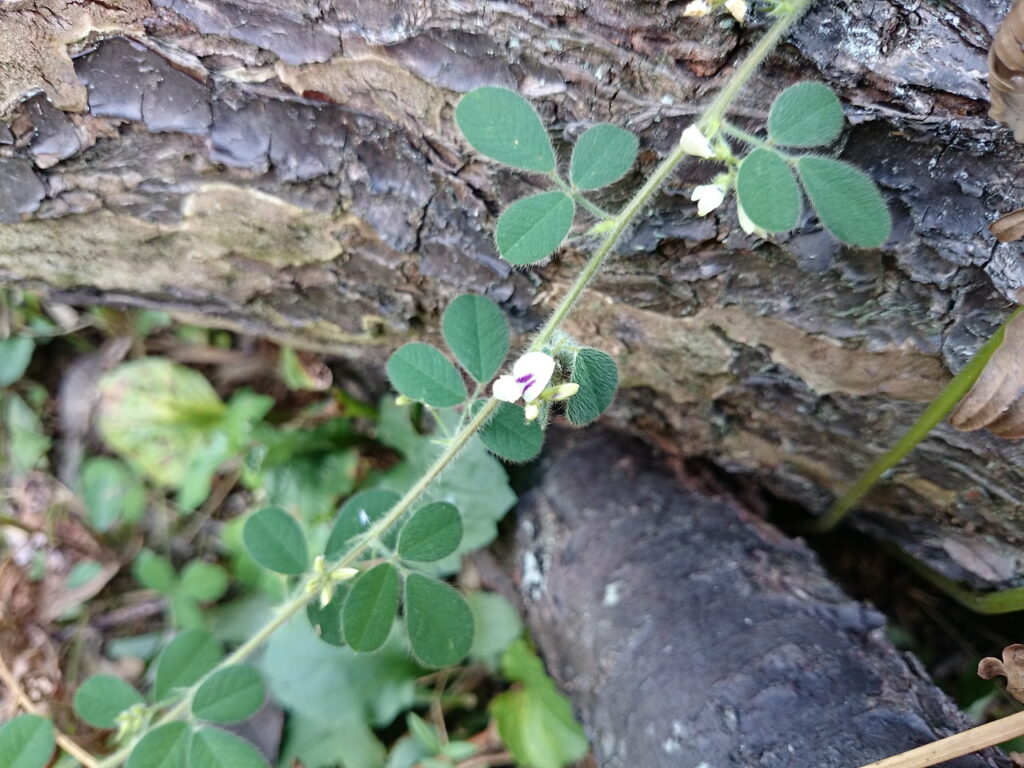
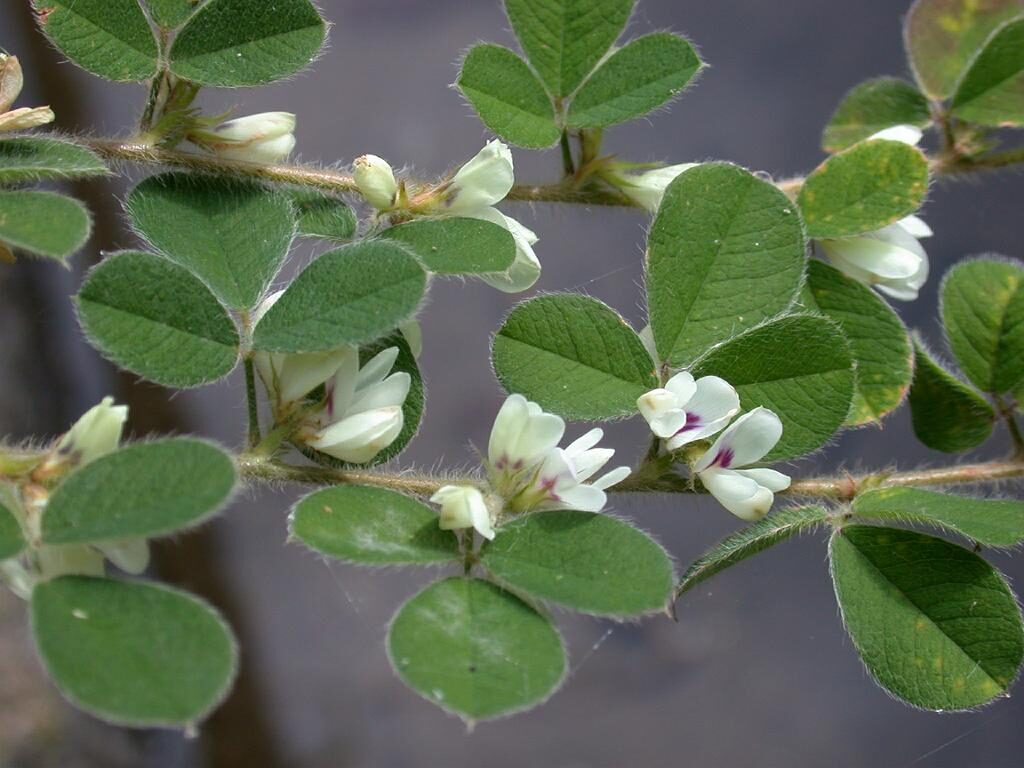
These two species are related as varieties, but when you actually compare the shapes of their leaves and flowers in photographs, they appear even more different than what can be described in words. Please take a look at the following photos.
Lespedeza x intermixta is a rare hybrid of Lespedeza thunbergii and Lespedeza bicolor, characterized by its long, creeping stems with spreading hairs.

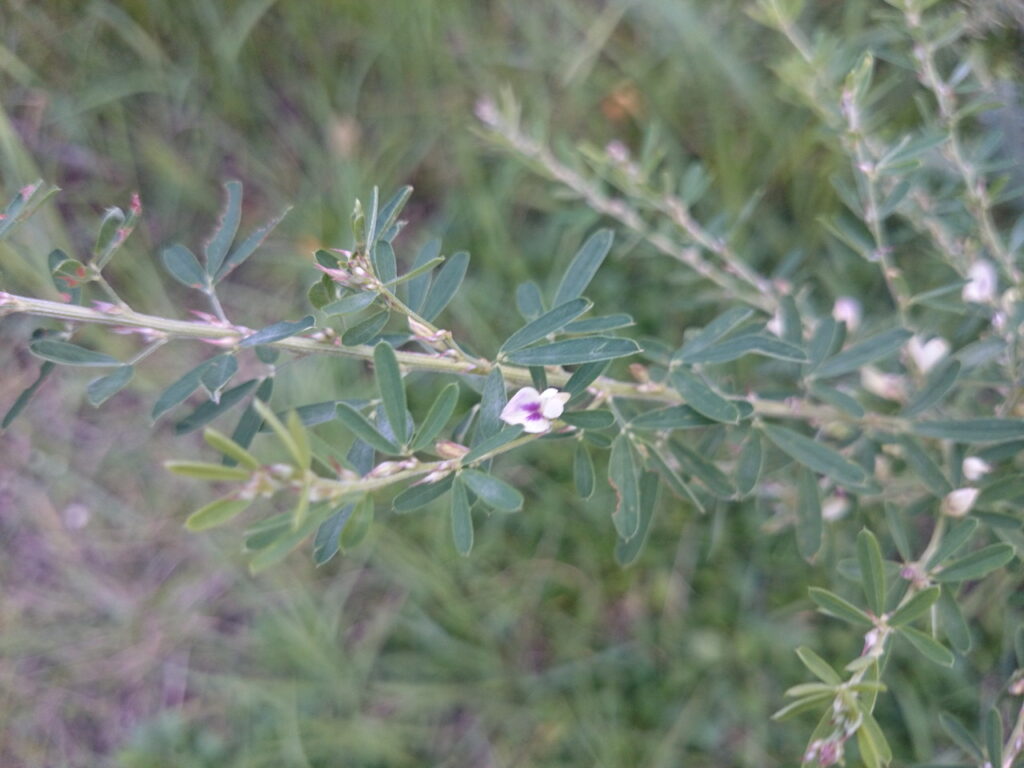
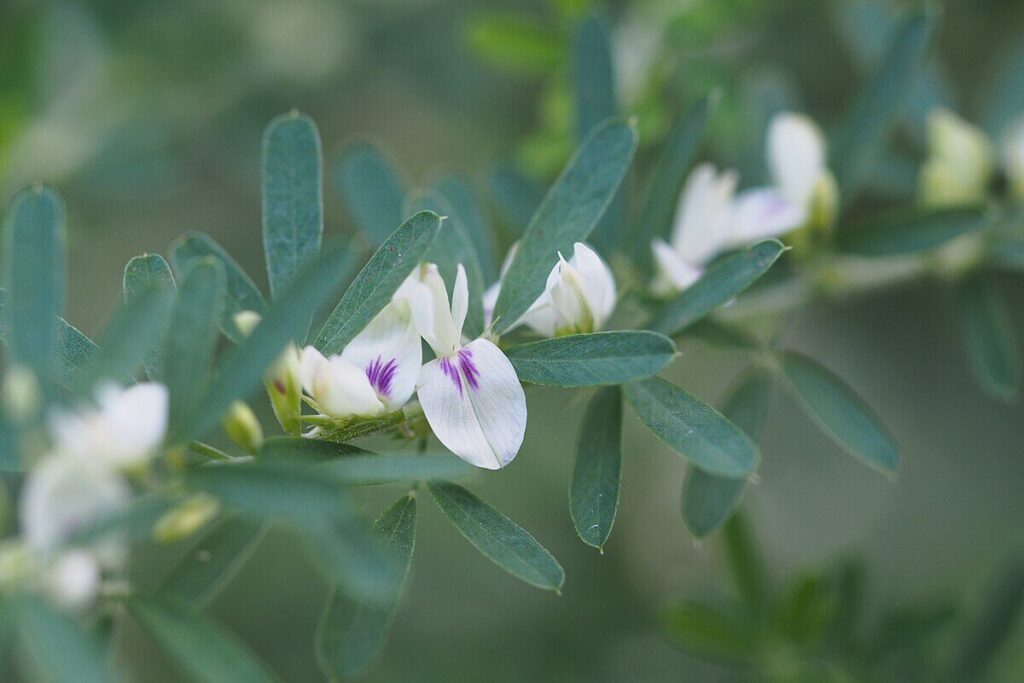
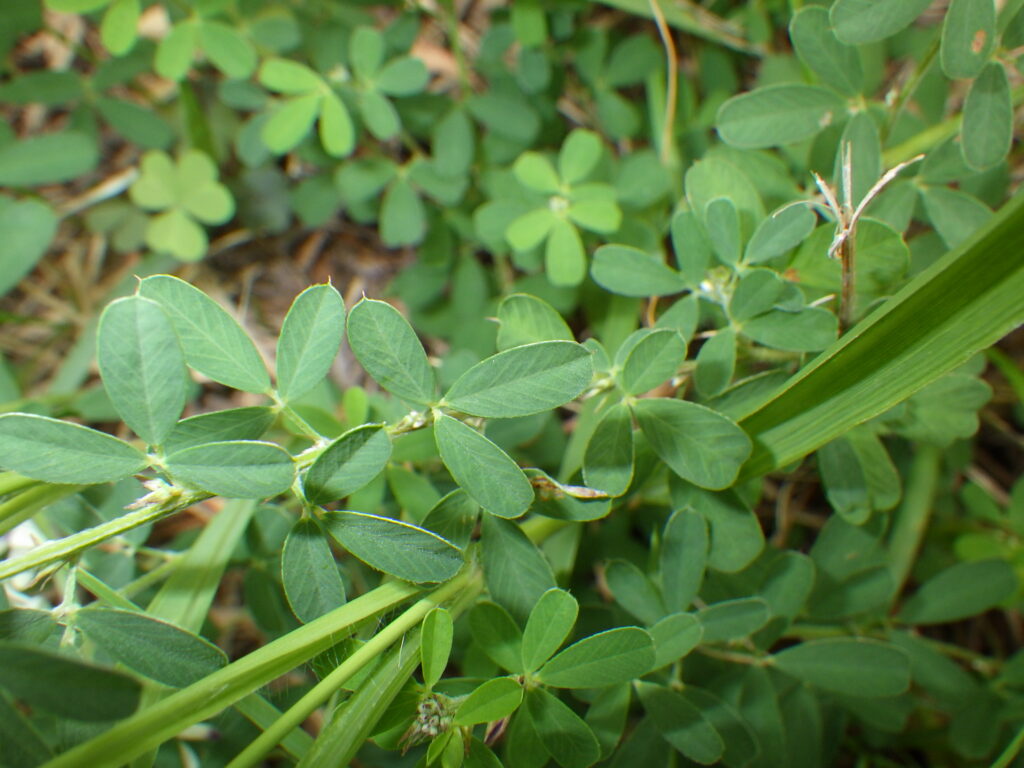
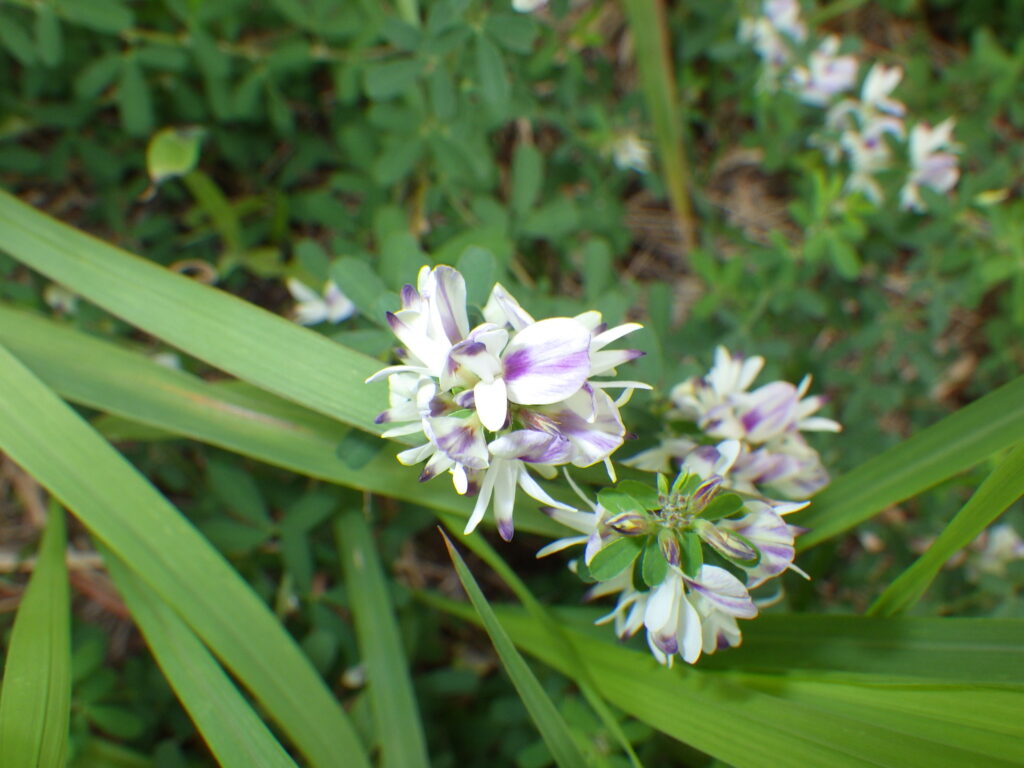
Are there any other similar species?
The genus Lespedeza includes some representative groups such as Lespedeza bicolor, which are woody, large, and over 10mm in length, but they are usually shrubs so you won't mistake them for anything else.
However, there are many herbaceous plants with names like "○○ Medohagi," so it's impossible to list them all here.
Lespedeza juncea, also known as Siberian bush clover, differs from bush clover and common bush clover in that its cleistogamous flowers have three-veined sepals, its legumes are densely covered with hairs, and its open flowers have pedicels that are 2-3 mm long. It is a rare naturalized species.
Lespedeza inschanica is a rare naturalized species that differs from Lespedeza and Lespedeza bicolor in that its cleistogamous flowers have three-veined sepals, its legumes are densely covered with hairs, and the pedicels of its open flowers are about 1 mm long.
There are also varieties with different flower colors. For information on other varieties, please refer to the Kanagawa Prefectural Flora Survey Association (2018).
References
Kanagawa Prefecture Flora Survey Association. 2018. Kanagawa Prefecture Flora 2018 (Electronic Edition). Kanagawa Prefecture Flora Survey Association, Odawara. 1803pp. ISBN: 9784991053726