Tankirimame, Tokirimame, and Nosasage are all members of the legume family and are common climbing perennial herbs found in the forest edges of Japan. They share similarities such as having trifoliate compound leaves, butterfly-shaped flowers that bloom from summer to autumn, and yellow flowers, which can sometimes make them difficult to distinguish. However, these three species have clear differences in their leaves, flowers, and fruits, so you should be able to easily identify them by observing any one of them. This article will explain the classification of Tankirimame, Tokirimame, and Nosasage.
What are Tankirimame, Tokirimame, and Nosasage?
Rhynchosia volubilis, also known as "thumb-removing bean," is a climbing perennial herb that grows at the edges of forests and is distributed in Honshu (west of the Kanto region), Shikoku, Kyushu, and the Ryukyu Islands in Japan; as well as in Korea, China, and the Philippines (Kanagawa Prefecture Flora Survey Association, 2018).
Rhynchosia acuminatifolia, also known as Tokirimame (or Oobatankirimame), is a climbing perennial herb distributed in Honshu and Kyushu in Japan, as well as in Korea, growing on forest edges and embankments.
Dumasia truncata, also known as wild cowpea, is a climbing perennial herb distributed in Honshu, Shikoku, and Kyushu in Japan, growing in bright woodlands and forest edges.
Both belong to the legume family and are common climbing perennial herbs found at the edges of forests in Japan.
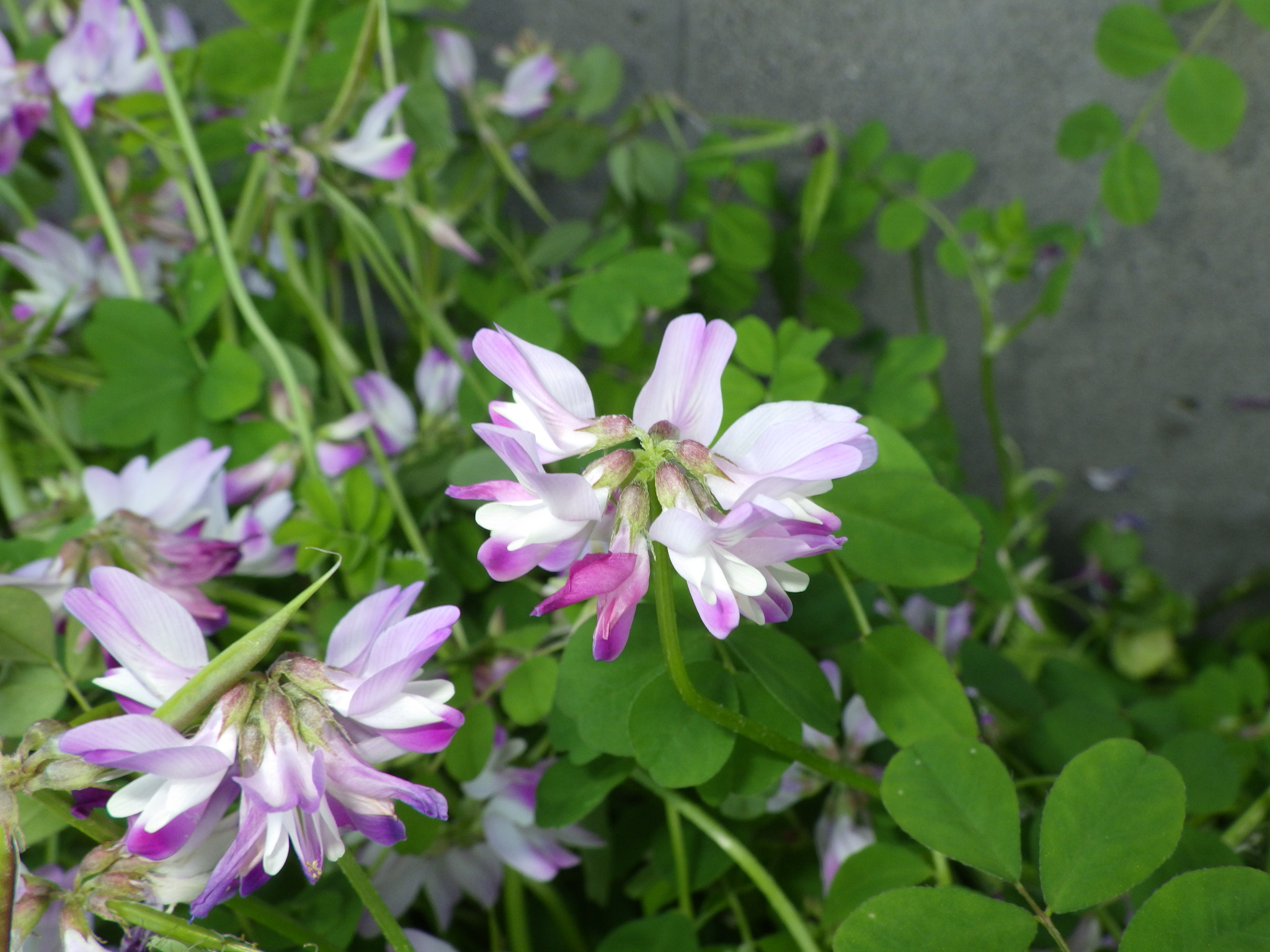
Morphologically, these three species share several common characteristics: their leaves are trifoliate, typical of legumes; their flowers bloom from summer to autumn and are butterfly-shaped; and their flowers are yellow. When the fruit ripens, the pod splits open, exposing the seeds.
Tankirimame and Tokirimame are even more similar, with their flowers and fruits being almost identical.
Therefore, some people may not be able to distinguish them when they see them outdoors.
What are the differences between Rhynchospora bellaria, Rhynchospora bellaria, and Vigna angularis?
However, the leaf and flower shapes of these three species are quite different.
First, since Rhynchospora bellata and Rhynchospora tokiri bean belong to the Rhynchospora genus, and Vigna angularis belongs to the Vigna genus, you can expect there to be significant differences between them.
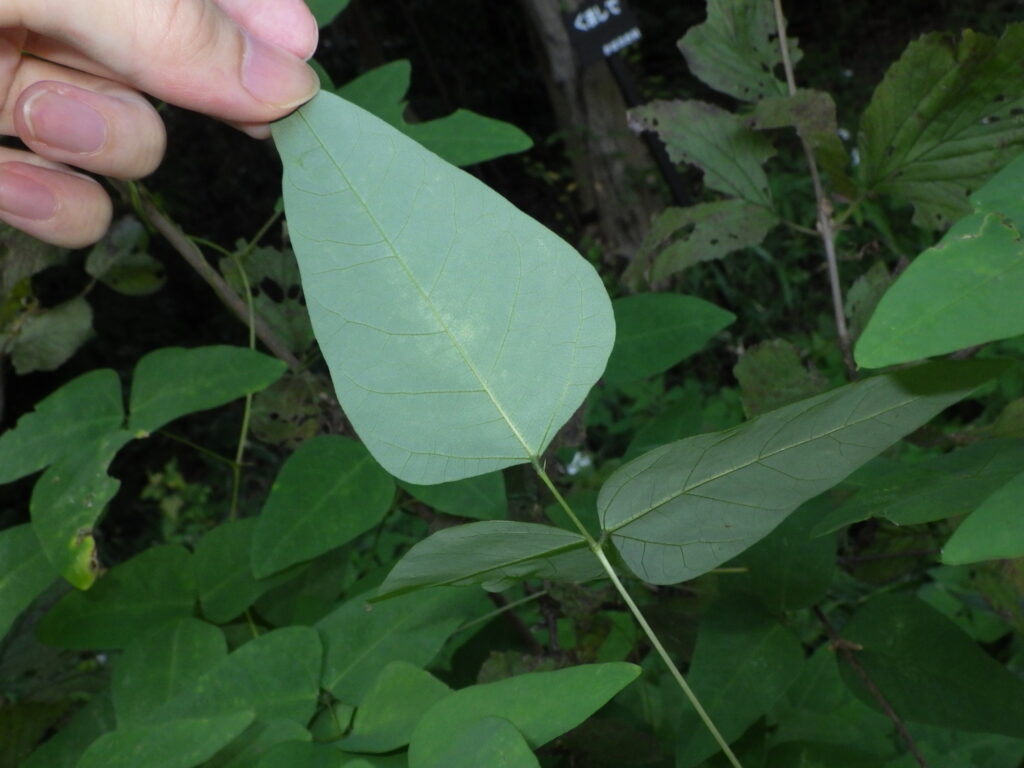
A specific difference is that species in the genus Rhynchospermum have glandular dots on the underside of their leaves, while species in the genus Vigna do not.
This is very subtle, but if you look at the underside of the leaves of Rhynchospora cyanea and Rhynchospora cyanea with the naked eye or a magnifying glass, you will be able to see countless tiny yellow, bead-like objects.
If we limit ourselves to Rhynchospora rhynchophylla and Rhynchospora rhynchophylla, both belonging to the Rhynchospora genus, there are other differences as well.
Regarding the leaves, *Rhynchospora cyanea* and *Rhynchospora tokiri* have many hairs and wrinkles on the upper surface and a somewhat pale green on the underside, while *Vigna angularis* has fewer hairs and wrinkles on the upper surface and a distinctly whitish underside. This difference is easy to observe in any season.
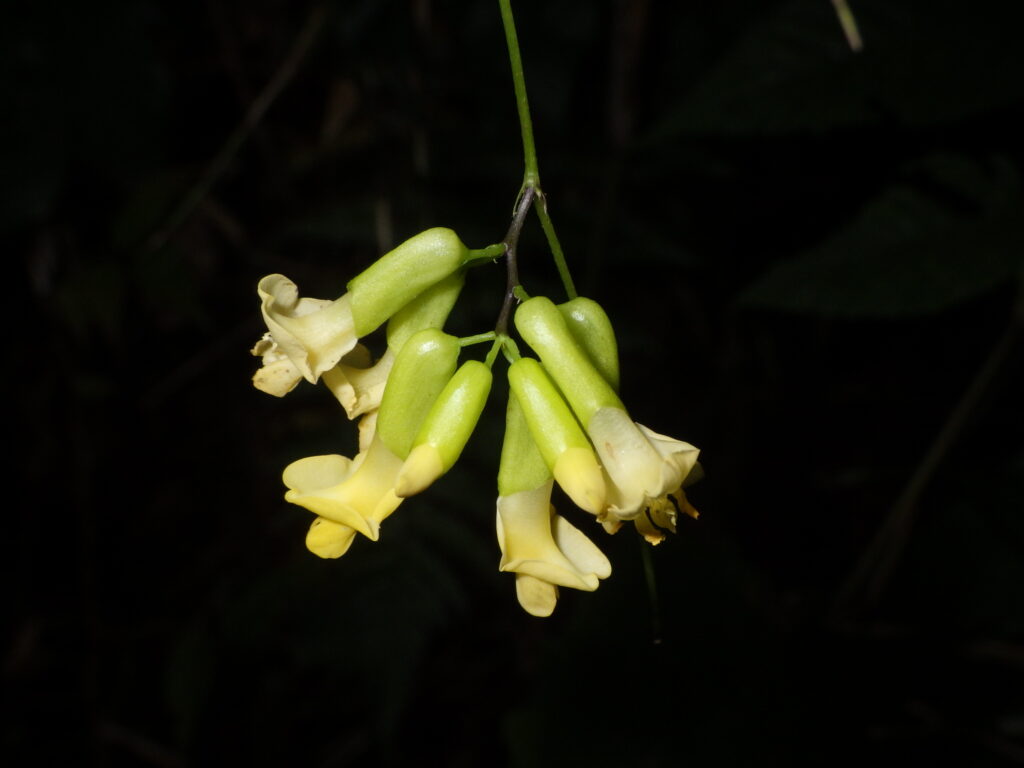
Regarding the flowers, *Rhynchospora bellaria* and *Rhynchospora tokirimame* have sepals (the pointed parts that extend from the green calyx that encloses the flower), whereas *Vigna angularis* has almost no sepals.
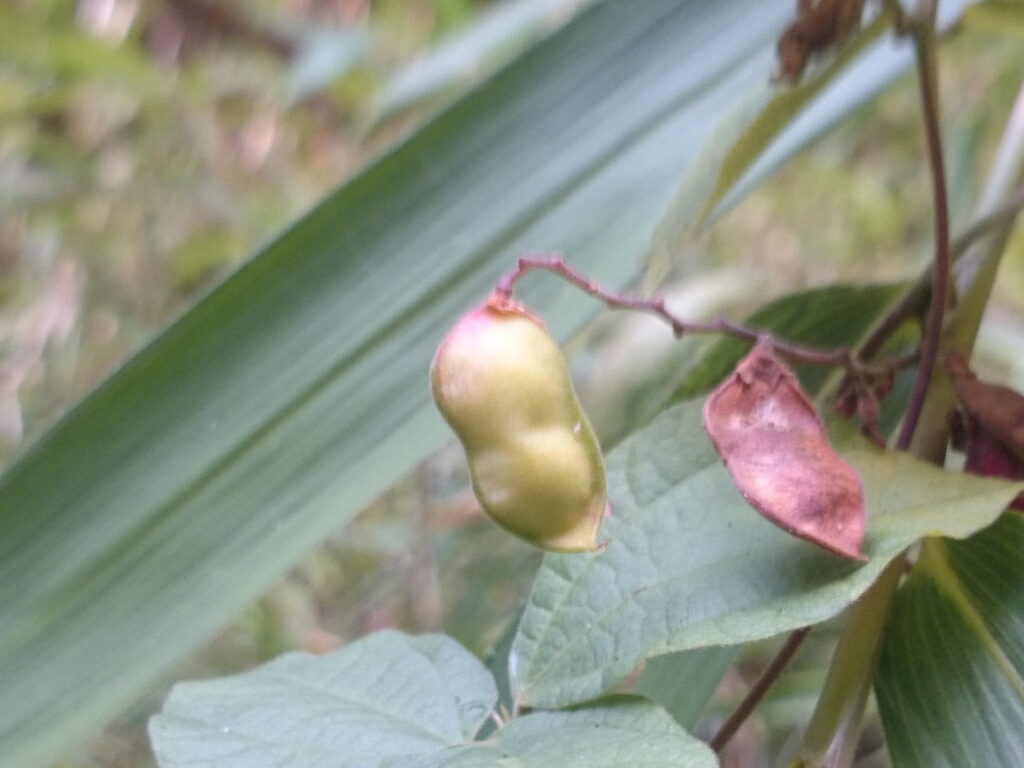
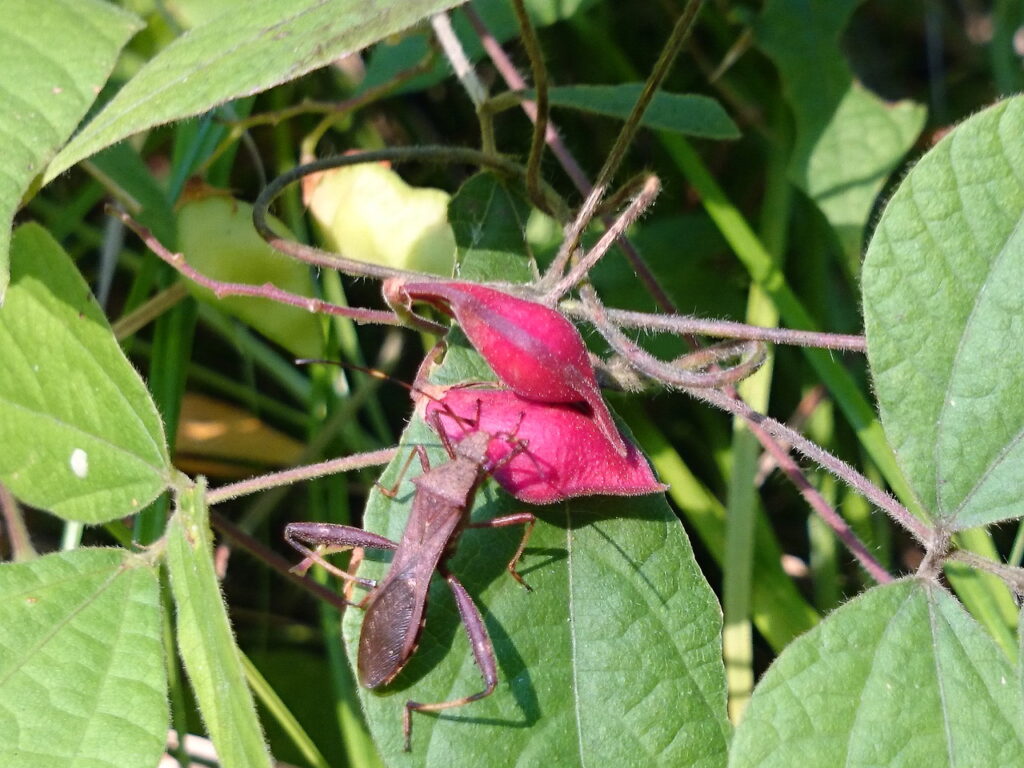
Regarding the fruit, Tankiri-mame and Tokiri-mame contain only two seeds (beans) and their pericarp (pods) ripen to a red color, while Nosasage contains 3 to 5 seeds and its pericarp ripens to a purple color.
You should be able to easily distinguish them by checking one of them.
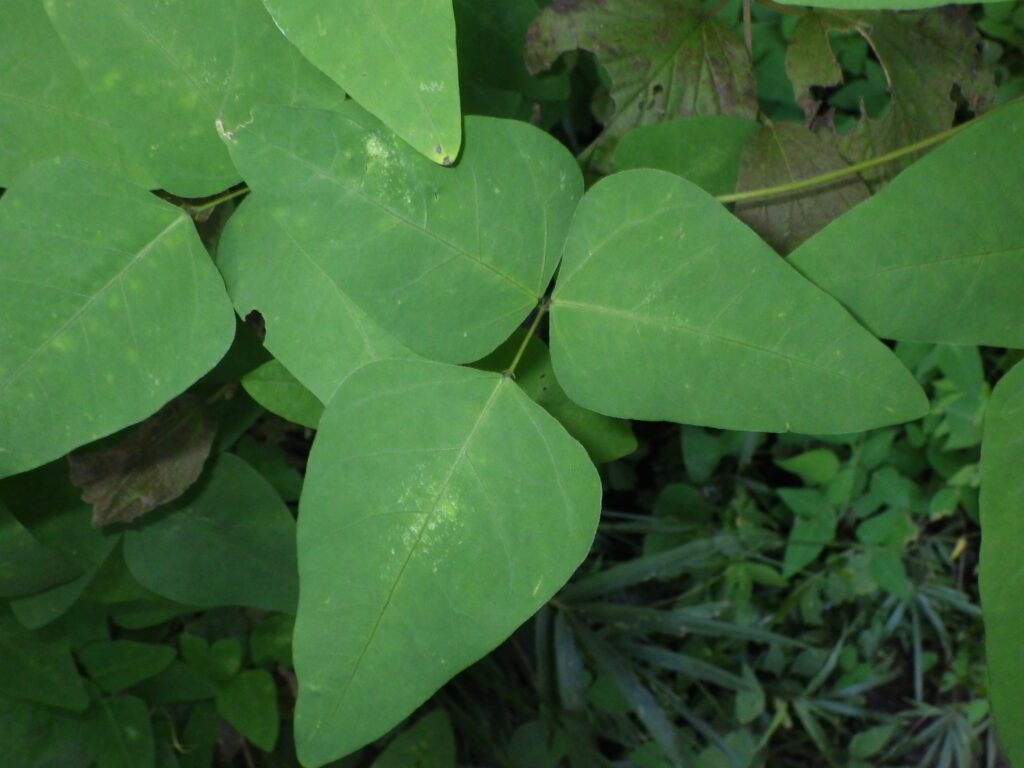
What is the difference between Tankirimame and Tokirimame?
While it may seem difficult to distinguish between Rhynchospora tetrandra and Rhynchospora tokiri, which belong to the same genus, you can easily tell them apart by examining their leaves.
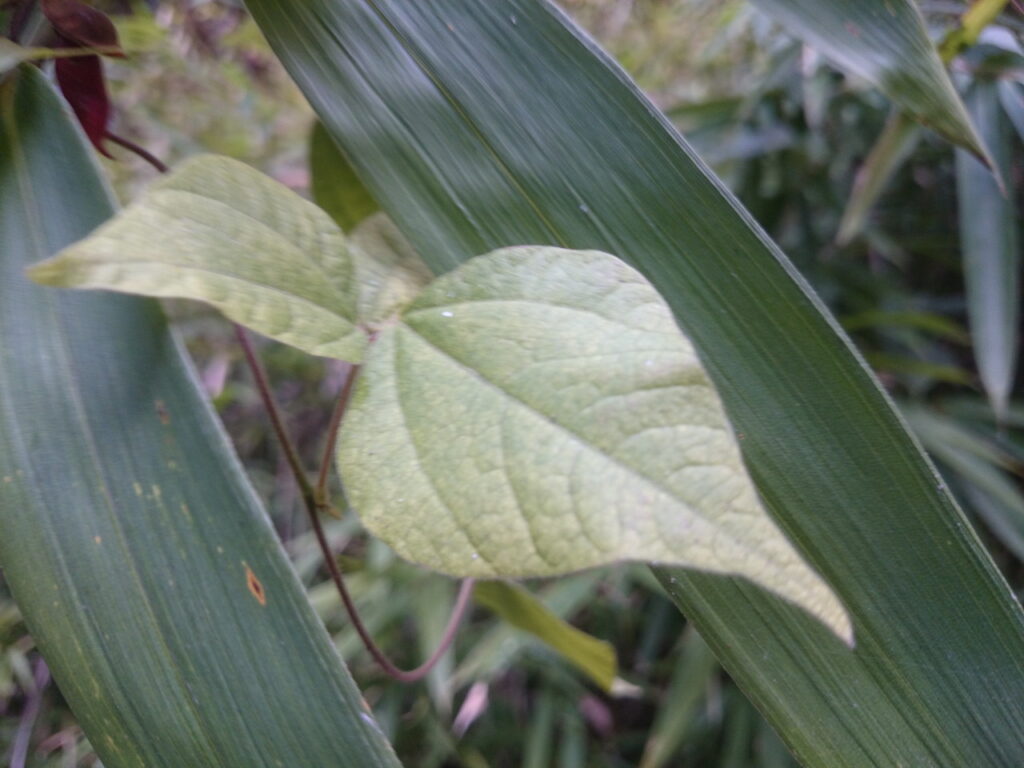
Specifically, in Rhynchospora cylindrica, the terminal leaflet is obovate, widest above the center, with a blunt tip, thick leaves, and densely covered with soft hairs on the underside, whereas in Rhynchospora cylindrica, the terminal leaflet is ovate, widest below the center, with a slender, pointed tip, somewhat thinner leaves, and fewer hairs on the underside.
There are many factors to consider, but if you're unsure whether to choose Tankirimame or Tokirimame, a good rule of thumb is that if the leaf tips are rounded, it's Tankirimame, and if they're pointed and tail-like, it's Tokirimame.
There are also differences in the flowers: in Rhynchospora japonica, the lowest calyx lobe is longer than the calyx tube, while in Rhynchospora japonica, the calyx lobe is shorter than the calyx tube. It's difficult to confirm, but if you see the flowers, be sure to record them.
By checking these elements, you should be able to easily distinguish between them.

Are there any other similar species?
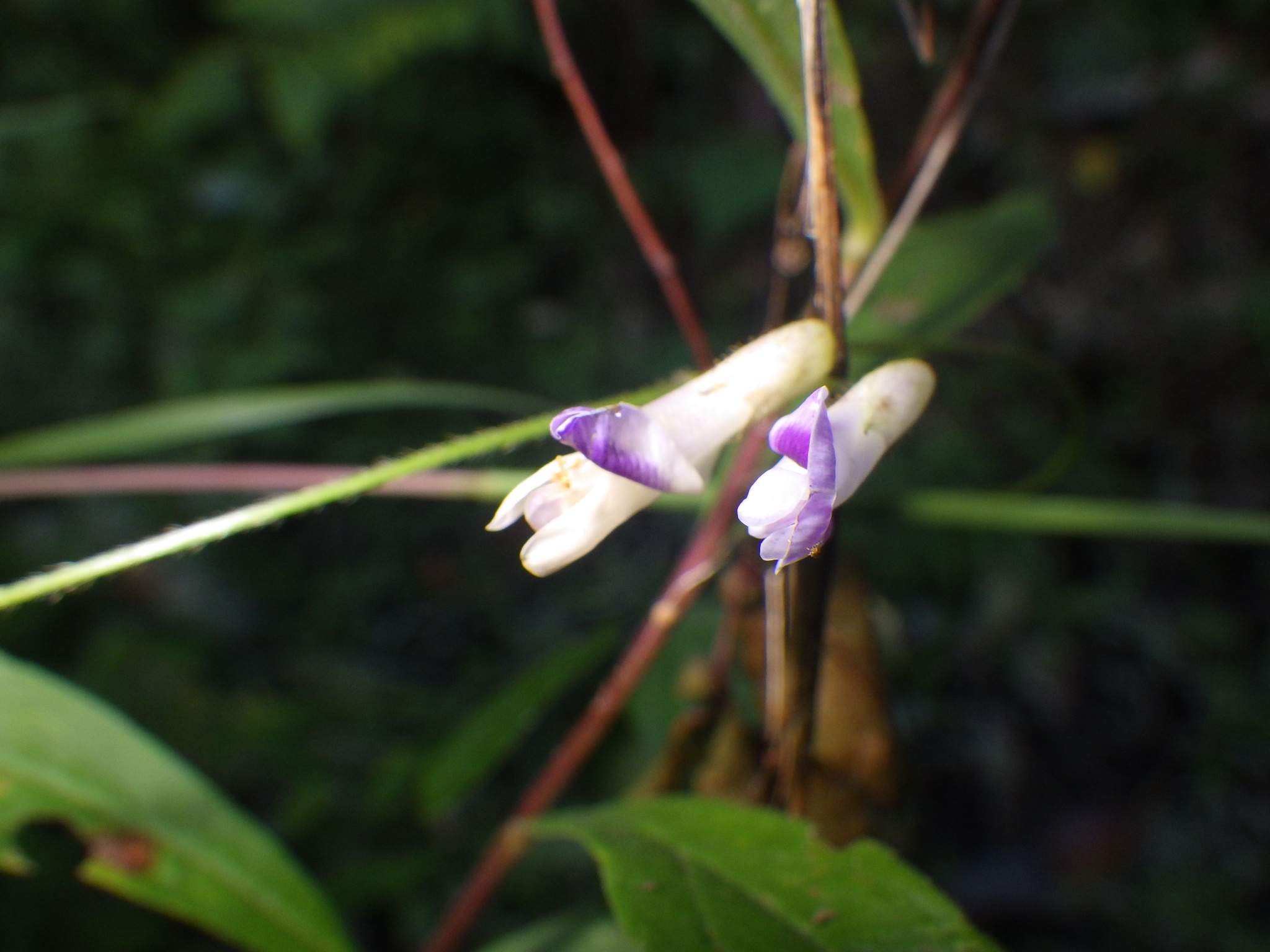
For information on how to distinguish between this and other wild climbing plants belonging to the legume family, specifically those with purple flowers, please see our separate article.
References
Kanagawa Prefecture Flora Survey Association. 2018. Kanagawa Prefecture Flora 2018 (Electronic Edition). Kanagawa Prefecture Flora Survey Association, Odawara. 1803pp. ISBN: 9784991053726