Deutzia, Deutzia gracilis, and Deutzia crenata all belong to the genus Deutzia in the family Hydrangeaceae. It is believed that they were named "hollow trees" because their branches are hollow except for the young ones. In Japan, they have a history of being planted as a guide for rice planting and are said to be the origin of hedges. However, due to the increasing planting of Deutzia gracilis and the complexity of their classification, the three species are currently very often confused. The surest way to distinguish them is to check their leaves and flowers. You should be able to distinguish them relatively clearly. This article will explain the classification and morphology of the genus Deutzia.
What are Deutzia, Deutzia gracilis, and Deutzia crenata?
Deutzia crenata var. crenata, also known as Unohana, is a deciduous shrub distributed in Hokkaido, Honshu, Shikoku, and Kyushu in Japan, as well as in China. It grows in grasslands, forest edges, gravelly areas, and riverbanks, and is often planted as a hedge or along the edges of fields.
Deutzia gracilis var. gracilis, also known as Himeutsugi, is a deciduous shrub distributed in Honshu (west of the Kanto region), Shikoku, and Kyushu in Japan. It grows in relatively bright locations such as rocky areas along rivers and limestone areas, and is also planted as an ornamental plant in urban areas.
Deutzia scabra var. scabra, also known as round-leaved deutzia, is a deciduous shrub distributed in Honshu (west of the Kanto region), Shikoku, and Kyushu in Japan. It grows on sunny, somewhat dry slopes, such as cliffs on hillsides.
Both belong to the genus Deutzia in the family Hydrangeaceae, and it is believed that they were named "empty trees" because, except for the young branches, the inside of the branches is hollow.
Other common features include stellate hairs covering the entire body, opposite leaves, flowers that bloom from spring to early summer, five white petals, and capsule fruits.
As its alternative name "U-no-hana" suggests, the flowers bloom in Uzuki (the fourth month of the lunar calendar), and in Japan, the flowers of the deutzia have long been valued as a guide for rice planting. It is believed that they not only grew wild in the mountains and fields but were also planted around settlements and cultivated land (Miyauchi, 2010). Records in the Manyoshu indicate that it was used as a hedge during the Nara period, and current research suggests that it is the oldest plant species used as a hedge in Japan.
Although they are relatively uncommon plants these days, you can still see Deutzia gracilis planted in green spaces even in urban areas, and both species can be observed in forests.
However, due to this history and morphological similarities, Deutzia and Deutzia crenata are often confused, and it seems that few people understand how to correctly distinguish between them, including Deutzia gracilis. Incorrectly identified photos can be found on the internet.
Furthermore, there are many intraspecific varieties, and the classification is divided into very fine categories.
What are the differences between Deutzia, Deutzia crenata, and Deutzia gracilis?
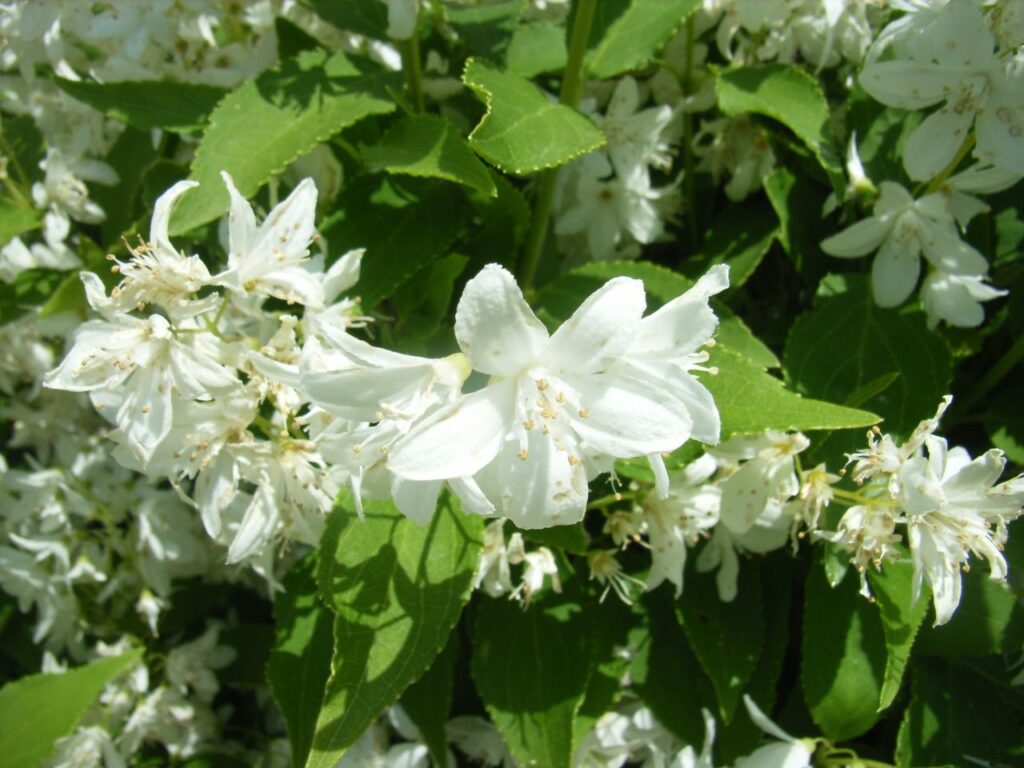
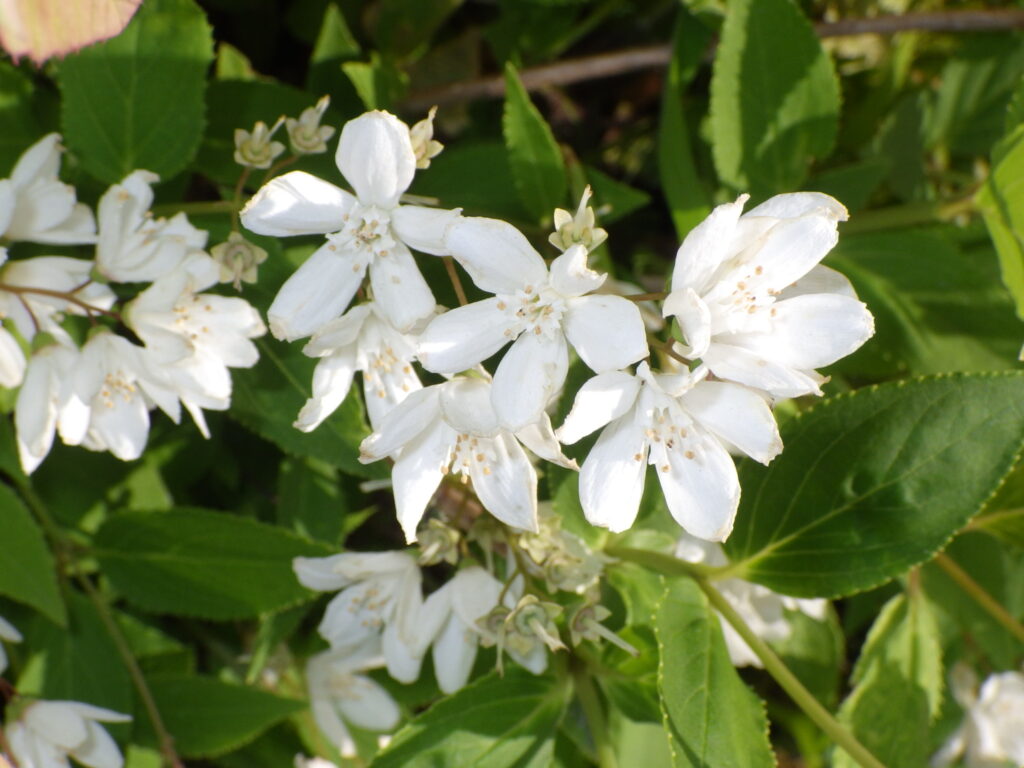
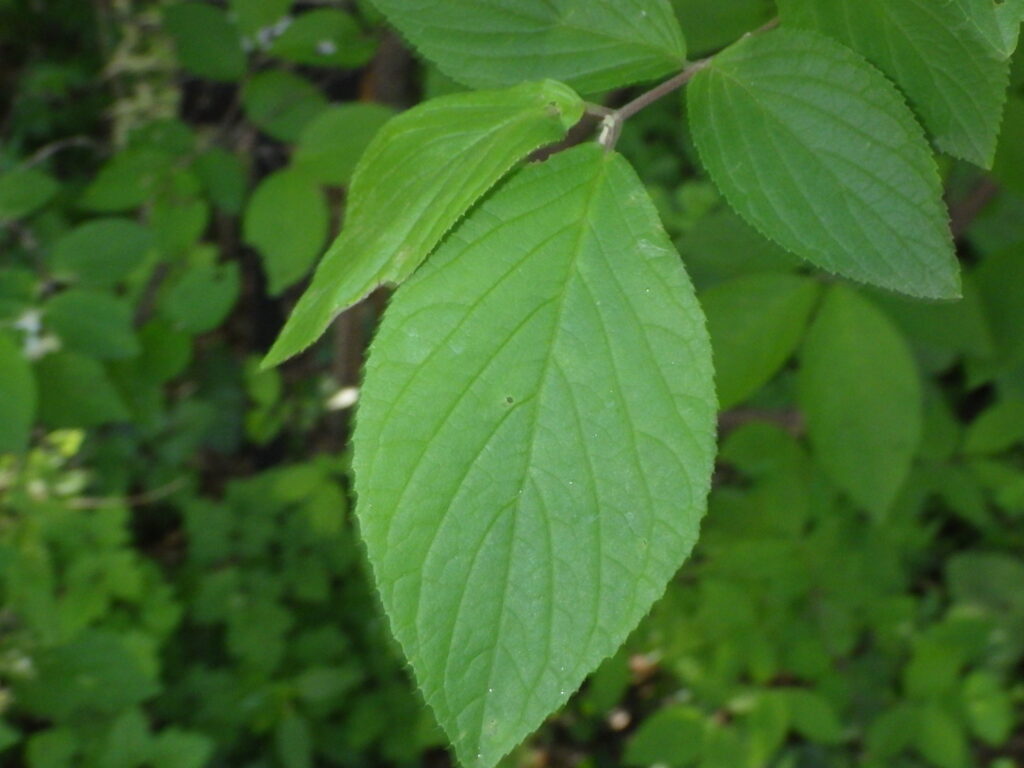
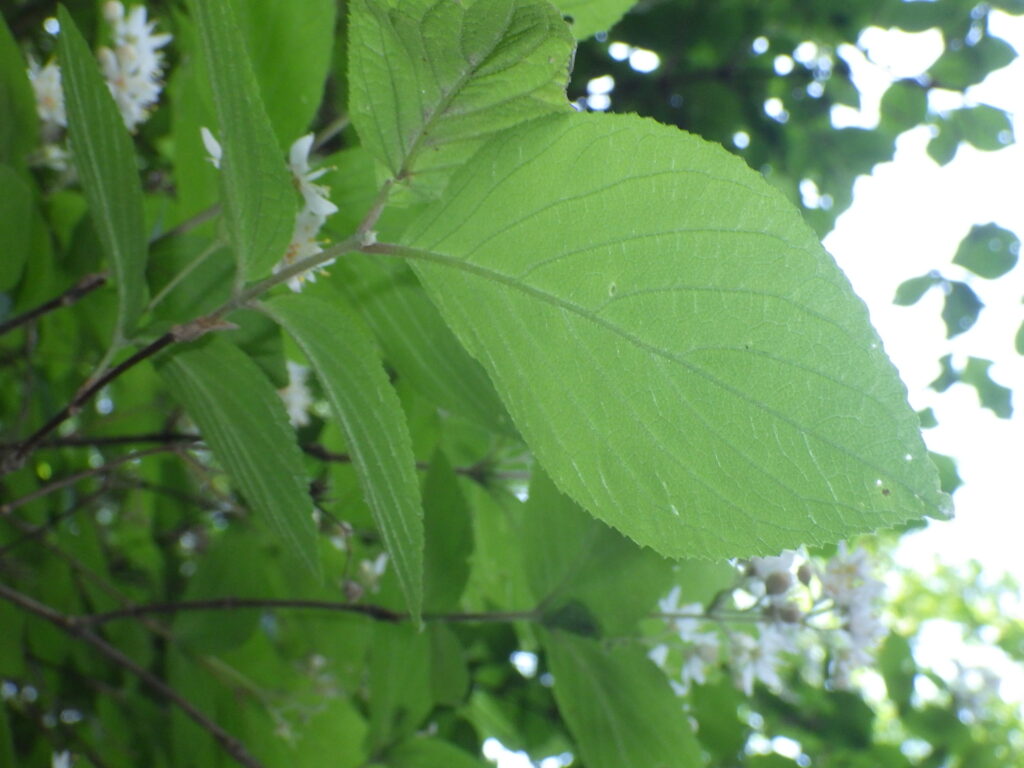
Deutzia, Deutzia gracilis, and Deutzia crenata can be accurately distinguished by the shape of their leaves and flowers (Kanagawa Prefecture Flora Survey Association, 2018; Hayashi, 2019).
First, let's consider the leaves.
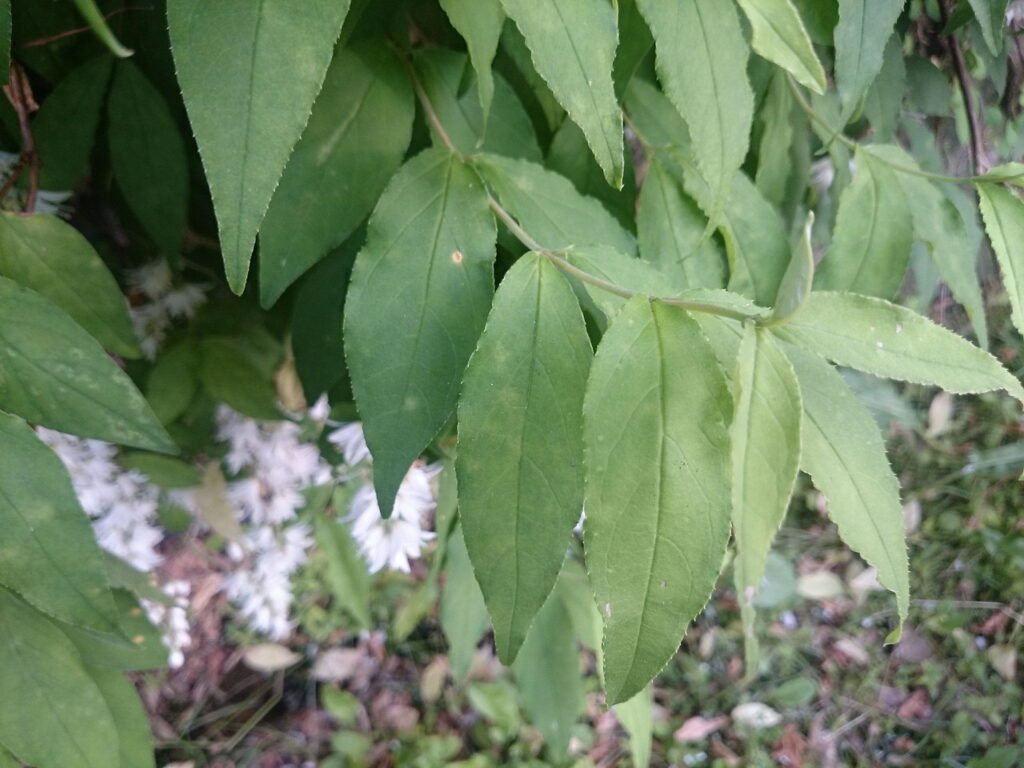
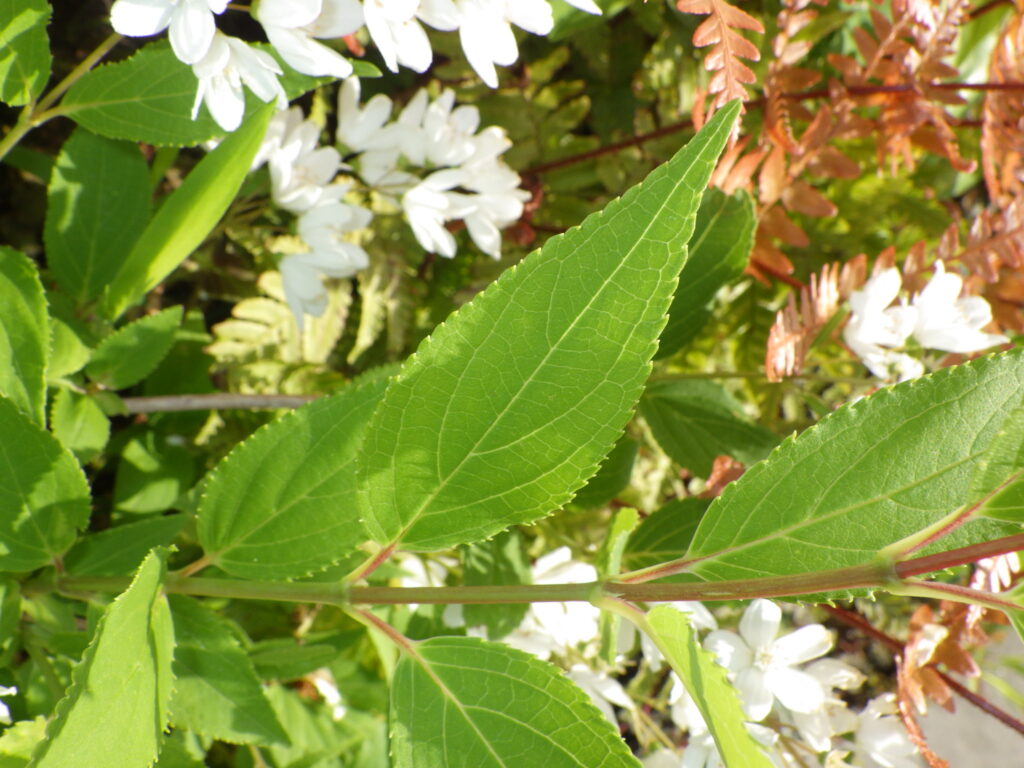
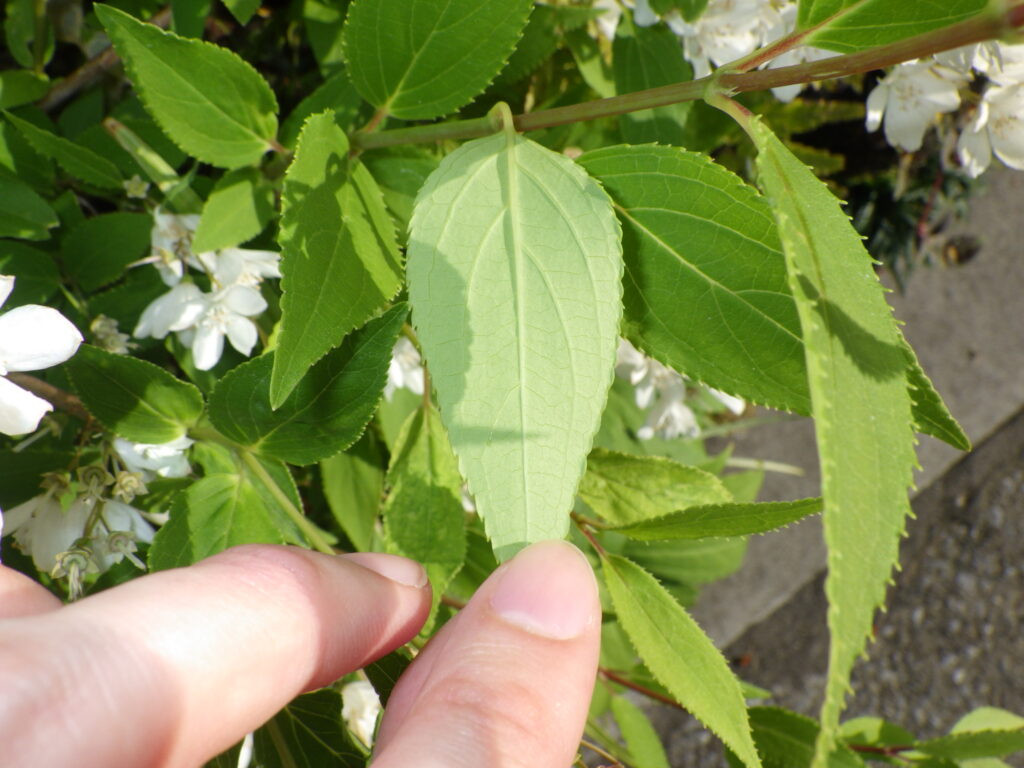
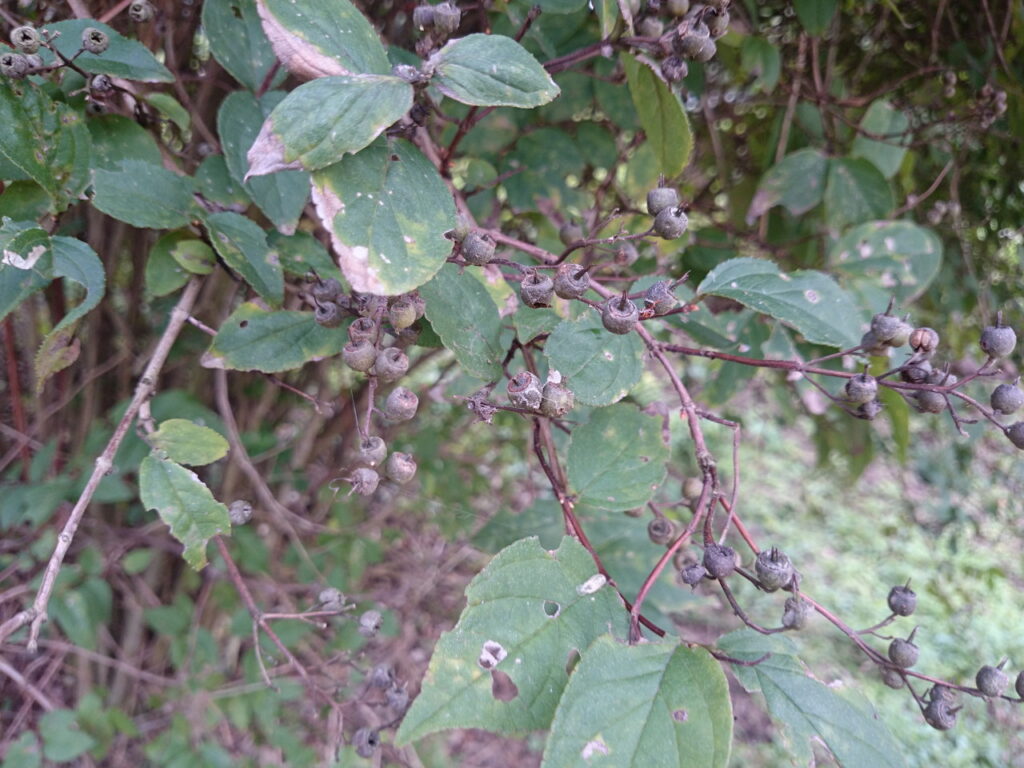
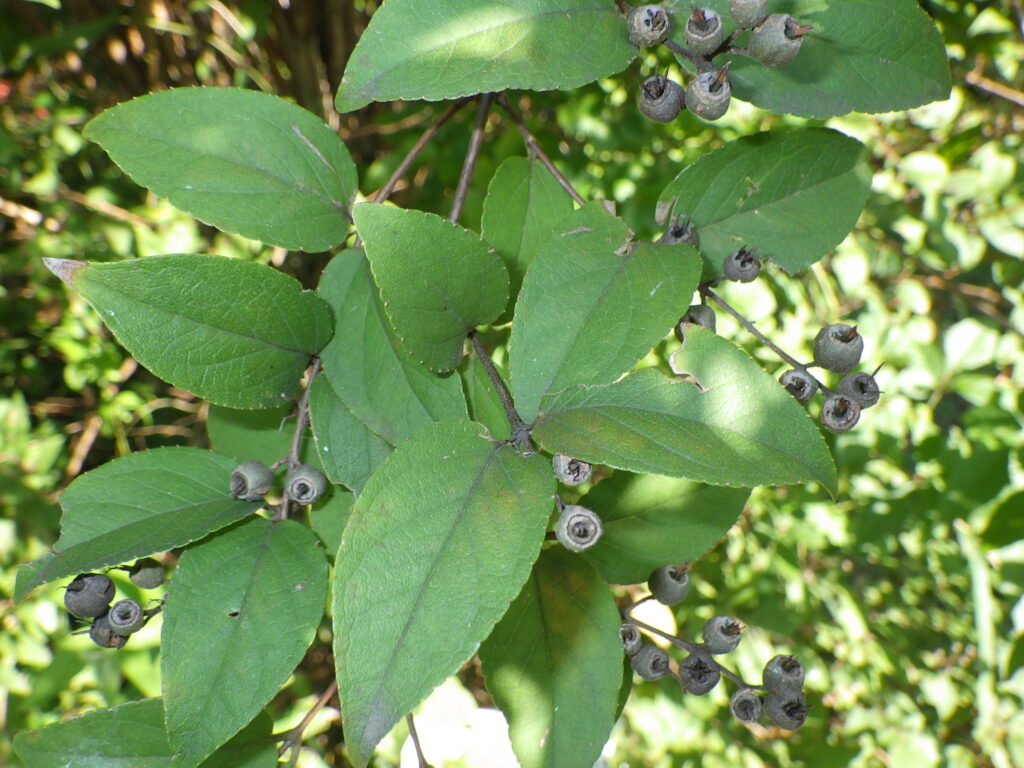
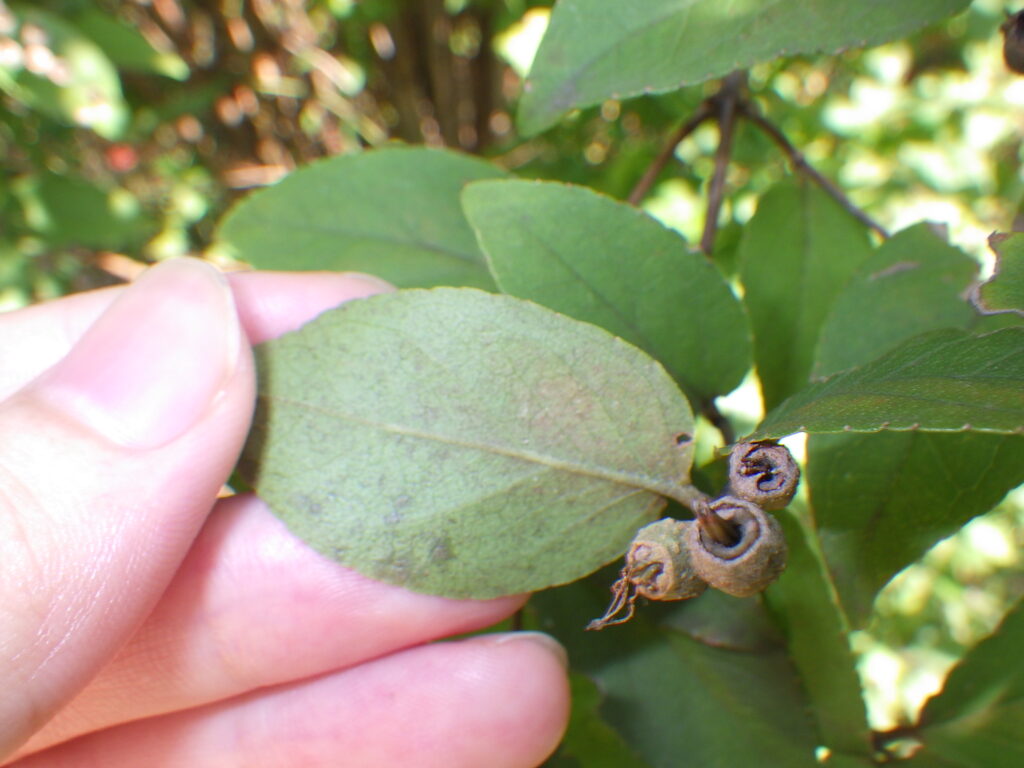
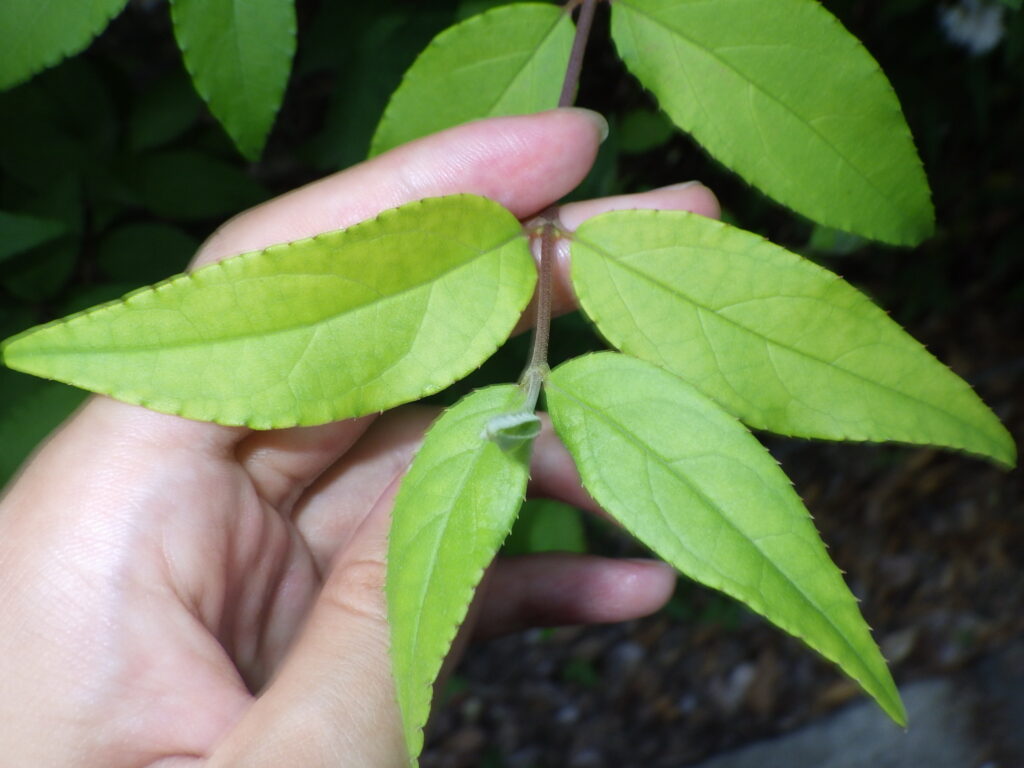
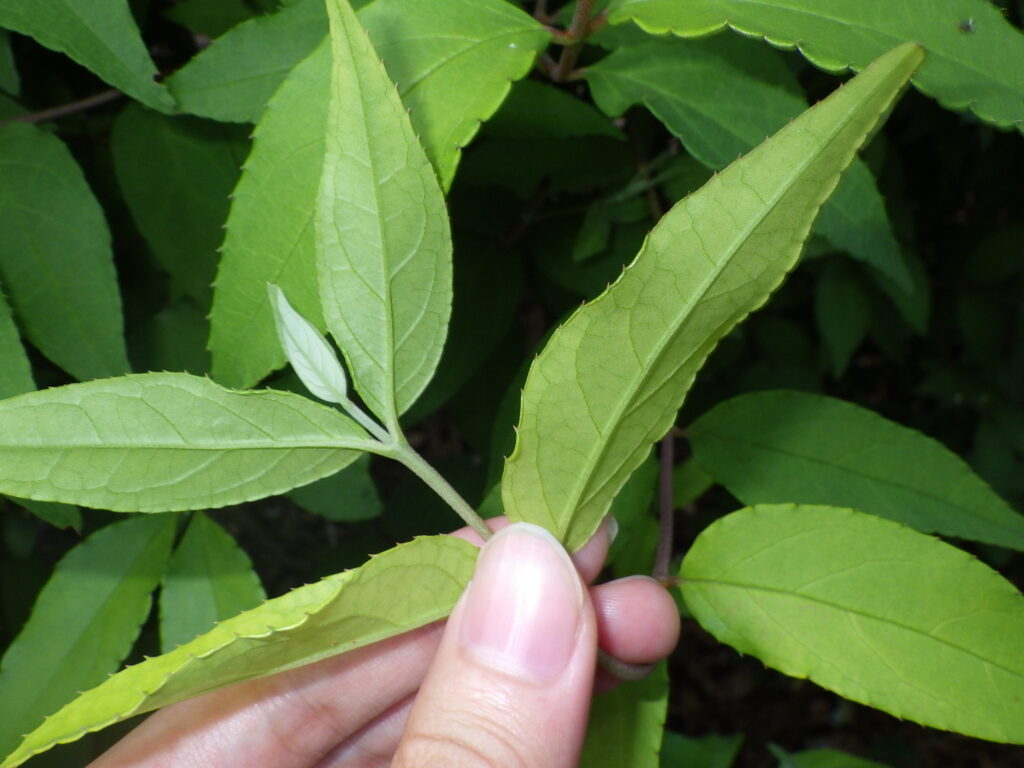
In Deutzia and Deutzia crenata, all the leaves are the same shape, petiolate, and elongated with a tail-like tip, whereas in Deutzia crenata, the leaves are somewhat dimorphic, with the leaves below the inflorescence being sessile and having a rounded base, and the overall shape being round.
As its name "Marubautsugi" suggests, this is easily recognizable and shouldn't pose much of a problem. While the leaves other than those below the inflorescence may have petioles, there isn't much difference in leaf shape, so it shouldn't be an issue.
The most confusing thing is distinguishing between Deutzia and Deutzia crenata.
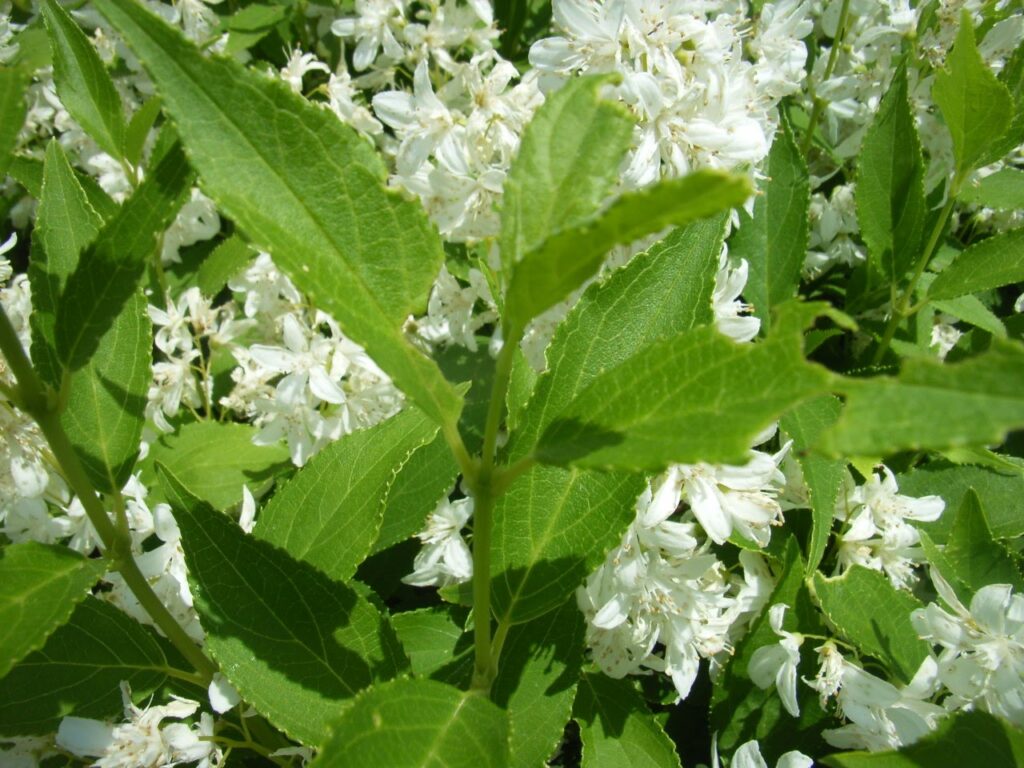
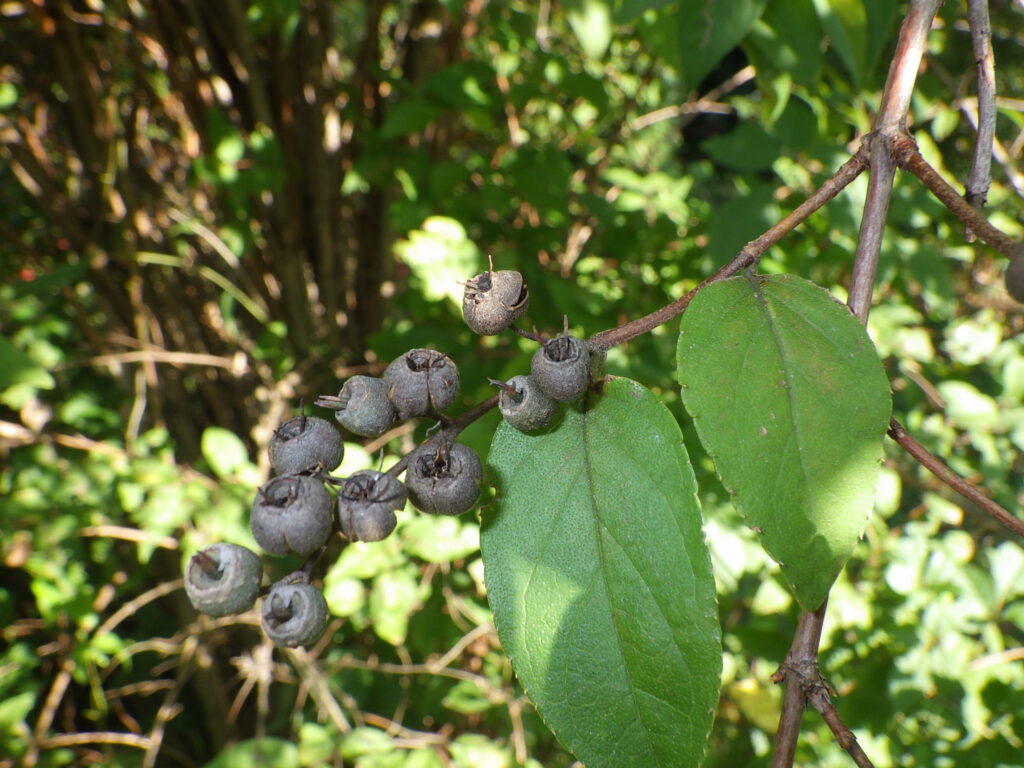
However, there is a difference between Deutzia and Deutzia gracilis: Deutzia gracilis has thick, rough leaves that are grayish-green only on the upper surface, while Deutzia gracilis has thin leaves that are basically hairless with only a few stellate hairs, and the upper surface is bright green.
Touching it is probably the easiest way to tell. In the case of Deutzia gracilis cultivated in gardens, the leaf veins, especially the lateral veins, seem to be even more prominently white.
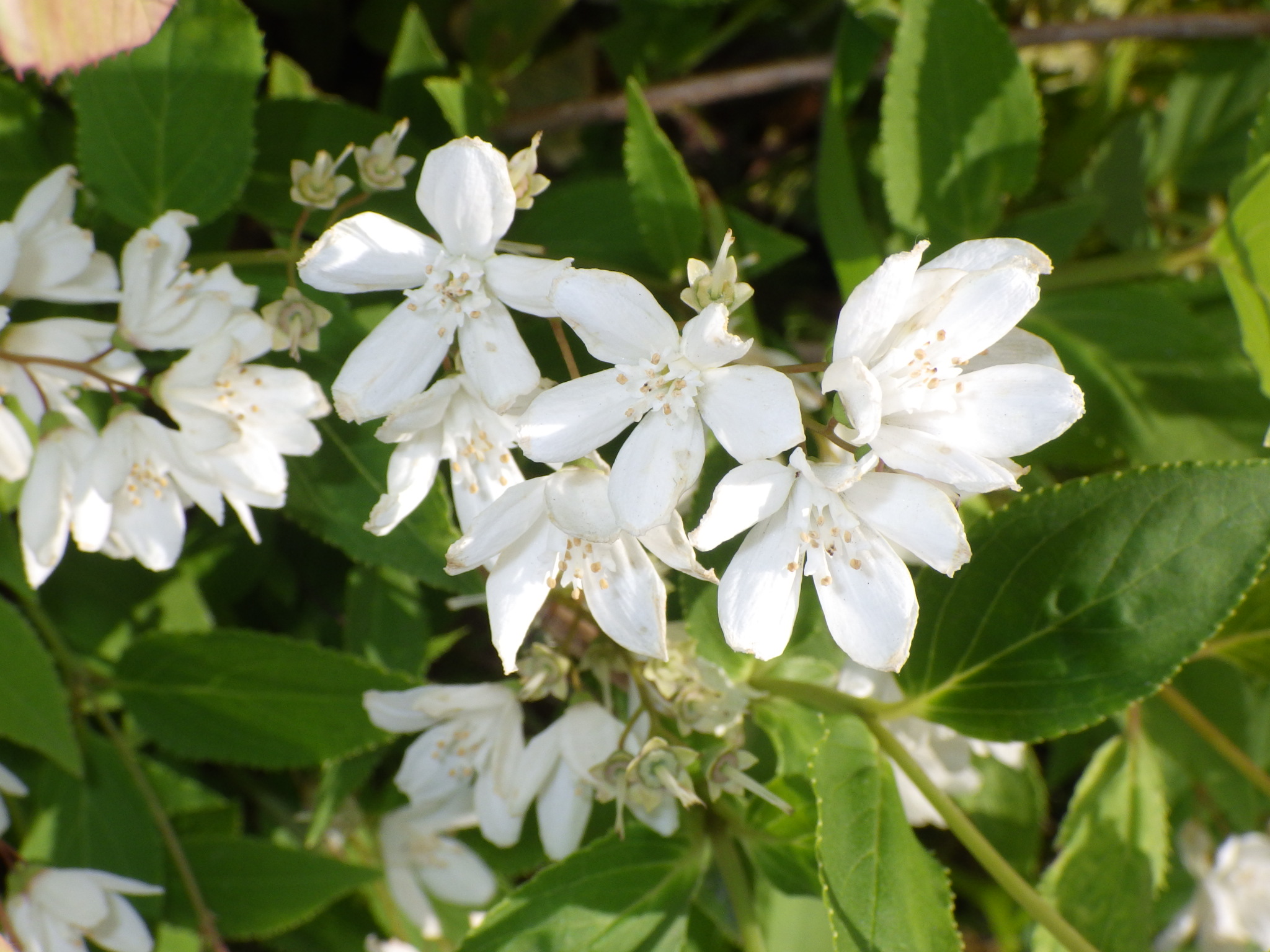
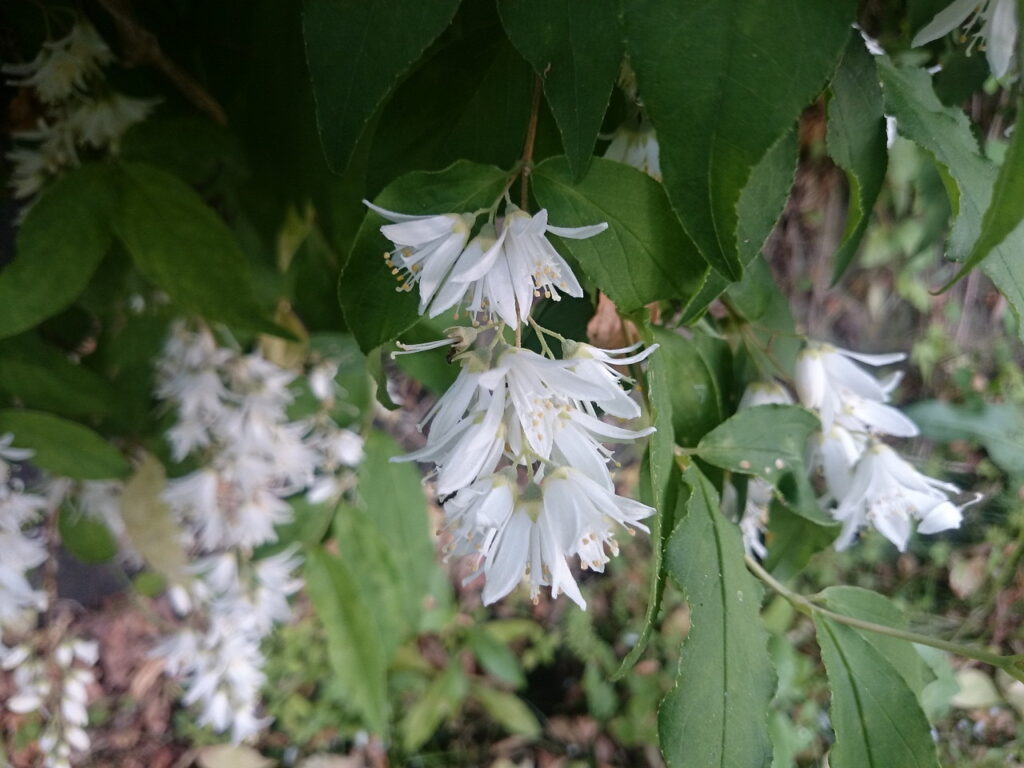
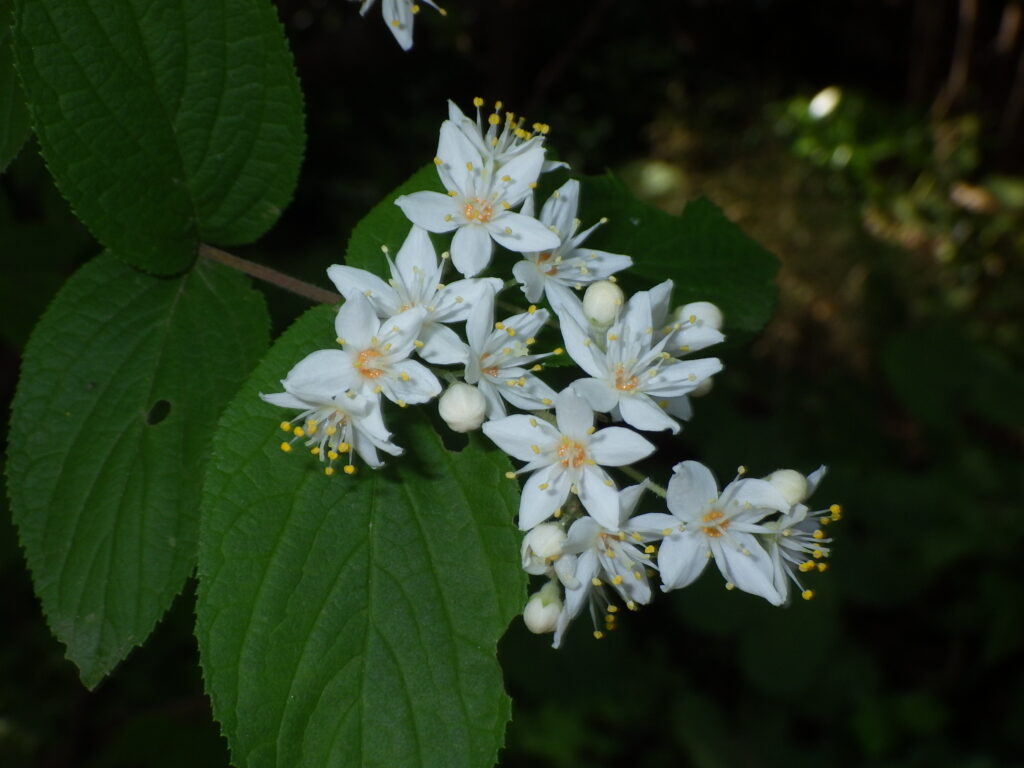
There are also differences in the flowers themselves. In particular, the filaments (the long, slender parts that support the anthers, which are the pollen-containing parts of the stamen) are important.
One difference between Deutzia and Deutzia gracilis is that Deutzia crenata has teeth on its filaments, while Deutzia gracilis does not.
The term "filament teeth" may be unfamiliar, but it's a special structure found only in certain members of the Deutzia genus. It involves rounded teeth located along the filament on the anther side, which contains the pollen.
Furthermore, in Deutzia, the teeth of the filaments grow almost perpendicular to the filament, whereas in Deutzia gracilis, the teeth of the filaments grow at an angle to the filament.
In addition, there is a difference in that the petals of Deutzia and Deutzia gracilis open horizontally to downwards, while those of Deutzia crenata open horizontally.
If you can observe the flowers and take pictures, that should be enough to distinguish them in this way.
What are the varieties of Deutzia?
Deutzia, Deutzia gracilis, and Deutzia crenata include numerous varieties and cultivars, but a complete list will be omitted here.
Deutzia crenata f. candidissima is a variety of Deutzia with white, double-flowered blossoms.
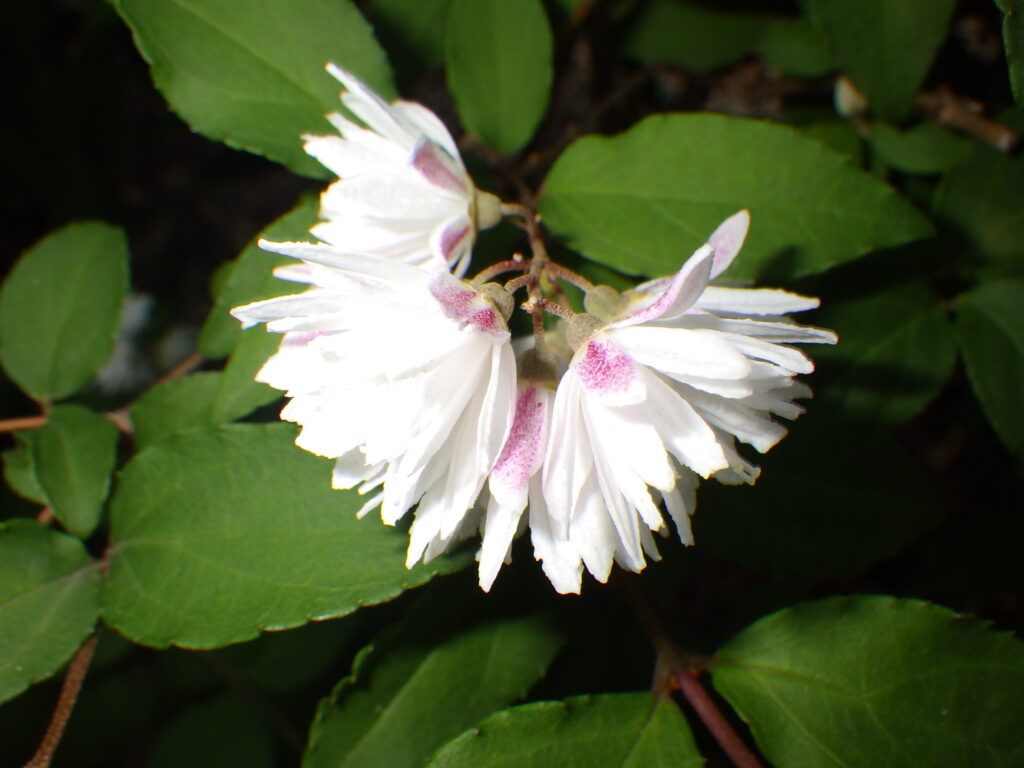
Deutzia crenata f. plena is a variety of Deutzia with white, double flowers and pinkish calyxes.
References
Hayashi, Masayuki. 2019. Tree Leaves: Expanded and Revised Edition - Identifying 1300 Species Through Real-Life Scans. Yama-kei Publishers, Tokyo. 824pp. ISBN: 9784635070447
Kanagawa Prefecture Flora Survey Association. 2018. Kanagawa Prefecture Flora 2018 (Electronic Edition). Kanagawa Prefecture Flora Survey Association, Odawara. 1803pp. ISBN: 9784991053726
Miyauchi, Yasuyuki. 2010. Cultural History of Keisen Trees (6): Deutzia. Horticultural Culture 7: 56-61. ISSN: 1882-5044, https://keisen.repo.nii.ac.jp/records/936