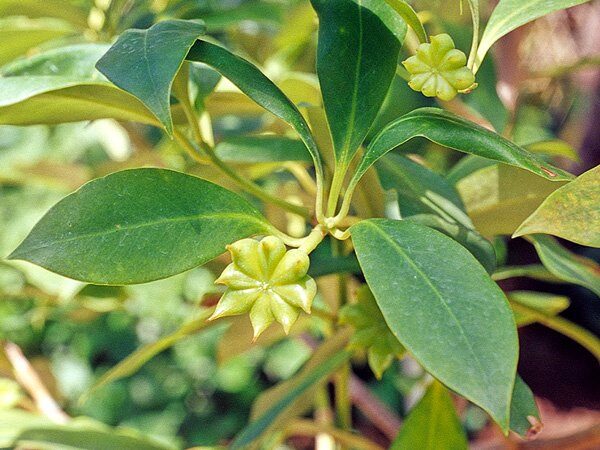
Both Japanese anise (Illicium anisatum) and star anise (Illicium verum) belong to the genus Illicium in the family Schisandraceae. They are evergreen with glossy leaves, and their most distinctive feature is that their fruits are follicles, arranged radially in a cluster of eight. Both are considered very important plants both domestically and internationally, but their fruits are so similar that in Europe and America, Japanese anise is often mistaken for star anise. However, considering that Japanese anise is poisonous, while star anise is used as a spice and medicine, this mistake should not be overlooked. Japanese anise is found only in Japan and parts of the Korean Peninsula, while star anise is distributed in southern China and northern Vietnam, so when you see wild individuals in Japan, you can almost certainly assume they are Japanese anise. Morphologically, the biggest difference is the color and shape of the flowers, and the fruits also differ slightly in scent and shape. Because the components of the fruits are different, Japanese anise is used as a deterrent against animals at graves, while star anise is used as a spice and in medicines such as Tamiflu. Furthermore, the genus Illicium has very interesting ecological characteristics. This article will explain the classification, morphology, ecology, and uses of the genus Illicium.
- What are Japanese star anise (Illicium anisatum) and Japanese star anise (Illicium verum)?
- What is the difference between Japanese star anise (Illicium anisatum) and Japanese star anise (Illicium verum)?
- What are the differences in how shikimi and hakkaku (Toshikimi) are used? One protects graves, the other protects lives!?
- How is pollination occurring? Only gall midges were coming!?
- How do they disperse their seeds? They explode, are poisonous, yet edible!?
- References
What are Japanese star anise (Illicium anisatum) and Japanese star anise (Illicium verum)?
Illicium anisatum, also known as Shikimi, is an evergreen small tree distributed in Honshu (south of the southern Tohoku region), Shikoku, Kyushu, and the Ryukyu Islands in Japan, as well as the Korean Peninsula. It grows in mixed forests in mountainous and hilly areas, is used in Buddhist and Shinto rituals, and is often planted in temples and cemeteries (Kanagawa Prefecture Flora Survey Association, 2018). While the Japanese "Kanagawa Prefecture Flora 2018" and the British "Plants of the World Online" state that it is distributed in China and Taiwan (Kanagawa Prefecture Flora Survey Association, 2018; RBG Kew, 2025), this species is not listed in "Flora of China" (Wu et al., 2008).
Illicium verum, also known as star anise, is a small evergreen tree distributed in southern China and northern Vietnam, growing in forests and cultivated for medicinal purposes in southern China, southern India, and the Indochina Peninsula (Wu et al., 2008).
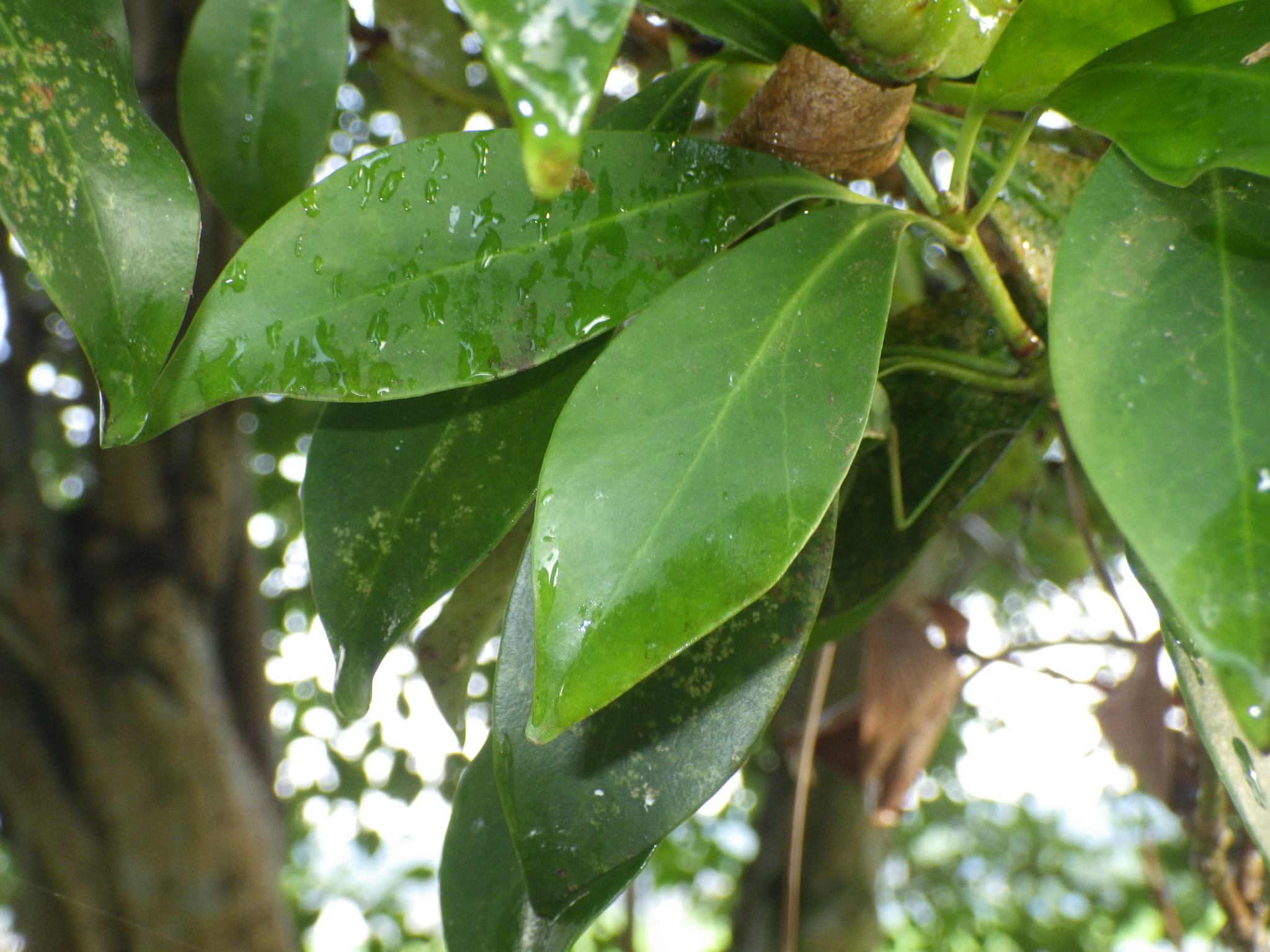
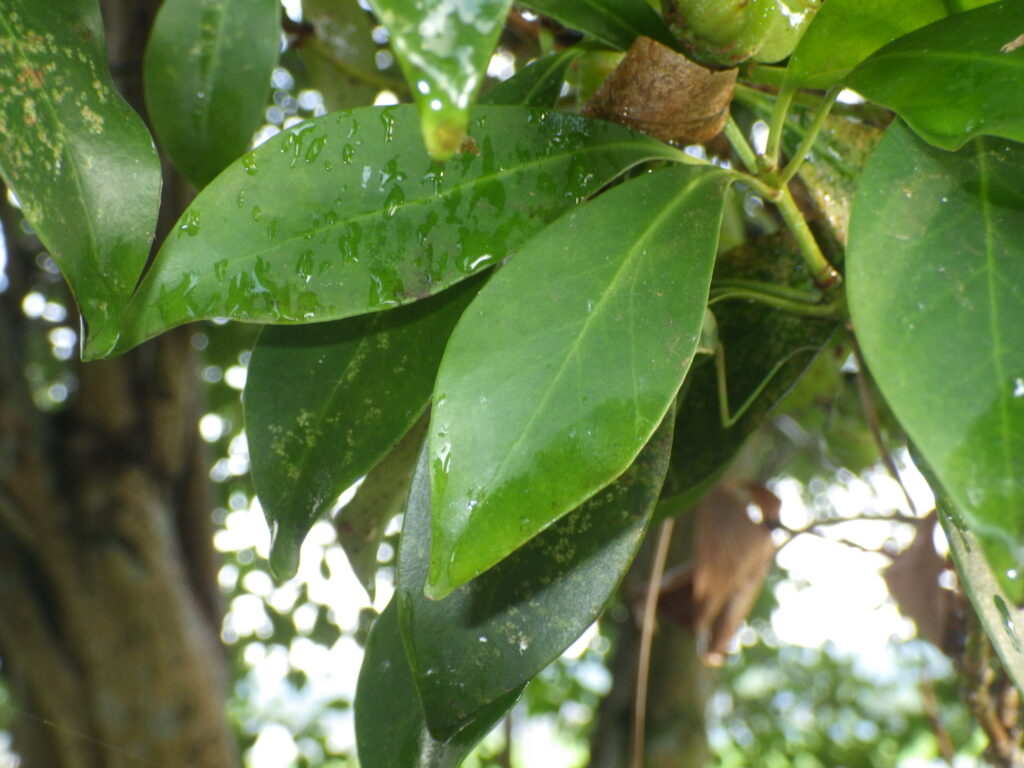
All of these species belong to the genus Illicium in the family Schisandraceae. They are evergreen with glossy leaves, and their perianth segments are narrow and linear-oblong.
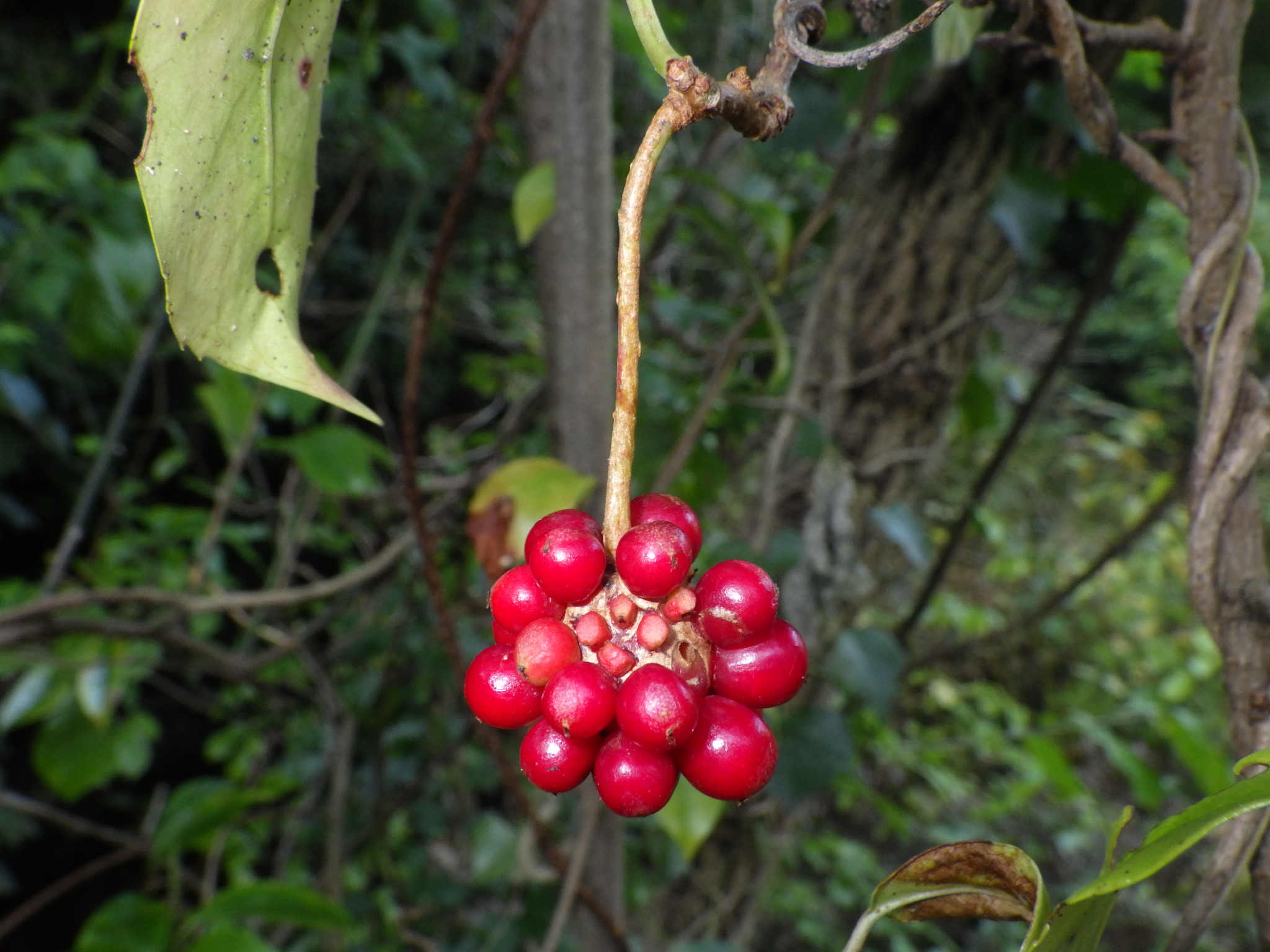
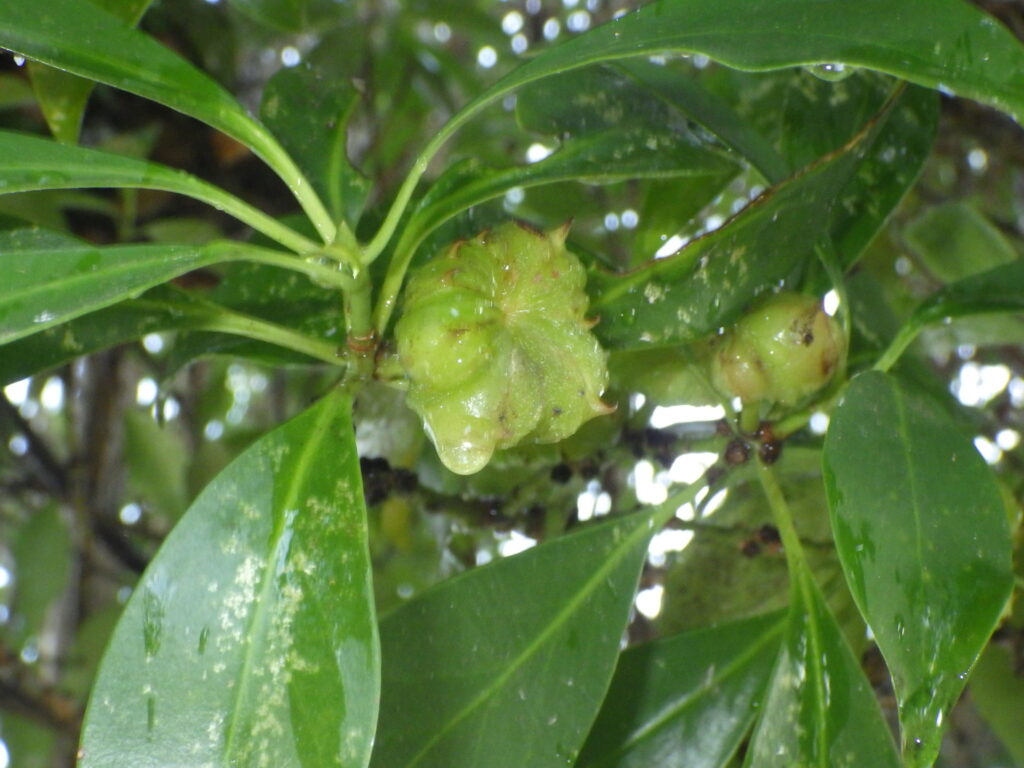
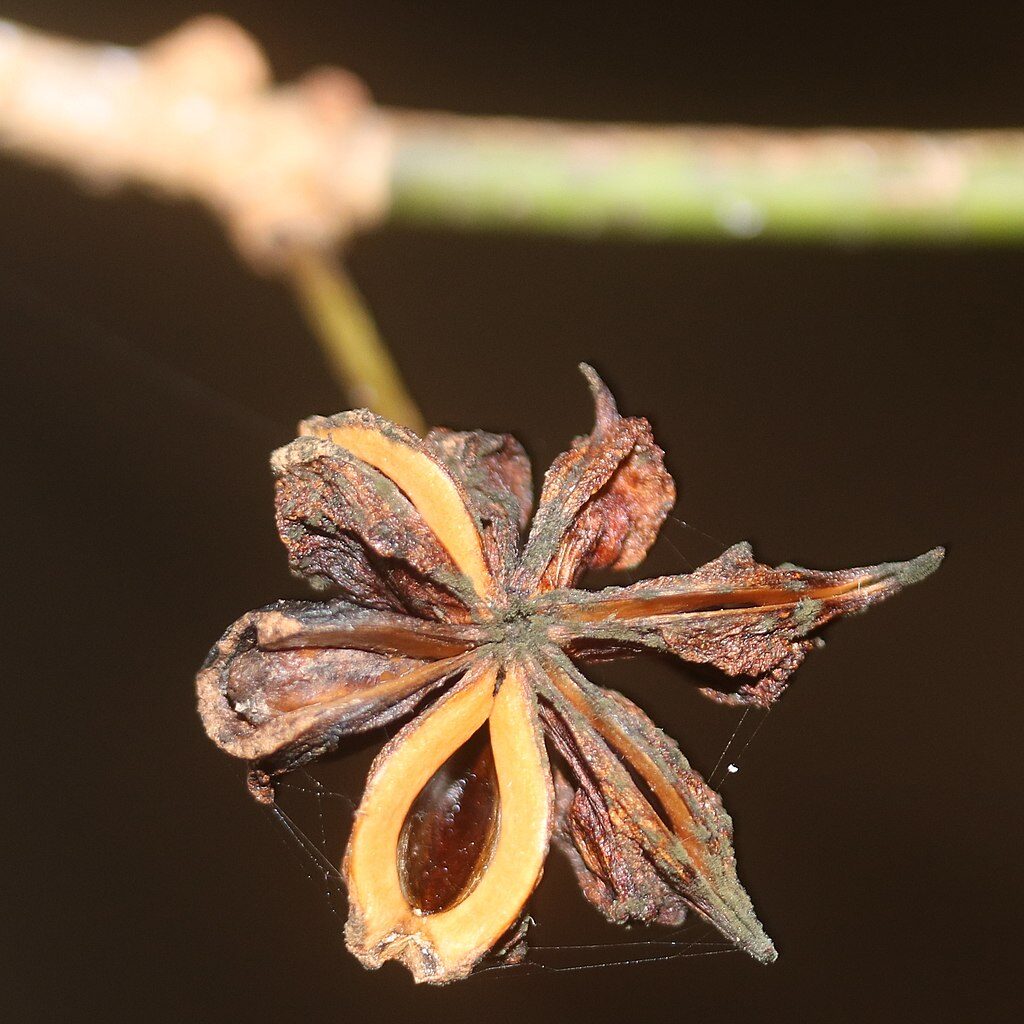
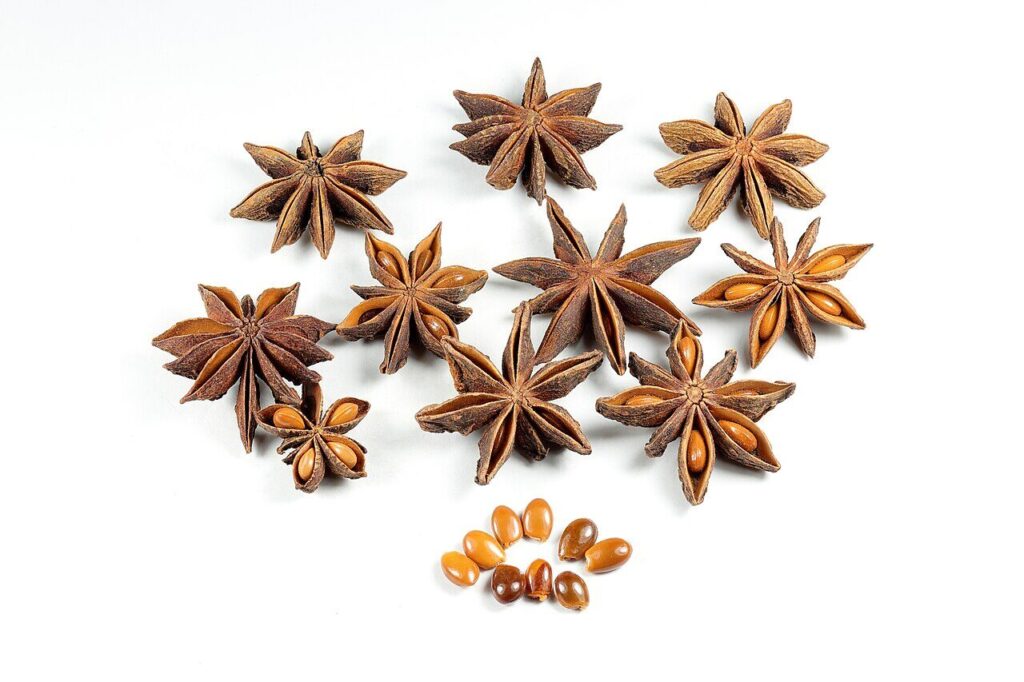
Its most distinctive feature is that its fruit is a follicle, a compound fruit consisting of eight follicles arranged radially. While it is commonly sold and distributed under the name "star anise," this name derives from this characteristic.
Although both species are considered very important plants both domestically and internationally, they are extremely similar and often confused.
For example, if you do an image search on Google using the scientific name for star anise, " Illicium verum flower," almost all of the results will incorrectly show images of Japanese star anise (Illicium verum). It seems that in Europe and America, people mistakenly believe that Japanese star anise is star anise.
This misunderstanding is serious, and even Tomitaro Makino, the botanist who became the protagonist of the NHK serial drama "Ranman," pointed it out in his 1948 book. Apparently, even scholars in Europe and America continued to confuse the two at the time (Makino, 1948=2002).
However, considering that Japanese star anise (Illicium anisatum) is poisonous, while Japanese star anise (Penaeus chinensis) is used as a spice and medicine, this mistake should not be overlooked.
In fact, there have been numerous incidents where Japanese star anise (Illicium anisatum) has been mixed into the fruit or powder of Japanese star anise (Ginko et al., 2008; Cuenca et al., 2019).
What is the difference between Japanese star anise (Illicium anisatum) and Japanese star anise (Illicium verum)?
As a fundamental point, Japanese star anise (Illicium anisatum) is found only in Japan, while Japanese star anise (Illicium praecox) is found only on the Eurasian continent. Therefore, anything you observe in the wild in Japan is Japanese star anise.
However, it's true that distinguishing between Japanese star anise (Illicium anisatum) and Chinese star anise (Illicium verum) can be very difficult if you only focus on their morphology.
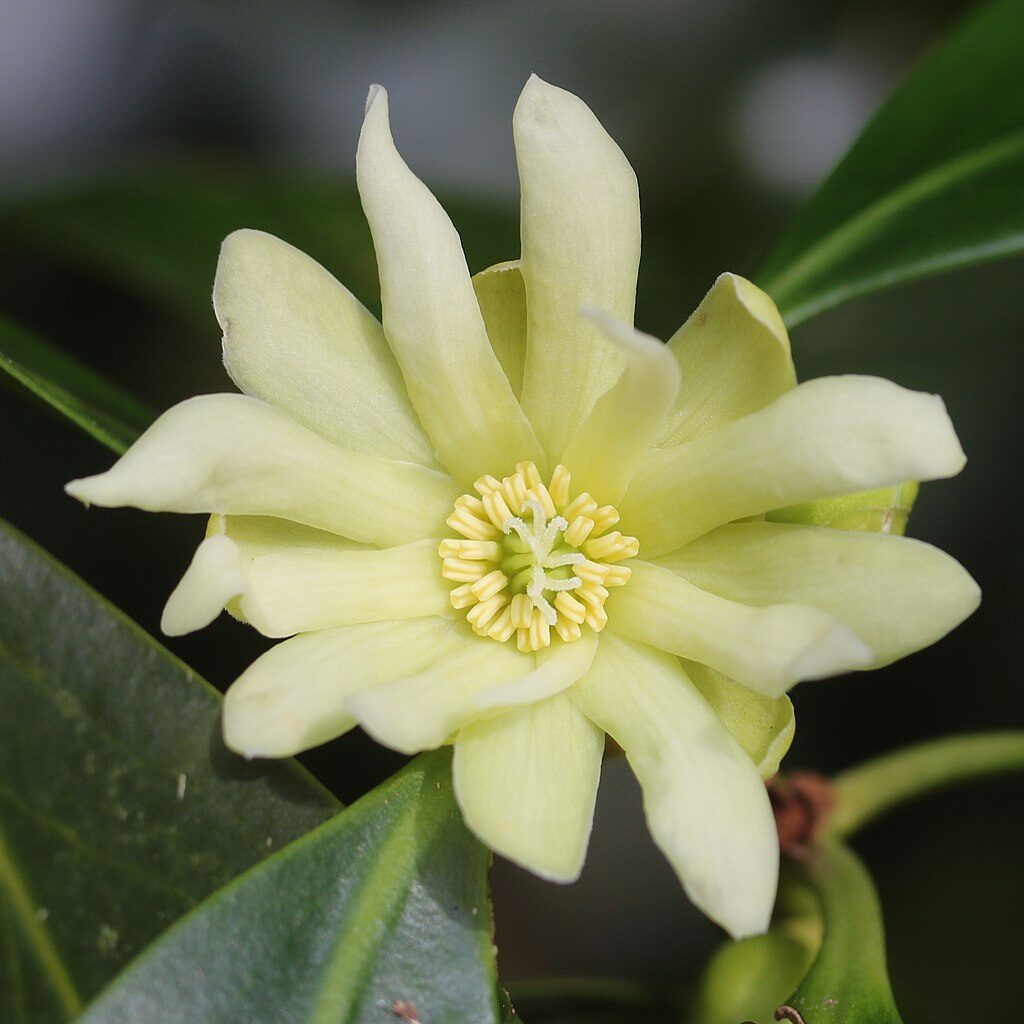
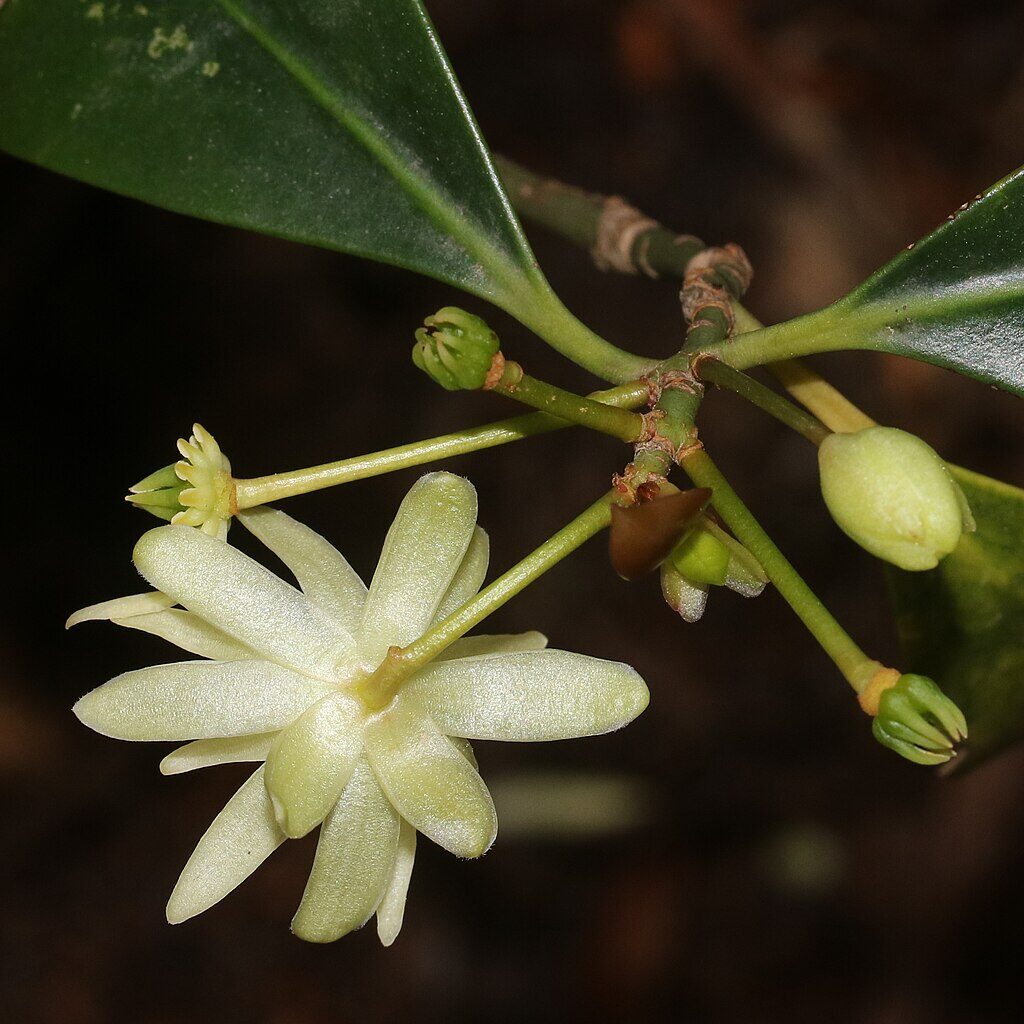
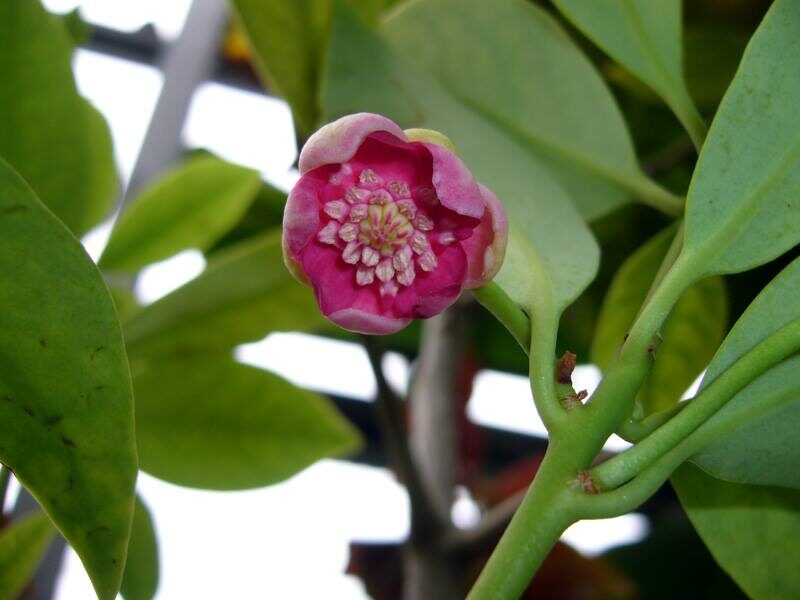
The most striking difference lies in the flowers (Mogi et al., 2000; Wu et al., 2008).
In Japanese star anise (Illicium anisatum), the flowers are 2-3 cm in diameter with 10-20 perianth segments and are yellowish-white, whereas in Japanese star anise (Hakkaku), the flowers are 0.8-1.2 cm in diameter with 7-12 perianth segments and are pink to dark red.
Morphologically, this is the most important difference; the other differences are quite subtle.
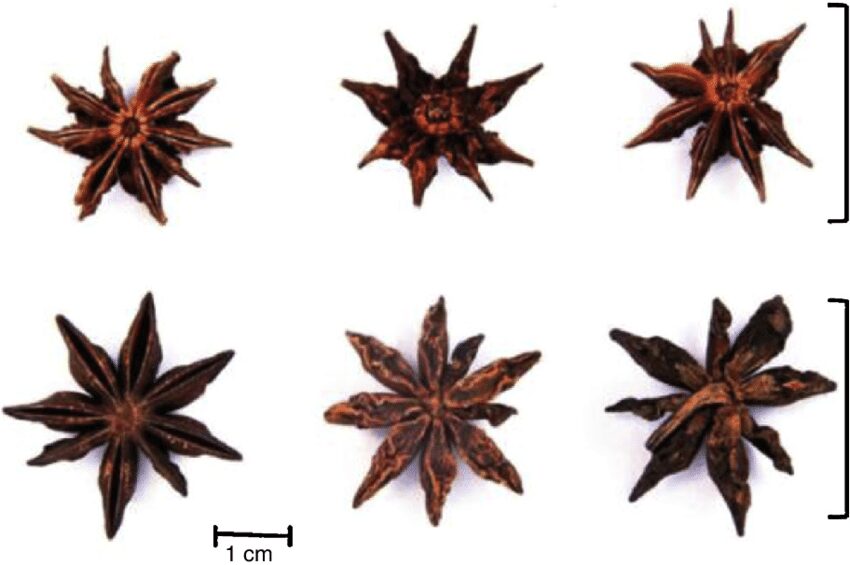
Regarding the fruits, a study by Chinese researchers states that Japanese star anise (Illicium anisatum) has a weak scent and taste, and its aggregate fruit can consist of more than eight fruits, while Japanese star anise (Star anise) has a distinctive scent and taste, and its aggregate fruit consists of eight fruits (Wang et al., 2018).
Furthermore, according to the Tokyo Metropolitan Institute of Public Health, the tips of each follicle in Japanese star anise are sharply pointed like needles and have a pungent scent similar to the incense used in Buddhist ceremonies, whereas the tips of each follicle in Japanese star anise are not sharply pointed but gradually become thinner and have a sweet scent (Tokyo Metropolitan Institute of Public Health, 2025).
However, scent is subjective, and the fact that the tip is sharply pointed is somewhat difficult to confirm, leading to the observation that they are almost indistinguishable (Cuenca et al., 2019). Distinguishing them may require some practice.
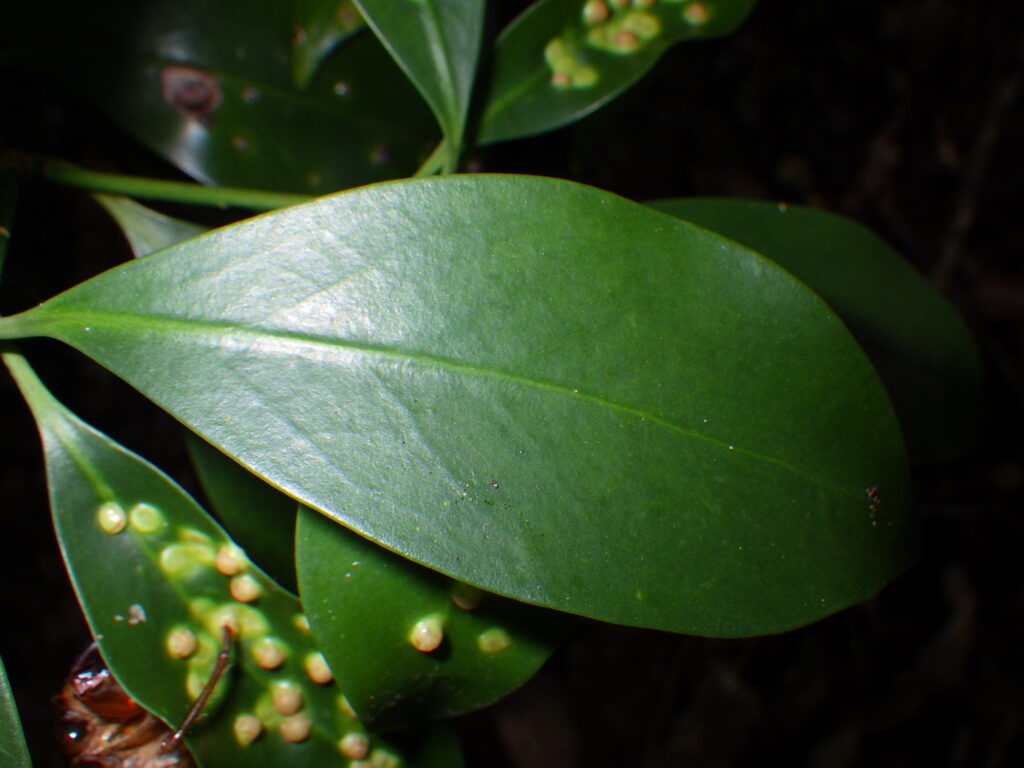
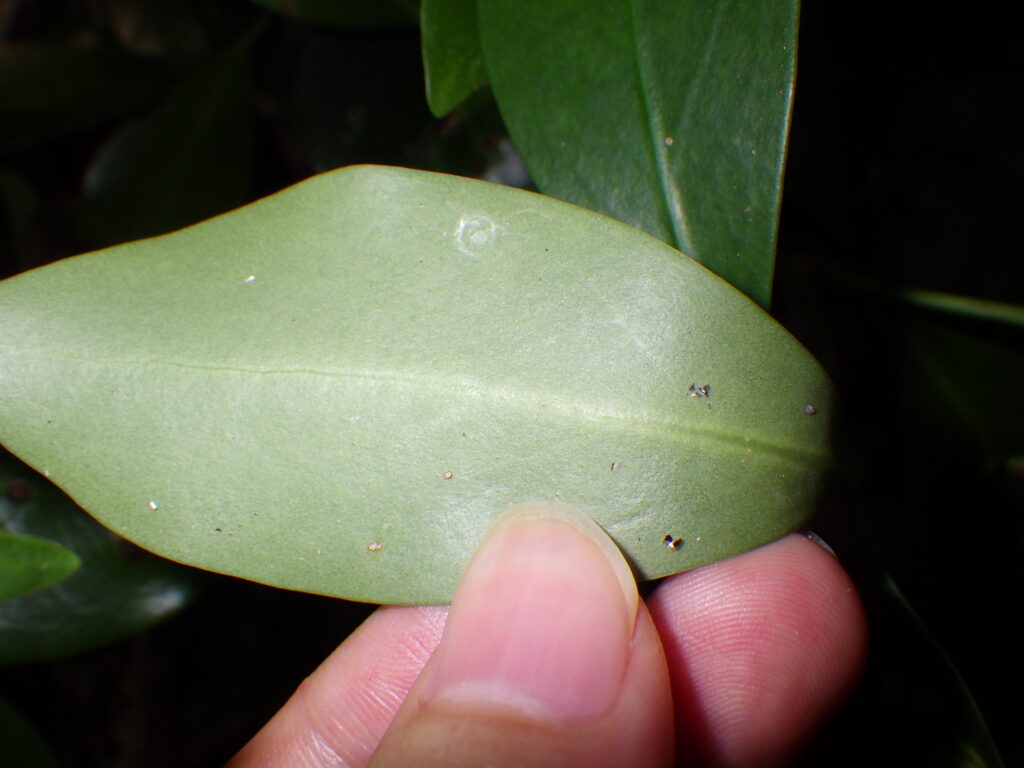
While the leaves appear almost indistinguishable, electron microscopy reveals a difference: the underside of the leaves of Japanese star anise (Illicium anisatum) is smooth, while that of Japanese star anise (Star jasmine) has many small grooves (Oh et al., 2003). It's possible that there might be a difference when touching them, but I haven't been able to verify that.
Star anise is often used in powder form, and sometimes Japanese star anise (Illicium anisatum) gets mixed in during this process. Chemical methods for distinguishing between the two to prevent this are being investigated, but we will omit the details here. For more information, please see Ginko et al. (2008).
What are the differences in how shikimi and hakkaku (Toshikimi) are used? One protects graves, the other protects lives!?
Both the fruits of Japanese star anise and Japanese star anise contain the compounds shikimic acid and anethole, but Japanese star anise contains only the toxic compound anisatin, which is a neurotoxin, while Japanese star anise does not contain anisatin, but instead contains compounds that are used as fragrances, such as estragole, and veranisatin A, B, and C (Cuenca et al., 2019).
For this reason, Japanese star anise is not edible for humans or cattle (Kobayashi et al., 2003), and there have been cases of poisoning. It is also believed that Japanese deer do not eat it (Kanagawa Prefecture Flora Survey Association, 2018). The etymology of the Japanese star anise is said to be "evil fruit."
However, this can also be used to mask the smell of death with its strong fragrance and to repel harmful animals. In Japan, it is widely used in Buddhist ceremonies (Hirano, 1997), offered before Buddha statues and graves, and the leaves and bark containing essential oils have been used as raw materials for incense powder and incense sticks.
On the other hand, star anise has been used as a spice in China since ancient times because its fruit is aromatic and contains antibacterial substances. Its use as food dates back to the Song Dynasty (960-1279 AD), and its use as medicine dates back to the Ming Dynasty (1368-1644 AD) (Zou et al, 2023).
In China, it is used in dishes such as Dongpo pork, Peking duck, and almond tofu, while in Japan, it is commonly used in braised pork belly. Braised pork belly is said to have originated from Dongpo pork.
Furthermore, one of the greatest benefits that star anise brings to humanity in modern times is that it is a raw material for shikimic acid, which is necessary for synthesizing oseltamivir phosphate, the main component of the antiviral drug oseltamivir that is effective against the influenza virus. Many people will recognize it if you mention the brand name "Tamiflu".
Because it can treat not only human influenza but also avian influenza, it has attracted attention as a groundbreaking drug.
Although research into the synthesis route of oseltamivir phosphate has progressed and methods for total synthesis have been developed, even now (2023), star anise is primarily used due to its ease of availability, abundant production volume, and economic advantages.
Around 2005, there were reports in Japan of two patients who died in accidents (such as falls) as a result of abnormal behavior, which may have left some people with a negative impression of oseltamivir. However, it is generally interpreted as a symptom of influenza itself, or that the risk is only slightly increased, and although there are restrictions on its use, it is still used today. Currently, it is not the only antiviral drug, and several similar antiviral drugs continue to be developed.
How is pollination occurring? Only gall midges were coming!?
Most species in the Schisandraceae family, including the genus Illicium, are thought to be pollinated and carried out by gall midges (Luo et al., 2018). However, this is different from the usual pollination method.
Generally, flowers of the Illicium genus open at night, emit a strong odor when fresh, and wilt after 2-3 days, sometimes 6 days. Illicium flowers are hermaphroditic, functioning as female flowers on the first night and male flowers on the following night.
It is known that the perianth segments do not fully unfold on the first night of flowering, gall midges lay their eggs in the flowers, and the hatched larvae form galls (insect galls) that feed on the flower's secretions (such as sesquiterpenes).
However, in some species of the genus Illicium, there are known instances where pollination occurs when the beetles are covered in pollen and come into contact with the stigma.
Furthermore, the gall midges that visit form a one-to-one correspondence, which is called "obligatory pollination symbiosis." In the case of the Japanese star-hornet, the visiting species is Resseliella spec. 16.
Unfortunately, we don't know much about Japanese shikimi (Japanese star anise) because it hasn't been studied or given much attention from this perspective.
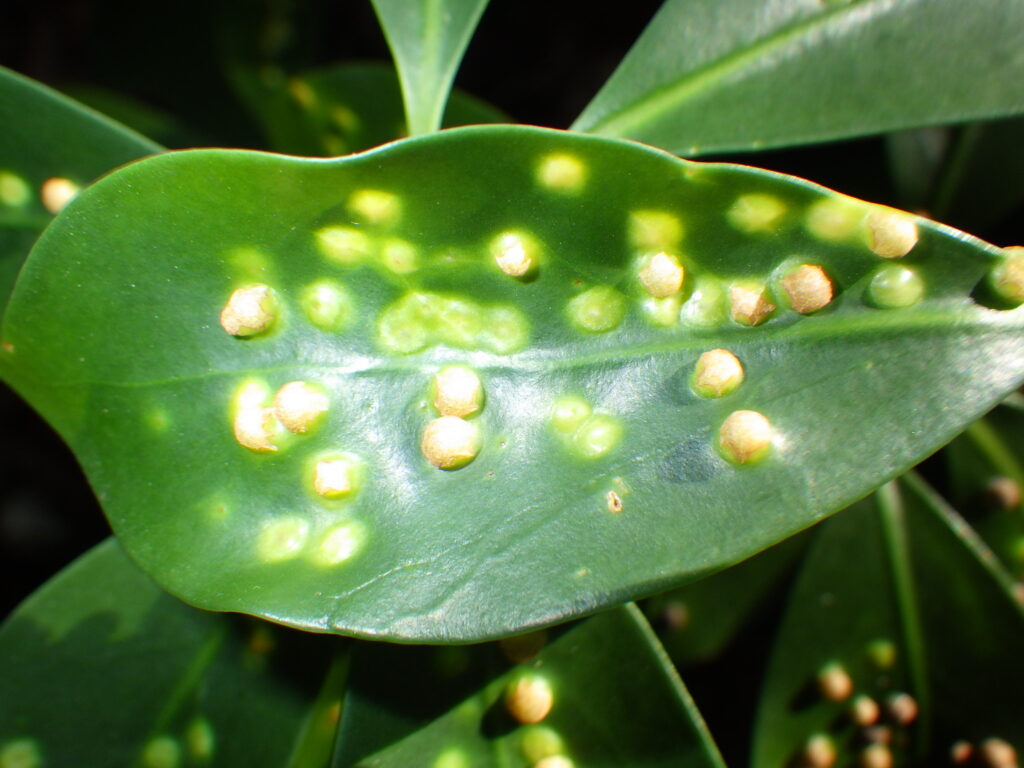
It should be noted that the gall midge Illiciomyia yukawai, which creates galls on leaves, is a known species.
How do they disperse their seeds? They explode, are poisonous, yet edible!?
What role do the eight radially arranged aggregate fruits of the Illicium genus play in nature?
In fact, it has been discovered that it employs a unique seed dispersal method called ballochory (seed dispersal through the explosive splitting of the fruit) (Yoshikawa et al., 2018).
Specifically, when the fruit ripens, the seeds are exposed through cracks, and as the fruit dries, it explodes open and releases the seeds. This explosion can be seen in both fruit still on the tree and fruit that has fallen or been harvested.
This allows for a wider habitat range than simply relying on gravity dispersal.
However, research has shown that even with this method of seed dispersal, most seeds are captured in traps within 3 meters of the center of the parent plant, and only a very small number are captured in traps 6 meters away. It appears that seed dispersal by barocoria is not very effective at traveling long distances.
However, it has become clear that, at least in the case of Japanese star anise (Illicium anisatum), in addition to this, seed dispersal is also carried out by animal feeding.
It is quite surprising that this is happening with the poisonous Japanese star anise (Illicium anisatum). Most mammals, and even birds such as bulbuls, show no interest in Japanese star anise seeds, but two species of birds, the field mouse (a mammal) and the varied tit (a bird), have been confirmed to enjoy eating the fruit of the Japanese star anise.
It is thought that these two species neutralize the toxicity of anisatin for some reason, but the details are still unknown.
Amygdalin and capsaicin are well-known examples of substances that are toxic to mammals but non-toxic to birds. Plants sometimes select animals that eat their fruits, thus excluding animals that would eat their seeds or not carry them to a suitable environment. However, this case seems to be somewhat special.
Shikimic acid, anethole, estragole, and veranisatin A, B, and C may also have some effect on animals that eat fruit, but this is not well understood.
References
Cuenca, MC, Agrasot, M. Á. C., Pegueroles, CM, & Cantó, VE 2019. New cases of star anise poisoning: Are we providing enough information?. Neurologia 34(3): 211-213. http://doi.org/10.1016/j.nrleng.2019.02.003
Ginko, E., Ölzant, S., & Länger, R. 2008. Illicium verum Hook. f. and Illicium anisatum L.: Anatomical Characters and their Value for Differentiation. Scientia Pharmaceutica 76(1): 65-76. https://doi.org/10.3797/scipharm.0802-03
Hirano, Takahisa. 1997. Tree Guidebook: Understanding the Characteristics and Uses of Trees Found in Gardens, Parks, and Wildlife. Nagaoka Shoten, Tokyo. 319pp. ISBN: 9784522215579
Kanagawa Prefecture Flora Survey Association. 2018. Kanagawa Prefecture Flora 2018 (Electronic Edition). Kanagawa Prefecture Flora Survey Association, Odawara. 1803pp. ISBN: 9784991053726
Kobayashi, H., Kubota, Y., Yamada, H., Yasumoto, T., Okita, M., Hirata, H., … & Toyoda, Y. 2003. Shikimi poisoning in Japanese Black breeding cattle. Journal of the Japan Veterinary Medical Association 56(1): 15-20. https://doi.org/10.12935/jvma1951.56.15
Luo, SX, Zhang, LJ, Yuan, S., Ma, ZH, Zhang, DX, & Renner, SS 2018. The largest early-diverging angiosperm family is mostly pollinated by ovipositing insects and so are most surviving lineages of early angiosperms. Proceedings of the Royal Society B: Biological Sciences 285(1870): 20172365. https://doi.org/10.1098/rspb.2017.2365
Makino, Tomitaro. 1948=2002. Makino's Essays on Botanical Plants. Kodansha, 211pp. Tokyo. ISBN: 9784061595439
Mogi, T., Ishii, H., Sakio, H., Katsuyama, T., Ota, K., Takahashi, H., Shirokawa, S., and Nakagawa, S. 2000. Flowers Blooming on Trees: Polypetalous Flowers (Vol. 1, Revised 3rd Edition). Yama-kei Publishers, Tokyo. 719pp. ISBN: 9784635070034
Oh, IC, Denk, T., & Friis, EM 2003. Evolution of Illicium (Illiciaceae): mapping morphological characters on the molecular tree. Plant Systematics and Evolution 240: 175-209. https://doi.org/10.1007/s00606-003-0022-1
RBG Kew. 2025. The International Plant Names Index and World Checklist of Vascular Plants. Plants of the World Online. http://www.ipni.org and https://powo.science.kew.org/
Tokyo Metropolitan Institute of Public Health. 2025. How to distinguish between poisonous plants that are easily mistaken for edible wild plants: Illicium anisatum and Illicium erythrorhizon. Tokyo Metropolitan Medicinal Plant Garden. Pharmaceutical Research Department page. Tokyo Metropolitan Institute of Public Health website. https://www.tmiph.metro.tokyo.lg.jp/lb_iyaku/plant/yudoku-top/sikimi/
Wang, JL, Hu, MB, Wei, ZQ, Fan, WX, Liu, YJ, Wu, CJ, & Li, L. 2018. A novel strategy for rapid identification of the fruits of Illicium verum and Illicium anisatum using electronic nose and tongue technology. Tropical Journal of Pharmaceutical Research 17(4): 675-680. http://doi.org/10.4314/tjpr.v17i4.16
Wu, X., Raven, PH, & Hong, D. (Eds.). 2008. Flora of China (Vol. 7 Menispermaceae through Capparaceae). Science Press, Beijing, and Missouri Botanical Garden Press, St. Louis. xii, 499pp. ISBN: 9781930723818
Yoshikawa, T., Masaki, T., Motooka, M., Hino, D., & Ueda, K. 2018. Highly toxic seeds of the Japanese star anise Illicium anisatum are dispersed by a seed-caching bird and a rodent. Ecological Research 33: 495-504. https://doi.org/10.1007/s11284-018-1564-6
Zou, Q., Huang, Y., Zhang, W., Lu, C., & Yuan, J. 2023. A comprehensive review of the pharmacology, chemistry, traditional uses and quality control of star anise (Illicium verum Hook. F.): An aromatic medicinal plant. Molecules 28(21): 7378. https://doi.org/10.3390/molecules28217378