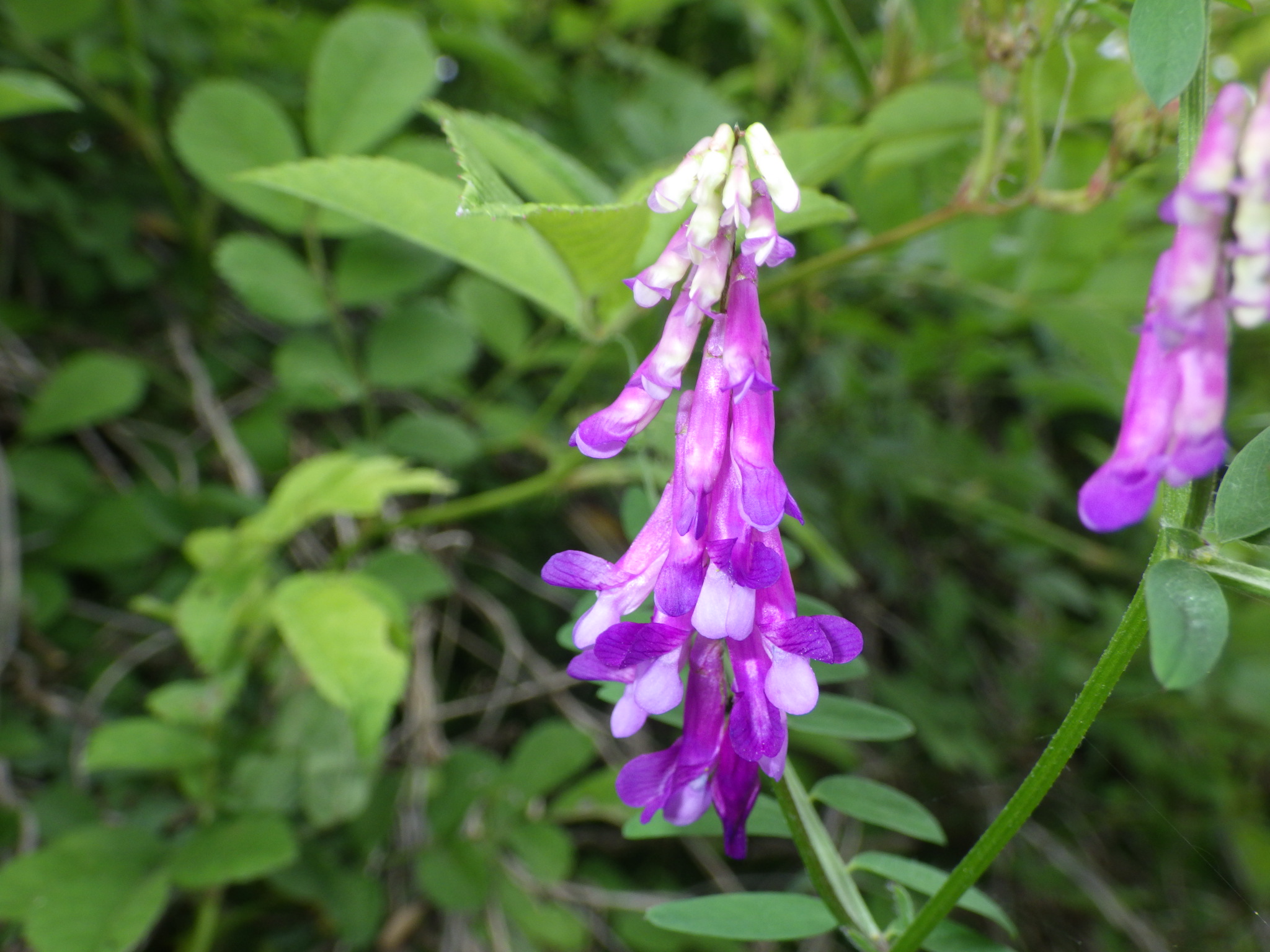
Vicia cracca, hairy vetch, slender vetch, and velvet vetch all belong to the Vicia genus of the Fabaceae family. They are characterized by bearing numerous butterfly-shaped purple flowers in racemes of 10 to 30 in spring, and having five or more pairs of leaflets. From a distance, they look very similar, and in horticulture, slender vetch and velvet vetch are not distinguished. First, hairy vetch is a general term for slender vetch, velvet vetch, and false slender vetch. Vicia cracca, slender vetch, and velvet vetch can be distinguished mainly by the shape of the flowers and the overall hairiness. False slender vetch is a recently named subspecies, and it is also necessary to distinguish it from the others. This article will explain the classification, morphology, and ecology of the Vicia genus, which bears flowers in racemes.
- What are Vicia cracca, Hairy Vetch, Slender Vicia, and Velvet Vicia?
- What are the differences between Vicia cracca, Vicia hirsuta, and Vicia angustifolia?
- Are there any other similar species? What are the differences between this and *Vicia cracca*?
- How is pollination done? Those long, slender flower tubes are easy targets for theft!?
- References
What are Vicia cracca, Hairy Vetch, Slender Vicia, and Velvet Vicia?
Vicia cracca, also known as garden vetch or grass vetch, is a perennial herb widely distributed in Hokkaido, Honshu, Shikoku, and Kyushu in Japan, as well as in temperate regions of the Northern Hemisphere. In Honshu, it mainly grows in highland grasslands (Takahashi, 2003; Wu et al., 2010).
Vicia villosa subsp. varia, also known as weak-grass wisteria, is native to Europe and is cultivated in Japan as fodder and green manure. Its naturalization on Amakusa Island was reported in 1943, and it is now an annual or biennial plant that grows along roadsides, vacant lots, and riverbanks in urban areas from Honshu to Okinawa (Shimizu et al., 2001).
Vicia villosa subsp. villosa, also known as velvet vetch, is native to Europe, North Africa, and West Asia. In Japan, it is cultivated as pasture grass and green manure, and is an annual or biennial plant that has escaped cultivation in various regions.
Hairy vetch is a general term that includes the above-mentioned Vicia villosa subsp. eriocarpa in addition to Vicia vetch and Vicia villosa subsp. eriocarpa. In horticulture, it is likely that seeds of all three subspecies are sold as a mixture.
All of these plants belong to the genus Vicia in the family Fabaceae, and their most distinctive feature is the raceme of numerous purple, butterfly-shaped flowers, ranging from 10 to 30 in number, that appear in spring. The leaflets are oval to oblong, less than 12 mm wide, and there are five or more pairs of them.
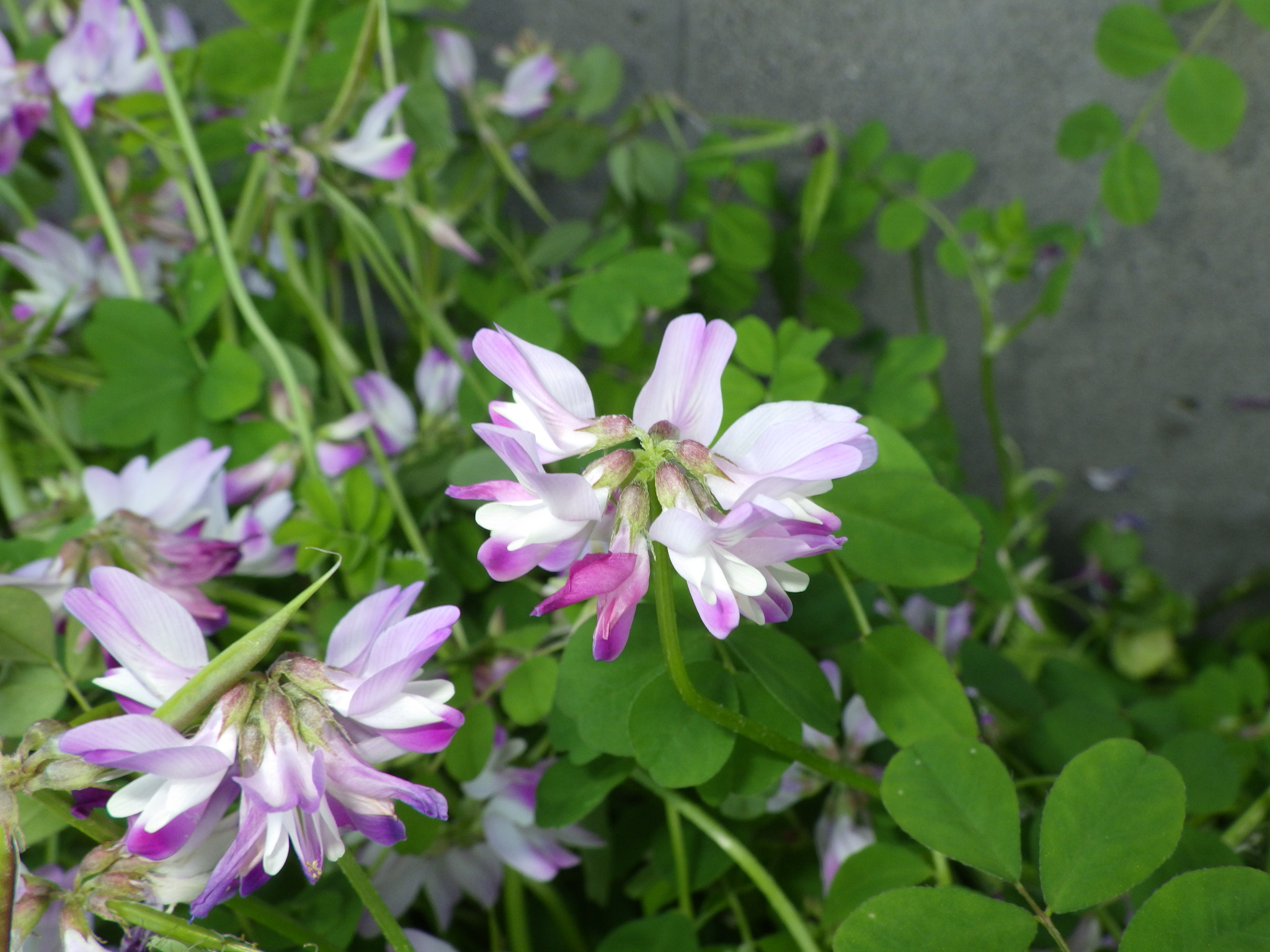
Vicia cracca, in particular, is often seen growing in clusters along riverbanks in the spring, and is sometimes eradicated because it is considered an invasive species.
However, these plants look very similar from a distance and are often confused, and many people may not be aware of the existence of the three varieties of hairy vetch.
What are the differences between Vicia cracca, Vicia hirsuta, and Vicia angustifolia?
First, as can be seen from the scientific names, Vicia cracca, Vicia hirsuta, and Vicia angustifolia are completely different species, but Vicia hirsuta and Vicia angustifolia are subspecies.
Therefore, there are significant differences between Vicia cracca and Vicia hirsuta/Vicia angustifolia (Takahashi, 2003; Wu et al., 2010).
First and foremost, it's important to understand that while Vicia cracca is a native species, Vicia hirsuta and Vicia angustifolia are introduced species originally from Europe.
The definitive morphological difference lies in the way the pedicel, the part connecting the flower to the stem, is attached. In Vicia cracca, the pedicel is attached to the tip of the calyx tube, whereas in Vicia hirsuta and Vicia angustifolia, the pedicel is attached slightly below the tip.
Regarding the length of the corolla, there is a difference in size: Vicia cracca is small, measuring 8-13 mm, while Vicia hirsuta and Vicia angustifolia are larger, measuring 15 mm.
For starters, the habitat of Vicia cracca is different: Vicia hirsuta prefers mountainous areas, while Vicia angustifolia and Vicia cracca var. japonica prefer roadsides and riverbanks in urban areas. This alone makes them almost indistinguishable.
Also, although it's a little confusing, Vicia cracca is a perennial plant, while Vicia hirsuta is an annual plant, so Vicia hirsuta is a bit softer. This is the origin of its Japanese name, "weak grass wisteria."
Regarding Vicia cracca and Vicia angustifolia, Vicia cracca has fewer hairs on its leaves and stems, and the length of its calyx lobes is shorter than the length of its calyx tube, whereas Vicia angustifolia has many hairs on its leaves and stems, and the length of its calyx lobes is longer than the length of its calyx tube (Kanagawa Prefecture Flora Survey Association, 2018).
The name "velvet vetch" comes from its resemblance to velvet, a smooth and lustrous fabric with many fine hairs, and accurately reflects its characteristic abundance of hairs.
Think of the calyx lobes as the thorn-like parts that protrude from the calyx tube. In Vicia cracca, these parts are clearly longer.
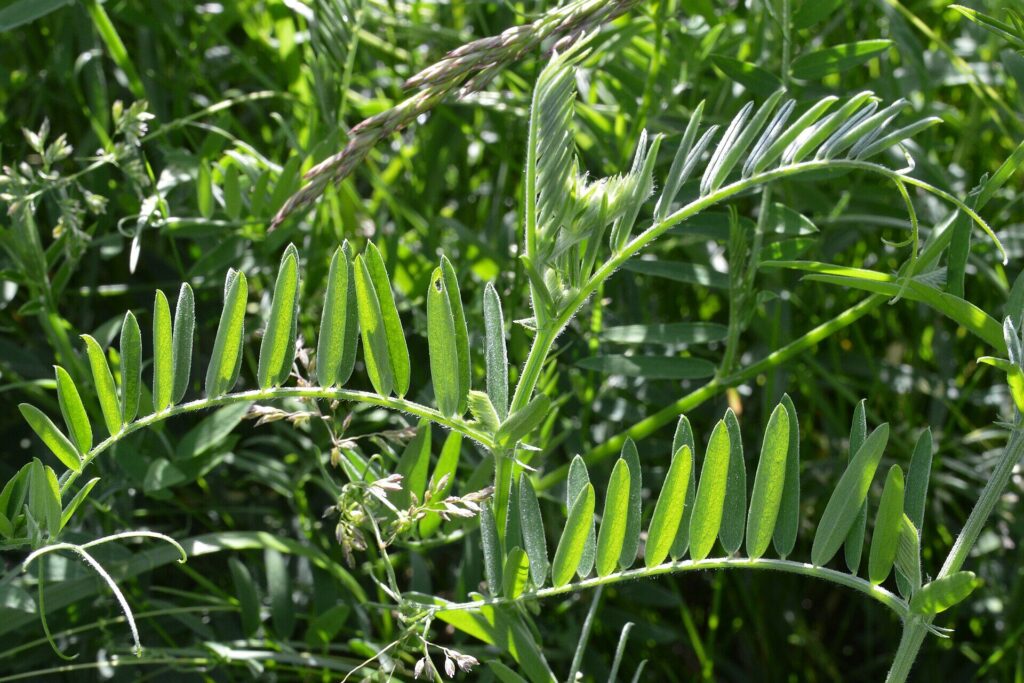
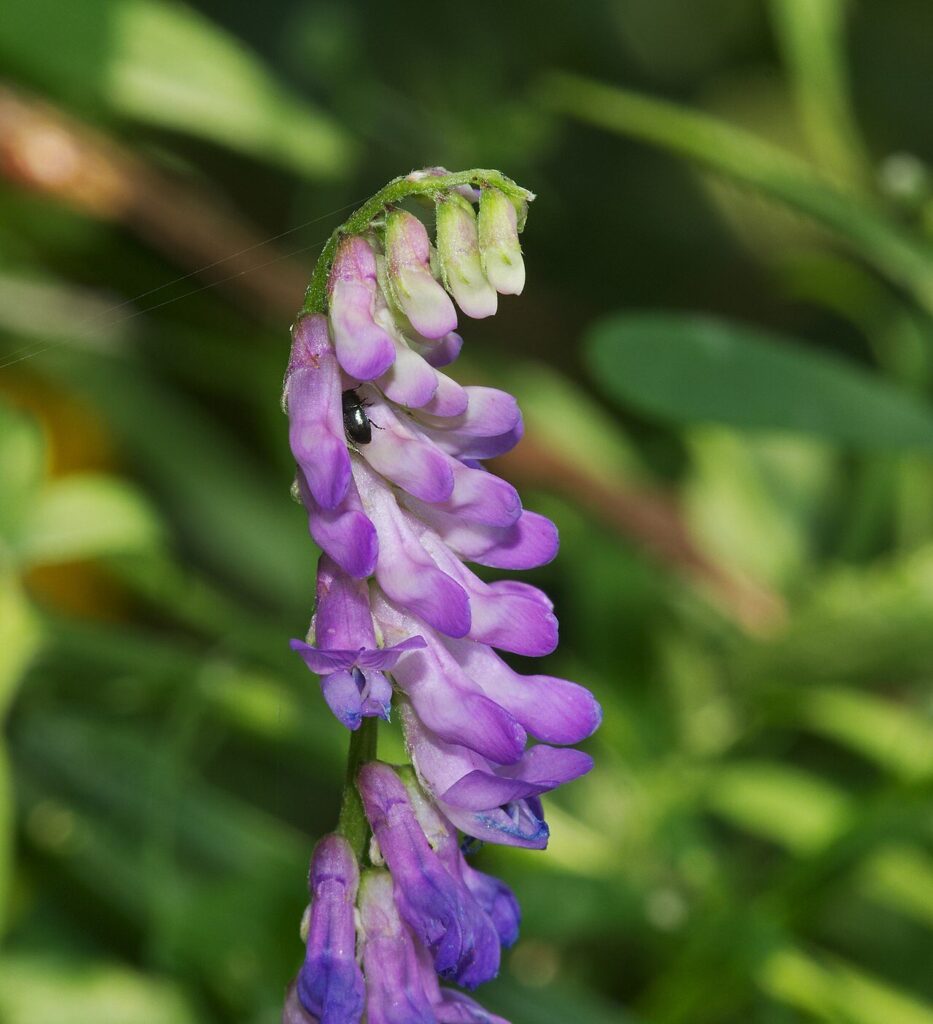
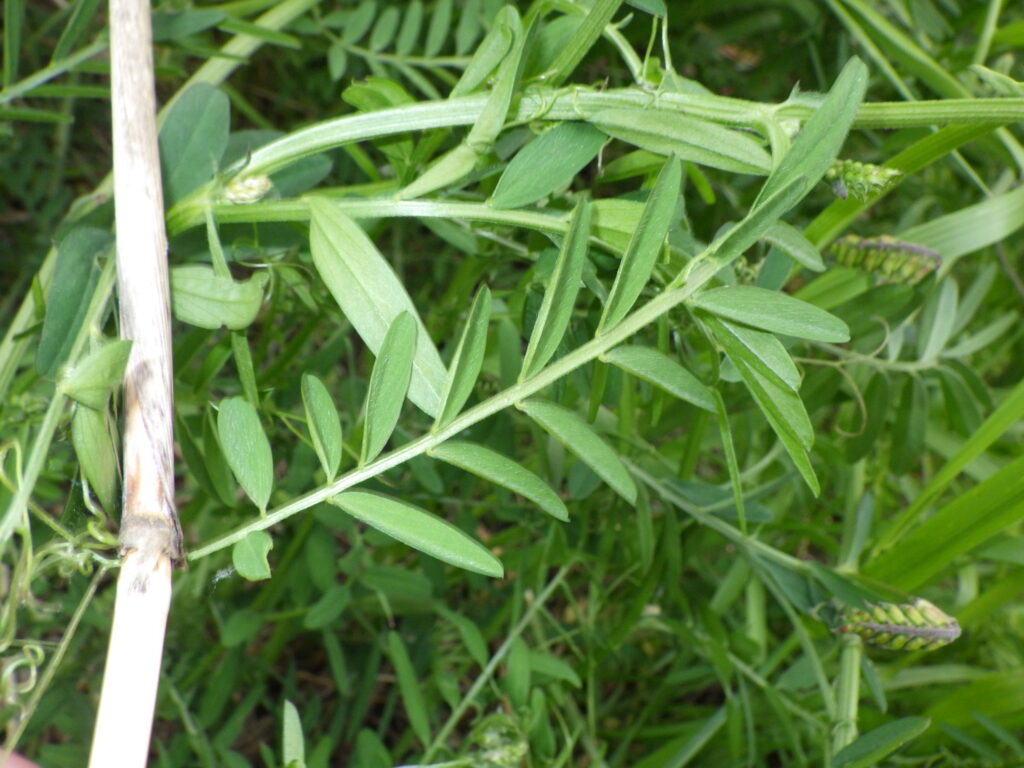
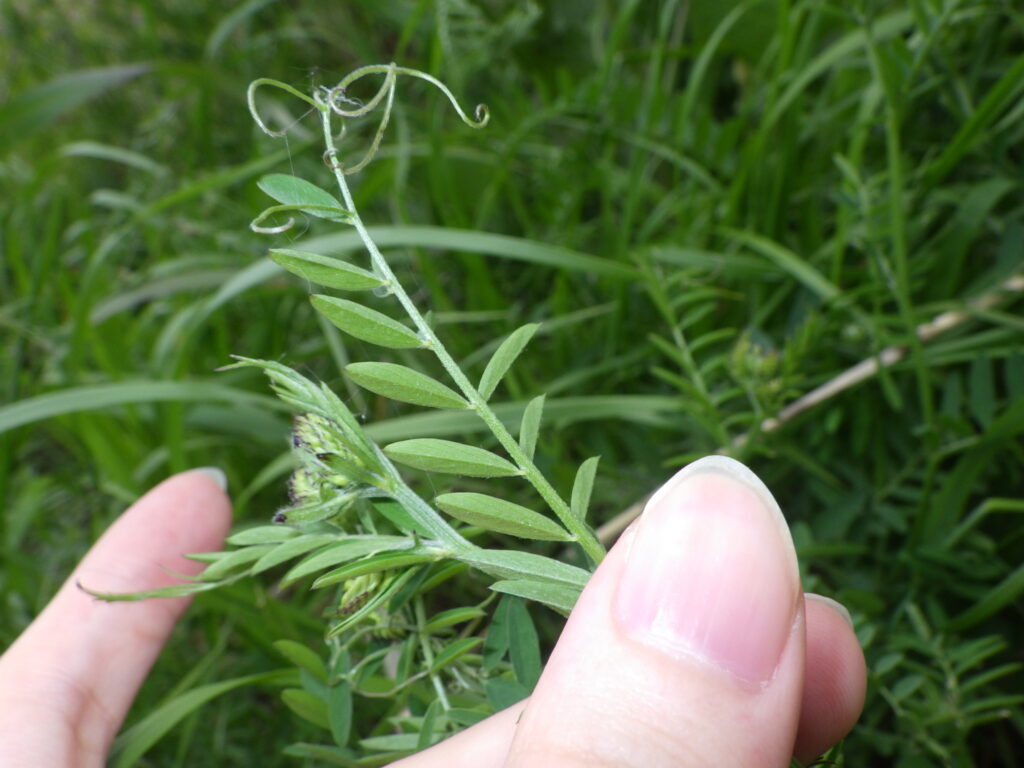
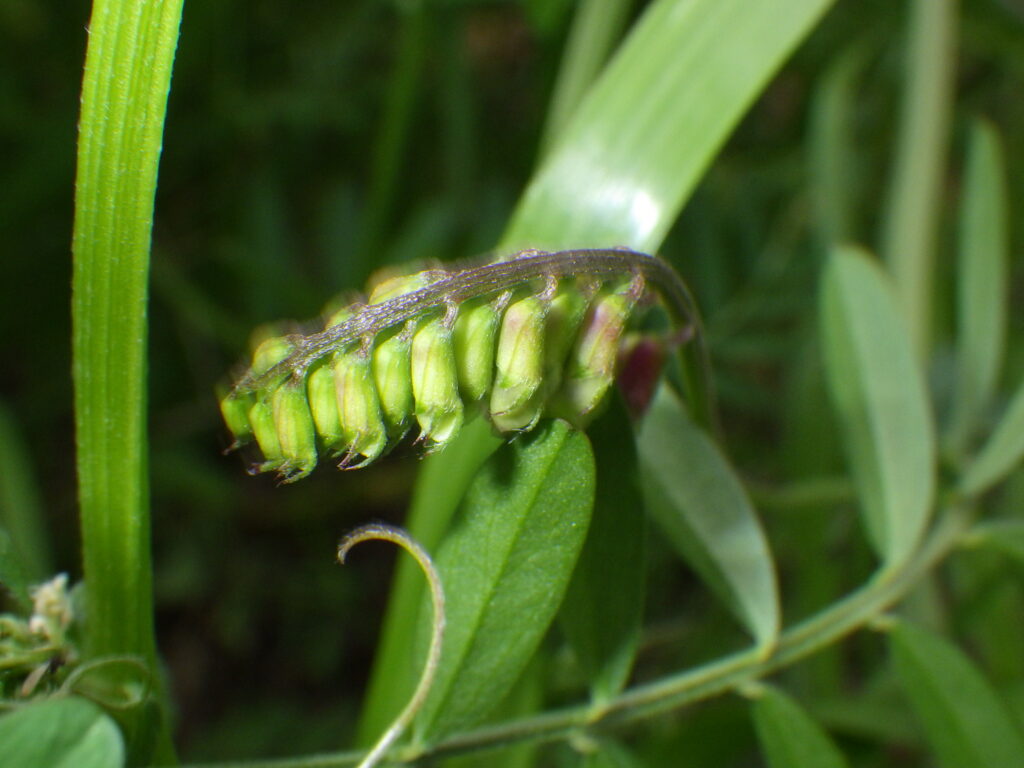
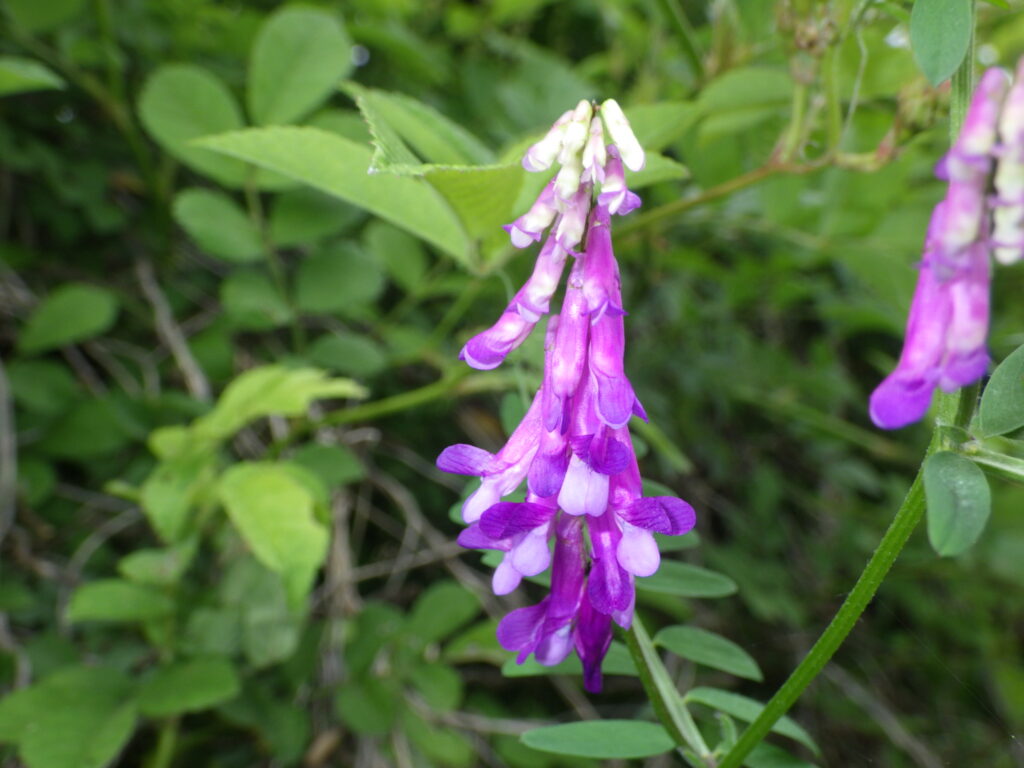
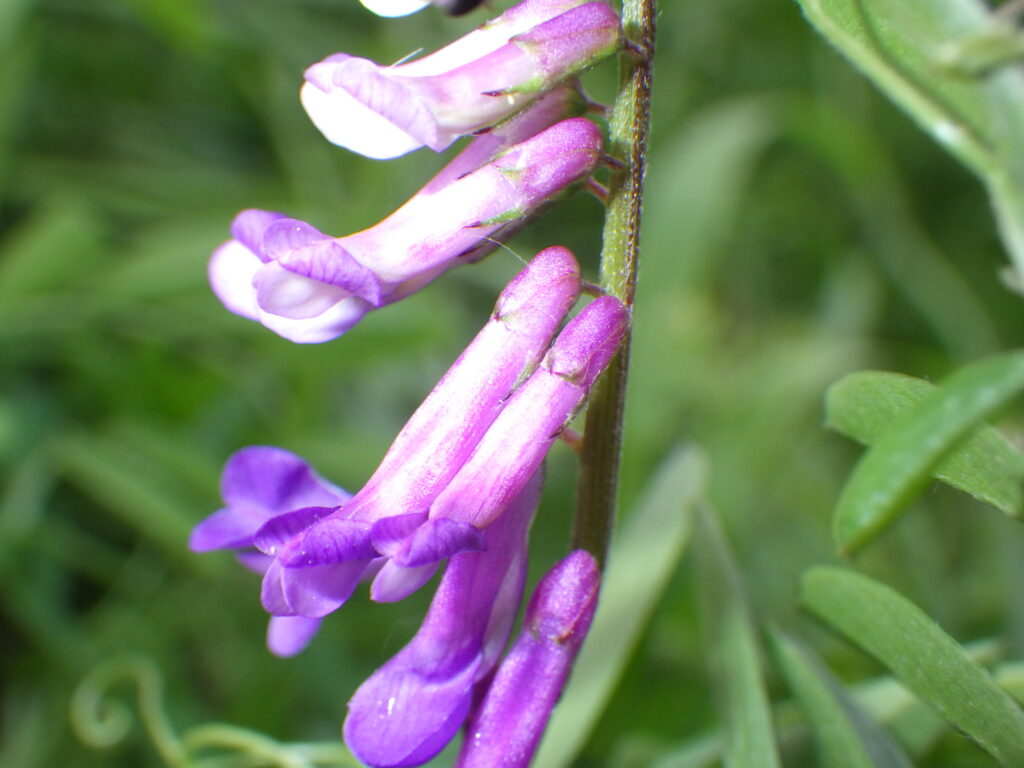
Are there any other similar species? What are the differences between this and *Vicia cracca*?
One variety that is rarely searched for and is often confused with Vicia cracca is Vicia japonica 'Nayokusa-modoki'. It was recently given a new name.
Vicia villosa subsp. eriocarpa is a variety of Vicia villosa that closely resembles it, but its fruit (i.e., the pod of the legume) is hairy, and its calyx lobes are even shorter than those of Vicia villosa, protruding only slightly from the calyx tube.
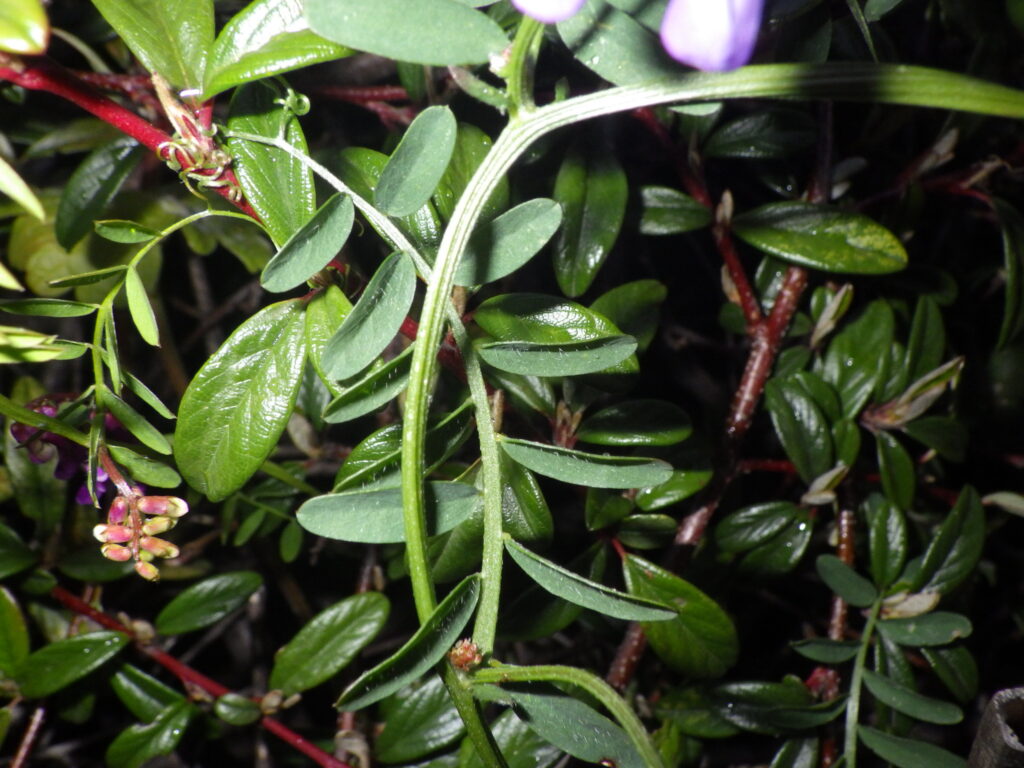
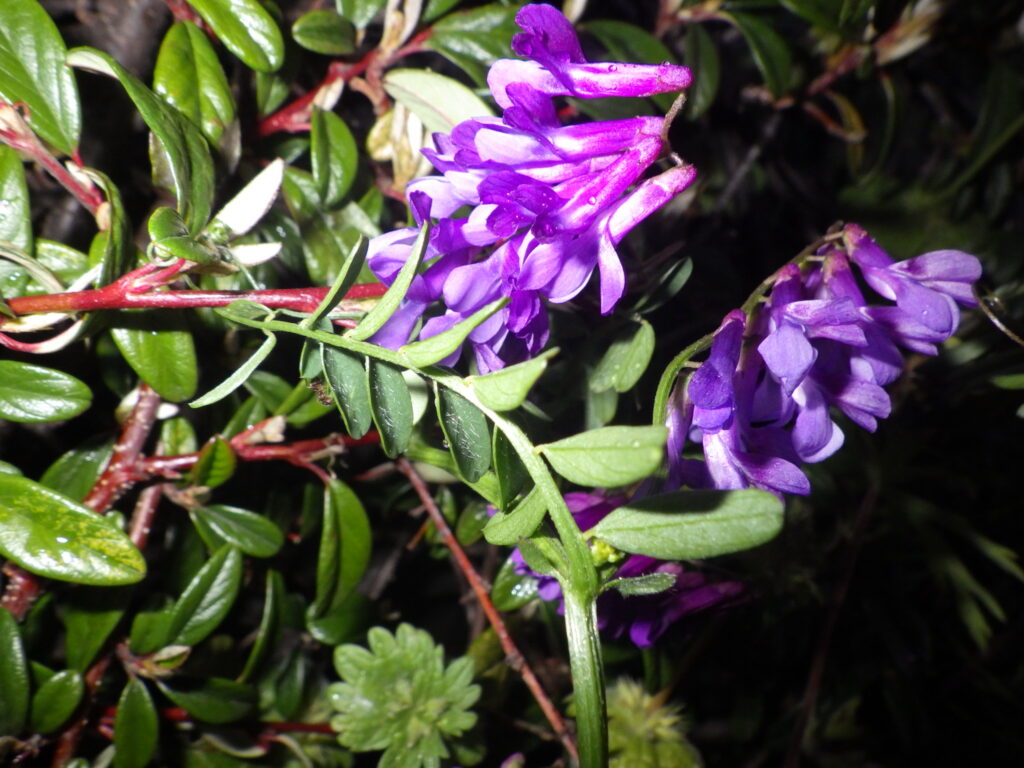
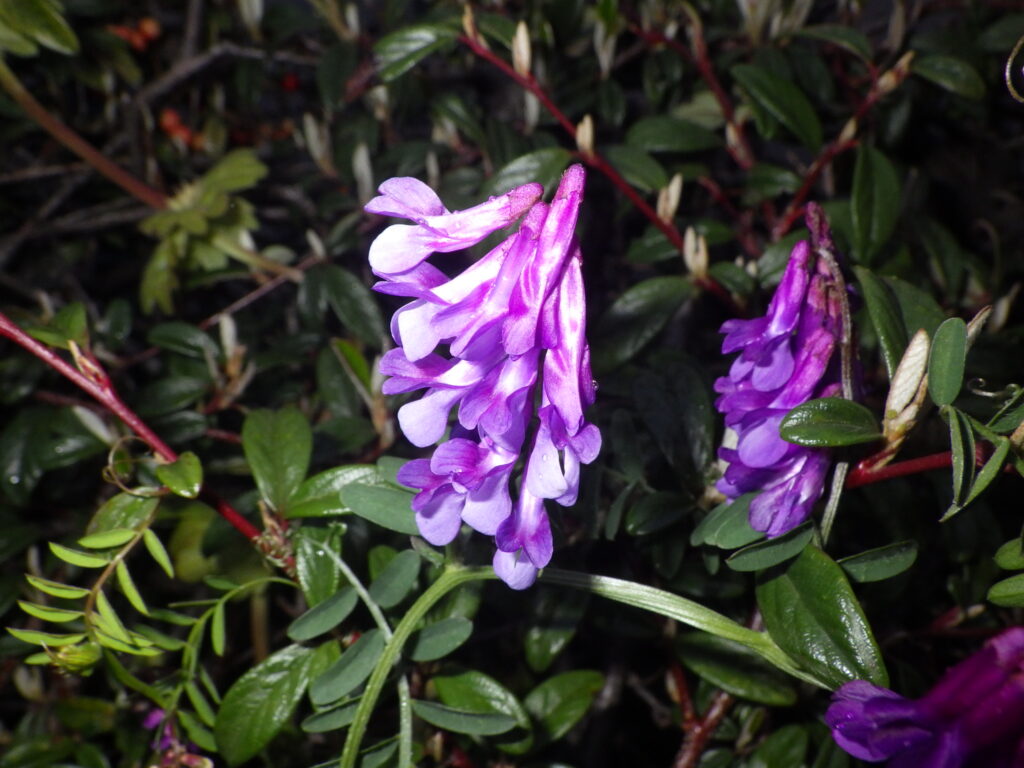
How is pollination done? Those long, slender flower tubes are easy targets for theft!?
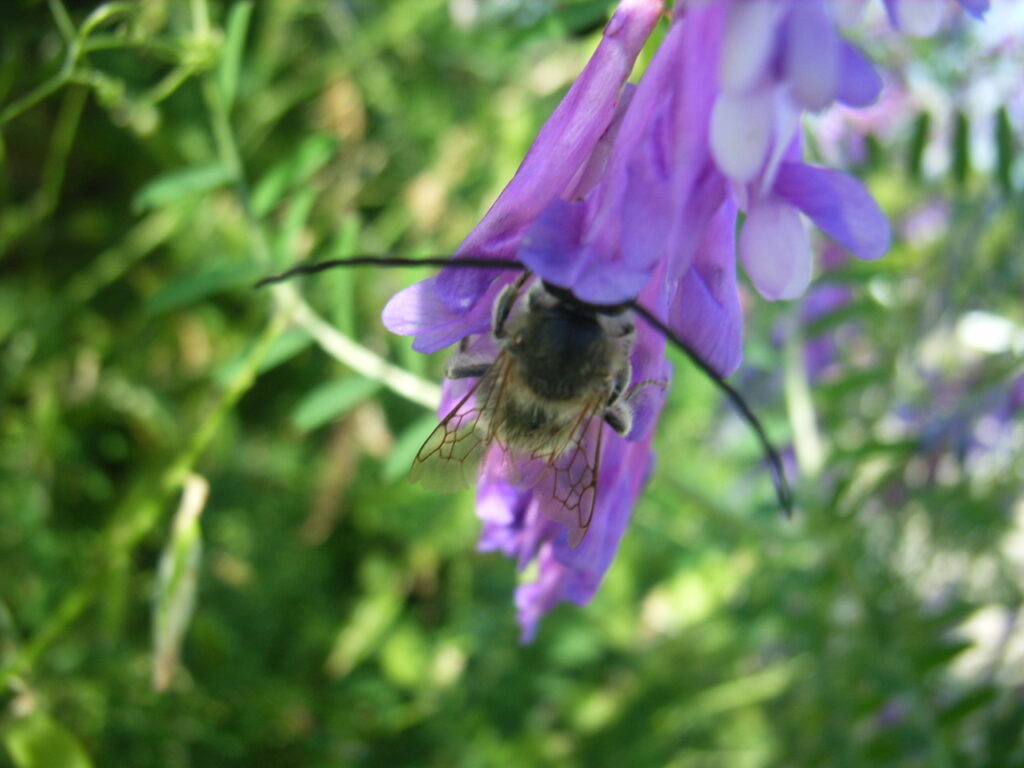
The butterfly-shaped flowers, a characteristic feature of legumes, are generally pollinated by bees that can push open their petals.
Like other species, Vicia cracca is favored by bees of the families Apidae, Apidae, and Apidae, as has been revealed through research in its native Germany, as well as in Jordan and Japan (Benedek et al., 1973; Al-Ghzawi et al., 2009; Sugiura, 2018; Mineno et al., 2021). In the Oki Islands, diurnal moths of the Sphingidae family are also thought to be pollinators.
In residential areas on the Japanese mainland, approximately 50% of the bees were white-striped longhorn bees and approximately 25% were European honeybees (Mineno et al., 2021).
However, while long-tongued bumblebees such as the Apogonidae and Bombus ignitus, as well as Sphingidae, utilize their long mouthparts to effectively contribute to pollination, short-tongued bumblebees such as the Carpenter bee and Bombus spp. have been observed directly drilling holes in the flower tube to extract nectar (Benedek et al., 1973; Sugiura, 2018). This is called primary nectar robbing.
Furthermore, honeybees and short-tongued bees will suck nectar from these holes. This is called secondary robbing.
The long flower tube of *Nayofujikusa* may have evolved to allow insects with long mouthparts to pollinate it, but there are also examples of this kind of unilateral exploitation.
References
Al-Ghzawi, AAM, Samarah, N., Zaitoun, S., & Alqudah, A. 2009. Impact of bee pollinators on seed set and yield of Vicia villosa spp. dasycarpa (Leguminosae) grown under semiarid conditions. Italian Journal of Animal Science 8(1): 65-74. https://doi.org/10.4081/ijas.2009.65
Benedek, P., Bank, L., & Komlódi, J. 1973. Behavior of wild bees (Hymenoptera: Apoidea) on hairy vetch (Vicia villosa Roth.) flowers. Zeitschrift für Angewandte Entomologie 74(1-4): 80-85. https://doi.org/10.1111/j.1439-0418.1973.tb01782.x
Kanagawa Prefecture Flora Survey Association. 2018. Kanagawa Prefecture Flora 2018 (Electronic Edition). Kanagawa Prefecture Flora Survey Association, Odawara. 1803pp. ISBN: 9784991053726
Mineno, M., Nagayama, M., & Yamamoto, K. 2021. Spreading of Vicia cracca in familiar locations: Identification of pollinators outside riverbanks and examination of harvesting timing. Abstracts of the Annual Meeting of the Ecological Society of Japan 68: PH-24. https://esj.ne.jp/meeting/abst/68/PH-24.html
Shimizu, K., Morita, H., & Hirota, S. 2001. Illustrated Guide to Naturalized Plants of Japan: 600 Species of Plant Invaders (Revised). National Rural Education Association, Tokyo. 553pp. ISBN: 9784881370858
Sugiura, 2018. Flower Visitors to the Alien Plant Vicia villosa (Fabaceae) in the Oki Islands. Bulletin of the Hoshizaki Green Foundation 21: 97-102. ISSN: 1343-0807, https://www.researchgate.net/publication/348306413
Takahashi, Hideo. 2003. Wild Edible Plants of Japan. Gakken Plus, 248pp. ISBN: 9784054018815
Wu, ZY, Raven, PH, & Hong, DY (Eds.). 2010. Flora of China (Vol. 10 Fabaceae). Science Press, Beijing, and Missouri Botanical Garden Press, St. Louis. ISBN: 9781930723917