Apricots and Japanese apricots are familiar foods because their fruits are often eaten as dried fruit. They are often treated as the same thing, and "apricot" is generally used as the English name for "apricot. " However, this is not always correct. Biologically, although they are very closely related, it is known that there are differences in the shape and arrangement of flowers and leaves between the population called "apricot" in Japan and the population called "apricot" in English. There are also differences in taste. Therefore, one could consider using "apricot" or "Japanese apricot" as a general term for these in a broad sense, but it is sometimes more appropriate to distinguish between them, taking into account geographical aspects and differences in cultural use. For those who cannot distinguish between apricots, plums, cherries, and Japanese apricots in the first place, we also introduce the differences between the fruits and flowers. The origin of apricots (in the broad sense) has been almost certainly identified as China and Central Asia by the latest genetic research. Interestingly, it is known that there were two routes to their spread throughout the world: apricots (in the narrow sense) that arrived in Japan via Korea early on, and apricots that reached Europe and America over a long period of time. Their uses are also contrasting; in China and Japan, apricot kernels were originally used medicinally, while in Europe, the fruit pulp was consumed as food. Apricot blossoms are open and seem to attract various insects for pollination, but it is heavily reliant on bees. There is no scientific research on why they bloom between plum and cherry blossoms, but it is likely influenced by competition and hybridization between species, as well as the insects that visit the flowers in their native habitats. The apricot kernels contained in the fruit are toxic, but their role in nature remains a great mystery. However, they are likely completely harmless to birds, suggesting that the toxin may be deterring mammals. This article will explain the classification, pollination ecology, seed dispersal, and toxicity of apricots.
- There's a difference between apricots and apricots!
- What are the morphological differences between apricots and apricots?
- What are the differences between apricot, plum, cherry, and Japanese apricot fruits?
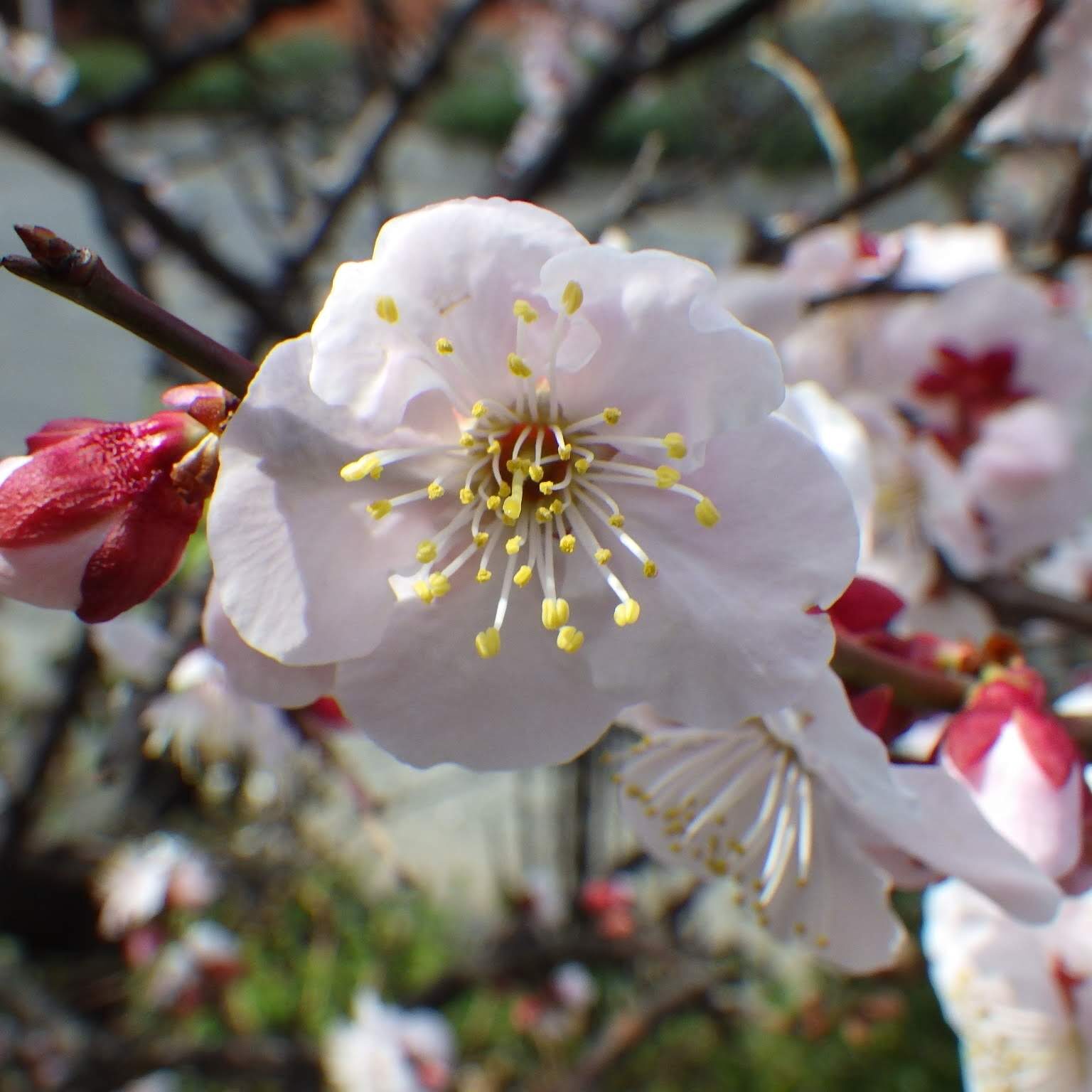
- What are the differences between apricot, plum, cherry, and Japanese apricot blossoms?
- Where did apricots originate?
- It spread from China to Japan and then to Europe and America via completely different routes!
- What is the structure of an apricot blossom?
- What kinds of insects visit apricot trees?
- Why do they bloom between plum and cherry blossoms?
- The fruit is a drupe with a nested structure.
- How dangerous are the toxins in apricots?
- Why does Jin possess amygdalin? What is its role in nature?
- Birds were fine after eating amygdalin!?
- The amygdalin in the leaves is also effective against insects!?
- References
- Source
There's a difference between apricots and apricots!
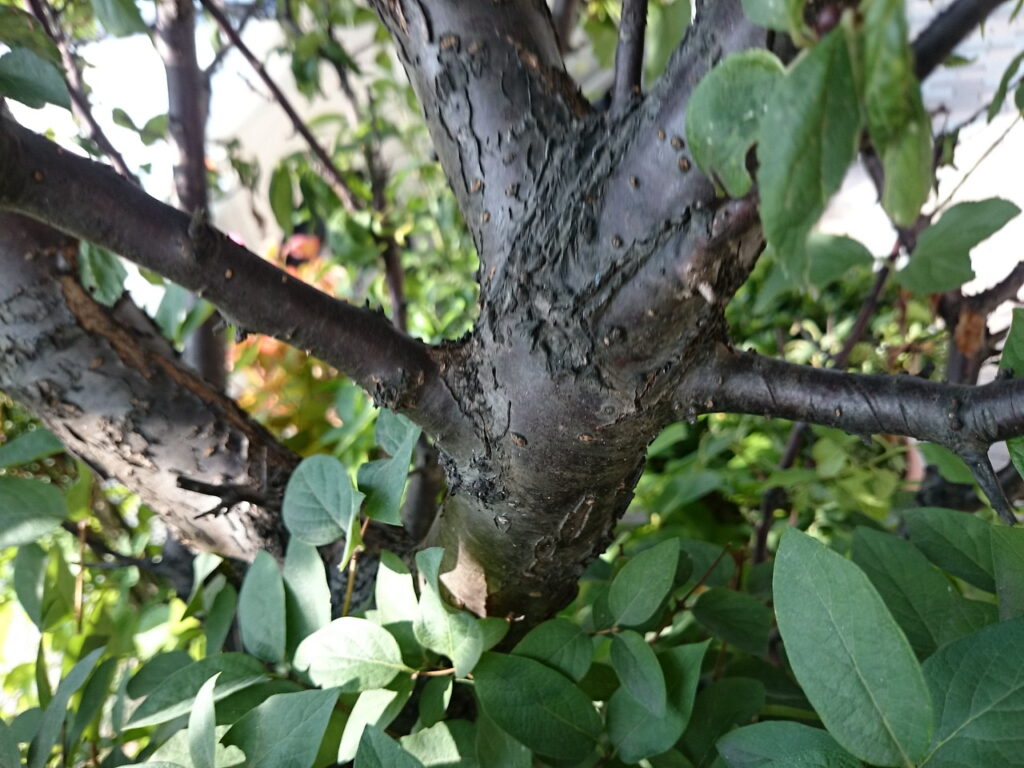
The apricot tree , Prunus armeniaca var. ansu (synonym: Armeniaca vulgaris var. ansu), is native to China and is a deciduous small tree that grows in mixed forests, sunny slopes, and dry river valleys in its native habitat (Wu et al., 2003). It was introduced to Korea and Japan and is cultivated there for medicinal, edible, or ornamental purposes.
Apricots belong to the genus Prunus in the family Rosaceae, and are a familiar plant to Japanese people because their fruit is used for food and medicine.
By the way, there's another plant that produces a very similar fruit called "apricot." Are these the same thing?
Generally, "anzu" is often used as the English name for apricot. For example, it is treated as such in the Japanese Wikipedia.
However, this is not always correct. Biologically, although they are very closely related, there are differences in the shape of the flowers and leaves between the population called "anzu" in Japan and the population called "apricot" in English (Yoshida, 1980; Wu et al., 2003).
Therefore, one could argue that these should all be collectively referred to as "apricots" or "apricots" in a broad sense, but in some cases, it is more appropriate to distinguish between them based on geographical factors and differences in cultural use.
These differences are considered taxonomically to be differences at the variety level, not the species level. While differences at the common species level do not result in hybridization and the production of offspring, differences at the variety level can be described as "morphological differences, but differences that allow for hybridization."
In taxonomic terms, the apricot (in the broad sense), Prunus armeniaca, is divided into two varieties: the apricot (Prunus armeniaca var. armeniaca) and the apricot (in the narrow sense) , Prunus armeniaca var. ansu.
The following explanation will be based on the premise that apricots and apricots are different things.
What are the morphological differences between apricots and apricots?
What are the specific differences in shape between apricots and apricots?
The easiest example to understand is probably flowers (Wu et al., 2003).
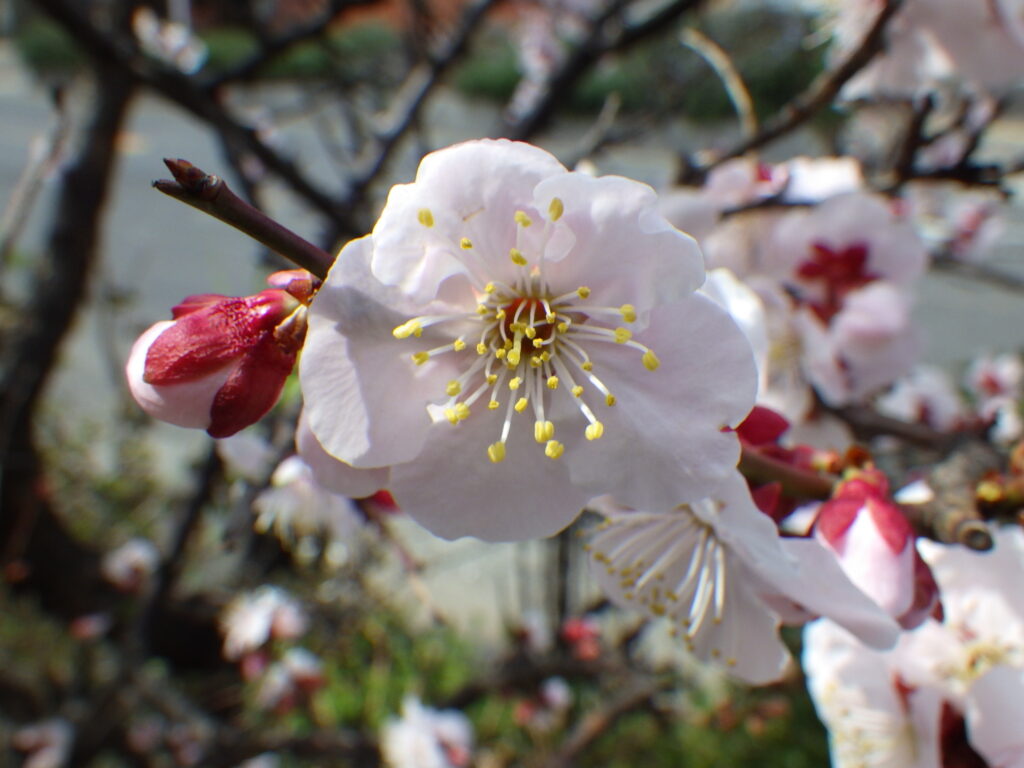
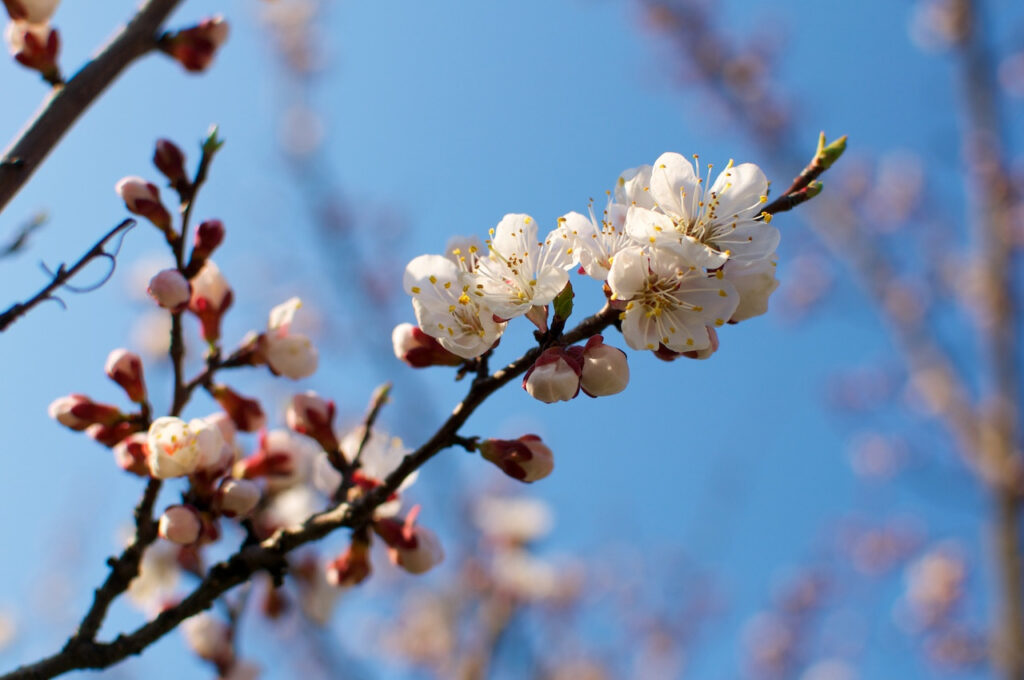
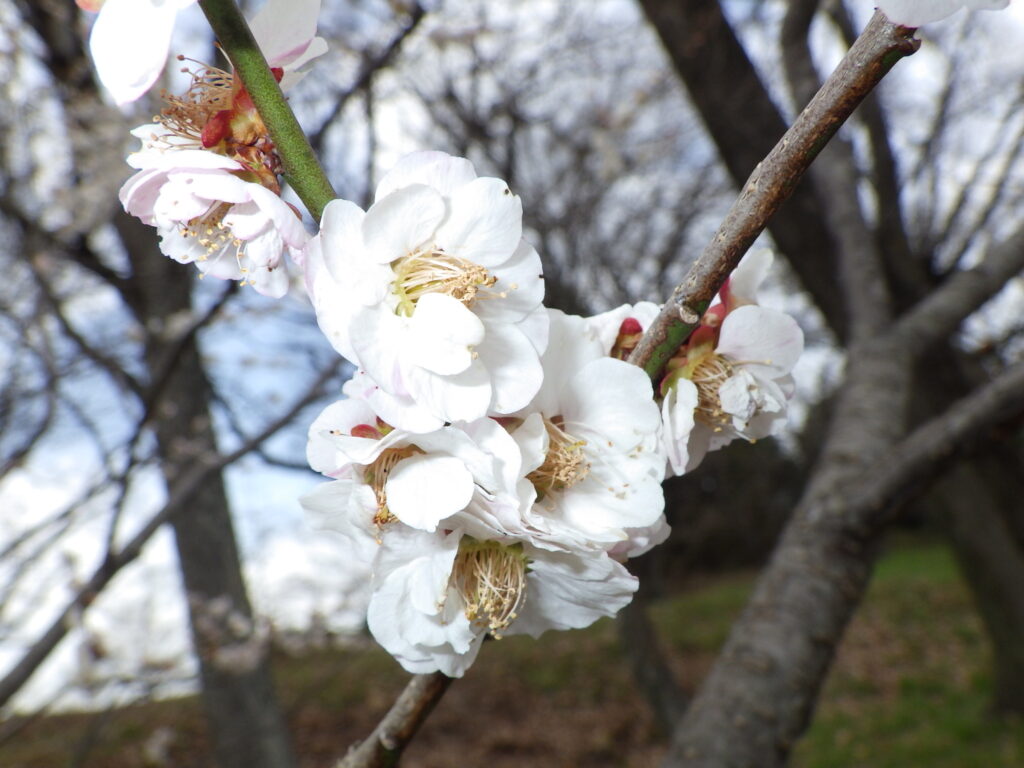
Apricot blossoms typically grow in pairs and have pink petals, while apricot blossoms usually grow singly and have white petals.
There are other differences as well.
Regarding the fruit, apricots typically grow in pairs following the flower, and the surface of the endocarp (the hard part inside the delicious flesh) has a reticulated pattern, whereas apricots usually grow singly, and the surface of the endocarp does not have a reticulated pattern.
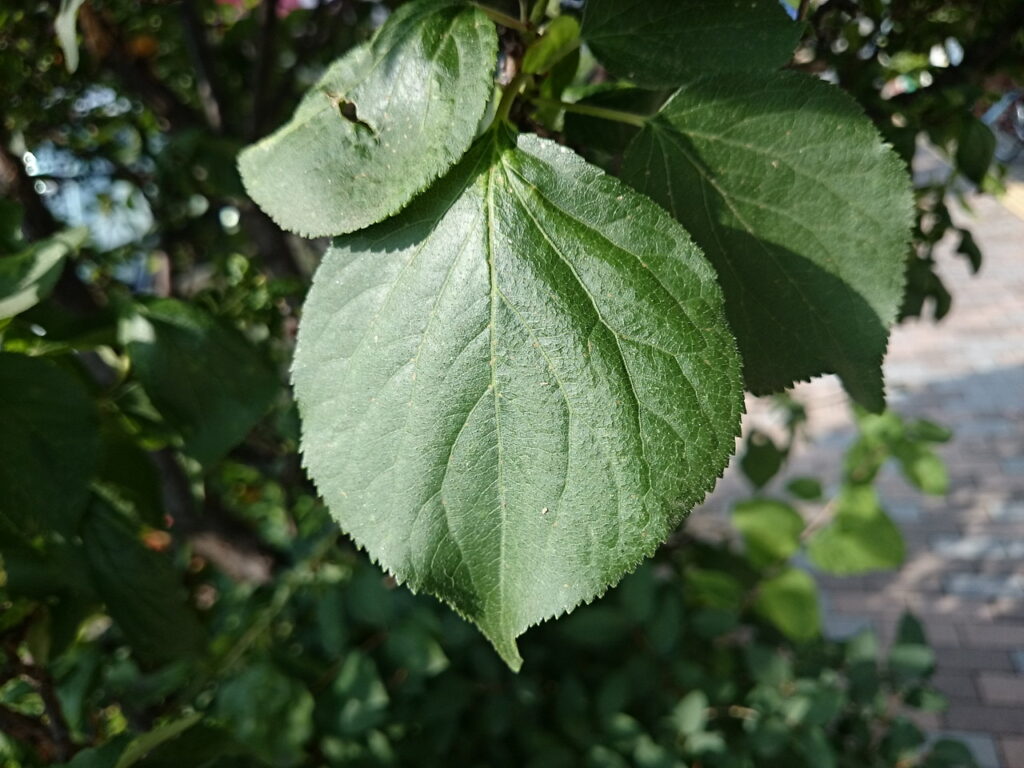
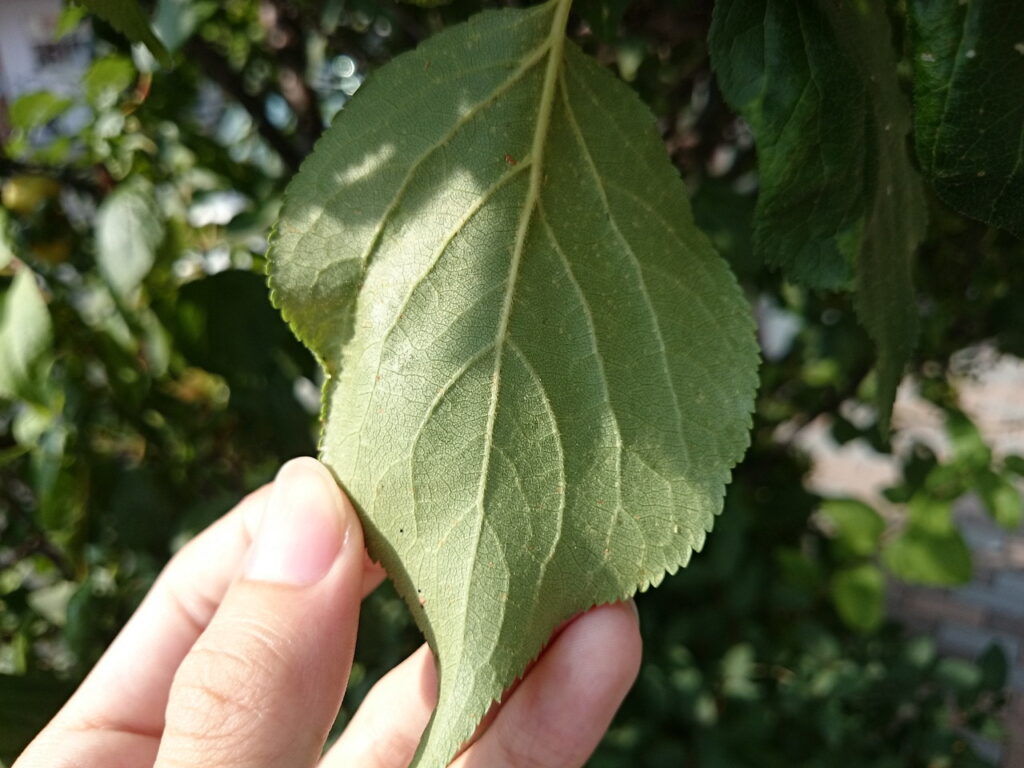
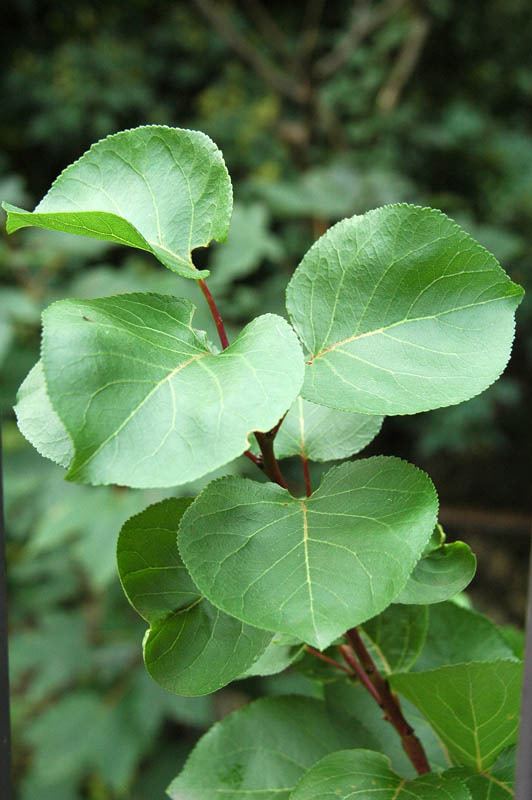
Regarding the leaves, apricot leaves have a cuneate to broadly cuneate base and are hairy on the upper surface, while apricot leaves have a nearly heart-shaped to rounded base and are hairless on the upper surface.
You might also be curious about the taste, but when eaten raw, apricots are described as "so sour they wake you up," while apricots are described as "sweet but also sour" (Yoshida, 1980).
These two varieties are the ones that have spread throughout the world, but there are several other varieties as well. The following are names I have given them myself, as there are no Japanese names for them.
Mei County apricot (Shan Mei Xing) var. meixianensis is distributed in China (Mei County, Baoji City, Shaanxi Province). Its double flowers, approximately 4-4.5 cm in diameter, and approximately 100 stamens make it unique and easily distinguishable.
Zhidan apricot (Zhidan xing) or Zhidan apricot (Zhidan apricot var. zhidanensis) is distributed in China (Ningxia Hui Autonomous Region, Qinghai Province, Shaanxi Province, and Shanxi Province). It resembles the apricot, with flowers usually solitary, and the base of the leaves is roughly heart-shaped to rounded, but unlike the apricot, the leaves are hairy, and the drupe is 1.5-2 cm in diameter (compared to 2.5 cm or more in apricot).
What are the differences between apricot, plum, cherry, and Japanese apricot fruits?
Some people may not even be able to distinguish between apricots, plums (Prunus mume), cherry blossoms (Cerasus spp.), and Japanese apricots (Prunus salicina).
Let's quickly go over the differences. Note that there is no single plant species called "sakura," but rather it's a general term for all types of plants.
The easiest way is to focus on the fruit.
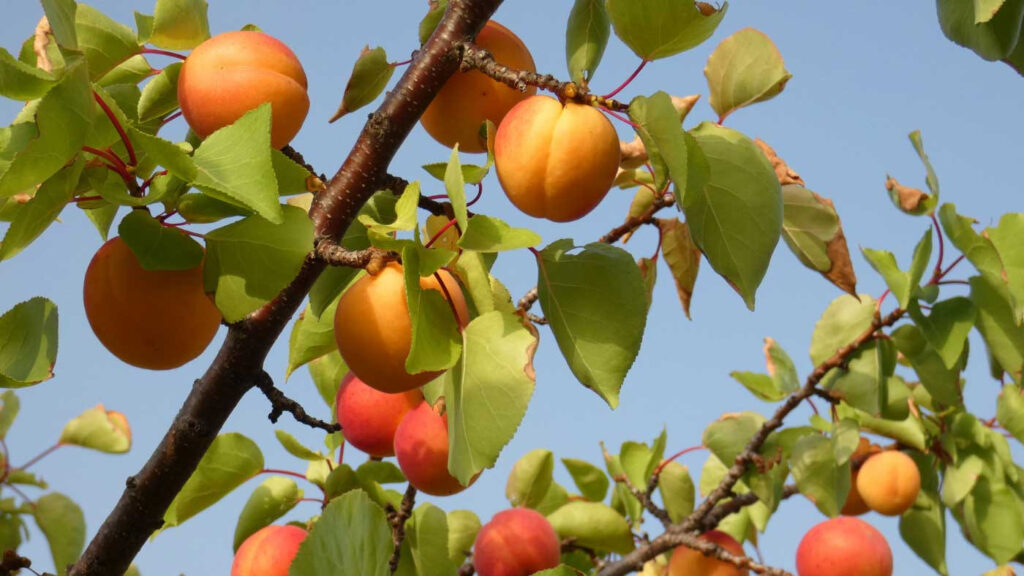
Apricots, plums, and Japanese apricots have vertical indentations on their fruits, which are powdery white and sometimes hairy, whereas cherry blossoms (cherries) do not have vertical indentations and are not powdery white (Saikawa and Iwamoto, 2007).
This is something you can understand if you imagine eating them regularly. These characteristics are considered important in classification, and in Asia in particular, they are the basis for separating apricots, plums, and Japanese apricots into the genus Prunus, and cherries into the genus Cerasus. However, in Europe and America, they are often not separated.
Furthermore, while apricots and plums develop sweetness, change from green to a warm color when ripe, and the seed separates from the flesh (they exhibit free-stalking properties), plums do not develop sweetness in the flesh even when fully ripe, remain green, and the seed does not separate from the flesh.
This is also easy to imagine if you think about eating pickled plums. Incidentally, the reason pickled plums are red is because of the leaves of the red perilla plant, Perilla frutescens var. crispa f. purpurea. The pigment called "shisonin" contained in the leaves of the red perilla plant reacts with the citric acid in the plum, causing it to turn red.
Regarding apricots and plums, apricots turn yellow to dark yellow when ripe, while plums turn red when ripe.
What are the differences between apricot, plum, cherry, and Japanese apricot blossoms?
The above methods should allow for identification, but let's also look at the flowers.
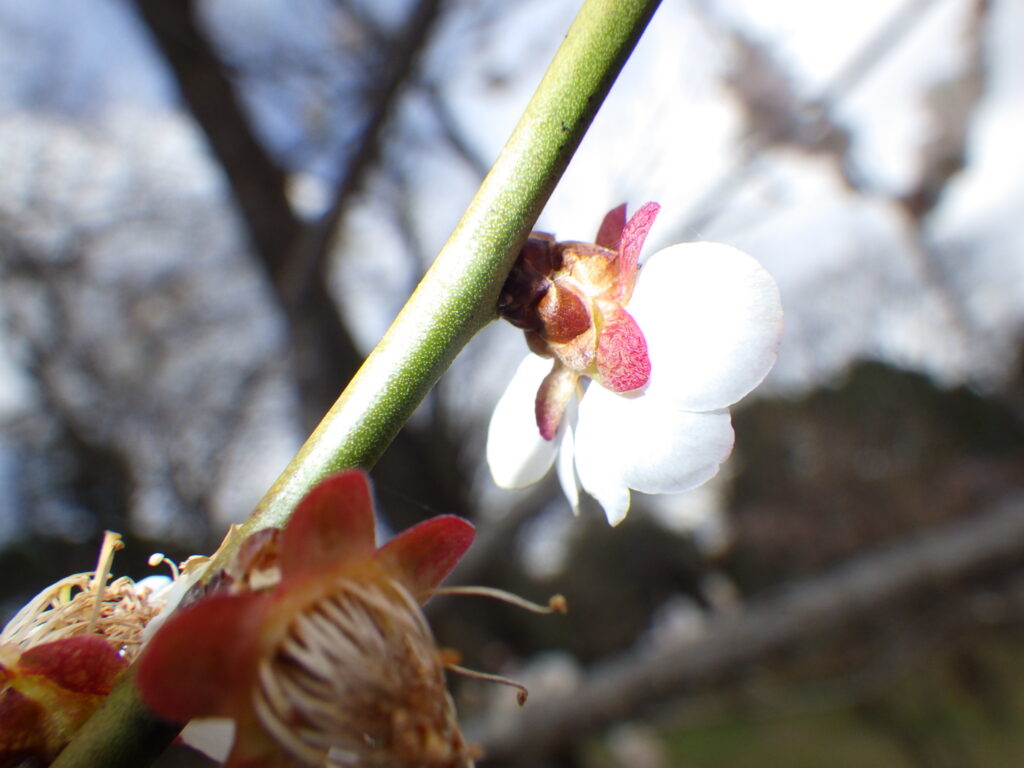
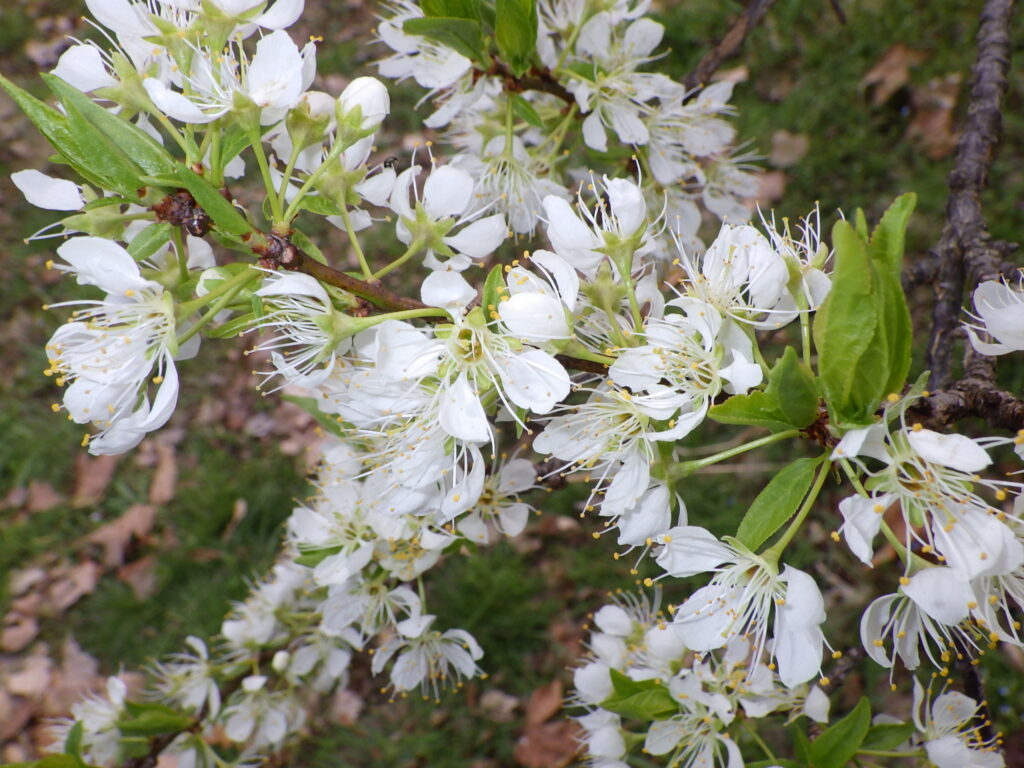
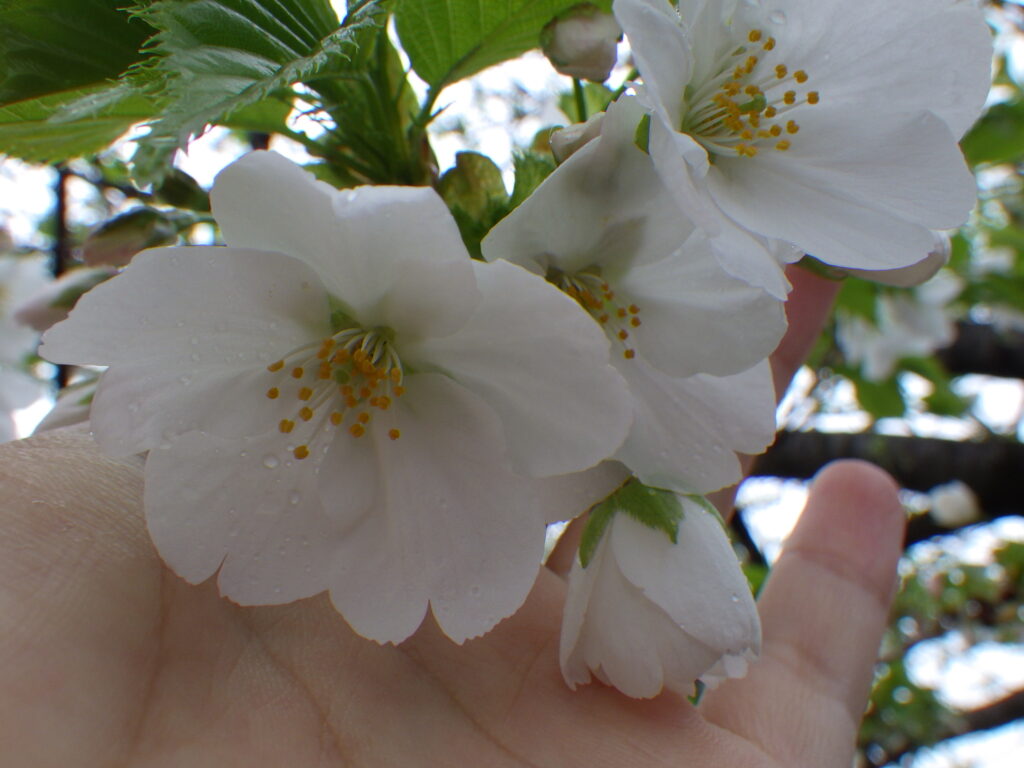
Apricots and plums have almost no flower stalks (the part connecting the flower to the branch), while cherries and plums have long, well-defined flower stalks.
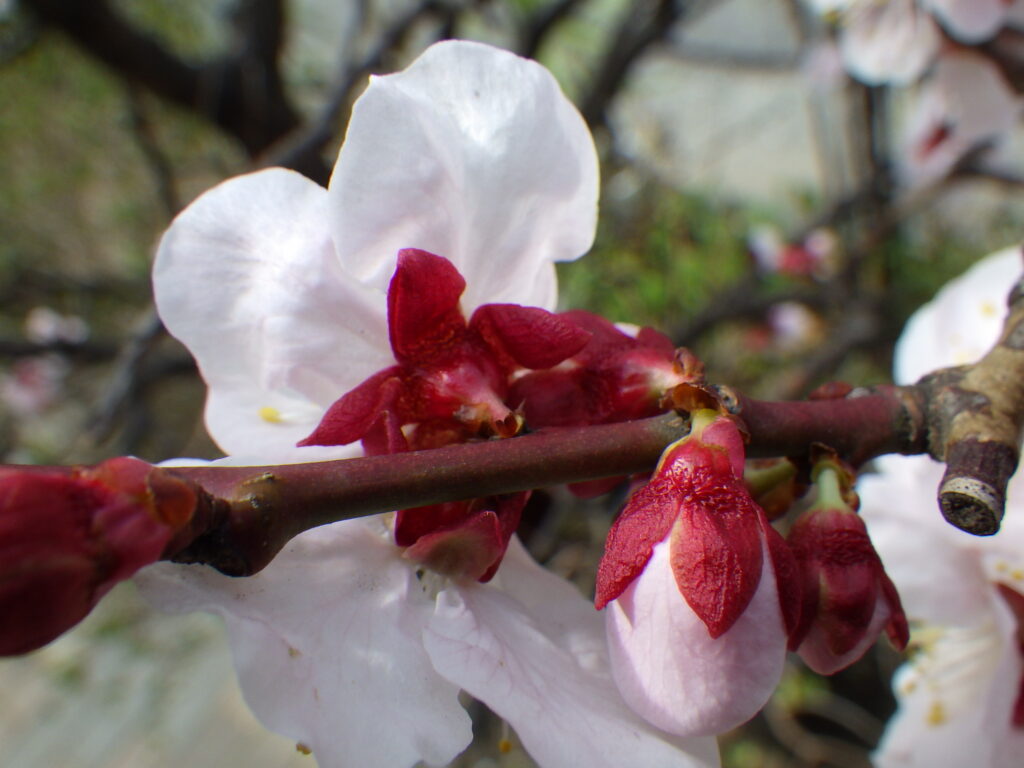
Regarding apricots and plums, apricots have flowers that bloom densely all over the branches in March and April, with sepals that curl back and have pointed tips, while plums have flowers that bloom sparsely on parts of the branches in February and March, with sepals that do not curl back and have rounded tips.
Regarding cherry blossoms and plum blossoms, in cherry blossoms the base of the petals spreads out well, the calyx is not visible from the front of the flower, and there is a notch at the tip of the petal, whereas in plum blossoms the base of the petals narrows, the calyx is prominent from the front of the flower, and there is no notch at the tip of the petal.
While it's possible to distinguish them by their leaves, we'll omit that here. Please note that this classification is sufficient for these four species, but in reality, there are many species in the genus Prunus, so it's not possible to identify them all.
Where did apricots originate?
Where was the original distribution of *Prunus armeniaca *, the ancestor of apricots (in the narrow sense) and apricots (in the broad sense)?
Recent genetic studies suggest that it is most genetically diverse in Central Asia, including China, and therefore is thought to be native to China and Central Asia (Bourguiba et al., 2020).
In China, apricots were already in use during the Neolithic period (3000-2000 BC) (Kobayashi, 2017). Cultivation began in the 3rd-2nd centuries BC during the Shang Dynasty, and by the 5th-6th centuries during the Three Kingdoms period, varieties such as red apricot, yellow apricot, plum apricot, and variegated apricot were being cultivated. In addition to being appreciated for its flowers, initially, the kernel inside the seed, known as "xingren," was used medicinally for fever reduction and cough suppression, rather than the fruit pulp.
The oldest document mentioning apricots is the "Xia Xiaozheng," the oldest Chinese agricultural calendar written during the Xia Dynasty, and apricot kernels have also been discovered in Western Han tombs. In ancient texts, apricots are mentioned in the "Shanhaijing" and "Liji," and detailed descriptions can be found in works such as the "Qi Min Yao Shu" and "Bencao Gangmu."
Almond tofu is also originally a type of medicinal cuisine, a dish that sweetens apricot kernels, which were used as a remedy for asthma and dry coughs, making them easier to take. It is made by grinding "sweet apricot kernels," a variety of apricot that has been selectively bred to have less bitterness, into a powder called "apricot kernel powder," which is then chilled and solidified with agar, cut into diamond shapes, and floated in sweet syrup.
It spread from China to Japan and then to Europe and America via completely different routes!
This apricot (Prunus armeniaca) spread throughout the world via two routes. The population that reached Japan became the apricot (var. ansu) in the narrow sense, while the population that reached Europe and America became the apricot var. armeniaca.
Apricots (in the narrow sense) were introduced to Japan from the Former Han Dynasty (China) about 2,000 years ago during the middle of the Yayoi period (Kobayashi, 2017). This is a significant difference from fruits such as pears, which were introduced to Japan much later as cash crops after spreading to Europe.
In historical records, the oldest Japanese herbal medicine book from the Heian period , "Honzo Wamyō" (918), and the first classified Japanese-Chinese dictionary , "Wamyō Ruijushō" (931-938, compiled by Minamoto no Shitago), both record the use of apricots under the Japanese name "Karamo-momo." Initially, as in China, apricot kernels were used medicinally while apricots were cultivated for ornamental purposes. Cultivation as a fruit tree, with the use of its pulp also being beneficial, is relatively recent, dating back to the Edo period.
With the development of chemically synthesized pharmaceuticals during the Meiji era, the demand for apricot kernels decreased, leading to increased use of apricots as a fruit tree. Currently, they are cultivated as a cash crop mainly in Nagano, Yamanashi, and Yamagata prefectures (Tanaka, 1995; Kaizu, 1995). The flesh of the ripe, orange-yellow fruit is quite sour and often unsuitable for eating raw, so it is processed into products such as dried apricots and apricots in syrup.
Meanwhile, apricots spread from the Western Han Dynasty (China) to the Yuezhi, Seleucid Syria (present-day Iran and the Caucasus region), the Armenian Kingdom (which gained independence from the Yuezhi in 190 BC), and Parthia (present-day Iran), which gained independence in 247 BC, becoming secondary centers of genetic diversification. In the 1st century, they spread to Greece and Rome within the Roman Empire.
On this route, the fruit pulp is only used for consumption as dried apricots.
It spread via Rome to various parts of the Mediterranean, North Africa, and Southern Europe, and was improved in each region, leading to genetic diversification. It gradually spread to northern Europe, and was imported to the Tudor Kingdom of England (present-day Great Britain) from Italy by a Catholic priest in the early 16th century (or possibly the mid-14th century) during the reign of Henry VIII. It was at this time that the name "Praccox" (early-ripening fruit) changed to "apricot."
It was introduced to the Americas from the Spanish Bourbon dynasty in the 18th century.
What is the structure of an apricot blossom?
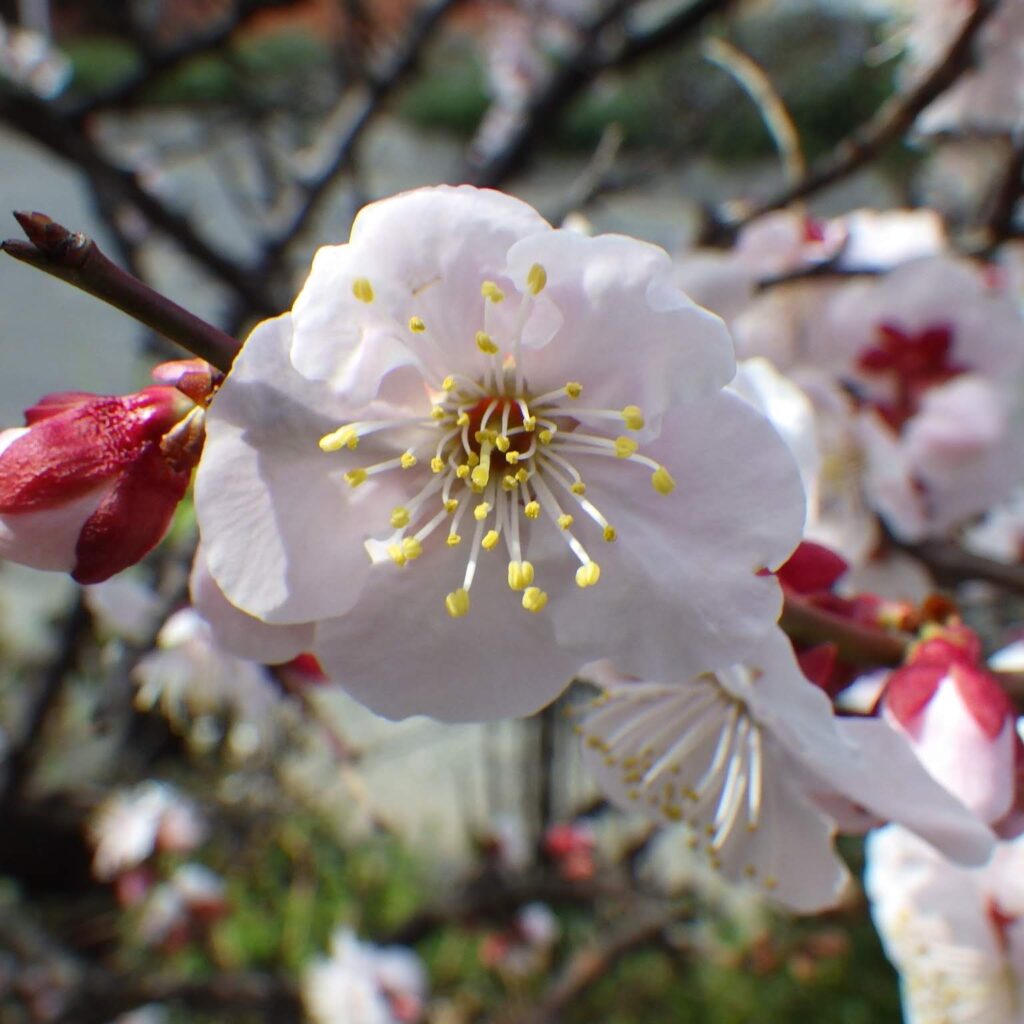
Apricot trees bloom with pale pink flowers from early spring to spring (around March to April), which is between the flowering seasons of plums and cherries. They usually grow in pairs. The flowers are 2.5 to 3 cm in diameter and have five petals. The tips of the petals are rounded. There is one pistil and many stamens. The calyx is reddish-purple, and the sepals are broadly oval and curved backward. The flower stalks are short.
In the case of apricots, they usually grow singly and the flowers are white, but otherwise they are mostly the same.
It closely resembles plum and cherry blossoms, but can be distinguished by its recurved sepals.
What kinds of insects visit apricot trees?
What kinds of insects visit this flower?
A study conducted in an orchard in Iwate Prefecture, Japan, investigated in detail the insects that visit apples, pears, peaches, plums, European cherry trees, apricots, and other fruit trees.
Plants that are self-incompatible, such as apricots, do not self-pollinate. They will not produce fruit unless pollen is carried by insects from another plant or artificial pollination is performed.
Therefore, it is very important to find out what kinds of insects visit flowers.
The results for apricot trees show that various insects, including butterflies, flies, hoverflies, wasps, honeybees, and bees, visit the trees. However, in terms of proportion, the European honeybee (Apis mellifera) was the most frequent visitor, followed by the honeybee (Andrena japonica). Overall, hoverflies were a minority, and it seems that bees were the main visitors (Kobayashi, 1979).
Many flowers have undergone specialization, changing to attract only specific insects, but in the case of apricots, perhaps due to the open shape of their flowers, they seem to attract a fairly wide range of insects. However, there may actually be some mechanism in place to attract a large number of bees.
While European honeybees are an introduced species and only captive individuals are present, it's interesting that the second most frequent visitor was the native honeybee, *Hymenophyllum erythropoinum*. This suggests that apricots may be pollinated by wild bees.
The benefits we receive from wildlife, often without even realizing it, are called "ecosystem services." If you enjoy eating apricots, please also take an interest in nature conservation.
Why do they bloom between plum and cherry blossoms?
In the aforementioned study conducted in Iwate Prefecture, similar investigations were also carried out on plums, which bloom earlier than apricots. However, the data was limited, and no significant differences in pollinating insects were found between plums and apricots.
However, when closely related species coexist in the same area, it is thought that they stagger their flowering times to avoid competition for insects or to create habitat segregation based on insect species. Avoiding hybridization is also important.
The difference in flowering times between apricots, plums, and cherries is likely due to such reasons, but unfortunately, this is not clear from this study, and there is insufficient information.
There may be other reasons for the difference in flowering times. The ancestors of plum, apricot, and cherry trees originally lived in different environments, and it's possible that each species independently adapted to the time when insects were most attracted to them.
To answer this question, we would need to investigate their life history in the wild in more detail.
Regarding apricots, a study in Pakistan found that a similar group of insects visits them, with European honeybees being the most numerous (Maryam et al., 2020).
The fruit is a drupe with a nested structure.
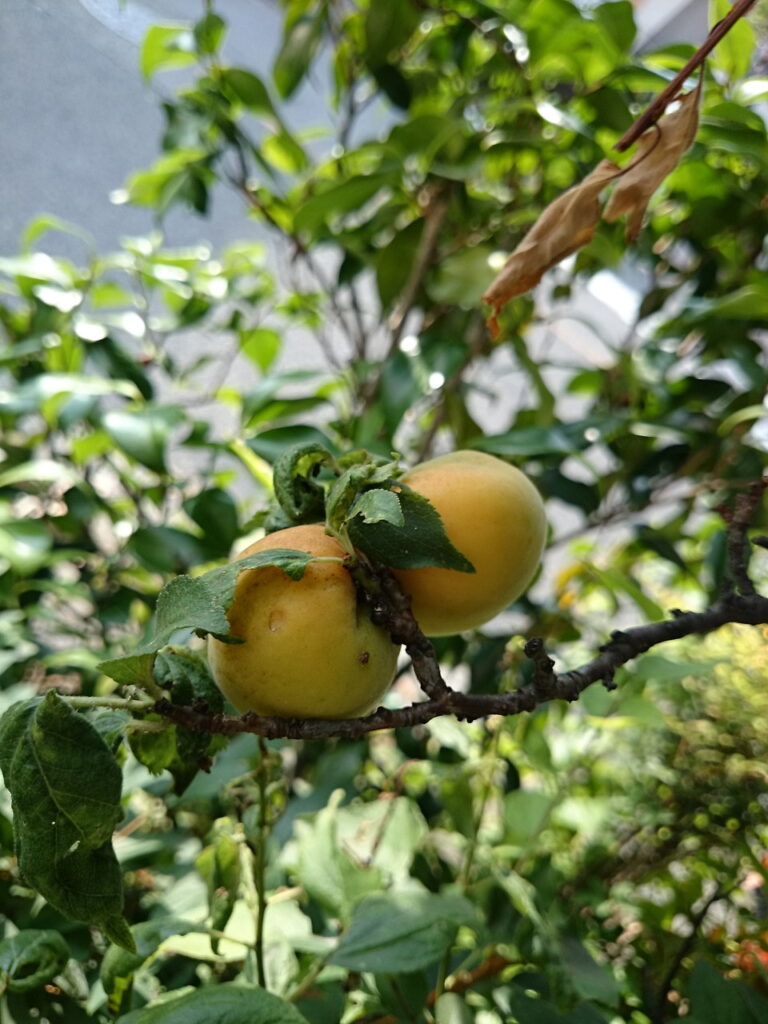
The fruit is a drupe, about 3 cm in diameter. When ripe, it turns yellow to dark yellow.
Being a drupe is a common characteristic of the genus Prunus (and more narrowly, also including the genera Prunus, Prunus, Prunus, and Prunus). The same applies to plums, for example.
Let's take a closer look at the structure.
Fruits can usually be divided into the pericarp and seeds. The pericarp has a three-layered structure consisting of the exocarp, mesocarp, and endocarp.
However, in the plum genus, the mesocarp has evolved into "flesh" that contains a lot of water and sugar. This is the part that is edible.
Furthermore, the endocarp hardens and becomes woody, transforming into a "pit" or "fruit seed."
Therefore, if you remove the "pulp," you will see the "kernel," which might be mistaken for an "apricot seed." However, it actually has a unique structure not found in other plants: "endocarp + seed."
The kernel is a flattened circle about 2 cm in diameter. In the case of apricots, the surface is rough and has a reticulated pattern, but it is not an apricot.
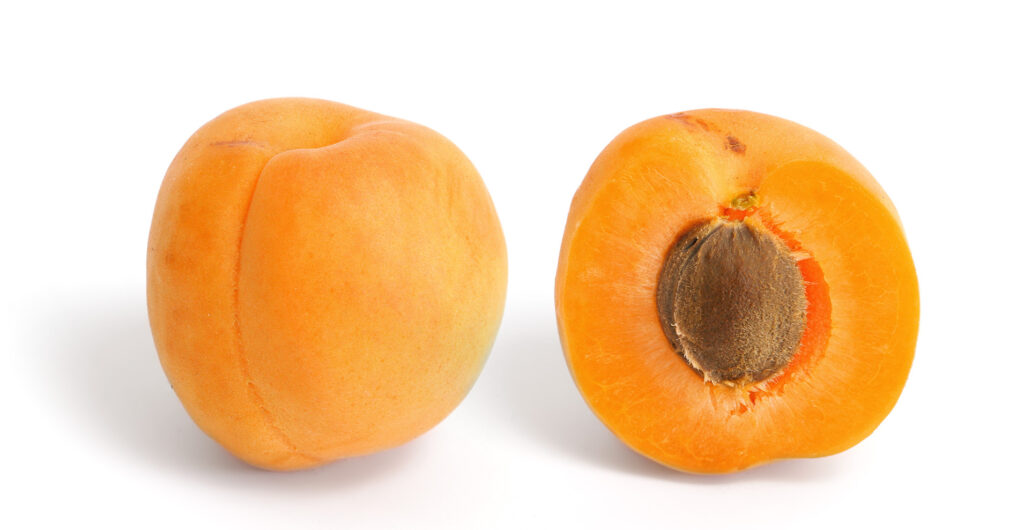
After removing the pulp and then the hard inner pericarp, the seeds finally become visible, but these seeds have a nested structure. The seed is enclosed in a "seed coat," and inside is the "kernel."
The kernel is composed of the "embryo" and the "endosperm." The embryo is the main body that undergoes cell division and sprouts, while the endosperm is the part that provides nutrients for the embryo until it sprouts and performs photosynthesis.
This kernel is common to all species in the Prunus genus, and is called peach kernel in peaches, plum kernel in Japanese apricots, and almond in gentian. In the case of apricots, it is called apricot kernel (kyōnin), etc.
Apricot kernels are 1.1 to 1.5 mm long and have a flattened, pointed, oval shape.

As mentioned above, apricot kernels contain endosperm, giving them nutrients and flavor. However, they also contain a substance called cyanogenic glycoside, which gives them a bitter taste. Apricot kernels produced by apricots that are close to wild varieties are called bitter apricot kernels (kukyōnin). On the other hand, varieties that have been selectively bred to reduce the amount of cyanogenic glycoside, which is the source of bitterness, are sweet and are called sweet apricot kernels (tenkyōnin). The former are used medicinally to suppress coughs, expel phlegm, and induce vomiting, while the latter are used as an ingredient in almond tofu (annin tofu) and amaretto.
How dangerous are the toxins in apricots?
Apricot kernels contain amygdalin, a type of cyanogenic glycoside.
Amygdalin itself is non-toxic, but when ingested orally, it is broken down in the body by the enzyme emulsin, also found in plants, and the enzyme β-glucosidase, found in human intestinal bacteria, producing hydrogen cyanide (prussic acid). This causes symptoms of poisoning such as vomiting, facial flushing, diarrhea, and headache, and if ingested in large quantities, it can lead to confusion, coma, and death.
According to an opinion paper on the health risks of apricot kernels issued on April 27, 2016, by the European Food Safety Authority (EFSA), which is equivalent to Japan's Food Safety Commission, calculations showed that for children, one small apricot kernel per day exceeds this value. For adults, up to three small apricot kernels per day do not exceed this value, but even consuming less than half a large apricot kernel could potentially exceed this value.
However, in the case of apricots, if the dosage (very small amount) is followed, they can be used as a medicine to suppress coughs, expectorants, and induce vomiting.
This perfectly illustrates the idea that something can be both poison and medicine.
Why does Jin possess amygdalin? What is its role in nature?
By the way, why do the kernels of plums, including apricot kernels, contain amygdalin? I'm curious about its role in nature.
To put it very simply, one could think that the plant is designed to deter fruit-eating animals from eating the kernel containing amygdalin, instead making them eat only the pulp. This causes them to spit out the kernel, which then disperses the amygdalin to another location.
If that's the case, it's possible that the animals are being deliberately made to vomit. If this is true, it would be a very interesting evolutionary development.
However, if that's the case, it seems like there's a significant risk for the animals. In particular, many mammals, unlike humans, don't skillfully remove only the pulp and often swallow the fruit whole. Also, if they bite into the pit, they might taste bitterness, perceive it as dangerous, and stop eating plums altogether.
To put it another way, just like humans, there might even be "pulp thieves" that eat only the pulp on the spot and don't scatter the fruit pit elsewhere.
Unfortunately, while there is a lot of research from a medical and health perspective, there is a lack of research on its role in the natural world, and currently, there are no clear answers.
Birds were fine after eating amygdalin!?
However, some interesting research is being conducted in relation to this.
North America is home to a fruit-eating species of waxwing called the Japanese waxwing (Bombycilla cedrorum). This species consumes large quantities of fruits containing amygdalin, including fruits from several species of the genus Prunus and several species of the genus Sambucus.
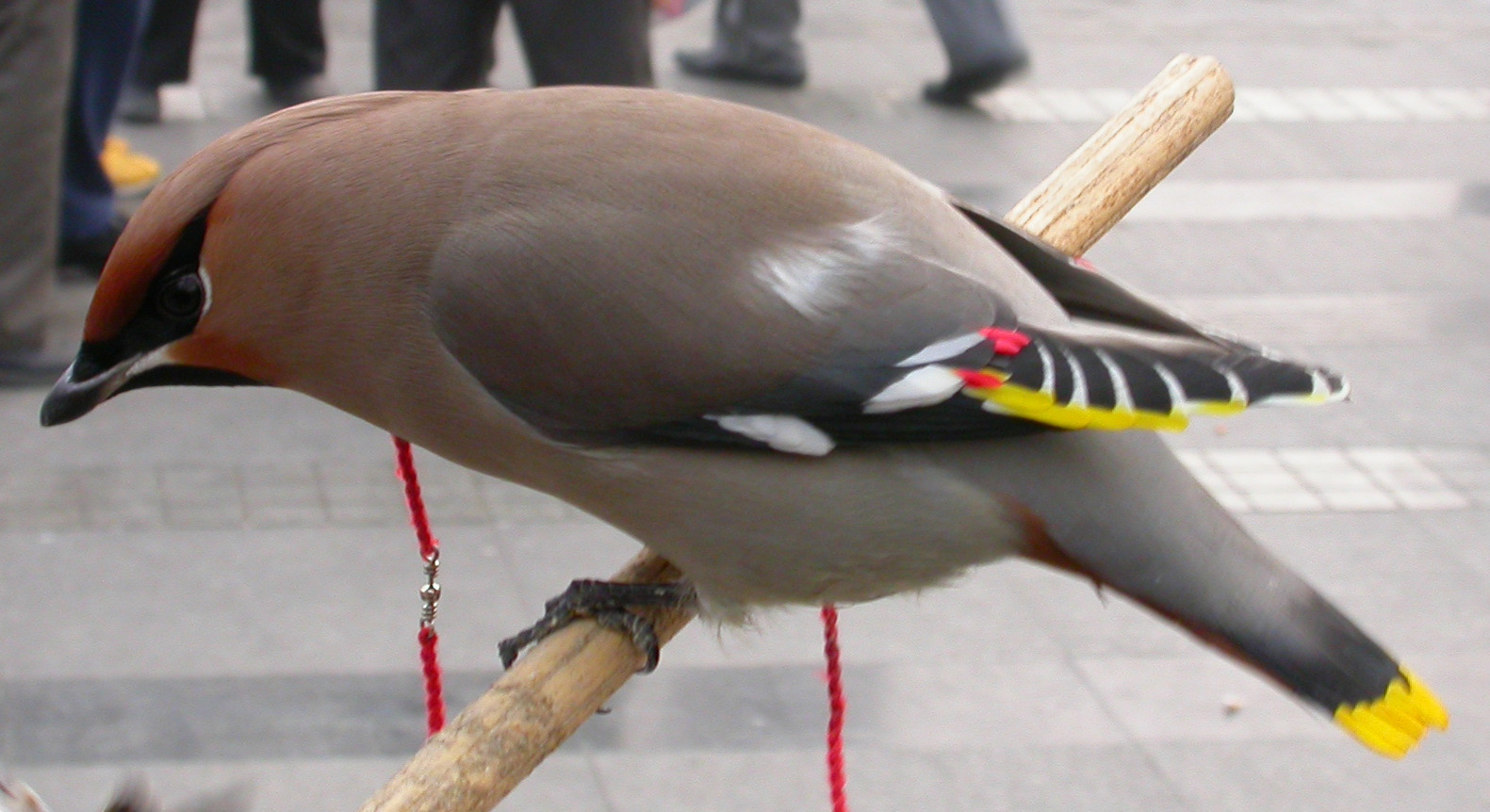
Why do Japanese waxwings seem unfazed after eating large quantities of fruit containing amygdalin?
Therefore, this study investigated the resistance of the Japanese waxwing to amygdalin (Struempf et al., 1999).
In the experiment, waxwings were exposed to artificial fruits containing amygdalin at various concentrations, and it was measured whether the presence of amygdalin reduced fruit consumption. To investigate whether amygdalin reduces the relative attractiveness of the fruit, an experiment was also conducted in which waxwings were given the option to choose between artificial fruits containing amygdalin and artificial fruits without amygdalin.
As a result, the Japanese waxwings ate artificial fruit containing four times the amount of amygdalin found in wild fruit, and even after ingesting 5.5 times the oral lethal dose for rats in four hours, they did not show any outward signs of toxicity such as tremors, ataxia, or paralysis.
Furthermore, the presence or absence of amygdalin did not affect the preference of the Japanese waxwings.
This suggests that the Japanese waxwing would consider the fruit containing amygdalin to be completely harmless.
Based on these results, it's possible that plum trees don't even consider mammals a threat; rather, they see them as thieves that hinder seed dispersal and cause seed death, so they don't mind if they die. The bitterness of the kernel can be interpreted as a signal saying, "Do not touch this fruit!"
On the other hand, it might be that birds are the most important partners.
We cannot definitively say this is true because there is insufficient research on amygdalin resistance in other mammals and birds. It is possible that the Japanese waxwing is a special case, or that some mammals are special cases. In fact, it has been found that the American black bear (Ursus americanus) and the golden gentle lemur (Hapalemur aureus) are resistant to amygdalin.
However, if mammals are disliked by plum trees, it might be a sad fact for humans, who are mammals.
Ironically, however, it was thanks to its bitterness and the sweetness of its flesh that it became a prized possession for humans, leading to its population spreading throughout the world. It even offers a lesson that you never know what characteristics will lead to success.
The amygdalin in the leaves is also effective against insects!?
Furthermore, the effects of amygdalin are not limited to this. Amygdalin is also found in trace amounts in the leaves and bark. The amygdalin found in the leaves is thought to serve a different purpose.
First, it has antifungal properties and can inhibit the growth of fungi. However, research on this is not very advanced.
It may also be effective against leaf-eating insects. However, this effect varies greatly depending on the species. For example, amygdalin and linamarin do not show a strong inhibitory effect on leaf-eating orthopteran insects, but they have been shown to reduce the amount eaten by the larvae (caterpillars) of two species of noctuid moths.
It's currently unknown whether the original purpose of developing amygdalin was to protect the leaves or the kernel, but in either case, it seems certain that it has a wide range of uses today.
References
Bourguiba, H., Scotti, I., Sauvage, C., Zhebentyayeva, T., Ledbetter, C., Krška, B., … & Audergon, J. M. 2020. Genetic structure of a worldwide germplasm collection of Prunus armeniaca L. reveals three major diffusion routes for varieties coming from the species’ center of origin. Frontiers in Plant Science 11: 638. https://doi.org/10.3389%2Ffpls.2020.00638
Kaizu, Yoshitaka. 1995. Medicinal Herbs of Japan. Shogakukan, Tokyo. 279pp. ISBN: 9784092080164
Kobayashi, Moriki. 1979. Research on the propagation and utilization of pollinating insects in horticultural crops. Research Report of Iwate Prefectural Horticultural Experiment Station 1: 1-159. ISSN: 0388-4449, https://www.pref.iwate.jp/agri/res/projects/project_agri/_page/002/004/881/enshi_sp-01.pdf
Kobayashi, Mikio. 2017. Cultural History of Fruits at Keisen University (11) Apricots. Bulletin of the Institute for Horticultural Culture, Keisen Women's University. Horticultural Culture 13: 129-132. ISSN: 1882-5044, http://id.nii.ac.jp/1294/00001015/
Maryam, H., Rafi, MA, Zia, A., Rasul, G., Sheikh, MK, Qasim, M., & Parveen, G. 2020. Insect pollinator fauna of apricot from Gilgit-Baltistan, Pakistan. Pakistan Journal of Agricultural Research 33(2): 202-211. ISSN: 0552-9034, https://doi.org/10.17582/journal.pjar/2020/33.2.202.211
Saikawa, Masatoshi & Iwamoto, Akitoshi. 2007. Development and implementation of a cherry tree identification key for field learning. Tokyo Gakugei University Bulletin, Natural Sciences 59: 61-67. http://hdl.handle.net/2309/70835
Struempf, HG, Schondube, JE, & Del Rio, CM 1999. The cyanogenic glycoside amygdalin does not deter consumption of ripe fruit by cedar waxwings. The Auk 116(3): 749-758. https://doi.org/10.2307/4089335
Tanaka, Koji. 1995. Herbal Health Methods: Effectiveness and Usage at a Glance. Kodansha, Tokyo. 123pp. ISBN: 9784061953727
Wu, ZY, Raven, PH, & Hong, DY (Eds.). 2003. Flora of China (Vol. 9 Pittosporaceae through Connaraceae). Science Press, Beijing, and Missouri Botanical Garden Press, St. Louis. ISBN: 9781930723146
Yoshida, Masao. 1980. Miscellaneous thoughts on crop variety names (24) Apricot, Part 1. Agricultural Technology 35(10): 470-473. ISSN: 0388-8479, https://agriknowledge.affrc.go.jp/RN/2030220323
Source
This article is a significantly expanded version of a piece originally published in the following book.