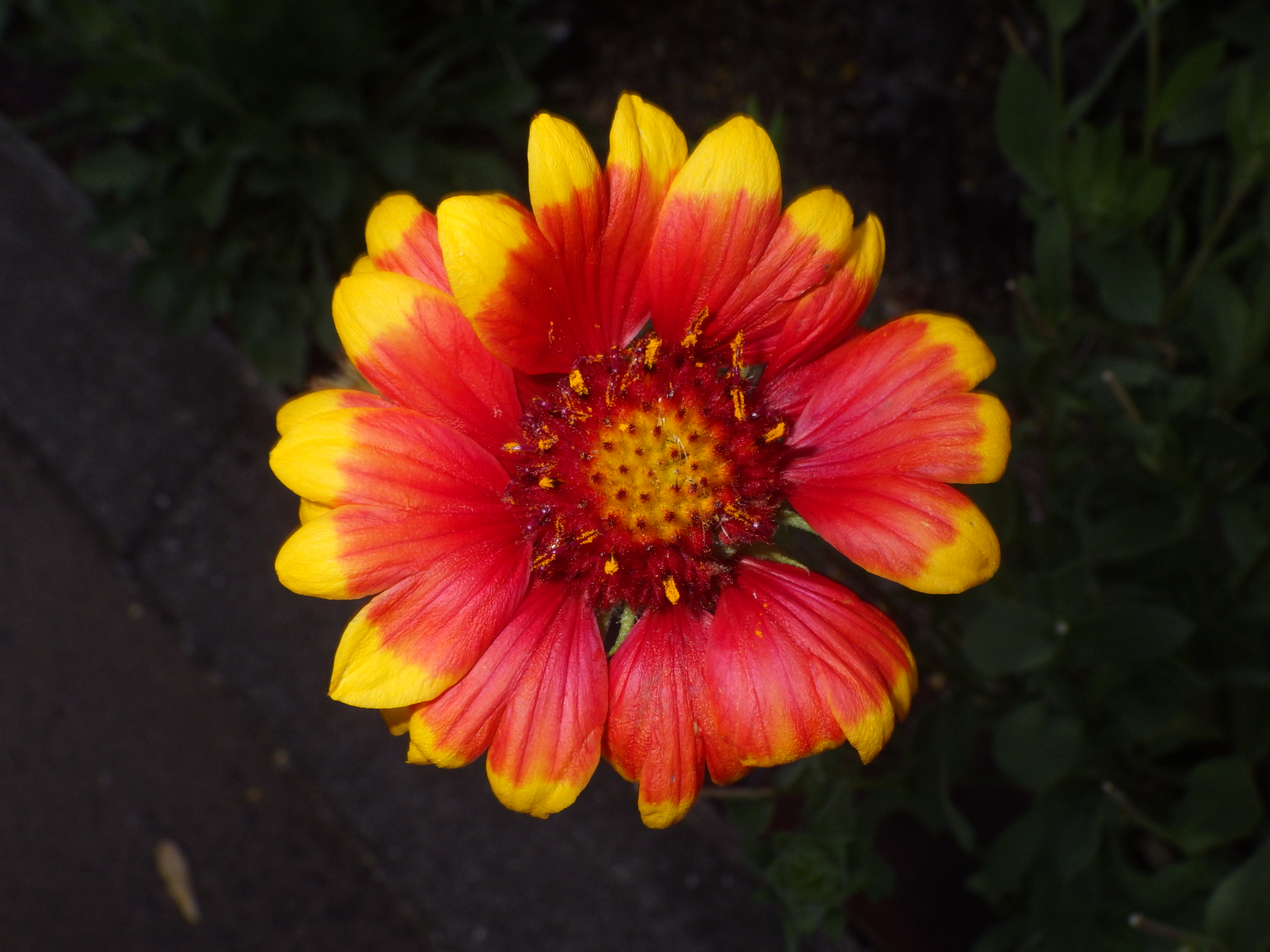
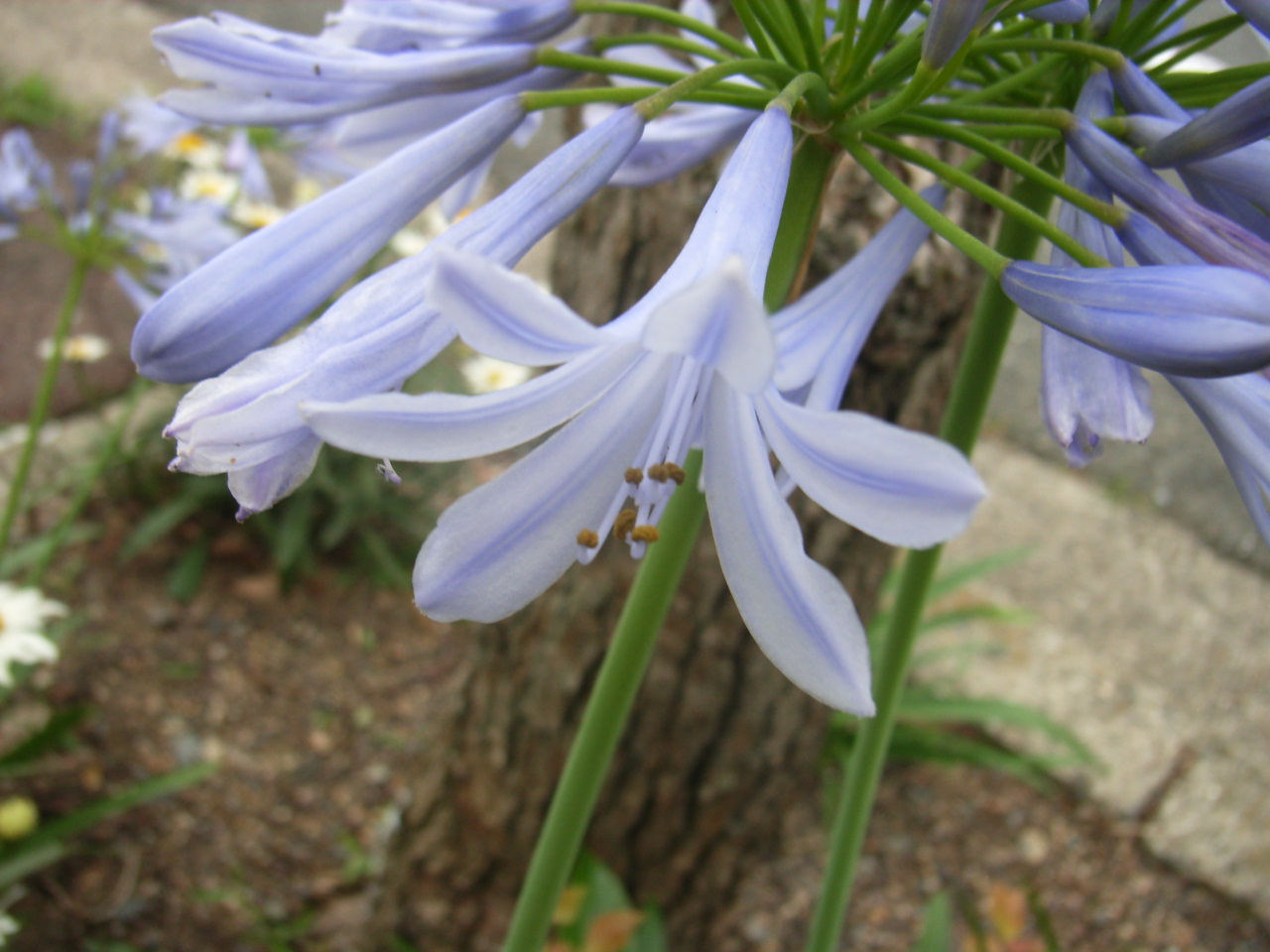
Evening primrose (Oenothera biennis), dwarf evening primrose (Oenothera japonica), black evening primrose (Oenothera parviflora), and large evening primrose (Oenothera monnieri) are all herbaceous plants belonging to the genus Oenothera in the family Onagraceae. Although they are introduced species, they are frequently seen in urban areas. Among the Oenothera species, the four species mentioned above are most distinctive because they produce yellow flowers with four petals that bloom in the evening, unlike the flowers that are usually seen. However, the four species are very similar and it can be a little difficult to distinguish them. These four species can be distinguished mainly by observing the shape of the leaves, the way the stems grow, and their color. The characteristic of blooming from evening to night is closely related to the fact that they rely on nocturnal insects such as moths for pollination. This article will explain the classification, morphology, and ecology of the Oenothera species that produce yellow flowers.
- What are Oenothera biennis, Oenothera japonica, Oenothera erythrorhizon, and Oenothera glauca?
- What are the differences between Oenothera biennis, Oenothera japonica, Oenothera umbellata, and Oenothera speciosa?
- Are there any other similar species?
- How do they get pollinated? Why did they evolve to bloom at night (dusk)?
- References
What are Oenothera biennis, Oenothera japonica, Oenothera erythrorhizon, and Oenothera glauca?
Evening primrose (Oenothera stricta) is native to South America (Argentina and Chile) and has naturalized throughout the world. In Japan, it is believed to have been introduced in 1851 and is a cultivated ornamental plant that has escaped cultivation and become naturalized widely from Honshu to the Ryukyu Islands. It is an annual or biennial plant (RBG Kew, 2025; Kanagawa Prefecture Flora Survey Association, 2018).
Oenothera laciniata, also known as the small evening primrose, is native to North America (eastern United States) and Central America. It has naturalized throughout the world and arrived in Japan at the end of the Meiji era, expanding its distribution in the early Showa era. It is an annual or variable biennial plant. Initially, it grew in clusters in sandy areas along the coast and riverbanks, but it has since spread inland, becoming widespread in Honshu, Shikoku, Kyushu, and the Ryukyu Islands.
Oenothera biennis, also known as the female evening primrose, is native to North America (Canada to the United States) and Mexico, and has naturalized throughout the world. In Japan, it has naturalized throughout the country and is a common annual or variable biennial plant that grows along roadsides, vacant lots, grasslands, and riverbanks.
Oenothera glazioviana, also known as the large evening primrose, is a cultivated annual or variable biennial plant derived from the artificial hybridization of Oenothera elata and Oenothera grandiflora, both native to Europe. It has naturalized worldwide, and in Japan, it was introduced in the early Meiji period and can be found in bright grasslands and fallow land from Hokkaido to Kyushu.
All of these are annual, biennial, or variable biennial plants belonging to the genus Oenothera in the family Onagraceae.
The term "variable biennial" may be unfamiliar, but it refers to a biennial plant whose life cycle, from germination to flowering, fruiting, and death, varies depending on environmental conditions. It is called this to distinguish it from a literal "biennial" (true biennial) (Kachi, 1995). Therefore, its lifespan changes depending on growing conditions, ranging from overwintering, biennial, or even ternary to quinennial. This is a well-known characteristic of the Oenothera genus.
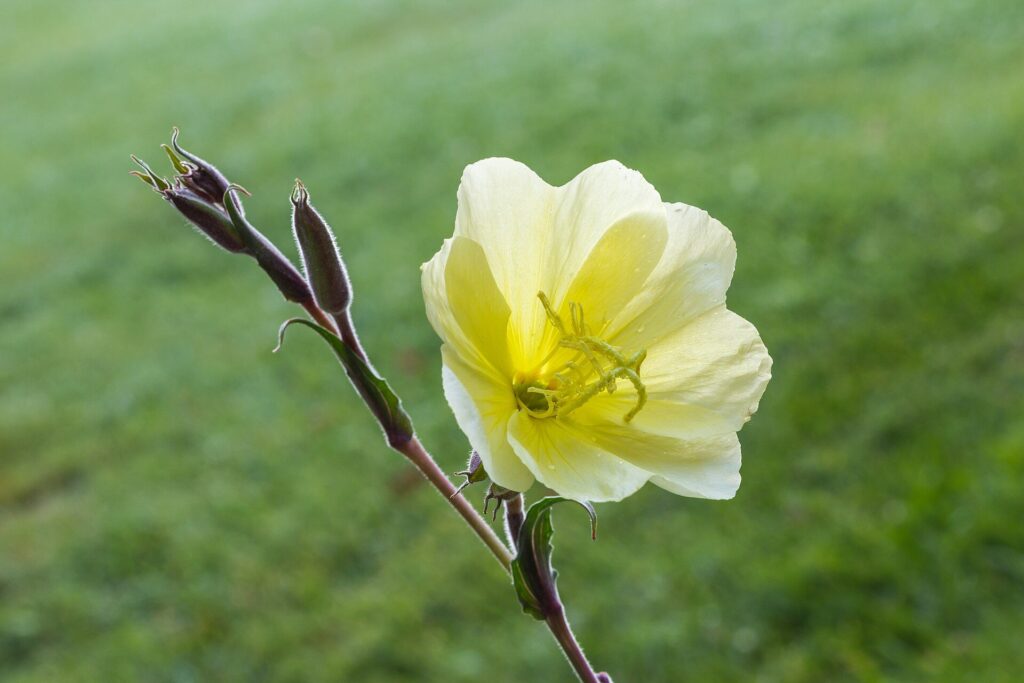
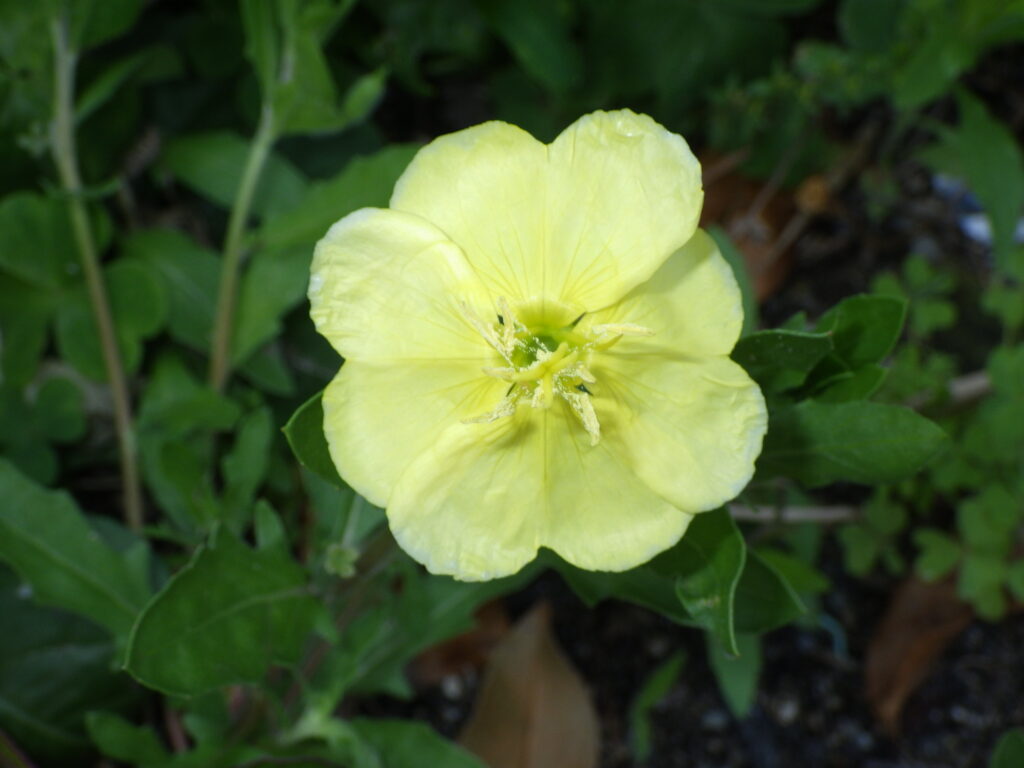
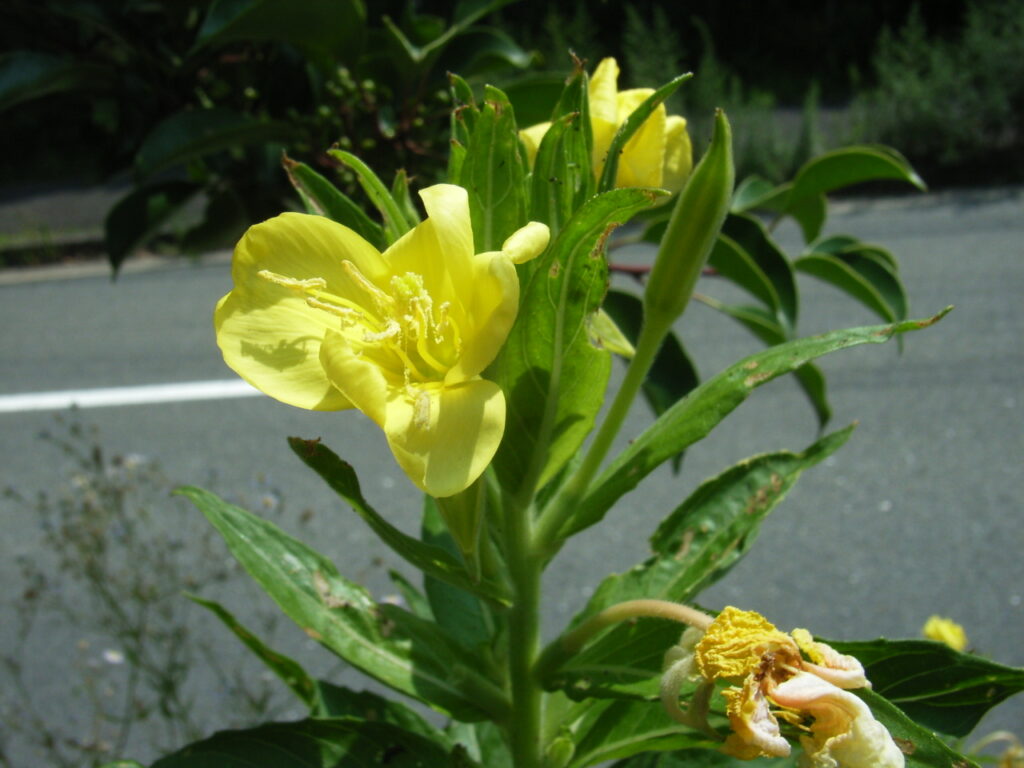
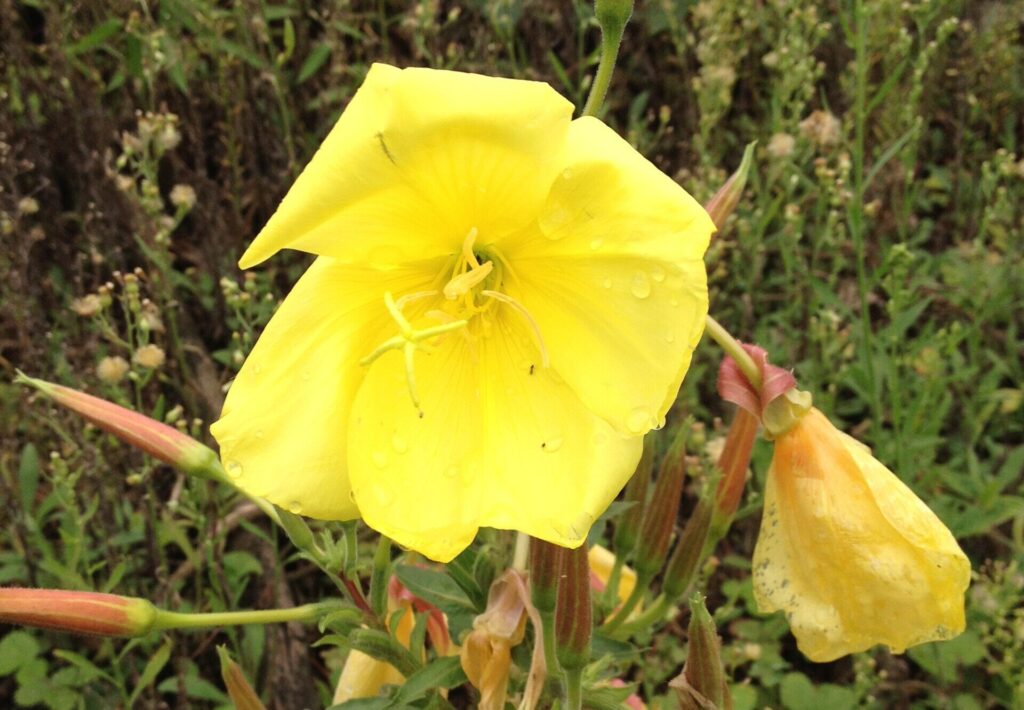
The most distinctive feature of the four species mentioned above, which belong to the Oenothera genus, is that, unlike the flowers we usually see, they produce yellow flowers with four petals in the evening, and their Japanese name, "Matsuyoigusa" (待宵草), also comes from the fact that they bloom after waiting for the evening (night).
It is known that this characteristic has evolved primarily to allow nocturnal moths to carry pollen.
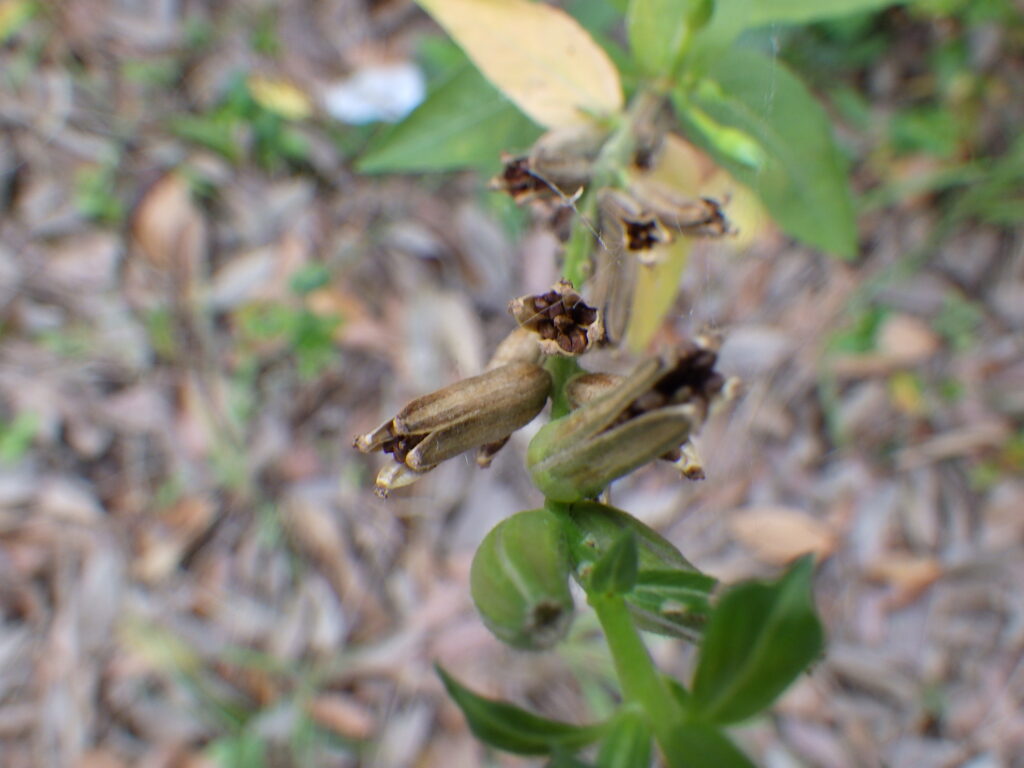
Other common characteristics include the fact that the calyx falls off, the fruit is a capsule that dehisces dorsally, and it produces many seeds.
However, there are many species in the genus *Oenothera*, and there is a lot of individual and intra-individual variation, so many people may not know how to distinguish between them.
What are the differences between Oenothera biennis, Oenothera japonica, Oenothera umbellata, and Oenothera speciosa?
It can sometimes be confusing to distinguish between Oenothera biennis, Oenothera japonica, Oenothera moniliforme, and Oenothera glauca, but with careful examination, they can be differentiated (Kanagawa Prefecture Flora Survey Association, 2018).
While the names might suggest they can be distinguished by size, there's significant individual variation, so be sure to check the following characteristics.
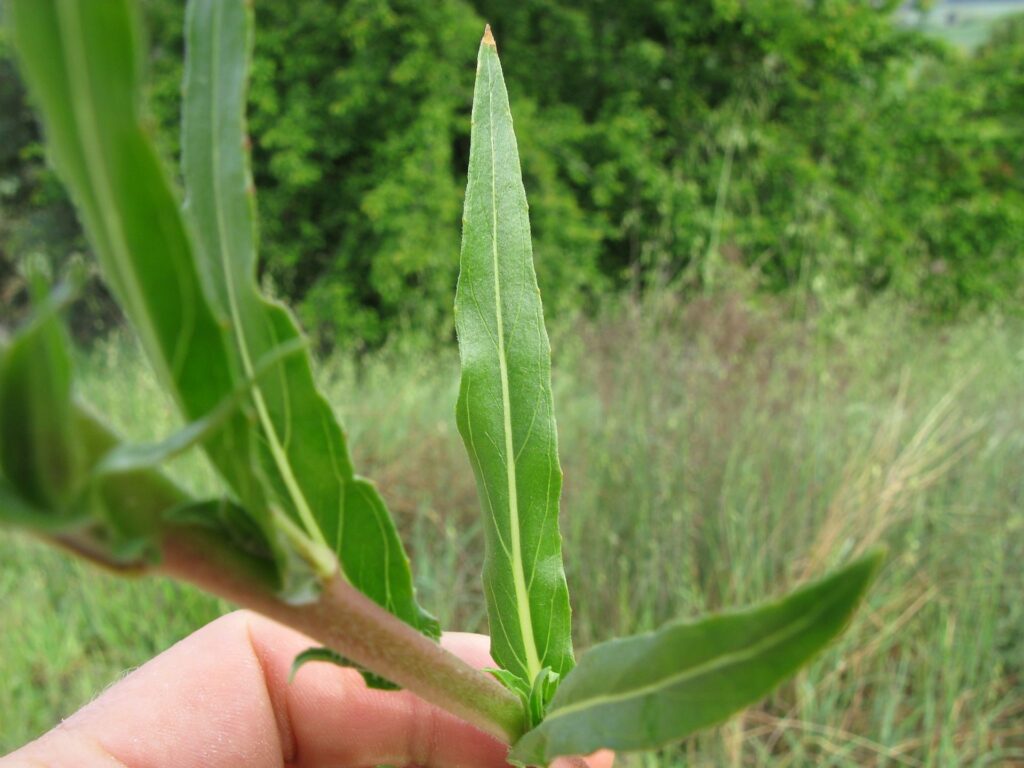
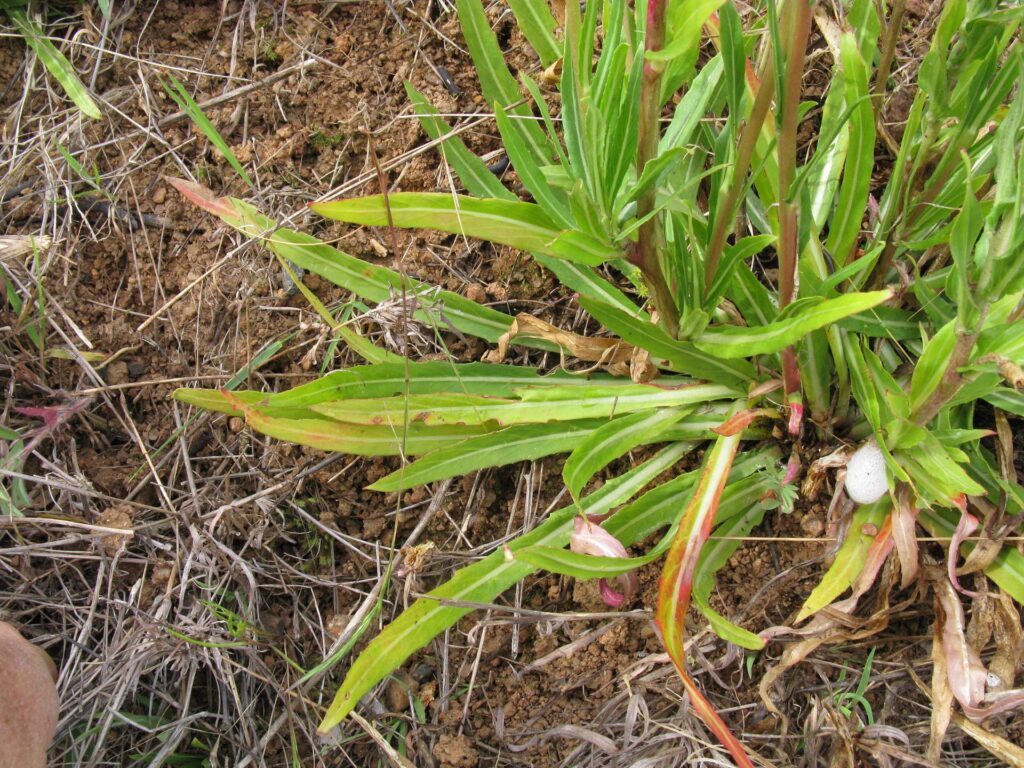
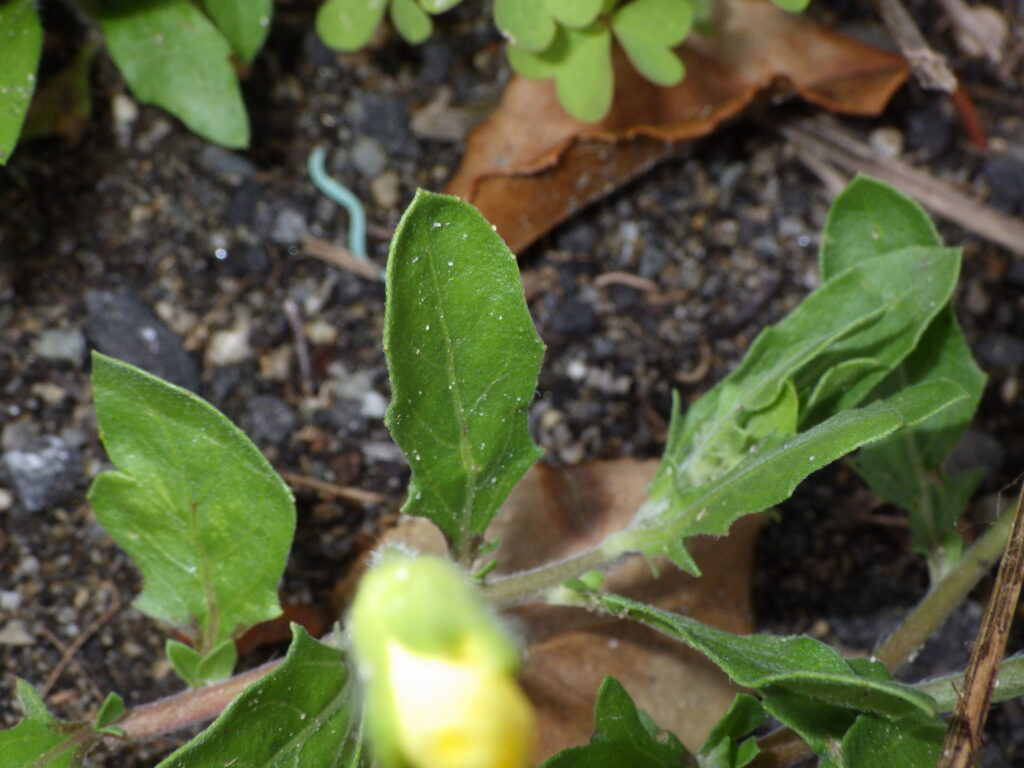
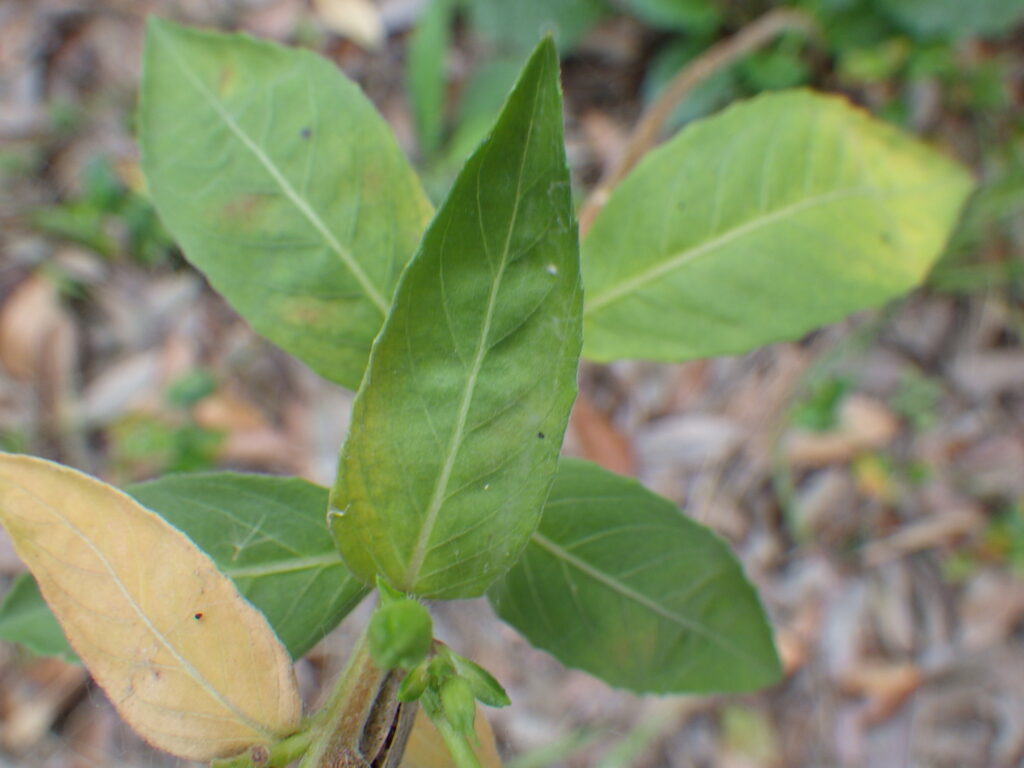
First, in Oenothera biennis, the stems grow obliquely upward or creep along the ground, and the leaves are entire or shallowly to deeply lobed in a pinnate pattern, whereas in Oenothera japonica, Oenothera biennis, and Oenothera glauca, the stems are erect, and the leaves are entire to lowly serrated and do not have pinnate leaves. This difference is clear.
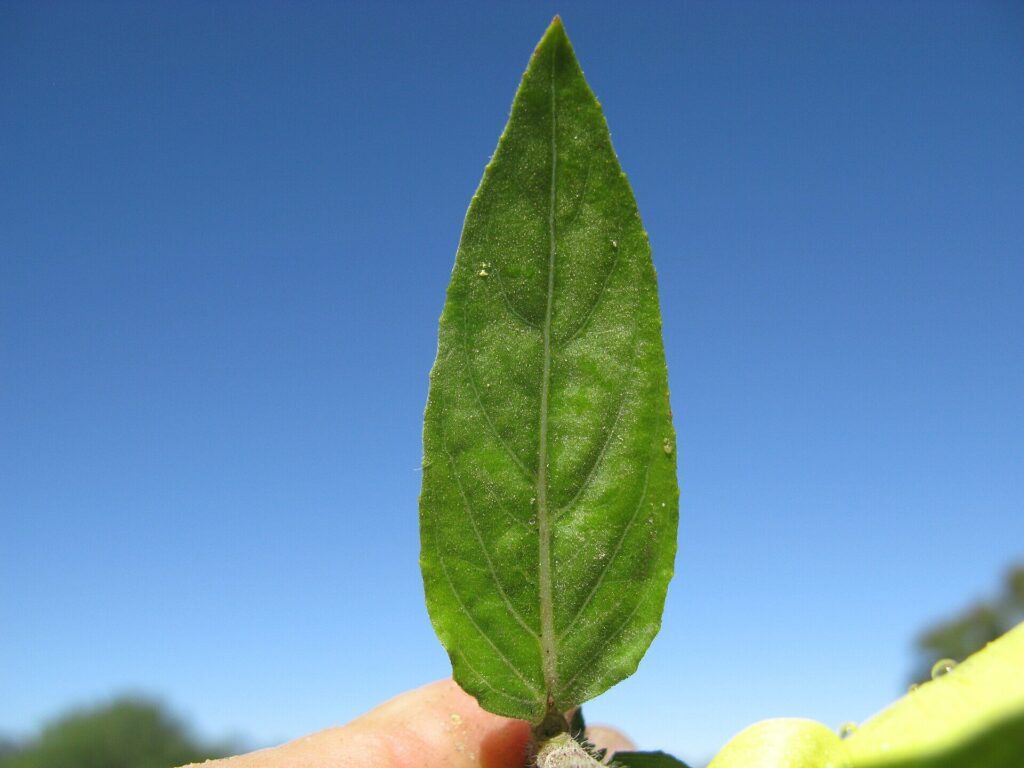
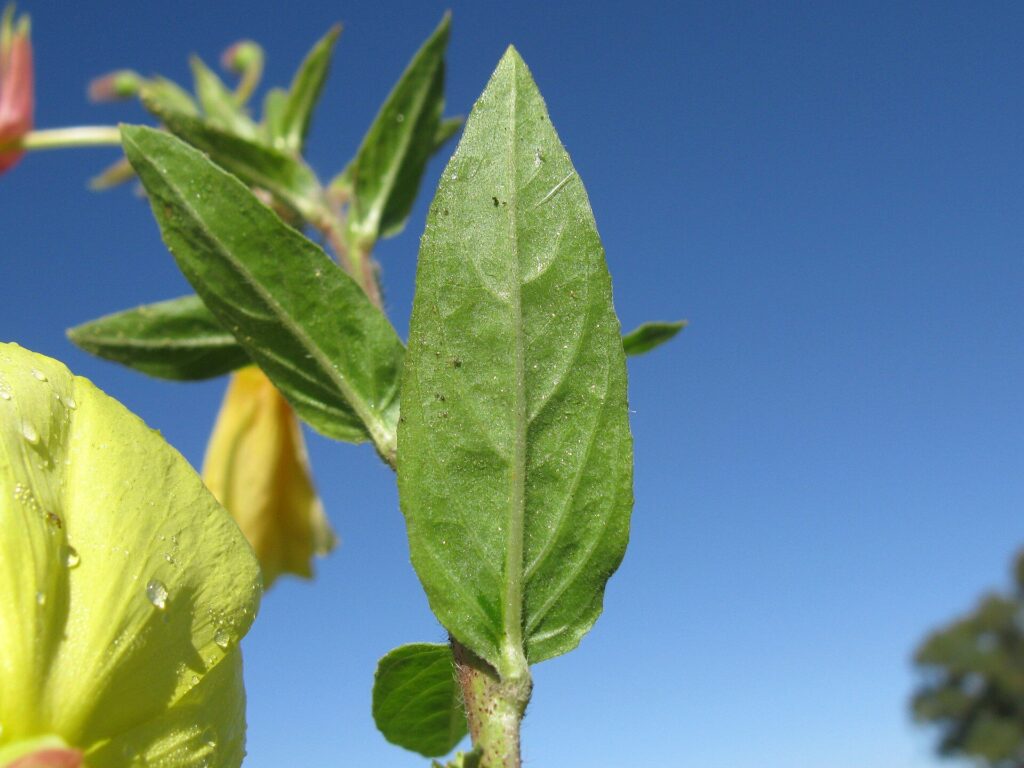
Regarding the remaining three species, while there is some individual variation in the leaves of the evening primrose (Oenothera biennis), they generally have a linear-lanceolate shape and give the impression of being distinctly elongated, whereas the leaves of the common evening primrose (Oenothera biennis) and the large evening primrose (Oenothera japonica) are ovate to oblong-lanceolate.
While this is sufficient for a broad classification, other known differences include the fact that evening primrose (Oenothera biennis) has basal leaves when it flowers, its flowers turn red when they wither, and its seeds are not angular, while Oenothera japonica and Oenothera biennis lack basal leaves when they flower, their flowers do not turn red when they wither, and their seeds are angular.
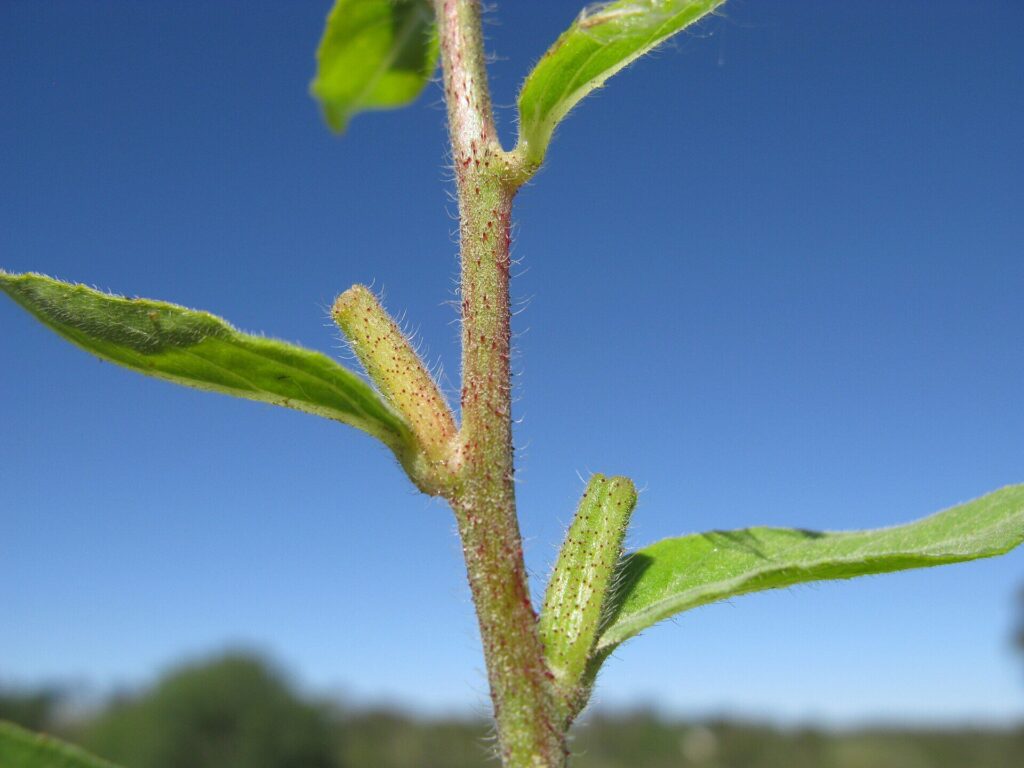
Regarding the remaining two species, the difference is that in Oenothera biennis, the stem does not have any particular color, while in Oenothera glauca, the stem has spreading bristles with a reddish, swollen base, giving it the appearance of red, dotted patterns.
This alone is sufficient to distinguish them, but there are other known differences as well: in Oenothera biennis, the flower diameter is 3-6 cm and the tips of the basal leaves are somewhat sharp, while in Oenothera glazioviana, the flower diameter is 7-10 cm and the tips of the basal leaves are rounded.
Are there any other similar species?
As a variety of Oenothera biennis, there is a known variety called Oenothera grandiflora var. grandiflora, which has flowers that reach 4-5 cm in diameter and have a deep flower color, but the variation is continuous.
Oenothera parviflora resembles Oenothera biennis, but it is said to lack the upward-curving fine hairs on the stem and lower part of the inflorescence axis that are present in Oenothera biennis. However, distinguishing between them can sometimes be difficult.
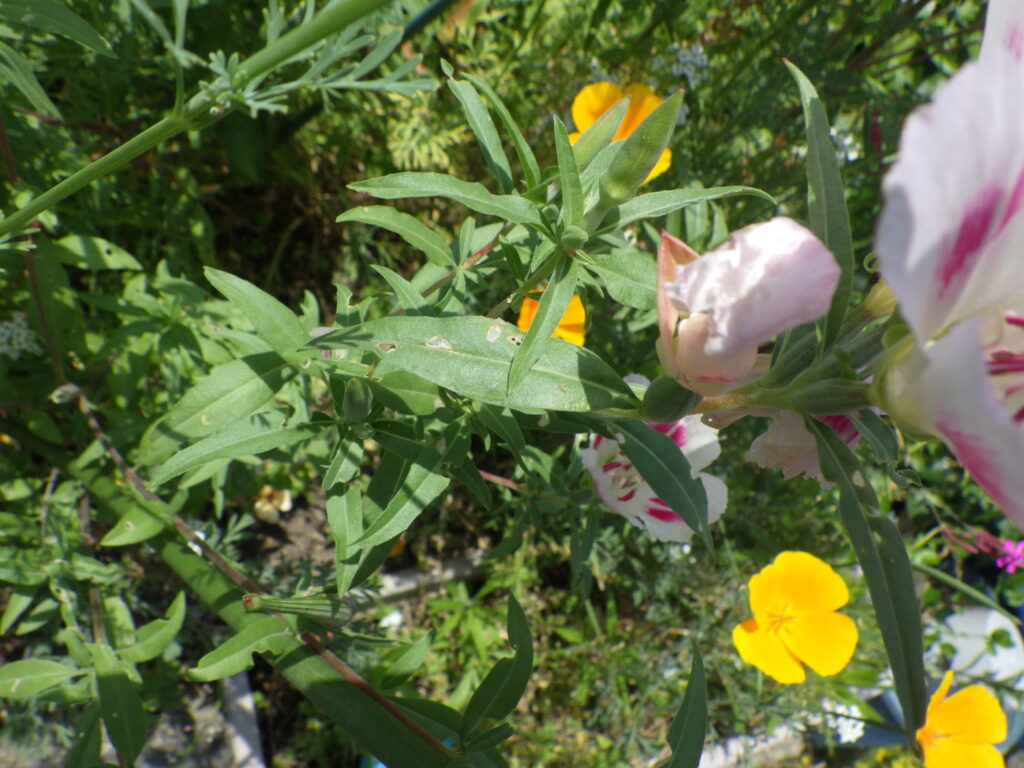
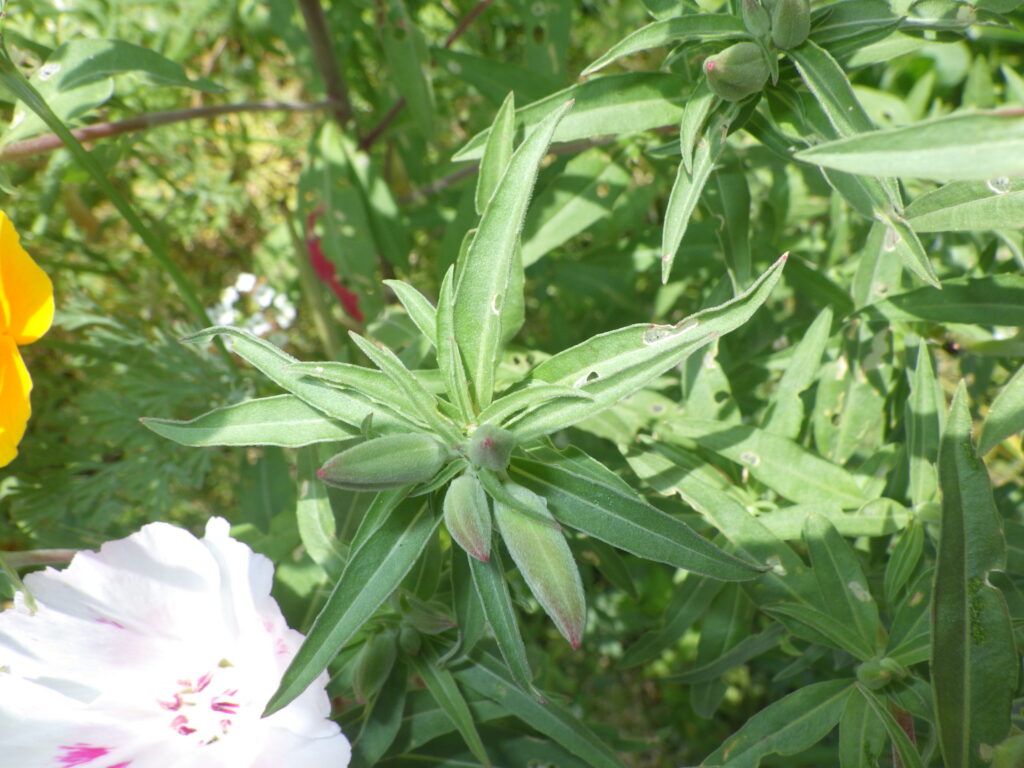
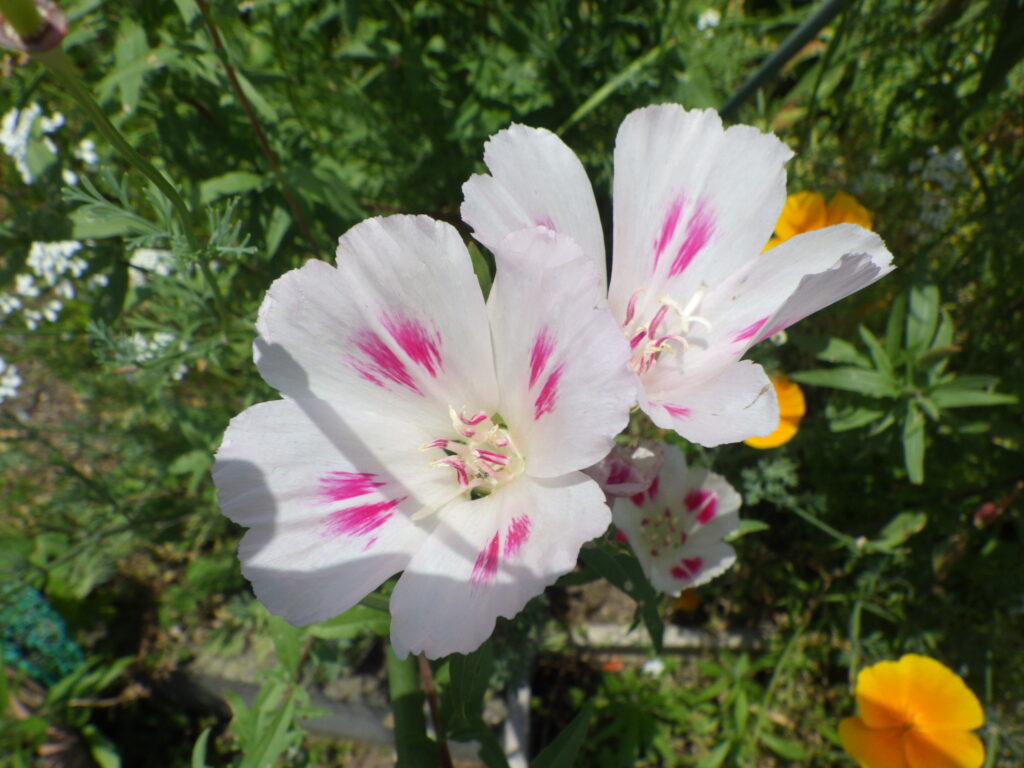
Clarkia amoena, also known as Godetia or Yellow Evening Primrose, belongs to the same Onagraceae family, but is in a different genus. Its four-part stigma (the tip of the pistil) is flattened (Flora of North America Editorial Committee, 2021). The anthers of the stamens are also not T-shaped. It is cultivated solely for ornamental purposes.
How do they get pollinated? Why did they evolve to bloom at night (dusk)?
It is well known that evening primroses produce fragrant yellow flowers that are clearly insect-pollinated, blooming from dusk to night. However, it may seem pointless to bloom such conspicuous flowers only after sunset.
However, it is known that nocturnal insects, mainly moths, are deeply involved in the pollination of the evening primrose genus (Tanaka, 1997; Tanaka and Hirano, 2000; Ikenoue and Kanai, 2010).
Evening primroses have their anthers (the tips of the stamens) and stigmas (the tips of the pistils) protruding forward from the flower, making it easy for moths with long proboscises to transfer or receive pollen.
Furthermore, the pollen grains on the stamens are connected by sticky threads, and the T-shaped anthers of the stamens act like a Swiffer, tightly adhering the pollen to insects.
However, the types of moths that contribute to pollination vary slightly depending on the species of the evening primrose genus.
Evening primroses are visited by moths from the Geometridae and Sphingidae families, but it has been found that Sphingidae moths make up a larger proportion. Sphingidae moths are among the largest moths and have a distinctive feature of having a very long, streamlined proboscis, and many plants are known to be pollinated by them.
On the other hand, evening primroses are not visited by hawk moths, but by moths of the noctuid family. In addition, other insects such as honeybees and syrphidae, which are predominantly diurnal, also visit the plant. Although the details are not fully understood, it is possible that the plant utilizes both diurnal and nocturnal insects for pollination.
References
Flora of North America Editorial Committee. 2021. Flora of North America (Vol. 10 Magnoliophyta: Proteaceae to Elaeagnaceae). Oxford University Press, Oxford. 488pp. ISBN: 9780197576076
Ikenoue, Toshiyuki & Kanai, Hiroo. 2010. Nocturnal moth flower-visiting activity. Journal of the Botanical Society of Japan 85(4): 246-260. ISSN: 0022-2062, https://doi.org/10.51033/jjapbot.85_4_10230
Naoki Kachi. 1995. Reproductive strategies of biennial plants. Weekly Asahi World of Plants 43: 222-224. ISBN: 9784023800106
Kanagawa Prefecture Flora Survey Association. 2018. Kanagawa Prefecture Flora 2018 (Electronic Edition). Kanagawa Prefecture Flora Survey Association, Odawara. 1803pp. ISBN: 9784991053726
RBG Kew. 2025. The International Plant Names Index and World Checklist of Vascular Plants. Plants of the World Online. http://www.ipni.org and https://powo.science.kew.org/
Tanaka, Hajime. 1997. Ecology Guide: Nature Created by Flowers and Insects. Hoikusha, Tokyo. 197pp. ISBN: 9784586312054
Tanaka, Hajime & Hirano, Takahisa. 2000. The Face of Flowers: Wisdom for Bearing Fruit. Yama-kei Publishers, Tokyo. 191pp. ISBN: 9784635063043