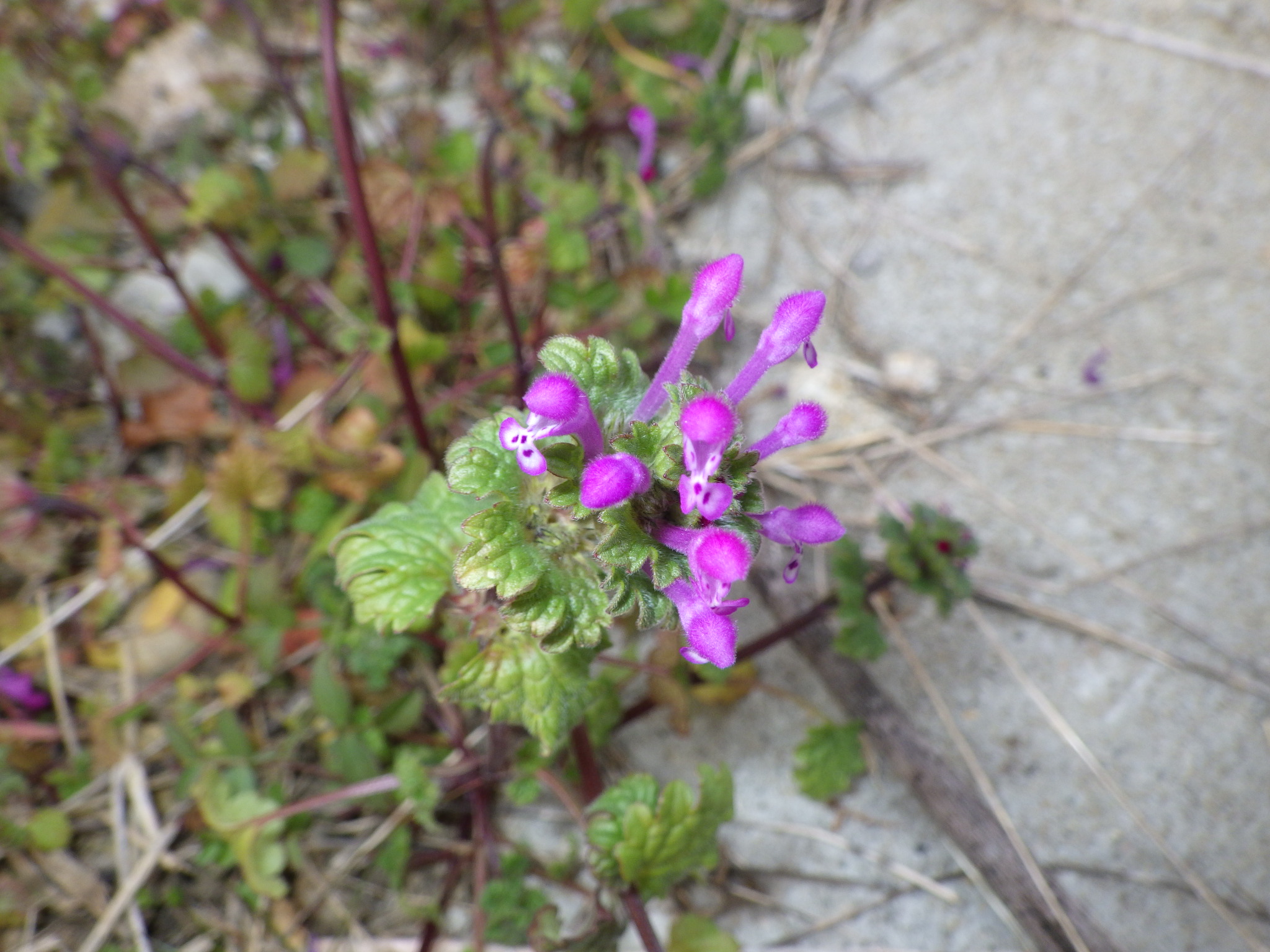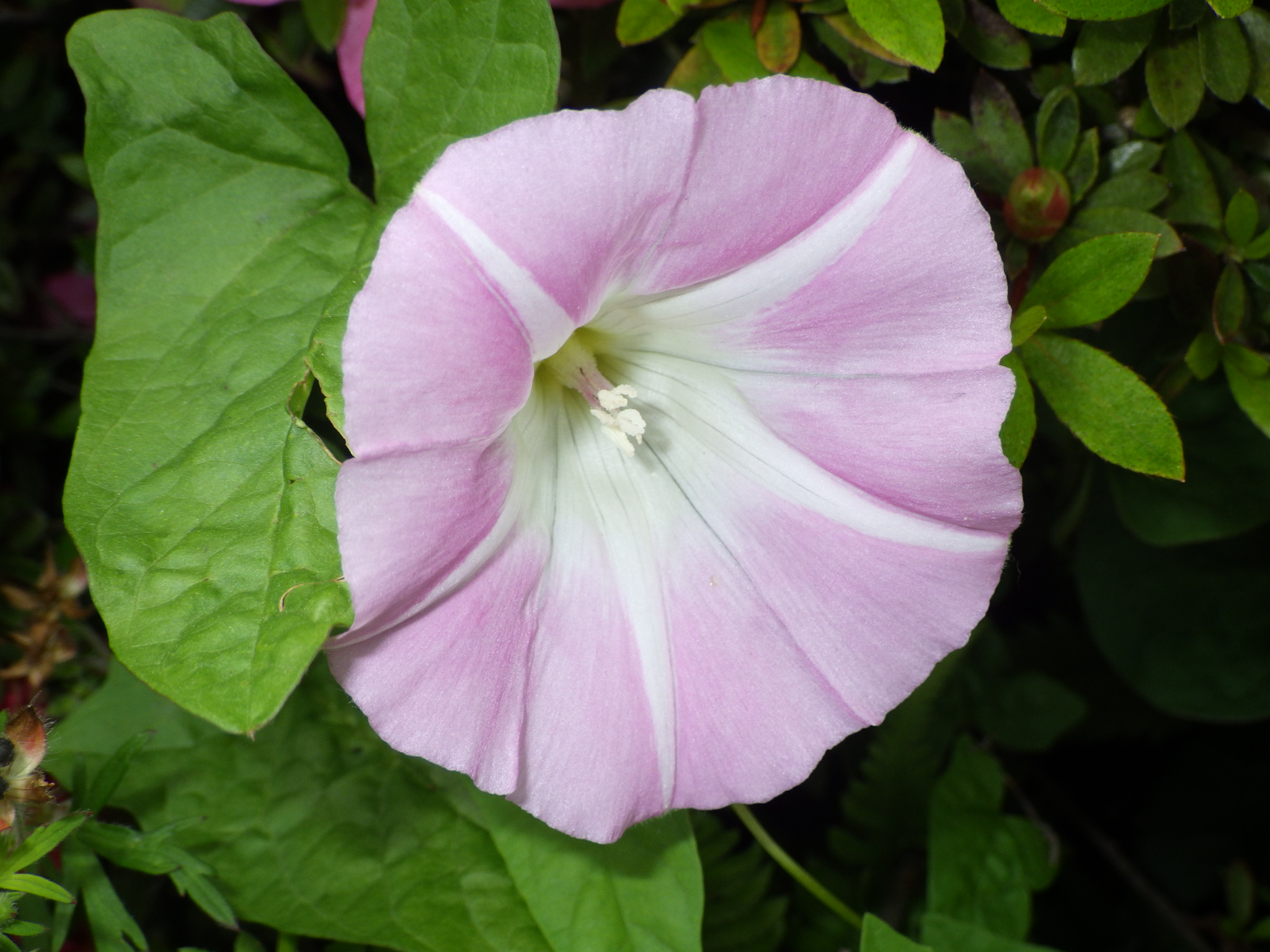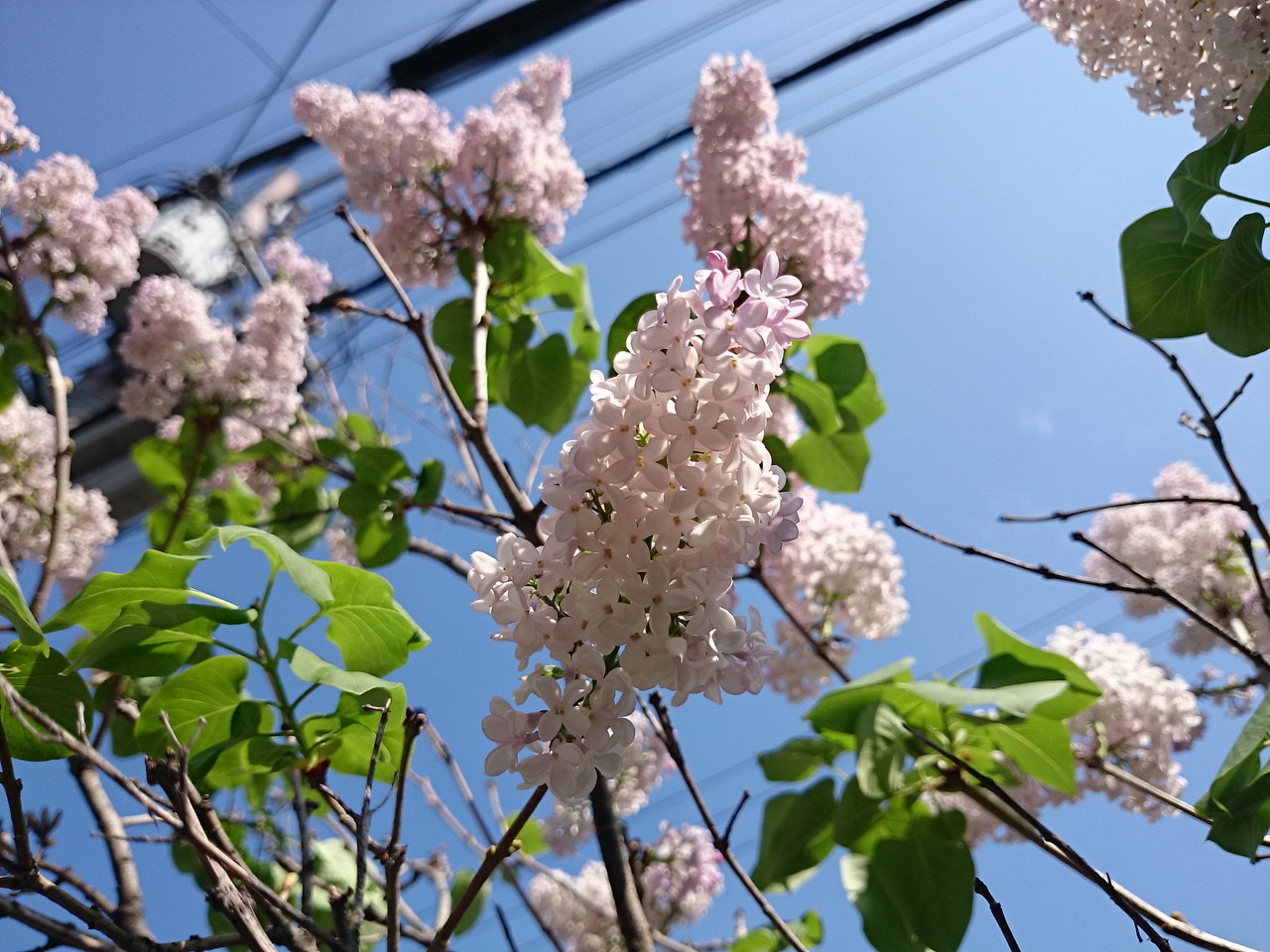
Lilac, syringomyelia, and dwarf lilac all belong to the genus Syringomyelia in the family Oleaceae. Their flowers bloom in clusters in spring, covering the upper part of the tree and making them very attractive, so they are often cultivated in gardens for ornamental purposes. However, some people may not know the difference between them. Distinguishing them is relatively easy; you can tell by checking the size and shape of the leaves and flowers. "Dwarf lilac" is commonly used in gardens, but its true identity is not well researched. Based on the author's research, it is thought to be either Syringomyelia japonica or Syringomyelia sinensis. This article will explain the classification of the genus Syringomyelia.
What are lilac, syringomyelia, and dwarf lilac?
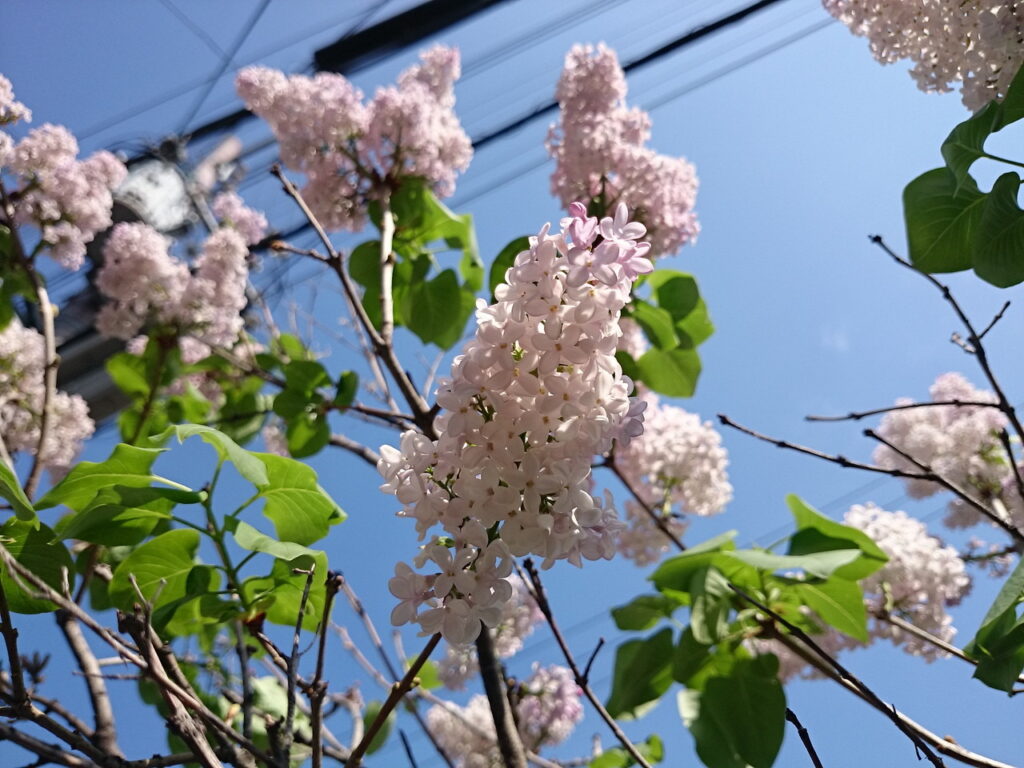
Syringa vulgaris, commonly known as purple lilac, is a deciduous shrub to small tree native to southeastern Europe (Yugoslavia, Bulgaria, Romania, and Greece) and cultivated worldwide for ornamental purposes (Hayashi, 2019; RBG Kew, 2024). In Japan, it is somewhat common as a garden tree and park tree, and is particularly popular for ornamental purposes in Hokkaido.
Syringa reticulata, also known as the Japanese lilac, is a deciduous small tree that grows somewhat rarely in temperate forests and rocky areas, distributed in Hokkaido, Honshu, Shikoku, and Kyushu in Japan; as well as in Korea, China, Mongolia, and Russia (Hayashi, 2019; RBG Kew, 2024). In Europe and Hokkaido, it is cultivated for ornamental purposes. The nominate variety, var. reticulata, has hairy undersides to its leaves, while the variety, Manchurian lilac, var. amurensis, is entirely hairless.
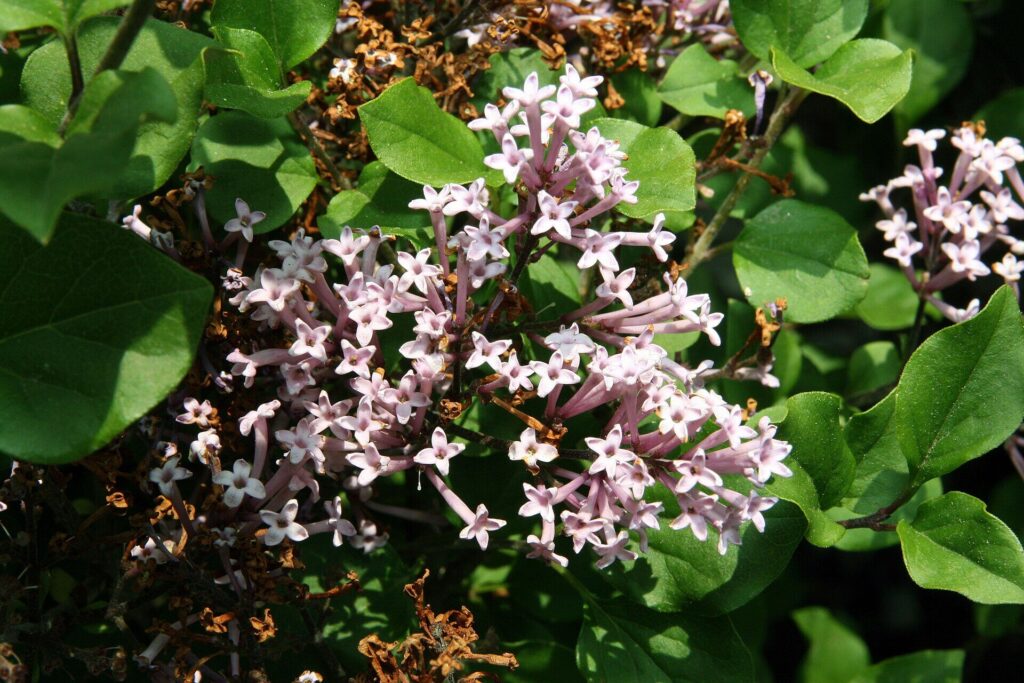
Dwarf lilac is likely a general term for small plants of the genus Syringa, deciduous shrubs native to China and cultivated for ornamental purposes mainly in Europe, North America, and Japan. It basically refers to two species: Syringa meyeri (also known as dwarf lilac) and Syringa pubescens subsp. pubescens and Syringa pubescens subsp. microphylla. These are deciduous shrubs native to China and cultivated for ornamental purposes mainly in Europe, North America, and Japan. However, while the Ylist, a list of correspondences between Japanese plant names and scientific names, and the Flora of China, a Chinese plant encyclopedia, acknowledge the existence of Syringa meyeri (Wu & Raven, 1996), the British Plants of the World Online considers it a synonym (former scientific name) of Syringa pubescens subsp. pubescens, and according to this view, "Hime Lilac" (dwarf lilac) would be Syringa pubescens subsp. pubescens (RBG Kew, 2024). Some websites on the internet introduce it as Syringa pubescens subsp. microphylla (Syringa microphylla being a synonym), but according to the Ylist, this is likely incorrect.
Both belong to the genus Syringa in the family Oleaceae. Their flowers bloom in clusters in spring, covering the upper part of the tree and creating a very attractive appearance, so they are often seen being cultivated as ornamental plants in gardens.
Lilacs, in particular, are popular not only in gardening but also because their light purple color has been adopted as one of the JIS (Japanese Industrial Standards) standard color names.
However, since these three species are similar, some people may not be able to distinguish between them. In particular, the dwarf lilac is sometimes introduced on gardening websites as a dwarf variety of lilac, but it is clearly a different species biologically.
What are the differences between lilac, syringomyelia, and dwarf lilac?
These distinctions are relatively straightforward (Wu & Raven, 1996; Hayashi, 2019).
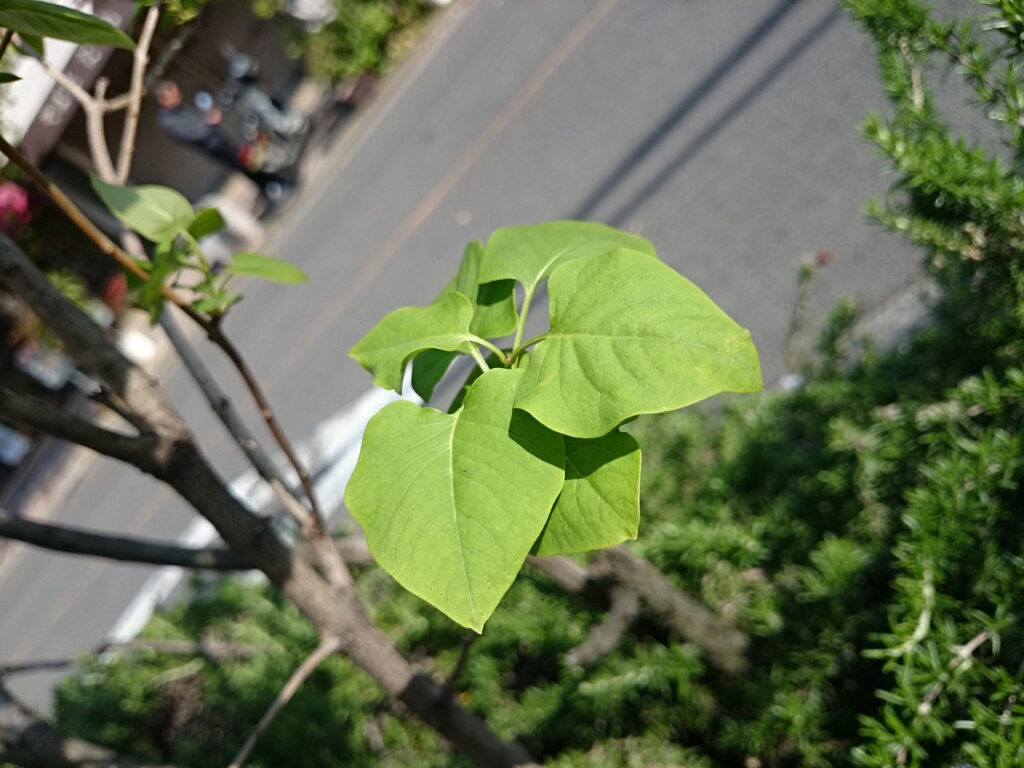
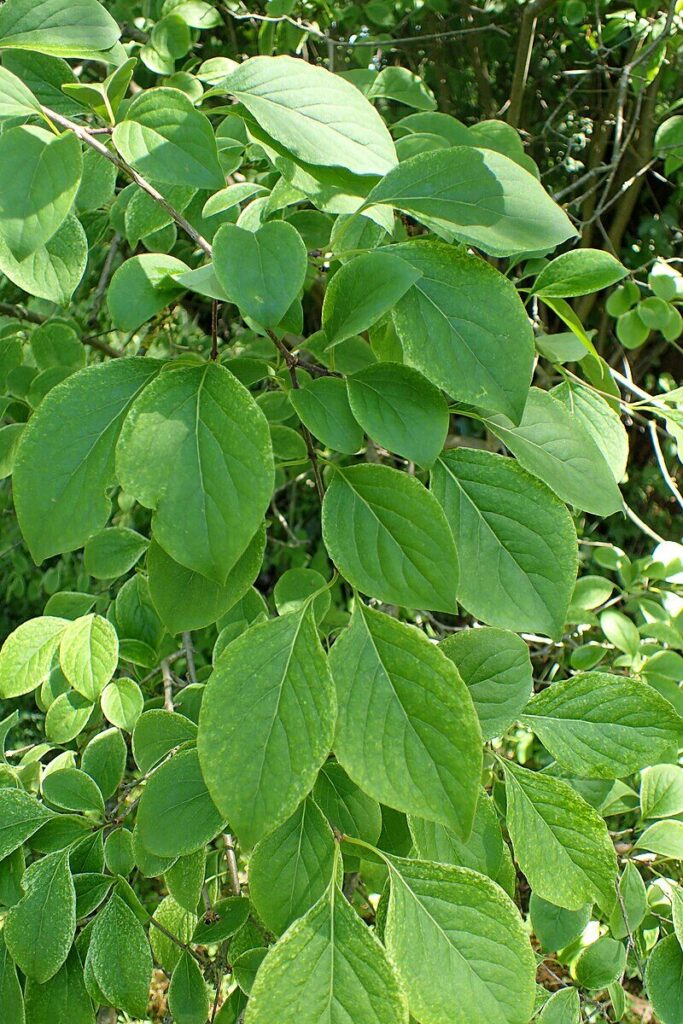
First, looking at the leaves, there is a difference in leaf blade length: 4-10 cm for lilac and syringomyelia, while it is 1-5 cm for dwarf lilac.
Regarding lilac and syringam, the difference lies in the fact that lilac leaves have less pronounced ridges and are curved pinnate veins similar to palmate veins, while syringam leaves have indented veins and are more typical pinnate veins.
Focusing on the flower color, lilacs and dwarf lilacs have purple corollas, while lilacs have white corollas. Lilacs and dwarf lilacs bloom from April to May, but lilacs bloom a little later, from June to July.
Regarding lilacs and dwarf lilacs, lilacs have large, thick corolla lobes at the tip of the flower, a thick, short corolla tube, and an overall light to dark purple color. In contrast, dwarf lilacs have small, thin corolla lobes, a thin, long corolla tube, and a dark purple corolla tube while the corolla lobes are light purple or almost white (this varies depending on the variety).
The above should allow you to distinguish them. As the name "dwarf lilac" suggests, dwarf lilacs do not grow into large trees, so this also makes them easy to distinguish.

What is the true identity of "Princess Lilac"?
By the way, although "dwarf lilac" is commonly used in horticulture, the author's research indicates that its taxonomic position is unclear.
Based on various sources, as mentioned above, two species come to mind as candidates: Syringa meyeri (also known as Chabo Lilac) and Syringa pubescens subsp. pubescens.
The difference between *Syringa japonica* and *Syringa chinensis* lies in the fact that *Syringa japonica* has palmate venation only at the base of the leaf blade, while *Syringa chinensis* has pinnate venation throughout the entire leaf blade (Wu & Raven, 1996).
The author found both by searching "dwarf lilac leaves" on Google Images, suggesting that both varieties may be cultivated in Japan.
However, according to a British research institution, the differences are due to individual variations and there is no significant difference between the two.
Furthermore, molecular phylogenetic analyses have been conducted to examine the degree of genetic similarity in part, and it has been found that *Syringa japonica* and *Syringa chinensis* are both very closely related (Yao et al., 2022).
On the internet, the scientific name Syringa pubescens subsp. microphylla is sometimes used, but this is basically a confusion with Syringa meyeri. However, it is possible that it is actually being cultivated in Japan, so it is difficult to say for sure at this point. The distinction between subspecies of Syringa pubescens can be confirmed in Wu & Raven (1996).
References
Hayashi, Masayuki. 2019. Tree Leaves: Expanded and Revised Edition - Identifying 1300 Species Through Real-Life Scans. Yama-kei Publishers, Tokyo. 824pp. ISBN: 9784635070447
RBG Kew. 2024. The International Plant Names Index and World Checklist of Vascular Plants. Plants of the World Online. http://www.ipni.org and https://powo.science.kew.org/
Yao, R., Guo, R., Liu, Y., Kou, Z., & Shi, B. 2022. Identification and phylogenetic analysis of the genus Syringa based on chloroplast genomic DNA barcoding. PloS One 17(7): e0271633. ISSN: 1932-6203, https://doi.org/10.1371/journal.pone.0271633
Wu, ZY, & Raven, PH 1996. Flora of China (Vol. 15 Myrsinaceae through Loganiaceae). Science Press, Beijing, and Missouri Botanical Garden Press, St. Louis. 387pp. ISBN: 9780915279371