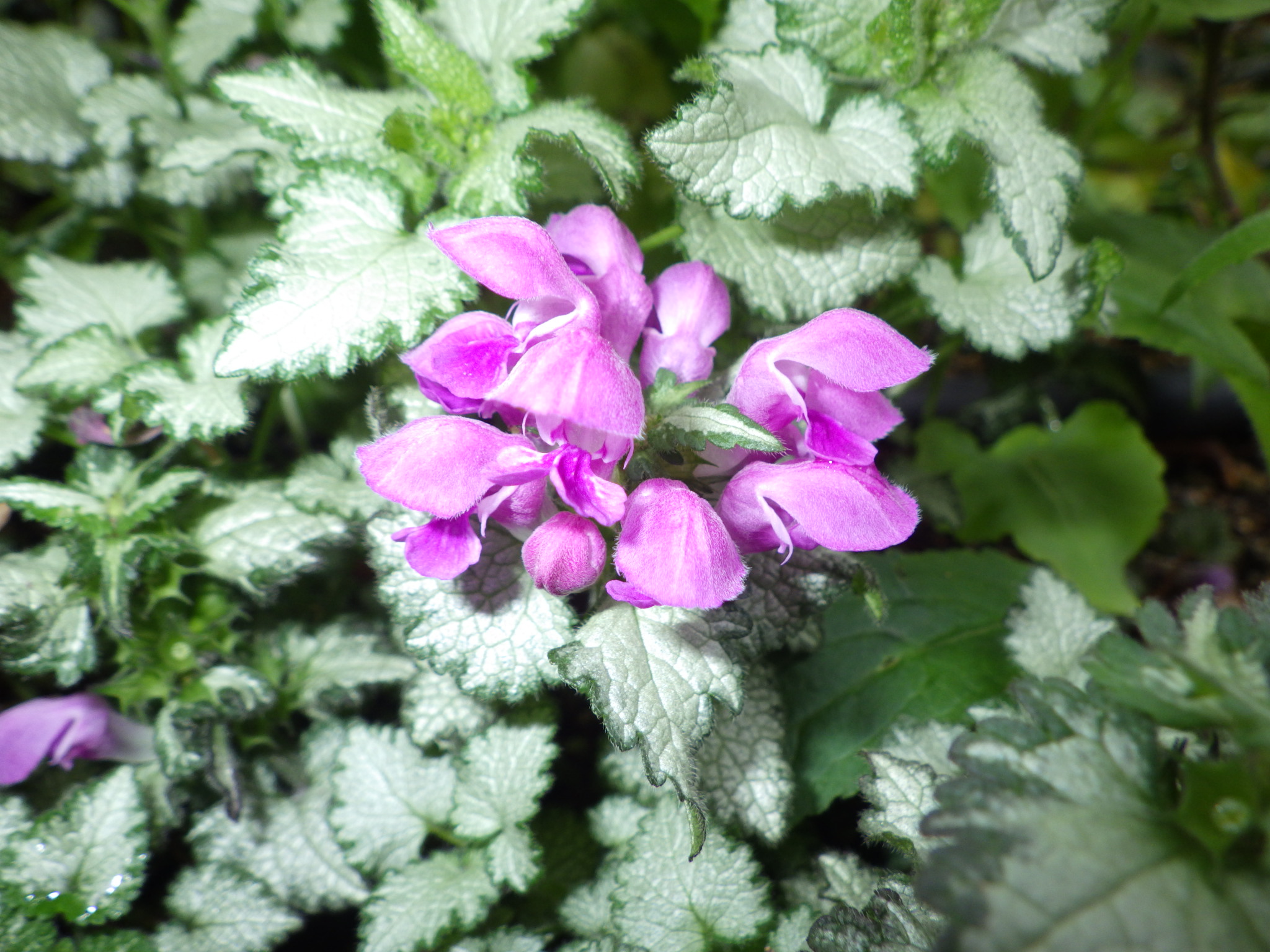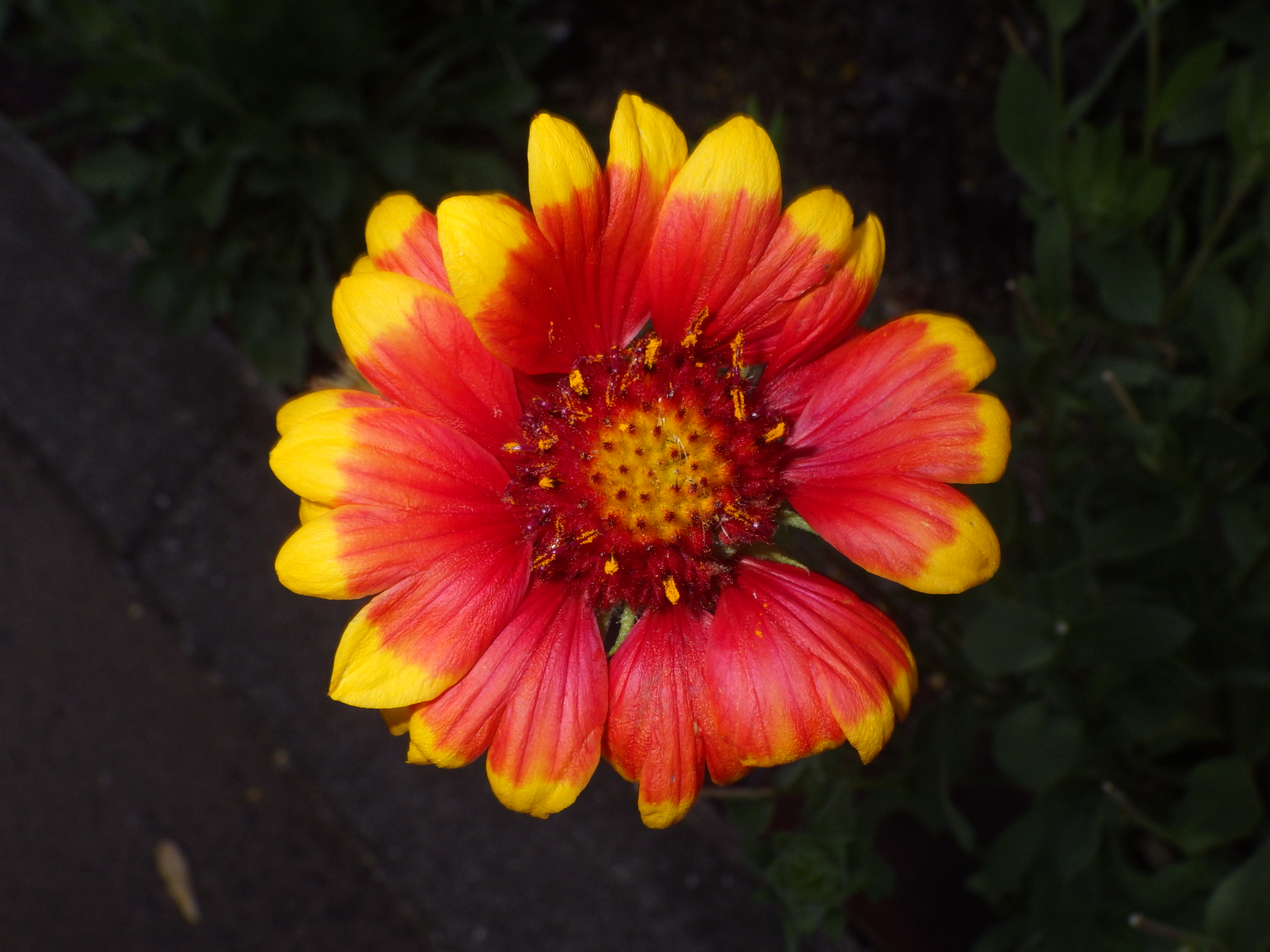
Both *Lysimachia japonica* and *Lysimachia japonica* are herbaceous plants belonging to the genus *Lysimachia* in the Asteraceae family. They are characterized by their spherical or convex receptacle and the bicolored ray florets. Due to their beautiful colors, they are sometimes cultivated for ornamental or landscaping purposes, but *Lysimachia japonica* and *Lysimachia japonica* are often confused both domestically and internationally. In reality, distinguishing them is difficult, but in addition to whether they are annuals or perennials, there are differences in the color of the ray florets and the presence or absence of basal leaves. However, hybrids also exist, and it is thought that there are some that cannot be clearly distinguished. This article will explain the classification and morphology of the genus *Lysimachia*.
What are Tenningiku and Ootentengiku?
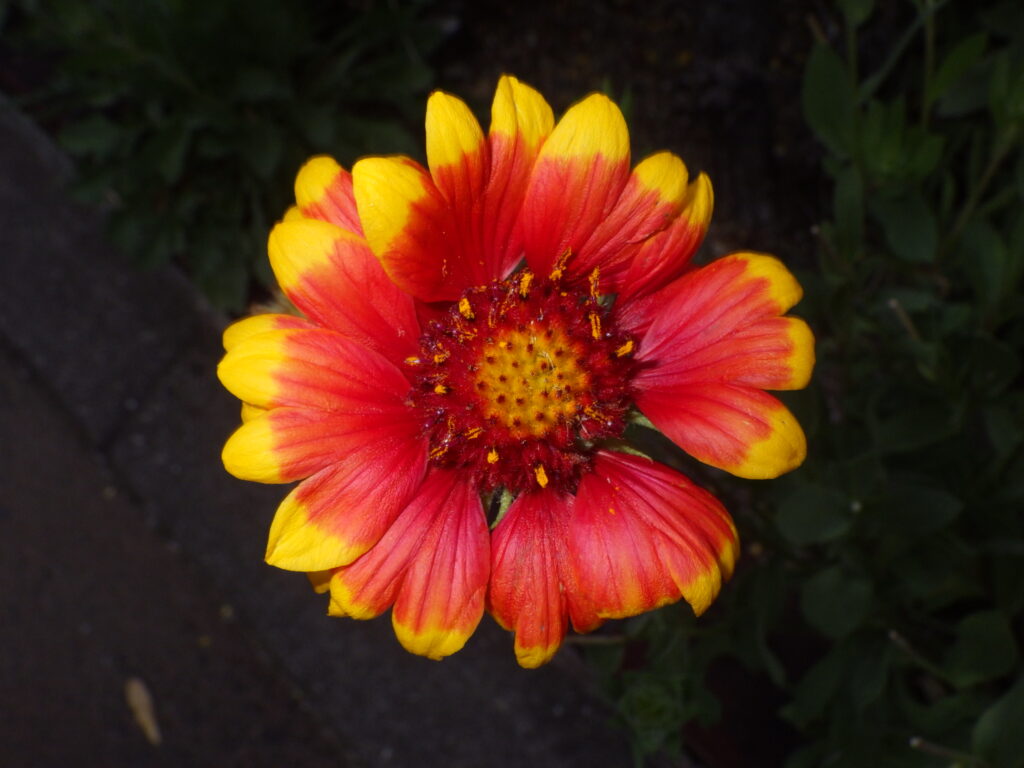
Gaillardia pulchella var. picta, also known as Indian Blanket or Sundance, is an annual plant native to North America (central United States). It has been introduced worldwide and cultivated in Japan for ornamental purposes, and occasionally escapes cultivation (RBG Kew, 2025). In the UK and the US, the distinction between varieties has been abolished, and the designation var. picta is no longer used.
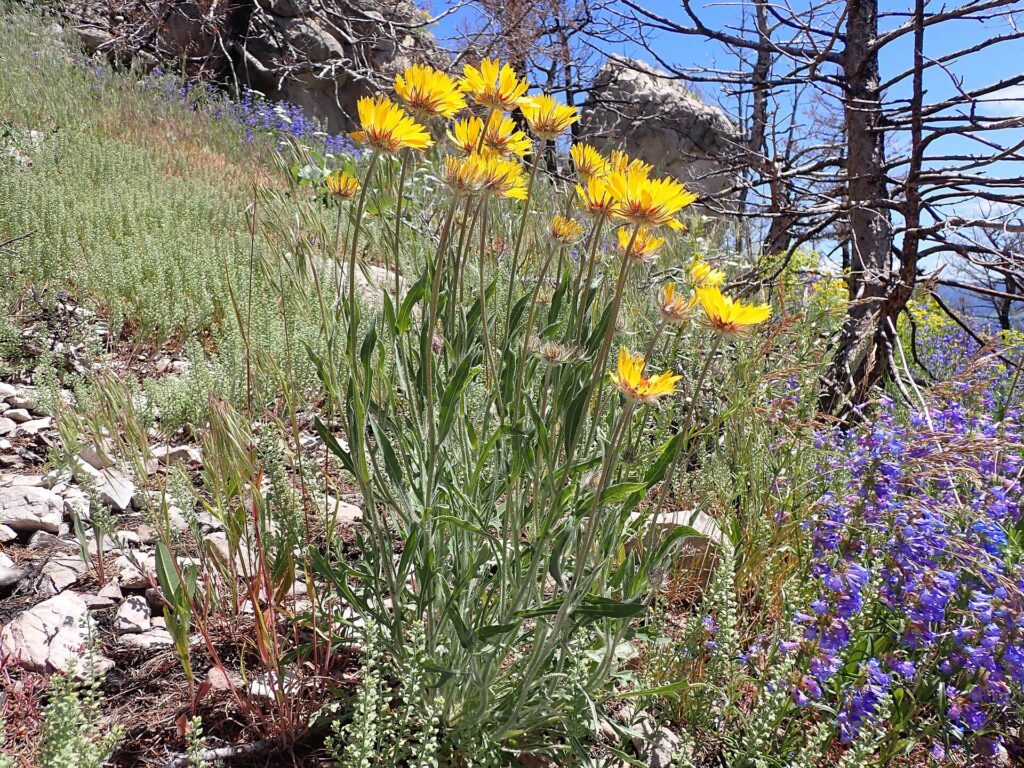
Gaillardia aristata, also known as the large celestial chrysanthemum, is a perennial plant native to North America (Canada and the northern United States). It has been introduced worldwide and is sometimes cultivated in Japan to green bare ground in construction sites.
All of these are herbaceous plants belonging to the genus Gaillardia in the Asteraceae family. They are also collectively known as blanket flowers. As an introduced species, they are sometimes cultivated for ornamental purposes or for landscaping due to their beautiful flower heads.
These plants, like many in the Asteraceae family, produce "flower heads" (capitulum inflorescences). Flower heads are commonly found in the Asteraceae family and are a type of inflorescence (arrangement of flowers) that is a collection of flowers. As evidence of this, each flower has the structure of stamens and pistils, and is sometimes specifically called a "flora." Most people refer to flower heads as "flowers," but they are actually different.
The small flowers of the Asteraceae family consist of two types: "ray florets," which have a corolla that extends widely to one side, and "disc florets," which have a tubular corolla. The combination of these florets varies depending on the species of the Asteraceae family, but in the genus *Aster*, the disc florets are located in the center of the flower head, with ray florets surrounding them on the periphery.
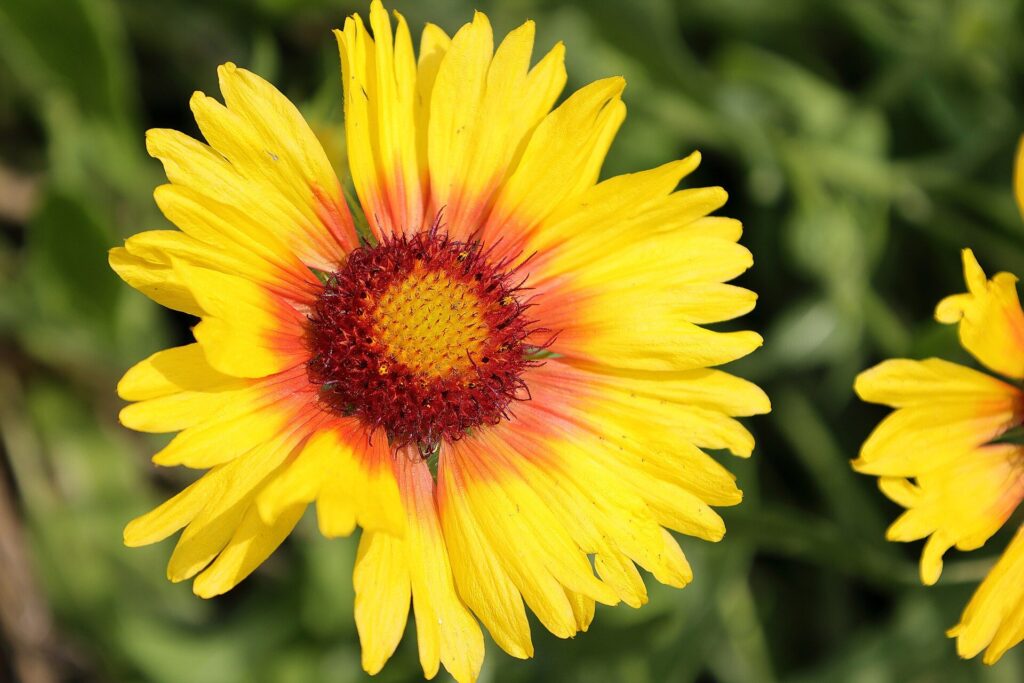
A distinctive feature of the genus *Asteraceae* is that the receptacle of the flower head is raised in a spherical or convex shape, and the ray florets are colored red and yellow. The Japanese name comes from the fact that the beautiful colors resemble those of a celestial being. Although many species are known in the Asteraceae family, few have ray florets colored in two colors, making this a good distinguishing feature.
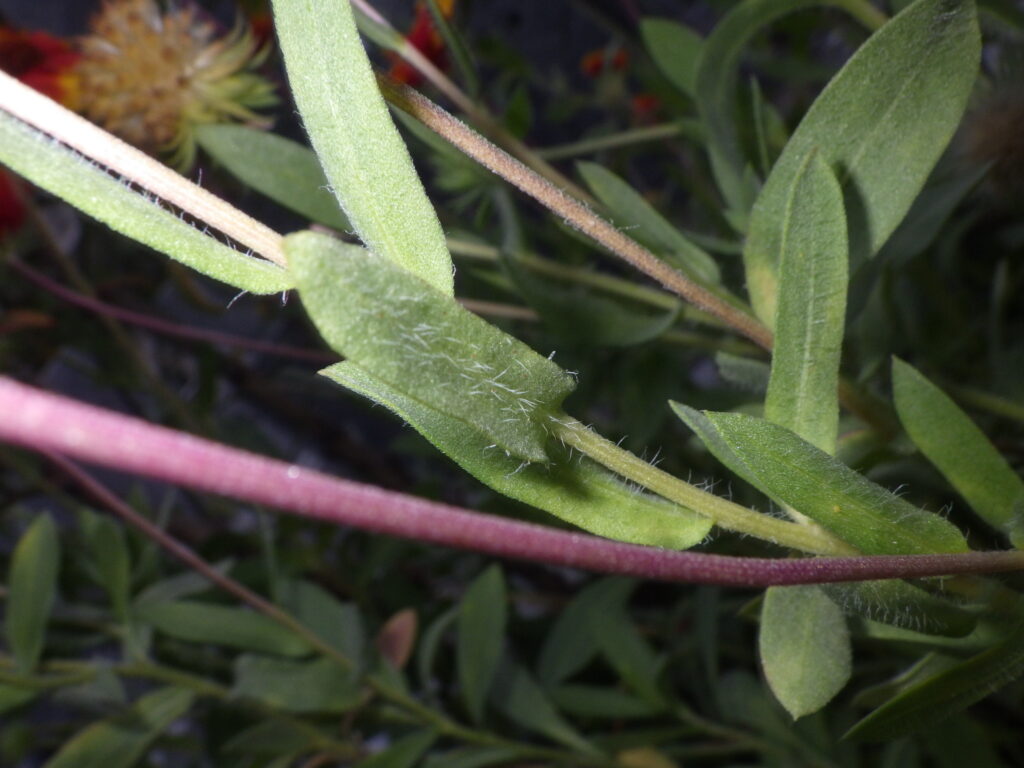
Other distinguishing features from other species include its alternate leaves, which are lanceolate to oblong (with some exceptions), and are elongated, being more than five times their width in length.
However, *Tenningiku* and *Ootenningiku* are often confused, and Google may display incorrect search results whether you search in Japanese or English.
What is the difference between *Tenningiku* and *Ootenningiku*?
Distinguishing between *Aster tataricus* and *Aster tataricus* can be quite difficult in some cases (Flora of North America Committee, 2006; Kanagawa Prefecture Flora Survey Association, 2018).
First, the crucial difference is that *Tenningiku* is an annual plant that can grow to a small size of 5-35 (up to 60) cm in height, while *Ootenningiku* is a perennial plant that grows to a large size of 20-80 cm in height.
Annual plants are those that cannot survive the winter, while perennial plants are those that can. Therefore, this indicates that the large-flowered aster is hardier and grows larger.
This is a significant difference, but it could be a plant still in its growth stage, and *Tenjin-giku* can grow to be just as large as *Tenjin-giku*. Morphologically, it's impossible to determine whether it's an annual or perennial.
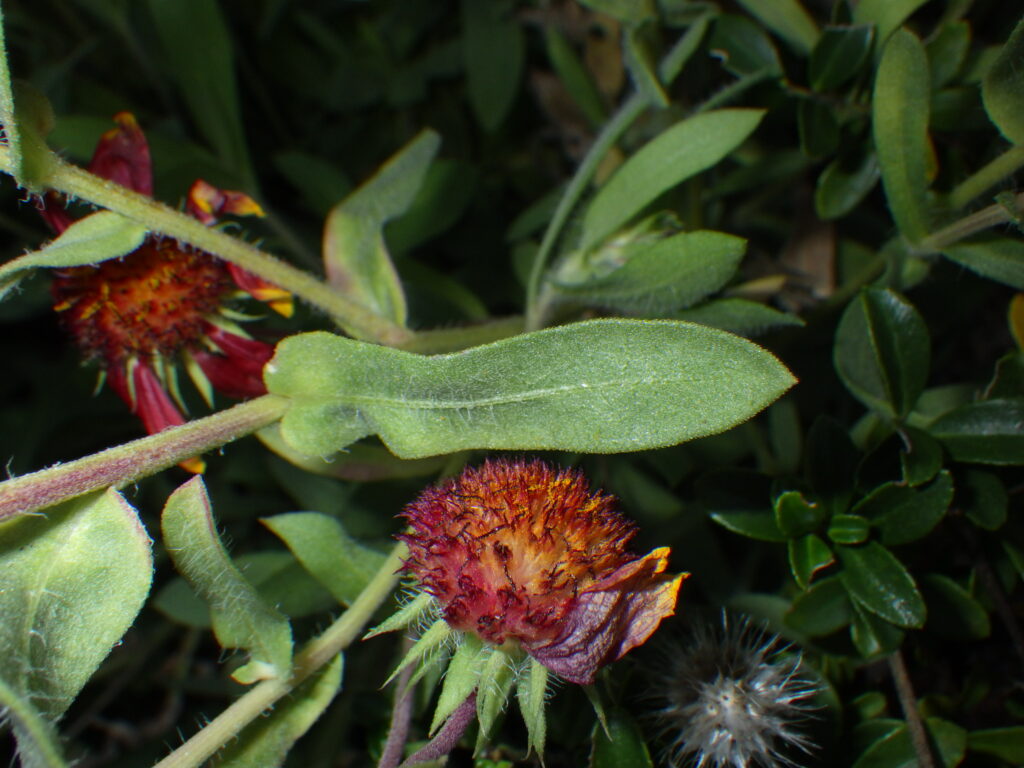
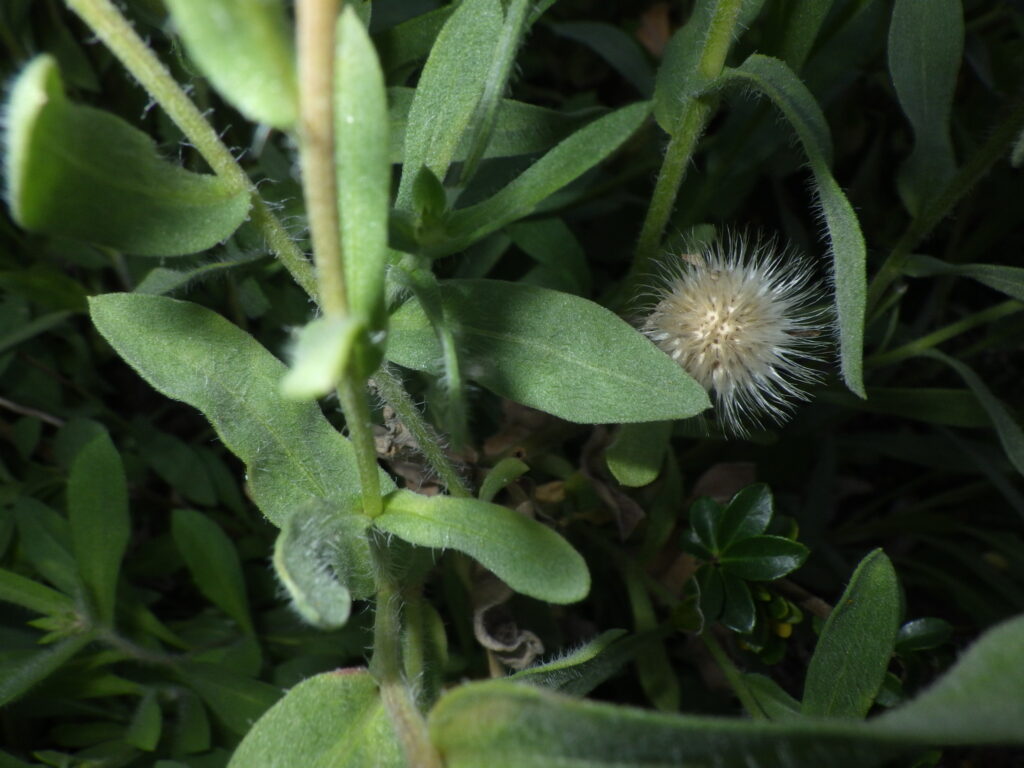
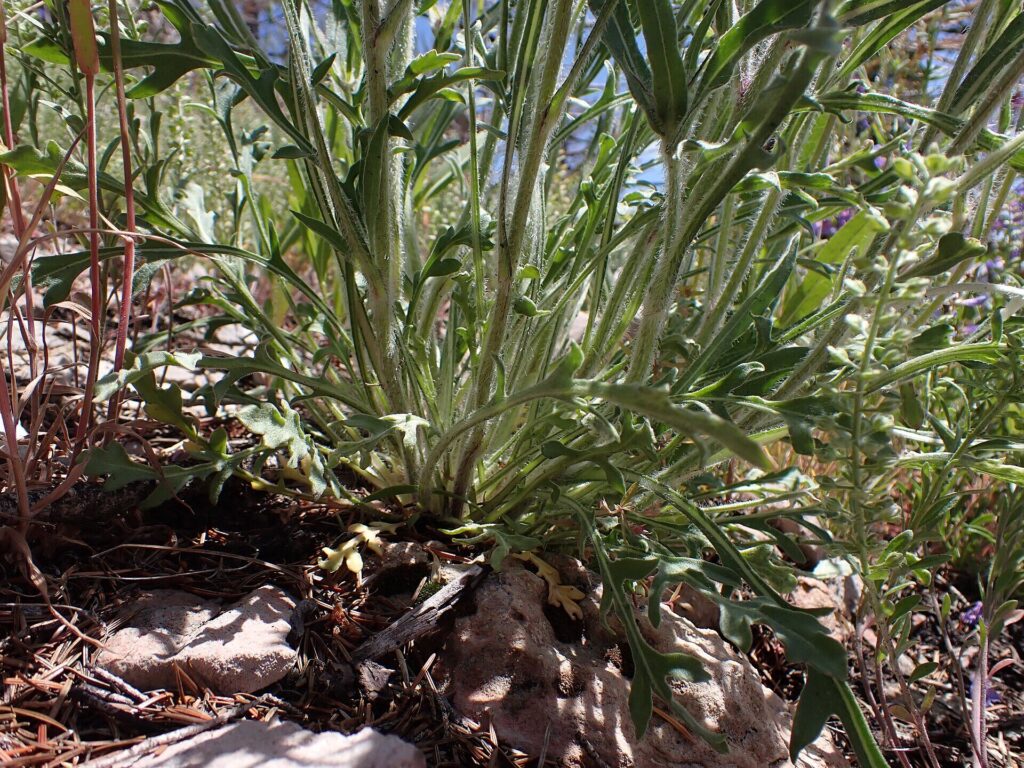
Another difference is that *Tenningiku* (a type of chrysanthemum) has mostly stem leaves (leaves that grow on the stem), while *Ootenningiku* (another type of chrysanthemum) has both stem leaves and basal leaves (leaves that grow above the ground at the base of the root).
Therefore, in fully grown specimens, you can observe that *Aster tataricus* has many leaves densely packed at the base of the stem, while *Aster tataricus* does not.
However, with smaller specimens of *Tenjin-giku*, it can be difficult to distinguish between stem leaves and basal leaves, making identification challenging.
The easiest way to identify them is to check the color of the ray florets. You can think of the ray florets as the "petals" surrounding the flower head.
In *Tenningiku*, the entire corolla of the ray florets is purple or mostly purple with only the tip being yellow, whereas in *Otenningiku*, the entire corolla of the ray florets is yellow or mostly yellow with only the base being dark purple.
It's hard to explain in words, but you'll understand immediately when you see the photos.
However, I'm still not entirely sure if this point is strictly reliable. For example, Google Image Search shows flowers with a color similar to *Tenjin-giku* (a type of chrysanthemum) being identified as *Tenjin-giku*. Based on my checks of Japanese and American plant guides, I believe there are no exceptions to the above distinction for wild specimens, and these are likely misidentifications. However, there may be exceptions for cultivated varieties, and a comprehensive judgment, including the leaf arrangement, may be necessary.
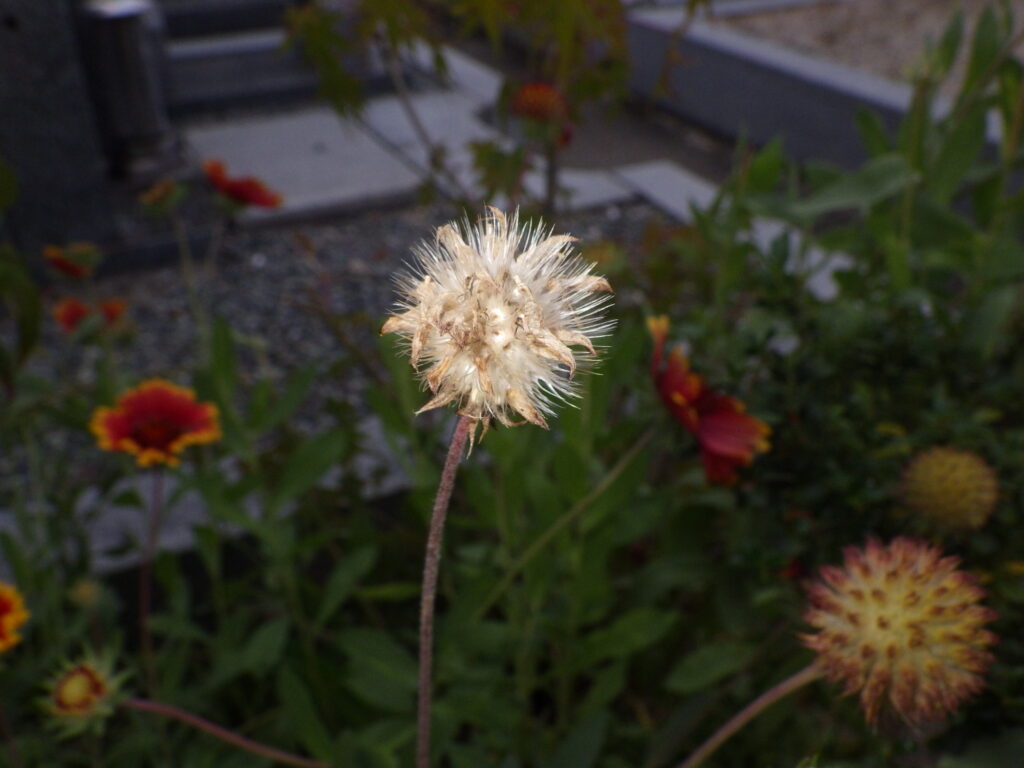
The most precise way to distinguish between them is by noting that the bristles on the receptacle of *Aster tataricus* are about 3 mm long, while those of *Aster microcephalus* are about 6 mm long, but this would be difficult to do in the wild.
What further complicates matters is the existence of Gaillardia x grandiflora, a hybrid of Gaillardia japonica and Gaillardia glabra.
It likely possesses intermediate characteristics, and if you find small flowers with stems and leaves, and flowers with a color similar to that of *Tenjin-giku*, you might be able to determine it's a hybrid, but a strict distinction may be difficult.
The Gaillardia 'Fire Wheels' sold by Takii Seed Co., Ltd. has entirely dark purple ray florets, but it is identified as Gaillardia aristata 'Fire Wheels'.
In addition, there is also Gaillardia aestivalis, which has lower leaves that are not pinnately divided, indistinct bristles on the receptacle, and yellow central florets (tubular florets).
References
Kanagawa Prefecture Flora Survey Association. 2018. Kanagawa Prefecture Flora 2018 (Electronic Edition). Kanagawa Prefecture Flora Survey Association, Odawara. 1803pp. ISBN: 9784991053726
Flora of North America Committee. 2006. Flora of North America (Vol. 21 Magnoliophyta: Asteridae, Part 8 Asteraceae, Part 3). Oxford University Press, Oxford. 616pp. ISBN: 9780195305654
RBG Kew. 2025. The International Plant Names Index and World Checklist of Vascular Plants. Plants of the World Online. http://www.ipni.org and https://powo.science.kew.org/