
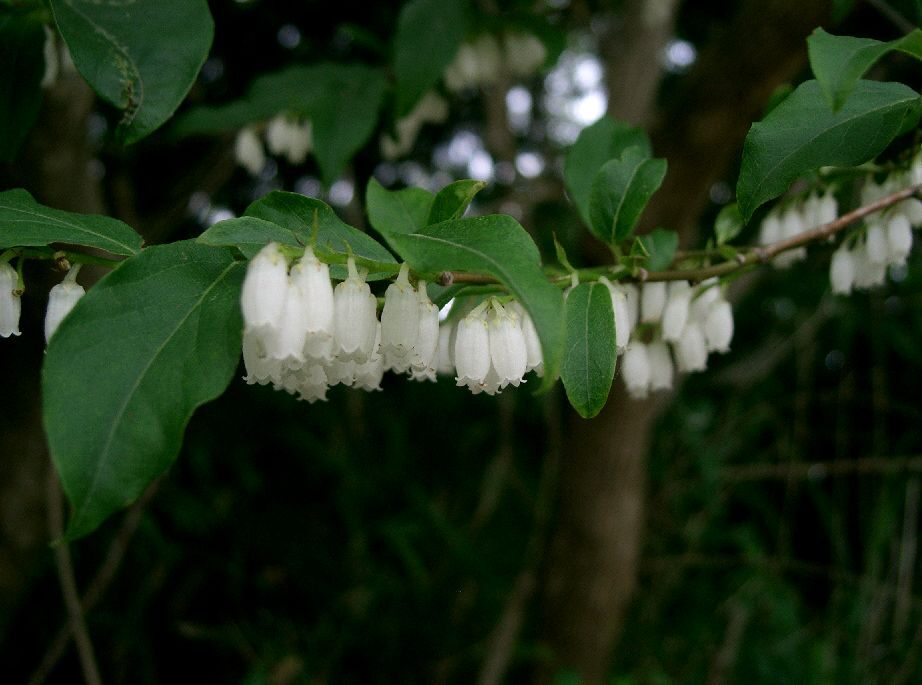
Japanese Andromeda (Pieris japonica), Ryukyu Andromeda (Pieris ryukyuensis), and Japanese Andromeda (Lyonia ovalifolia) all belong to the Ericaceae family, have downward-facing, urn-shaped to bell-shaped flowers, and their bark can be twisted. They also all share the characteristic of being poisonous. Therefore, some people may have difficulty distinguishing them. However, Japanese Andromeda and Ryukyu Andromeda belong to the genus Pieris, while Japanese Andromeda belongs to the genus Lyonia, and they differ significantly in leaf shape, arrangement, and fruit shape. Japanese Andromeda and Ryukyu Andromeda differ in leaf margins and flowers. Several other varieties and cultivars of Japanese Andromeda are also known. This article will explain the classification and morphology of the genera Pieris and Lyonia.
What are Pieris japonica, Pieris ryukyuensis, and Pieris japonica?
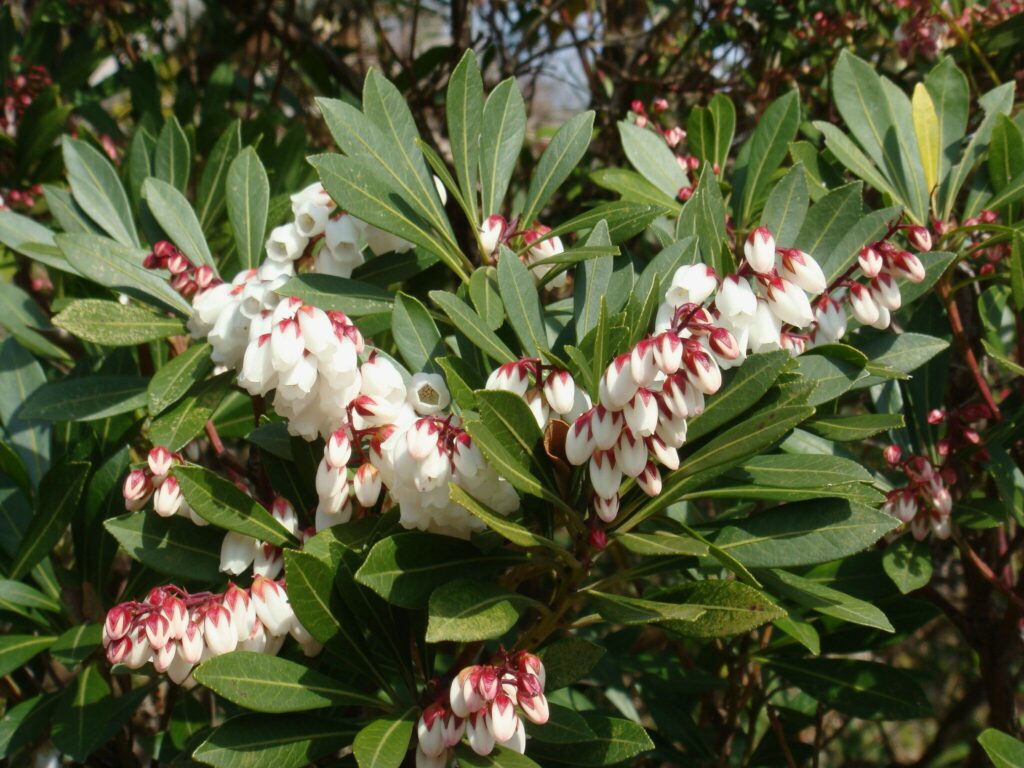
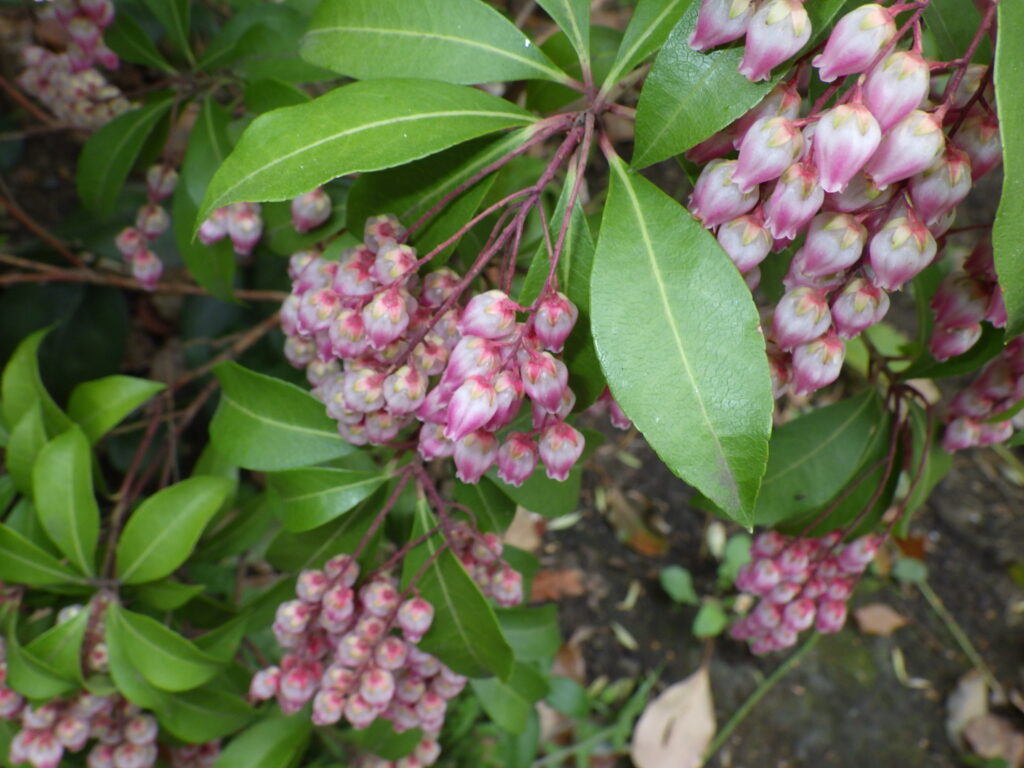
Pieris japonica subsp. japonica, also known as Japanese Andromeda, is distributed throughout Honshu (south of Miyagi Prefecture, Kanto region, Pacific coast of Chubu region, Kinki region, Chugoku region), Shikoku, and Kyushu in Japan. It is an evergreen shrub to small tree that grows in sunny locations (Kanagawa Prefecture Flora Survey Association, 2018). It is cultivated for ornamental purposes in parks, gardens, and streets.
Pieris japonica subsp. koidzumiana, also known as Ryukyu japonica, is an evergreen shrub that was distributed on Okinawa Island but is now considered extinct in the wild due to collection for horticultural purposes. Currently, only cultivated specimens exist, and it is listed as Critically Endangered (CR) in the Ministry of the Environment's Red List 2020, and Extinct in the Wild (EW) in the Revised Okinawa Red Data Book, 3rd Edition - Fungi and Plants.
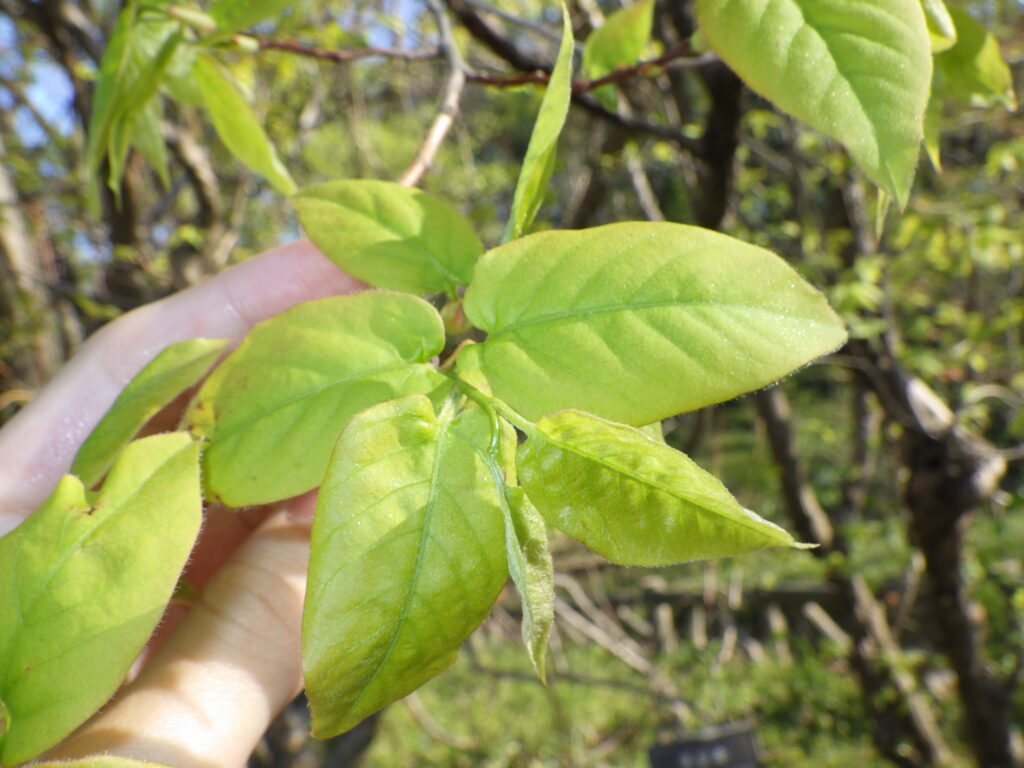
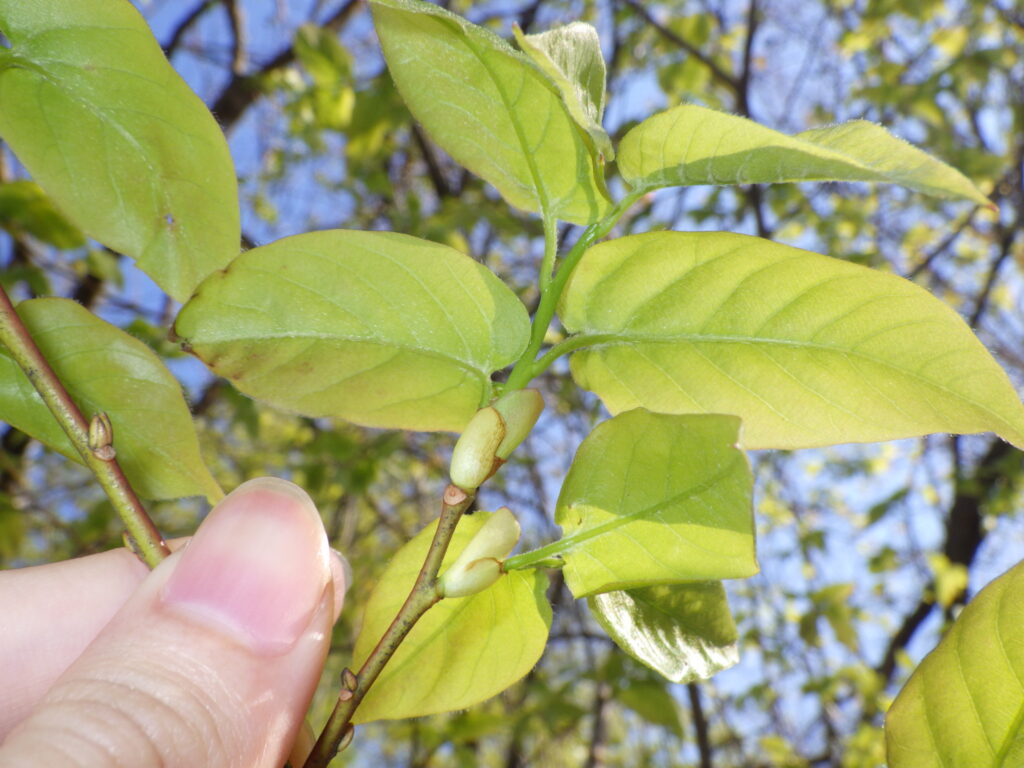
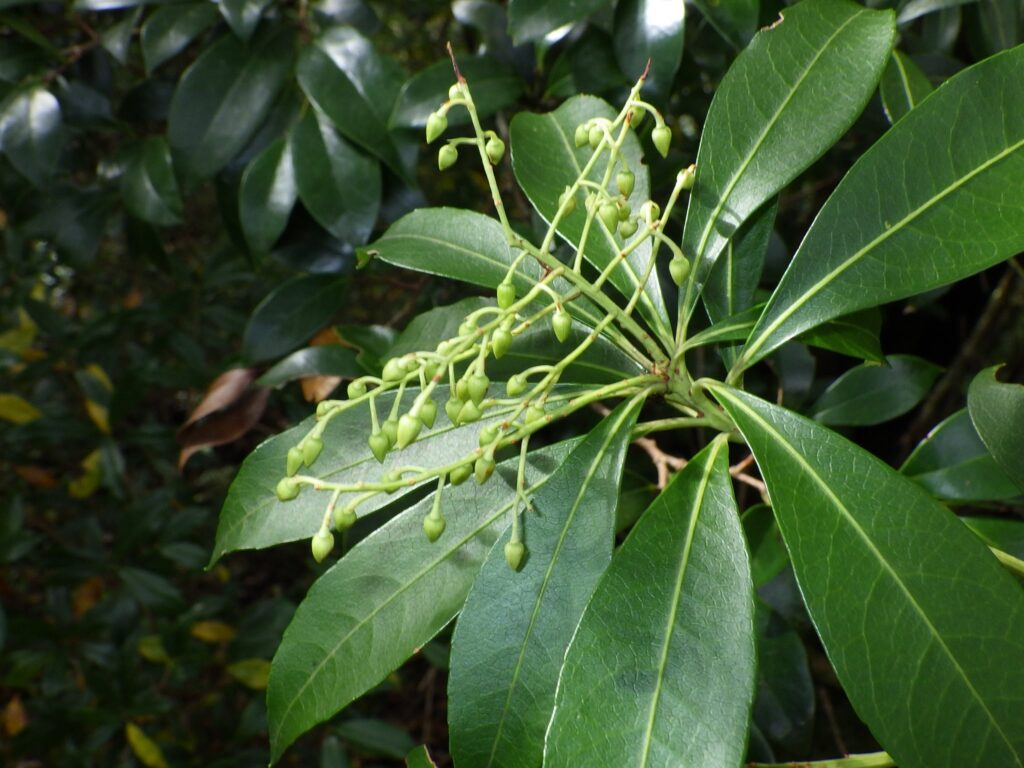
Lyonia ovalifolia var. elliptica, also known as Nejiki, is a deciduous shrub to small tree distributed in Honshu (south of Yamagata and Iwate prefectures), Shikoku, and Kyushu in Japan, growing on dry ridges and slopes in hills and mountains.
All of these plants belong to the Ericaceae family, and in addition to having downward-facing, urn-shaped to bell-shaped flowers, which are common in the Ericaceae family, they are also characterized by being woody plants, having large leaves, superior ovaries, capsule fruits, persistent or slightly persistent bracts and bracteoles, and having small, numerous seeds.
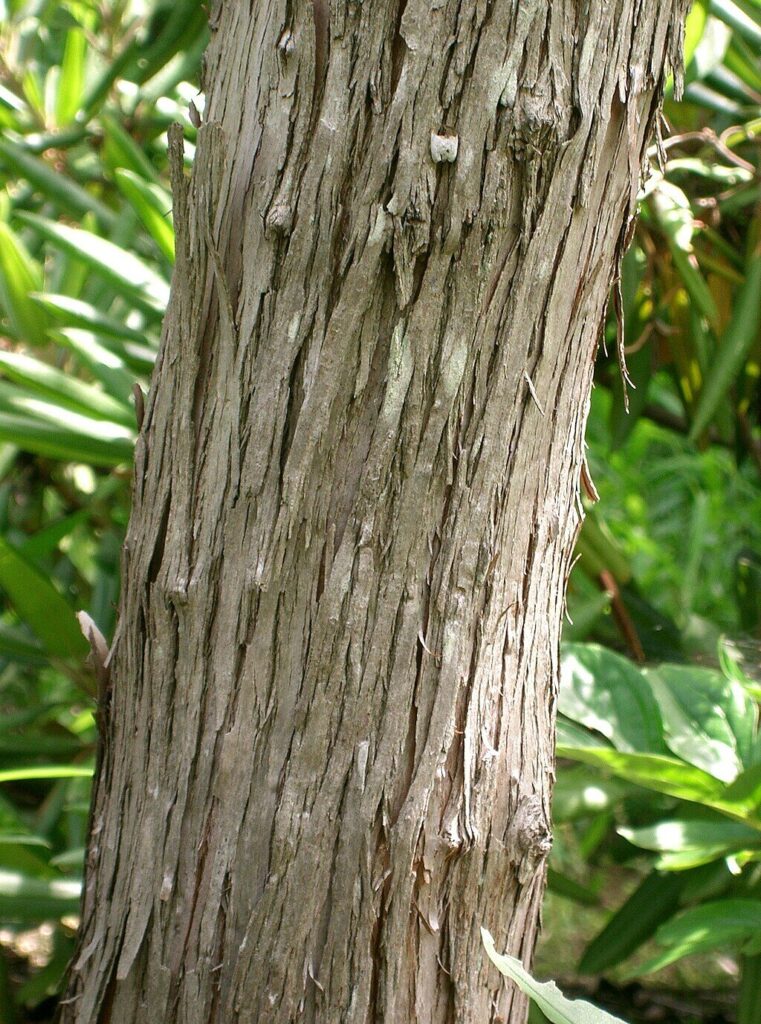
Furthermore, the bark of larger specimens can have a twisted appearance, which is the origin of its Japanese name, Nejiki, and the Japanese Andromeda (Pieris japonica) also has the same characteristic.
However, they may be better known for being poisonous plants than for their morphological features. Both Pieris japonica and Lysimachia japonica contain grayanotoxins and other toxic components, causing symptoms of poisoning such as low blood pressure, abdominal pain, diarrhea, vomiting, respiratory paralysis, and nerve paralysis (Satake, 2012). One theory is that Pieris japonica is written with the kanji characters for "horse-intoxicating tree" because horses eat its leaves and become limp, appearing as if they are drunk (Utsumi et al., 2008). In the wild, both are known to be unpalatable plants for Japanese deer, and they do not eat them (Kamaya, 1988).
However, some people may not be able to distinguish between these three types.
What are the differences between Pieris japonica, Pieris ryukyuensis, and Pieris japonica?
As a fundamental point of classification, Pieris japonica and Pieris ryukyuensis belong to the genus Pieris, while Stewartia pseudocamellia belongs to the genus Stewartia. Therefore, there are significant morphological differences between them (Kanagawa Prefectural Flora Survey Association, 2018).
Morphologically, the main difference is that Pieris japonica and Pieris ryukyuensis are evergreen (they retain their leaves throughout the winter), while Pieris japonica is deciduous (its leaves fall during the winter).
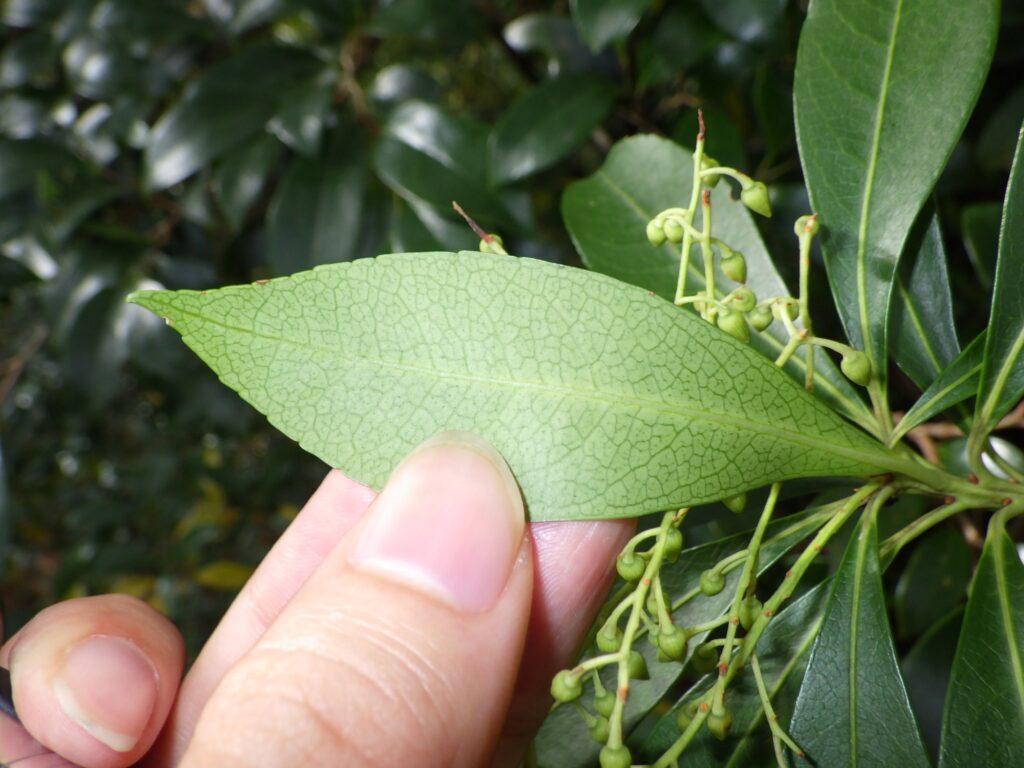
Therefore, while the leaves of Pieris japonica and Pieris ryukyuensis are hard and glossy, the leaves of Pieris japonica are soft and not glossy.
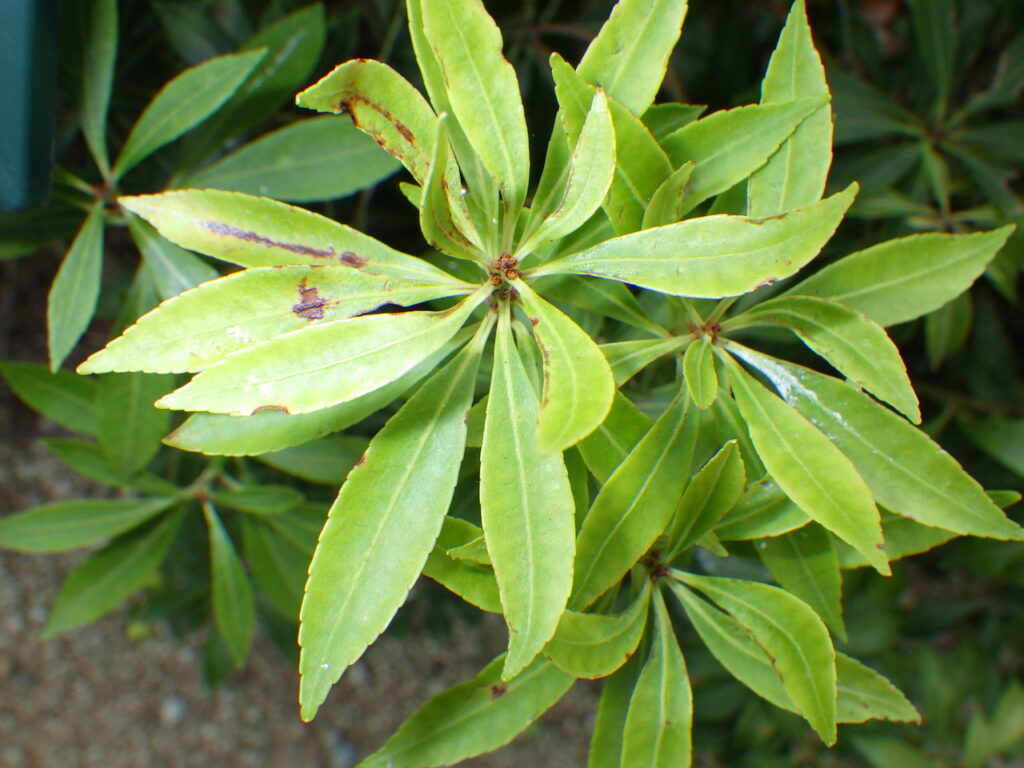
Regarding leaf arrangement, while both Pieris japonica and Pieris ryukyuensis have alternate leaves, they appear whorled because the leaves are bundled at the ends of the branches, whereas Nejiki does not have this characteristic and has the more common alternate leaf arrangement.
Regarding the leaves, even considering other subtle shapes, it's safe to say that Pieris japonica and Lysimachia japonica are completely dissimilar.
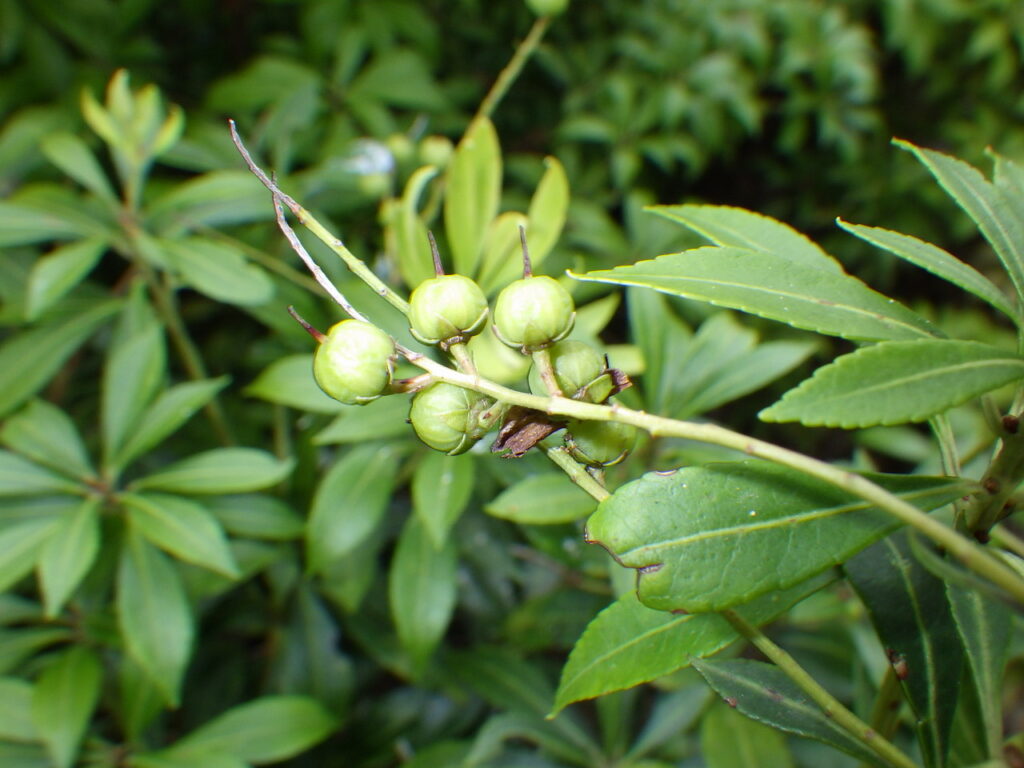
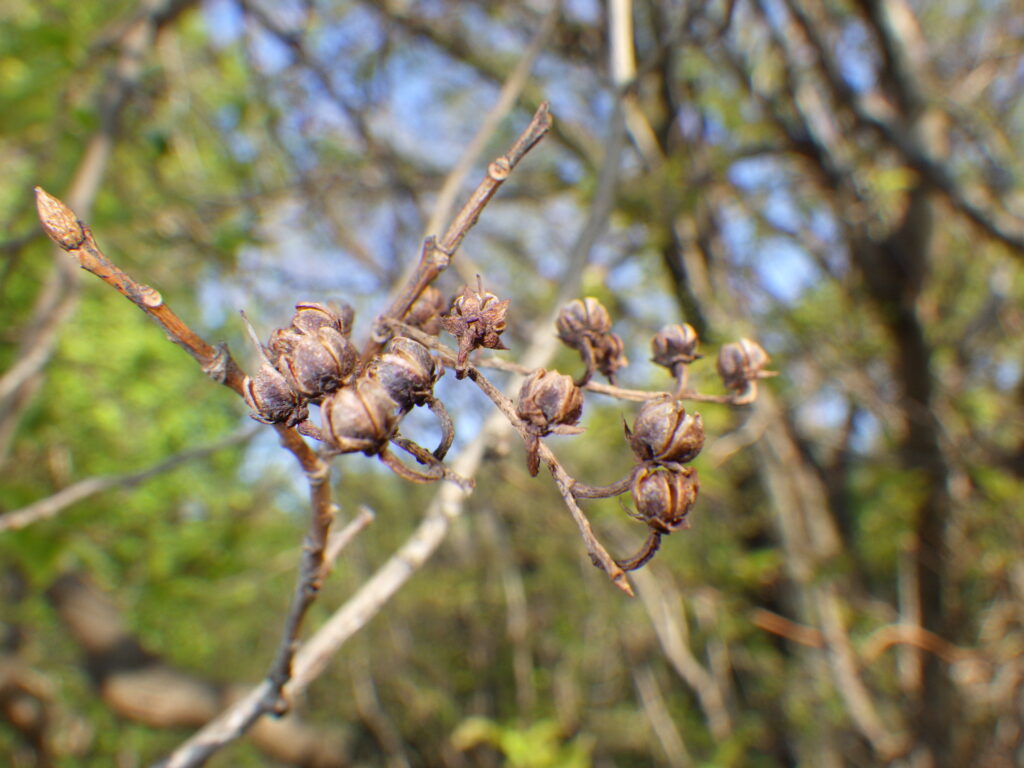
Regarding the fruit, there are differences between Pieris japonica and Pieris ryukyuensis, where the edges of the capsule lobes are not swollen and the anthers have two projections, and between Lysimachia japonica, where the capsule lobes are swollen, the anthers have no projections, and the filaments have two small projections at the end.
What is the difference between Japanese Andromeda and Ryukyu Andromeda?
While the Ryukyu pieris is now extinct in the wild and cannot be seen, seedlings are sold in gardens, so there may be situations where it's necessary to distinguish it from the common pieris.
The two varieties can be distinguished as follows (Hatsushima, 1969).
Regarding the leaves, Pieris japonica has broad leaves, with the bottom 1/3 to 1/4 of the leaf margin being entire and the rest mostly serrated, whereas Pieris ryukyuensis has narrow, slender leaves, with the leaf margin mostly entire and only 3 to 5 serrations near the top.
In short, you can consider the margins of the leaves of the Ryukyu jasmine to be almost entire (without serrations).
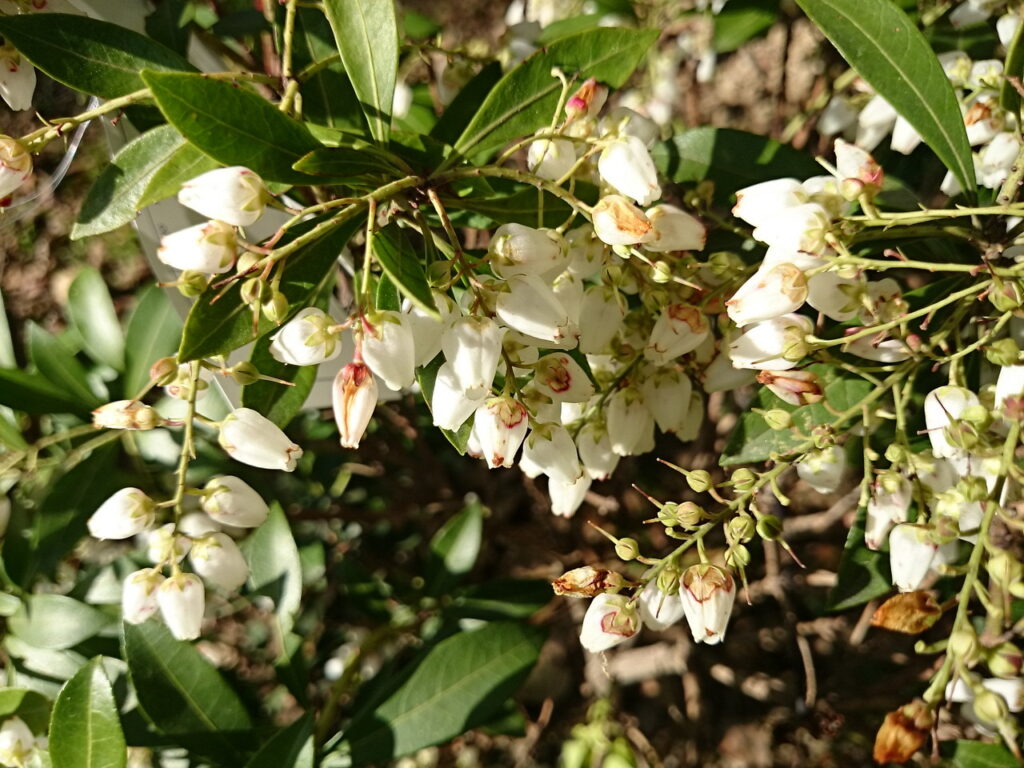
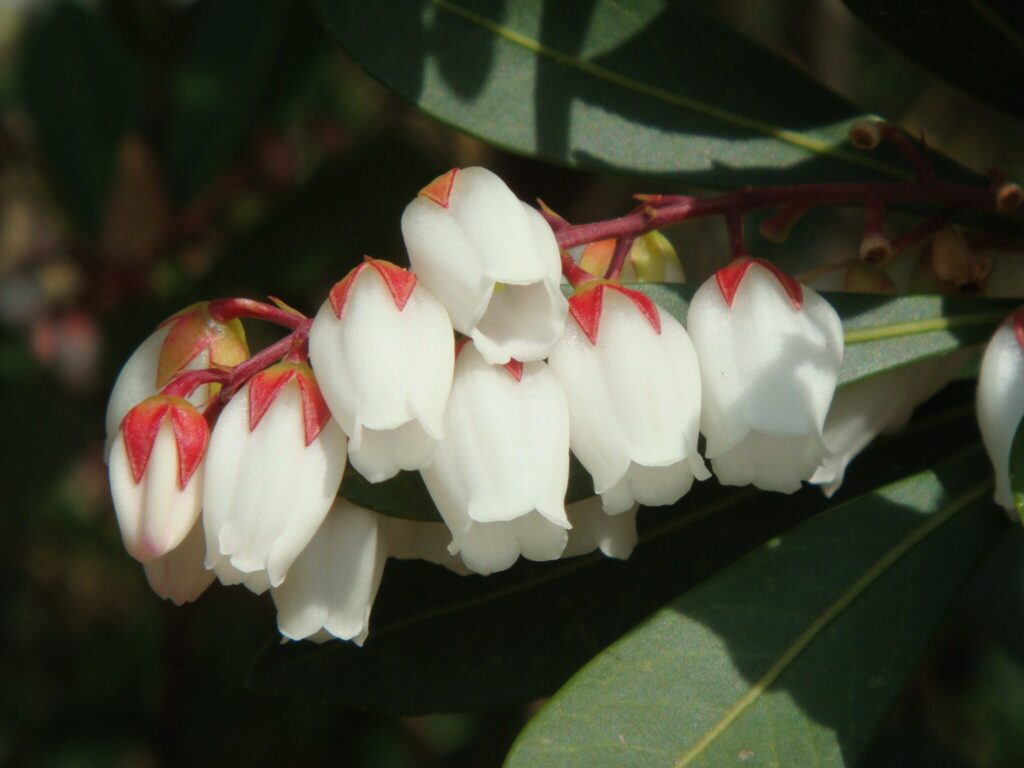
Regarding the corolla of the flower, there is a difference in that the corolla of Pieris japonica is urn-shaped (tapering towards the end), while that of Pieris ryukyuensis is closer to a bell-shaped (cylindrical) form.
These characteristics of *Pieris ryukyuensis* are thought to be adaptations originally for its habitat in mountain streams (Setoguchi et al., 2006).
It may be too late, but to avoid similar extinctions in the wild, let's stop collecting rare wildlife solely for our own enjoyment. Let's enjoy gardening in a sustainable way.
Are there any other similar types?
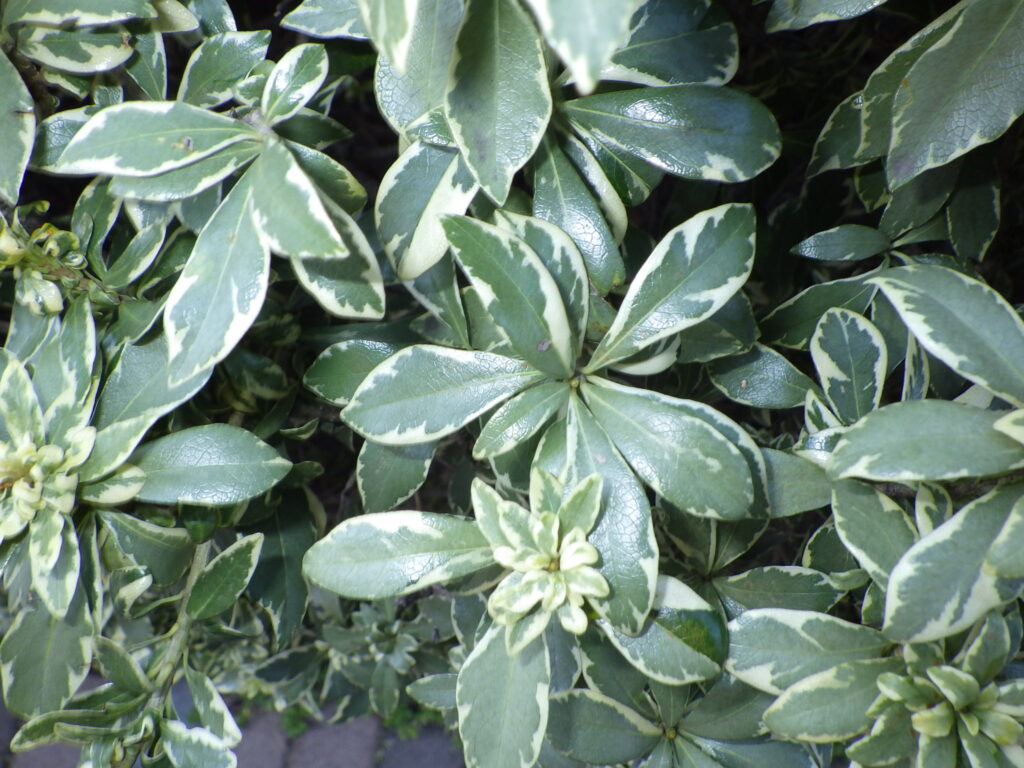
Several varieties and cultivars of Pieris japonica are known.
Pieris japonica subsp. japonica var. yakushimensis is a variety found only on Yakushima Island, characterized by its upright flowers.
Pieris japonica f. rosea is a variety with red tips on its corolla.
Pieris japonica f. elegantissima is a variety with variegated leaves.
References
Hatsushima, Sumihiko. 1969. On Japanese and Taiwanese Pieris japonica. Plants of Hokuriku 17(3): 75-76. ISSN: 0374-8081.
http://hdl.handle.net/2297/45192
Kamaya, Hajime. 1988. Changes in understory vegetation of evergreen broad-leaved forests and the effects of grazing by Japanese deer in Arakashizawa, Chiba Experimental Forest, University of Tokyo. Bulletin of the University of Tokyo Faculty of Agriculture Experimental Forest 78: 67-82. ISSN: 0371-6007, http://hdl.handle.net/2261/23128
Kanagawa Prefecture Flora Survey Association. 2018. Kanagawa Prefecture Flora 2018 (Electronic Edition). Kanagawa Prefecture Flora Survey Association, Odawara. 1803pp. ISBN: 9784991053726
Osada, N., & Sugiura, S. 2006. Effects of pollinators and flower bud herbivores on reproductive success of two ericaceous woody species differenting in flowering season. Canadian Journal of Botany 84(1): 112-119. https://doi.org/10.1139/b05-163
Osada, N., Sugiura, S., Kawamura, K., Cho, M., & Takeda, H. 2003. Community-level flowering phenology and fruit set: comparative study of 25 woody species in a secondary forest in Japan. Ecological Research 18: 711-723. https://doi.org/10.1111/j.1440-1703.2003.00590.x
Satake, Motoyoshi. 2012. Poisonous Plants of Japan. Gakken Plus, Tokyo. 232pp. ISBN: 9784054052697
Setoguchi, H., Jujita, D., Kurata, K., Maeda, Y., & Peng, CI 2006. Comparison of leaf and floral morphology among insular endemics of Pieris (Ericaceae) on the Ryukyu Islands and Taiwan. Acta Phytotaxonomica et Geobotanica 57(2): 173-182. https://doi.org/10.18942/apg.KJ00004622861
Utsumi, Y., Murata, I., Shiiba, K., and Inoue, S. 2008. Traditional names and uses of plants in the Okawachi settlement, Shiiba Village, Miyazaki Prefecture: II. Shrubs. Reports of the Kyushu University Faculty of Agriculture Experimental Forest 89: 51-62. https://doi.org/10.15017/15057
Yumoto, T. 1988. Pollination systems in the cool temperate mixed coniferous and broad-leaved forest zone of Yakushima Island. Ecological Research 3(2): 117-129. https://doi.org/10.1007/BF02346934

