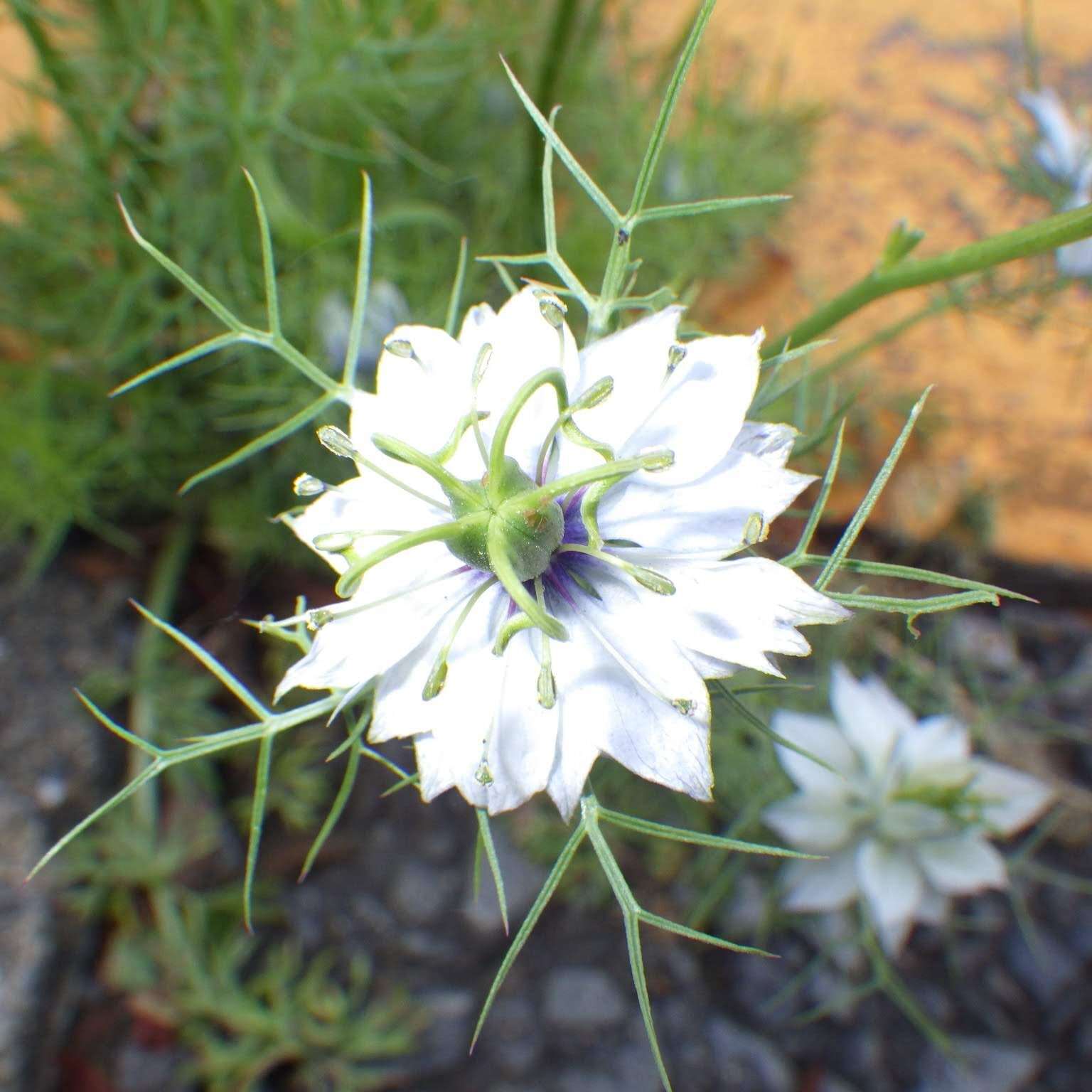
Nigella (Ilex crenata) and black cumin (Ilex crenata var. fragrans) are cultivated for ornamental and medicinal purposes in many countries around the world, and are now common in Japan, but they are two species that are very easily confused. Even searching on the internet will bring up many incorrect pictures. However, distinguishing between them is not actually difficult. They can be easily distinguished by examining the presence or absence of bracts on the flower and the shape of the leaves. Commercially, there is a clear difference in the uses of Ilex crenata and Ilex crenata var. fragrans: Ilex crenata is usually cultivated for ornamental purposes, while Ilex crenata var. fragrans is usually cultivated for medicinal purposes, for black cumin seeds and black cumin seed oil. The flowers of the Ilex genus have reduced petals and are composed of sepals. However, this does not mean that the petals are useless. They have a role as "false nectaries." There are two theories as to their use: one is that the "false nectaries" are used for "advertising," and the other is that they are used to "prevent nectar theft." There are still parts that have not been verified, but in any case, it can be said that they have undergone an interesting evolution. The fruit is a follicle and is likely dispersed by wind. This article will explain the classification, history, medicinal uses, pollination ecology, and seed dispersal of Ilex crenata and Ilex fragrans.
- Two horticultural varieties whose names come from the fact that their seeds are black.
- What is the difference between *Ilex crenata* and *Ilex fragrans*?
- What are the differences in uses between Ilex crenata and Ilex serrata? What are the effects of black cumin seeds?
- Are flowers of the *Nitella* genus composed of sepals rather than petals?
- Why do they create false nectar glands? The "advertising" theory.
- On the other hand, there is also a completely different theory: "to prevent honey theft."
- The fruit is a follicle, and the seeds are probably wind-dispersed.
- References
- Source
Two horticultural varieties whose names come from the fact that their seeds are black.
Nigella damascena, also known as black seed grass, is an annual plant distributed in Southern Europe, Cyprus, Southwest Africa, Turkey, Syria, Iraq, and Iran. It is cultivated as an ornamental plant in many countries around the world and has become naturalized in some areas. In Japan, it is thought to have been introduced around the end of the Edo period (Tsukamoto, 1994). The Japanese name and genus name come from the fact that its seeds are black. "Nigella" is the genus name and is frequently used in horticulture, but it is not recommended as it can be confused with fragrant black seed grass.
Nigella sativa, also known as black cumin, is an annual plant distributed in Southern Europe, North Africa, and Southwest Asia. Its seeds are cultivated worldwide as a spice, and it has naturalized in parts of Europe, North Africa, and eastern Myanmar. Its Japanese name comes from the spicy aroma of its seeds.
Both belong to the genus Nigella in the Ranunculaceae family and are sometimes cultivated, so they are very often confused. Even a Google image search for "fragrant black nutmeg" or " Nigella sativa " will only bring up incorrect images, confusing them with black nutmeg. It would be impossible to correctly identify the species with these results.
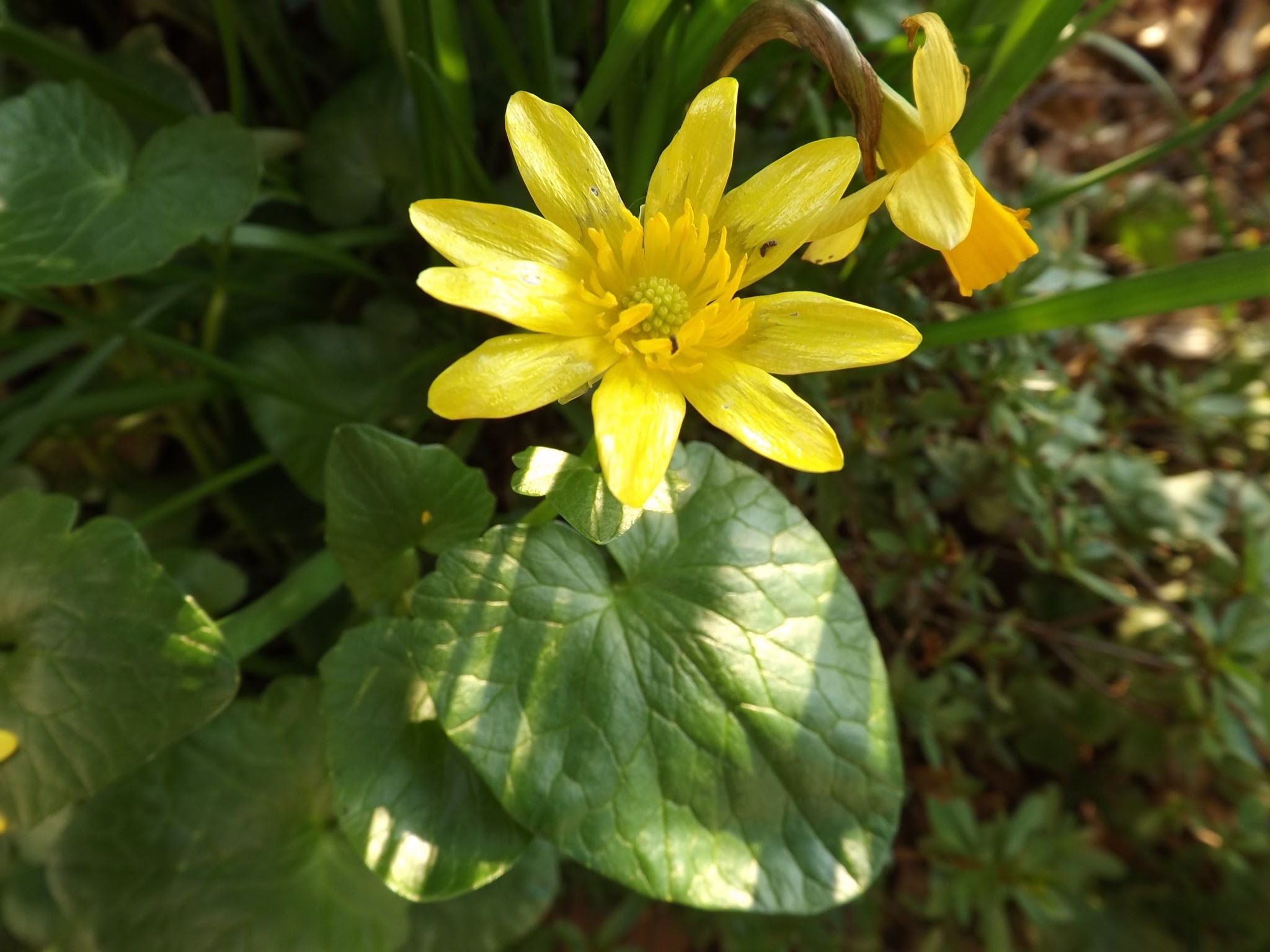
What is the difference between *Ilex crenata* and *Ilex fragrans*?
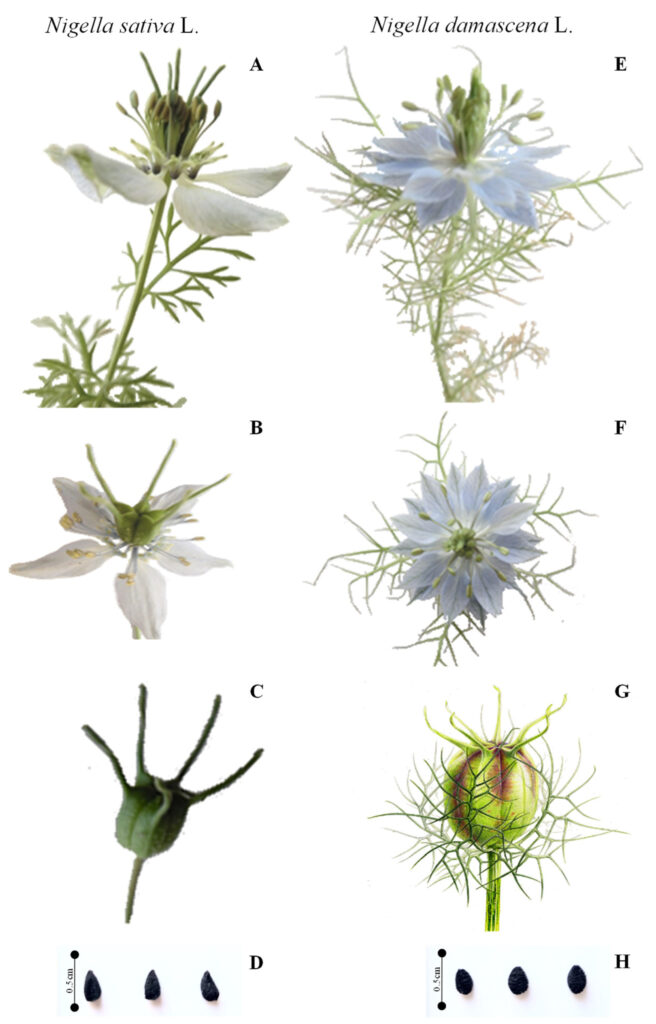
Ilex crenata and Ilex fragrans look very different and are not typically confused.
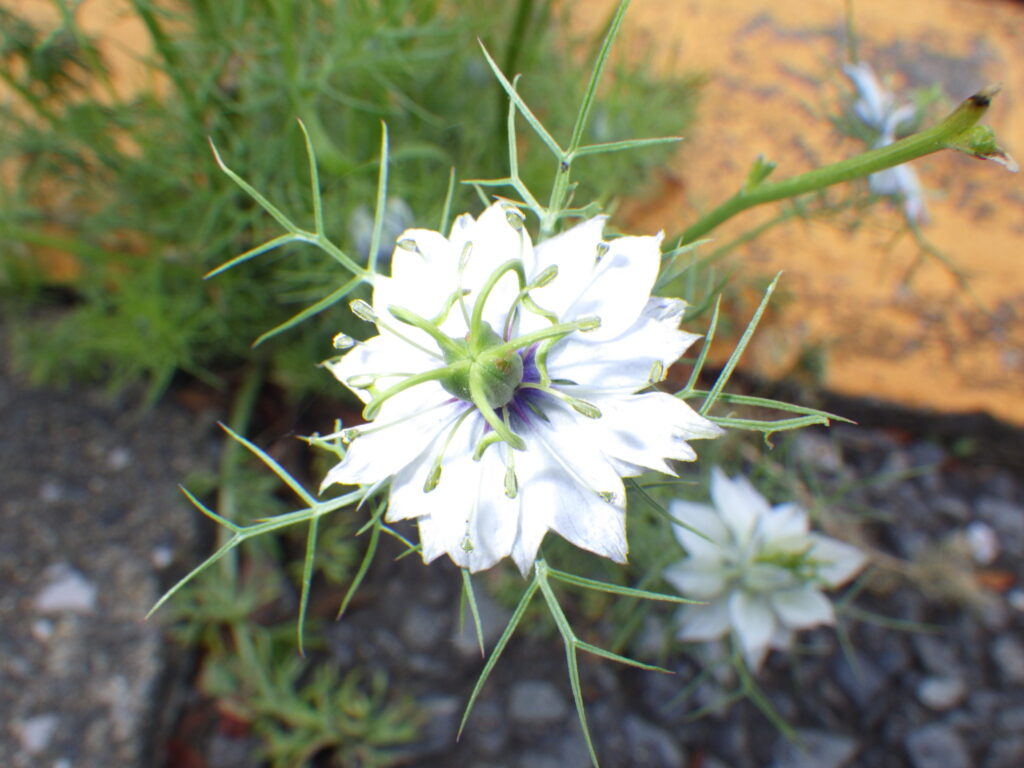
The biggest difference is the flowers (Riedle & Nasir, 1991).
In *Ilex crenata*, the flowers have distinct involucral bracts that resemble finely divided leaves, whereas in *Ilex fragrans*, there are no involucral bracts.
The term "involucral bracts" might be a little confusing, but here it refers to the thin, green, leaf-shaped structures that surround the flower directly below it. These are present in *Ilex crenata*, but not in *Ilex fragrans*.
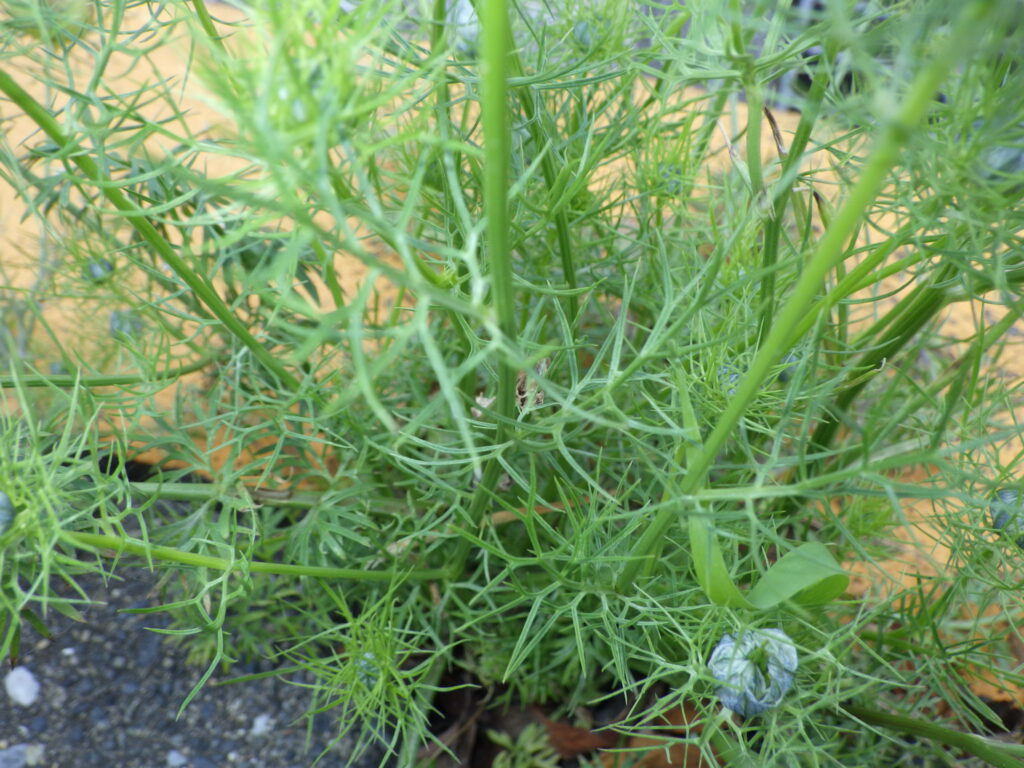
The leaves are also different.
In *Ilex crenata*, the stems and leaves are finely divided, and the lobes are thin and thread-like, whereas in *Ilex crenata*, the leaves are finely divided, and the lobes are linear, but not thread-like.
There are also differences in the seeds (Benazzouz-Smail et al., 2023).
In *Irotana nigra*, the seeds are relatively small, ridged, rounded, and have a sweet scent somewhat similar to strawberries, while in *Irotana fragrans*, the seeds are slightly larger, less ridged, pointed, have a pleasant camphor-like scent, and are slightly bitter.
What are the differences in uses between Ilex crenata and Ilex serrata? What are the effects of black cumin seeds?
Are there any differences in the uses of *Ilex crenata* and *Ilex fragrans*?
As mentioned above, black cumin is also known as black cumin, and its seeds are called black cumin seeds. Furthermore, the essential oil extracted from the seeds is called black cumin seed oil.
Black cumin is not commonly cultivated in gardens in Japan; it is better known for its black cumin seeds and black cumin seed oil.
Black cumin seeds and black cumin seed oil have been widely used for centuries to treat various diseases around the world. They are also known as important medicines in traditional Indian medicine such as Unani medicine and Ayurveda (Ahmad et al., 2013). Among Muslims, they came to be considered a panacea because the Hadith (the sayings and actions of the Islamic prophet Muhammad) mentions that "black seeds are a cure for all diseases except death."
While it's certainly an exaggeration to call it a cure-all, it has indeed been traditionally used in Southeast Asia, India, and the Middle East to treat a wide range of disorders, diseases, and symptoms related to the respiratory, digestive, urinary, cardiovascular, and immune systems, as well as for food, demonstrating its broad range of uses.
Specifically, black cumin seed oil is used for inflammatory diseases associated with asthma, bronchitis, and rheumatism, while tinctures prepared from black cumin seeds are effective for indigestion, loss of appetite, diarrhea, edema, amenorrhea, and dysmenorrhea, and are also used to treat insect bites and skin rashes. For external use, black cumin seed oil is used as a preservative and local anesthetic. Roasted black cumin seeds are taken orally to stop vomiting.
Scientific research is progressing, and it is being shown that it can be used for a wide variety of purposes, including as a diuretic, antihypertensive, antidiabetic, anticancer, immunomodulator, analgesic, antibacterial, anthelmintic, anti-inflammatory, antispasmodic, bronchodilator, gastric protectant, hepatoprotective, renal protectant, antioxidant, liver tonic, digestive aid, antidiarrheal, appetite stimulant, and menstrual gouache. However, it is still not well understood how much can be taken orally by humans and how effective it is, so a calm and objective evaluation is necessary.
Most of these effects are thought to be due to a component called thymoquinone (30-48%). Other components include thymohydroquinone, dithymoquinone, p-cymene (7-15%), carvacrol (6-12%), 4-terpineol (2-7%), t-acetol (1-4%), sesquiterpene longifolene (1-8%), α-pinene, and thymol. Trace amounts of isoquinoline alkaloids such as nigerycimin and nigerycimin-N-oxide, pyrazole alkaloids such as nigerydin and nigerycin, and alkaloids with an indazole ring are also present. Furthermore, the seeds contain α-hederin, a water-soluble pentacyclic triterpene, and saponins, which have anticancer properties.
Seeds are composed of protein (26.71 TP3T), lipids (28.51 TP3T), and carbohydrates (24.91 TP3T). The lipids are rich in unsaturated fatty acids, mainly linoleic acid (50-601 TP3T), oleic acid (201 TP3T), eicodadienoic acid (31 TP3T), and dihomolinoleic acid (101 TP3T).
In modern times, complementary and alternative medicine (medicine that complements or replaces Western medicine) is widely used to treat various illnesses such as bronchitis, asthma, diarrhea, rheumatism, and skin diseases.
Furthermore, because of its very low toxicity, it is also used in foods such as bread and pickle flavorings.
Although it is not very well known in Japan, if further research is conducted and its optimal applications are identified, it may be used in Western medicine as well.
On the other hand, while Ilex crenata is more famous for being cultivated as an ornamental plant, it is thought to have almost the same medicinal properties as Ilex serrata and has been used in traditional medicine (Benazzouz-Smail et al., 2023).
My research didn't reveal why *Ilex crenata* didn't become more widespread for that purpose, but it's possible that the seeds of *Ilex crenata* can be used as a spice, or that there are issues with cultivation or efficiency.
Are flowers of the *Nitella* genus composed of sepals rather than petals?
Both *Ilex crenata* and *Ilex fragrans* bloom from May to July.
Flowers of the genus *Ilex crenata* share a common characteristic: the sepals resemble petals. In the wild species, there are usually five single petals, but there are also double-flowered varieties with six to ten petals. The sepals can be white, blue, or purplish-red. When mature, the numerous stamens grow slightly downward, and the five pistils are fused at the base, with their tips also drooping downwards.

Why do they create false nectar glands? The "advertising" theory.
By the way, what happened to the true petals of the *Nitella* genus? Did they degenerate and disappear?
Interestingly, the vestigial true petals have become "nectary scales" with bifurcated tips, located above the sepals.
However, this may not be seen in double-flowered varieties of *Ilex crenata* (I cannot confirm this in my photos).
The "nectar gland-like scales" are located at the base of the calyx and pistil, and are conspicuous, being yellow or green depending on the species. It would seem logical to assume that nectar is secreted from these scales.
However, these nectar-like scales themselves do not secrete nectar. Such structures are also called "pseudonectaries," and the true nectaries are located inside the nectar-like scales. Only insects with a mouthpart of the appropriate length, suited to the distance to the true nectaries, can extend their mouthparts and drink the nectar.
So why go to the trouble of creating a structure called a pseudonectary, taking such a roundabout approach?
According to research by a Chinese research group, the nectar-like scales of the pseudonectaries in *Ilex crenata* reflect ultraviolet light, making them appear very vivid to insects that can see ultraviolet light, and attracting mainly honeybees and bumblebees (Liao et al., 2020).
The attracted bee rotates clockwise or counterclockwise, touching the stamens and pistils hanging from its back, thus pollinating the flower. In other words, the false nectar gland is used as an "advertisement" to let insects know that there is food available, making it visible from a distance.

On the other hand, there is also a completely different theory: "to prevent honey theft."
However, there is a completely different perspective. It is known that some pollinating insects only try to suck the nectar (i.e., they steal nectar). Typical examples include butterflies and bumblebees. If these insects target the plants of the Nigella genus, the plants will naturally lose out as only the nectar is sucked, pollination will not occur, and they will suffer a loss.
In such cases, the presence of false nectaries may deceive these nectar-stealing insects, preventing them from sucking nectar from the real nectaries. This prevents them from stealing only the nectar.
Of these two theories, the most recent research on *Ilex crenata* supports the former, but the latter is still not well understood.
These are not mutually exclusive, and it's quite possible that one possesses both functions.
In any case, it seems they employ strategies that are not easily noticed by humans. Nectar-like scales are also present in *Ilex crenata*, and it is known that many honeybees visit it (Suchetana et al., 2013; Abrar et al., 2017).
The fruit is a follicle, and the seeds are probably wind-dispersed.
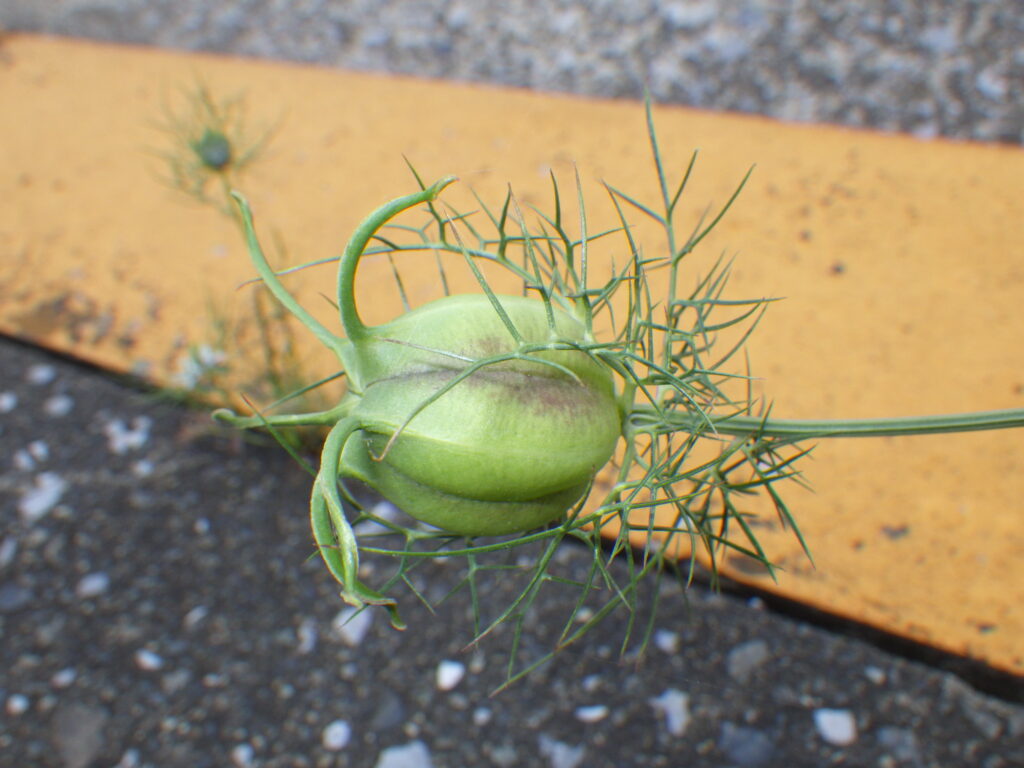
The fruit is a follicle, which is oval-spherical in *Ilex crenata* and rounded rectangle in *Ilex fragrans*. It consists of a single carpel (a leaf-like element that makes up the pistil) and is filled with seeds. As it matures, the pericarp dries out and splits open along a single line.
The seeds of both Ilex crenata and Ilex fragrans are small and black. Ilex crenata seeds are slightly smaller, ridged, rounded, and have a sweet scent somewhat similar to strawberries, while Ilex fragrans seeds are slightly larger, less ridged, pointed, and have a pleasant camphor-like scent with a slight bitterness.
The seed dispersal of the genus *Ilex crenata* is not well understood (Uğurlu Aydın & Dönmez, 2019), but for *Ilex crenata* and *Ilex fragrans*, the seeds are small, black, and not conspicuous to animals, so it is reasonable to assume that the seeds that spill out of the fruit are carried away by the wind.
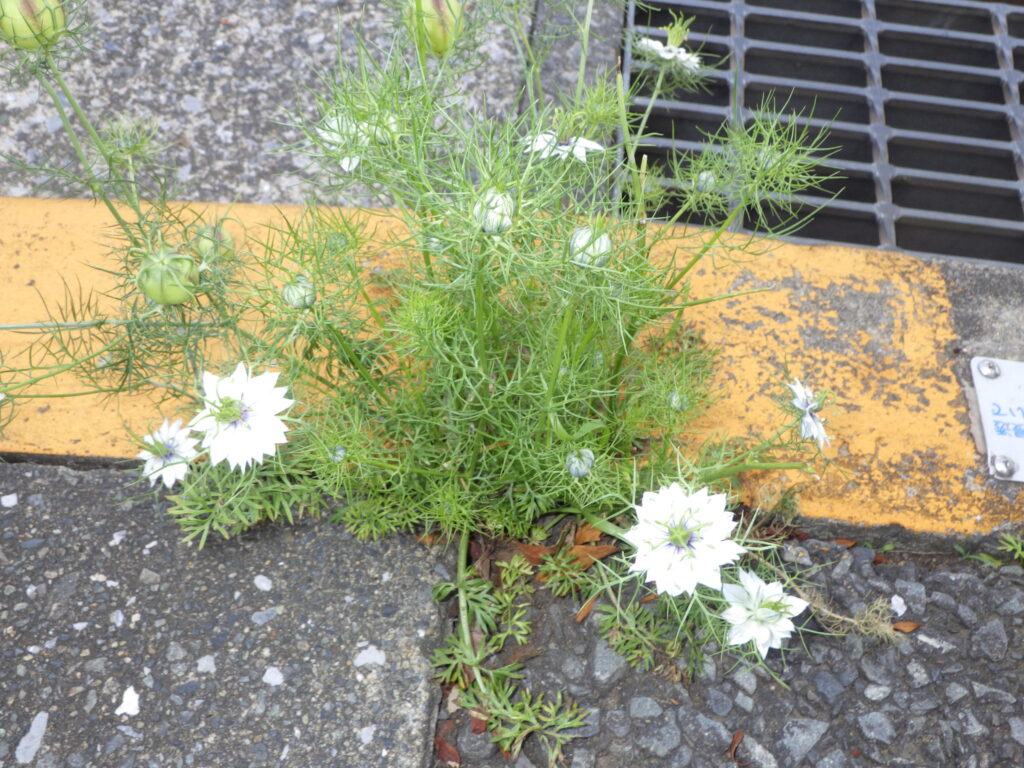
I have actually seen blackberry growing from between the asphalt. There were no other blackberries to be seen nearby, which suggests that if someone didn't plant them intentionally, then it wasn't simply dispersed by gravity.
References
Abrar, M., Ahmad, S., Saboor, N., Spogmay, N. 2017. Insect pollinators and their relative abundance on black cumin. Nigella sativa L. At Dera Ismail Khan. Journal of Entomology and Zoology Studies 5(5): 1252-1258. ISSN: 2349-6800, https://www.entomoljournal.com/archives/?year=2017&vol=5&issue=5&ArticleId=2462
Ahmad, A., Husain, A., Mujeeb, M., Khan, SA, Najmi, AK, Siddique, NA, … & Anwar, F. 2013. A review on therapeutic potential of Nigella sativa: A miracle herb. Asian Pacific Journal of Tropical Biomedicine 3(5): 337-352. https://doi.org/10.1016/S2221-1691(13)60075-1
Benazzouz-Smail, L., Achat, S., Brahmi, F., Bachir-Bey, M., Arab, R., Lorenzo, JM, … & Madani, K. 2023. Biological Properties, Phenolic Profile, and Botanical Aspect of Nigella sativa L. and Nigella damascena L. Seeds: A Comparative Study. Molecules 28(2): 571. https://doi.org/10.3390/molecules28020571
Liao, H., Fu, X., Zhao, H., Cheng, J., Zhang, R., Yao, X., Duan, X., Shan, H & Kong, H. 2020. The morphology, molecular development and ecological function of pseudonectaries on Nigella damascena (Ranunculaceae) petals. Nature Communications 11(1): 1-11. ISSN: 2041-1723, https://doi.org/10.1038/s41467-020-15658-2
Riedle, H., & Nasir, YJ 1991. Ranunculaceae. In: Ali, SI, & Nasir, YJ (Eds.), Flora of Pakistan No. 193 (pp.1-157). PanGraphics. http://www.efloras.org/florataxon.aspx?flora_id=5&taxon_id=122301
Suchetana, M., Aninda, M., Sudha, G., & Datta, AK 2013. Pollination events in Nigella sativa L. (Black cumin). International Journal of Research in Ayurveda and Pharmacy 4(3): 342-344. ISSN: 2277-4343, https://doi.org/10.7897/2277-4343.04307
Tsukamoto, Yotaro. 1994. Encyclopedia of Horticultural Plants, Compact Edition. Shogakukan, Tokyo. 3710pp. ISBN: 9784093051118
Uğurlu Aydın, Z., & Dönmez, AA 2019. Numerical analyzes of seed morphology and its taxonomic significance in the tribe Nigelleae (Ranunculaceae). Nordic Journal of Botany 37(5): e02323. https://doi.org/10.1111/njb.02323
Source
This article is a significantly expanded version of a piece included in the following book.

