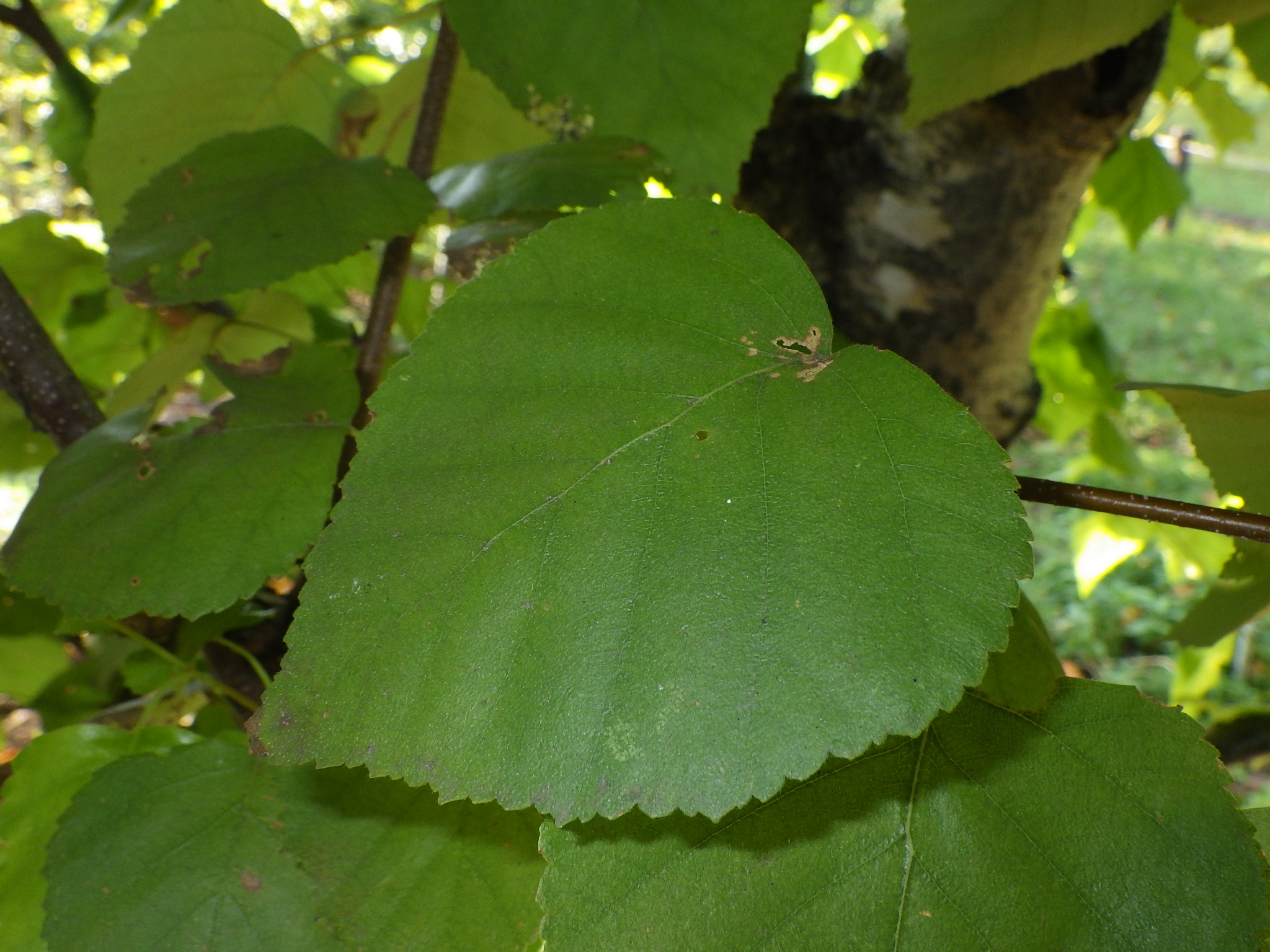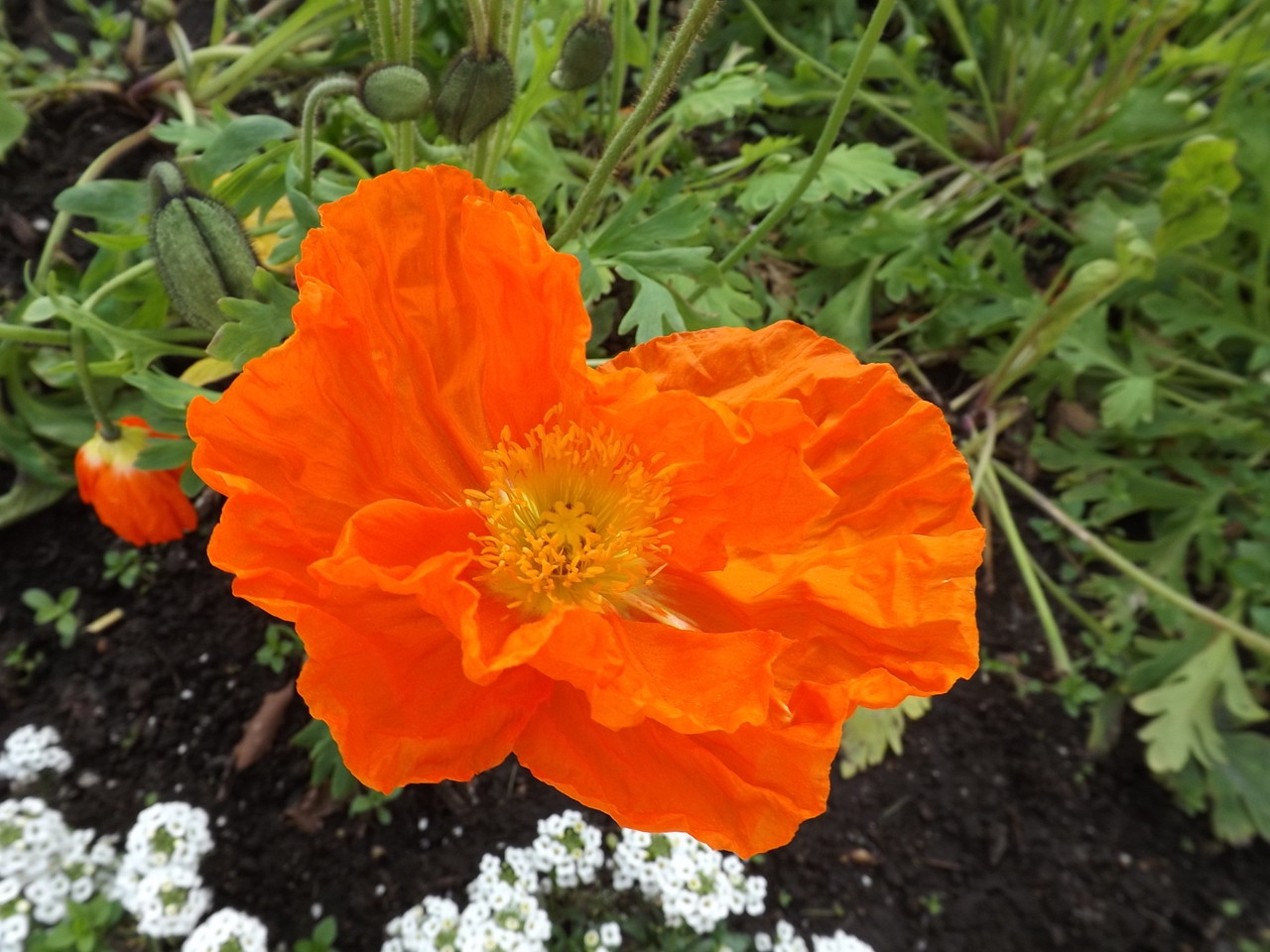
Poppies, including the common poppy, the thick-leaved poppy, the common poppy, and the long-headed poppy, all belong to the genus Papaver in the family Papaveraceae and are collectively known as poppies. They are very popular as ornamental plants because they produce beautiful, large single flowers and are widely cultivated. However, they are a difficult group to identify, despite being poisonous and prone to becoming naturalized. If you limit yourself to the four species, you can distinguish them relatively easily by focusing on the condition of the stems and leaves, the presence or absence of hairs, and the shape of the fruit. The Icelandic poppy is also often confused with them, but the Icelandic poppy has no stems or leaves. Poppies are a highly addictive type of narcotic and the raw material for opium, a useful painkiller, but it is known that the very existence of poppies has spurred human evolution. They have had a significant impact on history. This article will explain the classification, morphology, evolution, and history of the genus Papaver.
- What are poppies, common poppies, field poppies, and long-headed poppies?
- What are the differences between poppies, common poppies, field poppies, and long-headed poppies?
- What's the difference between this and the Icelandic poppy?
- What is the history of the poppy? Were "Devil Fruits" actually evolved by humans themselves?!
- References
What are poppies, common poppies, field poppies, and long-headed poppies?
Poppy (Papaver somniferum subsp. somniferum) is also known as the somniferum species. Native to the western Mediterranean coast of Europe and North Africa, it does not exist in the wild and is an annual plant cultivated only by humans for food and medicinal purposes (Narita et al., 1998; Kanagawa Prefectural Flora Survey Association, 2018; Samorini, 2019; RBG Kew, 2025).
Papaver somniferum subsp. setigerum, also known as the Atsumi poppy, is native to the western Mediterranean coast of Europe and North Africa. It is known as a naturalized plant and has naturalized in various parts of the world. In Japan, it was reported in 1964 on the coast of the Atsumi Peninsula in Aichi Prefecture, and it is an annual plant that sporadically occurs in urban areas and wastelands from Honshu to Kyushu (Shimizu et al., 2001). It occasionally grows in urban areas, and photos of it being taken unknowingly and posted on Instagram have made headlines, as well as seedlings being sold under the mistaken impression of the Icelandic poppy.
Poppy (Papaver rhoeas), also known as the common poppy (Papaver rhoeas), is native to Europe, North Africa, and West Asia. In Japan, it was introduced as an ornamental plant during the Edo period and has since become naturalized as an annual or biennial plant.
Papaver dubium, also known as long-fruited poppy, is native to Europe, North Africa, and West Asia. In Japan, it was first recorded in Tokyo in 1961 (Yoshikawa, 2010). Seeds have been detected in imported grains, and its distribution has rapidly expanded since the 1990s due to unintentional introduction. It is now an annual plant found in a wide area from Hokkaido to Kyushu.
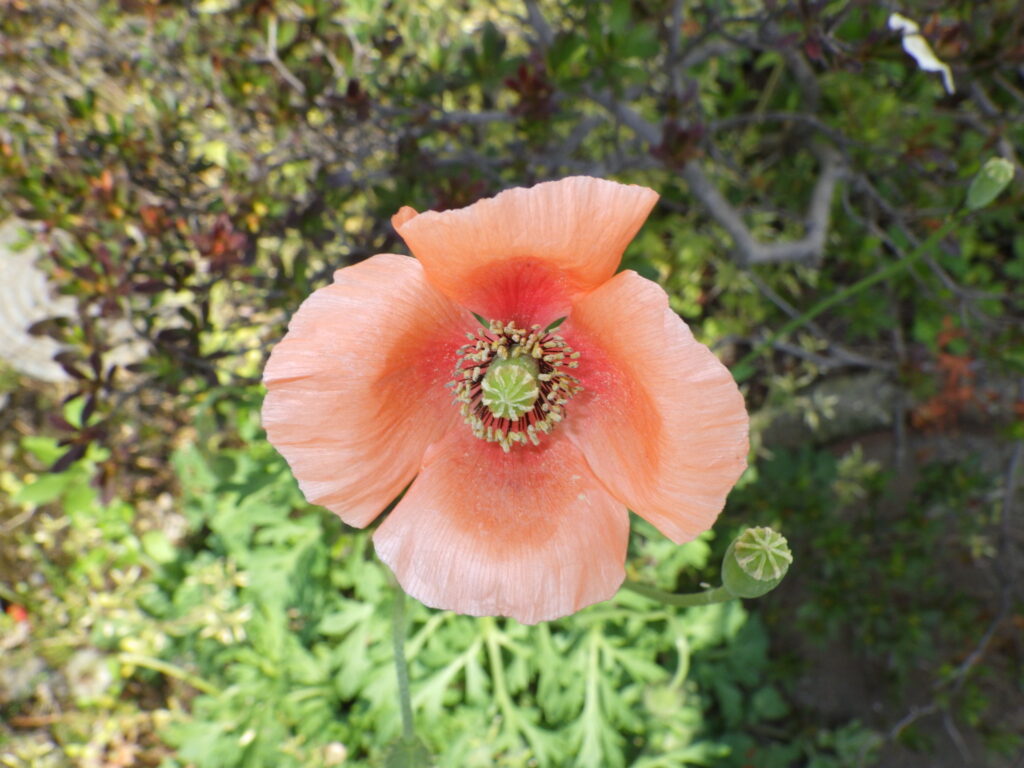
All of these belong to the genus Papaver in the family Papaveraceae, and are collectively known as poppies. They are very popular as ornamental plants because they produce beautiful, large single flowers, and are widely cultivated. The fact that their stigmas have 4 to 20 radiating lobes is also an interesting feature to look at.
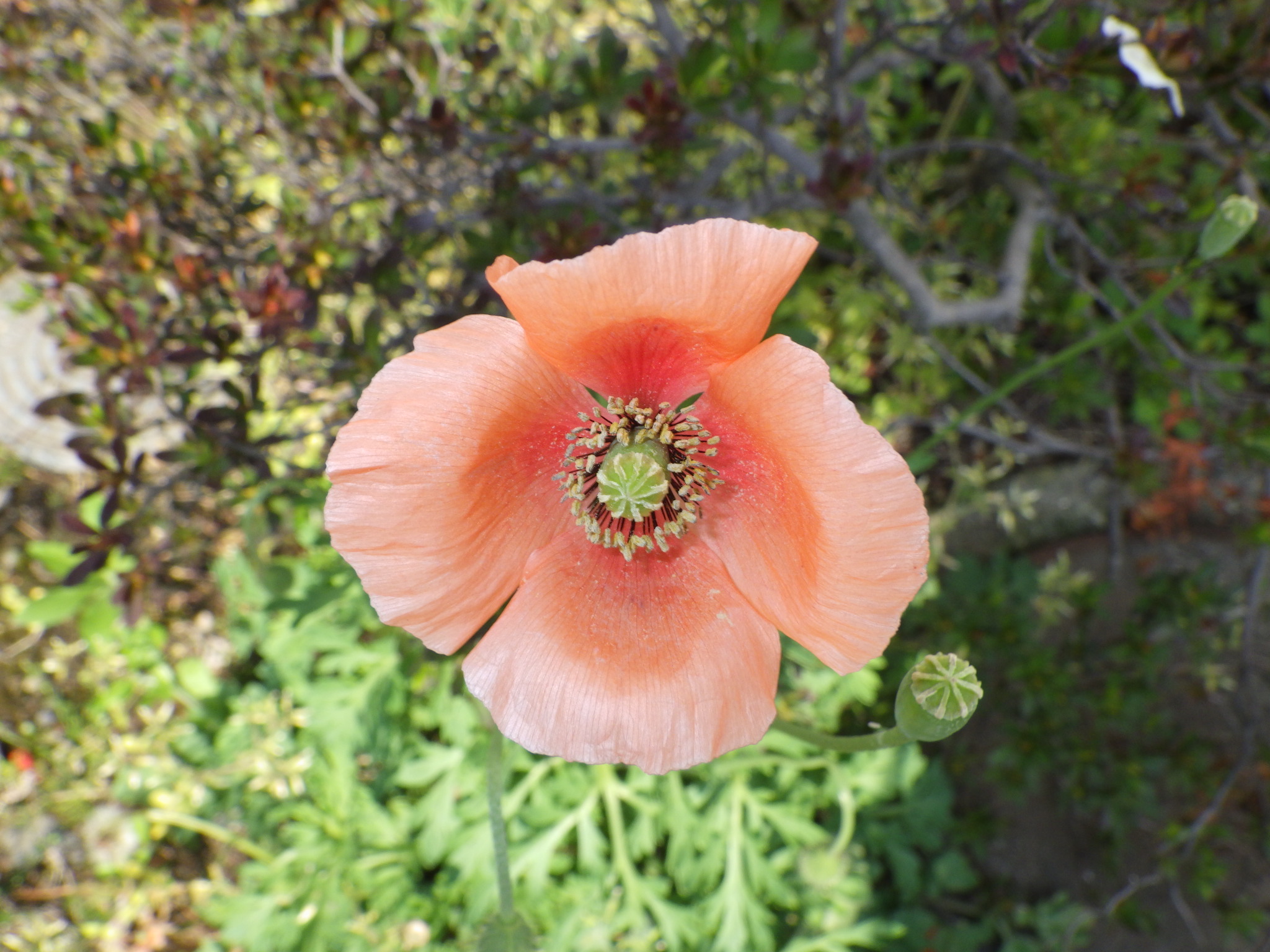
Poricidal capsules, especially those of poppies called "poppy pods," are spherical fruits that, when ripe, develop a hole at the top edge, scattering their seeds. As the metaphorical expression "like poppy seeds" suggests, the seeds are extremely small and easily dispersed by wind (wind dispersal), sometimes leading to the introduction of invasive species.
All species contain multiple alkaloids that can cause skin irritation, and it is thought that they originally evolved to produce these alkaloids for defense against predators. Among these, opioids such as morphine, codeine, and thebaine act as psychotropic drugs when ingested by humans, but are also known to be addictive. The seeds also contain papaverine, an alkaloid different from opioids.
In Japan, poppies and Papaver dubium contain morphine, codeine, and thebaine, and are therefore designated as prohibited plants under the "Opium Law." Although not mentioned here, Papaver bracteatum, a related species, also contains thebaine and is therefore designated as a prohibited plant under the "Narcotics and Psychotropic Substances Control Law."
Poppies, in particular, have been cultivated by humans in the Mediterranean since the Neolithic period and have evolved to contain high levels of morphine and codeine. One could argue that they have proliferated by "turning humans into drug addicts," or in a negative sense, "plunging them into a swamp," as exemplified by the Sino-Japanese Wars and the subsequent Qing Dynasty and the Sino-Japanese War in Manchukuo.
However, it's not all bad. Morphine is used as an analgesic in surgical anesthesia and in end-of-life care involving severe pain, and codeine is used as a cough suppressant. Furthermore, papaverine is used to treat erectile dysfunction, smooth muscle spasms, and spasms associated with gastrointestinal disorders (Ashrafi et al., 2023).
The shichimi spice blend used to udon and soba noodles contains poppy seeds (actually seeds), and it's also sometimes found sprinkled on bread (Carlin et al., 2020). It would be difficult to completely dismiss such conveniences.
This group has both significant merits and demerits, and because there are many species, each with different characteristics, and they easily become feral, accurate identification is more important than with other species.
What are the differences between poppies, common poppies, field poppies, and long-headed poppies?
The methods for distinguishing these four species are explained in detail by the Ministry of Health, Labour and Welfare and the Tokyo Metropolitan Institute of Public Health (Ministry of Health, Labour and Welfare, 2019; Tokyo Metropolitan Institute of Public Health, 2008), so here we will present a concise method of distinction based on a key (Kanagawa Prefecture Flora Survey Association, 2018).
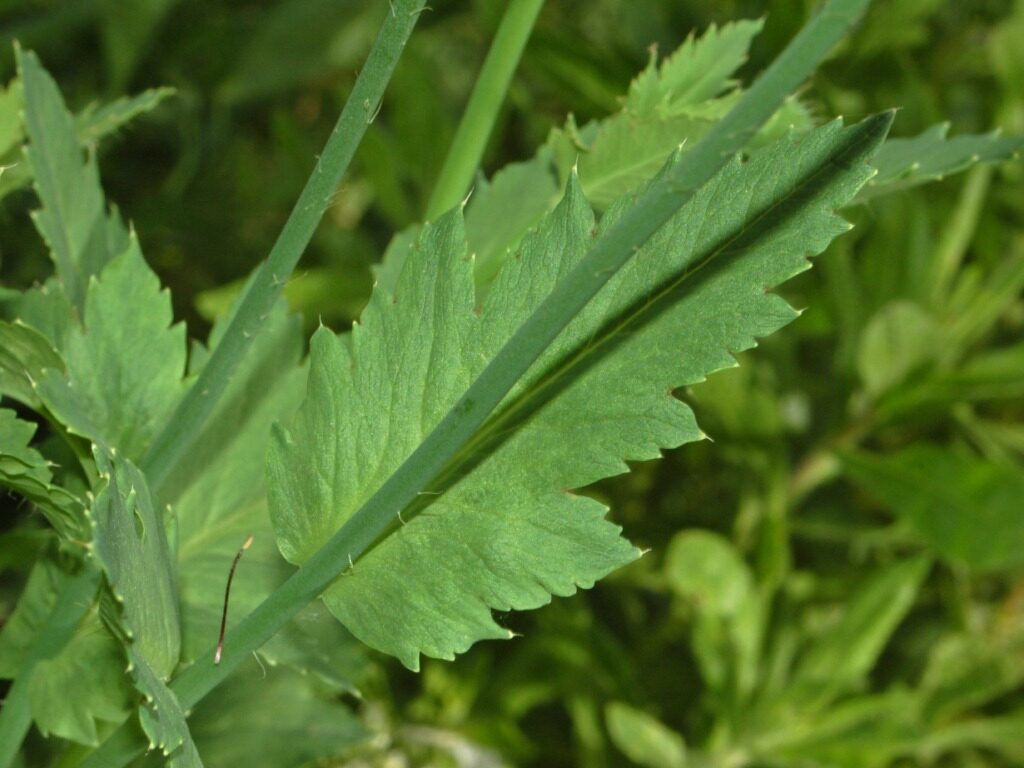
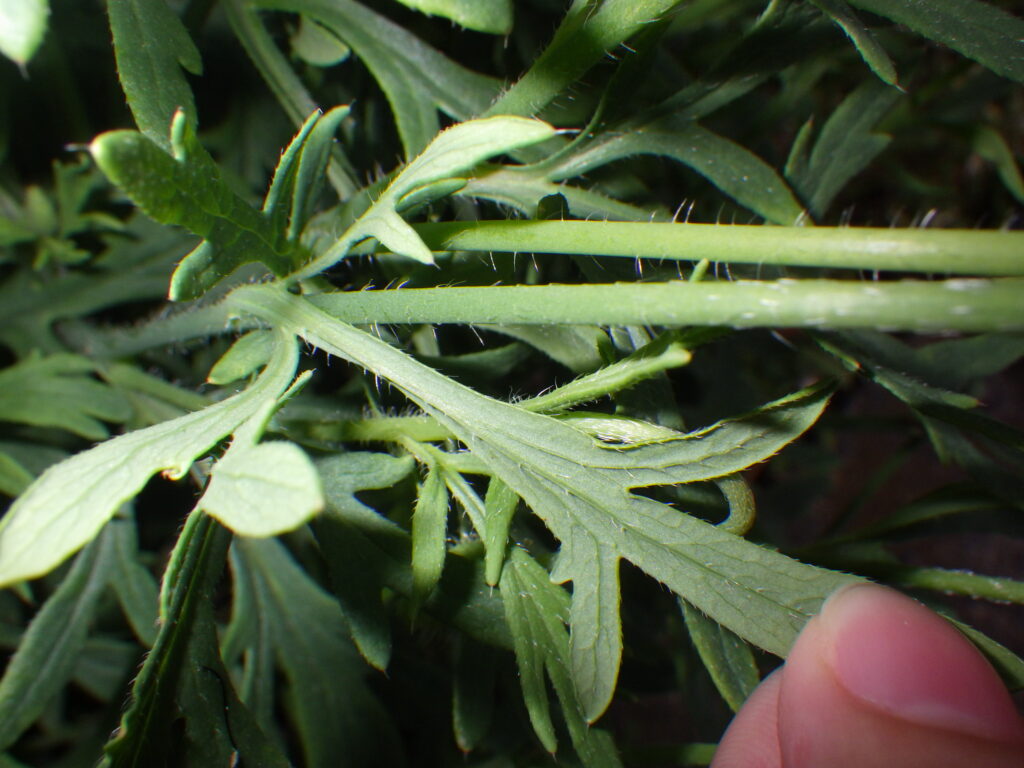
First, there is a difference in that the base of the stem leaves of poppies and Papaver dubium clasps the stem, whereas the base of the stem leaves of common poppies and long-headed poppies do not. Also, as will be discussed later, in poppies, the immature fruit enlarges, increasing the opiate content.
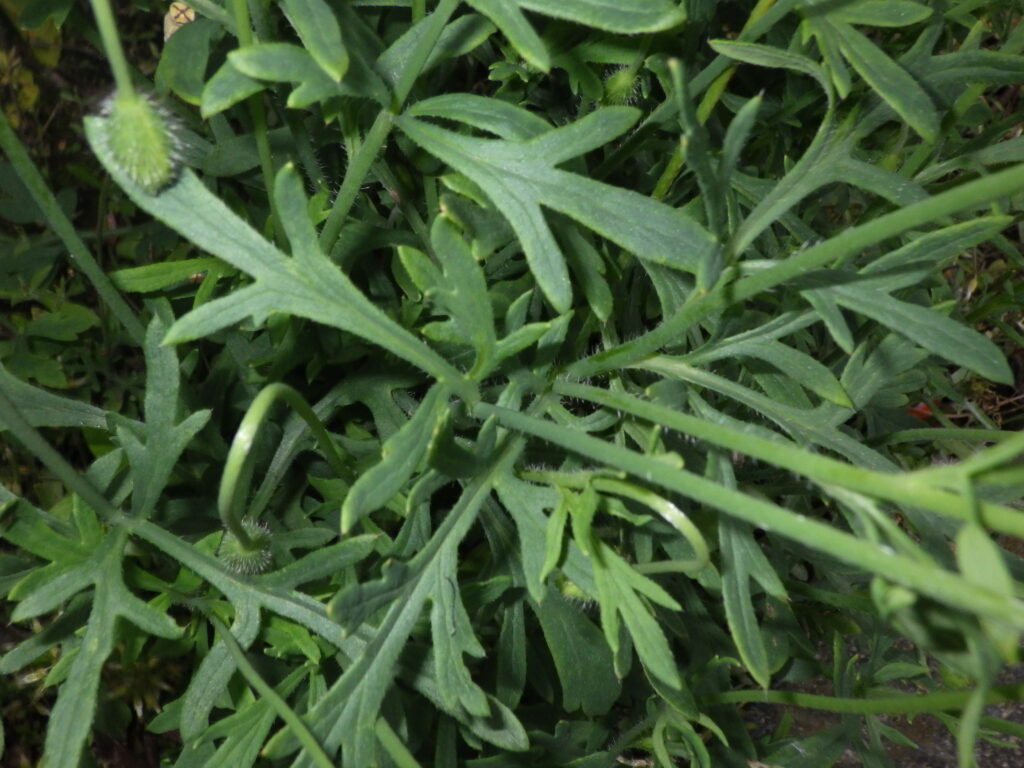
The difference between poppies and Papaver dubium is that poppies have hairless stems and leaves, while Papaver dubium has stiff hairs on its stems and leaves.
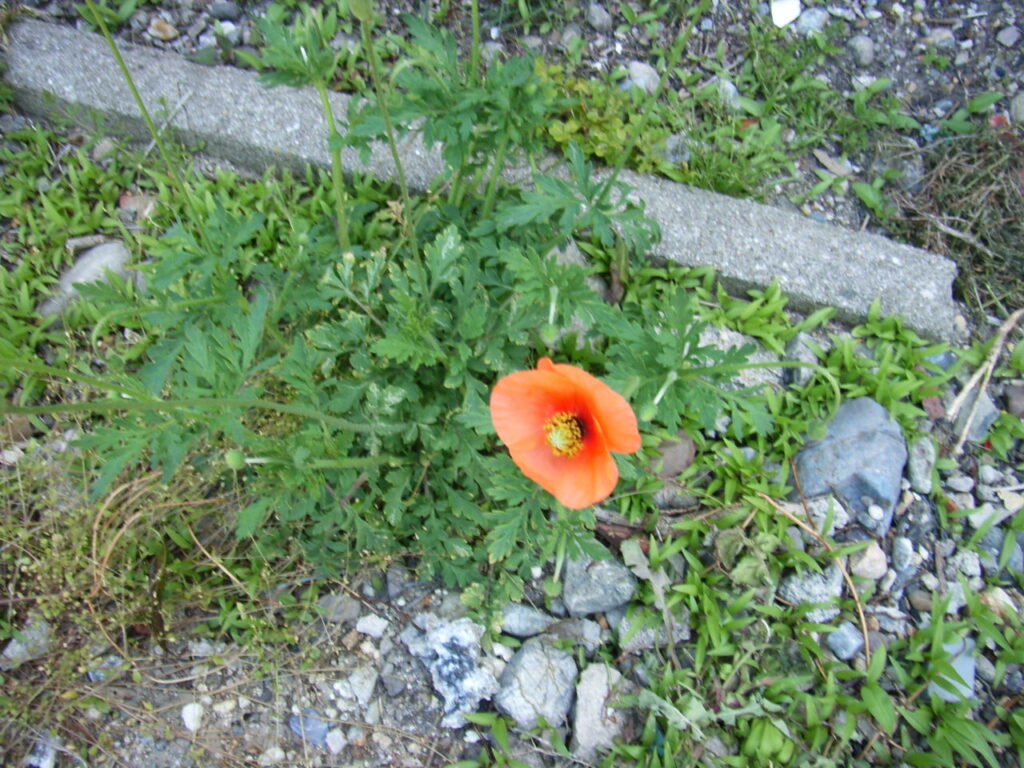
Regarding the common poppy (Papaver dubium) and the long-headed poppy (Papaver rhoeas), the fruit of the common poppy is nearly spherical, while that of the long-headed poppy is oblong. This is reflected in its Japanese name, "long-fruited poppy." Also, the petals of the common poppy are larger.
Regarding flower color, poppies come in various colors such as red, white, light pink, and purple; Papaver dubium comes in red; common poppies come in white, light pink, and red; and long-headed poppies come in orange-red.
The long-headed poppy, in particular, is an extremely common species in urban areas and is dominant over other species. However, it is only ever orange-red in color and usually does not come in other colors, so it is important to be able to distinguish it properly to avoid mistaking it for another species and damaging it.
The poppy that is most often mentioned as a plant that grows wild but is prohibited from cultivation is the American poppy (Papaver dubium). This most dangerous poppy was selectively bred by humans in ancient times and has evolved to be completely specialized for opium production. Without human intervention, it only rarely escapes into the wild and cannot normally reproduce in the wild. Keep this point in mind.




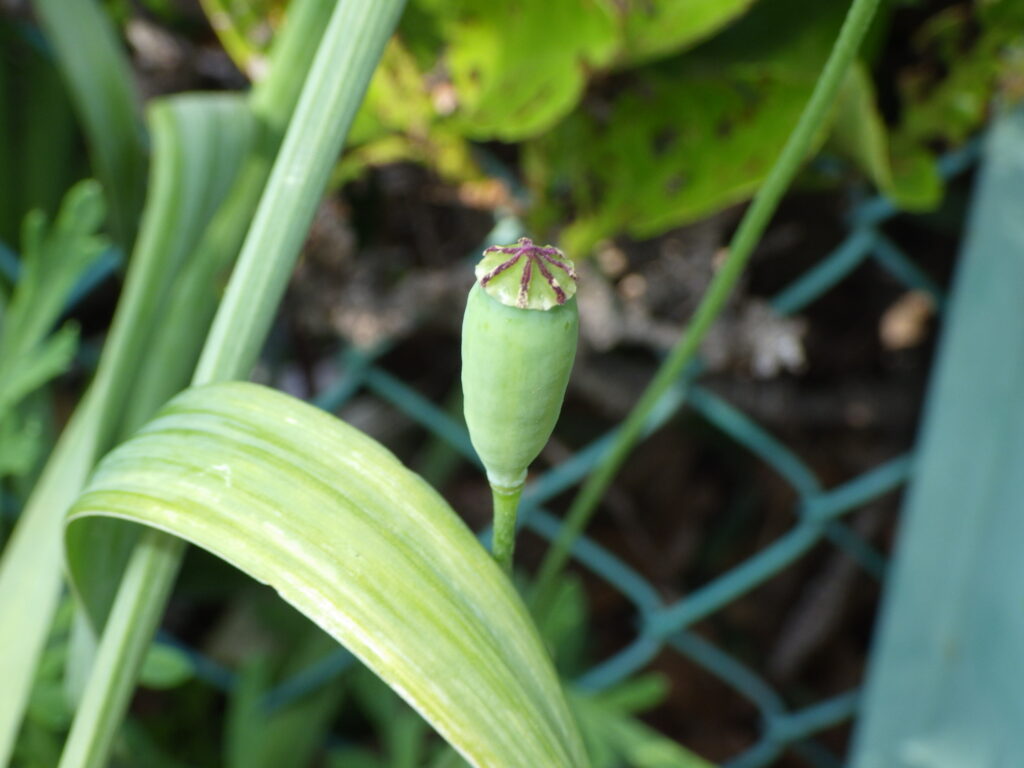
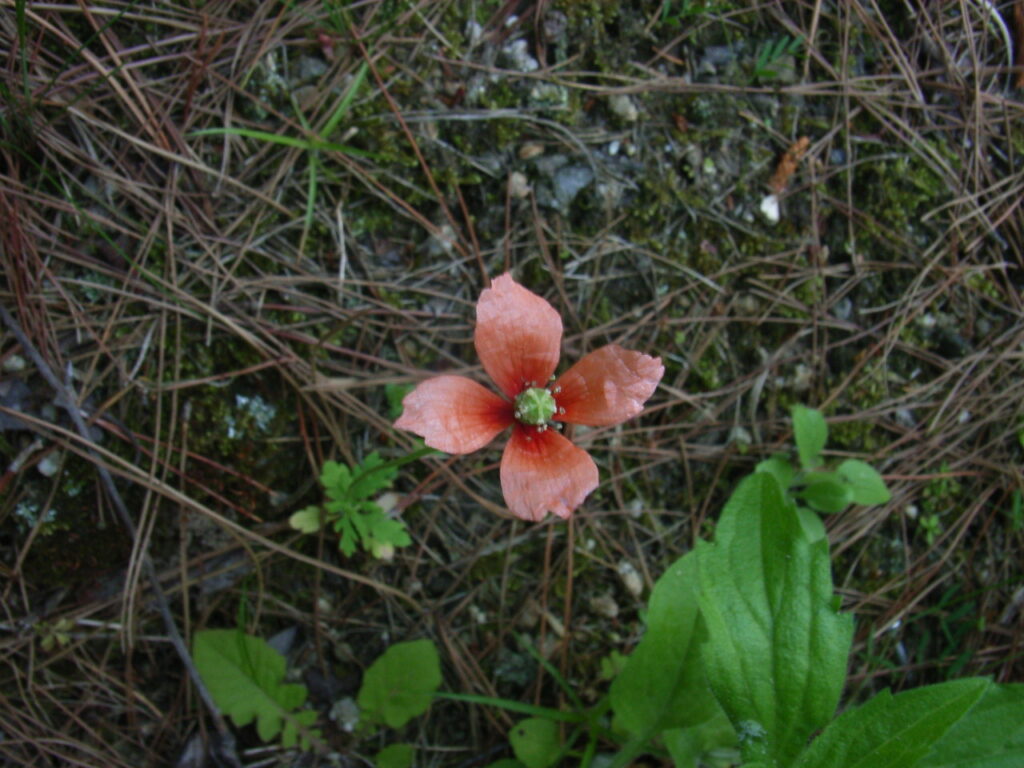
What's the difference between this and the Icelandic poppy?
The Icelandic poppy is generally considered the horticultural trade name for the Siberian poppy (Oreomecon nudicaulis). It is distributed in Turkestan, China, Korea, Mongolia, and Russia (including Siberia), and in Japan, it is a perennial plant cultivated only for ornamental purposes. However, it is not heat-tolerant and is treated as an annual plant sown in autumn in Japan.
The Siberian poppy was long known by the scientific name Papaver nudicaule, but a 2022 study, based on molecular phylogenetic analysis, renamed it to the above scientific name (Banfi et al., 2022).
Furthermore, contrary to its name, it is not naturally distributed in Iceland (although it is cultivated and has become naturalized). This is a common misconception, so caution is advised.
Icelandic poppies are also difficult to identify, and there have been incidents where seedlings of Papaver dubium (a type of poppy) were mixed in with Icelandic poppies.
How can we distinguish between them? There is actually a crucial difference (Wu et al., 2008).
In Icelandic poppies, all the leaves are basal leaves, whereas in the four species of poppy (Papaver dubium, Papaver rhoeas, Papaver cornii, and Papaver dubium), there are both stem leaves and basal leaves.
In other words, Icelandic poppies do not have leaves growing from their stems.
In addition, while the Icelandic poppy is originally a perennial, the common poppy, the thick-leaved poppy, the common poppy, and the long-headed poppy are all annuals. However, in Japan, both are considered annuals.
It should be noted that the cultivated "Icelandic poppy" is not the naturally occurring Siberian poppy, but rather has a complex origin, being a hybrid of species including the Arctic poppy (Papaver radicatum).
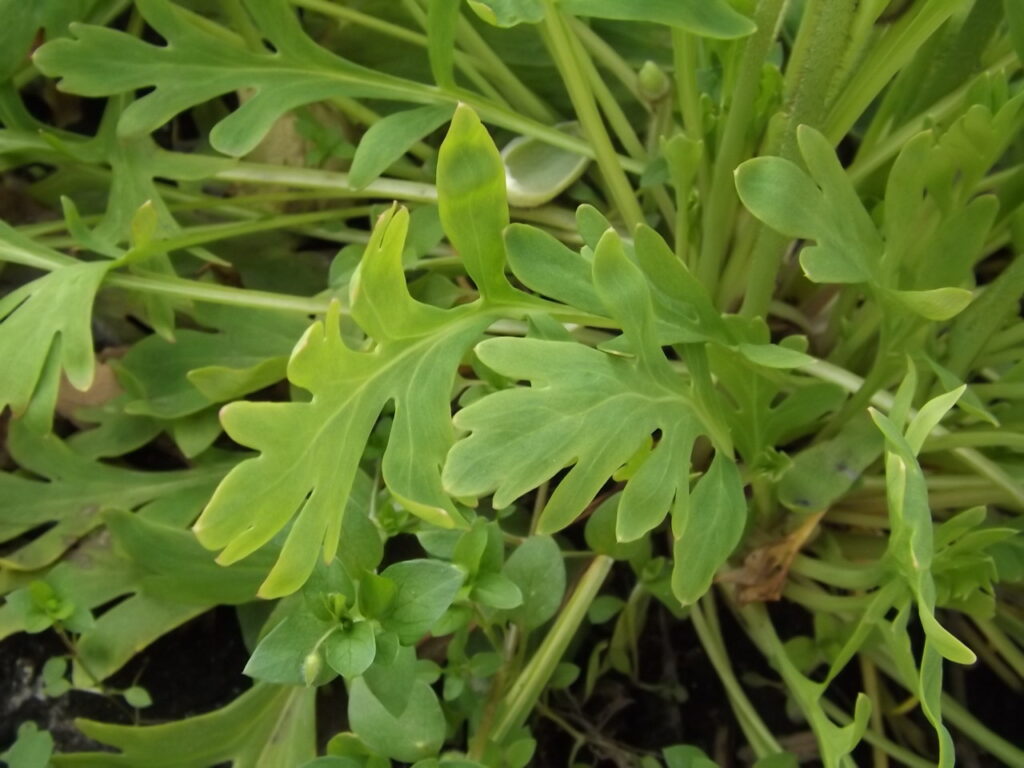
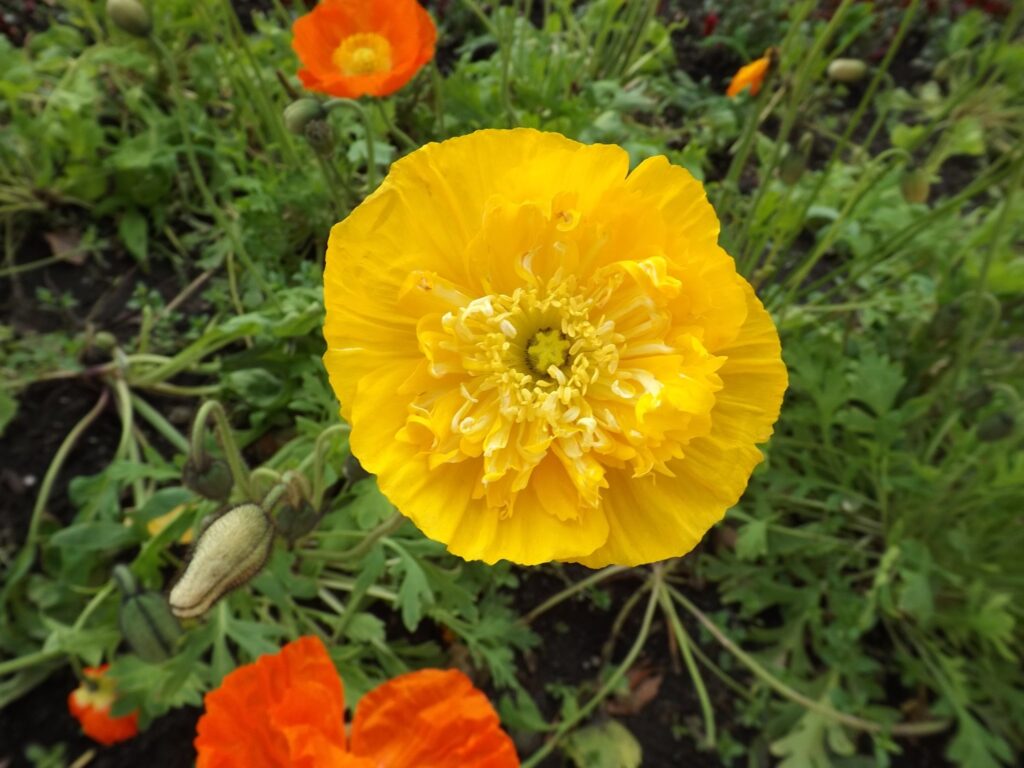
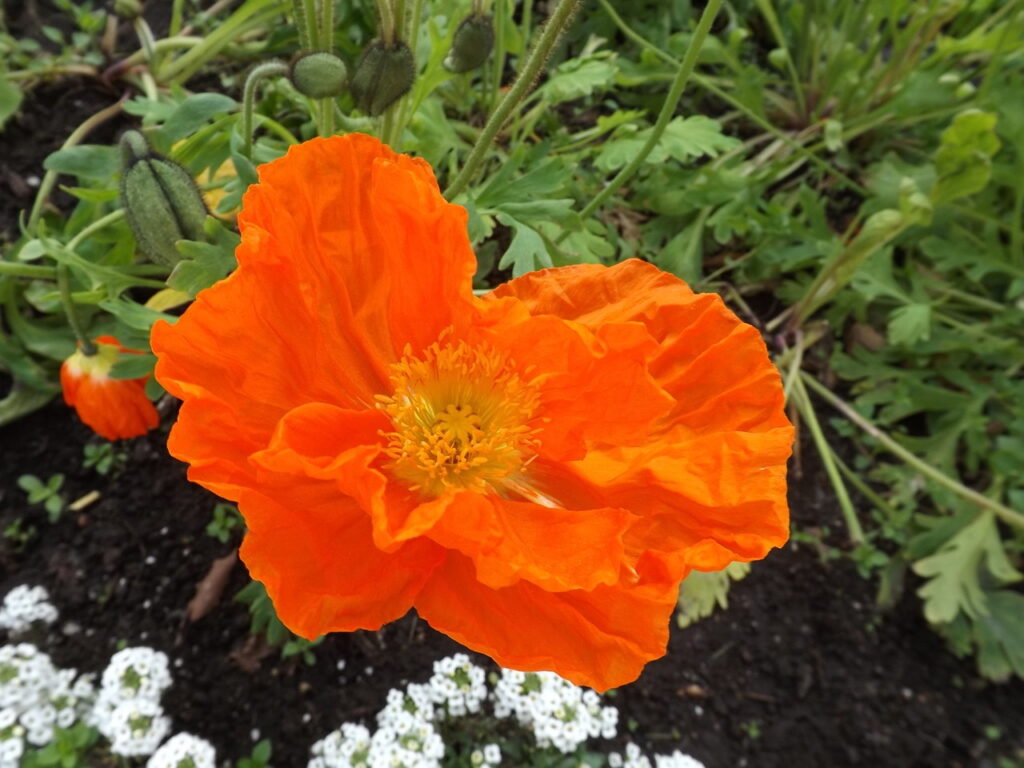
What is the history of the poppy? Were "Devil Fruits" actually evolved by humans themselves?!
The history of poppy use is ancient. Archaeological records based on the examination of seeds found at archaeological sites suggest that Neanderthals (Homo neanderthalensis), who are considered archaic humans and who partially interbred with modern humans (Homo sapiens), may have already been using them during the Late Paleolithic period (Jesus et al., 2023). However, this "poppy" is the wild form , Papaver somniferum subsp. setigerum.
It appears that Homo sapiens were still using the poppy seed during the Early Neolithic period.
Recent research indicates that domesticated poppies (Papaver somniferum subsp. somniferum), which have undergone a level of selective breeding that can be described as an evolutionary evolutionary change, increased in number during the Late Neolithic period (3300 BC to 2300 BC), and by the Late Bronze Age (around 1050 BC to 800 BC), most of the seeds remaining in archaeological sites had been replaced by poppies.
While its seeds may have been used for food, it is believed that its primary purpose from the beginning was as a narcotic. This is because, compared to the wild type of Papaver rhoeas, its fruits are larger and contain a higher amount of opiates, which are narcotic compounds.
After a single vibrant flower blooms, the poppy produces a fruit called a perforated capsule. In cultivated poppies, this immature perforated capsule becomes remarkably enlarged, and is called a "poppy bud" (Narita et al., 1998).
When a poppy seed pod is damaged, it secretes a white milky sap (latex), which turns brown and solidifies after about 20 minutes. This solidified sap is then scraped up with a bamboo spatula or similar tool and dried to produce what is called "raw opium."
Furthermore, if water is added or the mixture is heated, it becomes "opium."
Opium contains alkaloids called opiates, the most common being morphine, codeine, and thebaine.
Opioids are chemical substances synthesized from opiates using chemical methods (sometimes the term includes opiates themselves), and include diacetylmorphine (heroin), oxycodone, fentanyl, methadone, pethidine, tramadol, buprenorphine, and pentazocine.
Opioids exert their analgesic effect by binding to opioid receptors present throughout the nervous system. They act particularly strongly in the superficial layer of the spinal cord's dorsal horn, where opioid receptors are most densely concentrated, and in the brain, they have a psychotropic effect that induces euphoria through the descending pain inhibitory system.
Opioid receptors normally bind to endogenous opioids (such as endorphins, enkephalins, dynorphins, and endomorphin synthesized by the human body), and their role is to temporarily suppress pain in emergencies. Opioids cause a malfunction in this mechanism.
However, opioids are highly addictive, and inhaling high-purity opioids can lead to opioid use disorder (opioid addiction), essentially becoming a wreck. The horrific scenes of opium dens are well-known. Synthetic and semi-synthetic opioids, thanks to their chemical structure, can easily cross the blood-brain barrier and act directly on the brain, making them even more addictive (Le Couteur & Burreson, 2003).
During the cultivation of poppies, they developed poppy flower heads and increased their opiate content. However, this meant that nutrients were diverted to the production of these substances, making it difficult for them to survive in the wild without human intervention.
In this sense, ecologically speaking, the poppy has ultimately adopted a survival strategy of "parasitizing" the human nervous system. This interpretation is quite interesting.
From a human perspective, using it as a drug seems to offer no benefits, but just as some people in Japan today use alcohol and tobacco to stabilize their mental state, in ancient times it may have been one of the things that provided a sense of liberation or creativity (Prentis, 2022). Furthermore, raw opium is of lower purity than regular opium, so it may not have had the effect of turning people into addicts.
It was used in ancient Egypt and ancient Greece even after the dawn of recorded history, and cultivation continues to this day.
Its impact on history is significant, and it was abused during the Crimean War, the American Revolutionary War, and the Franco-Prussian War, giving rise to "soldier's disease" (Funayama, 2013).
Of all the major events, the Opium Wars are undoubtedly a must-mention. This war began in 1840 when Britain forced Qing China (present-day China) to trade in opium to prevent the outflow of silver from tea purchases.
Furthermore, during the period leading up to and following the Sino-Japanese War, when the Japanese Empire expanded into China, the Manchukuo Asia Development Board implemented the "Great Opium Policy," officially promoting opium use, and the situation throughout China took on the appearance of what is sometimes called the "Sino-Japanese Opium War" (Eguchi, 1988; Kumano, 2019). The manga "Manchurian Opium Squad," which is based on this incident, is very thrilling and is one of my favorite manga.
Even today, opium is used as an analgesic and cough suppressant, and is cultivated under strict control. In Afghanistan, the largest producer, 6,000 tons of opium are produced annually on 250 hectares of land (Jesus et al., 2023). The Czech Republic, France, and Russia are also known as important producing regions.
References
Ashrafi, S., Alam, S., Sultana, A., Raj, A., Emon, NU, Richi, FT, … & Kim, B. 2023. Papaverine: a miraculous alkaloid from opium and its multimedicinal application. Molecules 28(7): 3149. https://doi.org/10.3390/molecules28073149
Banfi, E., Bartolucci, F., Tison, JM, & Galasso, G. 2022. A new genus for Papaver sect. Meconella and new combinations in Roemeria (Papaveraceae) in Europe and the Mediterranean area. Natural History Sciences 9(1): 67-72. https://doi.org/10.4081/nhs.2022.556
Carlin, MG, Dean, JR, & Ames, JM 2020. Opium alkaloids in harvested and thermally processed poppy seeds. Frontiers in Chemistry 8: 737. https://doi.org/10.3389/fchem.2020.00737
Eguchi, Keiichi. 1988. The Sino-Japanese Opium War. Iwanami Shoten, Tokyo. 209pp. ISBN: 9784004300298
Funayama, Shinji. 2013. The Science of Poison: The Relationship Between Poison and Humans - A Cultural and Historical Approach to How Poisons Have Been Used and Understood. Natsume Publishing, Tokyo. 239pp. ISBN: 9784816354090
Jesus, A., Bonhomme, V., Evin, A., Soteras, R., Jacomet, S., Bouby, L., & Antolín, F. 2023. Morphometrics of waterlogged archaeological seeds give new insights into the domestication and spread of Papaver somniferum L. in Western Europe. PloS One 18(5): e0286190. https://doi.org/10.1371/journal.pone.0286190
Kanagawa Prefecture Flora Survey Association. 2018. Kanagawa Prefecture Flora 2018 (Electronic Edition). Kanagawa Prefecture Flora Survey Association, Odawara. 1803pp. ISBN: 9784991053726
Ministry of Health, Labour and Welfare. 2019. How to distinguish between cannabis and opium poppies. Ministry of Health, Labour and Welfare, Tokyo. 14pp. https://www.city.minamata.lg.jp/kankyo/kiji003816/3_816_up_z8606xnm.pdf
Le Couteur, PC, & Burreson, J. 2003. Napoleon's buttons: How 17 molecules changed history. Tarcher, 384pp. ISBN: 9781585422203 [=2011. Spices, explosives, pharmaceuticals—17 chemical substances that changed world history. Chuokoron-Shinsha, Tokyo. 368pp. ISBN: 9784120043079]
Kumano, Naoki. 2019. Current Status and Challenges of Research on the History of Opium Policy in Modern Japan. Hosei Kenkyu (Legal and Political Studies) 85(3/4): 121-158. https://doi.org/10.15017/2230995
Narita, M., Fukuda, M., Hirai, K., & Ujihara, T. 1998. The history of opium poppy cultivation and opium: A study on its origin and spread. Shinshu University Faculty of Agriculture Bulletin 35(1): 59-64. http://hdl.handle.net/10091/868
Prentis, S. 2022. Speech! How language made us human. hogsaloft, 333pp. ISBN: 9781916893511
RBG Kew. 2025. The International Plant Names Index and World Checklist of Vascular Plants. Plants of the World Online. http://www.ipni.org and https://powo.science.kew.org/
Samorini, G. 2019. The oldest archeological data evidencing the relationship of Homo sapiens with psychoactive plants: A worldwide overview. Journal of Psychedelic Studies 3(2): 63-80. https://doi.org/10.1556/2054.2019.008
Shimizu, K., Morita, H., & Hirota, S. 2001. Illustrated Guide to Naturalized Plants of Japan: 600 Species of Plant Invaders (Revised). National Rural Education Association, Tokyo. 553pp. ISBN: 9784881370858
Tokyo Metropolitan Institute of Public Health. 2008. How to Identify Illegible Poppies. Tokyo Metropolitan Medicinal Plant Garden. Pharmaceutical Research Department page. Tokyo Metropolitan Institute of Public Health website. https://www.tmiph.metro.tokyo.lg.jp/lb_iyaku/plant/tokyo-keshi
Yoshikawa, Masato. 2010. Papaver dubium L. (Long-headed poppy). Journal of the Japanese Society of Landscape Architecture 35(4): 556. http://www.jsrt.jp/pdf/dokomade/35-4nagamihinageshi.pdf
Wu, X., Raven, PH, & Hong, D. (Eds.). 2008. Flora of China (Vol. 7 Menispermaceae through Capparaceae). Science Press, Beijing, and Missouri Botanical Garden Press, St. Louis. xii, 499pp. ISBN: 9781930723818