Snowdrops and snowflakes both belong to the Amaryllidaceae family and are very commonly cultivated in Japan as ornamental plants that bloom in winter. Both are native to Europe, and because they are both white with green spots and have similar names, they may be confused. However, the two species belong to different genera and can be easily distinguished by checking the inflorescence, perianth segments, and flowering period. A significant characteristic of both species is that their perianth segments are "green," which is known to serve as a nectar guide for insects that visit the flowers, and also allows for photosynthesis. This article will explain the classification and ecology of snowdrops and snowflakes.
What are snowdrops and snowflakes?
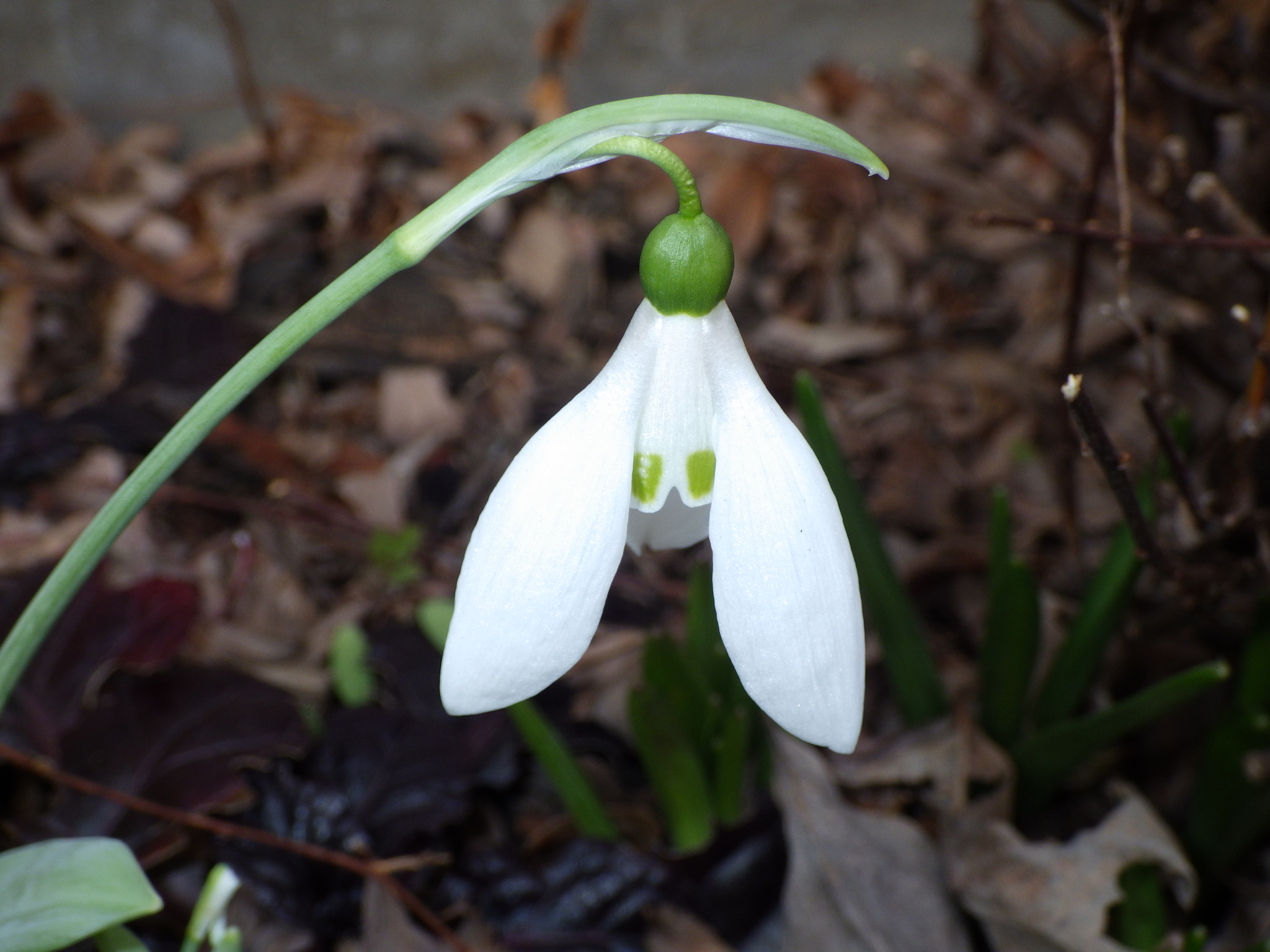
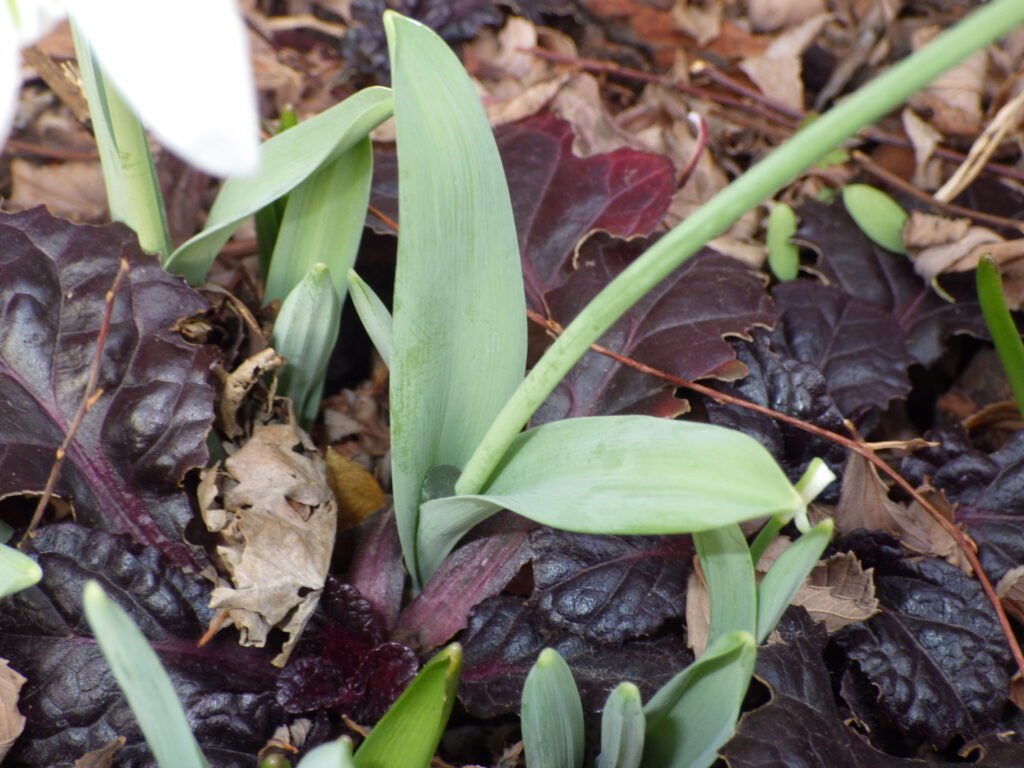
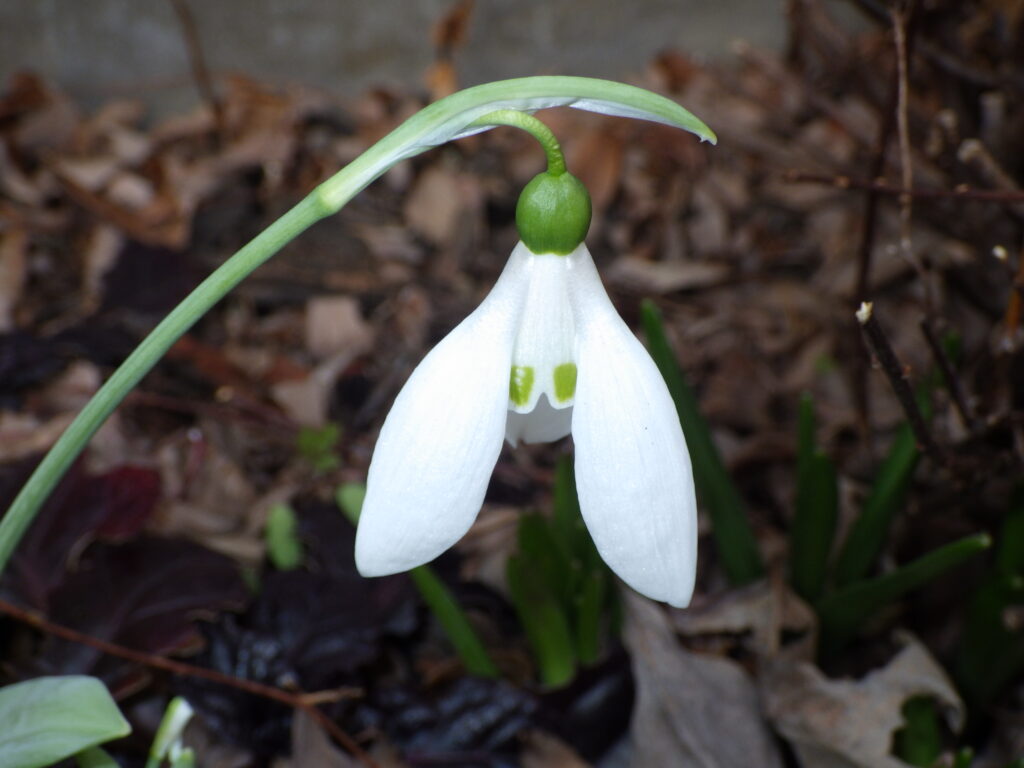
Galanthus nivalis, also known as snowdrop or galanthus, is a perennial plant native to Europe (Spain to Ukraine) that grows along roadsides and in open forests, and is cultivated worldwide for ornamental purposes.
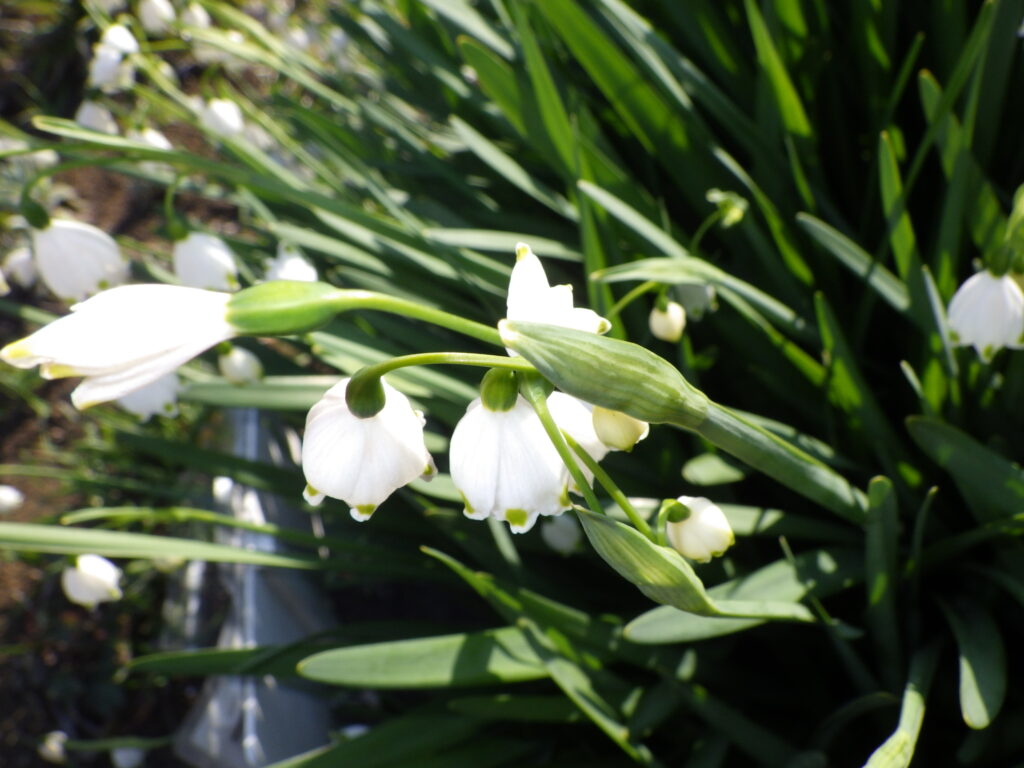
Leucojum aestivum, also known as snowflake or lily-of-the-valley daffodil, is native to Europe (from the UK to Ukraine), Turkey, and Iran. It grows along roadsides, in fields, and in wastelands, and is a perennial plant cultivated worldwide for ornamental purposes.
Both belong to the Amaryllidaceae family and are very commonly cultivated in Japan as ornamental plants that bloom in winter.
As snowdrops are primarily native to Europe, they have strong ties to the region. In particular, snowdrops frequently appear in Christian legends and are often planted in monasteries.
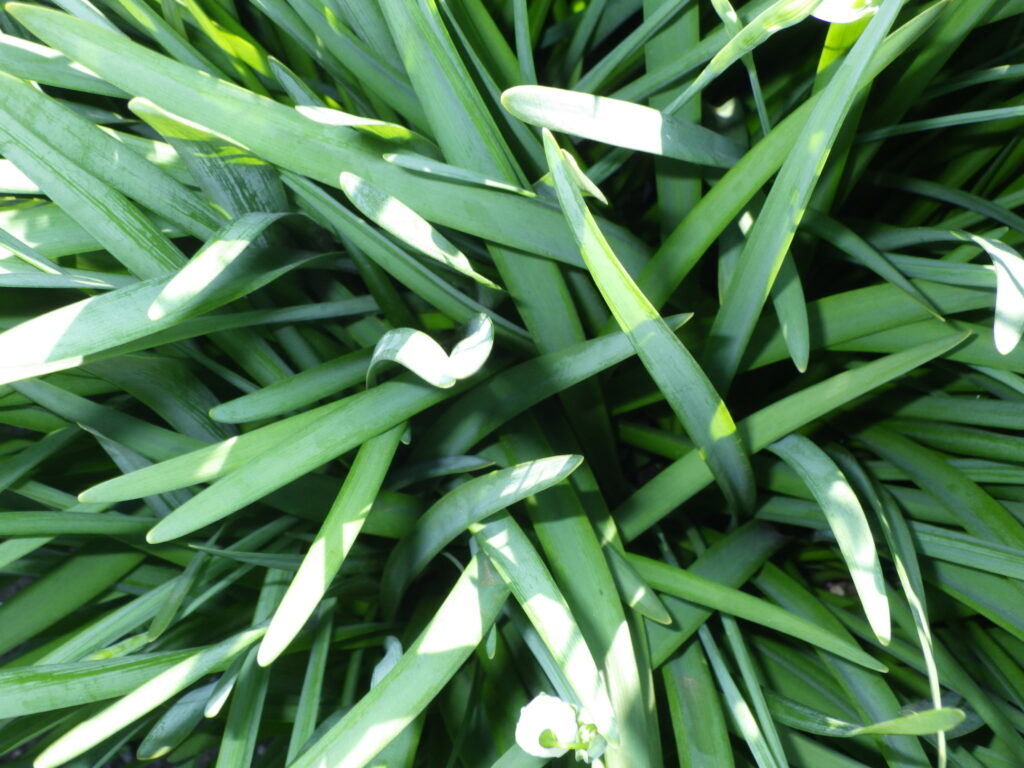
Morphologically, the leaves have the typical parallel veins of monocots, and the flower shape is white with green spots. Furthermore, the names are similar, which may lead to confusion.
What is the difference between a snowdrop and a snowflake?
However, these two species are completely different.
This can be seen from the fact that snowdrops belong to the genus *Euphorbia*, while snowflakes belong to the genus *Euphorbia*.
Several specific differences can be cited (Flora of North America Editorial Committee, 2002).
Regarding the inflorescence, snowdrops have only one flower per inflorescence, while snowflakes have 2 to 7 flowers per inflorescence.
Regarding the flower stalks, snowdrops have hollow stalks, meaning they are hollow inside, while snowflakes have solid stalks.
Regarding the perianth segments (the parts that correspond to petals, so called because they are indistinguishable from the sepals), snowdrops have two asymmetrical types of perianth segments, consisting of three long outer perianth segments and three short inner perianth segments, while snowflakes have six perianth segments that are all the same shape.
It might sound complicated when explained in words, but the shape of the flower should make it immediately clear.
In Japan, the flowering seasons also differ slightly: snowdrops bloom from February to March, while snowflakes bloom from March to April.
The names are said to originate from the German "Schneetropfen (Snow-drop)," which refers to teardrop-shaped pearl earrings that were popular in the 16th and 17th centuries, while "snowflake" comes from the English word "snowflake," meaning "snowflake."
Besides the snowdrop, there is a closely related species called Galanthus elwesii, also known as the giant snowdrop. However, Galanthus elwesii differs from the snowdrop in that the base and tip (or the entire base to tip) of the inner perianth segments are green. In the snowdrop, only the tips of the inner perianth segments are green.
How are snowdrops pollinated? The green color of the perianth segments serves as both a "nectar guide" and a "photosynthesis" mechanism!?
Snowdrops bloom in the late winter when it's still cold, but how do they get pollinated?
While this is not something we can observe in Japan, where only cultivated snowdrops are found, wild snowdrops are being extensively studied in Europe.
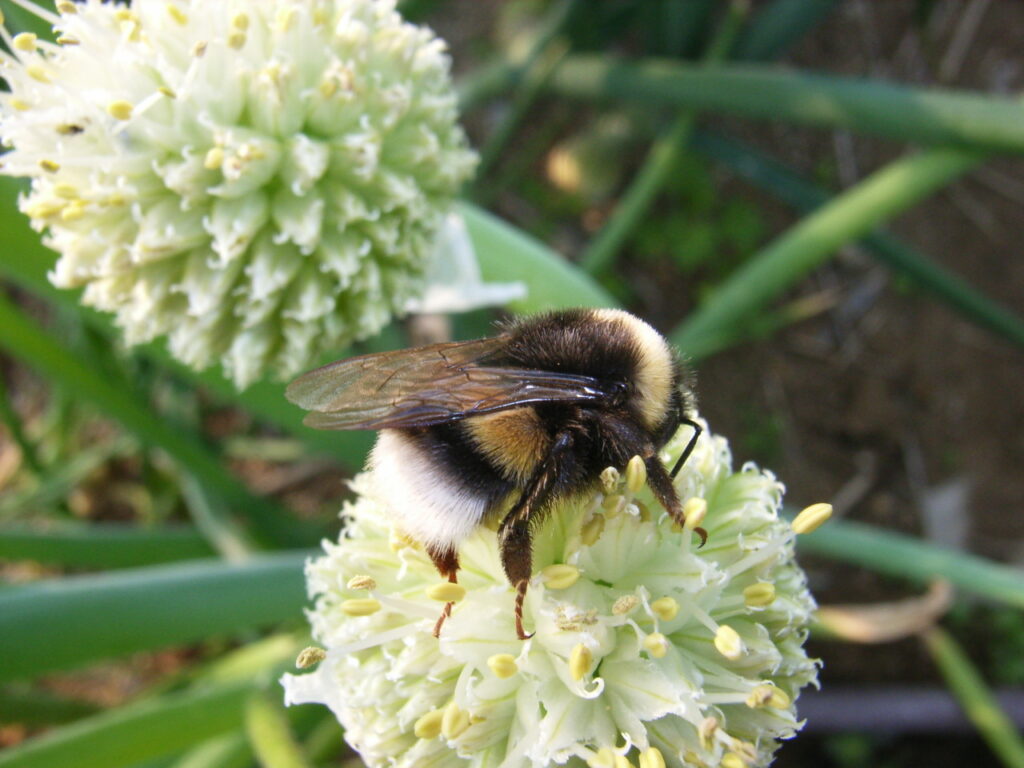
According to these studies, snowdrops are thought to be primarily pollinated by European honeybees and bumblebees (Prokop et al., 2020). Specifically, bumblebees include the European bumblebee, Bombus terrestris.
Snowdrops have green tips on their inner perianth segments, which have long been thought to serve as "nectar guides" to attract pollinators. Recent experiments using bumblebees have now confirmed this.
However, it seems that the role of this green color is not simply to act as a nectar guide.
Another study found that this green area contains chlorophyll, meaning it is capable of photosynthesis (Aschan & Pfanz, 2006). While the amount of photosynthesis here may not be very large, it can be used to supplement energy storage for growth.
Considering this, the green area serves a dual purpose: it acts as a nectar guide while also providing protection from the reduced sunlight in winter.
In most plants, synthesizing the pigments in nectar guides requires a considerable amount of energy, so this can be considered a very rational evolutionary step. Since several other plants, such as snowdrops, also have green nectar guides, convergent evolution may be at play.
Why do snowdrops bloom facing downwards?
By the way, snowdrop flowers face downwards. Is there any meaning to this?
Generally, flowers that face downwards are often species adapted to pollination by bees with strong muscles that can hang down, and this seems to be a good example of snowdrops, which are visited by bumblebees.
However, experiments have shown that European bumblebees actually prefer snowdrop flowers that have been artificially turned upwards (Prokop et al., 2020).
From this, it is thought that, sequentially, the flowers first became downward-facing, and then evolved to have green nectar guides so that they could still attract the attention of bumblebees.
But if that's the case, why did the flowers end up facing downwards in the first place?
Researchers currently believe this is a way to avoid snow damage. Indeed, since snowdrops bloom from late winter, it seems logical that they bloom facing downwards to avoid the reduced visibility, weight, and effects of low temperatures caused by accumulated snow.
References
Aschan, G., & Pfanz, H. 2006. Why snowdrop (Galanthus nivalis L.) tepals have green marks?. Flora-Morphology, Distribution, Functional Ecology of Plants 201(8): 623-632. https://doi.org/10.1016/j.flora.2006.02.003
Ikeda, Kenichi. 2020. Records of Bombus terrestris (European bumblebee) visiting flowers in Kobe City, confirmed in 2006. Kiberihamushi 43(2): 56-57. ISSN: 1884-9377, https://www.konchukan.net/pdf/kiberihamushi/Vol43_2/kiberihamushi_43_2_56-57.pdf
Flora of North America Editorial Committee. 2002. Flora of North America (Vol. 26 Liliidae). Oxford University Press, Oxford. 752pp. ISBN: 9780195152081
Prokop, P., Zvaríková, M., Ježová, Z., & Fedor, P. 2020. Functional significance of flower orientation and green marks on tepals in the snowdrop Galanthus nivalis (Linnaeus, 1753). Plant Signaling & Behavior 15(11): 1807153. https://doi.org/10.1080/15592324.2020.1807153