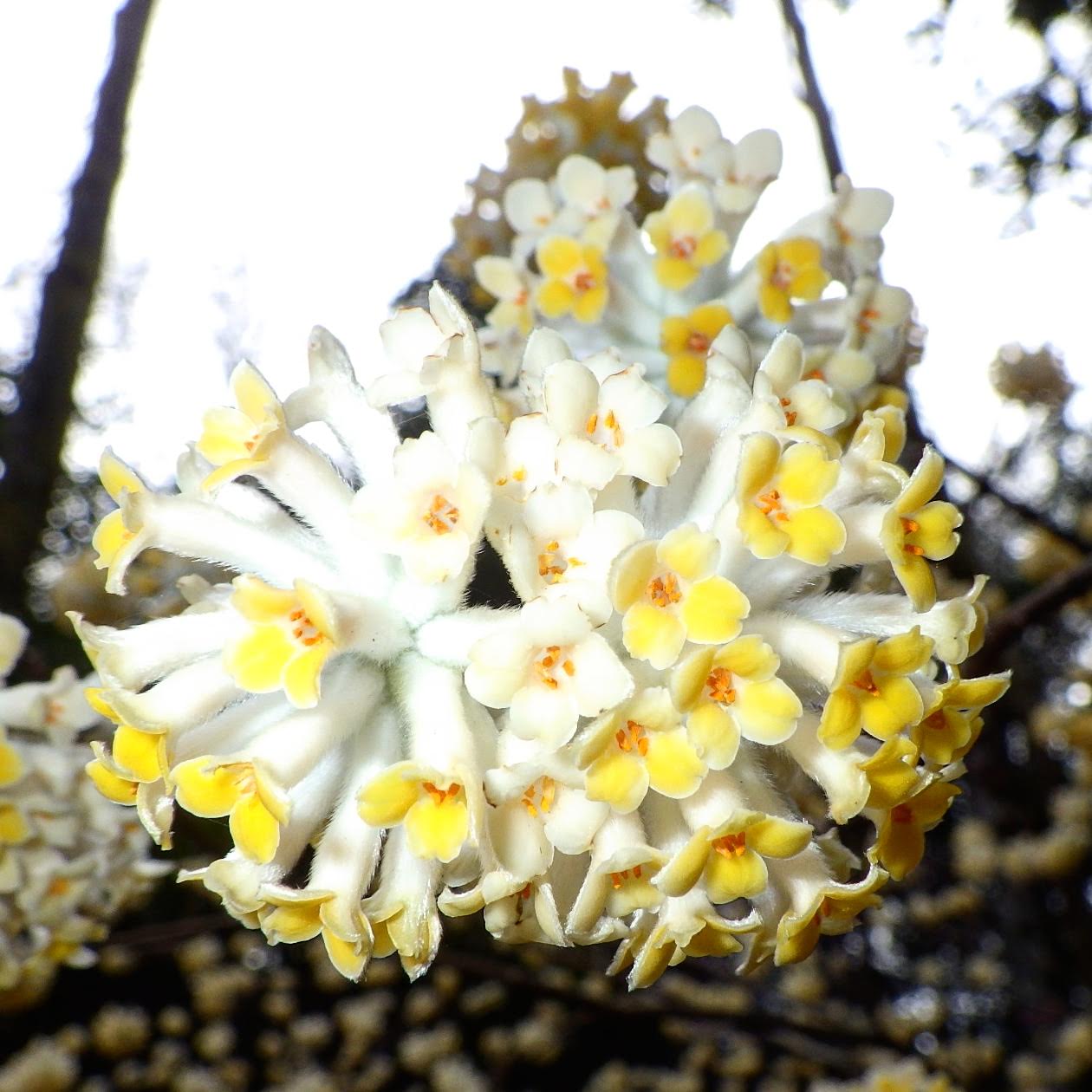
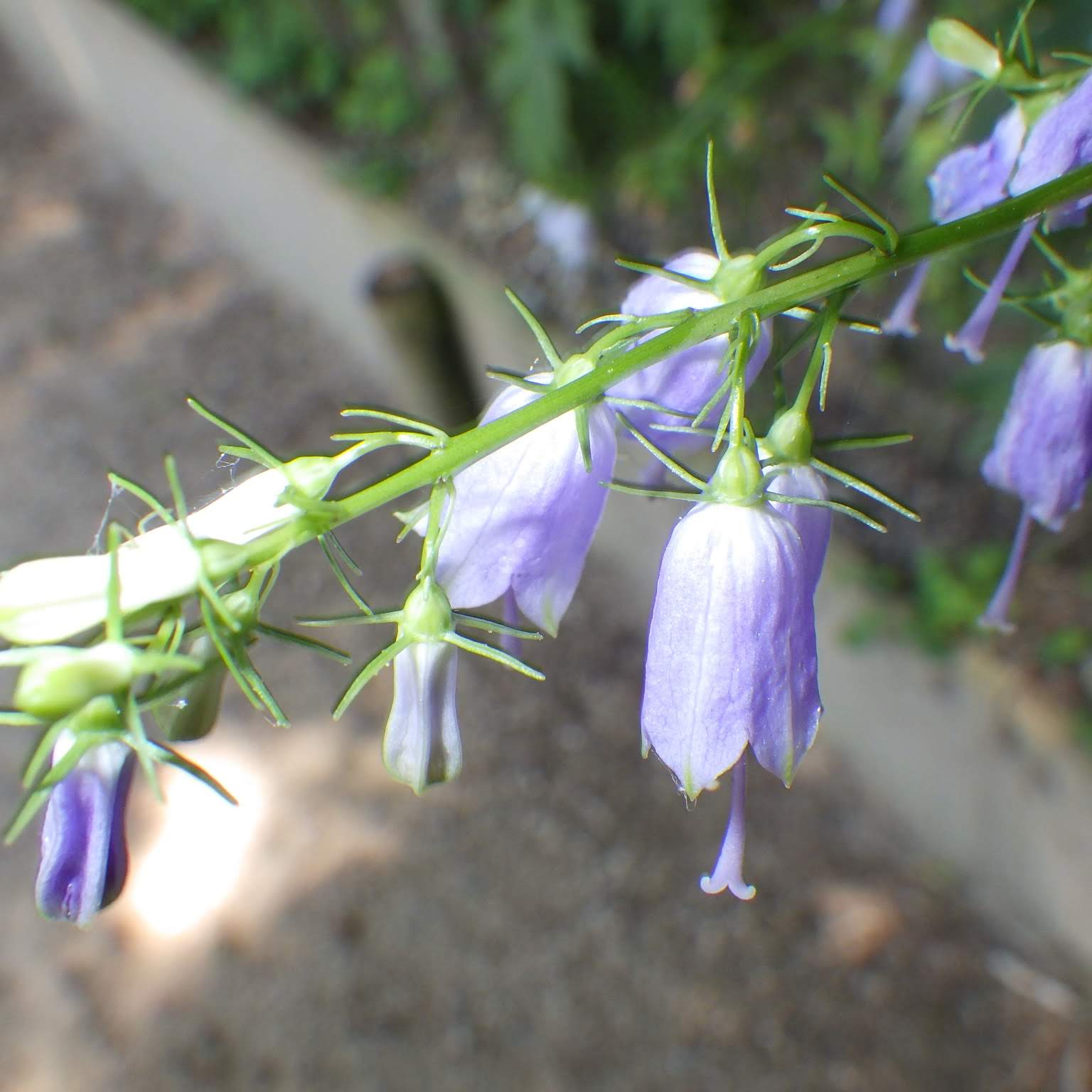
Myrtus communis, rose apple, and adenophora are plants belonging to the Myrtaceae family, genus Myrtus, and are well-known for their entire leaves and edible fruits. You might have the opportunity to see them in botanical gardens or in Okinawa, but because they are tropical plants, they are rarely seen in mainland Japan, and many people may not be able to distinguish them . However, they can be reliably distinguished by comparing the way the inflorescence grows, the size and shape of the leaves, and the size and shape of the fruits. All of their fruits are edible raw, but rose apple is the most popular and is rich in nutrients. The flowers of myrtus communis and rose apple are quite distinctive, with remarkably long stamens and a "bushy" appearance. Research has shown that the main visitors to these flowers are the sunbird and honeybees. The bushy appearance of the flowers is thought to be an adaptation to birds, which are larger than insects, but the scent may have developed to attract insects. However, while cross-pollination does occur, these plants also employ other reproductive systems such as apomixis and self-pollination, which do not involve animals, and they have the interesting characteristic of being able to mass-produce seeds without pollination. Although the fruit is often discussed from a human perspective, in the wild it is eaten by fruit bats, and while research is lacking, it is an undeniable fact that in some regions it may be a valuable food source for rare animals. This article will explain the classification, uses, edibility, pollination ecology, and seed dispersal of the common apple, rose apple, and dwarf apple.
- Tropical evergreen trees whose fruits are eaten raw
- What are the differences between Thigh, Rose Apple, and Adek?
- How do you use Futomomo, Remnanthus, and Adek?
- What is the structure of the flowers of Myrtus communis, Rose Apple, and Adek?
- Sunbirds and bees visit the flowers of the myrtle and rose apple!?
- Can myrtle and rose apple produce fruit without pollination?!
- The fruit is a berry and the seeds are dispersed by bats.
- References
- Source
Tropical evergreen trees whose fruits are eaten raw
Syzygium jambos, also known as futomo, has several theories regarding its origin. Japanese literature suggests India, while Chinese literature places it in western Malaysia and Southeast Asia (Wu et al., 2007). It is widely cultivated in Southeast and East Asia, and is also cultivated in Japan south of the Osumi Peninsula, where it has naturalized on Yakushima, Amami Oshima, Okinawa Island, Ishigaki Island, Iriomote Island, and the Ogasawara Islands (Chichijima). In its native habitat, it is an evergreen tree that grows in mixed forests, on mountain slopes, along rivers, and in river valleys. Its Japanese name comes from the Chinese name "Putao".
The large-leaved peach , Syzygium samarangense, is also known as Java peach or rose apple. Native to the Malay Peninsula and the Andaman-Nicobar Islands, it was introduced to the Philippines in prehistoric times. It is cultivated in Thailand, Cambodia, Laos, Vietnam, and Taiwan (Morton, 1987), and is also sometimes cultivated in Okinawa, Japan (Ocean Expo Memorial Park Management Foundation, 2009). In its native habitat, it is an evergreen tree that grows in coastal forests (Morton, 1987). While the most reliable list of Japanese names and scientific names , 'Ylist', lists it as large-leaved peach, this article will refer to it as rose apple for clarity. The name rose apple comes from the Malay word jambu, which became jambu in Taiwanese, and was transliterated into Chinese characters as 蓮霧 (renmu).
Syzygium buxifolium is an evergreen small tree that grows in dry pine and oak forests, distributed in southern Kyushu, Yakushima, Tanegashima, Amami Oshima and the Ryukyu Islands southward, as well as Taiwan, southern China, and Vietnam.
Both are plants belonging to the Myrtaceae family, genus Myrtus, and are well-known for their entire leaves and edible fruit. The taste of the rose apple is said to be a mild flavor, a blend of apple and pear, with a crisp texture and refreshing tartness, but with little juice. However, because they are tropical plants, they are rarely seen in mainland Japan, and many people may not be able to distinguish between them.
What are the differences between Thigh, Rose Apple, and Adek?
However, botanically speaking, the following differences can be noted between *Syzygium umbellatum*, *Syzygium moniliforme*, and *Syzygium moniliforme* (Wu et al., 2007).
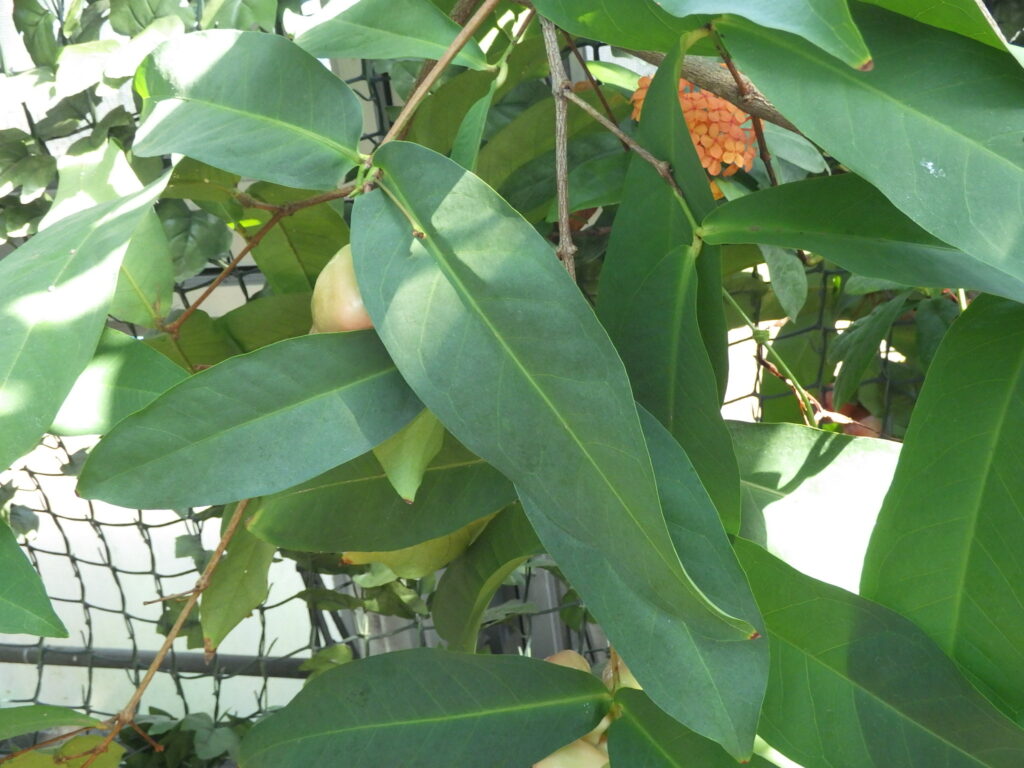
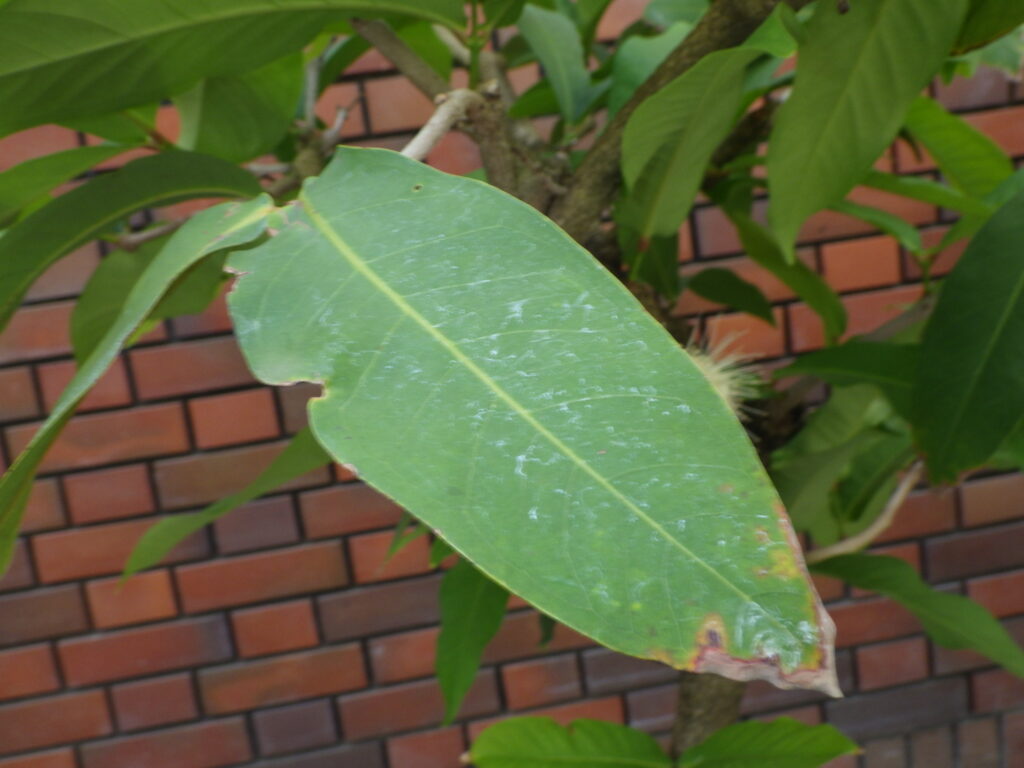
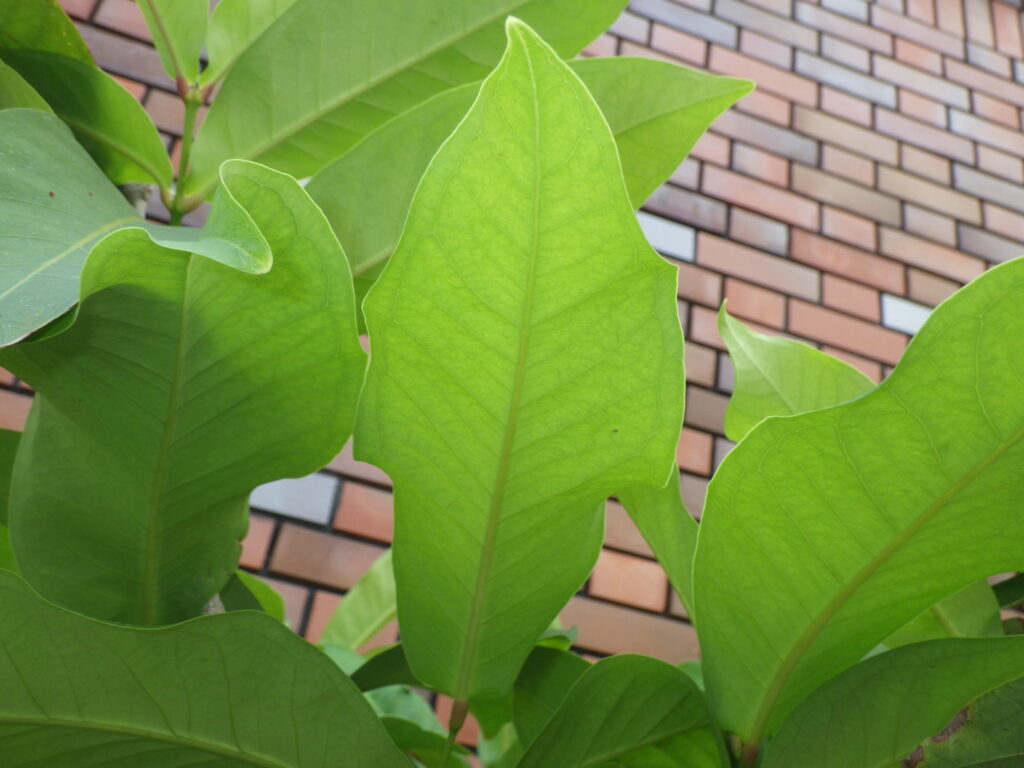
First, in Myrtus communis and Rose Apple, inflorescences grow in the axils or on lateral branches below the leaves, and the leaf length is 10-20 cm, whereas in Adenophora triphylla, inflorescences grow at the end or sub-terminal of the branches, and the leaf length is 6 cm or less.
The difference between Myrtus communis and Rose Apple is that Myrtus communis has a clearly pointed leaf blade tip, while Java Myrtus communis has a leaf blade tip that is rounded, obtuse, or slightly acute.
Furthermore, there are differences in the morphology of the fruit, which is the part that attracts the most attention as an edible component.
In Myrtus communis and Rose Apple, the fruit is red to yellow, oval to pear-shaped, and large, measuring 2.5 to 5 cm in diameter, whereas in Adenophora triphylla, the fruit is purplish-brown, spherical, and small, measuring 0.5 to 0.7 cm in diameter.
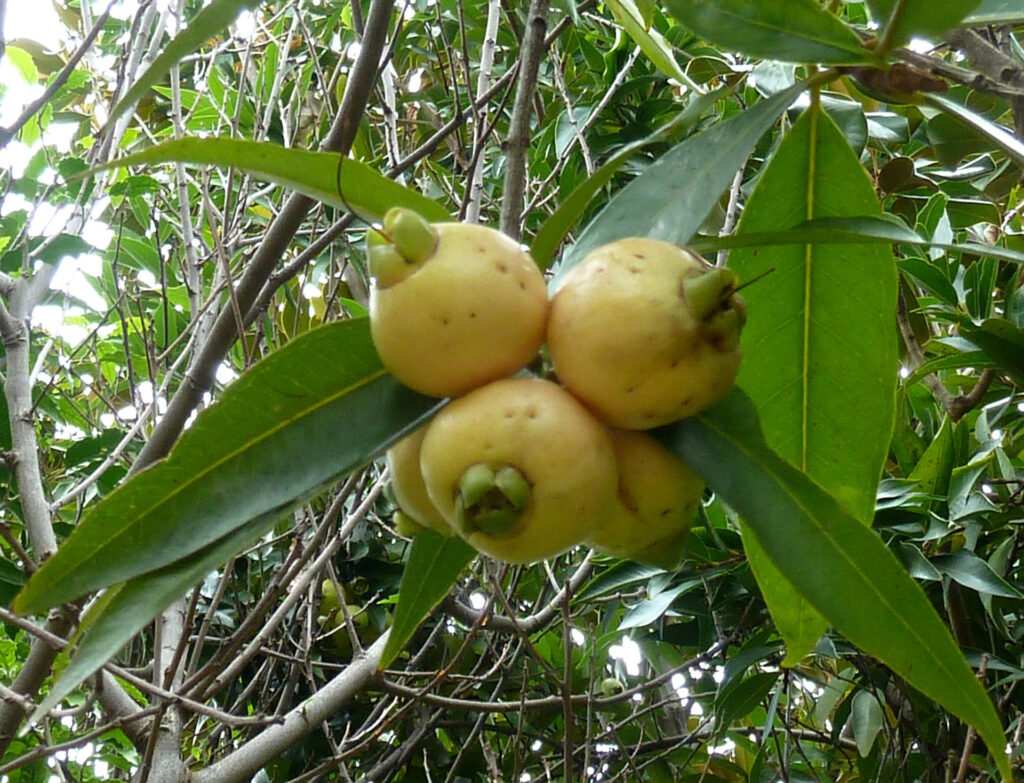
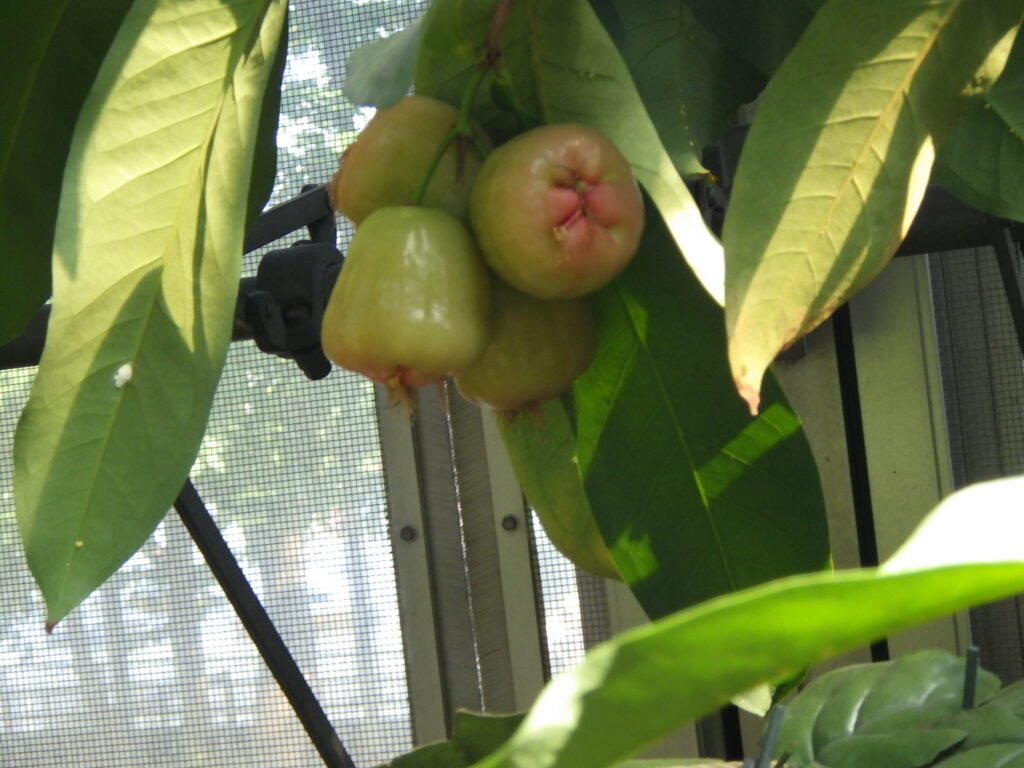
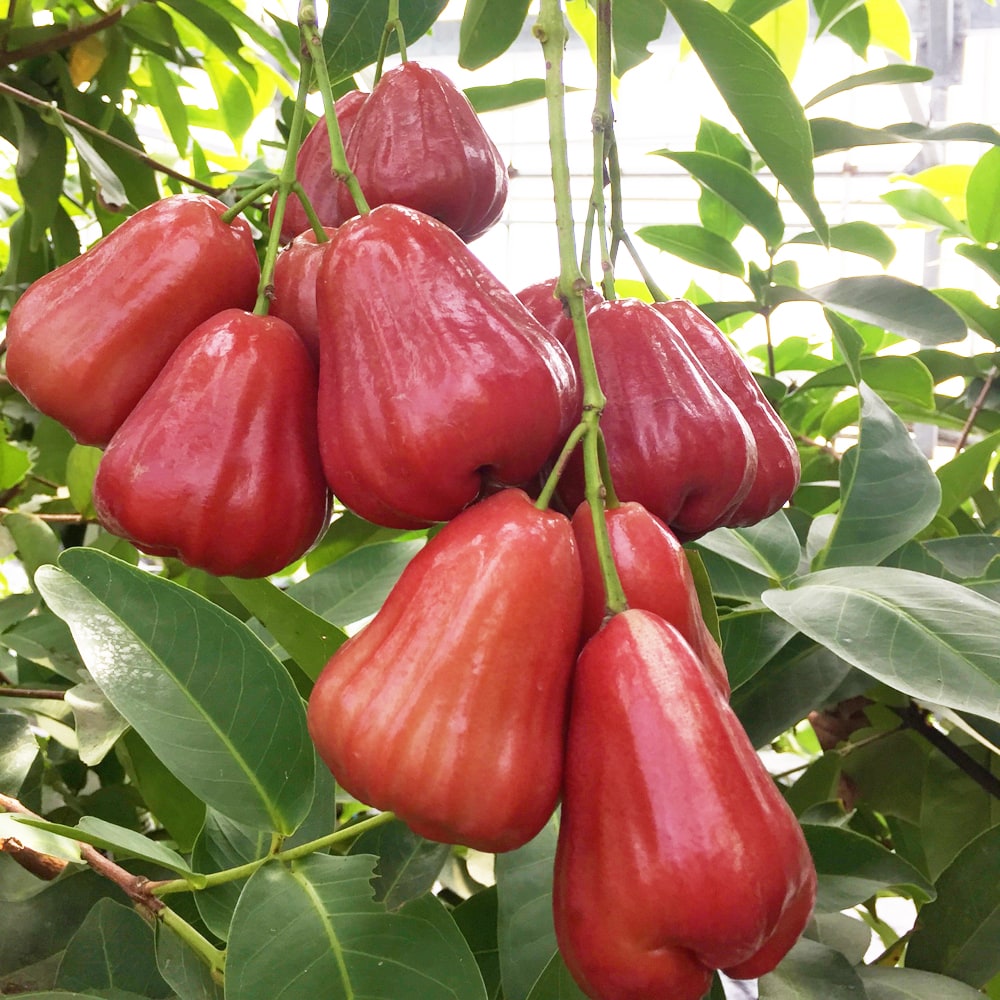
The difference between the fruit of Myrtus sylvatica and the fruit of the rose apple is that Myrtus sylvatica has pale yellow to red, spherical to oval-shaped fruits with a diameter of 2.5 to 5 cm, while the rose apple has dark red, pear-shaped to conical fruits with a diameter of 4 to 5 cm.
In addition, another species of the Myrtus genus native to Japan is Syzygium cleyerifolium (also known as false Myrtus japonica). Although it closely resembles false Myrtus japonica, it is endemic to the Ogasawara Islands, distributed on Mukojima, Chichijima, and Hahajima islands, and differs in that its flower stalks are less than 1 mm long and almost nonexistent, and its pistil is less than 2 mm long.

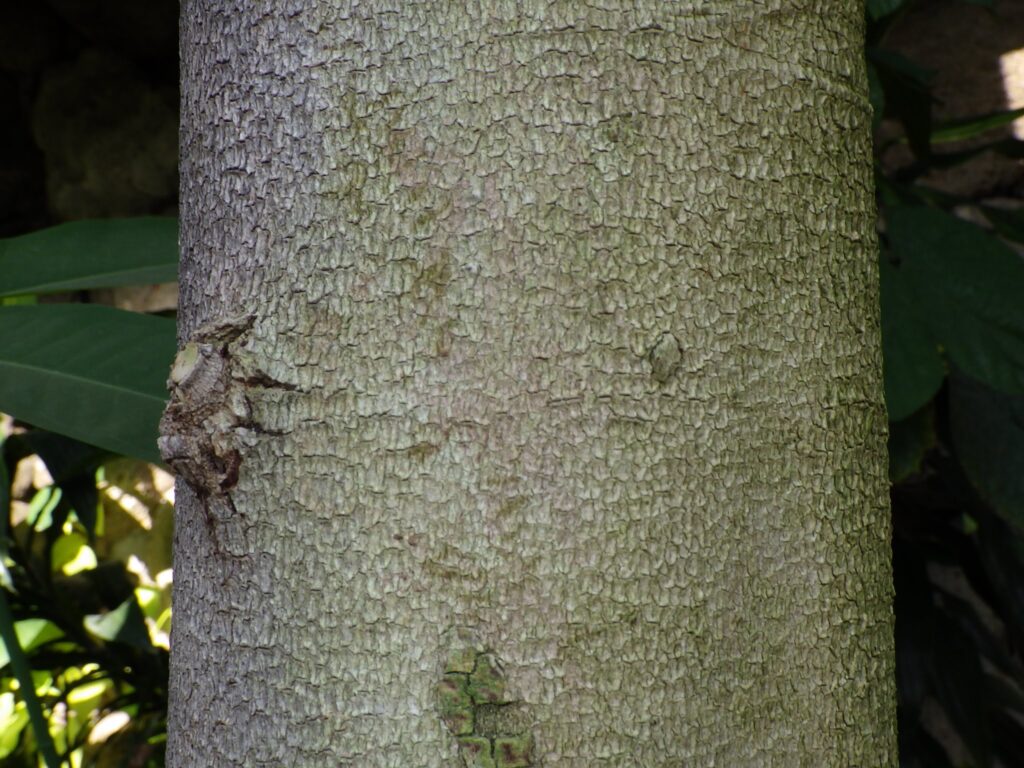

How do you use Futomomo, Remnanthus, and Adek?
The fruits of the Japanese sycamore, rose apple, and dwarf apple can all be eaten raw.
However, the fruit of the adek is small and is not commercially cultivated for its fruit. While the syrup and rose apple are sometimes cultivated, the rose apple is particularly popular in Southeast Asia. However, because it does not keep well, in Japan you would have to go to Okinawa or buy it online to eat it.
Myrtus sylvatica has a high proportion of flesh, an appealing aroma (rose-like scent) and taste (sweet and slightly tart), and is often used as an ingredient in juices, jellies, and jams (Sun et al., 2020). It is also highly adaptable to various environments and is planted as an ornamental tree in many countries, while naturalization has also been confirmed in some tropical regions.
Extracts from the leaves and fruits of the myrtle tree, which contain high concentrations of tannins, phenolic acids, and other antioxidants, have been reported as potential treatments for diabetes, inflammation, and gastrointestinal disorders, and research is ongoing.
Rose apples have a crisp texture and juicy fruit that is highly nutritious, and come in a variety of colors from deep red to white (Banadka et al., 2022). They can be eaten fresh, used in jams, jellies, juices, salads, and wines, and are also used as a garnish. Cultivation is spreading to a wider area thanks to advancements in technology.
Nutrients in rose apple include secondary metabolites such as alkaloids, terpenes, and tannins; minerals such as calcium, copper, chlorine, iron, manganese, magnesium, phosphorus, potassium, sulfur, and zinc; and vitamins such as vitamin B3 (niacin), vitamin B2 (riboflavin), vitamin B1 (thiamine), and vitamin C.
Furthermore, research is progressing on the bark, fruit, and flowers of the rose apple tree, which are believed to have pharmacological effects such as antibacterial, anticancer, antidiabetic, anti-inflammatory, antimutagenic, antinociceptive, antioxidant, anti-ulcer, and wound-healing properties.
What is the structure of the flowers of Myrtus communis, Rose Apple, and Adek?
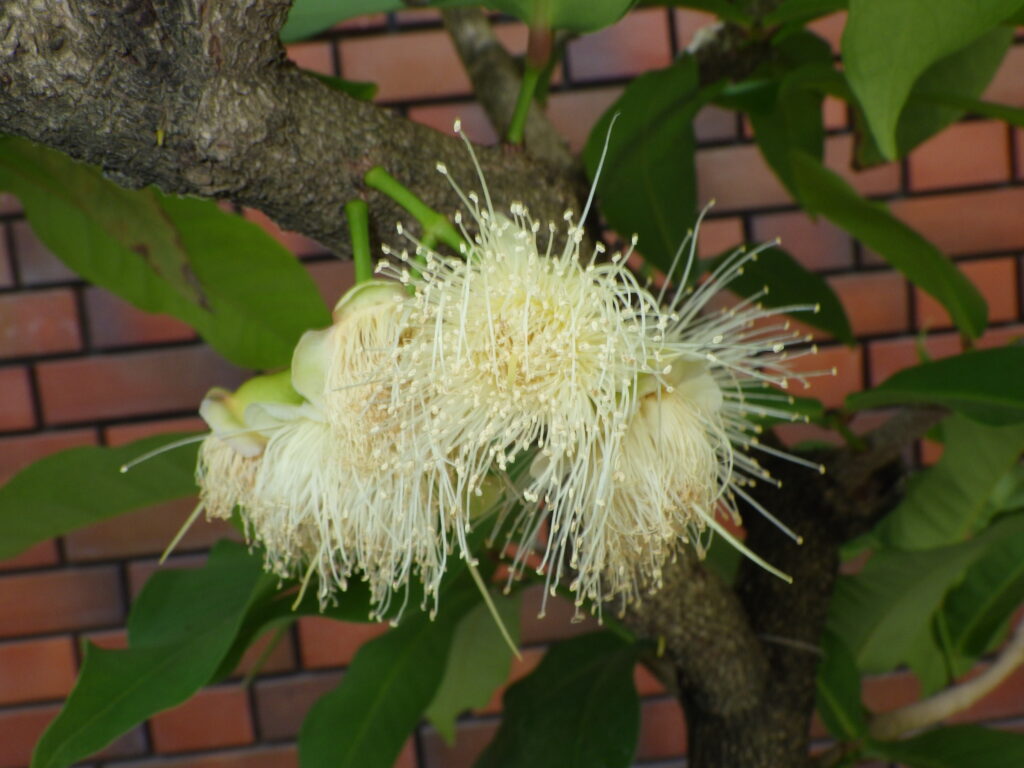
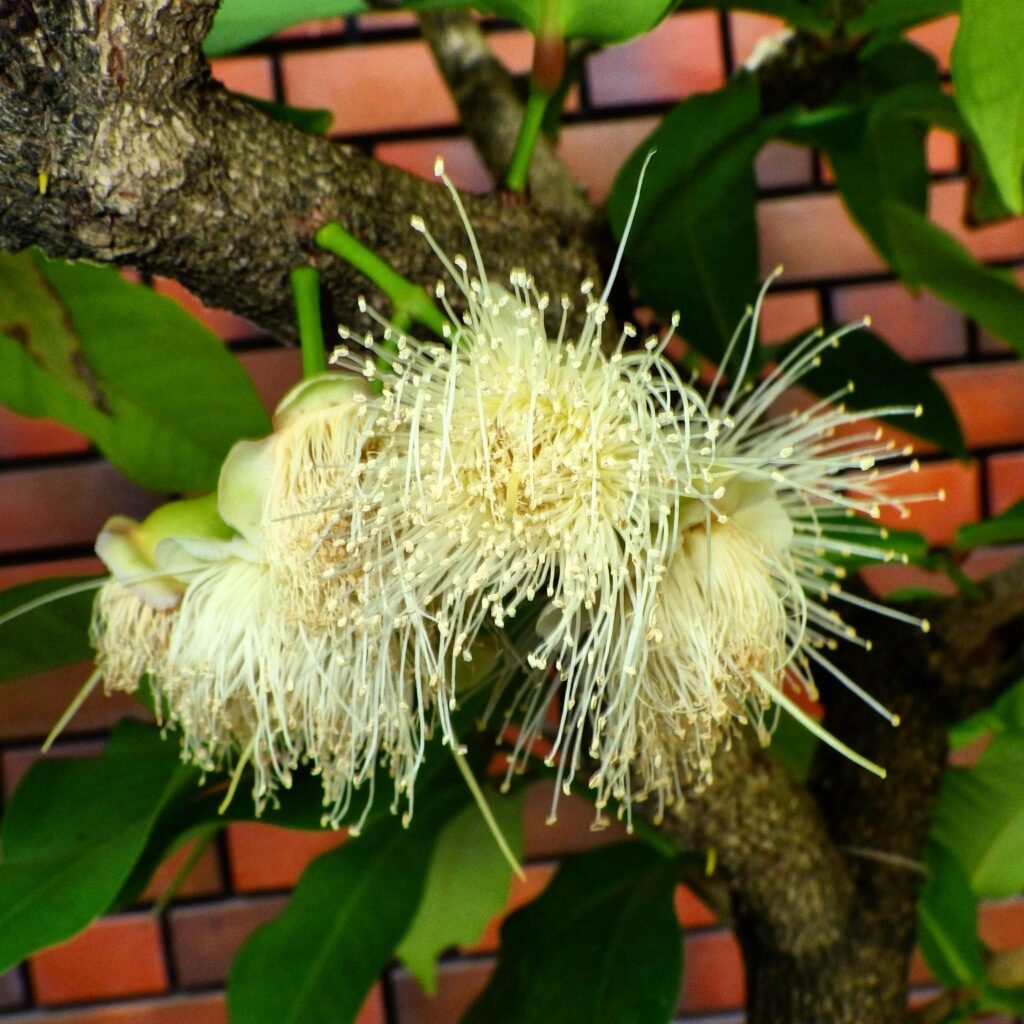
In Japan, Myrtus communis flowers from March to May, bearing short terminal cymose inflorescences. The flowers are white or greenish-white, about 4 cm in diameter, and the calyx tube is inverted conical with a shallowly four-lobed tip, 7-10 mm long. The stamens are remarkably numerous and longer than the petals.
In Japan, the rose apple blossoms from April to May, but in Thailand, they bloom from February to March, from the end of the dry season to the beginning of the hot season (Chantaranothai & Parnell, 1994), in drooping cymose inflorescences at the tips of the branches (Morton, 1987). The individual flowers are fragrant, yellowish-white in color, and characterized by numerous stamens radiating outwards.
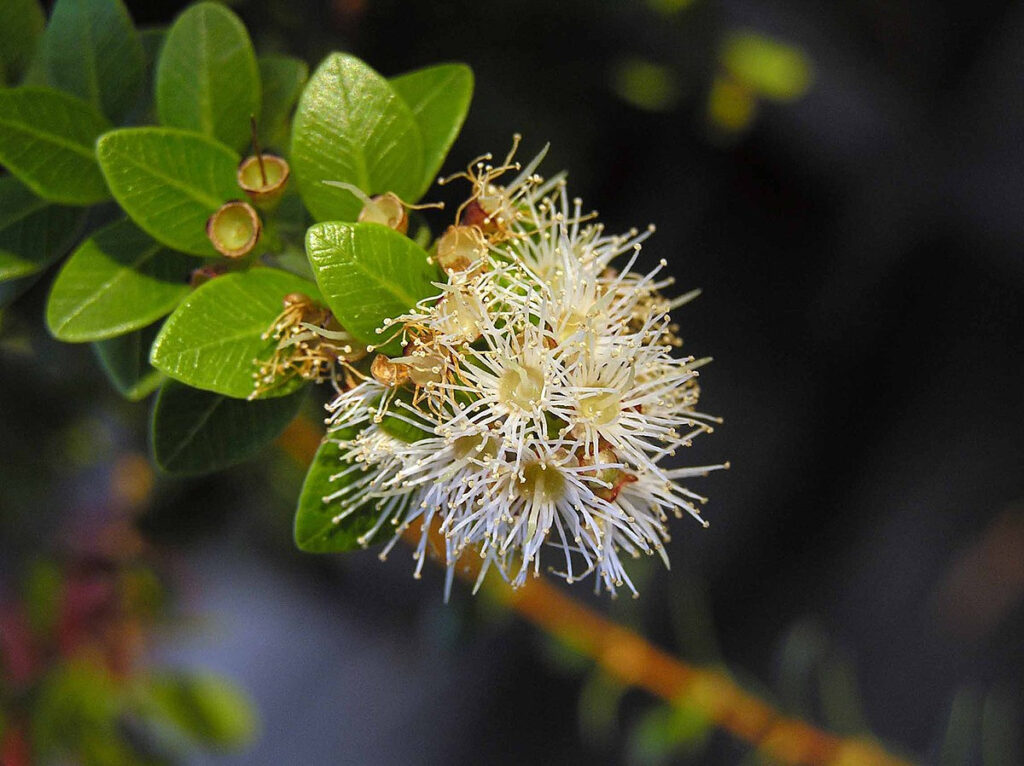
In Japan, Adek flowers from May to July. The conical cymes are terminal or axillary, and the flowers are white, 6-9 mm in size. There are bracteoles at the base. The calyx tube is obconical, 3-4 mm long, and the calyx lobes have four very shallow teeth, less than 0.5 mm long and about 1.5 mm wide. There are four white petals, broadly ovate to nearly circular, about 2 mm long, and they are deciduous. There are many stamens, 3-5 mm long, attached to the upper edge of the calyx tube.
In Adek, the stamens are shorter compared to those of Myrtus communis and Rose Apple, but the other basic structures are the same.
Sunbirds and bees visit the flowers of the myrtle and rose apple!?
The bushy shape of flowers like those of the myrtle or rose apple may be quite unusual in Japan. What kind of animals are attracted to these flowers?
In addition to the cultivated species *Syzygium serrata* and *Syzygium moniliforme*, research on this matter has been conducted in Thailand on four wild species distributed in Southeast Asia: *Syzygium megacarpum * and *Syzygium formosum * (Chantaranothai & Parnell, 1994).
According to this Thai study, while the number of birds that visit the Myrtus communis and Rose Apple flowers is not large, the study found that the Yellow-bellied Sunbird (Cinnyris jugularis), a nectar-feeding bird, is very important. Members of the Sunbird family are generally known as nectar-feeding birds distributed across the Eurasian continent, perching on branches and carefully sipping nectar without damaging the flowers.
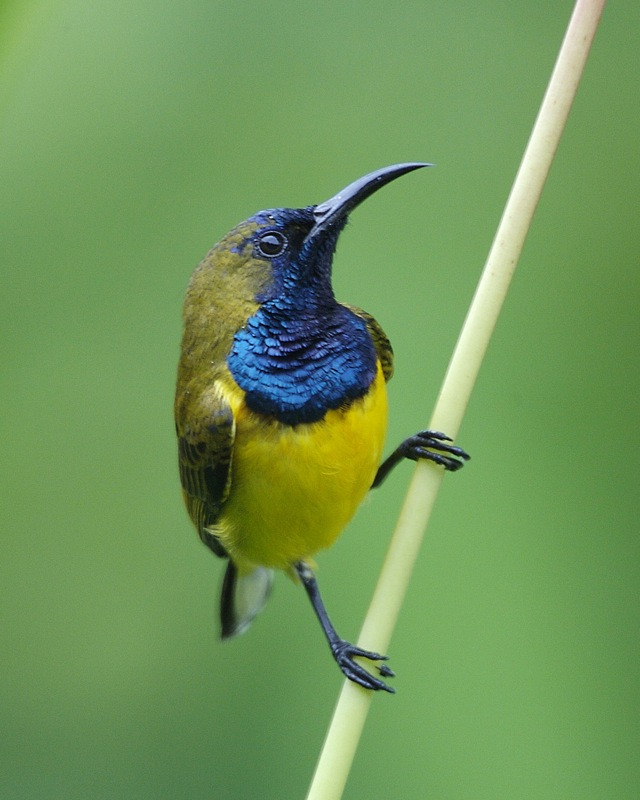
Indeed, these bushy flowers are large and long, with elongated stamens and pistils, perhaps to compete with birds that have long beaks or tongues. It's possible that the flowers of the myrtle and rose apple have evolved to adapt to pollination by birds.
However, animals are not the only ones that visit. Many insects also come. Studies have shown that 15 to 20 Eastern honeybees (Apis cerana cerana) and 5 to 15 European honeybees (Apis mellifera) visit the myrtle and rose apple flowers daily. European honeybees are an invasive species in Thailand, but considering this, it seems that the flowers have not evolved to be exclusively for birds, but rather that they also appeal to bees, increasing the likelihood of pollination. For example, myrtle and rose apple flowers have a strong fragrance, but it is generally believed that birds have a poor sense of smell and cannot recognize such scents. If that is the case, then this aspect could be considered an adaptation to insect pollination.
While there is insufficient data on Syzygium megacarpum and Syzygium formosum, one individual of Syzygium megacarpum has been recorded as having been visited by a butterfly.
In addition, research in the Ogasawara Islands of Japan has shown that rose apple flowers are used by the Ogasawara flying fox , Pteropus pselaphon (Suzuki & Suzuki, 2014). The aforementioned study in Thailand lacks sufficient research on flying foxes, so it is possible that different animals visit during the day and night, but this is not yet well understood.
On the other hand, no studies on the pollination ecology of the adenophora flower could be found. However, since it is smaller than the flowers of the myrtle and rose apple, the composition of visiting animals is likely to be different. One blog on the internet has a video of the longhorn beetle Demonax masatakai visiting the flower, and it is said that 5 to 6 other species of longhorn beetles also visit (Jiyujin, 2014).
Can myrtle and rose apple produce fruit without pollination?!
However, in reality, about half of the fruits of Myrtus communis and Rose Apple are formed without pollen, meaning they are not pollinated (this is called apomixis), so the role of pollinating animals is somewhat minor. In the case of cultivated varieties, pollinating animals have no influence at all, and the offspring are clones. In addition, there are Myrtus species that do undergo pollination, but also self-pollinate by using their own pollen.
This type of apomixis is considered suitable for mass reproduction because it eliminates the need to wait for pollinating animals or to pollinate with its own pollen (Clausen, 1954). It is thought that this is inevitable in cultivated varieties. While cultivated varieties are thought to have evolved through human intervention, it can be said that they originally possessed traits that are very convenient for humans.
Hearing this, one might think that it would be more efficient to produce fruit entirely through apomixis. However, it is believed that by partially engaging in cross-pollination (pollination using pollinating animals to obtain pollen from other individuals), plants incorporate genes from other individuals, allowing them to flexibly adapt to changes in parasitic fungi, insects, and the natural environment.
In the Myrtus genus, to which Myrtus and Rose Apple belong, plants skillfully utilize cross-pollination, self-pollination, and apomixis to achieve mass reproduction and incorporate genes from other individuals. While self-pollination is observed in many plants, apomixis may be considered the ultimate form of this behavior.
The fruit is a berry and the seeds are dispersed by bats.
The fruits of the Myrtus genus are all berries.
The berries of the Myrtus sylvatica are pale yellow to red, spherical to oval in shape, 2.5 to 5 cm in diameter, and emit a fragrant aroma.
The rose apple berry is dark red, pear-shaped to conical, and 4-5 cm in diameter.
Adek's berries are purplish-brown, spherical, and small, measuring 0.5–0.7 cm in diameter.
While this fruit is often only known for being eaten by humans, what animals actually eat it and disperse its seeds? This is particularly interesting since the myrtle (Syzygium moniliforme) has become naturalized in Japan.
Although not native to these areas, studies conducted in the Southwest Islands have recorded that the Orii's flying fox (Pteropus dasymallus inopinatus) (Miyagi and Takahara, 2000) and the Ogasawara flying fox (Suzuki and Suzuki, 2014) have been feeding on the fruits of the Japanese flying fox (Pteropus dasymallus inopinatus) and the rose apple (Pteropus serrulata), respectively.
The large size of the fruits of the myrtle and rose apple, along with their fairly large seeds, suggests they are more likely to be preferred by larger animals than birds. Furthermore, the rose-like fragrance of the fruits likely appeals more to mammals than birds.
However, since the fruit of the adeg is quite small, it's unclear whether only fruit bats prefer it. My research didn't yield any specific studies, but it seems quite possible that its seed dispersal is different from that of the myrtle and rose apple.
In Japan, the common rose apple and other similar plants are introduced species, so their natural habitat may not be ideal. However, in their native regions, they may serve as a valuable food source for rare and endangered animals. The same applies to the red apple. While research is lacking, it is important to view nature from the perspective of these interdependent relationships between organisms.
References
Banadka, A., Wudali, NS, Al-Khayri, JM, & Nagella, P. 2022. The role of Syzygium samarangense in nutrition and economy: An overview. South African Journal of Botany 145: 481-492. https://doi.org/10.1016/j.sajb.2022.03.014
Chantaranothai, P., & Parnell, JAN 1994. The breeding biology of some Thai Syzygium species. Tropical Ecology 35(2): 199-208. ISSN: 0564-3295, https://www.researchgate.net/publication/259581282
Clausen, J. 1954. Partial apomixis as an equilibrium system in Evolution. Caryologia Supplement 6: 469-479. ISSN: 0008-7114, https://www.abebooks.com/22648028858/bd
Free Spirit. December 15, 2014. A Sakishima spiny-horned longhorn beetle on an Adek flower. Enjoying butterflies, longhorn beetles, and insects! (Mainly Kyushu and Okinawa). https://outsvx.com/insect/11881.html
Ocean Expo Memorial Park Management Foundation. 2009. Illustrated Guide to Tropical Fruits. Toyo Kikaku Printing, Itoman. 159pp. ISBN: 9784938984625
Miyagi, Tomoaki and Takahara, Kenji. 2000. On the plants of Sueyoshi Park and the food plants of the large bat. Bulletin of the Okinawa Prefectural Museum 26: 47-84. https://okimu.jp/userfiles/files/page/museum/issue/bulletin/kiyou26/26-4.pdf
Morton, J. 1987. Java Apple. In: Morton, JF & Dowling, CF (Eds.), Fruits of warm climates (pp. 381-382). Florida Flair Books. ISBN: 9780961018412
Suzuki, Hajime and Suzuki, Naoko. 2014. Diet of the Ogasawara flying fox in the Ogasawara Islands. Ogasawara Research 41: 1-11. http://hdl.handle.net/10748/7319
Sun, Z., Huang, Q., & Feng, C. 2020. Complete chloroplast genome sequence of the rose apple, Syzygium jambos (Myrtaceae). Mitochondrial DNA Part B 5(3): 3460-3462. https://doi.org/10.1080/23802359.2020.1826000
Wu, ZY, Raven, PH, & Hong, DY (Eds.). 2007. Flora of China (Vol. 13 Clusiaceae through Araliaceae). Science Press, Beijing, and Missouri Botanical Garden Press, St. Louis. ISBN: 9781930723597
Source
This article is a significantly expanded version of a piece originally published in the following book.