The tea plant contains essential nutrients, catechins and caffeine, making it an indispensable beverage in Japan, enjoyed both at home and on the go. As you may know, its origin lies in China, and it was a species not native to Japan. However, even in China, wild varieties have not been confirmed, making it a mysterious plant. Its history is extremely ancient, believed to have been cultivated as early as 2737 BC. There are many historical events related to it that would make it into history textbooks. In Britain, it was imported from Qing China as a safe source of drinking water and became popular as an alternative to alcoholic beverages. However, the reason why black tea is preferred over green tea in Britain is not widely known. In fact, it was a result of importing inferior products that were a byproduct of the green tea production process from China. Having become addicted to black tea, Britain subsequently engaged in the triangular trade, exporting opium instead to prevent the outflow of silver to China, and waged the Opium Wars against the Qing dynasty, which tried to stop this trade. Meanwhile, in Japan, green tea was introduced via Buddhism, became popular among those in power, and only became widespread among the common people during the Edo period. The tea plant also has some fascinating ecology. Research has revealed that, surprisingly, flies are the only insects that visit the flowers. The fruit is a capsule, and the seeds are dispersed by gravity. This article will explain the classification, history, pollination ecology, and seed dispersal of the tea plant.
- Wild species of tea plant had never been identified!?
- What are the components of tea and their effects on humans?
- Why did the tea plant evolve to produce catechins and caffeine?
- How did the British become "addicted to tea"? Why black tea and not green tea?
- Why did the Japanese become "addicted to green tea"?
- Do only flies visit tea flowers?
- The fruit is a capsule, and the seeds are dispersed by gravity.
- References
Wild species of tea plant had never been identified!?
The tea plant (Camellia sinensis) is divided into two main species: C. sinensis var. sinensis, which is native to China, and C. sinensis var. assamica, a variety native to India. Both are thought to be originally wild species, but no truly wild individuals have been found (Meegahakumbura et al., 2016). This alone makes it a mysterious plant. It is currently cultivated in 52 countries in tropical and subtropical regions worldwide. It belongs to the Camellia family.
In the narrow sense, the tea plant is an evergreen shrub 2-3 meters tall (Shirataka, 2019), and its original habitat is thought to be thickets and rocky slopes. It has been cultivated for over 4,000 years since it was used as medicine in China in 2737 BC, and "tea" made from its leaves has been familiar to humankind (Meegahakumbura et al., 2016).
Tea, as a beverage made from the tea plant, is basically classified according to the degree to which the catechins in the tea leaves undergo oxidation and fermentation due to the action of enzymes in the leaves (Omori, 2017). Tea that is not oxidized or fermented at all is green tea, tea that is partially oxidized or fermented is oolong tea, and tea that is fully oxidized or fermented is black tea. However, there are exceptions such as white tea and yellow tea, which are made using different methods, and black tea, which uses leaves fermented with koji mold.
Tea contains essential nutrients such as catechins and caffeine, and the antibacterial effects of catechins (Saito, 2018; Shirataki, 2019) and the stimulating effects of caffeine (Nakamura, 2011; Shirataki, 2019) are the main reasons why it has been consumed for such a long time.
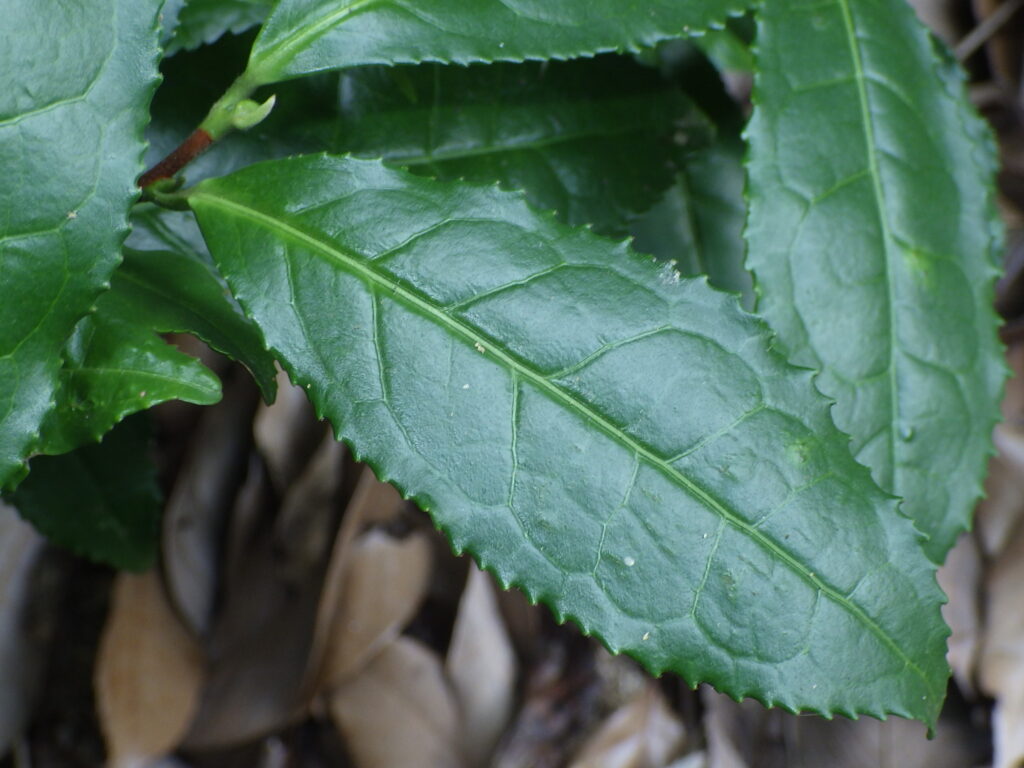
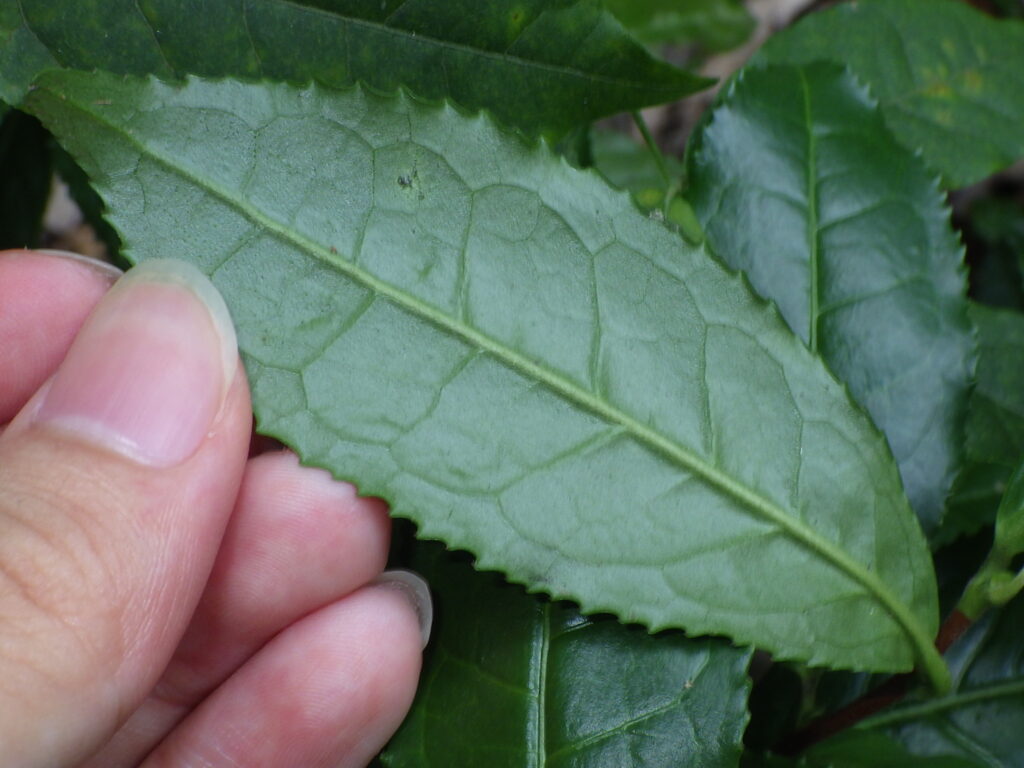
Assam tea, on the other hand, is grown from a tall tree (Shirataka, 2019), and was discovered in 1823 by Robert Bruce, an Englishman who came to the Assam region of India to develop trade. As a result, "Assam" tea began to be produced mainly in India and Sri Lanka (Isobuuchi, 2003; Omori, 2017). However, recent research suggests that Assam tea may have originally been cultivated by local people (Meegahakumbura et al., 2016), so it might be more accurate to call it a "rediscovery" by the British.
What are the components of tea and their effects on humans?
The chemical composition of green tea is complex and not fully understood. The most abundant components in green tea are polyphenols, particularly flavonoids such as catechins, catechin gallates, and proanthocyanidins (Taylor et al., 2005).
Fresh leaves contain caffeine (approximately 3.51 TP3T by dry weight, or about 50 mg per cup when brewed), methylxanthines such as theobromine (0.15–0.21 TP3T) and theophylline (0.02–0.041 TP3T), lignin (6.51 TP3T), organic acids (1.51 TP3T), chlorophyll (0.51 TP3T), free amino acids (1–5.51 TP3T), and the specific amino acid theanine (41 TP3T). Vitamins are particularly abundant in vitamin C, and other vitamins such as vitamins E and A are also present.
Among these, catechins are known for their antibacterial and antioxidant properties (Taylor et al., 2005).
Thanks to the antibacterial properties of catechins, drinking green tea not only helps prevent tooth decay and reduce periodontal disease, but it has also been found to increase the number of beneficial bacteria such as lactic acid bacteria and bifidobacteria in the gut flora. It is also known to have a certain effect in suppressing bacteria when storing water.
The antioxidant effects of catechins have been shown to lead to a reduction in the incidence of various diseases, including cardiovascular disease, stroke, obesity, and cancer.
Caffeine promotes alertness, enhances mood and cognitive function, and provides a stimulating effect (Yang et al., 2010). In addition, it causes diuretic effects, bronchodilation, and an increase in systolic blood pressure, and at low doses, it can cause mild euphoria, alertness, and improved cognitive ability.
However, high doses of caffeine are known to cause caffeine poisoning, leading to nausea, anxiety, tremors, and nervousness. Furthermore, it's important to be aware that caffeine tolerance can vary from person to person due to genetic factors and chronic consumption.
Why did the tea plant evolve to produce catechins and caffeine?
While these various effects on humans are known, why did we evolve to biosynthesize these components in the first place?
Regarding catechins, it is known that in addition to the antibacterial properties that protect the tea plant itself from fungi and bacteria, insecticidal properties are also important (Zhao et al., 2020).
This study revealed that when the tea leafhopper, a well-known pest of tea plants, infests the plant, it triggers direct defense responses in the tea plant, including induction of gene expression in the phenylpropanoid and flavonoid pathways, enhanced flavonoid production, strengthened wax biosynthesis, and accumulation of defense-related proteins.
In other words, when attacked by pests, the plants actively synthesize defense substances containing catechins. This is thought to negatively affect the insects' feeding behavior, survival, and growth. In fact, observations often show few pests and only minor insect damage.
Caffeine is found not only in the tea plant, but also in genera such as Coffea, Theobroma, Cola, Ilex (including Ilex paraguariensis), Citrus, and Paulinia (Jia et al., 2024). These were acquired independently through convergent evolution (Huang et al., 2016).
Caffeine is also known to have both antibacterial and insecticidal properties (Jia et al., 2024). The antifungal effect of caffeine is even stronger than that of polyphenols and catechins, damaging the cell walls and membranes of pathogens.
Also, similar to catechins, when attacked, more caffeine is synthesized and stored in the tissues.
However, beyond such defensive effects, another role of caffeine in pollen is attracting attention. When bees eat pollen containing caffeine, they become caffeine-toxic, which stimulates memory formation. This allows bees to quickly find the same flower scent even without caffeine, and visit it first. This also plays a role in increasing reproductive efficiency. However, as will be discussed later, flies are the main visitors to tea flowers, so it is still unclear whether this is related.
Furthermore, although limited to laboratory research, it has been suggested that caffeine may also play an allelopathic role, as giving caffeine to plants that do not synthesize caffeine inhibits their growth and weakens them.
How did the British become "addicted to tea"? Why black tea and not green tea?
This plant has had a significant impact on history (Watanabe et al., 1971; Takeo, 2000; Kinoshita et al., 2012; Omori, 2017; Inagaki, 2018; Ichinose, 2021). Among them, black tea began to be imported from China (Qing Dynasty) from the 17th to 18th centuries and became available in Europe, especially in Britain. Originally considered a luxury item, green tea was the first to be distributed and consumed by the upper class. Meanwhile, among commoners, alcoholic beverages, which were safe and did not spoil, but caused intoxication, were commonly consumed.
However, since one cannot work while drunk, drinking tea, which has antibacterial properties due to catechins, was encouraged as a substitute. Furthermore, tariffs on tea, along with those on sugar, were reduced to lower its price, which led to its widespread adoption among ordinary people.
But why is it that in modern times, black tea is drunk in Britain, rather than green tea, as is the case in Japan?
Although there are few documents describing this, a review of several studies suggests that as tea became popular among the general public, supply could not keep up, and as a result, even inferior products that had oxidized and fermented during the green tea production process were imported from China, leading to the spread of black tea (Watanabe et al., 1971; Takeo, 2000).
As the demand for tea and the sugar added to it increased, plantation agriculture expanded in Britain's colonies, India, Sri Lanka, and the West Indies. Furthermore, Britain continued to import tea from China, paying for it with silver, to the point where its own silver reserves were depleted. It seems the British had grown to love tea to that extent.
To resolve this situation, Britain began the "triangular trade," purchasing opium from its colony India and exporting it in exchange for silver. As a result, China experienced a surge in opium addiction and a corresponding depletion of its silver reserves. In dire straits, the Qing dynasty, led by Lin Zexu and others, attempted to dispose of the opium. However, Britain reacted angrily to this move, claiming it infringed on their property rights, and waged war. This is the famous Opium War (1840-1842).
In other words, to put it extremely, one could say that this war started because Britain wanted to drink tea without paying money (silver). In this sense, wouldn't it be fair to say that the British were also "addicted to tea"?
Britain won this war and signed the Treaty of Nanjing, seeking free trade. However, the treaty was limited to only five ports and was deemed insufficient. This led to the Second Opium War (1856-1860), which was launched using the almost baseless Arrow Incident, in which the British claimed the flag had been insulted, as a pretext. France also joined this war.
Why did the Japanese become "addicted to green tea"?
Green tea is also an important tea for the Japanese (Wei, 2010; Teramoto, 2014). In Japan, it was already used in the Buddhist world during the Heian period. The established culture of tea drinking is said to have been first brought from Song China by Eisai, the founder of the Rinzai school of Zen Buddhism, during the Kamakura period.
From the latter half of the Muromachi period, the "tea ceremony" flourished from the Higashiyama culture. Influenced by Chinese culture and Zen Buddhism, Higashiyama culture was characterized by its simplicity, austerity, and refined aesthetic, shaping important Japanese traditional cultures such as "wabi," "sabi," "tea rooms," and "Japanese gardens." The Higashiyama culture began when Ashikaga Yoshimasa, the 8th shogun of the Muromachi shogunate, fled the ravages of the Onin War, which he himself had started, and built a mountain villa in Higashiyama, Kyoto, where he invited cultural figures. However, later, it was also considered important by Sengoku warlords such as Oda Nobunaga and Toyotomi Hideyoshi and was used for political purposes.
It wasn't until the Edo period that tea became popular among ordinary people, when methods like "sencha," which involves steeping (boiling) tea leaves in hot water to extract the components, and "encha," which involves placing tea leaves in a pot or other container, pouring in hot water, letting it steep, and then filtering the tea leaves to extract the flavor, were invented.
The first stage of the Japanese people becoming "addicted to green tea" might be attributed to Ashikaga Yoshimasa. However, it could be argued that this trend among ordinary people, excluding those in power, occurred surprisingly much later.
Do only flies visit tea flowers?
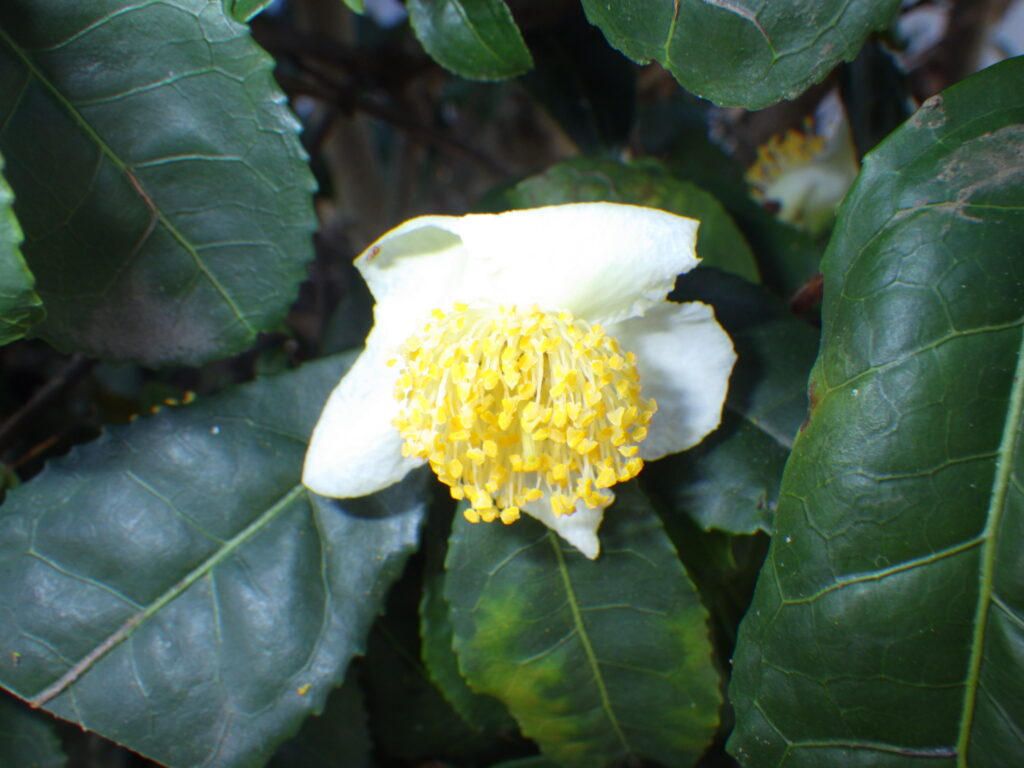
What do tea plant flowers look like? Surprisingly, many Japanese people may have never seen them. They bloom in late autumn, from October to November, with white flowers 2-3 cm in diameter that hang downwards in the leaf axils at the tips of the branches (Mogi et al., 2000). The petals number 5-7 and are almost circular with notched tips. There are many long stamens that are slightly fused at the base. In contrast, there is only one pistil, which is three-lobed at the top.
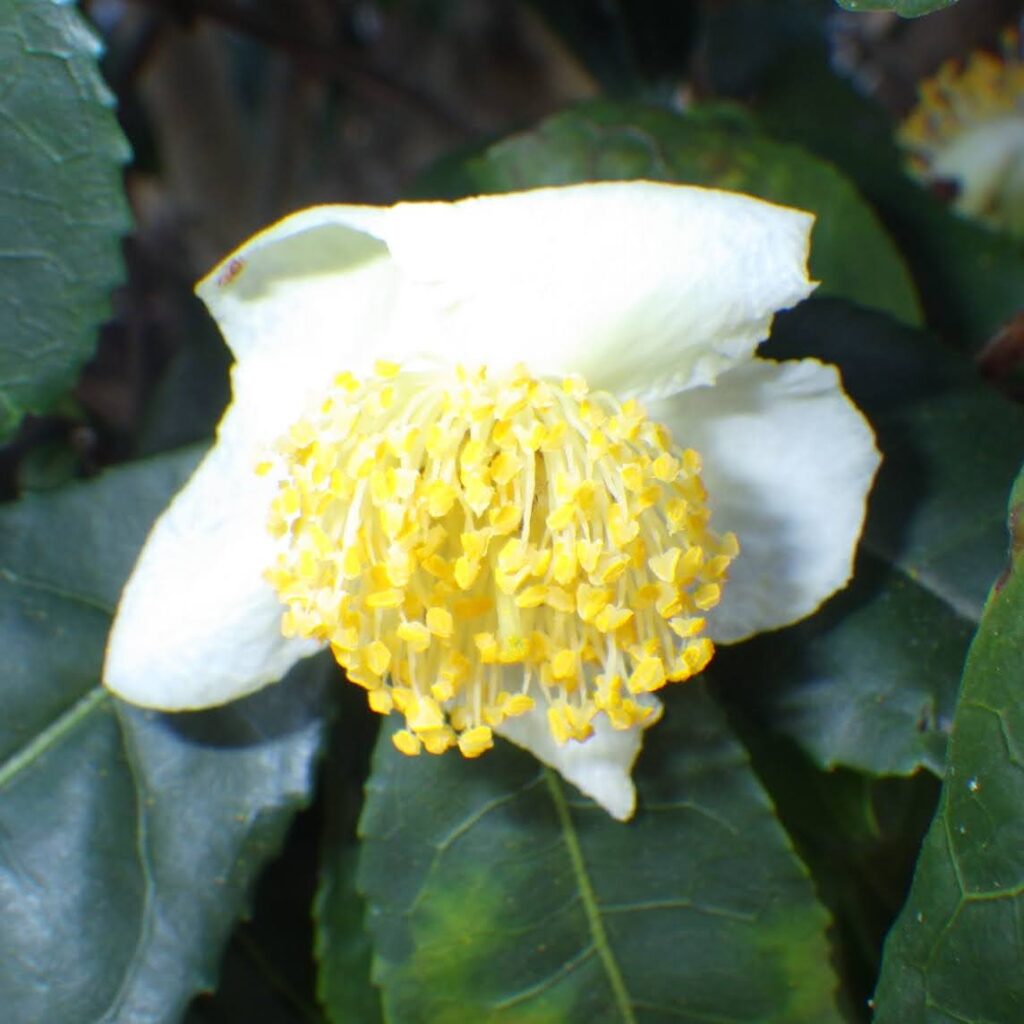
The flower is bowl-shaped and doesn't have any special structure, so it's expected to attract a variety of insects. However, a study in Sri Lanka found that a staggering 60-90% of the visitors were flies (Wickramaratne & Vitarana, 1985). Honeybees visited only a very small number of times. Furthermore, in India, the vast majority of visitors appear to be flies (Bezbaruah, 1974; Mitra et al., 2017; 2018). Mitra et al. (2017) even shows a photograph of a flesh fly seemingly enjoying the pollen of a tea plant. Among the flies, large black flies, flesh flies, and houseflies, the so-called nuisance pests, seem to be the most frequent visitors.
I'm very curious about why there are so many flies, but my research didn't reveal the answer. However, rather than the shape of the flowers, it's possible that flies that can stay active even in cold weather are attracted because they bloom in late autumn. But this fact means that flies have indirectly played a role in the history of this stylish café, which is quite surprising, isn't it?
Currently in Japan, tea plants are propagated by cuttings (Yoshioka, 2012), and it seems that the value of flowers is diminishing because nutrients are depleted by the production of flowers and fruits, reducing leaf yield. However, in India, it appears that fruit is still produced through insect visits (Mitra et al., 2017; 2018), and the presence of flowers is essential for breeding new varieties. Moreover, they are pretty flowers, so why not take a closer look at the flowers of the tea plant?
The fruit is a capsule, and the seeds are dispersed by gravity.
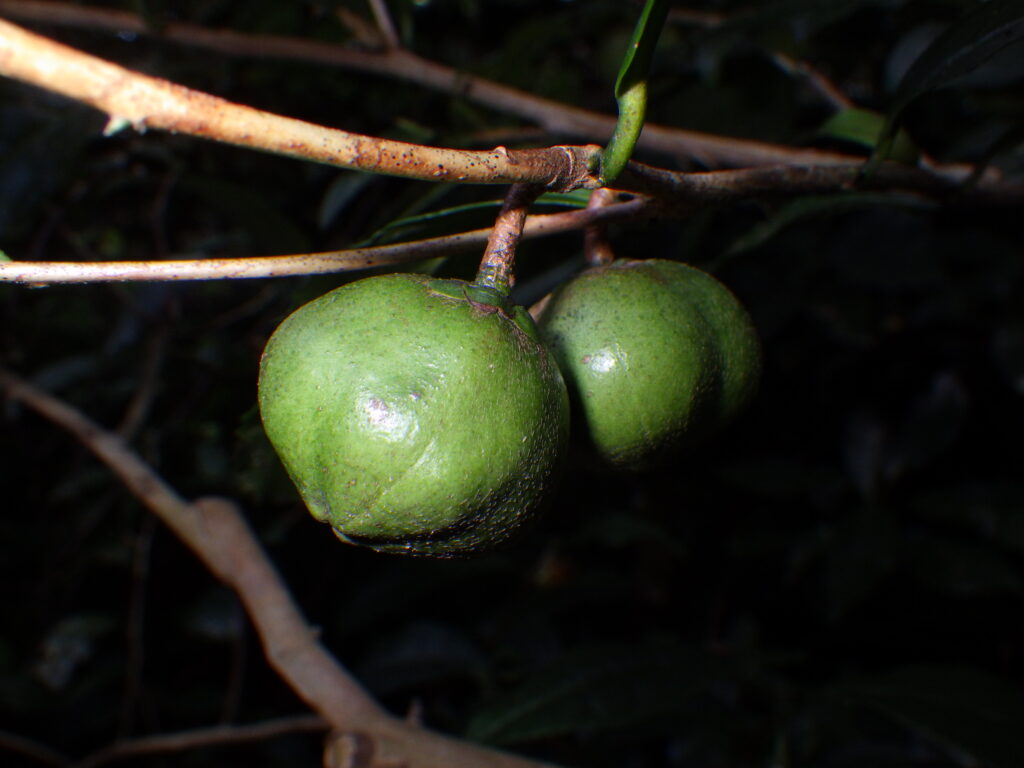
The fruit of the tea plant, like all plants in the Camellia genus, is a capsule. It is nearly spherical, 1.5-2 cm in diameter, with three shallow grooves, and splits into three sections when ripe. The seeds are nearly spherical, about 1.5 cm long, with 1-2 seeds in each chamber. One side is flattened, and the surface is smooth, ranging from brown to reddish-brown.
Like its flowers, the tea plant's fruit is rarely seen, but it naturally disperses its seeds by gravity, opening over time as it ripens and dropping them downwards (Ciccuza & Kokotos, 2007; Guerder, 2023). This is a very simple method of seed dispersal that does not involve animals, and it is thought to be difficult for it to travel long distances.
Similarly, the fruit of Camellia japonica, which belongs to the same genus Camellia, is dispersed by gravity (Chung et al., 2003), and the seed dispersal method is common to this genus.
References
Bezbaruah, HP 1974. Pollination in Tea [ Camellia sinensis (L) O. Kuntze] in North-East India. Journal of Plantation Crops 2(2): 6-8. ISSN: 0304-5242, https://digitalcommons.usu.edu/bee_lab_ba/146/
Chung, MY, Epperson, BK, & Gi Chung, M. 2003. Genetic structure of age classes in Camellia japonica (Theaceae). Evolution 57(1): 62-73. https://doi.org/10.1111/j.0014-3820.2003.tb00216.x
Ciccuza, D., & Kokotos, S. 2007. The invasive potential of tea: naturalization and spread of Camellia sinensis in natural and logged forests of the Amani Nature Reserve. https://citeseerx.ist.psu.edu/document?repid=rep1&type=pdf&doi=b63b3c5c486593834f53221e98ee41c3230fc2c6
Guerder, A. 2023. Camellia sinensis, BBCH-scale. Code BBCH: appendice a9. ISBN: 9782958037505, https://hal.science/hal-03940511
Huang, R., O'Donnell, AJ, Barboline, JJ, & Barkman, TJ 2016. Convergent evolution of caffeine in plants by co-option of exapted ancestral enzymes. Proceedings of the National Academy of Sciences 113(38): 10613-10618. https://doi.org/10.1073/pnas.1602575113
Ichinose, Atsushi. 2021. British Tea Trade Before the Opium Wars. Momoyama Gakuin University Journal of Economics and Business Administration 62(4): 347-378. ISSN: 0286-9721.
https://stars.repo.nii.ac.jp/records/9353
Inagaki, Hidehiro. 2018. Plants that Greatly Shaped World History. PHP Institute, Tokyo. 217pp. ISBN: 9784569840857
Isobuuchi, Takeshi. 2003. The Encyclopedia of Tea. Shinsei Publishing, Tokyo. 222pp. ISBN: 9784405090965
Jia, X., Luo, S., Ye, X., Liu, L., & Wen, W. 2024. Evolution of the biochemistry underpinning purine alkaloid metabolism in plants. Philosophical Transactions of the Royal Society B 379(1914): 20230366. https://doi.org/10.1098/rstb.2023.0366
Kinoshita, Yasuhiko; Kimura, Seiji; and Yoshida, Tora. 2012. Detailed Study of World History, Revised Edition. Yamakawa Publishing, Tokyo. 596pp. ISBN: 9784634030275
Meegahakumbura, MK, Wambulwa, MC, Thapa, KK, Li, MM, Möller, M., Xu, JC, … & Gao, LM 2016. Indications for three independent domestication events for the tea plant (Camellia sinensis (L.) O. Kuntze) and new insights into the origin of tea germplasm in China and India revealed by nuclear microsatellites. PloS One 11(5): e0155369. ISSN: 1932-6203, https://doi.org/10.1371/journal.pone.0155369
Mitra, B., Roy, S., Shah, SK, & Mishra, P. 2017. Inventorisation of true flies (Insecta: Diptera) and their association with tea plants in Dooars, West Bengal, India. International Journal of Entomology Research 2(5): 21-26. ISSN: 2455-4758, https://www.researchgate.net/publication/319852220
Mitra, B., Shah, SK, & Mishra, P. 2018. Insect fauna associated with the tea ecosystem of north Bengal, India. Records of the Zoological Survey of India 118(2): 178-193. ISSN: 0375-1511, https://doi.org/10.26515/rzsi/v118/i2/2018/120289
Mogi, T., Ota, K., Katsuyama, T., Takahashi, H., Shirokawa, S., Yoshiyama, K., Ishii, E., Sakio, H., and Nakagawa, S. 2000. Flowers Blooming on Trees: Polypetalous Flowers (Vol. 2, 2nd edition). Yama-kei Publishers, Tokyo. 719pp. ISBN: 9784635070041
Nakamura, Takako. 2011. Everyday beverages such as alcohol and coffee and the genes of Japanese people. Tsukuba University Technical Report 31: 33-38. ISSN: 0916-2674, https://www.tech.tsukuba.ac.jp/2010/report/n06_report2010.pdf
Omori, Masashi. 2017. The Science of Tea: The Secrets of Tea Leaves that Create "Color, Aroma, and Taste". Kodansha, Tokyo. 288pp. ISBN: 9784065020166
Chuichi Takeo. 2000. Origin of black tea. Tea Industry Research Report 89: 59-63. ISSN: 0366-6190, https://doi.org/10.5979/cha.2000.89_59
Saito, Kieko. 2018. Characteristics of tea catechins and their effective utilization. Agriculture and Horticulture 93(2): 108-115. ISSN: 0369-5247, https://agriknowledge.affrc.go.jp/RN/2030921088
Teramoto, Masahide. 2014. On the Cultural Value of Japanese Tea and Uji Tea and its Re-evaluation. Economic Studies 68(3): 167-189. ISSN: 0286-8032, http://hdl.handle.net/10236/13411
Shirataki, Yoshiaki. 2019. Wildflowers of the Mountains and Fields: Edible and Medicinal Properties of Common Wild Plants . Camellia sinensi s (L.) Kuntze var. sinensis (Theaceae). New Food Industry 61(10): 794-797. ISSN: 0547-0277, https://libir.josai.ac.jp/il/user_contents/02/G0000284repository/pdf/JOS-05470277-61(10)-594.pdf
Taylor, PW, Hamilton-Miller, JM, & Stapleton, PD 2005. Antimicrobial properties of green tea catechins. Food Science and Technology Bulletin 2: 71-81. https://doi.org/10.1616/1476-2137.14184
Yoshioka, Tetsuya. 2012. A Study on Reduced-Pesticide Cultivation of Tea: Aiming to Improve the Brand Power of Yame Tea. Fukuoka Prefectural Agricultural Research Center Special Report 36: 1-75. ISSN: 0913-509X, https://agriknowledge.affrc.go.jp/RN/2010831411
Watanabe, T., Nishimoto, R., Otagaki, A., & Yoshikawa, Y. 1971. The Origin of Black Tea: A Cultural History of Tea in Daily Life (1). Bulletin of the Faculty of Home Economics, Osaka City University 18: 1-14. ISSN: 0473-4742, https://ocu-omu.repo.nii.ac.jp/records/2018684
Wickramaratne, MRT, & Vitarana, SI 1985. Insect pollination of tea (Camellia sinensis L.) in Sri Lanka. Tropical Agriculture 62(3): 243-247. ISSN: 0041-3216, https://journals.sta.uwi.edu/ojs/index.php/ta/article/view/2241
Wei Xianfang. 2010. The Development of Tea Culture in Japan: Focusing on its Spread in Daily Life. Culture/Criticism 2: 106-121. ISSN: 1882-7411, https://hdl.handle.net/11094/75761
Yang, A., Palmer, AA, & De Wit, H. 2010. Genetics of caffeine consumption and responses to caffeine. Psychopharmacology 211(3): 245-257. https://doi.org/10.1007/s00213-010-1900-1
Zhao, X., Chen, S., Wang, S., Shan, W., Wang, X., Lin, Y., … & Yu, X. 2020. Defensive responses of tea plants (Camellia sinensis) against tea green leafhopper attack: a multi-omics study. Frontiers in Plant Science 10: 1705. https://doi.org/10.3389/fpls.2019.01705