Black nightshade, large black nightshade, American black nightshade, and glossy black nightshade all belong to the Solanaceae family and Solanum genus. They are very common in urban areas and can even be found in green spaces in large cities. They are characterized by their round, black ripening fruits, but the four species are very similar and sometimes difficult to distinguish. Various identification methods have been proposed, but I think focusing on the characteristics of the flowers and fruits is the simplest. Sometimes, you may just have to accept that there are individuals that are indistinguishable. This article will explain the classification and morphology of the Solanum genus, which produces round, black fruits.
What are black nightshade, large black nightshade, American black nightshade, and glossy black nightshade?
Solanum nigrum, also known as black nightshade or dog nightshade, is an annual plant widely distributed in Hokkaido, Honshu, Shikoku, Kyushu, and the Ryukyu Islands in Japan; Eurasia; and naturalized in the Americas (Kanagawa Prefecture Flora Survey Association, 2018; RBG Kew, 2025). In Japan, it grows along roadsides, cultivated fields, wastelands, and riverbanks.
Solanum nigrescens, also known as large black nightshade, is an annual or perennial plant native to the southern United States, Central America, and northern South America, and has naturalized throughout the world. In Japan, it grows not only in urban areas south of Honshu, but also in riverbeds, cultivated fields, and forest edges in areas slightly closer to mountains.
American nightshade (Solanum emulans) is an annual plant native to Canada and the eastern United States, and has naturalized in Europe and Japan. It grows in harbors and fields throughout Japan. Older literature, such as the "Flora of Kanagawa Prefecture 2018," identifies it as Solanum ptychanthum, but this is now considered a synonym (old scientific name) (Knapp et al., 2019).
Solanum americanum, also known as glossy-fruited black nightshade, is an annual or perennial plant native to Canada and South America that has naturalized worldwide. In Japan, it grows around farmland, riverbanks, coastlines, and forest edges at the foot of mountains.
All of these plants belong to the Solanum genus of the nightshade family, and they are very common in urban areas, and can even be found in green spaces in large cities.
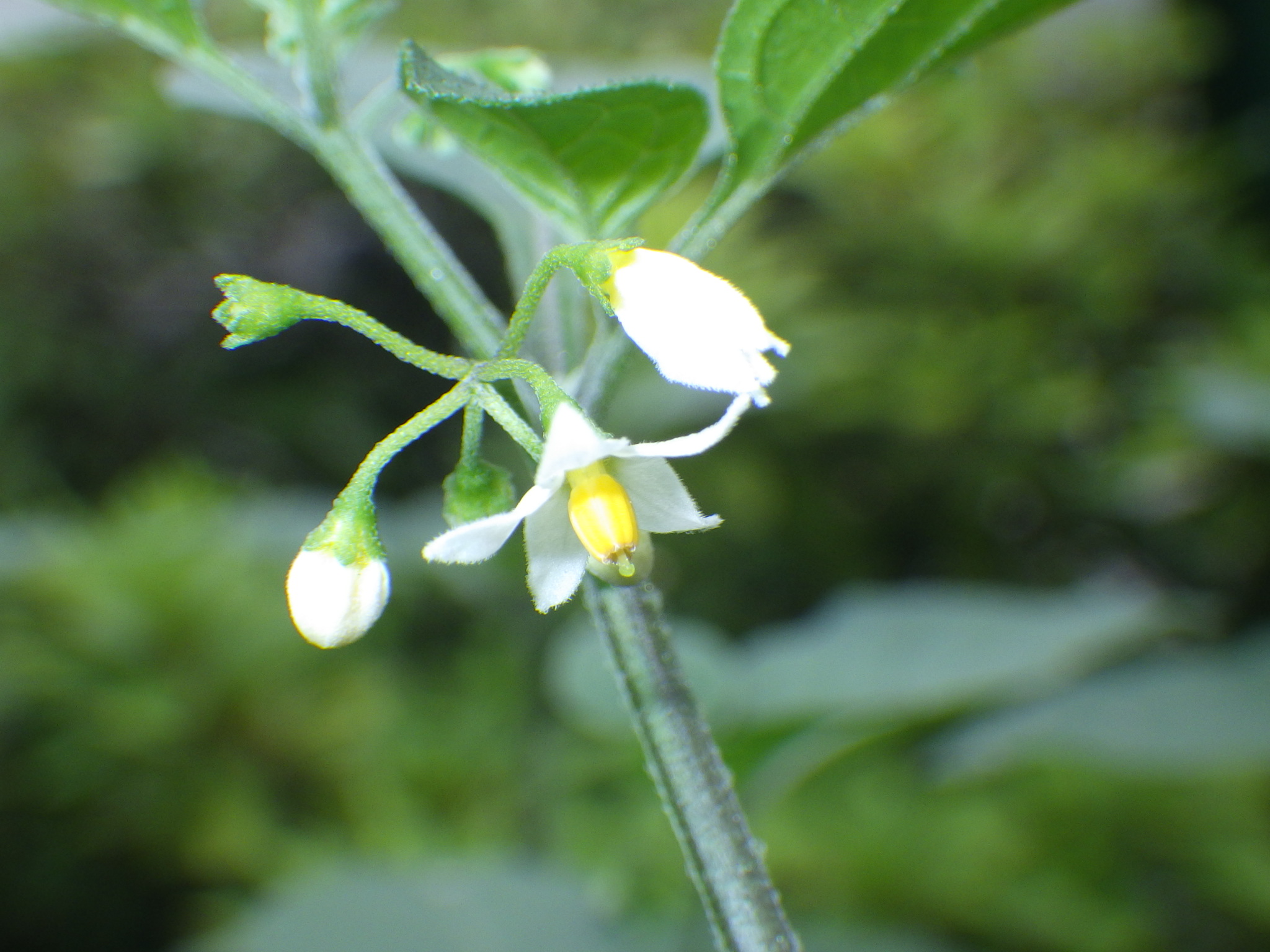
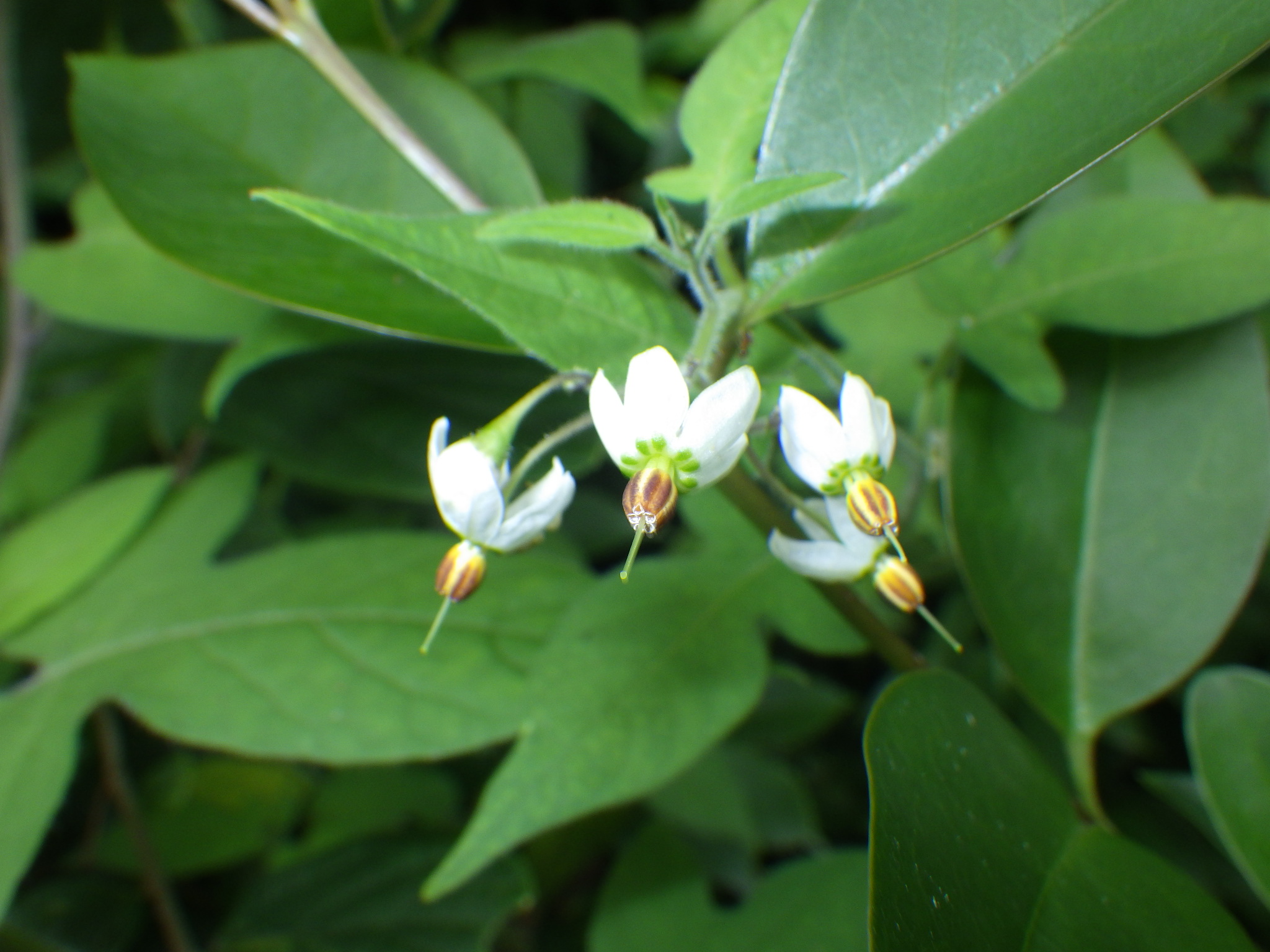
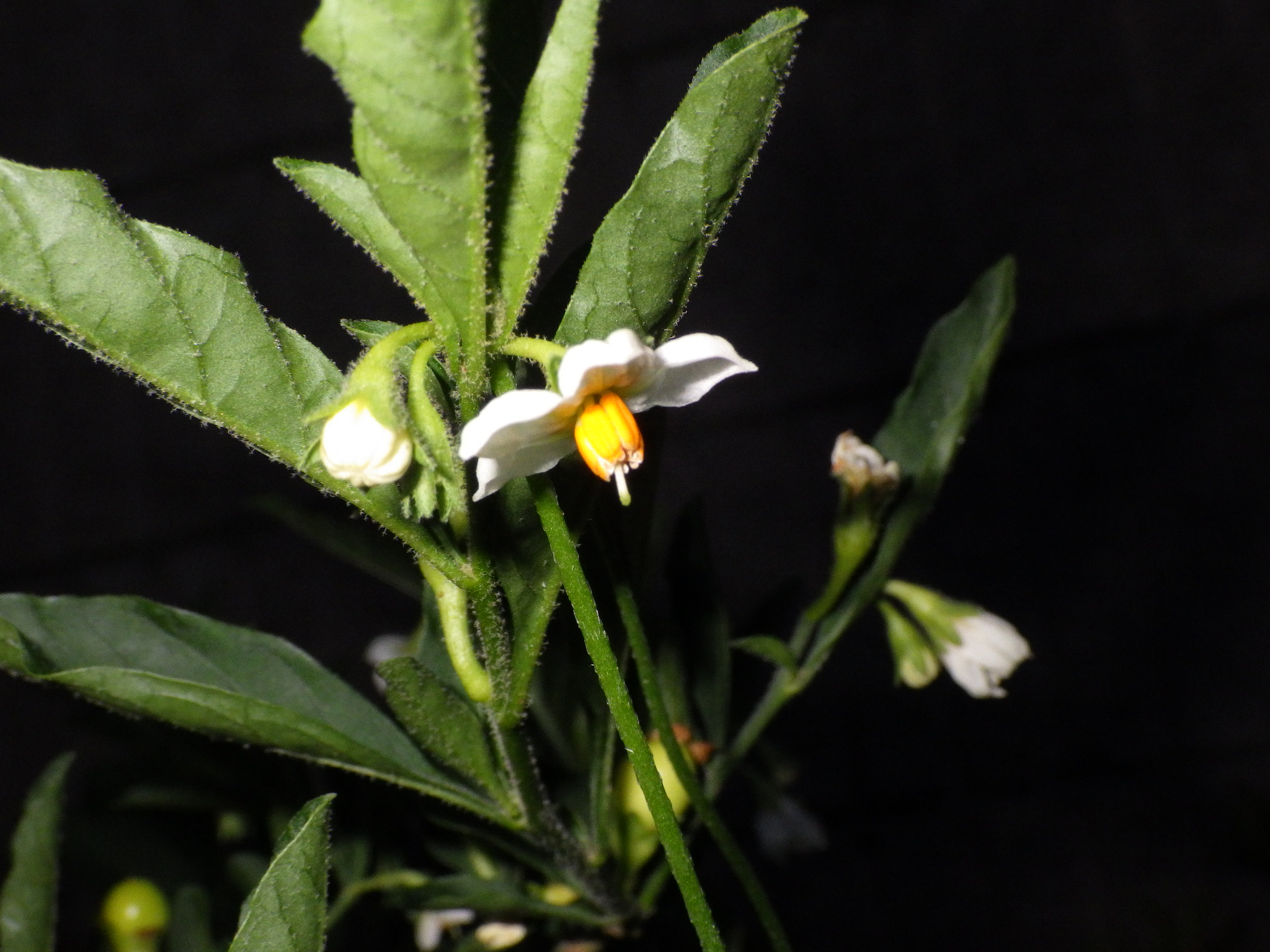
It possesses the characteristic "porous anthers" of the Solanum genus, with large, conspicuous yellow anthers that taper towards the tip and have small holes.
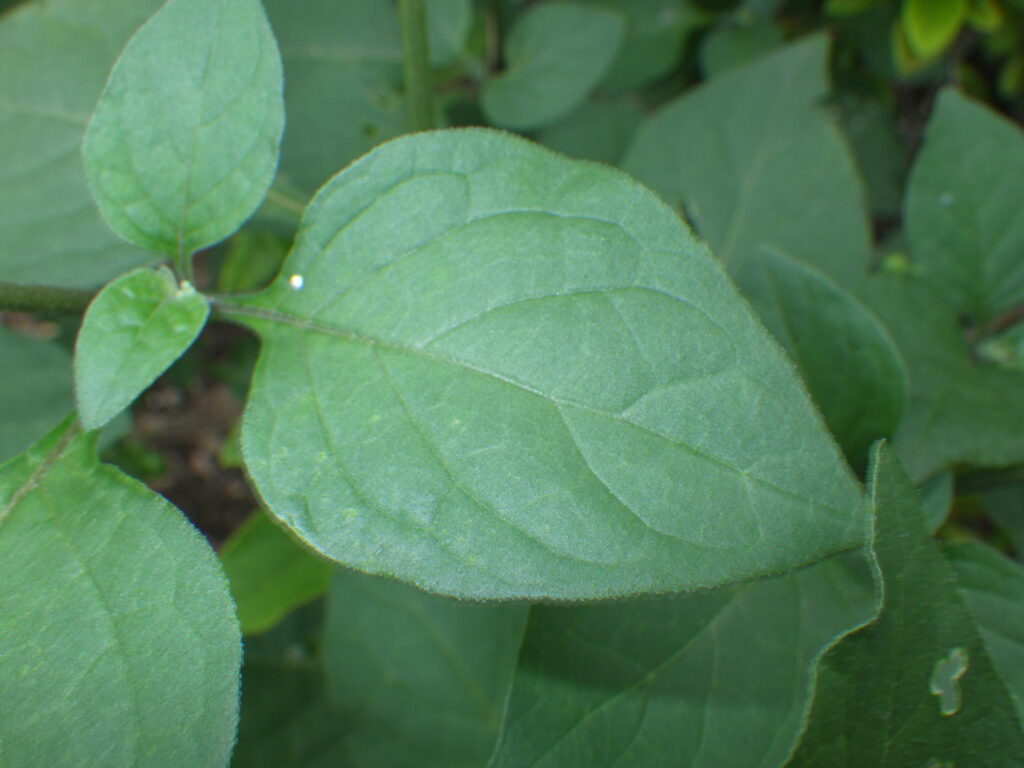
In addition, these four species are characterized by polymorphic leaves, small flowers, and nearly spherical fruits that ripen to purple to black.
The four species mentioned above are very similar and difficult to distinguish. It would be almost impossible to identify them at a glance while walking in the wild.
Furthermore, the existence of various intermediate forms makes accurate identification difficult.
What are the differences between *Solanum nigrum*, *Solanum sibiricum*, *Solanum nigrum*, and *Solanum nigrum*?
Various methods for identifying these four species have been suggested in numerous field guides and websites.
However, the sheer number of points of focus can actually make identification more difficult.
Therefore, I will focus on explaining only the truly important points here (Kanagawa Prefecture Flora Survey Association, 2018).
First, there is a difference in that the corolla of the black nightshade (Solanum nigrum) is shallowly incised, while that of the large black nightshade (Solanum nigrum), American black nightshade (Solanum sempervirens), and glossy black nightshade (Solanum nigrum var. sempervirens), the corolla is deeply incised, extending almost to the base.
Regarding the remaining three species, the fruits of *Solanum nigrum* and *Solanum americanum* are 7-10 mm in diameter, black with a somewhat dull sheen, and the flesh remains green until fully ripe. In contrast, *Solanum sempervirens* has fruits that are 4-7 mm in diameter, ripen to a dark purple color with a strong sheen, and the flesh turns purple earlier.
Regarding the remaining two species, there is a difference in that *Solanum nigrum* has 5 to 8 flowers per inflorescence and the corolla is large, with a diameter of 8 to 12 mm, while *Solanum americanum* has 1 to 4 flowers per inflorescence and the corolla is 4 to 6 mm in diameter.
I think the basic approach is to simply observe the above points. While field guides often mention examining the number of spherical granules and seeds within the fruit, this is not practical for the average person to observe in the field, so I will omit it here. For more detailed information, please refer to the Kanagawa Prefectural Flora Survey Association (2018) or Knapp et al. (2019).
However, there are intermediate individuals, and it can be difficult to distinguish between *Solanum nigrum* and *Solanum americanum* in particular. The notches in the corolla that identify *Solanum nigrum* can also be difficult to discern from certain angles, as the corolla is small and requires careful examination of multiple specimens.
Flower color and the curvature of the corolla lobes are individual variations and should not be used as a reference.
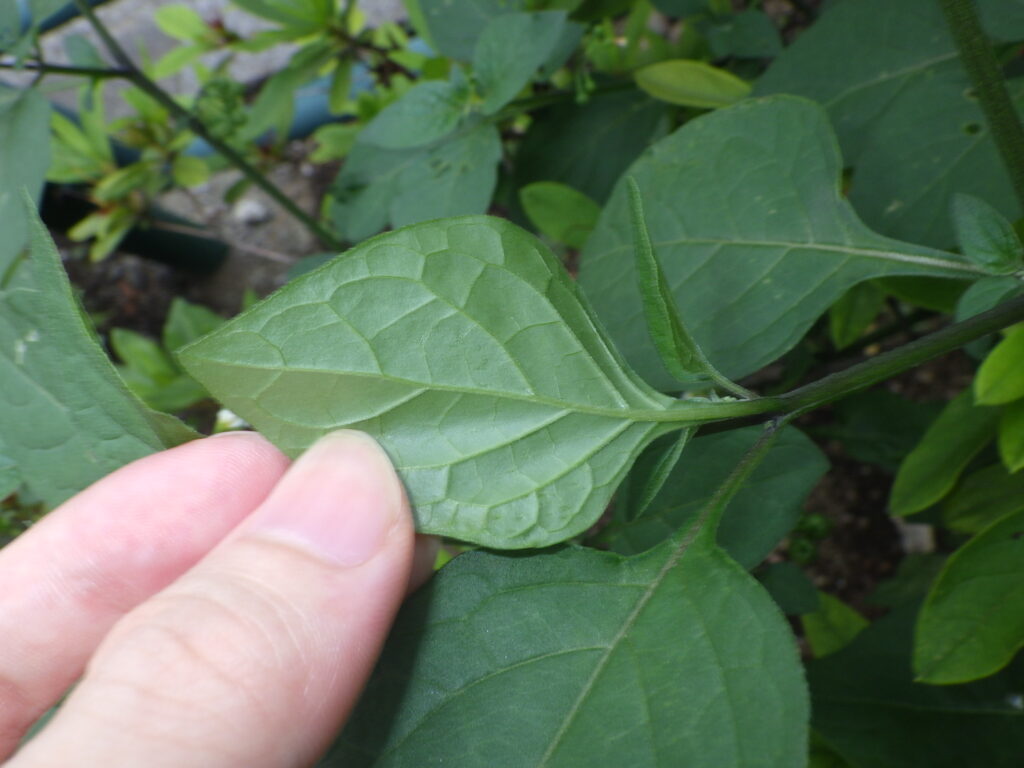
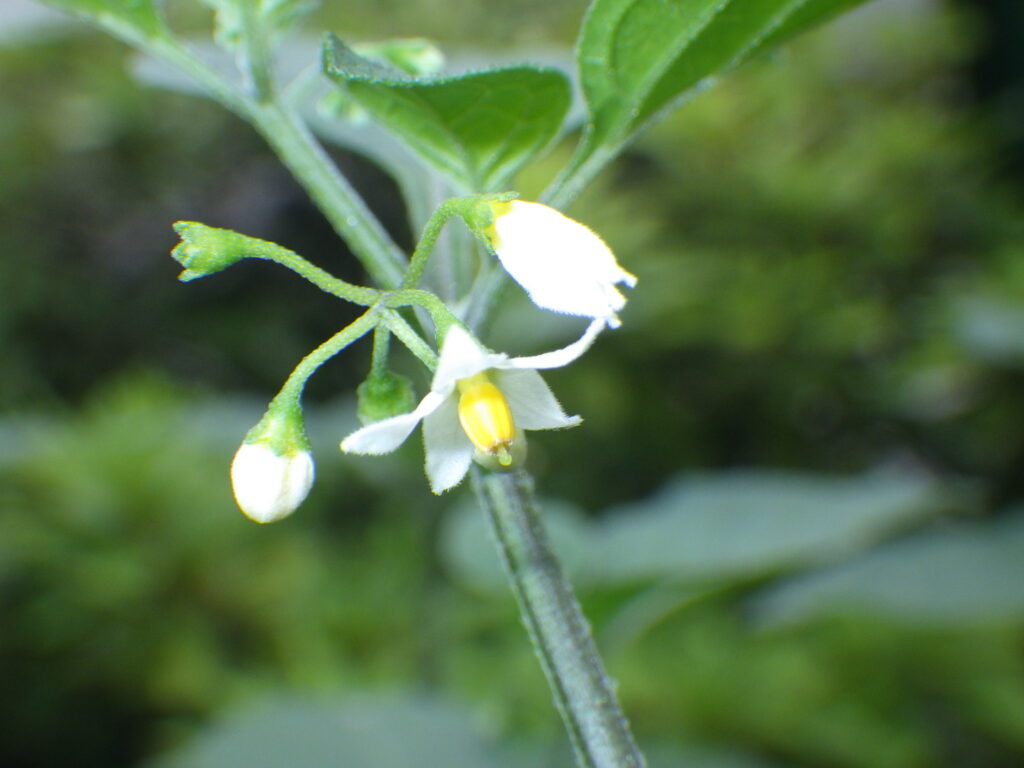
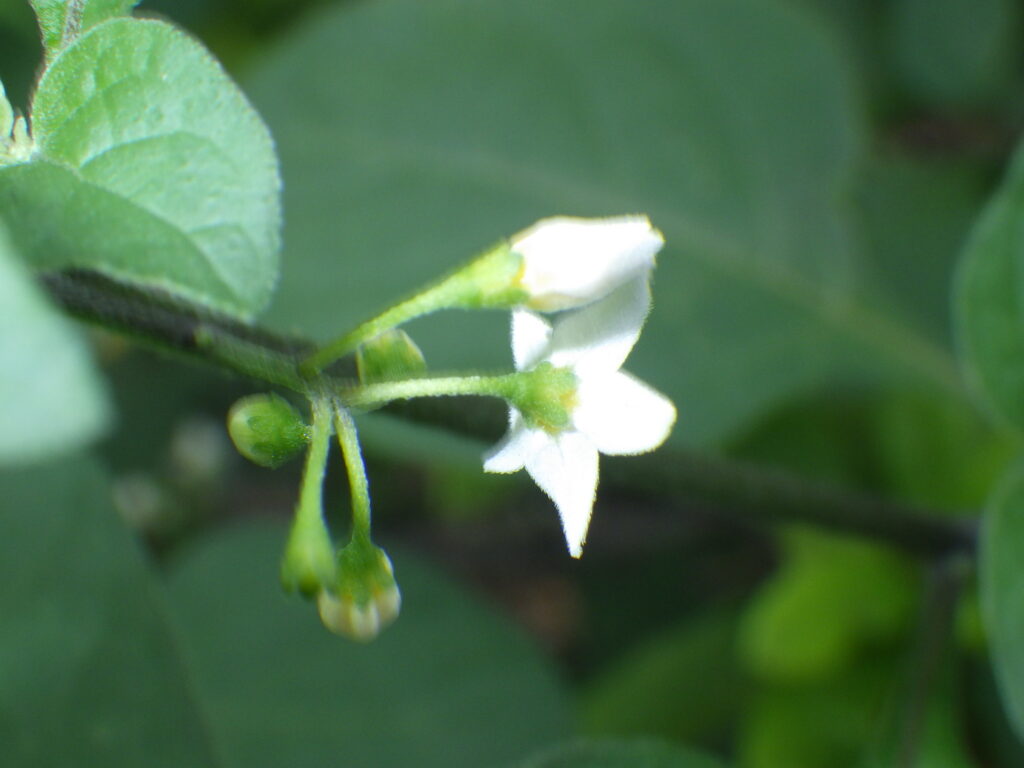
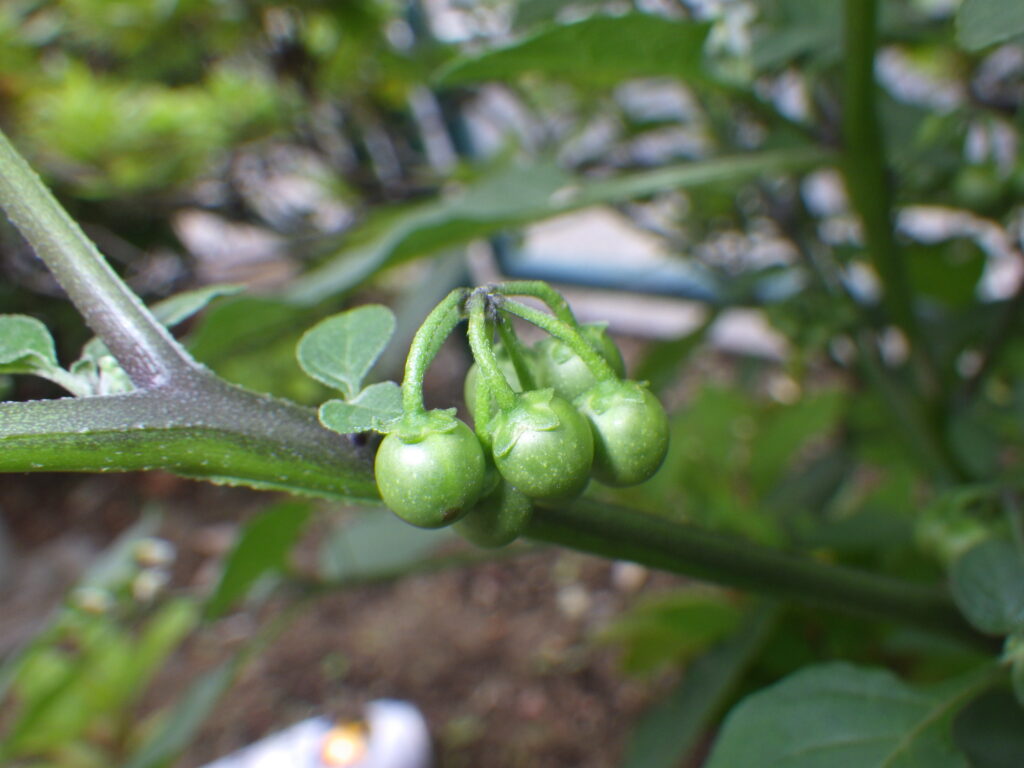
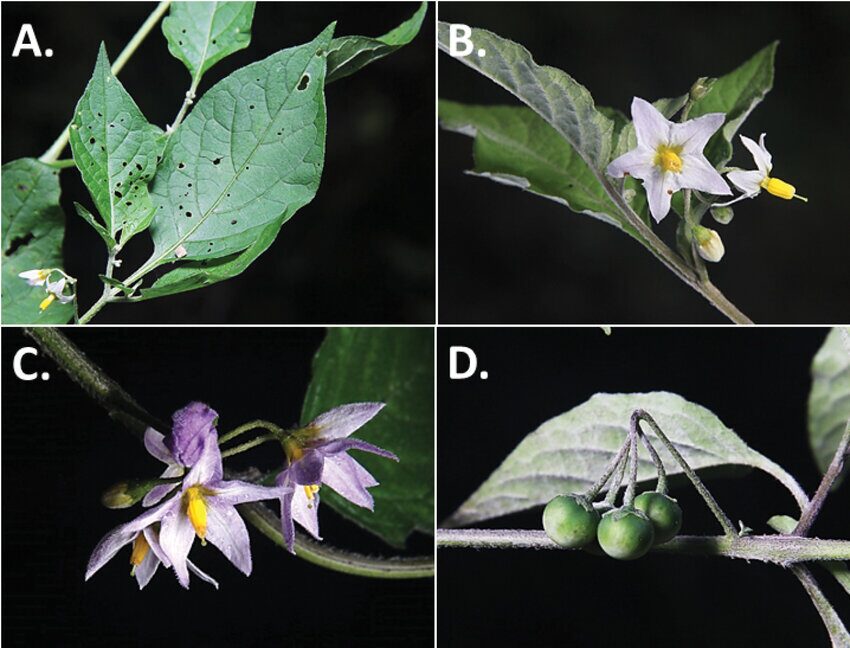
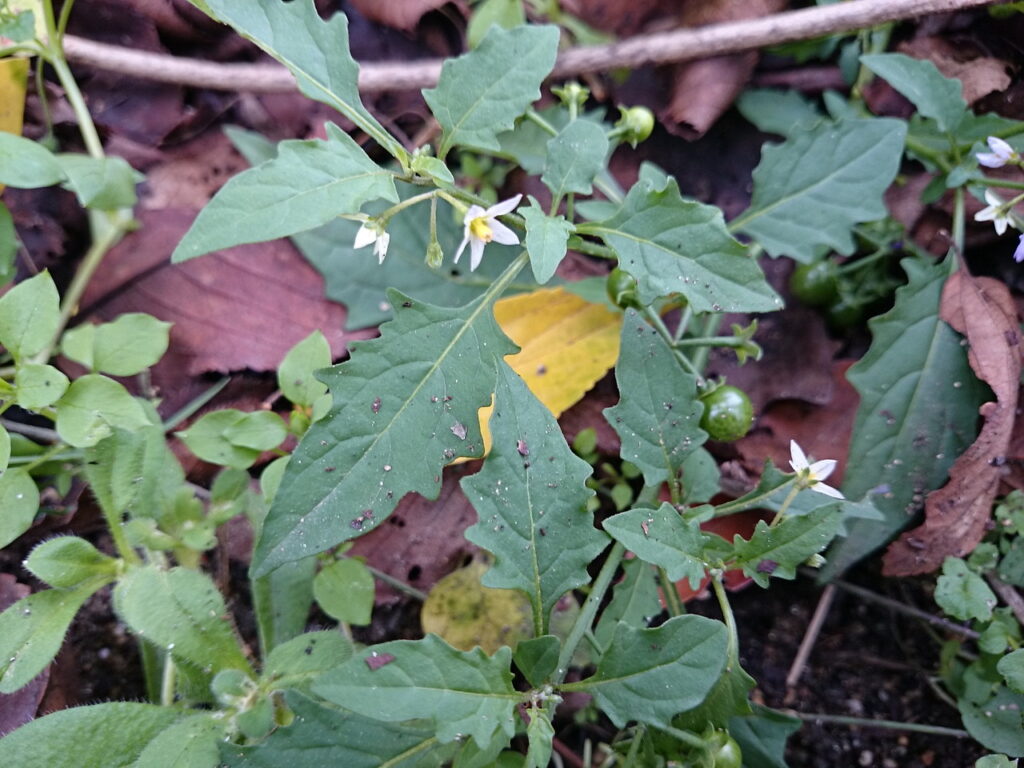
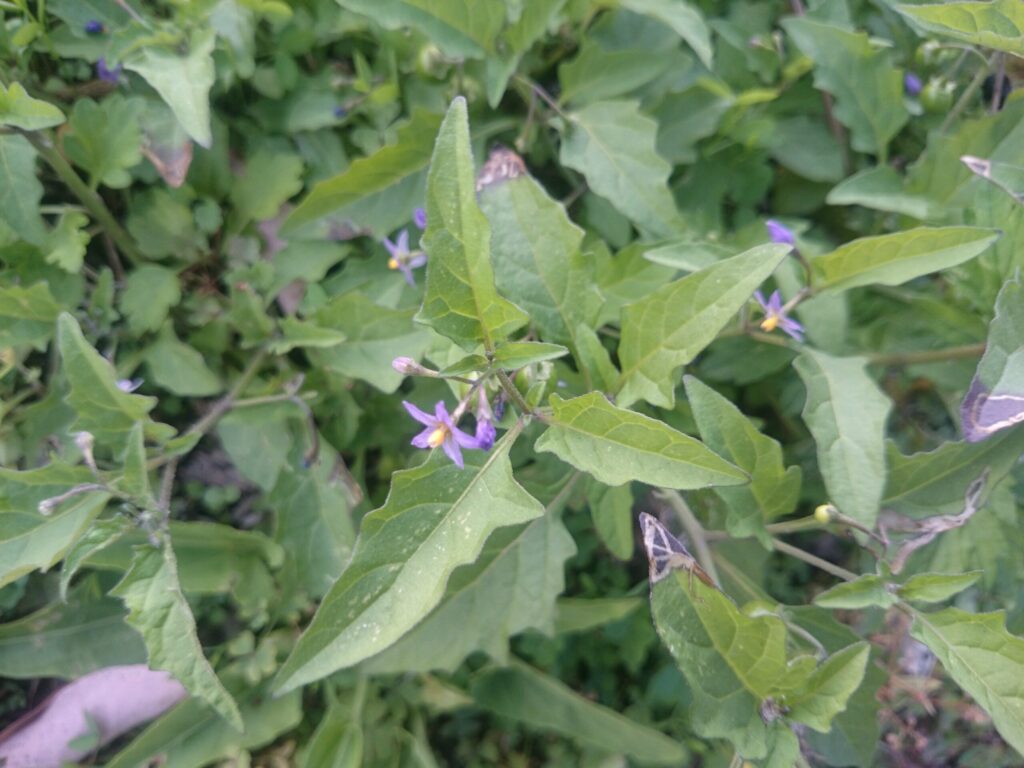
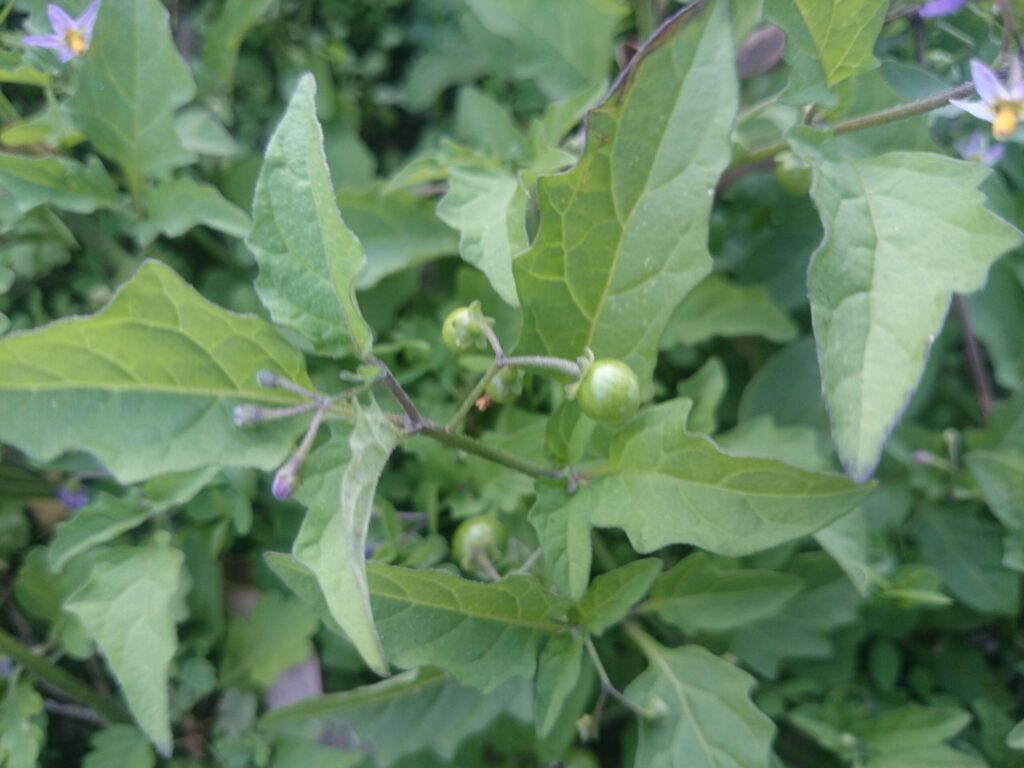

Are there any other similar species?
The Solanum genus includes several species with "black nightshade" in their name, such as Solanum sarrachoides, Solanum physalifolium var. nitidibaccatum, Solanum villosum subsp. villosum, and Solanum villosum subsp. miniatum.
However, in *Solanum nigrum* and *Solanum humile*, the calyx enlarges after flowering, covering half or more of the fruit, so their appearance is quite different.
The fruits of both the velvet nightshade and the red nightshade are elongated ellipsoids and ripen to yellow to red, so there's no chance of confusion.
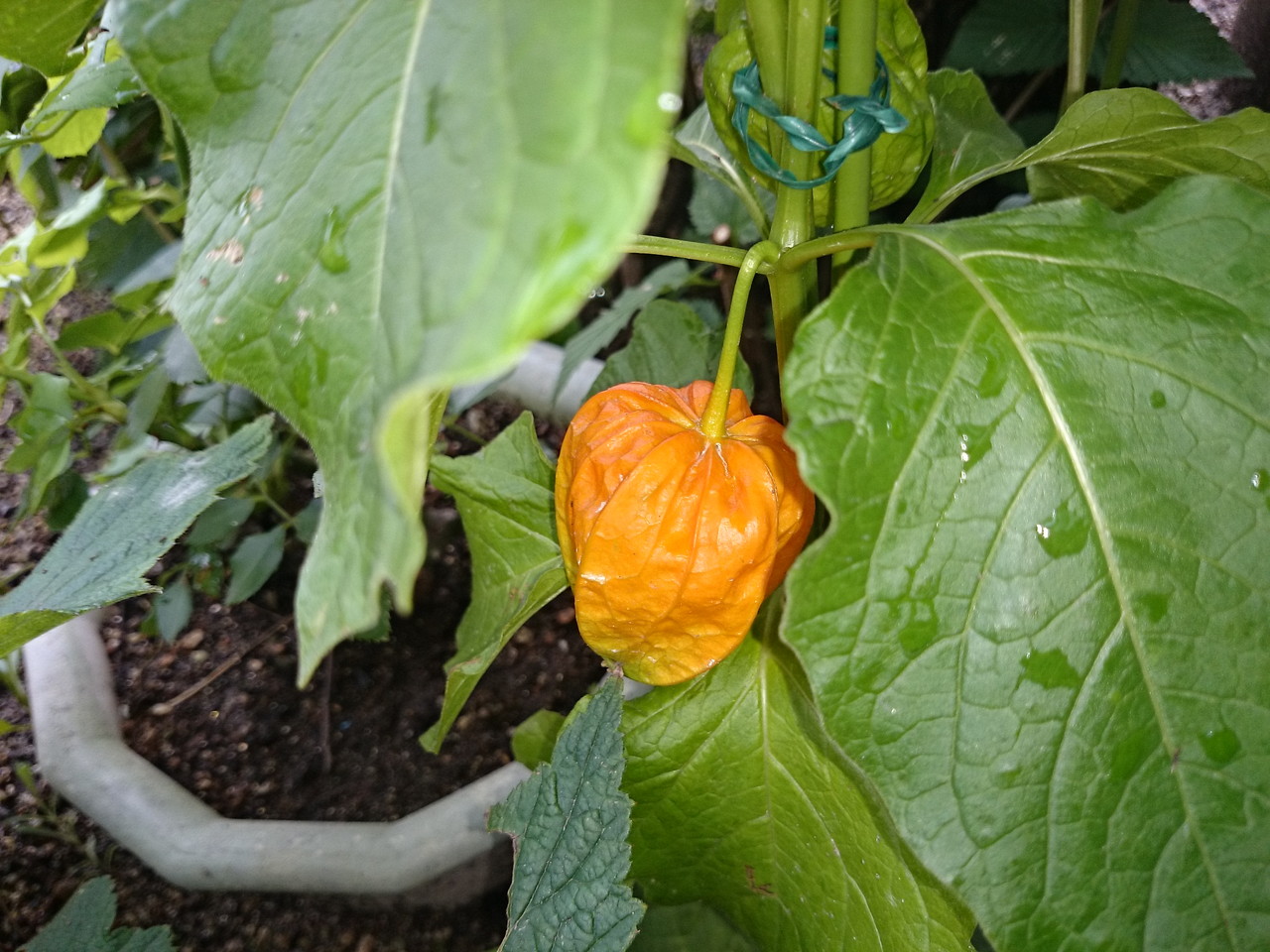
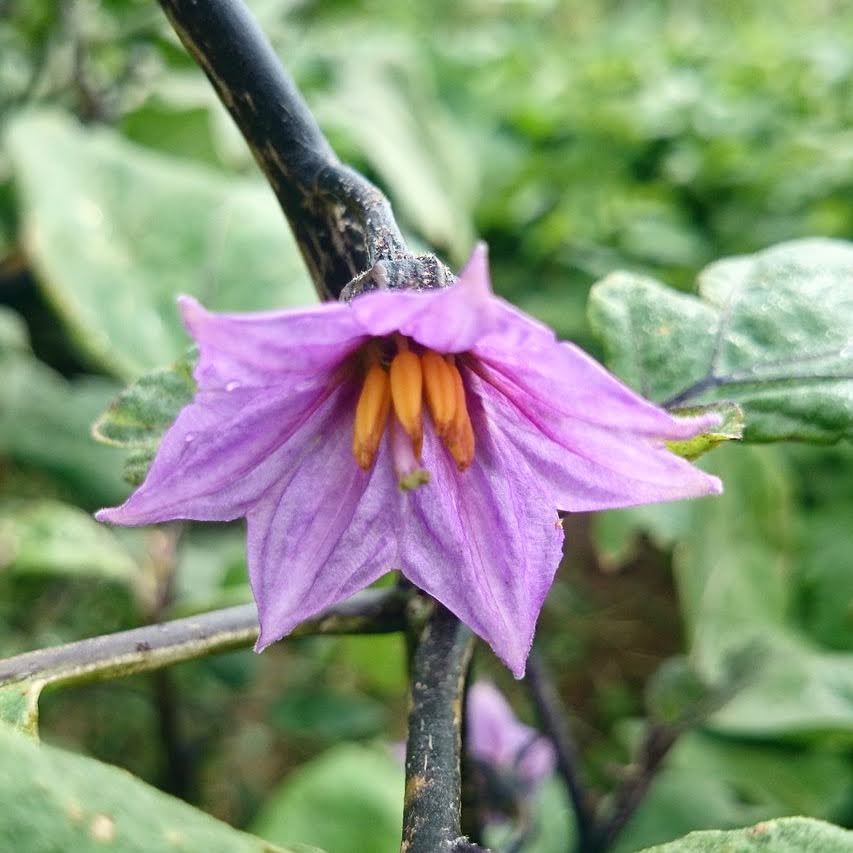
Other species in the Solanum genus are larger, have different fruit shapes, or are thorny, so they are unlikely to be confused. Please see the separate article for more details. In the case of the Chinese lantern plant, the fruit is enclosed by a persistent calyx.
References
Kanagawa Prefecture Flora Survey Association. 2018. Kanagawa Prefecture Flora 2018 (Electronic Edition). Kanagawa Prefecture Flora Survey Association, Odawara. 1803pp. ISBN: 9784991053726
Knapp, S., Barboza, GE, Bohs, L., & Särkinen, T. 2019. A revision of the Morelloid clade of Solanum L. (Solanaceae) in North and Central America and the Caribbean. PhytoKeys 123: 1-144. https://doi.org/10.3897/phytokeys.123.31738
RBG Kew. 2025. The International Plant Names Index and World Checklist of Vascular Plants. Plants of the World Online. http://www.ipni.org and https://powo.science.kew.org/