Strawberry (Strawberry jasminoides), Rubus parvifolius (Japanese raspberry), Rubus buergeri (wild strawberry), raspberry (Japanese raspberry), and mock strawberry (Japanese wild strawberry) all belong to the Rosaceae family and are generally recognized as relatives of the "strawberry" with their small, red, berry-like fruits. However, the names for mock strawberries and wild strawberries are not scientific names, but rather general classifications based on their habitat within the Rubus parvifolius family. Strawberry jasminoides, Rubus parvifolius, and mock strawberry have clear botanical differences, specifically in the structure of their aggregate fruits and individual fruits. This article will explain the classification and morphology of strawberry jasminoides, Rubus parvifolius, wild strawberry, raspberry, and mock strawberry.
What are Dutch strawberries, wild strawberries, raspberries, and mock strawberries?
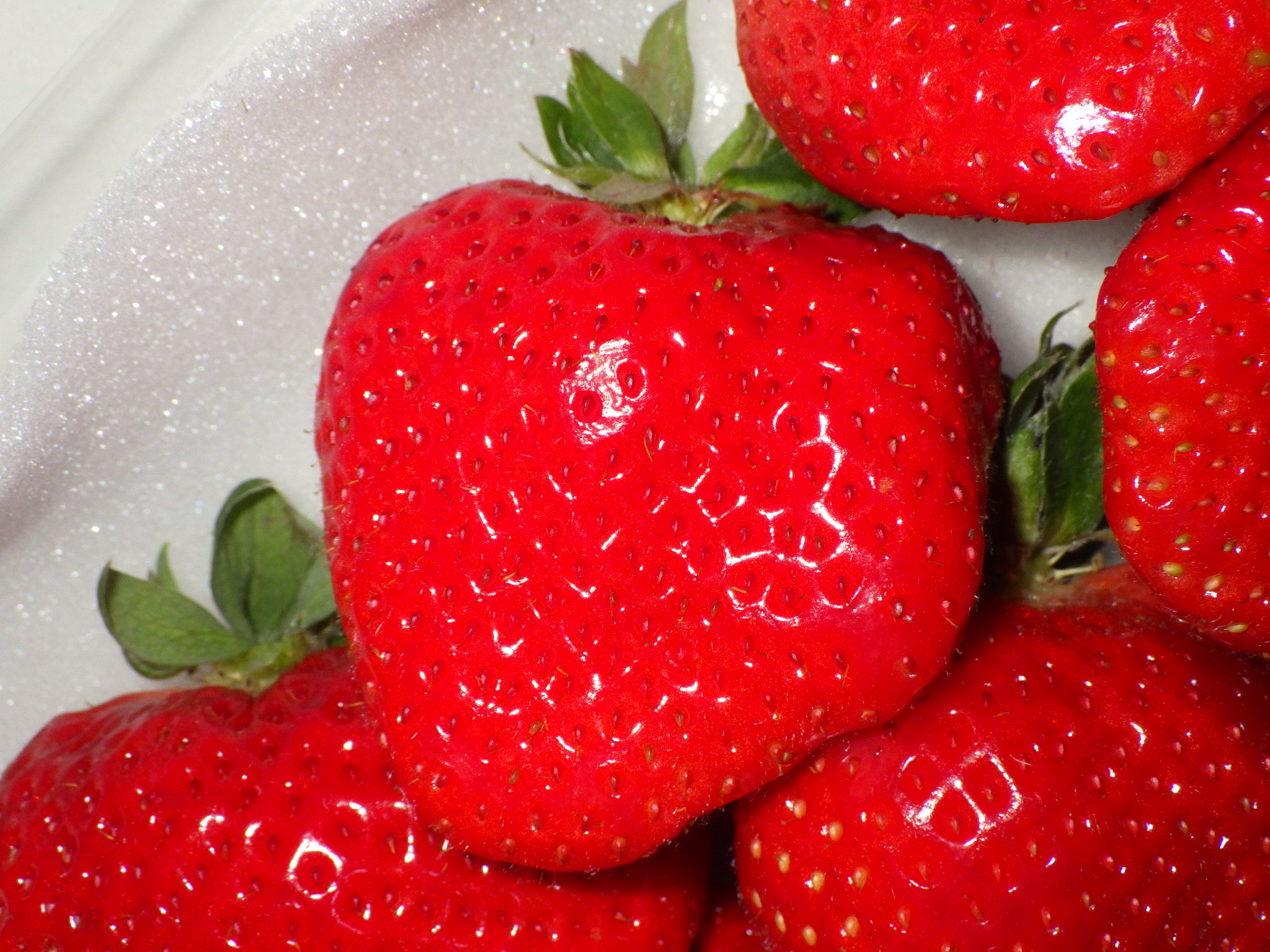
The Dutch strawberry (Fragaria x ananassa), now commonly known as "ichigo" in English, is a horticultural hybrid created in the 1750s in Brittany, France (Bourbon dynasty), by crossing the Virginia strawberry (Fragaria virginiana), native to North America, with the Chilean strawberry (Fragaria chiloensis), native to North and South America (Darrow & Wallace, 1966). It is cultivated worldwide, including in Japan, for its aggregate fruit, which is eaten as a dessert. In horticulture, it is sometimes classified as a fruit tree and sometimes as a vegetable, but botanically it is a herbaceous plant and does not grow into a tree. 'Amaou' is a representative horticultural variety.
The term "raspberry" is a general term for species belonging to the genus Rubus. Rubus hirsutus is a representative species commonly found in Japan.
"Wild strawberry" (Noichigo) is a common name and does not refer to a single biological species. It is a general term for certain species of the Rosaceae family native to Japan that produce edible red berries, as opposed to the Dutch strawberry (Strawberry jasminoides). Generally, it refers to a portion of the Rubus genus, although occasionally it may include the Fragaria genus (Indian strawberry).
Raspberry is a general term and does not refer to a single biological species. It is a collective term for certain species of the Rosaceae family that are native to Europe and produce edible red berries, as opposed to the Dutch strawberry. Generally, it refers to a part of the Rubus genus, but most commonly it refers to the European raspberry (Rubus idaeus). The aggregate fruit is eaten worldwide and used in desserts such as cakes.
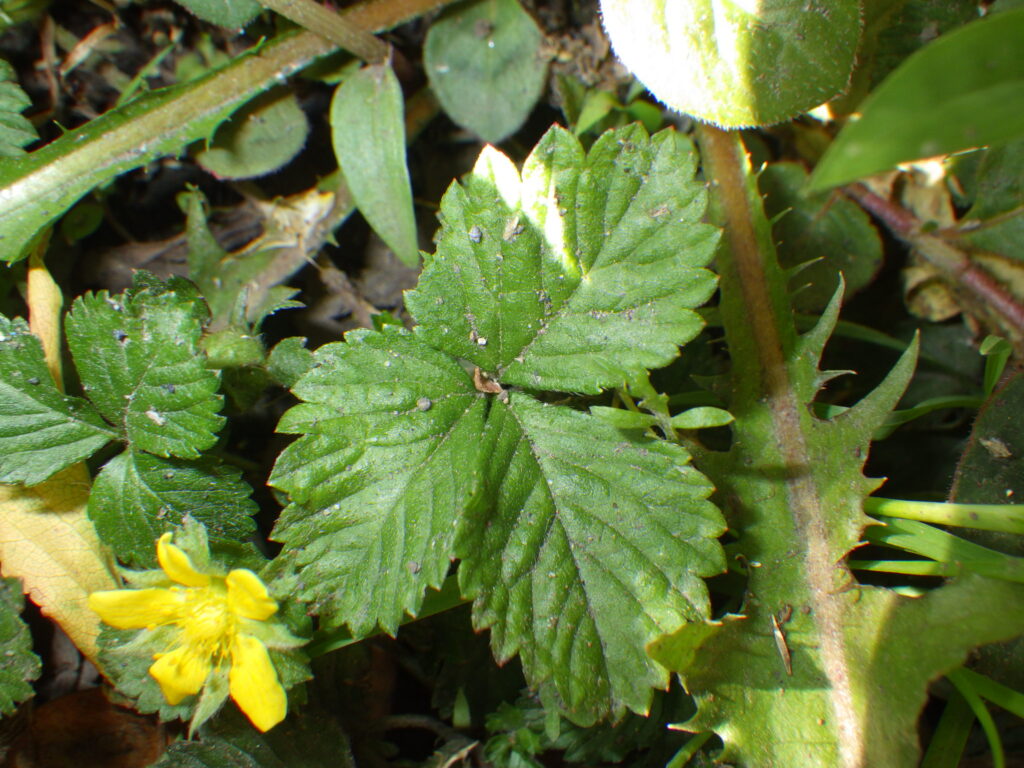
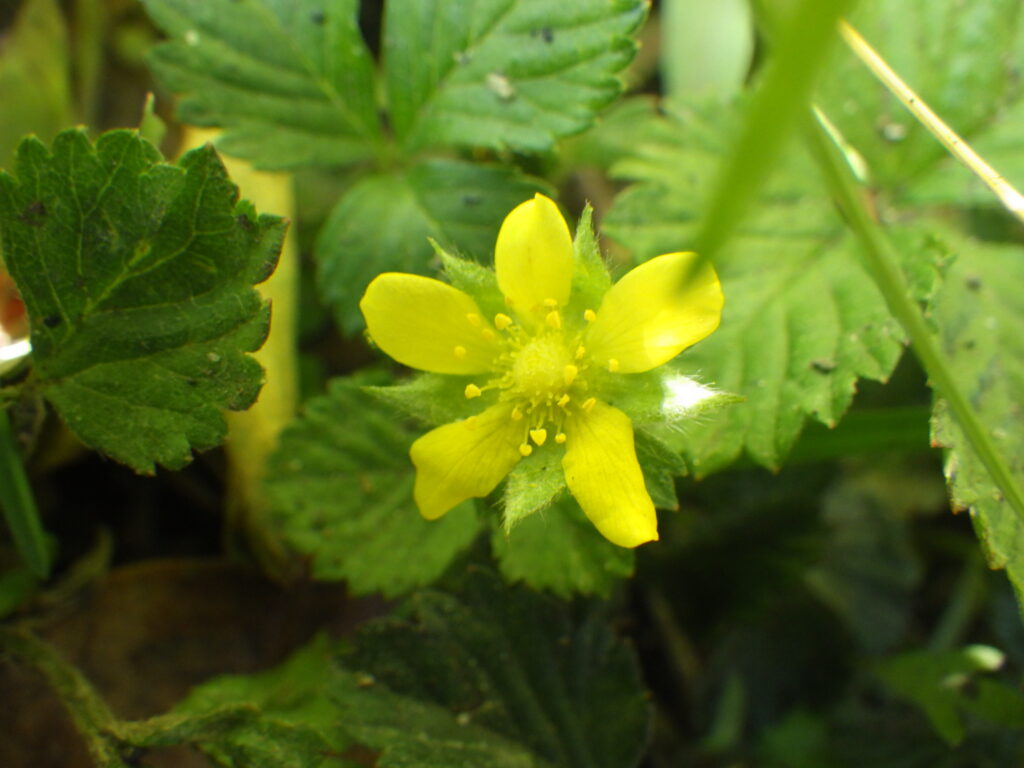
The term "hebiichigo" (snake strawberry) usually refers to only one species, Potentilla hebiichigo, which belongs to the genus Potentilla. However, it can also refer to any species in the genus Potentilla that have creeping above-ground stems, and may include other species such as Potentilla indica and Potentilla anemonifolia.
All of these belong to the rose family, and plants that bear red, berry-like fruits with small bumps are often collectively referred to as "strawberries."
While there is no formal definition of what constitutes a "strawberry," they all share the common characteristic of forming an "aggregate fruit" where multiple fruits, each developing from a single flower with multiple pistils, fuse together on a base such as a "receptacle."
However, because the terms are similar, few people may understand the exact differences between them.
What are the differences between the genus Rubus (Fragaria), the genus Rubus (Rubus), and the genus Fragaria (Duchesnea)?
These have clear morphological differences (Kanagawa Prefecture Flora Survey Association, 2018).
As mentioned above, wild strawberries and raspberries are not the official biological names, but rather a general term used in their habitats.
What are the differences between the remaining species in the genus Rubus (Fragaria), Rubus (Rubus), and Fragaria (Duchesnea)?
The most important difference is the structure of the fruit.
First and foremost, the edible parts of these plants, commonly known as strawberries, are botanically classified as "aggregate fruits."
This is created when multiple fruits, each having multiple pistils, develop from a single flower and fuse together using the receptacle (fruit base) or other structure as a foundation.
Therefore, the "strawberries" that appear in desserts are aggregate fruits, and the individual "seeds" within each berry are actually the "fruits" themselves.
However, even among aggregate fruits, the structures differ further between the genera Rubus, Rubus genus, and Fragaria species.
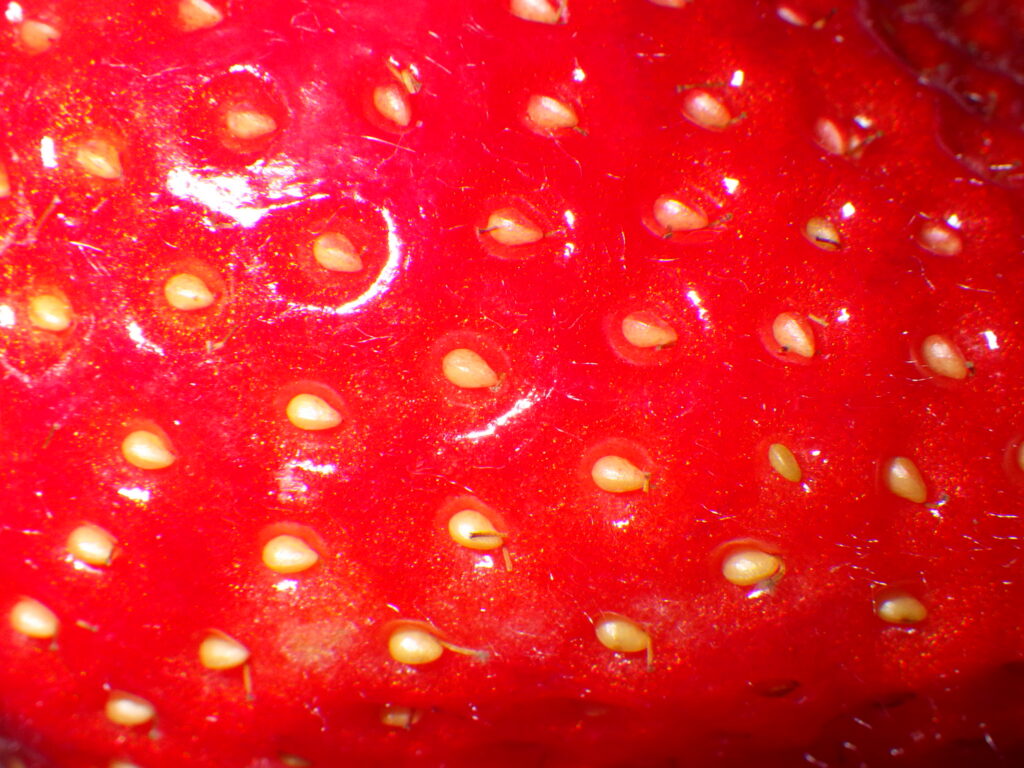
Specifically, in the genus Fragaria and the genus Strawberry, the receptacle (flower base) enlarges, and the fruit is granular, whereas in the genus Rubus, the receptacle does not enlarge, but the fruit enlarges.
This might sound complicated in writing, but it's easy to understand if you imagine the aggregate fruit of Dutch strawberries and raspberries that you often see in desserts.
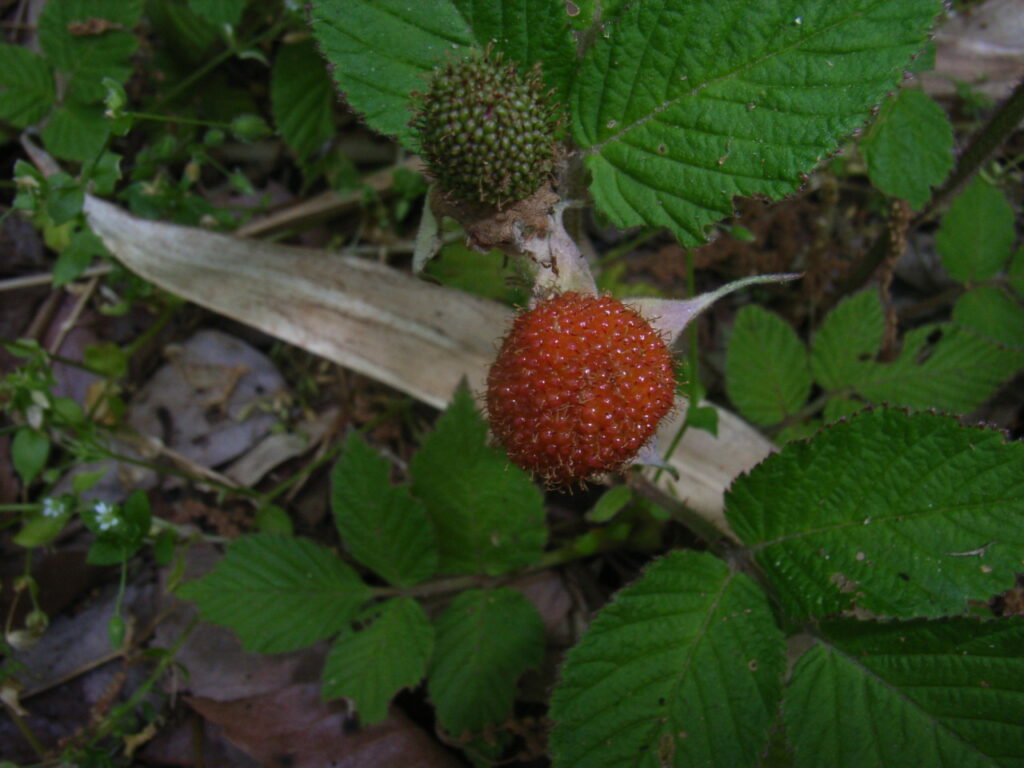
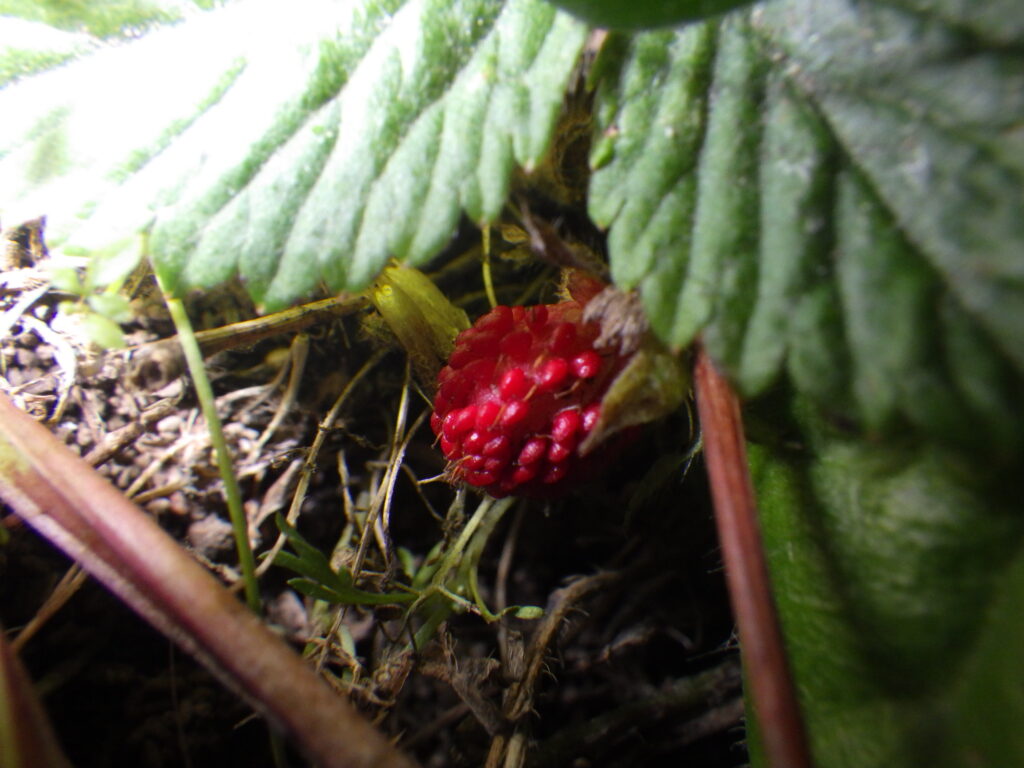
The aggregate fruit of the Dutch strawberry has a large, sweet red center containing tiny, seed-like fruits, while the aggregate fruit of the raspberry consists of a cluster of spherical fruits containing a sweet, juicy, popping texture similar to salmon roe. This is the key difference between the two groups.
Technically, the former is called an "etaerio," and the latter is called a "etaerio of drupelets."
Regarding the genus *Fragaria*, the receptacle swells like that of *Fragaria*, but it does not become liquor like *Fragaria*. Therefore, while *Fragaria* is edible, it is not tasty.
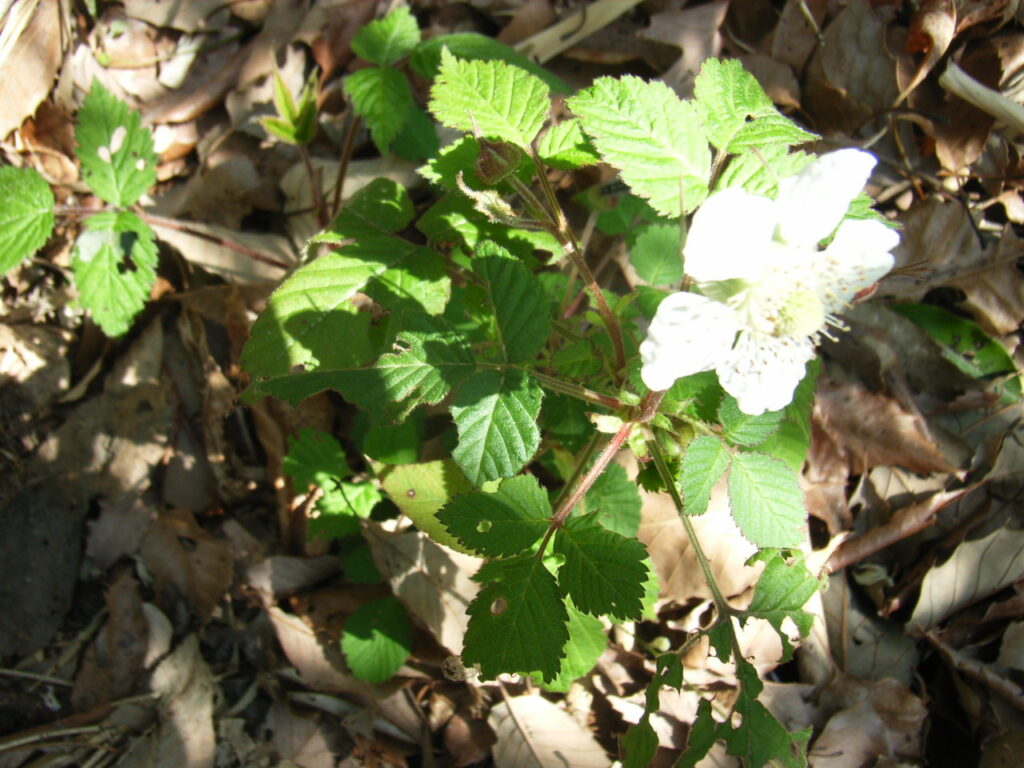
Another significant difference is that while plants in the genus Fragaria and Fragaria are herbaceous and have no thorns on their stems, plants in the genus Rubus are woody and have thorns on their stems. This is true to the Japanese name "kiichigo" (woody strawberry). Also, as the name "hebiichigo" (snake strawberry) suggests, its stems creep along the ground.
There are quite a lot of species in the genus Rubusa, Rubus genus, and Strawberry family, so we will explain how to distinguish between them in a separate article.
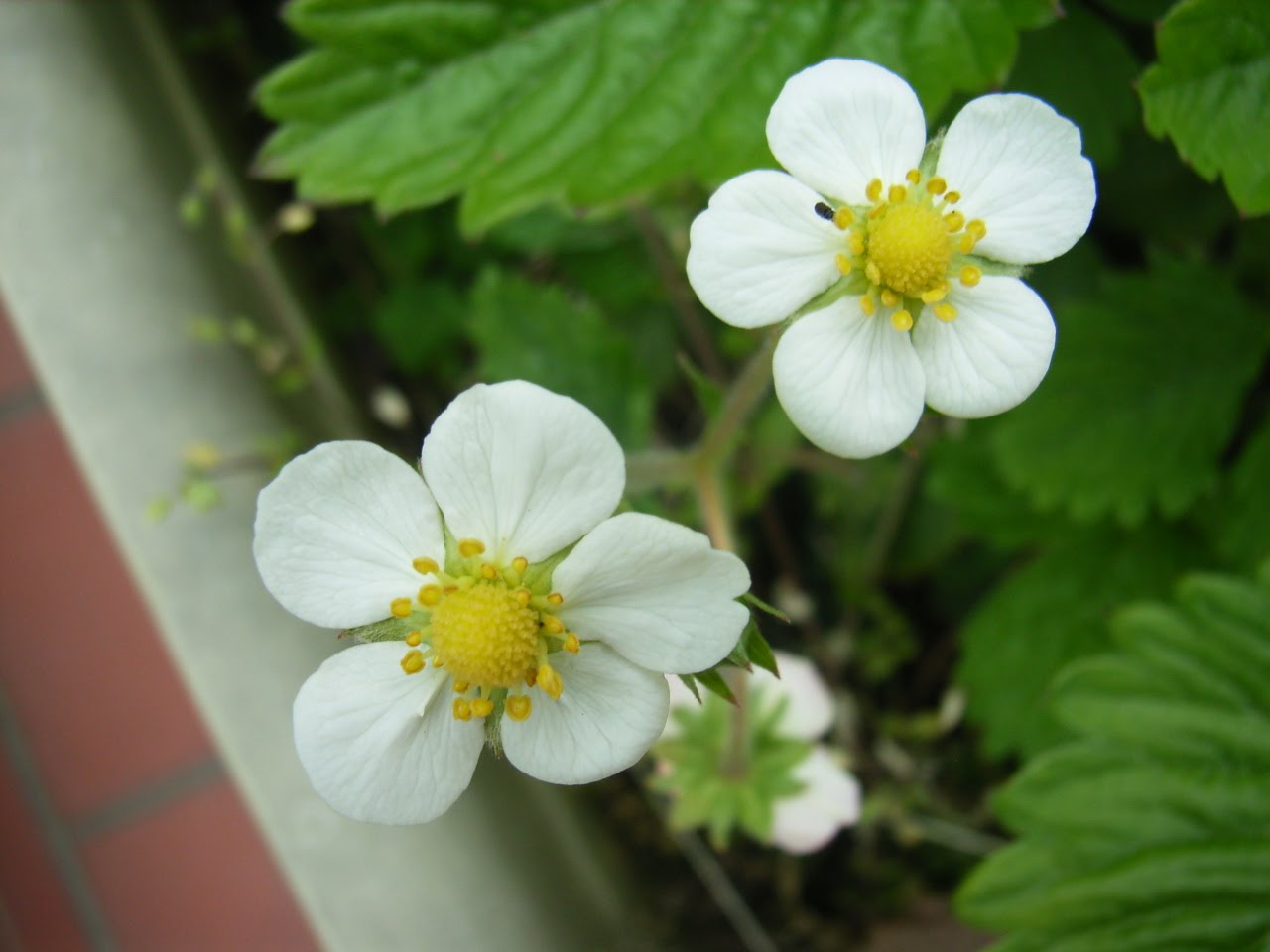
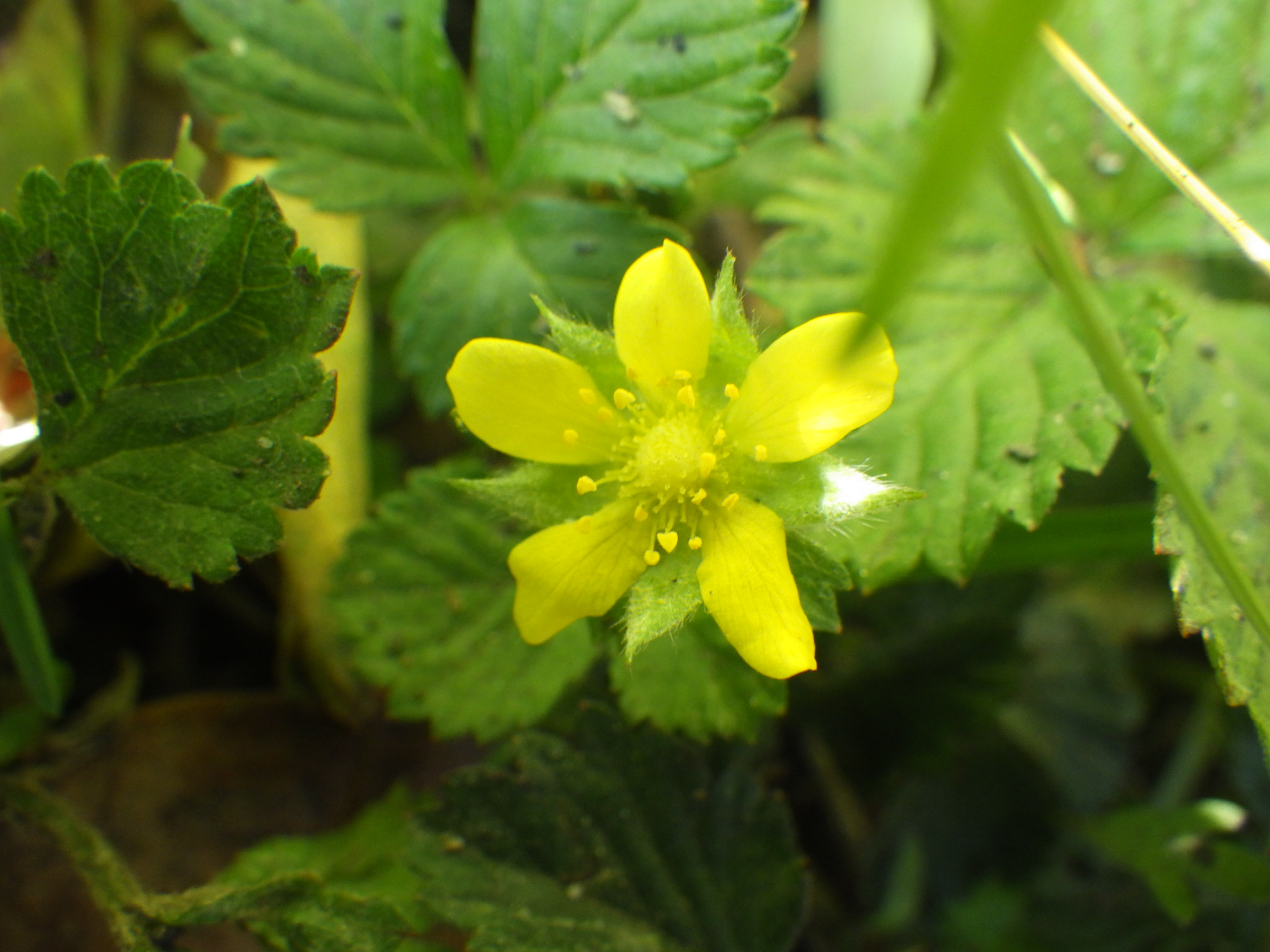
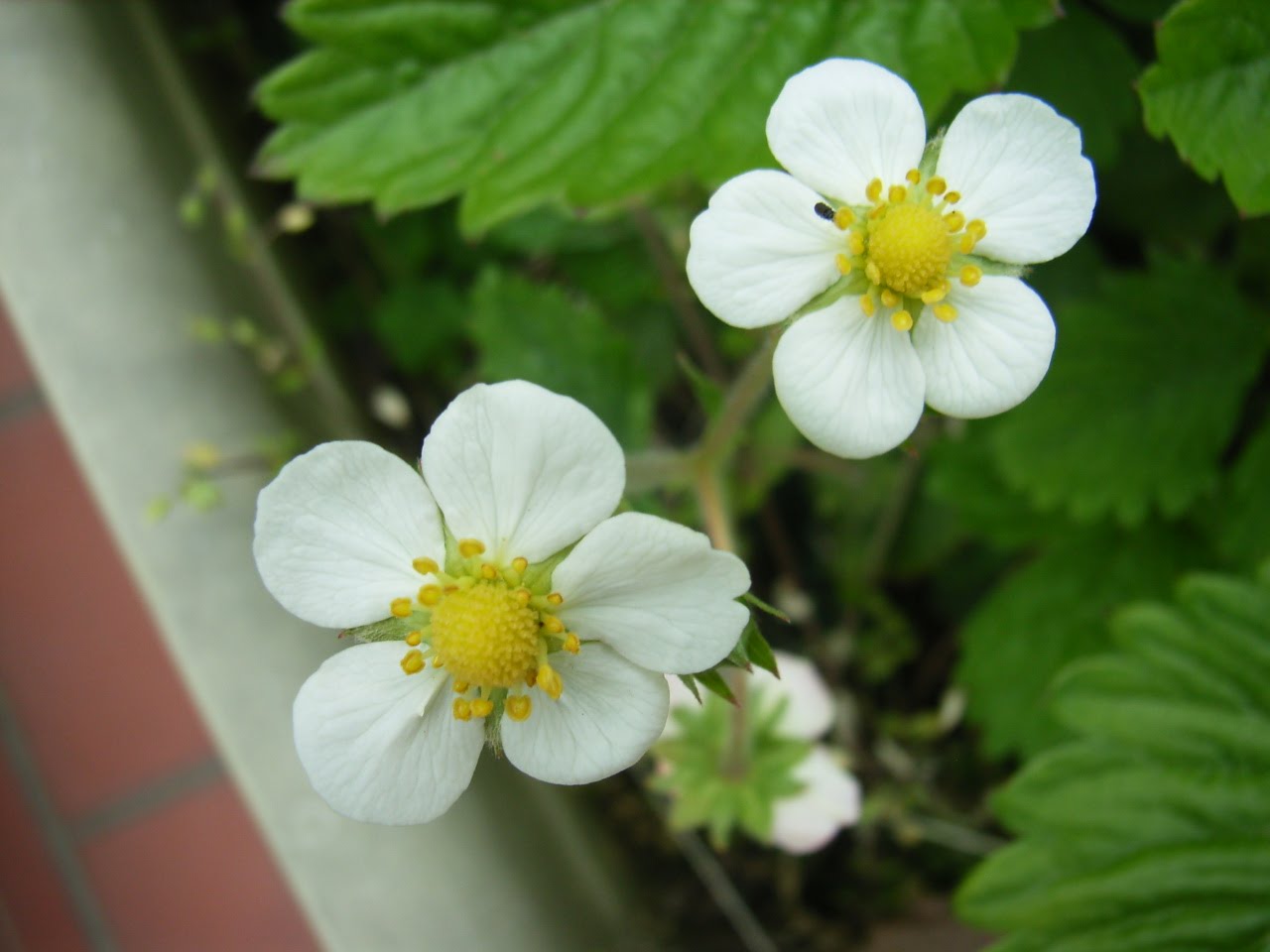
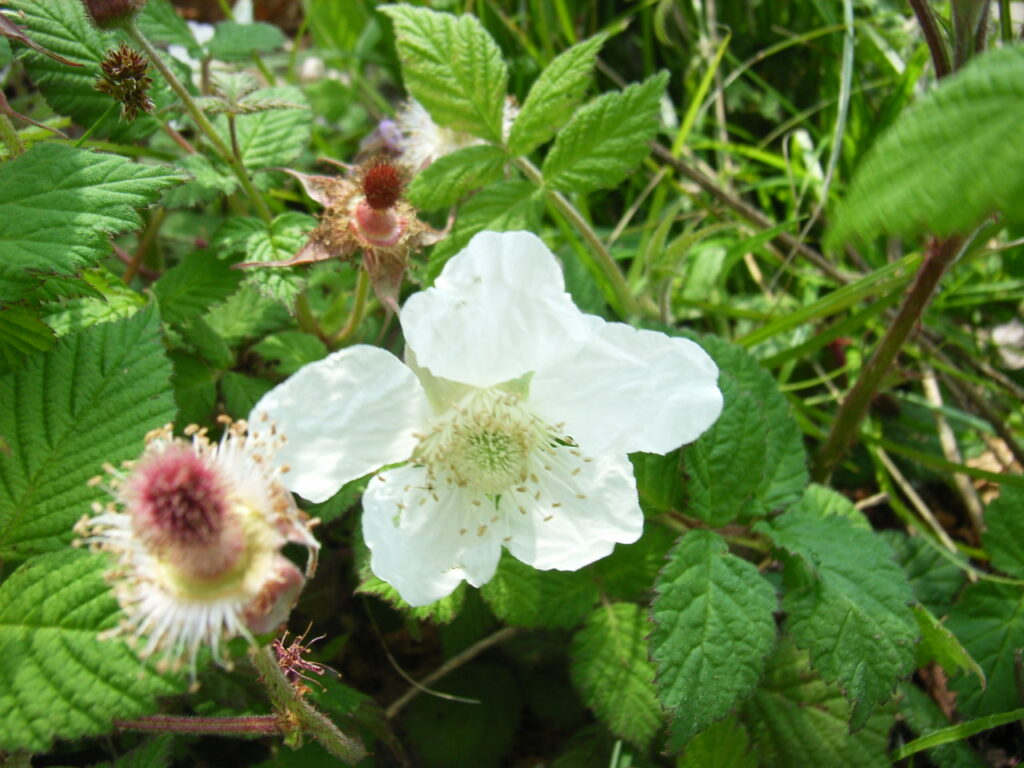
Below are photos of one representative type each.
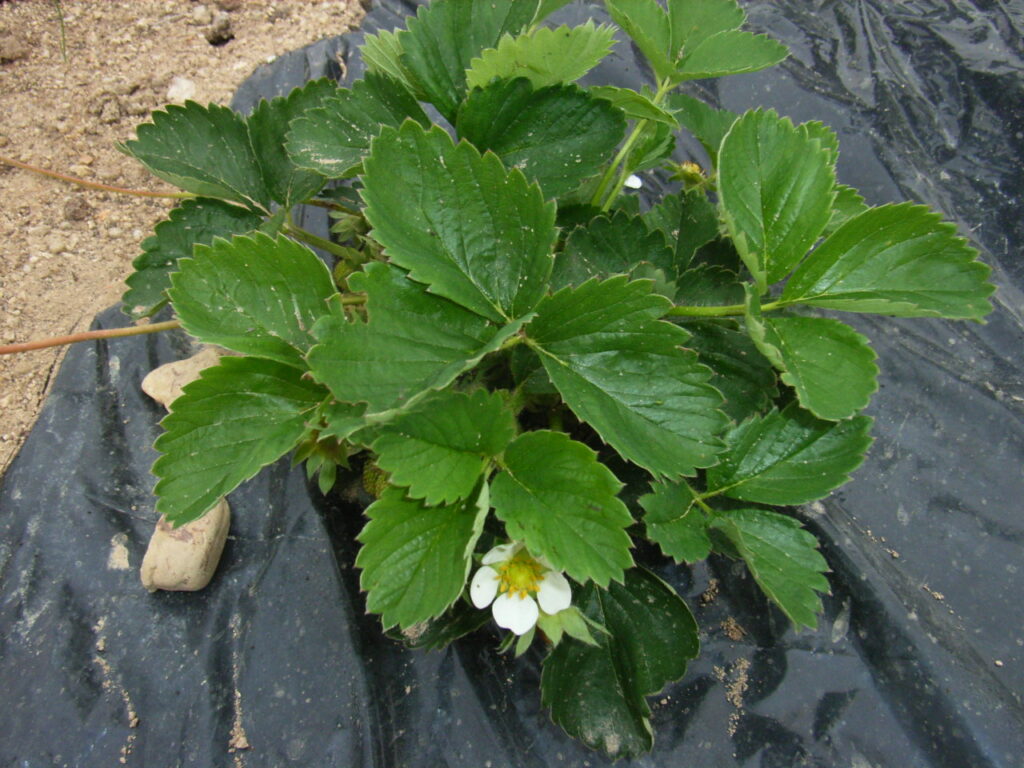
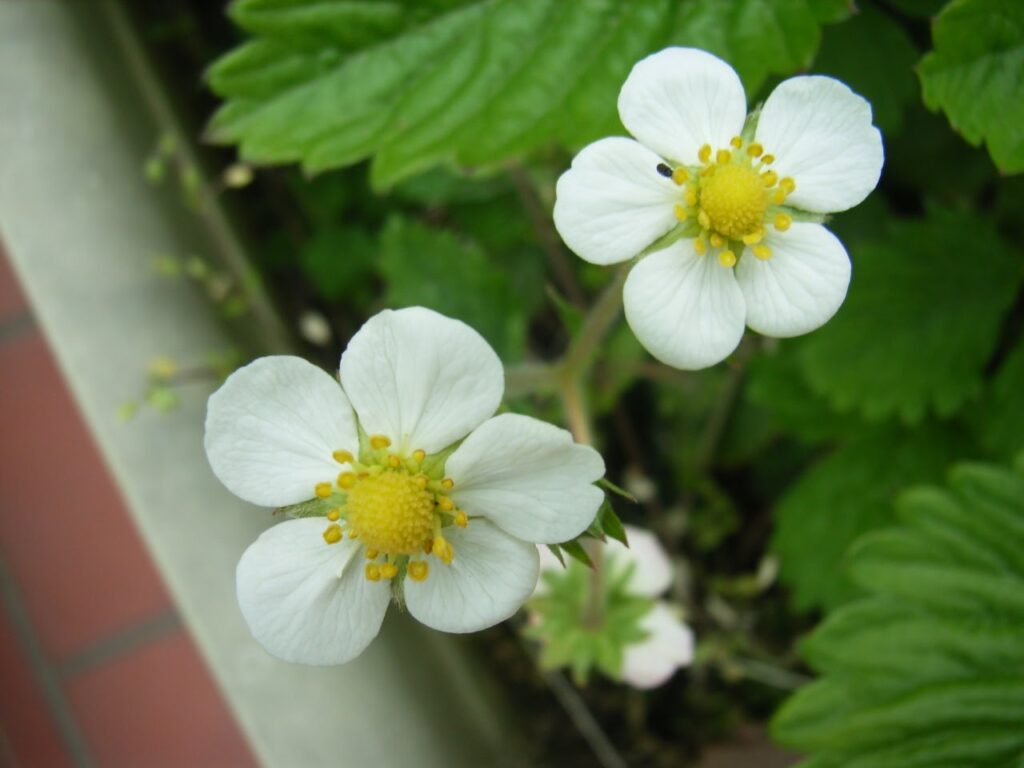
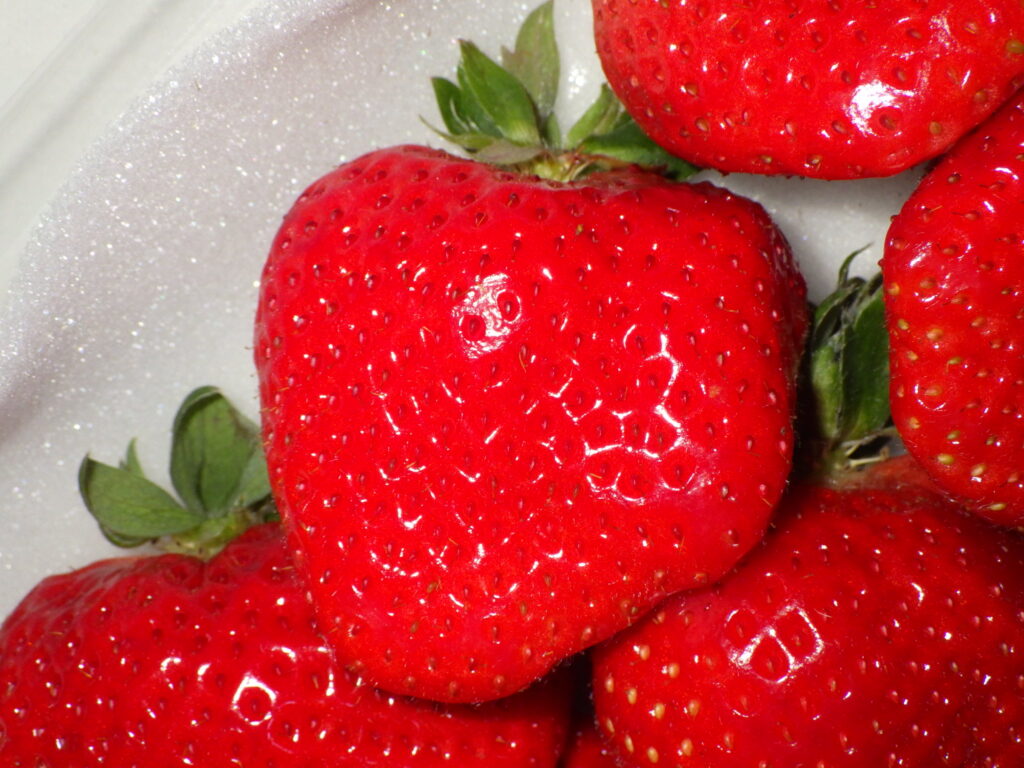
References
Darrow, GM, & Wallace, HA 1966. The Strawberry: History, Breeding, and Physiology. Holt, Rinehart and Winston, New York. 447pp. ISBN: 9780817340117
Kanagawa Prefecture Flora Survey Association. 2018. Kanagawa Prefecture Flora 2018 (Electronic Edition). Kanagawa Prefecture Flora Survey Association, Odawara. 1803pp. ISBN: 9784991053726