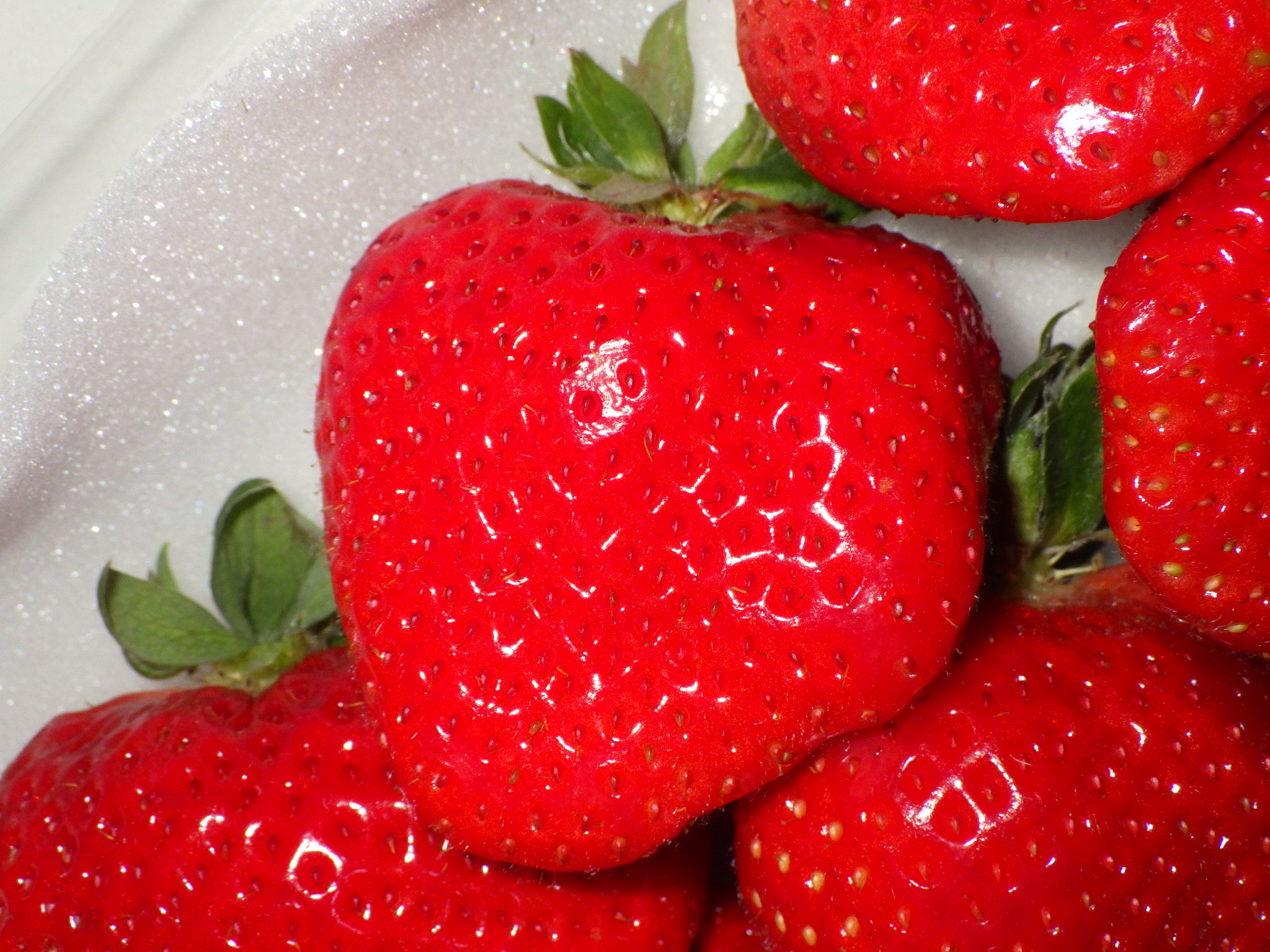
Both strawberries and wild strawberries (Ezo strawberries) belong to the genus Fragaria in the Rosaceae family. They are popular perennial plants whose aggregate fruit receptacles are red and swollen, making them edible. They are widely cultivated in Japan, and Fragaria japonica in particular is commercially grown in greenhouses during the winter months, in addition to its natural fruiting season of June and July, and is known as an important winter fruit (or vegetable). However, because the leaves and flowers are quite similar, some people may not be able to tell the difference depending on the season. Basically, there are differences in the shape and size of the aggregate fruit; as the name "wild" suggests, wild strawberries are smaller and more spherical. Another clear difference is the condition of the hairs on the pedicels. They are sometimes confused with the snake strawberry due to their Japanese names, but they can be distinguished by the color of the flowers and the structure of the aggregate fruit. In terms of taste, wild strawberries are less sweet. This article will explain the classification, morphology, and uses of the Fragaria genus.
What are Dutch strawberries and wild strawberries?
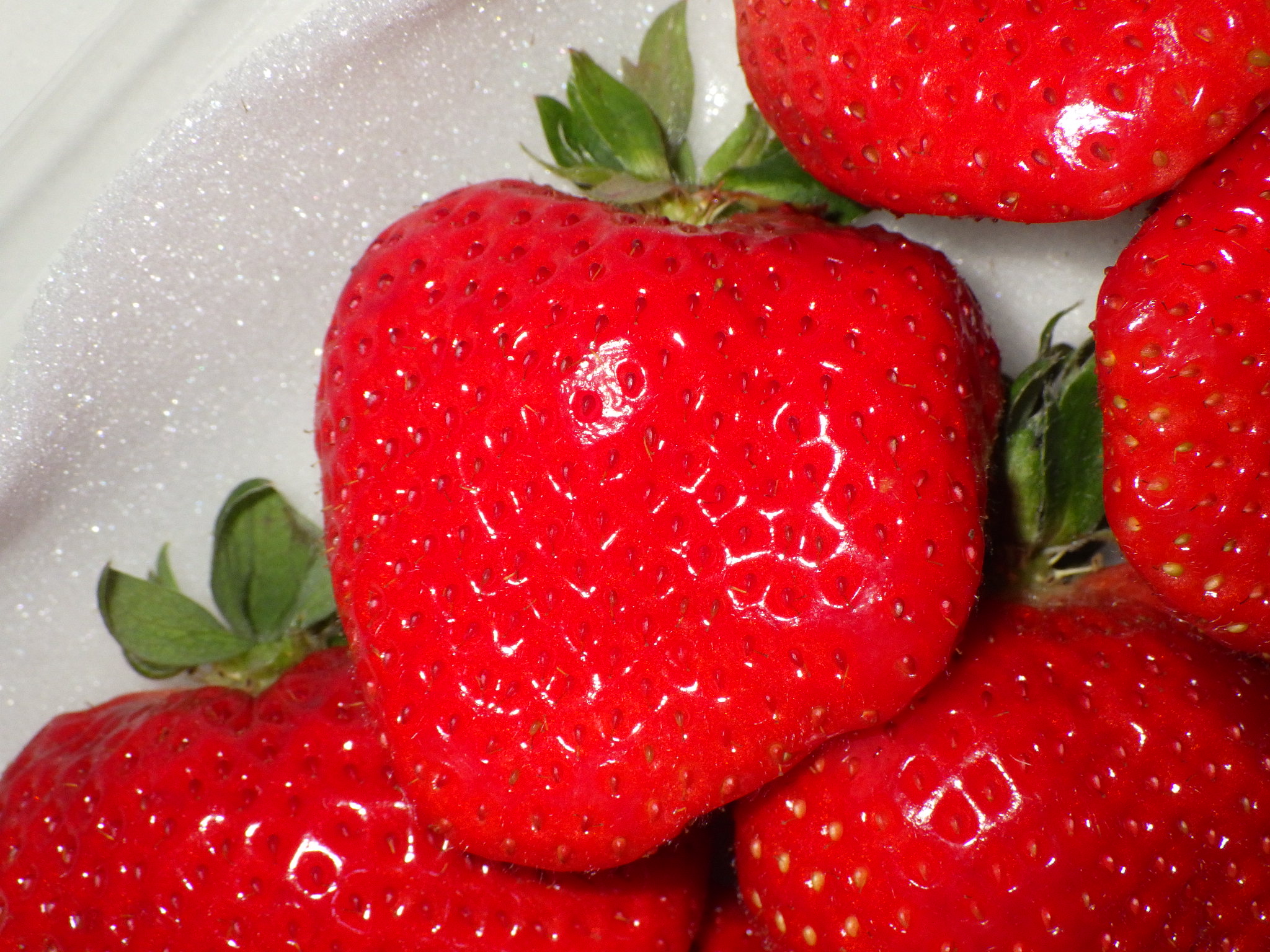
The Dutch strawberry (Fragaria x ananassa), now commonly known as "ichigo" in Japanese, is a perennial horticultural hybrid created in the 1750s in Brittany, France (Bourbon dynasty), by crossing the Virginia strawberry (Fragaria virginiana), native to North America, with the Chilean strawberry (Fragaria chiloensis), native to North and South America (Darrow & Wallace, 1966). Despite the name "Dutch," it was not created in the Netherlands. The description in the Japanese Wikipedia is incorrect. The name comes from the fact that it was introduced to Japan by the Dutch during the Edo period. It is cultivated worldwide, including in Japan, for its aggregate fruit to be eaten as a dessert. In horticulture, it is sometimes classified as a fruit tree and sometimes as a vegetable, but botanically it is a herbaceous plant and does not grow into a tree. 'Amaou' is a representative horticultural variety.
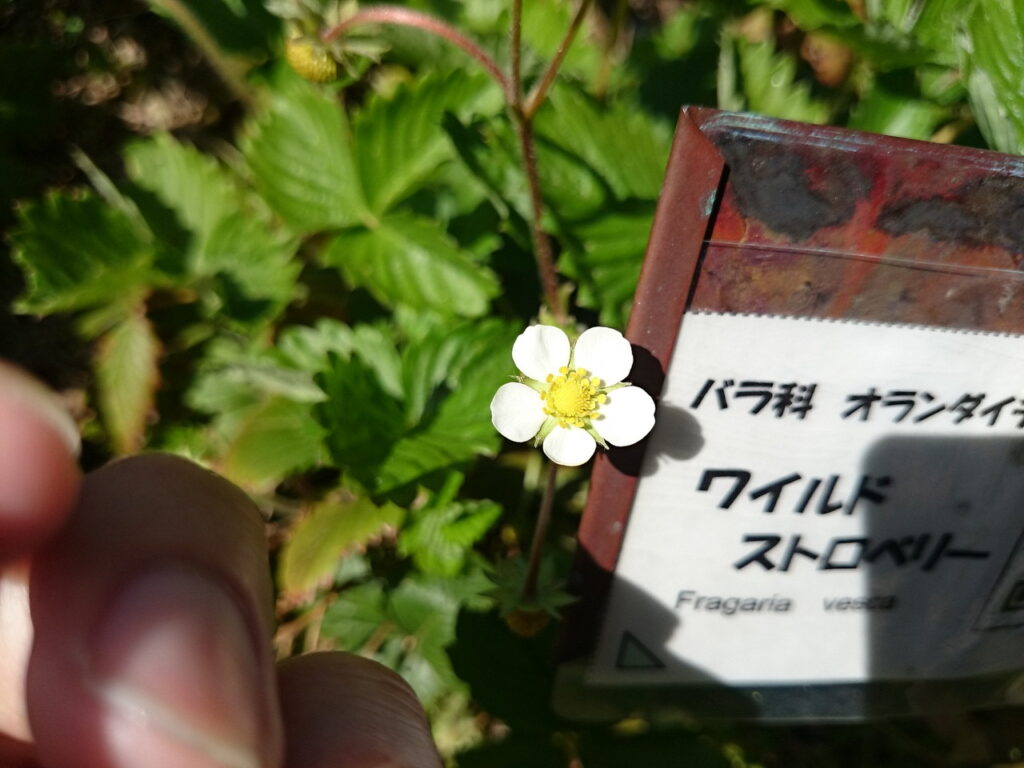
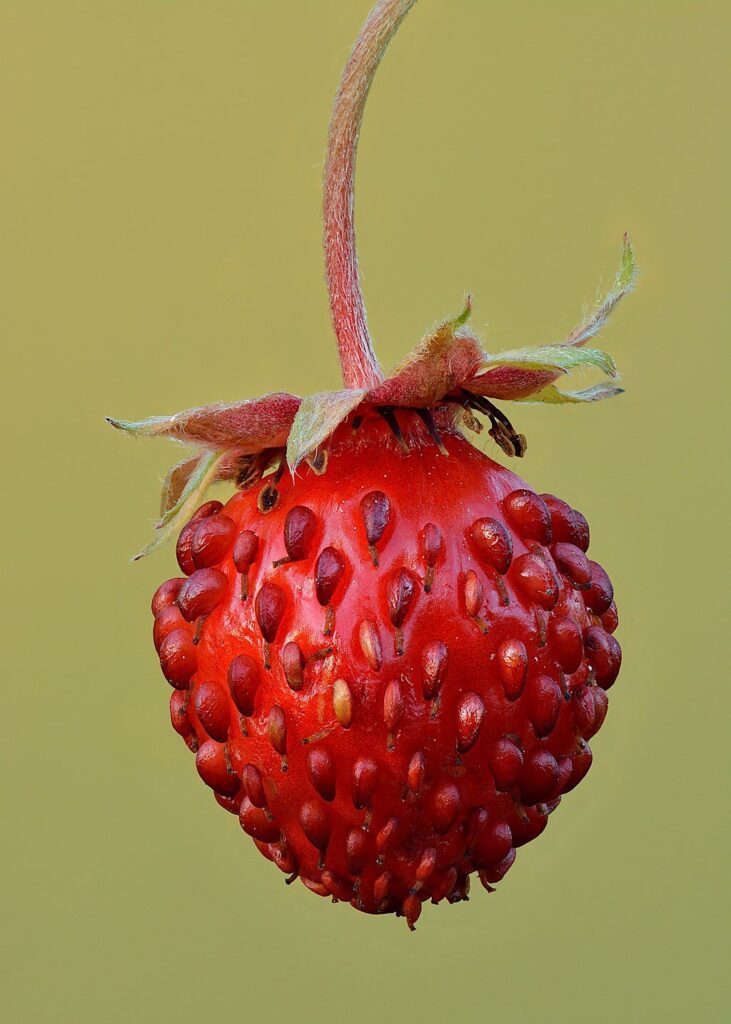
Fragaria vesca, commonly known as wild strawberry, is native to North America, Europe, North Africa, West Asia, and Siberia. It is a perennial plant that grows in forests, on mountain slopes, and in pastures. In Japan, it is cultivated for ornamental or edible purposes, and escaped plants have become naturalized in Hokkaido.
Both belong to the genus Fragaria in the family Rosaceae, and are very popular perennial plants because their aggregate fruit receptacles turn red and swell, making them edible.
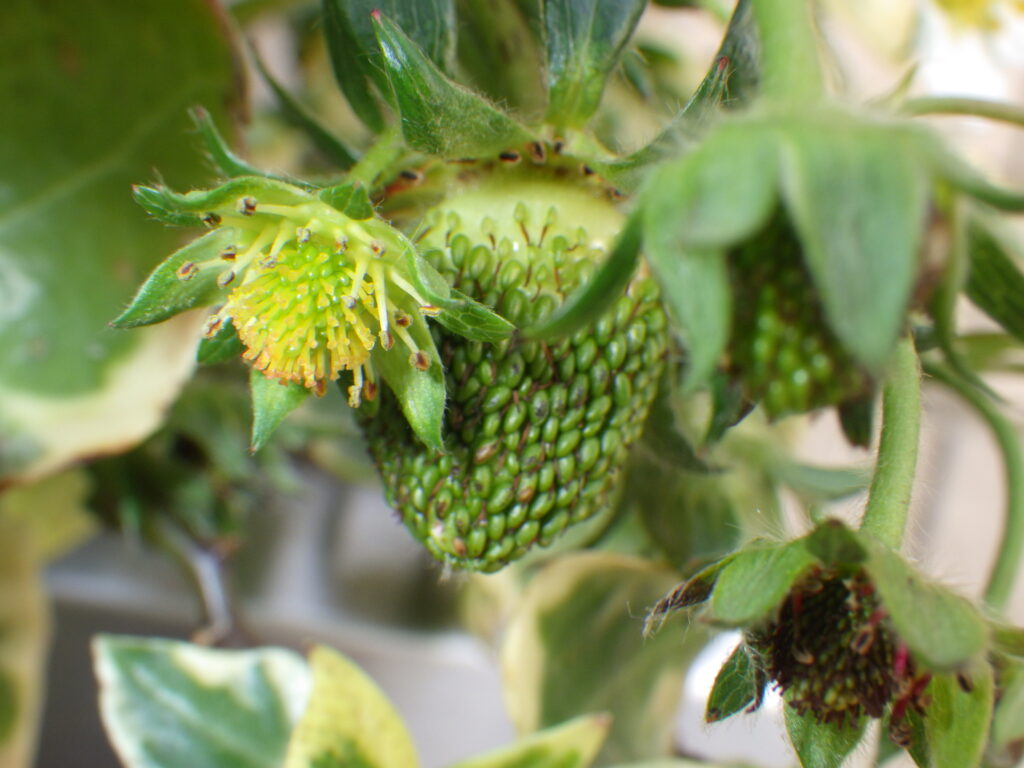
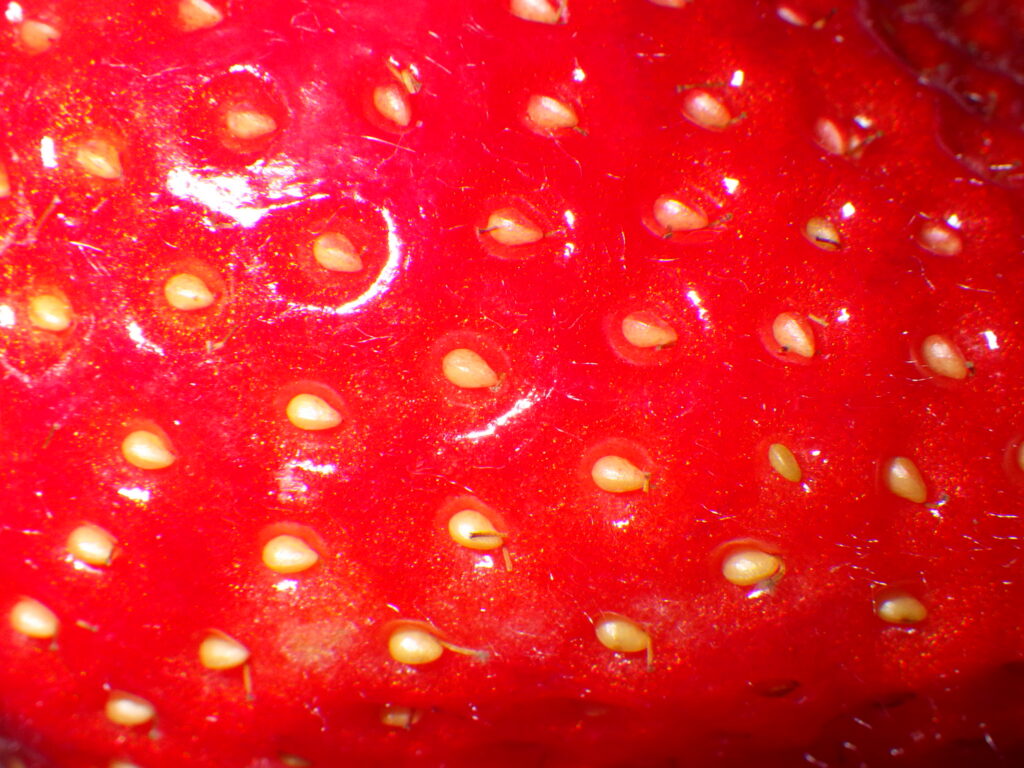
It's a common misconception, but it's important to note that what we call a "strawberry" is actually a compound fruit, and the small, seed-like "bumps" are actually the "fruits" themselves.
These two varieties are widely cultivated in Japan, and the Dutch strawberry, in particular, is grown in greenhouses not only during its natural fruiting season of June and July, but also commercially during the winter, and is known as an important winter fruit (or vegetable). It pairs exceptionally well with desserts, especially shortcake. Strawberry jam, strawberry milk, and strawberry mochi are also indispensable for gourmets.
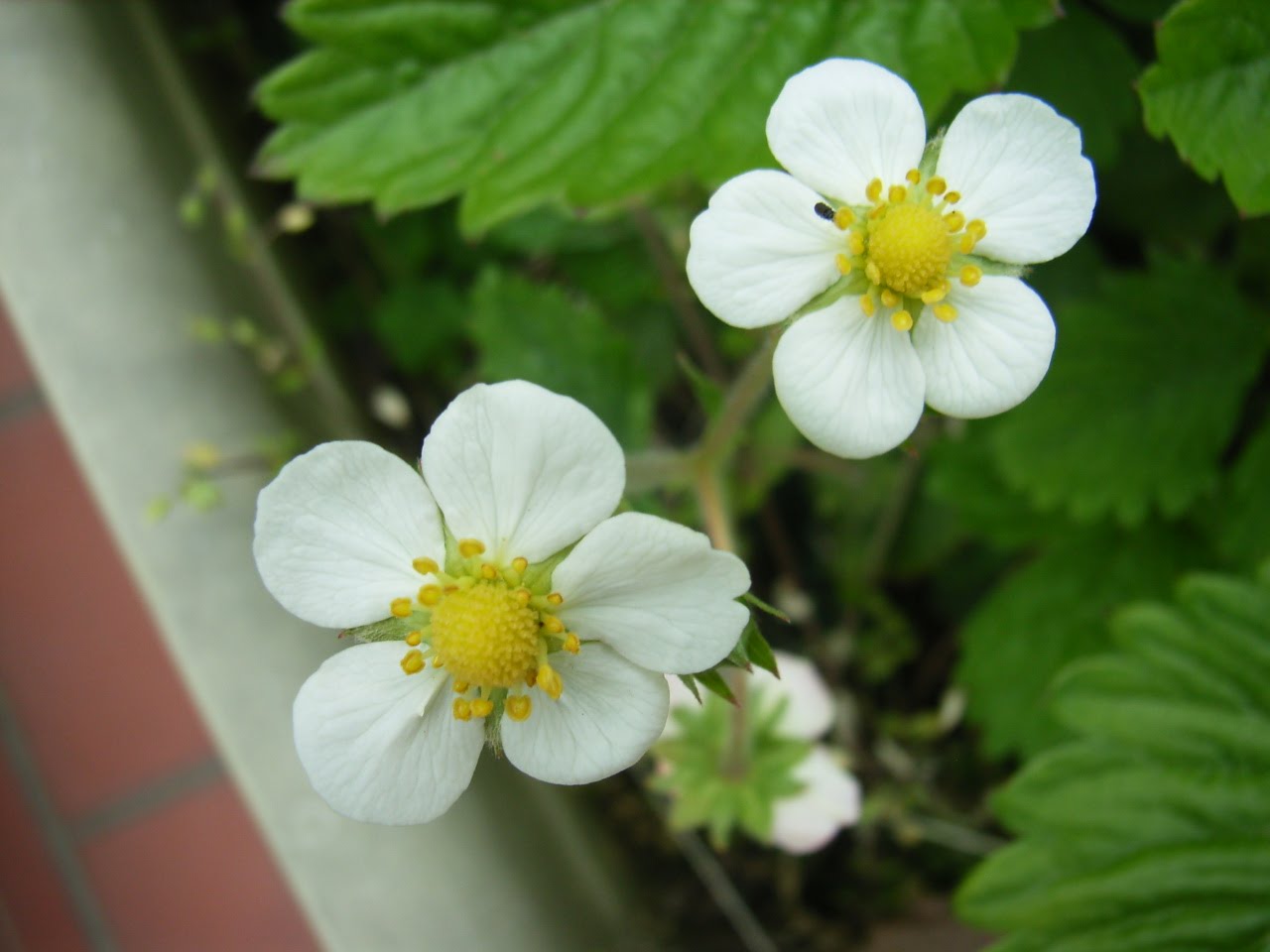
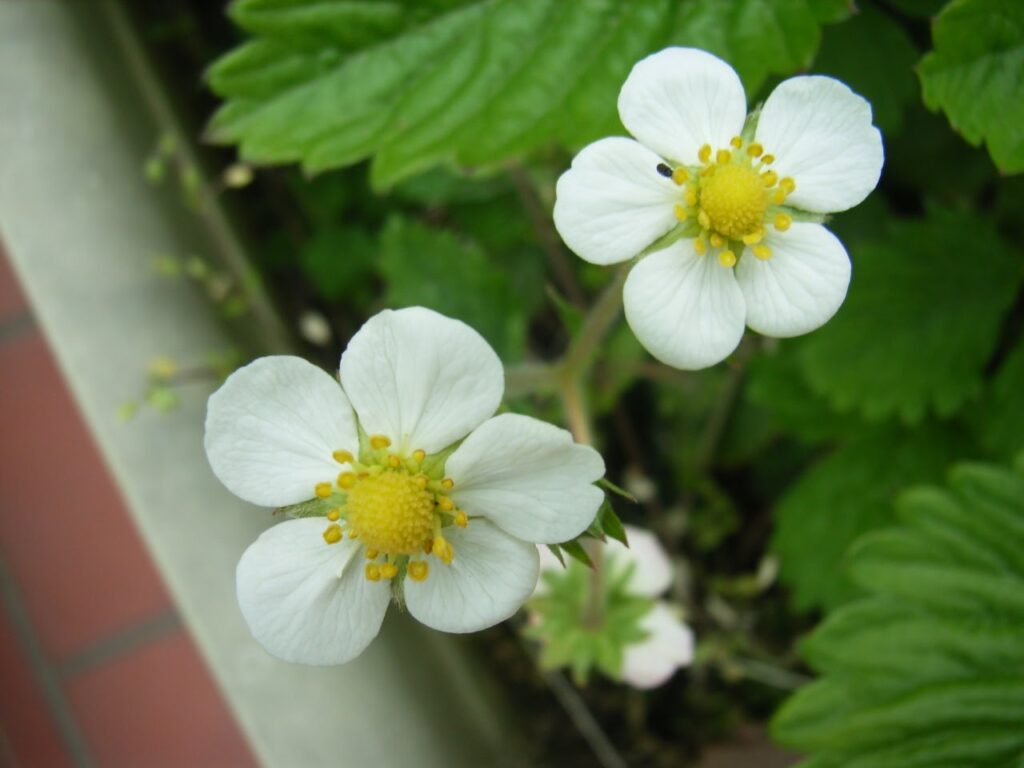
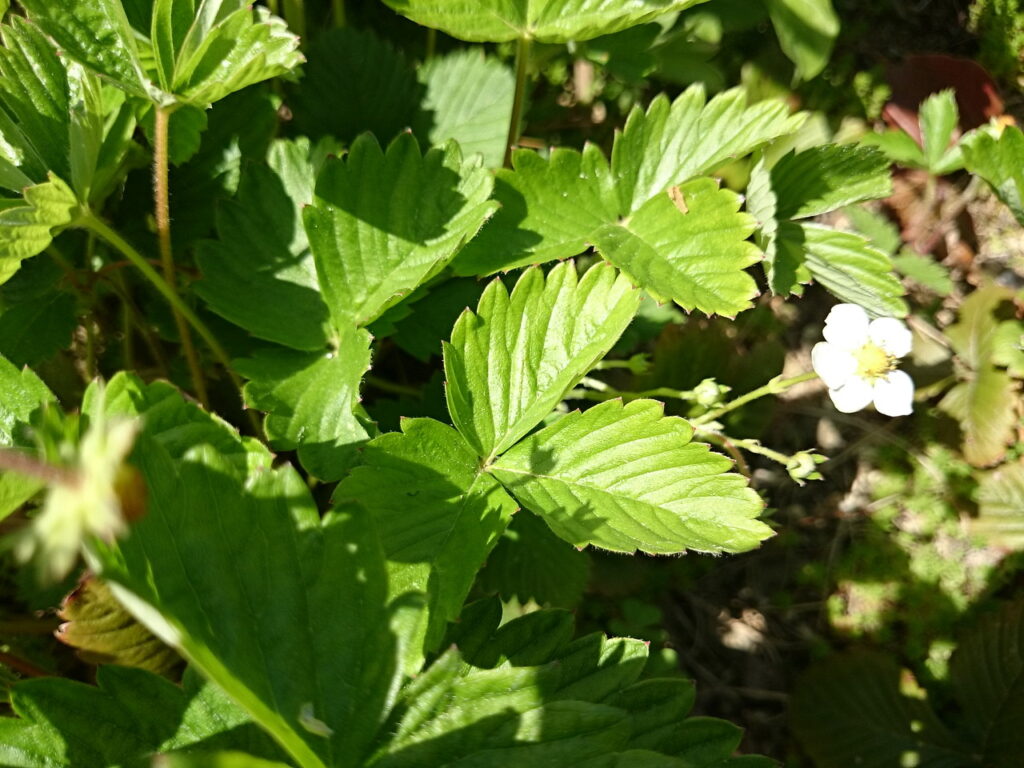
Morphologically, they share many similarities, such as having trifoliate compound leaves, white petals, and a receptacle that swells and turns red after flowering, forming a compound fruit called a "strawberry-like fruit" with achenes on its surface.
Therefore, it may be difficult to understand the difference between them. Also, due to its Japanese name, "Ezo Hebiichigo" (Ezo Snake Strawberry), wild strawberries are sometimes confused with snake strawberries.
What is the difference between Dutch strawberries and wild strawberries?
The fundamental difference between Dutch strawberries and wild strawberries lies, as mentioned above, in their origins or place of origin.
The Dutch strawberry is a hybrid created by the French through artificial crossbreeding of two strawberry species found in the Americas, in an attempt to produce a more delicious aggregate fruit (Darrow & Wallace, 1966). Therefore, it does not exist in the wild.
On the other hand, wild strawberries are a species that originally grew wild in a wide area of North America and Eurasia. Their aggregate fruit is quite large, and they were sometimes eaten, which is likely how they got the name "wild."
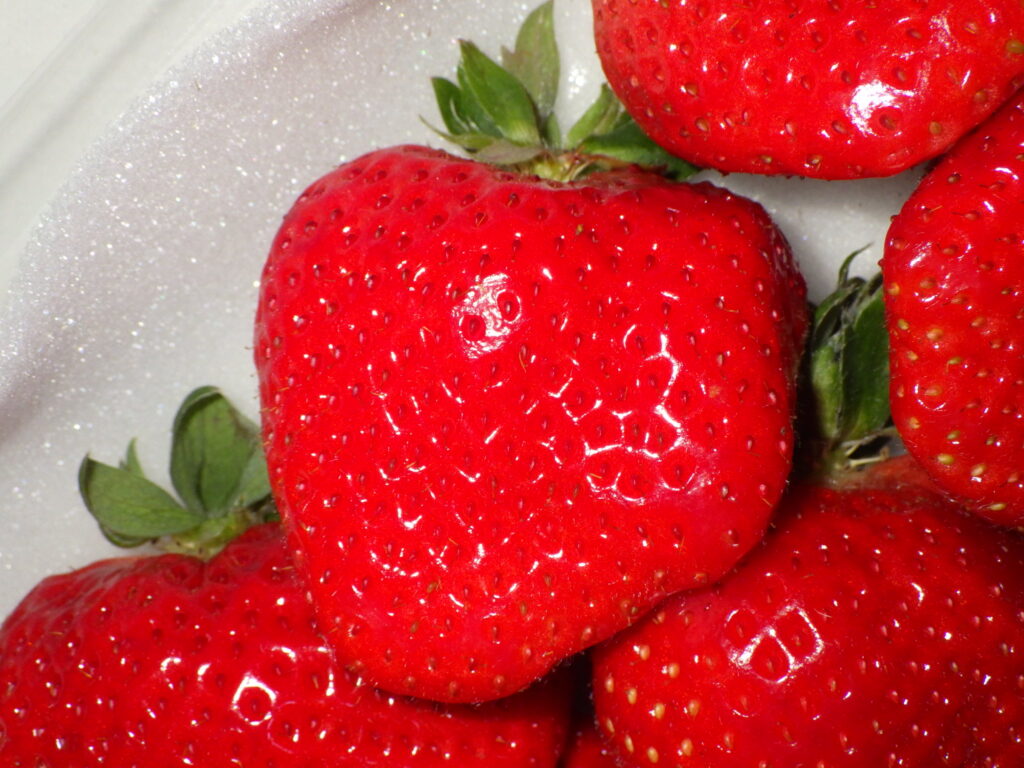
As can be seen from this history, the aggregate fruit of the Dutch strawberry is clearly larger and typically close to a cone shape, while that of the wild strawberry is relatively smaller and closer to a sphere shape.
However, if there is no aggregate fruit, the shape of the flowers and leaves can be very similar, making it difficult to distinguish between them. Is there a way to tell them apart?
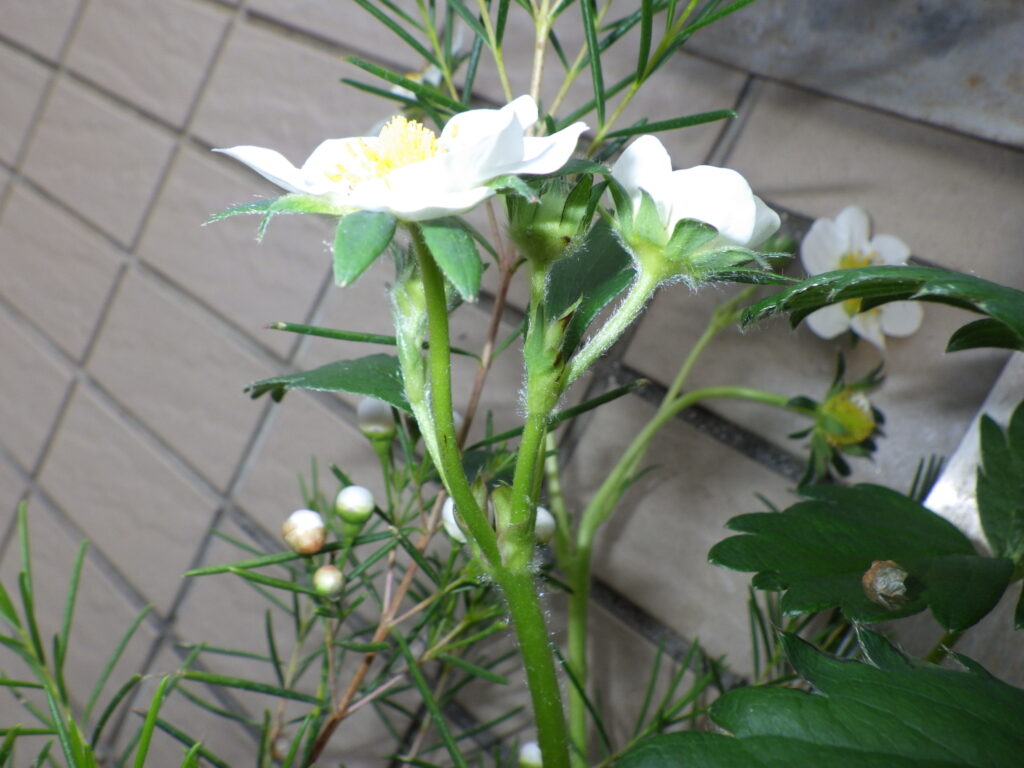
In reality, even without aggregate fruits, they can be distinguished if flowers are present (Wu et al., 2003).
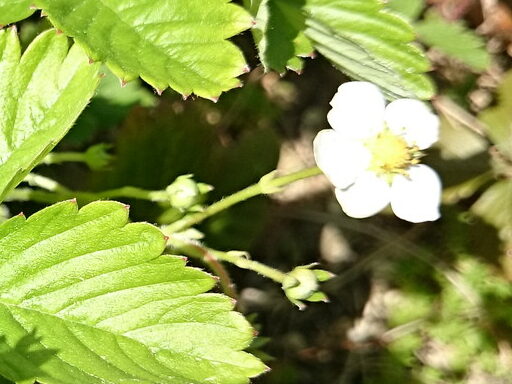
Specifically, the difference lies in the hairs on the pedicels (the thin parts connecting the flower to the stem). Strawberries have straight hairs (upright hairs), while wild strawberries have appressed hairs (flattened hairs) on their pedicels.
This is also evident from the outside; if the small flower stalks are covered in coarse hairs, it's a Dutch strawberry, and if they don't, it's a wild strawberry, making it easy to identify.
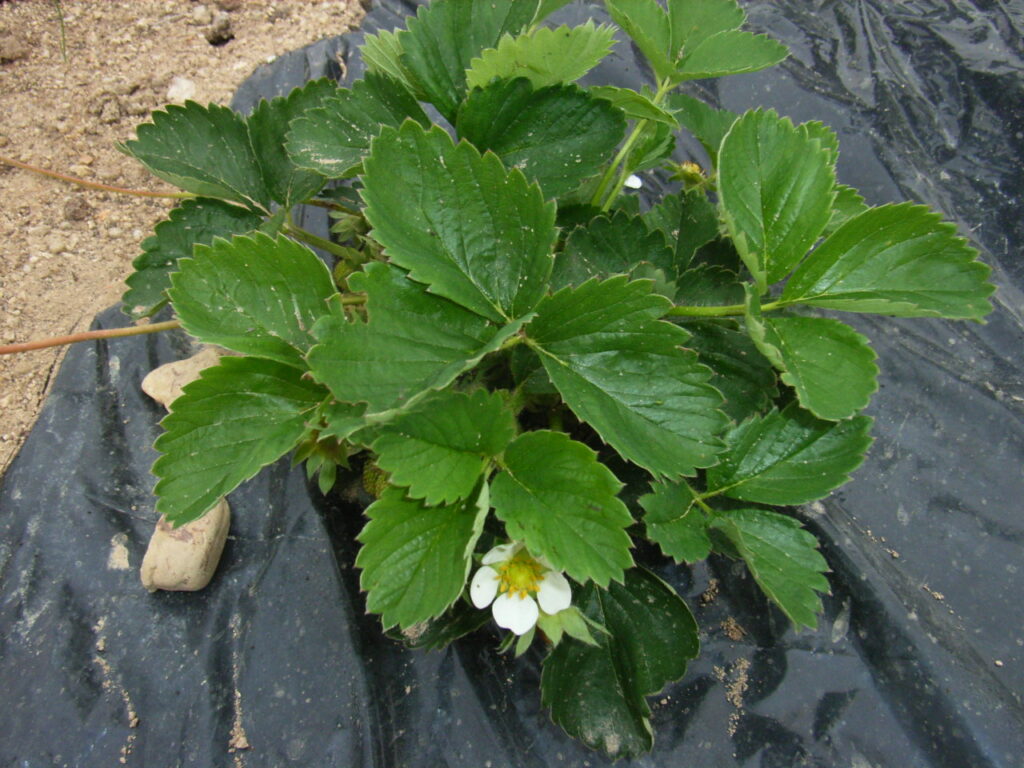
It's difficult to distinguish them without flowers and fruit, but generally, the leaves of the Dutch strawberry are larger than those of the wild strawberry.
What are the differences in uses and taste between Dutch strawberries and wild strawberries?
Are there any differences in the uses of Dutch strawberries and wild strawberries?
Dutch strawberries are commonly eaten fresh and are used to decorate and top Western-style sweets such as shortcakes, tarts, and pies. They are also used as an ingredient in Japanese sweets such as strawberry daifuku. Processed strawberries are used as an ingredient in strawberry jam and strawberry juice, and are often incorporated into ice cream and other confectionery.
Dutch strawberries typically have a sweet and sour taste, or are generally very sweet. Condensed milk is sometimes added to enhance the sweetness.
On the other hand, wild strawberries can be eaten fresh, but are usually processed and used in the preparation of sauces, jams, juices, syrups, dairy products, liqueurs, and cosmetics (Dias et al., 2016). Compared to Dutch strawberries, they are more often grown for personal consumption than for commercial purposes. However, they seem to be quite popular in Turkey (Güney & Cömert, 2022).
The taste of wild strawberries varies greatly from one berry to another. Some have a mild flavor, while others are very tart and sweet. Larger, more mature strawberries can be quite sweet.
What is the difference between wild strawberries and mock strawberries?
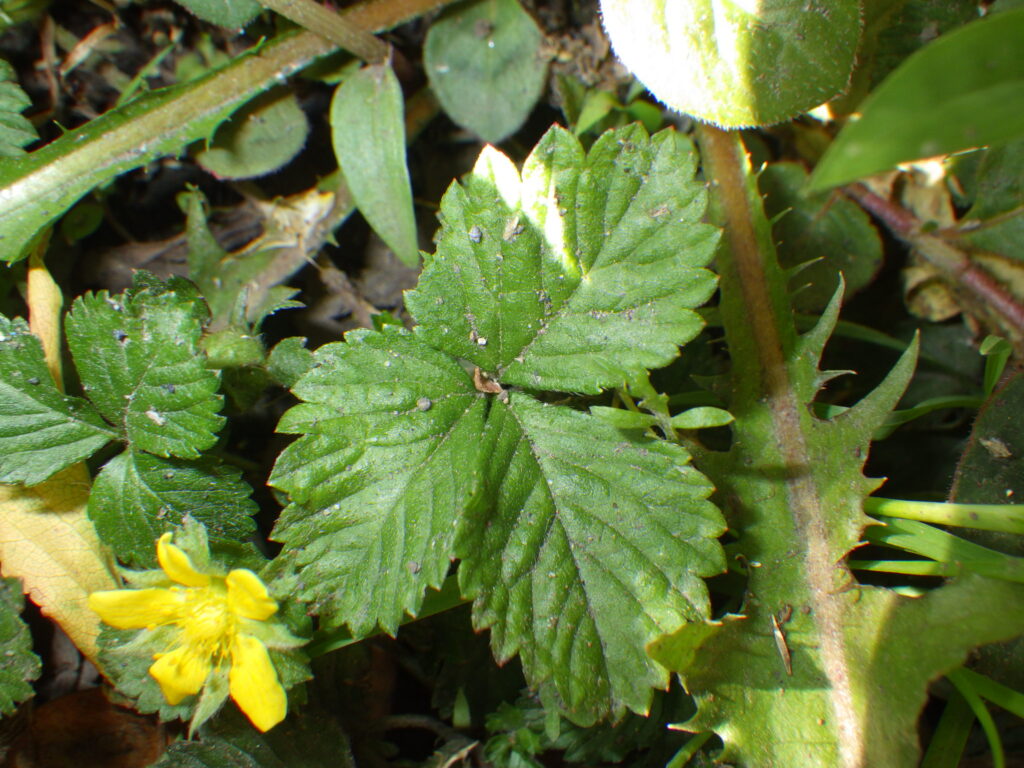
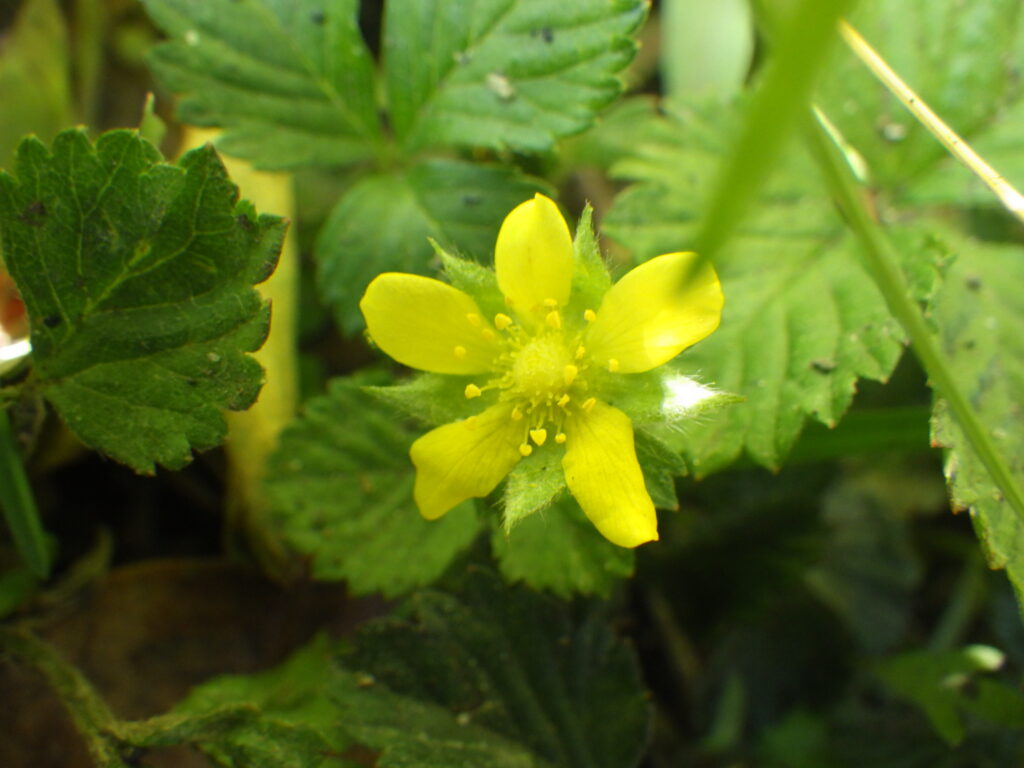
The Japanese name for wild strawberry is Ezo-hebiichigo, and it has many characteristics similar to other members of the Potentilla genus, such as forming stolons and being used as ground cover.
However, as mentioned above, wild strawberries belong to the genus Fragaria, so their classification is different.
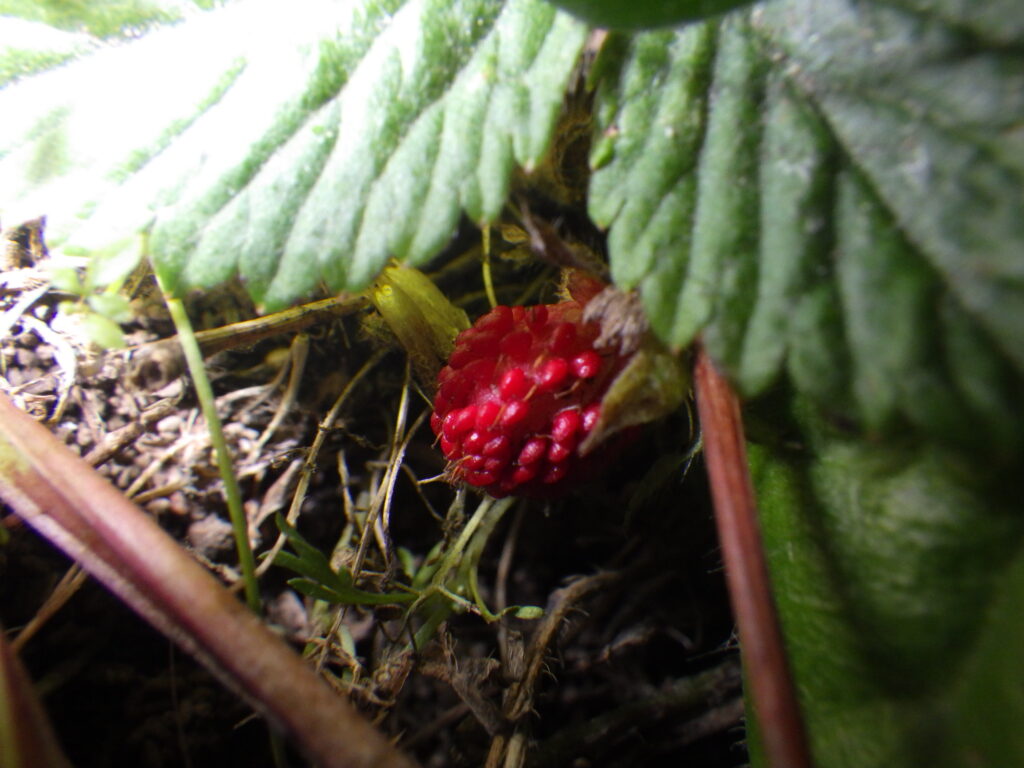
As explained in another article, the specific differences lie in the structure of the fruit. While the receptacle of the aggregate fruit in the *Potatostegus* genus is enlarged, it does not have as much juice as wild strawberries and is not very sweet. Therefore, it is not very tasty for humans.
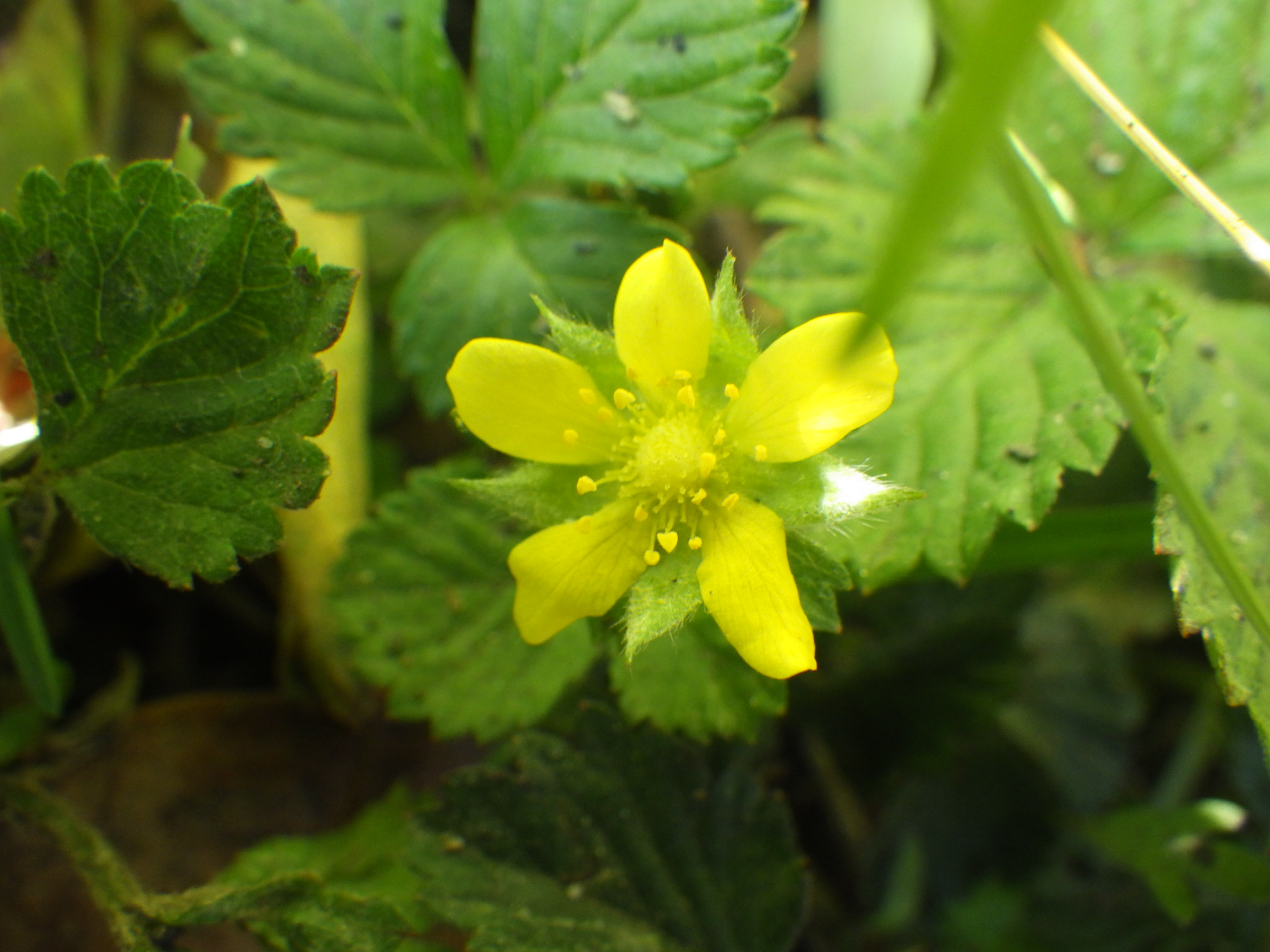
Another difference is that wild strawberries have white petals, while mock strawberries have yellow petals.
Furthermore, since the mock strawberry produces its aggregate fruit from its stolons, you will only see it close to the ground, and you will not see the aggregate fruit hanging from an upright flower stalk like the wild strawberry.
References
Darrow, GM, & Wallace, HA 1966. The Strawberry: History, Breeding, and Physiology. Holt, Rinehart and Winston, New York. 447pp. ISBN: 9780817340117
Dias, MI, Barros, L., Morales, P., Cámara, M., Alves, MJ, Oliveira, MBP, … & Ferreira, IC 2016. Wild Fragaria vesca L. fruits: A rich source of bioactive phytochemicals. Food & Function 7(11): 4523-4532. https://doi.org/10.1039/C6FO01042C
Güney, SK, & Cömert, M. 2022. Research of the Use of Wild Strawberry (Fragaria Vesca) in Gastronomy: The Case of Amasra. Journal of Tourism & Gastronomy Studies 10(3): 1979-1991. https://doi.org/10.21325/jotags.2022.1077
Kanagawa Prefecture Flora Survey Association. 2018. Kanagawa Prefecture Flora 2018 (Electronic Edition). Kanagawa Prefecture Flora Survey Association, Odawara. 1803pp. ISBN: 9784991053726
Wu, ZY, Raven, PH, & Hong, DY (Eds.). 2003. Flora of China (Vol. 9 Pittosporaceae through Connaraceae). Science Press, Beijing, and Missouri Botanical Garden Press, St. Louis. ISBN: 9781930723146