Dill and fennel both belong to the Apiaceae family, possess a strong aroma throughout the plant, and are used in both ways: their leaves are used as herbs, and their fruits as spices. Their leaves, in particular, are known as "fish herbs" and pair exceptionally well with fish dishes. Furthermore, their morphological similarities can easily confuse them. However, upon closer inspection, differences in the leaves, petioles, stems, and fruits allow for differentiation. While their uses are largely the same, dill has a stronger acidity, while fennel is sweeter, leading to different uses depending on the preference. This article will explain the classification, morphology, and uses of dill and fennel.
What are dill (yin-dill) and fennel (uyn-yen)?
Anethum graveolens, also known as dill, coriander, or parsley, is an annual plant native to West Asia and North Africa. It has been cultivated in Europe, North Africa, and Asia since ancient times and is now cultivated all over the world.
Feniculum vulgare, also known as fennel or finocchio, is a perennial plant native to the Mediterranean region of Europe, North Africa, West Asia, and parts of Central Asia. Bronze fennel 'Purpureum' is a horticultural variety with copper-colored leaves.
Both belong to the Apiaceae family, and the entire plant has a strong aroma. Both plants are used as herbs (leaves) and spices (fruits). The leaves, in particular, are known as "fish herbs" and pair exceptionally well with fish dishes.
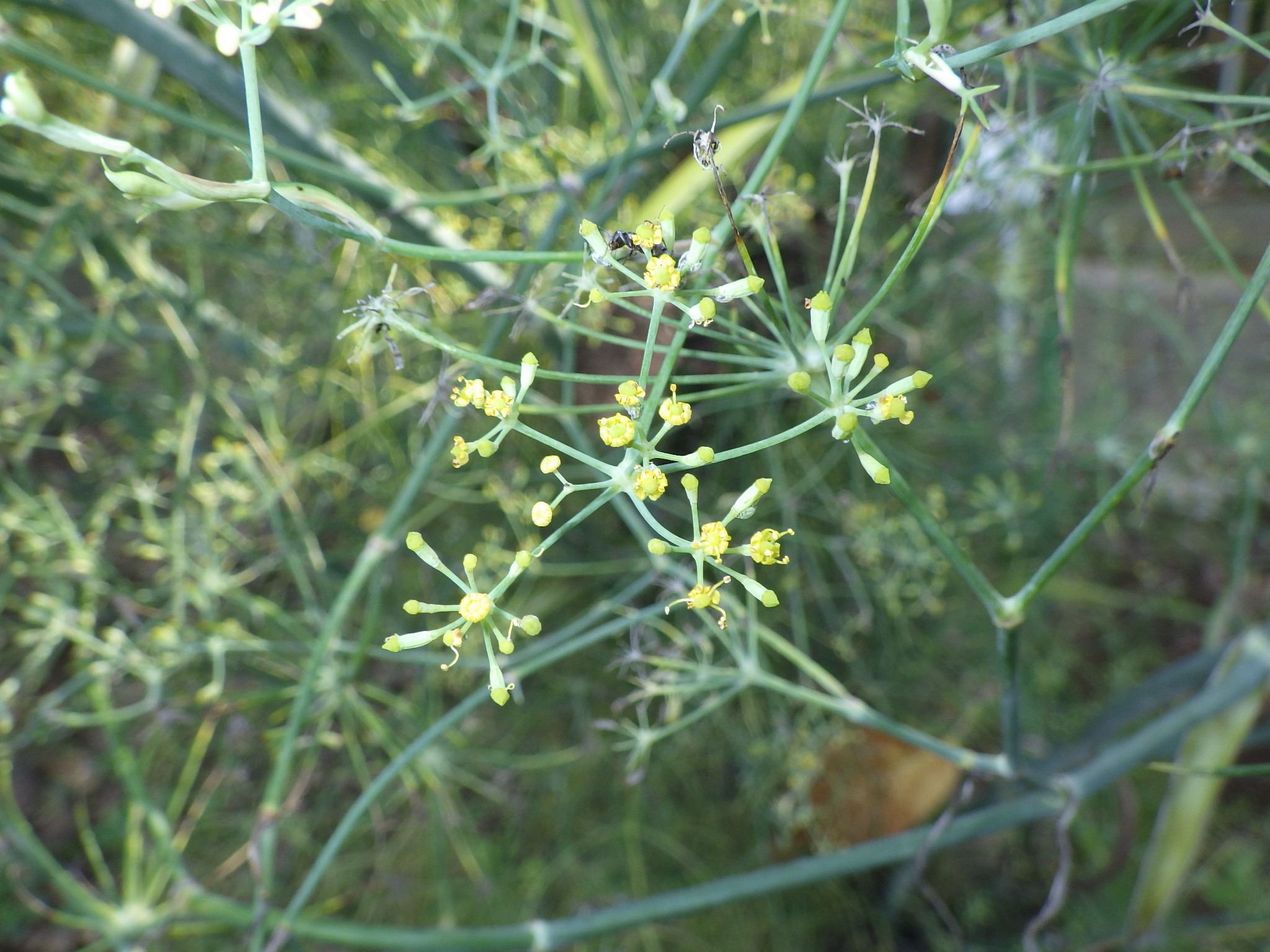
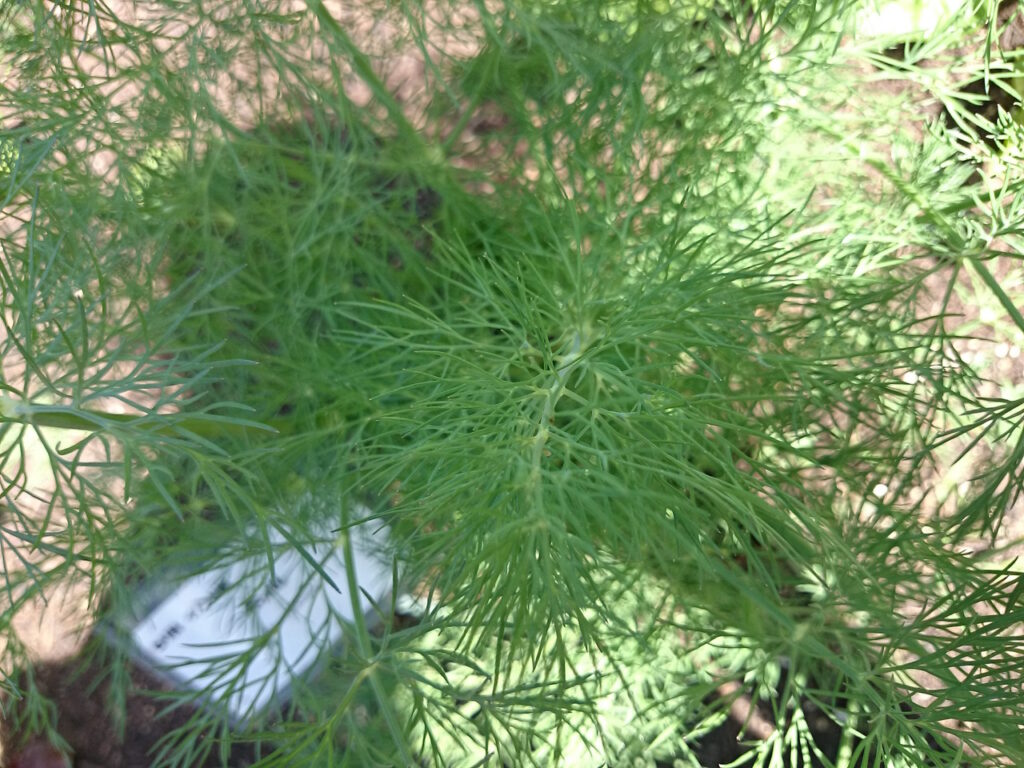
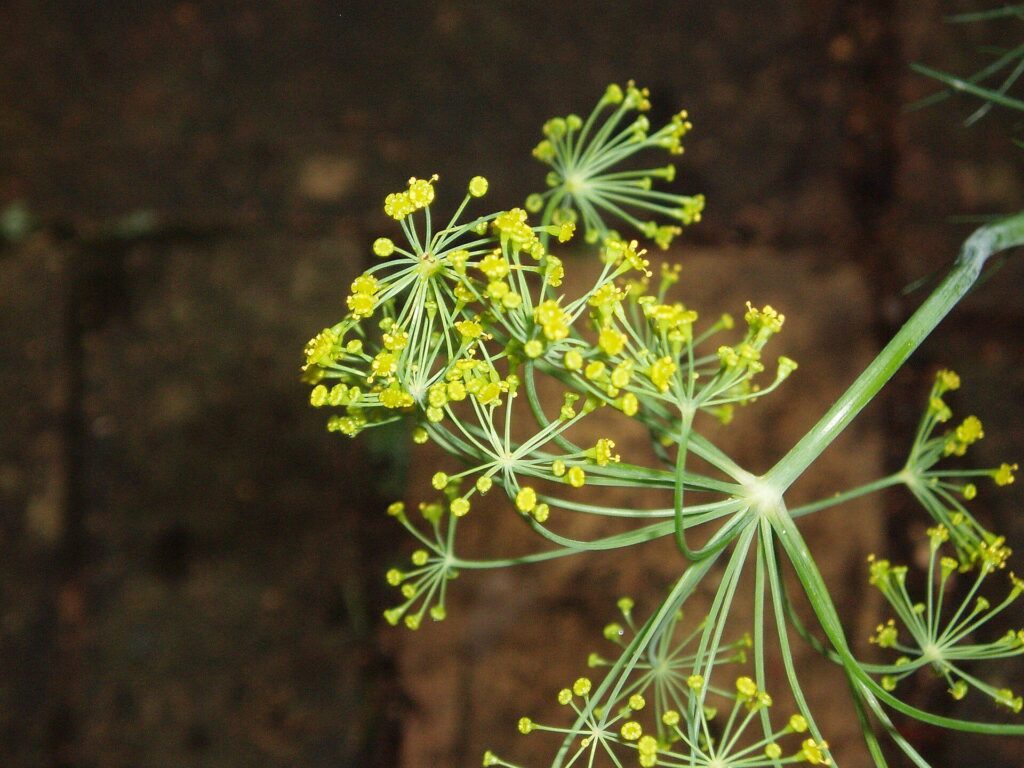
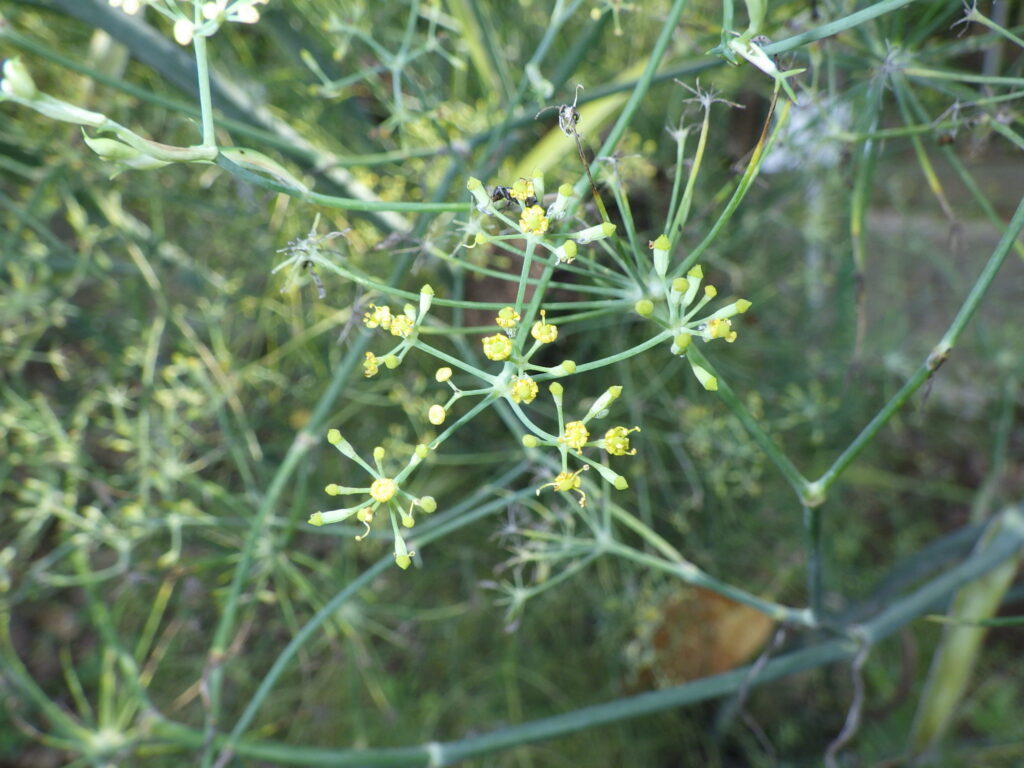
Morphologically, they share the common characteristics of having pinnately compound leaves that are completely divided into thread-like structures, and yellow petals.
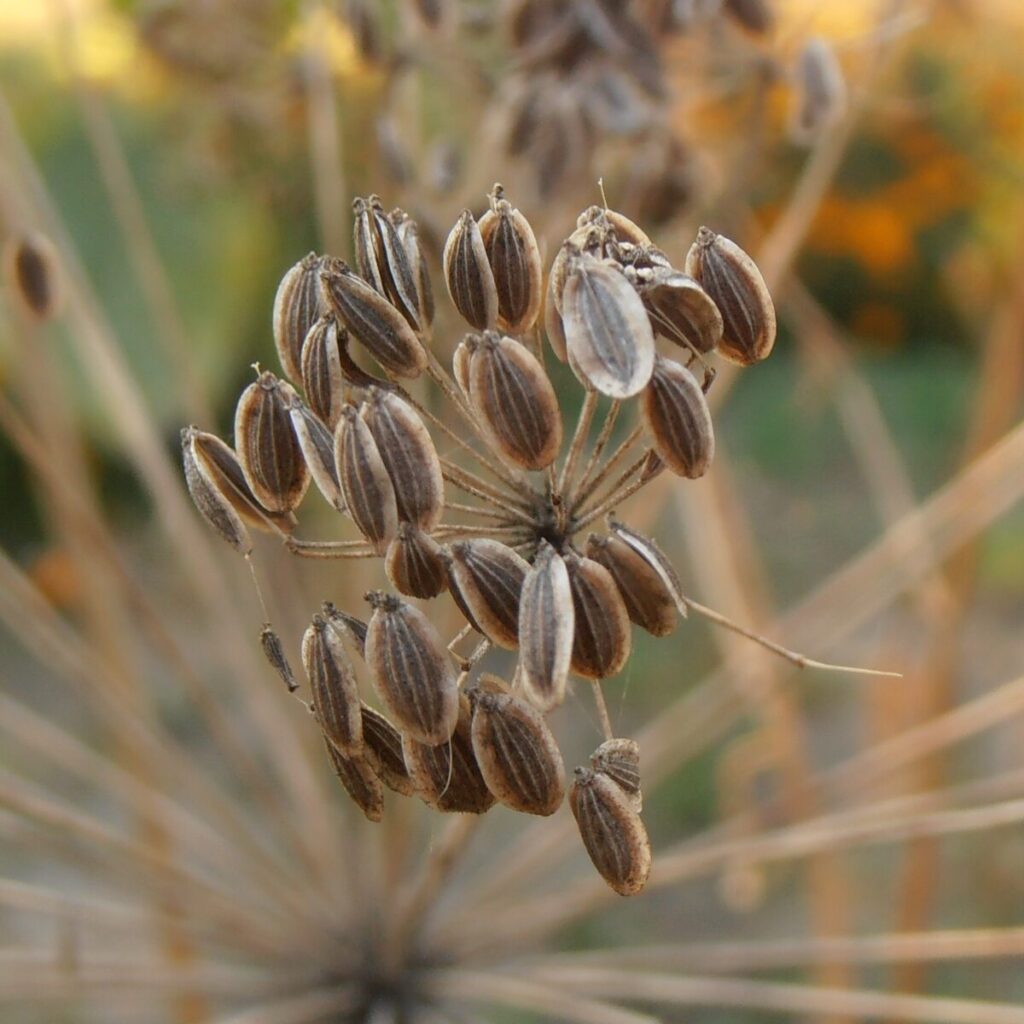
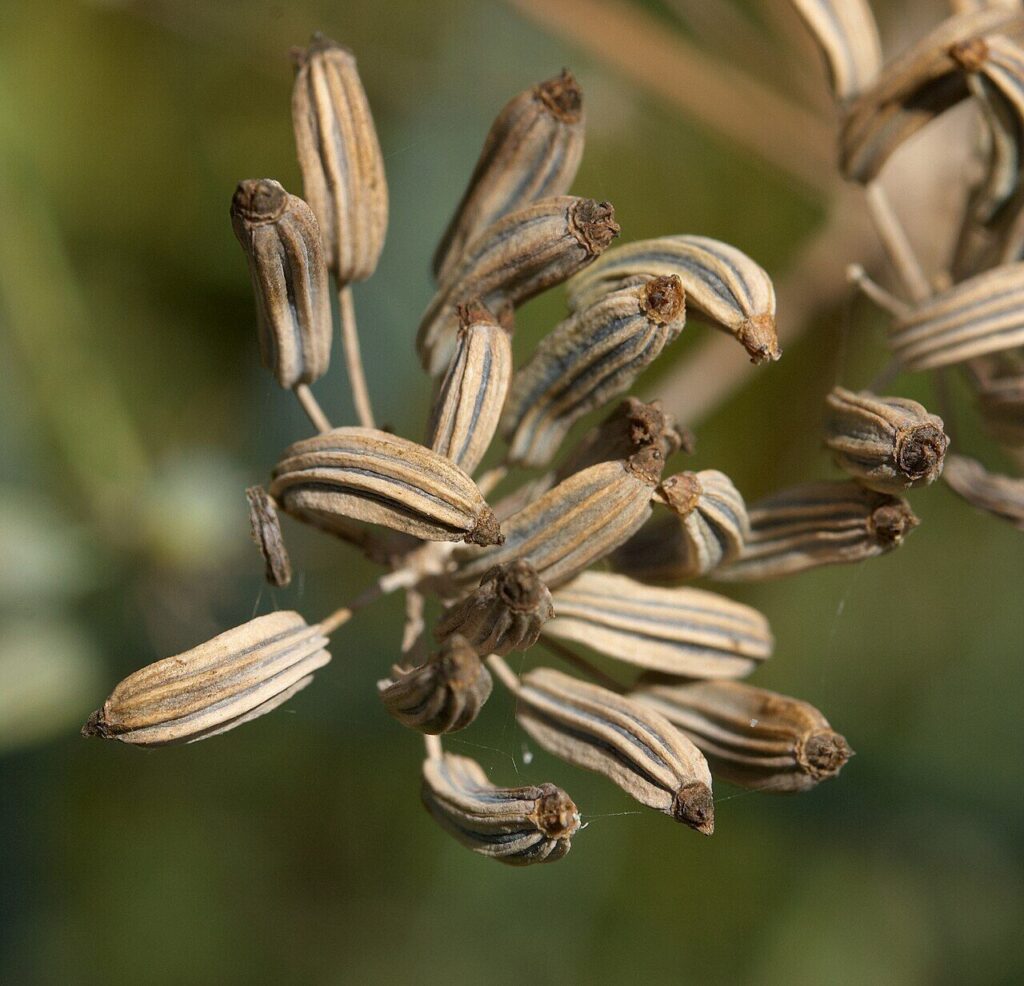
The fruits are very similar, and are sold under the names "dill seeds" for dill and "fennel seeds" for fennel. However, they are actually "fruits," not "seeds." The true seeds are much smaller and exist inside.
For these reasons, many people may not understand the difference between the two types.
What is the difference between dill and fennel?
The difference between dill and fennel can be a bit tricky, but there are several differences (Wu et al., 2005).
First of all, in terms of classification, dill belongs to the genus Alanthus, while fennel belongs to the genus Foeniculum, so there is quite a difference between them.
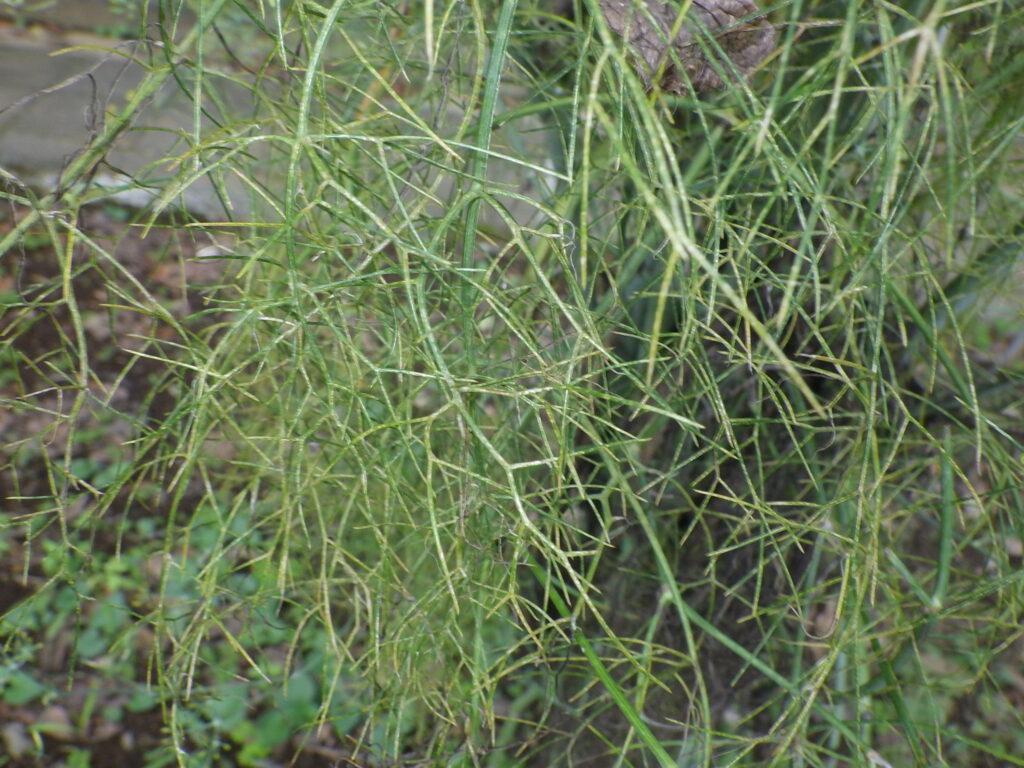
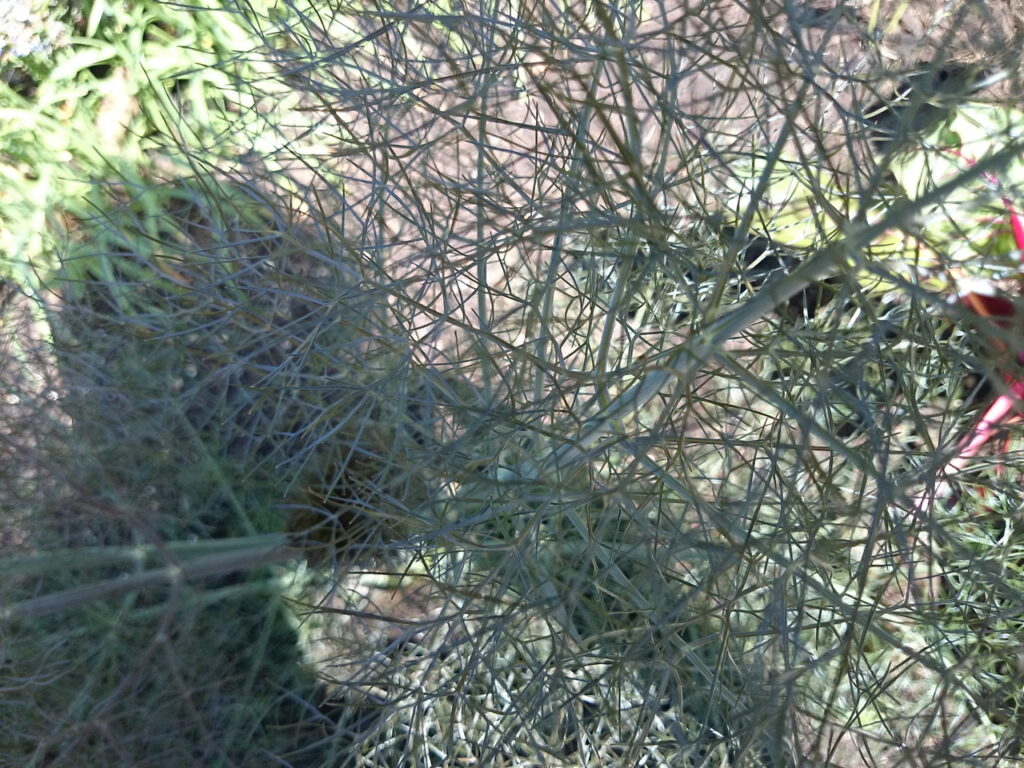
Regarding the leaves, dill has short, less deeply lobed pinnately compound leaves, making it appear relatively sparse, while fennel has long, more deeply lobed pinnately compound leaves, making it appear relatively dense.
Regarding the stems, dill has green leaves, while fennel has grayish-green stems.
Regarding the roots, while dill has a common, unremarkable leaf stalk, a variety of fennel, specifically Florence fennel (Italian fennel, sweet fennel) Foeniculum vulgare Azoricum Group (synonym: Foeniculum vulgare var. dulce), differs in that its leaf stalks are pure white, swollen like a sheath, and enclose the stem. This is called a "bulb," similar to those found in celery and onions.
Regarding the flowers, dill has more flowers per inflorescence and blooms more densely.
Regarding the fruits (dill seeds and fennel seeds), dill seeds are generally oval-shaped, flattened, and have long stalks, while fennel seeds are generally oblong-shaped, somewhat thicker, and have shorter stalks.
However, since the fruits of the Apiaceae family are all very similar, it's best not to easily determine the species from between the two when looking at living plants.
What are the differences in how dill and fennel are used?
Are there any differences in the uses of dill and fennel?
Dill has been used since ancient times, with evidence of its discovery in the tomb of Amenhotep II, a king of ancient Egypt (New Kingdom) around 1400 BC (Prance & Nesbitt, 2005). Originally, it was highly valued as a medicinal herb for treating indigestion, and its leaves, fruit (dill seeds), and essential oil were used. Although it is not very well known in Japan, it is widely used mainly in Europe and Asia across the Eurasian continent.
Nowadays, dill is commonly used as a herb (dill weed) and a spice (dill seeds). Dill weed is characterized by its sour and bitter taste and is widely used in dishes such as marinades, dressings, and soups. It pairs well with meat dishes as well as fish dishes such as smoked salmon and herring, earning it the nickname "fish herb." Dill seeds have a mild spiciness and are used as a spice and in pickling liquids.
On the other hand, fennel has also been used since ancient times, and it appears in Greek mythology, indicating that it was used by the ancient Greeks and Romans for medicinal, culinary, and insect-repellent purposes. Although it is not very familiar in Japan, it is widely used mainly in Europe and Asia across the Eurasian continent.
Nowadays, it's common to use the herb, fennel seeds, and bulbs for food. The herb has a sweet and spicy aroma with a hint of bitterness and is used to flavor salads and pickles, as well as in soups and fish dishes. Fennel seeds have a refreshing, sweet aroma and are used as a spice in curries and Chinese cuisine, as well as in cookies, scones, and other sweets.
One difference between fennel and dill is that Florence fennel uses its bulb as a vegetable. It has a crisp texture and can be sautéed, stewed, grilled, or eaten raw.
In summary, dill and fennel are used in almost the same way, but they differ slightly in taste and whether or not they are used as vegetables. The specific dishes in which they are used may also vary from country to country.
References
Prance, G., & Nesbitt, M. 2005. The Cultural History of Plants. Routledge, London. 460pp. ISBN: 9780415927468
Wu, ZY, Raven, PH, & Hong, DY (Eds.). 2005. Flora of China (Vol. 14 Apiaceae through Ericaceae). Science Press, Beijing, and Missouri Botanical Garden Press, St. Louis. ISBN: 9781930723412