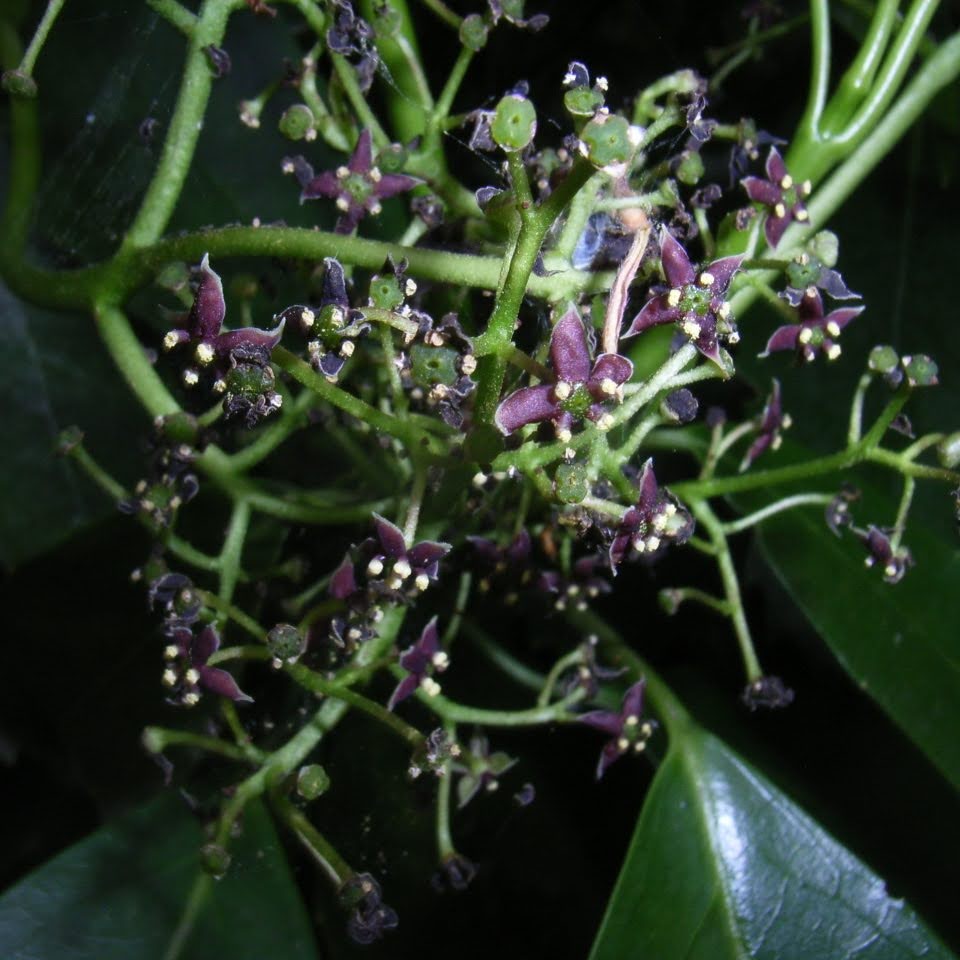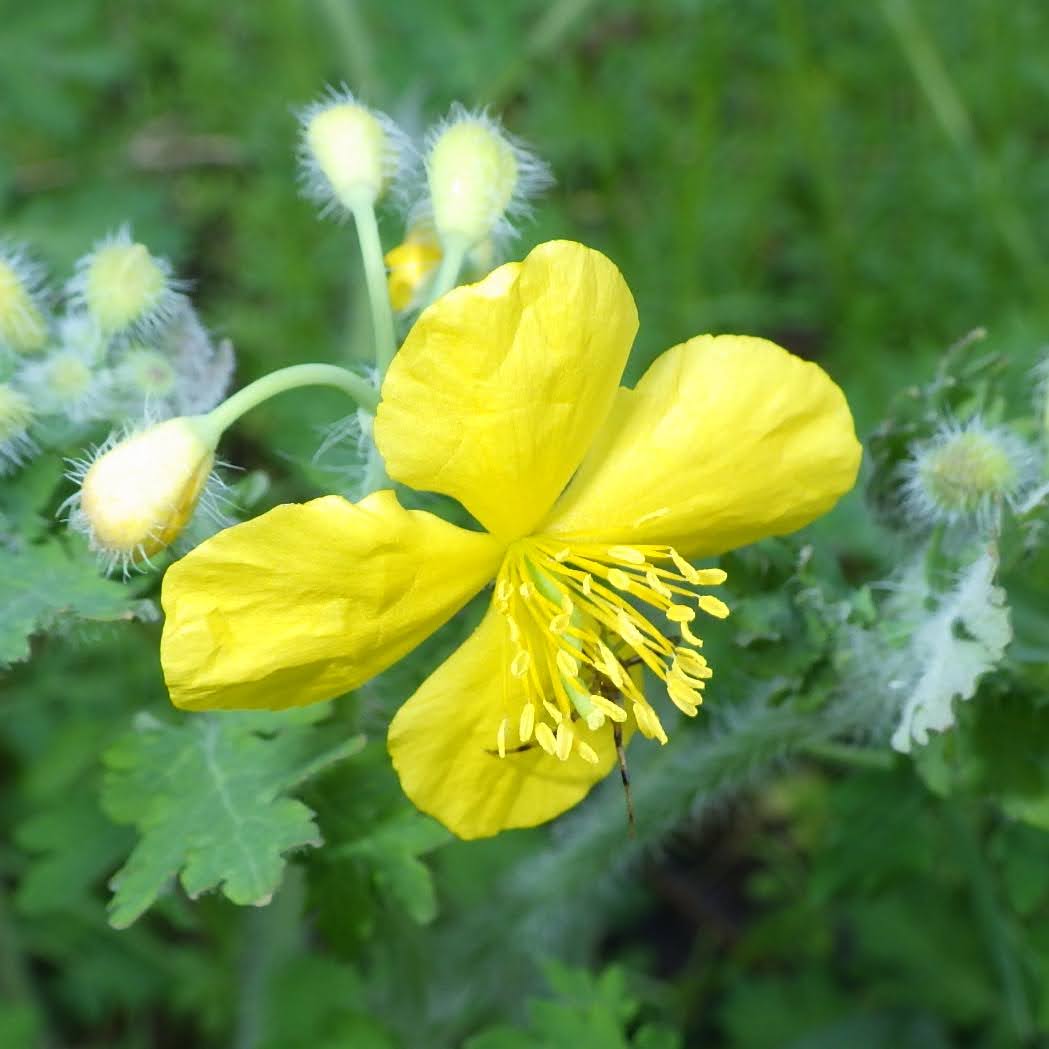
Both Greater Celandine and Japanese Kerria are wild species of the poppy family, composed of four yellow petals, so it can be difficult to distinguish between them. The leaves can be distinguished by the presence or absence of serrations on the leaflets, and the flowers are almost identical, but there are differences in the arrangement of the inflorescence and the shape of the stamens and pistils. Both species are poisonous, as they belong to the poppy family. Contact with the milky sap can cause inflammation, and ingestion of Greater Celandine is said to cause coma, respiratory paralysis, and peripheral nerve paralysis. Currently, it is not known medically how much exposure is safe for humans, but even small amounts can cause inflammation, so it is dangerous to touch them, and ingestion should absolutely be avoided. However, from an ecological perspective, these two species reveal different aspects. Like all members of the poppy family, their flowers only produce pollen and no nectar, so the number of insects that visit them is quite limited. The yellow, flat flower structure attracts hoverflies, which prefer yellow and can eat pollen even with short mouthparts. However, there is a theory that the flowers are deliberately tilted diagonally rather than straight up to specifically appeal to a type of bee called the long-horned bee. The seeds have elaiosomes and are dispersed by ants. This article will explain the classification, toxicity, pollination ecology, and seed dispersal of Greater Celandine and Japanese Kerria.
- A wild species of poppy consisting of four yellow petals.
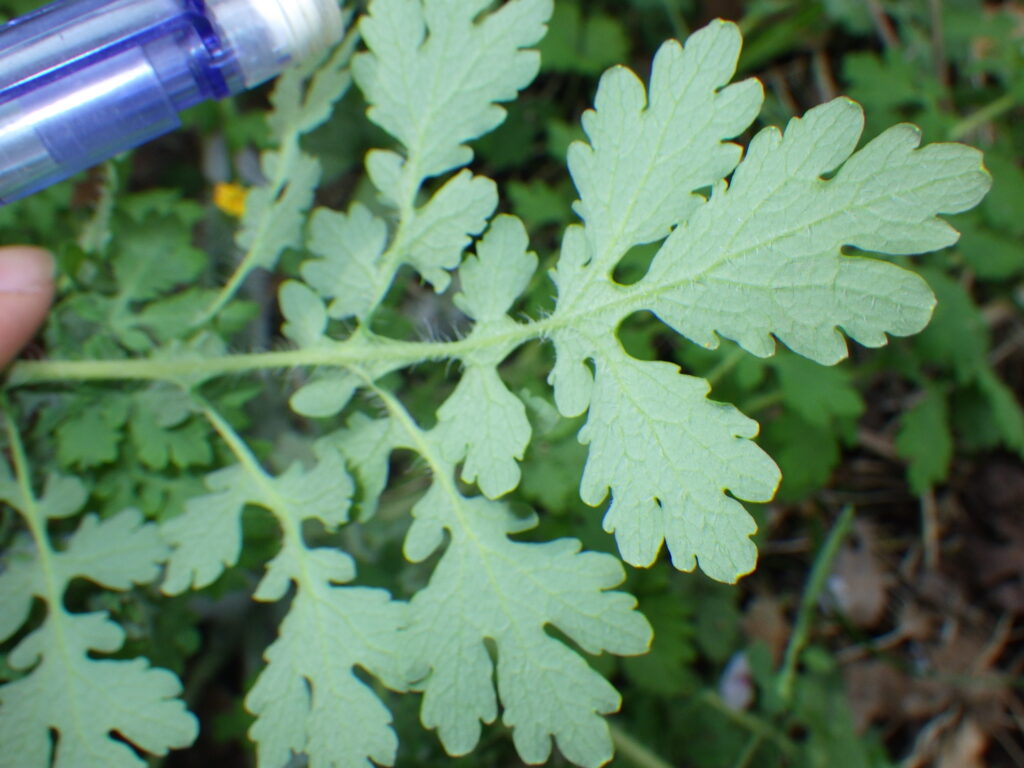
- Greater celandine and Japanese kerria can be distinguished by the shape of their leaves.
- The toxicity of Greater Celandine and Japanese Kerria
- Poppies do not produce nectar; they only produce pollen.
- Why do they bloom at an angle?
- The fruit is a capsule, and the seeds are dispersed by ants.
- References
A wild species of poppy consisting of four yellow petals.
Chelidonium majus (grass yellow) (broad sense) is a perennial herb distributed across the European continent, Asia, parts of Northwest Africa, and Japan from Hokkaido to Kyushu, inhabiting sunny roadsides, grasslands, and forest edges (Hayashi et al., 2013).
This species is divided into two subspecies: Chelidonium majus subsp. majus is distributed in Europe, Southwest Asia, and North Africa, while Chelidonium majus subsp. asiaticum (in the narrow sense) is distributed in Hokkaido, Honshu, Shikoku, Kyushu; Korea, Northeast China, and Sakhalin.
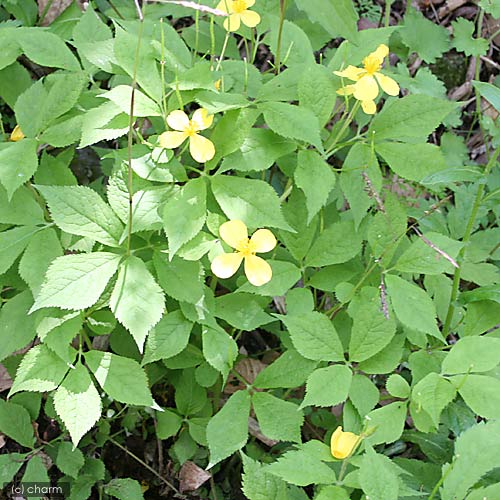
Hylomecon japonica, also known as Japanese mountain jasmine, is a perennial herb distributed in Honshu (south of Miyagi Prefecture), Shikoku, and Kyushu in Japan, growing in clusters in wooded areas in mountainous regions.
Both are wild species belonging to the poppy family, and since Yamabukisou was once included in the genus Chelidonium, it can be difficult to distinguish between them, especially since both have flowers composed of four petals and are yellow.
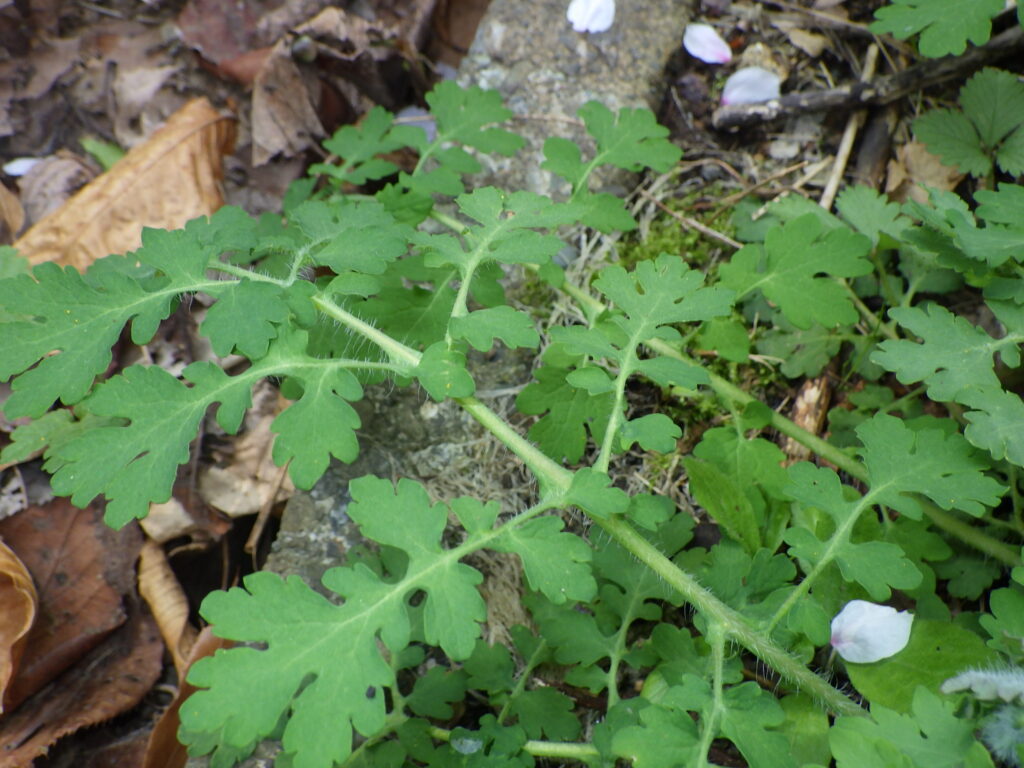
Greater celandine and Japanese kerria can be distinguished by the shape of their leaves.
While Greater Celandine and Japanese Kerria were once classified in the same genus, they are now in different genera and are quite different from each other.
First, both have odd-pinnately compound leaves, but in Greater Celandine, the petiole is not twice as long as the leaf blade, it is deeply lobed once or twice, and the leaflets are rounded with some notches, whereas in Japanese Kerria, the petiole is more than twice as long as the leaf blade, it is deeply lobed only once, the leaflets are broadly ovate or elliptical, the tip is pointed, and it has notches and fine serrations.
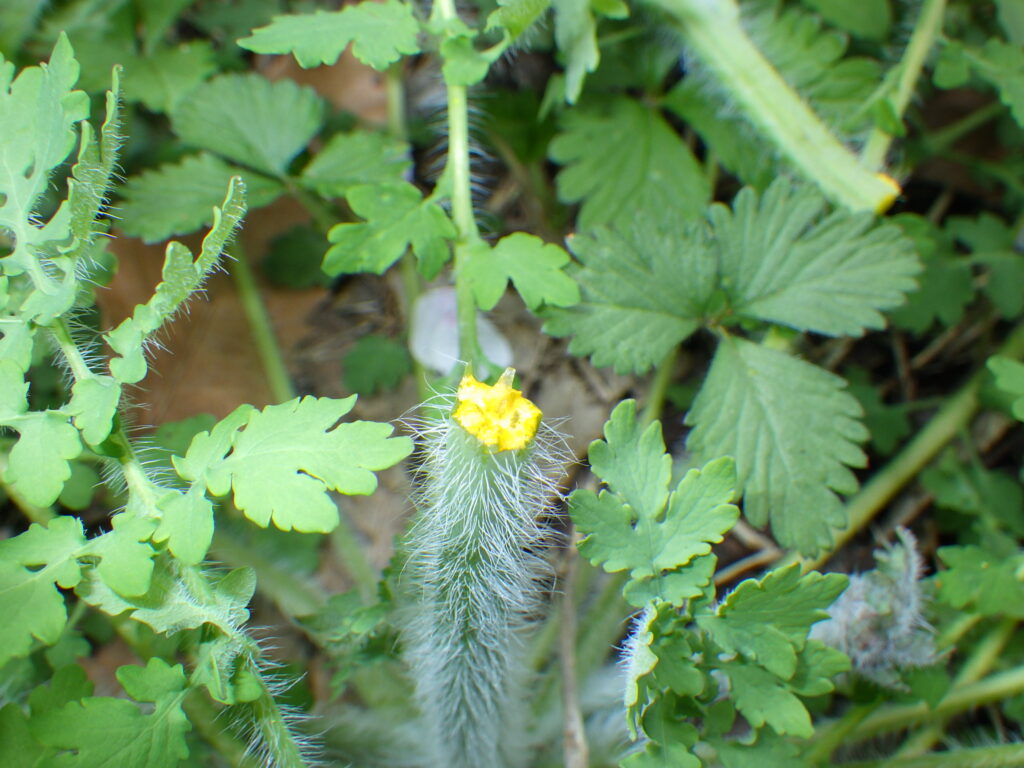
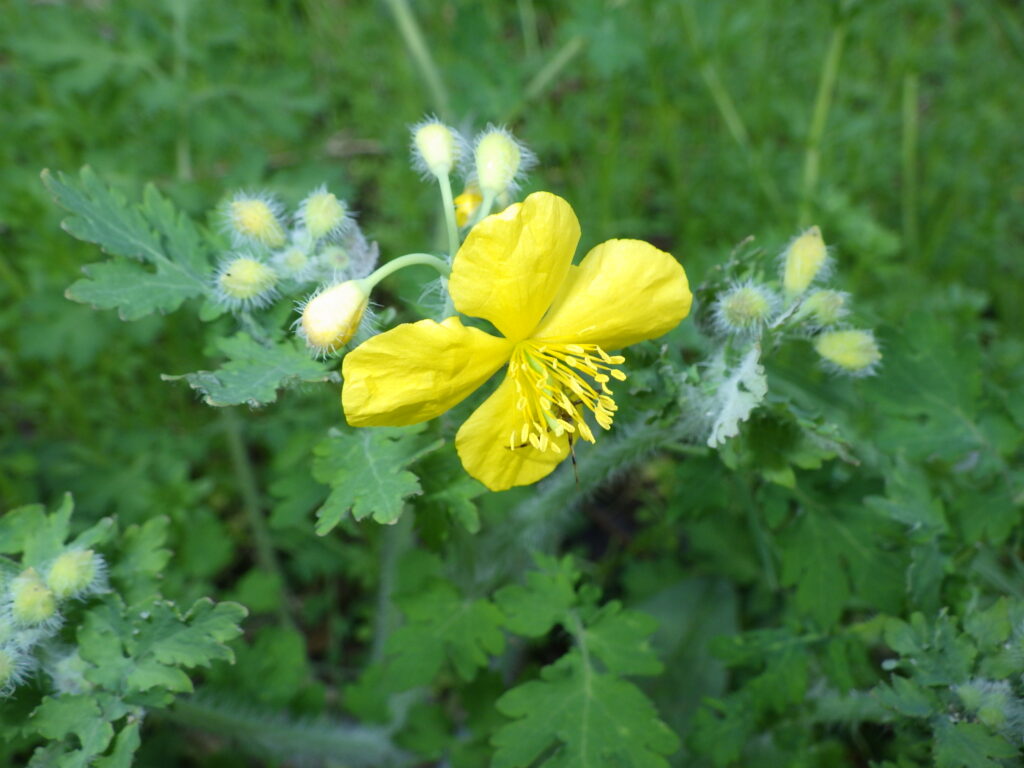
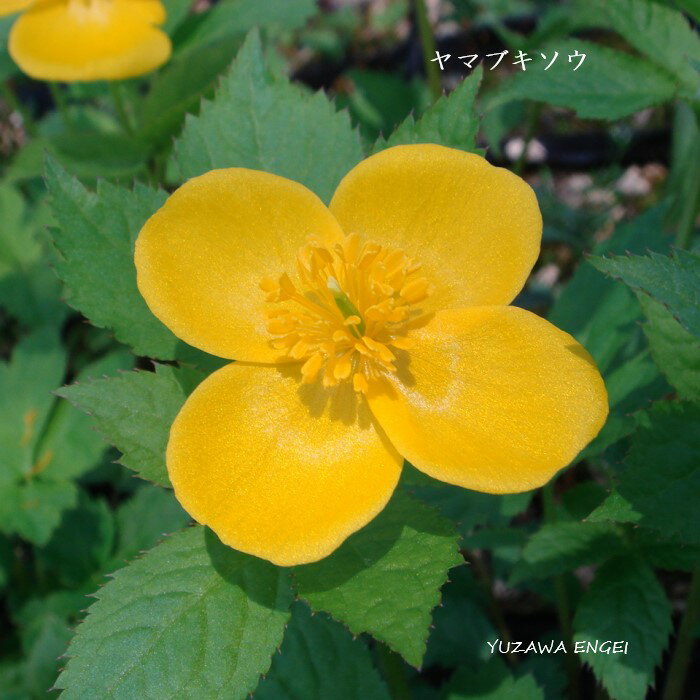
The flowers are quite similar, but in Greater Celandine, several flowers are borne in stalked umbels, the flowers are 2-2.5 cm in diameter, the stamens have long filaments, and the pistil is curved, while in Japanese Kerria, 2-3 flowers are borne in the leaf axils, the flowers are 4-5 cm in diameter, the stamens have short filaments, and the pistil is not curved.
The toxicity of Greater Celandine and Japanese Kerria
When the plant is damaged, it exudes a yellow to orange milky sap, which is its most distinctive characteristic. One theory suggests that the Japanese name for this species, "kusano-ki" (grass yellow), comes from this characteristic (Iwatsuki, 2006).
However, this type of milky sap is also produced by *Kerria japonica*, so it's not unique to *Chelidonium majus*. Such toxic milky sap is common in the poppy family, with the opium of * Papaver somniferum * being a prime example. The only difference is that this particular sap is yellow.
The milky sap can cause inflammation if it comes into contact with the skin, and in the case of Greater Celandine, accidental ingestion is known to cause coma, respiratory paralysis, and peripheral nerve paralysis (Satake, 2012). In the case of Japanese Kerria, accidental ingestion can cause nausea and respiratory paralysis.
However, perhaps because its toxicity has been widely known for a long time, the medical lethal dose remains unclear.
The plant contains many chelidonium alkaloids, and in the case of celandine, chelidonine, protopine, chelidimerine, sanguinarine, chelerythrine, malic acid, berberine, and chelidonic acid have been identified (Okada and Mitsuhashi, 1988).
Historically, it has been used as a medicine and herb. In traditional Chinese medicine, the dried above-ground parts harvested when they are still in bud are called "bai qu cai" and were used especially for treating skin diseases such as warts, athlete's foot, and jock itch, as well as wounds. When brewed and taken orally, it was believed to act as an anti-inflammatory and analgesic, and was thought to be effective against internal organ diseases such as stomach ailments. It was also used as a topical medicine for skin diseases such as eczema, scabies, ringworm, and warts. Because of this history, there is a theory that it is the "king of sores" because it is an effective medicinal herb for treating skin diseases.
However, its use has decreased over time due to its high toxicity. On the other hand, it has recently been scientifically re-evaluated, and its potential effectiveness in treating viral warts has been suggested (Nawrot et al., 2020).
It seems that drawing the line between medicine and poison is indeed difficult.
Poppies do not produce nectar; they only produce pollen.
Greater celandine (Chelidonium majus) blooms from April to July. It bears several flowers in stalked umbels. The flowers consist of four bright yellow petals and are about 2 cm in diameter, making them bright and conspicuous. Between the numerous stamens, a pistil can be seen that resembles a wriggling caterpillar (Hayashi et al., 2013).
Kerria japonica blooms from April to June. It bears one or two yellow flowers on pedicels 4-6 cm long in the upper leaf axils. The petals consist of four parts and are 2-2.5 cm long. There are many stamens. The style is short and the stigma is bifurcated.
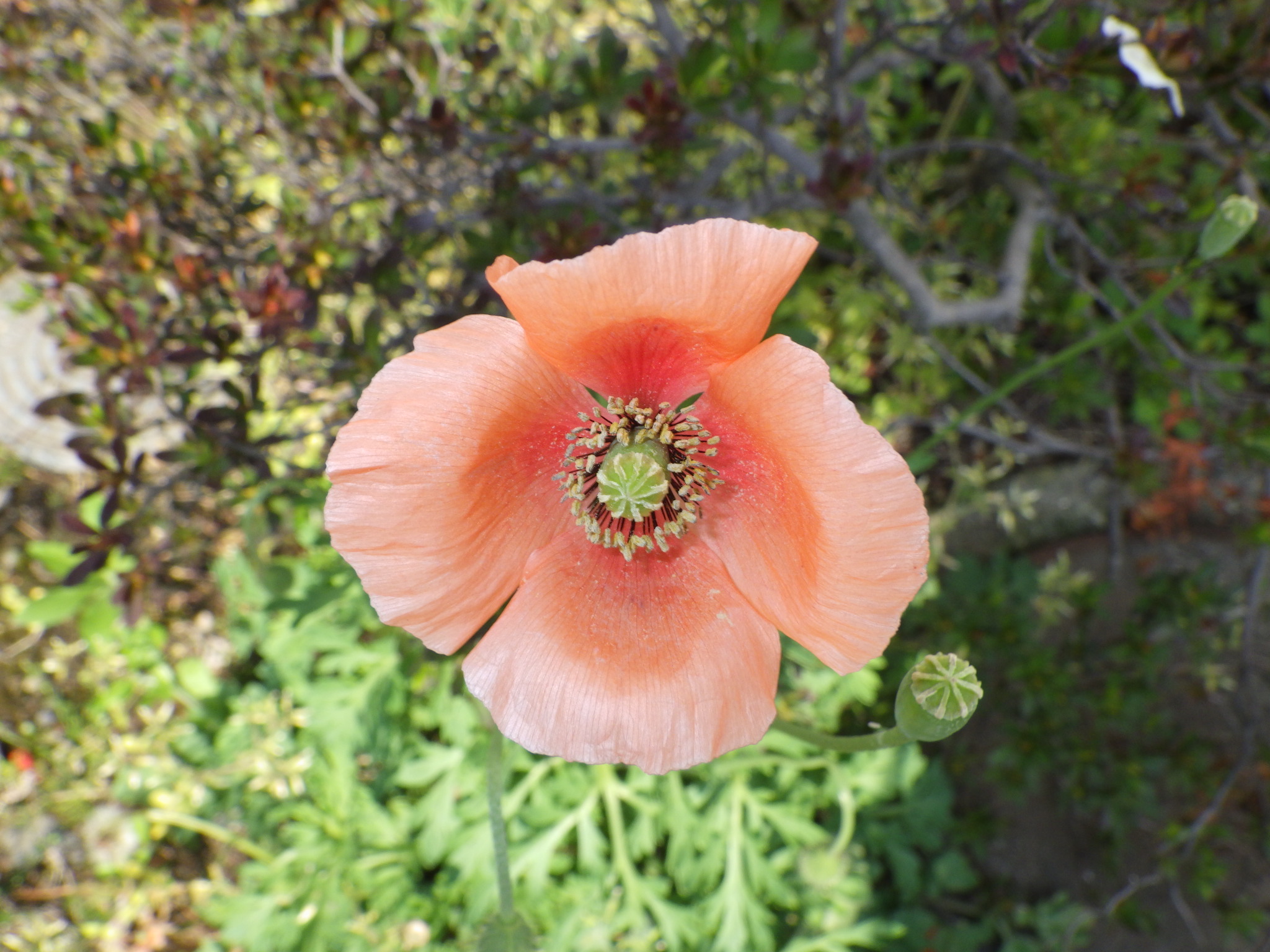
Both flowers consist of four petals and are yellow. Common to all poppy family flowers is the structure where the entire pistil is aligned with the stamens. This type of flower structure is called "superior ovary," and it gives a slightly different impression from the yellow flowers of the rose family and daisy family (Kobayashi, 2007).
The most distinctive feature is the stamen, which has a very swollen tip. Why is it like this?
Poppy flowers, including this species, produce only pollen and no nectar (Tanaka, 2009). Therefore, it is thought that all the energy that would be used to produce nectar is instead directed towards pollination, resulting in this appearance.
Generally, pollen contains more protein than nectar, making it an important source of nutrients not only for the insect's body but also for female insects that need to lay eggs. This may be a way for them to differentiate themselves from other plants. The superior position of the ovary may also be due to factors such as increasing the chances of insects stepping on the pistil and transferring pollen while searching for it.
Why do they bloom at an angle?
What kinds of insects visit the flowers of the Greater Celandine plant?
Actual studies suggest that hoverflies are prevalent (Tanaka & Hirano, 2000). Hoverflies are known to prefer yellow flowers, have short proboscises, and favor flowers where the distance to nectar and pollen is short. Indeed, they are quite conspicuous and flat, making them easy to enter, so this possibility seems likely. However, don't you get the impression that these flowers are blooming at a considerable angle compared to other yellow flowers such as those in the Asteraceae family?
According to researchers who have studied this flower, a type of bee called the long-horned bee (Oenothera biennis) also visits it. Long-horned bees generally prefer flowers that bloom sideways, like the butterfly-shaped flowers of the legume family, and have complex structures. While the celandine flower (Chelidonium majus) doesn't bloom this way, researchers believe that its slightly sideways blooming might be an appeal to the long-horned bee.
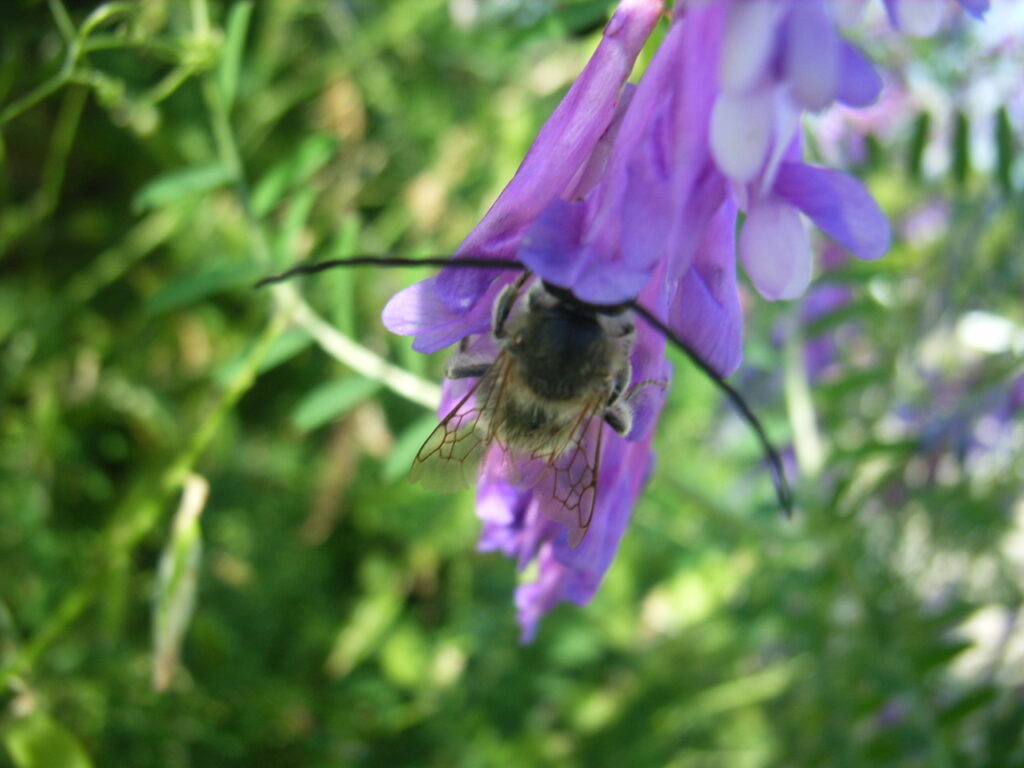
Of course, there's a lack of research to confirm this, but perhaps even the slightest tilt in which a flower blooms is more important for survival than people realize.
There is insufficient research on the insects that visit the flowers of the Japanese kerria.
The fruit is a capsule, and the seeds are dispersed by ants.
Both fruits are capsules that split open when dry to release seeds (Hayashi et al., 2013), and the seeds have elaiosomes attached and are known to be dispersed by ants (Nakanishi, 1999; Kobayashi, 2007).
However, it seems that the specific species of ants that carry the seeds are not yet clear. The habitat range would likely vary considerably depending on the type of ant. We look forward to future research.
References
Hayashi, Yasaka, Kadota, Yuichi, and Hirano, Takahisa. 2013. Yamakei Handy Illustrated Guide 1: Wildflowers (Revised and Expanded New Edition). Yama-kei Publishers, Tokyo. 664pp. ISBN: 9784635070195
Kobayashi, Masaaki. 2007. From Flower to Seed: The Science of Seed Dispersal. National Rural Education Association, Tokyo. 247pp. ISBN: 9784881371251
Iwatsuki, Hideaki. 2006. A book that clearly explains common weeds and wild plants found in urban areas. Shuwa System, Tokyo. 527pp. ISBN: 9784798014852
Nakanishi, Hiroki. 1999. Seed dispersal by ants. In: Ueda, Keisuke (Ed.), Seed Dispersal: The Evolution of Mutual Aid Vol. 2: Forests Created by Animals (pp. 104-117). Tsukiji Shokan. ISBN: 9784806711933
Nawrot, J., Wilk-Jędrusik, M., Nawrot, S., Nawrot, K., Wilk, B., Dawid-Pać, R., … & Gornowicz-Porowska, J. 2020. Milky sap of greater celandine (Chelidonium majus L.) and anti-viral properties. International Journal of Environmental Research and Public Health 17(5): 1540. ISSN: 1660-4601, https://doi.org/10.3390/ijerph17051540
Okada, Minoru & Mitsuhashi, Hiroshi. 1988. Makino's Illustrated Encyclopedia of Japanese and Chinese Medicinal Plants in Color. Hokuryukan, Tokyo. 782pp. ISBN: 9784832600041
Satake, Motoyoshi. 2012. Poisonous Plants of Japan. Gakken Plus, Tokyo. 232pp. ISBN: 9784054052697
Tanaka, Hajime. 2009. Handbook of Flowers Attracting Insects. Bun-ichi Sogo Shuppan, Tokyo. 80pp. ISBN: 9784829901397
Tanaka, Hajime & Hirano, Takahisa. 2000. The Face of Flowers: Wisdom for Bearing Fruit. Yama-kei Publishers, Tokyo. 191pp. ISBN: 9784635063043