Both Mitsumata and Ganpi belong to the Thymelaeaceae family and are used to make washi (Japanese paper), and their flowers are very similar in shape. However, Mitsumata and Ganpi belong to different genera within the same family, and if you carefully observe their flowering period and the shape of their inflorescences, you will find that they differ in various ways. Ganpi was the first to be used to make washi, and although the exact timing is unknown, it is thought that wild plants were used as raw material at some point after papermaking technology was introduced in the early 7th century. Compared to Kozo, another washi plant, it was treated as a higher-grade and better-quality material. The exact time when Mitsumata was introduced is also unknown, but it is believed that washi production began in earnest in the early Edo period, and at first, it seems to have been treated similarly to Ganpi. However, it can be said that its evaluation changed in the Meiji era due to its role as a banknote. Ganpi only grows wild and is difficult to cultivate, whereas Mitsumata could be cultivated and was also suitable for printing, so it was adopted for banknotes and continues to be used to this day. While there is a lack of research on the pollination of Mitsumata flowers, it appears that long-nosed insects, excluding moths, are essential. In contrast, members of the Ganpi genus require nocturnal moths for pollination. This might be due to a difference in scent. This article will explain the classification, history, culture, and pollination ecology of Mitsumata and Ganpi.
- Two species of trees from the Thymelaeaceae family that are used to make washi paper
- What are the differences between Mitsumata and Ganpi as plants?
- What is the history of Ganpi and Mitsumata?
- What are the differences between mitsumata and ganpi as washi (Japanese paper)? Why is mitsumata used for Japanese banknotes?
- What is the structure of the flowers of Mitsumata and Ganpi?
- The color of the Mitsumata flower had changed from yellow to a light color that appears when exposed to ultraviolet light!?
- It turns out that long-nosed insects are the ones that carry the pollen of the Mitsumata flower!?
- In contrast, the Gampi flower was a favorite of nocturnal moths!?
- For some reason, only hawk moths don't come to the flowers of the Gampi plant!?
- Why did flowers of the genus Gampi evolve to rely on moths for pollination?
- The fruits of the genera Edgeworthia and Gampi are both drupes.
- References
- Source
Two species of trees from the Thymelaeaceae family that are used to make washi paper
Edgeworthia chrysantha, also known as Mitsumata, is a deciduous shrub native to southern China, where it grows in forests, shrub hills, and cultivated fields (Wu et al., 2007). In Japan, it was introduced for papermaking purposes and is also used as an ornamental plantation; it can be found growing wild in plantations in warmer regions (Tsukamoto, 1994). Its bark is a raw material for papermaking, and it is particularly well-known as a raw material for Japanese banknotes (Tsukamoto, 1994). The Japanese name comes from the fact that its branches branch out into groups of three.
Ganpi (Diplomorpha sikokiana), also known as Kaminoki, is a deciduous shrub distributed from the Hokuriku and Tokai regions westward to Kyushu in Japan, growing in sunny, sandy or rocky areas. Its bark has fine fibers and is used as a raw material for high-quality Japanese paper. The Japanese name is believed to be derived from a corruption of "Kamihi" (紙斐).
Both Mitsumata and Ganpi belong to the Thymelaeaceae family and are used to make Japanese paper; they are very similar in appearance. Their flowers are also similar, usually lacking petals, with tubular calyxes and 4-5 lobes, making them difficult to distinguish. Furthermore, they may not receive much attention as plants.
What are the differences between Mitsumata and Ganpi as plants?
However, Mitsumata and Ganpi differ in several respects (Kanagawa Prefecture Flora Survey Association, 2018).
First of all, Mitsumata belongs to the genus Edgeworthia, while Gampi belongs to the genus Diplomorpha, so they are significantly different taxonomically. In Japan, only the introduced species Mitsumata is found, but the Gampi genus includes several native species.
The following discussion will focus on the differences between the genera Edgeworthia and Edgeworthia.
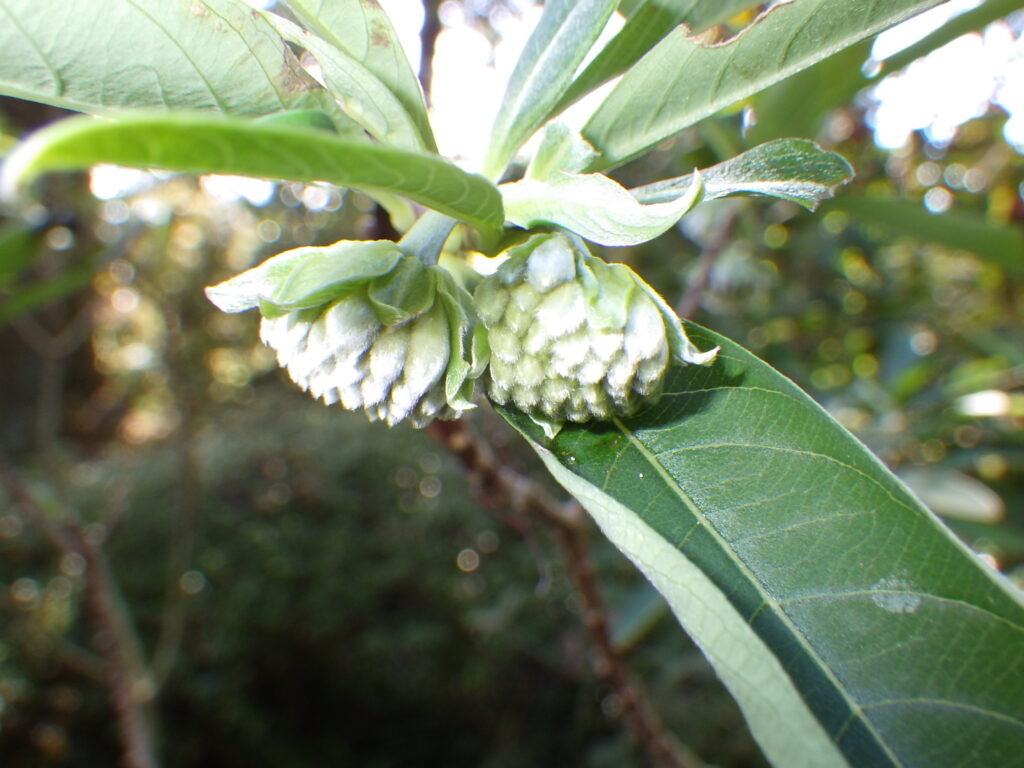
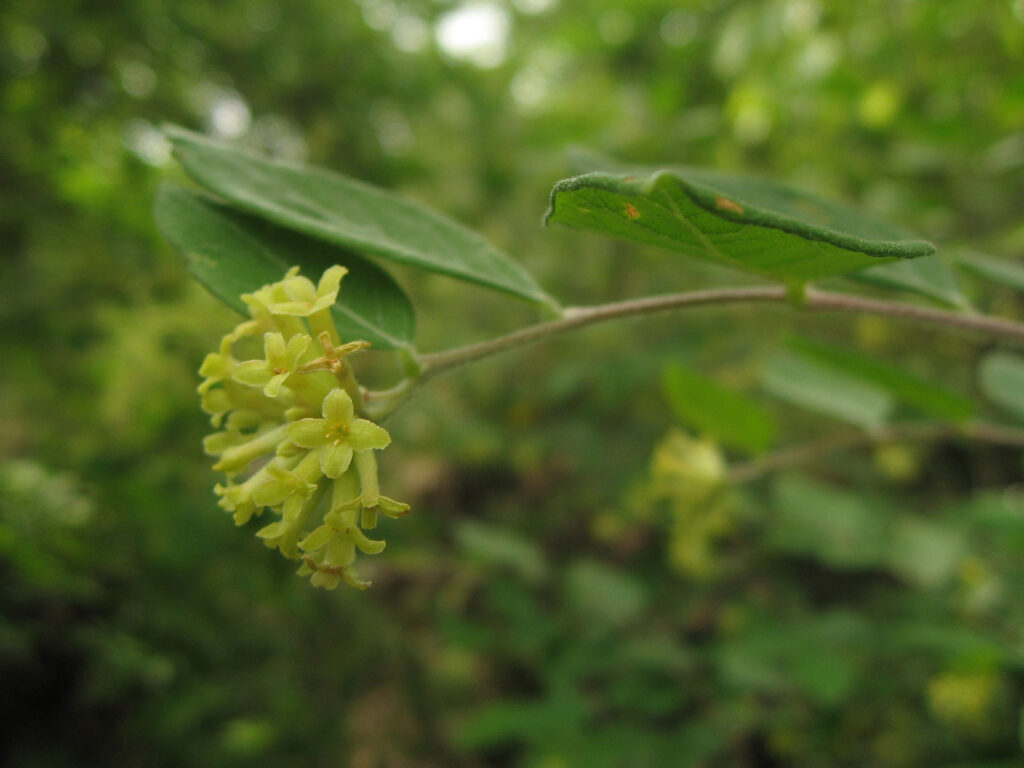
The specific differences between the genera Edgeworthia and Gampi include the fact that in Edgeworthia, the flowers bloom in spring before the leaves open, and the inflorescence is capitate with a curved stalk that droops downwards, while in Gampi, the flowers bloom in summer after the leaves open, and the inflorescence is racemose or conical, and may not droop at all, or if it does, it only droops slightly downwards.
Furthermore, in the genus Edgeworthia, the inflorescence typically has 10 to 17 or more inflorescences, and especially in Edgeworthia, it usually has 30 to 50 inflorescences, whereas in the genus Gampi, it often has 10 or fewer inflorescences, and never reaches 30 to 50.
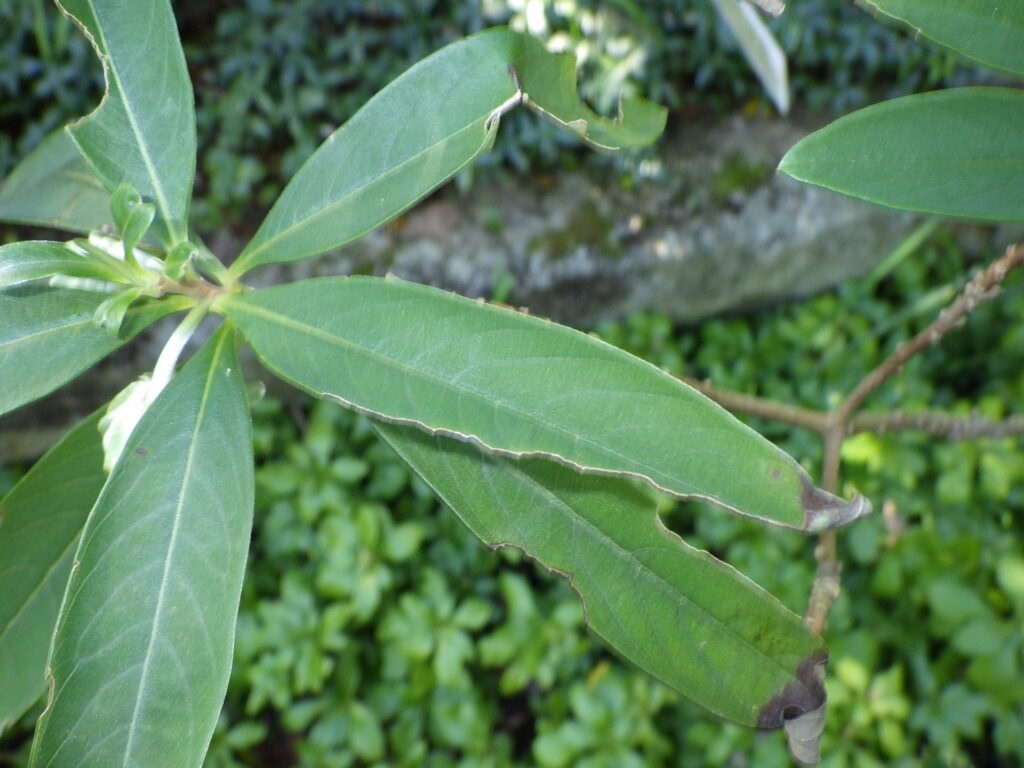
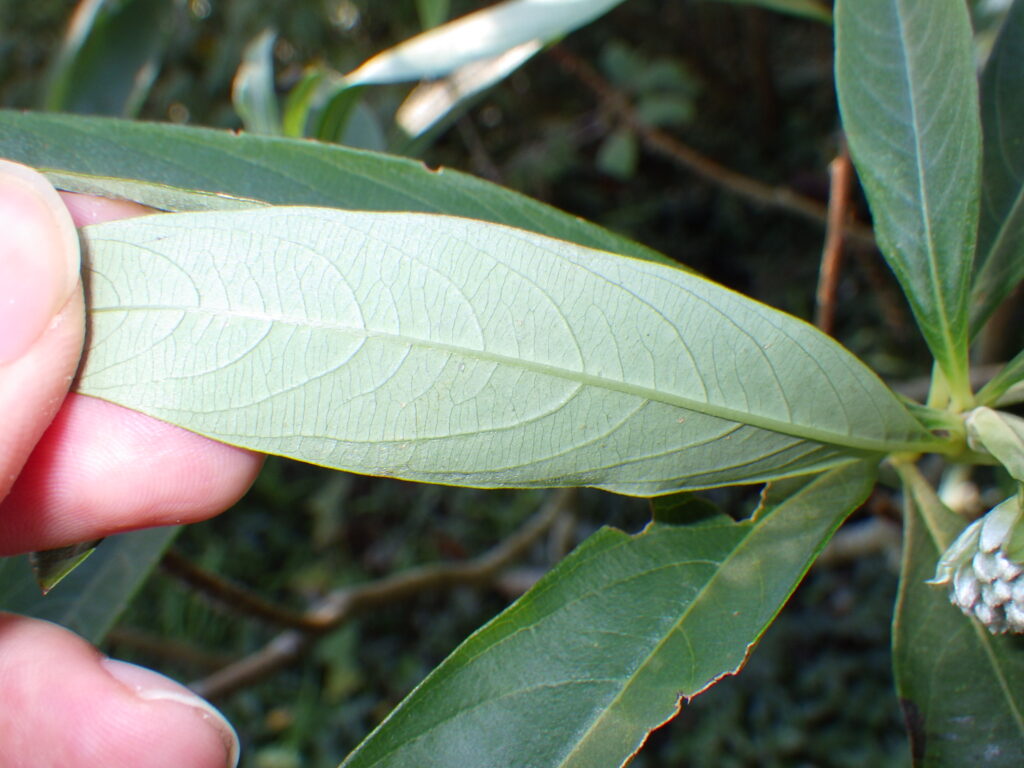
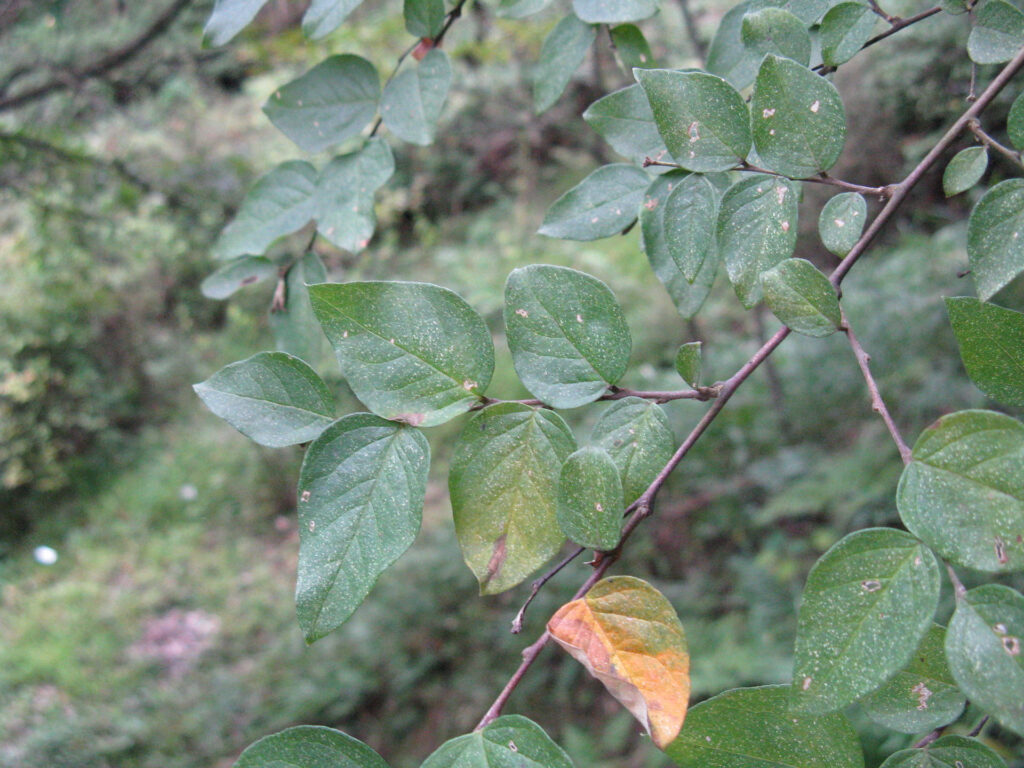
Regarding the leaves, in the genus Edgeworthia, the leaves are long and slender, ranging from 8 to 20 cm in length, whereas in the genus Gampi, the leaves are often less than 8 cm long, and few give the impression of being long and slender.
As you can see, there are many differences.
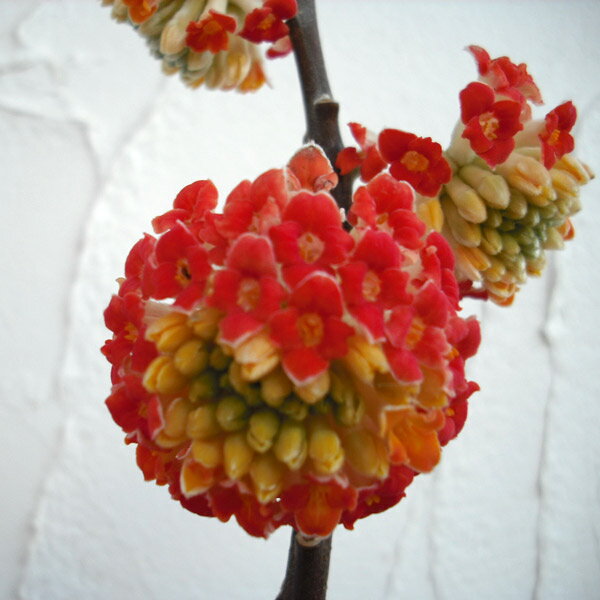
In addition, there is also a cultivated variety of Edgeworthia chrysantha 'Rubra', which has red calyxes.
In addition to the Gampi species, which was mainly used for washi paper, six other species of the Gampi genus are known in Japan: Aogampi, Miyama-ganpi, Ki-ganpi, Ko-ganpi, Sakura-ganpi, and Shima-sakura-ganpi. However, the methods for distinguishing between them will be omitted in this article. All of them have been used as raw materials for washi paper.
What is the history of Ganpi and Mitsumata?
When did ganpi and mitsumata begin to be used as washi paper?
Ganpi was the first type of paper to be used for washi (Japanese paper) (Arioka, 2018). However, it is not known exactly when it began to be used.
However, since the papermaking method was introduced to Japan in the early 7th century during the Asuka period by Doncho, a monk from Goguryeo (Korea), it is certain that the introduction occurred after this time. It is possible that paper began to be used, along with other materials such as mulberry, from this period onward.
The bark fibers of the ganpi tree are 4-5 mm long, which is about one-third shorter than the 15-20 mm fibers of the kozo tree. As a result, it is considered to have a fine texture, a beautiful quality, a glossy finish, a smooth and translucent appearance, and a viscous, tightly compressed paper-like texture. It is also said to be resistant to insect damage. On the other hand, it is difficult to cultivate, and it was necessary to harvest it from trees that grow wild in Japan.
Therefore, ganpi became a high-grade washi paper, and it is said that it was used differently from kozo, the most common washi paper raw material, in terms of quality and price. Ganpi was used for purposes such as writing important documents.
The first documented appearance of ganpi is in "Sōchō Teiki, Volume 2," written by a master of renga poetry who was active during the Muromachi period. In it, it is recorded that in 1522, Sōchō's disciple, Toyoga Rakunokami, presented many Yamato poems to the Emperor as his teacher, and in return, he was delighted to receive high-quality ganpi paper.
Gampi continued to be produced commercially until the early Meiji period.
On the other hand, since Mitsumata is native to China, it was not originally found in Japan. The exact time when it was introduced to Japan from China is still unknown, but it seems that wild populations were found during the Muromachi period.
It is believed that the cultivation of this plant for papermaking began in earnest in the early Edo period. In historical documents, it appears alongside plants like Daphne odora and Daphne odora as a papermaking plant in a 1598 shogunate order addressed to the villagers of Shuzenji in Izu Province. The differences in quality at the time are not well understood, but since its fibers are 4-5 mm long, similar to Daphne odora, it is highly likely that it was used in much the same way.
At that time, the production areas of Mitsumata were limited, and Mitsumata paper was cultivated and manufactured only in Suruga Province (present-day central Shizuoka Prefecture) and Kai Province (present-day Yamanashi Prefecture). By the end of the Edo period, it was also produced in Tosa Province (present-day Kochi Prefecture).
What are the differences between mitsumata and ganpi as washi (Japanese paper)? Why is mitsumata used for Japanese banknotes?
Mitsumata is currently used on Japanese banknotes. Why was Mitsumata chosen for banknotes, and not Ganpi?
Actually, the difference in quality between the two wasn't the initial reason.
It was only after the Meiji era that Mitsumata began to be clearly differentiated from other washi paper-making plants, including Ganpi.
The Meiji government created banknotes to unify the currency within Japan, and initially, the raw material was ganpi. This was because, as mentioned above, it is strong and of good quality. However, as also mentioned above, ganpi is difficult to cultivate and had to be harvested from wild plants. Therefore, there was a limit to the supply.
The new government then turned its attention to mitsumata, which was already being cultivated. Mitsumata could be grown, cultivation techniques were well-established, and a large supply was possible. Mitsumata had similar properties to ganpi, and fortunately, it was also suitable for modern printing technology.
It seems that practical application was not easy, but by utilizing the caustic soda boiling method, the Ministry of Finance was able to produce paper suitable for banknotes in 1879. Subsequently, the Printing Bureau of the Ministry of Finance encouraged the cultivation of mitsumata throughout the country, which is believed to have led to its widespread cultivation. The issuance of banknotes using this mitsumata paper continues to this day (2023).
However, since 2000, domestic production of mitsumata (paperbush) in Japan has fallen short of supply. In 2015, domestic supply was only about 101 TP3 T. This is thought to be due to depopulation, an aging population, and a lack of successors in the mountainous regions where production takes place. Originally, it may have been a necessary condition for national security that the raw materials for banknotes be produced entirely domestically, but currently, Japan relies on imports from China and Nepal. There may be pros and cons to this situation.
What is the structure of the flowers of Mitsumata and Ganpi?
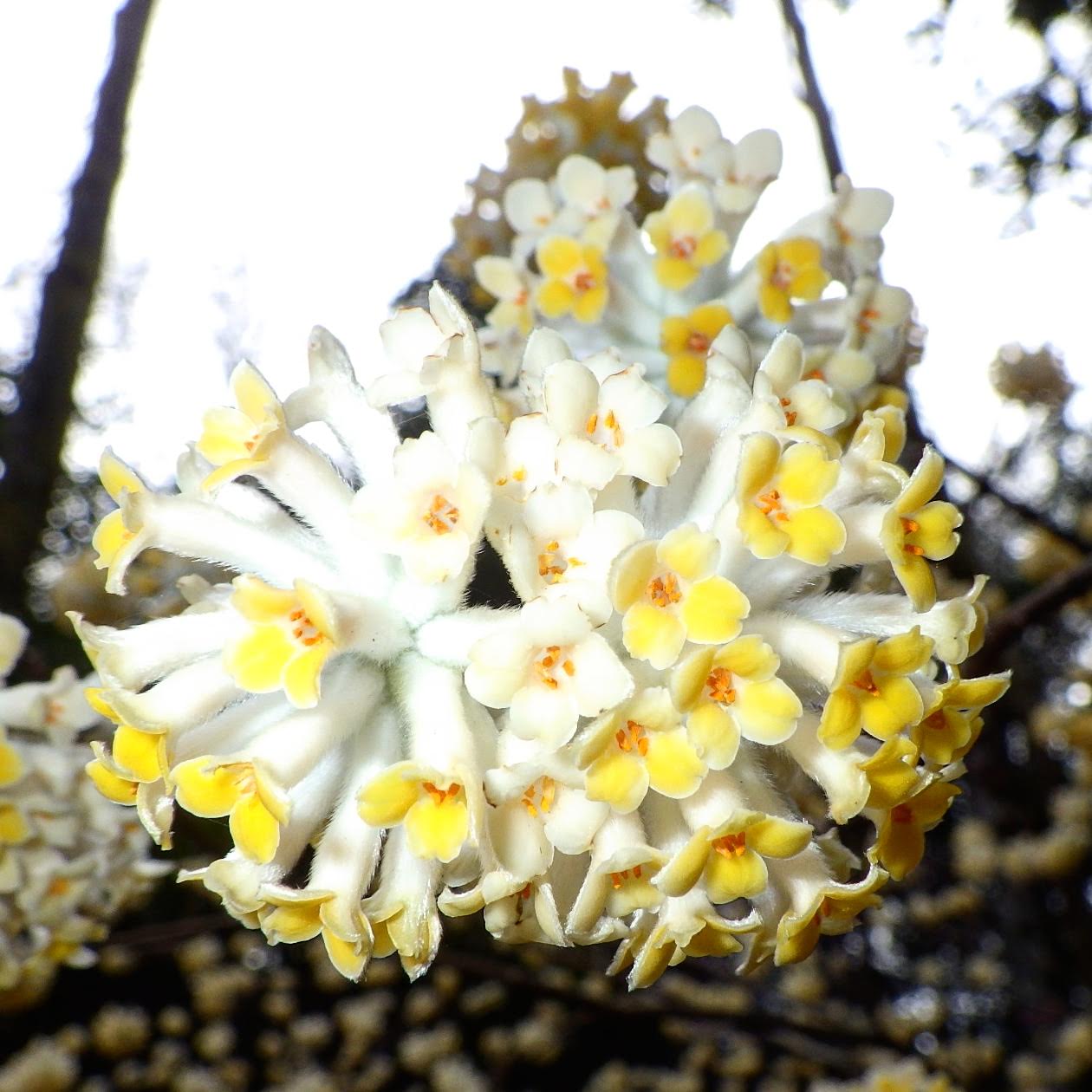
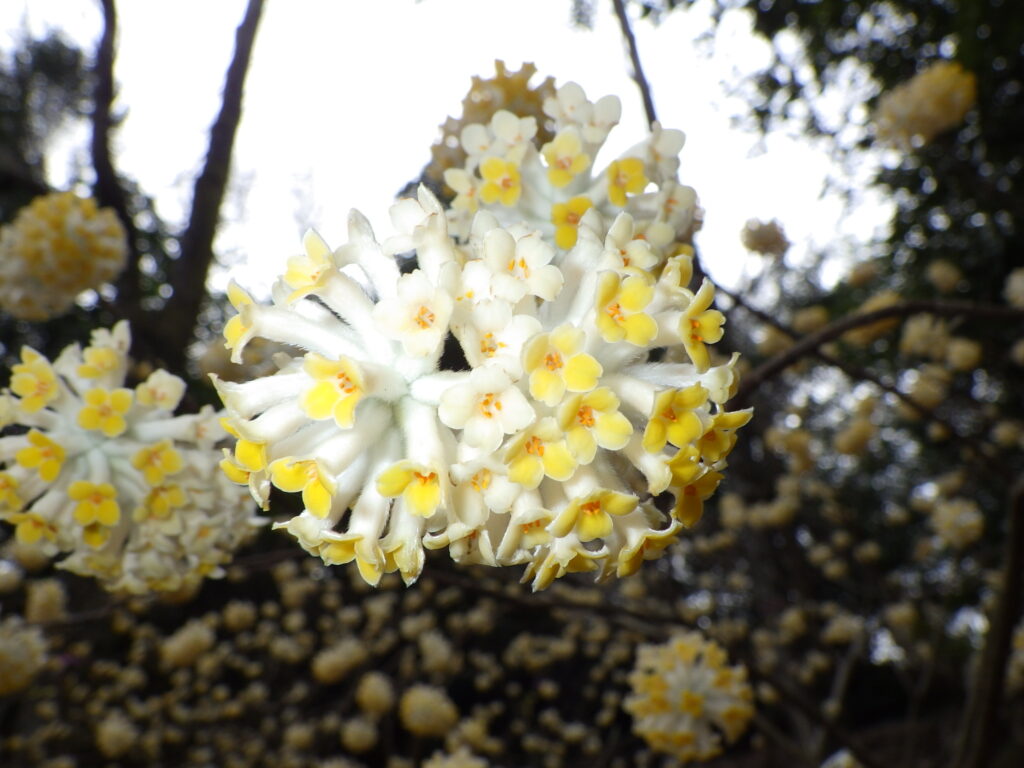
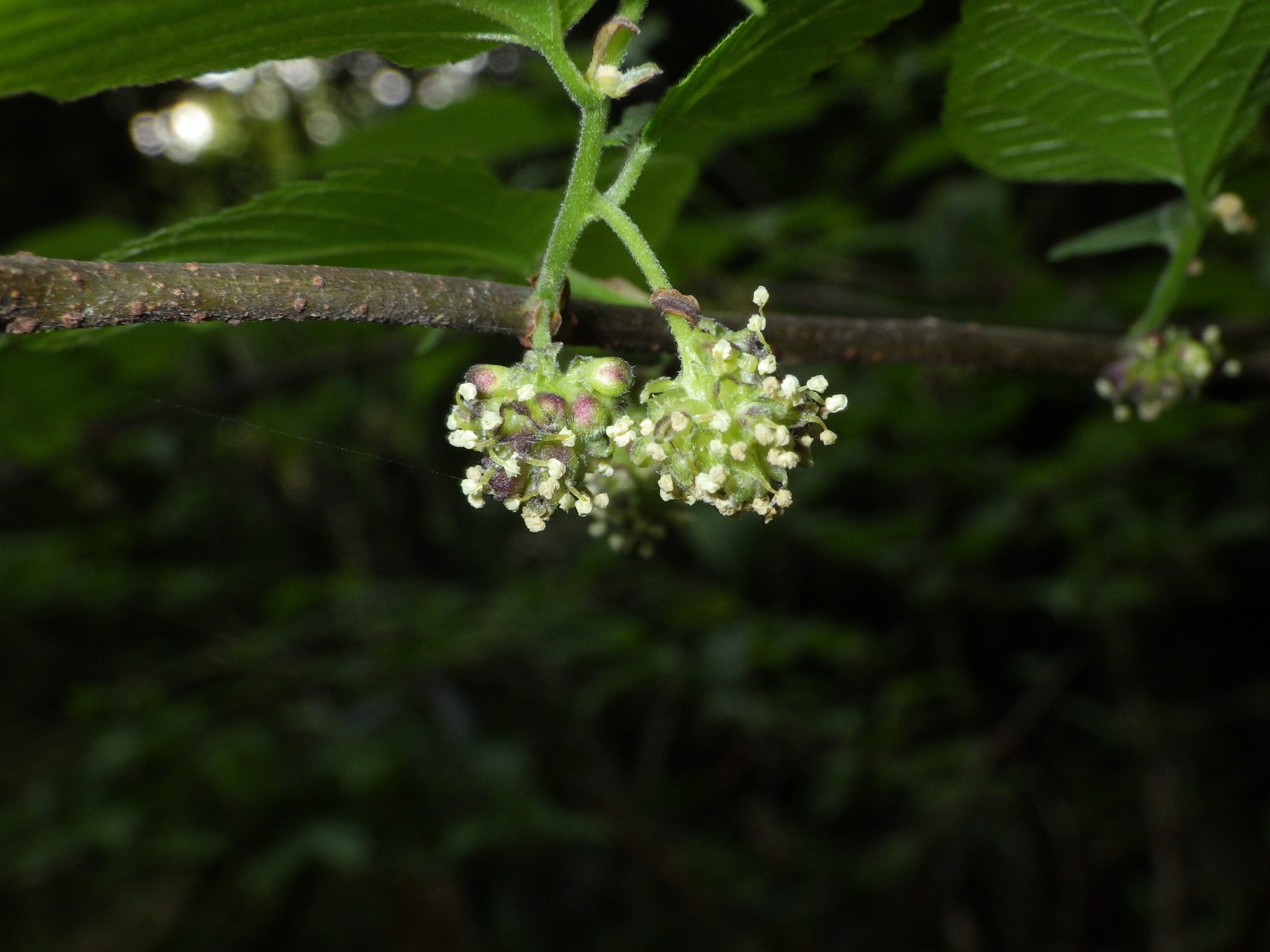
The flowers of Mitsumata bloom in early spring, from March to April, before the leaves appear, like cherry blossoms (Mogi et al., 2000). The capitulum at the end of the three-lobed branches bears 30 to 50 small flowers. The flowers are bisexual, lack petals, and are small, tubular flowers formed from developed sepals, which bloom in a spherical, honeycomb-like arrangement. It's easy to misunderstand that these are sepals, not petals. The calyx tube is 8-15 mm long and four-lobed at the tip. The inner surface of the sepals is bright yellow, while the outer surface is densely covered with silky hairs. There are eight stamens, four of which are visible from the opening of the calyx tube. Inside the calyx tube are four shorter stamens and a pistil.
Gampi flowers bloom in late spring to early summer, from May to June, after the leaves have opened. They produce capitulum inflorescences at the tips of the current year's branches, bearing 7 to 20 pale yellow flowers. The calyx tube is about 8 mm long, with four lobes at the tip, and densely covered with appressed hairs on the outside. The sepals are oval-shaped, 3 to 4 mm long. Inside the tube are eight stamens arranged in two rows, while inside the calyx tube are four shorter stamens and a pistil.
Both species are similar in that their flowers are composed of sepals rather than petals, but as mentioned above, they differ in their flowering period and the number of flowers in the inflorescence.

The color of the Mitsumata flower had changed from yellow to a light color that appears when exposed to ultraviolet light!?
A key characteristic of the Mitsumata flower is that, although the entire flower appears white, it possesses "ultraviolet light" colors visible to insects due to flavonoids (Ono & Iwashina, 2015). Furthermore, the flower's color is initially yellow only at the tips of some sepals, but this color gradually changes to white over time. This yellow coloration is due to carotenoids. The Mitsumata inflorescence uses flavonoids to attract insects from a distance, drawing them to the individual yellow-colored flowers. But why does the color change at all?
This is also not fully understood. However, it is well known that in other flowers, such as Lantana camara, the color of the petals changes depending on the amount of nectar they produce.
It's quite possible that in the case of Mitsumata (Edgeworthia chrysantha), the flowers are yellow before pollination occurs, and after pollination they turn white (ultraviolet color) to attract insects from afar, working together with other flowers. This hasn't been verified yet, but it would be interesting to investigate.
It turns out that long-nosed insects are the ones that carry the pollen of the Mitsumata flower!?
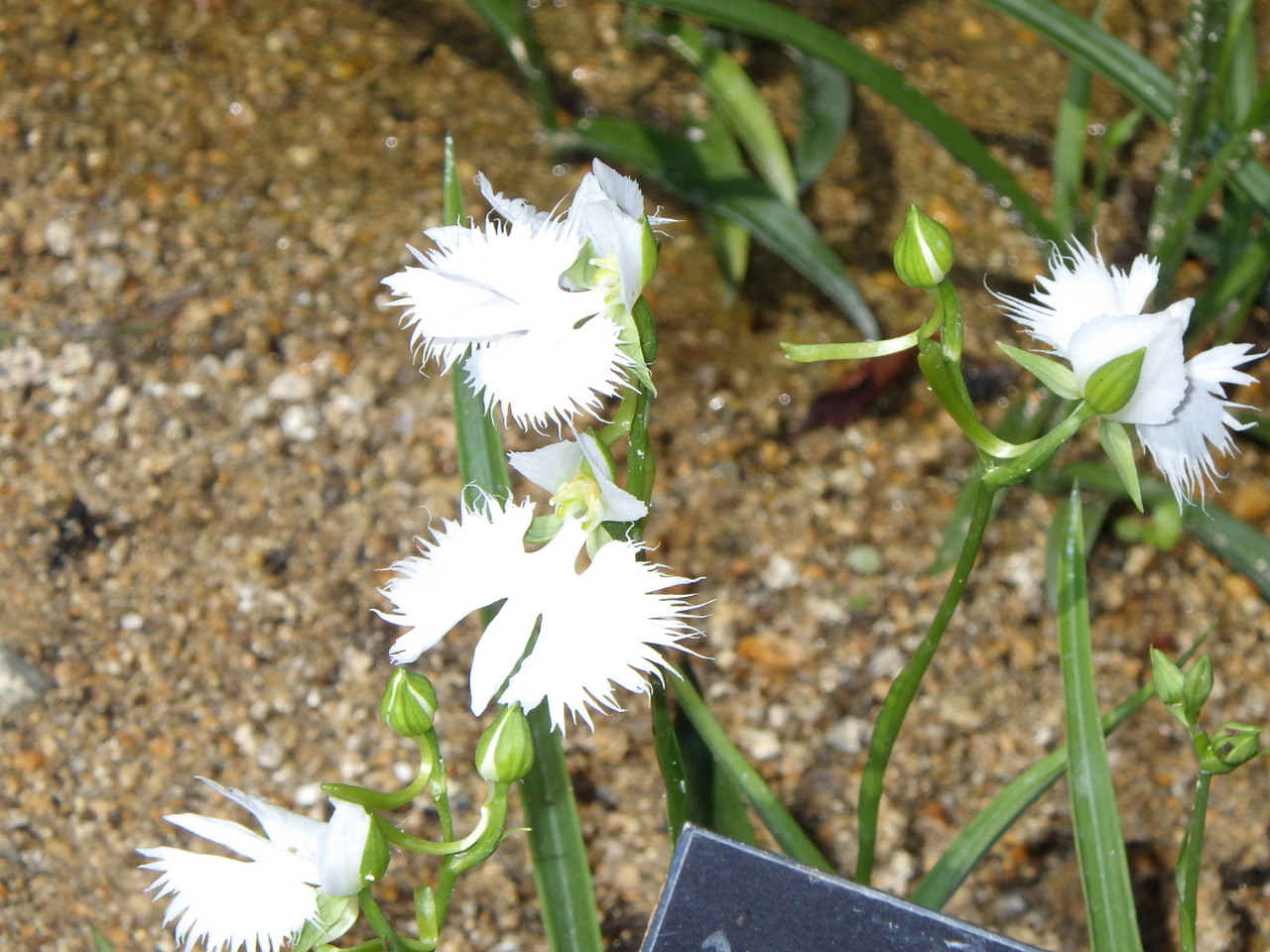
As for the types of insects that visit the Mitsumata plant, there is no comprehensive study, only a few separate studies. Older studies have depicted thrips, a small insect, as the main pollinator (Nakadaira, 1953), and while this may be partly true, considering the mechanism described above, they don't seem to be a major pollinator. However, it is possible that they are used in a supplementary role, similar to the Habenaria radiata.
Other studies have recorded the presence of the Japanese honeybee (Apis cerana japonica) (Miyamoto, 1958), the silver-flowered bee (Nomada ginran), small beetles (Kakutani et al., 1990), a species of bumblebee (Bombus sp.) (Matsuura, 2004), and a species of Nymphalidae butterfly (Hirose & Hirose, 2006). Records of the red admiral, mountain skipper, velvet bee fly, and a species of bumblebee were also found on the internet. On the other hand, no moths visited at all (Ikenoue & Kanai, 2010).
Since the pistils and part of the stamens of the Mitsumata flower are located deep inside the calyx tube, insects would need to insert their mouths deep inside to carry the pollen for proper pollination to occur.
Correspondingly, the insects that visit are generally those with very long mouths or those that can directly enter the inside of the flower. However, the absence of moths is a curious result. The proportion of these visiting insects is also unknown. There may be some unknown secrets hidden within. In particular, the scent emitted by the flower, as will be discussed later, may have a significant influence.
However, in any case, long-nosed insects are essential for the pollination of Mitsumata. Therefore, if you are going to make paper from Mitsumata or appreciate it, you should also consider these insects as part of the process. The benefits we receive from such creatures without even realizing it are called "ecosystem services." If you are familiar with Japanese banknotes, please also take an interest in environmental conservation that protects the habitats where insects live!
In contrast, the Gampi flower was a favorite of nocturnal moths!?
On the other hand, detailed research has been conducted in Japan on the pollination ecology of Diplomorpha ganpi (including Diplomorpha sikokiana), Diplomorpha phymatoglossa, Diplomorpha trichotoma, and Diplomorpha yakushimensis (Okamoto et al., 2008).
In this study, we observed flowers of each species in various locations across Japan, collecting visiting insects during the day and night, and recording whether or not they had pollen on their bodies.
Combining all these results, the pollinating insect 75% was a nocturnal moth, while the remaining pollinating insects were mainly diurnal bees (11%), beetles (3%), butterflies (5%), and flies (8%).
While there were differences in proportions when looking at the results for each species, the conclusion that nocturnal moths primarily visit flowers remained unchanged.
This is an interesting result. Like Edgeworthia chrysantha, the flowers of the Ganpi genus also have parts of the pistil and stamens located deep inside the calyx tube, so insects need to insert their mouthparts deep inside to carry the pollen for proper pollination, and the insect composition reflects this. However, in contrast to Edgeworthia chrysantha, members of the Ganpi genus were heavily dependent on nocturnal moths. The moths visited the flowers most frequently between 6 and 7 pm.
Nocturnal moths specifically consisted of the families Pyralidae (55%), Geometridae (28%), Arctiidae (2%), Nolidae (2%), and Noctuidae (13%).
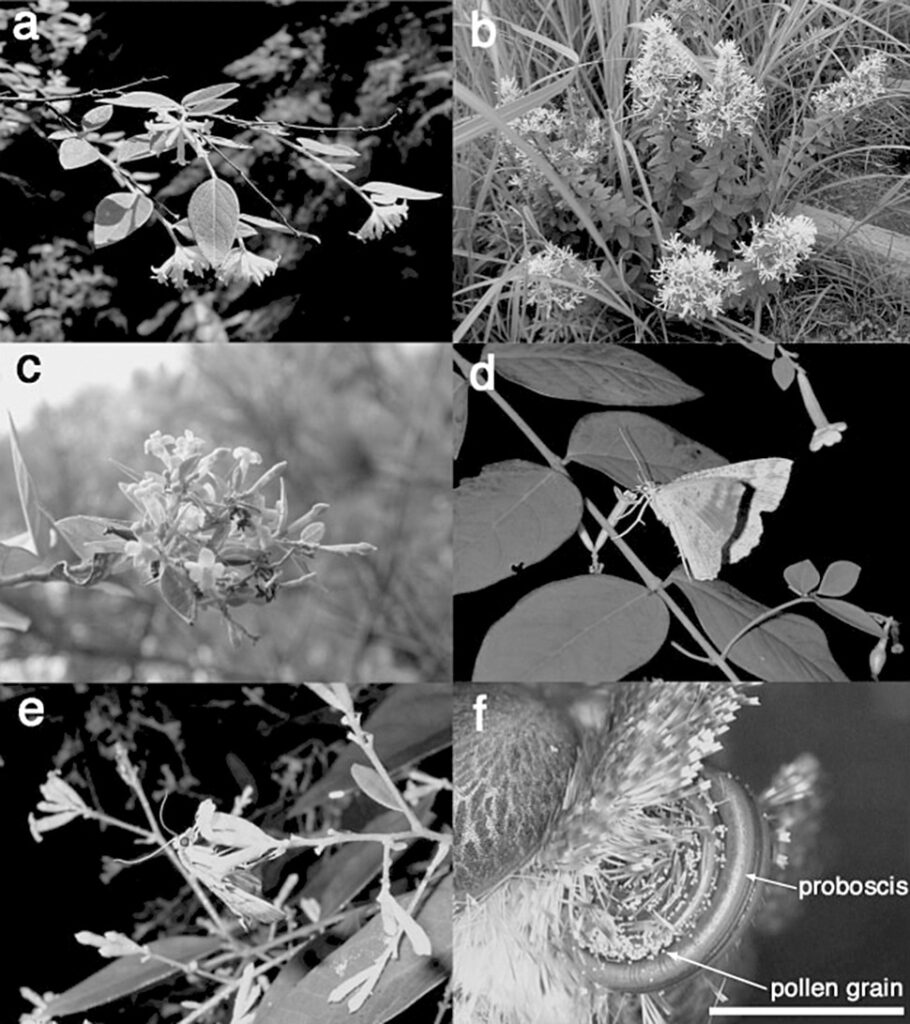
Similar to Mitsumata, the fact that long-nosed insects visit during the day is a common feature, which can be explained by the fact that the flowers are white to whitish-yellow and composed of long, tubular sepals.
But why is it that, unlike the Edgeworthia chrysantha, nocturnal moths are primarily attracted to members of the Gampi genus?
It has been discovered that members of the genus Gampi have a certain characteristic: they release a "scent" from their flowers only at night when moths are active.
In particular, the components of the "scent" of gampi have been revealed in the same study. According to the analysis, 16 types of volatile compounds were identified, producing 3 types of benzenoides and 12 types of monoterpenes, which together account for more than 80% of the total released scent, and also producing a small amount of sesquiterpene (nerolidol).
This characteristic is consistent with typical substances emitted by flowers that generally attract moths.
In terms of components, the main components were two monoterpenes : verbenone (17.6–46.31 TP3T) and (E)-β-ocimene (11.56–26.81 TP3T).
While there is a lack of research on the Mitsumata plant itself, it's possible that the timing of when the flowers release their scent, or the components of the scent, are causing significant differences.
In addition, the fact that in the genus Edgeworthia, the flowers bloom in spring before the leaves open, and the inflorescence is capitate with a curved, drooping stalk, while in the genus Gampi, the flowers bloom in summer, and the inflorescence is racemose or conical and does not droop, or only slightly downward, may also be influencing the pollinating insects. We look forward to future research on this.
For some reason, only hawk moths don't come to the flowers of the Gampi plant!?
There are some interesting points about the nocturnal moths that visit flowers of the genus Gampi.
The surprising thing was that no members of the Sphingidae family were observed at all. Why is that? Sphingidae are a large group of moths, and are known to be important pollinators for many of the flowers that are normally white and slender.
Possible reasons include the flower's scent not being suitable for hawk moths, or the fact that hawk moths were scarce in the habitat of the Gampi genus.
However, the scent of the flowers is not significantly different from the scent components of other flowers that are known to attract hawk moths, and the presence of hawk moths has also been confirmed.
If that's the case, the last possible reason is that flowers of the genus Gampi are not cost-effective for hawk moths.
Because hawk moths fly long distances and hover when foraging for flowers, they require more energy than ordinary moths. Although not thoroughly investigated, it's possible that flowers of the Gampi genus have disadvantages for hawk moths compared to other flowers, such as having less nectar or sugar.
Why did flowers of the genus Gampi evolve to rely on moths for pollination?
By the way, why did the genus Gampi evolve to rely on moths for pollination?
The reasons for this include the fact that self-pollination has a significant negative impact on seed production in the Gampi genus, and that each flower has only one ovary and produces only one seed.
In reality, honeybees and other bees are the most efficient pollinators and insects that contribute to pollination.
However, some bees have the characteristic of visiting all the flowers on the same inflorescence in succession. When this happens, their own pistils become covered with their own pollen, promoting self-pollination (stigma cover by neighboring flower pollination).
While other plants can mitigate this effect by having self-pollinating species or by having multiple ovaries in a single flower, the genus Gampi is not only greatly affected by self-pollination, but also suffers significantly because each flower produces only one seed.
Therefore, they may have increased their reliance on moths to ensure that pollen from other individuals is reliably carried, even if it is inefficient, thus enabling cross-pollination.
From this perspective, it's possible that the Mitsumata plant has become dependent on butterflies rather than moths.
The fruits of the genera Edgeworthia and Gampi are both drupes.
The fruits of both the Edgeworthia genus and the Gampi genus are drupes.
The drupes of the Mitsumata plant ripen in June and July, are green and hairy, and have a persistent calyx tube that encloses the drupes. What appears to be a seed is actually a pit enclosed in a hard endocarp. The pit is spindle-shaped, 4-5 mm long, and contains a single seed.
The fruit of the gampi is a dry drupe, 5-6 mm long, covered in long hairs, and enclosed in a withered calyx tube. The pit is spindle-shaped, about 4 mm long, and black in color.
It is believed that seeds are dispersed by gravity or wind, but the details are not well understood.
References
Arioka, Toshiyuki. 2018. Cultural History of Things and People 181: Washi Plants. Hosei University Press, Tokyo. 317pp. ISBN: 9784588218118
Hirose, Yoshimi & Hirose, Yasuko. 2006. Behavior of adult Nymphalidae butterflies visiting the flowers of Edgeworthia chrysantha and Stachyurus praecox after overwintering. Abstracts of Presentations in the Annual Meeting of the Entomological Society of Japan, 66: ??.
Ikenoue, Toshiyuki & Kanai, Hiroo. 2010. Nocturnal moth flower-visiting activity. Journal of the Botanical Society of Japan 85(4): 246-260. ISSN: 0022-2062, https://doi.org/10.51033/jjapbot.85_4_10230
Kakutani, T., Inoue, T., Kato, M., & Ichihashi, H. 1990. Insect-flower relationship in the campus of Kyoto University, Kyoto: an overview of the flowering phenology and the seasonal pattern of insect visits. Contributions from the Biological Laboratory, Kyoto University 27(4): 465-522. ISSN: 0452-9987, http://hdl.handle.net/2433/156099
Kanagawa Prefecture Flora Survey Association. 2018. Kanagawa Prefecture Flora 2018 (Electronic Edition). Kanagawa Prefecture Flora Survey Association, Odawara. 1803pp. ISBN: 9784991053726
Matsuura, Makoto. 2004. Ecology and control of social bees in urban areas VI. Occurrence status and adaptation to urban areas of bumblebees. Honeybee Science 25(3): 97-106. ISSN: 0388-2217, http://hdl.handle.net/11078/1210
Miyamoto, S. 1958. Biological Studies on Japanese Bees (X): Differences in Flower Relationships between a Japanese and an European Honeybees. Science Reports of the Hyogo University of Agriculture. Series, Agricultural Biology 3(2): 99-107. https://doi.org/10.24546/81006103
Mogi, Toru; Ota, Kazuo; Katsuyama, Teruo; Takahashi, Hideo; Shirokawa, Shiro; Yoshiyama, Hiroshi; Ishii, Hidemi; Sakio, Hitoshi; and Nakagawa, Shigetoshi. 2000. Flowers Blooming on Trees: Polypetalous Flowers (Vol. 2, 2nd edition). Yama-kei Publishers, Tokyo. 719pp. ISBN: 9784635070041
Nakahira, Kosuke. 1953. Studies on the breeding of special-purpose tree species (2): On the fertility of Mitsumata. Journal of Plant Breeding Science 2(3): 150-152. ISSN: 0536-3683, https://doi.org/10.1270/jsbbs1951.2.150
Okamoto, T., Kawakita, A., & Kato, M. 2008. Floral adaptations to nocturnal moth pollination in Diplomorpha (Thymelaeaceae). Plant Species Biology 23(3): 192-201. https://doi.org/10.1111/j.1442-1984.2008.00222.x
Ono, M. & Iwashina, T. 2015. Quantitative Flavonoid Variation Accompanied by Change of Flower Colors in Edgeworthia chrysantha, Pittosporum tobira and Wisteria floribunda. Natural Product Communications 10(3): 413-416. ISSN: 1934-578X, https://doi.org/10.1177/1934578X1501000309
Tsukamoto, Yotaro. 1994. Encyclopedia of Horticultural Plants, Compact Edition. Shogakukan, Tokyo. 3710pp. ISBN: 9784093051118
Wu, ZY, Raven, PH & Hong, DY (Eds.). 2007. Flora of China (Vol. 13 Clusiaceae through Araliaceae). Science Press, Beijing, and Missouri Botanical Garden Press, St. Louis. ISBN: 9781930723597
Source
This article is a significantly expanded version of a piece originally published in the following book.