European pumpkins, Japanese pumpkins, and pepo pumpkins are all annual vining plants belonging to the Cucurbitaceae family, Cucurbita genus. Originally from the Americas, they are very popular in Japan, playing an important role in both everyday meals and Halloween celebrations. However, the three species are often confused, and no websites clearly explain their differences. They can be distinguished by their leaves, flowers, and fruit stalks. To briefly summarize the differences in use, focusing solely on Japan: European pumpkins are currently the most common, with sweet, sticky fruit used in stews and salads. Japanese pumpkins were the dominant variety before World War II, characterized by their mild flavor, and were used in stews, but were eventually replaced by European pumpkins. However, Japanese pumpkins are still used for sweets. Pepo pumpkins were very minor, although varieties like the Kinshiuri exist, but after the war, they became more common with zucchini and Connecticut field pumpkins used for Halloween jack-o'-lanterns. Pumpkins are not native to Japan or the West; they originated in the Americas. Surprisingly, the Japanese pumpkin is the most common in the West. It is believed that the fruit was originally eaten and the seeds dispersed by large mammals like the now-extinct mastodon. This article will explain the classification, morphology, history, and culture of the genus Cucurbita.
- What are European pumpkins, Japanese pumpkins, and pepo pumpkins?
- What are the differences between European pumpkins, Japanese pumpkins, and pepo pumpkins?
- What's the difference between pumpkin and squash?
- What are the differences in history and uses between European pumpkins, Japanese pumpkins, and pepo pumpkins?
- How are pumpkin seeds dispersed? Were pumpkin fruits eaten by extinct animals?!
- References
What are European pumpkins, Japanese pumpkins, and pepo pumpkins?
The European pumpkin (Cucurbita maxima), also known as the Japanese pumpkin, is a climbing annual plant native to South America (Argentina and Bolivia) and cultivated worldwide for its edible fruit (RBG Kew, 2026).
Japanese pumpkin (Cucurbita moschata), also known as Oriental pumpkin or Boubra, is a climbing annual plant native to Central America (Belize, Guatemala, and Mexico) and cultivated worldwide for its edible fruit. Among the vast number of varieties, some of the most representative Japanese varieties include the crane-necked pumpkin (Tsurukubi Kabocha) var. luffiformis, whose fruit is long and slender with a neck resembling a crane's neck; the chrysanthemum-seat pumpkin (Kikuza Kabocha) var. meloniformis, whose fruit has deep vertical grooves and whose cross-section resembles a chrysanthemum flower; and the gourd-shaped Saikyo pumpkin (Tounasu/Shishigatani Kabocha) var. meloniformis 'Toonas'.
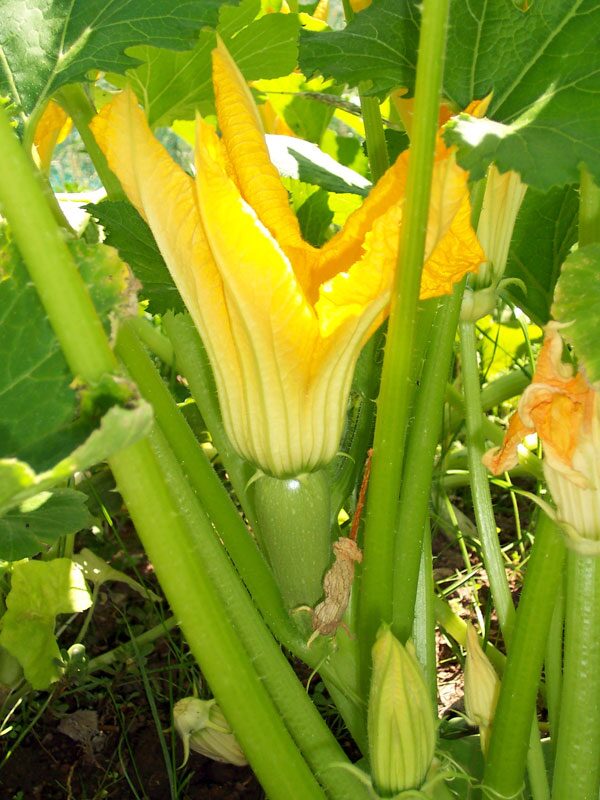
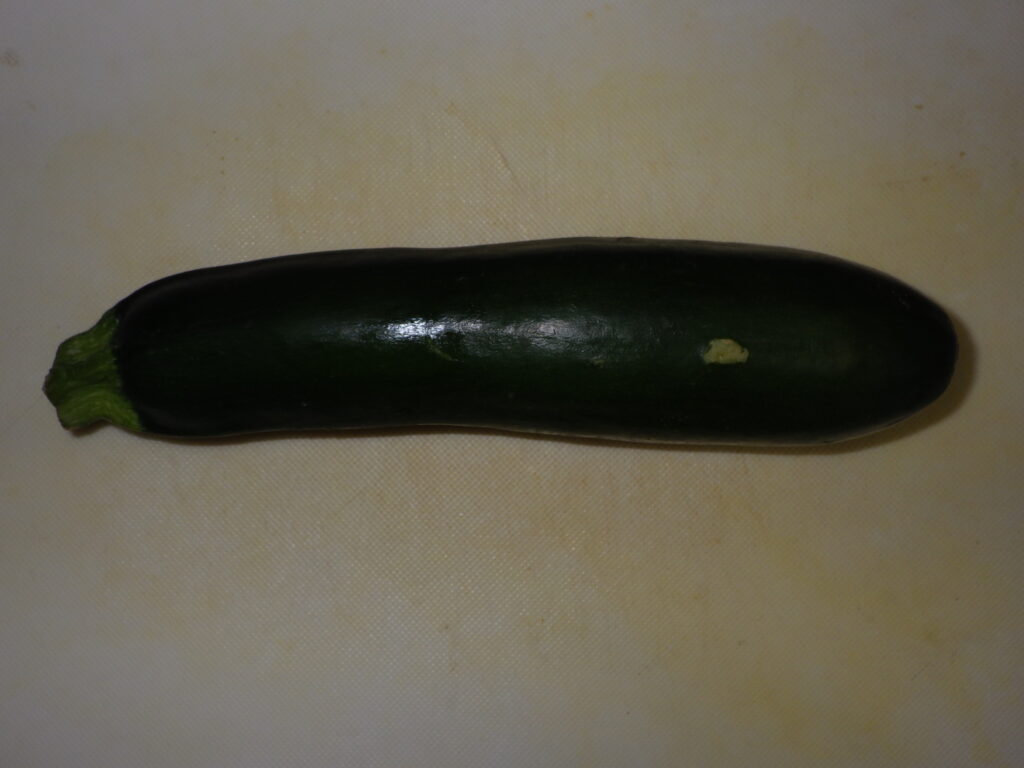
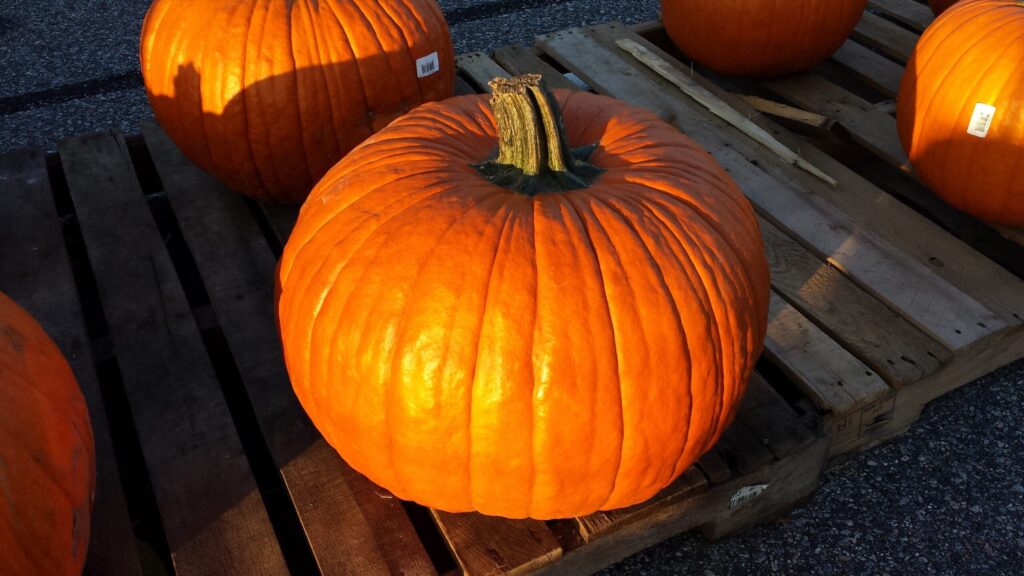
Cucurbita pepo, also known as pepo pumpkin, is a climbing annual plant native to Central America (Mexico) and cultivated worldwide for its edible and ornamental fruits. It boasts a vast number of varieties, including the edible zucchini subsp. pepo 'Melopepo', the horticultural variety and subspecies of the Connecticut field pumpkin subsp. pepo 'Connecticut field', which has oblate-spherical fruits used in jack-o'-lanterns, and the ornamental pumpkin subsp. texana (var. ovifera is a synonym), which has oddly shaped fruits (Gong et al., 2012).
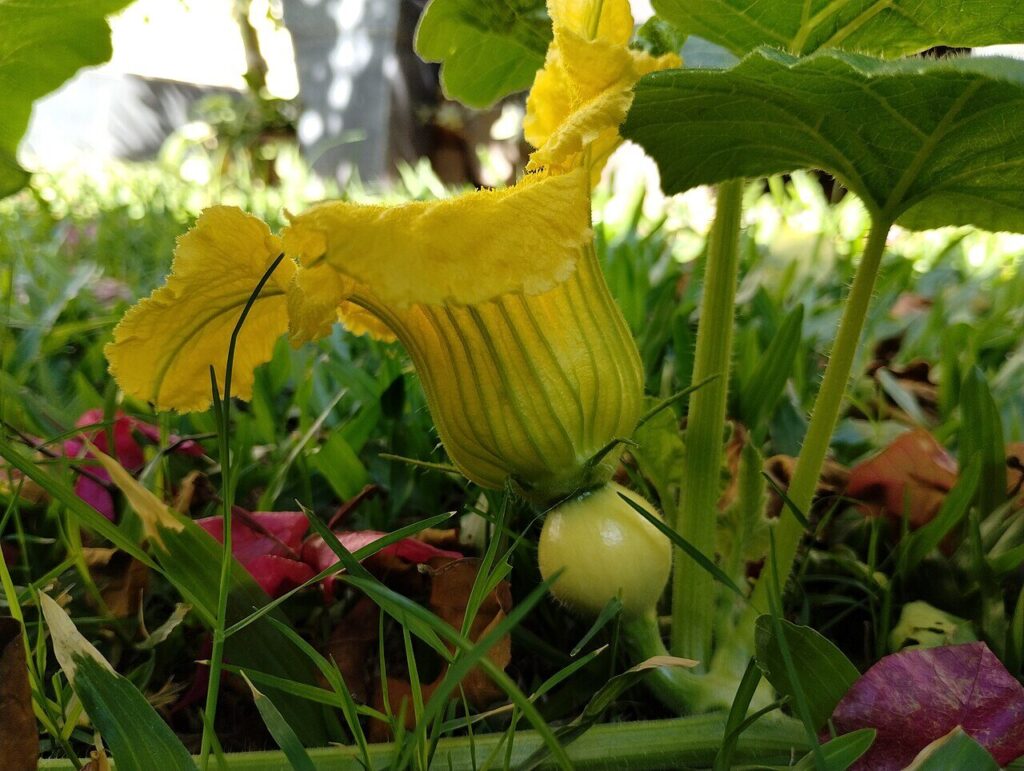
Both are annual vines belonging to the Cucurbitaceae family, genus Cucurbita. They are creeping plants, and their most distinctive feature is their large, fleshy fruit, as well as their yellow, bell-shaped corollas, which are important characteristics from a taxonomic standpoint.
However, the incorrect naming conventions of "Japanese pumpkin" and "Western pumpkin," which do not reflect their origins, have led to the misconception that Japanese pumpkins are a native species and Western pumpkins came from the West.
This is based on the historical circumstances of how both species were introduced to Japan, but in reality, as mentioned above, they are native to the Americas and are neither Japanese nor Western in any way.
Moreover, despite the fact that European pumpkins, Japanese pumpkins, and pepo pumpkins are completely different species, they are treated as if they were separate varieties, and few websites point out specific morphological differences, further exacerbating the misunderstanding.
The pepo pumpkin is relatively obscure and not well-known. However, edible zucchini is a cultivated variety of pepo pumpkin, and the Connecticut Field Pumpkin, a cultivated variety of pepo pumpkin, is used for Halloween jack-o'-lanterns.
Because there are many cultivated varieties of these three types of pumpkins, the names "○○ pumpkin" are often used without explanation, leading to confusion.
What are the differences between European pumpkins, Japanese pumpkins, and pepo pumpkins?
Let's start by clarifying the biological and morphological differences between the three main types. While there are many varieties, biologically speaking, the three most common types are sufficient, and understanding just these three is all you need.
As a fundamental point, as mentioned above, their natural distribution differs: the European pumpkin is native to South America (Argentina and Bolivia), the Japanese pumpkin is native to Central America (Belize, Guatemala, and Mexico), and the pepo pumpkin is native to Central America (Mexico).
While it's undeniable that the three species evolved from a common ancestor, the fact that the European pumpkin is distributed primarily in South America suggests that the three species have completely separated without interbreeding in the wild.
We will consider the specific differences in form (Wu et al., 2011).
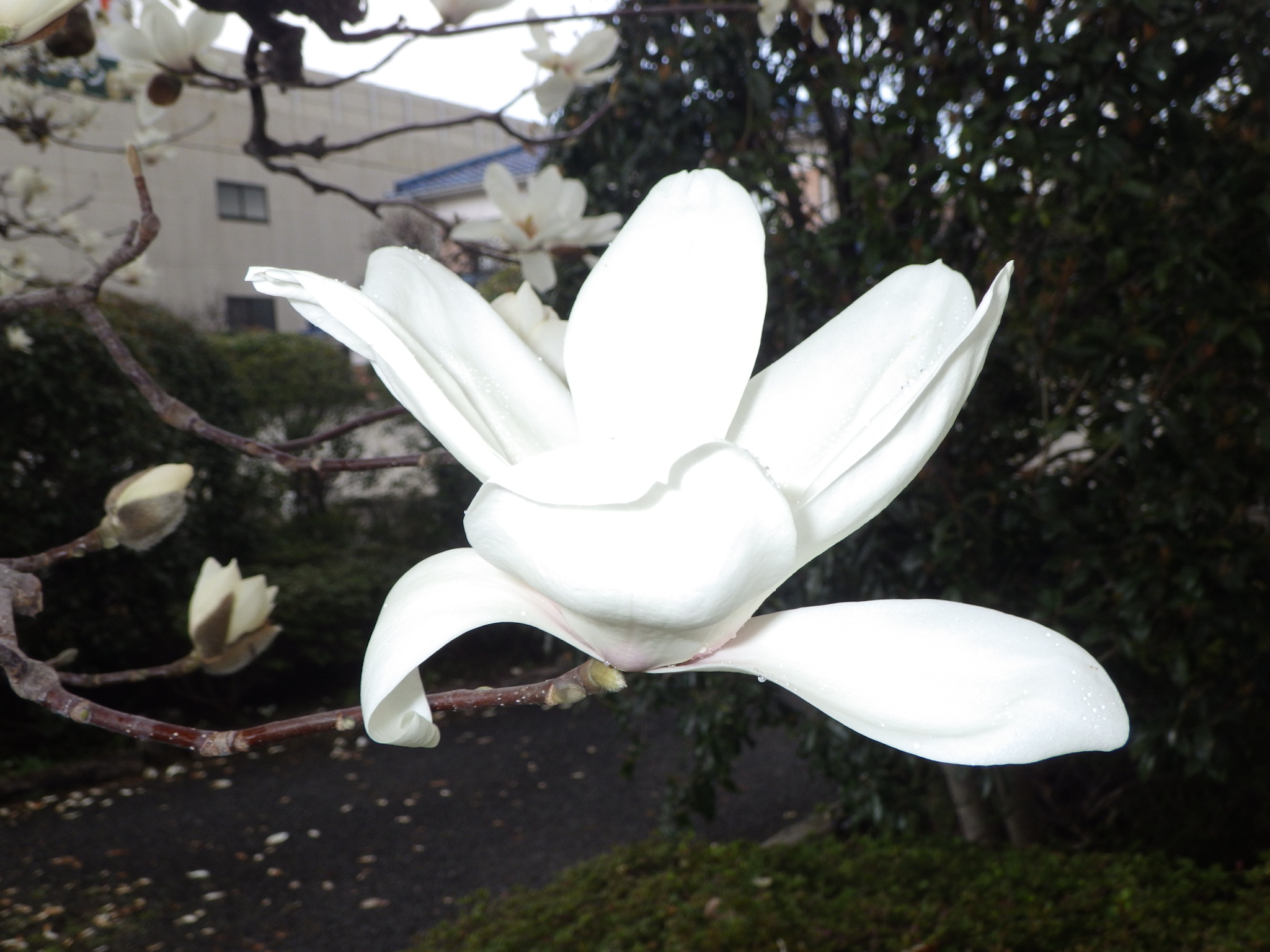
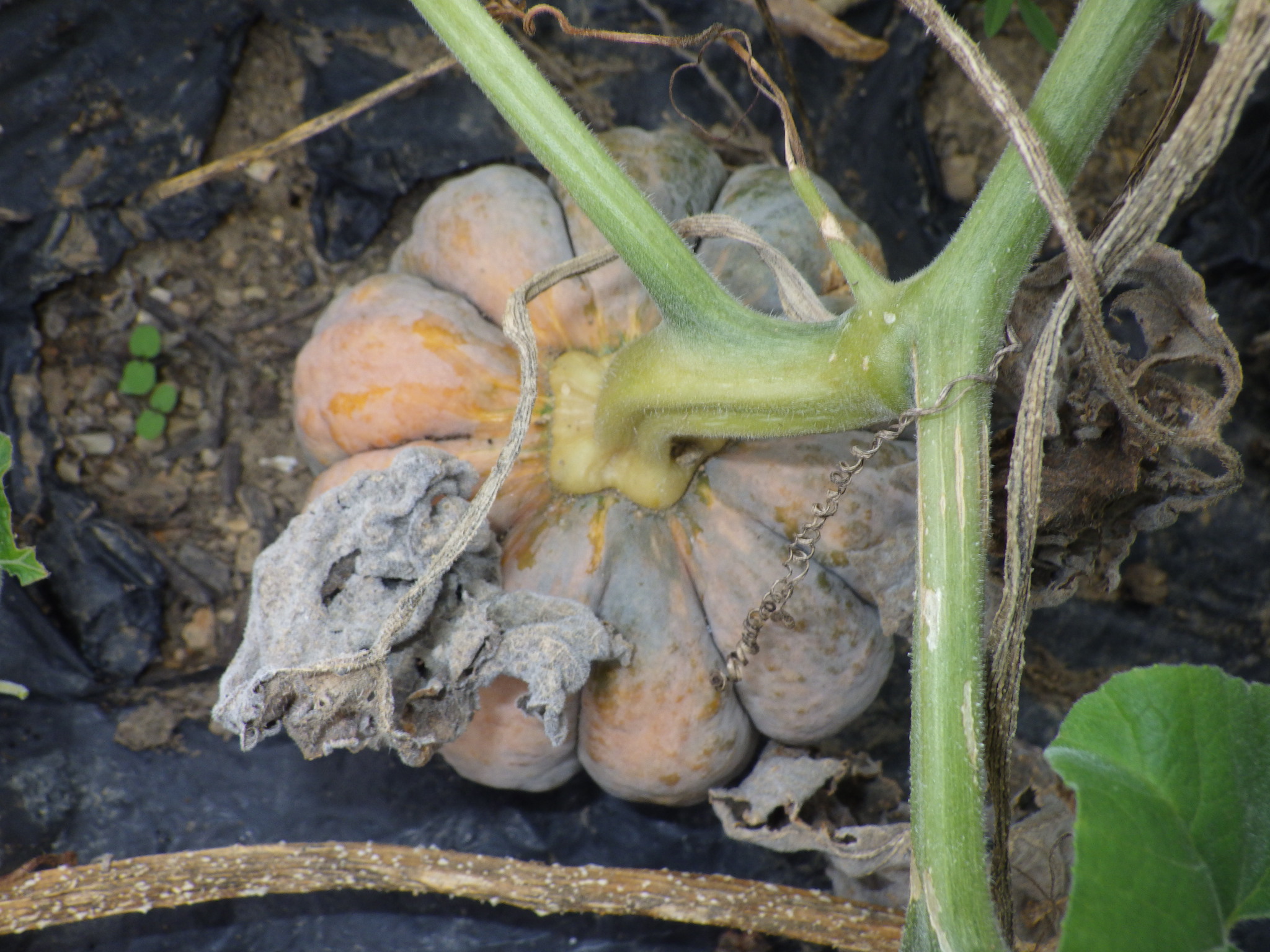
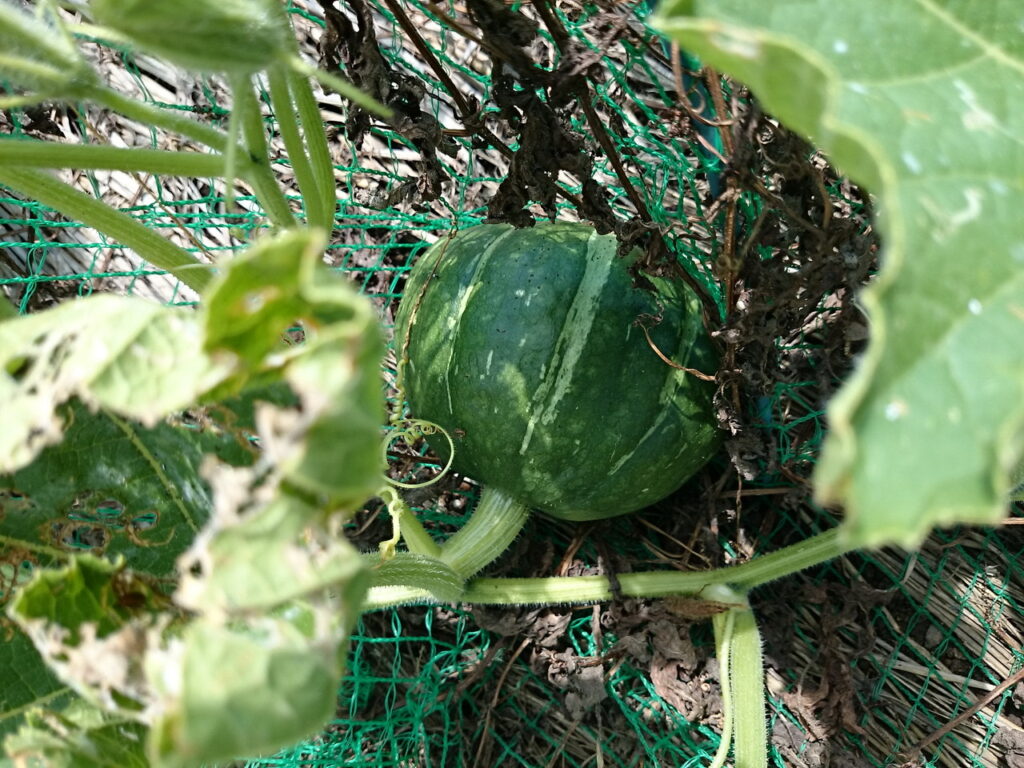
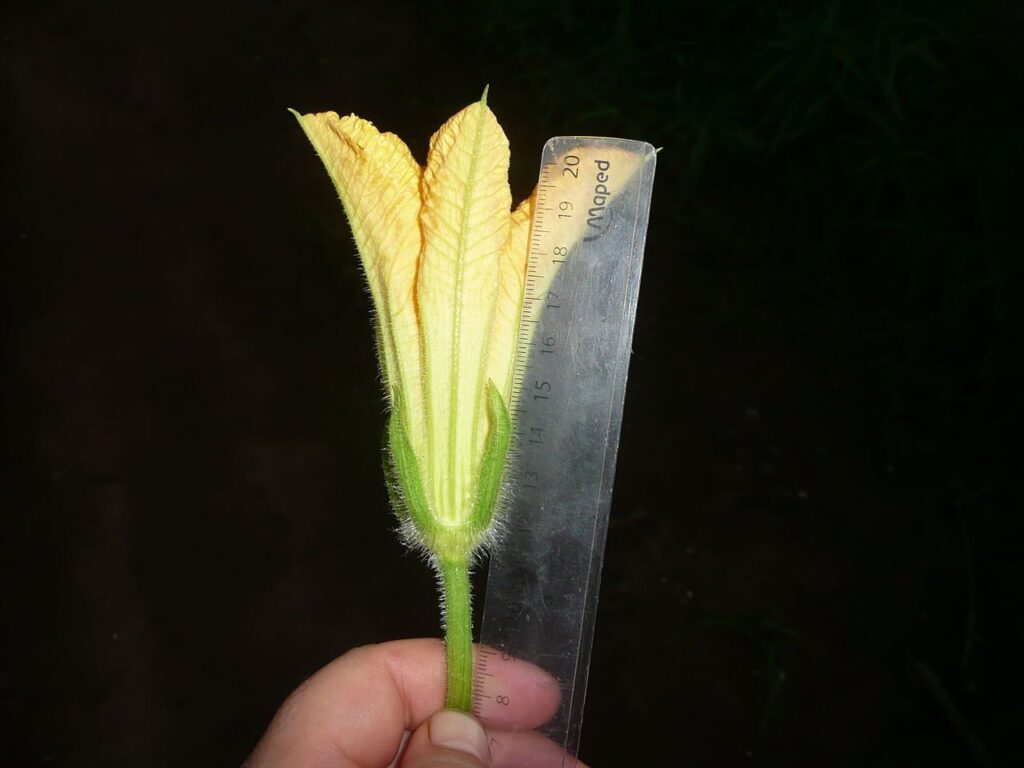
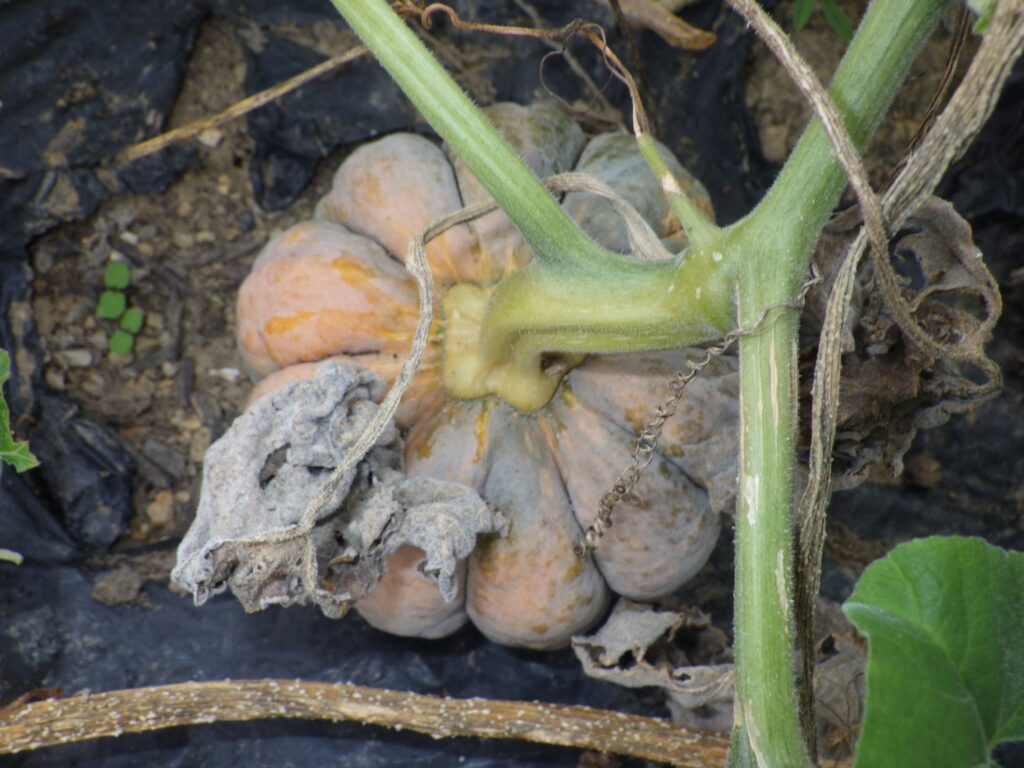
In Japanese pumpkins, the flower sepals are linear with leaf-like tips, and the fruit stalk expands significantly at the tip. In contrast, in European pumpkins and pepo pumpkins, the flower sepals are linear to linear-lanceolate with slender tips, and the fruit stalk does not expand significantly at the tip.
The description "the flower's sepals are linear with leaf-like tips" is a little difficult to understand, but it means that the sepals at the back of the flower extend slightly to the sides, increasing their surface area and making them somewhat similar in shape to ordinary leaves. In pumpkins and pepo pumpkins, the sepals are simple and slender.
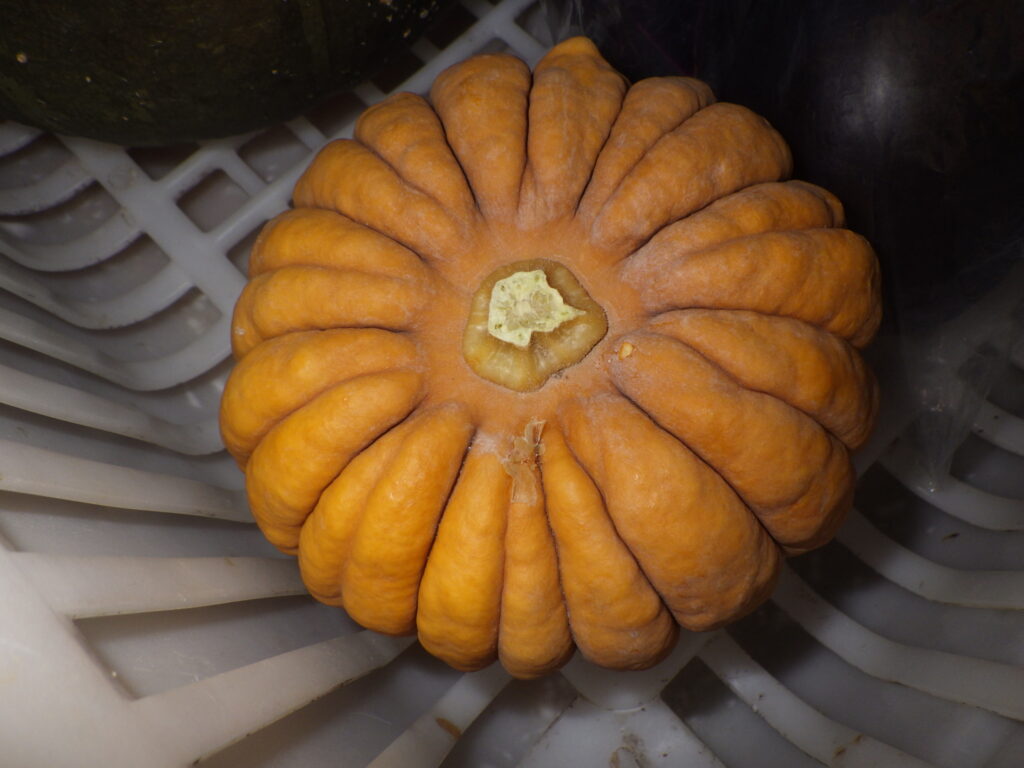
The phrase "the stalk expands significantly at the tip" is also difficult to understand, but essentially, Japanese pumpkins have a circular, whitish indentation at the tip of the stalk where the fruit's stem ends, while European pumpkins and pepo pumpkins lack this, resulting in a flat, simple appearance. This is one reason why Japanese pumpkins look "bumpy." However, some varieties, such as the vine-necked pumpkin, have evolved in a way that makes this characteristic less noticeable.
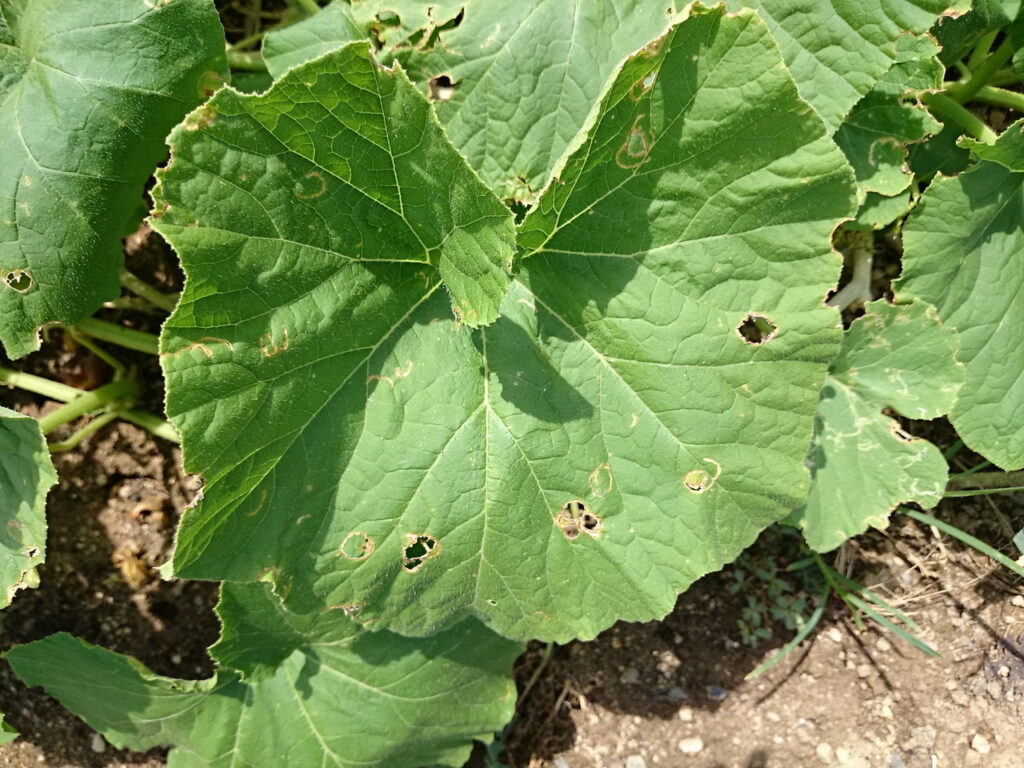
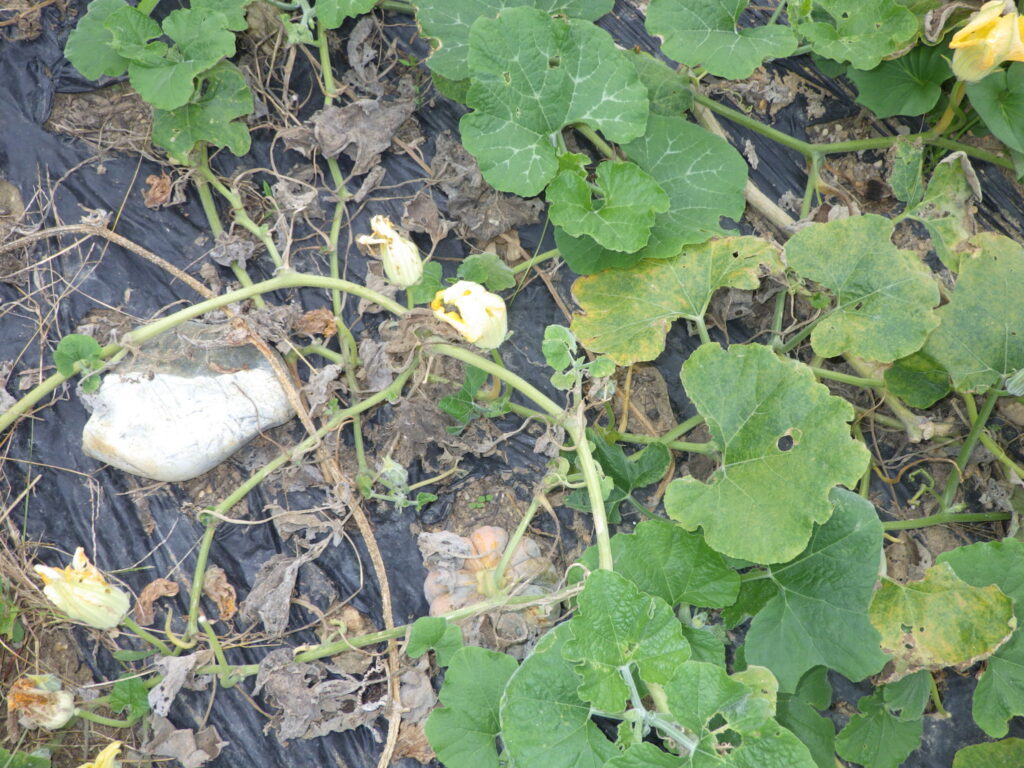
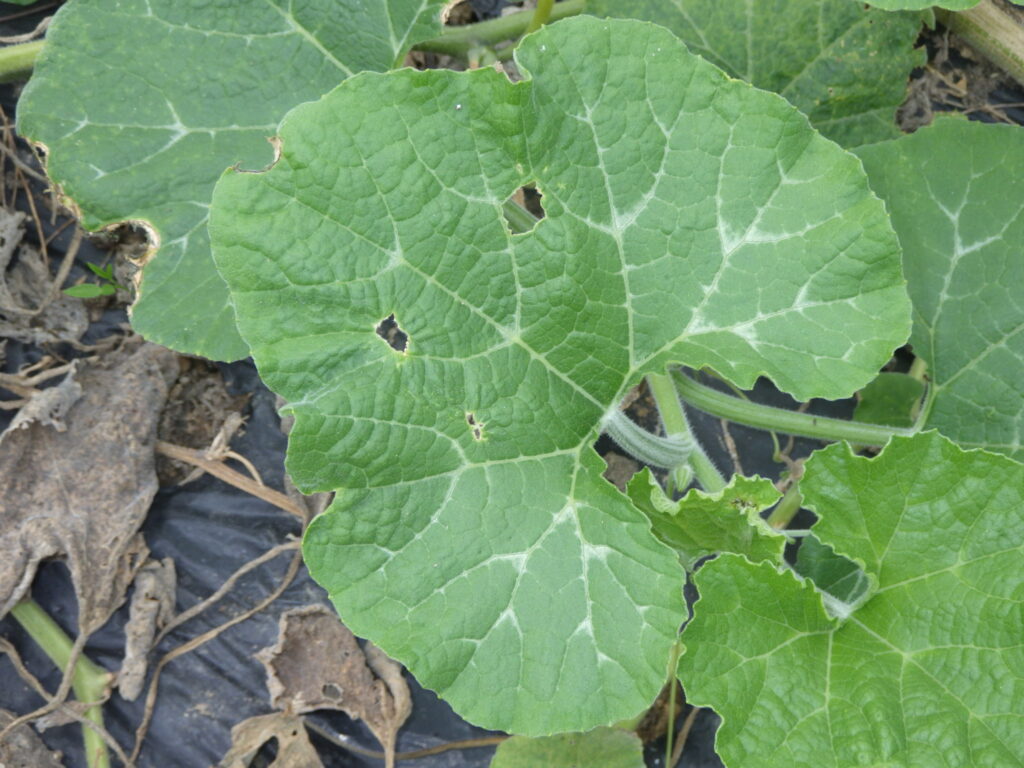
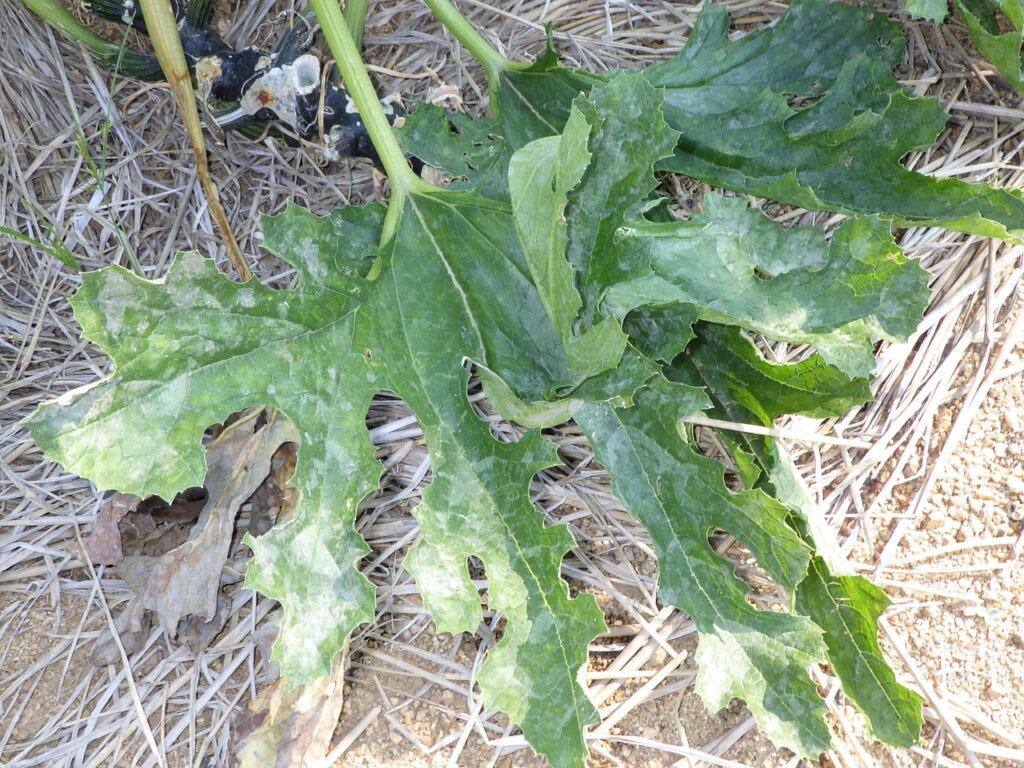
Regarding pumpkins (Pumpkin serrulata) and pepo pumpkins (Pumpkin pepo), the differences are that in pumpkins, the leaf blades are kidney-shaped to spherical with nearly entire margins, the sepals are lanceolate, and the fruit pedicels lack angular grooves and do not thicken at the tip, while in pepo pumpkins, the leaf blades are triangular to ovate-triangular with 5 to 7 irregular lobes, the sepals are linear-lanceolate, and the fruit pedicels have angular grooves and are slightly thickened at the tip.
For this, looking at the shape of the leaves should be sufficient. You can understand it as simply this: European pumpkins have leaves that don't separate, while pepo pumpkins have leaves that do.
The fruit morphology is so diverse that it's not a reliable indicator for distinguishing between the three varieties. However, you can differentiate them if you remember the shape of each variety, and nowadays, you can easily identify the variety name using Google Image Search.
Other pumpkin varieties cultivated in Japan include Cucurbita ficifolia and Cucurbita argyrosperma, but these are less common in Japan, so we will omit them.
What's the difference between pumpkin and squash?
In English, pumpkins are sometimes referred to as "pumkin" or "squash."
However, this does not distinguish the three species biologically; "pumpkin" is a general term for varieties of pumpkins in the Cucurbita genus that have orange rinds, while "squash" is a general term for varieties of pumpkins in the Cucurbita genus that have green rinds.
Therefore, the most common variety of pumpkin in Japan is called squash. It's all a bit confusing, isn't it?
What are the differences in history and uses between European pumpkins, Japanese pumpkins, and pepo pumpkins?
The uses of European pumpkins, Japanese pumpkins, and pepo pumpkins vary considerably from country to country. Therefore, it's difficult to summarize them in a single sentence.
To summarize briefly, focusing solely on Japan, the European pumpkin is currently the most common, with sweet and sticky fruit used in stews and sweets. The Japanese pumpkin was the most common before World War II, characterized by its mild flavor, and was used in stews, but it was replaced by the European pumpkin. The Pepo pumpkin was very minor, although there are varieties like the Golden Melon, but after the war, it became common with zucchini and the Connecticut Field Pumpkin, also known as Jack-o'-lantern.
In Japan, the most common type of pumpkin is the European pumpkin, while in Europe, the most common is the Japanese pumpkin.
Each of the three varieties has undergone significant changes in form due to micro-evolution and selective breeding brought about by Native Americans through domestication (Bisognin, 2002; Spengler, 2020). Just like corn and tomatoes, the efforts of Native Americans are what have enriched our current diets.
It is highly valued for its enormous seeds and fruits, which are edible, but they weren't always that large.
First, it is thought that selection for larger seeds led to the development of larger fruits. Generally, bitter fruits contained non-bitter seeds, so it is thought that the seeds were the first to be used as food. Subsequently, immature fruits were selected for their non-bitter flesh, and mature fruits were selected for their non-bitter, starchy flesh and non-woody peel.
What are the uses of European pumpkins?
As mentioned above, the European pumpkin originates from South America and for a long time was not used by any people other than Native Americans. It began to spread to North America and the rest of the world after the "Columbian Exchange" following the arrival of Columbus (1492-) (Nee, 1990). Records show that various varieties were used by Native Americans in the 16th century. In Japan, two to three varieties were introduced from the United States in 1863, and many more varieties were introduced by the Hokkaido Development Commission in the early Meiji period, becoming established in various regions (Fujita, 2010).
Therefore, although it is called "Western pumpkin," it has no connection to the West in terms of its place of origin. This is a name unique to Japan, as it was introduced from the United States.
Moreover, European pumpkins require very high temperatures to grow and are not well-established in Northern Europe , the British Isles, or regions with short or cool summers (Boswell, 1949). Therefore, as will be explained later, Japanese pumpkins are used in European pumpkin pies! This fact is the source of much confusion.
The primary use of the European pumpkin is for its edible fruit. Compared to the Japanese pumpkin, the European pumpkin is characterized by its sticky texture (Izumi, 2006).
It is eaten in tropical America, Japan, and parts of the United States (Boswell, 1949), as well as in Africa, India, Bangladesh, and Myanmar (Ferriol & Nuez, 2004). It is particularly popular in Japan, where it is used almost interchangeably with the Japanese pumpkin (Nihonkabocha), which will be discussed later. It is used in dishes such as simmered pumpkin, pumpkin soup, pumpkin tempura, and thinly sliced pumpkin in salads. Ironically, in the West, the Japanese pumpkin is preferred as food, as will be discussed later.
Rich in nutrients, regardless of variety, it is an excellent source of highly beneficial dietary fiber and minerals such as potassium, calcium, phosphorus, magnesium, sulfur, silicon, iron, and zinc to supplement your diet (Czech et al., 2018).
Furthermore, according to records for varieties within Japan, a comparison of β-carotene equivalents per 100 g of edible portion shows that while the pepo pumpkin (Kinshiuri) contains 49 μg and the Japanese pumpkin contains 730 μg, the Western pumpkin contains 4000 μg, which is approximately 5.6 times more (Fujita, 2010).
Furthermore, while the vitamin C content of pepo pumpkin (Kinshiuri) is 11 μg and that of Japanese pumpkin is 16 μg, that of European pumpkin is approximately three times higher at 43 μg, exceeding the vitamin C content of large tomatoes.
Pumpkin seeds are also used for food and, when roasted, are rich in protein, fat, and vitamin B1.
What are the uses of Japanese pumpkins?
Japanese pumpkins, being native to Central America, were long used by Native Americans and were an important food plant, ranking second only to corn and beans in many parts of the American economy before the colonial era (Boswell, 1949). The flowers, seeds, and flesh were all edible.
However, unlike the European pumpkin, it was cultivated and used early on in North America by Native Americans, along with the pepo pumpkin. On the other hand, it never reached South America.
It was after the arrival of Columbus (1492-) and the "Columbian Exchange" that it began to spread throughout the world via Europe.
Japanese pumpkins can withstand drought and frost during their flowering season, and although they are tropical plants, they are more cold-hardy than European pumpkins, making them the most popular pumpkin variety in Europe. European pumpkin pies use Japanese pumpkins. They are also consumed in many countries, including the United States, Mexico, India, China, and Brazil (Men et al., 2021).
Japanese pumpkins arrived in Japan before European pumpkins. It is believed that the introduction of Japanese pumpkins began in 1542 when a Portuguese ship drifted ashore in Bungo Province, and in 1549, they presented Japanese pumpkins to Otomo Sorin, who applied for permission to trade (Nishi, 1980; Fujita, 2010).
Otomo Sorin was a samurai and daimyo of Bungo Province (present-day Oita Prefecture) from the Sengoku period to the Azuchi-Momoyama period. He is known for actively adopting Christianity and Western culture by conducting trade with the Nanban (Southern Barbarians) from Kyushu, which he ruled as a Christian daimyo.
It is well known that the word "kabocha" (pumpkin) originates from "Cambodia," and it is said that the pumpkins introduced by Portuguese ships at that time were produced in the country of Cambodia (post-Angkor Cambodia) (Aoba, 2000).
It is believed that the pumpkin arrived in Nagasaki in 1573, and its cultivation began to spread widely among farmers, gradually spreading throughout Japan. Varieties such as the Tsurukubi pumpkin, Kikuza pumpkin, and Shishigatani pumpkin originated from this indigenous variety. Other varieties include the Kurokawa pumpkin (Hyuga pumpkin) and the Kogiku pumpkin.
It seems that the Japanese pumpkin (Nihonkabocha) was named as such because it was introduced to Japan before the European pumpkin (European pumpkin) and many indigenous varieties developed and diversified. However, considering that it did not originally exist in Japan and has become a minor vegetable in Japan today, it can be said that the name is misleading.
During and after World War II in the Pacific, Japanese pumpkins were an important food source. While today we imagine simmered pumpkin dishes made with sweet Western pumpkins, back then, they were made with Japanese pumpkins and had a much milder flavor.
Although the aforementioned varieties remain as traditional vegetables, they may seem quite minor in Japan. However, considering that Japanese pumpkins are used in pumpkin puree, even though many are imported from overseas, and that they are frequently used as an ingredient in commercially available pumpkin pie mixes and in sweets and desserts sold around Halloween, they continue to be a part of our diet in various forms.
The current primary use of Japanese pumpkins is for their fruit. Compared to Western pumpkins, Japanese pumpkins are characterized by their milder flavor. This may be related to the fact that the carbohydrate content in the flesh of Japanese pumpkins is high at 78.641 TP3T, significantly higher than that of Western pumpkins (69.511 TP3T) (Men et al., 2021).
In addition to carbohydrates, dietary fiber (such as pectin), vitamins A, C, and E, it is also rich in minerals (such as manganese, magnesium, and potassium).
In Japan, as mentioned above, pumpkins are considered to have less nutritional value than European pumpkins and are therefore poorly regarded (Fujita, 2010). However, overseas, their nutritional content has been studied in detail and they are attracting attention (Men et al., 2021). This may be due to differences between Japanese and European varieties.
What are the uses of pumpkins?
The pepo pumpkin, also native to Central America (Mexico), was used by Native Americans, with the oldest known records dating back 8,000 to 10,000 years ago in Oaxaca, southern Mexico, and approximately 7,000 years ago in Ocampo, Tamaulipas, Mexico (Nee, 1990). Along with the Japanese pumpkin, it held a position second only to corn and beans in many parts of the pre-colonial American economy (Boswell, 1949). The flowers, seeds, and flesh were all edible.
It was after the arrival of Columbus (1492-) and the "Columbian Exchange" that the pepo pumpkin began to spread throughout North America and the rest of the world. There is a record of a variety of pepo pumpkin being described in Germany in 1552.
A vast number of varieties have been developed for edible and ornamental purposes (Gong et al., 2012), and it has become particularly popular in Italy, where the zucchini variety was created in the late 19th century. Unlike other pumpkins, it is harvested in the summer, and in Europe and America, it is considered a type of summer squash. Because the unripe fruit and flowers of zucchini, which are high in water content, are eaten, few people may realize that it is a type of pumpkin. Ratatouille, a French dish, is a representative dish that uses zucchini.
Also, the Jack-o'-lanterns used for Halloween are not made from European pumpkins, but from a variety of pepo pumpkin called Connecticut Field Pumpkin. The ornamental pumpkin, a subspecies of pepo pumpkin, is purely for decoration and does not taste good.
Halloween originated from the Samhain harvest festival of the Celts, which later incorporated Christian elements. Jack-o'-lanterns were made to ward off evil spirits by acting as substitutes, but originally sugar beets or turnips were used. Pumpkins began to be used around the time Celtic immigrants moved to the United States. The story of Jack is a fictional tale.
Pepo pumpkins were first introduced to Japan after the First Sino-Japanese War (1894-1895), with varieties from North China being brought in, but they did not become very popular (Nishi, 1980). The Kinshiuri variety, whose flesh separates into thin, thread-like strands, is likely from this period.
Rather, zucchini and Connecticut field pumpkins arrived in Japan after World War II as part of Western culture, through a completely different route, and became established without being recognized as pepo pumpkins (Izumi, 2006). Zucchini was first imported from the United States around the late 1970s (early 1970s) when Italian cuisine became popular (Nogyo Sangyo Bunka Kyokai, 2004).
While the primary use is for the edible fruit, zucchini is unique in that its flowers are also eaten (known as "flower zucchini"), and some varieties, such as Connecticut Field Pumpkins and Ornamental Pumpkins, are purely ornamental and not tasty to eat.
How are pumpkin seeds dispersed? Were pumpkin fruits eaten by extinct animals?!
Pumpkin fruits are nutritious and a savior for humans, but there is one big question (Kistler et al., 2015).
In the natural world, what animals eat the fruit and then disperse the seeds through their feces?
At first glance, you might think that wild animals could eat pumpkins once they're ripe, but even when ripe, pumpkins are covered in a hard rind and are inedible to most animals.
Furthermore, it is known that the fruit pulp produces cucurbitacin, a triterpenoid compound that is cytotoxic and has a strong bitter taste, thus repelling small mammals.
Moreover, even if they are eaten, unless the animal swallows the seeds whole, they won't end up in its feces, preventing the species from expanding its habitat. The worst-case scenario is when animals, like rats, only eat the seeds.
In fact, recent research suggests that pumpkins are not the ancestors of currently existing animals, but rather were eaten and dispersed by large mammals (megafauna) that lived on the American continent before the Holocene epoch.
In fact, intact pumpkin seeds have been found in the dung deposits of mastodons (primitive elephant-like creatures). It certainly seems that mastodons could easily eat the fruit by stepping on it.
All of these large mammals were driven to extinction by Native Americans after the Holocene epoch, but now Native Americans are acting as seed dispersers by cultivating them (Spengler, 2020).
This phenomenon, where the current environment and adaptations are out of sync, is called "ecological anachronism," and it is believed that the same phenomenon occurs in avocados, cacao, American mulberry, American honey locust, and sachalinensis.
References
Aoba, Takashi. 2000. Selected Works of Takashi Aoba, Vol. 1: Japanese Vegetables. Yasaka Shobo, Tokyo. 311pp. ISBN: 9784896944563
Boswell, VR 1949. Our Vegetable Travelers. The National Geographic Magazine 96(2): 145-216. ISSN: 0027-9358, https://www.plantanswers.com/publications/vegetabletravelers/index.html
Bisognin, DA 2002. Origin and evolution of cultivated cucurbits. Ciência Rural 32: 715-723. https://doi.org/10.1590/S0103-84782002000400028
Czech, A., Stępniowska, A., Wiącek, D., Sujak, A., & Grela, ER 2018. The content of selected nutrients and minerals in some cultivars of Cucurbita maxima. British Food Journal 120(10): 2261-2269. https://doi.org/10.1108/BFJ-10-2017-0599
Ferriol, M., Picó, B., & Nuez, F. 2004. Morphological and molecular diversity of a collection of Cucurbita maxima landraces. Journal of the American Society for Horticultural Science 129(1): 60-69. https://doi.org/10.21273/JASHS.129.1.60
Fujita, Satoshi. 2010. Cultural History of Keisen Vegetables (7): Pumpkins—Carotene-Rich Healthy Vegetables. Horticultural Culture 7: 42-49. ISSN: 1882-5044, https://keisen.repo.nii.ac.jp/records/934
Gong, L., Paris, HS, Nee, MH, Stift, G., Pachner, M., Vollmann, J., & Lelley, T. 2012. Genetic relationships and evolution in Cucurbita pepo (pumpkin, squash, gourd) as revealed by simple sequence repeat polymorphisms. Theoretical and Applied Genetics 124(5): 875-891. https://doi.org/10.1007/s00122-011-1752-z
Izumi, Mikio. 2006. How vegetables are eaten around the world and in Japan—the same vegetables differ greatly. Journal of the Japanese Society for Food Preservation Science 32(6): 297-304. https://doi.org/10.5891/jafps.32.6_297
Kistler, L., Newsom, LA, Ryan, TM, Clarke, AC, Smith, BD, & Perry, GH 2015. Gourds and squashes (Cucurbita spp.) adapted to megafaunal extinction and ecological anachronism through domestication. Proceedings of the National Academy of Sciences 112(49): 15107-15112. https://doi.org/10.1073/pnas.1516109112
RBG Kew. 2026. The International Plant Names Index and World Checklist of Vascular Plants. Plants of the World Online. http://www.ipni.org and https://powo.science.kew.org/
Salehi, B., Sharifi-Rad, J., Capanoglu, E., Adrar, N., Catalkaya, G., Shaheen, S., … & Cho, WC 2019. Cucurbita plants: from farm to industry. Applied Sciences 9(16): 3387. https://doi.org/10.3390/app9163387
Spengler, RN 2020. Anthropogenic seed dispersal: rethinking the origins of plant domestication. Trends in Plant Science 25(4): 340-348. https://doi.org/10.1016/j.tplants.2020.01.005
Nee, M. 1990. The domestication of cucurbita (Cucurbitaceae). Economic Botany 44(Suppl 3): 56-68. https://doi.org/10.1007%2FBF02860475
Rural Culture Association. 2004. Encyclopedia of Vegetable Gardening (2nd Edition, Vol. 20: 70 Specialty Vegetables). Rural Culture Association, Tokyo. 434pp. ISBN: 9784540041235
Men , X., Choi, SI, Han, https://doi.org/10.1007/s10068-020-00835-2
Nishi, Sadao. 1980. All About Vegetables (4). Cooking Science 13(4): 271-279. https://doi.org/10.11402/cookeryscience1968.13.4_271
Wu, ZY, Raven, PH, & Hong, DY (Eds.). 2011. Flora of China (Vol. 19 Cucurbitaceae through Valerianaceae, with Annonaceae and Berberidaceae). Science Press, Beijing, and Missouri Botanical Garden Press, St. Louis. ISBN: 9781935641049