Artemisia princeps, Artemisia japonica (Western Artemisia), Artemisia rupestris (Bitter Artemisia), and Artemisia velutipes (Matricaria) all belong to the Artemisia genus of the Asteraceae family. Many species are extremely common perennial herbs that grow dominantly in small vacant lots from urban areas to mountainous fields. A major characteristic is that the underside of the leaves is cottony and fluffy, and unusually for the Asteraceae family, they are wind-pollinated. However, because their flowers and fruits are inconspicuous, classification is difficult, and they can be hard to distinguish in the wild. The Artemisia genus is a very large group, so you need to consult a field guide for accurate identification, but for the four species, you can roughly distinguish them by the shape of the leaves and the amount of hair. Three of the species are rare on Honshu, with Artemisia princeps being almost dominant. Nowadays, their use seems to be limited to mugwort rice cakes, but Artemisia japonica is commonly used in Okinawa, and the group is actively researched for its medicinal properties. It can also be used in moxibustion. This article will explain the classification, morphology, ecology, and uses of the Artemisia genus.
- What are mugwort, wormwood (Artemisia princeps), bitter wormwood, and male wormwood?
- What are the differences between mugwort, wormwood (Artemisia princeps), bitter wormwood, and male wormwood?
- What is the difference between mugwort and yomogi (Erigeron annuus)?
- Are there any other similar species?
- What are the differences in how to use mugwort, wormwood (Artemisia princeps), bitter wormwood, and male wormwood?
- How is pollination done?
- What are the seed dispersal methods?
- References
What are mugwort, wormwood (Artemisia princeps), bitter wormwood, and male wormwood?
Artemisia indica var. maximowiczii, also known as mugwort, is also called Kazuzaki mugwort or mochigusa. While Artemisia princeps is sometimes seen used online, it is a synonym (former scientific name). It is a perennial herb distributed in Honshu, Shikoku, Kyushu, and the Ogasawara Islands of Japan, as well as in Korea, and grows in a wide range of areas from urban centers to mountains and fields (Kanagawa Prefecture Flora Survey Association, 2018).
Artemisia indica var. indica, also known as Okinawa mugwort or Fuchiba, is a perennial herb distributed in Honshu (west of the Kanto region), Kyushu, and the Ryukyu Islands in Japan; Korea, China, Taiwan, Southeast Asia (Thailand, Cambodia, Myanmar, Vietnam, Philippines), and South Asia, growing in areas such as construction sites and slopes along forest roads (Shimotsuke, 2014).
Artemisia absinthium, also known as bitter wormwood, is a perennial plant native to Europe, Russia, the Caucasus, West Asia, and North America, and has escaped cultivation and become naturalized all over the world, including Japan.
Artemisia japonica subsp. japonica var. japonica, also known as male mugwort, is a perennial herb distributed in Hokkaido, Honshu, Shikoku, Kyushu, and the Ryukyu Islands in Japan; as well as in Korea, China, Taiwan, the Philippines, and Afghanistan. It grows in riverbeds, grasslands, forest edges, and railway embankments. Its Japanese name is said to originate from the small size of its seeds.
All of these belong to the Artemisia genus of the Asteraceae family, and are extremely common perennial plants that predominantly grow in small vacant lots from urban areas to mountainous fields. However, Artemisia wormwood is an introduced species.
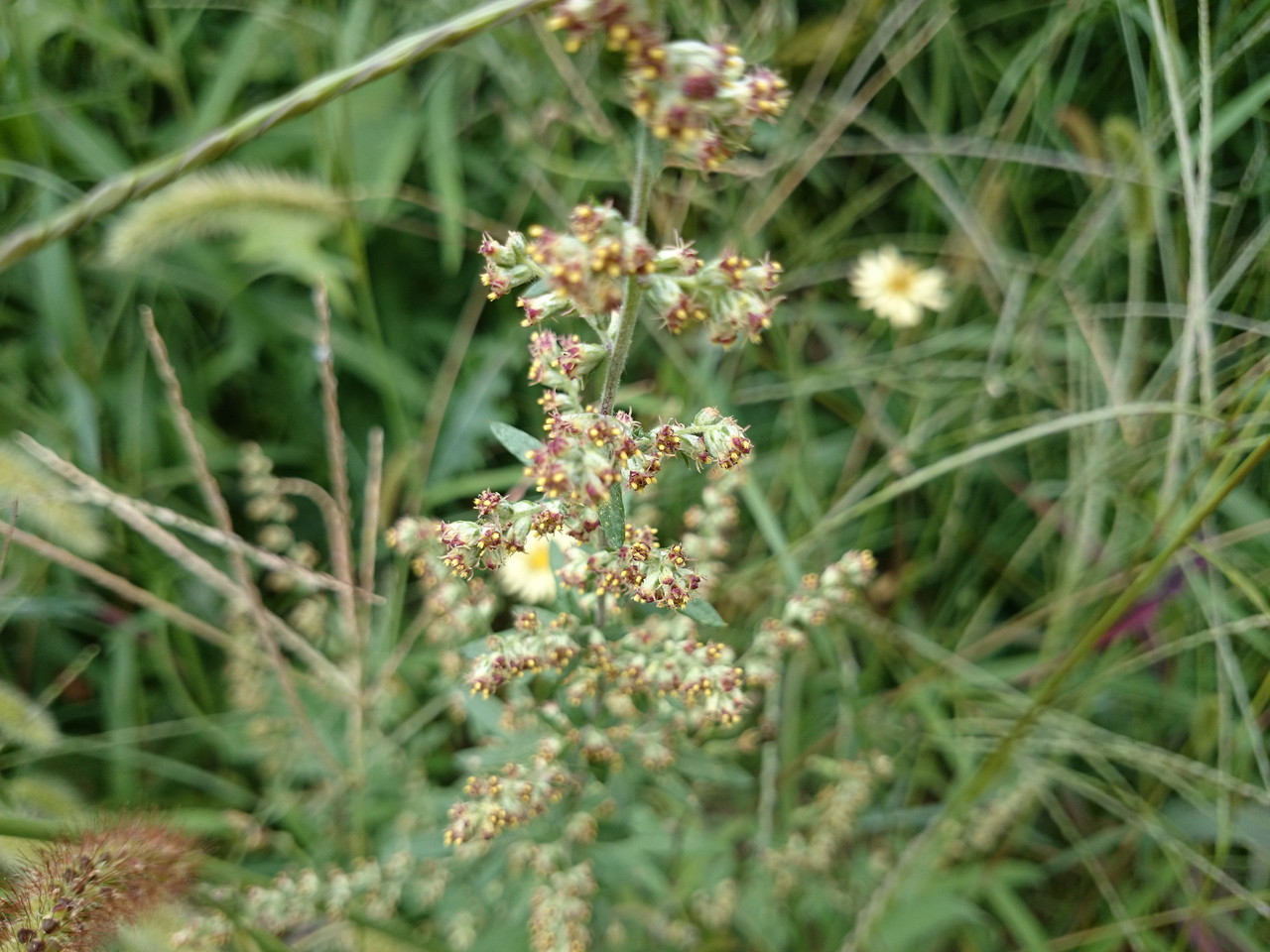
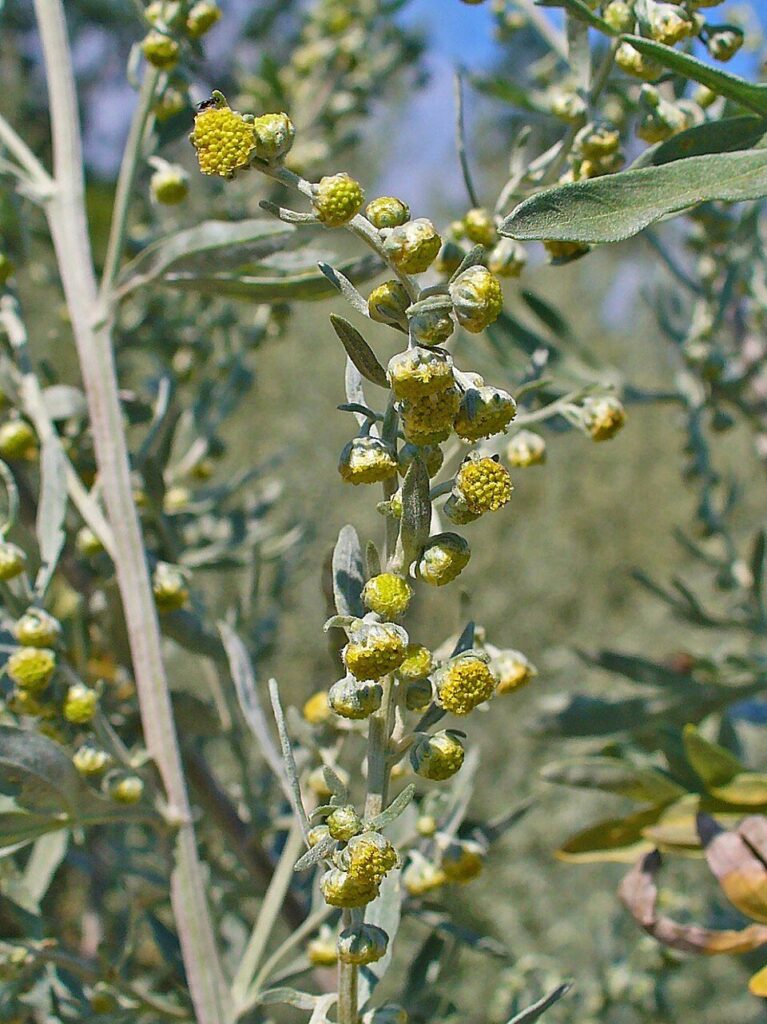
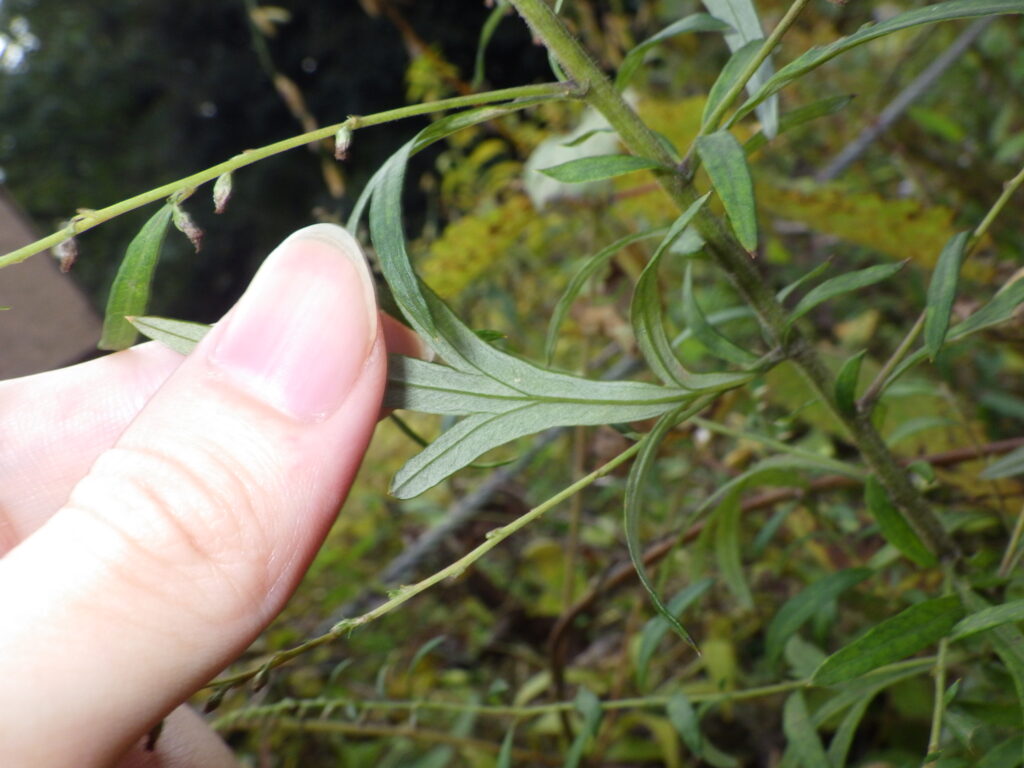
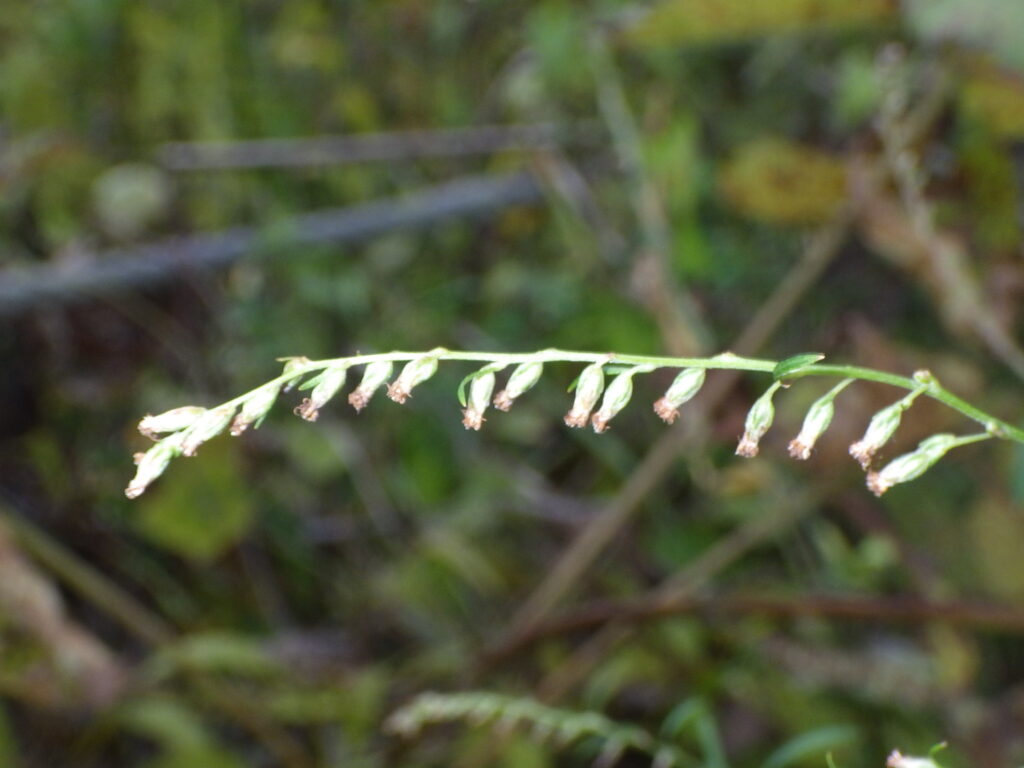
Morphologically, the underside of the leaves is cottony and fluffy, and the flower heads (inflorescences characteristic of the Asteraceae family) are usually oriented downwards (rarely upwards) and composed of tubular florets.
The most distinctive feature is that while most plants in the Asteraceae family are insect-pollinated, attracting insects with bright colors for pollination, Artemisia species have tubular florets that are wind-pollinated, relying on the wind to carry their pollen.
One theory suggests that this characteristic evolved when the ancestors of the Artemisia genus, which are closely related to the Chrysanthemum genus, moved into arid regions with fewer insects and switched to wind-pollinated flowers.
In fact, this aligns with the fact that Artemisia species can adapt and grow even in dry, concrete-filled areas.
Mugwort and its relatives have a long history of being used for food and medicine. Although they can be found everywhere these days, it seems that their use has decreased. However, I think most Japanese people have eaten mugwort mochi, which is made from mugwort. In Okinawa, mugwort is called "fuuchiba" and, despite its distinctive taste, is commonly eaten.
In addition, Artemisia princeps is also edible, but distinguishing between these plants is often very difficult in the wild, partly because their flowers are inconspicuous and their characteristics are hard to see.
What are the differences between mugwort, wormwood (Artemisia princeps), bitter wormwood, and male wormwood?
There are approximately 30 species of Artemisia in Japan alone, making it quite difficult to distinguish between them.
However, for reference purposes, we will only consider methods of distinguishing between four species here. Among these four species, *Artemisia princeps* and *Artemisia rupestris* can be clearly distinguished by carefully observing their leaves (Kanagawa Prefecture Flora Survey Association, 2018).
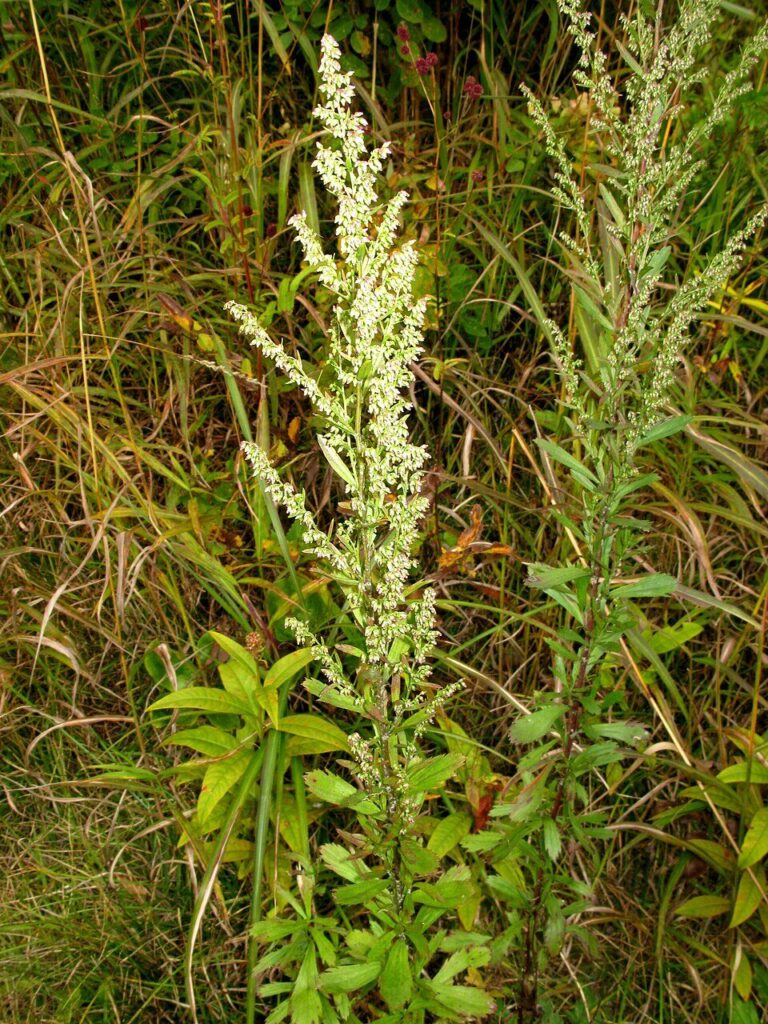
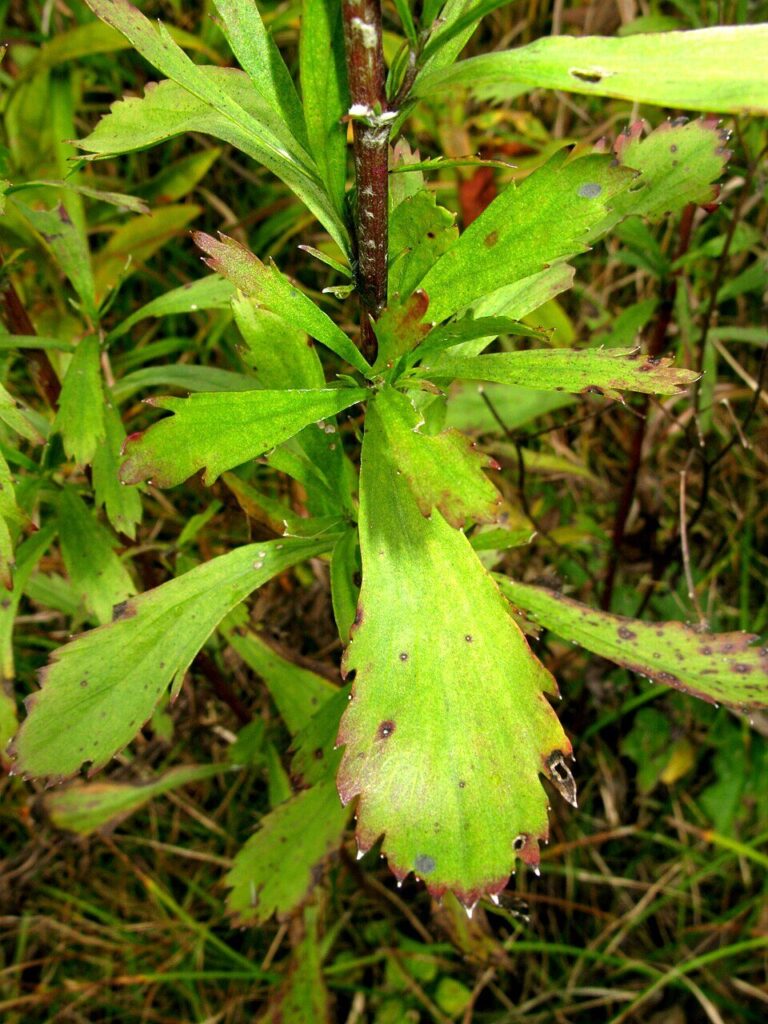
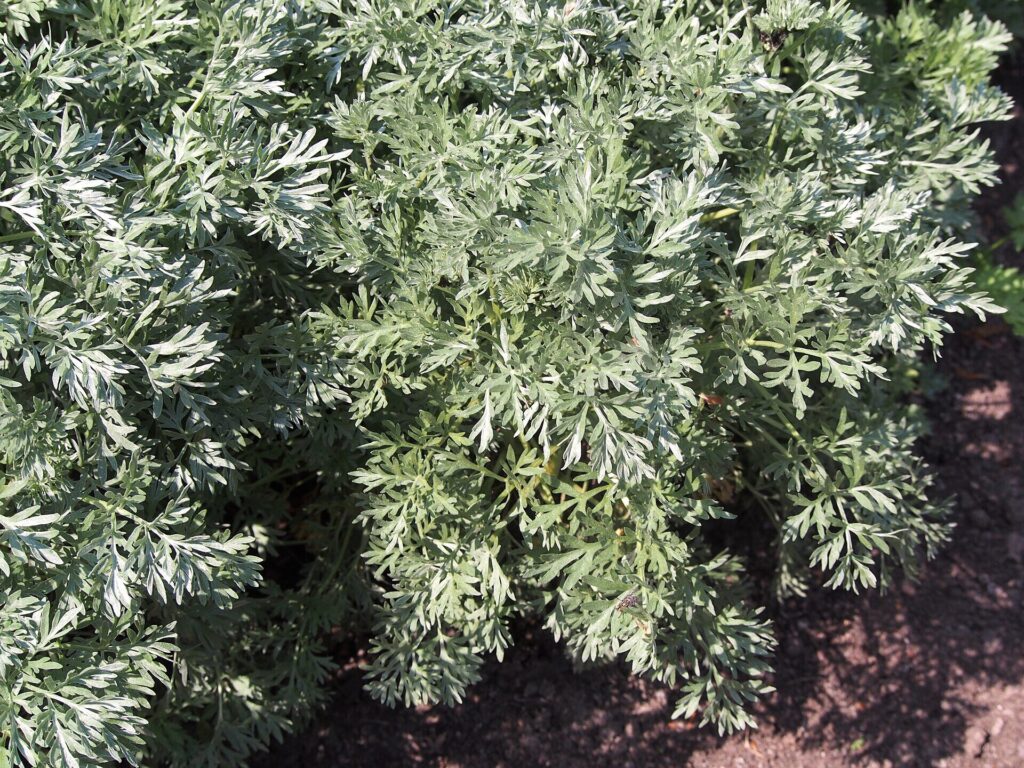
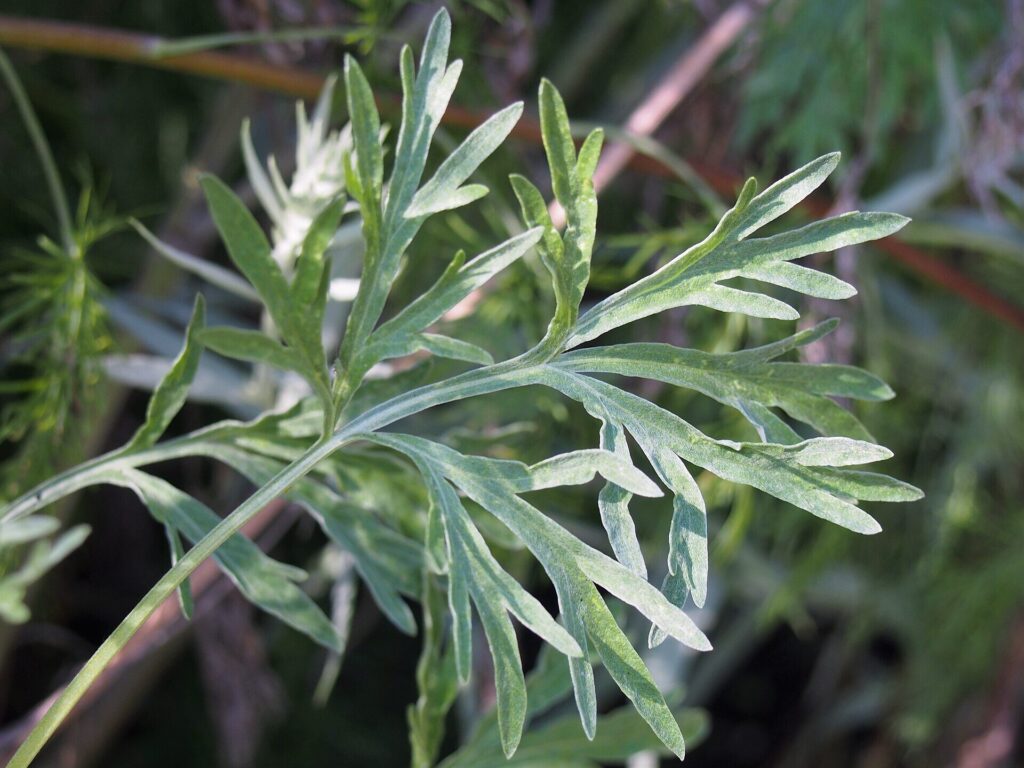
First, while mugwort, wormwood, and bitter wormwood have pinnately compound leaves, meaning the leaves are finely lobed like bird feathers, in contrast to muscovado, where the central leaves have shallower lobes and are usually spatulate-wedge shaped. There is a great deal of variation in the leaves, so you will need to examine several leaves, but it should be relatively easy to identify.
Furthermore, while white hairs are prominent on the leaves of Artemisia princeps, Artemisia japonica, and Artemisia glabra, there are almost no white hairs on Artemisia japonica.
Another important taxonomic difference is that while Artemisia princeps, Artemisia japonica, and Artemisia glabra produce both female and hermaphroditic flowers, Artemisia rupestris produces only female flowers and not hermaphroditic flowers. However, confirming this is limited to the flowering season and would be difficult for the average person.
Regarding the remaining three species, the differences are that in Artemisia princeps and Artemisia japonica, white hairs grow only on the underside, the pinnately compound leaves are not very finely divided, and the tips of the compound leaves are relatively sharp, while in Artemisia rupestris, white hairs grow on the upper surface as well, the pinnately compound leaves are more finely divided, and the tips of the compound leaves are relatively rounded.
Therefore, you can clearly see that wormwood is whitish in appearance.
The two species mentioned above are overwhelmingly rarer than mugwort, and the dominant species growing in towns is usually mugwort.
Artemisia japonica is more resistant to salt and drought damage than Artemisia sulphureus and can be found growing on coastlines (Iriyama, 2006).
What is the difference between mugwort and yomogi (Erigeron annuus)?
The most difficult to grow are mugwort and aster.
The only difference between Artemisia princeps and Artemisia japonica, according to field guides, is that Artemisia princeps has flower heads that are 1.2–1.8 mm in diameter, while Artemisia japonica has flower heads that are 1.8–2.5 mm in diameter. In other words, the parts that look like flowers (which are actually clusters of flowers) are larger in Artemisia princeps.
Therefore, it may be almost impossible to distinguish them outside of their flowering season.
While *Erigeron annuus* is sometimes described as a variety with wider leaf lobes, which could potentially help distinguish it, there is no specific description of how wide the leaf lobes must be to identify *Erigeron annuus*.
From a distribution standpoint, it seems that we can currently confirm that the plants found east of the Kanto region in Honshu are Artemisia princeps, while those found in Okinawa are Artemisia nipponica.
However, there is a clear difference in taste; Western mugwort is less bitter and has a softer texture, making it more suitable for eating.
While distinction is important from a culinary standpoint, mugwort and wormwood are broadly considered varieties within the species Artemisia indica. In some countries and eras, classifications treat mugwort, wormwood, and Artemisia japonica as a single species, indicating that they are an extremely closely related group (Shimono, 2014).
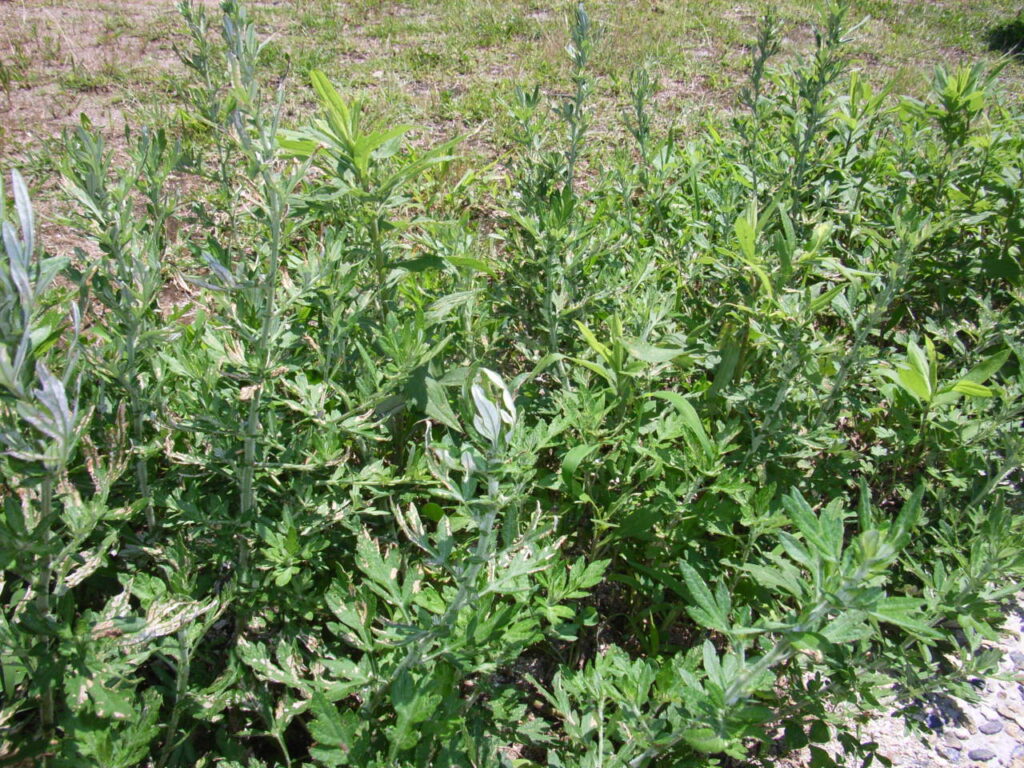
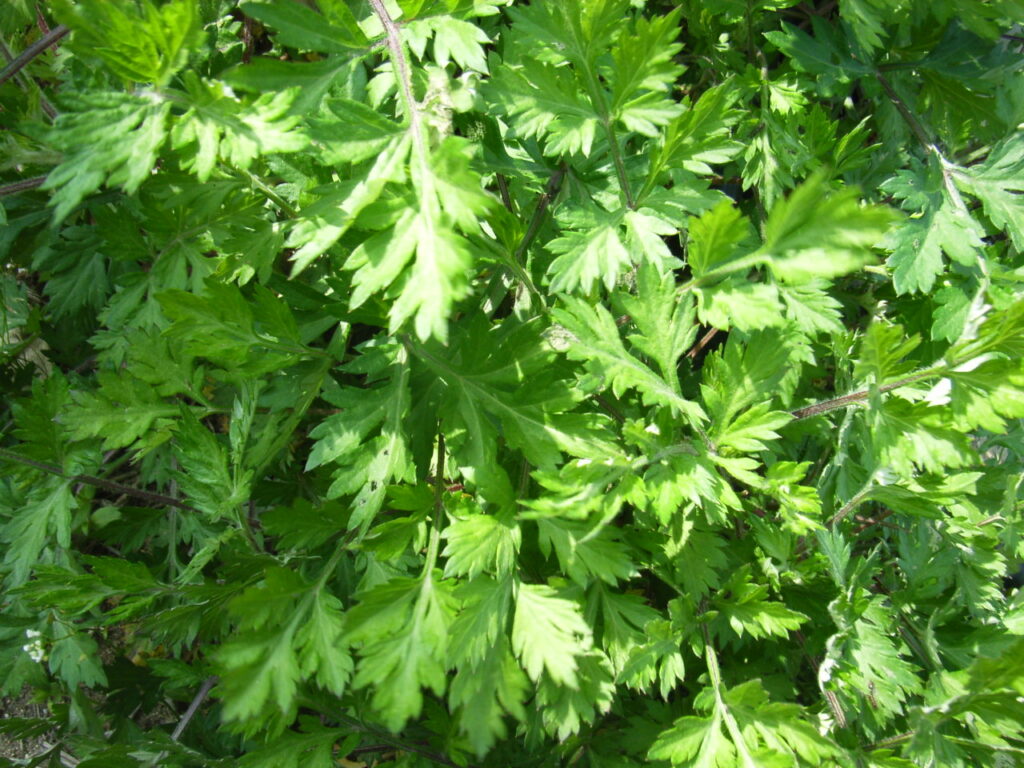
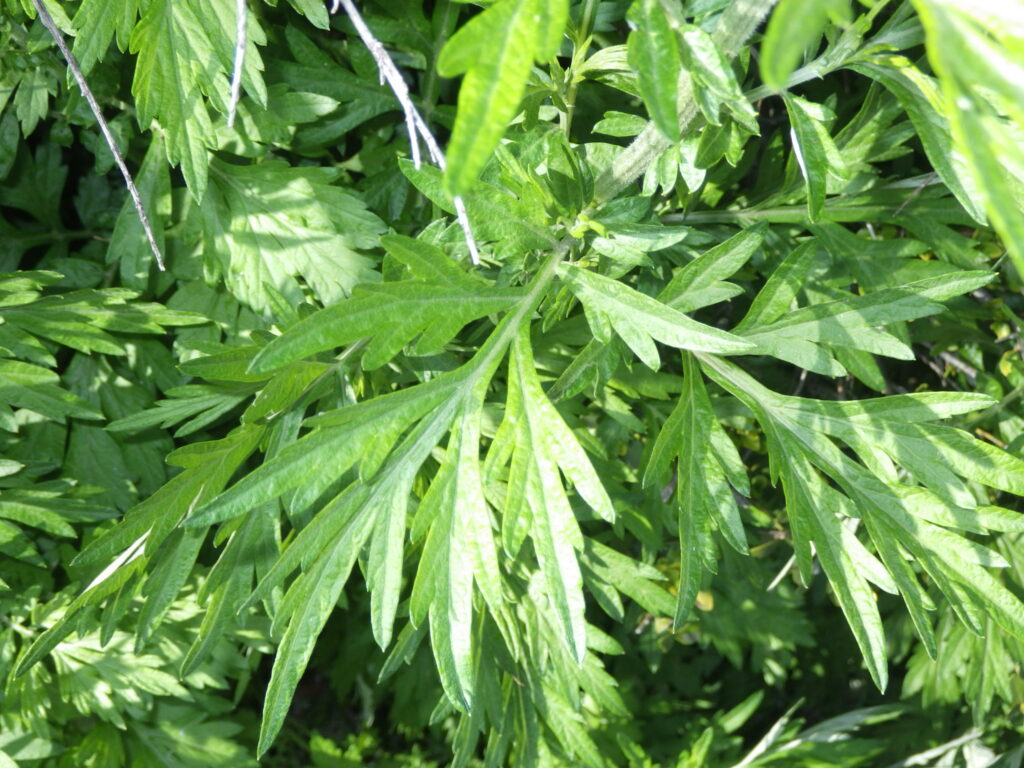
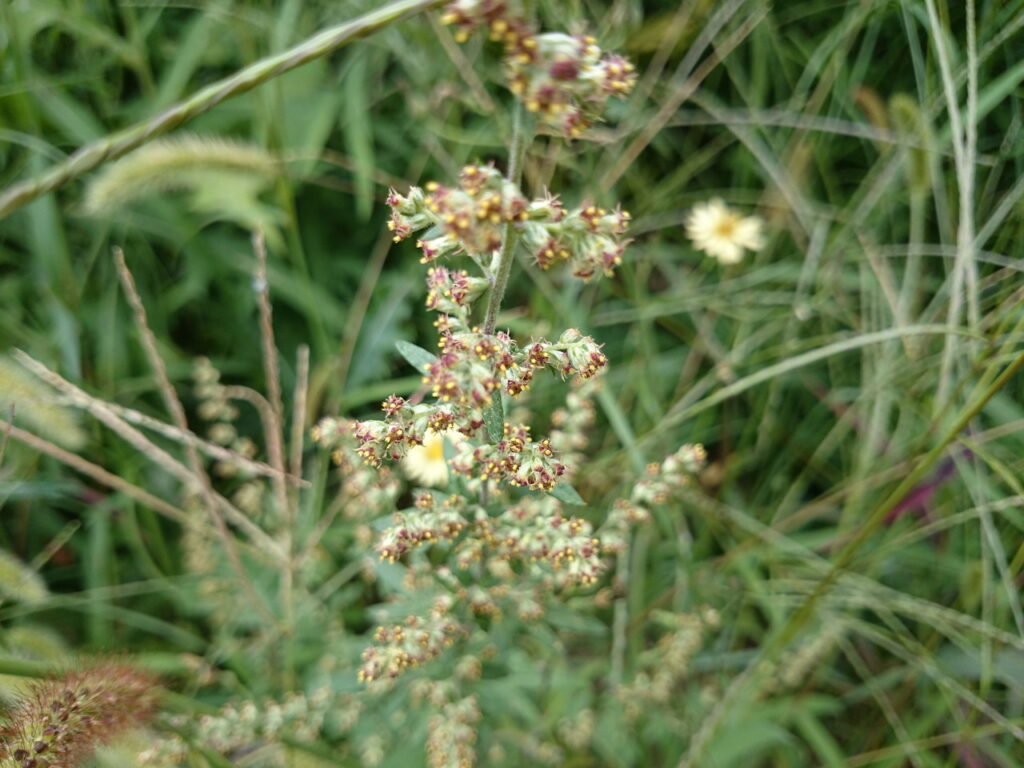
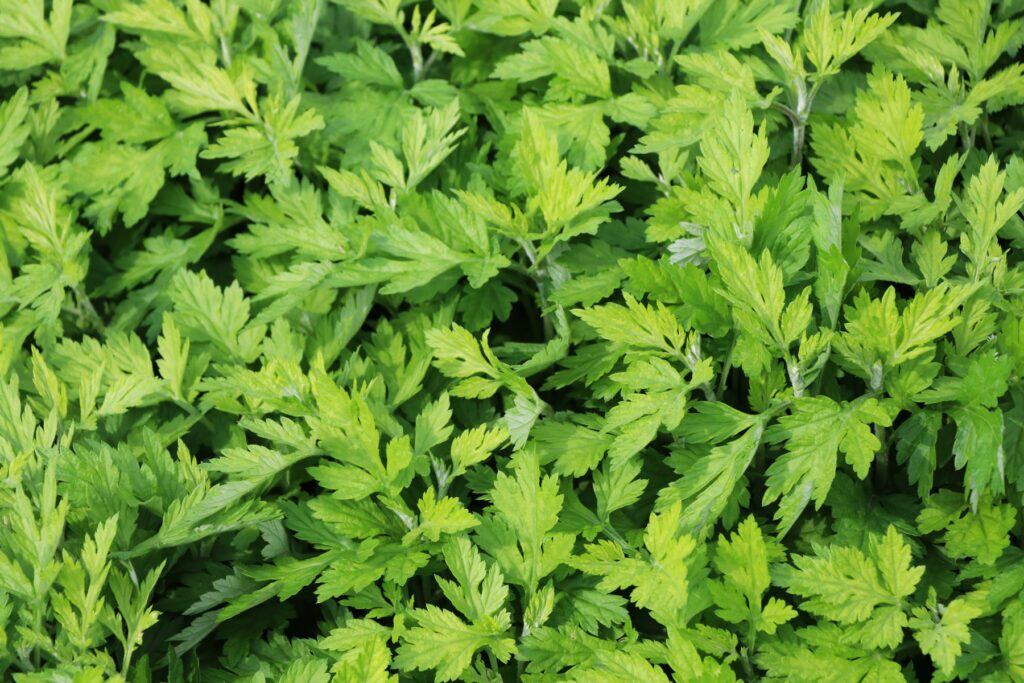
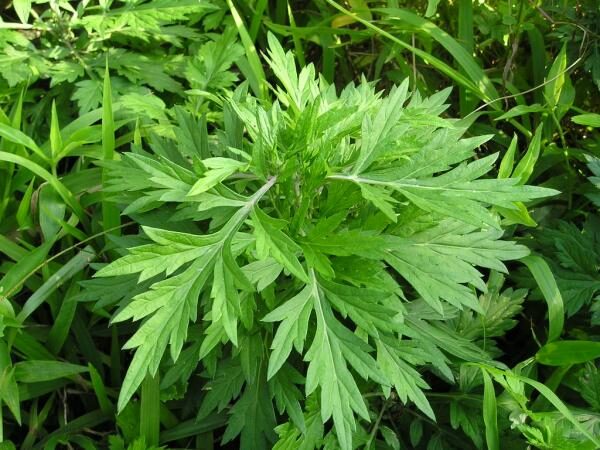
Are there any other similar species?
As mentioned above, there are many varieties, but if you carefully examine the shape of the leaves, you'll find that there are surprisingly few similar species. Nevertheless, you might still find it quite difficult.
Artemisia montana resembles mugwort and magnolia, but unlike them, it has almost no pseudostipules at the base of the petiole, and its flower heads are bulbous and bell-shaped. "Pseudostipules" are leaf-like structures that extend to the left and right from the base of the petiole on the plant body. This is relatively easy to identify, but the flower heads are frankly too ambiguous. It is common in Hokkaido and is usually found in high-altitude mountainous areas on Honshu, so those found in lowlands are likely to be large-sized mugwort.
Artemisia japonica var. lacinifolia resembles Artemisia japonica, but unlike Artemisia japonica, its leaves are pinnately deeply lobed, and the lobes are linear-lanceolate.
Gray wormwood (Artemisia sieversiana) resembles bitter wormwood, but unlike bitter wormwood, its leaf lobes gradually narrow and have sharp tips.
Artemisia vulgaris resembles mugwort and asterias, but is not currently listed in Japanese botanical guides. However, overseas studies have indicated its distribution in Japan, and its actual distribution is still not well understood (Shimono, 2014).
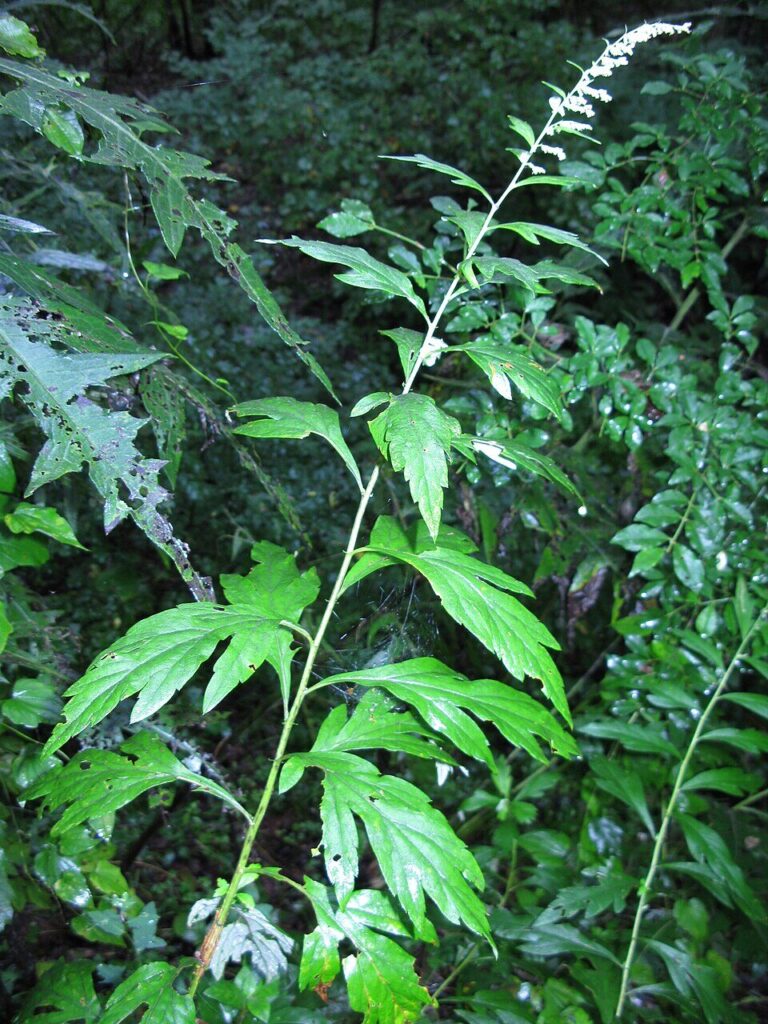
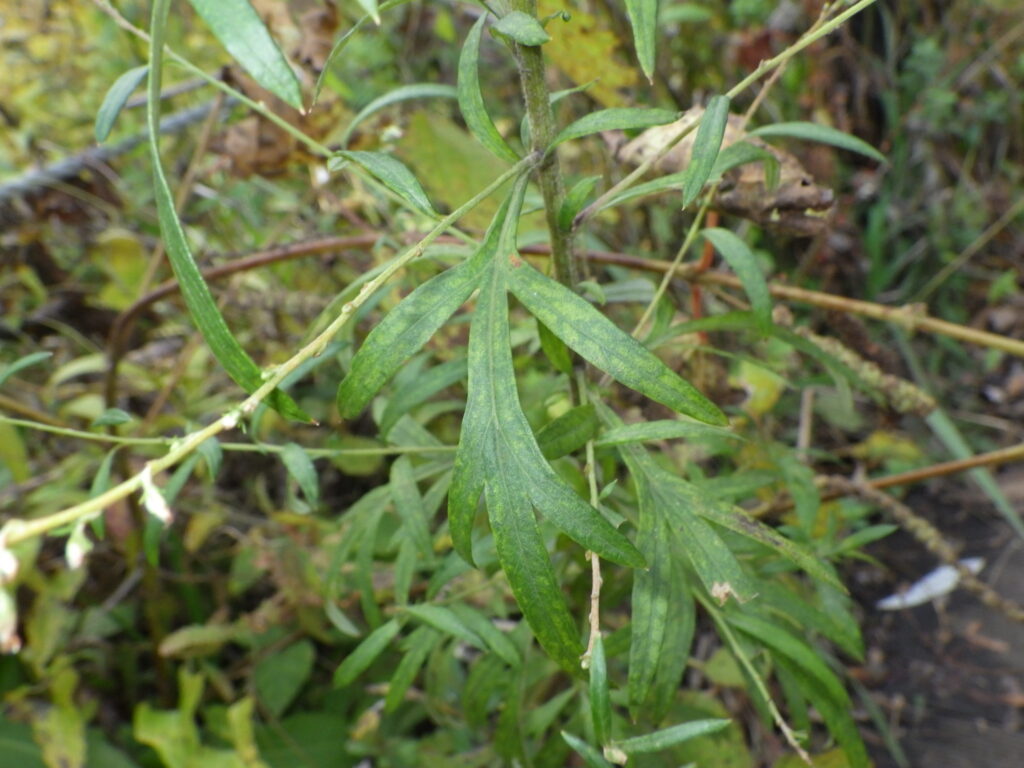
What are the differences in how to use mugwort, wormwood (Artemisia princeps), bitter wormwood, and male wormwood?
What are some uses for mugwort?
Mugwort has a distinctive aroma, and the young shoots picked in spring can be boiled and used in dishes such as blanched greens, soups, or even in kusa mochi (mugwort rice cakes) or deep-fried (Odachi & Hiyama, 2013). It can also be used to make mugwort tea.
Kusa mochi (known as yomogi mochi in the Kansai region) is said to have originated in the Heian period as a rice cake kneaded with cudweed, one of the seven spring herbs, but by the Edo period, the use of mugwort became established (Yamashita, 2019).
Moxibustion, or "kyu," uses moxa, which is an important part of the traditional East Asian medicine practice. Moxa is made from dried mugwort leaves with the downy hairs on the underside (Oda, 1984; Odachi & Hiyama, 2013). In this practice, moxa is burned on selected areas of the body surface (skin) to provide thermal stimulation, which is used for disease prevention and treatment. However, Artemisia montana (Japanese wormwood) is also used in some cases. Furthermore, since the plant distributed in China is not mugwort but Korean wormwood (Artemisia argyi), it is highly likely that this is used in countries other than China.
It has many medicinal uses, and its leaves are used as a crude drug called "gaiyo," which has hemostatic properties. Some of the gaiyo is actually mugwort, which is called Korean mugwort in China.
Young shoots and budding plants, after being dried and brewed into a tea, are traditionally used as a folk remedy for stomach ailments, abdominal pain, diarrhea, anemia, and cold sensitivity. More mature plants are also dried and added to bathwater as a bath additive to relieve lower back pain and hemorrhoids.
Mugwort is known to be highly nutritious, particularly rich in minerals and vitamins. Among vegetables, it ranks third in potassium content (after Swiss chard and parsley), second in iron content (after parsley), and eighth in beta-carotene content (Ando et al., 2022). Furthermore, mugwort is known to have strong antioxidant properties due to its high content of vitamins and polyphenols.
Its unique components include cineole, thujone, β-caryophyllene, borneol, and camphor (Odachi & Hiyama, 2013).
How can I use Artemisia princeps?
Although *Artemisia princeps* has a different distribution than *Artemisia japonica*, and is therefore used in different regions, its uses are very similar to those of *Artemisia princeps*.
In the Western Himalayas, it is called "thitepati" and is used by indigenous people to treat indigestion, chronic fever, and other liver diseases (Koul et al., 2017). In Nepal, the juice of this plant is used to treat dysentery, abdominal pain, and diarrhea. The young leaves are cooked and eaten with barley, adding color and flavor to rice.
For food, the Garo people (a tribe living in the Noklek Biosphere Reserve in Meghalaya, India) eat the tender sprouts as a vegetable.
Nepalis use the juice of the leaves to treat skin diseases, and the dried leaves and flowers are used as an insect repellent.
In Okinawa, it is called Fuchiba, and in the Ryukyuan language, it means "ba (leaf) that cures Fuchi (wind: illness)," which translates to "wind leaf" in Japanese. It has been widely used in households as a medicinal herb because it is believed to be effective in reducing fever, gastrointestinal diseases, and gynecological diseases (Japan Society for Food Science and Technology, 2021).
In cooking, it is often used in dishes such as Fuchiba Jushi (rice cooked with mugwort) and Boroboro Jushi (rice porridge with mugwort) (Watanabe, 2008; Japan Society for Food Science and Technology, 2021). Jushi refers to rice porridge. Its use varies by region.
In addition, it is sometimes added raw to Okinawa soba, and when used in hijaa-jiru (goat soup), it serves to mask the odor.
The reason why Artemisia japonica can be readily eaten raw may be because its leaves are more fragrant than those of Artemisia sylvestris (Yamashita, 2019) and easier to eat.
Chemically, it contains volatile oils such as β-thujone, hernialin, 1,8-cineole, estragole, savinyl acetate, ciscrisanthenyl acetate, dabanone oil, and terpineol, and possesses antifungal properties (Koul et al., 2017). Two novel compounds, trans-ethyl cinnamate and piperitone, have been isolated by chromatographic distillation.
How can wormwood (Artemisia princeps) and mugwort (Artemisia rupestris) be used?
Wormwood is an introduced species and therefore has no traditional uses in Japan, but it has a history of being used in Europe and Turkey for medicinal purposes similar to mugwort (Koul et al., 2017). It is too bitter to eat raw and is used in the herbal liqueur "absinthe."
Scientifically, its antiparasitic, antibacterial, antioxidant, and hepatoprotective properties have been proven, and experimentally, wormwood essential oil has shown antibacterial activity against budding yeast and Candida albicans.
Although Artemisia princeps is not widely used in Japan, the same subspecies found overseas has been widely used in folk medicine to treat eczema and fever.
How is pollination done?
Artemisia plants typically produce large conical inflorescences at the tips of their stems, bearing numerous small flower heads that hang downwards. The flower head is a structure unique to the Asteraceae family; it is not a single flower, but rather an inflorescence (a cluster of flowers). It consists of countless tiny flowers (florets) that may possess stamens and pistils.
There are two types of florets: ray florets and disc florets. However, in mugwort, only disc florets are present, and within these disc florets, the inner part of the flower head contains bisexual flowers (with both stamens and pistils), while the outer part contains female flowers (with only pistils).
As mentioned above, it is unusual for a member of the Asteraceae family to be wind-pollinated (Shimono, 2014; Yamashita, 2019). However, insect-pollinated varieties were also confirmed in 2022 (Hussain et al., 2024).
Regarding pollen, while animal-pollinated pollen sometimes has spines on its surface, Artemisia pollen is smooth, which is thought to be advantageous when dispersed by wind (Bolick, 1990).
What are the seed dispersal methods?
The fruits of the Artemisia genus are obovate achenes, glabrous or hairy. They lack pappus or have very short hairs. The seeds are contained within the very small achenes, resulting in a very high yield.
Therefore, it is thought that there is no special method of seed dispersal, but because the fruit and the seeds inside are very small and the yield is very high, it is thought that, at least in the case of wormwood, it is easily dispersed by water and animals in addition to gravity (Goud et al., 2015).
References
Ando, Masaya; Ogata, Ayano; Kuronuma, Takanori; Matsumoto, Takeshi; and Watanabe, Hitoshi. (2022). Evaluation of domestically produced mugwort varieties for food use. Journal of the All Japan Acupuncture and Moxibustion Society, 72 (1), 68-78. https://doi.org/10.3777/jjsam.72.68
Bolick, MR (1990). The pollen surface in wind-pollination with emphasis on the Compositae. In M. Hesse, & F. Ehrendorfer (Eds.), Plant Systematics and Evolution Vol. 5: Morphology, Development, and Systematic Relevance of Pollen and Spores (pp. 39-51). Springer. https://doi.org/10.1007/978-3-7091-9079-1_4
Goud, BJ, Dwarakanath, V. & Swamy, BC (2015). A review on history, controversy, traditional use, ethnobotany, phytochemistry and pharmacology of Artemisia absinthium Linn. International Journal of Advanced Research in Engineering and Applied Sciences, 4 (5), 77-107. https://indianjournals.com/article/ijareas-4-5-008
Hussain, M., Thakur, RK, Khazir, J., Ahmed, S., Khan, MI, Rahi, P., … & Mir, BA (2024). Traditional uses, phytochemistry, pharmacology, and toxicology of the genus Artemisia L.(Asteraceae): A high-value medicinal plant. Current Topics in Medicinal Chemistry, 24 (4), 301-342. https://doi.org/10.2174/1568026623666230914104141
Iriyama, Yoshihisa. (2006). Artemisia japonica. Journal of the Japanese Society of Landscape Architecture, 31 (4), 449. ISSN: 0916-7439, https://www.jsrt.jp/pdf/dokomade/31-4otokoyomogi.pdf
The Japanese Society for Food Science and Technology. (2021). Traditional Japanese Home Cooking: Donburi, Zosui, and Okowa. Agricultural, Forestry and Fisheries Culture Association. ISBN: 9784540191824
Kanagawa Prefecture Flora Survey Association. (2018). Kanagawa Prefecture Flora 2018 Electronic Edition. Kanagawa Prefecture Flora Survey Association. ISBN: 9784991053726,https://flora-kanagawa2.sakura.ne.jp/efloraofkanagawa.html
Koul, B., Taak, P., Kumar, A., Khatri, T., & Sanyal, I. (2017). The Artemisia genus: A review on traditional uses, phytochemical constituents, pharmacological properties and germplasm conservation. Journal of Glycomics & Lipidomics, 7 (1), 142. https://doi.org/10.4172/2153-0637.1000142
Odachi, Junko & Hiyama, Keiichiro. (2013). On the effects and uses of mugwort (Artemisia princeps). Tezukayama University Faculty of Contemporary Life Studies Bulletin, 9, 1-9. ISSN: 1349-7073, https://tezukayama.repo.nii.ac.jp/records/777
Oda, Ryuzo. (1984). Research on moxa (I): Recent manufacturing processes and the raw material, mugwort. Journal of the All Japan Acupuncture and Moxibustion Society, 33 (4), 427-430. https://doi.org/10.3777/jjsam.33.427
Shimono, Yoshiko. (2014). Artemisia indica Willd. var. maximowiczii (Nakai) H. Hara: From the perspective of a greening plant. Grass and Greenery, 6, 23-31. https://doi.org/10.24463/iuws.6.0_23
Yamashita, Tomomichi. (2019). Mugwort in Everyday Life. Nature Conservation, 568, 18-19. ISSN: 0386-4138, https://www.nacsj.or.jp/magazine/14752/
Watanabe, Yoshio. (2008). Dictionary of Okinawan Folklore. Yoshikawa Kobunkan. ISBN: 9784642014489