White birch (Betula platyphylla), Japanese white birch (Betula ermanii), and Japanese white birch (Betula platyphylla) all belong to the Betulaceae family and are common deciduous trees in cold regions and high mountains. They share the characteristic of having straight, parallel lateral veins on their leaves and fine serrations, and have been widely used for various purposes by the Japanese and Ainu people, but some people may not know how to distinguish between them. The most representative difference is the color of the bark, but there are also differences in their leaves, flowers, and seeds. This article will explain the classification and morphology of the Betula genus.
What are white birch, Japanese white birch, and Japanese white birch?
White birch (Betula platyphylla var. japonica), also known as white birch, is distributed in Hokkaido and Honshu (central and northern parts) of Japan; the Kuril Islands; Sakhalin; Korea; China; and Eastern Siberia. It is a deciduous tree commonly found in secondary forests of the beech zone (Kanagawa Prefecture Flora Survey Association, 2018).
Betula ermanii, also known as mountain birch, is also called soushikanba. It is distributed in Hokkaido, Honshu, and Shikoku in Japan; as well as in Korea, the Kuril Islands, Sakhalin, the Maritime Province, and Kamchatka. It is a deciduous tree that grows in mountainous areas of the beech forest zone, and is especially common in high mountains.
Betula maximowicziana, also known as Saihada-kanba or Ma-kanba, is a deciduous tree distributed in Hokkaido and Honshu from Fukui Prefecture northward to Gifu Prefecture, growing somewhat rarely in mountainous areas with heavy snowfall. Its Japanese name is said to originate from the fact that its bark contains a lot of oil and burns easily, so it was used as a torch for cormorant fishing.
Both belong to the Betulaceae family, genus Betula, and are common deciduous trees in cold regions and high mountains.
A key common feature is that the lateral veins of the leaves are straight and parallel, and have fine serrations.
Other common features include the fact that the fruit bracts are thin and three-lobed and fall off with the seeds, there are two stamens with two-lobed filaments, the winter buds are sessile and have three or more bud scales, and that they have been used as timber.
Like its close relative, the Alnus genus, Betula species share features such as separate male and female inflorescences, reliance on wind-borne pollen for pollination, and winged seeds that spread their habitat via wind dispersal (Masaka, 2007). However, Betula species have even more developed wings than Alnus species, which may appear heart-shaped. Due to its non-animal-mediated reproduction and symbiotic relationship with ectomycorrhizae, it plays a role as a pioneer plant that quickly establishes itself in open areas (Hashimoto, 2003; Araki et al., 2014).
Of the three species, the white birch (Betula platyphylla) is particularly well-known and has been used for a variety of purposes, including timber, food, medicine, and torches.
In the Ainu language, the bark of the white birch tree is called "shitat," and in the manga "Golden Kamuy," it is depicted that the bark, which contains a lot of oil, was used as a torch. The sap is called "tanniwakka" (white birch water) and was used as emergency drinking water.
Furthermore, the literary and art magazine "Shirakaba," founded in the Meiji era by Saneatsu Mushanokoji and Naoya Shiga, and the Shirakaba School, which was active in that magazine, are also well-known. It is said that the name originated from their love for the appearance and colors of the white birch trees in the high mountains of Nikko and Akagi (Agawa, 1997).
However, some people may only know the names and not know the correct way to distinguish between the three types.
What are the differences between white birch, Japanese white birch, and Japanese white birch?
There are 11 species of the genus Betula distributed in Japan, but here we will focus on explaining three of them.
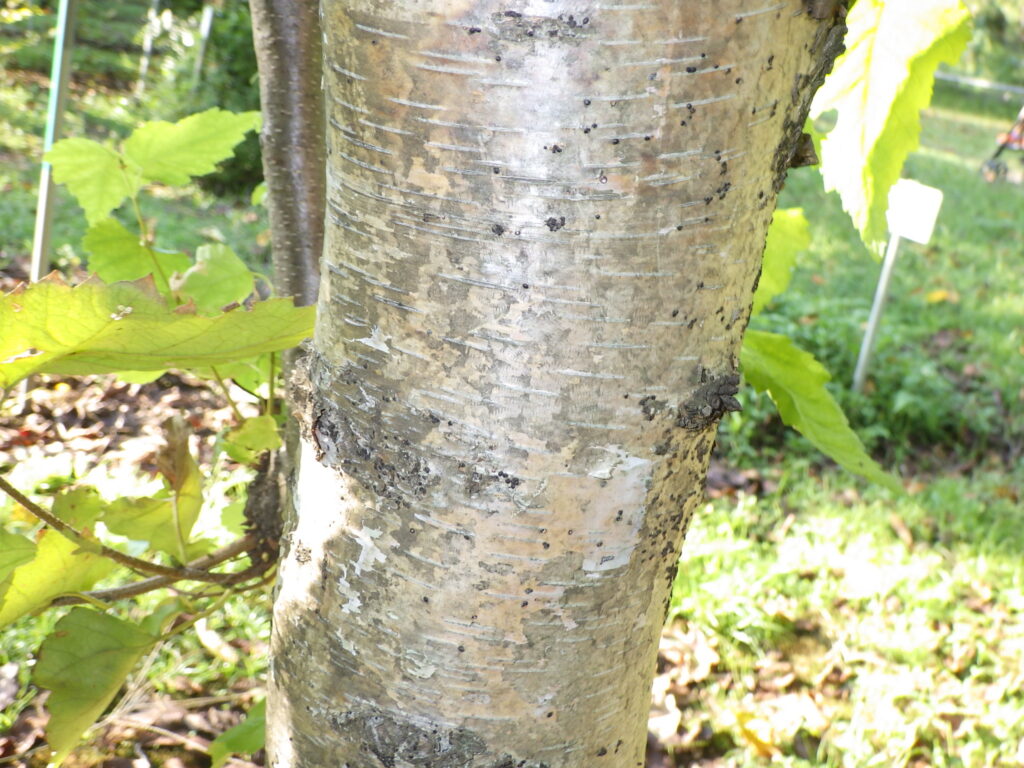
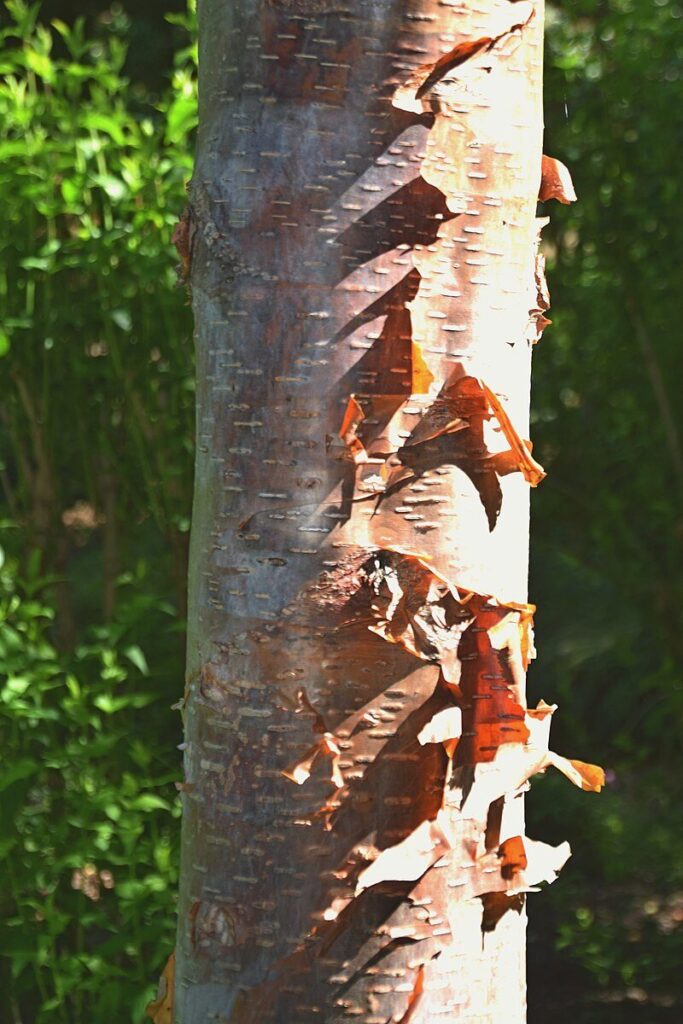
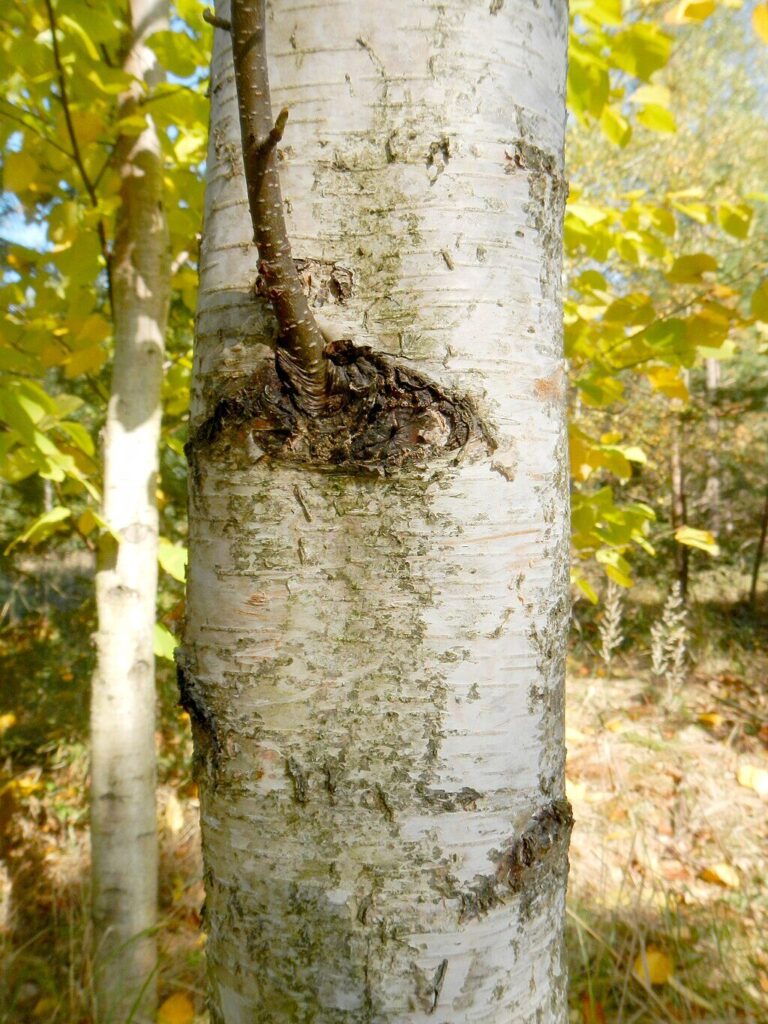
One of the most notable differences between the three species is the color of their bark (Kanagawa Prefecture Flora Survey Association, 2018; Hayashi, 2019).
There are differences in color: white in white birch, orange in Japanese white birch, and silvery-gray to white in Japanese white birch.
Some people can distinguish them based on this alone, but I will also list some other distinguishing features.
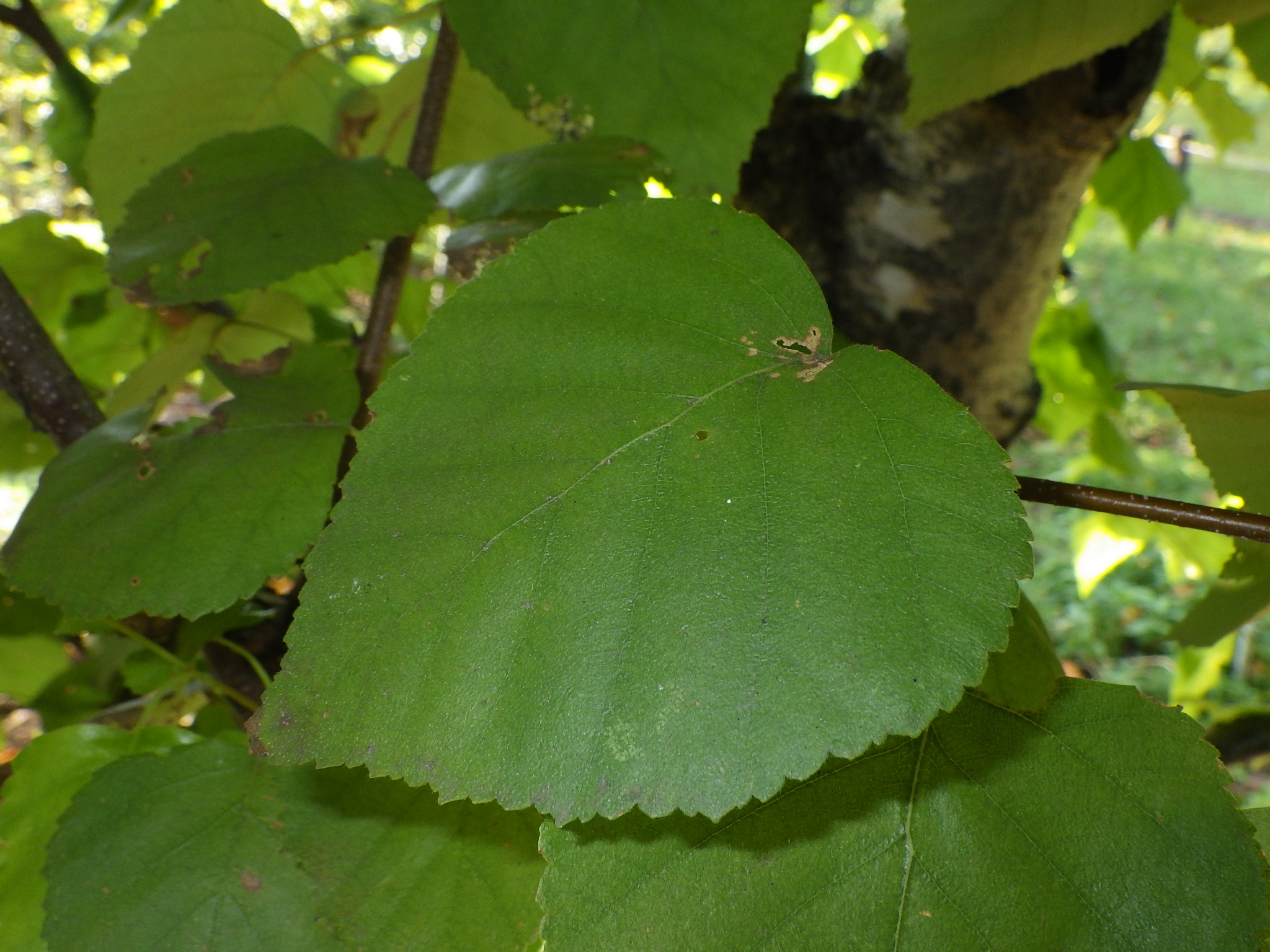
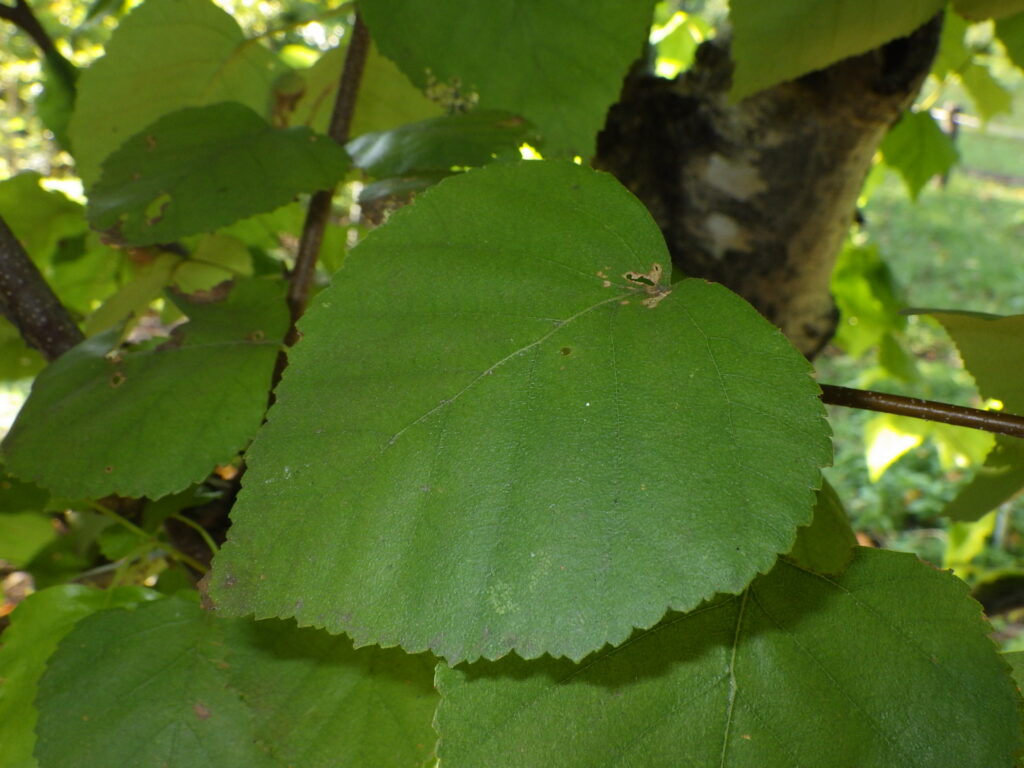
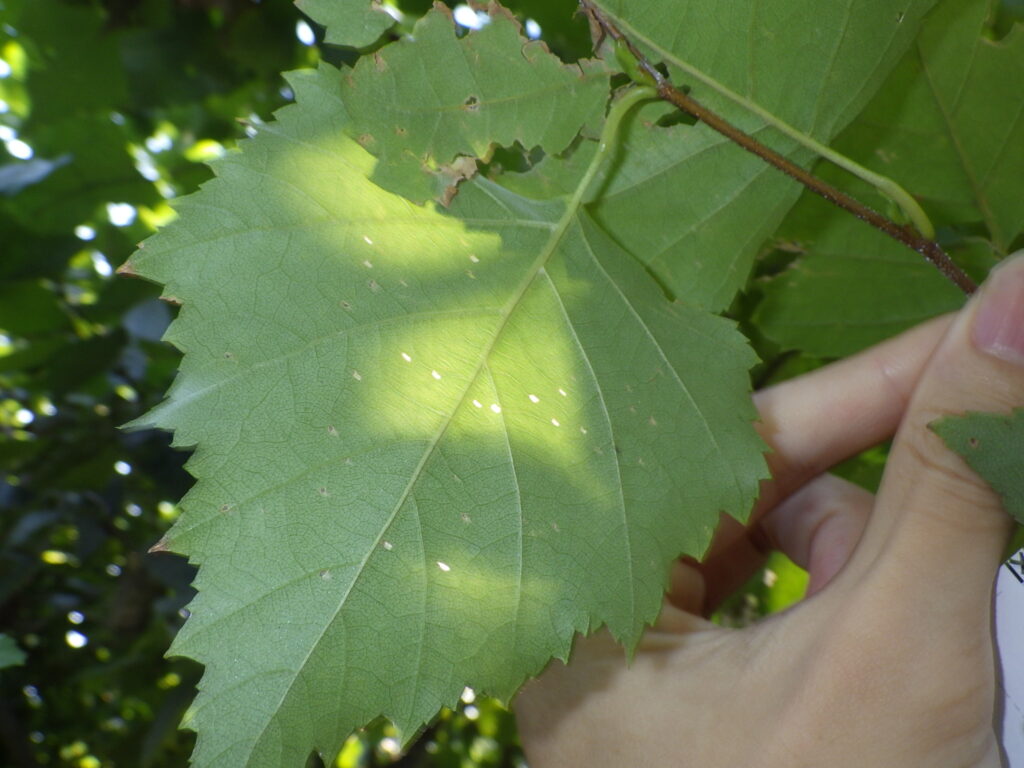
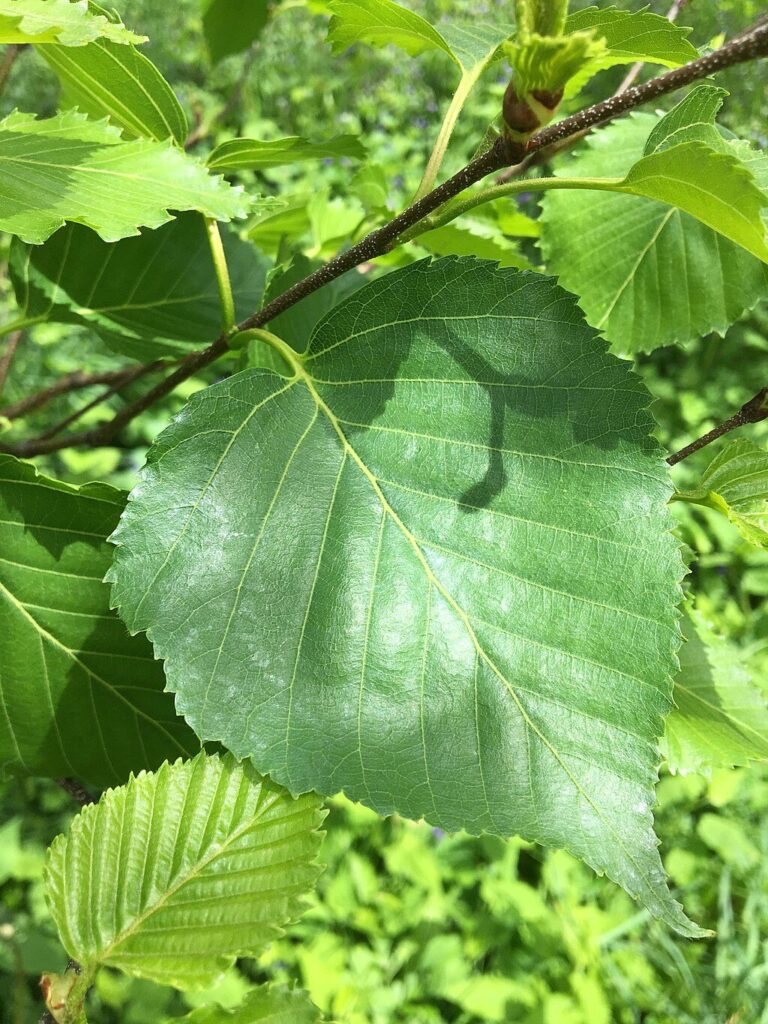
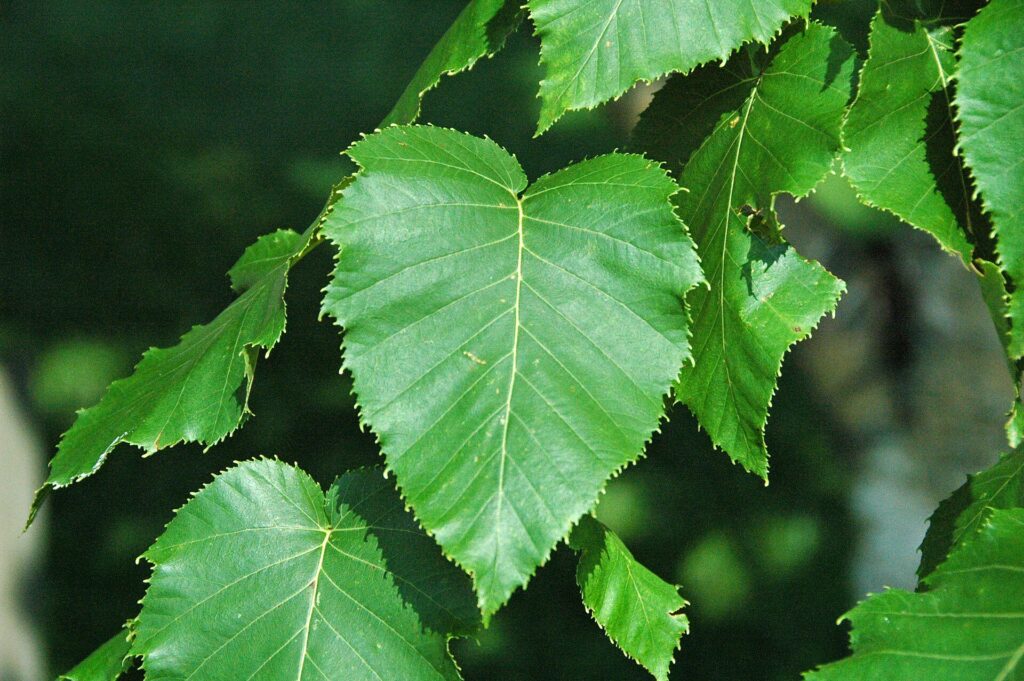
Regarding the leaves, white birch (Betula platyphylla) has few lateral veins and the base of the leaf (leaf foot) is only slightly indented, while Japanese white birch (Betula ermanii) and Japanese white birch (Betula platyphylla) have many lateral veins and are deeply indented in a heart shape.
Regarding Betula ermanii and Betula platyphylla, Betula ermanii has leaf blades 5-8 cm long with normal lateral veins, while Betula platyphylla has leaf blades 8-15 cm long, the largest in the Betula genus, and often has protruding lateral veins that form serrations.
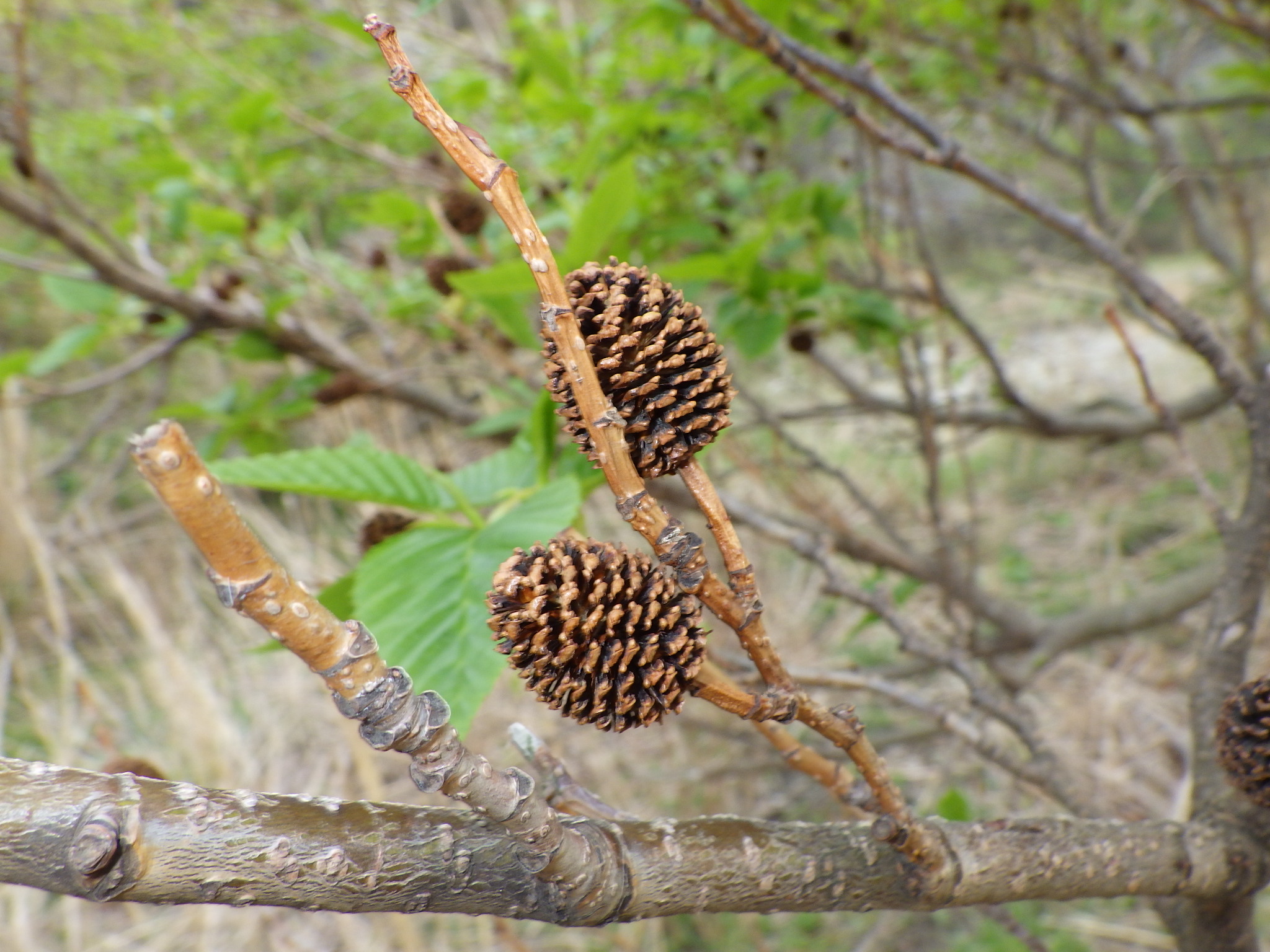
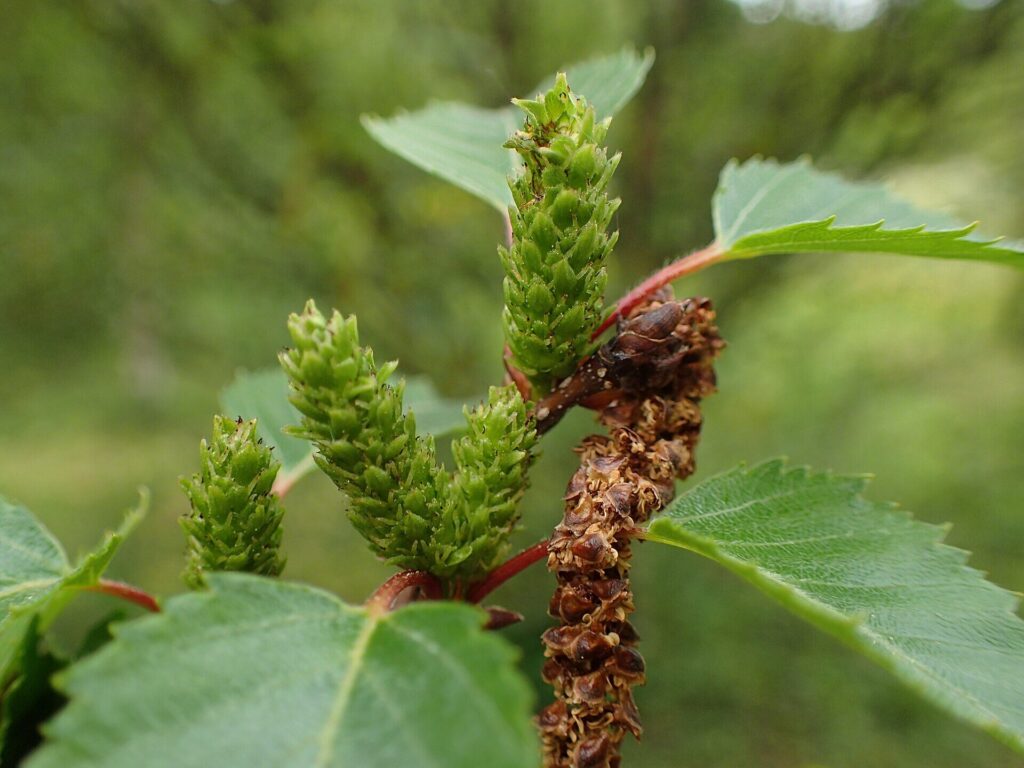
Another difference is that the fruit clusters of white birch and Japanese white birch droop downwards, while those of Japanese white birch stand upright.
The wings on the seeds are most well-developed in the white birch tree.
References
Agawa, Hiroyuki. 1997. Shiga Naoya, Vol. 1. Shinchosha, Tokyo. 525pp. ISBN: 9784101110158
Araki, Motoji; Watanabe, Makoto; Saito, Hideyuki; Shibuya, Masato; Tamai, Hiroshi; and Koike, Takayoshi. 2014. Effects of nitrogen deposition on the growth and ectomycorrhizal development of Betula ermanii and Betula platyphylla. Northern Forest Research 62: 65-66. ISSN: 2186-7526, https://doi.org/10.24494/jfsh.62.0_65
Hashimoto, Yasushi. 2003. A study on the ecology and role of ectomycorrhizal fungi that colonize birch trees. Bulletin of the Mycological Society of Japan 44(2): 65-66. ISSN: 0029-0289, https://doi.org/10.18962/jjom.jjom.H14-67
Hayashi, Masayuki. 2019. Tree Leaves: Expanded and Revised Edition - Identifying 1300 Species Through Real-Life Scans. Yama-kei Publishers, Tokyo. 824pp. ISBN: 9784635070447
Kanagawa Prefecture Flora Survey Association. 2018. Kanagawa Prefecture Flora 2018 (Electronic Edition). Kanagawa Prefecture Flora Survey Association, Odawara. 1803pp. ISBN: 9784991053726
Masaka, Kazuhiko. 2007. Flowering strategies of Betula platyphylla from a resource allocation perspective. Research Report of Hokkaido Forestry Experiment Station 44: 45-96. ISSN: 0910-3945, https://agriknowledge.affrc.go.jp/RN/2030742091