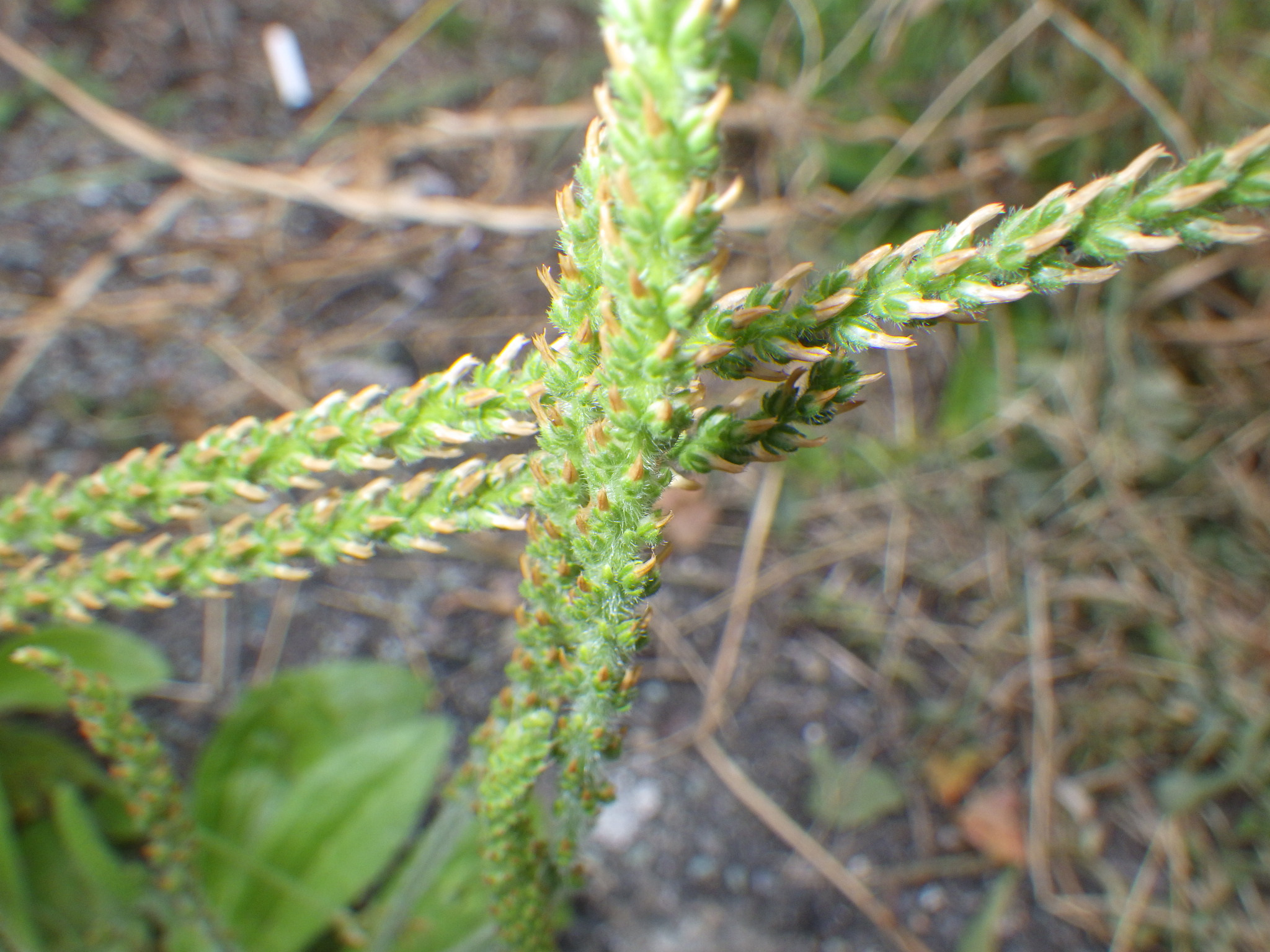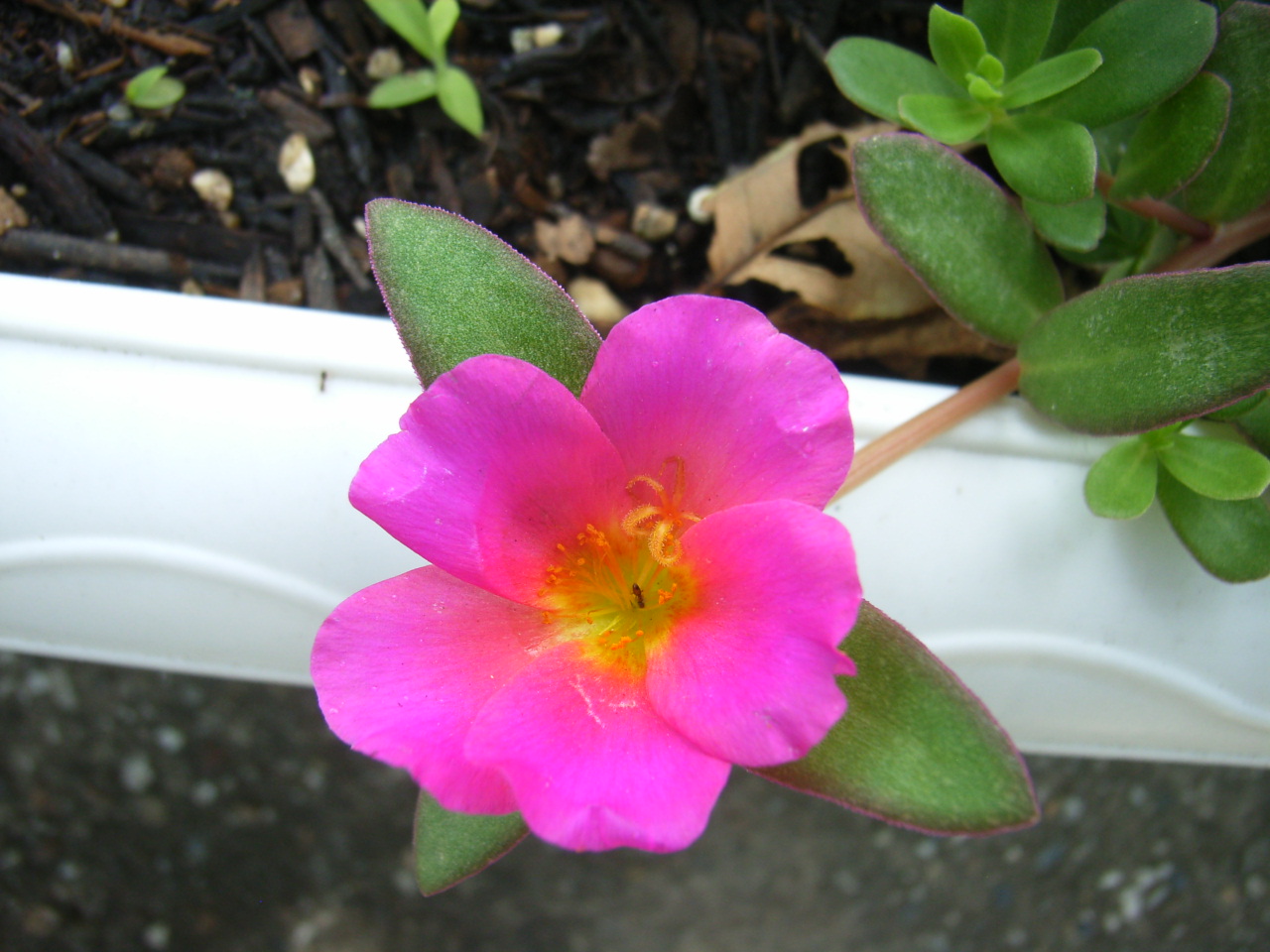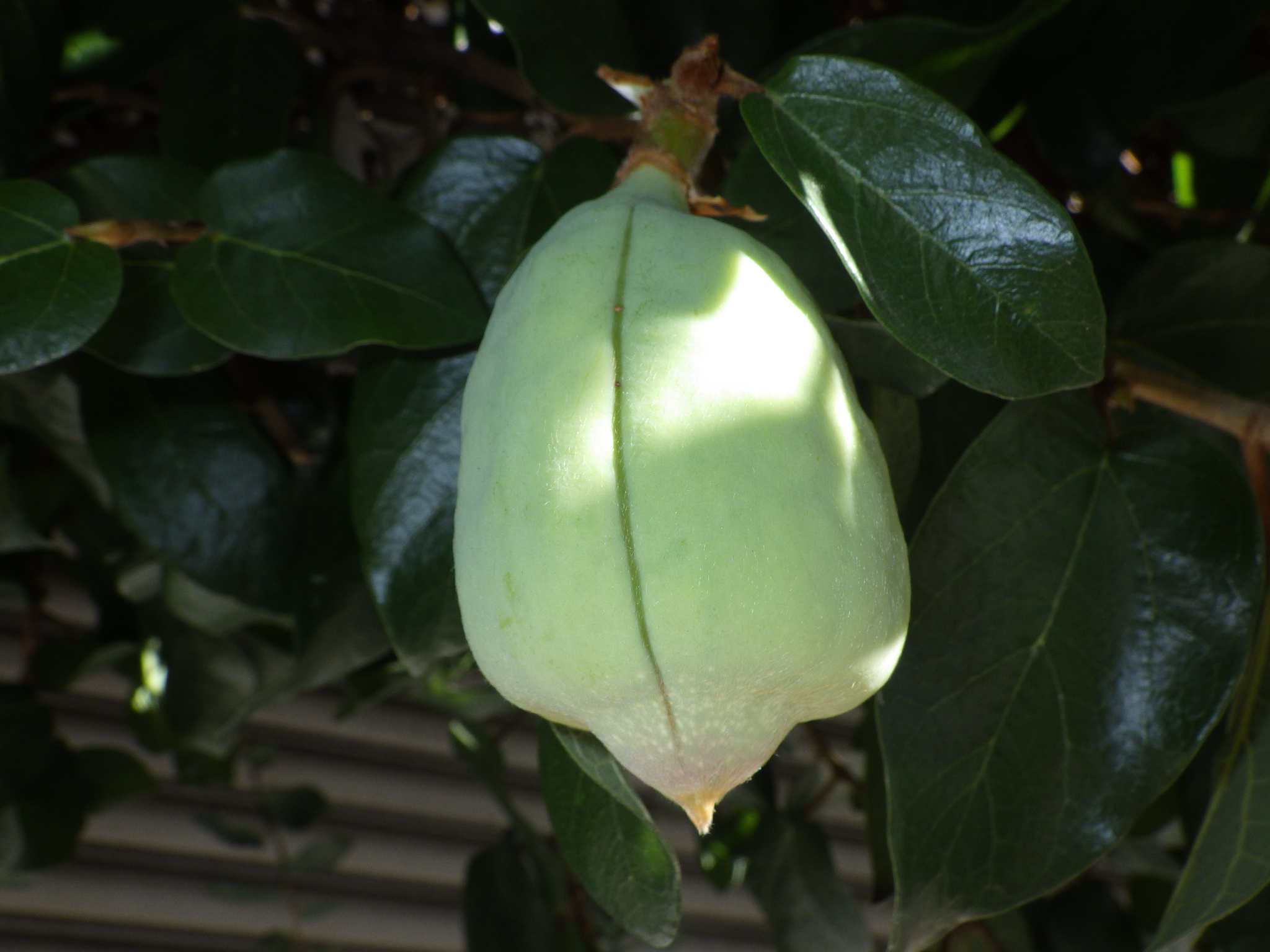
Ficus microcarpa, Ficus serrata, and Ficus serrata all belong to the genus Ficus in the family Moraceae. They are distinguished from other Ficus species by their climbing habit, attaching themselves to tree trunks and rocks. Their most distinctive feature, like other Ficus species, is the formation of a fruit-like structure called a "syconium" (or syconium). The three species differ mainly in the shape of their leaves, and can also be distinguished by their syconium. It is known that only one species of parasitic wasp visits each syconium, a phenomenon known as "obligate pollination symbiosis." This article will explain the classification, morphology, and ecology of the subgenus Synoecia.
What are Himeitabi, Ooitabi, and Itabikazura?
Ficus thunbergii, also known as Himeitabi or Hime-gake-sekiryu, is distributed in Honshu (south of central Japan), Shikoku, Kyushu, and the Ryukyu Islands in Japan; and in Korea (Jeju Island). It is an evergreen vine (climbing woody plant) that grows in warm forests and forest edges, attached to tree trunks and rocks (Kanagawa Prefecture Flora Survey Association, 2018).
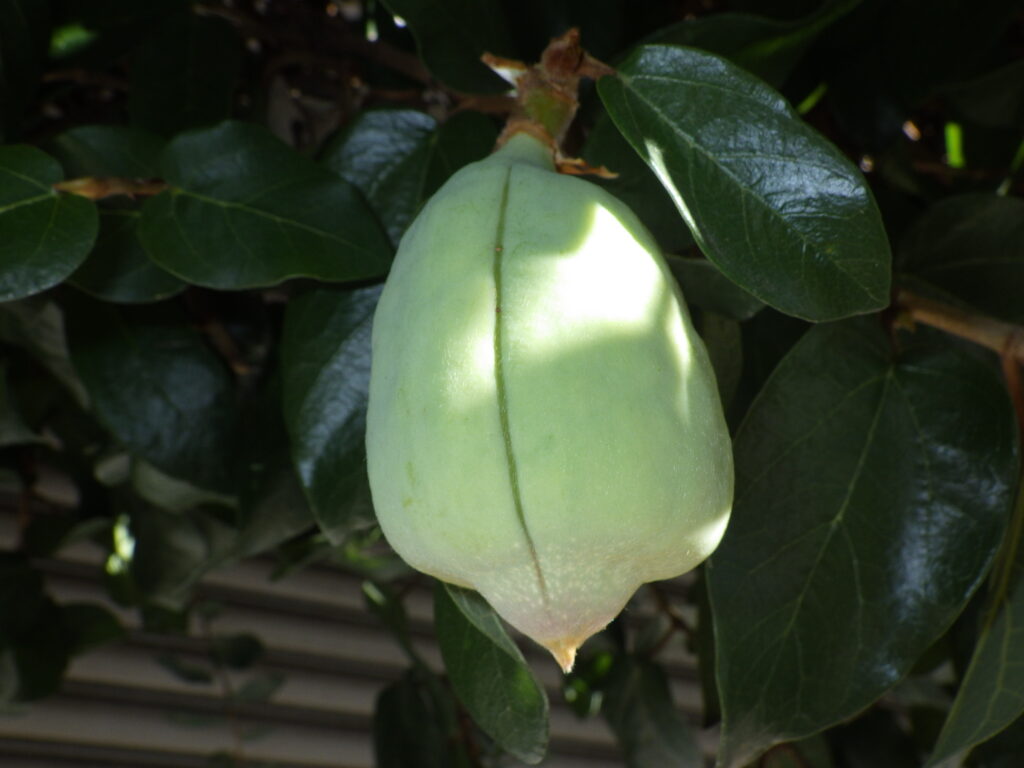
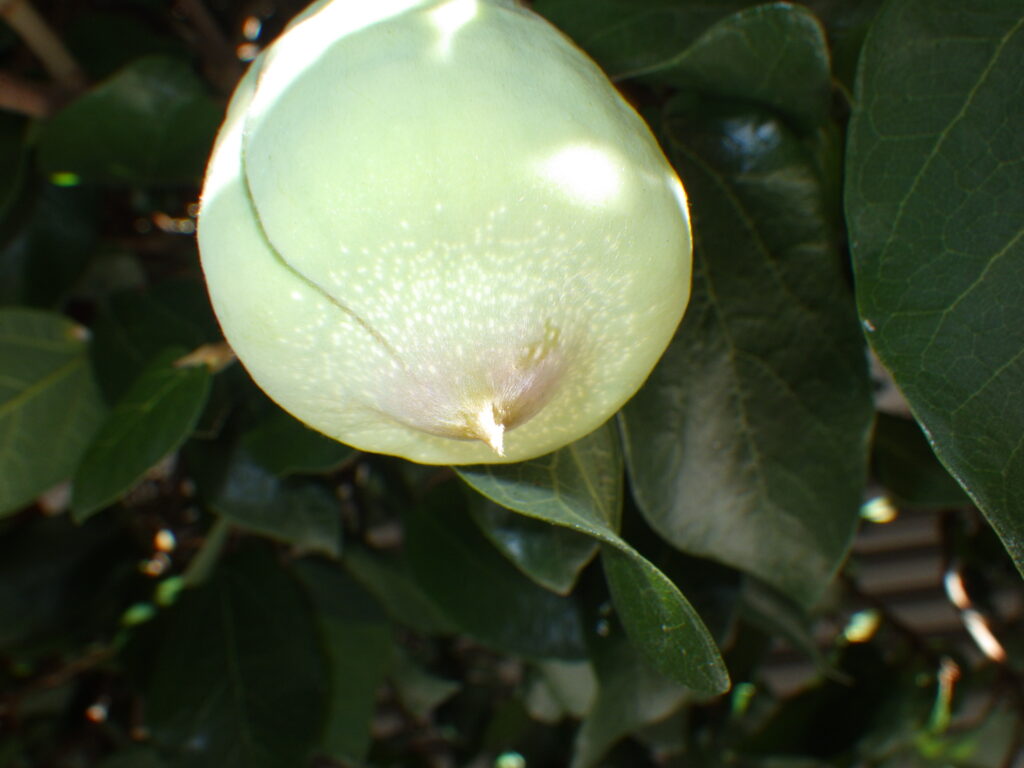
Ficus pumila, also known as giant fig or large cliff fig, is an evergreen climbing woody plant found on cliffs and rocks in warm regions of Japan (west of Chiba Prefecture), Shikoku, Kyushu, and the Ryukyu Islands; China, Taiwan, and Indochina. It is also cultivated in gardens for screening and greening walls.
Ficus sarmentosa subsp. nipponica var. nipponica, also known as rock fig vine, is distributed in Honshu (south of Fukushima and Niigata prefectures), Shikoku, Kyushu, and the Ryukyu Islands in Japan; as well as in Korea, China, and Taiwan. It is an evergreen climbing woody plant that grows in warm forests. It sends out roots from its branches, climbs trees and rocks, and often grows on stone walls of houses. Ficus nipponica is a synonym (former scientific name).
All of these species belong to the genus Ficus in the family Moraceae. They are distinguished from other species in the genus Ficus by their climbing habit, attaching themselves to tree trunks and rocks as epiphytes. They are collectively known as the subgenus Synoecia.
Its most distinctive feature, like other fig species, is the formation of a part that resembles a fruit. This is called a "syconium" (or "syconium inflorescence"), and it is actually a cluster of flowers that "blooms" inside it throughout the summer and even in the dead of winter.
After the flowers inside the syconium are pollinated, the mature syconium transforms into a "fruit sac." This is the same as what is commonly known as the "fig fruit" that is eaten.
These three species have inherited the characteristics of the fig genus while also acquiring climbing habits, but you may sometimes be confused about how to distinguish between them.
What are the differences between Ficus microcarpa, Ficus pumila, and Ficus serrata?
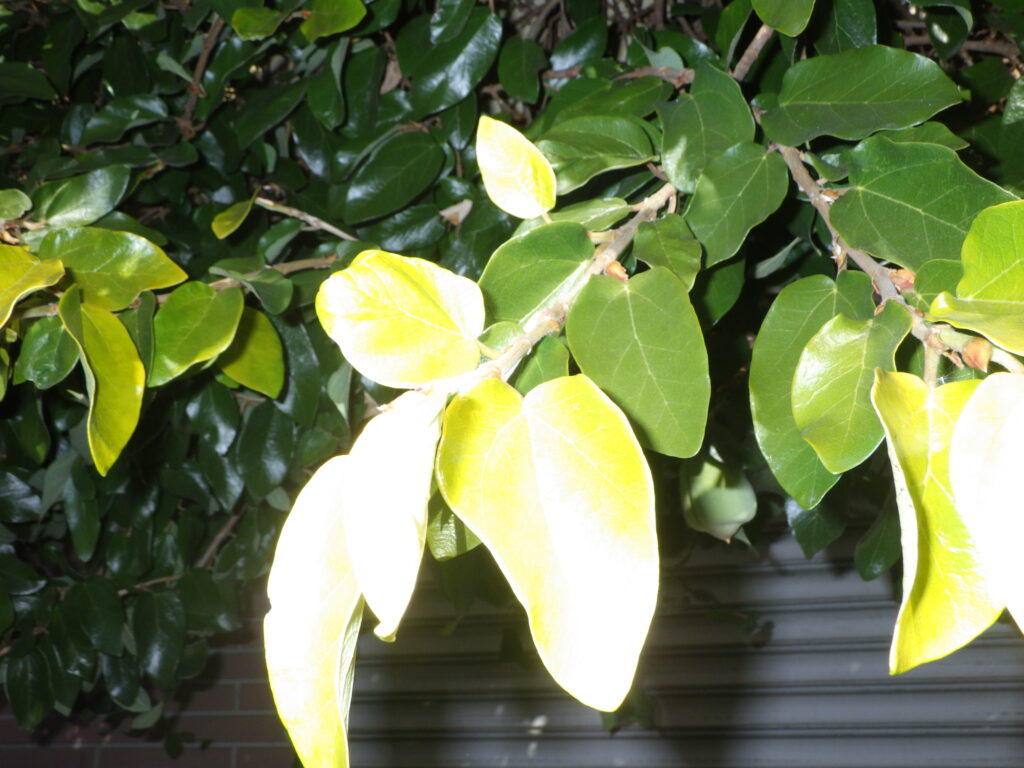
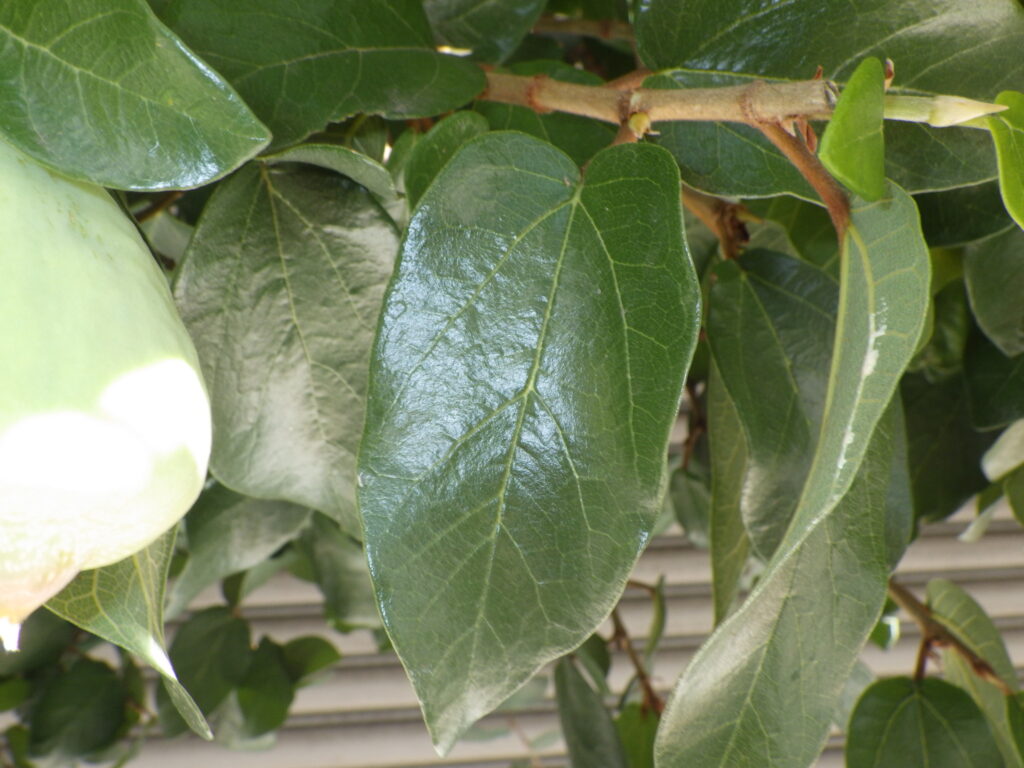
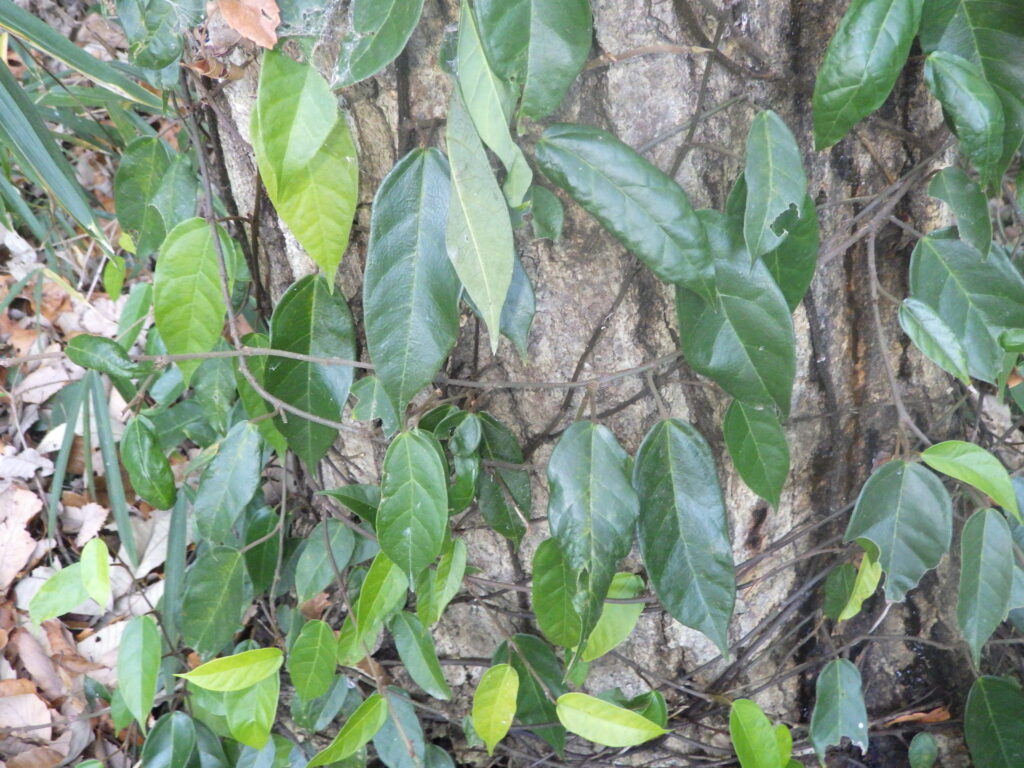
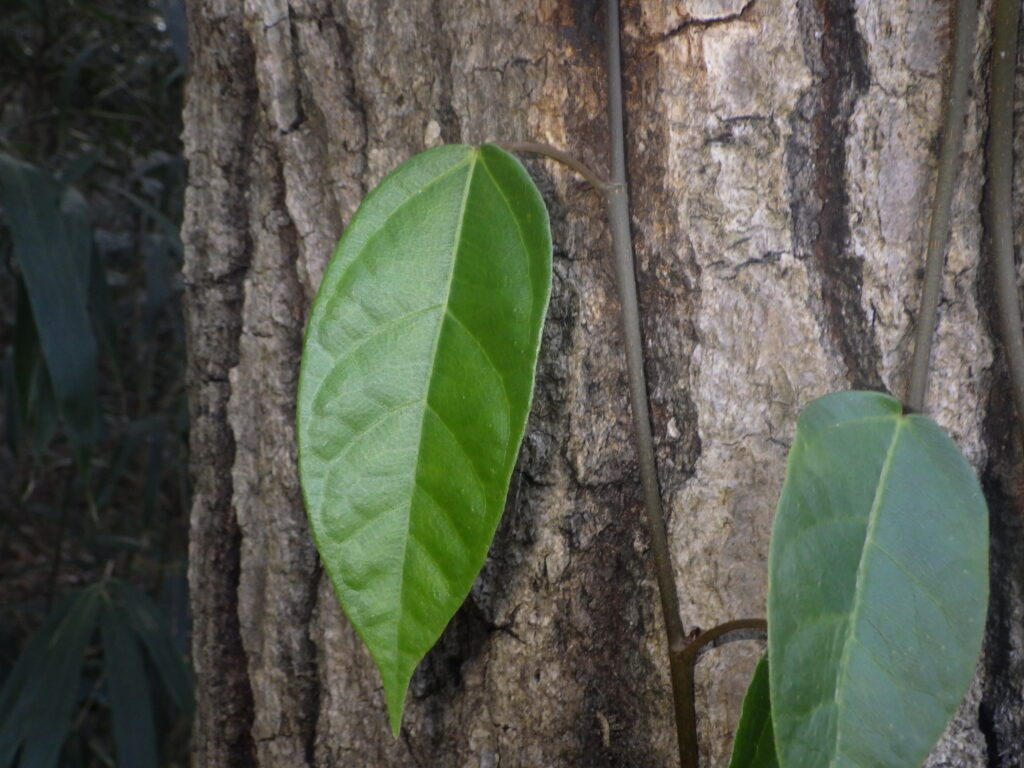
These three species can be distinguished mainly by the shape of their leaves (Kanagawa Prefecture Flora Survey Association, 2018).
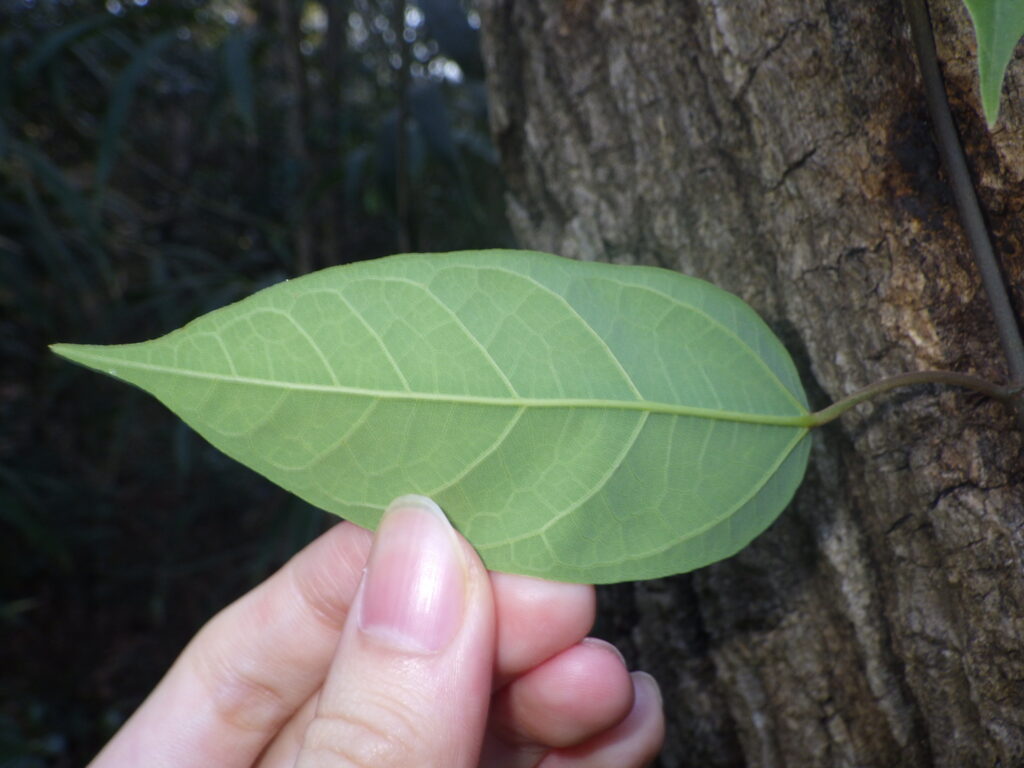
While Ficus microcarpa and Ficus serrata have oval-shaped leaves with blunt tips, Ficus serrata has leaves that are ovate-elliptic to broadly lanceolate with long, pointed tips.
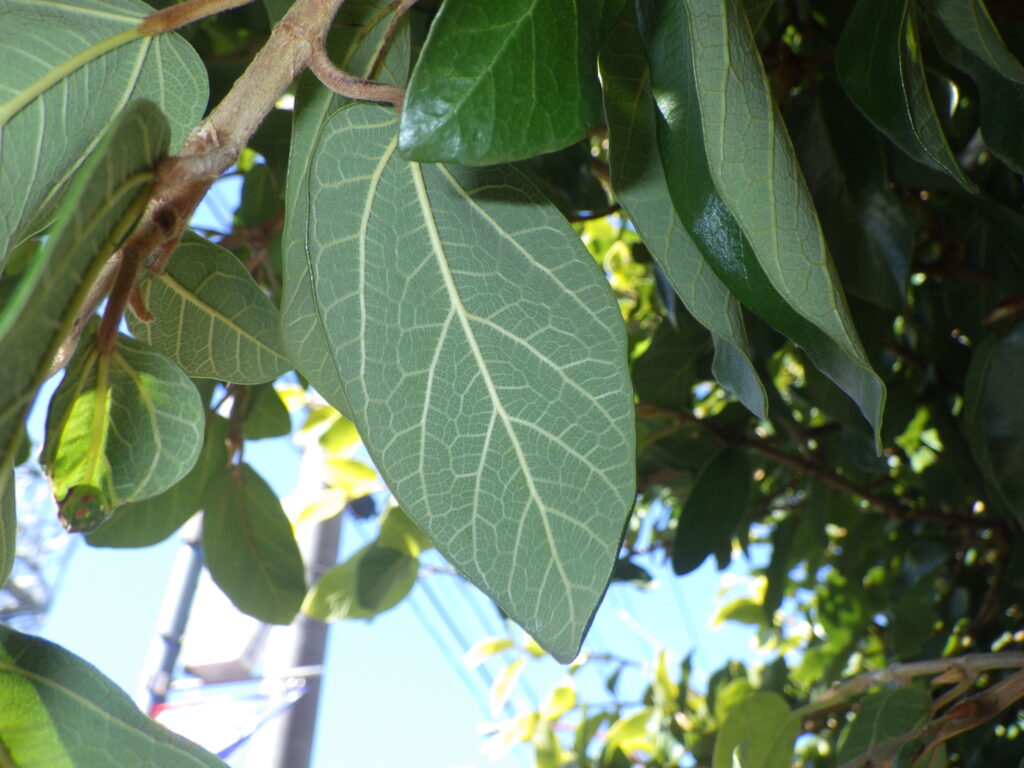
The difference between *Ficus microcarpa* and *Ficus serrata* lies in the fact that young *Ficus microcarpa* leaves have serrated edges, while mature leaves are oval-shaped with entire margins, and the lateral veins are at a 50-60° angle to the main vein, with 5-6 pairs. Mature leaves also have hairs on the veins on the underside. In contrast, *Ficus serrata* leaves are all entire, with lateral veins at a 30-40° angle to the main vein, with 4-5 pairs. Mature leaves are hairless.
There are many factors involved, but I think it's best to start by checking the hairs on the underside of the leaves.
The small leaves (juvenile leaves) of young Ficus microcarpa and Ficus serrata, with their swollen or indented spaces between the veins, are highly distinctive and unique, making them important for distinguishing them from other species.
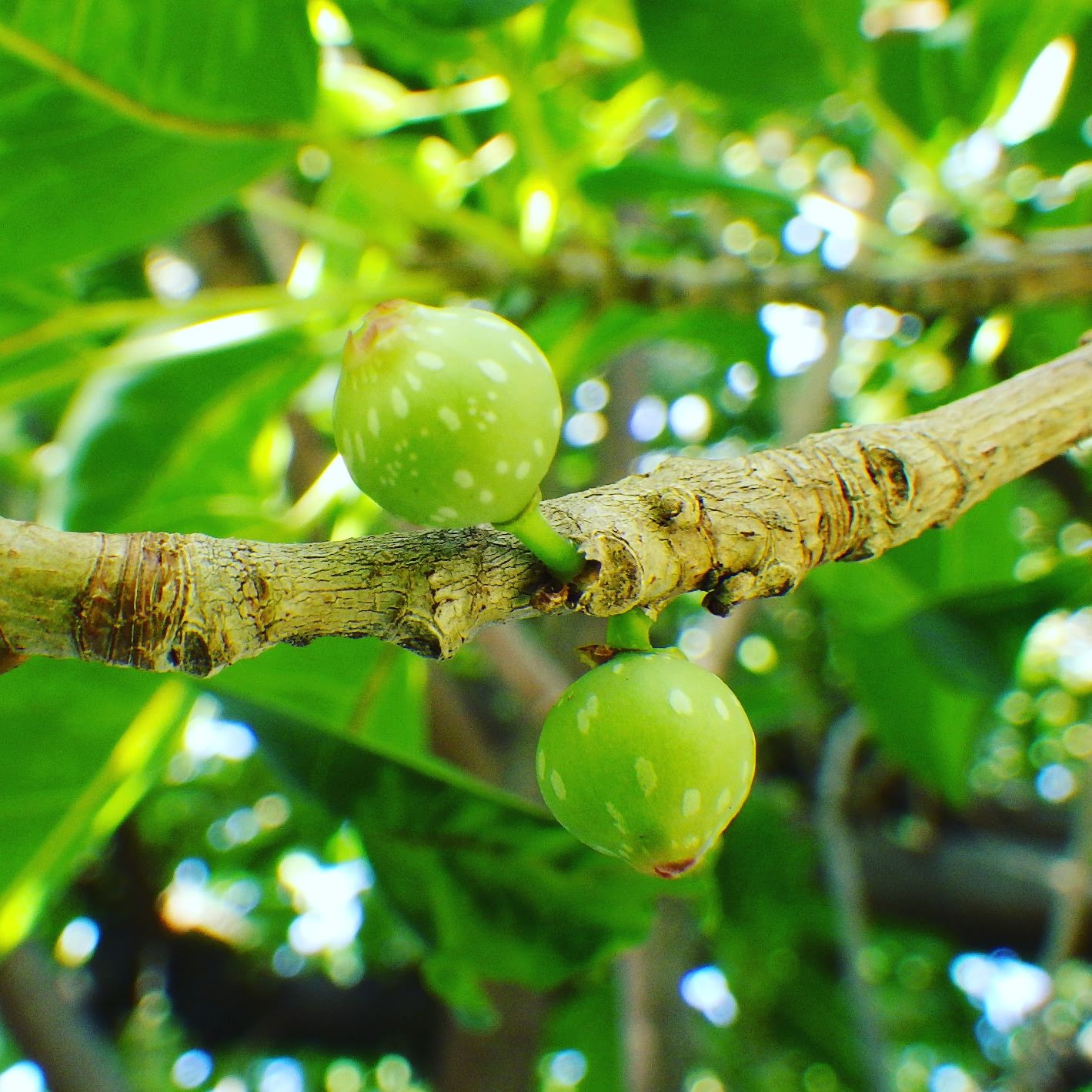
Regarding the syconium (inflorescence), there are differences: in *Ficus microcarpa*, it is spherical with a diameter of 2 cm and a syconium stalk 0.5-1.5 cm long; in *Ficus pumila*, the fruit is spherical to obovate, becoming 3.5-5 cm long when mature, with a pedicel 0.5-1 cm long; and in *Ficus serrata*, the inflorescence is spherical, about 1 cm in diameter, and almost sessile.
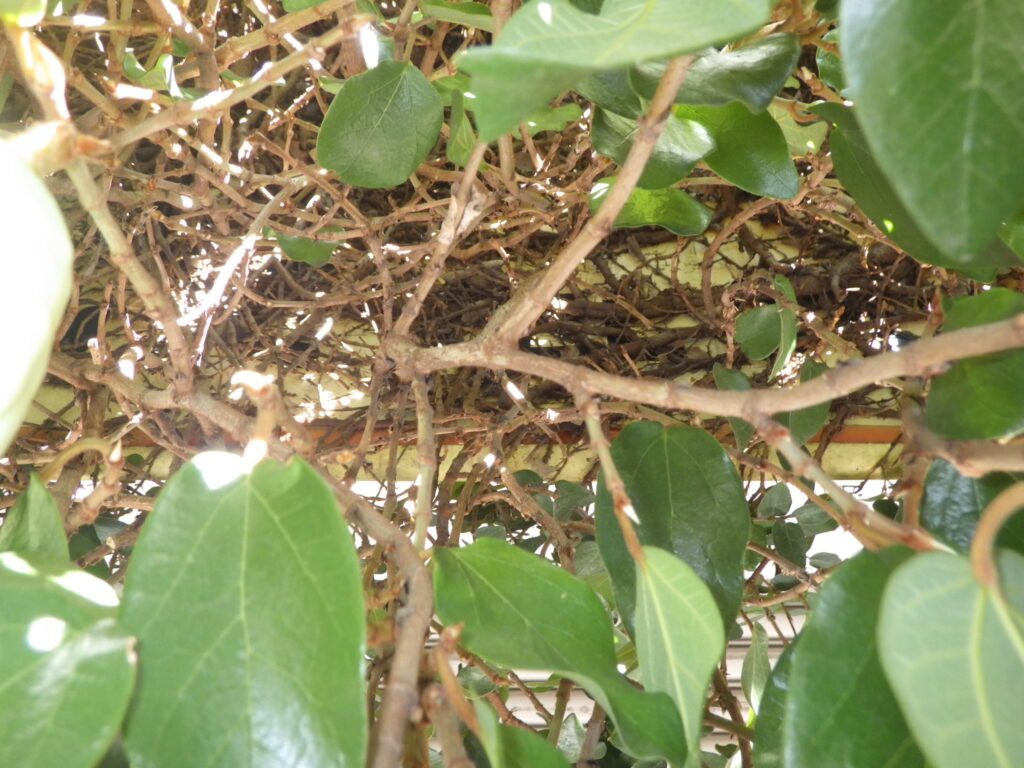
Regarding Ficus microcarpa and Ficus serrata, one difference is that Ficus microcarpa has spreading hairs on its young branches, while Ficus serrata has hairs on its young branches and leaves initially, but later becomes hairless.
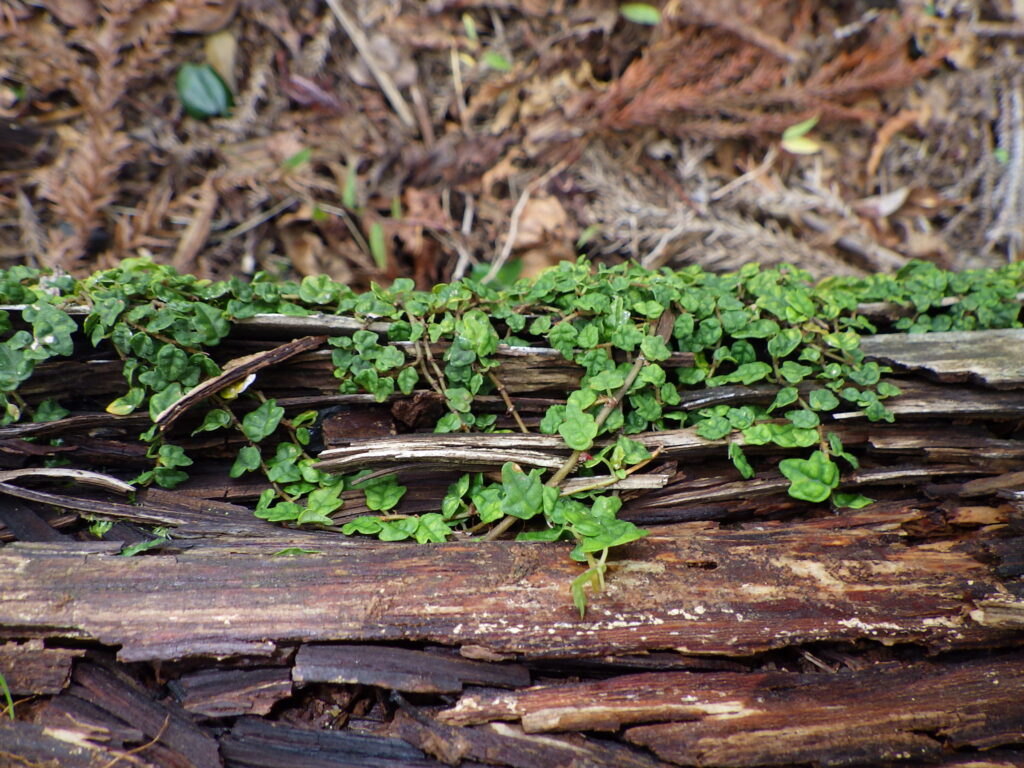
Are there any other similar types?
Many other species of fig are known. However, since the others are all upright species, you shouldn't have much trouble distinguishing them.
How is pollination done? Only one type of wasp comes!?
As mentioned above, the fig genus, which includes Ficus microcarpa, Ficus serrata, and Ficus philadelphicus, forms a part that resembles a fruit, and this is called a "syconium" (or "syconium inflorescence").
In reality, it's the part that contains the flowers, and it "blooms" inside it regardless of whether it's summer or the dead of winter.
Surprisingly, only one specific species of gall wasp (small bee) visits these flowers inside (Azuma et al, 2010).
Specifically, for Ficus microcarpa, it's Wiebesia sp.; for Ficus pumila, it's Wiebesia pumilae ; and for Ficus serrata, it's Wiebesia sp.
This type of symbiotic relationship involving almost one-to-one pollination is called "obligatory pollination symbiosis."
The specific process is described in a separate article.
What are the seed dispersal methods?
While it is certain that all three seed dispersal methods involve animal feeding, records of specific animals are insufficient. However, some records exist.
There are records of the fruit pods of Ficus microcarpa and Ficus serrata being eaten by Yakushima macaques (Otani, 2005) and by martens (Takatsuki, 2017).
There are records of the fruit sacs of *Ficus microcarpa* being eaten by *Flying Flying Fox* and *Flying Flying Fox* (Miyagi and Takahara, 2000).
The large fig (Ficus microcarpa) is clearly larger than the small fig (Ficus microcarpa) and the Japanese fig (Ficus serrata). It seems plausible that the small fig and the Japanese fig are mainly eaten by birds and small mammals, while the large fig is eaten by large mammals for seed dispersal. However, we await further research. The seed dispersal of the large fig on the mainland is something to be curious about.
References
Azuma, H., Harrison, RD, Nakamura, K., & Su, ZH 2010. Molecular phylogenies of figs and fig-pollinating wasps in the Ryukyu and Bonin (Ogasawara) islands, Japan. Genes & Genetic Systems 85(3): 177-192. https://doi.org/10.1266/ggs.85.177
Kanagawa Prefecture Flora Survey Association. 2018. Kanagawa Prefecture Flora 2018 (Electronic Edition). Kanagawa Prefecture Flora Survey Association, Odawara. 1803pp. ISBN: 9784991053726
Takatsuki, Shigeki. 2017. Characteristics of fruits used by martens—a review. Mammalian Science 57(2): 337-347. https://doi.org/10.11238/mammalianscience.57.337
Miyagi, Tomoaki and Takahara, Kenji. 2000. On the plants of Sueyoshi Park and the food plants of the large bat. Bulletin of the Okinawa Prefectural Museum 26: 47-84. https://okimu.jp/userfiles/files/page/museum/issue/bulletin/kiyou26/26-4.pdf
Otani, T. 2005. Characteristics of medium-sized mammals as seed dispersers of berries—mainly using Japanese macaques as an example—. Nagoya University Journal of Forest Science 24: 7-43. https://doi.org/10.18999/nagufs.24.7