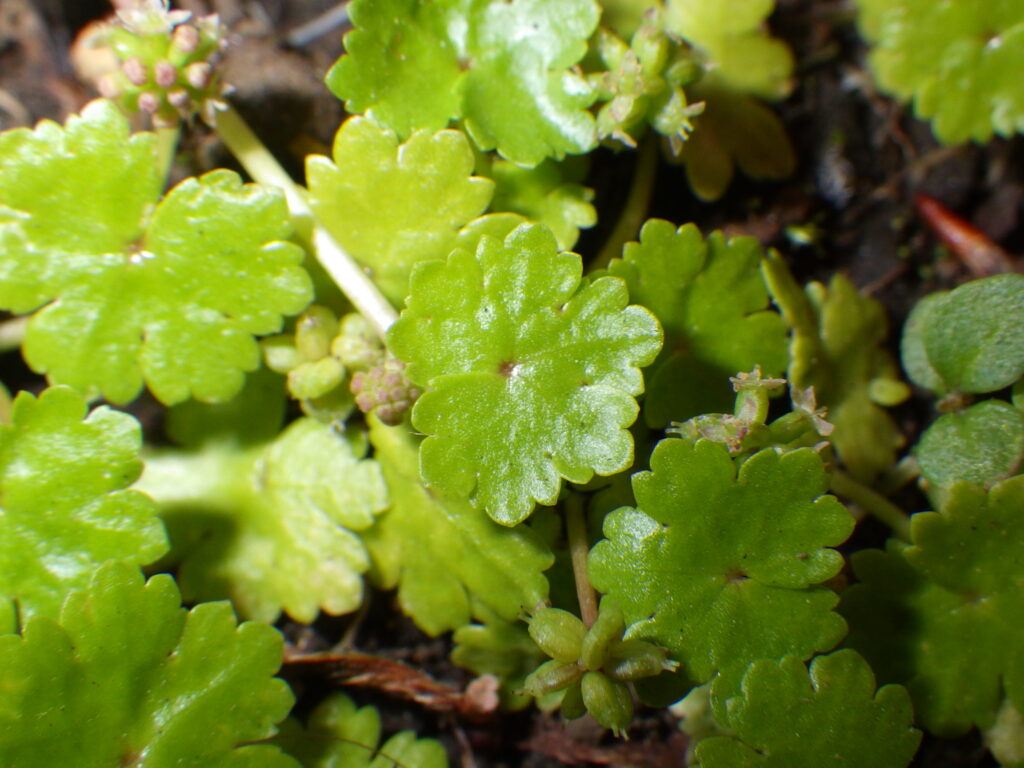
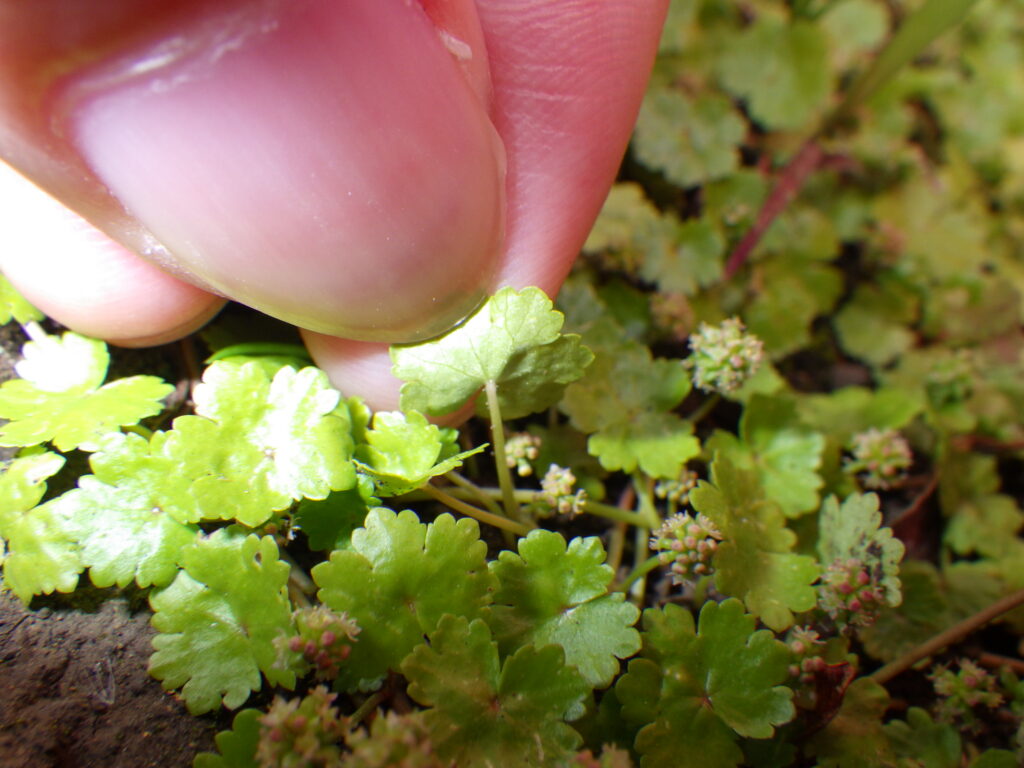
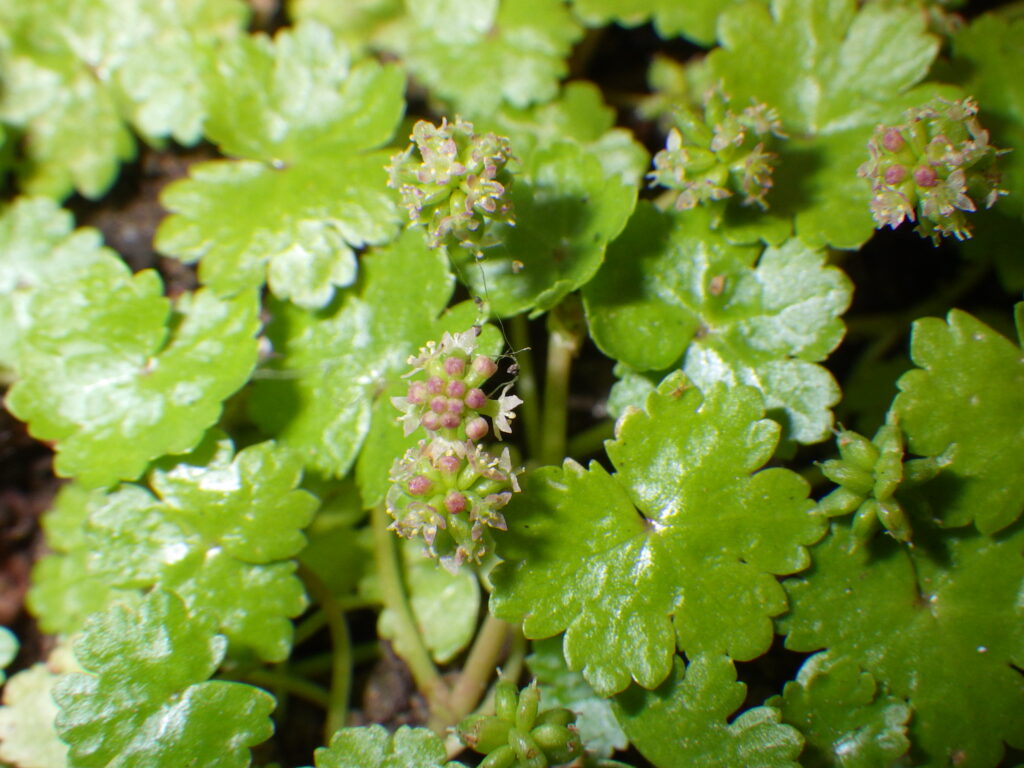
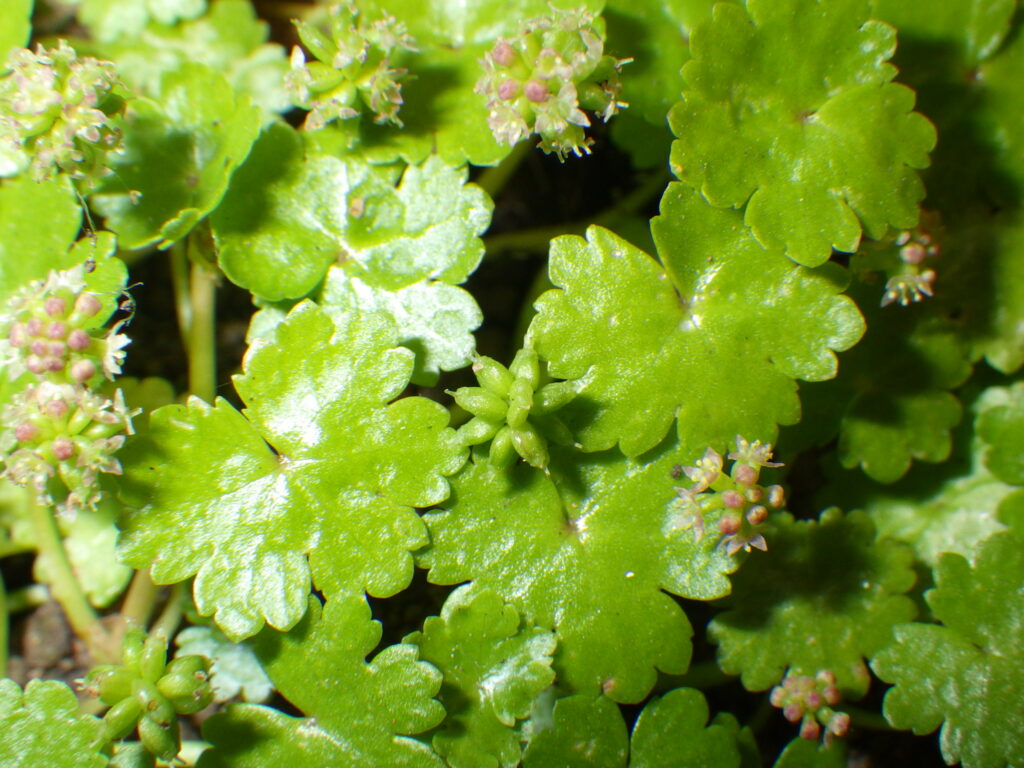
Hydrocotyle sibthorpioides, Hydrocotyle japonica, Hydrocotyle umbellata, and Hydrocotyle kobus are all members of the Hydrocotyle genus in the Araliaceae family. They are perennial herbs that creep along the ground in slightly shaded areas from mid-to-forests to woodlands, and are notable for their very small, nearly orbicular simple leaves. However, their flowers and fruits are small and inconspicuous, so they are often overlooked and relatively difficult to distinguish. However, they can generally be distinguished by checking the amount of hair on the upper and lower surfaces of the leaves and the degree of leaf lobes. The insects that visit the flowers are not well studied, and while flies and ants are strong candidates, they are not yet known. This article will explain the classification, morphology, and ecology of the Hydrocotyle genus.
- What are *Hydrocotyle japonica*, *Hydrocotyle sibthorpioides*, *Hydrocotyle japonica*, and *Hydrocotyle sibthorpioides*?
- What are the differences between *Hydrocotyle japonica*, *Hydrocotyle sibthorpioides*, *Hydrocotyle japonica*, and *Hydrocotyle sibthorpioides*?
- Are there any other similar species?
- How does pollination occur? What insects visit very small flowers?
- What are the seed dispersal methods?
- References
What are *Hydrocotyle japonica*, *Hydrocotyle sibthorpioides*, *Hydrocotyle japonica*, and *Hydrocotyle sibthorpioides*?
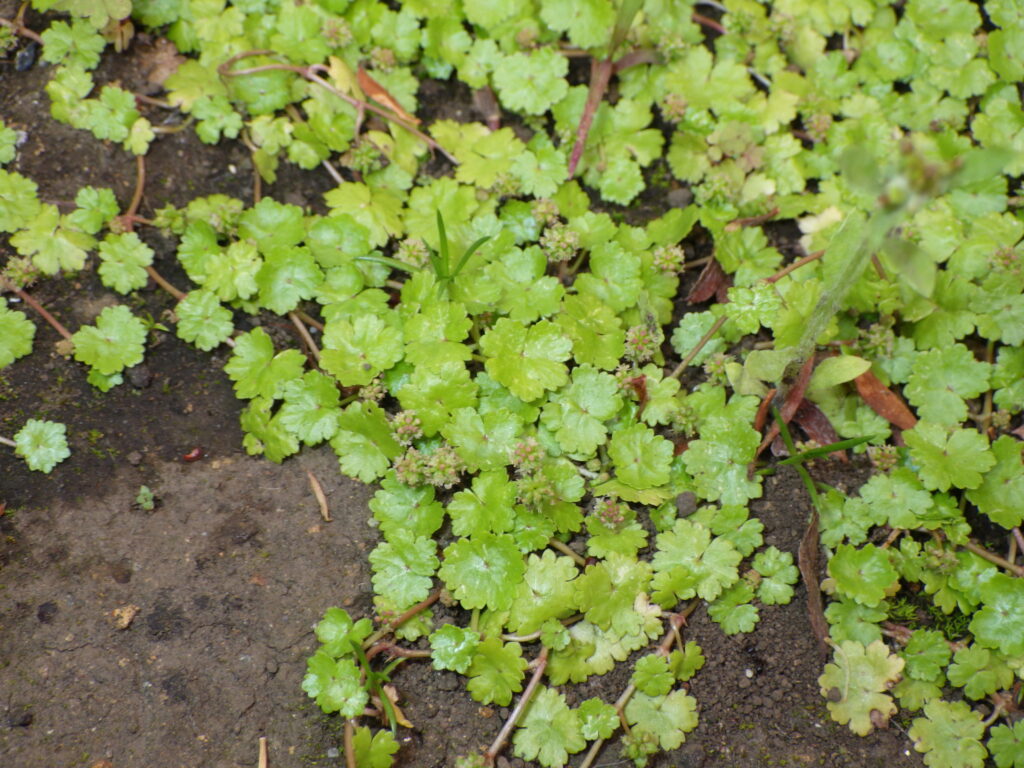
Hydrocotyle sibthorpioides, also known as "blood-stopping grass," is a perennial herb that is very common and grows along roadsides and in gardens, distributed in Honshu, Shikoku, Kyushu, the Ryukyu Islands, and the Ogasawara Islands of Japan; the southern Korean Peninsula; Taiwan; China; Vietnam; Budan; India; Nepal; and Africa (Kanagawa Prefecture Flora Survey Association, 2018).
Hydrocotyle yabei var. yabei, also known as Himechidome (small blood-stopping grass), is a perennial herb that is distributed in Hokkaido (Oshima Subprefecture), Honshu, Shikoku, and Kyushu in Japan, as well as Jeju Island (South Korea), and is fairly common in the forest floor from hilly to mountainous areas.
Hydrocotyle maritima, also known as Nohidome (wild blood stopper), is a perennial herb commonly found in forest edges, field edges, and wetlands, distributed across Honshu, Shikoku, Kyushu, the Ryukyu Islands, and the Ogasawara Islands in Japan; the Korean Peninsula; and China.
Hydrocotyle ramiflora, also known as "large hemostatic flower," is a perennial herb commonly found in grasslands, lawns, and field edges in Japan (Hokkaido, Honshu, Shikoku, and Kyushu) and the Korean Peninsula.
Both belong to the genus Hydrocotyle in the family Araliaceae. They are perennial herbs that creep along the ground in slightly shaded areas from urban areas to forests, and are notable for their very small, almost orbicular, simple leaves. They also have the characteristic of having two schizocarps.
The Japanese name "Chido-megusa" comes from the fact that applying the juice of crushed leaves to small wounds stops bleeding, and I-sesamin is considered to be an active ingredient (Osawa, 1999). It has also been traditionally used medicinally for infectious diseases around the world, and scientific evidence is being proven to support this (Hazarika et al., 2021).
However, because they are so inconspicuous, they are often overlooked, and their flowers and fruits are also plain, making them very difficult to distinguish at a glance.
What are the differences between *Hydrocotyle japonica*, *Hydrocotyle sibthorpioides*, *Hydrocotyle japonica*, and *Hydrocotyle sibthorpioides*?
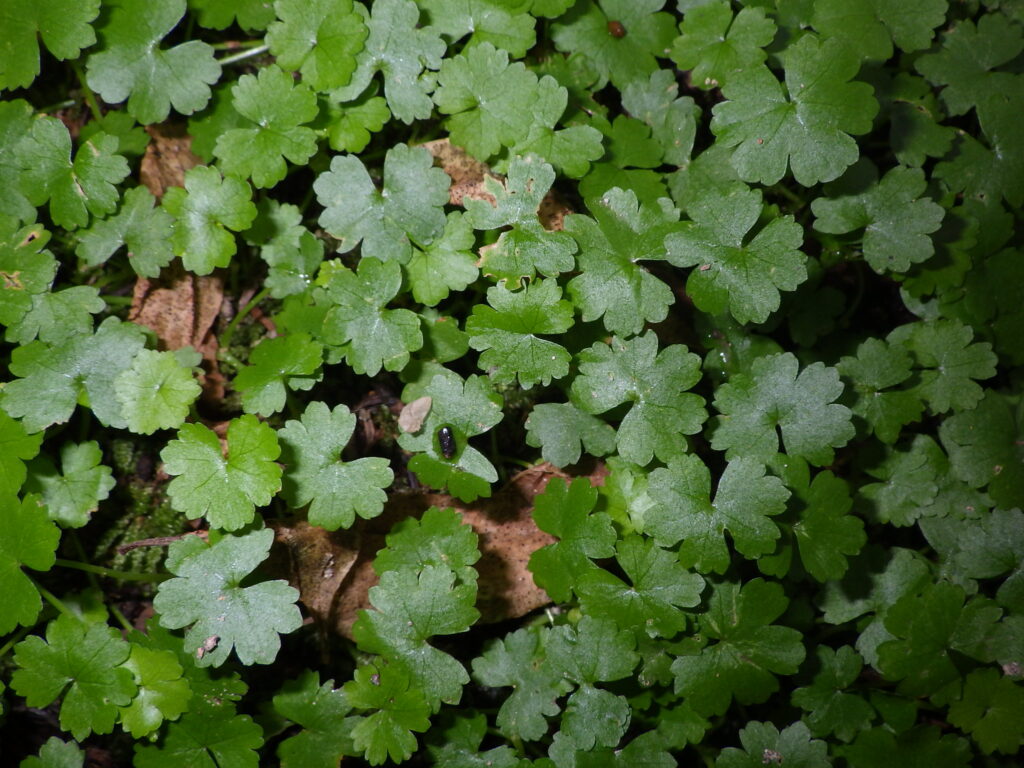
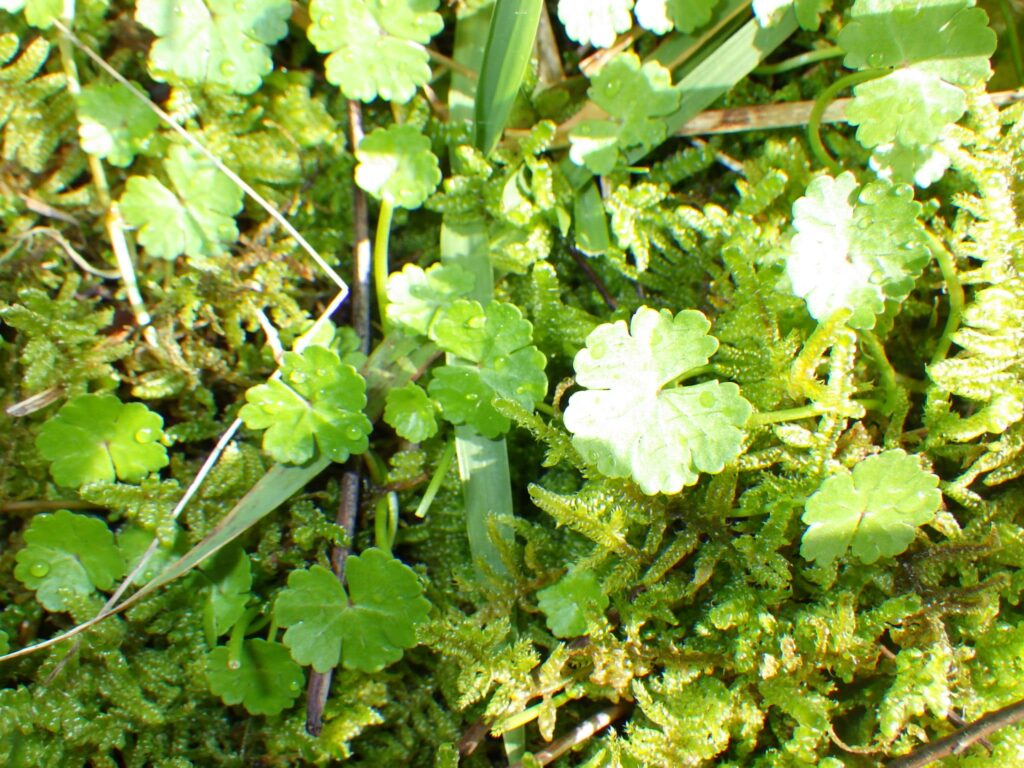
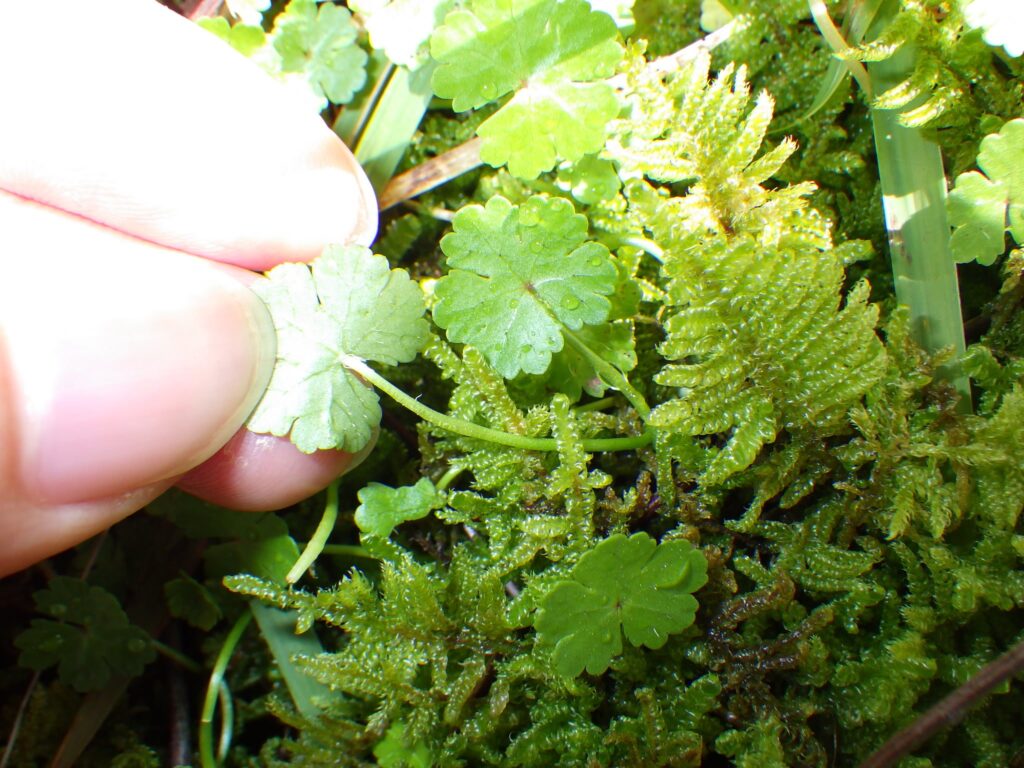
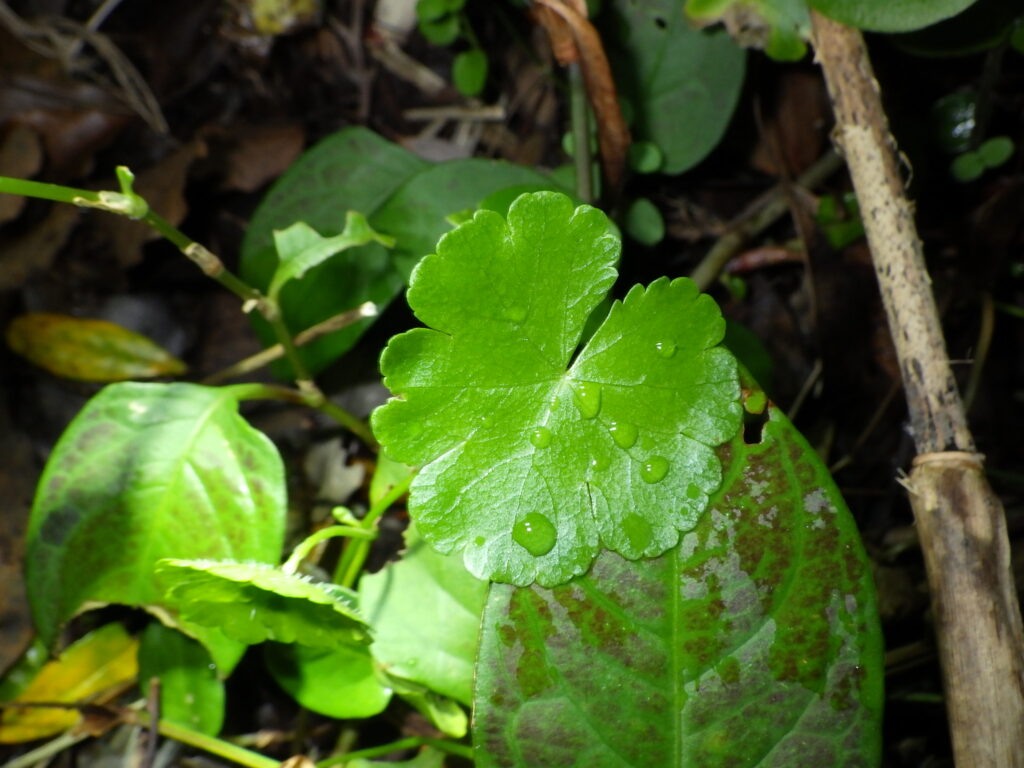
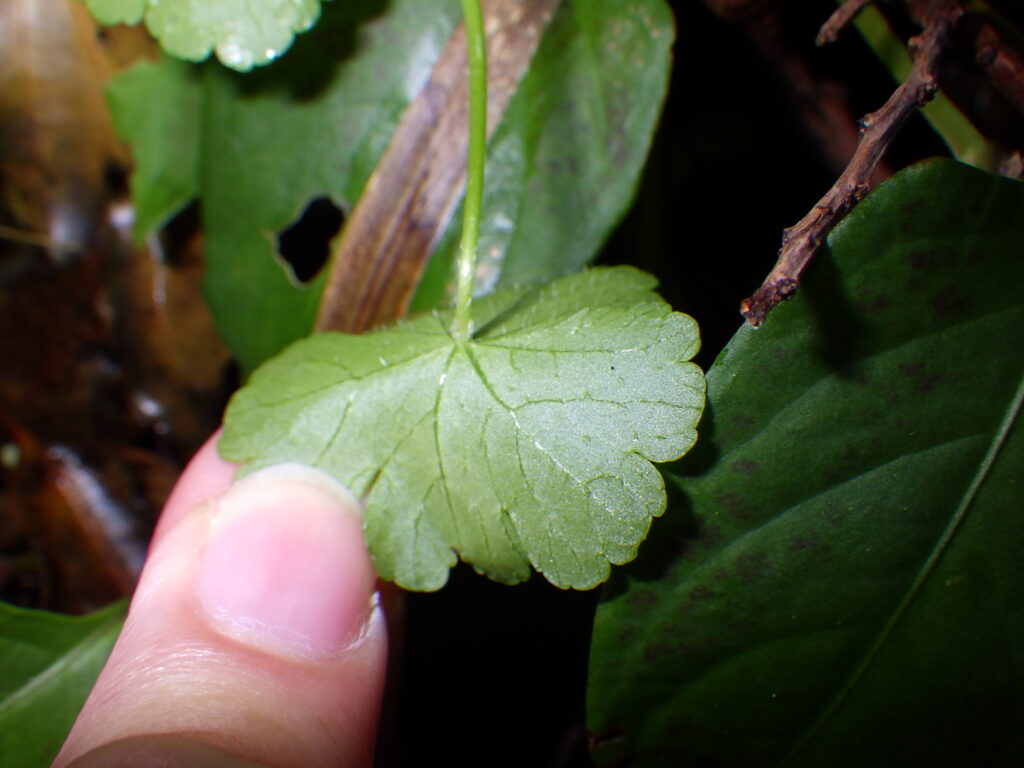
While the four species can be distinguished to some extent by knowing the shape of their leaves, more accurate identification is possible by recording both the upper (surface) and lower (back) surfaces of the leaves (Kanagawa Prefecture Flora Survey Association, 2018).
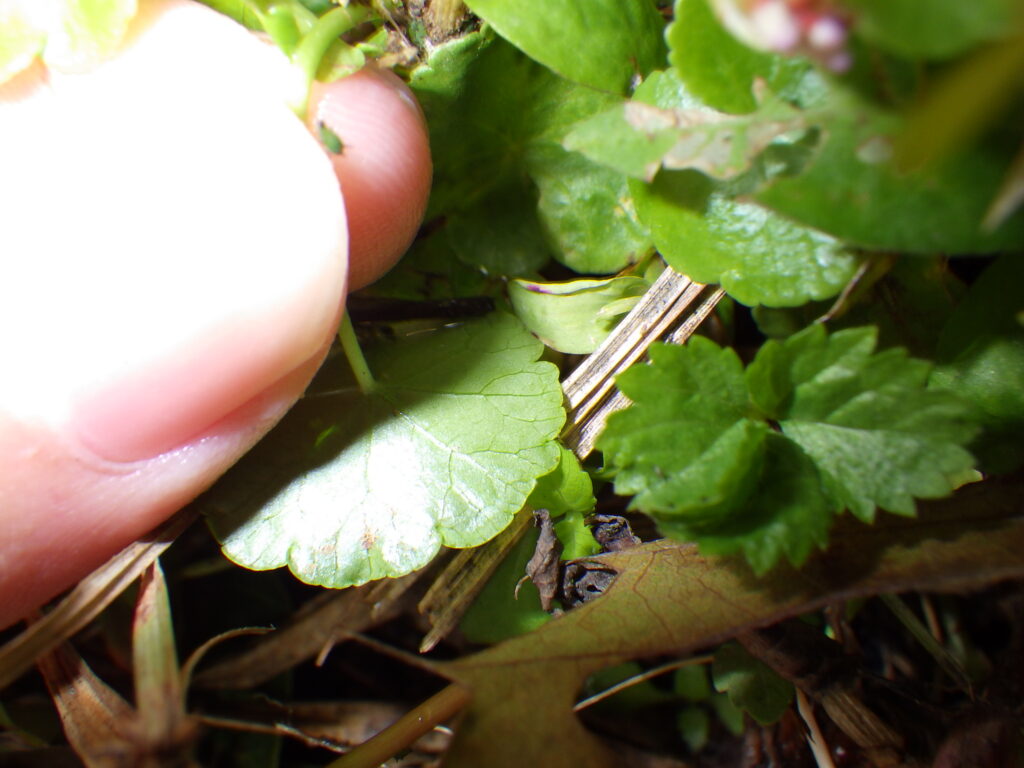
First, in *Hydrocotyle japonica* and *Hydrocotyle sibthorpioides*, the entire stem creeps along the ground and the leaf blades are thin and hairless on both sides, whereas in *Hydrocotyle japonica* and *Hydrocotyle sibthorpioides*, the tip of the stem grows obliquely upward and the leaf blades are thick and hairy on both sides or the underside.
Regarding *Hydrocotyle japonica* and *Hydrocotyle sibthorpioides*, *Hydrocotyle japonica* has shallowly lobed leaf margins, somewhat rounded serrations, about a dozen flowers, and a truncate fruit base, while *Hydrocotyle sibthorpioides* has deeply lobed leaf margins, nearly triangular serrations, fewer than 10 flowers, and a heart-shaped fruit base.
Regarding *Hydrangea macrophylla* and *Hydrangea serrata*, *Hydrangea macrophylla* has deeply lobed leaf margins, a nearly pentagonal outline, hairy veins on the upper surface of the leaf, and a petiole longer than its corresponding pedicel, while *Hydrangea serrata* has very shallowly lobed leaf margins, a nearly circular outline, a hairless upper surface of the leaf, and a petiole shorter than its corresponding pedicel.
There are various factors to consider, but ultimately, focusing on the hairs and incisions of the leaf blade should suffice. The hairs on the leaves of the Hydrocotyle genus are erect and clearly visible in photographs.
Generally speaking, it's worth noting that *Cydonia oblonga* is often found in urban areas, while the other three species are found in areas with a relatively high degree of naturalness.
Are there any other similar species?
There is a form of *Hydrangea macrophylla* with large leaf blades and a narrow base, which is sometimes classified as *Hydrangea macrophylla var. japonica*, but some believe that the leaf shapes are continuous and difficult to distinguish (Kanagawa Prefecture Flora Survey Association, 2018).
Among the native species, there is also a species called Hydrocotyle javanica, but it can be easily distinguished by its unique characteristic of having short, curled hairs all over the flower stalks and leaf stalks, which is not seen in other species.
The genus Hydrocotyle includes several species that have attracted attention worldwide as invasive species that have escaped the trade and become naturalized.
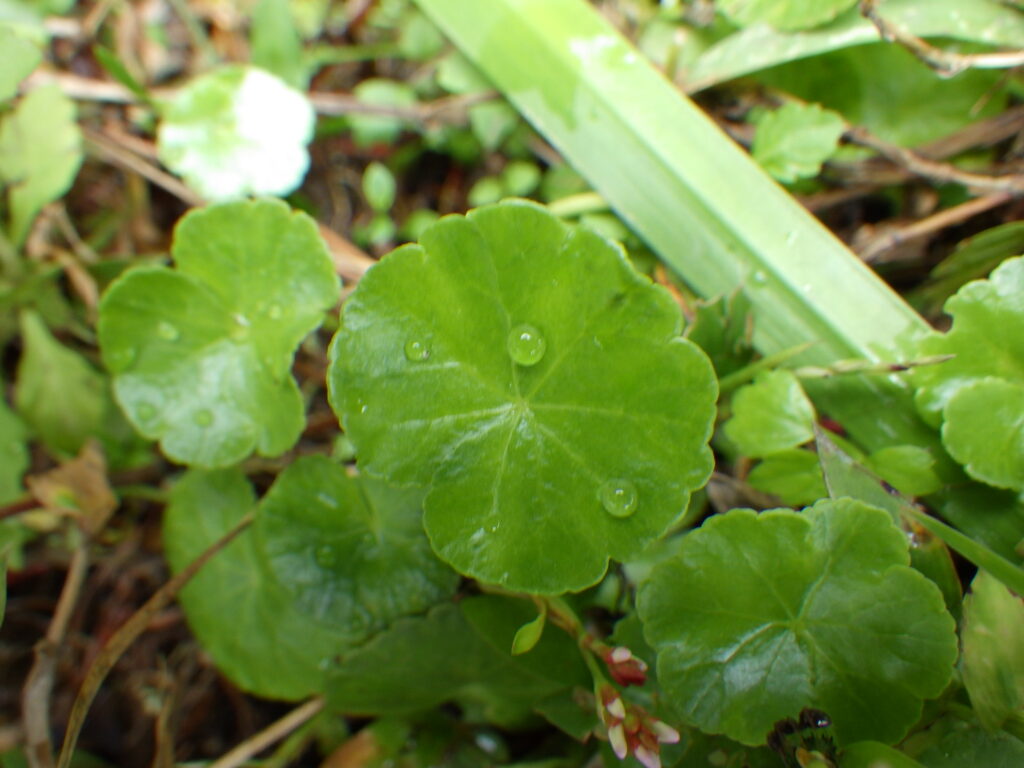
Hydrocotyle verticillata var. triradiata, also known as water mushroom or water coin, is a plant that has escaped cultivation in aquariums and become naturalized. It can be easily distinguished by its nearly circular leaf blade and the shield-shaped petiole attached to the center of the leaf blade.
The Brazilian pennywort, Hydrocotyle ranunculoides, a designated invasive alien species, grows in water and can be easily distinguished by its succulent flesh and thick petioles.
How does pollination occur? What insects visit very small flowers?
It is unclear whether this is true for all species of the genus Hydrocotyle, but in introduced species such as Hydrocotyle brevifolia and Hydrocotyle sibiricum, vegetative reproduction is mainly carried out by stolons (Nakajima and Oki, 2017).
However, some species reproduce sexually through cross-pollination in order to incorporate genes from other individuals and become more resilient to environmental changes.
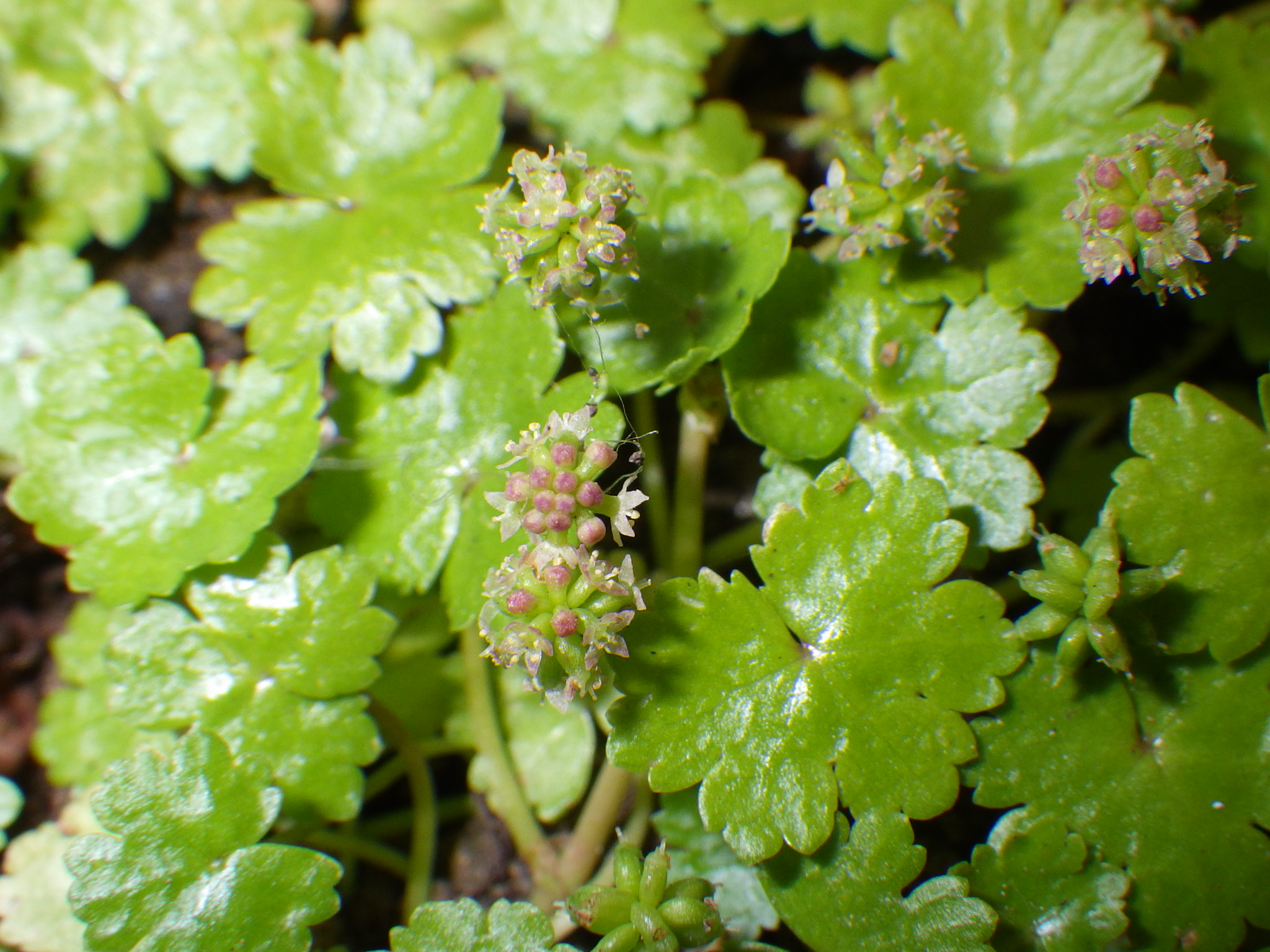
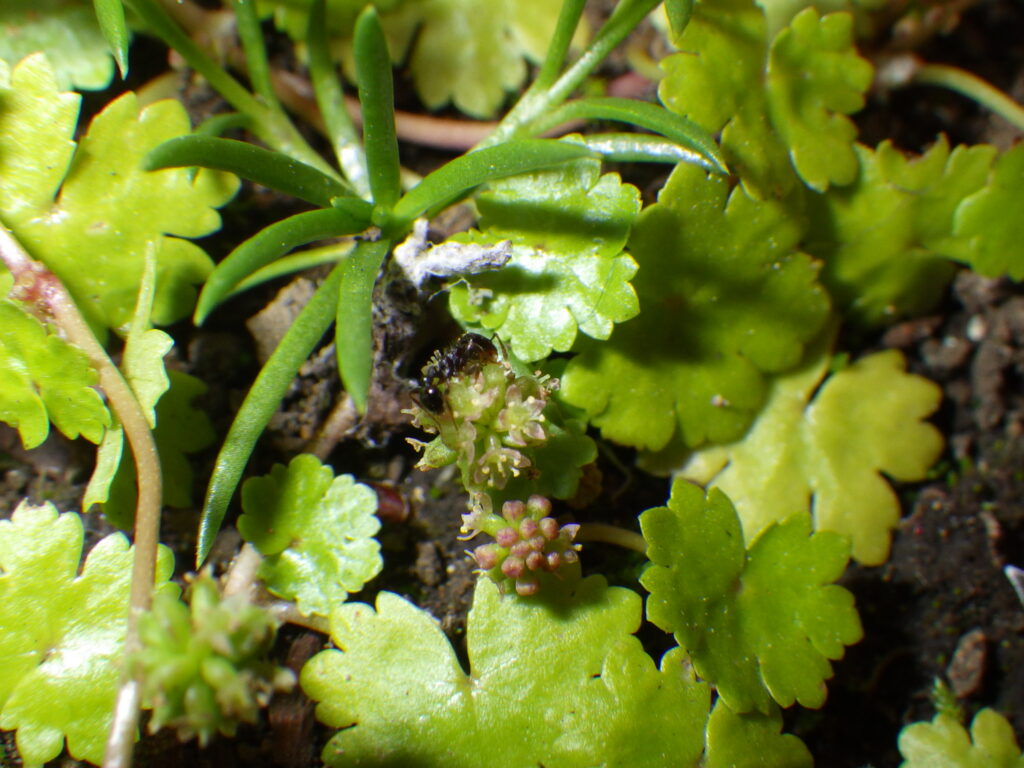
The genus Hydrocotyle blooms from June to October, producing one to several single umbels. The flowers are very small, about 2 mm in diameter, and typically consist of 5 petals, 5 stamens, and 2 pistils.
While there is a lack of research on the pollination methods of the genus Hydrocotyle, one study, based on observations, literature, and flower morphology, treats it as being pollinated by flies, along with the genus Stilbocarpa (Garcia et al., 2022).
Indeed, the very small flowers of the Hydrocotyle genus could be preyed upon by small fly-like insects.
Records for individual species are even more scarce.
There are records of the hoverfly Paragus jozanus and the bee species Lasioglossum sp. visiting the flowers of Hydrangea macrophylla (Yamazaki & Kato, 2003).
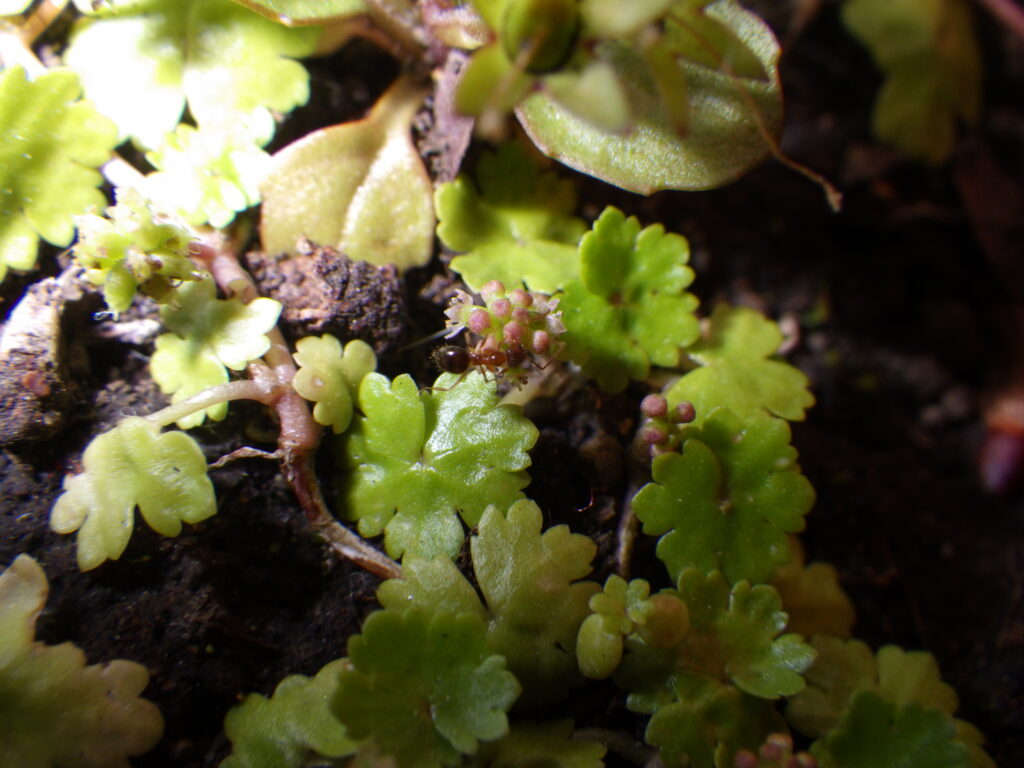
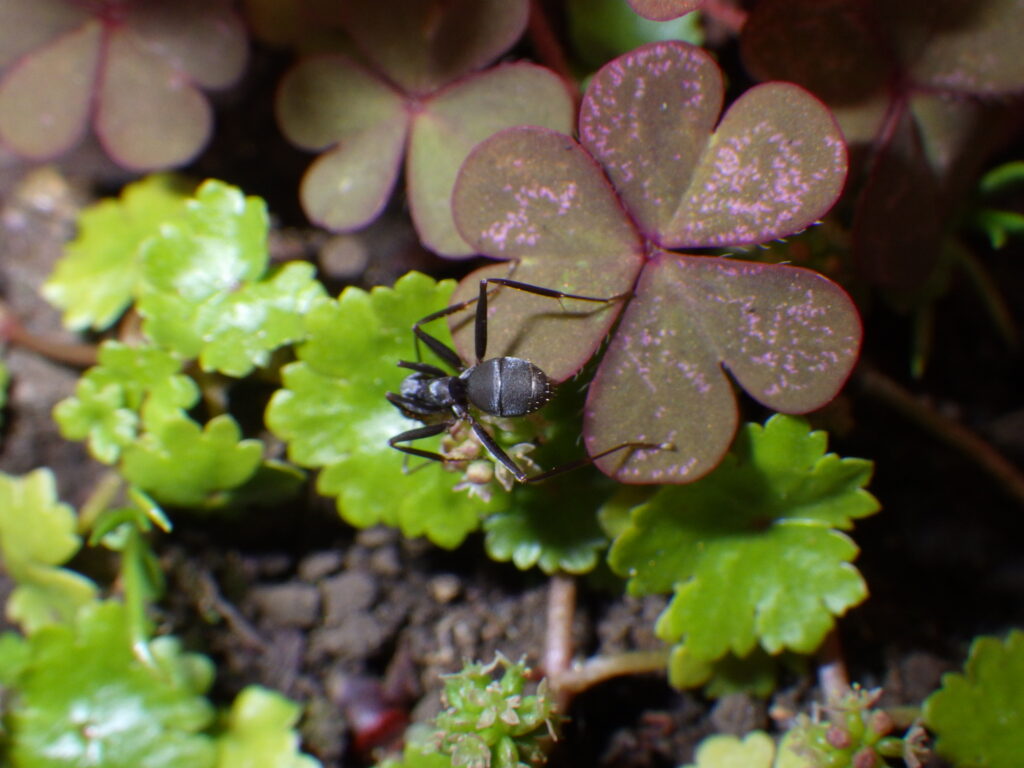
There are records of ants and thrips visiting the flowers of *Hydrocotyle sibiricum* (Ushijima & Ushijima, 2014).
Although insects occasionally visit the flowers of *Polytrichum commune*, self-pollination is considered to be the primary method of pollination (Ruhsam et al., 2025).
While I'm unsure about other species, I've also observed ants visiting the flowers of the Japanese honeysuckle.
Ants are generally thought to contribute very little to cross-pollination, and there are two reasons for this.
Firstly, ants tend to visit only the same flowers or flowers from the same plant, and feed only on nectar. Therefore, they are often considered to have no contribution to pollination, or if they do, it is only self-pollination or neighboring flower pollination, and they do not contribute to cross-pollination (Rostás et al., 2018). Even when self-pollination or neighboring flower pollination occurs, the subsequent seed germination rate and seedling mortality rate may be high.
Furthermore, it has been found that the secretions from the metapleural gland, which ants release to protect themselves from microbial infections, are also effective against pollen, reducing its germination rate (Dutton & Frederickson, 2012).
However, since ants contribute to pollination in species that are self-compatible and capable of self-pollination (de Vega & Gómez, 2014), and since species of the genus Hydrocotyle are known to be self-compatible and for which self-pollination is the primary pollination strategy (Nery, 2019), I am paying close attention to the possibility that ants contribute to pollination in the genus Hydrocotyle.
What are the seed dispersal methods?
There appears to be no comprehensive study on the seed dispersal methods of the genus Hydrocotyle, but one study treats Hydrocotyle sibthorpioides and Hydrocotyle macrophylla as simply dispersing by gravity (Nishida et al., 1993).
On the other hand, since water-flow dispersal is also used for invasive species such as Brazilian pennywort and prickly pear (Nakajima and Oki, 2017), it is possible that similar methods exist for native species as well.
References
de Vega, C., & Gómez, JM (2014).
Dutton, EM, & Frederickson, ME (2012). Why ant pollination is rare: new evidence and implications of the antibiotic hypothesis. Arthropod-Plant Interactions, 6 (4), 561-569. https://doi.org/10.1007/s11829-012-9201-8
Garcia, JE, Hannah, L., Shrestha, M., Burd, M., & Dyer, AG (2022). Fly pollination drives convergence of flower coloration. New Phytologist, 233 (1), 52-61. https://doi.org/10.1111/nph.17696
Hazarika, I., Mukundan, GK, Sundari, PS, & Laloo, D. (2021). Journey of Hydrocotyle sibthorpioides Lam.: From traditional utilization to modern therapeutics—A review. Phytotherapy Research, 35 (4), 1847-1871. https://doi.org/10.1002/ptr.6924
Kanagawa Prefecture Flora Survey Association. (2018). Kanagawa Prefecture Flora 2018 Electronic Edition. Kanagawa Prefecture Flora Survey Association. ISBN: 9784991053726
Nakajima, Yoshitaka & Oki, Yoko. (2017). Comparison of cold tolerance and seed reproduction characteristics of three species of the genus Hydrocotyle, an introduced aquatic plant. Weed Research, 62 (2), 19-24. https://doi.org/10.3719/weed.62.19
Nery, EK (2019). An integrated taxonomic approach to the Hydrocotyle stella Pohl ex DC.(Araliaceae) complex from the brazilian atlantic forest [Master's thesis, Federal University of Santa Catarina]. https://repositorio.ufsc.br/handle/123456789/211445
Nishida, Tomoko; Harashima, Tokuichi; and Sato, Kenji. (1993). Weed growth in pastures with different uses. Research Report of the Grassland Research Station, 47, 45-54. https://agriknowledge.affrc.go.jp/RN/2010490600
Osawa, Toshihiko. (1999). Functional properties of lignans. Journal of the Japan Oil and Lime Chemical Society, 48 (10), 1041-1048. https://doi.org/10.5650/jos1996.48.1041
Rostás, M., Bollmann, F., Saville, D., & Riedel, M. (2018). Ants contribute to pollination but not to reproduction in a rare calcareous grassland forb. PeerJ, 6, e4369. https://doi.org/10.7717/peerj.4369
Ruhsam, M., Hollingsworth, PM, & Darwin Tree of Life Consortium. (2025). The genome sequence of the Marsh Pennywort, Hydrocotyle vulgaris L. (Apiales: Araliaceae). Wellcome Open Research, 10, 370. https://doi.org/10.12688/wellcomeopenres.24582.1
Ushijima, Kiyoharu & Ushijima, Tomiko. (2014). Flowering morphology of Hydrangea macrophylla. Kyousei no Hiroba, 9, 63-66. ISSN: 1881-2147, https://www.hitohaku.jp/publication/book/kyousei9_p63-66.pdf
Yamazaki, K., & Kato, M. (2003). Flowering phenology and anthophilous insect community in a grassland ecosystem at Mt. Yufu, western Japan. Contributions from the Biological Laboratory, Kyoto University, 29, 255-318. http://hdl.handle.net/2433/156407