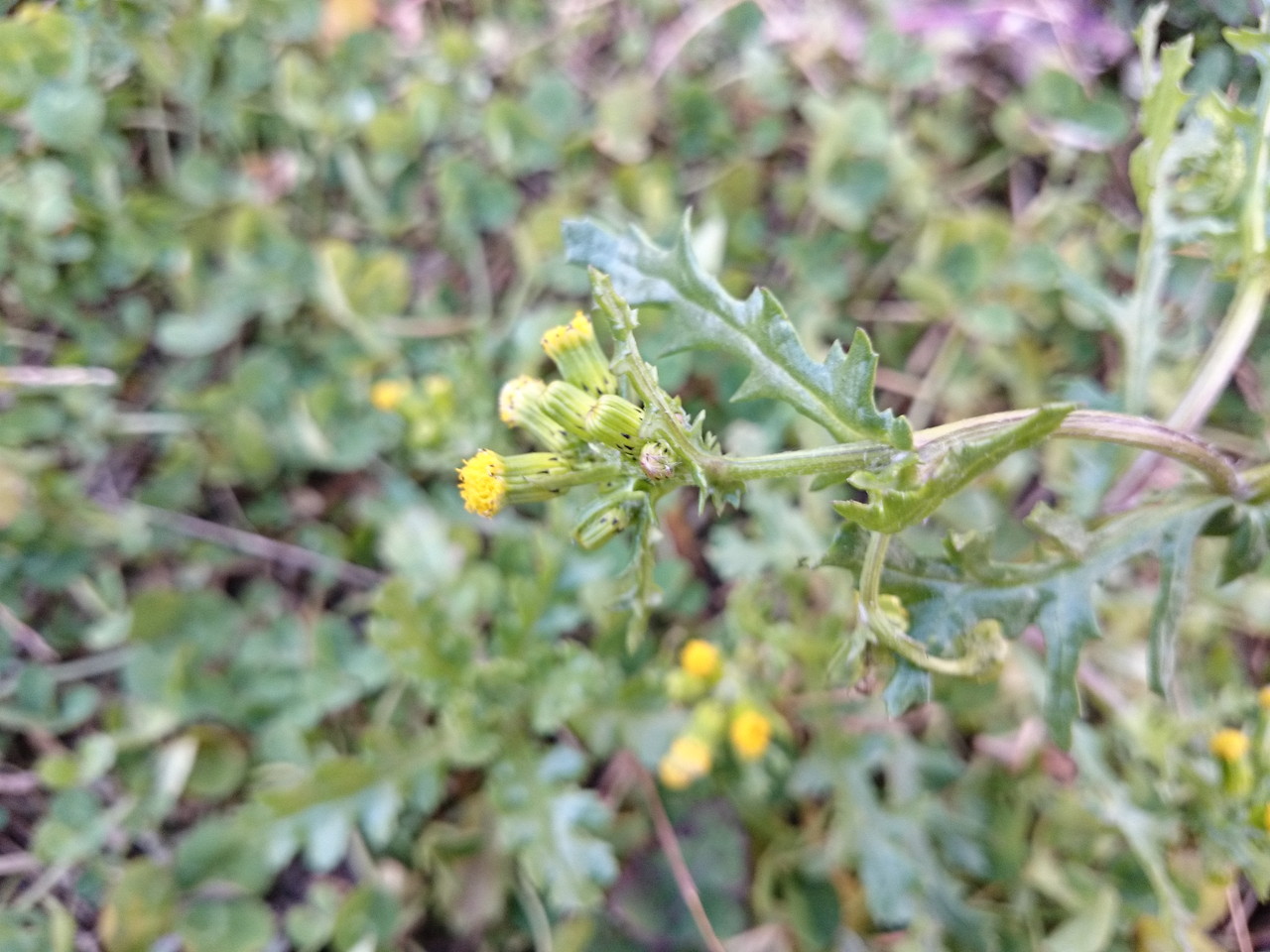
Senecio vulgaris, Senecio rupestris, and Senecio rupestris are all introduced weeds belonging to the Senecio tribe (or Senecio tribe) of the Asteraceae family, and all share the name "borogiku" (ragwort). A key characteristic is that their flower heads (capitulum) are composed solely of tubular florets. Because these three species have similar names, those who have never seen them might mistakenly think they are all the same kind. However, these three species differ completely in flower color and flower head shape, and can be easily distinguished with careful observation. While it may be difficult to distinguish between Senecio rupestris and Senecio rupestris when they are flowerless or in dried specimens, they can generally be distinguished by the shape of their leaves. This article will explain the classification and morphology of Senecio vulgaris, Senecio rupestris, and Senecio rupestris.
What are Senecio vulgaris, Senecio vulgaris, and Senecio japonica?
Senecio vulgaris, also known as wild ragwort, is native to Eurasia (probably Europe) and has naturalized throughout the world, including Japan. It is an annual to biennial herb that grows in fertile fields, gardens, and vacant lots (Kanagawa Prefecture Flora Survey Association, 2018).
Crassocephalum crepidioides, also known as red-flowered rag chrysanthemum, is native to tropical Africa and has naturalized mainly in tropical regions. In Japan, it began to spread from western Japan after World War II and is now distributed throughout the country. It is an annual plant that grows along roadsides, in cleared areas, and in eroded areas with humus.
Erechtites hieraciifolius, also known as Dandoborogiku (Dando rag chrysanthemum), is native to the Americas and has naturalized in parts of Eurasia, including Japan. It is an annual plant that grows in humus-rich, eroded areas and prefers mountainous regions to urban areas. Its Japanese name comes from the fact that it was discovered on Mount Dando in Aichi Prefecture.
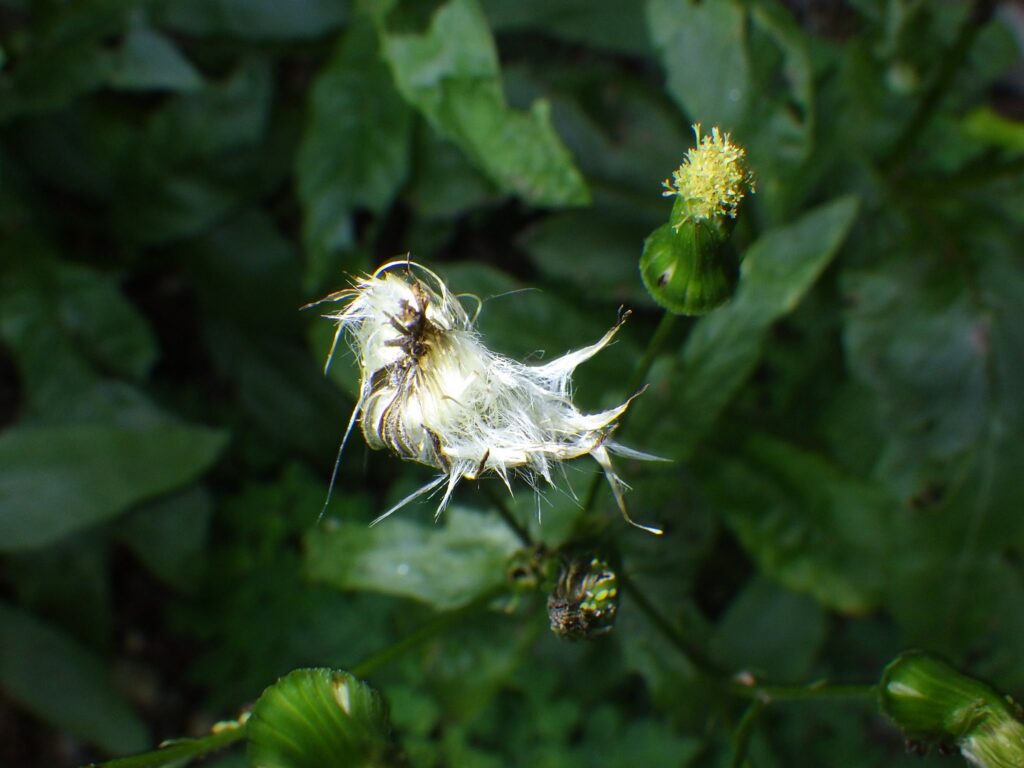
Both belong to the Senecio tribe (or Senecio tribe) of the Asteraceae family and are introduced weeds with the name "Borogiku" (ragged chrysanthemum). This Japanese name is said to originate from the fact that the fruit, covered in white hairs, looks like a rag (a worn-out piece of cloth).
These plants, like many in the Asteraceae family, produce "flower heads" (capitulum inflorescences). Flower heads are commonly found in the Asteraceae family and are a type of inflorescence (arrangement of flowers) that is a collection of flowers. As evidence of this, each flower has the structure of stamens and pistils, and is sometimes specifically called a "flora." Most people refer to flower heads as "flowers," but they are actually different.
The small flowers of the Asteraceae family consist of two types: "ray florets," which have a corolla that extends widely to one side, and "disc florets," which have a tubular corolla. The combination of these florets varies depending on the species of Asteraceae, but a key characteristic of these three species is that they have no ray florets at all, and are composed solely of disc florets.
Therefore, if you are researching this type for the first time, you may find it difficult to distinguish between them.
What are the differences between Senecio vulgaris, Senecio ragwort, and Senecio scaber?
Although they share the same name, "Borogiku," they belong to different taxonomic groups (Kanagawa Prefecture Flora Survey Association, 2018).
Senecio vulgaris belongs to the genus Senecio, Eragrostis sempervirens belongs to the genus Eragrostis, and Eragrostis sempervirens belongs to the genus Eragrostis.
Therefore, it can be expected that there will be significant differences in form.
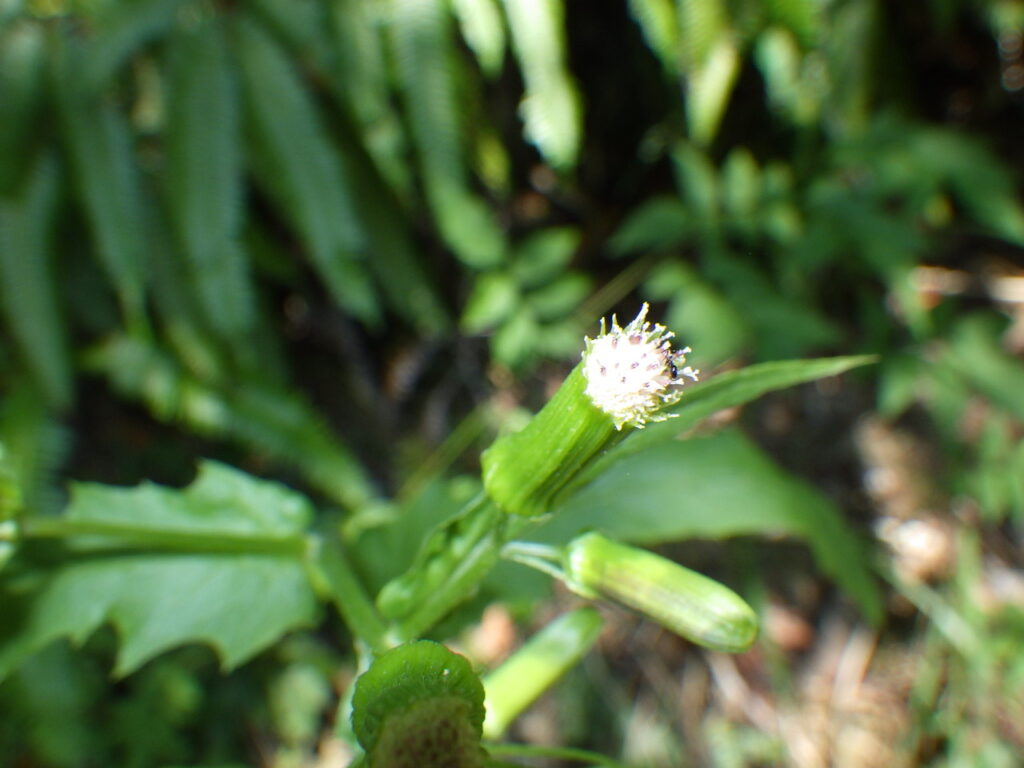
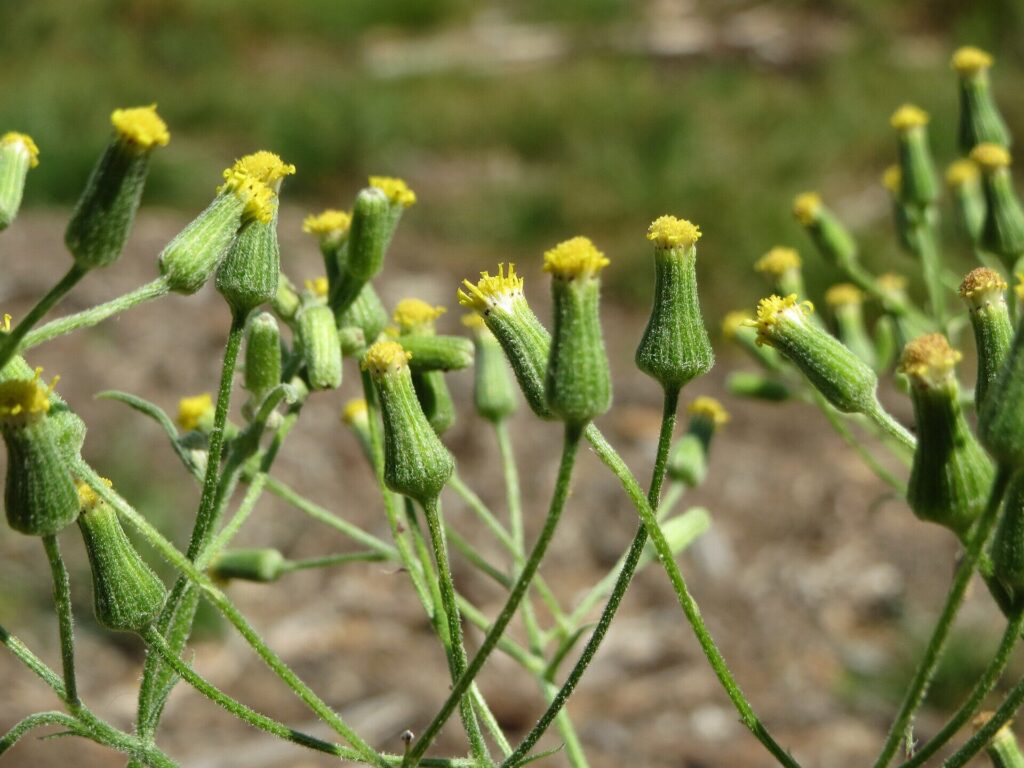
The biggest difference is the color of the flowers: *Crepis japonica* has yellow flowers, *Crepis japonica* has a reddish upper part and a white lower part, and *Crepis japonica* has pale yellow to greenish-yellow flowers.
If the plant is alive and in its flowering season, you can almost certainly distinguish it by checking this point.
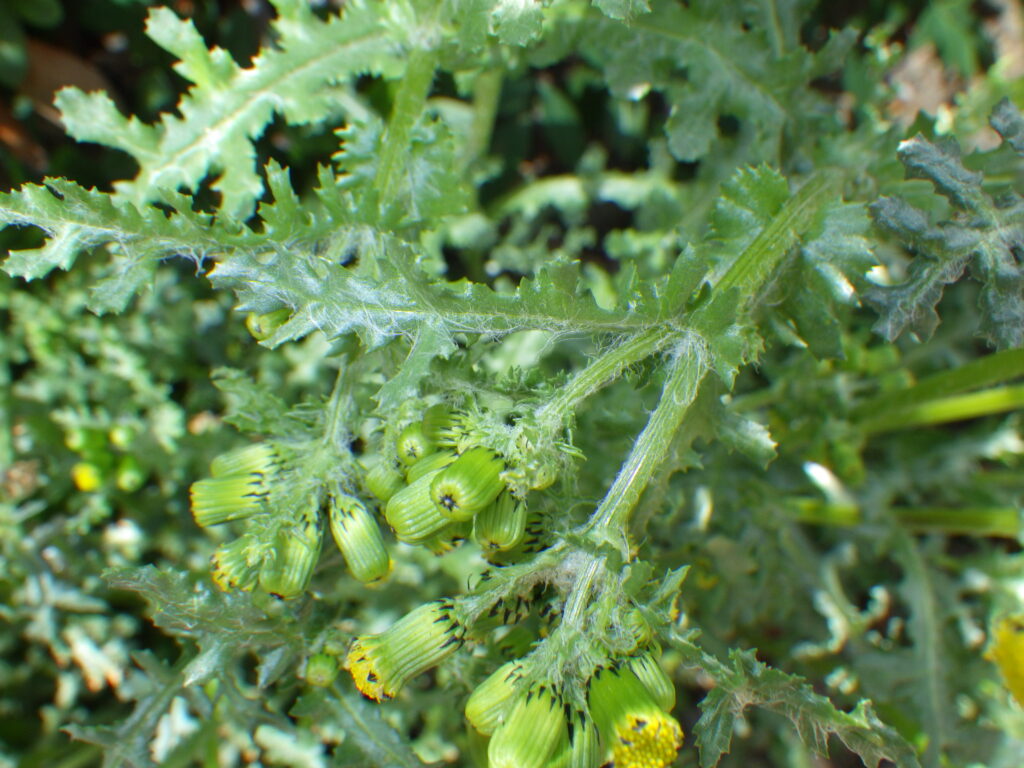
Also, the shape and size of the involucre are clearly different, so please refer to the photos. The size of the involucre is as follows: Senecio vulgaris < Senecio scaber < Senecio japonica.
The flowering period for *Senecio vulgaris* is year-round, for *Senecio crassifolius* it is from August to October, and for *Senecio japonica* it is from September to October.
However, with dried specimens, the color is not discernible, and there are fewer clues, making it especially easy to confuse *Eragrostis sempervirens* and *Eragrostis terniflora*.
Even in such cases, you can distinguish them by examining the leaves.
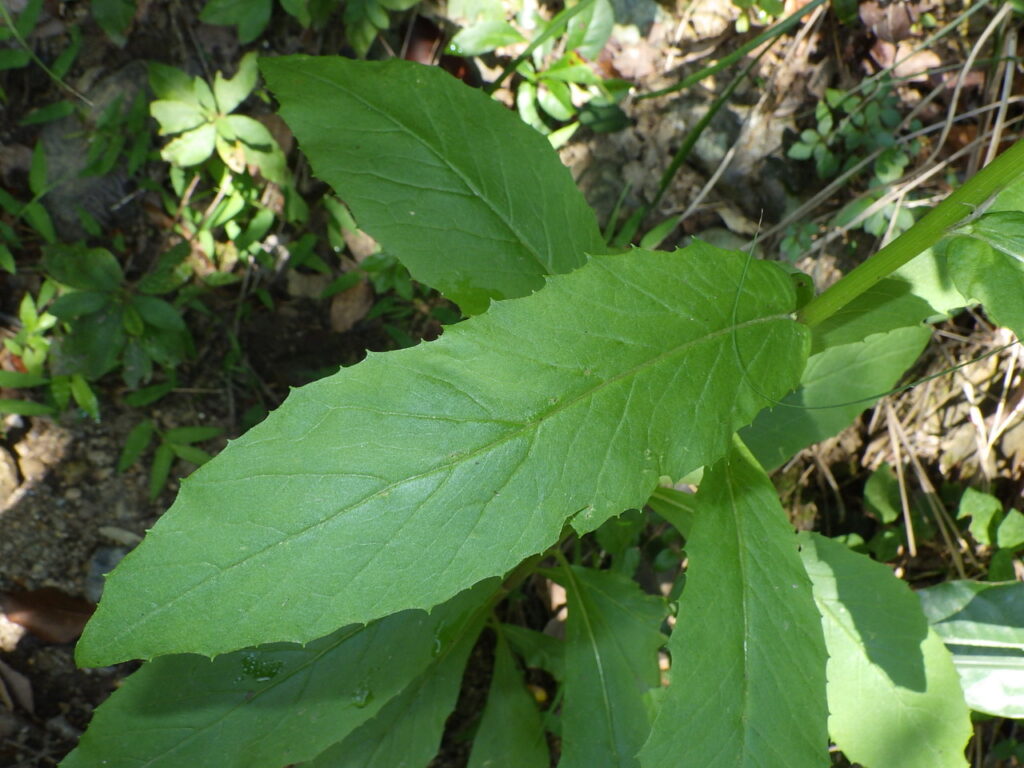
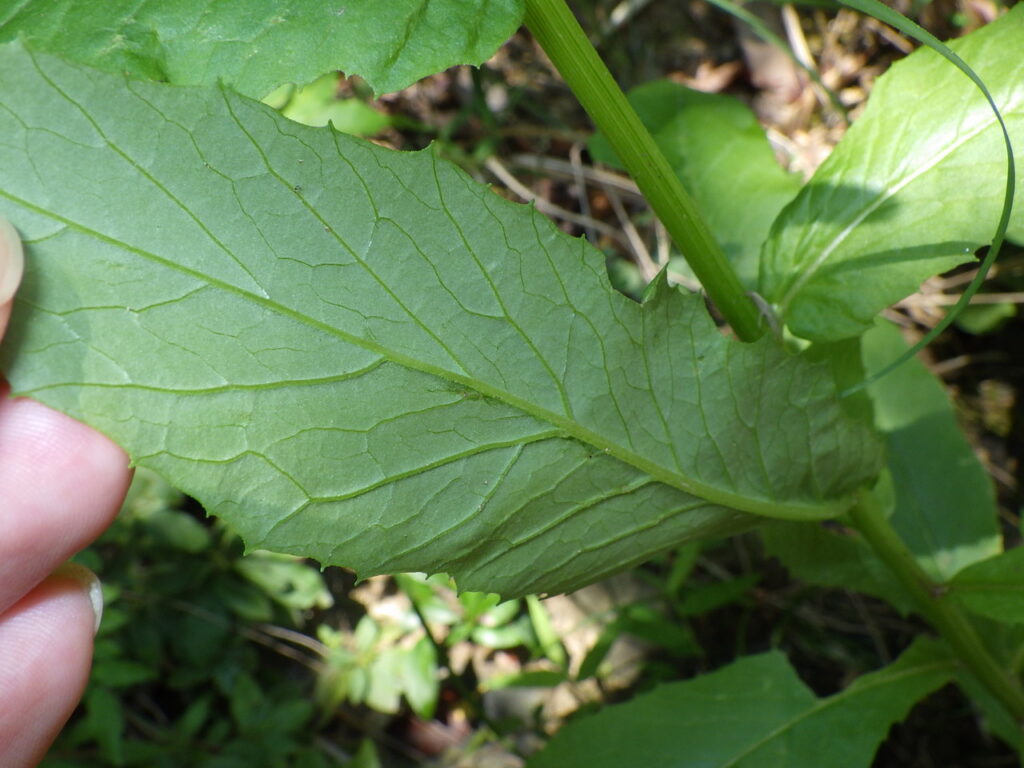
Specifically, in *Eragrostis sempervirens*, there is clearly a petiole, and the base of the leaf blade is moderately to deeply lobed, resulting in a pinnately pinnate shape (where the tip of the pinnately lobed segments is the largest and the base is smaller), whereas in *Eragrostis terniflora*, the leaves lack a petiole, and the leaves only have coarse serrations of roughly equal size.
In short, in the case of Eragrostis stolonifera, some leaves are divided. However, there are also cases where the leaves are not divided, so it's best to look at several leaves and make a comprehensive decision.
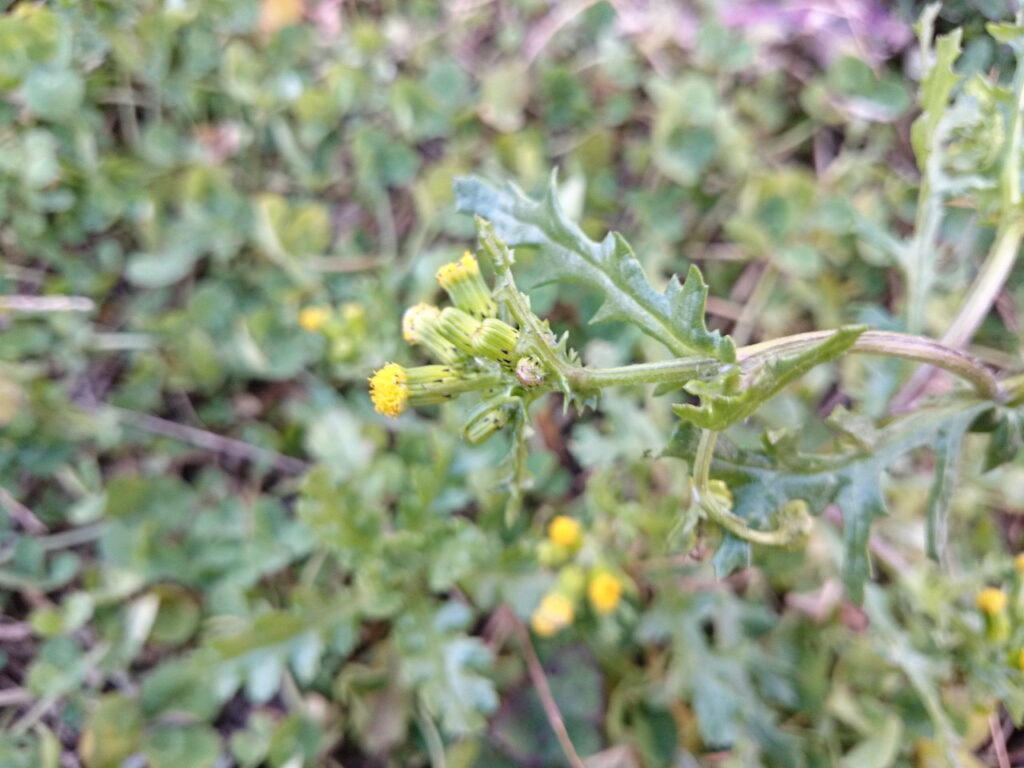
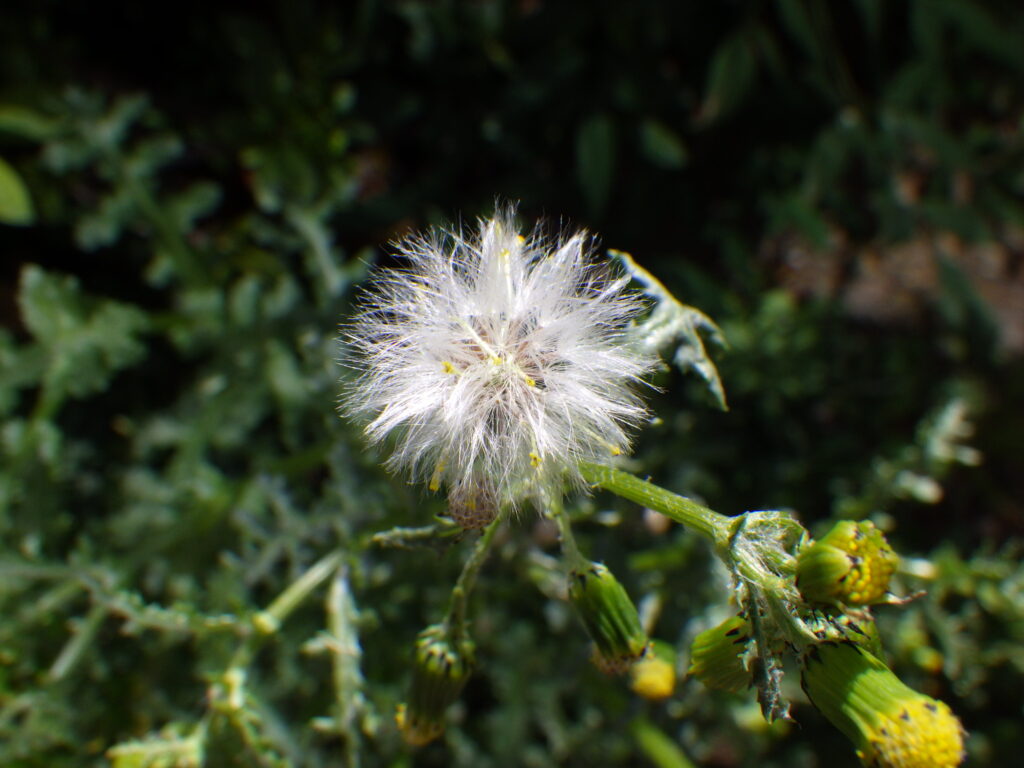
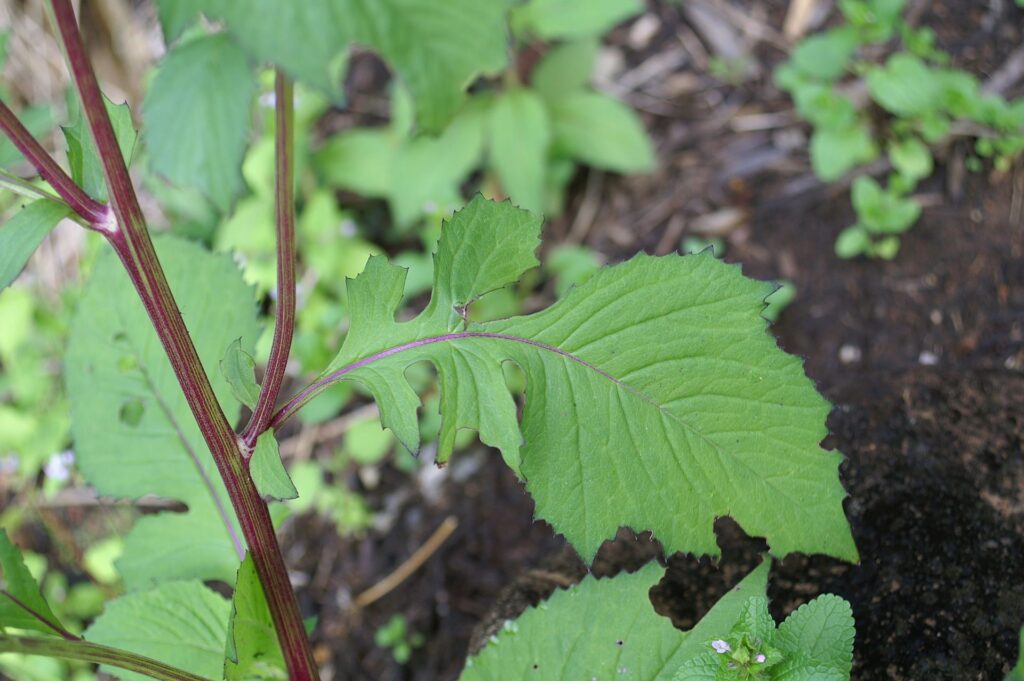
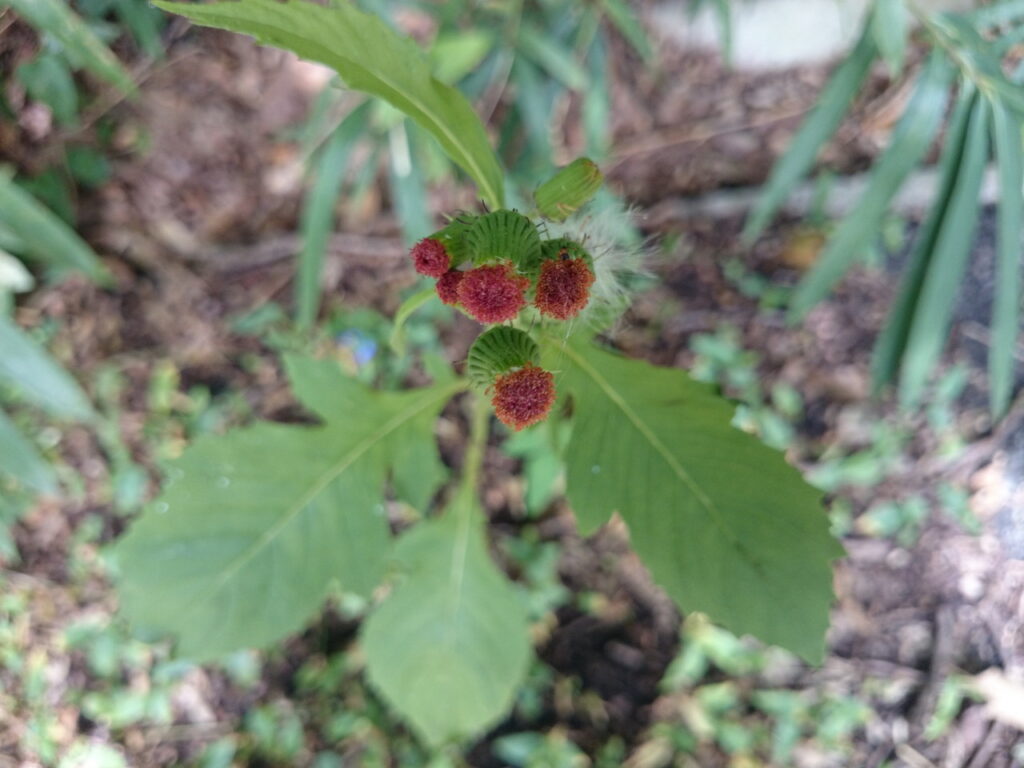

Are there any other similar species?
Although several species are known in the genus Senecio, which includes Senecio vulgaris, most have ray florets, so they are rarely confused.
However, the species Senecio sylvaticus does have ray florets, but they are inconspicuous and about the same length as the involucre on the flower head, so it may be confused with Senecio sulphureus. Senecio sulphureus has dark purple spots at the tips of the outer involucral bracts, while Senecio sylvaticus does not, so they can be distinguished.
No other species are known in the genus Eragrostis, which includes Eragrostis stolonifera.
The genus *Takedagusa*, which includes *Dandoborogiku*, also has two other species that have naturalized in Japan, but they are not very similar.
References
Kanagawa Prefecture Flora Survey Association. 2018. Kanagawa Prefecture Flora 2018 (Electronic Edition). Kanagawa Prefecture Flora Survey Association, Odawara. 1803pp. ISBN: 9784991053726