Primroses (Primula japonica), Japanese primroses (Primula japonica), and Japanese primroses (Primula sieboldii) are all native perennial plants belonging to the Primulaceae family and Primula genus. Their flowers are similar in shape and are usually pink, leading to confusion among the three species. However, distinguishing them is relatively easy by examining the shape of their leaves. It's important to note, however, that the Primula genus includes many species, both wild and cultivated, so it's crucial not to confuse them. This article will explain the classification of Primroses, Japanese primroses, and Japanese primroses.
What are Primula japonica, Primula sieboldii, and Primula japonica?
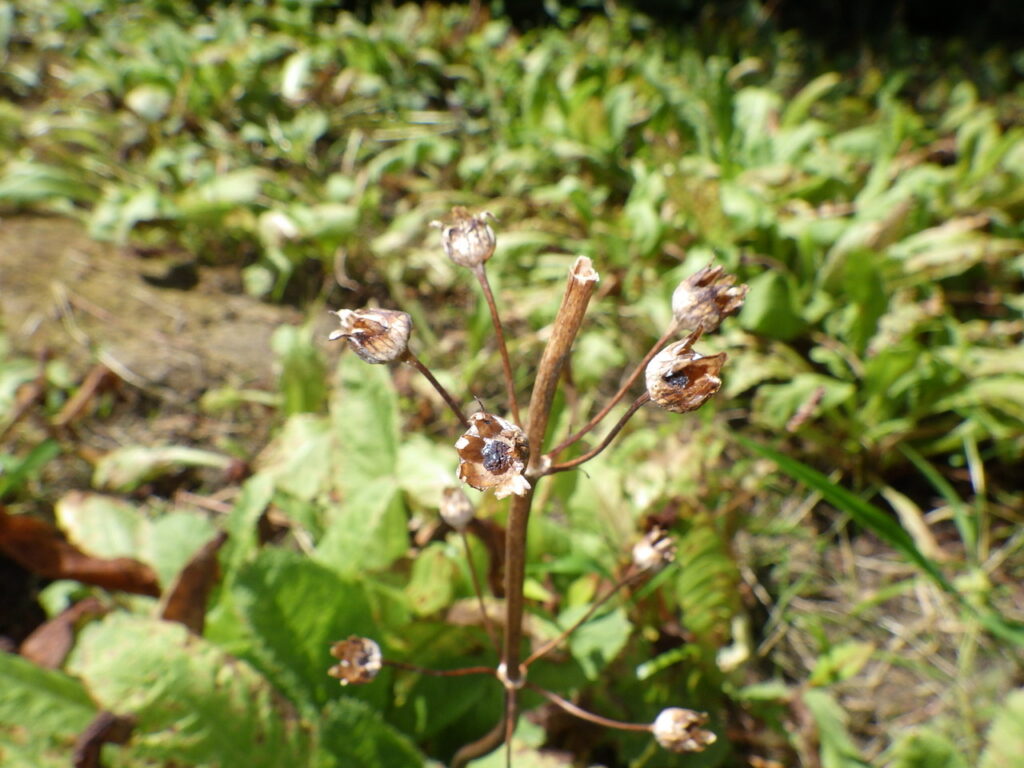
Primula japonica, also known as the nine-petaled primrose, is a perennial herb distributed in Hokkaido, Honshu, and Shikoku in Japan, growing in wetlands in mountainous areas.
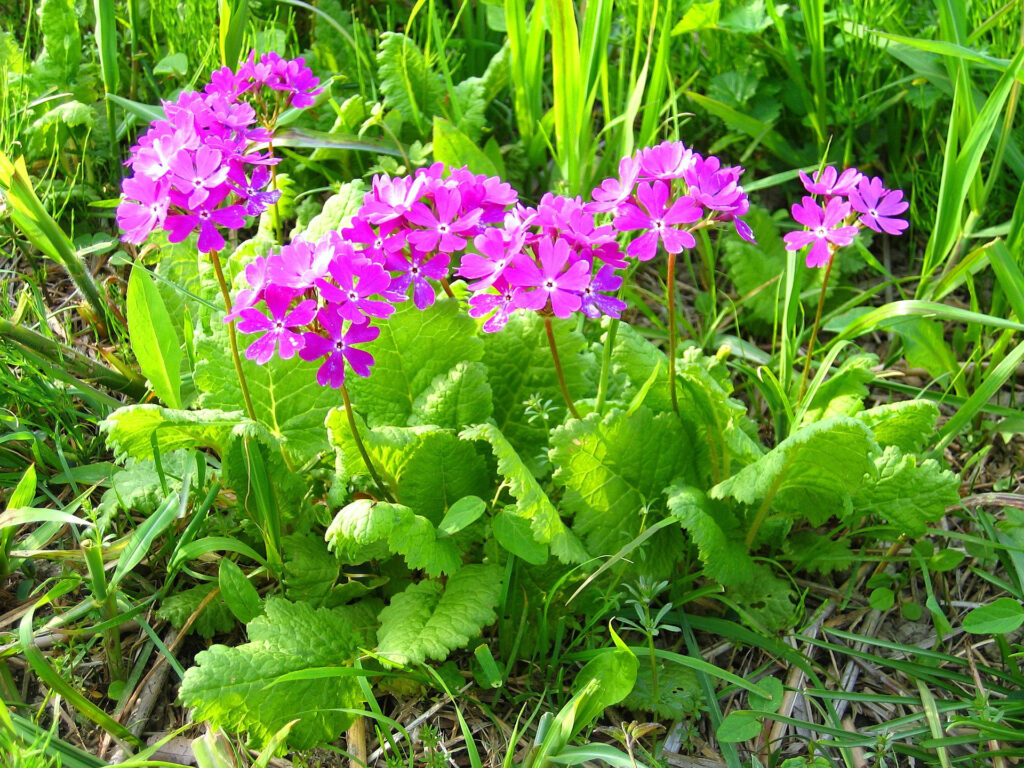
Primula sieboldii, also known as the Japanese primrose (Sakurasou), is a perennial plant found in Hokkaido, Honshu, and Shikoku in Japan; northeastern China; the Korean Peninsula; and eastern Siberia. In Japan, it is a classic horticultural plant, with hundreds of varieties developed during the Edo period. However, in modern horticulture, it is often confused with completely different species such as Primula x polyantha, Primula x juliana, and Primula malacoides, which are introduced species.
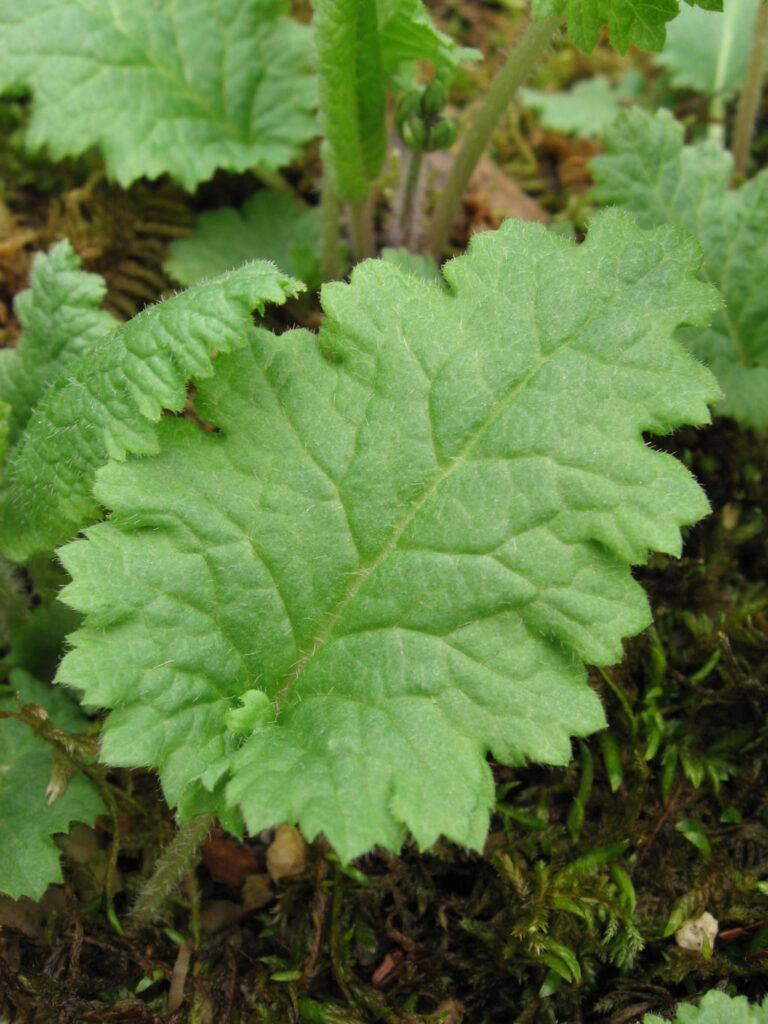
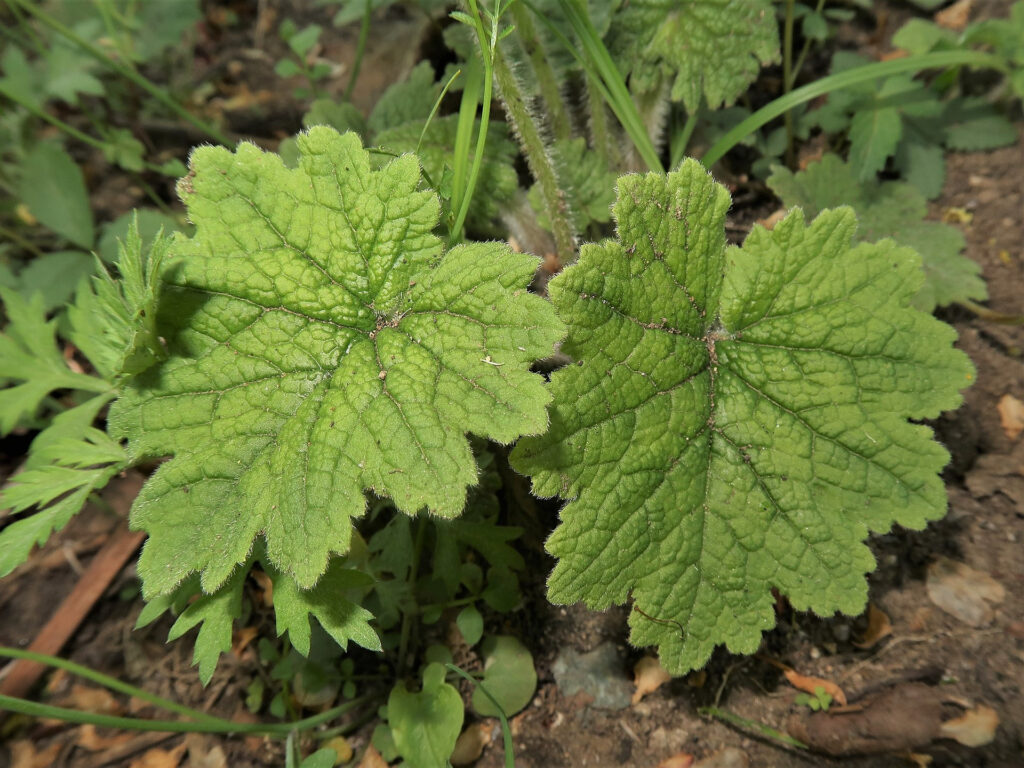
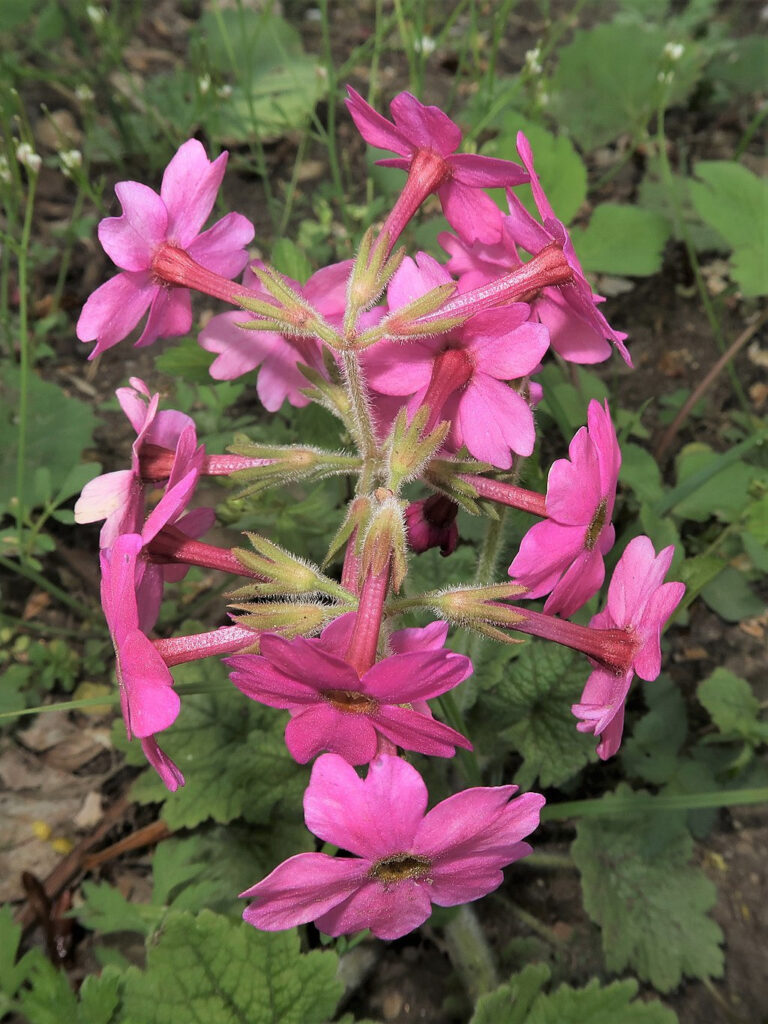
Primula kisoana, also known as Kakkosou (勝紅草), is a perennial herb distributed in Honshu, Japan (Gunma Prefecture), and grows in the undergrowth of mountain forests.
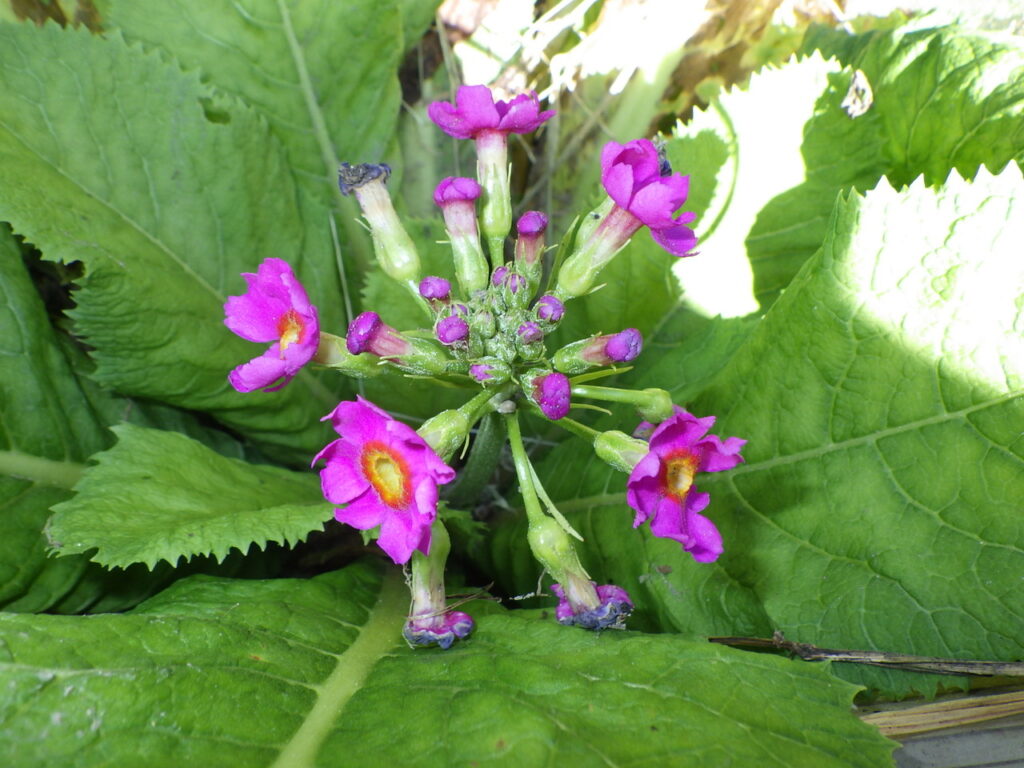
All three species belong to the genus Primula in the family Primulaceae and are native perennial herbs to Japan. Their flower shapes are similar, with a long, slender corolla that opens into five lobes at the top. They also share the characteristics of Primula species, such as erect stems and basal leaves. Therefore, distinguishing them can be difficult. All three species listed here have pink corollas.
What are the differences between Primula japonica, Primula sieboldii, and Primula japonica?
There are 14 known species of the genus Primula in Japan alone, and there are also cultivated varieties, so it is not possible to strictly introduce all the distinguishing features of all species here. However, the three species listed here are easy to distinguish (Ohashi et al., 2017; Kanagawa Prefecture Flora Survey Association, 2018). Many other species of Primula grow locally in specific regions.
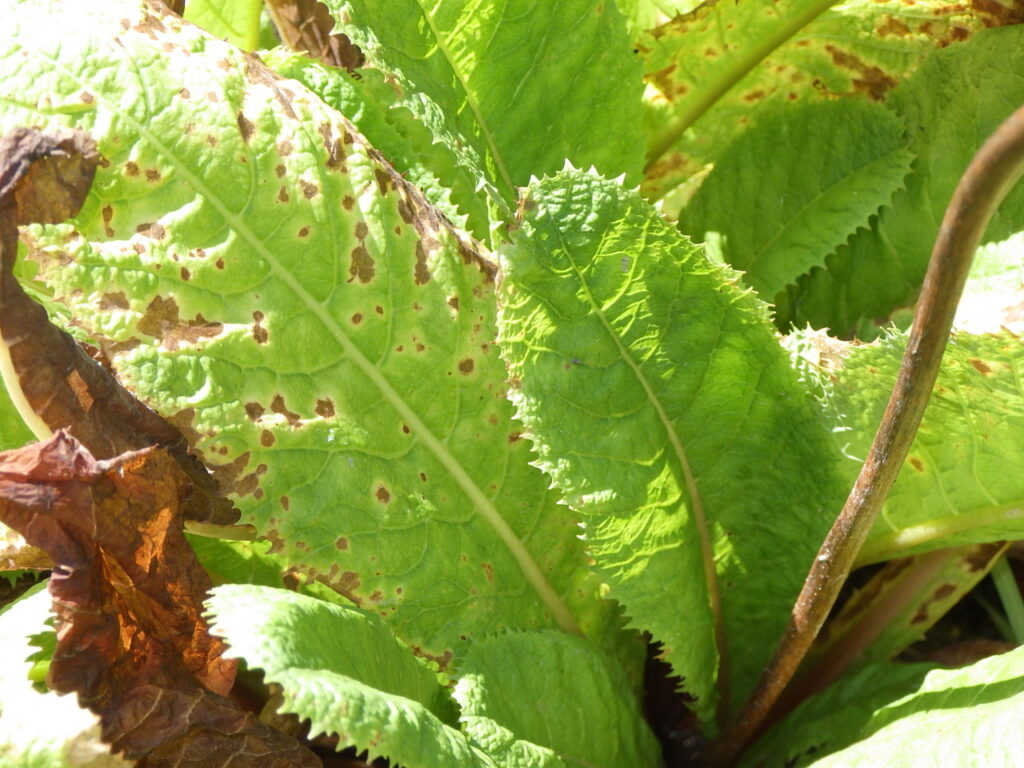
First, there is a difference in that Primula japonica has no hairs on both sides of its leaves and has glandular powdery material on the underside, while Primula japonica and Primula sieboldii have hairs on both sides of their leaves and do not have glandular powdery material on the underside.
This should be obvious at a glance.
Regarding primroses and kale, the difference lies in the shape of their leaves: primroses have oval leaves with double serrations along the margins, while kale has broadly circular leaves with a heart-shaped base, shallow, irregular palmate incisions along the margins, and even finer serrations.
This is also immediately obvious. In both cases, the leaves are crucial for distinction. While there are some slight differences in the flowers, it's important to carefully record the leaves.
In addition, there is a known variety of Primula kisoana called Primula kisoana var. shikokiana, which is distributed in Tokushima, Kagawa, and Ehime prefectures in Shikoku. It grows in the undergrowth of trees in mountainous areas, and unlike the base variety, its sepals are long, measuring 1.2 to 1.5 cm, and the throat of the flower is yellowish.
References
Kanagawa Prefecture Flora Survey Association. 2018. Kanagawa Prefecture Flora 2018 (Electronic Edition). Kanagawa Prefecture Flora Survey Association, Odawara. 1803pp. ISBN: 9784991053726
Ohashi, Hiroyoshi; Kadota, Yuichi; Murata, Hitoshi; Yonekura, Koji; and Kihara, Hiroshi. 2017. Wild Plants of Japan (Revised New Edition, Vol. 4 Malvaceae to Apocynaceae). Heibonsha, Tokyo. 608pp. ISBN: 9784582535341