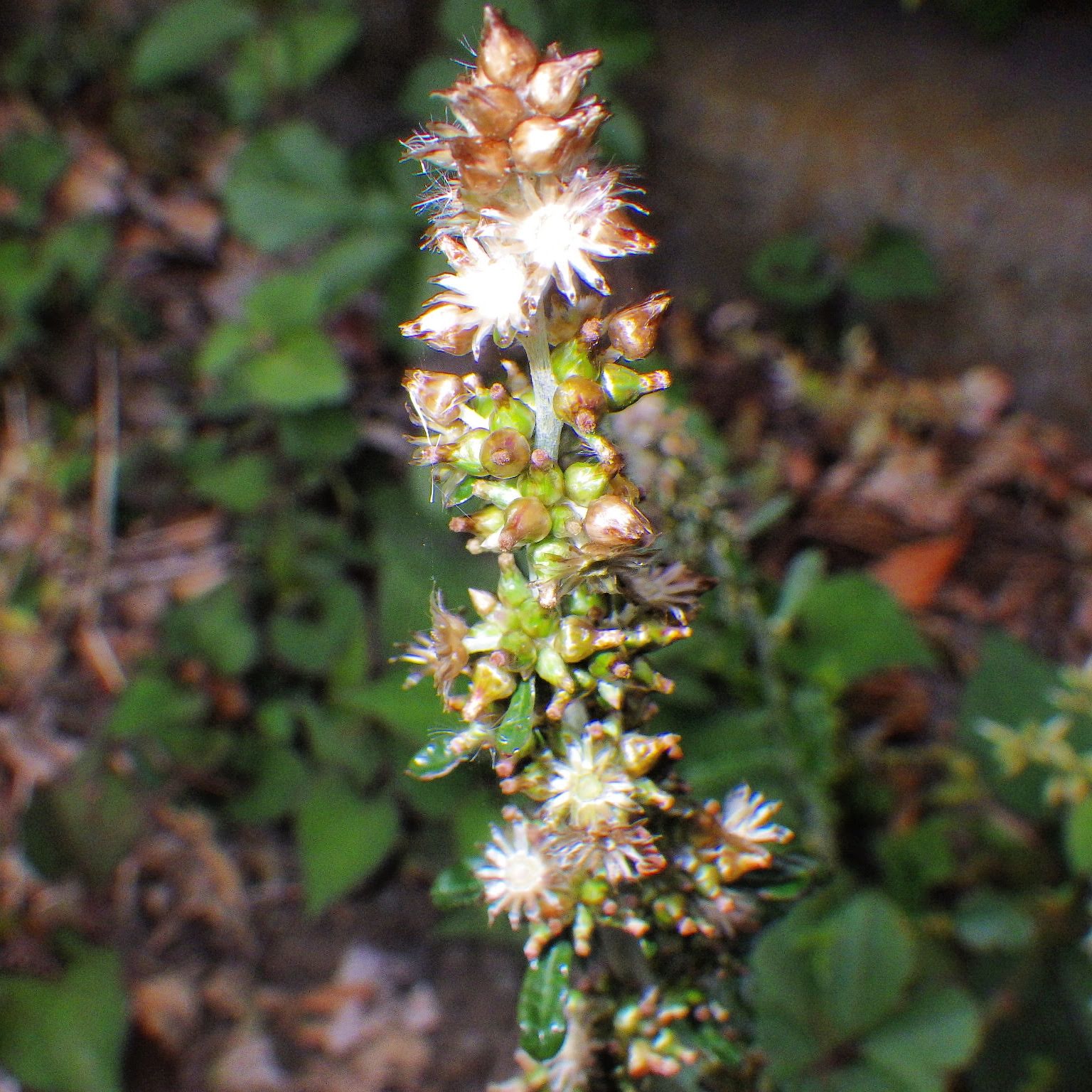
Macleaya cordata is a perennial herb that grows in wastelands and roadsides, and can occasionally be seen in urban areas. It belongs to the poppy family, and although no similar plants have been identified in Japan, several varieties are known, with slight differences in leaf morphology. Macleaya cordata is most famous for its toxicity; when the stem is cut, it exudes a poisonous yellow sap. This sap can cause dermatitis and rashes if it comes into contact with the skin, so it should not be touched. Ingestion can cause vomiting, diarrhea, intoxication, low blood pressure, and respiratory paralysis. This toxicity affects not only humans but also Japanese deer and insects. The main components of the poison in Macleaya cordata are the alkaloids sanguinalin and quererythrin. On the other hand, in China, it has been used as a medicine for external application, and has a history of being used for dermatitis and skin infections, and its scientific application is being considered in Western medicine. The flower of Macleaya cordata is very unique. The flower lacks petals, and the sepals disappear after flowering, so it is essentially composed only of stamens and pistils. This is the result of a mutation called homeosis, which converts petals into stamens. This is thought to be a bold change necessary for wind pollination. However, strangely, there are records of bees visiting this inconspicuous flower. The reason is unknown, but it may also be supplemented by insect pollination. The fruit is a flattened capsule, which is also dispersed by wind, but the seeds have elaiosomes and are further dispersed by ants. This article will explain the classification, history, uses, toxicity, medicinal uses, pollination ecology, and seed dispersal of Macleaya cordata.
- Perennial plants found in wastelands
- Are there any species that resemble Macleaya cordata?
- How toxic is Macleaya cordata? What types of alkaloids does it contain?
- Was Macleaya cordata also used as medicine?
- What is the structure of a Macleaya cordata flower? Which part is the flower?
- Why did the flowers of Macleaya cordata develop this structure?
- It might not be purely wind-pollinated!?
- The fruit is a capsule, and the seeds are dispersed by a combination of wind and ants.
- References
- Source
Perennial plants found in wastelands
Macleaya cordata, also known as Champa-giku, is a perennial herb distributed in Honshu to Kyushu in Japan, as well as in China and Taiwan, growing in sunny wastelands and roadsides (Wu et al., 2008; Hayashi et al., 2013). It belongs to the poppy family.
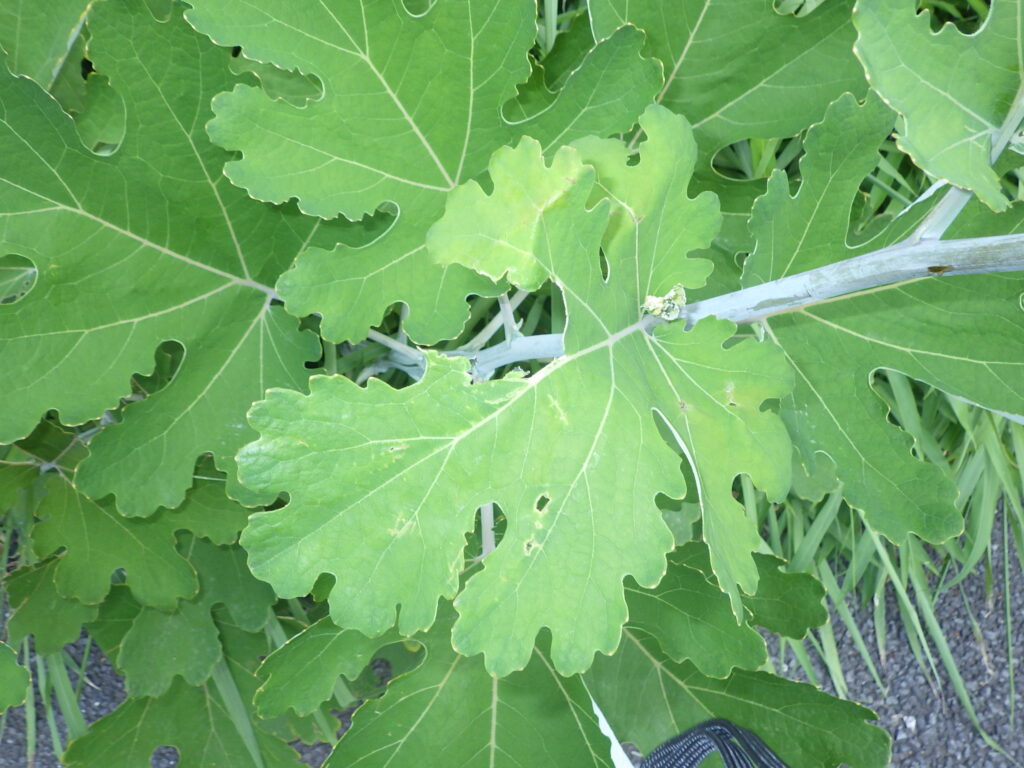
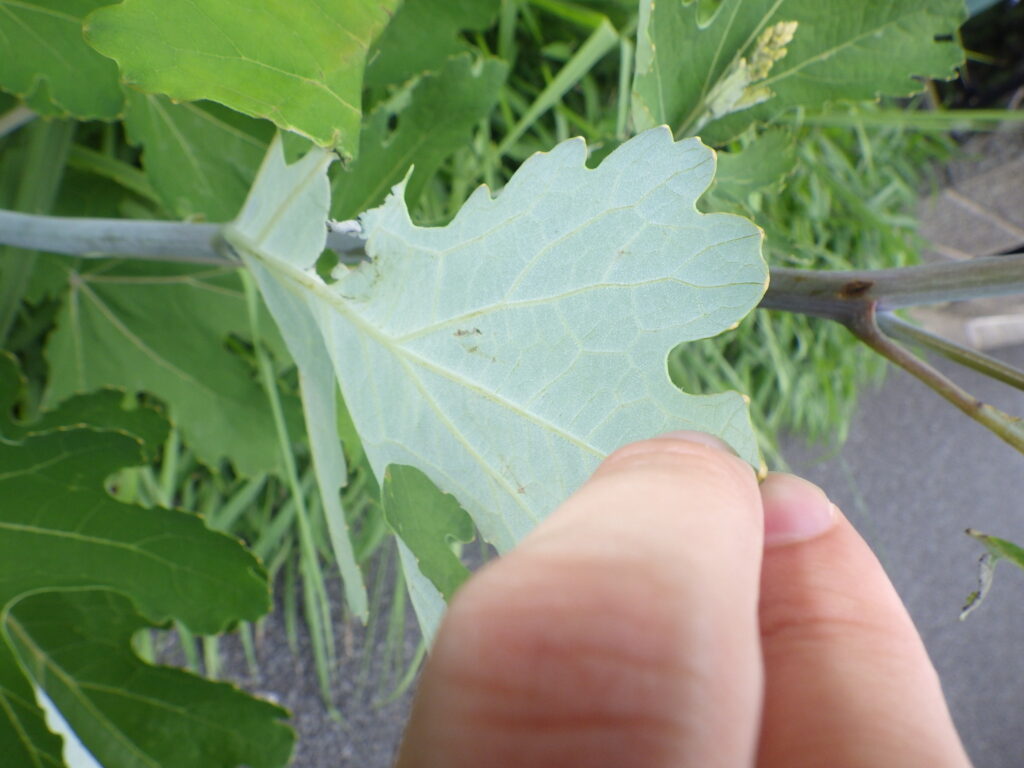
It grows to a height of 1-2 meters and is covered in a powdery white substance. The stem is hollow and, when cut, exudes a poisonous yellow milky sap. The leaves are 10-30 cm long, lobed like chrysanthemum leaves, and usually densely covered with curly hairs on the underside.
There are two theories about the origin of its Japanese name: one suggests it comes from "take-ni-gusa" (bamboo-like grass), referring to its hollow stems and winter-withered appearance resembling bamboo or dwarf bamboo; the other suggests it comes from "take-ni-gusa" (bamboo-boiled grass), suggesting that boiling it with bamboo softens the bamboo, making it easier to work with. However, it seems there is no actual evidence that it softens bamboo.
The alternative name "Champa-giku" (占城菊) comes from the fact that the leaves have notches and serrations around the edges, making them similar to the Asteraceae family. As for "Champa," there are two theories: one is that it means a chrysanthemum that came from a southern country like Champa in southern Vietnam, and the other is that it comes from the rattling sound the fruit makes when it sways in the wind. However, there is no evidence that Macleaya cordata is distributed in Vietnam. Furthermore, Macleaya cordata is a native species.
Are there any species that resemble Macleaya cordata?
Macleaya microcarpa belongs to the poppy family, but a similar plant found in China is called Macleaya microcarpa, which has fewer stamens (8-12) (Wu et al., 2008). However, it is not found in Japan. Therefore, you would rarely have trouble distinguishing between Macleaya microcarpa and other similar plants.
However, several varieties of Macleaya cordata have been identified.
Macleaya cordata f. glabra is a variety that has almost no hairs on the petioles or underside of the leaves.
Additionally, Macleaya cordata f. koaraii is a variety with circular leaves that have deep incisions.
How toxic is Macleaya cordata? What types of alkaloids does it contain?
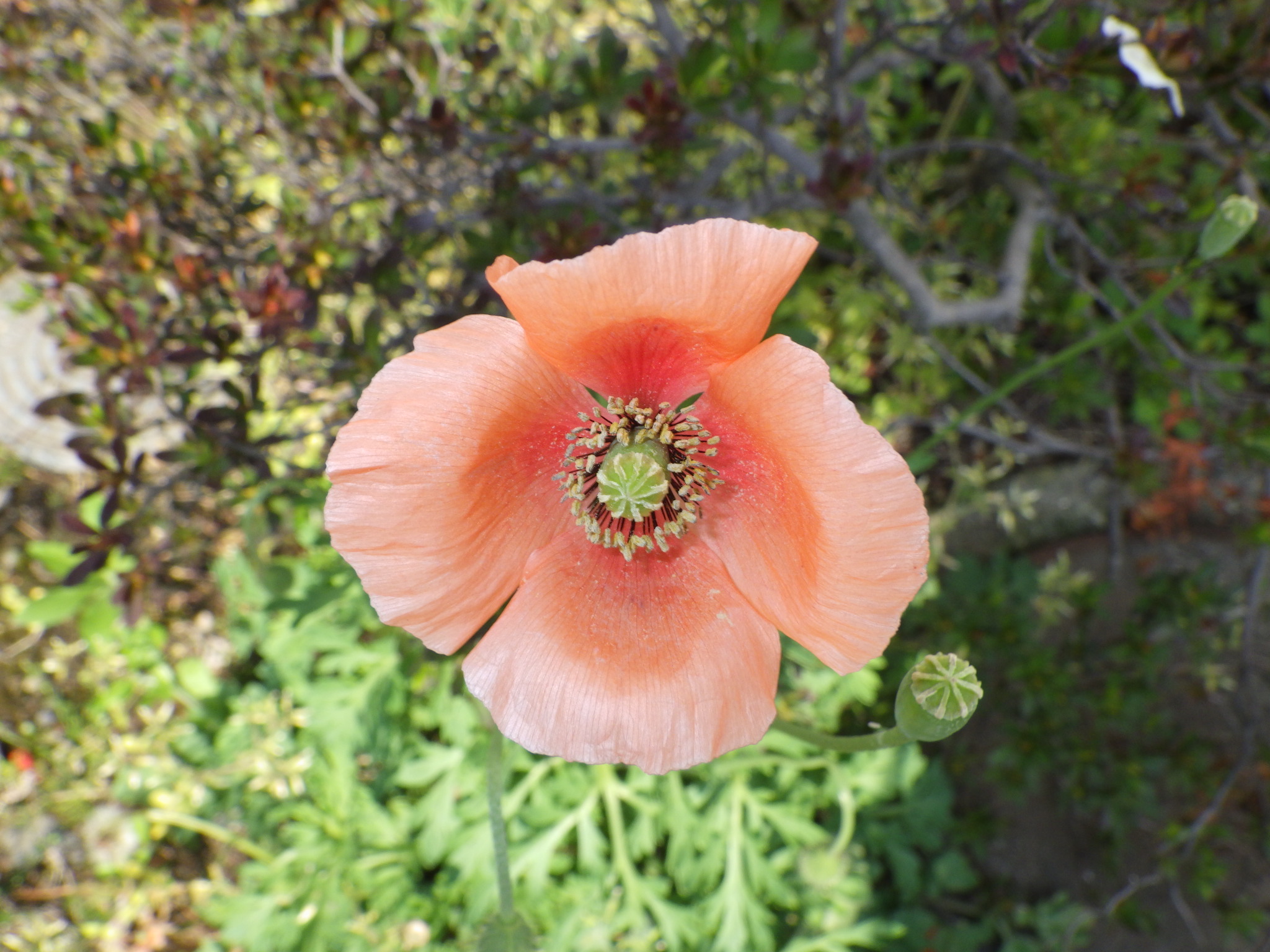
Macleaya cordata is poisonous; when its stem is cut, it releases a toxic yellow milky sap. This sap is found not only in the stem but also in the leaves, petioles, and above-ground stems—the entire plant. This is similar to that of other poppy family members such as Greater Celandine and Kerria japonica. Such toxic milky saps are common in the poppy family, the most representative being the opium of the poppy Papaver somniferum.
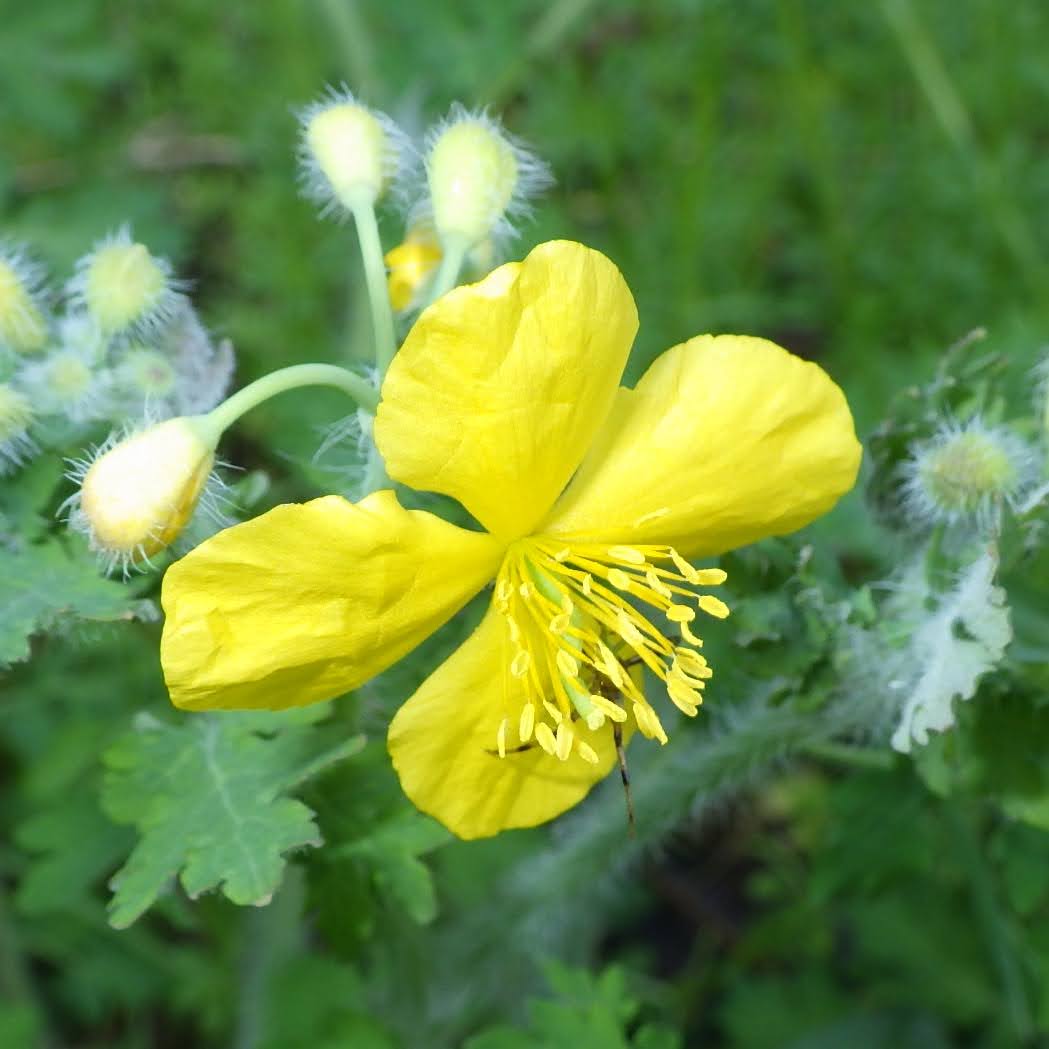
If the lotion gets on your hands, it can cause dermatitis and a rash, so you should not touch it (Satake, 2012).
What happens if it is ingested orally?
The lethal dose for humans is unknown, but ingestion can cause vomiting, diarrhea, intoxication, low blood pressure, and respiratory paralysis (Satake, 2012).
Experiments have been conducted in rats, and the median lethal dose (LD50) for oral ingestion of an aqueous solution of Macleaya cordata was 900 mg/kg, while the median lethal dose for oral ingestion of sanguinalin chloride, which contains Macleaya cordata, was 1,658 mg/kg (Lin et al., 2018).
Such toxicity to mammals is also utilized in nature; it has been found that the Japanese deer (Cervus nippon) does not eat this plant at all (Uchimura, 2014).
Furthermore, it is said that in the past, the liquid extracted by boiling Macleaya cordata was used as an insecticide spray (Iwatsuki, 2006). Therefore, it is thought that it also has an insecticidal effect against leaf-eating insects.
The toxic components of Macleaya cordata are very diverse, but they have been shown to be mainly isoquinoline alkaloids, and in particular, the benzophenanthryzine alkaloids sanguinarine and chelerythrine are considered to be characteristic components of the Macleaya cordata genus (Lin et al., 2018).
Was Macleaya cordata also used as medicine?
On the other hand, in China, Macleaya cordata has been used externally as a medicine, mainly to treat inflammation and certain skin diseases (Lin et al., 2018).
The main components responsible for its effects are also sanguinalin and querellithrin.
Macleaya cordata was first listed in the "Bencao Shiyi," a traditional Chinese medicine text written by Chen Zangqi in 739 during the Tang Dynasty. It was prescribed only for external use, and its toxicity was also described.
Traditionally, it was used as a common remedy to temporarily relieve muscle pain, treat bee stings, and heal inflamed wounds. In folk medicine, the leaves were also commonly used to treat bruises, ulcers, rheumatism, scabies, and other skin conditions.
In traditional Chinese medicine, it is still widely used today to treat wounds, trichomoniasis, arthritis, and rheumatic joint pain. Extracts of Macleaya cordata are also used topically to treat skin conditions.
Clinical studies in China have shown that bathing with Macleaya cordata cures scabies, genital itching, and tinea corporis. Macleaya cordata roots are also administered as an alternative therapy to cancer patients. Furthermore, in livestock, Macleaya cordata injections are believed to be effective against swine dysentery, white diarrhea, edema, paratyphoid fever, and porcine infectious gastroenteritis due to their detoxifying, antibacterial, and anti-inflammatory properties. In addition, it is sometimes used as a skin cleanser, antipruritic, and treatment for centipede bites.
In North America and Europe, it is sometimes used as a traditional medicinal plant to treat insect bites and ringworm infections.
This truly demonstrates that it can be both poison and medicine. Western medicine often uses antibiotics, but problems associated with their overuse (such as drug residues and the emergence of antibiotic-resistant bacteria) are also known. The natural active ingredients contained in Macleaya cordata have the same effects as conventional antibiotics, but are easily metabolized into non-toxic metabolites, have no residue, and are thought to be less likely to cause drug resistance due to their complex active ingredients and unique mechanism of action. Applied research is currently underway on this topic.
What is the structure of a Macleaya cordata flower? Which part is the flower?
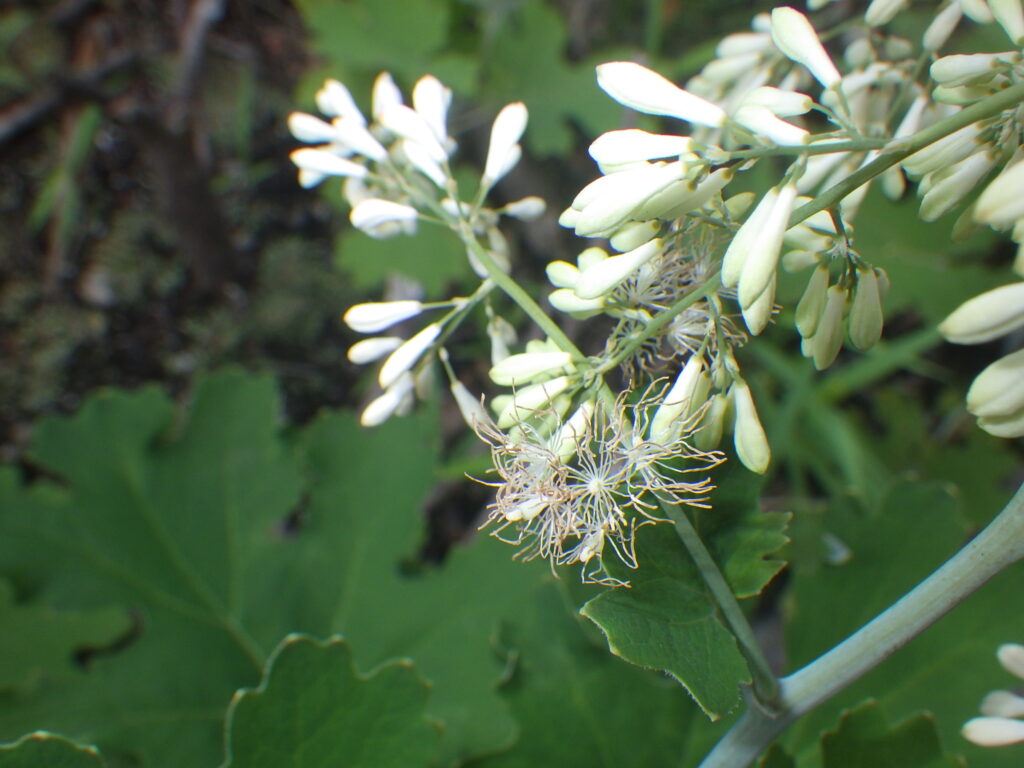
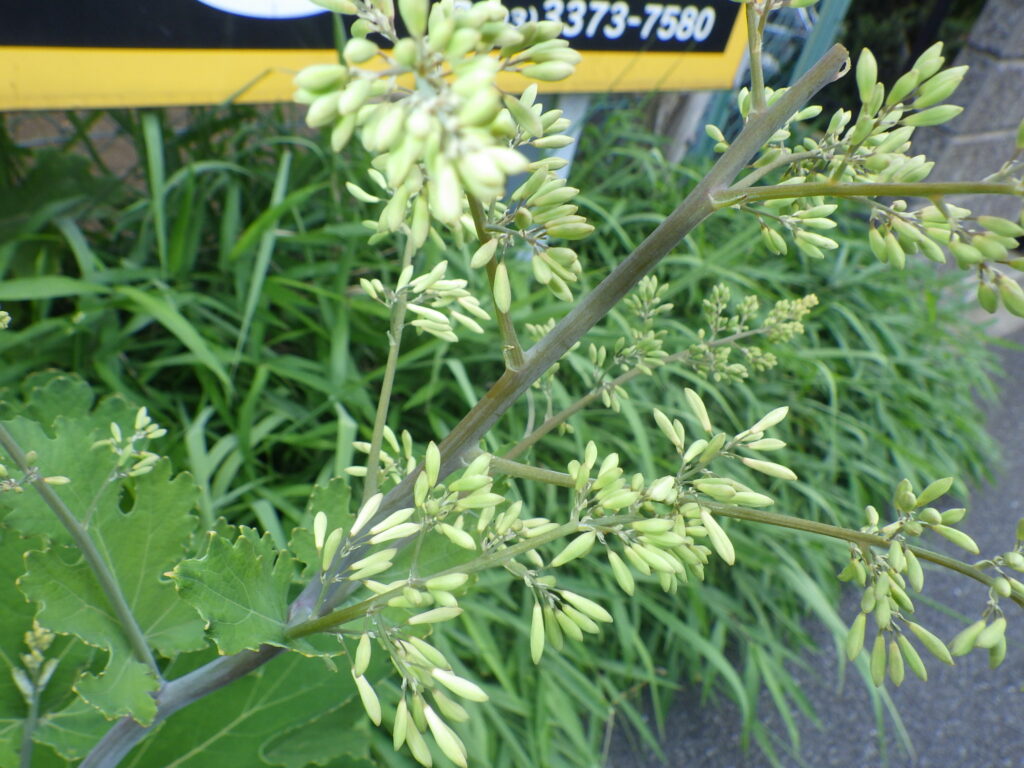
Macleaya cordata flowers in July and August, blooming in the summer and forming large conical inflorescences at the tips of its stems. When in bud, it is enclosed by two white sepals and looks no different from an ordinary flower, but once it opens, these sepals disappear, making it difficult to tell at first glance which is the flower.
However, within the buds, there are organs that spread out in a linear fashion. Upon closer inspection, a pistil is visible in the center, and 24 to 30 of these radiating structures clearly have anthers and are stamens. This is the actual flower. This flower has no petals, and the sepals fall off as soon as it opens, meaning it is essentially composed only of stamens and pistils. Plants with flowers of this structure are quite rare.

Why did the flowers of Macleaya cordata develop this structure?
How does this flower lose its petals and create a flower consisting only of stamens? I find the radial arrangement of the stamens particularly strange.
It has been discovered that this actually utilizes a gene mutation called "homeosis." Homeosis refers to a change in which, due to genetic causes (a mutation in a certain gene, or an abnormality in its expression), some organs do not take on their original form but instead transform into other homologous organs.
It may be a little difficult to understand, but in the case of Macleaya cordata, the genetic mechanism that would normally produce petals is converted to produce stamens (Ronse De Craene & Smet, 1993; Ronse De Craene, 2003)! This can be said to be a very unique change.
But why are these changes happening?
While this hasn't been fully observed through experimental studies, researchers familiar with plant morphology in the UK believe it's primarily an adaptation for wind-borne pollen dispersal (Ronse De Craene, 2003).
By eliminating the petals that attract insects, the flower reduces wasted energy and also allows air to pass through more easily. The increased number of stamens also increases pollen production, which is then carried by the wind, significantly increasing the chances of the pollen landing on the pistil of another flower.
In fact, in Japan, pollen from Macleaya cordata has been detected as airborne pollen, just like that from Japanese cedar and ragweed (Sahashi, 1987). Therefore, it seems certain that the pollen is being dispersed by the wind.
Considering this, it seems plausible that the formation of fairly large inflorescences, the long stamens, and the large pistils are all evolutionary adaptations specifically for wind-driven propagation (forestplant, 2019).
Macleaya cordata grows in barren areas, open spaces without obstacles like trees. Therefore, it relies on wind for pollination, which is likely more efficient than insect pollination.
It might not be purely wind-pollinated!?
However, the fact that nature doesn't always allow for easy understanding is both its difficulty and its fascination.
Surprisingly, it has been observed that bees, including bumblebees, visit the flowers of Macleaya cordata (Tanaka, 1976; Ichikawa et al., 2011).
Logically, the flowers of Macleaya cordata lack any petal-like organs that would attract insects, and therefore should not appear attractive to them at all. However, two studies have actually confirmed that bees do visit them.
It's unclear whether this is a waste of energy for Macleaya cordata, as only its pollen is being eaten, or whether it actually has a pollinating effect, or if it's simply an extremely rare occurrence. However, recent research is revealing that flowers of plants that appear to have only one method of pollination actually have multiple methods. For example, the castor bean plant (Ricinus communis) was once thought to be a flower solely reliant on wind pollination, but it is now known that pollination is also promoted by honeybees. Furthermore, even insect-pollinated flowers, which are thought to have evolved as specialists, frequently rely on insects from different taxonomic groups for pollination during the day and night.
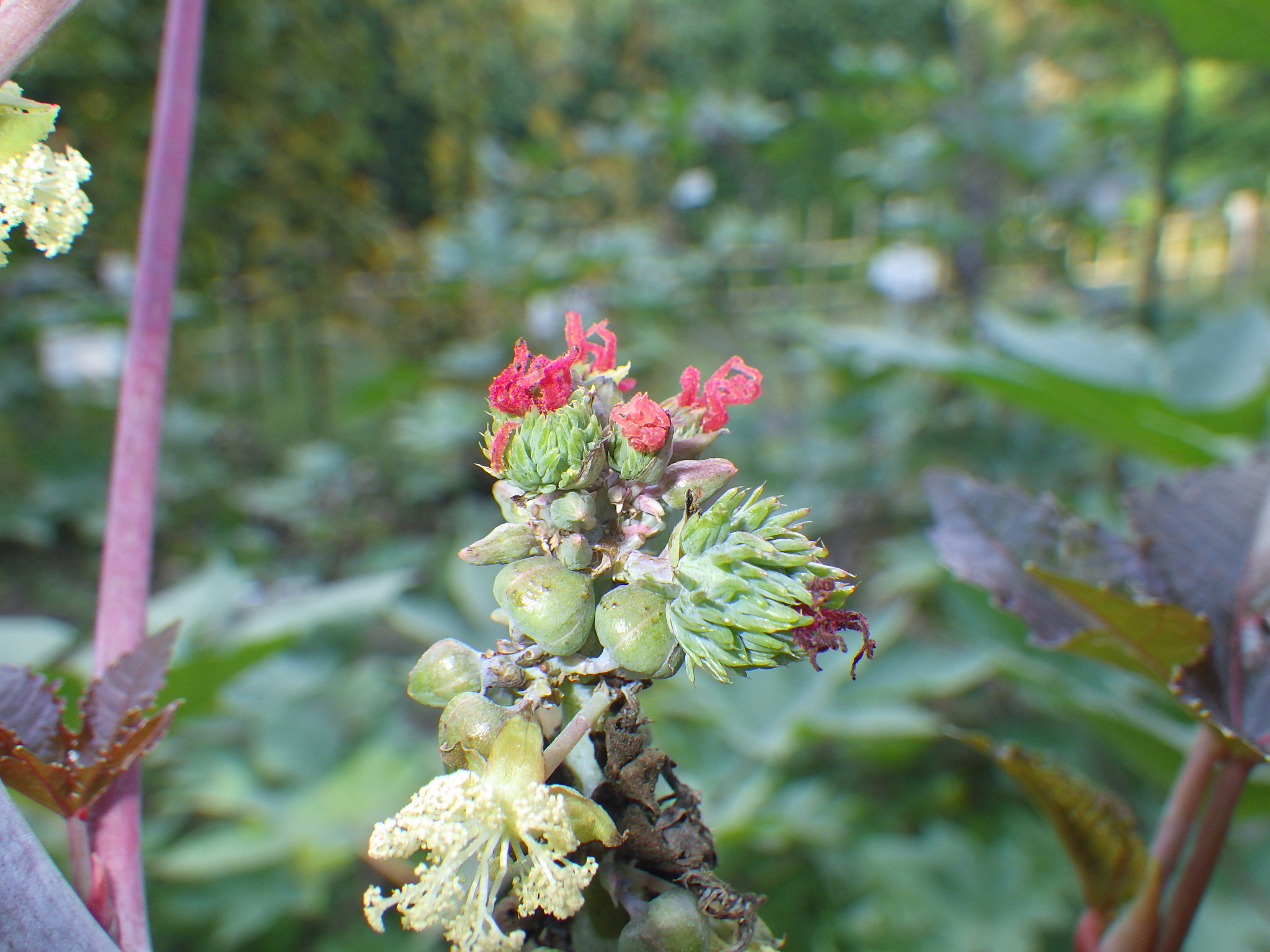
In the case of Macleaya cordata, it may also rely on bees for pollination as a supplementary measure. However, the mechanism behind this is still not well understood.
The fruit is a capsule, and the seeds are dispersed by a combination of wind and ants.
The fruit is a capsule, about 2.5 cm long and flattened into a sheath. The seeds are 1.5–2.2 mm long, with a bumpy, glossy brown surface and an elaiosome attached. The elaiosome is a small, yellowish-white tissue.
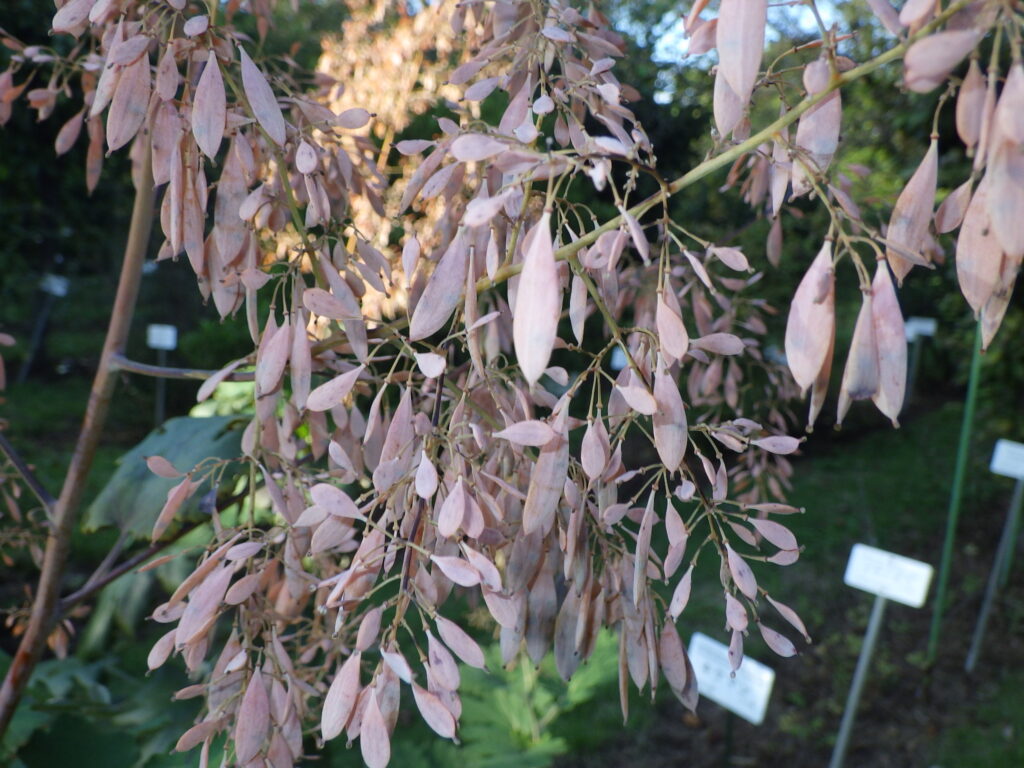
The capsules are clearly flattened, allowing the wind to carry the fruits, which are then dispersed to various locations. In areas where they grow in clusters, the wind causes the capsules to sway and the seeds to make a sound that resembles a human whisper, hence the name "whispering grass."
Up to this point, one might be able to predict this from the shape of the capsule. However, that's not all; as mentioned above, the seeds inside have elaiosomes attached. Elaiosomes are known to be food for ants, and the ants that seek them out disperse the seeds, further expanding their habitat (Kobayashi, 2007).
Similar to pollination, this aspect is also a good adaptation to life in open, windy, barren land.
There doesn't seem to be any comprehensive research on which specific ant species disperses the seeds, but Kobayashi (2007) photographed the black garden ant Messor aciculatus carrying the elaiosome from the pericarp of a seed. Black garden ants are known to collect seeds of grasses and other plants in the autumn. Since it's not a species found everywhere, it's unlikely that this ant species is the only one that disperses the seeds, but it certainly coincides well with the fruiting period of Macleaya cordata.
Looking at it this way, it seems that this plant is cleverly designed to make the most of the wind, both in its flowers and fruits, in order to survive in barren land.
References
forestplant. June 28, 2019. Macleaya cordata flowers. Natural history of forests, trees, flowers, and fruits. http://forestplant.blog.fc2.com/blog-entry-42.html
Hayashi, Yasaka, Kadota, Yuichi, and Hirano, Takahisa. 2013. Yamakei Handy Illustrated Guide 1: Wildflowers (Revised and Expanded New Edition). Yama-kei Publishers, Tokyo. 664pp. ISBN: 9784635070195
Ichikawa, S., Kurahashi, T., & Ikuru, S. 2011. Possibility of a novel pollination mode by flower-visiting bees and yellow-breasted bumblebees collected in Kagawa Prefecture. Bulletin of the Faculty of Agriculture, Kagawa University 63(116): 43-59. ISSN: 0368-5128, http://id.nii.ac.jp/1731/00003553/
Iwatsuki, Hideaki. 2006. A book that clearly explains common weeds and wild plants found in urban areas. Shuwa System, Tokyo. 527pp. ISBN: 9784798014852
Kobayashi, Masaaki. 2007. From Flower to Seed: The Science of Seed Dispersal. National Rural Education Association, Tokyo. 247pp. ISBN: 9784881371251
Lin, L., Liu, YC, Huang, JL, Liu, XB, Qing, ZX, Zeng, JG, & Liu, ZY 2018. Medicinal plants of the genus Macleaya (Macleaya cordata, Macleaya microcarpa): A review of their phytochemistry, pharmacology, and toxicology. Phytotherapy Research 32(1): 19-48. https://doi.org/10.1002/ptr.5952
Ronse De Craene, LP 2003. The evolutionary significance of homeosis in flowers: a morphological perspective. International Journal of Plant Sciences 164(S5): S225-S235. ISSN: 1058-5893, https://doi.org/10.1086/376878
Ronse De Craene, LP, & Smets, E. 1990. The systematic relationship between Begoniaceae and Papaveraceae: a comparative study of their floral development. Bulletin du Jardin Botanique National de Belgique 60(3/4): 229-273. ISSN: 0303-9153, https://doi.org/10.2307/3668215
Tanaka, Hajime. 1976. Observation of insect-pollinated and wind-pollinated flowers. New Science Co., Ltd., Tokyo. 109pp. ISBN: 9784821600236
Sahashi, Norio. 1987. Airborne pollen as biological particulate matter and hay fever. Journal of the Japan Society of Powder Technology 24(3): 154-161. ISSN: 1883-7239, https://doi.org/10.4164/sptj.24.154
Satake, Motoyoshi. 2012. Poisonous Plants of Japan. Gakken Plus, Tokyo. 232pp. ISBN: 9784054052697
Uchimura, Yoshihiko. 2014. How far can we take greening plants? Macleaya cordata (Willd.) R.Br. 40(2): 390. ISSN: 0916-7439, http://www.jsrt.jp/pdf/dokomade/40-2_takenigusa.pdf
Wu, X., Raven, PH, Hong, D. (Eds.). 2008. Flora of China (Vol. 7 Menispermaceae through Capparaceae). Science Press, Beijing, and Missouri Botanical Garden Press, St. Louis. xii, 499pp. ISBN: 9781930723818
Source
This article is a significantly expanded version of a piece originally published in the following book.