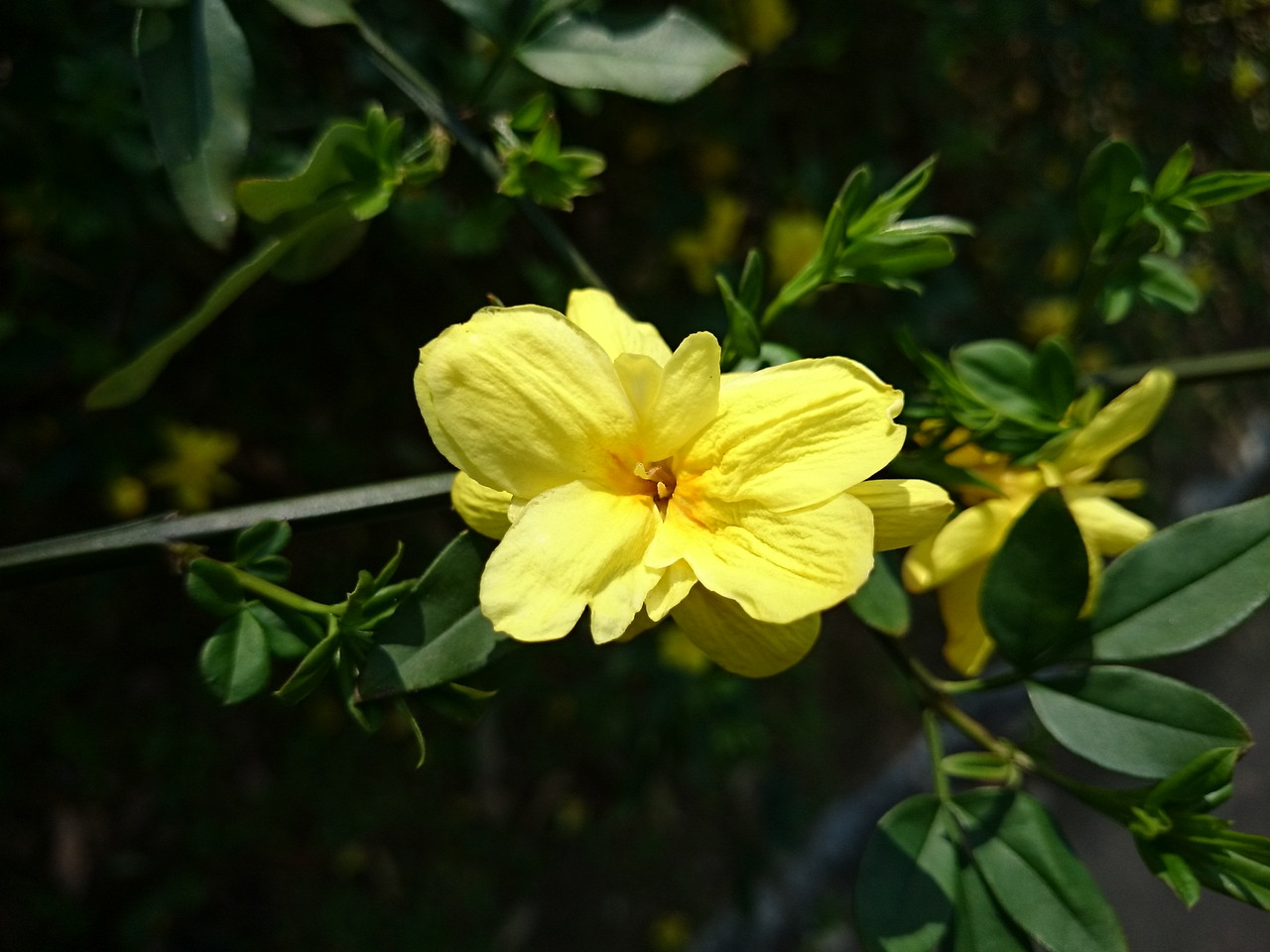
Both Ouja (Japanese jasmine) and Oujamodoki (Yunnan jasmine) belong to the genus Jasminum in the family Oleaceae, and are native to China, cultivated for ornamental purposes. Their distinctive feature is the yellow flowers that bloom even in winter, which is likely one of the reasons for their popularity. However, they share many similar characteristics, so many people may confuse them. The most significant difference is that Ouja is deciduous, while Oujamodoki is evergreen, but practically speaking, checking the condition of the leaf hairs might be the easiest way to distinguish them. While the name and wintersweet (Chimonanthus praecox) are the same and both bear yellow flowers in winter, they are otherwise completely different. This article will explain the classification and morphology of Ouja and Oujamodoki.
What are *Jasminum humile* and *Jasminum humile* (Yunnan jasmine)?
The yellow jasmine (Jasminum nudiflorum) is a deciduous shrub native to northwestern China and Tibet, growing in bushes, valleys, and slopes (Wu & Raven, 1996; Hayashi, 2019). It is cultivated as an ornamental plant worldwide, including in Japan, and is used as a garden tree and potted plant.
Jasminum mesnyi, also known as Yunnan jasmine, is an evergreen shrub native to southern China and Vietnam, growing in valleys and forests. It is cultivated as an ornamental plant worldwide, including in Japan, and is used as a garden tree and potted plant.
Both belong to the genus Jasminum in the family Oleaceae, and are native to China, cultivated as ornamental trees. Their distinctive feature is the yellow flowers that bloom even in winter, which is likely another reason for their popularity.
The genus Jasminum belongs to the group commonly known as "jasmine," and as exemplified by Jasminum grandiflorum, the flowers and essential oils often have a pleasant scent. However, Oujas japonica and Oujas mimosa do not have such a scent.
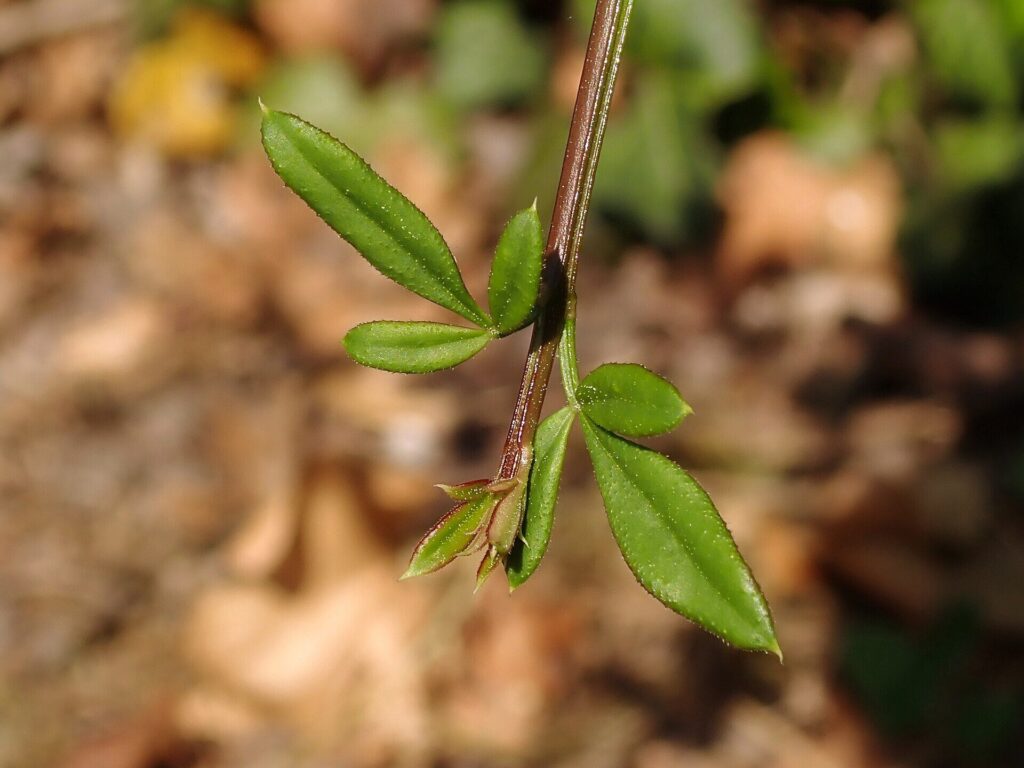
Furthermore, regarding leaf shape, while Jasminum species often have odd-pinnately compound leaves, Forsythia suspensa and Forsythia jasminoides have trifoliate compound leaves, meaning that a single leaf has been divided into three.
Because of these characteristics, Ouja and Oujamodoki are very similar, as their names suggest, and many people may confuse them.
What is the difference between *Jasminum nigrum* and *Jasminum yunnanense* (false *Jasminum yunnanense*)?
The two species are quite similar, but they can be distinguished by careful observation (Wu & Raven, 1996; Hayashi, 2019).
First, there is a difference in that Ouja (Japanese jasmine) is a deciduous shrub, while Oujamodoki (false Ouja) is an evergreen shrub.
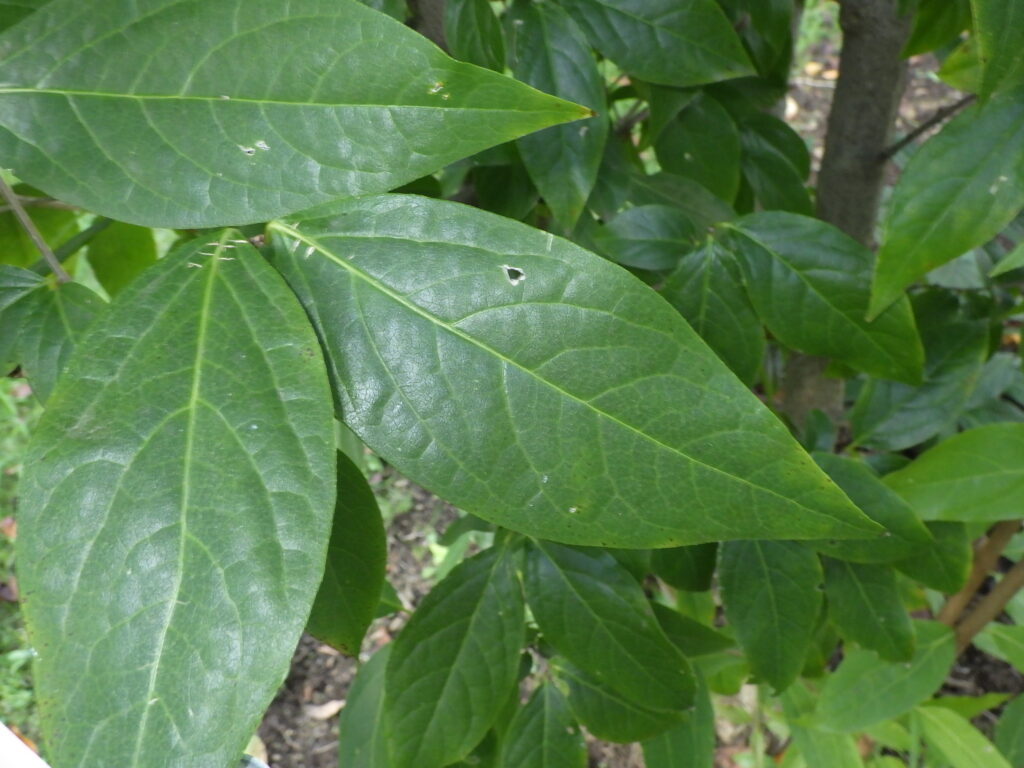
Therefore, while the common winter jasmine loses its leaves in winter, the false winter jasmine retains its leaves. The leaves of the false winter jasmine are also somewhat stiff, as is typical of evergreen trees.
Since the flowering period for Ouja (Northern Jasmine) is from February to April, and for Oujamodoki (False Northern Jasmine) it is from March to May, you can observe Ouja with only flowers from winter to spring, but you can observe Oujamodoki with both leaves and flowers at the same time.
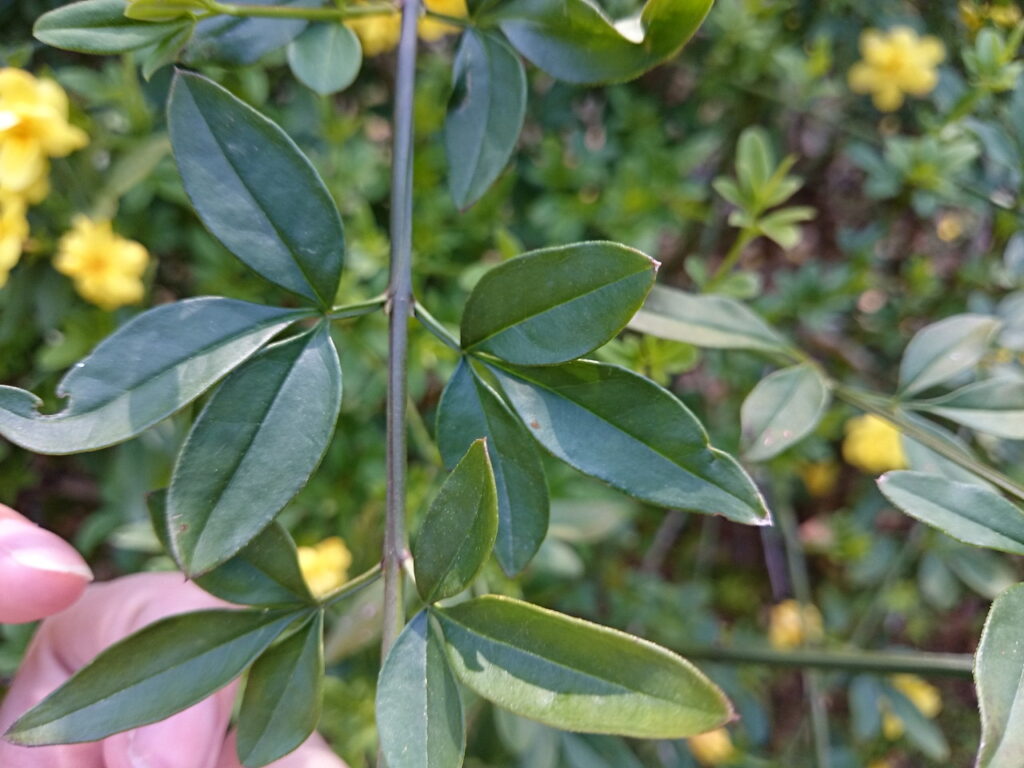
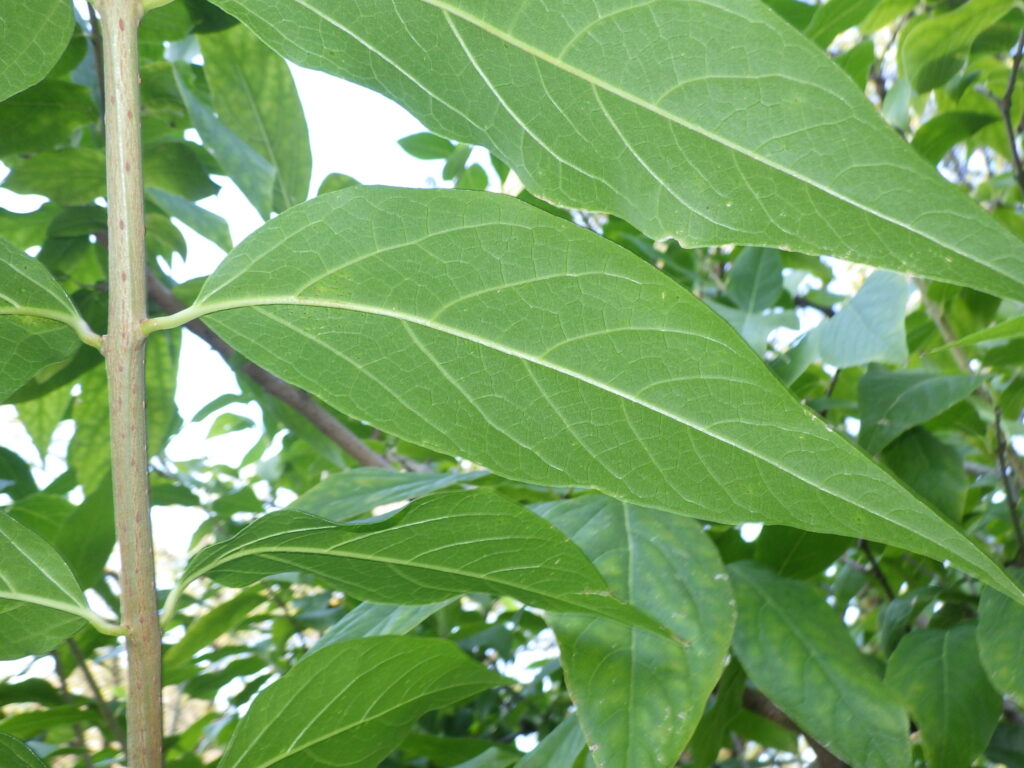
There are other differences in the leaves as well. In *Ouja*, the entire surface is covered with many short hairs, giving it a bumpy appearance, while in *Ouja-modoki*, there are fewer short hairs, only minute ones on the leaf edges.
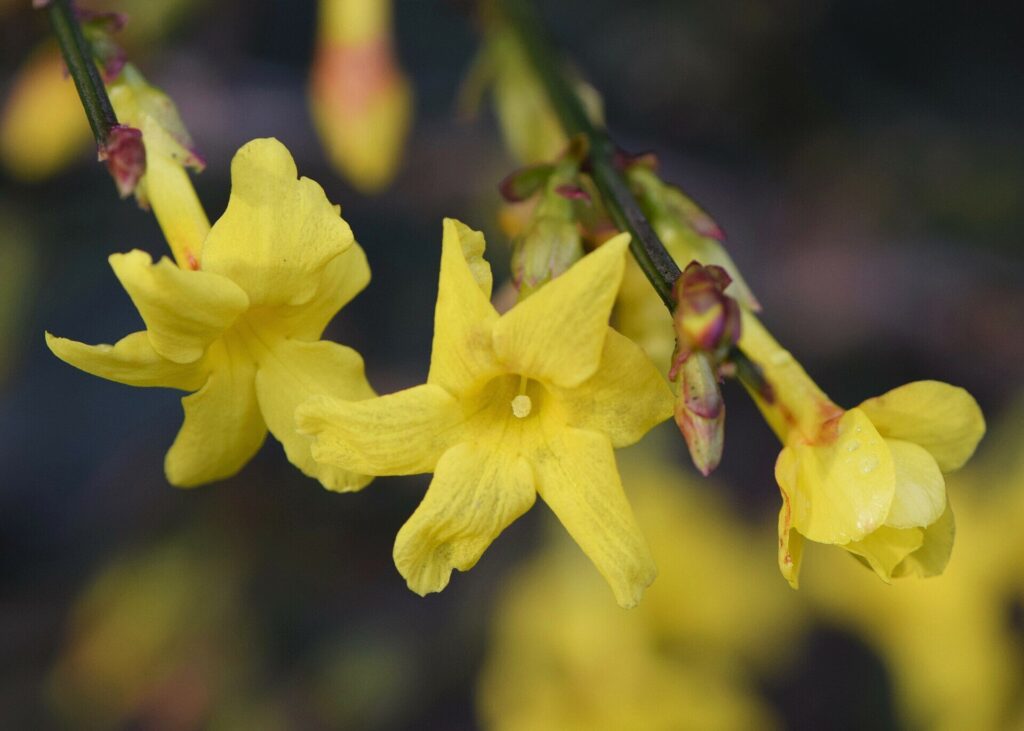
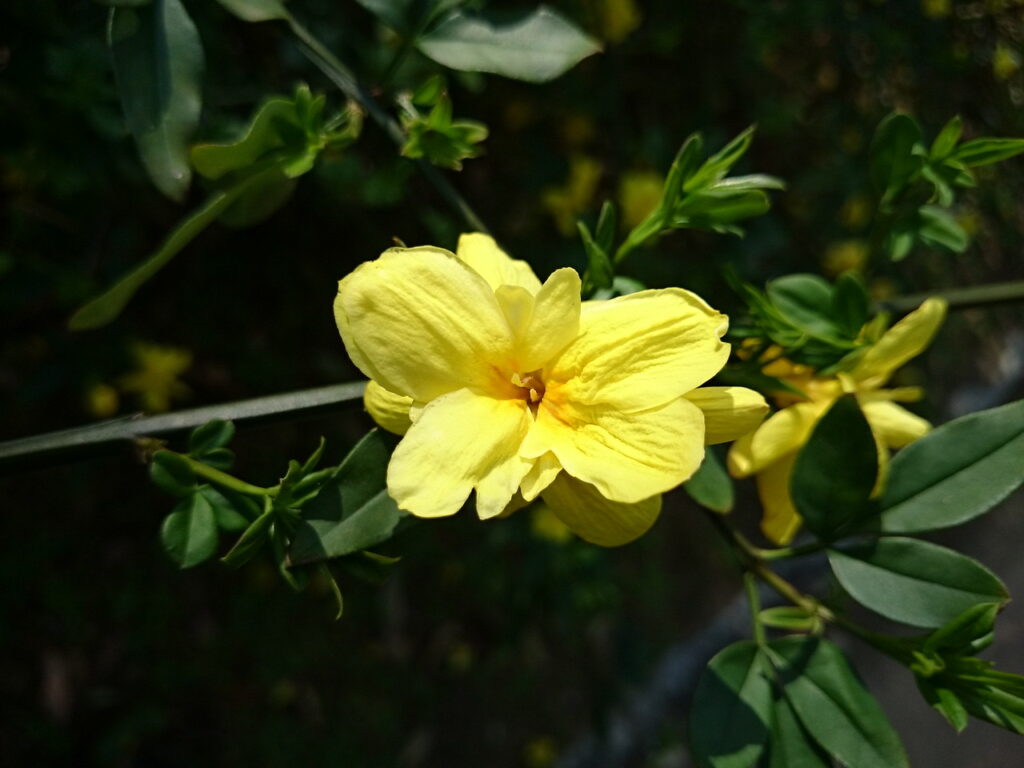
Regarding the flowers, there is a difference between *Oubai* (Winter Jasmine) and *Oubaimodoki* (False Winter Jasmine), which have corollas that are about 3 cm in diameter and have 6 to 8 lobes, or even more, double corollas that are about 4 cm in diameter.
The above will allow you to distinguish them reliably. Incidentally, while *Jasminum nigrum* is also a member of the *Jasminum* genus and has yellow leaves, its leaves are odd-pinnately compound.
What is the difference between Oubai (yellow jasmine) and Chimonanthus praecox (winter jasmine)?
Some people might be curious about the difference between winter jasmine (Chimonanthus praecox) and winter sweet (Chimonanthus praecox), which, like winter jasmine, bears yellow flowers in winter.
However, winter sweet (Chimonanthus praecox) belongs to the Calycanthaceae family, and its body structure is quite different from that of the Oleaceae family (Chimonanthus praecox).
Regarding the leaves, there is a difference in that *Oubai* has trifoliate compound leaves, while *Chimonanthus praecox* has simple leaves.
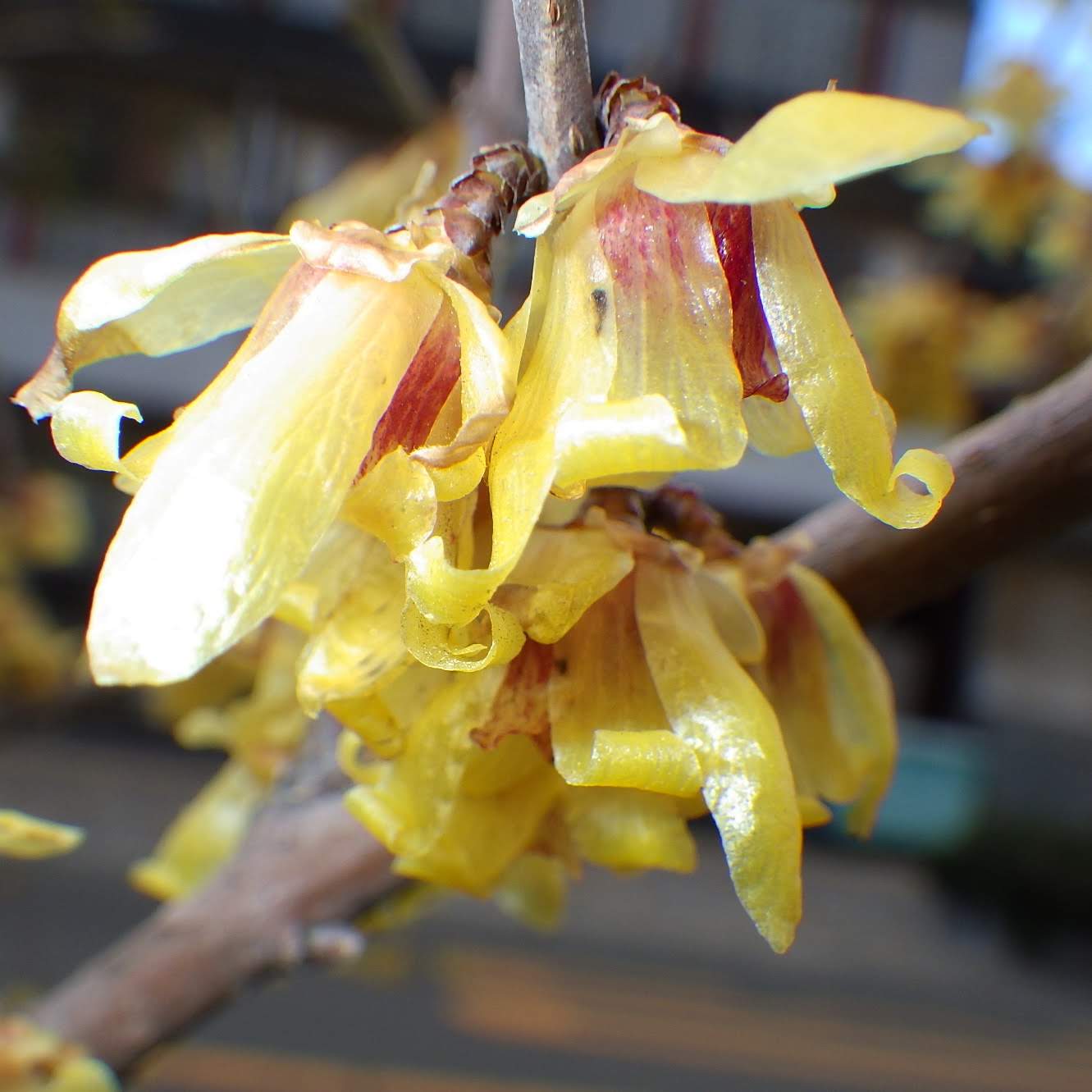
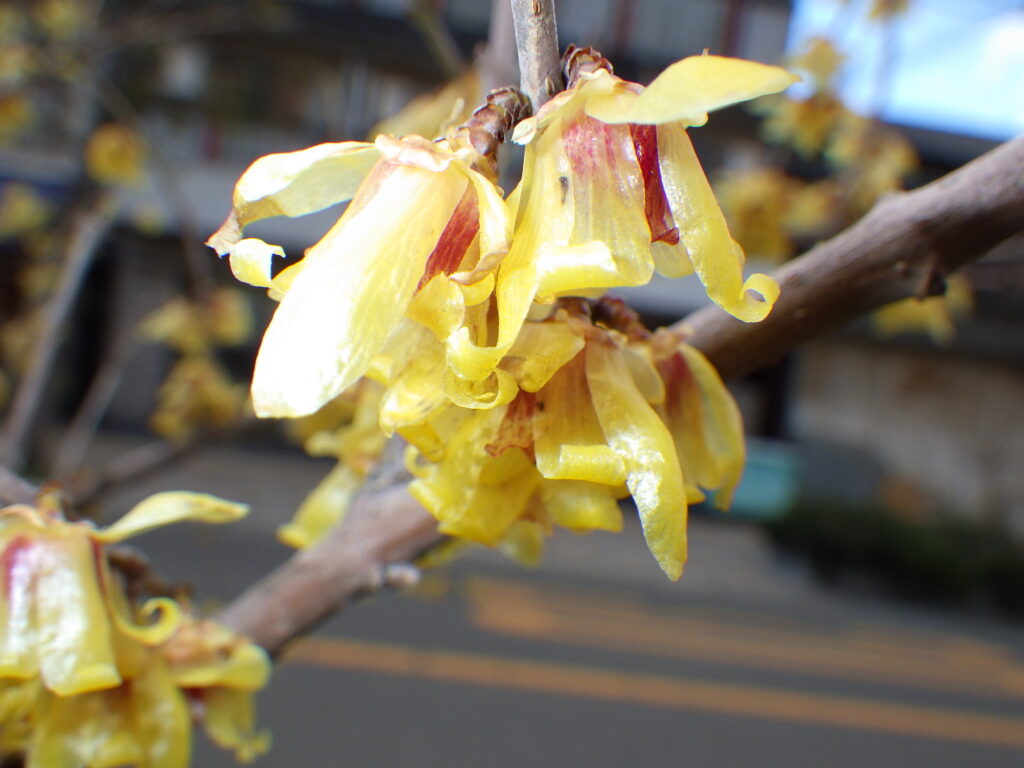
Regarding the flowers, there is a difference in that the flower tubes of the winter jasmine are long and the flowers bloom to the side or diagonally downwards, while the flowers of the winter jasmine lack flower tubes and bloom directly downwards towards the ground.
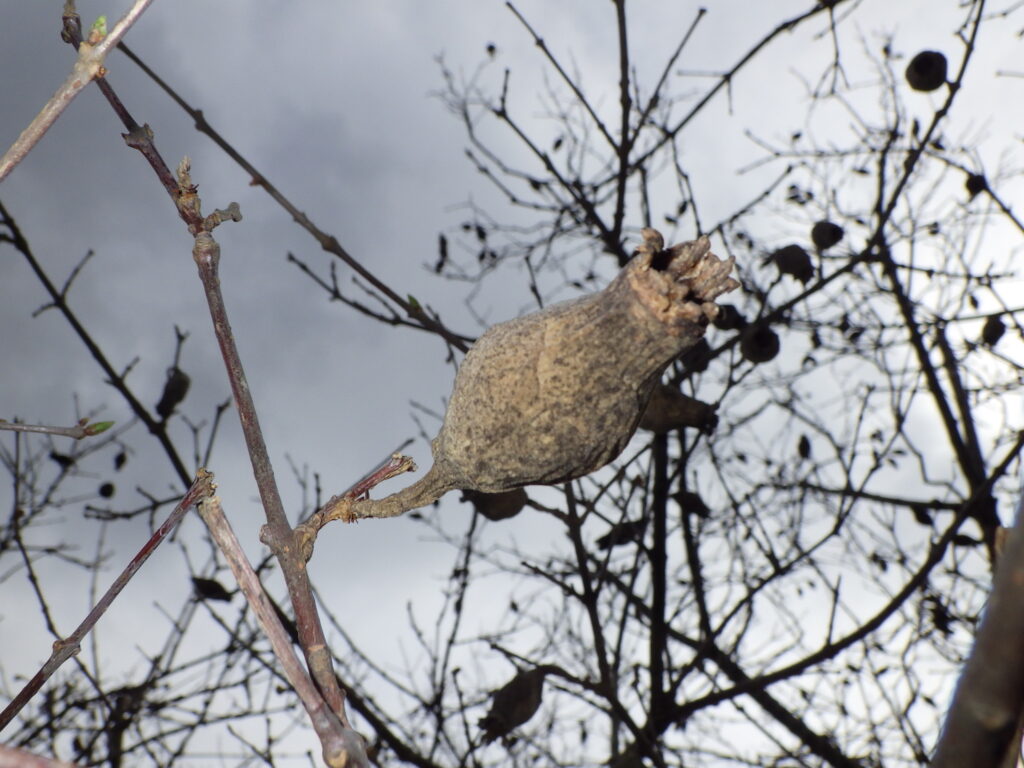
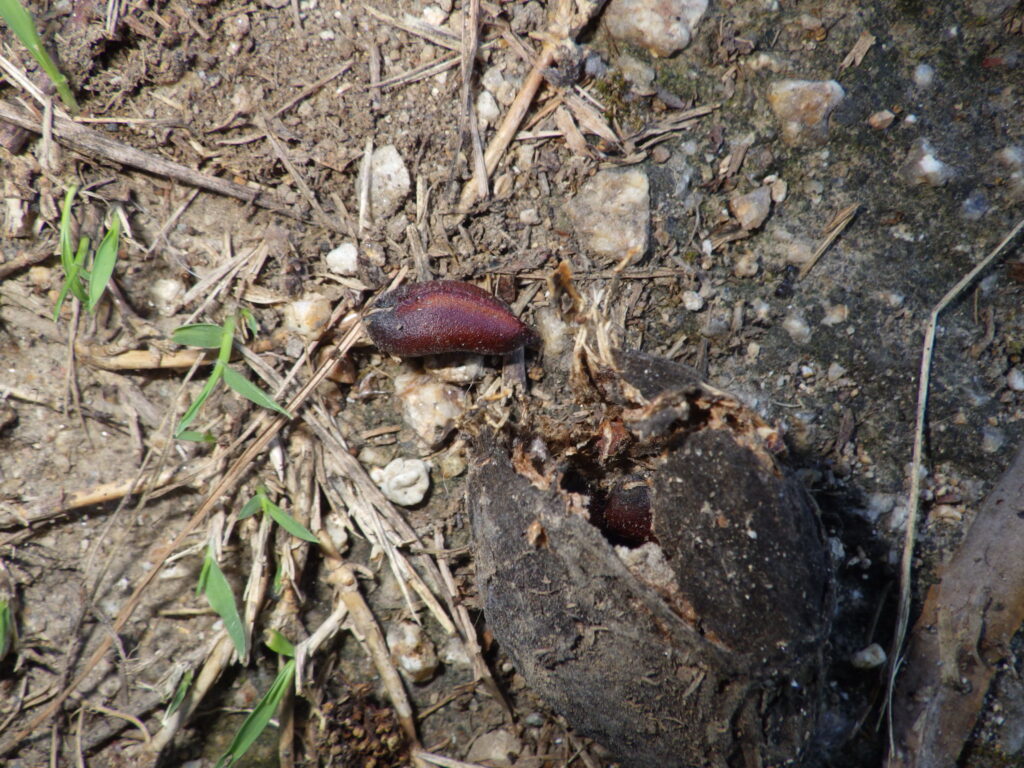
Regarding the fruit, there is a difference between the two: the winter jasmine (Chimonanthus praecox) produces red, ripe drupe-like berries (fruits that turn into liquid) that are eaten by birds, while the winter jasmine (Chimonanthus praecox) produces fruits encased in large, black, vase-like pseudocapsules that simply fall off due to gravity.
References
Hayashi, Masayuki. 2019. Tree Leaves: Expanded and Revised Edition - Identifying 1300 Species Through Real-Life Scans. Yama-kei Publishers, Tokyo. 824pp. ISBN: 9784635070447
Wu, ZY, & Raven, PH 1996. Flora of China (Vol. 15 Myrsinaceae through Loganiaceae). Science Press, Beijing, and Missouri Botanical Garden Press, St. Louis. 387pp. ISBN: 9780915279371