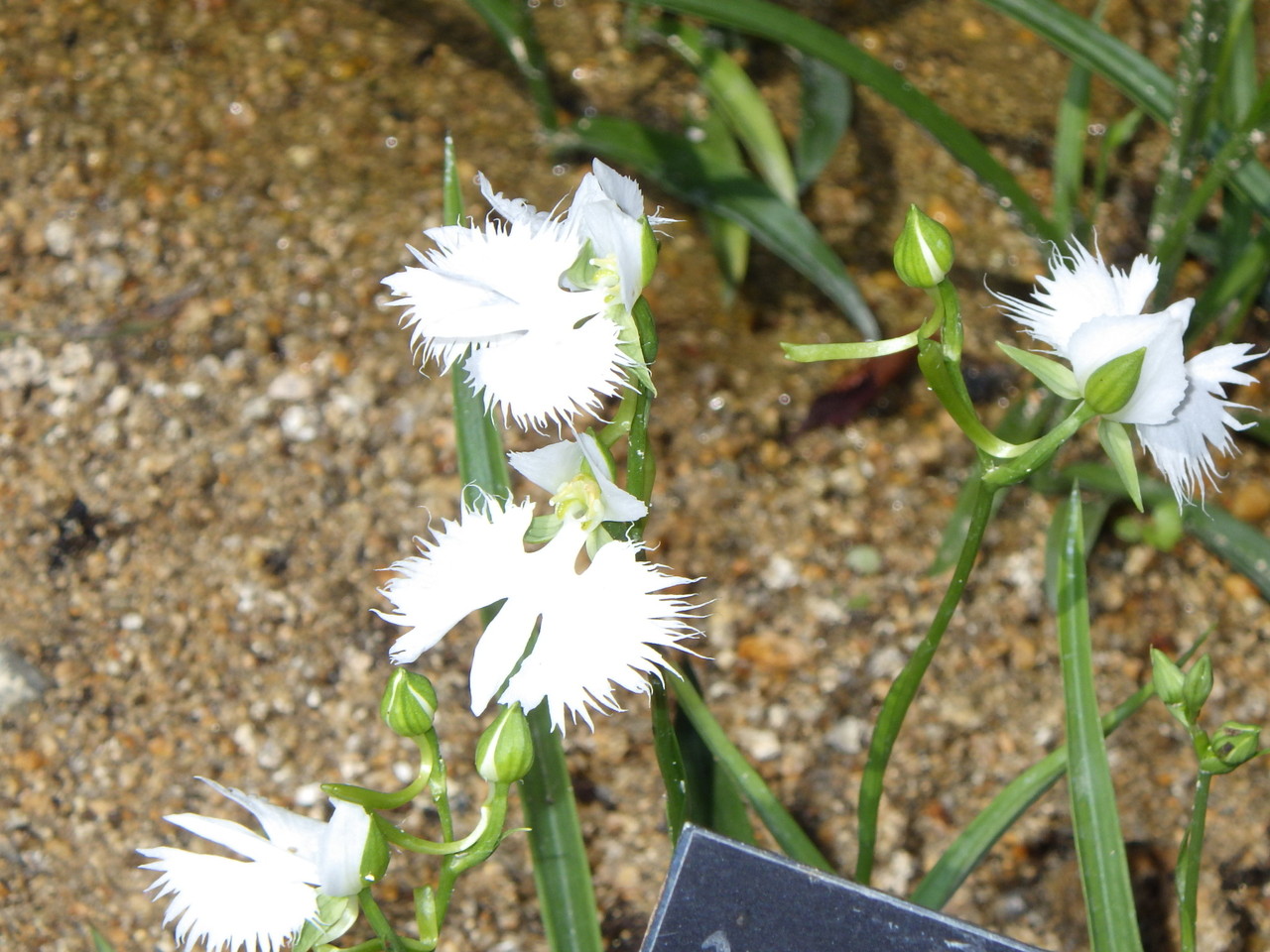
The egret orchid (Habenaria radiata) is a perennial plant that inhabits slightly damp areas and is a popular choice for gardeners. Unfortunately, due to the decline of its wetland habitat and illegal harvesting, it is listed as near threatened on the Ministry of the Environment's Red List. There are many closely related species, and many species bear the name "egret orchid," but very few other species have a labellum that is flat and protrudes laterally like an egret's, making it easy to distinguish. The egret orchid is conspicuous , so one might think it has been known since ancient times, but the oldest record is thought to be in the "Nippo Jisho" (Japanese-Portuguese Dictionary), compiled between 1603 and 1604. However, it seems to have been known even before that, and the "Egret Orchid Legend" associated with Setagaya Castle is a famous tragic story. Do you know what kinds of insects visit the lovely egret orchid flower? In addition to the nocturnal hawk moth, which has been pointed out before, skipper butterflies also visit during the day. Even more surprisingly, recent research has shown that tiny insects called thrips also play an auxiliary role in ensuring pollination. The fruit is a capsule and the seeds are dispersed by wind, but in orchids, including Habenaria radiata, protocorms and orchid mycorrhizal fungi are essential for seed germination. This article will explain the history, physiology, and pollination ecology of Habenaria radiata.
- Near Threatened Species that Inhabit Wetlands
- What species resembles the egret orchid? What are the differences between the egret orchid and the large egret orchid?
- Surprisingly, the historical records are relatively recent? What is the legend of the egret flower?
- What is the structure of the flower that resembles a heron?
- Sphinx moths are visiting the flowers of the egret orchid!?
- Butterflies had even come by lunchtime!?
- Hidden visitors: tiny insects called thrips?
- The fruit is a capsule, and the seeds are dispersed by wind.
- Protocorms and orchid mycorrhizal fungi are essential for seeds!
- References
Near Threatened Species that Inhabit Wetlands
Habenaria radiata (synonym: Pecteilis radiata), also known as egret orchid, is a perennial plant distributed in the Korean Peninsula, the Russian Far East, eastern China, and Japan (Hokkaido, Honshu, Shikoku, and Kyushu), and inhabits slightly damp areas (Enomoto and Sakamoto, 2022).
It belongs to the genus *Hymenophyllum* in the orchid family, and due to the reduction of its wetland habitat caused by excessive land development and illegal harvesting, it is listed as Near Threatened (NT) on the Ministry of the Environment's Red List, and in many prefectures it has been designated as either Extinct or Near Threatened (Wildlife Survey Association/Envision Environmental Conservation Office, 2022).
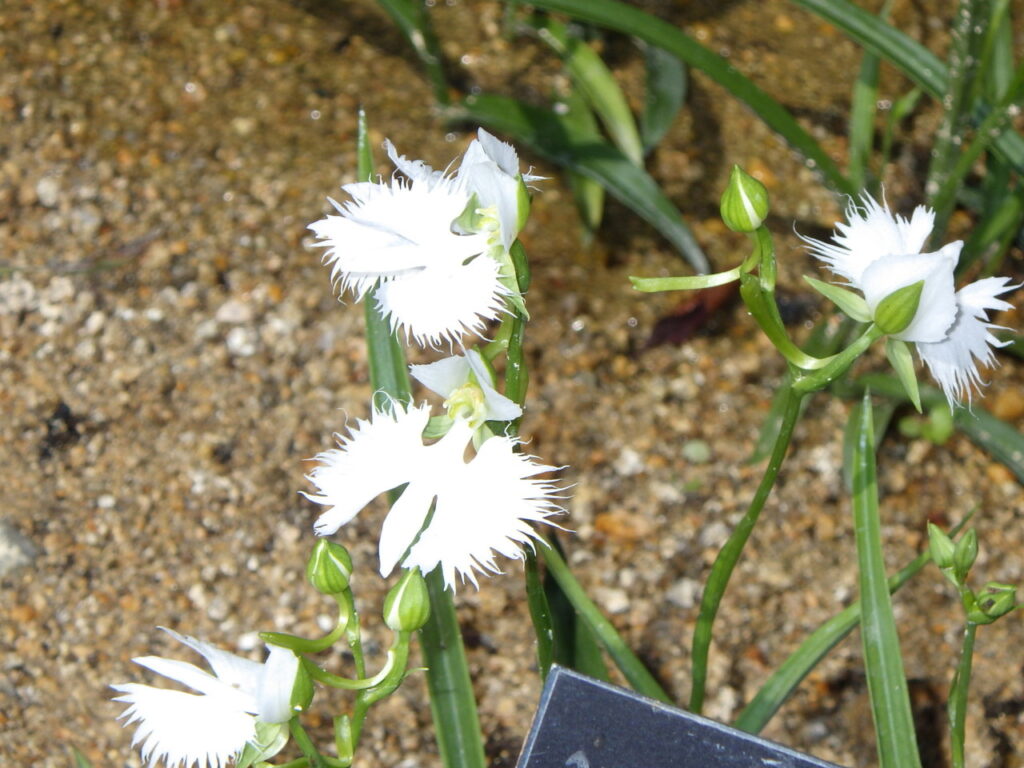
What species resembles the egret orchid? What are the differences between the egret orchid and the large egret orchid?
The genus Habenaria, to which the egret orchid belongs, is quite large, and many species are known in Japan.
The species of Habenaria in the genus Habenaria that have "sagisou" in their name include Habenaria dentata, Habenaria pantlingiana, Habenaria ciliolaris, Habenaria petelotii, Habenaria polytricha, and Habenaria stenopetala.
In addition, several species other than those in the genus *Habenaria* are known to have "sagi-sou" (a type of orchid) in their name.
However, with the exception of the Great Egret Orchid, none of the other flowers have a flat, wide, and spreading labellum located below the corolla, so the only similarity is the name.
The only difference between the two is that the Great Egret Orchid (Habenaria radiata) resembles the Egret Orchid (Habenaria radiata), but in the Egret Orchid, the two petals (lateral petals) positioned at the top of the flower extend forward, while in the Great Egret Orchid, they extend significantly to the sides. Furthermore, the Great Egret Orchid has significantly fewer lobes on its labellum. Therefore, it is unlikely that you would mistake them for each other.


Surprisingly, the historical records are relatively recent? What is the legend of the egret flower?
It is sometimes cultivated as an ornamental plant in the wild, so it may have a long history with the Japanese people.
However, the first appearance of the name "Sagisou" (Habenaria radiata) in literature is surprisingly recent. While descriptions in "Kadan Chikinsho" (Ito, 1695), a book on horticulture from the Edo period, are widely available on the internet, it is known that the name also appears in the "Nippo Jisho," a dictionary of Japanese words explained in Portuguese, which was compiled in 1603-1604 (Isono, 2004; 2009).
The egret orchid has been chosen as the symbolic flower of Setagaya Ward in Tokyo and Himeji City in Hyogo Prefecture.
The reason why the egret flower was chosen as the official flower of Setagaya Ward in Tokyo is due to a legend known as the "Legend of the Egret Flower," which is associated with Setagaya Castle.
Tokiwa-hime, the beloved daughter of Ohira Dewa-no-kami, the lord of Okusawa Castle, was chosen as the tenth concubine by Kira Yoriyasu, the seventh lord of Setagaya Castle, and became his favorite, bearing him a child. However, Yoriyasu's other nine concubines, jealous of this, plotted against Tokiwa-hime, falsely accused her of a crime, and she was eventually captured by pursuers in Kamiuma and forced to commit suicide. Before being driven out of Setagaya Castle, Tokiwa-hime entrusted a letter to Ohira Dewa-no-kami, asking for help, to a white heron attached to its leg. However, the rain made the letter too heavy for the heron's leg, and it succumbed to exhaustion and died near Okusawa Castle. The heron's remains were discovered by villagers nearby and given a respectful burial. The following summer, beautiful flowers bloomed all at once at the spot where the heron was buried, resembling the heron in flight. People named this flower "Sagisou" (heron flower) in remembrance of Princess Tokiwa's fate.
"Okusawa Castle" in the Japanese Wikipedia and "Setagaya Castle Town History, Revised Edition"
It is merely a legend, and the details seem to differ depending on the historical source. Kira Yoriyasu's birth year is unknown, but he died in 1562, which is older than the *Nippo Jisho* (Japanese-Portuguese Dictionary). Therefore, there is a non-zero possibility that the name of the egret flower is somehow related to Tokiwa-hime, but it seems likely that the egret flower was recognized long before this legend. Nevertheless, it is certainly a romantic legend.
What is the structure of the flower that resembles a heron?
The flower resembles a heron, as you may know. It blooms in July and August (Satomi et al., 1982). As it belongs to the orchid family, it has a distinctive "orchid-shaped corolla," consisting of three sepals and three petals. Originally, it had three petals and three sepals, but they are cleverly combined (Shimizu, 2001). The three sepals support the three petals from behind.
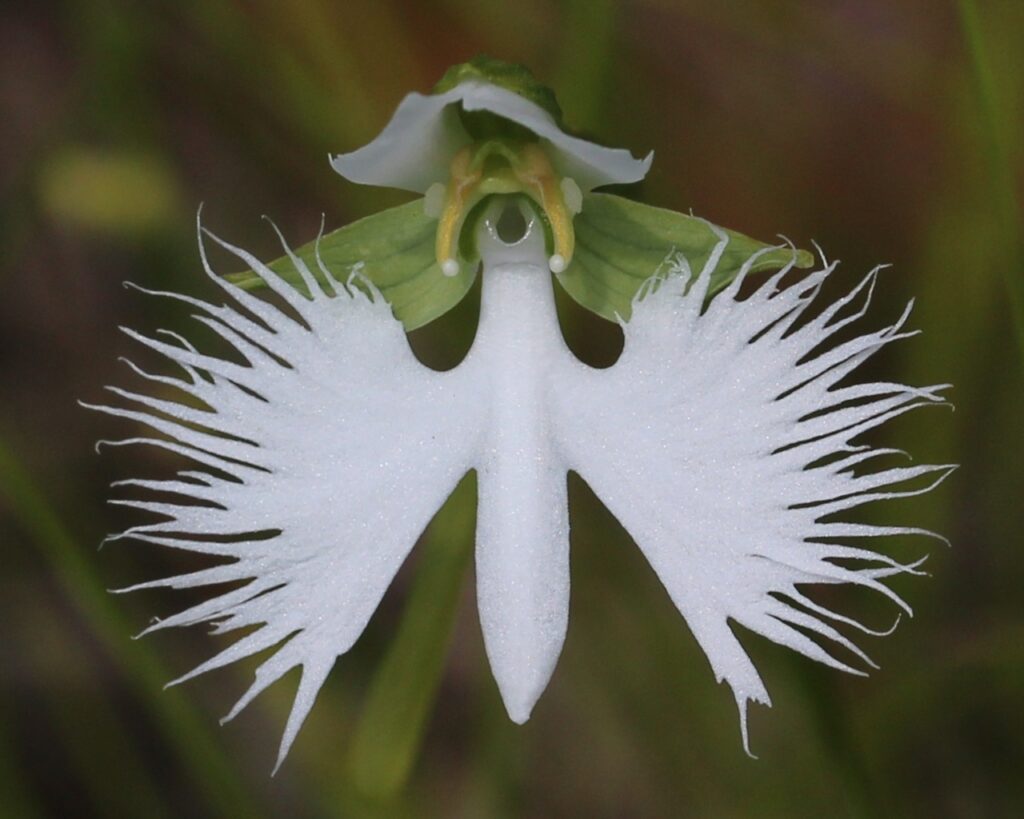
Of the three petals, the lowermost one, the labellum, is large and deeply three-lobed, divided into a central lobe and two lateral lobes. The central lobe is lanceolate, while the lateral lobes on either side are obliquely fan-shaped, opening laterally, and their edges are finely divided. The Japanese name comes from the fact that the open appearance of this labellum resembles a white heron spreading its wings (Takamura, 2005).
Furthermore, of the three petals, the two upper petals, which are lateral petals, are white and have a distorted oval shape, enclosing the column, which is the fused structure of the stamens and pistil.
The flower has a hole in its center, connected to a 3-4 cm long, drooping spur. The tip gradually thickens, and nectar accumulates at this end. This suggests that insects with considerably long mouthparts are likely to visit the flower.
Sphinx moths are visiting the flowers of the egret orchid!?
So, what kinds of insects visit flowers with such long spurs?
Records published by numerous Japanese research groups indicate that members of the Sphingidae family visit the area (Ihara, 2013; Shigeta & Suetsugu, 2020; Tachibana et al., 2020). This tendency has also been widely observed in members of the Habenaria genus, to which the Habenaria orchid belongs (Ikeuchi et al., 2015; Shigeta & Suetsugu, 2020).
Specifically, there are records of the small hawk moth (Theretra japonica) (Shigeta & Suetsugu, 2020) and the striped hawk moth (Theretra oldenlandiae) (Tachibana et al., 2020). Both are common hawk moth species in Japan, and both are nocturnal moths with very long proboscises.
At night, these moths visit the Habenaria radiata flowers, using the labellum as a guide. The moths insert their long proboscis into the hole in the center of the flower and try to suck the nectar stored in the spur. The spur is just the right length, longer than the proboscis, so the moth can just barely suck the nectar. As the moth tries to thrust its proboscis as far as possible, it comes into contact with the column at the top of the flower's opening. When it comes into contact, pollen masses with mucous suction cups attached to the proboscis and compound eyes stick to it, and if it has pollen masses from another individual, pollination occurs.
While hawk moths and egret orchids don't have a one-to-one relationship, it seems that the exquisitely balanced length of their proboscis and spur is the result of evolution through various interactions.
Flowers exhibit a "pollination syndrome," where their shape tends to be influenced to some extent by the type of pollinator that carries their pollen. Sphinx moth-pollinated flowers are known to exhibit a whitish coloration, bloom at night, have large, conspicuous tubular corollas, and emit a strong, sweet fragrance from evening to morning. The egret orchid is thought to fulfill these characteristics well, except for the scent.
Butterflies had even come by lunchtime!?
However, moths are not the only creatures that visit this flower. Other studies conducted through direct observation and photography in various locations have shown that skipper butterflies also visit during the daytime (Kimura, 1980; Suetsugu & Tanaka, 2014; Ikeuchi et al. 2015).
Specifically, these are the species *Parnara guttata*, *Parnara guttata*, and *Parnara guttata*, all of which are relatively common in Japan. *Parnara guttata*, in particular, can be seen even in urban areas.
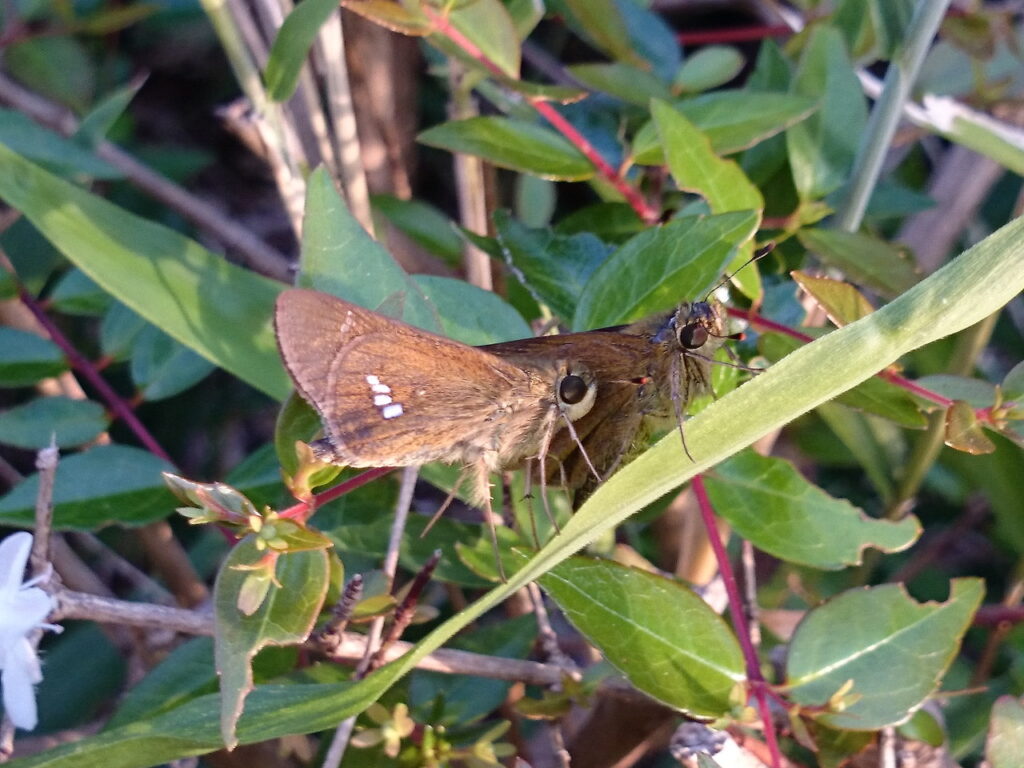
Butterflies have remarkably long proboscises and are often thought to be nectar robberies, but it has been confirmed that pollen masses attach to the butterfly's body through the same process as hawk moths (Kimura, 1980; Suetsugu & Tanaka, 2014).
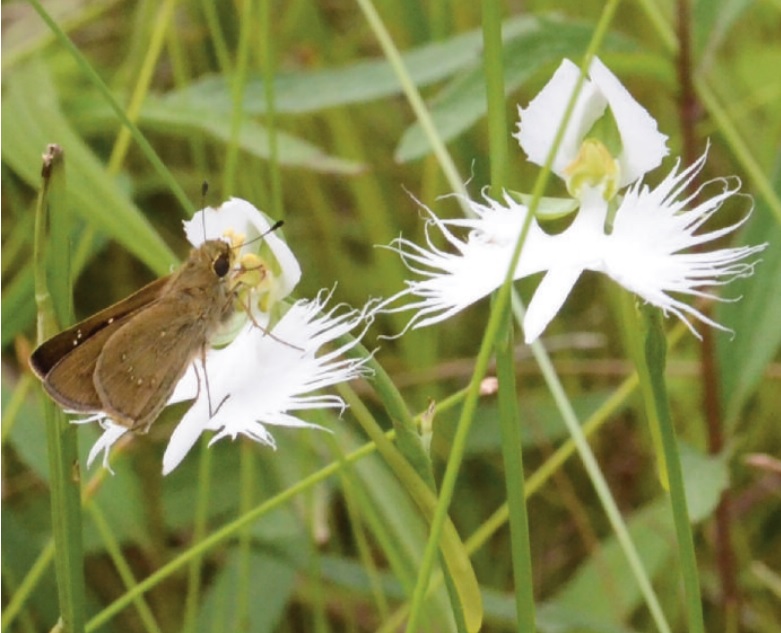
This phenomenon has so far been confirmed in Fukuoka and Nara prefectures, so it's unclear if it will occur everywhere. However, considering that the egret orchid blooms even during the daytime, it's highly likely that it will be observed more widely.
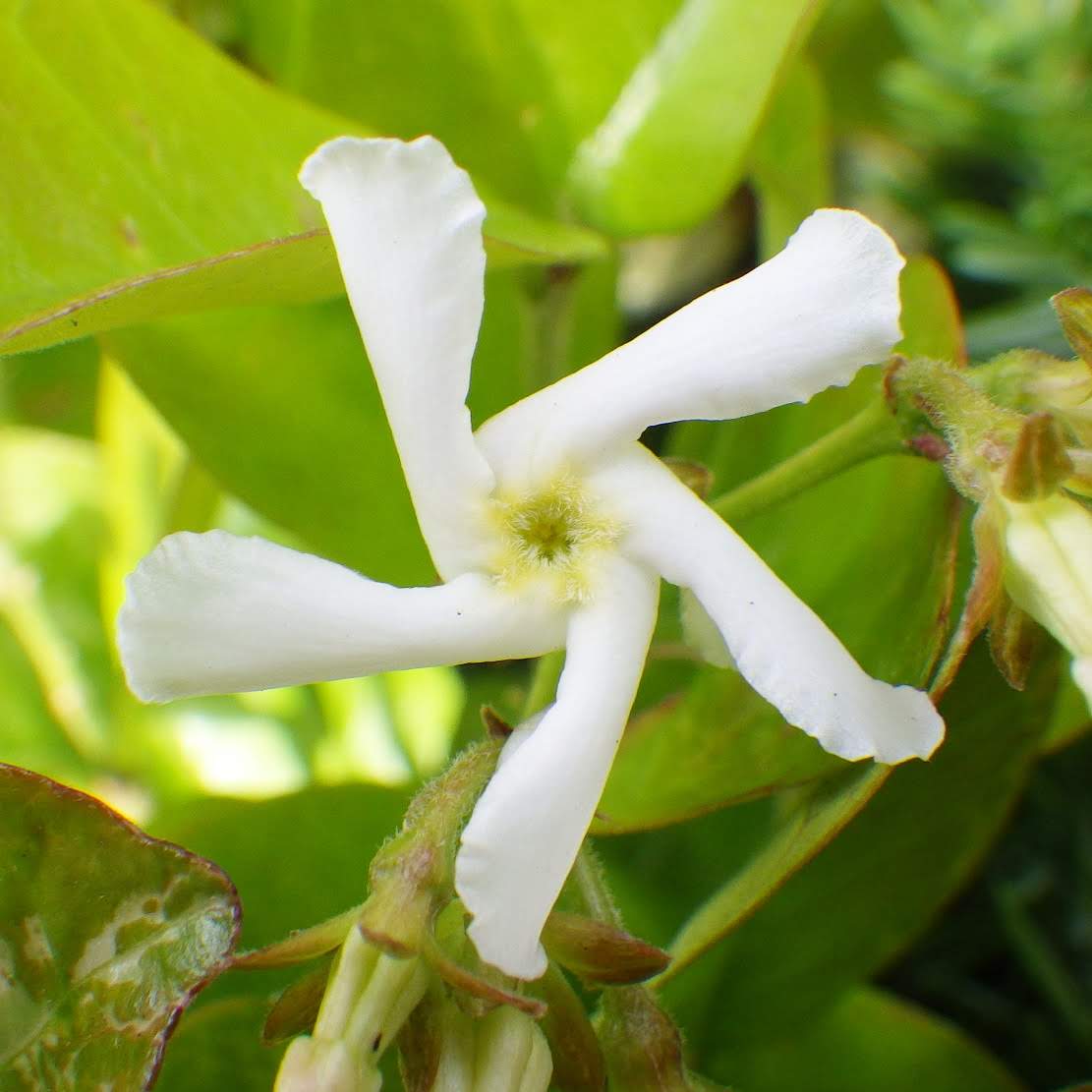
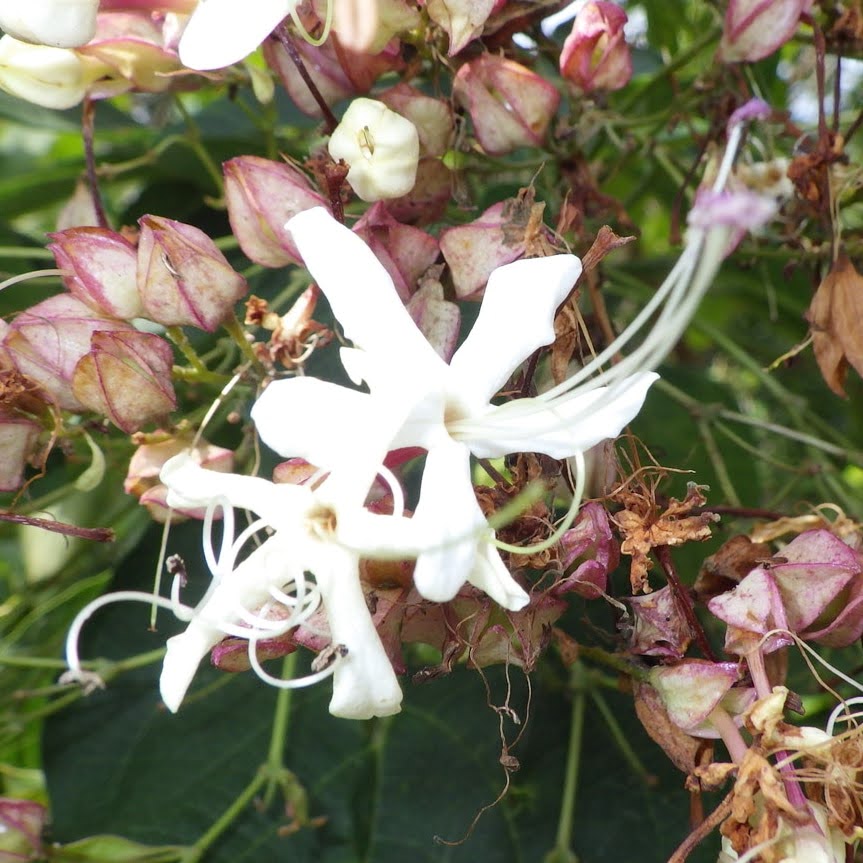
It is strange that butterflies are also attracted to plants that have characteristics specifically suited to hawk moths, but butterflies tend to be attracted to plants like Trachelospermum asiaticum and Clerodendrum trichotomum as well, so perhaps the tactic of using different plants during the day and night is surprisingly common (Miyake et al., 1998).
Hidden visitors: tiny insects called thrips?
In addition to the two groups mentioned above, more recent research has revealed some interesting facts (Shigeta & Suetsugu, 2020).
It turns out that thrips, tiny insects that come to feed on pollen, also play a role in pollination! Specifically, the species is Frankliniella intonsa.
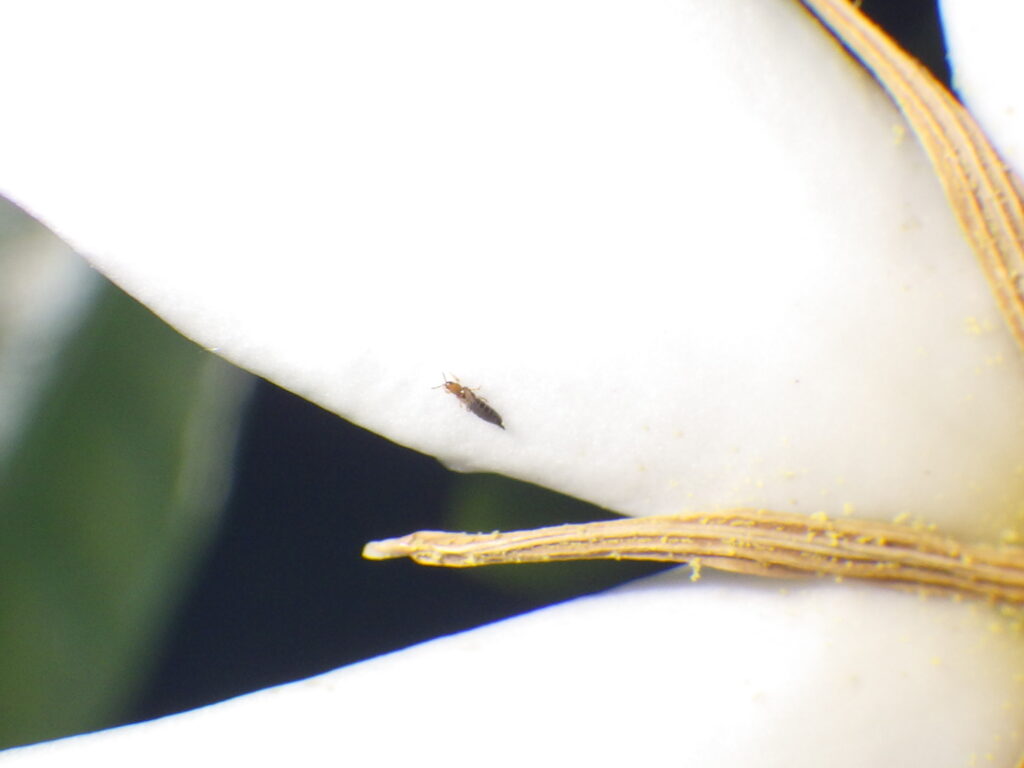
Because thrips are very small, a single one doesn't carry much pollen. However, it's known that they visit flowers in countless numbers at certain times of the year, and I've seen them quite often myself.
Thrips become adults in one to two weeks, and since they go through several generations during a single flowering season, a large number of individuals are born.
Therefore, they contribute significantly as pollinators, and there are records showing that they contribute to the pollination of one-quarter of all seeds produced by the egret orchid.
However, hearing that, you might think it would be more efficient to rely entirely on thrips for pollination, right?
However, relying on thrips for pollination also has its drawbacks.
Thrips are thought to promote self-pollination because they move pollen around within flowers in order to eat it. However, self-pollination can make seed production difficult and cause problems in the plant's growth process. Therefore, it's best to use them only as a supplementary tool.
Since the egret orchid relies on different insects during the day and night, and uses thrips as a supplement, it may be capable of more flexible pollination than we realize!
The fruit is a capsule, and the seeds are dispersed by wind.
After pollination, the flowers of the Habenaria radiata develop into fruits. The fruits are capsules, common to all orchids. Like many orchids, the seeds are dispersed by wind, and the capsules are densely packed with tiny seeds (Miura et al., 2019). It is believed that a single capsule contains tens of thousands to hundreds of thousands of seeds, and when it ripens, gaps form, allowing countless tiny seeds to spill out and be dispersed by a weak breeze.
Considering the symbiotic relationship with mycorrhizal fungi, long-distance travel carries risks, so they may not travel very long distances.
Protocorms and orchid mycorrhizal fungi are essential for seeds!
Do you know what nutrients plant seeds use to grow?
For example, grasses store energy sources in their endosperm, and legumes store them in their cotyledons. You may have learned this in childhood. However, orchids have no endosperm, and most species lack cotyledons as well (Yeung, 2017)!
The seeds of orchids, including the Habenaria radiata, first swell into a spherical shape after germination. This is called a "protocorm." In this stage, they live in symbiosis with fungi called "orchid mycorrhizal fungi," which inhabit the plant's roots.
The orchid mycorrhizal fungi utilize the cellulose of orchid plants by hydrolyzing it, and the orchid plants obtain an energy source by receiving carbon from them, creating a win-win relationship (Yamato and Tanigame, 2009). However, since hydrolyzing cellulose means that the plant's body is being broken down, it's unclear whether it's truly a 100% win-win situation.
This means that the egret orchid has a stage where it relies on other organisms for energy (heterotrophy) before it transitions to the stage where it obtains its own energy source through photosynthesis (autotrophy).
Orchid species have evolved to specialize in obtaining energy through symbiosis with orchid mycorrhizal fungi, resulting in the loss of endosperm and cotyledons (Yamato and Tanigame, 2009; Yeung, 2017).
While many other symbiotic relationships between mycorrhizal fungi and plants are known, this is quite unique because, generally speaking, the mycorrhizal fungi obtain their energy source from the plant.
This type of relationship has been observed in many orchid species, and it is established between specific orchids and specific orchid mycorrhizal fungi.
On the other hand, conversely, this means that orchids cannot grow without orchid mycorrhizal fungi. This is thought to be the reason for their small population size, low tolerance to environmental changes, and difficulty in cultivation (Yamato and Tanigame, 2009).
This is also a challenge in the conservation of Habenaria radiata, and attempts have been made to artificially induce germination by inoculating with orchid mycorrhizal fungi (Enomoto and Sakamoto, 2022) or by using artificial endosperm (Mitsuishi et al., 2021).
But why do orchids rely on symbiosis with orchid mycorrhizal fungi in the first place?
Although I couldn't find any papers that explicitly state this, based on what I've considered so far, my conclusion is that because the parent plant doesn't need to store energy sources in the endosperm and cotyledons for the seed to develop initially, it has an advantage over other plants in certain environments, such as the presence of fungi, allowing for stable offspring development. On the other hand, it's likely that a disadvantage is that it may become unable to produce offspring if the environment changes.
References
Enomoto, Hiroyuki & Sakamoto, Hideki. 2022. Records of habitats and population size (2017-2021) of * Pecteilis radiata (Thunb.) Raf.* confirmed in Fukui Prefecture. *Ciconia* 25: 97-105. ISSN: 1342-0933, https://fncc.pref.fukui.lg.jp/wp-content/uploads/2022/03/Ciconia_vol25_15.pdf
Hitomi, Teruhito. 2004. Historical Tales of Setagaya Castle Town, Revised Edition. Hitomi, Teruhito, Tokyo. 171pp.
Ihara, Hideyuki. 2013. Sphinx moths carrying pollen masses of Habenaria radiata. Nature Study 59(9): 6, 12. ISSN: 0466-6089, http://www.omnh.net/ns_online/html/v59/59-09_004.html
Ikeuchi, Y., Suetsugu, K., & Sumikawa, H. 2015. Diurnal skipper Pelopidas mathias (Lepidoptera: Hesperiidae) pollinates Habenaria radiata (Orchidaceae). Entomological News 125(1): 7-11. ISSN: 0013-872X, https://doi.org/10.3157/021.125.0103
Ito, Ihei Sannojō. 1695. Kadan Chikinshō. ISBN: 9784540950377, https://doi.org/10.11501/1209343
Isono, Naohide. 2004. "Sketch of Plants and Trees" by Kano Shigekata. Keio University Hiyoshi Journal of Natural Science 36: 1-14. ISSN: 0911-7237, https://koara.lib.keio.ac.jp/xoonips/modules/xoonips/detail.php?koara_id=AN10079809-20040930-0001
Isono, Naohide. 2009. List of First Encounters of Plant Names by Source. Keio University Hiyoshi Journal of Natural Science 45: 69-94. ISSN: 0911-7237, https://koara.lib.keio.ac.jp/xoonips/modules/xoonips/detail.php?koara_id=AN10079809-20090331-0069
Kimura, Naho. 1980. Observation and cultivation of Habenaria radiata. New Science Co., Ltd., Tokyo. 96pp. ISBN: 9784821600632
Mitsuishi, T., Dono, H., Furukawa, S., and Takitani, S. 2021. Development of artificial seeds using slightly acidic electrolyzed water. Kyousei no Hiroba 16: 128-129. ISSN: 1881-2147, https://www.hitohaku.jp/publication/book/kyousei16-p128.pdf
Miura, C., Saisho, M., Yagame, T., Yamato, M., & Kaminaka, H. 2019. Bletilla striata (Orchidaceae) seed coat restricts the invasion of fungal hyphae at the initial stage of fungal colonization. Plants 8(8): 280. https://doi.org/10.3390/plants8080280
Miyake, T., Yamaoka, R., & Yahara, T. 1998. Floral scents of hawkmoth-pollinated flowers in Japan. Journal of Plant Research 111(2): 199-205. ISSN: 0918-9440, https://doi.org/10.1007/BF02512170
Satomi, Nobuo; Satake, Yoshisuke; Oi, Tsugusaburo; Kitamura, Shiro; Watari, Shunji; and Tominari, Tadao. 1982. Wild Plants of Japan (New Edition, Herbaceous Plants 1, Monocotyledons). Heibonsha, Tokyo. 305pp. ISBN: 9784582535013
Shigeta, K., & Suetsugu, K. 2020. Contribution of thrips to seed production in Habenaria radiata, an orchid morphologically adapted to hawkmoths. Journal of Plant Research 133(4): 499-506. ISSN: 0918-9440, https://doi.org/10.1007/s10265-020-01205-z
Shimizu, Takemi. 2001. Illustrated Dictionary of Botanical Terms. Yasaka Shobo, Tokyo. xii, 323pp. ISBN: 9784896944792
Suetsugu, K., & Tanaka, K. 2014. Diurnal butterfly pollination in the orchid Habenaria radiata. Entomological Science 17(4): 443-445. ISSN: 1343-8786, https://doi.org/10.1111/ens.12081
Tachibana, T., Nishikawa, Y., Kubo, N., & Takeda, S. 2020. Morphological and Genetic Diversities of Habenaria radiata (Orchidaceae) in the Kinki Area, Japan. International Journal of Molecular Sciences 22(1): 311. ISSN: 1422-0067, https://doi.org/10.3390/ijms22010311
Takamura, Tadahiko. 2005. A Illustrated Guide to Seasonal Wildflowers and Mountain Plants, Searchable by Color, Size, and Flowering Order. Nihon Bungeisha, Tokyo. 367pp. ISBN: 9784537203677
Yamato, Masahide & Tanigame, Takahiro. 2009. Symbiosis between orchids and fungi. Bulletin of the Mycological Society of Japan 50(1): 21-42. ISSN: 0029-0289, https://doi.org/10.18962/jjom.jjom.H20-02
Wildlife Survey Association / Envision Environmental Conservation Office. June 4, 2022. Japan Red Data Search System. http://jpnrdb.com/
Yeung, EC 2017. A perspective on orchid seed and protocorm development. Botanical Studies 58(1): 1-14. ISSN: 1817-406X, https://doi.org/10.1186/s40529-017-0188-4