Buckwheat, Tartary buckwheat, and Japanese buckwheat are all species that can be found in Japan, either cultivated or naturalized. Buckwheat, in particular, is indispensable to Japanese people as a noodle dish, but few people can distinguish between these three species as plants. These three species can be distinguished by the way their flowers grow, the shape of their fruits, and the shape of their leaves. Buckwheat is thought to have evolved in the mountainous regions of China, which explains many of its characteristics. It is nutritious and eaten all over the world, and although it is not clear how Japanese people started eating it as noodles, it is thought to be a result of the overlap between the noodle-eating culture that came from China and the sword-making culture. It is generally thought that honeybees visit the flowers, but other insects are also important in its native habitat, and the presence of various insects in Japan increases the fruiting rate. The fruit as a plant does not receive much attention, but it is classified as an achene, and the prominent three ridges are thought to have developed for wind dispersal. This article will explain the classification, origin, history, and pollination ecology of buckwheat.
- Pseudocereals native to China
- What are the differences between buckwheat, Dattan buckwheat, and Shakuchiri buckwheat?
- The origin of buckwheat: Why is buckwheat rich in polyphenols?
- How did the cultivation of plants in ancient China and their subsequent spread to the world occur?
- Buckwheat was originally eaten raw!?
- What is the reason why Japanese people started eating soba noodles?
- Buckwheat has evolved to use "light" to kill insects!?
- What is the structure of a flower?
- In areas near its native habitat, hoverflies and bees visit the flowers, while in cultivated areas, honeybees do.
- Were wild insects essential for increasing buckwheat yields?
- Were there other hidden visitors to the flowers?
- Why does buckwheat self-pollinate?
- Are the fruits achenes and the seeds dispersed by wind and animal feeding?
- References
Pseudocereals native to China
Buckwheat (Fagopyrum esculentum) is native to China and is widely cultivated in the Northern Hemisphere, from Eastern Europe to Japan and the Americas, as an annual plant grown as a necessity or cash crop (Gondola & Papp, 2010). It is a temperate plant that has been used as a source of nutrition for humankind since prehistoric times. It belongs to the Polygonaceae family. It is not a grain in the strict sense as it is not a grass, but it is sometimes called a "pseudocereal" because it is used in the same way as grains.
Temperate or subtropical climates are most suitable, provided rainfall is stable during the growing season. It also thrives in poor soil, growing well even in areas where many other important grains fail. Furthermore, its resistance to diseases and pests, short growing season, and low maintenance requirements contribute to its popularity. It's an essential part of the Japanese diet, commonly consumed as an ingredient in noodles.
Tartary buckwheat (Fagopyrum tataricum) is relatively frost-tolerant and is most widely cultivated in the Himalayan regions of India, Nepal, and Bhutan, as well as in southern China, especially at altitudes above 2000m. It is a diploid plant that self-pollinates, and its flowers are pollinated before they open (cleistogamous pollination). In Japan, it attracted attention for its high rutin content, which is believed to be effective as a vascular strengthening agent, and was introduced in 1985. Since then, the consumption of tartary buckwheat tea and other products has increased. It is also sometimes used to make noodles.
Fagopyrum dibotrys, also known as Shakuchiri buckwheat, is native to northern India and, like Tartary buckwheat, was cultivated in fields in Japan as a source of rutin. However, its seeds have a strong bitter taste and cannot be eaten like other buckwheat varieties. Currently, it is mostly found growing wild in clusters.
Both belong to the buckwheat genus of the Polygonaceae family, and their flowers and fruits are very similar. While their names are often heard in reference to food, few people may be able to distinguish between them as plants.
What are the differences between buckwheat, Dattan buckwheat, and Shakuchiri buckwheat?
However, the three species of buckwheat found in Japan are distinguished as follows (Kanagawa Prefecture Flora Survey Association, 2018).
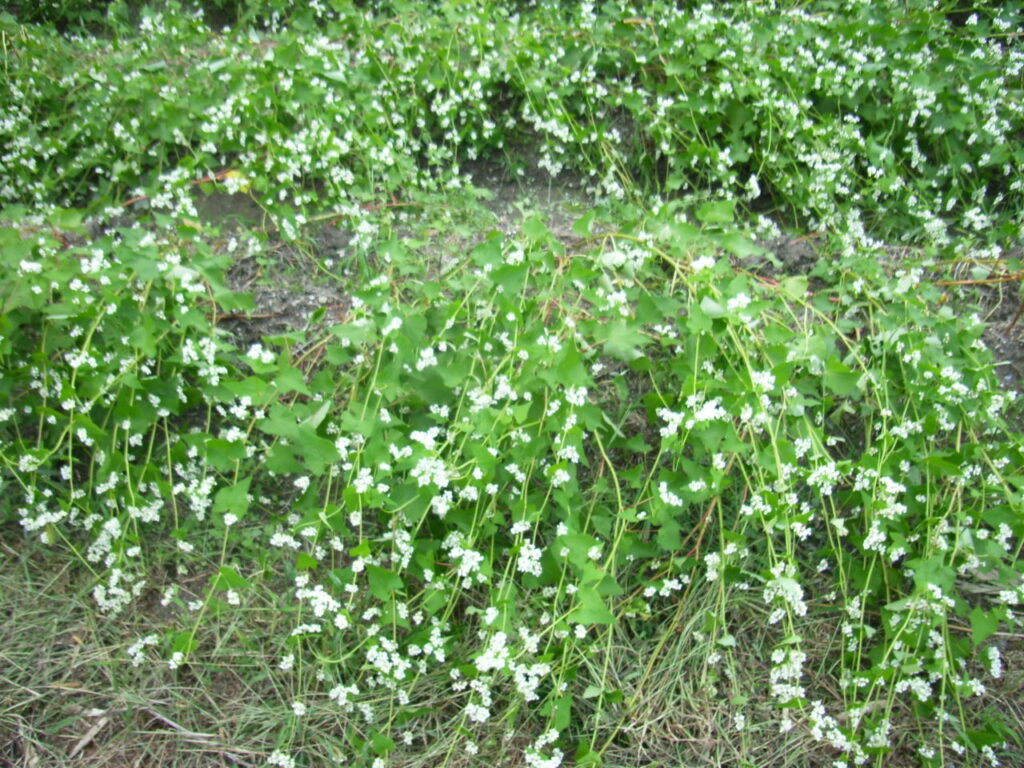
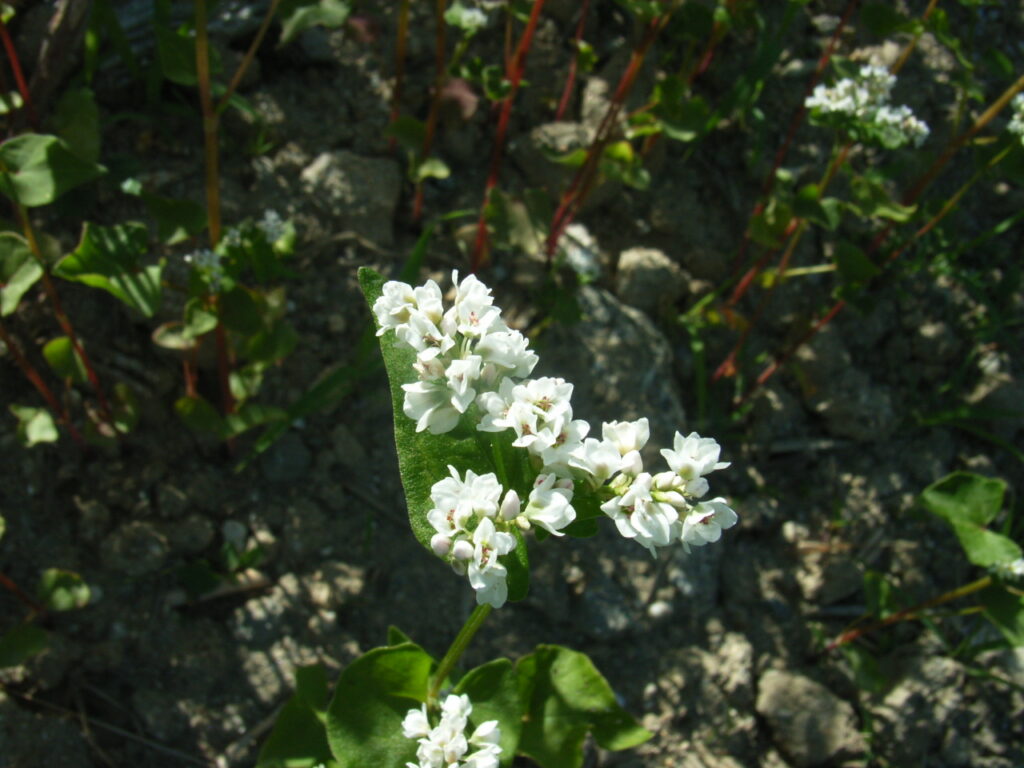
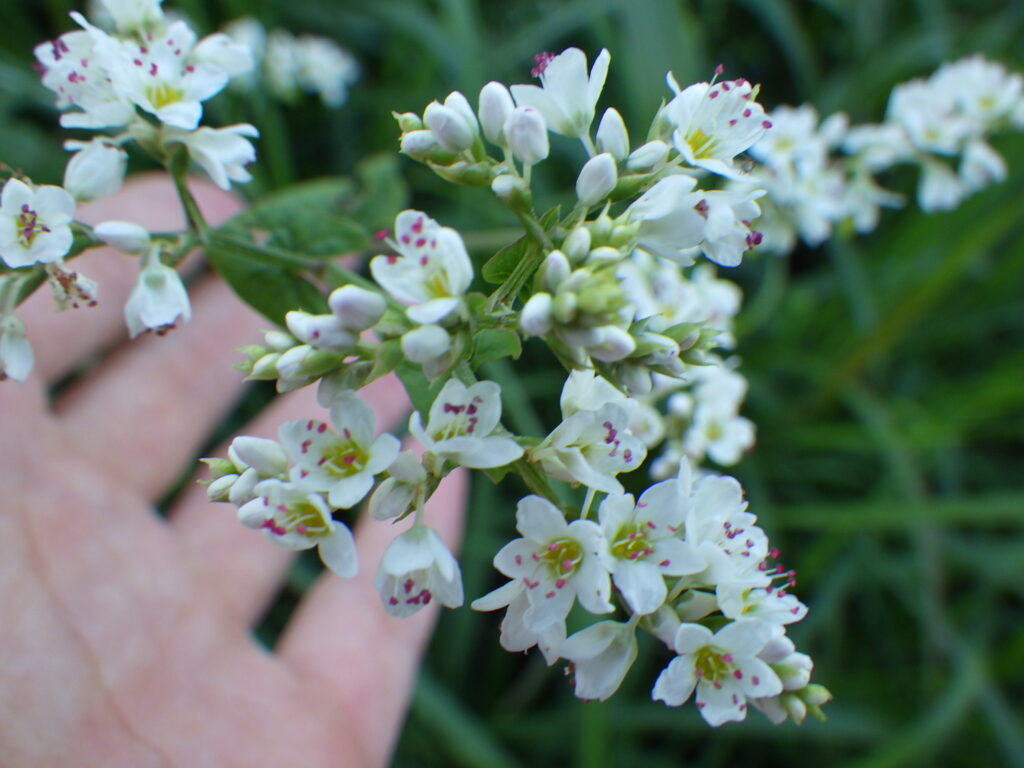
First, in Tartary buckwheat, the flowers are few in number and grow in the leaf axils, and the fruit has blunt ridges, whereas in the other two buckwheat species and Chrysopogon spp., the flowers grow in racemes, and the fruit has sharp ridges.
The reason there are few buckwheat flowers is that buckwheat primarily relies on self-pollination.
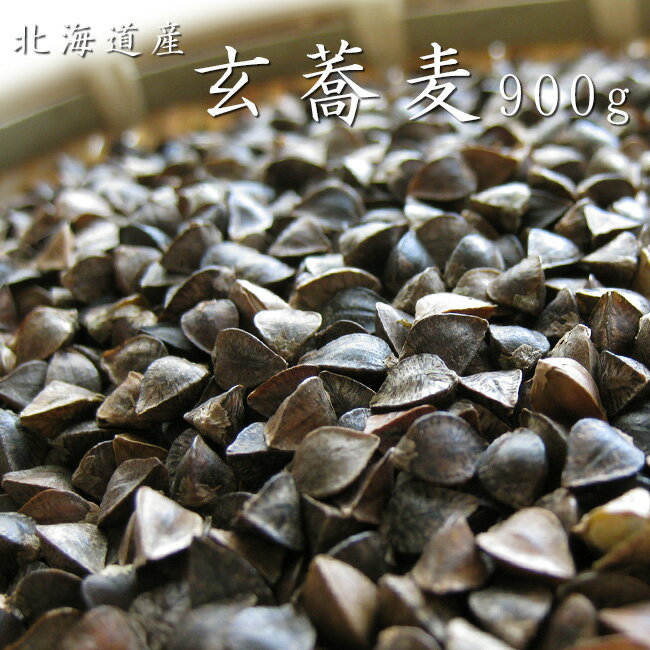
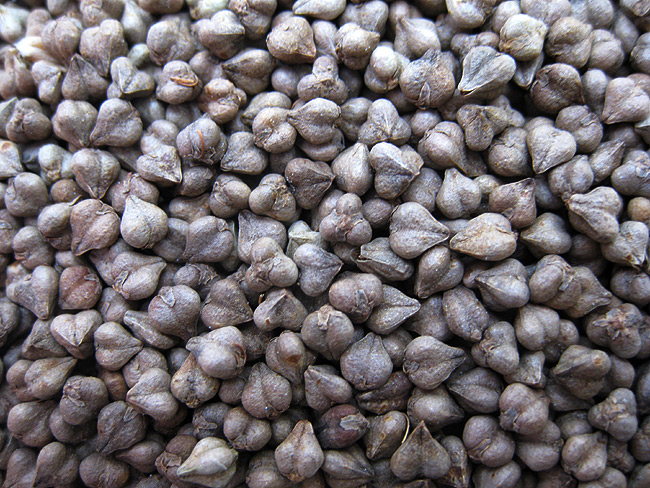
Also, the term "ridges" on a fruit might be a little difficult to understand, but think of them as the flat, pointed parts of the fruit. In Tartary buckwheat, these ridges are relatively rounded, but in buckwheat and Japanese buckwheat, the flat parts are clearly visible.
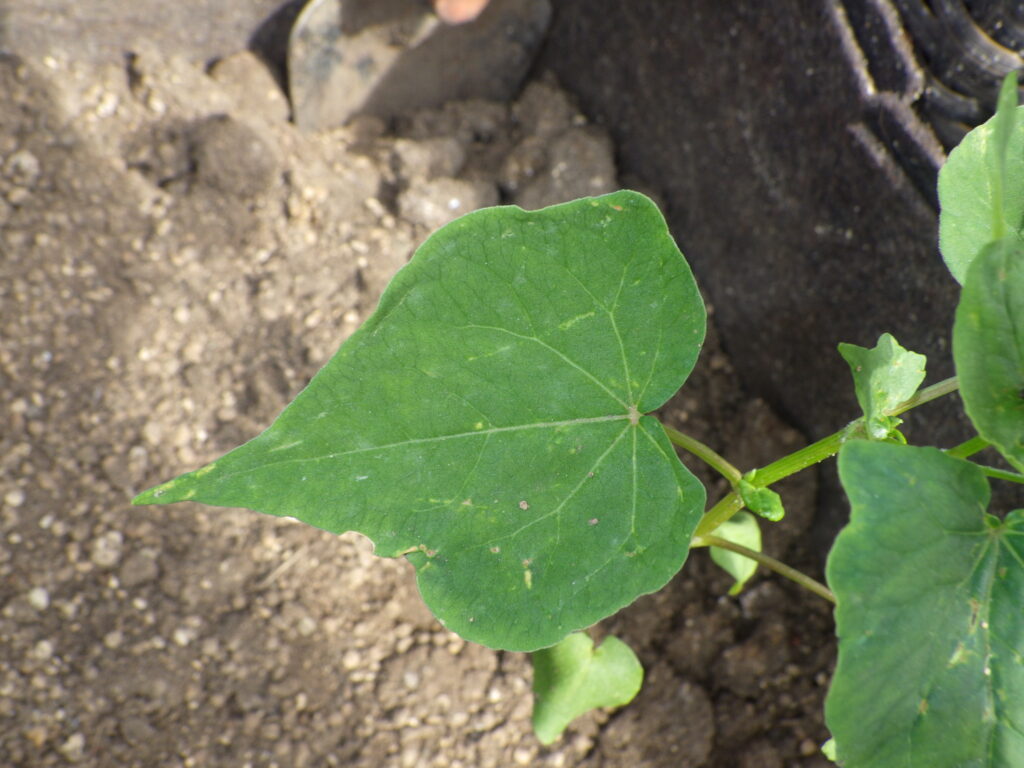
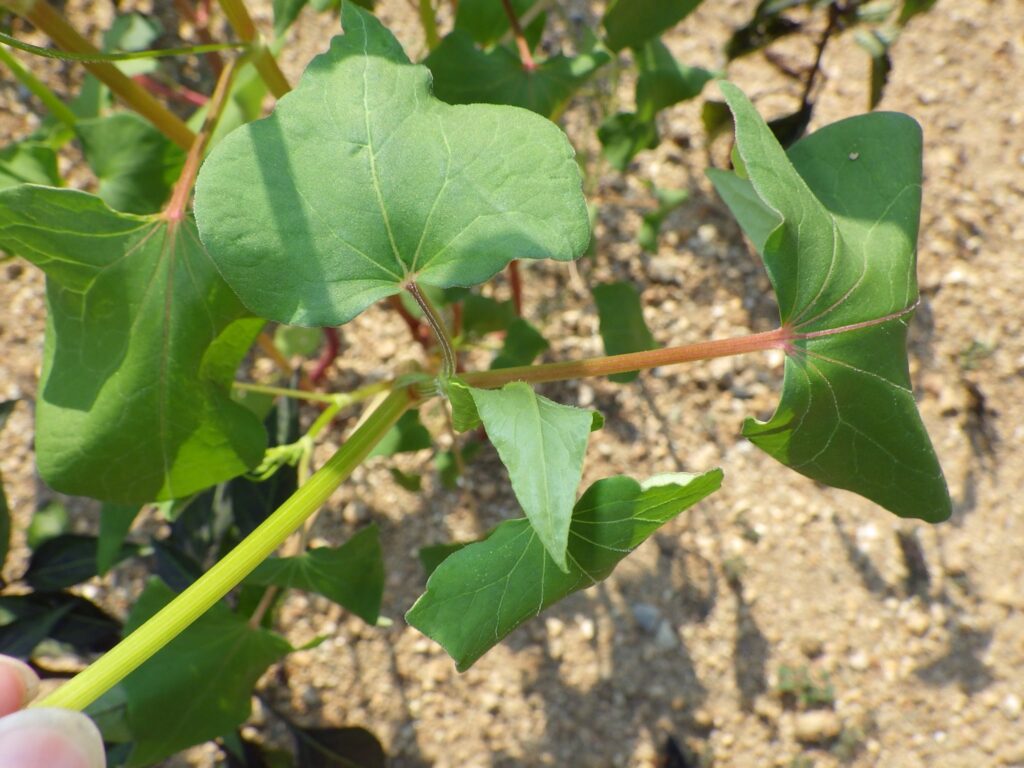
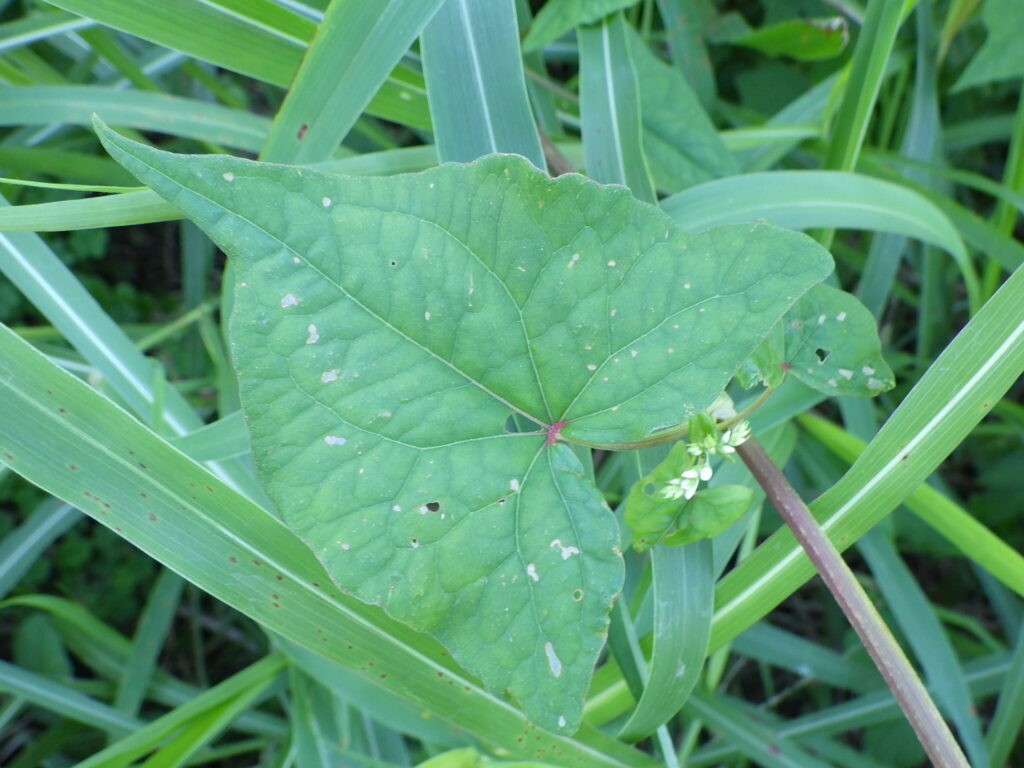
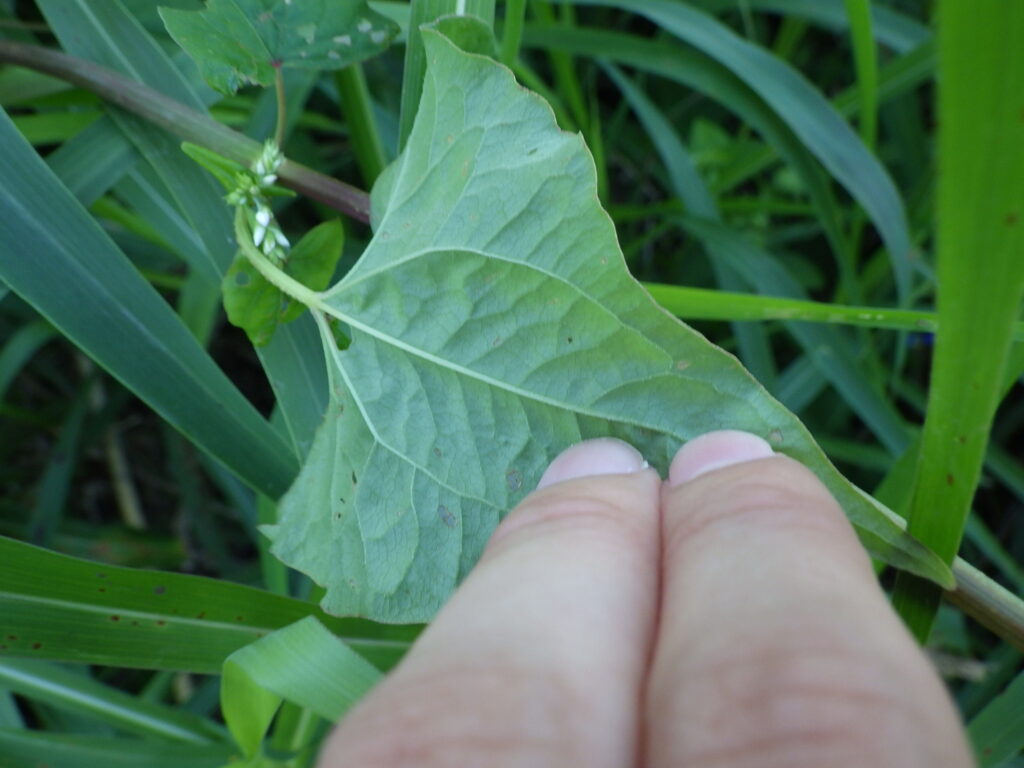
The main difference between buckwheat and shakuchiri buckwheat is that buckwheat is a perennial plant with a tuberous rhizome and triangular leaves, while shakuchiri buckwheat is an annual plant with thin, hair-like roots and irregularly shaped pentagonal leaves.

The origin of buckwheat: Why is buckwheat rich in polyphenols?
Based on the diversity of closely related species, buckwheat is believed to originate from the eastern side of the Himalayas and the mountainous regions of Yunnan Province and the area between Yunnan and Sichuan Provinces in southwestern China (Gondola & Papp, 2010).
This location receives plenty of sunlight and is a dry to semi-arid plateau or mountain range highland at an altitude of 2000 to 3500 meters.
The mountainous regions at altitudes of 2000 to 3500 meters have a vastly different environment from the lowlands, with low temperatures and atmospheric pressure, and high levels of ultraviolet stress. Furthermore, low temperatures hinder the function of reactive oxygen species scavenging enzymes, making survival even more challenging (Inoue, 2019).
Buckwheat contains pigments such as polyphenols that make it less susceptible to oxidative damage that occurs during photosynthesis, even at low temperatures. Rutin is a prime example of this.
Polyphenols offer three benefits in one: they absorb ultraviolet rays, providing a sunshade-like effect, and they also offer resistance to insects.
Buckwheat contains polyphenols, which have antioxidant properties for humans and give it a "healthy" image. However, buckwheat was originally used to protect itself from the natural environment.
How did the cultivation of plants in ancient China and their subsequent spread to the world occur?
According to archaeological and historical documents, buckwheat was widely cultivated and used as a staple food in ancient China from the 5th to 3rd centuries BC (Gondola & Papp, 2010). It was highly valued as a crop that could overcome famine and disaster.
Buckwheat cultivation has been practiced in Japan since the Jomon period (1000 BC), in northern China since several hundred years BC, and in eastern Tibet for over 2000 years.
Surprisingly, it is believed that it spread to Europe shortly after its introduction from its place of origin to northern China (2nd-1st century BC). However, large-scale cultivation did not begin until the 15th century.
In other regions as well, it gradually spread to various parts of the world: Southeast Asia, India, and Asia Minor in the 8th century; Siberia and Russia in the 13th century; the Americas in the 17th century; and subsequently Africa. It is believed that the main part of this spread occurred via the Silk Road, a trade route that flourished between the 2nd century BC and the 18th century.
In particular, the "Southern Silk Road," known in China as the "Tea Horse Road," is thought to have played a crucial role in the spread of buckwheat (Inoue, 2019). Here, Yunnan and the Tibetan people traded. Yunnan needed horses for war, and the Tibetan people needed tuochā (a type of dark tea) due to a shortage of vegetables. At this time, nutrient-rich buckwheat was highly valued as a portable food for travel along mountainous routes.
Buckwheat was originally eaten raw!?
Japanese people almost exclusively eat soba noodles. However, you rarely hear of this kind of culture in other countries, right? How was soba originally eaten?
In Nepal, near the plant's place of origin, the Rai people actually eat buckwheat berries raw (Inoue, 2019).
When Japanese researchers tasted it, they found it to have a dry, crumbly texture and a sweet, slightly bitter taste. However, the more you chew it, the more the starch is broken down by the amylase in saliva, making it sweeter and easier to eat.
Why did this way of eating become widespread? As mentioned above, it was used as a portable food during journeys along the southern Silk Road and mountainous terrain. Unlike other grains, buckwheat does not require processing to eat. This was likely a major factor in its importance. Furthermore, buckwheat is also important because it contains minerals, vitamins, protein, and polyphenols, making it nutritionally superior.
While the closely related buckwheat (Tartary buckwheat) has a strong bitter taste and is not popular with Japanese people, there is a theory that humans become less sensitive to bitterness when fatigued, so this may not have been a major disadvantage in mountainous regions where strenuous movement is required.
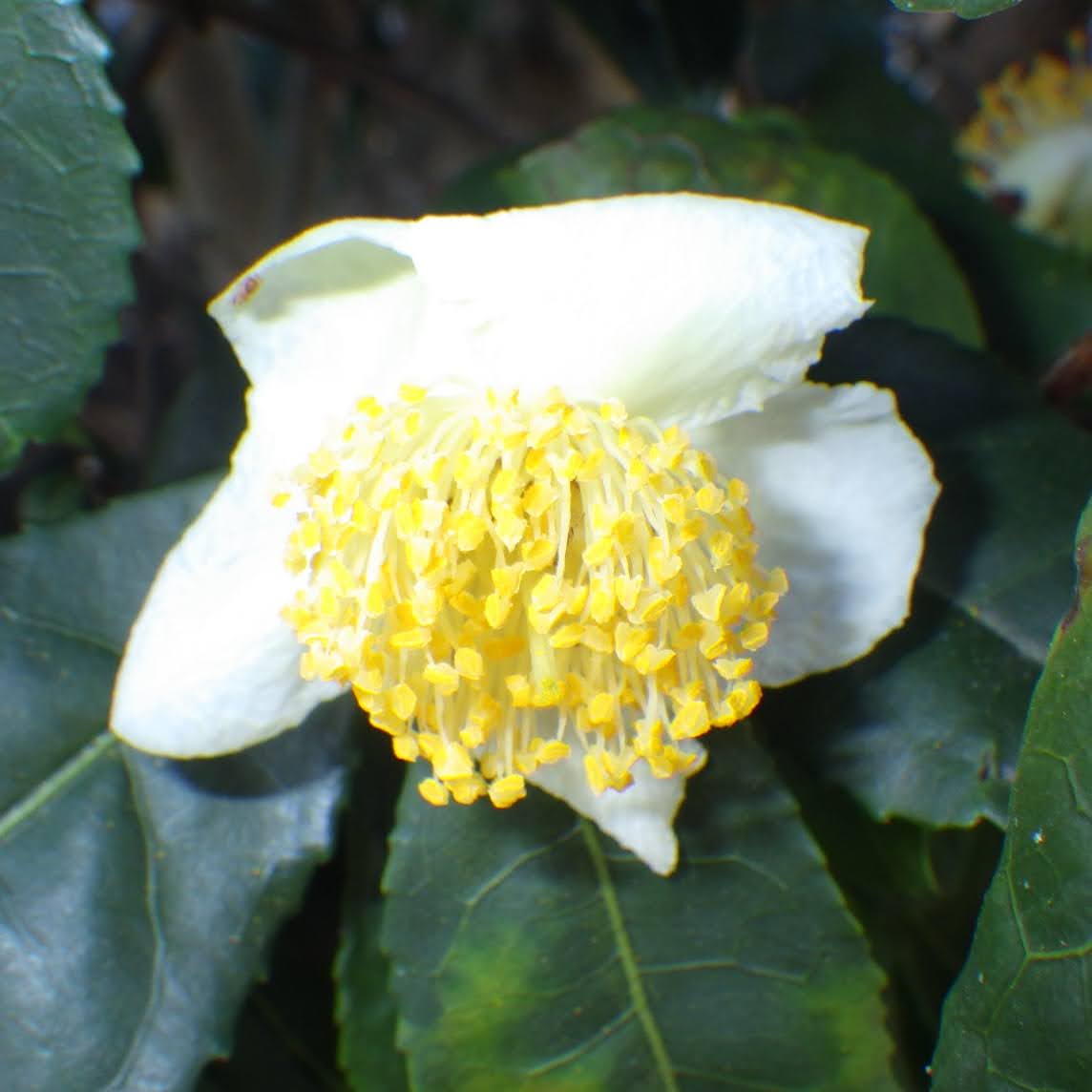
Incidentally, tea plants are also a preserved food that can be eaten as is, and they originate from a similar region to buckwheat, and they share the characteristic of being bitter, leading to the theory that they are connected through cultural spheres.
What is the reason why Japanese people started eating soba noodles?
That makes me wonder, why did the Japanese start eating soba as noodles?
In Japan, buckwheat has been consumed as a food source since the Jomon period, when buckwheat was introduced from the continent (Inoue, 2019). Particularly due to the characteristics mentioned above, it was widely cultivated in mountainous areas, and "sobagaki," a mochi-like confection made by kneading buckwheat flour with hot water, was eaten until around the middle of the Edo period. Because buckwheat is a fruit of the Polygonaceae family, its interior is soft and threshing is impossible, so the only way to process it is to grind it into flour.
The earliest documented record of "soba-kiri," a type of noodle dish, is believed to be in "Dai Nihon Joho , Nihon Nihon Dōsha" (First Information on Japan, Second Draft), written in 1548 by Nicolao Lancilot, the head of St. Paul's Seminary of the Society of Jesus, who came to Japan as a missionary (Inoue (2019) spells it Lancilot, but this is thought to be a typographical error and has been corrected since Yamato (2014)). Lancilot was a person who gathered information on Japan at the request of Francis Xavier, and was, in a sense, Xavier's right-hand man.
The exact circumstances surrounding the creation of "soba-kiri" (cut soba noodles) are unknown, but it is thought that the culture of cut noodles was introduced from Tang China during this period, and that soba-kiri was an imitation of it. Furthermore, the development of knives for cutting soba noodles is related to the development of swords, and this too was likely a necessary condition for the development of soba-kiri.
It is believed that this type of soba noodle first developed in Nagano Prefecture in the 17th century, and records of lunch lots also date back to Nagano Prefecture. This is the origin of the current "Shinshu soba." As mentioned above, buckwheat is best suited to mountainous regions, so it makes perfect sense that it developed in Nagano Prefecture, where the Japanese Alps are located.
Soba noodles became widely popular in urban areas during the Edo period, serving as fast food for busy craftsmen working on wooden buildings. Their ability to be served quickly and eaten standing up made them very convenient as fast food at the time (Inoue, 2014). This is the origin of today's "standing soba" restaurants.
Buckwheat has evolved to use "light" to kill insects!?
Buckwheat leaves contain a substance called "phagopyrin." Herbivorous livestock that eat large quantities of the leaves will develop photosensitivity and dermatitis if exposed to ultraviolet rays (sunlight) strong enough to cause sunburn after eating, which can be fatal in the worst cases (buckwheat disease). The fruit contains almost no phagopyrin, so it is safe for humans.
But why does it contain such a special substance?
One theory suggests that these organisms developed this substance to eliminate moth larvae (Inoue, 2019).
Buckwheat pests, such as the larvae of the cutworm (Mamestra brassicae), feed on the leaves from the bottom up. During this process, they accumulate phagopyrin in their bodies. After this, the larvae move upwards to feed on the upper leaves, but at this point, they are exposed to sunlight, which causes oxidative damage and leads to death.
Armyworms occasionally cause massive outbreaks in buckwheat fields, but these outbreaks rarely continue into the following year. This is thought to be due to the effects of phagopyrin and the nuclear polyhedrosis virus.
What is the structure of a flower?
Buckwheat flowers bloom from August to October, producing short racemes at the tops of stems and branches, and are white or pale pink in color. They lack petals, and the calyx is deeply five-lobed, containing five stamens and three pistils, with eight yellow nectaries at their base (Cawoy et al., 2009). Nectar droplets accumulate in these nectaries. This suggests that nectar is a greater reward for insects than pollen. The fruit is an achene, triangular-pyramidal in shape.
Each flower typically blooms for only one day, and they open either from the bottom to the top of the raceme. The number of flowers per day reaches its peak approximately 2 to 3 weeks after the first bloom.
Buckwheat flowers possess a characteristic called "heterostyle." This means that the plant has two types of flowers: short-styled flowers (where the pistil is shorter than the stamens) and long-styled flowers (where the pistil is longer than the stamens). Pollination between flowers of the same type will not result in fertilization (self-incompatibility). This preserves genetic diversity and makes the plant more resilient to environmental changes.
In areas near its native habitat, hoverflies and bees visit the flowers, while in cultivated areas, honeybees do.
Buckwheat flowers are almost entirely pollinated by insects, with only 1% of pollination occurring by wind (Cawoy et al., 2009). A variety of insects visit the flowers, including flies, moths, bees, and lacewings.
However, perhaps due to the abundance of nectar, honeybees are the dominant species in buckwheat cultivation areas in many countries. It is likely that the European honeybee (Apis mellifera) is the most common. Therefore, beekeepers sometimes recommend introducing honeybee hives to increase buckwheat yields. Honey made from buckwheat nectar is popular in the Brittany region of France due to its soy sauce-like aroma and unique color, which comes from its high polyphenol content.

However, since it is originally from China, it is unlikely that insects like European honeybees are the primary pollinators.
A study in China found that while honeybees accounted for 35%, other bees (bumblebees, small bees, rhinoceros bees, and leafcutter bees) made up 25%, and syrphidae (shrews) accounted for 27%. Another study in Japan, although not in its native habitat, found the results to be even more pronounced, with honeybees making up only 2-5%.
These observations suggest that they originally relied on various bees and hoverflies for pollination. My theory is that in their native mountainous region, temperatures and atmospheric pressure are low, and small bees and hoverflies are relatively resistant to cold, which may explain this outcome.
Were wild insects essential for increasing buckwheat yields?
However, even if that is the case in its native habitat, cultivated areas like Japan may not feel the need for "wild insects" to that extent. As mentioned above, domesticated European honeybees, which are not originally found in Japan, perform pollination to a certain extent.
However, research by the Forestry and Forest Products Research Institute in Japan has revealed that this is not the case (Taki et al., 2010).
In Hitachiota City, Ibaraki Prefecture, a survey was conducted on the types and number of insects visiting flowers and the fruiting rate of buckwheat in various buckwheat fields with different surrounding environments. The results showed that buckwheat fields surrounded by rich biodiversity such as forests and grasslands had a higher number of "wild insects" that pollinate the flowers, resulting in a better fruiting rate.
Insects other than honeybees do not have very wide foraging ranges. They move within a range of several hundred meters from forests and grasslands. In other words, to increase yields, forests and grasslands are necessary within several hundred meters of buckwheat fields.
To put it more simply, in order to eat plenty of buckwheat, we need to conserve nature . These invisible benefits we receive from nature are called "ecosystem services." If you enjoy eating buckwheat, it seems you should be more mindful of these things, rather than just slurping your noodles without thinking!
Were there other hidden visitors to the flowers?
While the insects mentioned above are the main species that visit the area, some have also pointed out the importance of other insects.
The common skipper butterfly, Parnara guttata, is also known as the "buckwheat butterfly" in Shinshu. While its larvae are pests of rice, farmers believe that the adults play a vital role in buckwheat pollination (Inoue, 2019). For farmers, it may be a troublesome insect with both advantages and disadvantages. However, since butterflies often steal nectar, it's unclear how much they actually contribute to pollination, but if they do, it would be an interesting phenomenon.
Furthermore, it has been found that a considerable number of "parasitic wasps," a group of wasps that parasitize other insects, also come to buckwheat in search of nectar and pollen (Inagaki et al., 2013). Since much of the research on pollination ecology focuses on honeybees, it is possible that parasitic wasps play an even more important role in adulthood, not just in buckwheat.
Why does buckwheat self-pollinate?
While cross-pollination is essential for buckwheat, Tartary buckwheat (French buckwheat) self-pollinates, producing only a small number of flowers in the leaf axils. In other words, unlike buckwheat, it does not require insects for pollination.
Why does buckwheat self-pollinate?
It is thought that this is because they evolved as pioneer plants that were among the first to invade areas with less competition from other plants (Inoue, 2019).
Pioneer plants can quickly invade and reproduce in bare ground, and in the short term, they are extremely prolific. In this respect, they have an advantage over buckwheat.
Furthermore, because they inhabit areas at even higher altitudes than buckwheat, they are exposed to strong ultraviolet radiation and low temperatures, resulting in fewer pathogens and pests, and thus allowing for less genetic diversity.
Conversely, buckwheat can grow in areas with high humidity and bad weather, so it is thought that it needs to maintain genetic diversity to resist pathogens and pests.
Are the fruits achenes and the seeds dispersed by wind and animal feeding?
The fruit is an achene, common to all species in the genus Buckwheat (Wu et al., 2003). The achene has a hard, membranous pericarp, which is the so-called "buckwheat hull," and when ripe it dries out, containing one seed in each chamber. The seed coat is called the "cocolate," and the delicious part containing starch is the "endosperm," which is the seed's primary source of nutrition.
Buckwheat achenes protrude from the persistent perianth, are dark brown, dull, ovate, sharply triangular, 5-6 mm long, and flat-surfaced. They mature in 3 months. This is what is called "unhulled buckwheat."
The achenes of buckwheat protrude from the persistent perianth, are dark brown, oblong-ovate, 5-6 mm long, with three ridges, grooves on the surface, rounded corners below the middle, sharp corners at the top, and curved teeth at the corners.
The achenes of *Polygonum cuspidatum* are dark brown, blunt, broadly ovate, 6-8 mm long, triangular, sometimes with narrow wings, with smooth to wavy corners and an acute apex.
Seeds are a very important part of a plant because they are edible, but how do they disperse in nature?
First, it's safe to assume that the three ridges or wings on buckwheat achenes are clearly developed to catch the wind. If buckwheat achenes are harvested late, they are destroyed by the wind, scattering the seeds (Campbell, 1997).
Furthermore, it has been pointed out that the hard pericarp (buckwheat hull) also plays a role in being eaten by ruminants and passing through their gastrointestinal tract undigested. In other words, it is a form of dispersal by animal aquaculture (Spengler, 2020).
However, if they truly evolved to be dispersed only by wind or animal feeding, it would be difficult to explain why their seeds are so large and contain a significant amount of starch.
While a large endosperm containing starch might seem to have only advantages, it makes the seeds heavier for wind dispersal and increases the risk of them being destroyed and digested by animals if they are dispersed by aquaculture.
For these reasons, it is believed that when plants were domesticated by humans, that is, when selective breeding was carried out to a level where evolution occurred, the seeds became larger, lost dormancy, and the seed coat thinned to suit human needs.
References
Campbell, CG 1997. Buckwheat: Fagopyrum esculentum Moench (Vol. 19). International Plant Genetics Research Institute, 93pp. ISBN: 9789290433453
Cawoy, V., Ledent, JF, Kinet, JM, & Jacquemart, AL 2009. Floral biology of common buckwheat (Fagopyrum esculentum Moench). The European Journal of Plant Science and Biotechnology 3(1): 1-9. ISSN: 1752-3842, http://www.globalsciencebooks.info/Online/GSBOnline/images/0906/EJPSB_3(SI1)/EJPSB_3(SI1)1-9o.pdf
Gondola, I., & Papp, PP 2010. Origin, geographical distribution and phylogenic relationships of common buckwheat (Fagopyrum esculentum Moench.). The European Journal of Plant Science and Biotechnology 4(1): 17-32. ISSN: 1752-3842, http://globalsciencebooks.info/Online/GSBOnline/images/2010/EJPSB_4(SI1)/EJPSB_4(SI1)17-32o.pdf
Kanagawa Prefecture Flora Survey Association. 2018. Kanagawa Prefecture Flora 2018 (Electronic Edition). Kanagawa Prefecture Flora Survey Association, Odawara. 1803pp. ISBN: 9784991053726
Inagaki, E., Saiki, C., Matsuno, K., & Ichihara, M. 2013. Pollinating Hymenoptera observed on buckwheat flowers in Shizuoka Prefecture. Research Report of Shizuoka Prefectural Agricultural and Forestry Research Institute 6: 65-69. https://agriknowledge.affrc.go.jp/RN/2010851714
Inoue, Naoto. 2014. The Science of Delicious Grains: From Rice, Wheat, and Corn to Buckwheat and Other Grains. Kodansha, Tokyo. 222pp. ISBN: 9784062578691
Inoue, Naoto. 2019. Sobalogy: From Food Science to Folklore. Shibata Shoten, Tokyo. 287pp. ISBN: 9784388353552
Spengler, RN 2020. Anthropogenic seed dispersal: rethinking the origins of plant domestication. Trends in Plant Science 25(4): 340-348. https://doi.org/10.1016/j.tplants.2020.01.005
Taki, H., Okabe, K., Yamaura, Y., Matsuura, T., Sueyoshi, M., Makino, SI, & Maeto, K. 2010. Effects of landscape metrics on Apis and non-Apis pollinators and seed set in common buckwheat. Basic and Applied Ecology 11(7): 594-602. ISSN: 1439-1791, https://doi.org/10.1016/j.baae.2010.08.004
Yamato, Shohei. 2014. Interaction between Christianity and Buddhism in the earliest period of the Christian era. Christ and the World: Bulletin of Tokyo Christian University 24: 109-139. ISSN: 0916-9881, http://id.nii.ac.jp/1131/00000022/
Wu, ZY, Raven, PH & Hong, DY (Eds.). 2003. Flora of China (Vol. 5 Ulmaceae through Basellaceae). Science Press, Beijing, and Missouri Botanical Garden Press, St. Louis. ISBN: 9781935641056