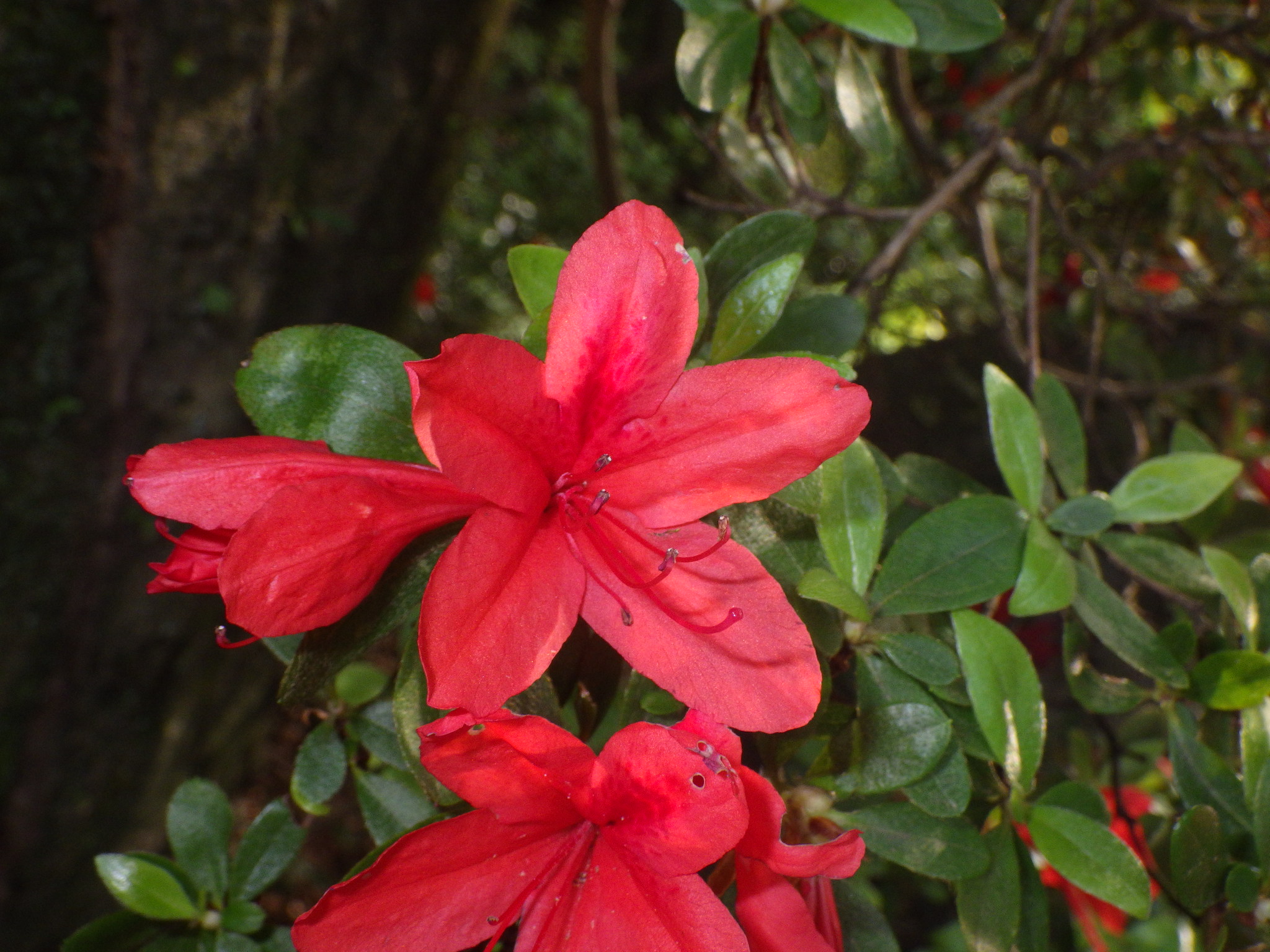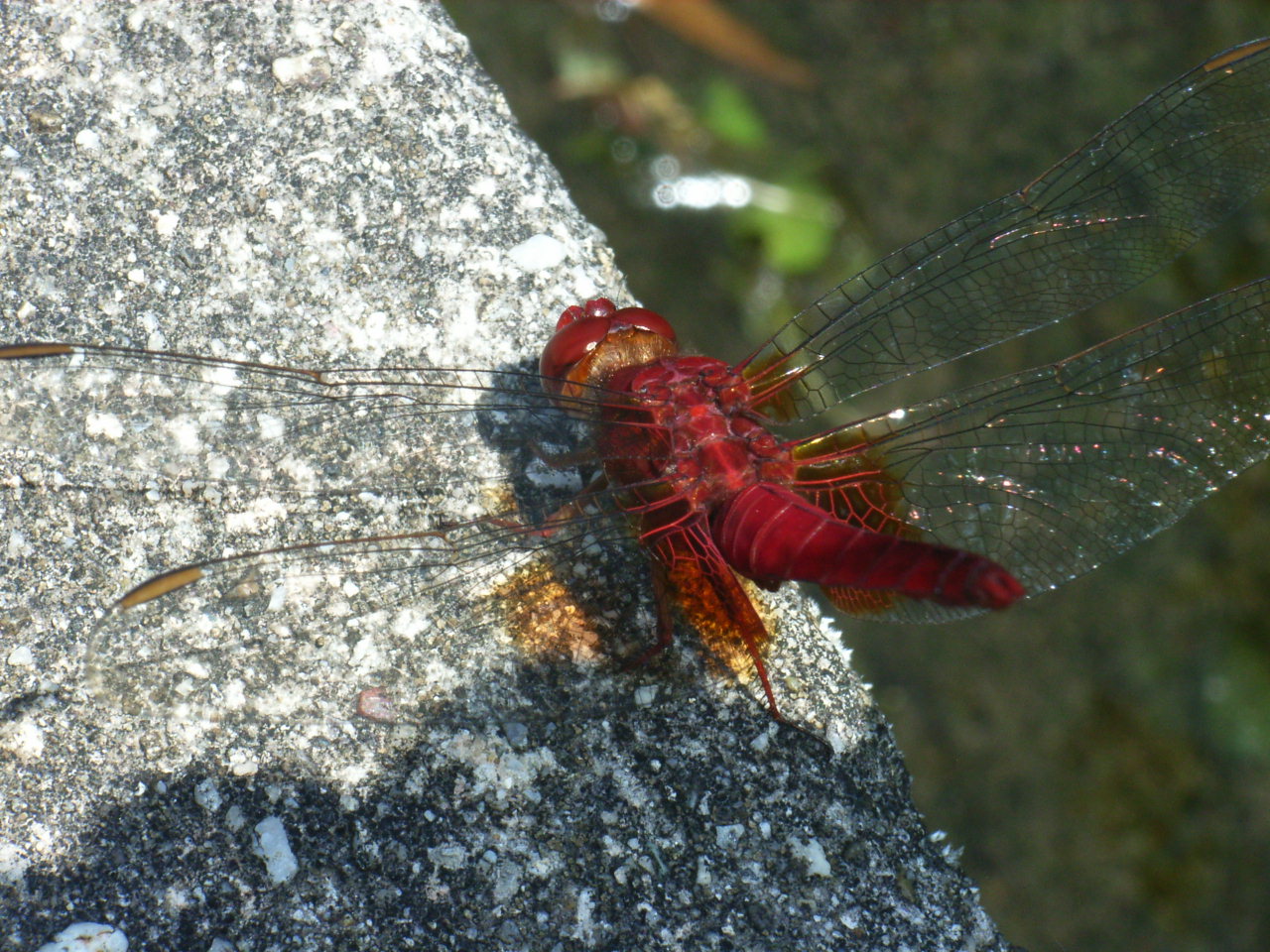
"Red dragonflies" are creatures so familiar to Japanese people that they even have their own children's song. The group commonly called "red dragonflies" is a general term for dragonflies whose males are red, and taxonomically, it is not a single group but a general term for separate groups, such as the genera Sympetrum and Scarlet Skimmer. By the way, do you know why red dragonflies turn red? It may seem so obvious that you don't even question it, but recent research is beginning to reveal the scientific reason. First of all, it is thought that red dragonflies turn red so that males and females can clearly recognize each other's sex by having different colors. It also includes the male's way of attracting females. However, it has also been found that it plays an important role in protecting against damage from ultraviolet rays in sunlight. Similarly, it seems that the reason why male Common Skimmers turn blue is also to protect themselves from ultraviolet rays. In this article, we will explain the classification of red dragonflies and the reason why they turn red, and the reason why Common Skimmers turn blue.
- What kind of dragonfly is referred to as a "red dragonfly"?
- Is the red color of dragonflies a way to recognize gender?
- Another reason for redness: What are reactive oxygen species?
- Ultraviolet light produces reactive oxygen species.
- The red color was actually "sunscreen"!?
- Why only males turn red
- Why do dragonflies turn blue?
- In the end, which is more important: attracting females or sunscreen?
- References
What kind of dragonfly is referred to as a "red dragonfly"?
The group commonly called "red dragonflies" is a general term for dragonflies whose males turn red, and taxonomically, they belong to the genera Sympetrum and Crocothemis. However, these genera also include species in which the males do not turn red. Species in which the males turn red include Sympetrum frequens, Sympetrum darwinianum, Sympetrum eroticum eroticum, and Crocothemis servilia mariannae, and these are probably the most familiar and representative species to Japanese people.
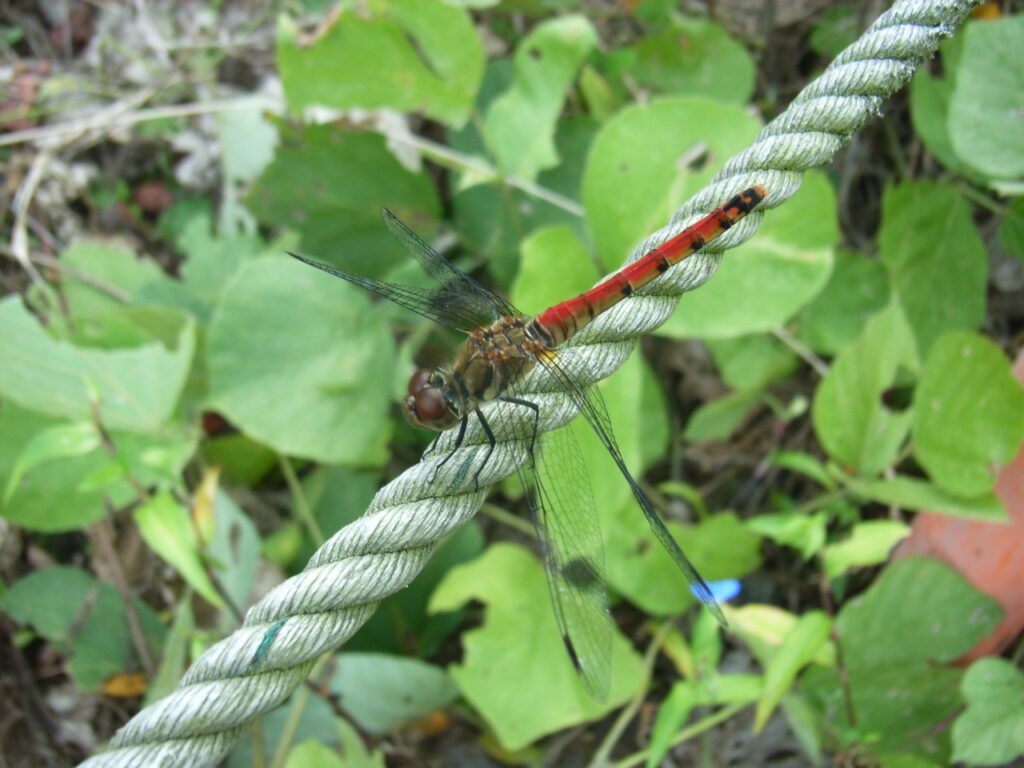
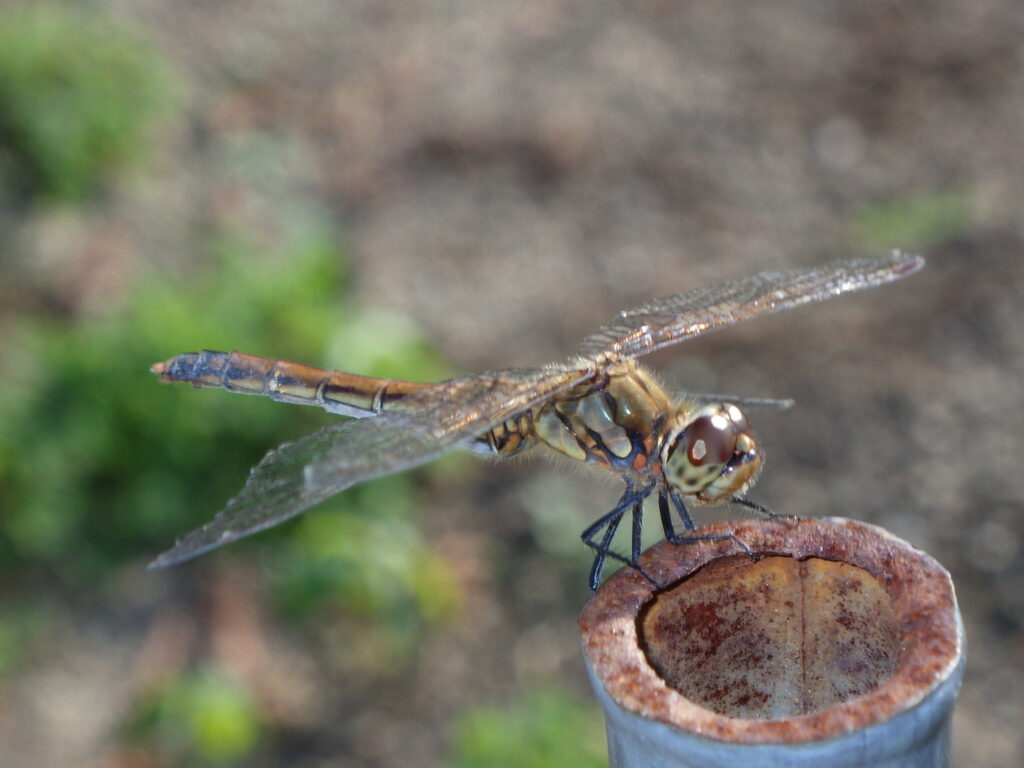
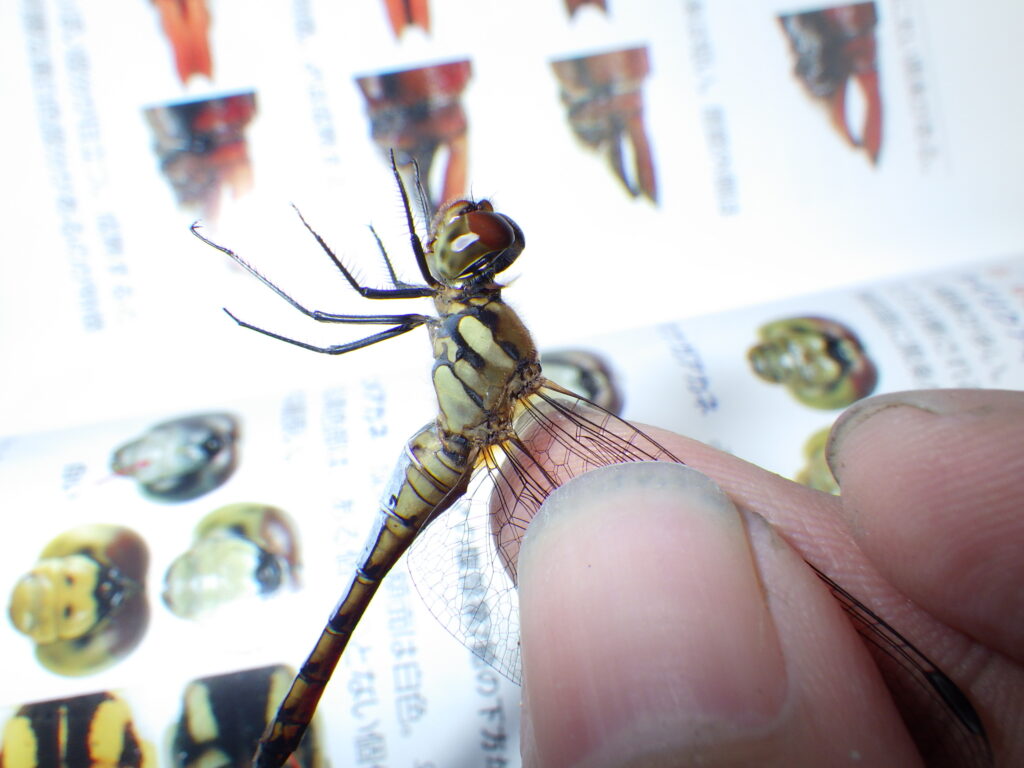
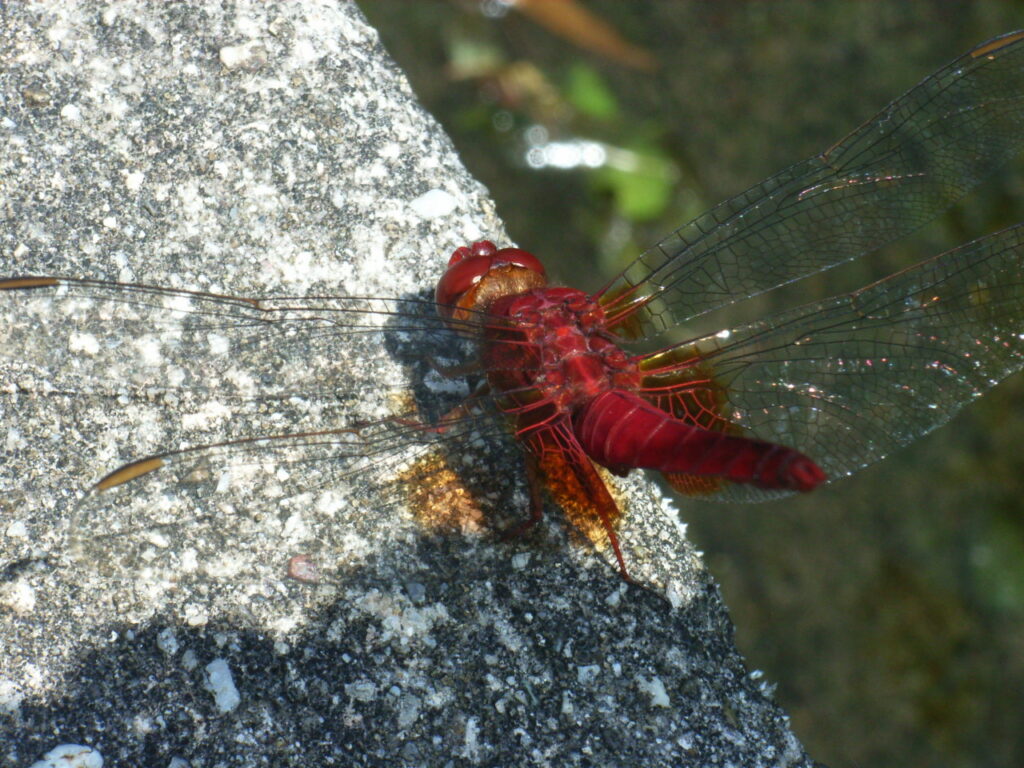
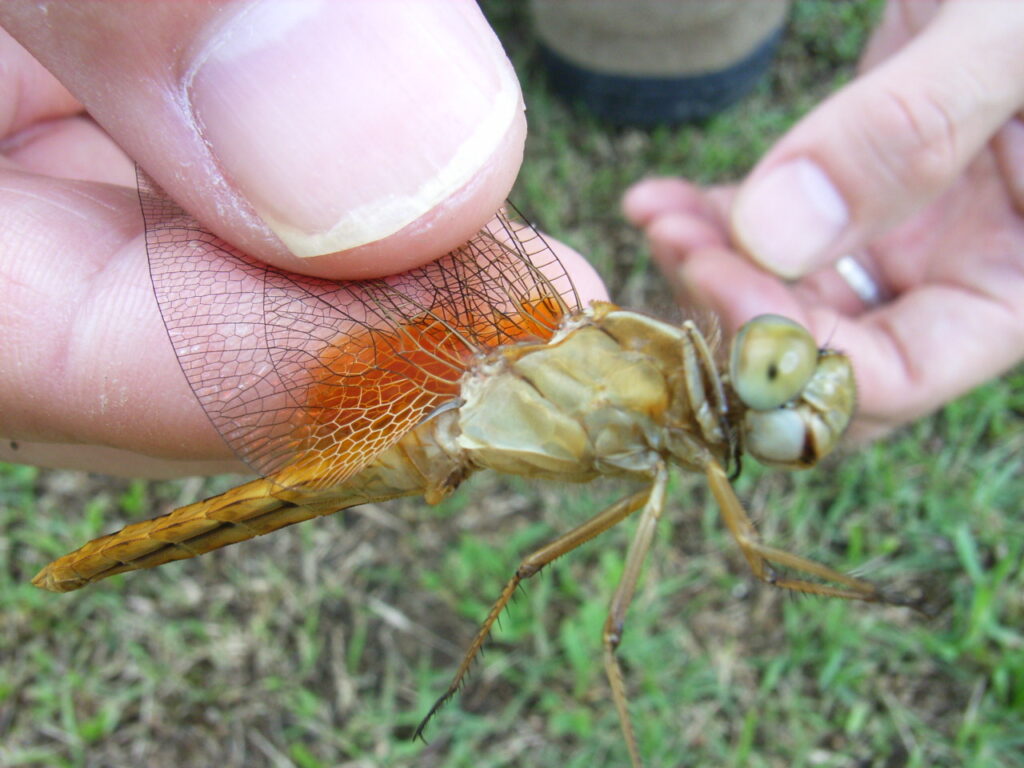
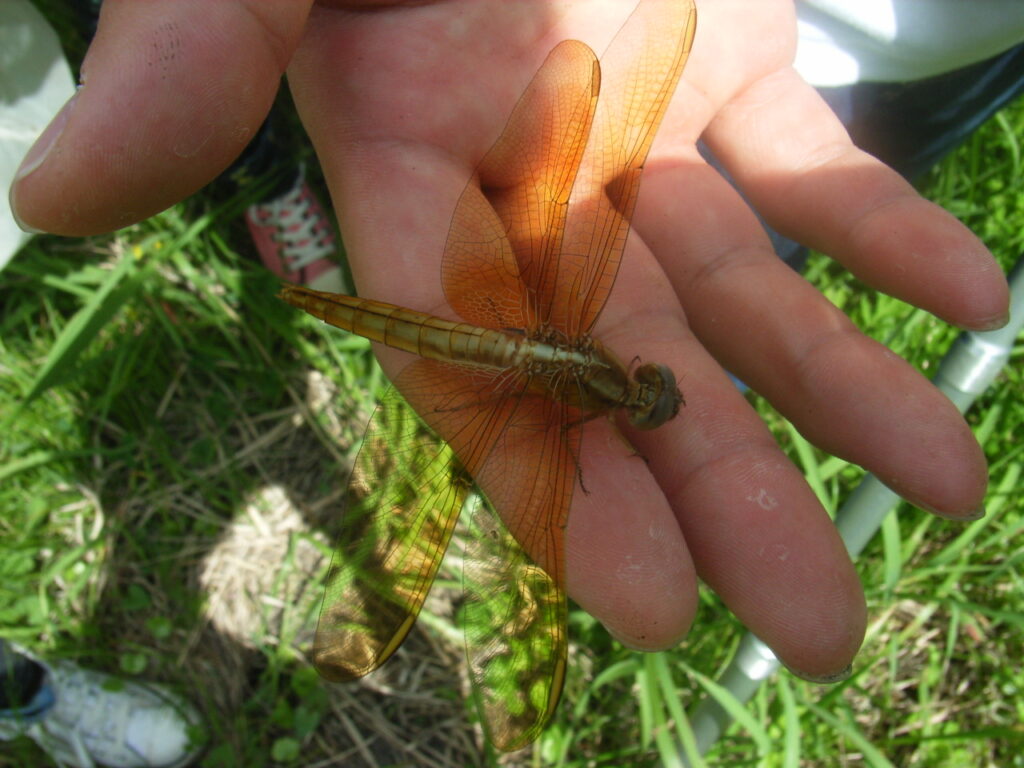
Therefore, the species known as "red dragonfly" doesn't actually exist. However, "red dragonfly" is a common and easy-to-understand general term, so unless you're using it for taxonomic purposes, I don't think you need to worry about it too much.
Is the red color of dragonflies a way to recognize gender?
Why did the red color of the dragonfly evolve?
Dragonflies spend their larval stage as nymphs in water, and eventually emerge as adults on land, flying around and hunting. They are famous for their exceptional flying abilities.
In adult red dragonflies, males change to a vivid red color upon maturation, while females remain relatively dull in color, such as yellow. This is a form of "sexual dimorphism" (although some species have reddish females).
This difference in color between males and females is thought to be important in breeding behavior and territorial disputes (Futahashi, 2016).
Dragonflies, including the red dragonfly, are diurnal insects adapted to light-filled environments. Their compound eyes are particularly large, composed of thousands of tiny eyes (ommatidia). On the other hand, dragonflies lack eardrums and ears, and their antennae are small and vestigial, resulting in weak hearing and smell. Therefore, they rely heavily on their sense of sight.
Regarding color vision, honeybees, being insects, cannot see red, and humans cannot see ultraviolet light, but dragonflies can see all colors from red to ultraviolet.
This vision is, of course, fully utilized for finding prey, as they are carnivores, but it is also used to determine the sex of other dragonflies of the same species.
As evidence that vision is actually being used, there are cases where male dragonflies with little sexual dimorphism (little difference in color between males and females) exhibit a pre-mating coupling behavior called "tandem flight," and cases where male *Hatcho-tonbo* dragonflies, which should normally be bright red, mutate into black for some reason and still exhibit tandem flight.
The red color of red dragonflies is thought to be a way for males and females to clearly recognize each other's sexes, as the different colors allow them to distinguish between sexes. It is also thought that the male's red color is a form of display to attract females.
Another reason for redness: What are reactive oxygen species?
However, it has become clear that there is another reason why dragonflies are red.
To understand the reason, we first need to know about a substance called "reactive oxygen species."
We sometimes hear the term "reactive oxygen species" in the media, but let's understand its correct meaning.
Living organisms synthesize energy by obtaining oxygen through respiration. This energy is stored in a substance called ATP (Nakamura, 2013).
Water is synthesized as a byproduct during the synthesis of this important ATP. This process involves donating electrons to oxygen. The number of electrons that can be donated to oxygen is normally fixed at four per oxygen atom.
However, for some reason, the body may not be able to properly transfer all four electrons, and may only be able to donate one or two electrons.
Normally, one oxygen atom has four electrons that combine to form the stable substance called water. But what happens to oxygen when there isn't enough of these electrons?
Oxygen lacking electrons will seek them out and try to react with various essential substances in the body (lipids, proteins, nucleic acids, etc.). This type of chemical reaction is called "attack."
Furthermore, oxygen in this electron-deficient state is called "reactive oxygen species."
Ultraviolet light produces reactive oxygen species.
Living things on Earth, including humans, are exposed to a type of electromagnetic wave called "sunlight."
Sunlight contains 52% "light," or "visible light," which is electromagnetic radiation that can be identified by color; 42% "infrared radiation," which is electromagnetic radiation with a longer wavelength than visible light; and 6% "ultraviolet radiation," which is electromagnetic radiation with a shorter wavelength than visible light (Sasaki, 2006).
Since it is known that the shorter the wavelength, the stronger the energy, ultraviolet light exists as the electromagnetic wave with the most energy in sunlight.
What happens when the body is exposed to such high-energy electromagnetic waves?
Firstly, there is direct damage to DNA caused by the strong energy of ultraviolet rays. Specifically, one of the bases that make up DNA, called "thymine," combines with another base in a way that is different from its normal state, forming something called a "thymine dimer."
Secondly, it is believed that the strong energy of ultraviolet rays increases the probability of reactive oxygen species being generated, which indirectly damages substances within the body.
In humans, these can manifest as blemishes, sunburn, dermatitis, and skin cancer. While insects have a different skin structure and therefore may not experience these effects in the same way, it's easy to imagine that they would have internal effects.
The red color was actually "sunscreen"!?
While we would ideally like to eliminate reactive oxygen species as much as possible, they are inevitably produced as living organisms due to various influences in our daily lives.
Living organisms employ various chemical mechanisms within their bodies to reduce reactive oxygen species. But what about dragonflies?
Red dragonflies fly around during the day, receiving a lot of sunlight and ultraviolet radiation. Further special measures may be needed to reduce reactive oxygen species.
Humans can apply sunscreen, right? But dragonflies can't do that. How do they protect themselves from the effects of sunlight?
It turns out that the component that gives red dragonflies their red color is actually made up of "antioxidants" (Futahashi et al., 2012; Futahashi, 2012; 2013; 2014).
Specifically, there are two types of pigments: "xanthomatine" and "decarboxylated xanthomatine," both of which change color through oxidation-reduction reactions. Xanthomatine turns reddish-purple when reduced, while decarboxylated xanthomatine turns orange when reduced.
When the proportion of these pigments in their reduced form was measured, females and immature males had a higher proportion of oxidized pigments, while mature males had reduced pigments of 90% and above. This is the mechanism by which only males are red.
The reduced and decarboxylated xanthomatine found in males is thought to protect them from the harmful effects of ultraviolet radiation, as it can prevent reactive oxygen species from attacking other substances in the body.
Why only males turn red
However, some questions remain. Why are only the males red?
Male dragonflies establish territories. These territories serve various purposes and are classified into several types based on their function. In the case of dragonflies, they establish territories called "Type D territories" or "mating territories" (Matsuka et al., 1992).
Dragonflies with a D-shaped territory fly around bodies of water such as ponds and puddles, chasing away other males and capturing females for mating.
Males that exhibit this behavior must constantly defend their territory, so they likely experience significantly greater UV stress than females. This is thought to be the reason why only males turn red.
Mature male scarlet damselflies (Crocothemis servilia mariannae) are said to be very resistant to the midsummer sun, and I have often seen them perched on concrete during the hottest part of summer. The following reasons seem to be largely related to this (Futahashi et al., 2012; Futahashi, 2012; 2013).
Why do dragonflies turn blue?
We've been discussing red dragonflies so far, but the common blue dragonfly (Orthetrum albistylum speciosum) is a species where the males are blue. The females are also called "straw dragonflies" and, as the name suggests, are straw-colored.
Other examples include Orthetrum melania and Orthetrum japonicum japonicum ; you can find many such species in a field guide (Ozono et al., 2021). These species are known to be blue to white in color because they cover their bodies with wax.
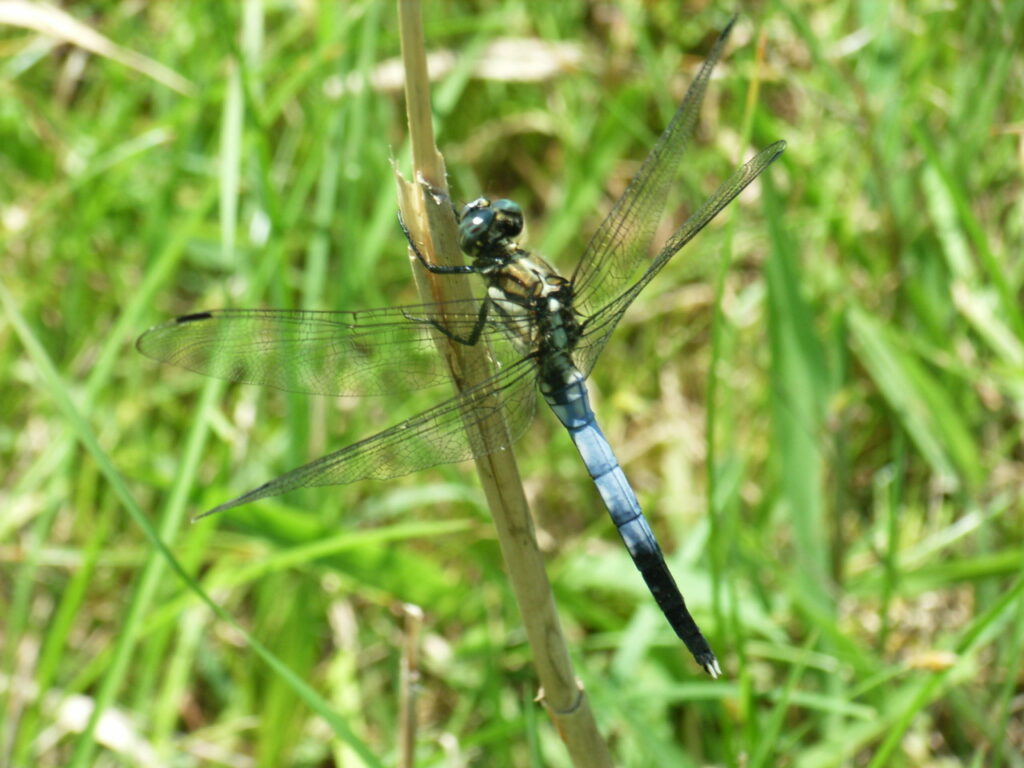
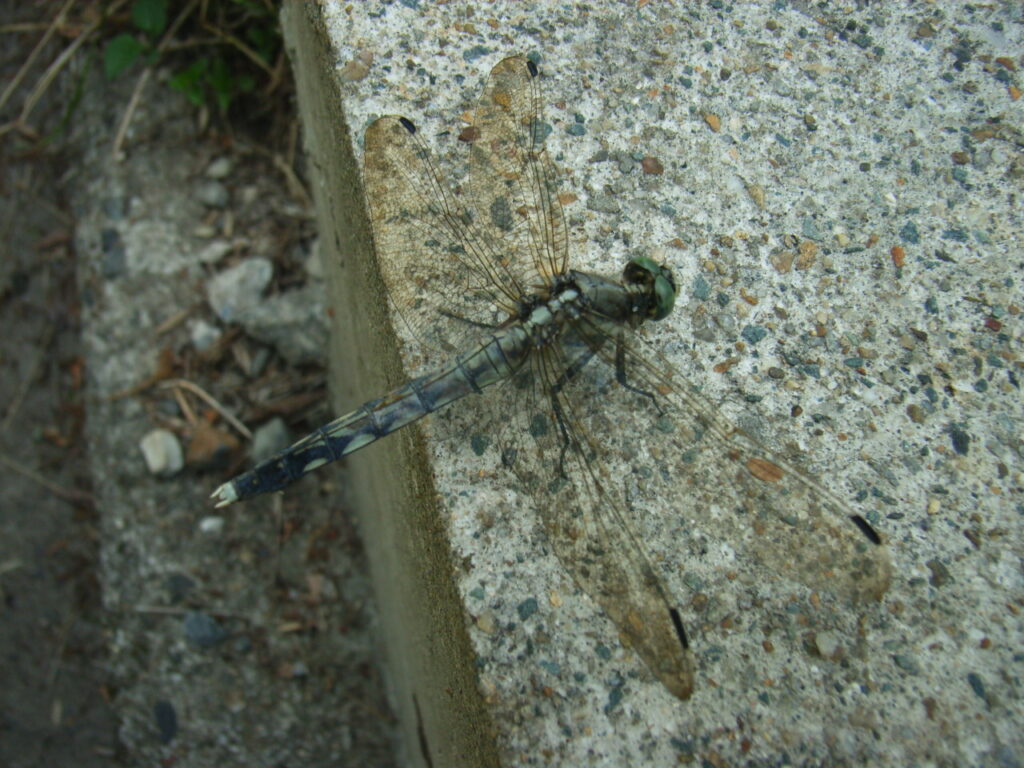
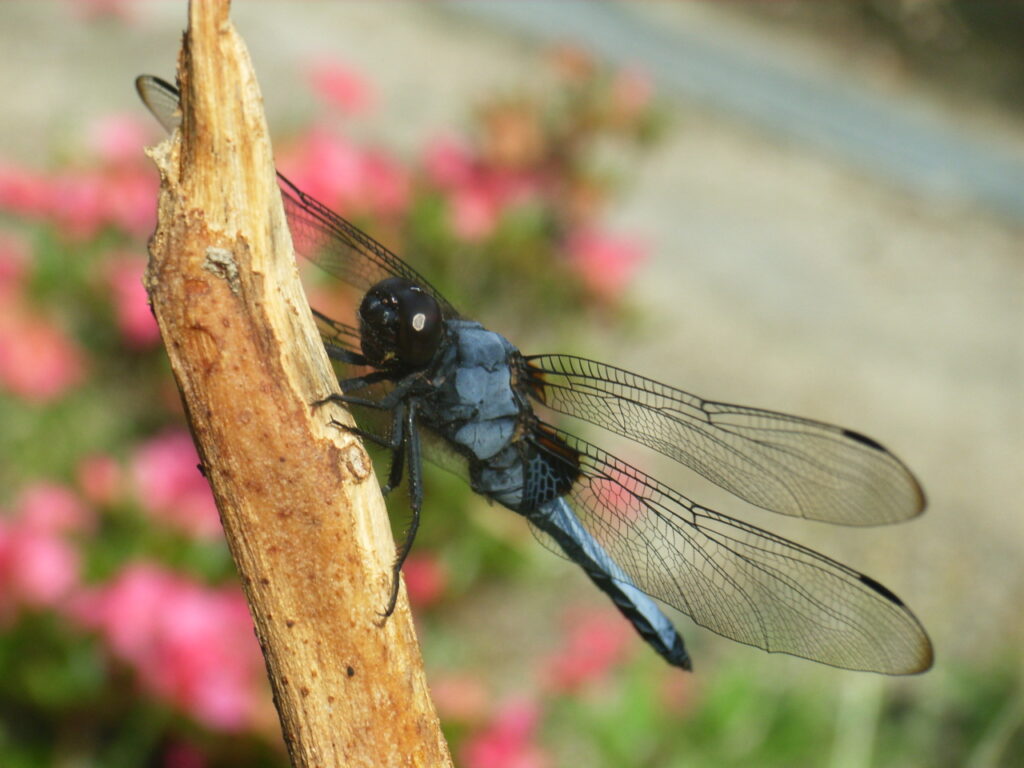
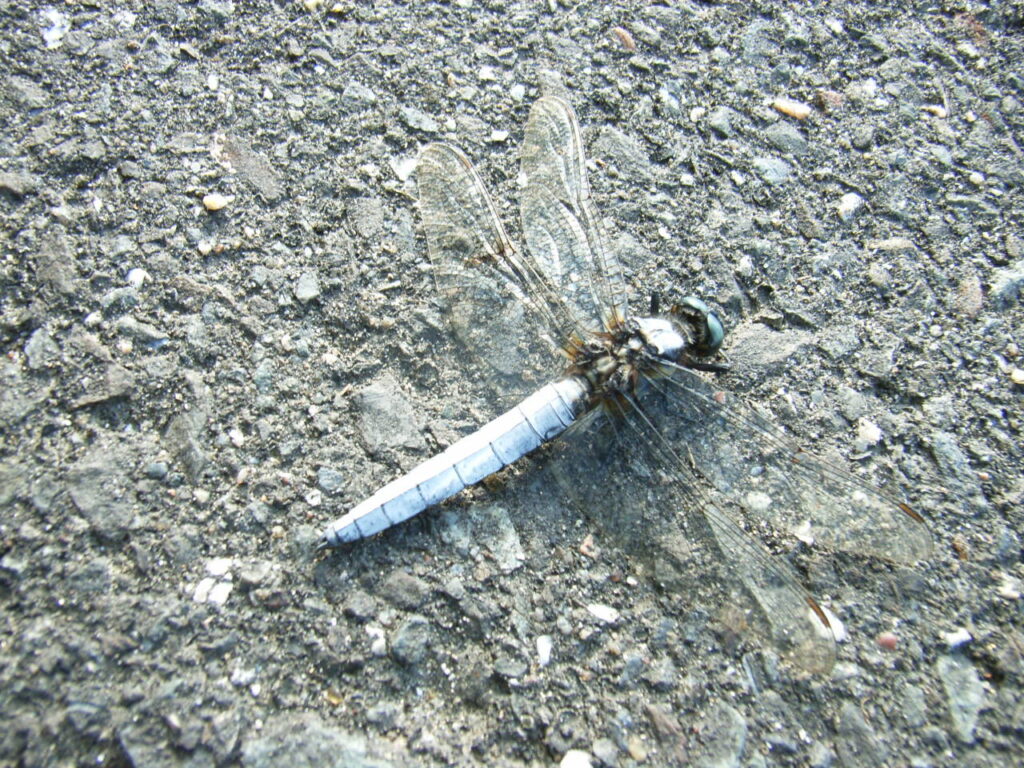
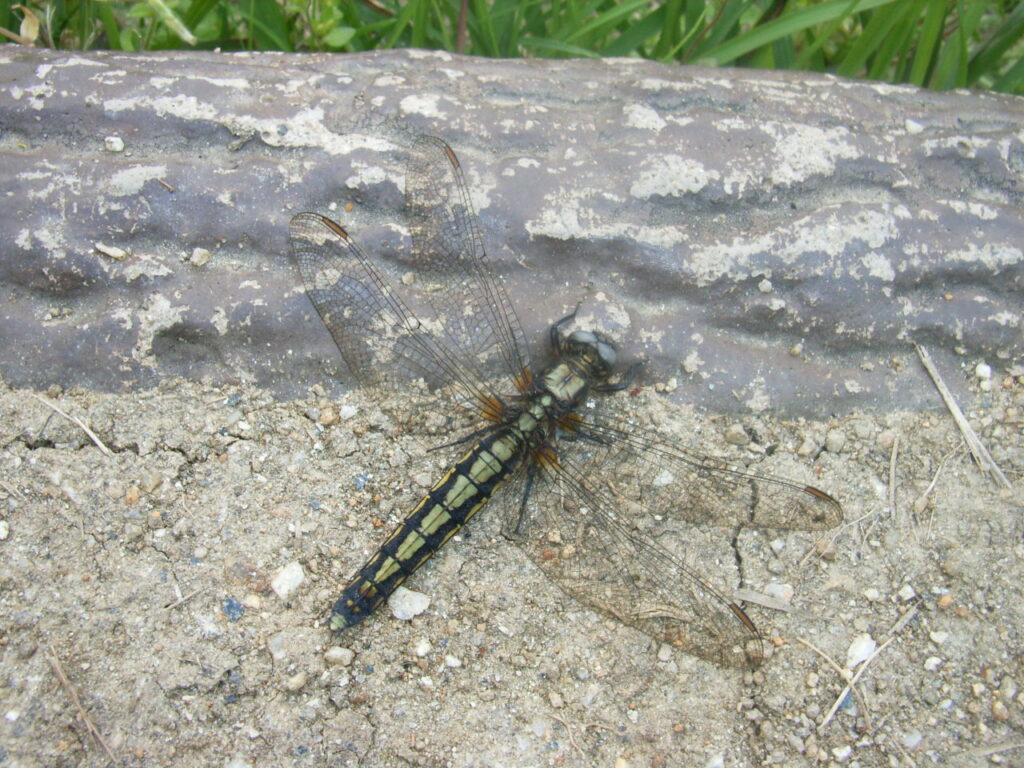
Is there a reason why these varieties turn blue?
As a preliminary step to investigating the reasons for this, research on the components, functions, and gene expression of wax, as well as the locations of wax in the body, was published in 2019 (Futahashi et al., 2019).
According to the paper, the wax is mainly composed of three very long-chain methyl ketones and four very long-chain aldehydes, substances that have not been found in any other organisms before.
Furthermore, the drastic decrease in UV reflectivity in areas where the wax was removed due to abrasions on the body surface suggested that this substance plays a role in reflecting ultraviolet light. Water repellency has also been confirmed.
In other words, the blue color of the common skimmer dragonfly also has a function related to ultraviolet light!
Furthermore, the researchers investigated where the wax is located on the bodies of three different dragonfly species: the common skimmer (males are blue), the large skimmer (males are blue), and the summer red dragonfly (males are red).
As a result, wax was found not only on the entire body of male Common Skimmers and Large Skimmers, but also on the underside of female Common Skimmers and Summer Red Skimmers. Why is this?
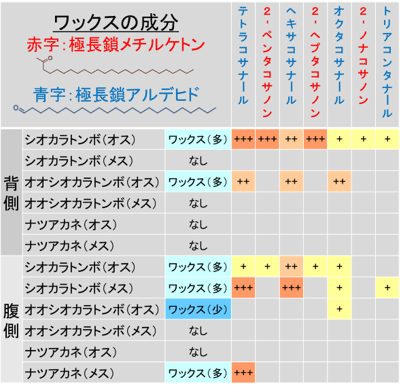
The reason for this is that these females have been observed mating in the sun, and it is thought that the mating position causes the female's underside to be exposed to sunlight for extended periods. On the other hand, the large blue dragonfly mates in the shade.
The blue color of the common skimmer dragonfly also strongly suggests that it acts as a form of "sunscreen" different from that of the red dragonfly (Nihashi, 2012).
Incidentally, the reason why red dragonflies are red and common skimmers are blue is still not fully understood. However, since the female summer darter had an additional layer of wax on it, the wax might be a stronger form of protection against ultraviolet rays. Also, since the wax has a water-repellent effect and protects against drying, common skimmers may be able to withstand harsher environments. If that's the case, it makes perfect sense that they are common creatures even in urban areas.
In the end, which is more important: attracting females or sunscreen?
We've considered two reasons so far, but ultimately, which role is more important: attracting females or sun protection?
This point seems to have never been considered, but in my opinion, although there are differences between males and females, females of species like the autumn darter also have a reddish tint, suggesting that some form of UV protection existed. It's possible that antioxidants and waxes evolved as a form of UV protection, and then males began to establish territories, leading to a change in their coloration. Later, combined with the dragonfly's excellent color vision, this may have been used for sex identification and attracting females.
It is common in the evolutionary process for the role of certain characteristics of an organism to change (pre-adaptation). While research is still ongoing on red dragonflies, common skimmers, and other dragonflies exhibiting sexual dimorphism, further research is likely to reveal more about their habitats! Furthermore, wax is also expected to have applications as a UV reflector!
References
Nihashi, Ryo. 2012. The World of Dragonflies is Full of Wonders. PEN 3(9): 3-8. ISSN: 2185-3231, https://biomimetics.es.hokudai.ac.jp/wordpress/wp-content/uploaded_media/2014/04/f7726e7bf52f8ae202ac175826946a9e.pdf
Nihashi, Ryo. 2013. Color variation and color polymorphism in dragonflies. Sericulture and Insect Biotechnology 82(1): 25-29. ISSN: 1881-0551, https://doi.org/10.11416/konchubiotec.82.1_25
Nihashi, Ryo. 2014. The true nature of the red color of the red dragonfly, which was also used in traditional Chinese medicine. Pharmacia 50(11): 1086-1090. ISSN: 0014-8601, https://doi.org/10.14894/faruawpsj.50.11_1086
Futahashi, R. 2016. Color vision and color formation in dragonflies. Current Opinion in Insect Science 17: 32-39. ISSN: 2214-5745, https://doi.org/10.1016/j.cois.2016.05.014
Futahashi, R., Kurita, R., Mano, H., & Fukatsu, T. 2012. Redox alters yellow dragonflies into red. Proceedings of the National Academy of Sciences 109(31): 12626-12631. ISSN: 0027-8424, https://doi.org/10.1073/pnas.1207114109
Futahashi, R., Yamahama, Y., Kawaguchi, M., Mori, N., Ishii, D., Okude, G., … & Fukatsu, T. 2019. Molecular basis of wax-based color change and UV reflection in dragonflies. eLife 8: e43045. ISSN: 2050-084X, https://doi.org/10.7554/eLife.43045
Nakamura, Shigeo. 2013. Chemistry of reactive oxygen species and antioxidants. Journal of the Nippon Medical School 9(3): 164-169. ISSN: 1349-8975, https://doi.org/10.1272/manms.9.164
Ozono, A., Kawashima, I., & Nihashi, R. 2021. Dragonflies of Japan, Revised Edition. Bun-ichi Sogo Shuppan, Tokyo. 531pp. ISBN: 9784829984086
Sasaki, Masako. 2006. Understanding Solar Ultraviolet Radiation Through Illustrations and Data: How to Wisely and Harmoniously Interact with the Sun. CGER Report M018: 1-113. ISSN: 1341-4356, https://cger.nies.go.jp/publications/report/m018/
Matsuka, M., Kitano, H., Matsumoto, T., Ohno, M., and Gokan, N. 1992. Insect Biology. Tamagawa University Press, Machida. 240pp. ISBN: 9784472075421