Polygonaceae

Sponsored Link
plant

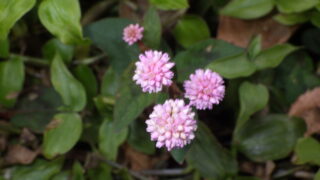
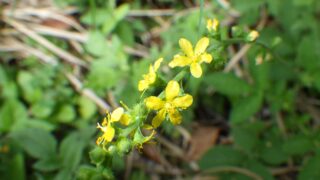
What are the differences between Polygonum capitatum and Polygonum capitatum? An explanation of how to distinguish between similar species.

Both Polygonum capitatum and Polygonum persicaria belong to the genus Polygonum in the family Polygonaceae. They are among the most common perennial herbs in the genus Polygonum, and Polygonum persicaria in particular can be found very commonly on the stone walls of houses in urban areas. While the genus Polygonum contains a vast number of species, these two species share morphological similarities...
plant

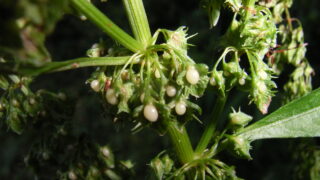
What are the differences between dock, long-leaved dock, rough dock, and Ezo dock? How do you distinguish them from sorrel? We'll explain how to tell similar species apart! Did they rely on wind for pollination? Seed dispersal methods were more diverse than you might imagine!

Rumex japonicus, Rumex longifolius, Rumex crispus, and Rumex japonicus all belong to the genus Rumex in the family Polygonaceae. Originally, only Rumex japonicus was found in Japan, but multiple species have invaded and become extremely common weeds. They also share a common preference for disturbed soil, and are often found growing together...
plant

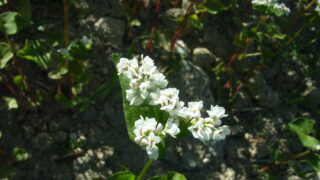
What are the differences between buckwheat (soba), Tartary buckwheat (Tartary buckwheat), and Shakuchiri buckwheat (Shakuchiri buckwheat)? We explain how to distinguish between similar varieties! Is buckwheat's origin in mountainous regions? Why do Japanese people eat it as noodles? Are honeybees the only insects that visit its flowers?

Buckwheat, Tartary buckwheat, and Japanese buckwheat are all species that can be found in Japan, either cultivated or naturalized. Buckwheat, in particular, is indispensable to Japanese people as a noodle dish, but few people can distinguish between these three species as plants. These three species differ in the way their flowers grow, the shape of their fruits, etc.
Sponsored Link